Artwork
Portrait of Louis Napoleon, King of Holland
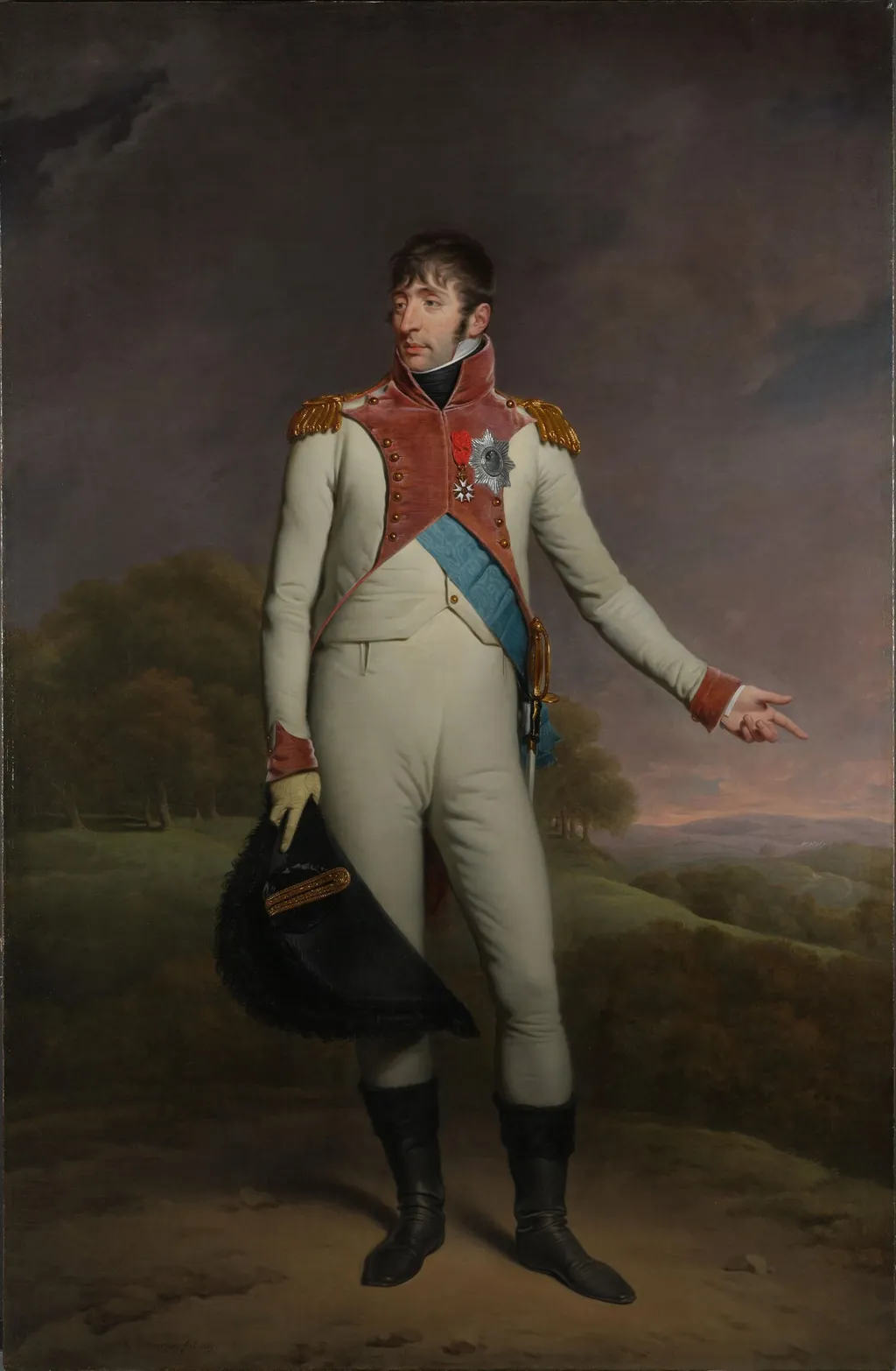
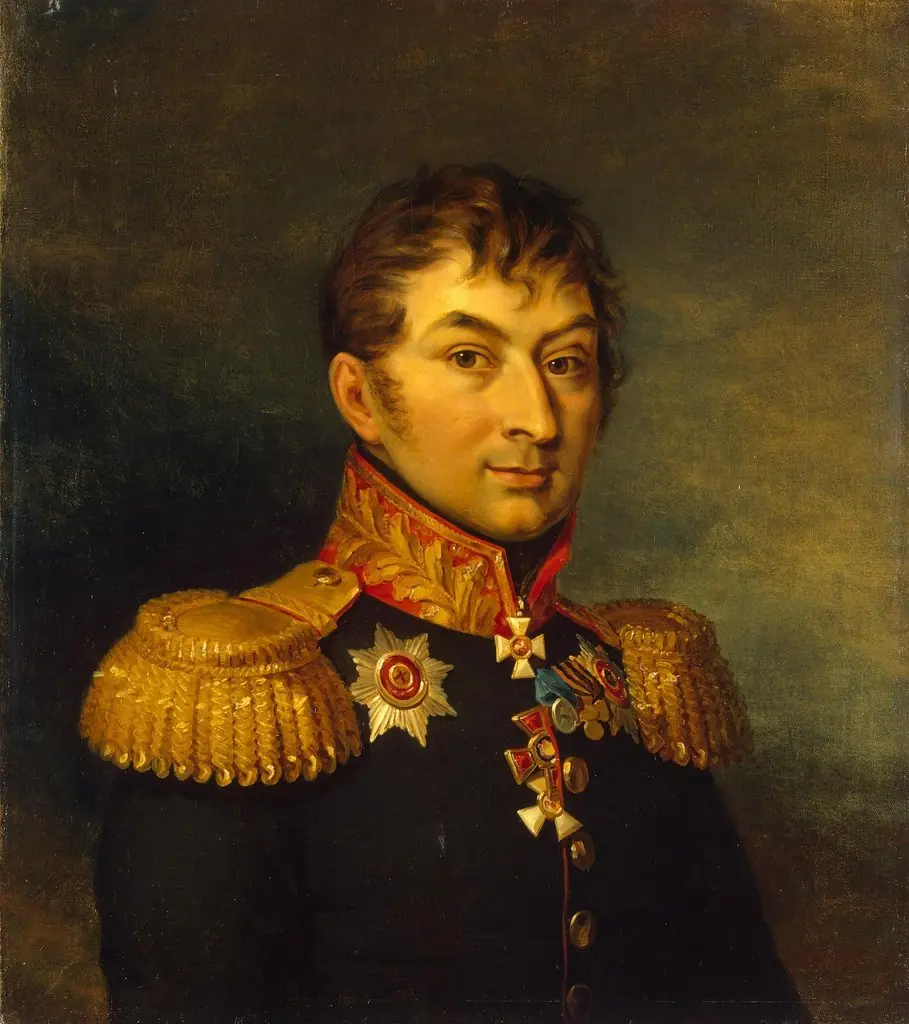
Portrait of Louis Napoleon, King of Holland is an unspecified painting by the Biedermeier artist Charles Howard Hodges. It dates from 1809 and is held in the collection of the Rijksmuseum. The portrait depicts Louis Bonaparte, younger brother of Napoleon, in a formal red military coat set against a dark backdrop.
About this work
He actually tried to rule for the Dutch, not just for France, something his brother hated.
A man in a red coat sits stiffly against a dark background. Gold braid glints on his sleeves, and a star-shaped medal hangs from his chest.
This is Louis Napoleon, Napoleon’s younger brother, who was made king of Holland in 1806. He actually tried to rule for the Dutch, not just for France, something his brother hated. Within four years, Napoleon forced him out.
To see more portraits from this uneasy time, visit the Rijksmuseum.
Subject & Meaning
The painting depicts Louis Bonaparte, who served as the King of Holland after being installed on the throne by his brother, Emperor Napoleon Bonaparte. Created in 1809, the work functions as a formal royal portrait documenting one of the five distinct political leaders of the Netherlands during the turbulent Napoleonic era. As part of a broader series by the artist covering the transition from the Dutch Republic to the Kingdom, the image represents the specific historical moment of French-imposed monarchy in the region. The subject is portrayed with the dignity appropriate to his status as a reigning monarch, reflecting the artist's specialization in capturing the likenesses of the period's most powerful figures.
Technique & Style
Charles Howard Hodges employed the mezzotint technique, learned in England, and the pastel method he studied under Johann Friedrich August Tischbein in Amsterdam. His portraits, including the 1809 depiction of Louis Napoleon, King of Holland, were executed on paper or canvas using these media, resulting in finely detailed, tonal renderings characteristic of late 18th‑century portraiture. The work reflects the formal conventions of Dutch elite portraiture, emphasizing precise facial modeling and restrained composition.
Context
Charles Howard Hodges occupies a unique position in Dutch art history as the primary English painter to document the nation's turbulent Napoleonic era. He is distinguished for having painted portraits of all five successive Dutch leaders, ranging from Stadtholder Willem V to King William I, with the 1809 portrait of Louis Napoleon serving as a key example of this comprehensive record. Art historians note that Hodges adapted his style under the influence of Johann Friedrich August Tischbein and William Hamilton, blending English mezzotint traditions with Dutch pastel and oil techniques. His prolific output of over 700 portraits established him as a leading chronicler of the period's political and social elite. Beyond his artistic contributions, Hodges played a significant administrative role in 1815 by advising the Dutch government on the restitution of artworks confiscated by French forces, further cementing his legacy within the cultural recovery of the Netherlands.
Own this work as a print
Artist & collection
Artist
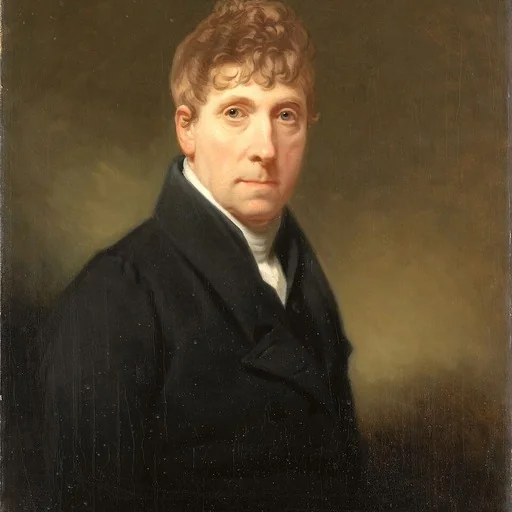
Charles Howard Hodges (1764 – 24 July 1837) was an English painter active in the Netherlands during the late 18th and early 19th centuries.

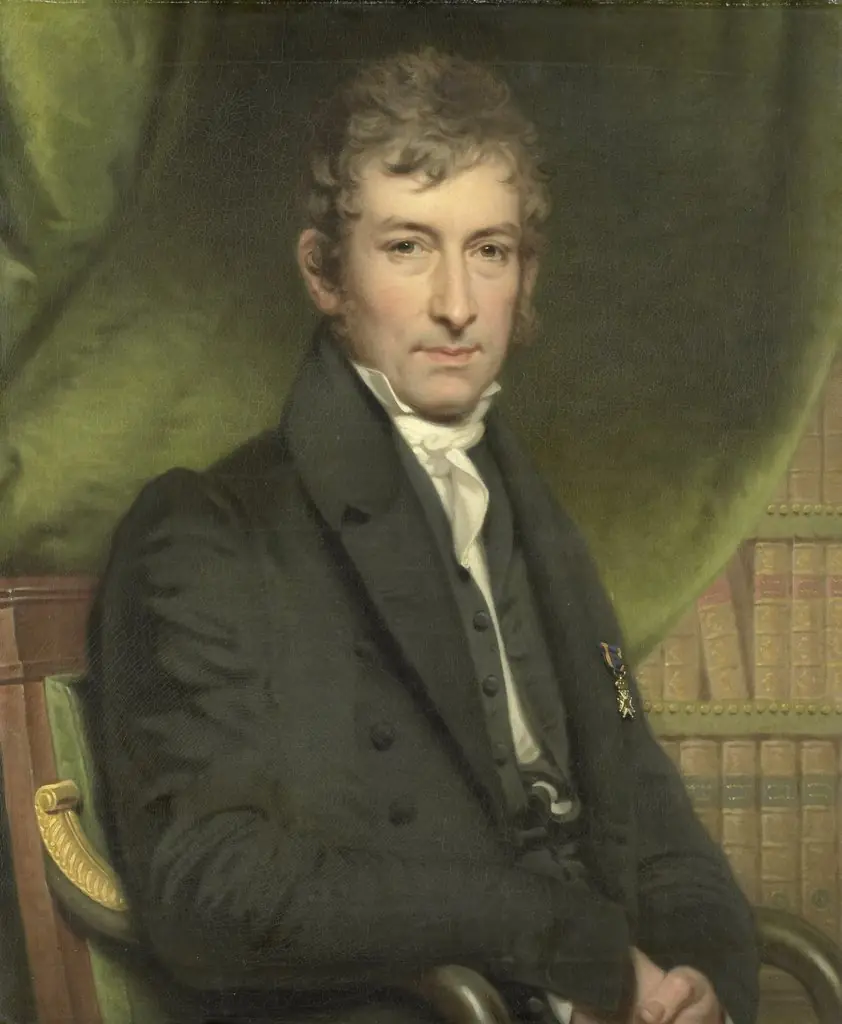 Portrait of Johan Fraser
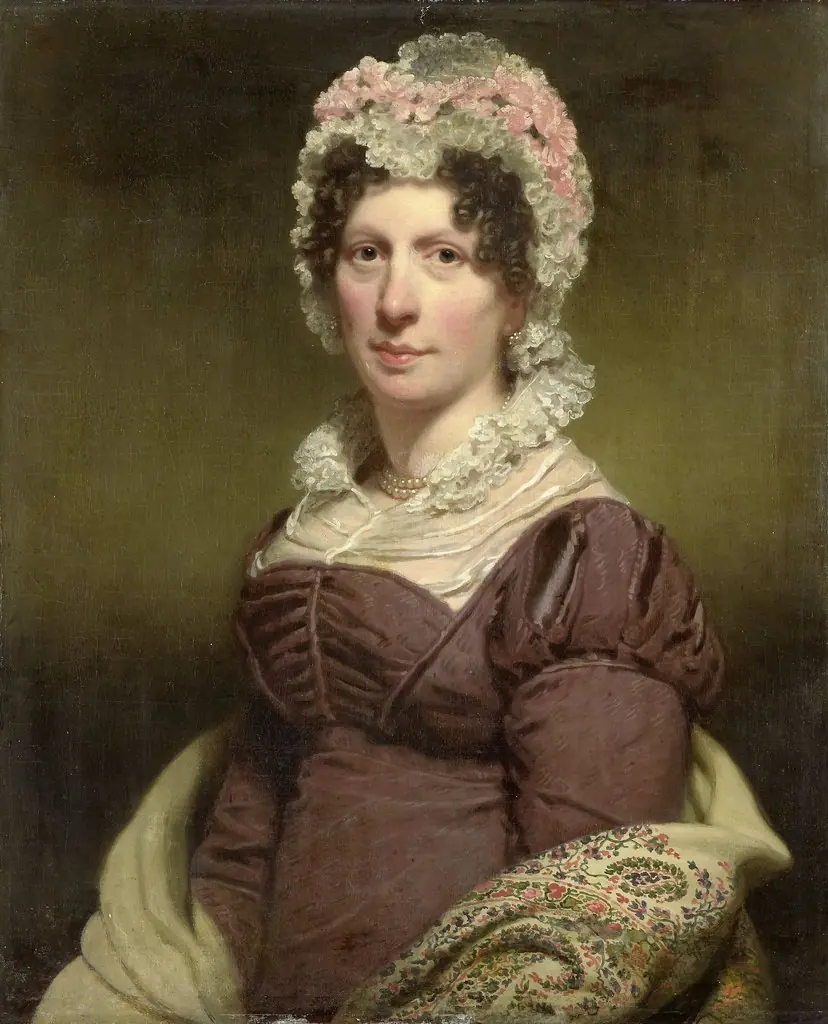 Portrait of a Woman
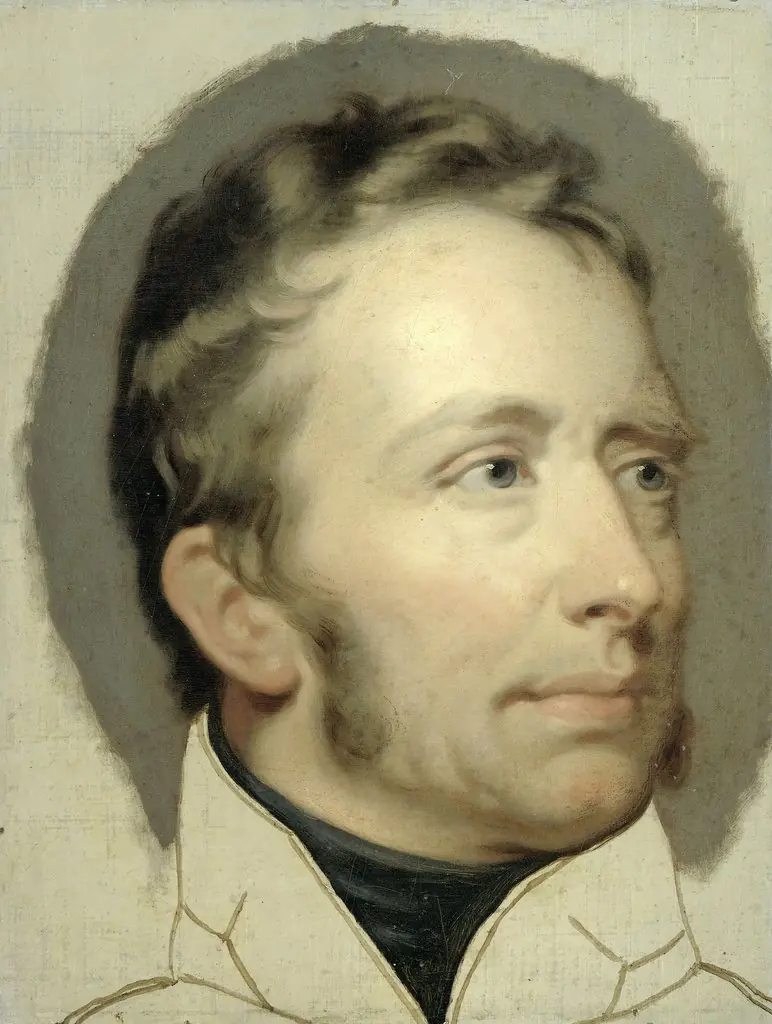 William I (1772-1843), King of the Netherlands
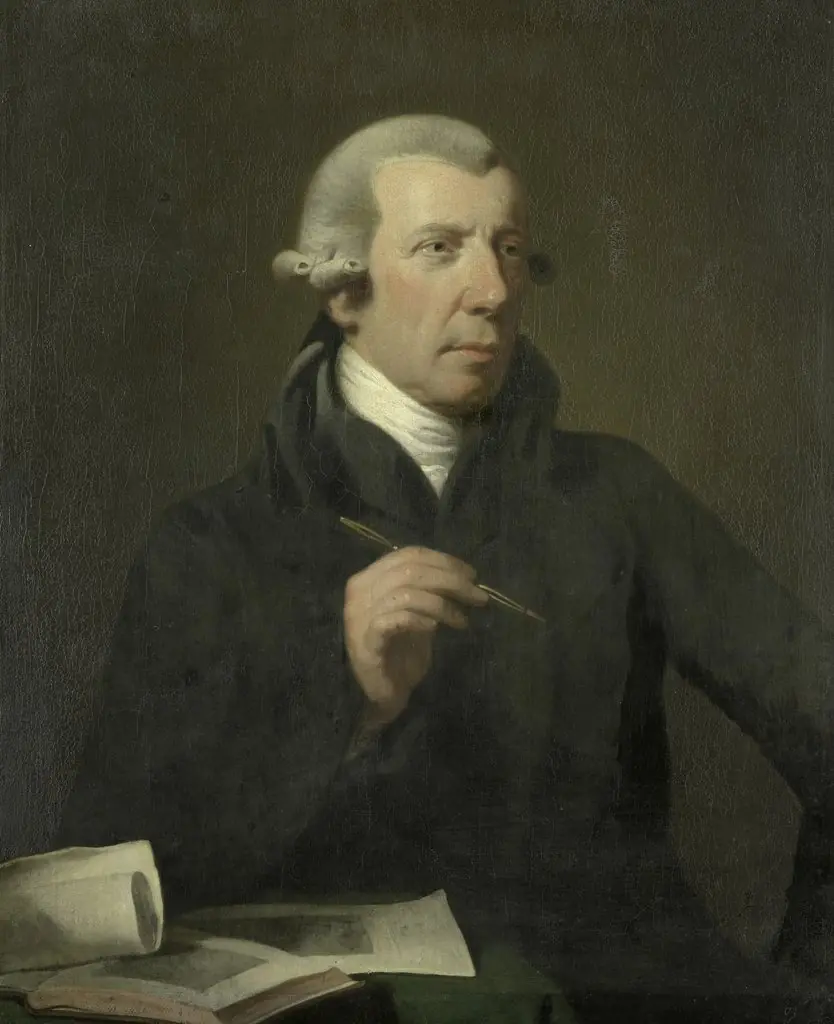 Portrait of Reinier Vinkeles, Draftsman and Engraver
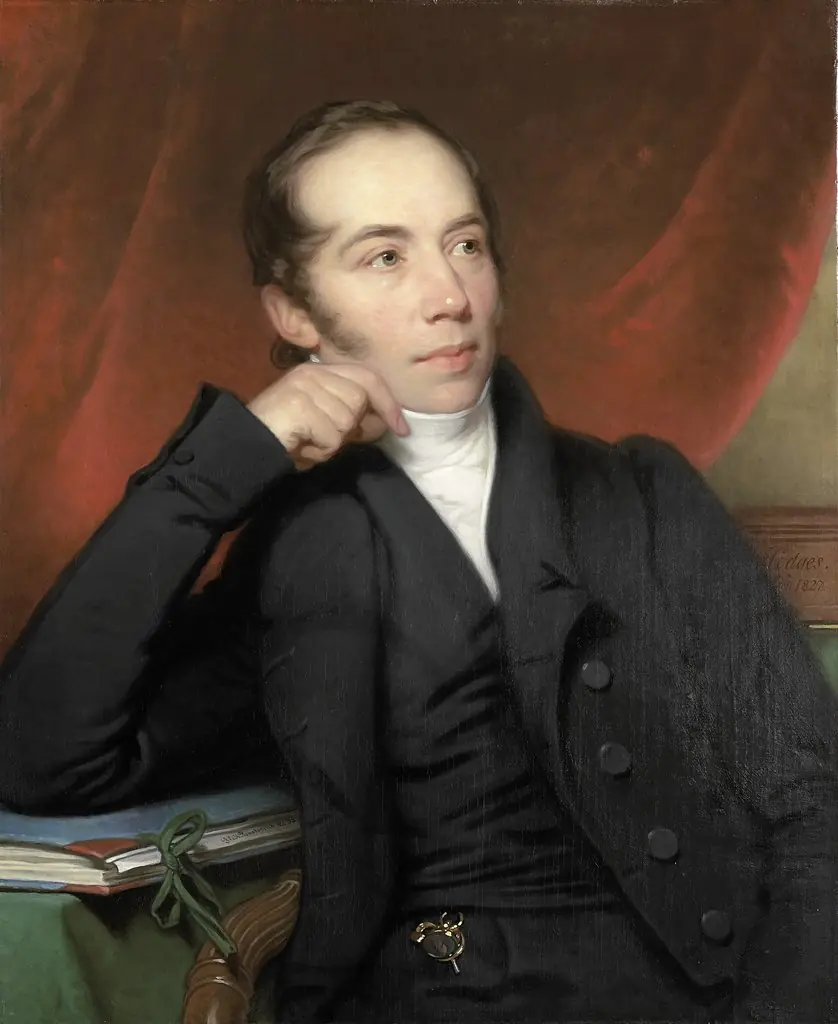 Portrait of Pieter Ernst Hendrik Praetorius, Broker, Draftsman and Painter. Chairman of the Board of the Rijksmuseum 1852-74
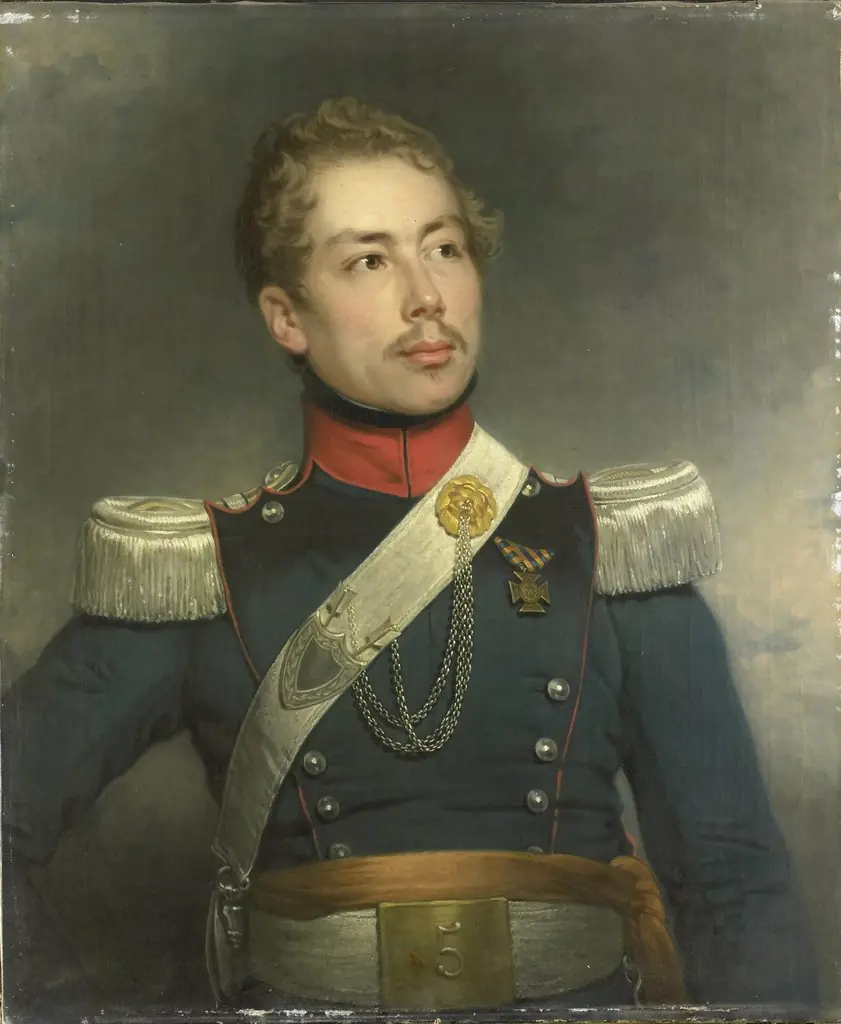 Portrait of Christian Edouard Fraser, Second Lieutenant of the 5th Regiment of the Dragoons
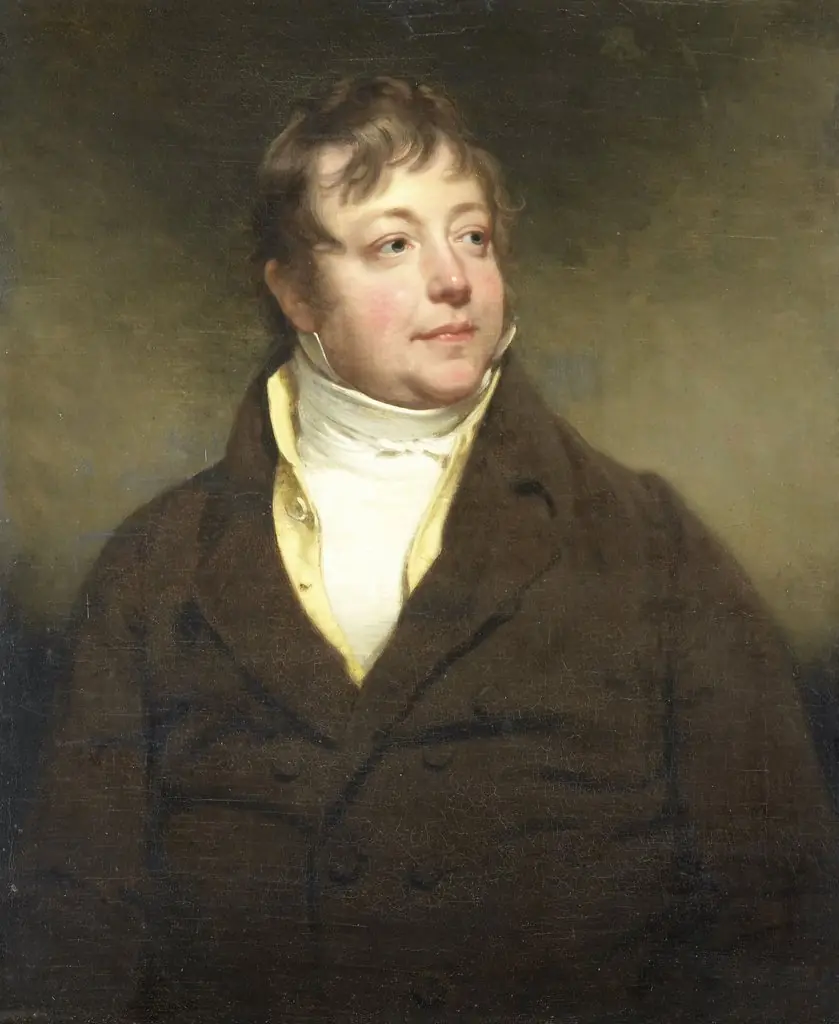 Portrait of a Man, perhaps J.W. Beynen
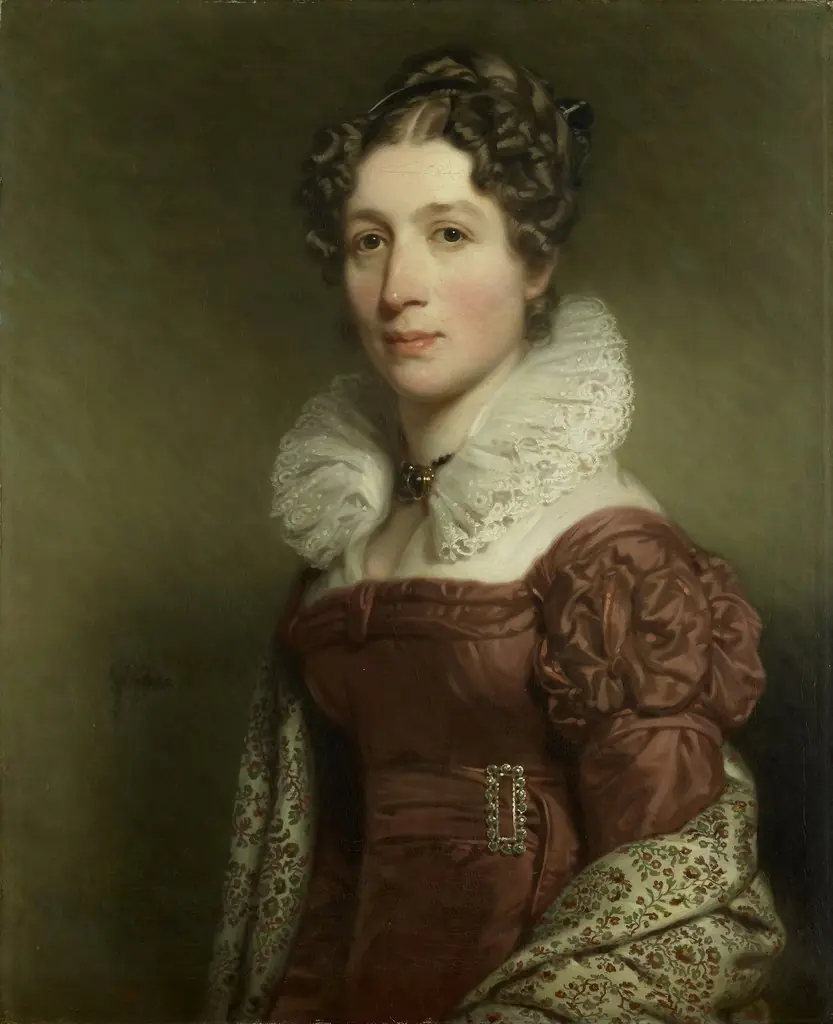 Portrait of Jacoba Vetter, Wife of Pieter Meijer Warnars, Bookseller in Amsterdam
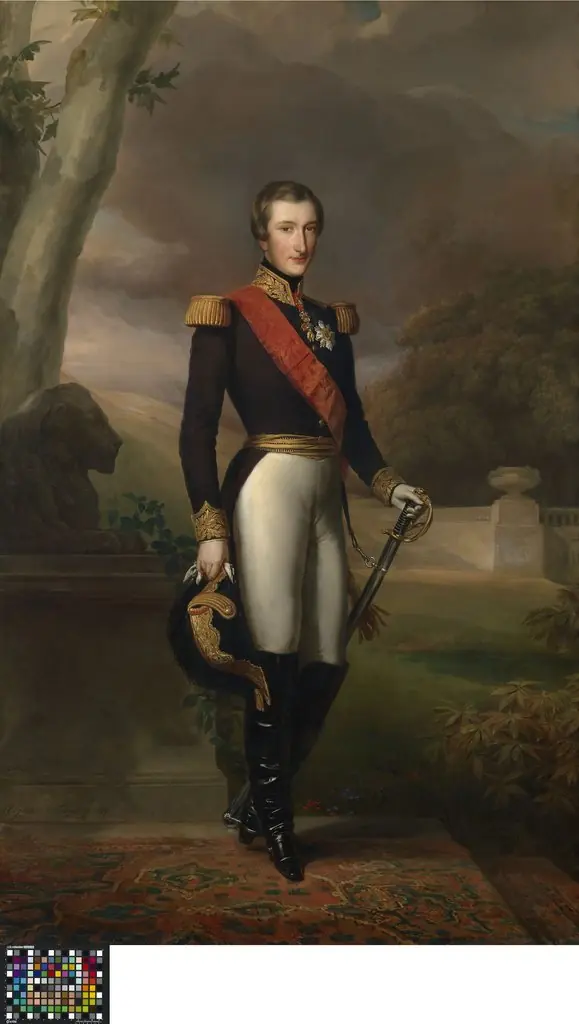 Portret van Leopold II, koning der Belgen, als hertog van Brabant
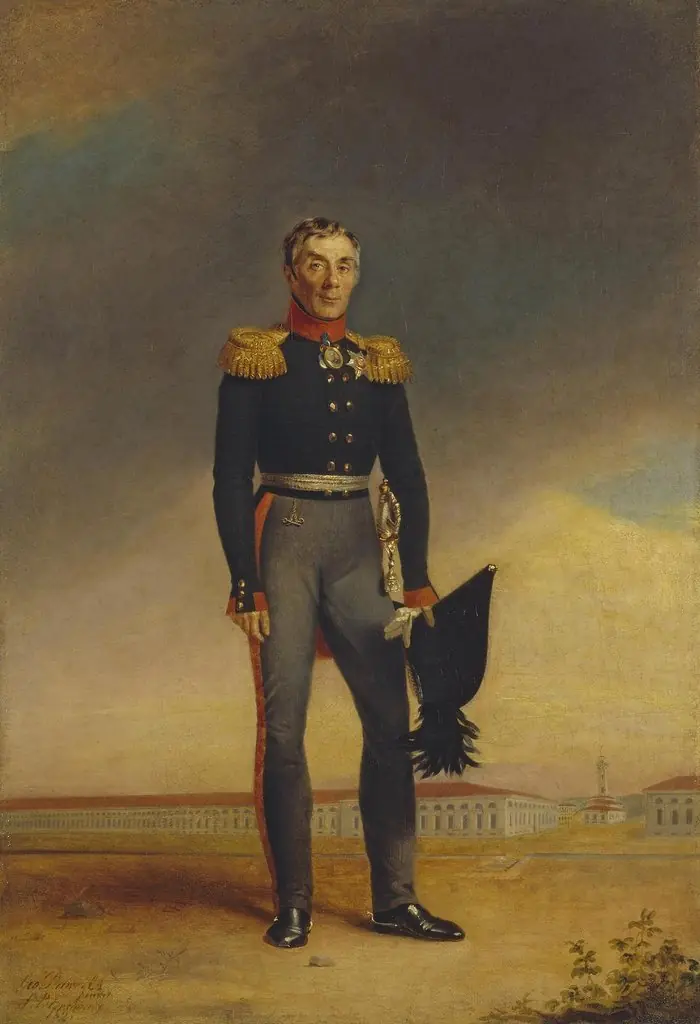 Portrait of Count Alexey Arakcheyev
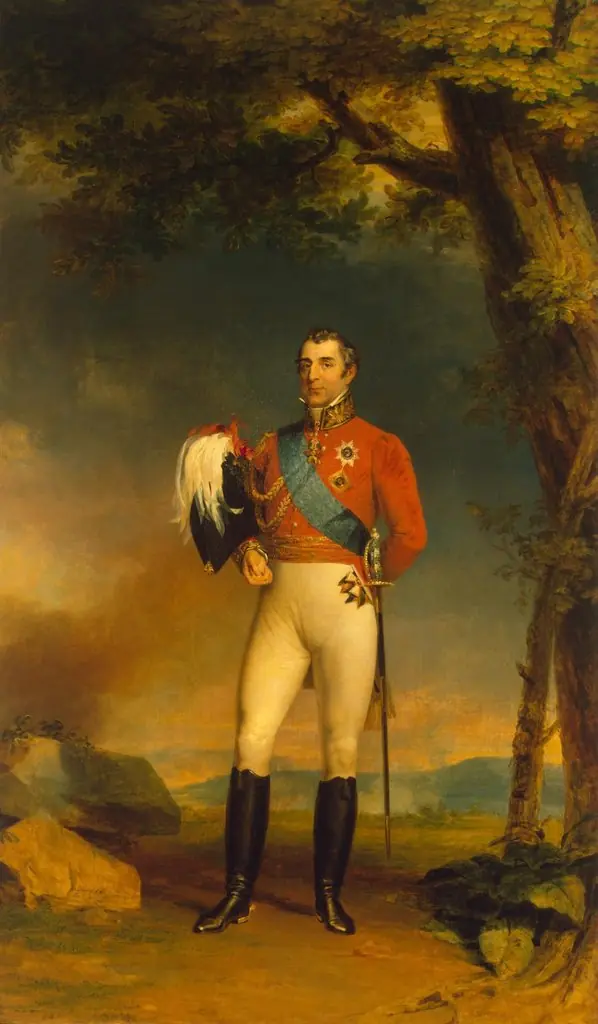 Portrait of Duke of Wellington (1769-1852)
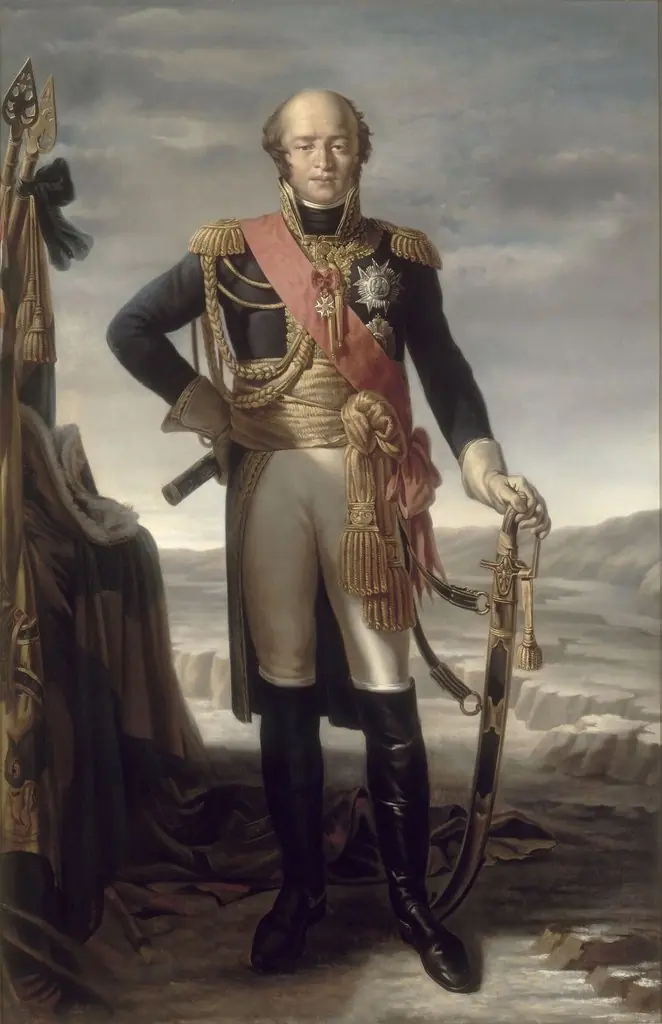 Portrait de Louis Nicolas Davout
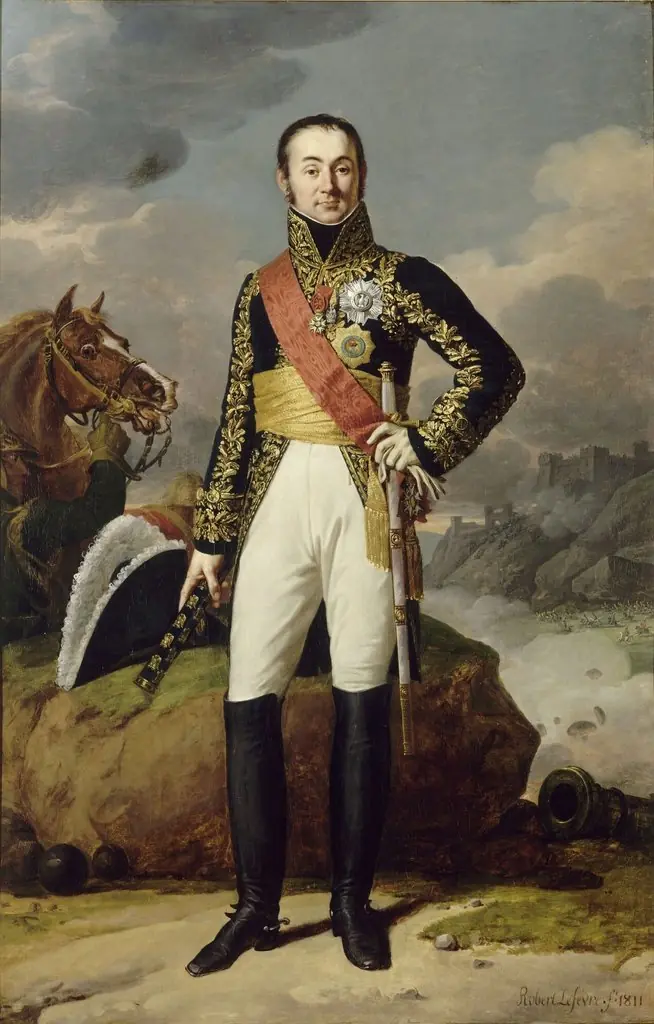 Nicolas-Charles Oudinot, Duke of Reggio, Marshal of France (1767-1847)
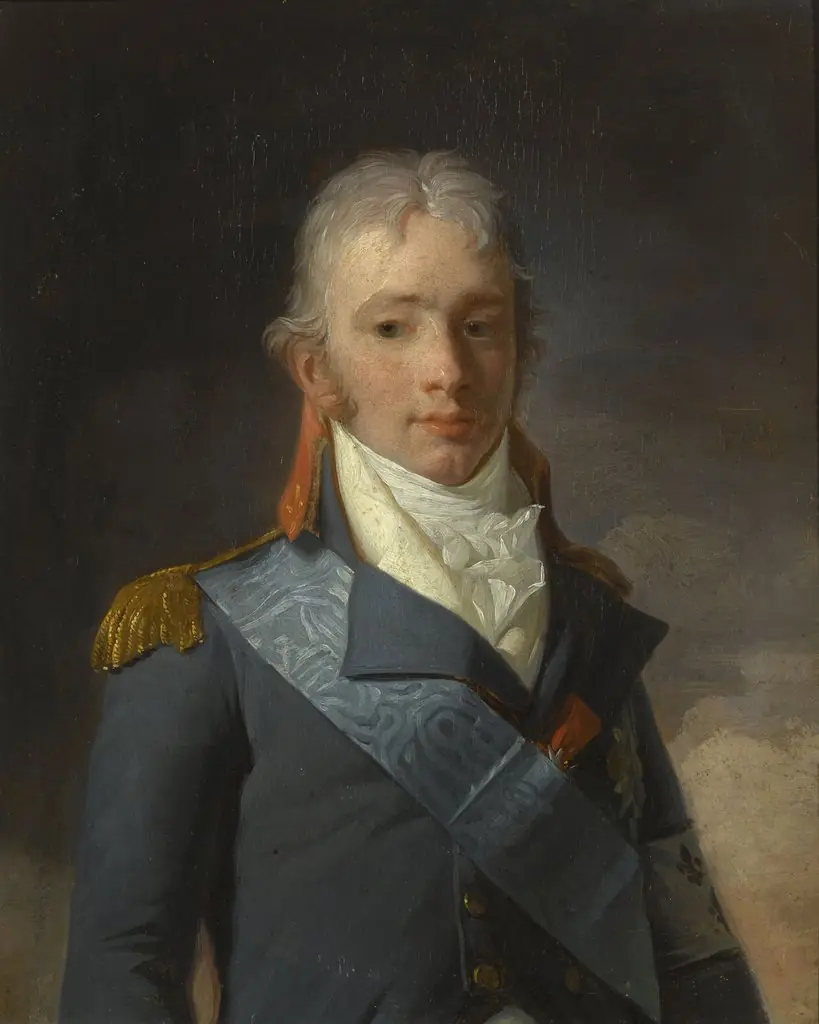 Charles-Ferdinand d'Artois, Duke of Berry
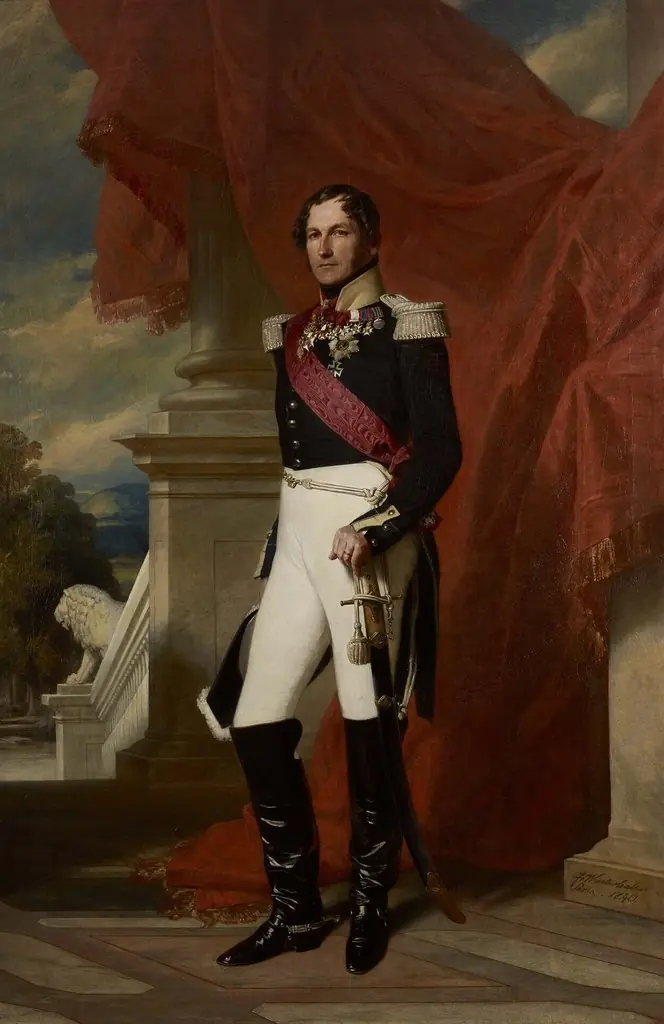 Leopold I, King of the Belgians
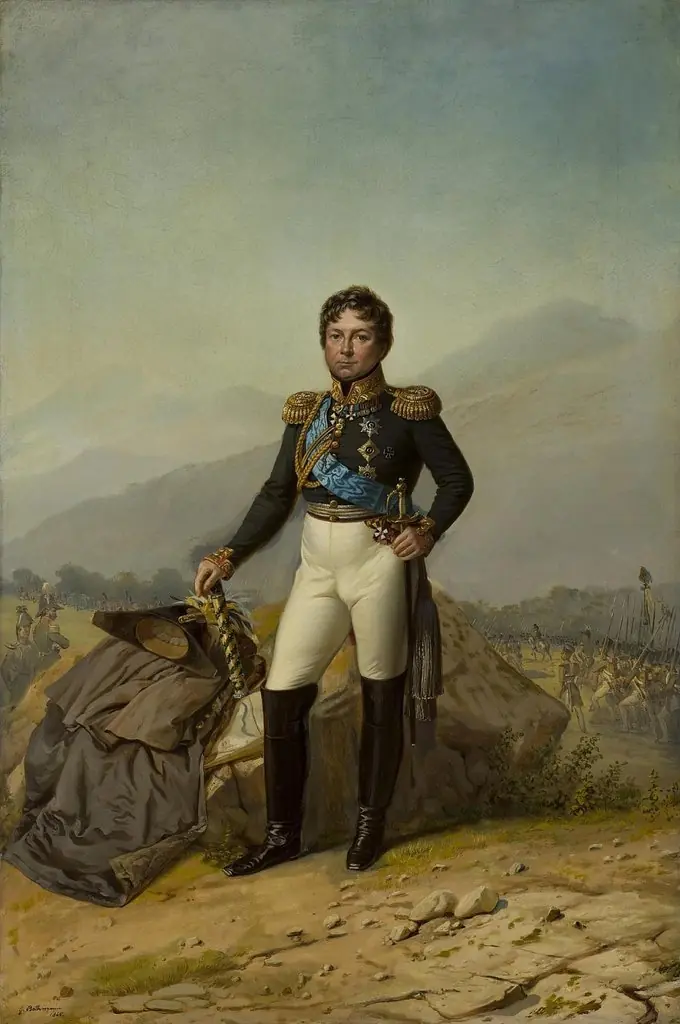 "Portrait of Field-Marshal Count I.I. Diebitsch
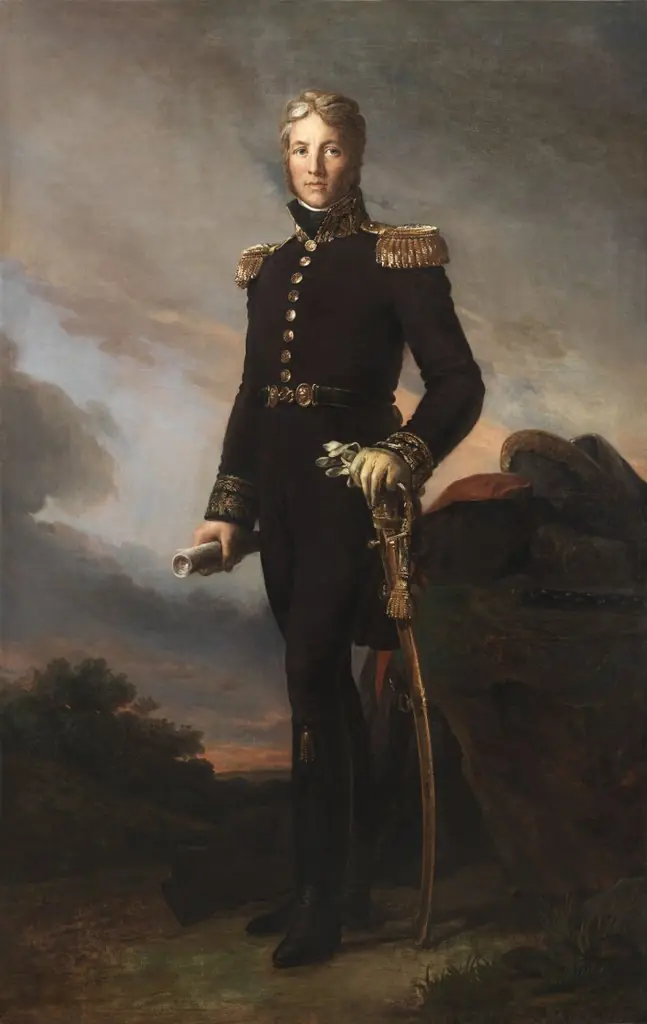 Jean-Victor Moreau (1763-1813), général en chef de l'armée du Rhin
 Portrait of Ivan D. Panchulidzev (1759-1815) (1st)