Artwork
Henry George
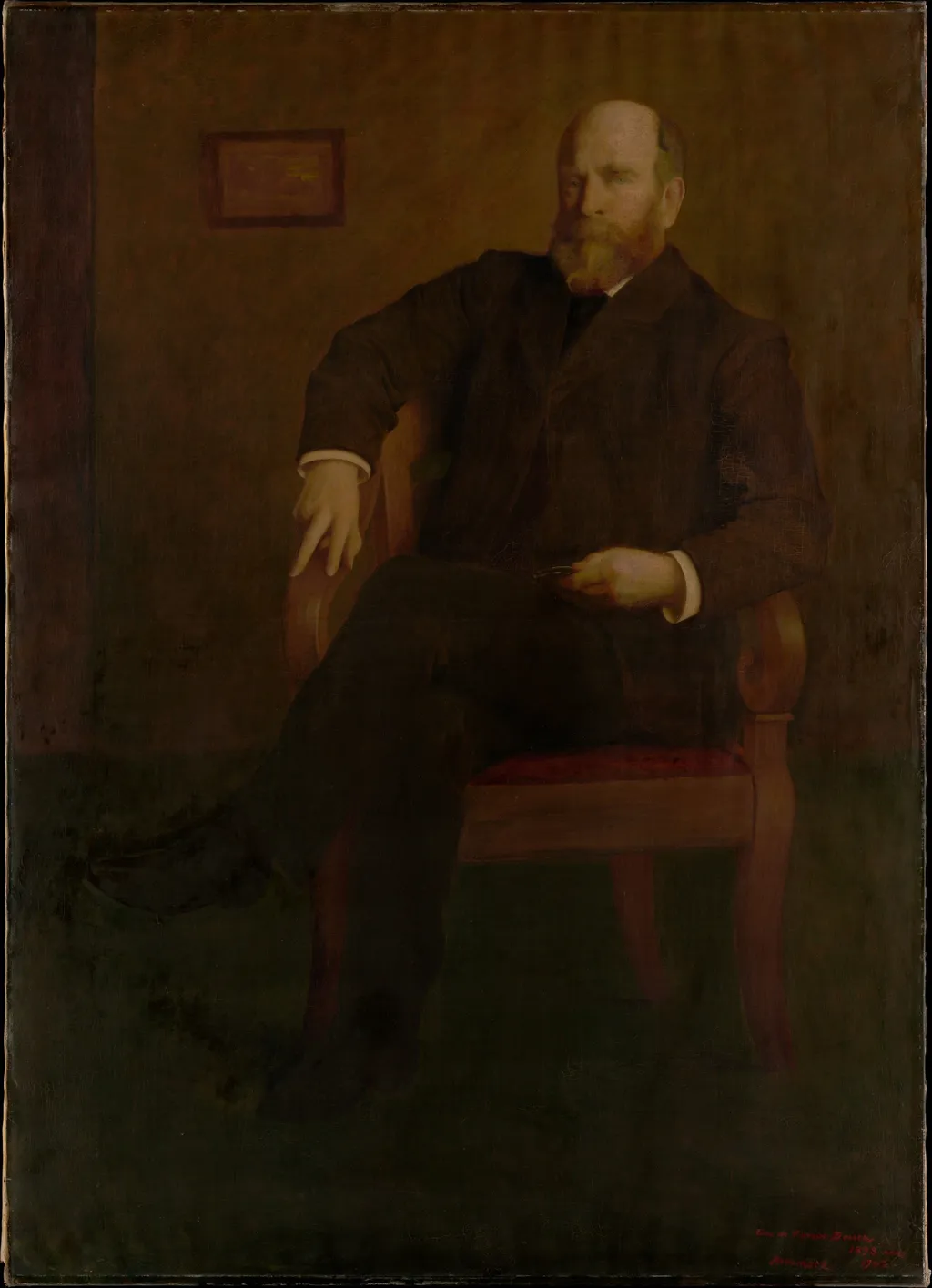
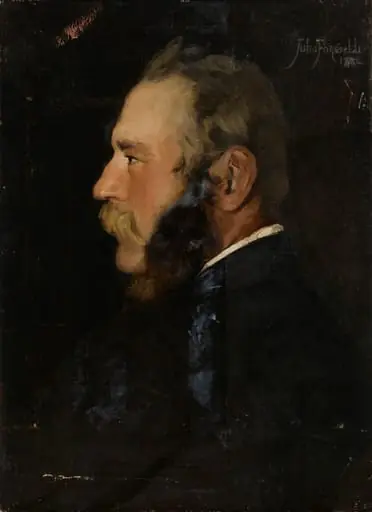
Henry George is an oil painting by the American Impressionist artist George de Forest Brush. It dates from 1903 and is held in the collection of the Metropolitan Museum of Art.
About this work
Subject & Meaning
The painting depicts Henry George, a prominent American political economist and social reformer, rendered in a realist style by George de Forest Brush in 1903.
The painting depicts Henry George, a prominent American political economist and social reformer, rendered in a realist style by George de Forest Brush in 1903. The subject is portrayed as an older man with a contemplative expression, emphasizing his intellectual and reformist identity. The portrait aligns with Brush’s focus on character study, capturing George’s dignified yet introspective demeanor.
As a leading advocate for land value taxation, George’s inclusion in the work underscores his cultural and ideological significance during the Progressive Era. The painting’s formal composition and muted palette reinforce the gravity of its subject, positioning George as a figure of moral and economic authority.
Technique & Style
The work titled Henry George is an oil painting executed on canvas in 1903. According to the catalog entry, the medium is oil paint and the support is canvas, a combination typical of formal portraiture of the period. The painting measures approximately 163.8 cm in height by 118.1 cm in width and depicts the subject Henry George in a conventional portrait format.
It belongs to the portrait genre and is housed in the Metropolitan Museum of Art, where it remains part of the permanent collection. The composition reflects a realistic rendering with attention to anatomical detail and subdued tonal modeling characteristic of George de Forest Brush’s academic style.
History & Provenance
The portrait of Henry George was created by George de Forest Brush in 1903. Executed in oil paint on canvas, the work measures 163.8 cm in height and 118.1 cm in width. The painting depicts the subject as a man and is classified within the portrait genre.
Since its inception, the artwork has been held in the collection of the Metropolitan Museum of Art, where it remains located. No specific details regarding the original commission, the specific chain of ownership prior to the museum's acquisition, or the precise dates of the creation process beyond the year 1903 are provided in the available records.
Overview
George de Forest Brush completed this oil portrait of Henry George in 1903. The painting, now housed at The Metropolitan Museum of Art, captures the subject in a moment of quiet introspection. It exemplifies Brush's skill in figure painting and reflects the artistic currents of American Impressionism, particularly through its focus on capturing a contemplative mood rather than a strict likeness.
Context
George de Forest Brush was an American painter known primarily for his figure compositions. Beyond his artistic practice, Brush was a proponent of Georgism, an economic philosophy. His diverse interests also extended to practical applications, as he collaborated with his friend Abbott H. Thayer and family members on developing military camouflage techniques, reflecting a blend of artistic and scientific inquiry.
Own this work as a print
Artist & collection

Artist
George de Forest Brush (September 28, 1855 – April 24, 1941) was an American painter and Georgist.

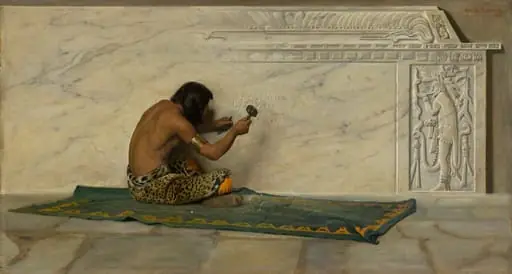
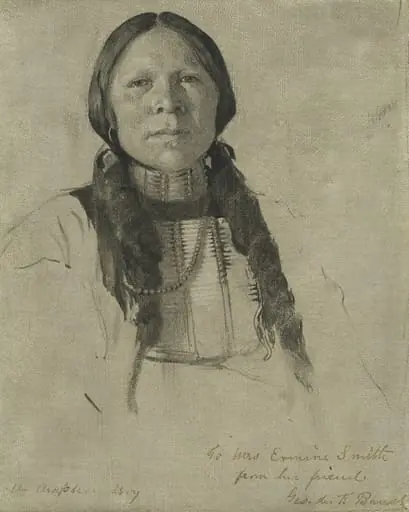
- Portrait of George Eumorfopoulos
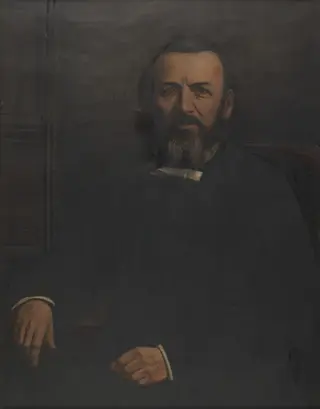 Reverend David Phillips
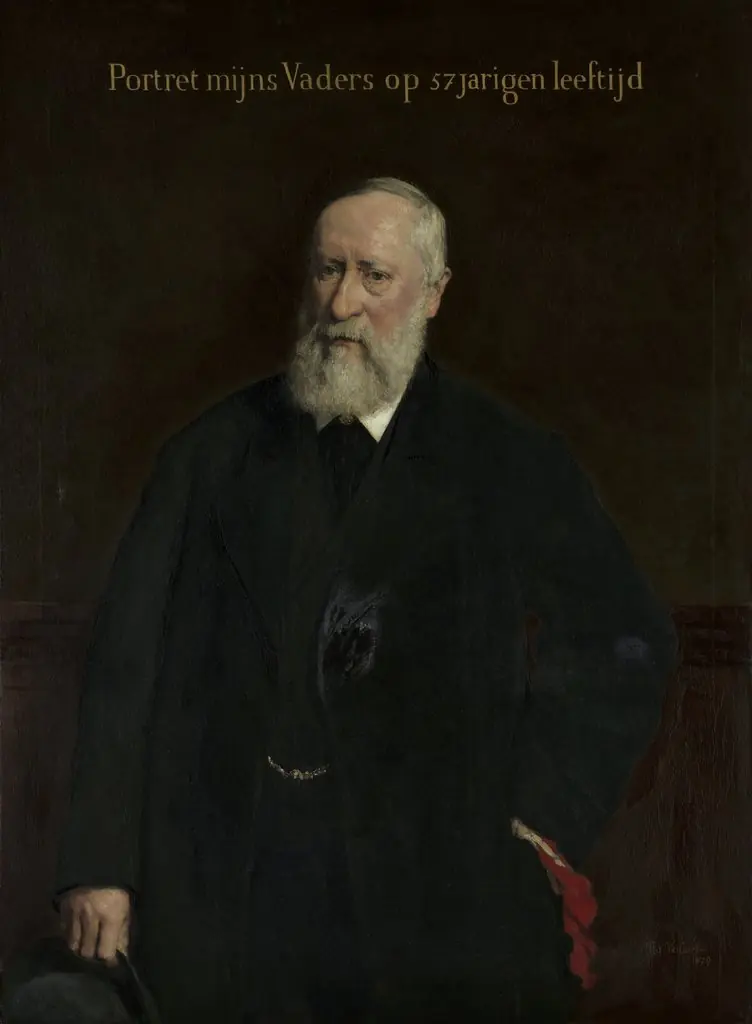 Jan Verhaert, the Artist's Father
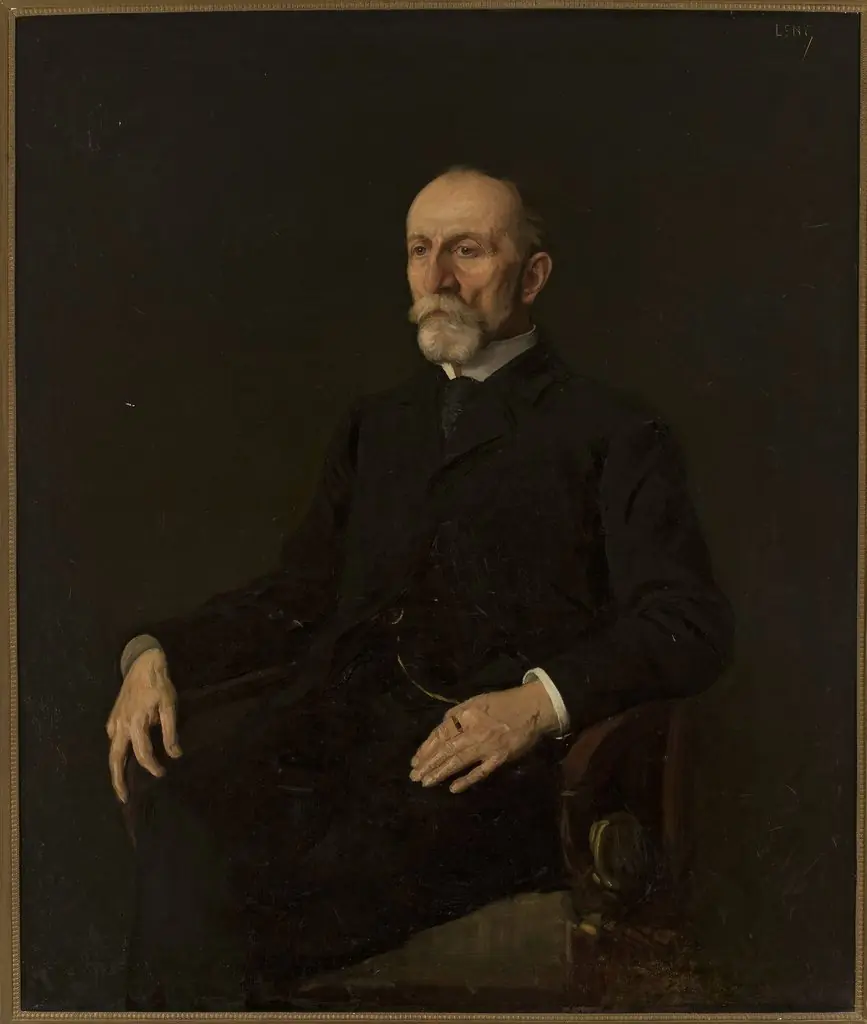 Portrait of Władysław Bogusławski
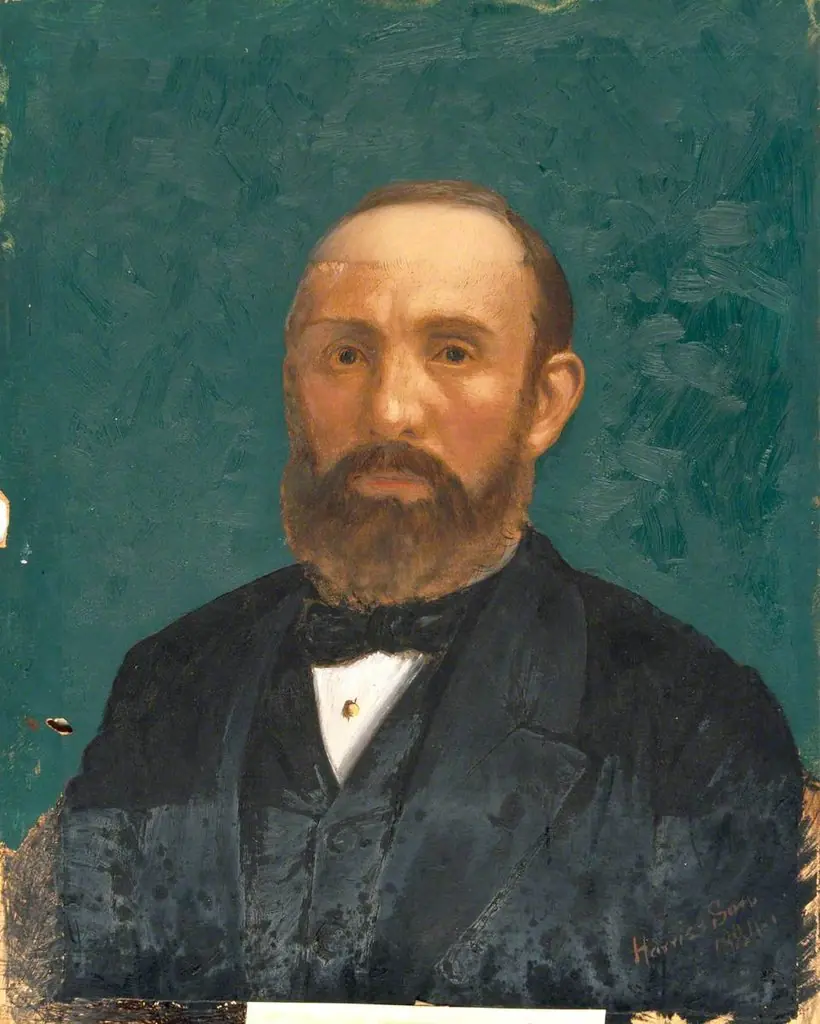 David William Jones
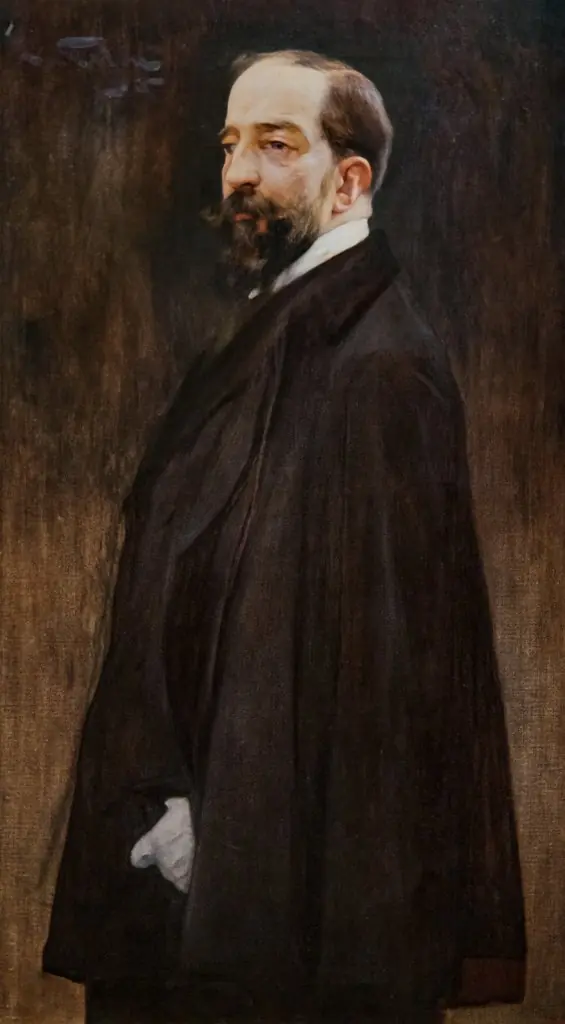 Retrat de Joan Baptista Parés (1847-1926) (Museu Nacional d'Art de Catalunya, inv 010150-000)
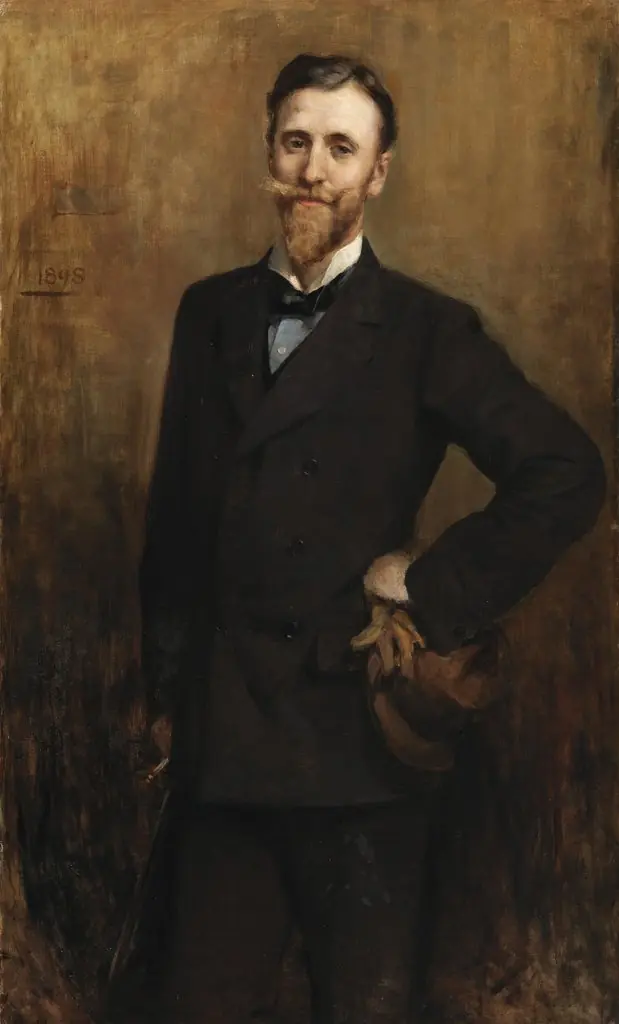 Portrait of T.P. Gill, Journalist, Secretary, Department of Agriculture and Technical Instruction
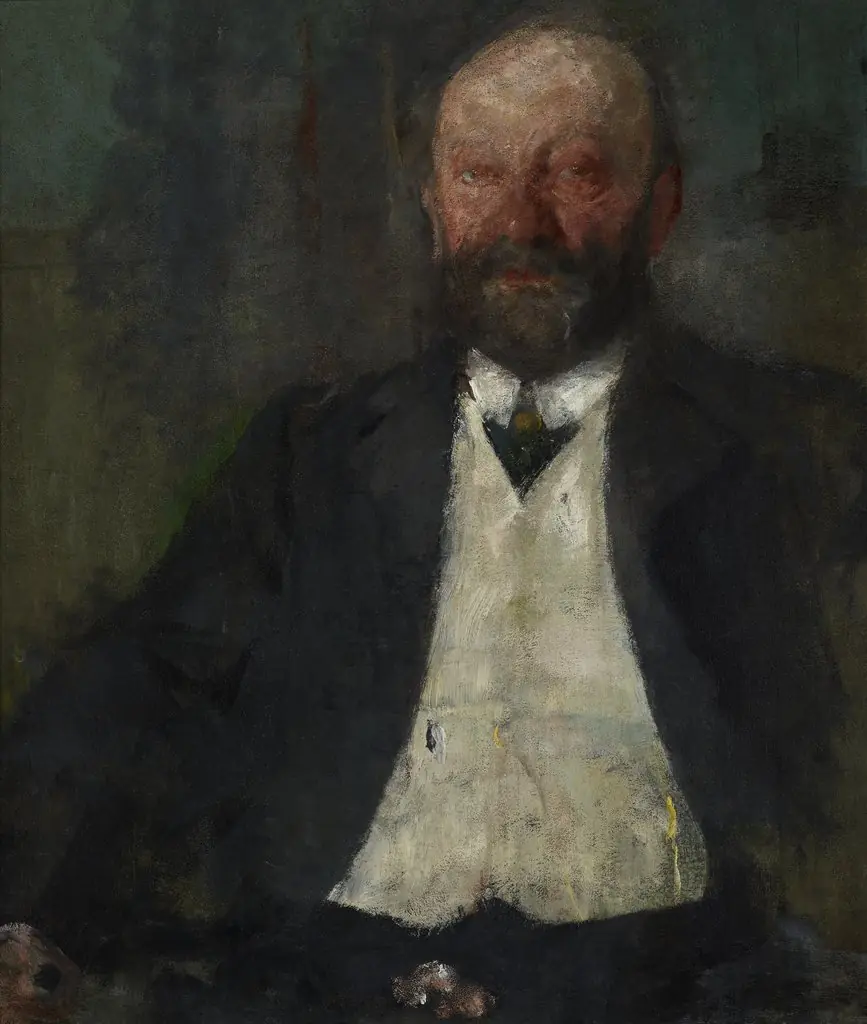 Portrait of Adam Nowina Boznański, Artist's Father
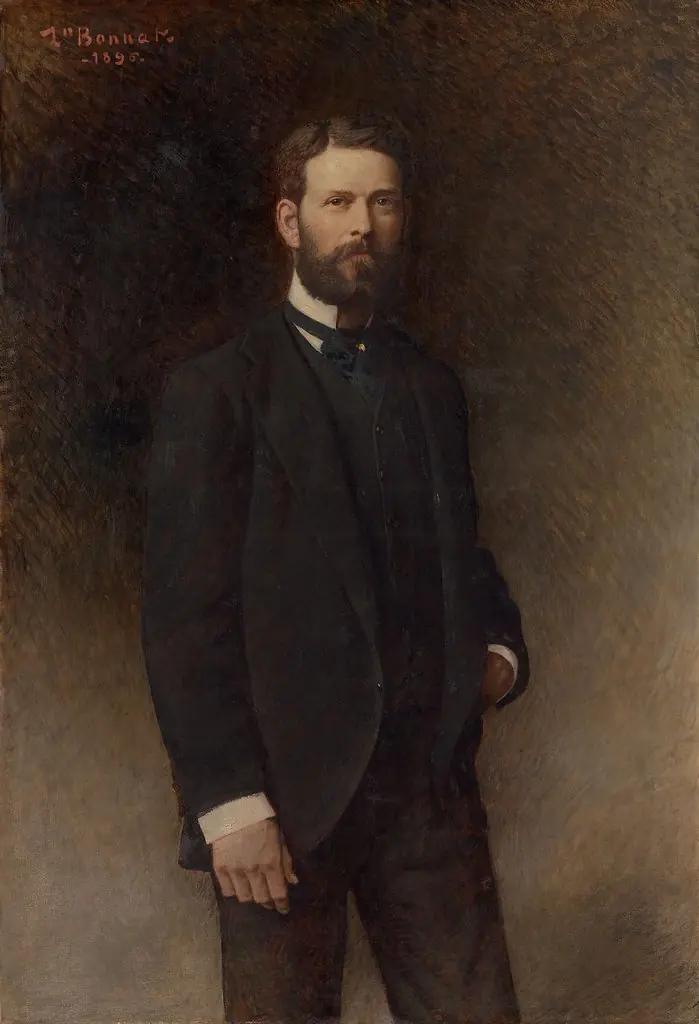 Portrait of Henry Field
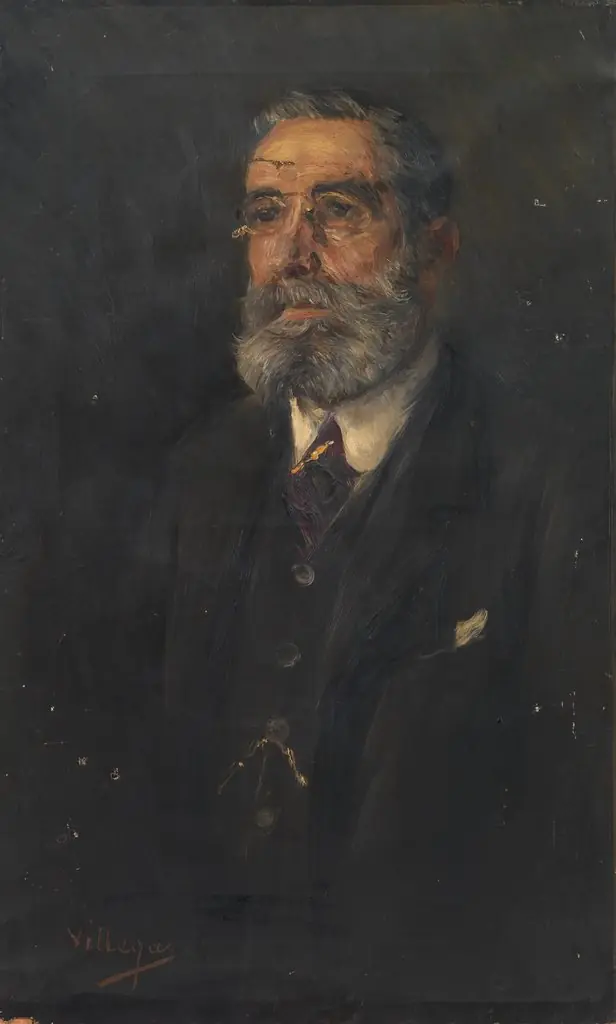 Gregorio Salcedo Viana
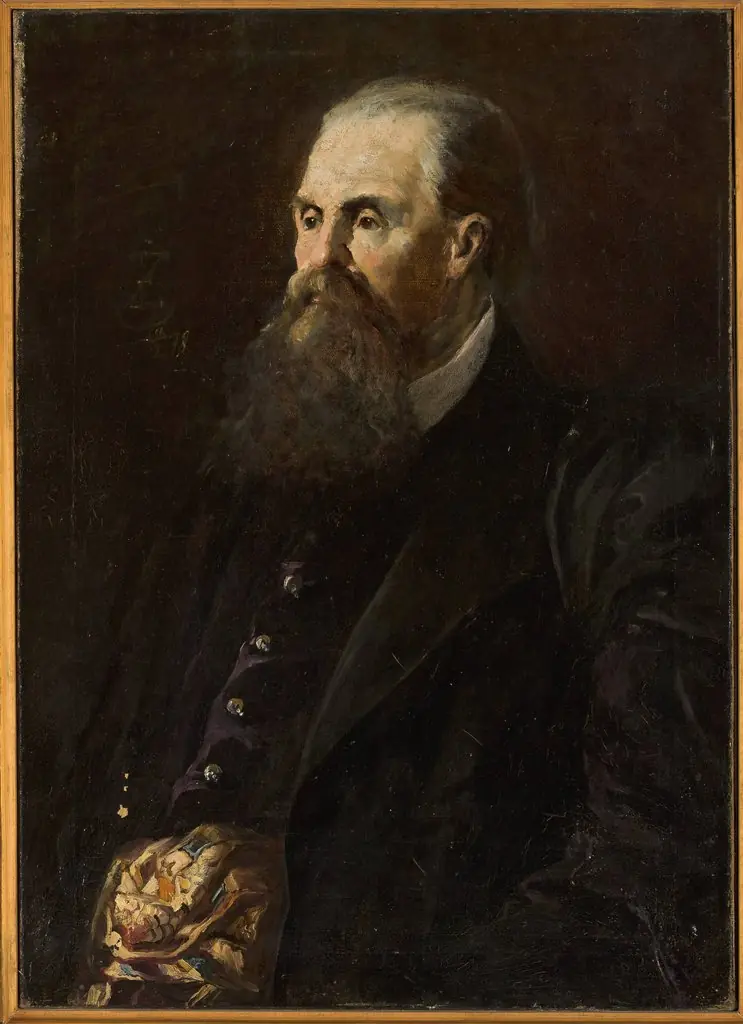 Portraif of a man – Mr. Zarewicz (?)
 Miehen pää, harjoitelma