Artwork
Portrait of a Lady
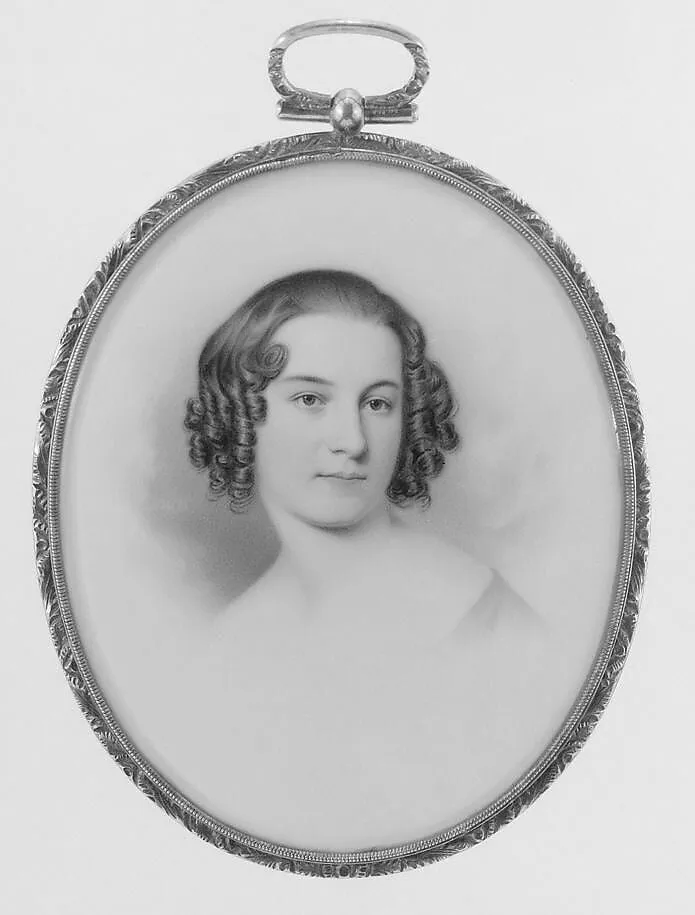
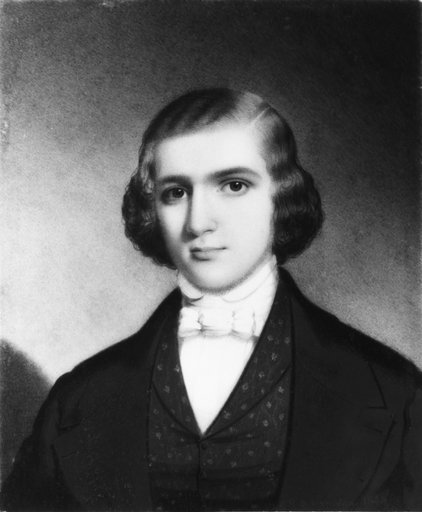
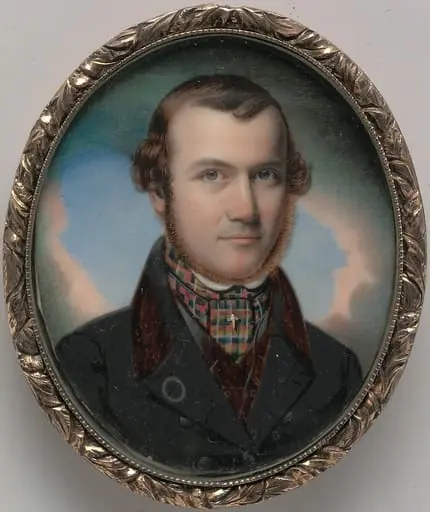
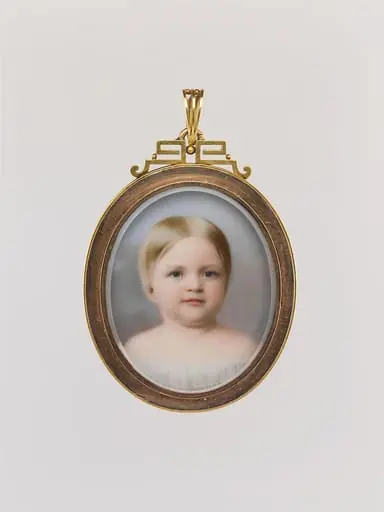
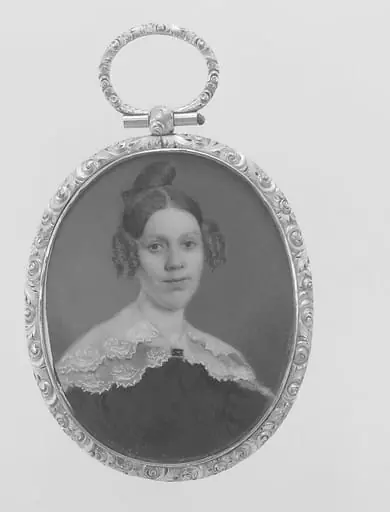
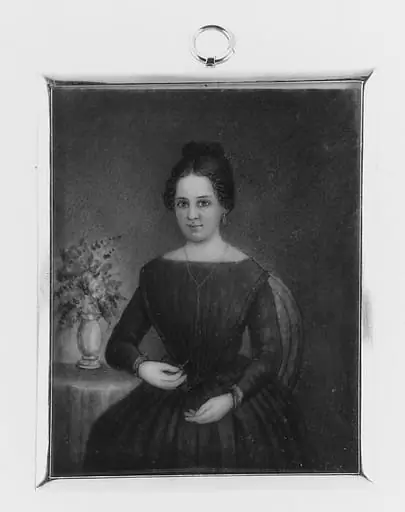
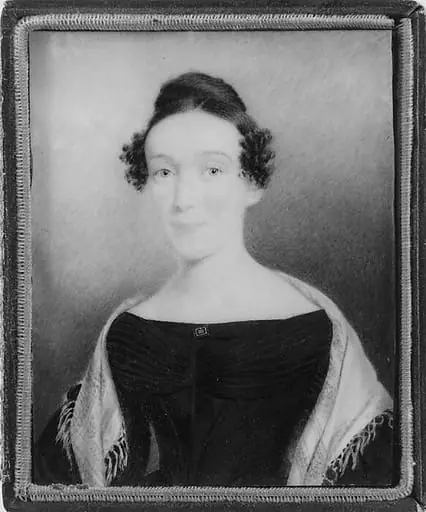
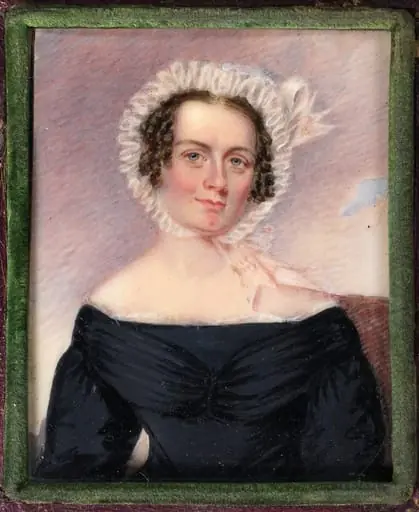
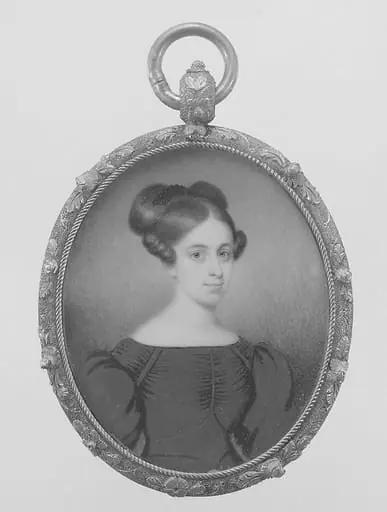
Portrait of a Lady is a watercolor painting by the British Romanticist artist John Henry Brown. It dates from 1840 and is held in the collection of the Metropolitan Museum of Art.
About this work
Overview
Its small scale allowed for personal ownership and portability, a common characteristic of portraits from this period.
John Henry Brown's Portrait of a Lady, created around 1840, is a watercolor miniature on ivory. This intimate artwork presents a finely rendered depiction of an unidentified woman. Its small scale allowed for personal ownership and portability, a common characteristic of portraits from this period. The piece resides within the American Wing, reflecting its historical and artistic significance in American art.
Subject & Meaning
The portrait features a woman in a dark garment, whose gaze directly engages the viewer. Her face is softly illuminated, highlighting her features. Before the advent of photography, such miniature portraits served as cherished personal keepsakes, enabling individuals to carry images of family members or loved ones with them. This function imbued the small-scale artwork with significant emotional value.
Technique & Style
Executed in watercolor on a thin slice of ivory, this portrait demonstrates the delicate artistry required for miniatures. The artist employed precise, tiny brushstrokes to achieve a smooth texture and subtle variations in tone, particularly evident in the sitter's luminous skin. The inherent translucence of the ivory material allows light to pass through the paint layers, imparting a warm, radiant quality to the subject's complexion, almost suggesting a living presence.
Context
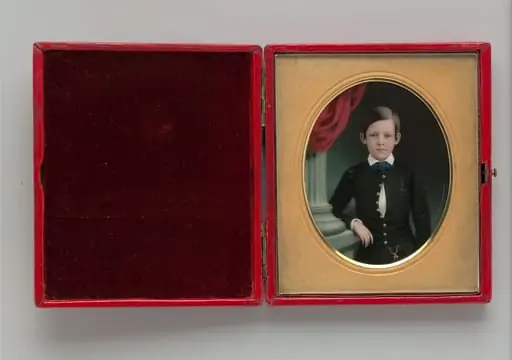
Created in the mid-19th century, Portrait of a Lady exemplifies a popular form of personal art that predated widespread photographic technology. These small, portable images offered a means for individuals to maintain a visual connection with distant or absent loved ones. Miniatures were often worn as jewelry or kept in small cases, functioning as private mementos and tangible expressions of affection in an era without instant visual communication.
Artist & collection