Artwork
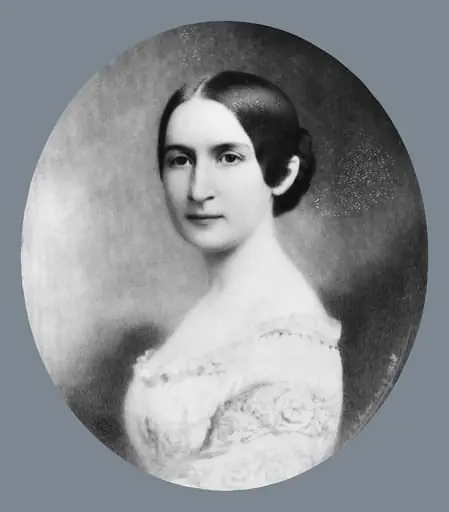
Mrs. George Henry Loring (Amalia Heredia)
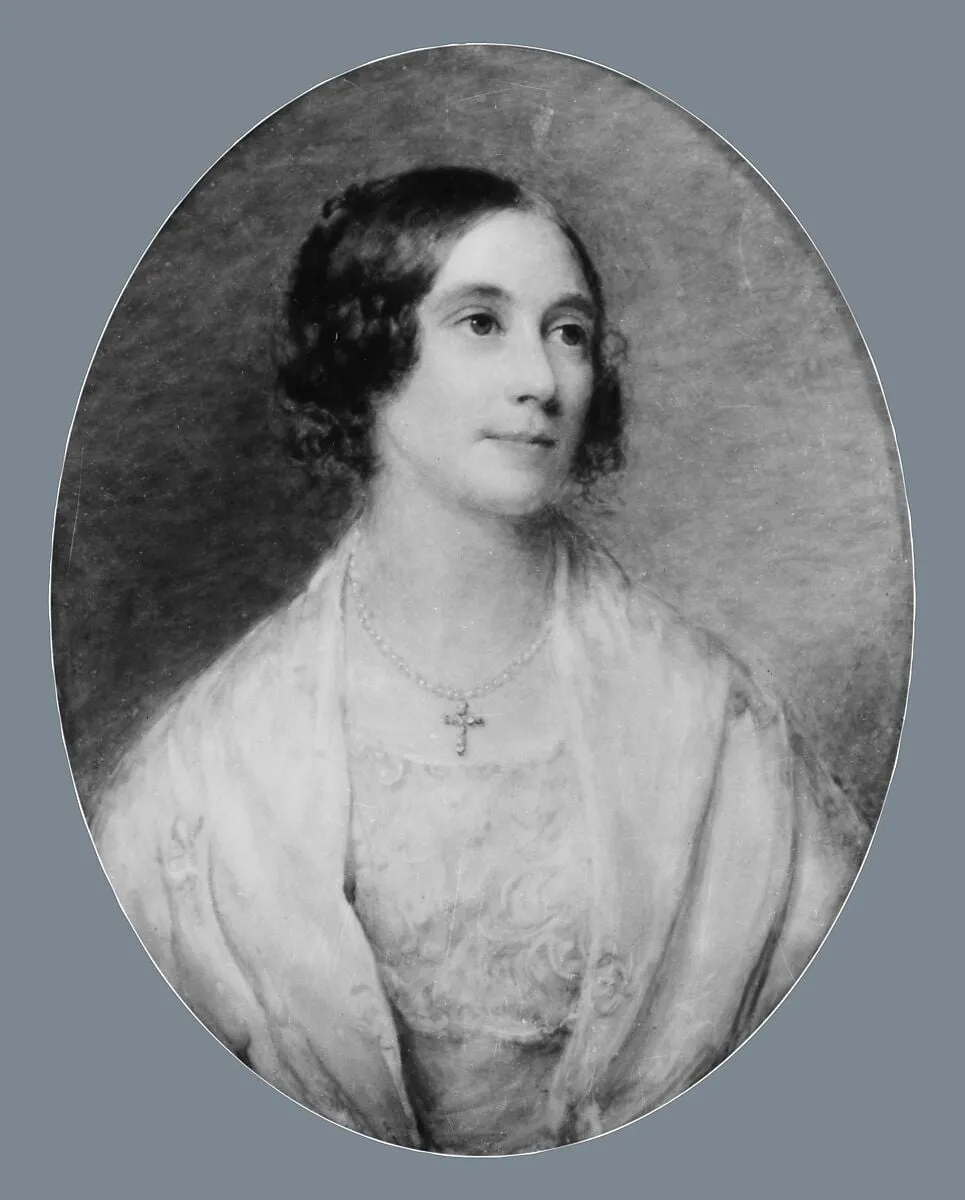
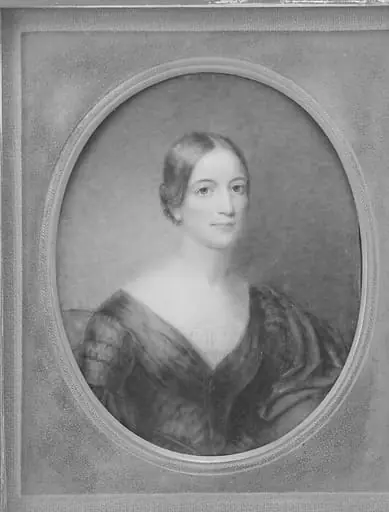
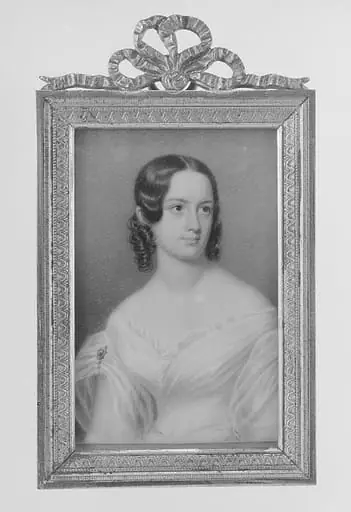
Mrs. George Henry Loring (Amalia Heredia) is a watercolor painting by the American Folk Art artist Richard Morrell Staigg. It dates from 1849 and is held in the collection of the Metropolitan Museum of Art.
- Accession no.
- 37.54.3
- Credit line
- Fletcher Fund, 1937
About this work
Technique & Style
The support's smooth surface enables fine linear detail and subtle tonal gradations, contributing to the portrait's delicate rendering of facial features.
Mrs. George Henry Loring (Amalia Heredia) is executed in watercolor on an ivory support, a medium that was commonly employed for intimate portrait miniatures in the mid-19th century. The support's smooth surface enables fine linear detail and subtle tonal gradations, contributing to the portrait's delicate rendering of facial features. The work measures approximately 11.4 cm in height by 9 cm in width and dates to 1849.
It is catalogued in The American Wing of the Metropolitan Museum of Art, where it is listed as a portrait genre painting depicting a woman.
History & Provenance
The portrait Mrs. George Henry Loring (Amalia Heredia) by Richard Morrell Staigg is held within the collection of the Metropolitan Museum of Art in New York. Classified under the American Wing, the work dates to 1849 and is executed in watercolor on ivory. The provided sources confirm the museum as the current repository but do not list a specific inventory or accession number. No information regarding the artwork's exhibition history is documented in the referenced materials.
Overview
Richard Morrell Staigg, an English artist working in 19th-century Boston, completed Mrs. George Henry Loring (Amalia Heredia) in 1849. This watercolor on ivory depicts a woman, exemplifying Staigg's skill in creating intimate, finely detailed likenesses. The miniature portrait reflects a common practice of the era, offering a personal and portable representation of the sitter.
Subject & Meaning
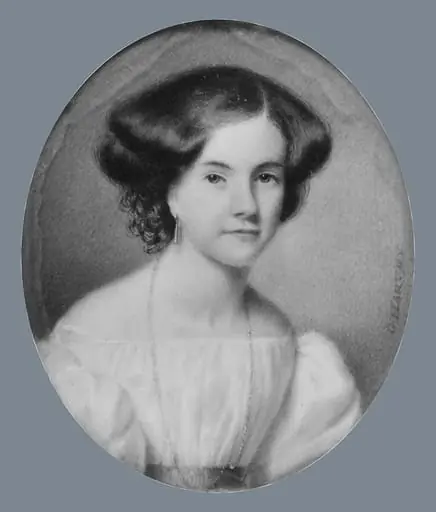
The portrait presents Amalia Heredia, Mrs. George Henry Loring, seated with her body turned slightly, her gaze directed toward the viewer. She wears a dark dress complemented by a stiff collar, and her hair is smoothly styled. The background is a soft, unadorned gray, ensuring the focus remains entirely on the sitter. This direct yet refined depiction captures a personal likeness, typical of the era's demand for individual portraits.
Context
Richard Morrell Staigg's career flourished in New England during the mid-19th century, a period when portraiture gained significant popularity. The burgeoning middle class increasingly sought out artists to commission their likenesses, driving demand for works like this one. Staigg's specialization in small-scale, finely rendered portraits on ivory positioned him well within this expanding market for personal and accessible art.
Artist & collection

Artist
Richard Morrell Staigg (7 September 1817 Leeds, England - 11 October 1881 Newport, Rhode Island) or R.M. Staigg was a portrait painter in Boston, Massachusetts, in the 19th century.