Artwork
Alice Cushman
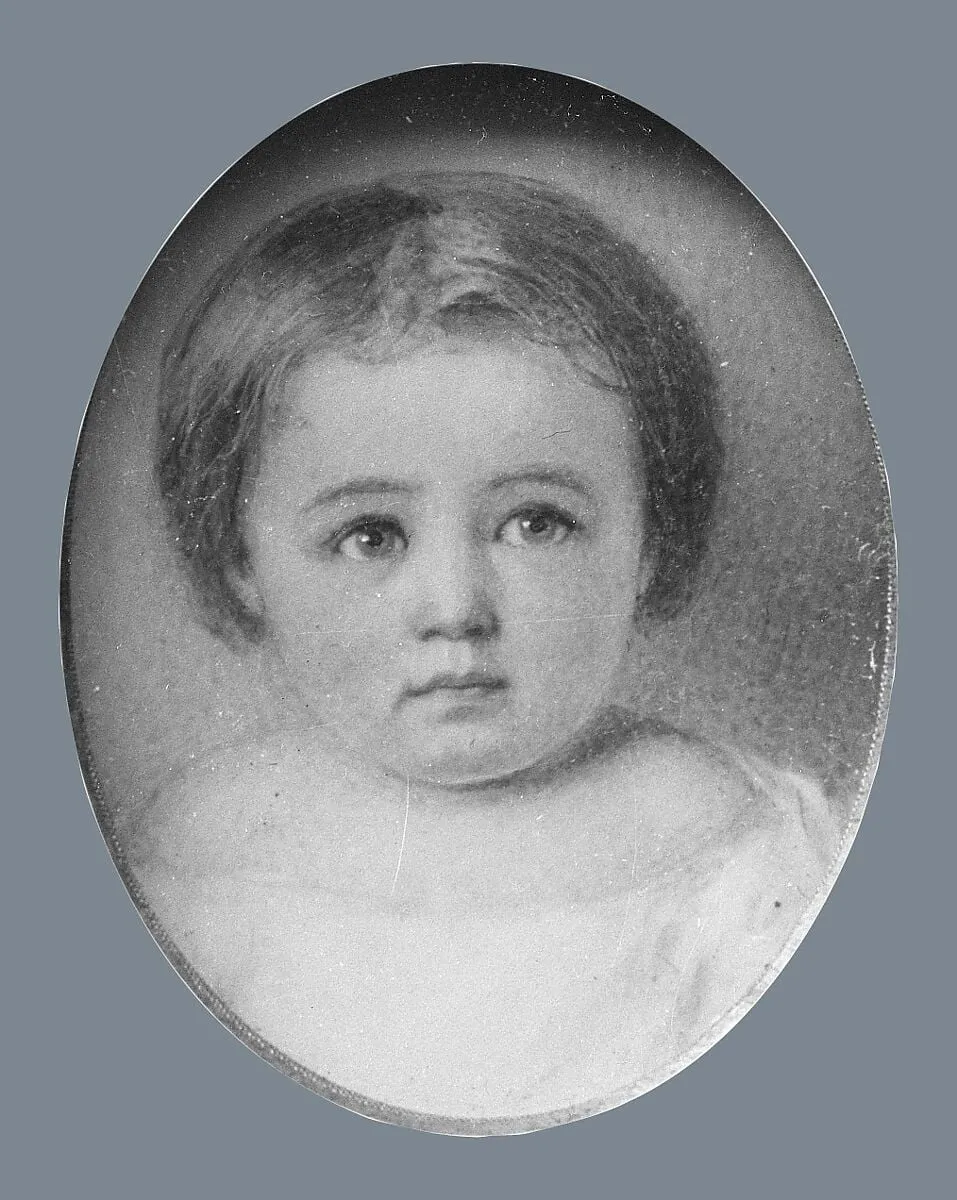
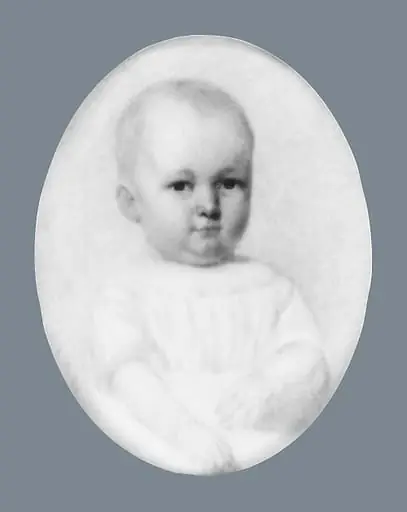
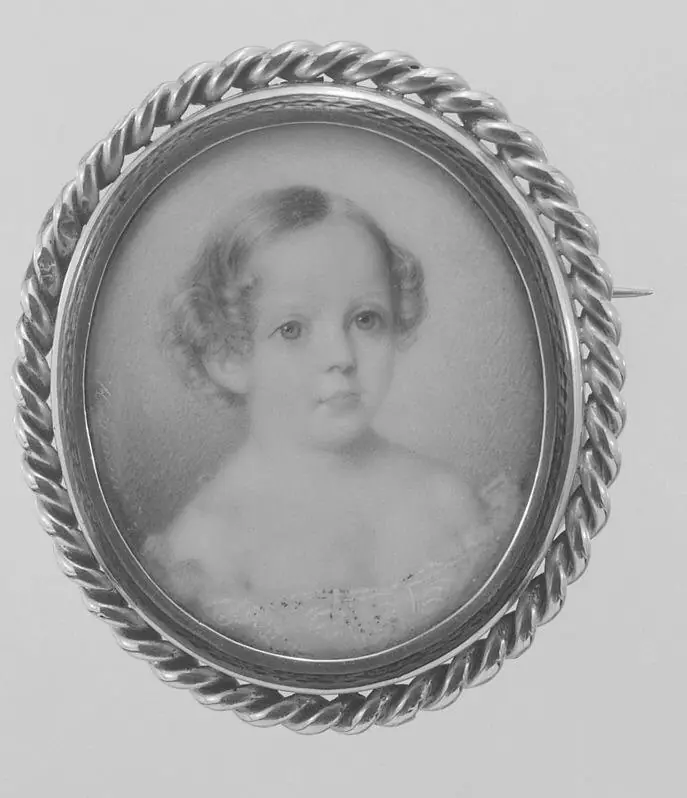
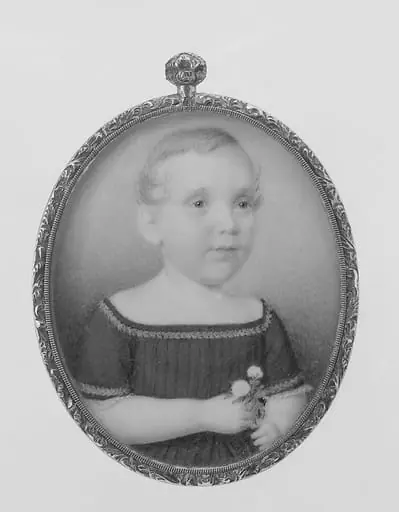
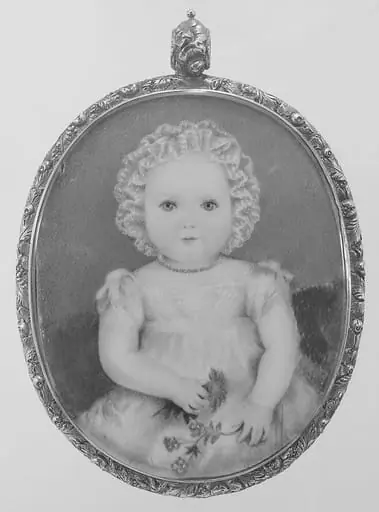
Alice Cushman is a watercolor painting by the American Folk Art artist George Hewitt Cushman. It dates from 1856 and is held in the collection of the Metropolitan Museum of Art.
- Accession no.
- 37.176.3
- Credit line
- Fletcher Fund, 1937
About this work
Subject & Meaning
The subject is identified simply as a girl, with the visual emphasis placed on her individual representation.
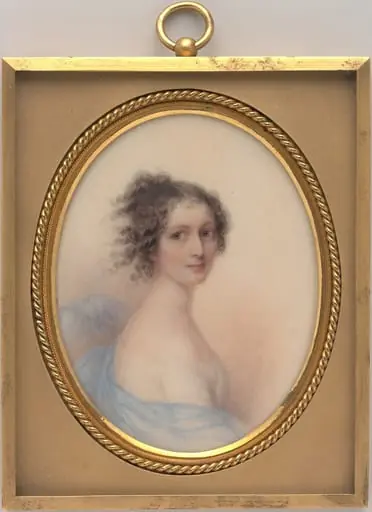
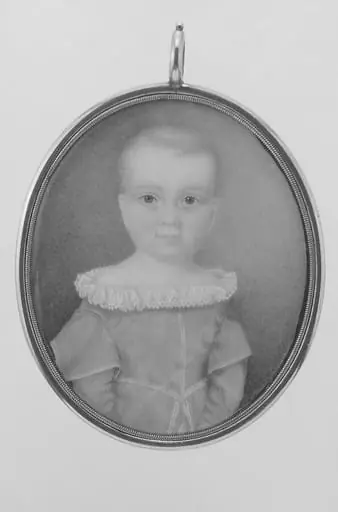
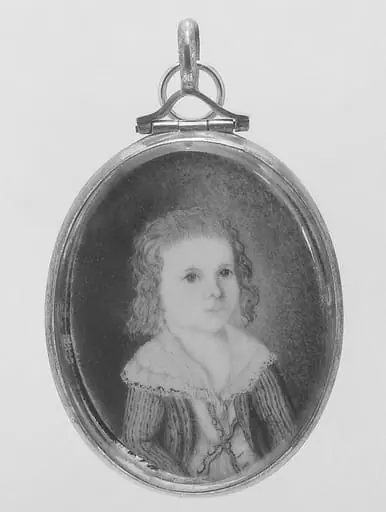
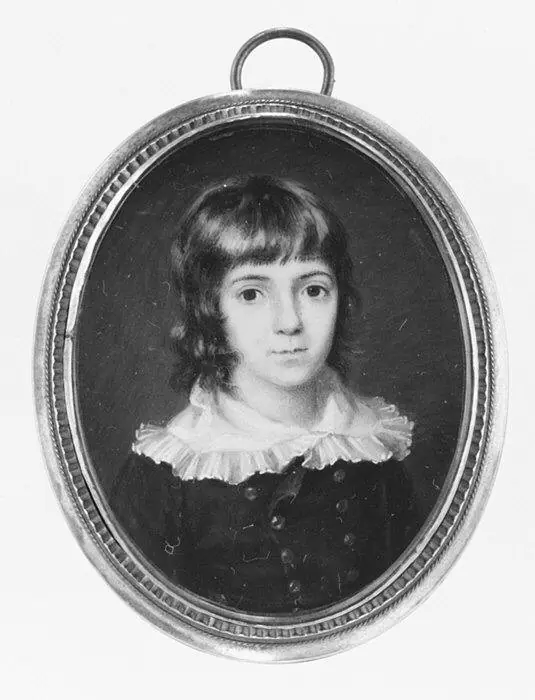
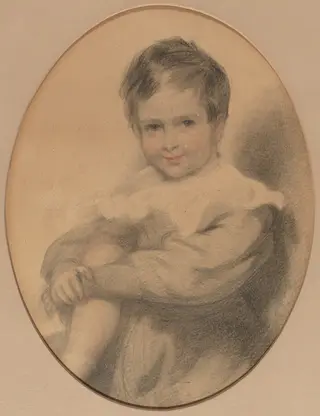
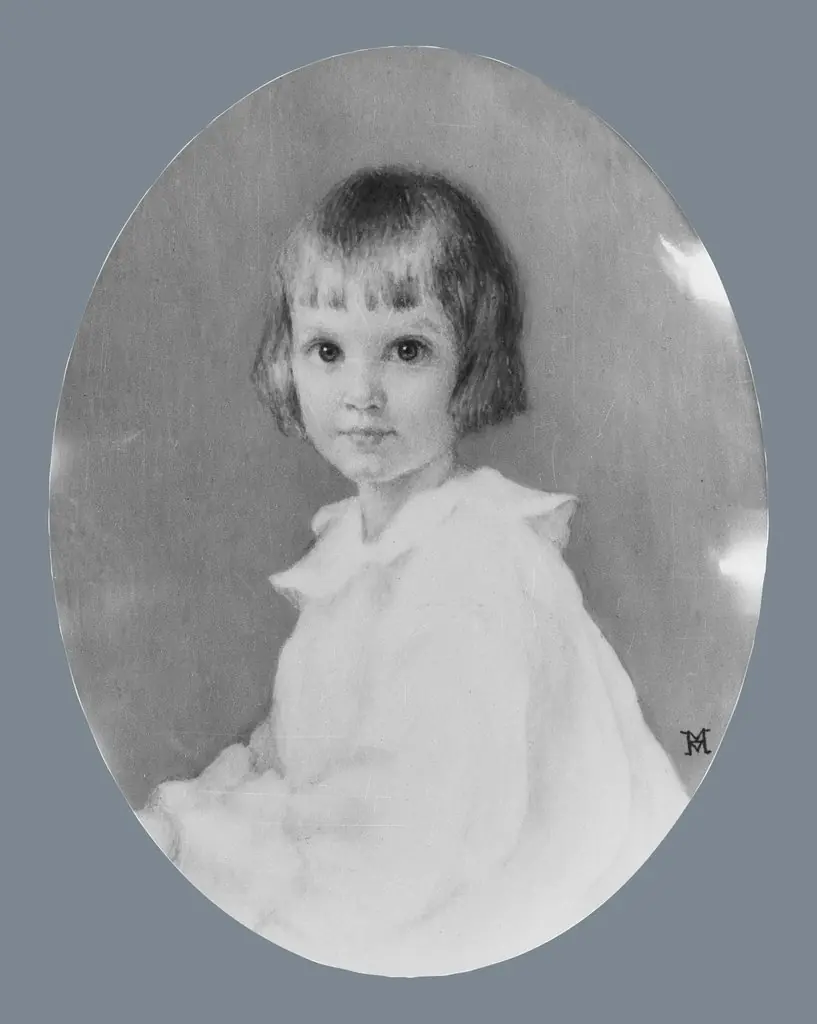
The work is a portrait depicting a young girl, executed by George Hewitt Cushman in 1856. As a genre portrait, the piece focuses on capturing the likeness and presence of the female subject rather than illustrating a narrative scene or allegorical figure. The medium of watercolor on ivory, a traditional support for miniature portraiture in the nineteenth century, suggests an intimate scale intended for close viewing.
The subject is identified simply as a girl, with the visual emphasis placed on her individual representation. No additional symbolic elements, specific iconography, or complex allegorical meanings are documented for this specific depiction beyond its function as a personal likeness.
History & Provenance
The watercolor on ivory portrait Alice Cushman was created in 1856 by George Hewitt Cushman. The work entered the collection of The Metropolitan Museum of Art in New York as part of its holdings in The American Wing, where it remains. The painting depicts a girl and is classified as a portrait within the museum's portrait genre.
Its dimensions are recorded as 3.2 inches in height and 2.5 inches in width, consistent with the miniature format. The accession number is 1975.1.220. No exhibition history is documented in the available records.
Overview
George Hewitt Cushman's 1856 watercolor, Alice Cushman, presents a miniature portrait of a young girl. Executed on ivory, this intimate work exemplifies the American folk art aesthetic prevalent in the mid-19th century. The small scale and delicate rendering were characteristic of the artist's output during his career. It offers a glimpse into the popular practice of creating personal, finely detailed likenesses during this period.
Technique & Style
The portrait's medium, watercolor on ivory, was a favored choice for miniatures in the 1800s. This technique allowed for a luminous quality, as light passing through the translucent paint and reflecting off the ivory surface imparted a soft glow to the subject's skin. Cushman's skill in this intricate method is evident in the finely detailed features and the delicate rendering of the young girl's white dress and the pink rose she holds.
Context
George Hewitt Cushman established himself as a prominent figure in American miniature painting, often considered second only to Edward Greene Malbone in his field. His artistic foundation included training under Washington Allston and experience in line engraving alongside artists such as Asaph Willard and the Cheney brothers. After relocating to Philadelphia in 1843, Cushman dedicated two decades to producing these small, detailed portraits, which became his specialty.
Artist & collection
Artist
George Hewitt Cushman (June 5, 1814 – August 3, 1876) was a top American engraver and painter of miniature paintings and portraits of his time (second only to Edward Greene Malbone).