Artwork
Portrait of a Boy
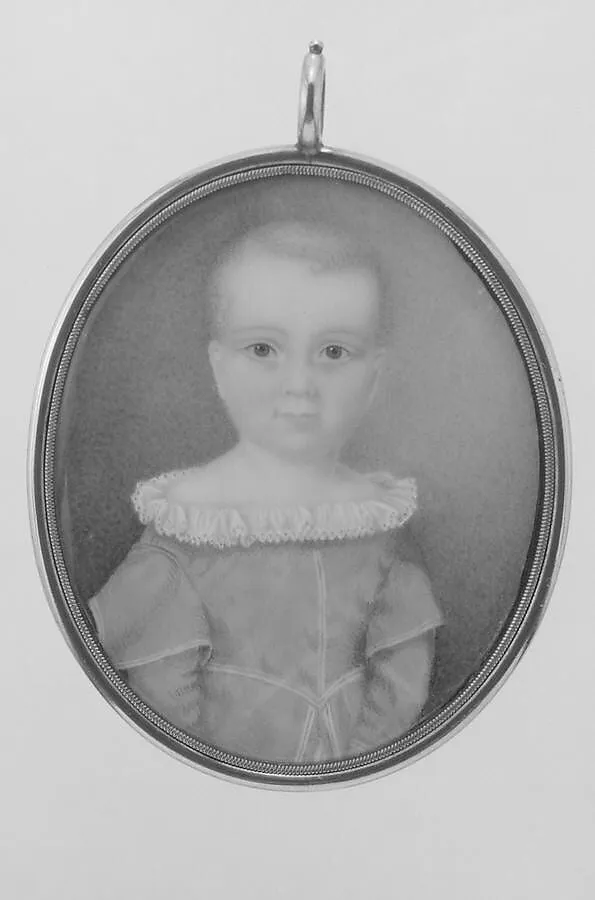
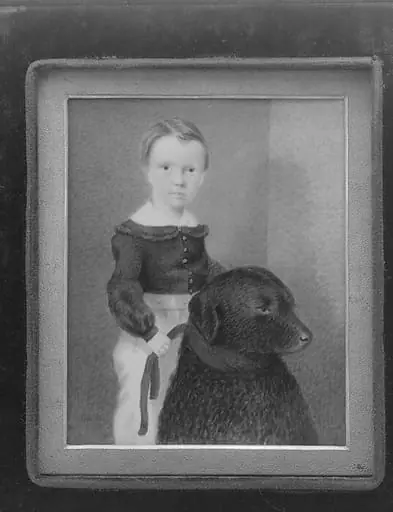
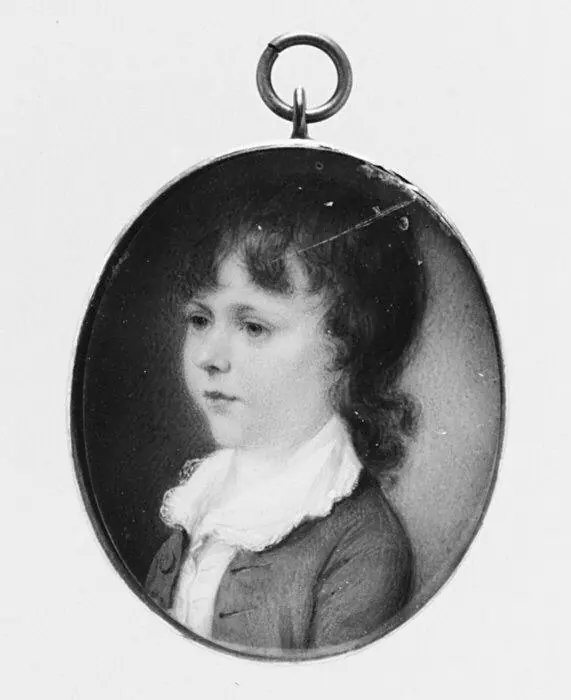
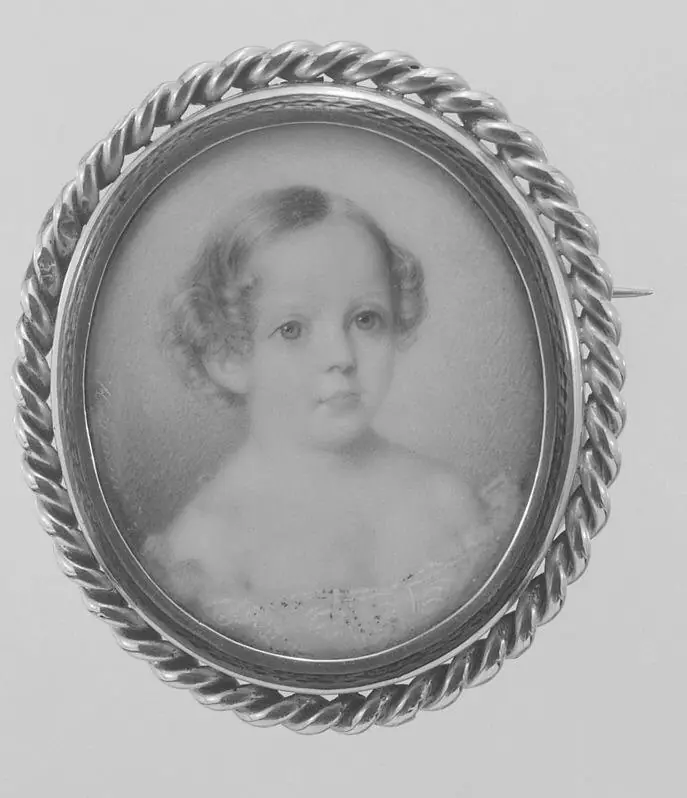
Portrait of a Boy is a watercolor painting by the Romanticist artist Augustus Fuller. It dates from 1842 and is held in the collection of the Metropolitan Museum of Art.
- Accession no.
- 2006.235.68
- Credit line
- Gift of Gloria Manney, 2006
About this work
Technique & Style
This medium and technique place the work within the tradition of miniature portraiture, a genre characterized by its small scale and delicate handling.
Augustus Fuller executed the 1842 Portrait of a Boy using watercolor applied directly onto an ivory support. This medium and technique place the work within the tradition of miniature portraiture, a genre characterized by its small scale and delicate handling. The source material identifies the piece as a painting, though the specific use of watercolor on ivory distinguishes its physical creation from oil-on-canvas works. The artwork is currently maintained within the collection of the Metropolitan Museum of Art.
History & Provenance
The watercolor portrait titled Portrait of a Boy by Augustus Fuller is held in the collection of the Metropolitan Museum of Art. Created in 1842, the work is classified within the museum's American Wing. The sources confirm the institution's possession and the specific gallery classification but do not provide a specific inventory or accession number for the object. Additionally, the available documentation contains no record of the work's exhibition history.
Overview
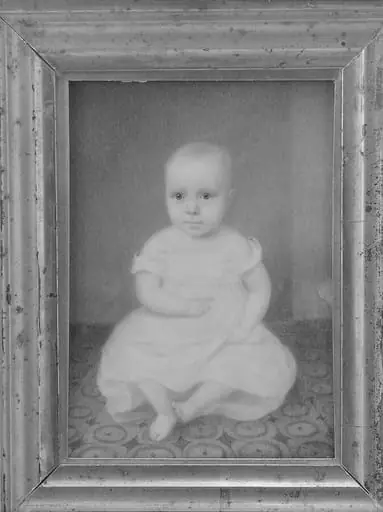
Augustus Fuller's 1842 Portrait of a Boy is a delicate watercolor miniature rendered on ivory. This small-scale work captures a young subject with a direct gaze, rosy complexion, and tousled hair. Created using a precise and demanding technique, the portrait exemplifies the detailed artistry characteristic of American miniatures from the period, offering an intimate glimpse into 19th-century portraiture and currently residing in The American Wing.
Subject & Meaning
The miniature depicts a young boy, presented in a dark jacket, who engages the viewer with a direct, steady gaze. His features, including rosy cheeks and disheveled hair, convey a sense of youthful vitality. The exceptionally small scale of the portrait, which is smaller than a playing card, underscores its intimate nature, suggesting it was likely created for personal viewing or as a cherished family memento.
Artist & collection