Artwork
Portrait of a Gentleman
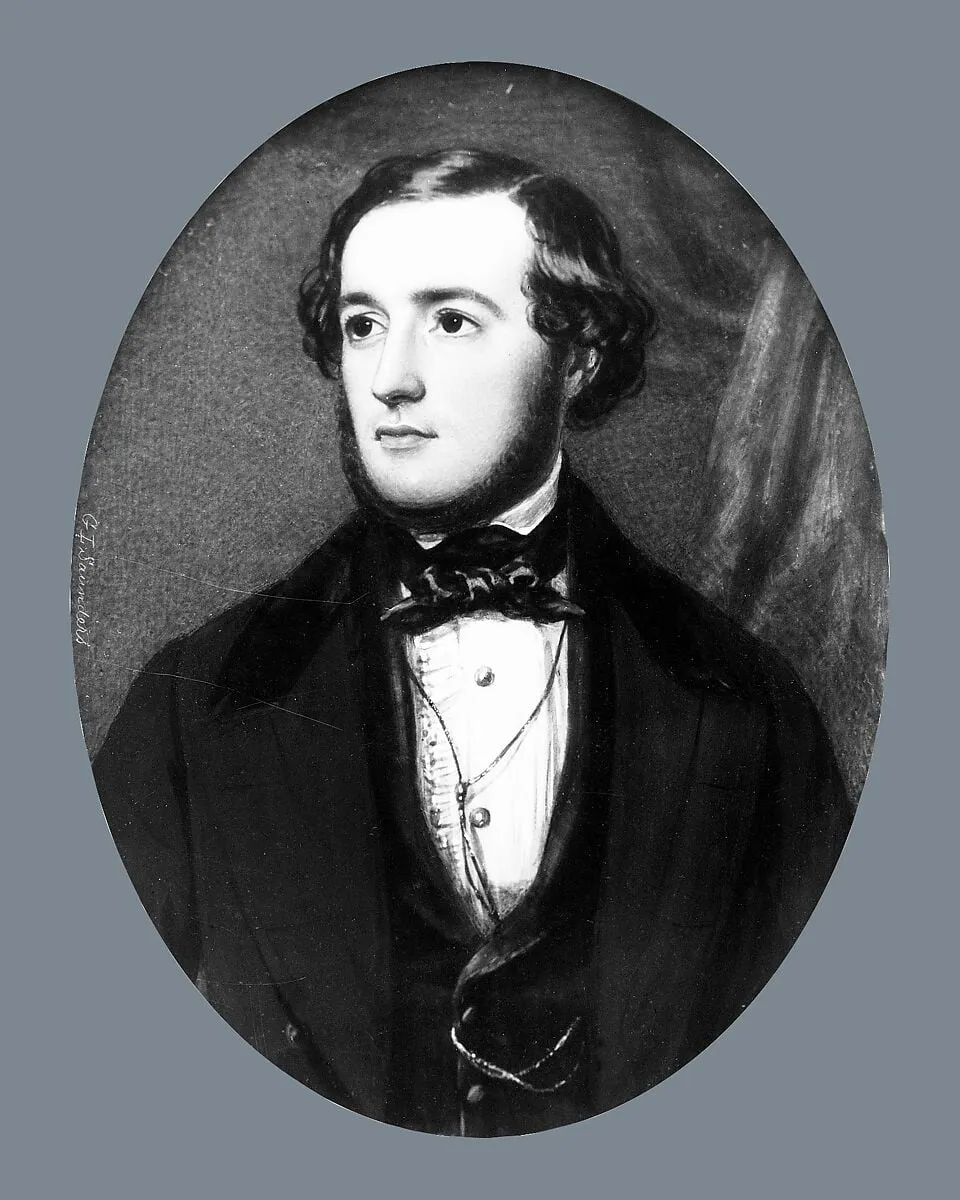
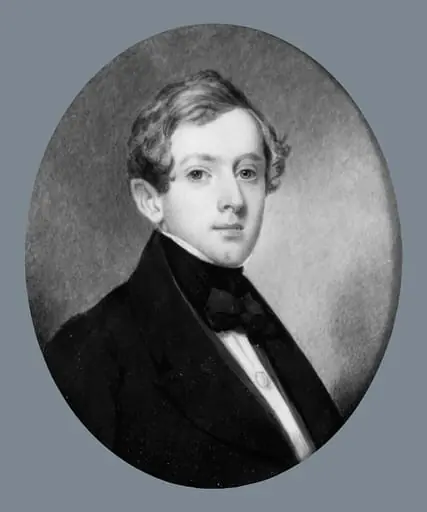
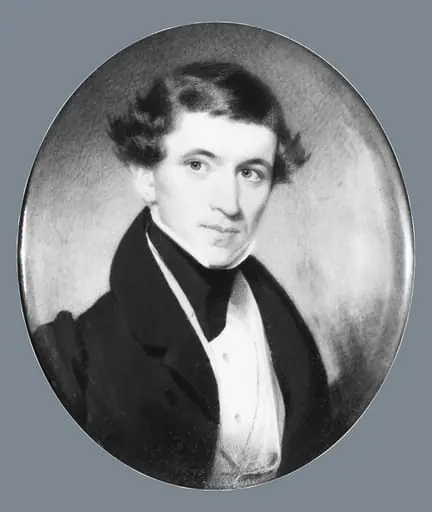
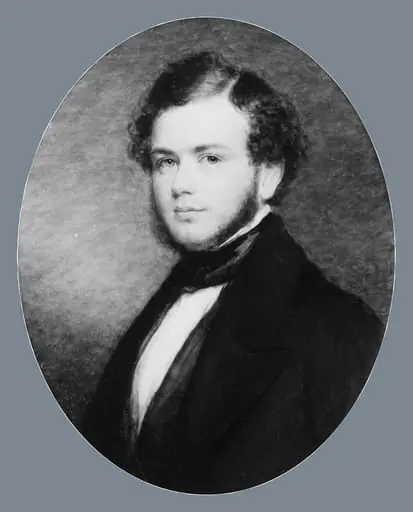
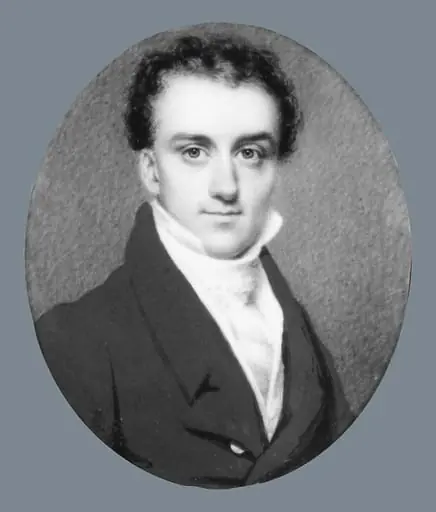
Portrait of a Gentleman is a watercolor painting by the British Romanticist artist George Lethbridge Saunders. It dates from 1848 and is held in the collection of the Metropolitan Museum of Art.
- Accession no.
- 51.142
- Credit line
- Gift of E. F. Tyler, 1951
About this work
Technique & Style
The watercolor-on-ivory technique was particularly suited to intimate, portable portraits of this scale, enabling refined facial modeling and a polished finish.
George Lethbridge Saunders executed this 1848 portrait in watercolor on ivory, a miniature-painting medium prized for its luminous, delicate surface. The ivory support, measuring 13.3 by 11 centimetres, provided a smooth, translucent ground that allowed for fine detail and subtle tonal gradations characteristic of mid-19th-century miniature portraiture. The American Wing classification situates the work within the museum's collection of American art.
As a portrait genre piece depicting a man, the work exemplifies Saunders's practice in a format that demanded precise handling and controlled brushwork. The watercolor-on-ivory technique was particularly suited to intimate, portable portraits of this scale, enabling refined facial modeling and a polished finish.
History & Provenance
The work is held by The Metropolitan Museum of Art, New York, where it is catalogued as 1975.1.115 and titled Portrait of a Gentleman. It was painted in watercolor on ivory in 1848. The museum's online collections record confirms its accession number and medium, and lists its primary subject as a man.
Overview
George Lethbridge Saunders' Portrait of a Gentleman, executed in 1848, is a miniature portrait rendered in watercolor on ivory. The work depicts a man dressed in a dark suit, gazing directly at the viewer with a composed and calm expression. His face is illuminated by soft, diffused light that contrasts with the plain, unadorned background, a compositional choice that focuses attention entirely on the sitter's features and demeanor.
This technique of painting on ivory was characteristic of the 19th-century English miniature tradition, where the translucent quality of the material allowed for delicate layering of watercolor to achieve lifelike skin tones and subtle gradations of shadow. Saunders, an active portraitist in London during the mid-19th century, utilized this medium to create intimate, portable likenesses often intended as personal keepsakes. The painting exemplifies the refined aesthetic of the period, prioritizing psychological presence and technical precision over elaborate settings.
As a work from 1848, it reflects the continued popularity of the miniature form even as larger oil portraits dominated public display, serving as a testament to Saunders' skill in capturing the likeness and character of his subjects within a small, precious format.
Subject & Meaning
The subject, an unnamed gentleman, is presented in a dark suit, his gaze directed forward, engaging the viewer directly. Soft illumination highlights his features, contributing to a serene expression. The unadorned background ensures that attention remains focused on the sitter's composed countenance, emphasizing his individual presence and quiet dignity.
Context
Miniature portraits like this one served a significant social function in the 19th century, often created as personal mementos. Their small size and durable medium made them ideal for carrying in lockets or small cases, allowing individuals to keep images of loved ones close. These intimate artworks provided a tangible connection to family and friends, serving as cherished keepsakes.
Artist & collection
Artist
George Lethbridge Saunders (1807–1863) was an artist, born in Bristol.