Artwork
Portrait of a Gentleman
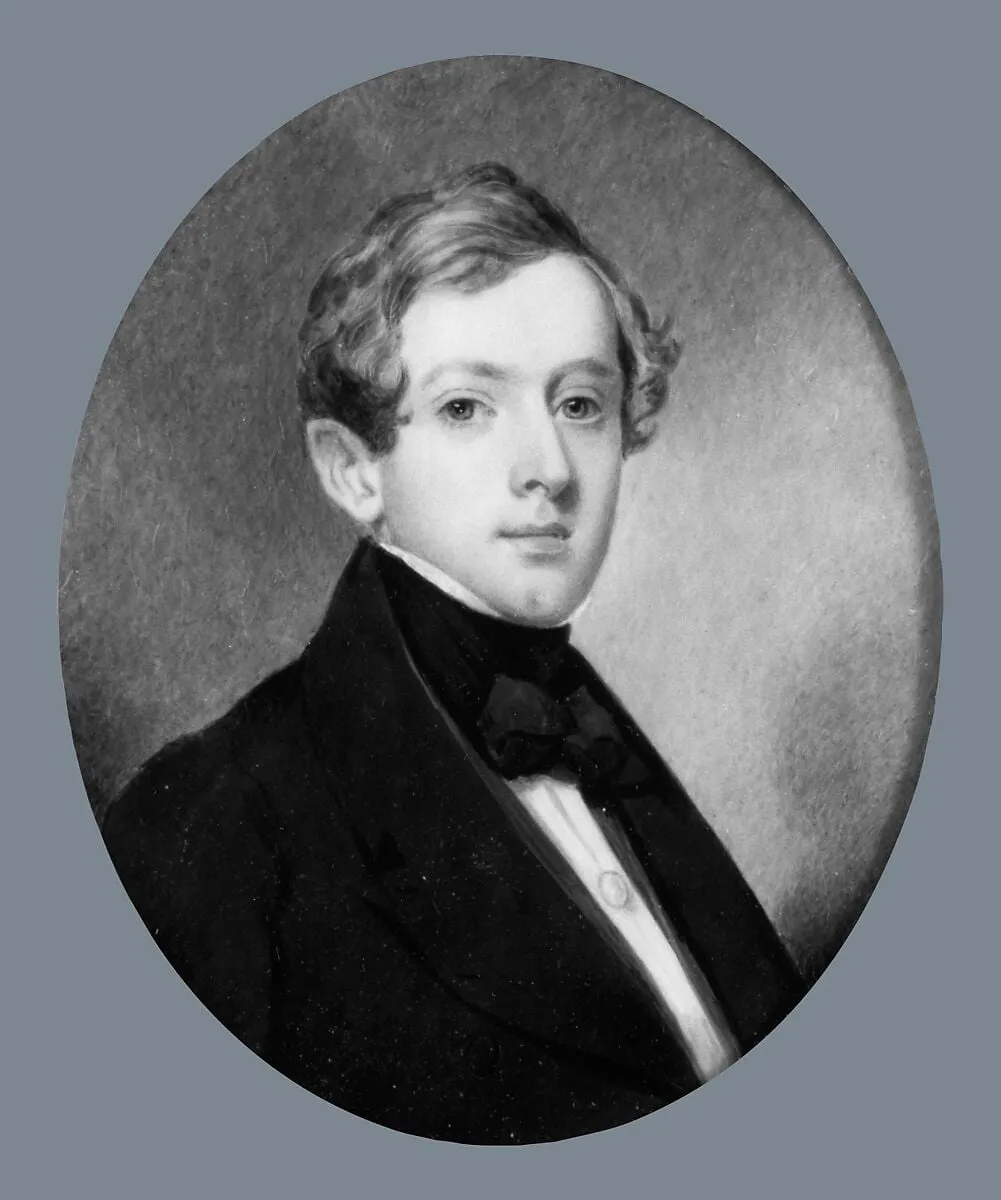
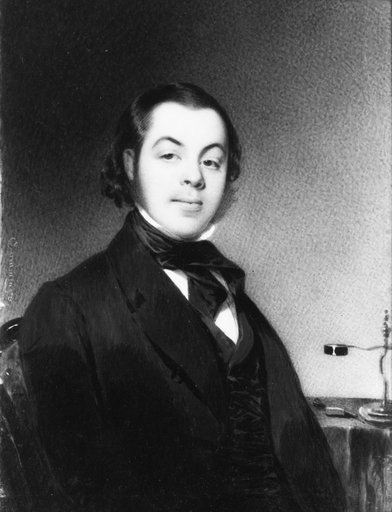
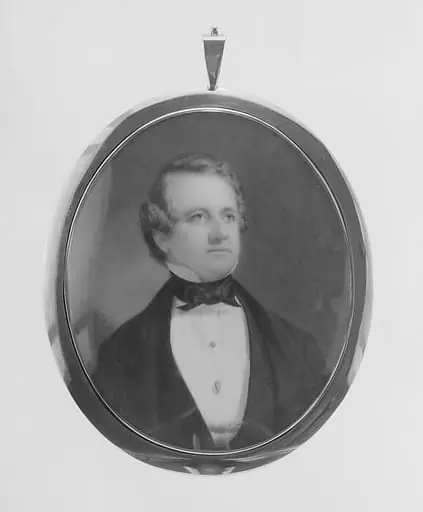
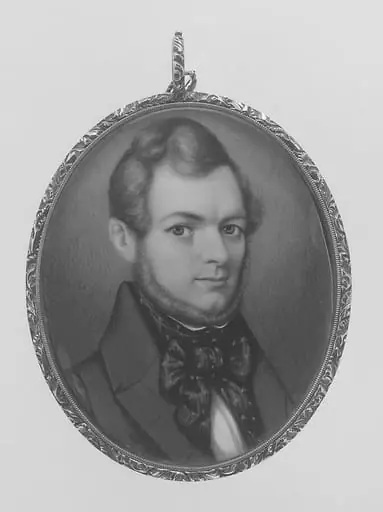
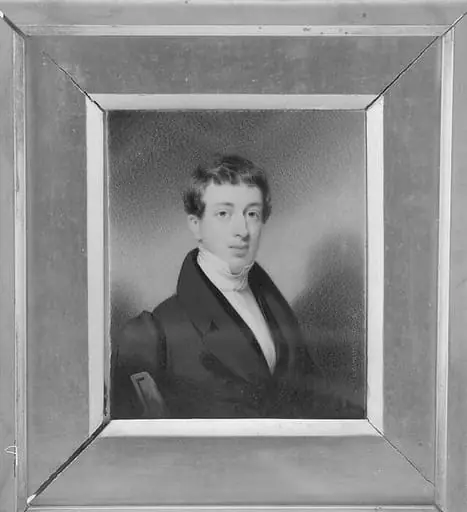
Portrait of a Gentleman is a watercolor painting by the American Folk Art artist Thomas Seir Cummings. It dates from 1840 and is held in the collection of the Metropolitan Museum of Art.
About this work
Technique & Style
The watercolor medium applied to an ivory support permits fine, delicate brushwork and produces a smooth, luminous surface typical of miniature portraiture.
Portrait of a Gentleman is a watercolor on ivory miniature created by Thomas Seir Cummings in 1840. The work measures approximately 9.8 cm in height and 7.9 cm in width and is part of the Metropolitan Museum of Art's collection. The watercolor medium applied to an ivory support permits fine, delicate brushwork and produces a smooth, luminous surface typical of miniature portraiture.
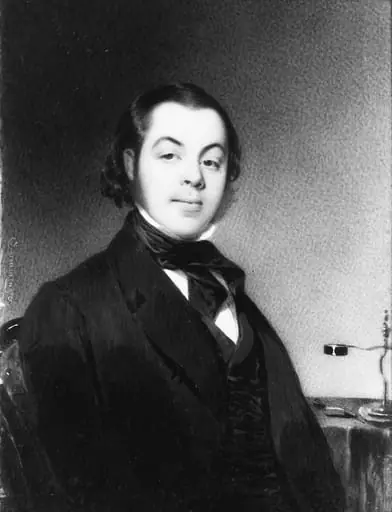
As a portrait, the painting presents a male sitter in a direct, frontal pose, emphasizing likeness and subtle modeling of features. The genre and modest scale reflect the intimate character of mid-nineteenth-century American portraiture.
History & Provenance
Portrait of a Gentleman is a watercolor on ivory painted in 1840 by American artist Thomas Seir Cummings. The work portrays a seated man and is categorized as a portrait within The American Wing collection at the Metropolitan Museum of Art. It entered the museum's holdings under accession number 1970.118.
No documentation of its original commission appears in the sources, but stylistic analysis places its creation in the mid-nineteenth century, consistent with Cummings's known output.
Overview
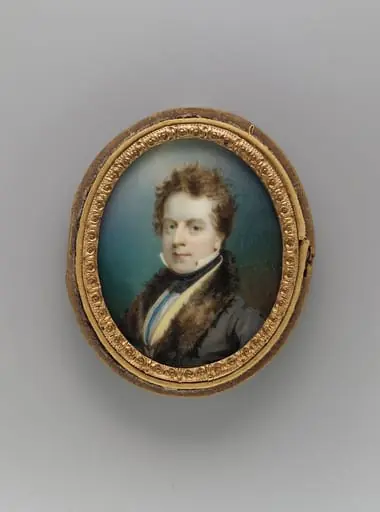
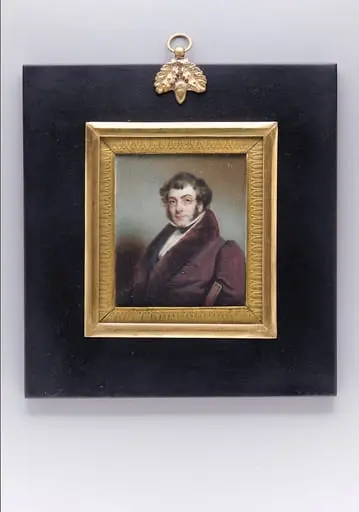
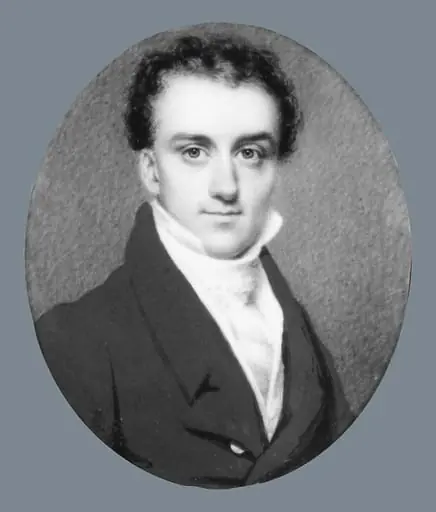
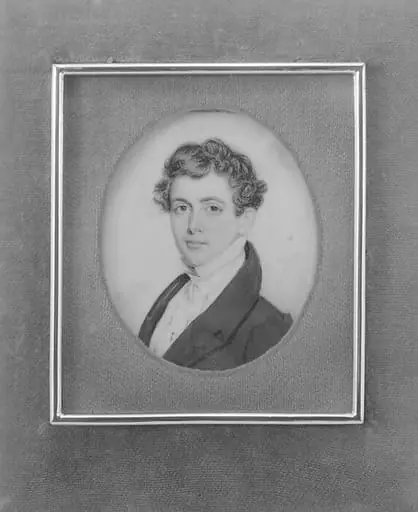
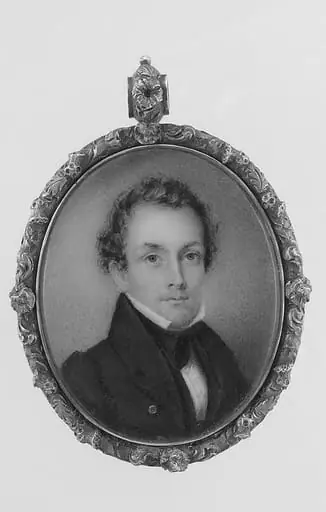
Thomas Seir Cummings's Portrait of a Gentleman, executed in 1840, is a miniature portrait rendered in watercolor on ivory. The work depicts an unidentified man facing forward, dressed in a dark suit with a high, crisp white collar and neatly combed hair. His expression is serious and direct, conveying a sense of quiet dignity typical of mid-19th-century American portraiture.
The medium of watercolor on ivory was a specialized technique requiring precise layering of thin washes to achieve luminous skin tones and subtle modeling without the possibility of correction, a method Cummings mastered as a leading miniaturist in New York. This piece exemplifies the artist's contribution to the American miniature tradition, bridging the earlier Federal style with the emerging realism of the antebellum period. Cummings, who served as the first president of the National Academy of Design, utilized the ivory support to create a translucent quality that enhances the lifelike presence of the sitter.
The composition focuses entirely on the head and shoulders, eliminating background distractions to emphasize the subject's character and social standing.
Subject & Meaning
The unnamed gentleman is depicted in a dark suit, his crisp collar and neatly combed hair suggesting a composed demeanor. His face is softly illuminated, and he meets the viewer's gaze with an expression of quiet confidence rather than a smile. This directness was characteristic of many portraits from the period, aiming for a sober and dignified representation of the sitter.
Artist & collection