Artwork
George Henry Loring
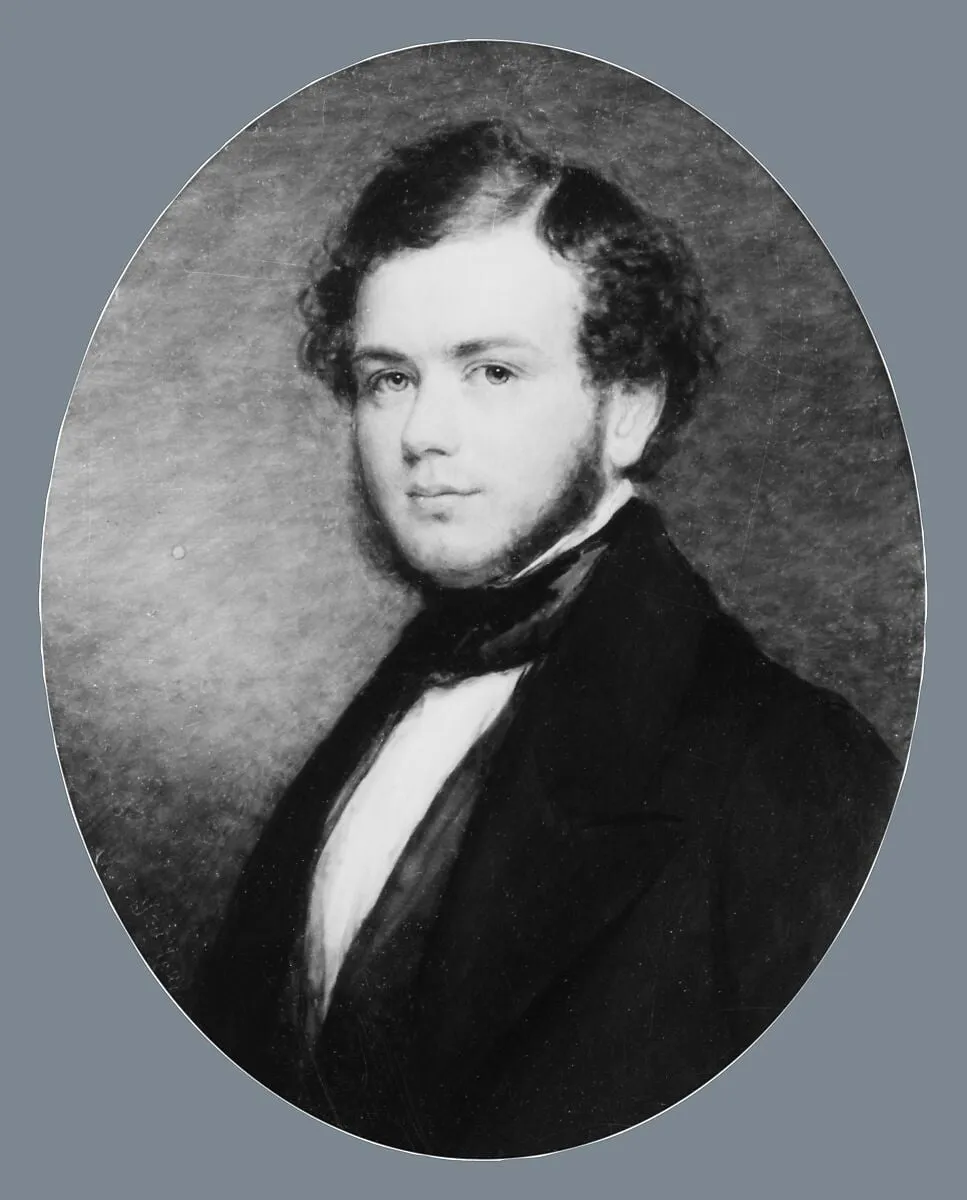
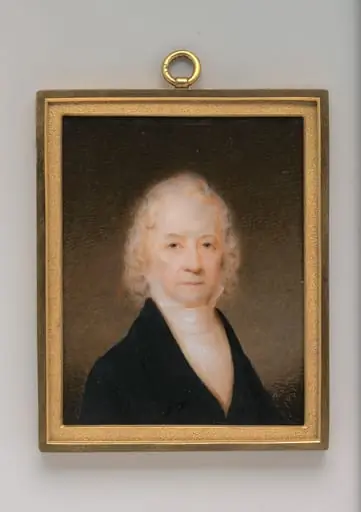
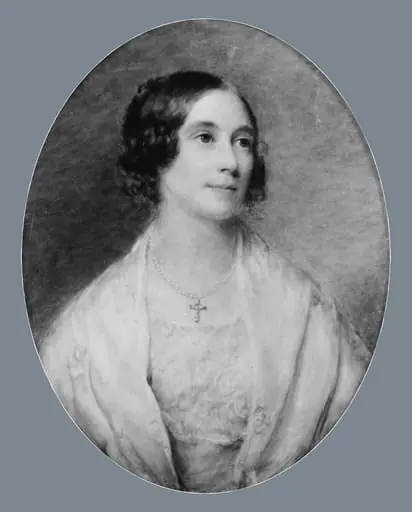
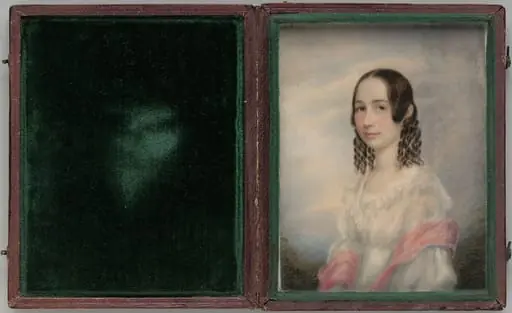
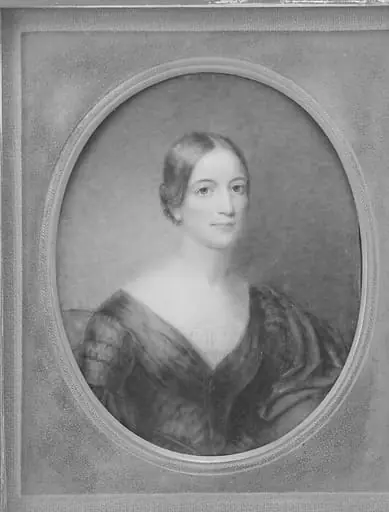
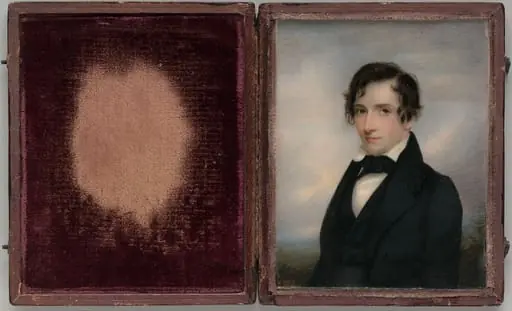
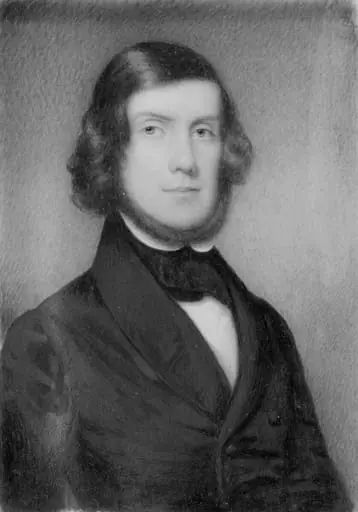
George Henry Loring is a watercolor painting by the American Folk Art artist Richard Morrell Staigg. It dates from 1849 and is held in the collection of the Metropolitan Museum of Art.
- Accession no.
- 37.54.4
- Credit line
- Fletcher Fund, 1937
About this work
History & Provenance
The object remains part of the museum's permanent holdings, representing Staigg's mid-19th-century portraiture in miniature format.
The artwork titled George Henry Loring was created by Richard Morrell Staigg in 1849. Executed as a watercolor on ivory, the portrait measures 11.6 inches in height and 8.6 inches in width. It currently resides within the collection of the Metropolitan Museum of Art, specifically housed in The American Wing.
The piece depicts a male subject and is classified as a portrait. While the specific commission details or original owner are not detailed in the available records, the work's inception is firmly established at the start of 1849. The object remains part of the museum's permanent holdings, representing Staigg's mid-19th-century portraiture in miniature format.
The watercolor portrait of George Henry Loring by Richard Morrell Staigg, executed in 1849 on ivory, is held in the collection of the Metropolitan Museum of Art, where it is classified within The American Wing. The work measures 11.6 by 8.6 centimeters. No accession number, specific gallery location, or exhibition history is recorded in the available sources.
Overview
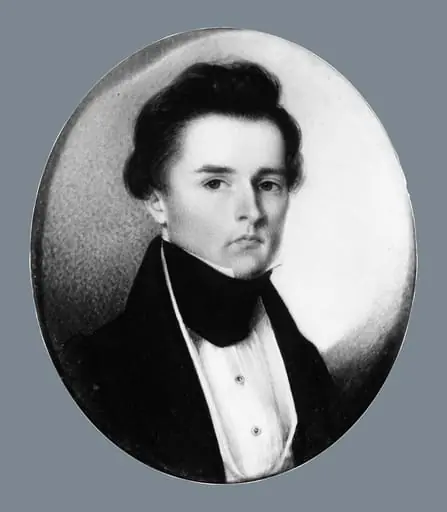
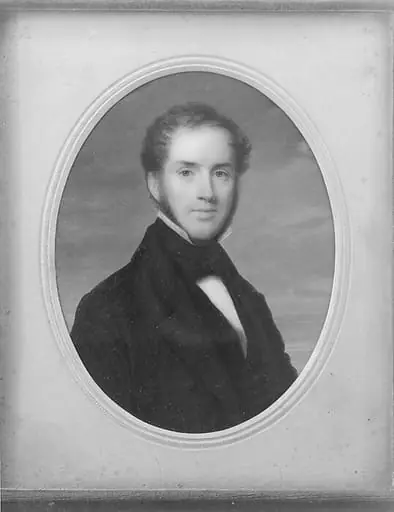
Richard Morrell Staigg, an English-born artist working in 19th-century Boston, created this watercolor on ivory portrait of George Henry Loring in 1849. The miniature depicts a young man in a dark suit, rendered with meticulous detail. Staigg was known for his precise likenesses, and this work exemplifies his skill in capturing individual features within a small format. It represents a common form of personal portraiture from the period.
Subject & Meaning
This intimate portrait presents George Henry Loring, a young man whose direct gaze engages the viewer. Dressed in a dark suit, his features are softly illuminated against a muted background, emphasizing his individuality. Such miniatures served as personal mementos, capturing the likeness of a loved one or an important figure in a format that could be easily carried or displayed privately.
Technique & Style
The artist utilized watercolor on ivory, a medium frequently chosen for its ability to produce detailed miniature portraits. The inherent translucency of the ivory surface allows light to penetrate the paint, creating a subtle luminosity, particularly noticeable in the rendering of the skin. Staigg's meticulous application of tiny brushstrokes captures intricate features, such as the individual hairs of the sitter's sideburns, demonstrating a high degree of precision within this small-scale format.
Context
Richard Morrell Staigg, an English-born artist, established himself in Boston during the 19th century, where he became recognized for his portraiture. While larger oil-on-canvas works dominated the period, Staigg specialized in these smaller, more intimate likenesses. This particular piece is associated with the American folk art movement, reflecting a tradition of art created outside of established academic institutions, often emphasizing directness and individual expression.
Artist & collection

Artist
Richard Morrell Staigg (7 September 1817 Leeds, England - 11 October 1881 Newport, Rhode Island) or R.M. Staigg was a portrait painter in Boston, Massachusetts, in the 19th century.