Artwork
Portrait of a Gentleman
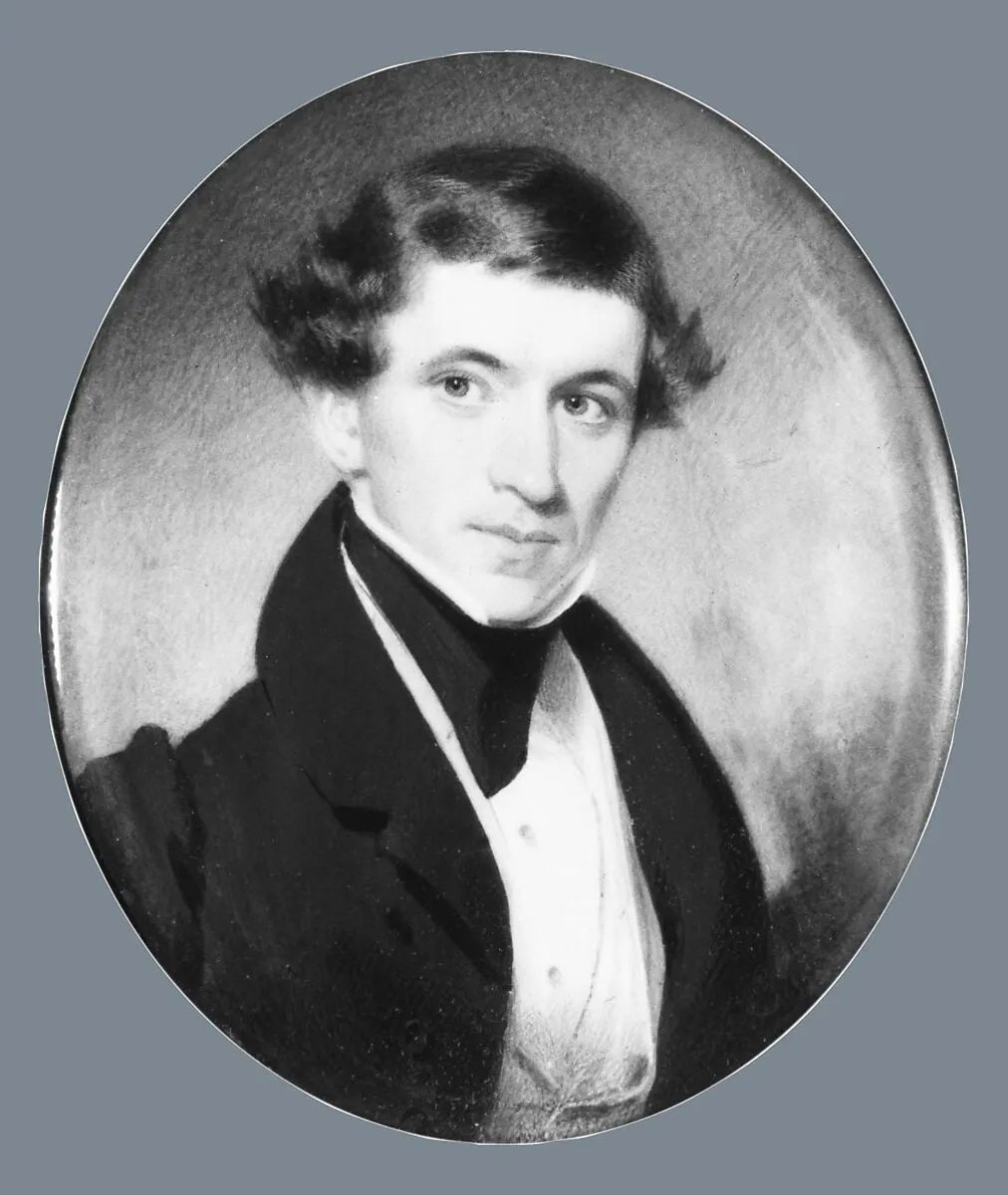
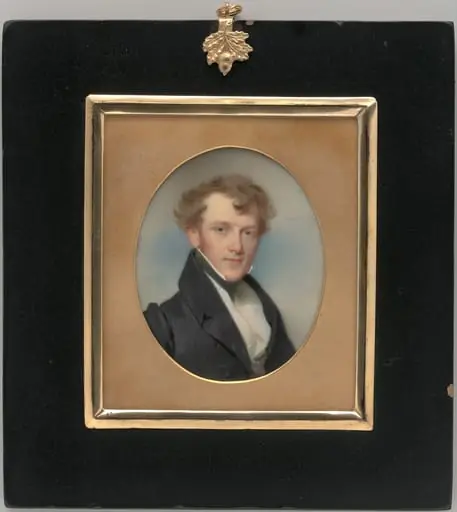
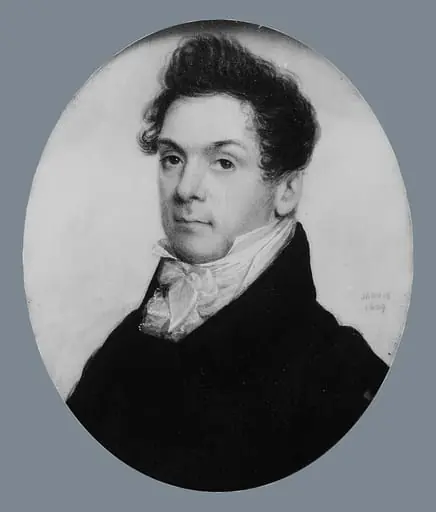
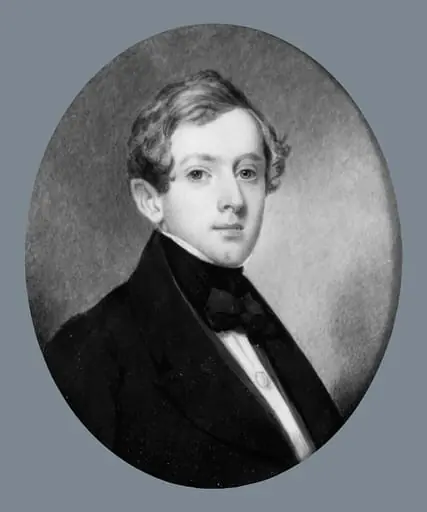
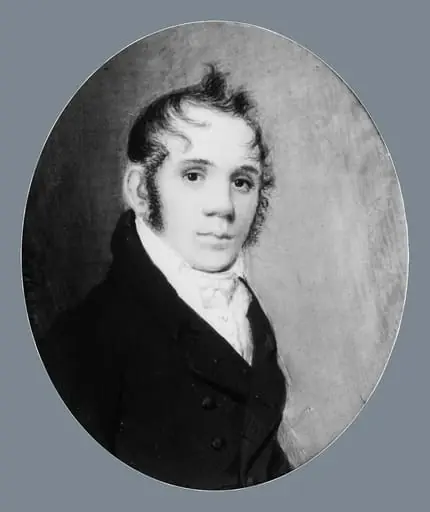
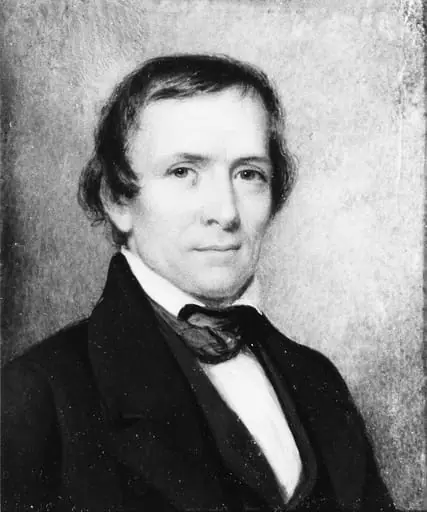
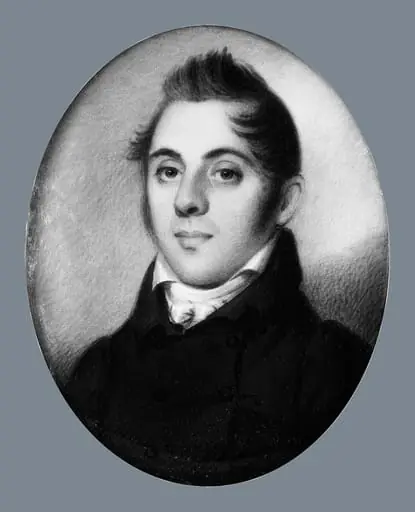
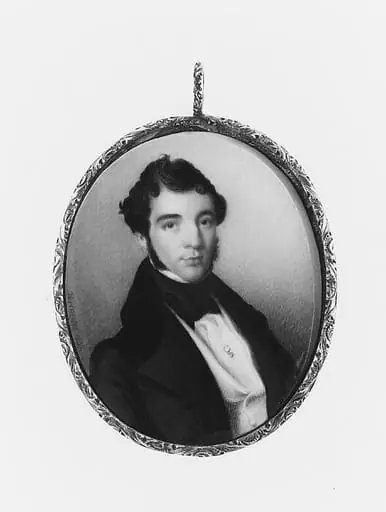
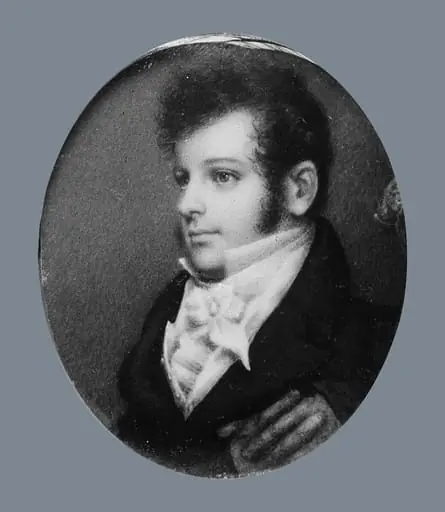
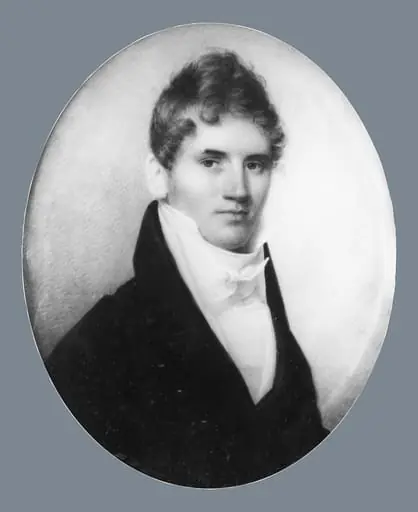
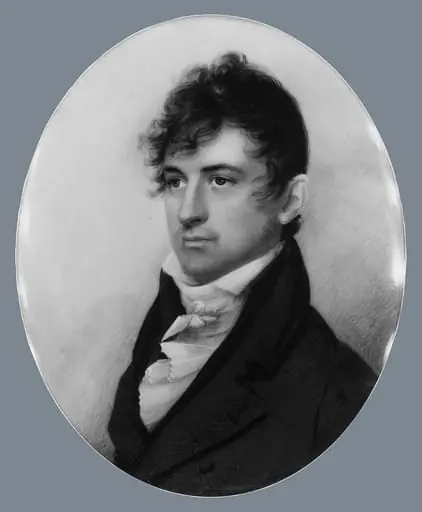
Portrait of a Gentleman is a watercolor painting by the American Folk Art artist Henry Inman. It dates from 1832 and is held in the collection of the Metropolitan Museum of Art.
About this work
Overview
The piece exemplifies the detailed portraiture common in the early 19th century, serving as a personal memento or a record of an individual's likeness.
Henry Inman's Portrait of a Gentleman, created around 1832, is a watercolor on ivory. This small-scale work presents an unidentified man, rendered with a direct gaze. The piece exemplifies the detailed portraiture common in the early 19th century, serving as a personal memento or a record of an individual's likeness. It is housed within the American Wing collection, reflecting its significance in American art history.
Subject & Meaning
The portrait features a man dressed in a dark coat, his crisp collar and neatly combed hair suggesting a refined appearance. He looks directly forward, his face softly illuminated, creating an immediate connection with the viewer. The absence of jewelry or specific props keeps the focus entirely on the sitter's features and demeanor, presenting a straightforward and unembellished representation of the individual.
Technique & Style
This diminutive portrait is executed in watercolor on ivory, a popular medium for miniatures during the period. The smooth, non-absorbent surface of ivory presented a technical challenge for artists, as it made the subtle blending of colors difficult. However, Inman's skillful application of paint is evident in the remarkably fine brushwork, which is virtually imperceptible, resulting in a smooth, luminous finish that captures delicate details.
Context
Miniature portraits like this one were a prevalent art form in America throughout the 1800s, often commissioned to commemorate individuals or family members. They offered a more intimate and portable alternative to larger oil paintings. Studying works by Inman and his contemporaries provides insight into the artistic practices and social customs of the era, highlighting the demand for personal likenesses and the evolving styles within American portraiture.
Artist & collection