Artwork
The Modern Art of Advertising
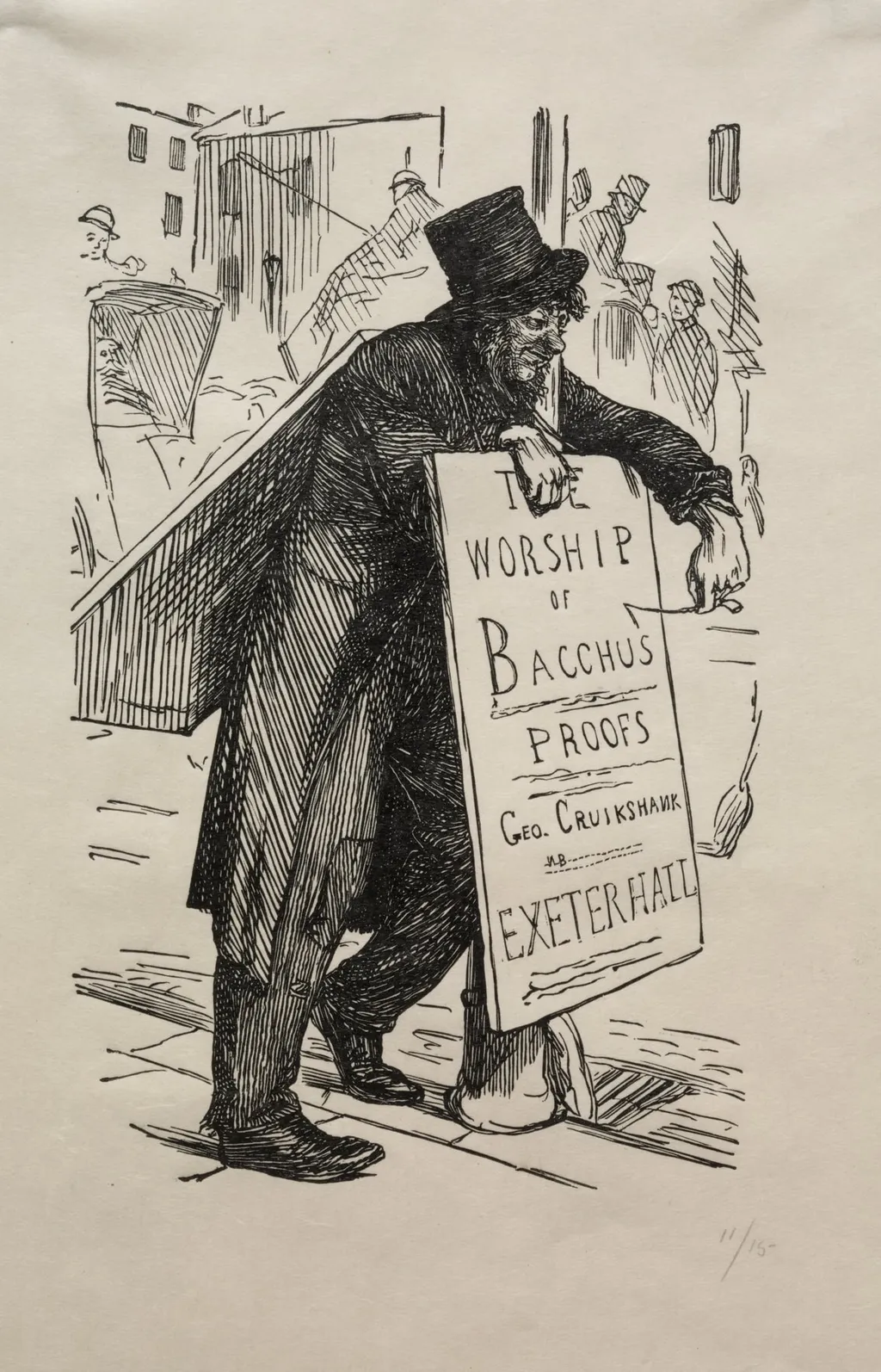
The Modern Art of Advertising is a print by the Impressionist artist George Louis Palmella Busson Du Maurier. It dates from 1863 and is held in the collection of the Cleveland Museum of Art.
- Accession no.
- 1924.375
- Credit line
- Dudley P. Allen Fund
About this work
Overview
Created in 1863 by George Louis Palmella Busson du Maurier, this print is a satirical commentary on the rising commercialism of Victorian Britain.
Created in 1863 by George Louis Palmella Busson du Maurier, this print is a satirical commentary on the rising commercialism of Victorian Britain. Du Maurier, a French-born illustrator based in London, was known for his contributions to Punch magazine. The work captures the intersection of advertising and daily life during a period of rapid urban and industrial change, using visual wit to critique emerging consumer culture.
Subject & Meaning
The image portrays exaggerated advertisements dominating public spaces, mocking the proliferation of commercial messaging in an era when mass production and print media were expanding. Figures in the scene appear overwhelmed or indifferent to the surrounding posters and signs, suggesting a cultural fatigue with commercial intrusion. The satire targets both the audacity of advertisers and the public’s passive acceptance of their claims.
Technique & Style
Executed in pen and ink with fine linear detail, the work reflects the illustrative conventions of mid-Victorian periodicals. Du Maurier employs precise draftsmanship and subtle tonal contrasts to render crowded urban environments. His figures are stylized yet expressive, combining caricature with observational accuracy to convey social commentary without overt caricature.
History & Provenance
The print was originally published in Punch, where du Maurier’s illustrations regularly appeared between the 1850s and 1890s. It was not intended as a standalone artwork but as part of a weekly editorial commentary. Its survival in private and institutional collections reflects later recognition of its value as a document of Victorian visual culture, though it was not widely reproduced beyond its initial publication.
Context
In the 1860s, Britain’s urban centers saw a surge in printed advertising due to advances in lithography and rising literacy. Public walls, tramcars, and shop fronts became contested spaces for commercial messages. Du Maurier’s image responds to this shift, positioning advertising not as innovation but as an invasive force, reflecting broader anxieties about modernity and the erosion of aesthetic and social boundaries.
Legacy
Though du Maurier is better remembered today for his novels, this print remains a significant example of 19th-century graphic satire. It anticipates later critiques of consumerism in art and media, offering a pre-modernist lens on the commodification of public space. Scholars cite it as an early visual record of how advertising began to reshape urban perception and social behavior.
![Aux Champs-Elysées, Ratapoil. Par suite d'une délibération philantropique [sic] du Comité du dix Décembre...à deux sous à club...deux sous...](https://artifactworldgallery.com/img/honore-daumier--aux-champs-elysees-ratapoil-par-suite-d-une-deliberation-phi--62ca0cc774af3945-w320.webp)
Own this work as a print
Artist & collection
Artist
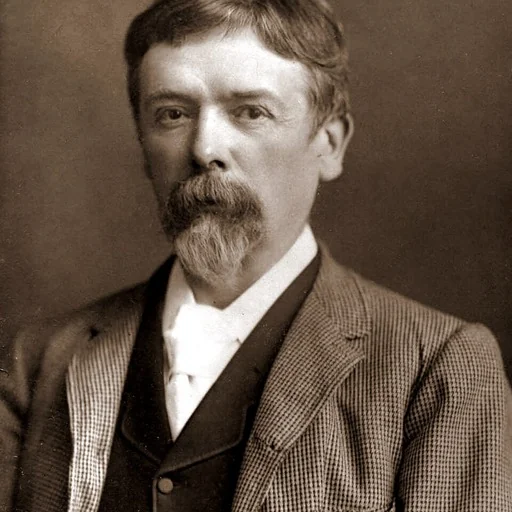
George Louis Palmella Busson Du Maurier
George Louis Palmella Busson du Maurier (French:; 6 March 1834 – 8 October 1896) was a French-British cartoonist, illustrator, and novelist.

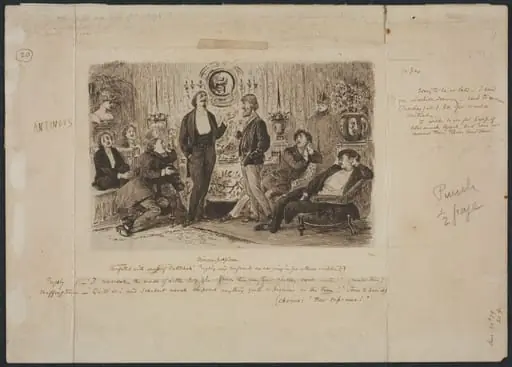
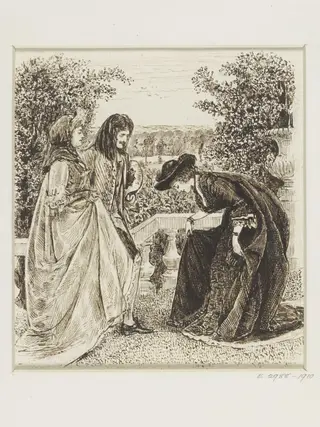
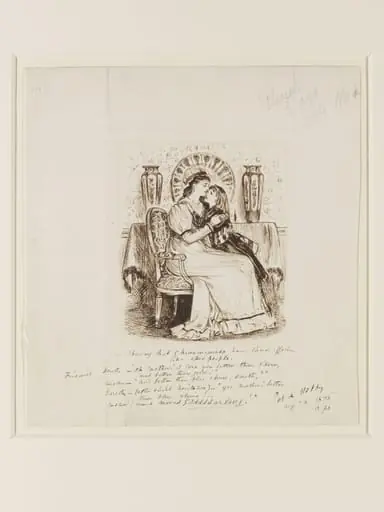
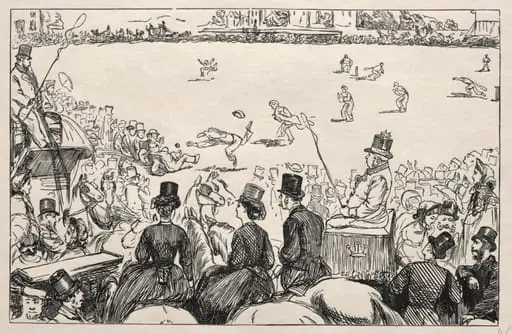
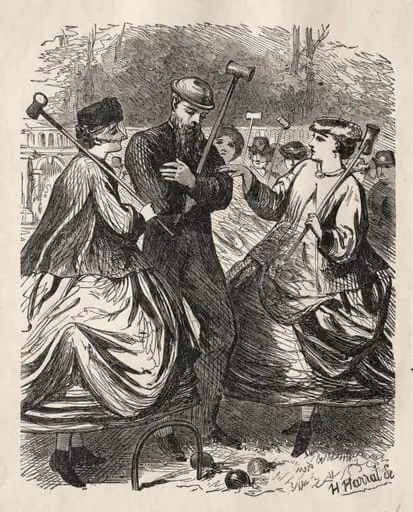
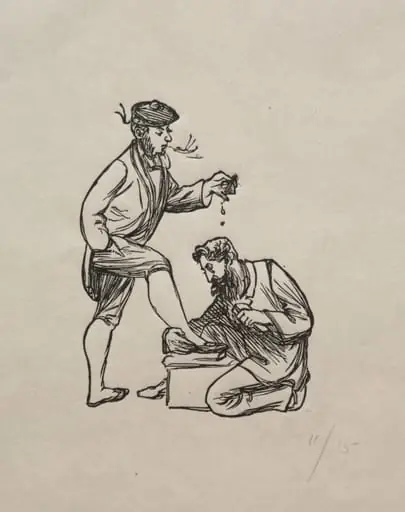
- Aux Champs-Elysées, Ratapoil. Par suite d'une délibération philantropique [sic] du Comité du dix Décembre...à deux sous à club...deux sous...
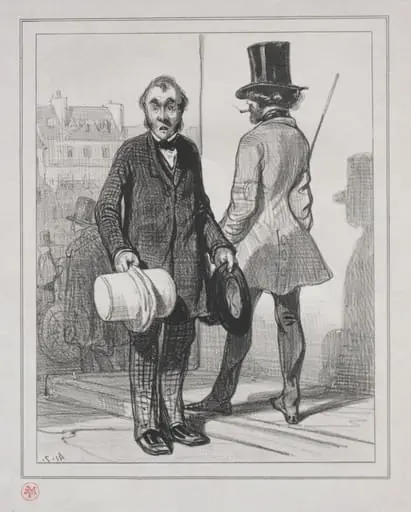 The Life of a Young Man
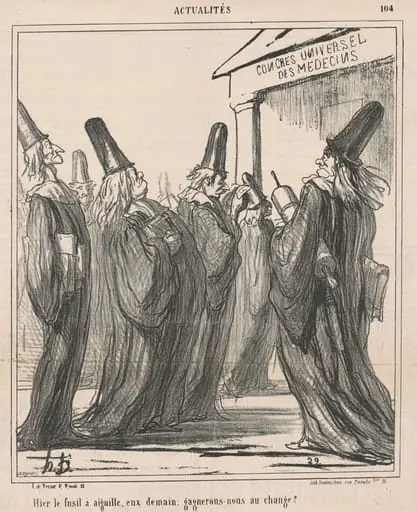 Hier le fusil a aiguille, eux demain ...
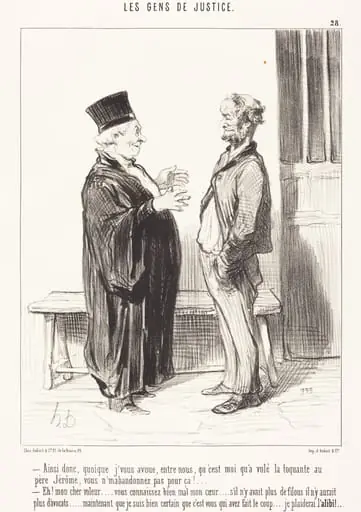 Ainsi donc, quoique j'vous avoue...
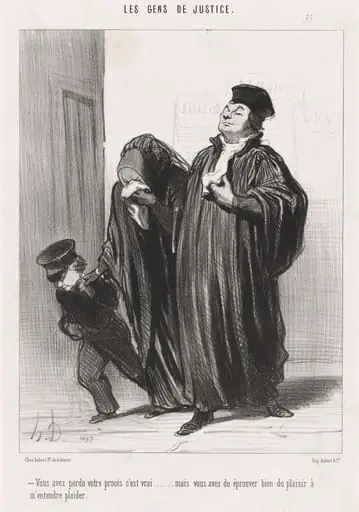 Vous avez perdu votre procès c'est vrai...
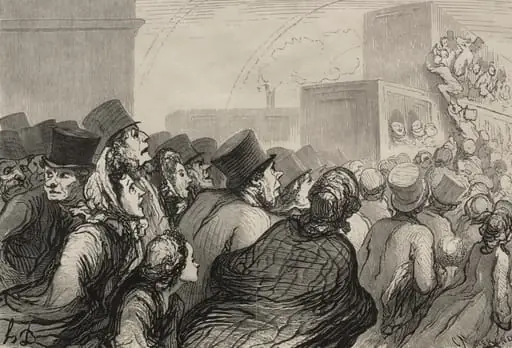 The Railway: The Sunday Excursion
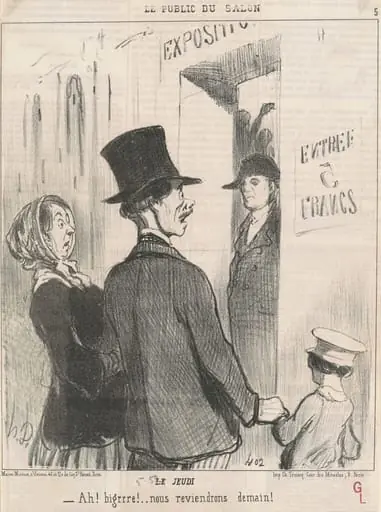 Le jeudi
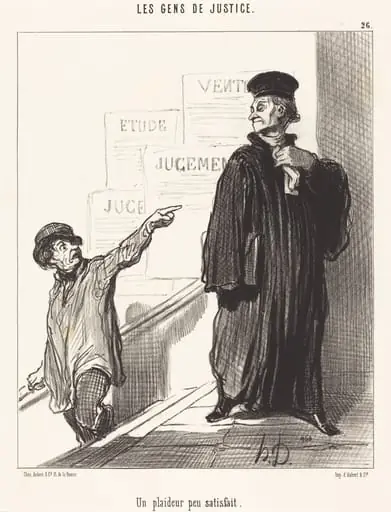 Un Plaideur peu satisfait
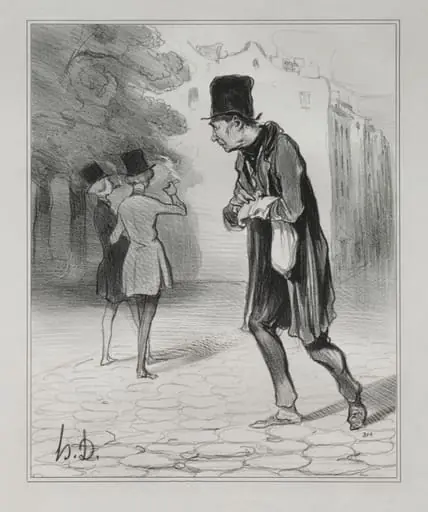 The Collector of Cigar Stubs
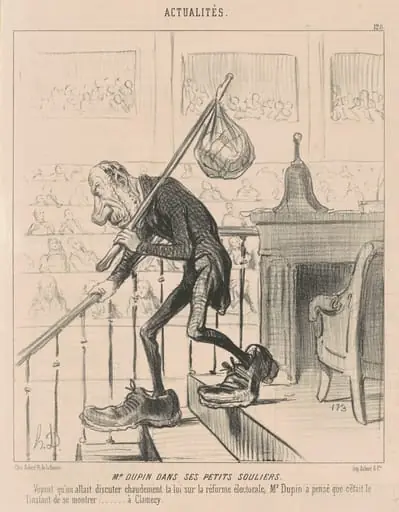 M. Dupin dans ses petits souliers
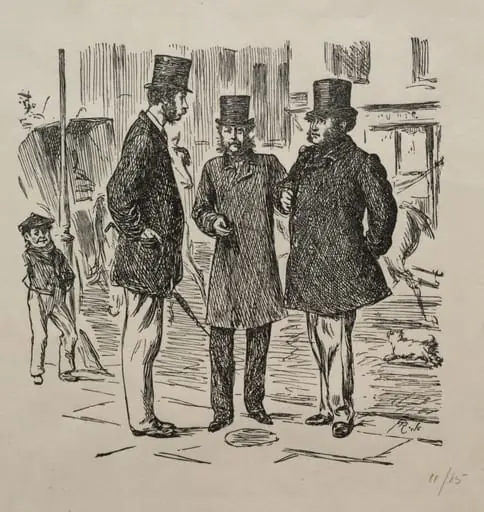 The Little Moment before the Introduction
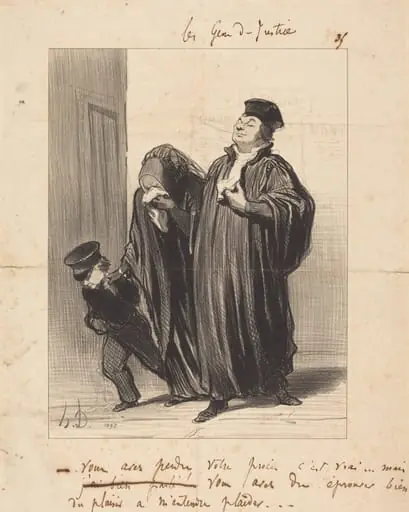 Vous avez perdu votre procès c'est vrai...