Artwork
Fishermen
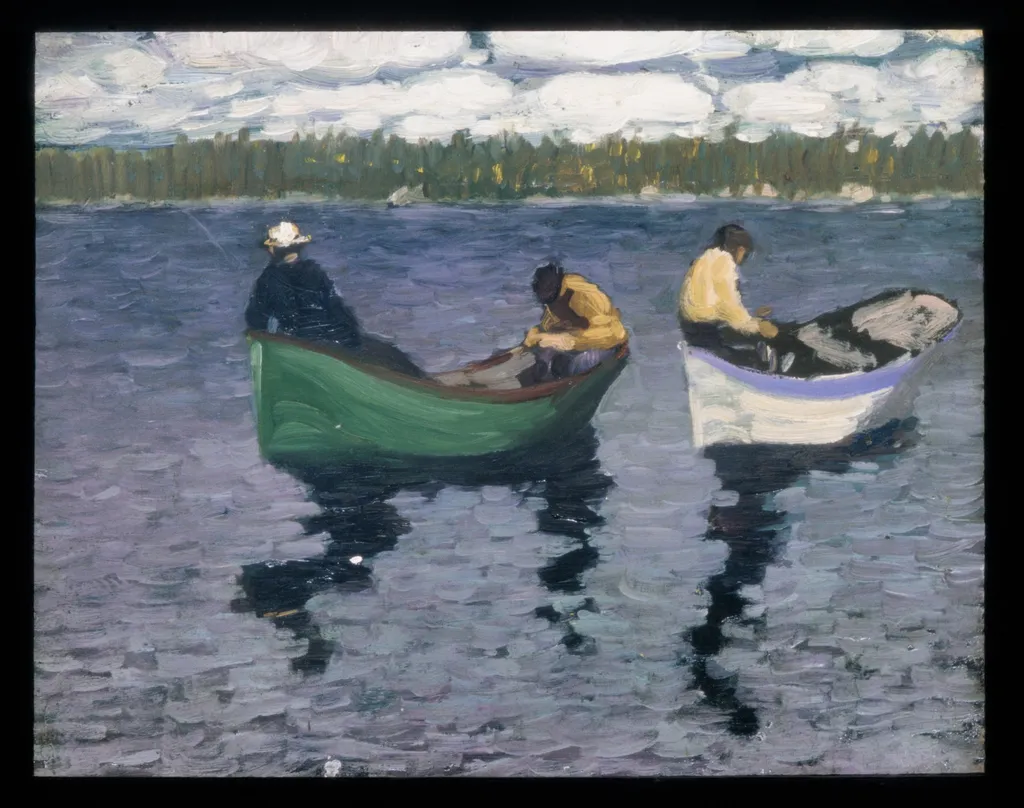
Fishermen is an oil painting by the Ashcan School artist George Luks. It dates from 1920 and is held in the collection of the Metropolitan Museum of Art.
About this work
Technique & Style
The formal composition centers on these maritime elements, rendered through the artist's characteristic handling of the oil medium on the wooden panel.
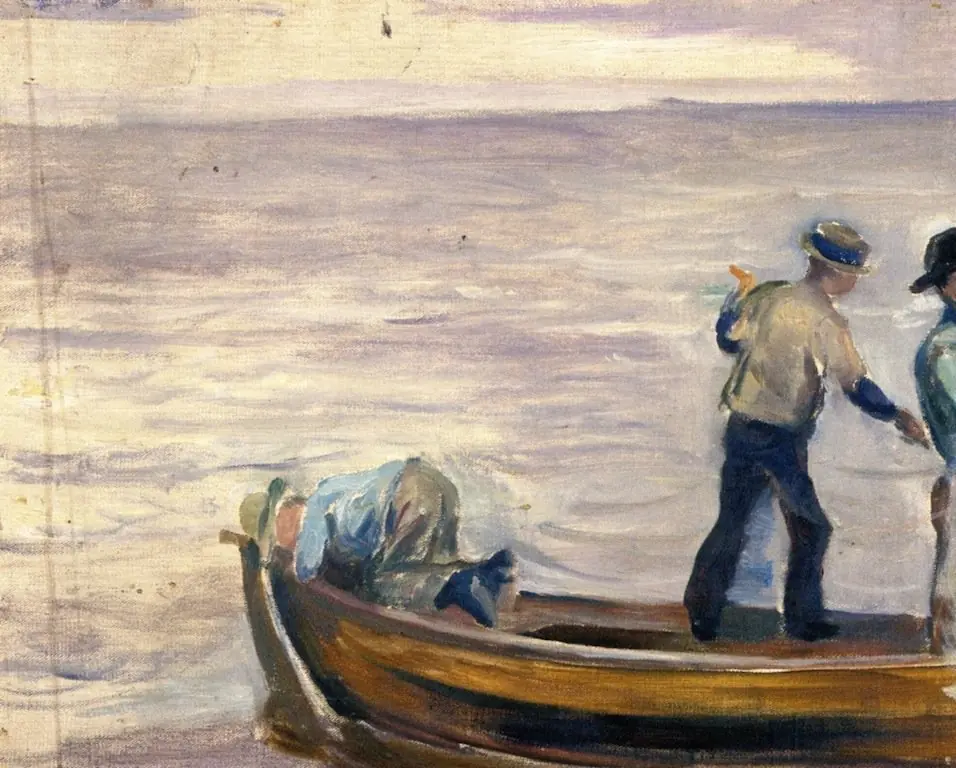
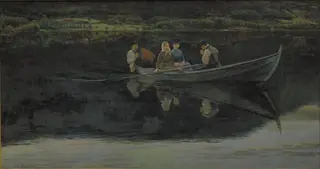
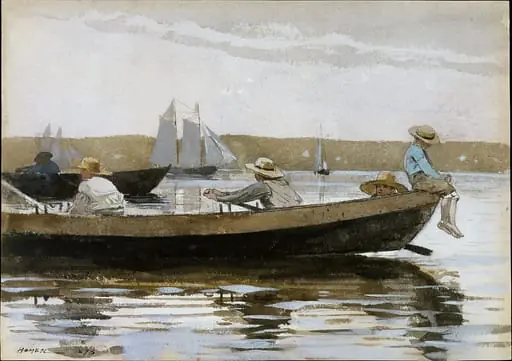
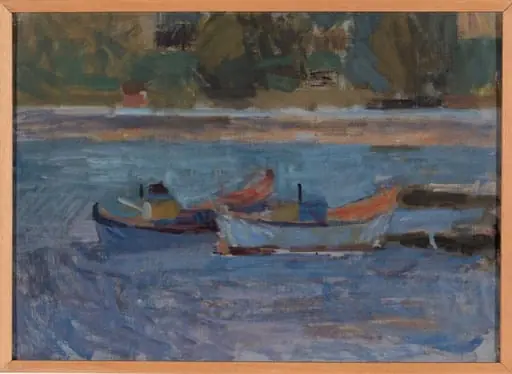
George Luks's Fishermen, executed in 1920, is an oil painting on a panel support. The work measures 32.4 centimeters in height and 40.6 centimeters in width. As a painting classified within the artist's oeuvre, the piece depicts a scene featuring a boat, men, and fishing activities.
The medium of oil paint applied to a rigid panel surface characterizes the physical construction of the artwork, which is currently held in the collection of the Metropolitan Museum of Art. The formal composition centers on these maritime elements, rendered through the artist's characteristic handling of the oil medium on the wooden panel.
History & Provenance
Fishermen was created in 1920 by the American realist painter George Luks, who executed the work in oil on panel. According to the artwork’s records, it bears an inception date of 1920 and measures 32.4 cm in height by 40.6 cm in width. The painting entered the collection of the Metropolitan Museum of Art, where it is currently housed and displayed. No further details regarding earlier ownership, commissions, or exhibition history are provided in the available sources.
Overview
George Luks created Fishermen in 1920 using oil paint. This painting depicts three figures in a rowboat, engaged in the act of fishing on a calm body of water. The work exemplifies Luks's interest in portraying scenes of everyday life and labor, a characteristic of his broader artistic output. It is currently held in the collection of The Metropolitan Museum of Art.
Subject & Meaning
The composition centers on a rowboat occupied by three men, their backs turned to the viewer, each distinguished by a different colored shirt. They are positioned on a tranquil expanse of water, beneath a cloudy, reflective sky, with a faint shoreline visible in the distance. This depiction of quiet labor and communal activity suggests a focus on the unadorned realities of working life, imbued with a sense of calm.
Context
As a prominent member of the Ashcan School, George Luks was part of a movement that championed the depiction of ordinary American life, often focusing on urban and working-class subjects. Along with artists like Robert Henri, he challenged the prevailing academic traditions and their emphasis on refined aesthetics. Luks's artistic perspective, informed by both European study and his background in graphic arts, contributed to this group's pursuit of a more authentic visual narrative.
Own this work as a print
Artist & collection

Artist
George Benjamin Luks (August 13, 1867 – October 29, 1933) was an American artist, identified with the aggressively realistic Ashcan School of American painting.