Artwork
Railroad Crossing, The Berkshires
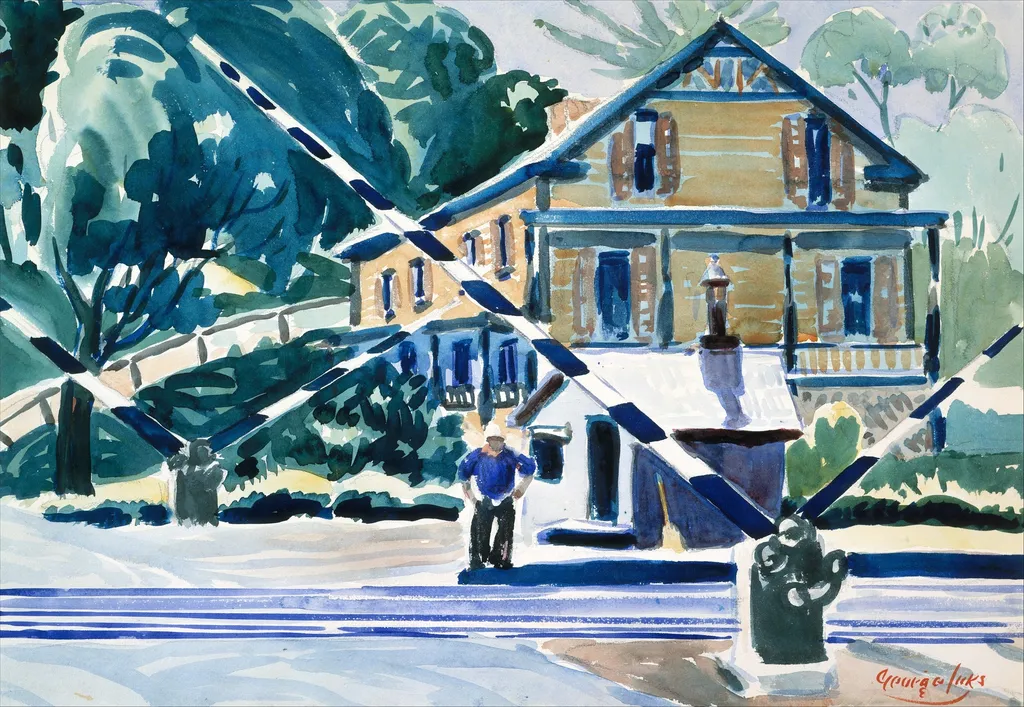
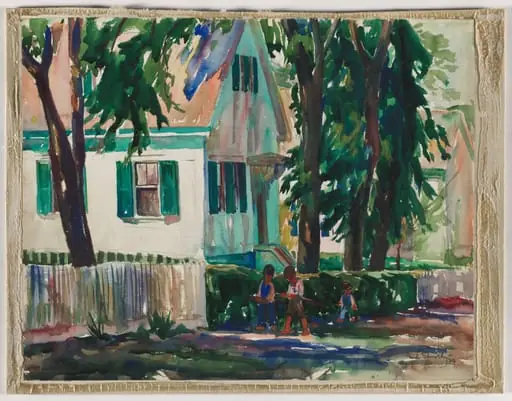
Railroad Crossing, The Berkshires is an unspecified painting by the Ashcan School artist George Luks. It dates from 1925 and is held in the collection of the Metropolitan Museum of Art.
About this work
Subject & Meaning
The Berkshires’ natural beauty contrasts with the industrial intrusion, highlighting tensions between nature and technology that defined the era.
The painting depicts a railroad crossing in a rural landscape identified as the Berkshires, emphasizing the intersection of industrial modernity with pastoral scenery. Luks’s composition foregrounds the crossing gate and tracks, while the surrounding terrain, rolling hills, trees, and open sky, frames the scene within a quiet, timeless setting. The work captures a fleeting moment of transition, where the static rural environment meets the implied motion of trains, evoking themes of progress and change in early 20th-century America.
Symbolically, the railroad crossing suggests both connectivity and disruption, reflecting broader societal shifts as railroads expanded across the American landscape. The Berkshires’ natural beauty contrasts with the industrial intrusion, highlighting tensions between nature and technology that defined the era.
History & Provenance
Railroad Crossing, The Berkshires is a painting by George Luks dated to 1925. The work is held in the collection of the Metropolitan Museum of Art, where it remains part of the institution's holdings.
The available sources do not document a commission, prior ownership, or a more specific creation date beyond the year 1925, nor do they detail the chain of custody preceding the painting's acquisition by the Metropolitan Museum of Art.
Railroad Crossing, The Berkshires is held in the collection of the Metropolitan Museum of Art in New York. The work, created by George Luks in 1925, measures 13.875 by 19.875 units. While the painting's current location and basic creation data are documented, the provided sources do not contain specific inventory or accession numbers, nor do they list any exhibitions in which the work has appeared.
Legacy
Railroad Crossing, The Berkshires (1925) by George Luks has been recognized for its dynamic composition and vivid portrayal of rural American life, influencing subsequent realist painters who emphasized everyday scenes. Its presence in the Metropolitan Museum of Art has ensured continued public visibility, contributing to scholarly discussions of early 20th-century American art and cementing Luks' reputation as a key figure in the Ashcan School.
Overview
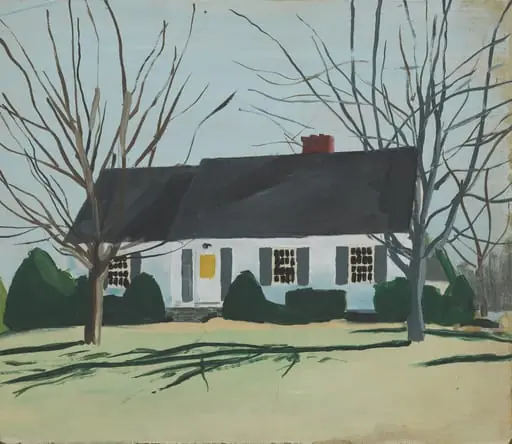
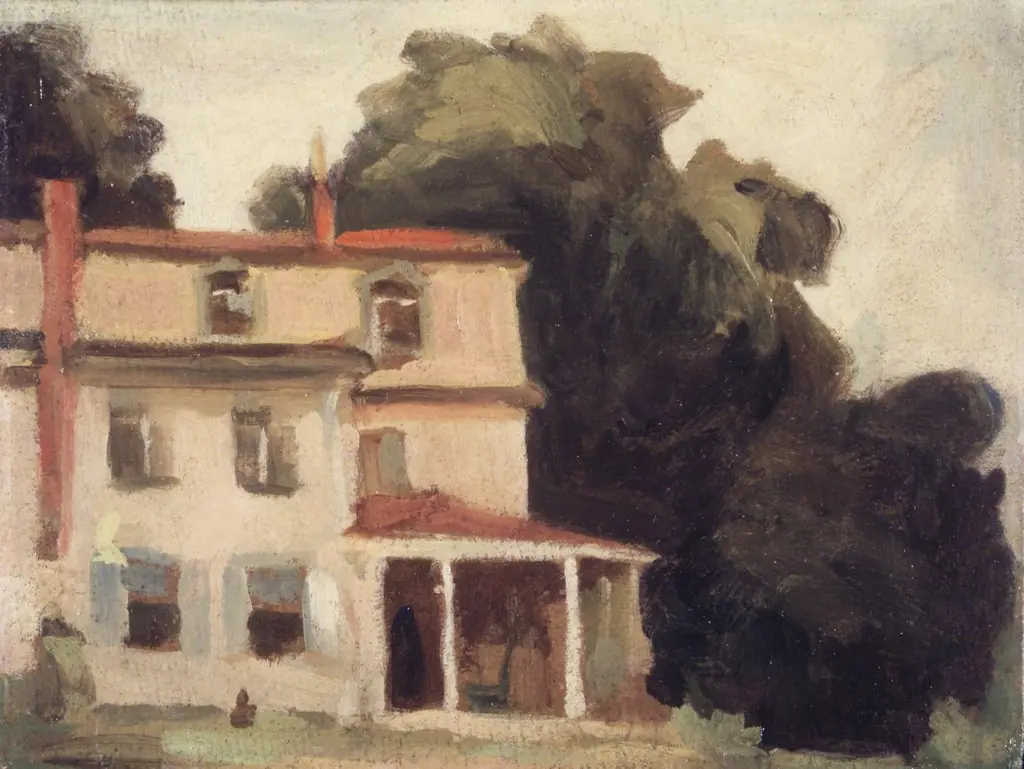
George Luks completed Railroad Crossing, The Berkshires in 1925. The oil on canvas presents a quiet railway intersection set amid the rolling hills of western Massachusetts, with a modest house and trees framing the scene. A solitary figure stands near the tracks, providing a reference for scale. The work belongs to the collection of the Metropolitan Museum of Art.
Technique & Style
Luks employs a palette of muted earth tones punctuated by brighter highlights, creating atmospheric depth through subtle shifts in light. His brushwork is loose and gestural, conveying a sense of movement despite the stillness of the scene. The handling of form and color reflects the Ashcan School’s commitment to direct observation and unembellished representation.
Context
Although Luks is best known for gritty urban subjects, this piece demonstrates his willingness to apply the Ashcan School’s realist approach to a pastoral setting. The painting aligns with the broader early‑twentieth‑century interest in documenting the changing American landscape, where railroads symbolized both progress and the intrusion of modernity into rural life.
Own this work as a print
Artist & collection

Artist
George Benjamin Luks (August 13, 1867 – October 29, 1933) was an American artist, identified with the aggressively realistic Ashcan School of American painting.