Artwork
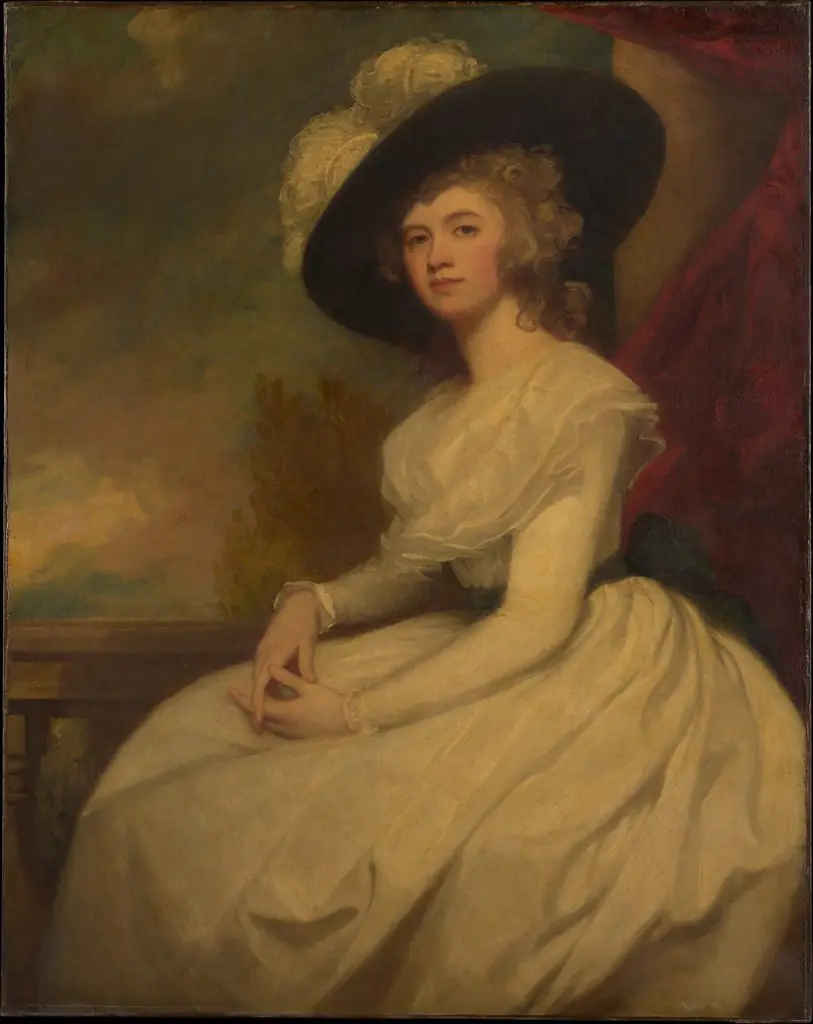
Portrait of a Woman, Said to Be Emily Bertie Pott (died 1782)
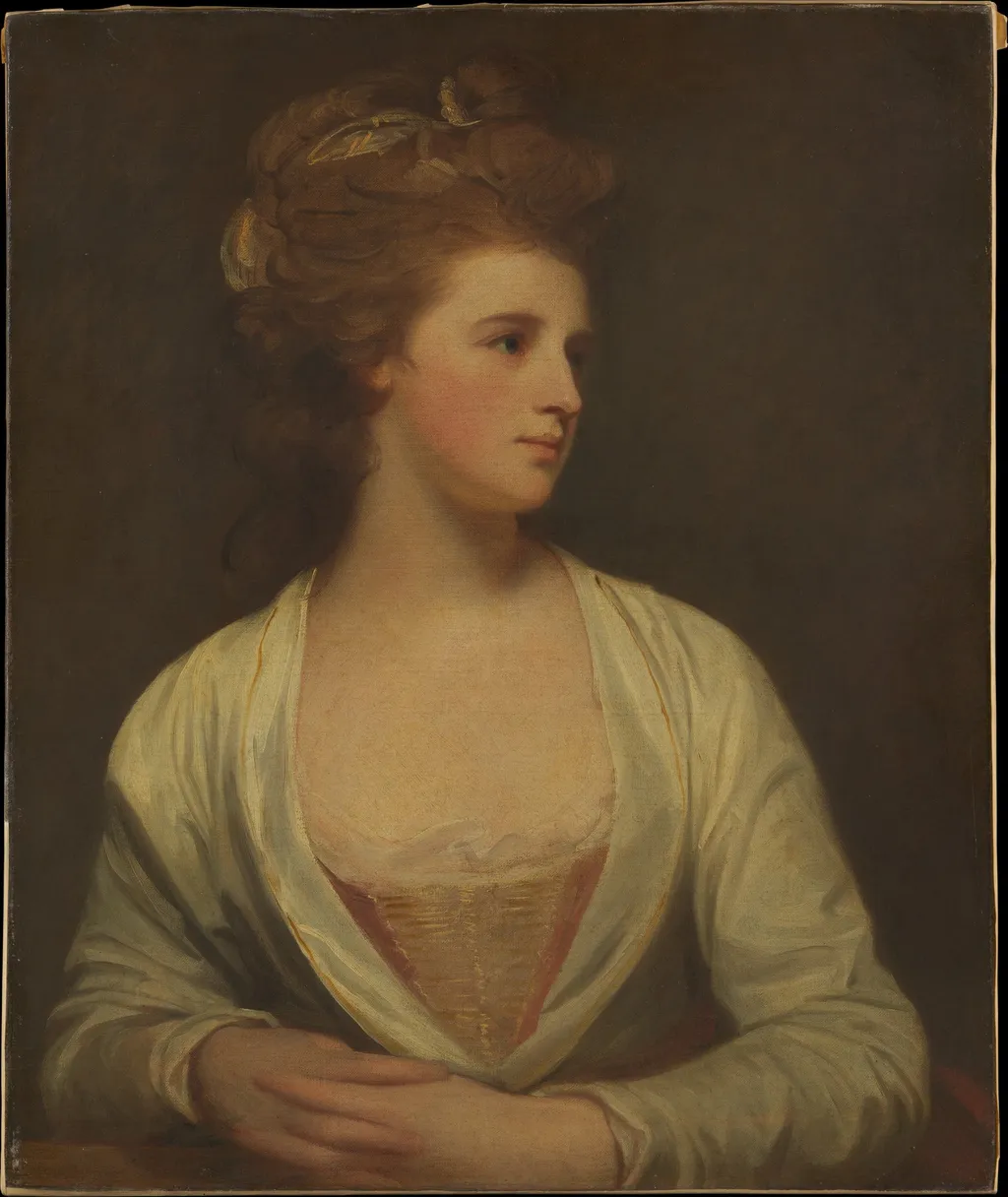
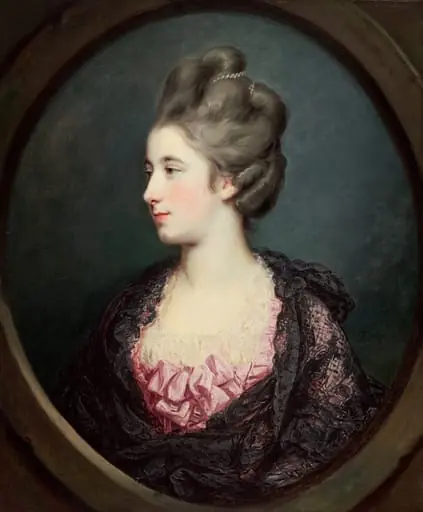
Portrait of a Woman, Said to Be Emily Bertie Pott (died 1782) is an oil painting by the Rococo painting artist George Romney. It dates from 1791 and is held in the collection of the Metropolitan Museum of Art.
About this work
Subject & Meaning
Romney’s handling of light and fabric accentuates the sitter’s refined demeanor, while the composition aligns with the portrait genre practiced by the artist.
The painting shows a young woman identified as Emily Bertie Pott, who died in 1782, rendered by George Romney in 1781. She is presented in a conventional half‑length pose, dressed in contemporary attire that signals her genteel status. The work functions as a formal record of the sitter’s appearance, reflecting the emphasis on lineage and social position in late‑18th‑century portraiture.
Romney’s handling of light and fabric accentuates the sitter’s refined demeanor, while the composition aligns with the portrait genre practiced by the artist. The piece remains in the Metropolitan Museum of Art, preserving the visual legacy of the Pott family.
History & Provenance
The portrait is dated to 1781 by George Romney, placing its creation during the artist’s mature period. It is recorded as depicting Emily Bertie Pott, who died in 1782, indicating the work likely served as a posthumous memorial or commemorative likeness. The painting entered the collection of the Metropolitan Museum of Art, where it has been held as part of their holdings of Romney’s portraiture.
Overview
George Romney, a prominent English painter of the late 18th century, completed Portrait of a Woman, Said to Be Emily Bertie Pott in 1791. This oil painting exemplifies the rococo aesthetic, presenting a refined depiction of a woman. It is currently part of the collection at The Metropolitan Museum of Art, representing Romney's characteristic approach to portraiture.
Technique & Style
The portrait showcases a woman with fair skin and an elaborate, powdered coiffure. She wears a light-hued, flowing gown with an open neckline, her hands delicately posed. Romney employed smooth brushstrokes, particularly evident in the blended tones of her skin.
A subdued, dark background ensures the viewer's attention remains on the sitter's composed expression and attire, characteristic of rococo elegance.
Context
During his active period in the late 1700s, George Romney was recognized as a highly sought-after artist in England. His studio attracted numerous distinguished individuals from high society, who commissioned him to capture their likenesses. This particular work reflects the demand for his elegant portrait style among the era's fashionable elite, establishing his reputation as a leading painter of his generation.
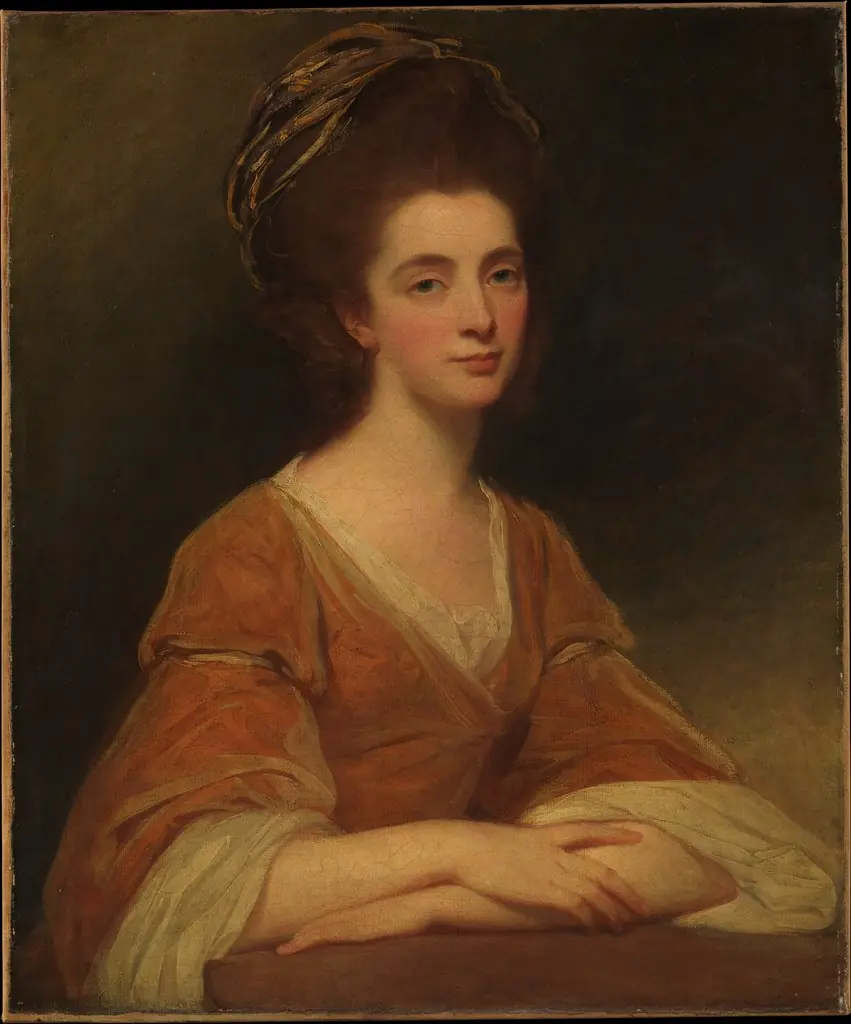
Own this work as a print
Artist & collection
Artist
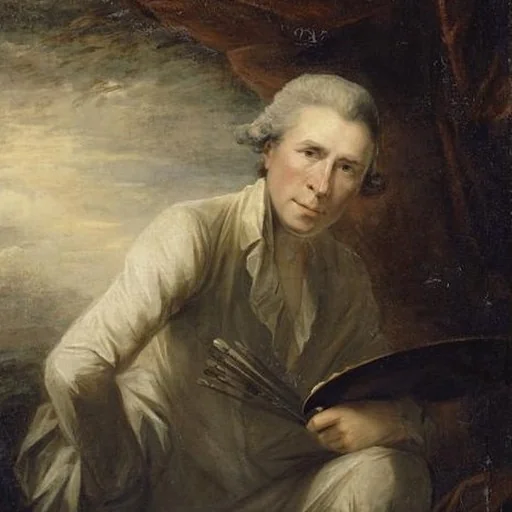
George Romney (26 December 1734 – 15 November 1802) was an English painter. He was the most fashionable artist of his day, painting many leading society figures – including his artistic muse, Emma Hamilton, mistress of Lord Nelson.

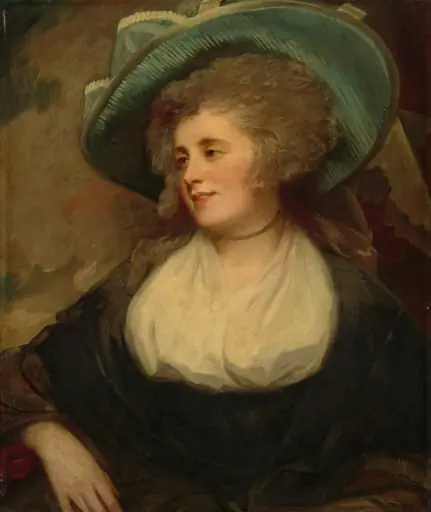
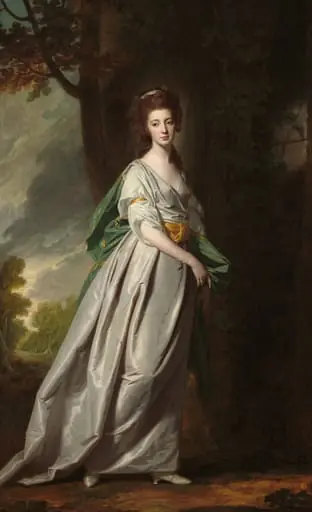
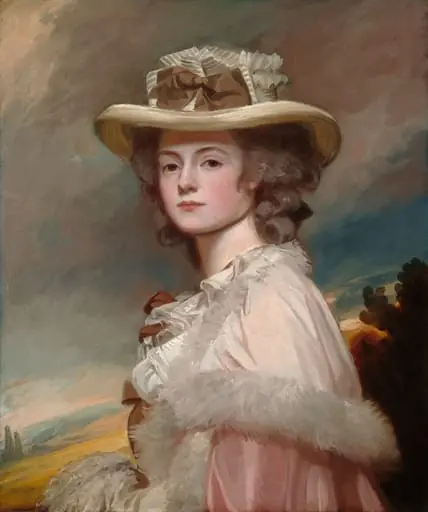
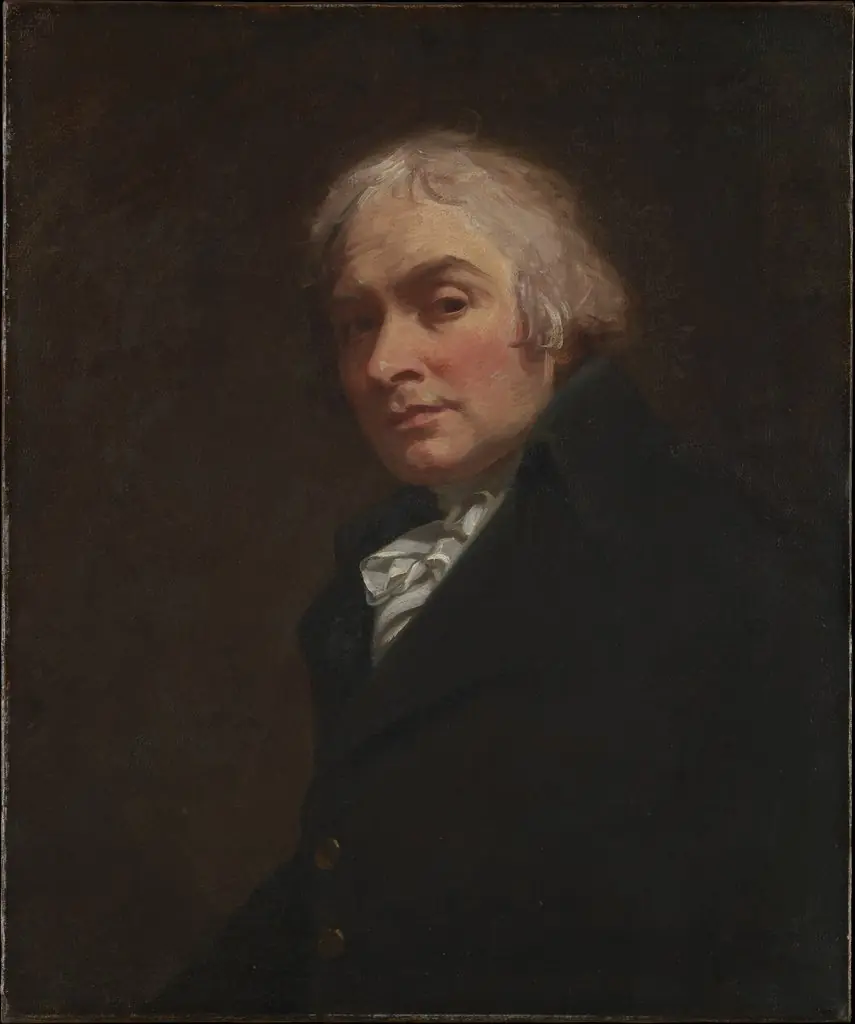
- Mrs. Charles Frederick (Martha Rigden, died 1794)
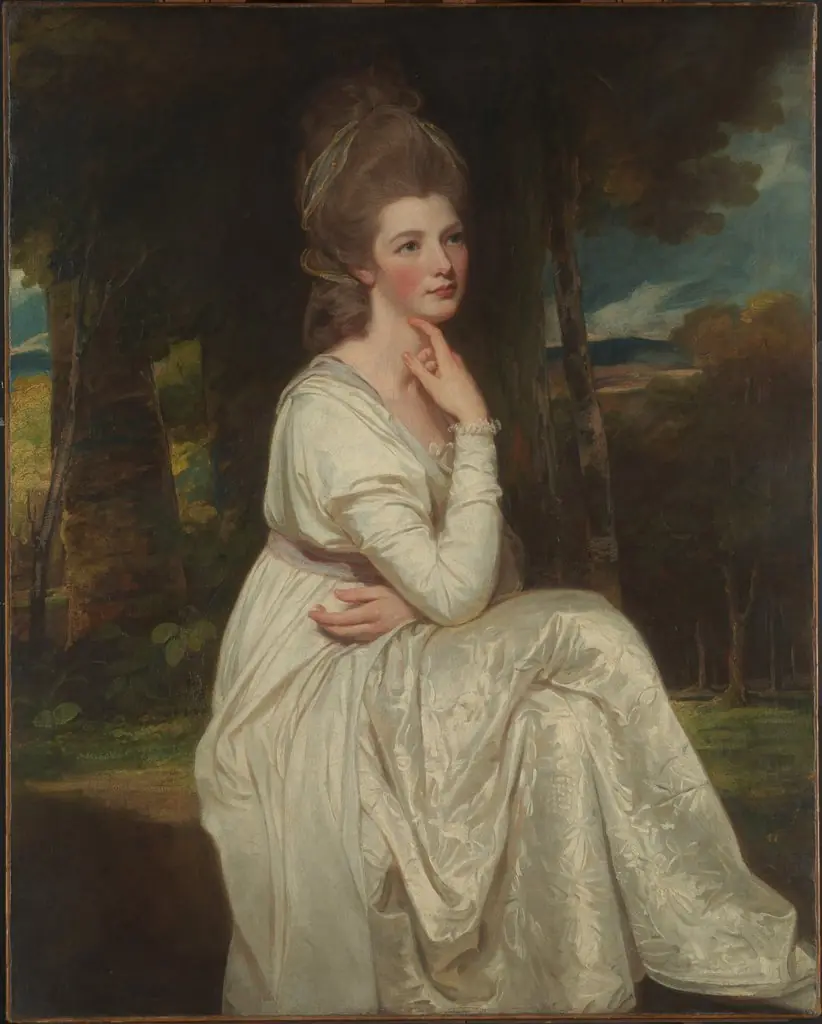 Lady Elizabeth Hamilton (1753–1797), Countess of Derby
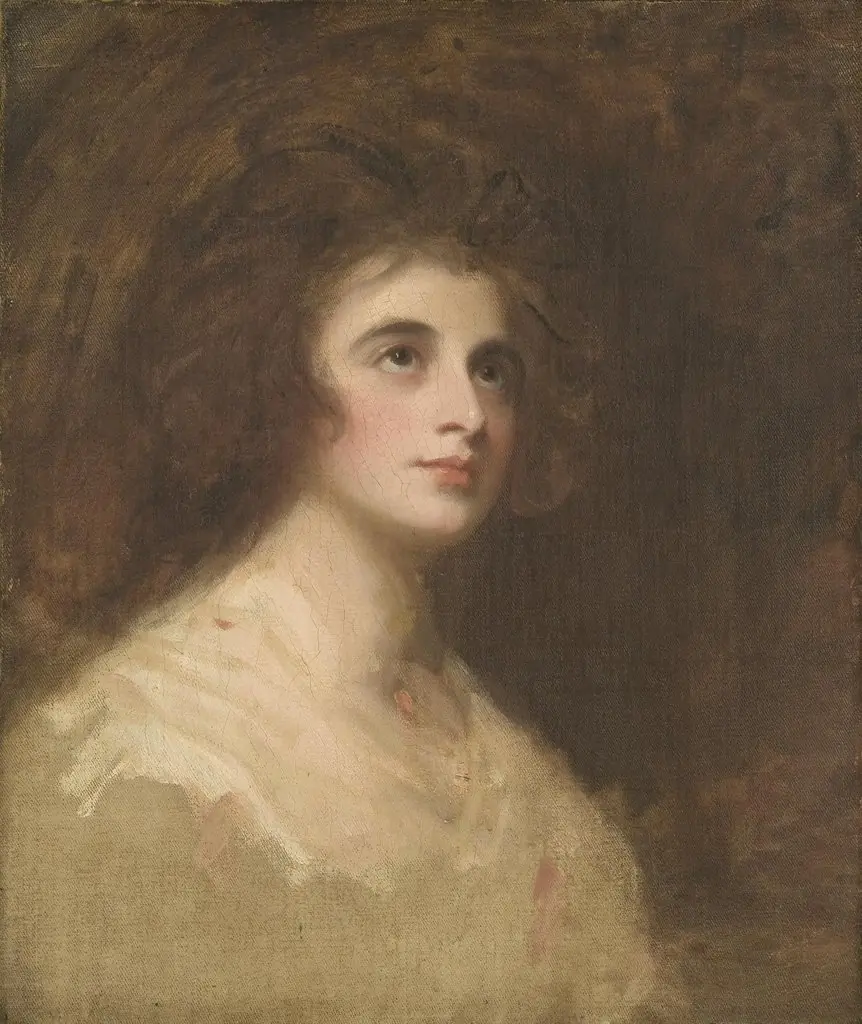 Portrait of Mrs. Tickell
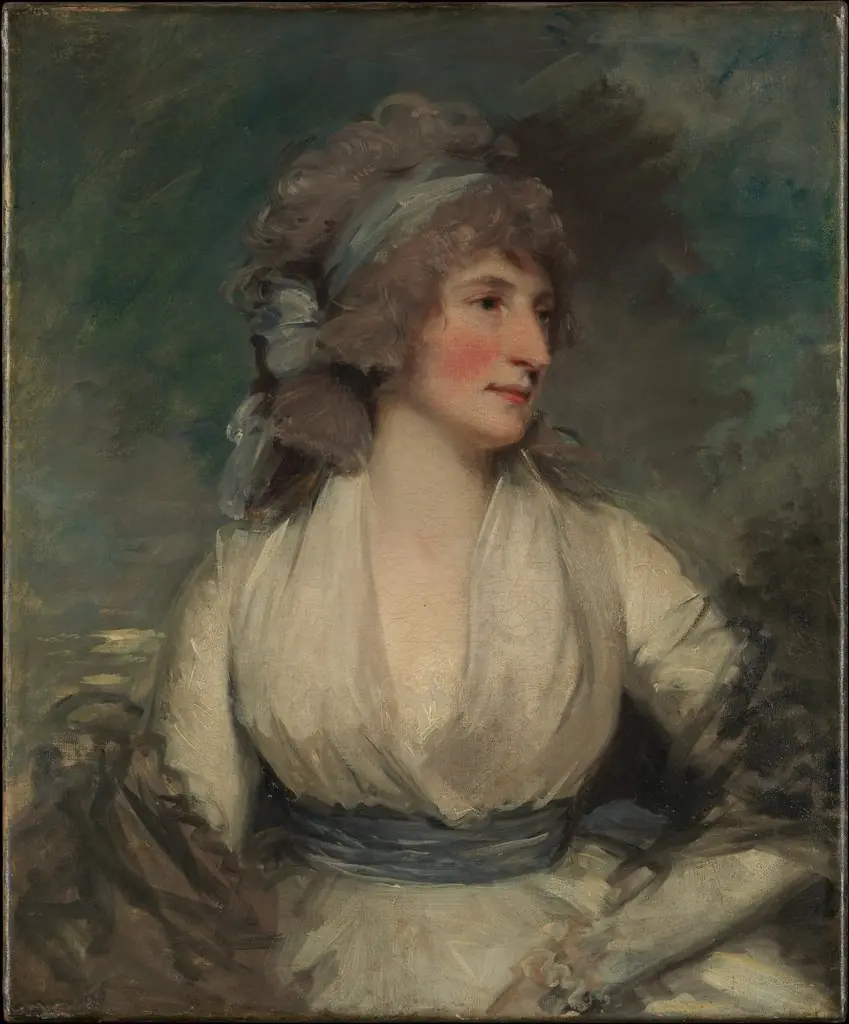 Portrait of a Woman; (reverse, now covered by relining canvas) Study of a Child's Head
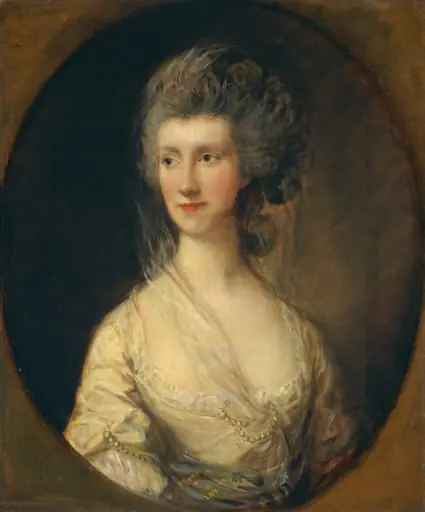 Mrs. John Taylor
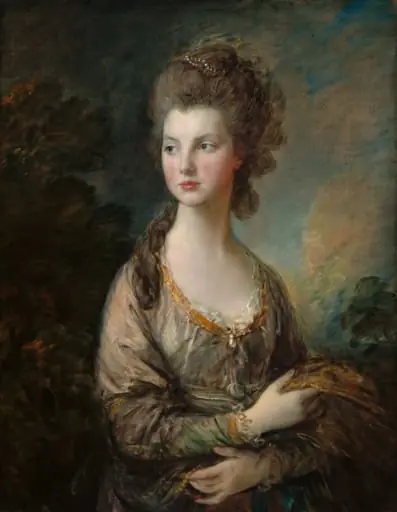 The Hon. Mrs. Thomas Graham
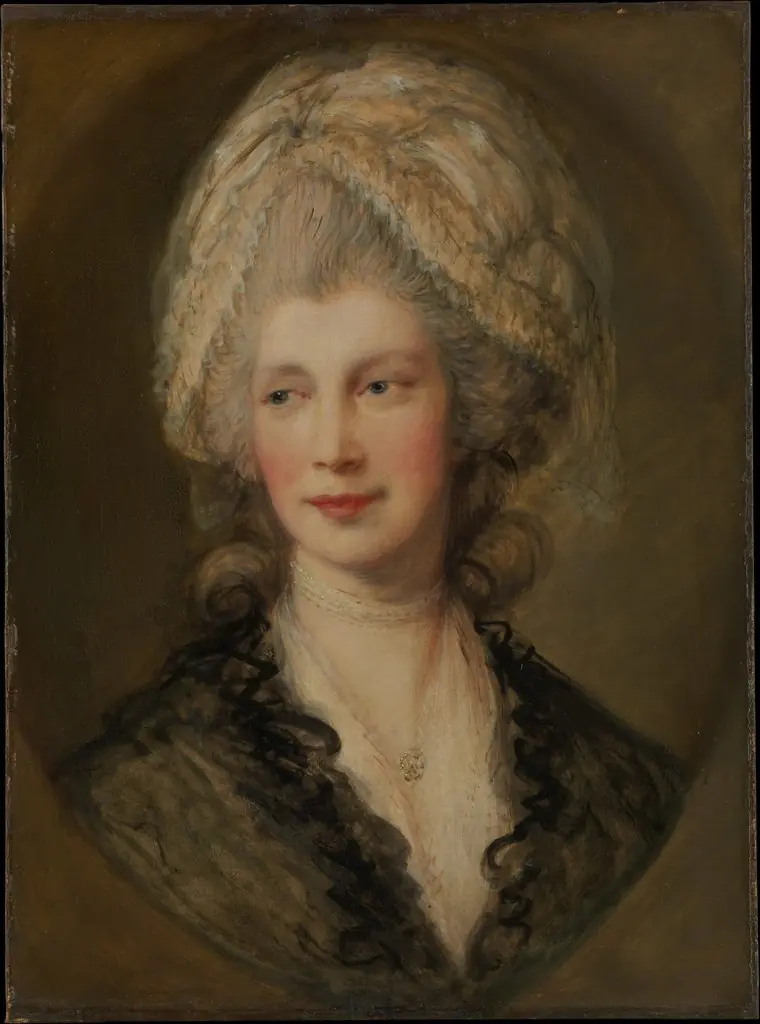 Queen Charlotte
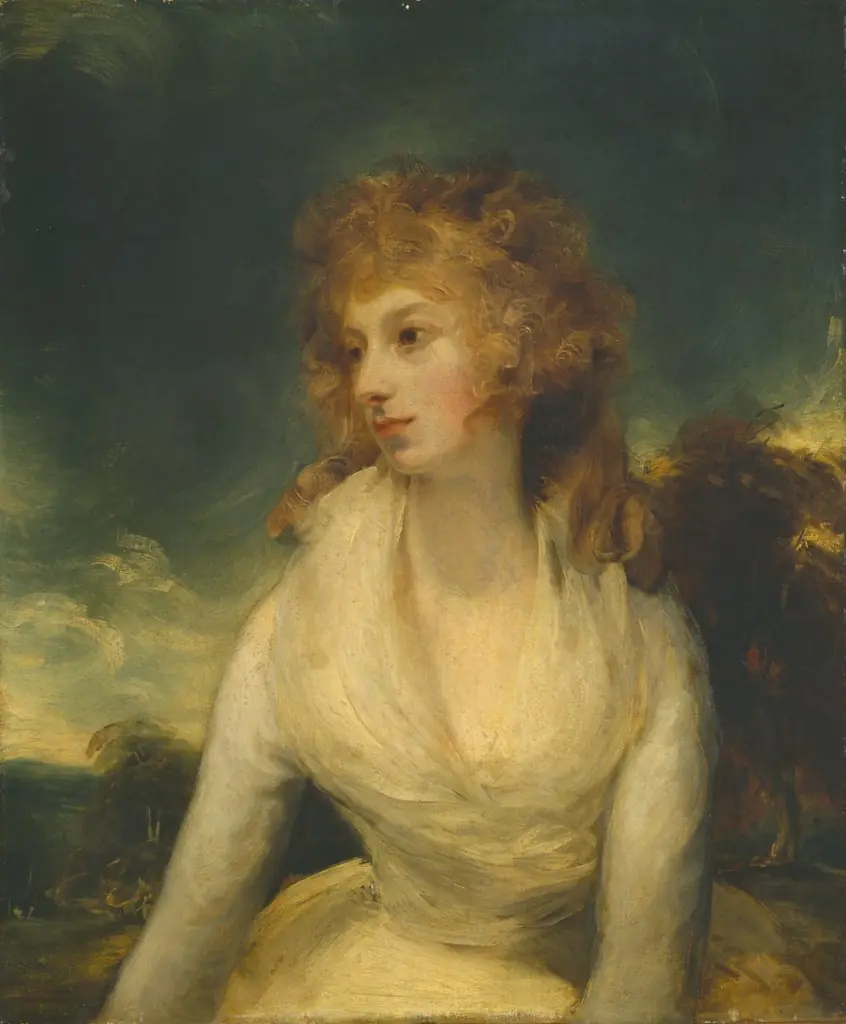 Mrs. Ayscoghe Boucherett
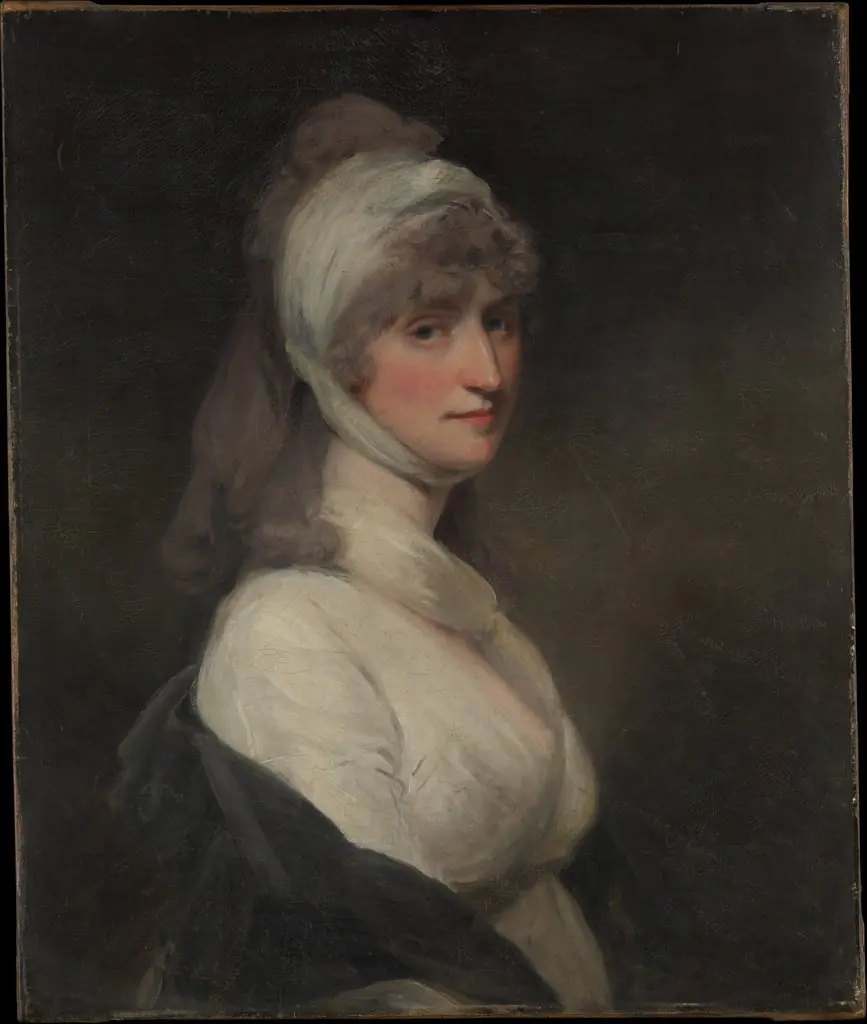 Mrs. Thomas Pechell (Charlotte Clavering, died 1841)
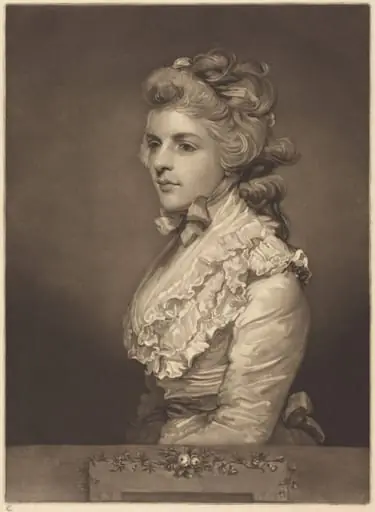 Miss Kemble in a White Dress
 Mrs. Thomas Horne