Artwork
Lady Arabella Ward
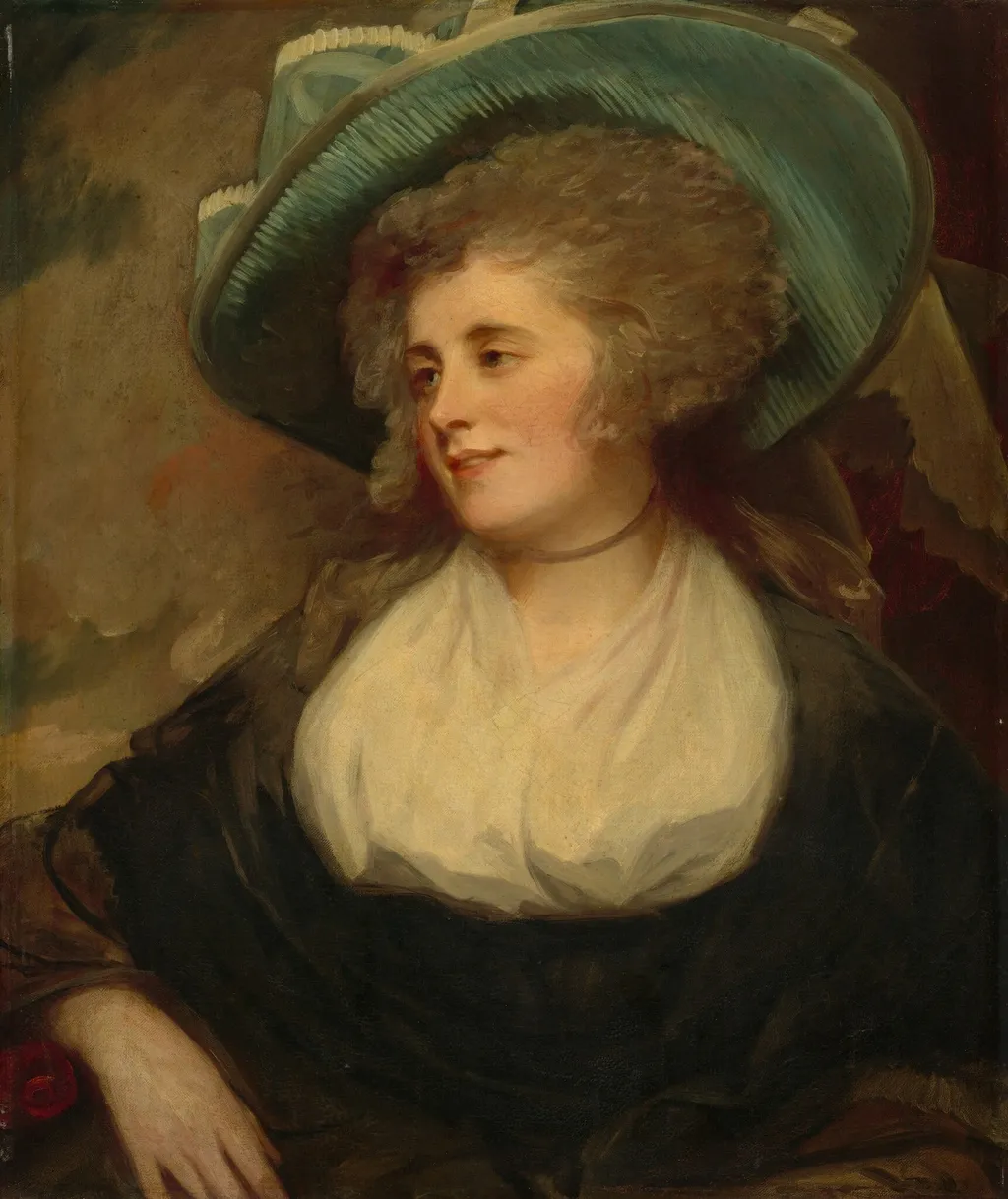
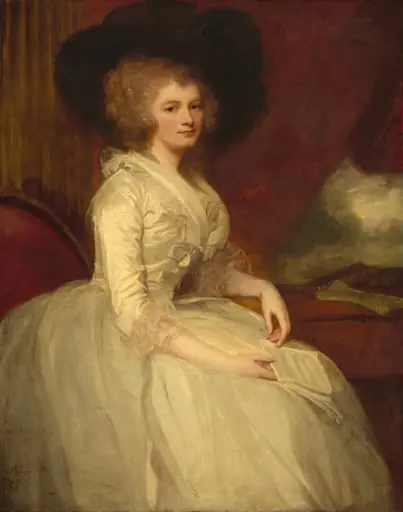
Lady Arabella Ward is an oil painting by the Rococo painting artist George Romney. It dates from 1786 and is held in the collection of the National Gallery of Art.
About this work
Technique & Style
Documentation of its handling and current condition is not detailed in the available provenance records.
The portrait of Lady Arabella Ward is an oil painting on canvas, created in 1783 by George Romney. The work employs oil pigments on a stretched canvas support, a medium that enabled the artist to build up translucent glazes and achieve the soft modeling characteristic of his portraiture. As a formal portrait, it presents the sitter in a dignified pose typical of late‑eighteenth‑century British elite representation, emphasizing status through careful attention to drapery and facial expression.
The canvas measures 76 cm by 63.5 cm, reflecting the scale common for full‑length portraits of the period. Documentation of its handling and current condition is not detailed in the available provenance records.
History & Provenance
Executed in 1783, this oil on canvas portrait was originally commissioned by the sitter's husband, the Hon. Edward Ward (1753–1812). The work remained within the Ward family, passing by descent to Maxwell, the 6th Viscount Bangor, at Castle Ward in County Down. Following its time with the Viscounts, the painting entered the commercial market through M. Knoedler & Co. in New York.
In 1921, Joseph E. Widener acquired the piece for his estate, Lynnewood Hall, located in Elkins Park, Pennsylvania. Upon Widener's death, the artwork was inherited through his estate and subsequently gifted to the National Gallery of Art in Washington, D.C., in 1942 via a power of appointment funded by the estate.
The painting is part of the National Gallery of Art's collection in Washington, D.C. Its provenance traces from being painted in 1783 for Edward Ward, through descent to the 6th Viscount Bangor, sale by Knoedler & Co. to Joseph E. Widener in 1921, and finally its 1942 donation to the gallery. The work remains in the gallery's holdings, and no accession number or exhibition record appears in the supplied documentation. Consequently, the only verifiable details are its current institutional location and the documented ownership chain leading to the 1942 gift.
Overview
This oil on canvas painting, titled Lady Arabella Ward, was completed by George Romney in 1786. It presents a formal portrait of Lady Arabella Crosbie, who later became Lady Arabella Ward. The work exemplifies Romney's approach to capturing the likeness and character of his sitters during the late 18th century.
Subject & Meaning
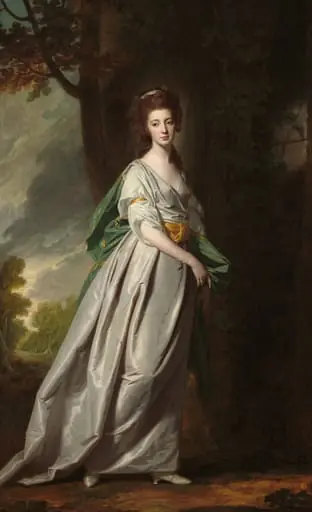
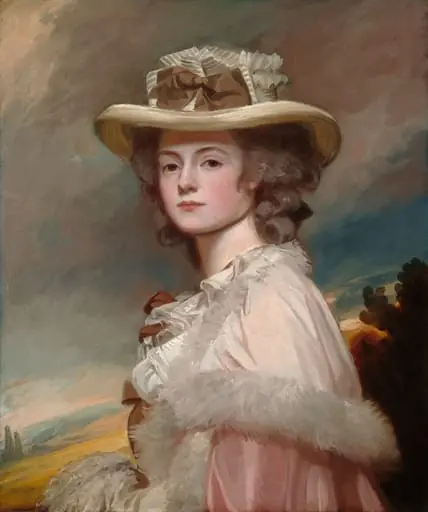
The painting features Lady Arabella Crosbie seated, engaging directly with the viewer. She is depicted in elaborate attire, including a prominent hat, indicative of contemporary fashion. Romney rendered her with a serene and composed demeanor, conveying a sense of grace and gentle character through her expression and posture.
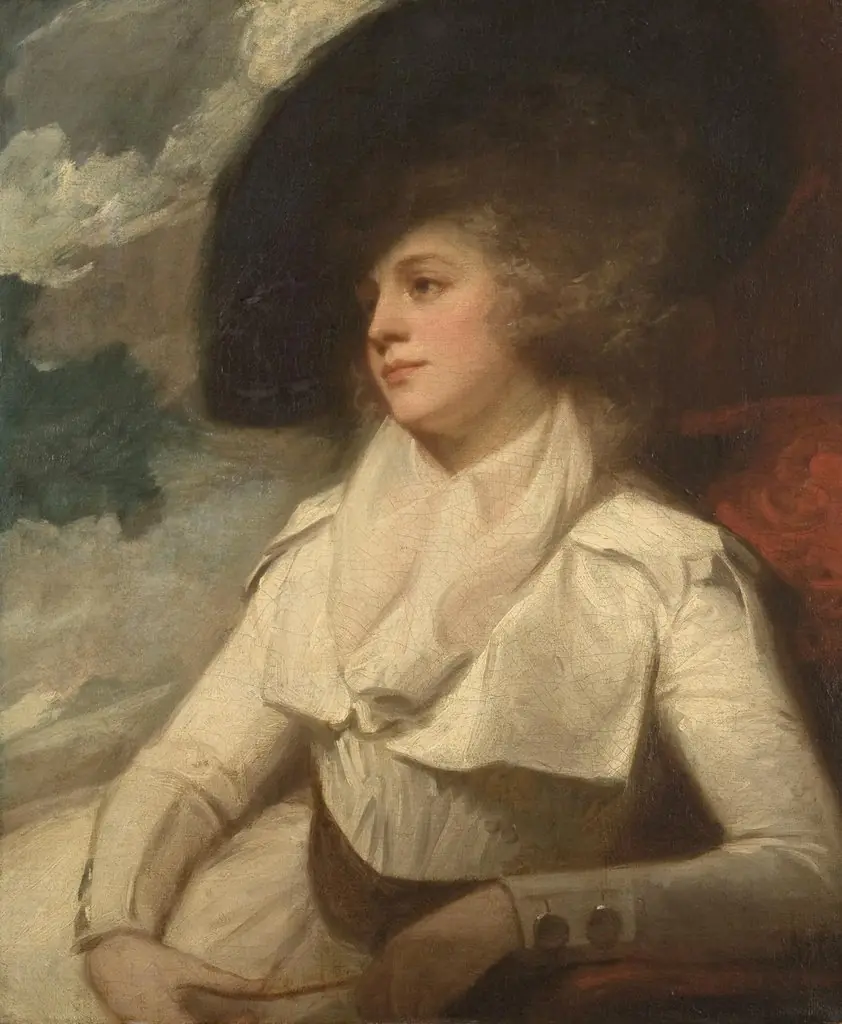
Own this work as a print
Artist & collection
Artist
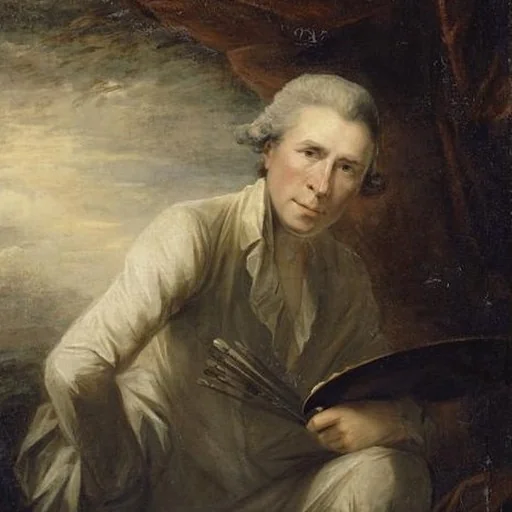
George Romney (26 December 1734 – 15 November 1802) was an English painter. He was the most fashionable artist of his day, painting many leading society figures – including his artistic muse, Emma Hamilton, mistress of Lord Nelson.

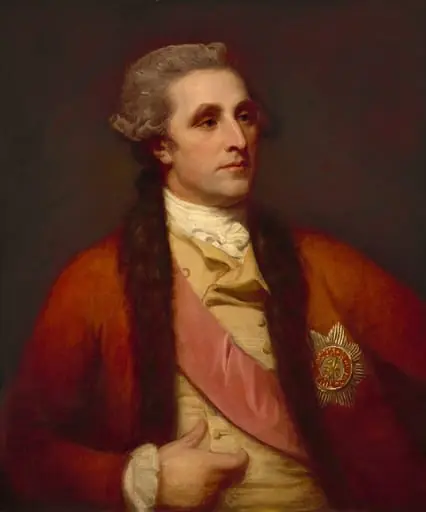
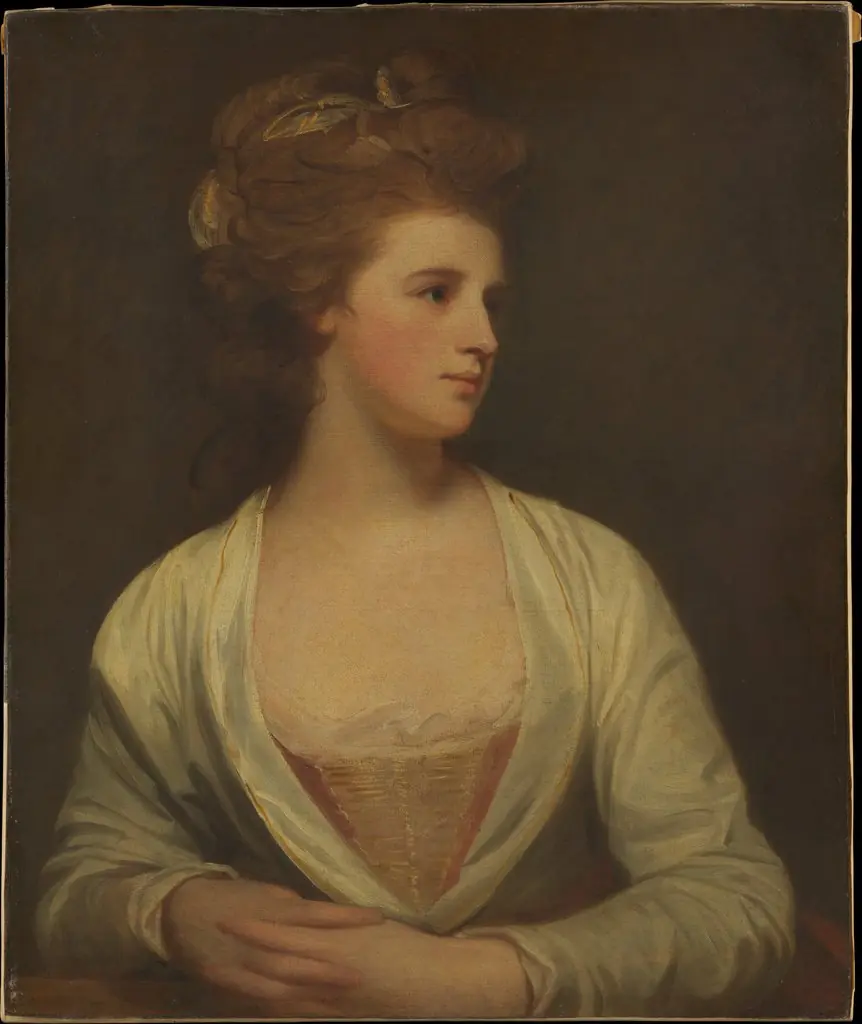
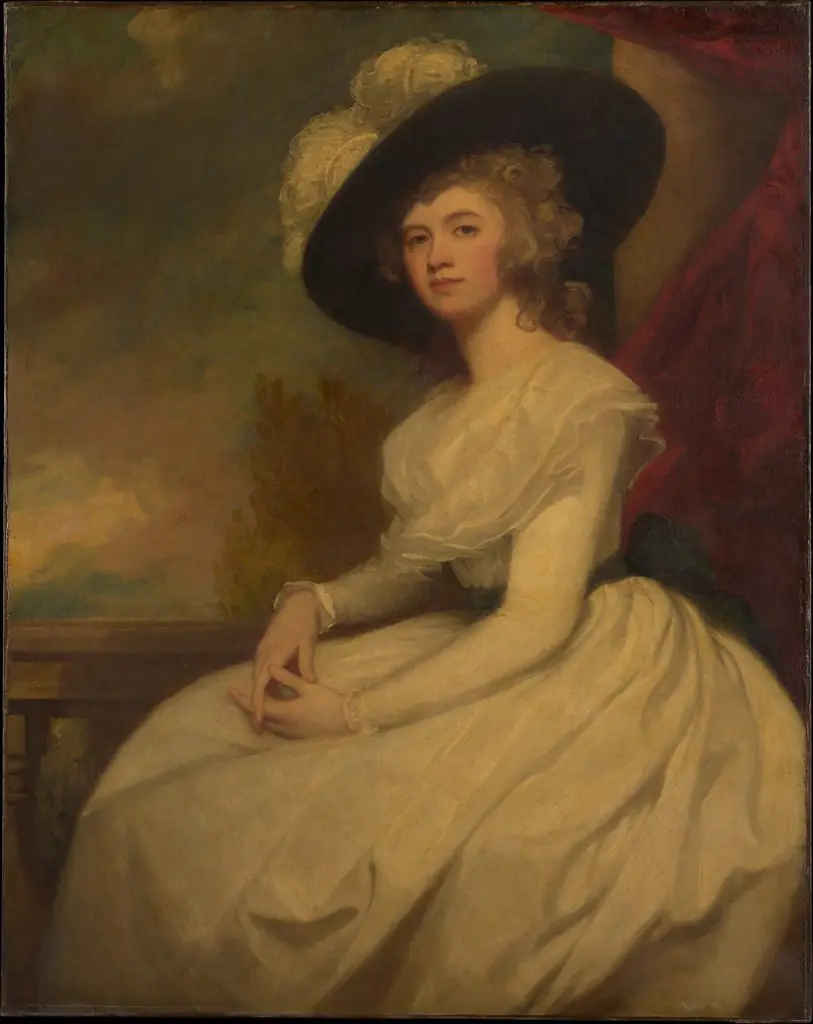
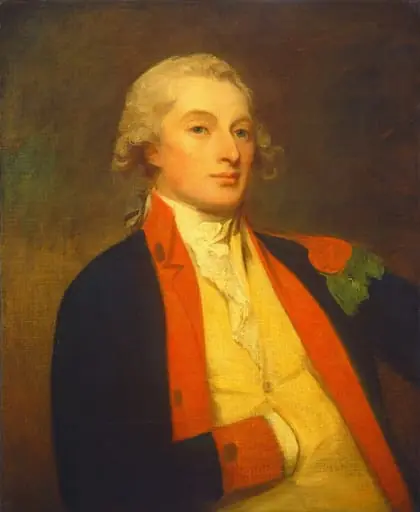
- Portrait of Mrs. Sophia Vandergucht
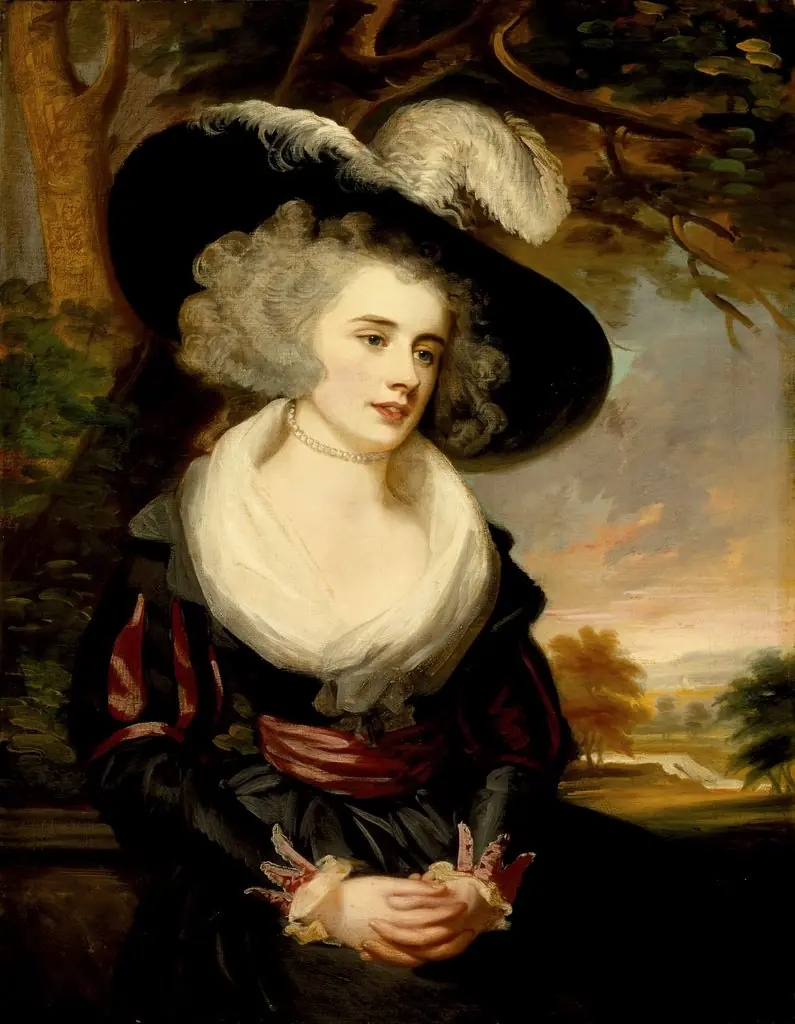 Portrait of Mrs. Smith Barwell, née Unwin
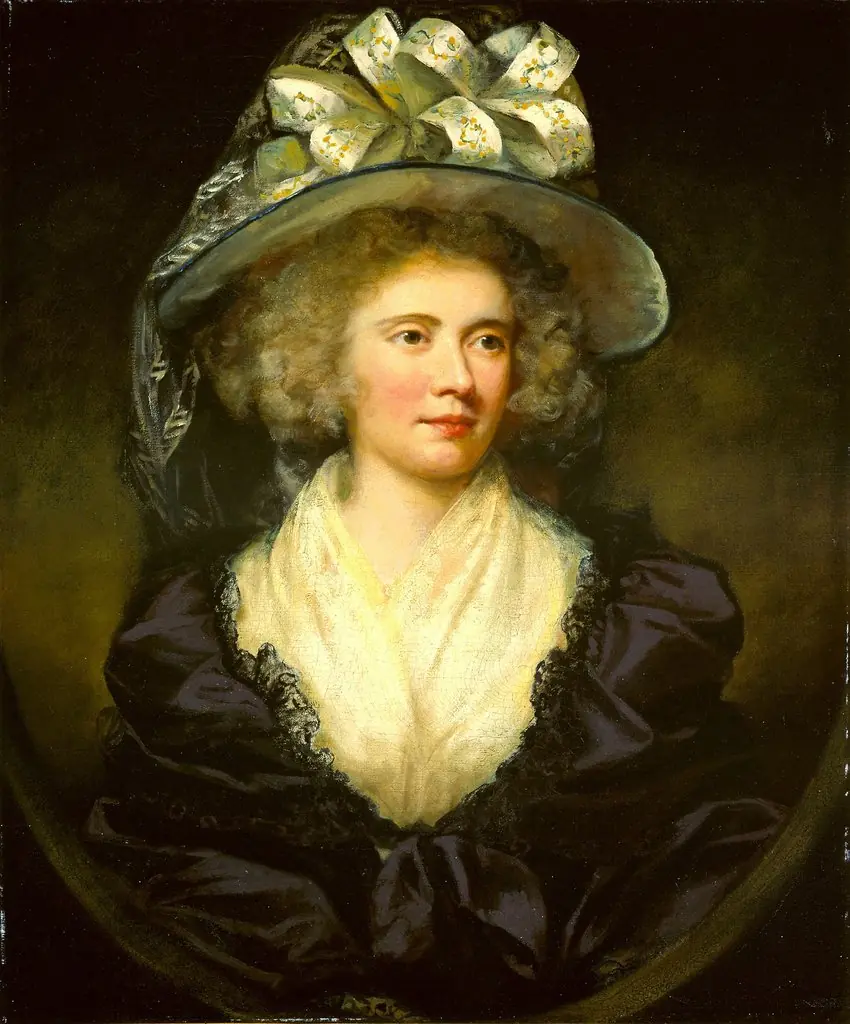 Mrs. Allan Maconochie
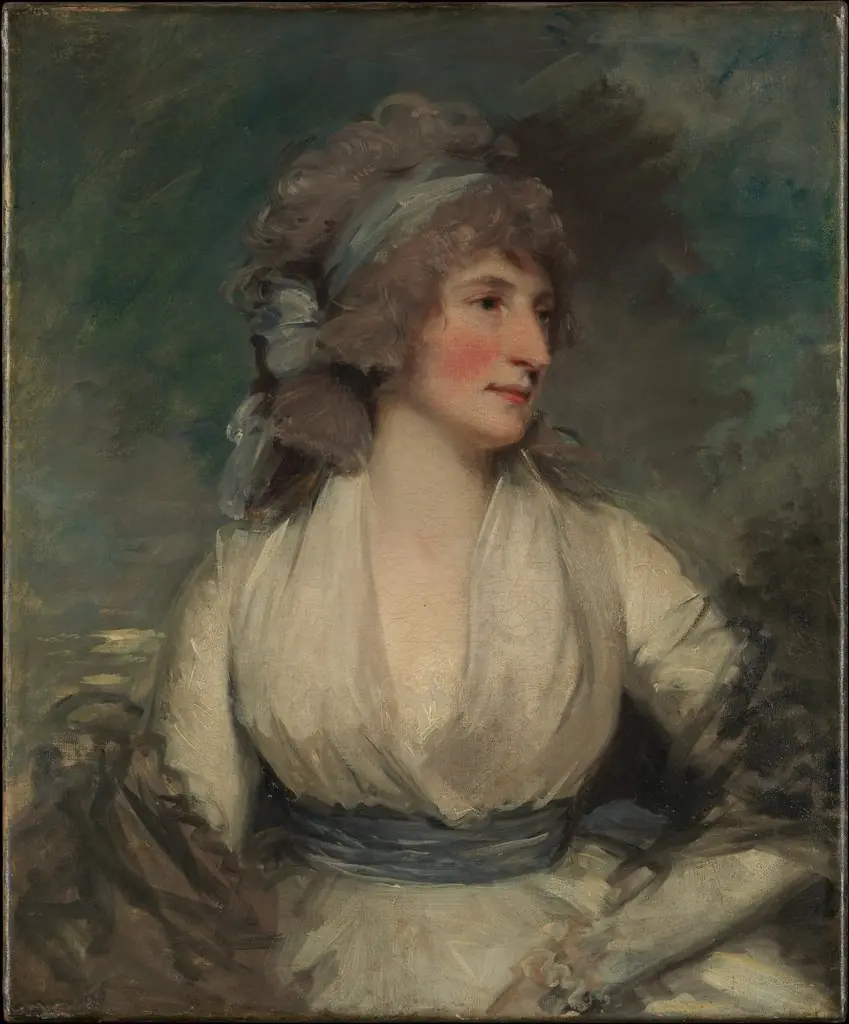 Portrait of a Woman; (reverse, now covered by relining canvas) Study of a Child's Head
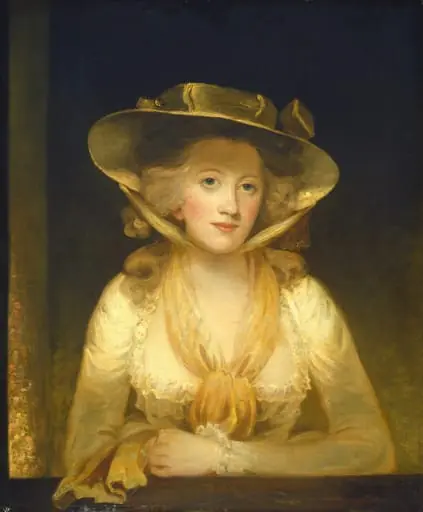 Lady Cunliffe
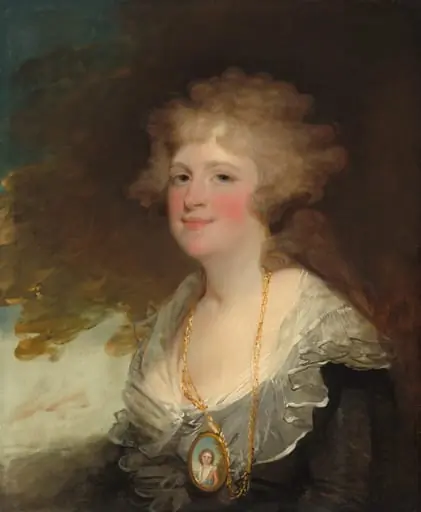 Sarah Shippen Lea (Mrs. Thomas Lea)
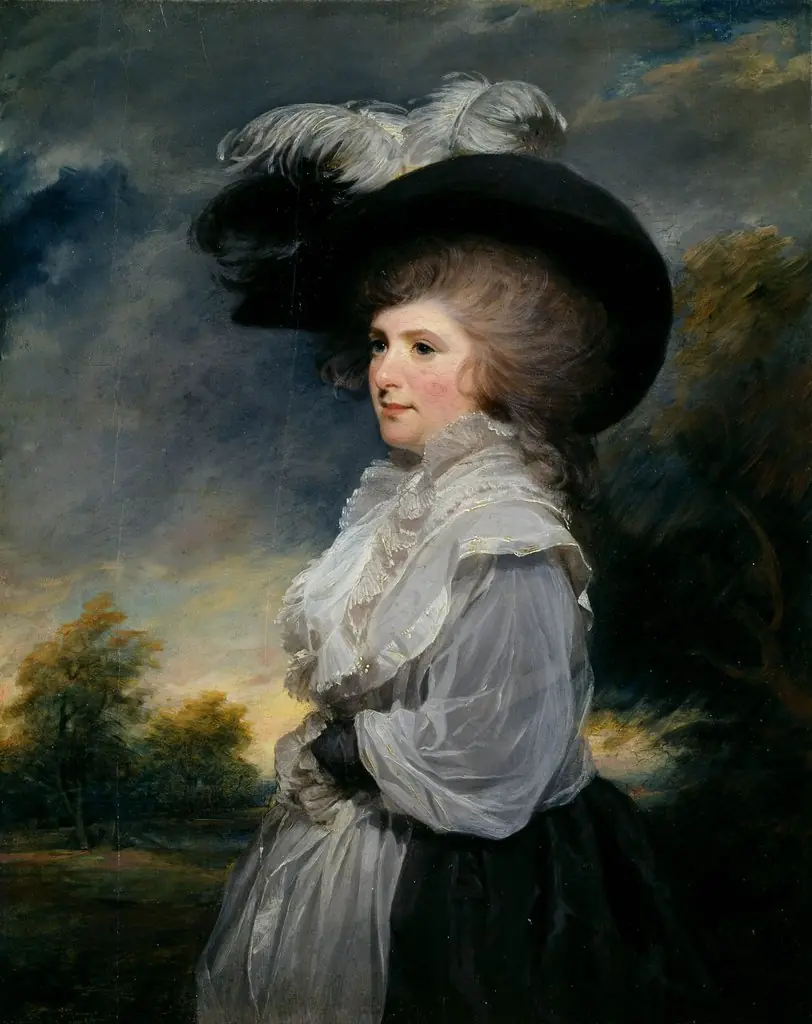 Porträit of Mary Constance
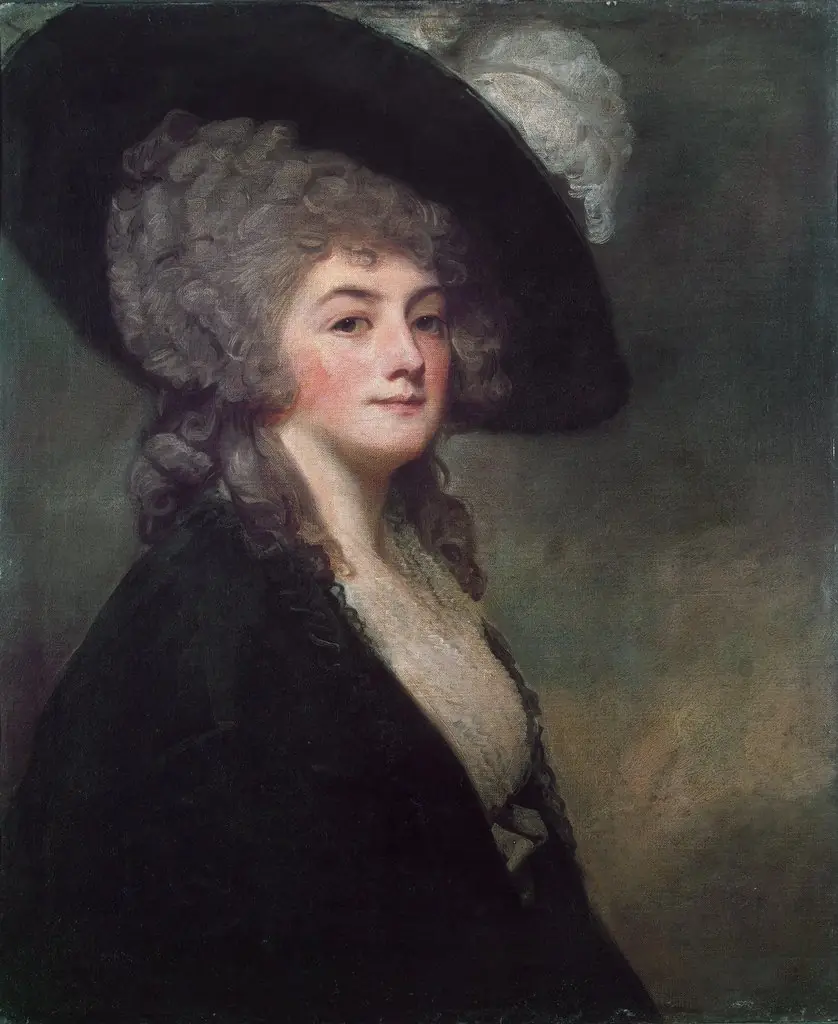 Portrait of Mrs Harrit Greer
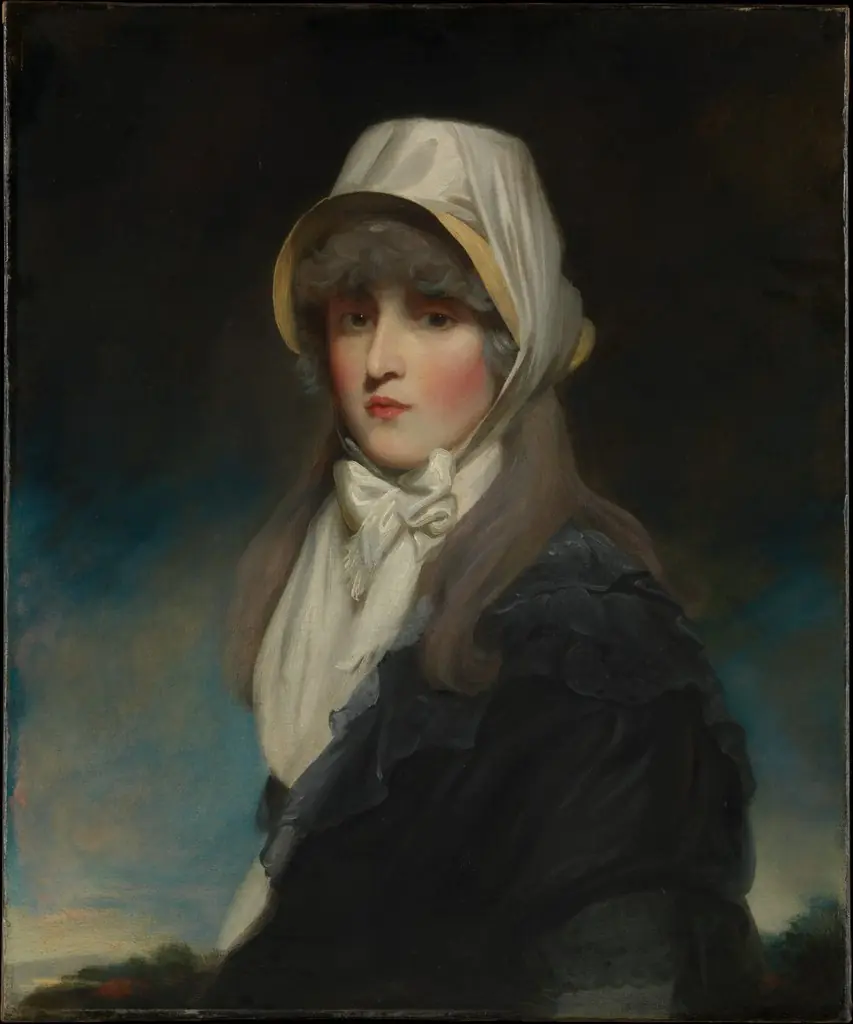 Mrs. George Horsley (Charlotte Mary Talbot, died 1828)
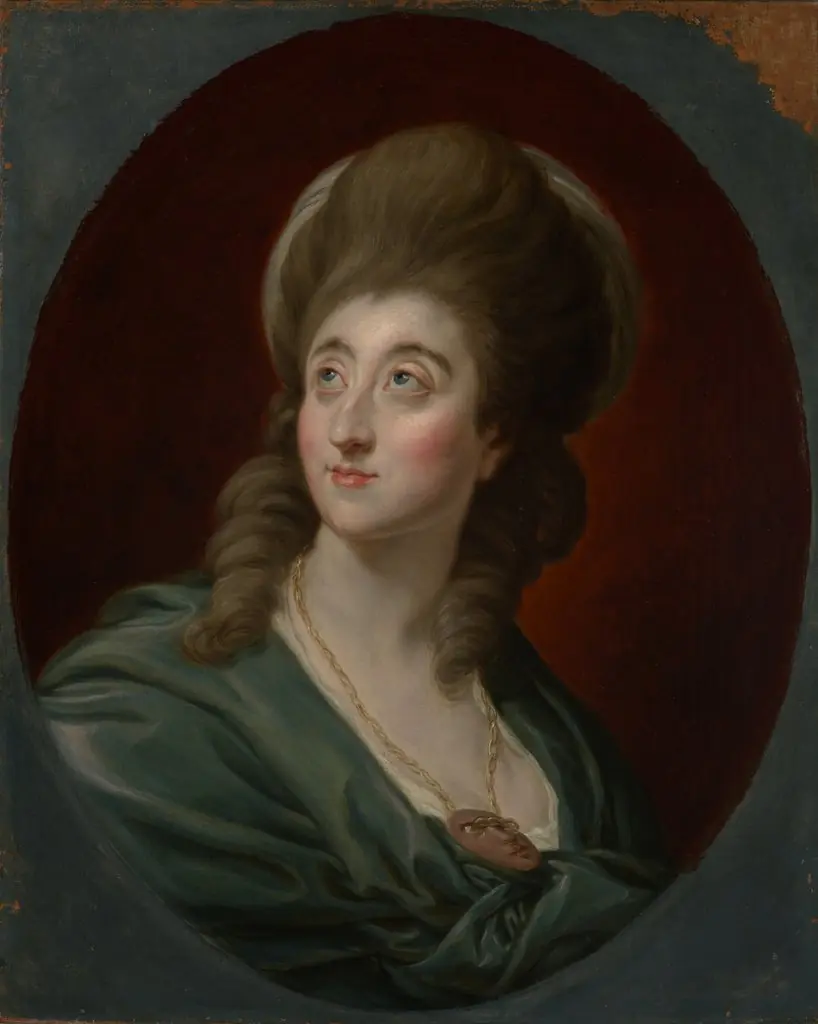 Portrait of Aleksandra née Lubomirska, Wife of Stanisław Potocki (1758–1831)
 Mrs. Alexander Blair