Artwork
Mrs. Thomas Scott Jackson
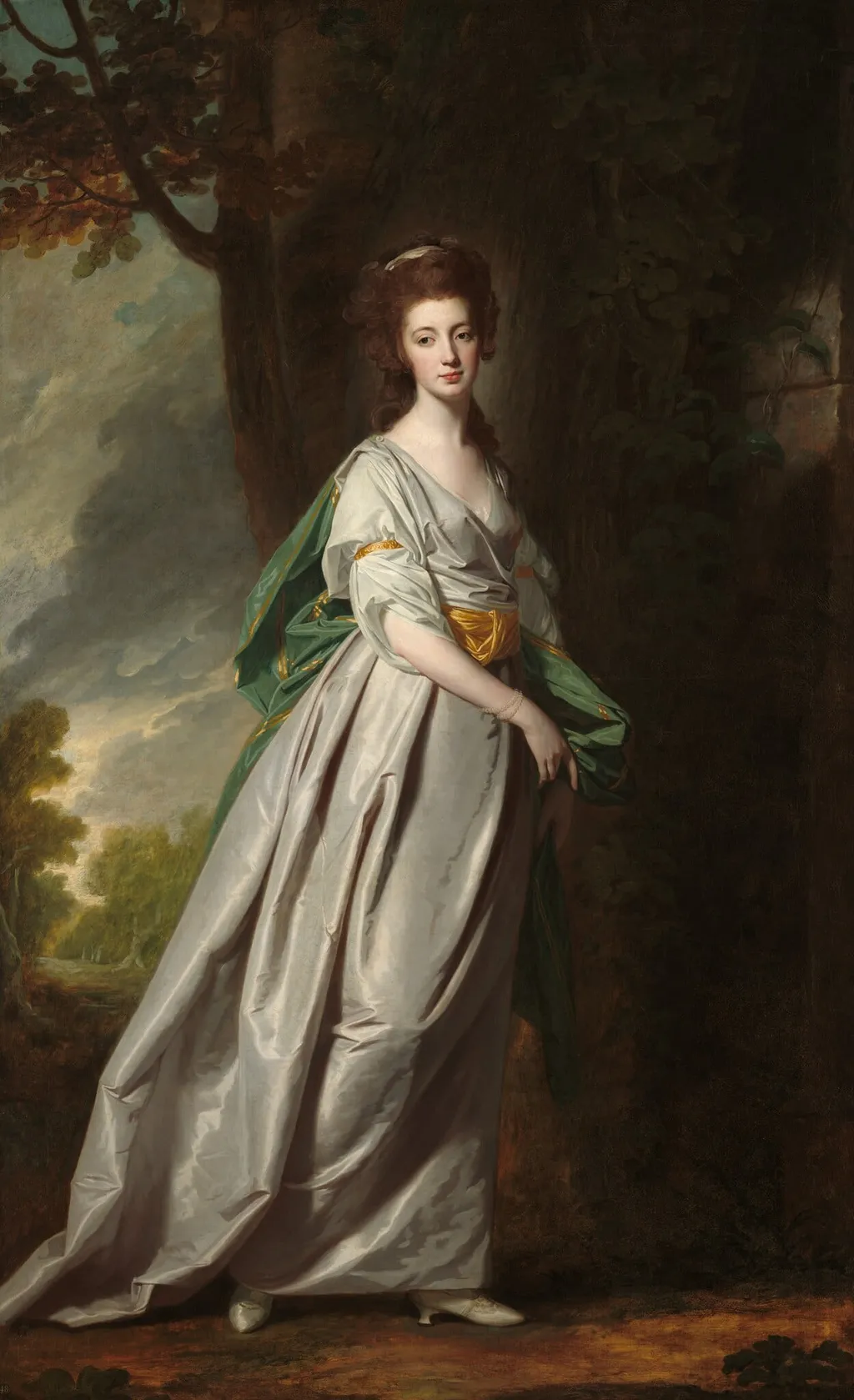
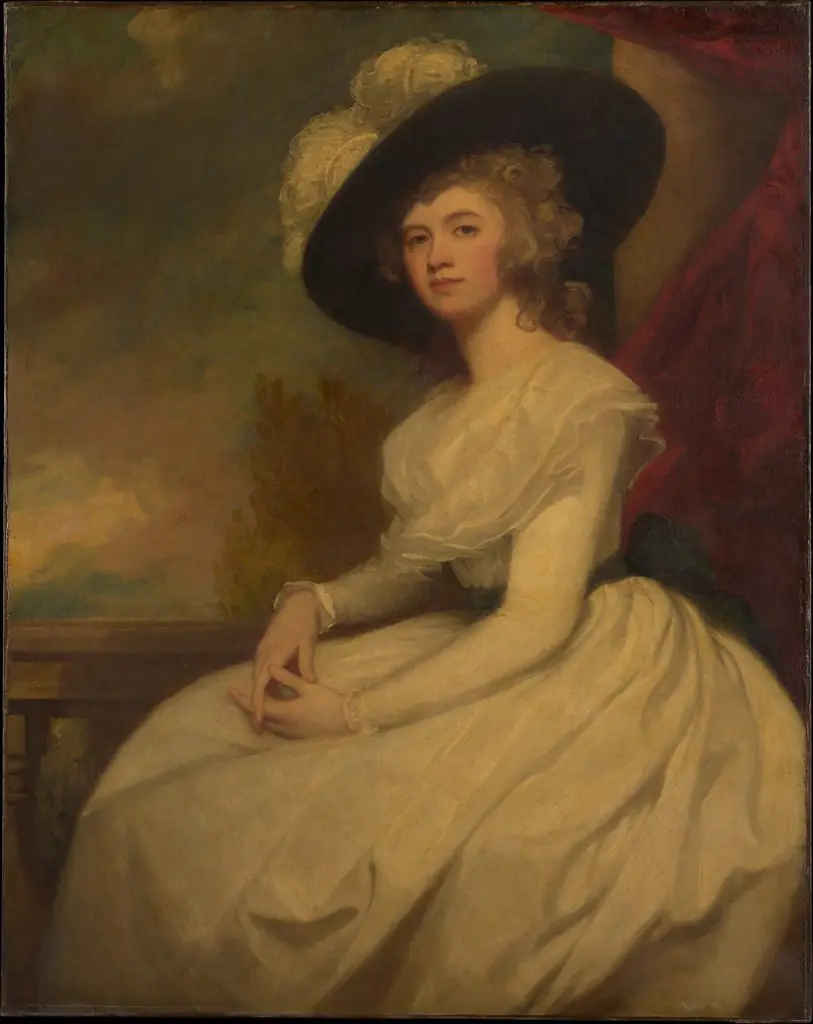
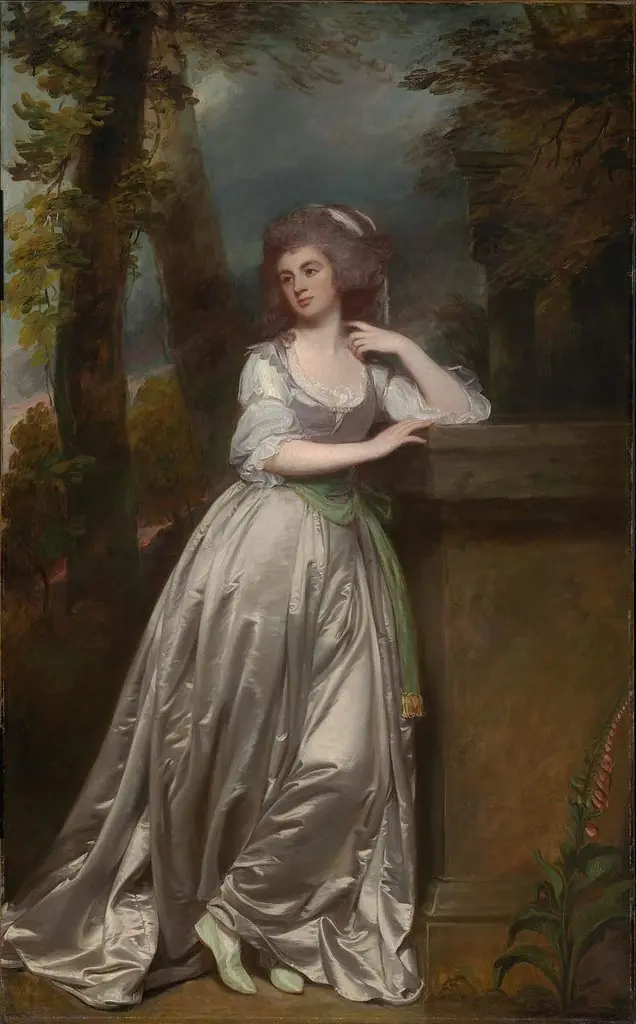
Mrs. Thomas Scott Jackson is an oil painting by the Rococo painting artist George Romney. It dates from 1772 and is held in the collection of the National Gallery of Art.
About this work
Subject & Meaning
The work captures Keating's likeness at a specific moment in her life, serving as a visual record of her appearance and status within her family lineage.
The painting depicts Mary Keating, the sitter who later became Mrs. Thomas Scott Jackson, portrayed in a formal portrait format by George Romney in 1770. As a standard genre work from the late eighteenth century, the piece functions primarily as a representation of the sitter's identity and social standing, commissioned by her first husband. The work captures Keating's likeness at a specific moment in her life, serving as a visual record of her appearance and status within her family lineage.
While the sources confirm the identity of the subject and the commissioning context, they do not provide specific details regarding additional iconographic elements, symbolic objects, or deeper allegorical meanings beyond the straightforward representation of the individual.
Technique & Style
George Romney’s Mrs. Thomas Scott Jackson (1770) exemplifies the artist’s refined portrait technique, executed in oil on canvas []. Measuring 239 by 147 centimeters, the work employs a smooth, luminous application of paint, characteristic of Romney’s handling during this period, which prioritizes delicate tonal transitions and a polished surface []. The medium’s versatility allows for soft modeling of the sitter’s features and drapery, emphasizing a restrained elegance.
Stylistically, the portrait adheres to late 18th-century British conventions, favoring naturalistic representation with a subtle idealization of the subject’s appearance. The composition’s balanced lighting and muted palette enhance the sitter’s serene demeanor, while the fine brushwork suggests careful attention to detail in textiles and flesh tones.
History & Provenance
George Romney’s Mrs. Thomas Scott Jackson was commissioned in 1770 by the sitter’s first husband, Thomas Scott Jackson (d. 1791) []. The portrait remained within the family, passing to their daughter Maria (d. 1830), who married Sir John Grey-Egerton, 8th Baronet of Oulton. It descended through the Grey-Egerton line to Sir Philip Grey-Egerton, 12th Baronet (1864–1937), before being sold around 1905 to London dealers Thos.
Agnew & Sons []. Art historian Robert Langton Douglas later acquired it, selling it to financier J. Pierpont Morgan Sr. (1837–1913), who bequeathed it to his daughter, Juliette Hamilton. In December 1936, it was purchased by The A.W. Mellon Educational and Charitable Trust, which gifted it to the National Gallery of Art in 1937 [].
The portrait Mrs. Thomas Scott Jackson is held in the National Gallery of Art, Washington, D.C., where it entered the collection in 1937 as part of the Andrew W. Mellon bequest. The work is accessioned under the Andrew W. Mellon Collection (inventory number not publicly specified in the sources). Prior to its acquisition, the painting was exhibited in private collections and did not feature in major public exhibitions before its transfer to the National Gallery of Art. Its inclusion in the Mellon collection solidified its place within a prominent institutional setting.
Legacy
The portrait of Mrs. Thomas Scott Jackson has remained a reference point for studies of Georgian portraiture, largely because it entered the National Gallery of Art and has been part of its permanent display since the 1930s. Its documented chain of ownership, from the sitter’s family to J. Pierpont Morgan and finally to the A. W. Mellon Trust, illustrates the painting’s acceptance among elite collectors, reinforcing Romney’s reputation as a leading portraitist of the era. Scholars cite the work when examining the representation of aristocratic women and the transmission of portraiture across generations, making it a touchstone for both art‑historical analysis and museum interpretation.
Overview
George Romney's oil on canvas portrait, Mrs. Thomas Scott Jackson, was created around 1772. This painting depicts Mary Keating, the individual known by her married name. As a characteristic example of Romney's work, it showcases his approach to capturing individual likeness and the social presentation of his sitters during the late 18th century.
Own this work as a print
Artist & collection
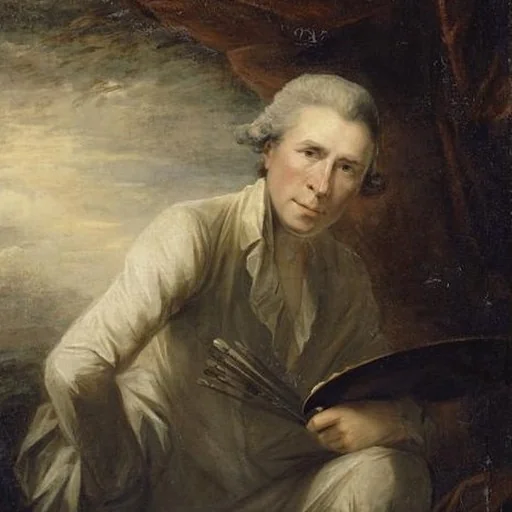
Artist
George Romney (26 December 1734 – 15 November 1802) was an English painter. He was the most fashionable artist of his day, painting many leading society figures – including his artistic muse, Emma Hamilton, mistress of Lord Nelson.

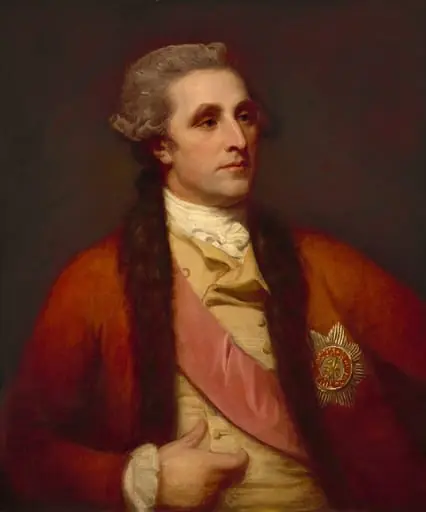
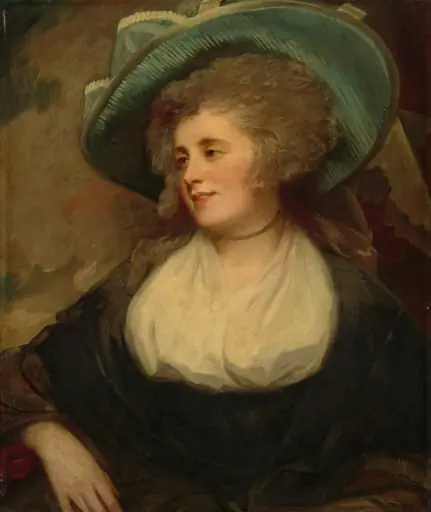
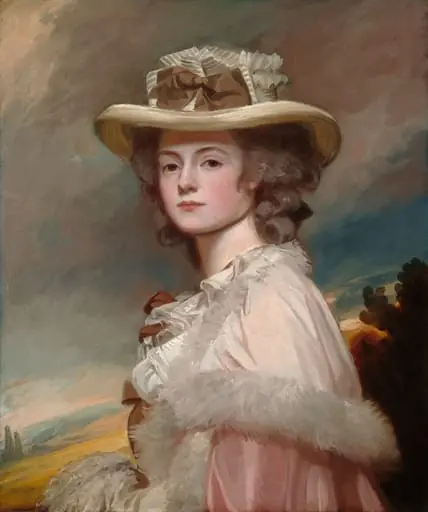
![Portrait of Mrs. Champion de Crespigny [née Dorothy Scott], by George Romney](https://artifactworldgallery.com/img/george-romney--portrait-of-mrs-champion-de-crespigny-nee-dorothy-scott--5b087b919e9b4de1-w320.webp)