Artwork
Apollo and Aurora
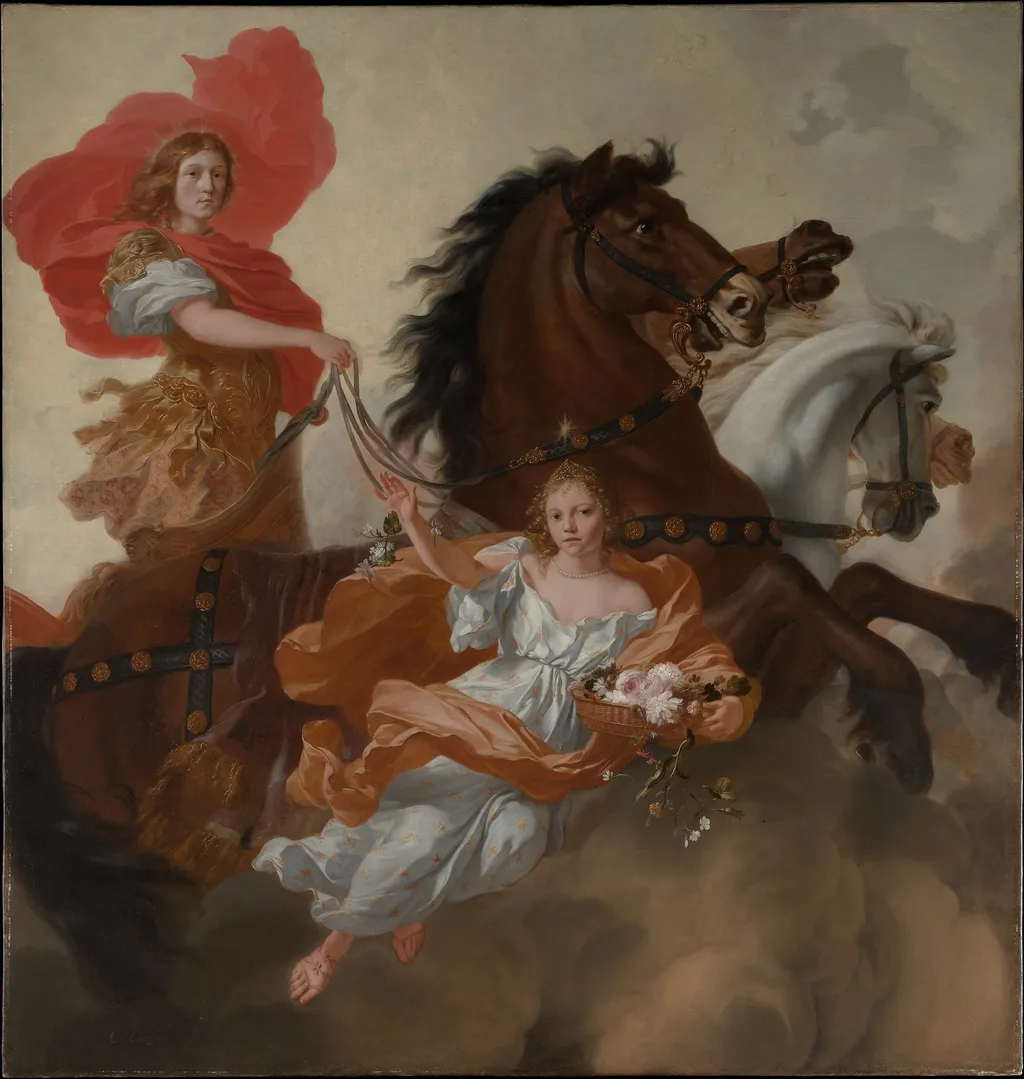
Apollo and Aurora is an oil painting by the Dutch Golden Age artist Gerard de Lairesse. It dates from 1671 and is held in the collection of the Metropolitan Museum of Art.
About this work
Subject & Meaning
As a work of mythological genre, the composition visually represents the interaction between these specific classical figures.
Gerard de Lairesse's 1671 oil painting depicts a mythological scene featuring the figures of Apollo and Aurora. The iconography centers on a chariot drawn by a horse, which serves as the primary vehicle for the deities. As a work of mythological genre, the composition visually represents the interaction between these specific classical figures.
The presence of the horse and chariot alongside the named deities establishes the narrative context of the piece, focusing on the traditional attributes associated with Apollo and Aurora within the framework of classical mythology.
Technique & Style
Apollo and Aurora is an oil painting on canvas created by Gerard de Lairesse in 1671. The work measures 205 cm in height and 193 cm in width, characteristic of a large‑scale mythological composition from the Dutch Baroque period. Its support is a canvas, and the paint medium is oil, applied to depict a dynamic scene that includes a horse, the god Apollo, a chariot and the figure of Aurora.
The painting’s formal qualities reflect the dramatic chiaroscuro and rich coloration typical of Lairesse’s mythological subjects, while its subject matter aligns with the mythological genre. The piece is housed in the Metropolitan Museum of Art.
History & Provenance
The work known as Apollo and Aurora was executed in 1671 by the Dutch painter Gerard de Lairesse. It is an oil on canvas composition measuring roughly 205 cm by 193 cm and belongs to the mythological genre. The painting entered the collection of the Metropolitan Museum of Art, where it remains on view.
Its creation is documented in contemporary records as part of Lairesse’s mature period, when he specialized in large-scale mythological scenes for private patronage. No earlier ownership records are available, but the established provenance places the work continuously in the museum’s holdings since its acquisition.
Apollo and Aurora by Gerard de Lairesse is held in the collection of the Metropolitan Museum of Art, as recorded in the Wikidata entry for the work. The painting, executed in oil on canvas in 1671, is catalogued with dimensions of 205 cm in height and 193 cm in width. No specific accession number is provided in the available sources.
Likewise, the supplied records do not document any exhibition history for the painting, leaving its display chronology unestablished within the present data.
Overview
Gerard de Lairesse's 1671 oil painting, Apollo and Aurora, presents a mythological scene featuring the Roman sun god and the goddess of dawn. This work exemplifies the Dutch Golden Age artist's classical approach to composition and narrative, reflecting his broader engagement with various arts. The painting is held in the collection of The Metropolitan Museum of Art, showcasing a distinct style from the period following Rembrandt's dominance.
Context
Working in the Dutch Golden Age, Gerard de Lairesse was a polymath whose interests spanned music, poetry, and theatre, enriching his artistic output. His adherence to classical principles, evident in this mythological subject, distinguished him from contemporaries and aligned him with a more academic, French-influenced tradition. This emphasis on clarity and order marked a significant stylistic direction during the period following Rembrandt's death, influenced by figures like Cesare Ripa and Charles le Brun.
Own this work as a print
Artist & collection
Artist
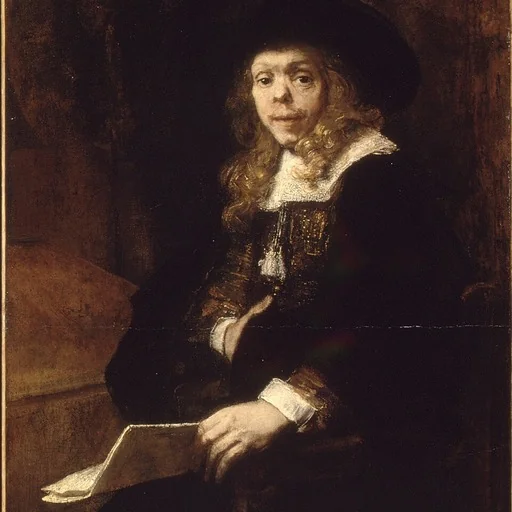
Gerard or Gérard (de) Lairesse (French pronunciation:; 11 September 1641 – June 1711) was a Dutch Golden Age painter and art theorist.

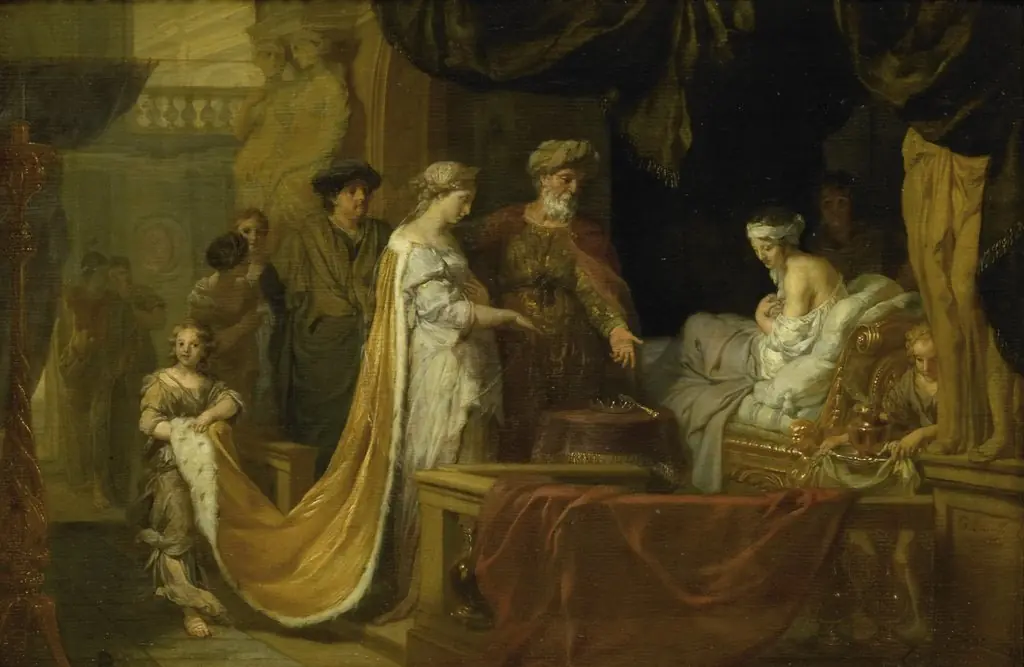
- The Chariot of Aurora
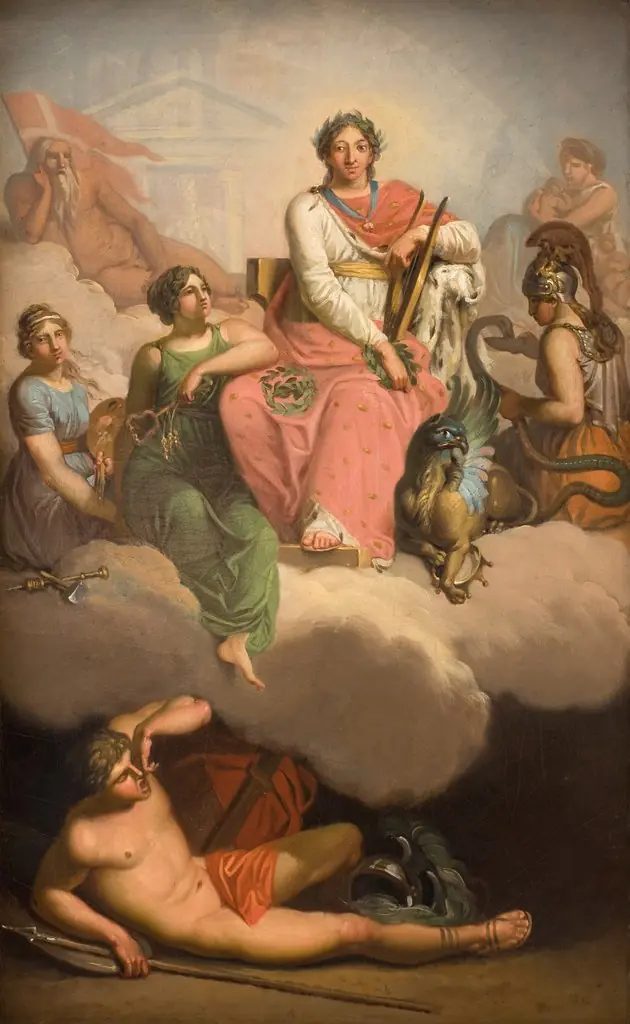 Frederik V as Patron of Science and the Arts
 Frederik V as Patron of Science and the Arts
 Dispute between Minerva and Neptune over the Naming of the City of Athens
 The Triumph of the Winter Queen: Allegory of the Just
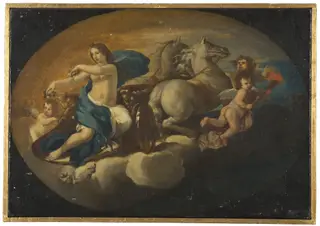 The Chariot of Aurora
 Story of Minerva - Minerva Watering her Horses into the Sea
 The Chariot of Phoebus
 Battle of Clavijo
 Anahita. The Flight of Night
 The Triumph of the Church
 Apollo and Phaëthon