Artwork
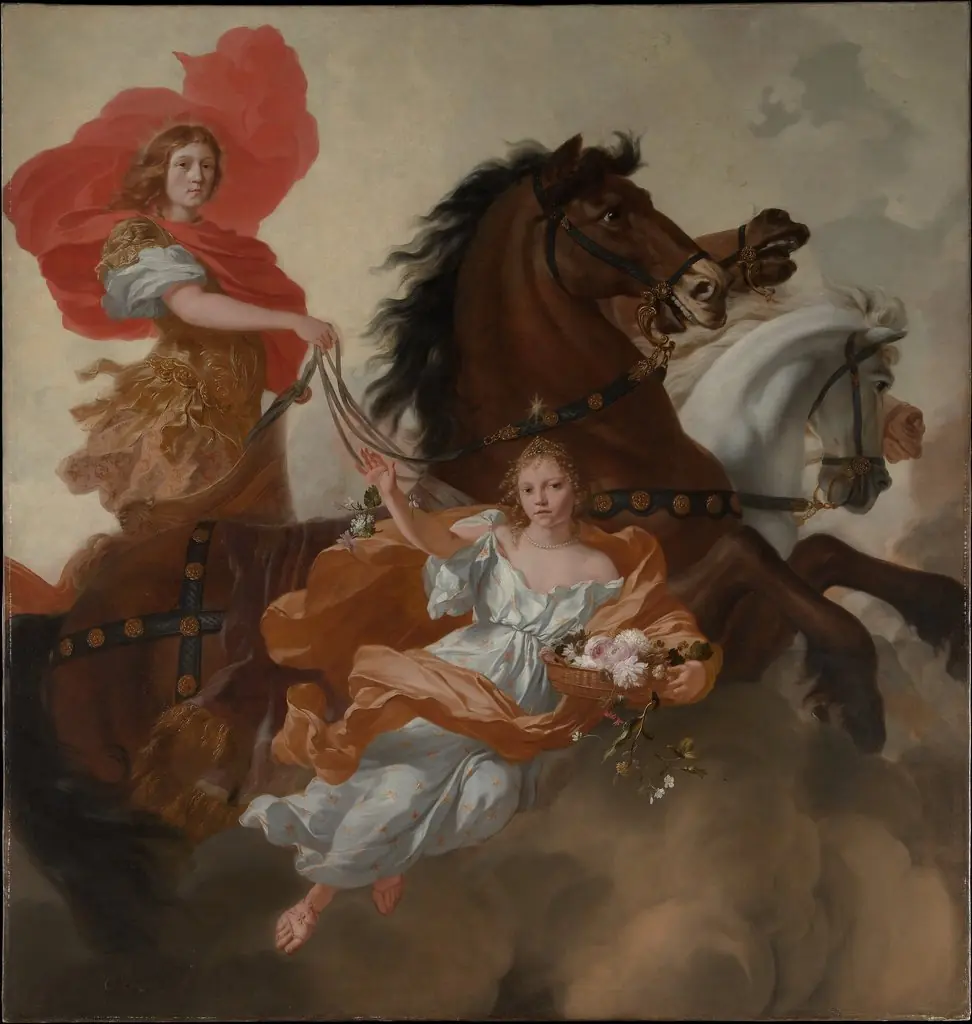
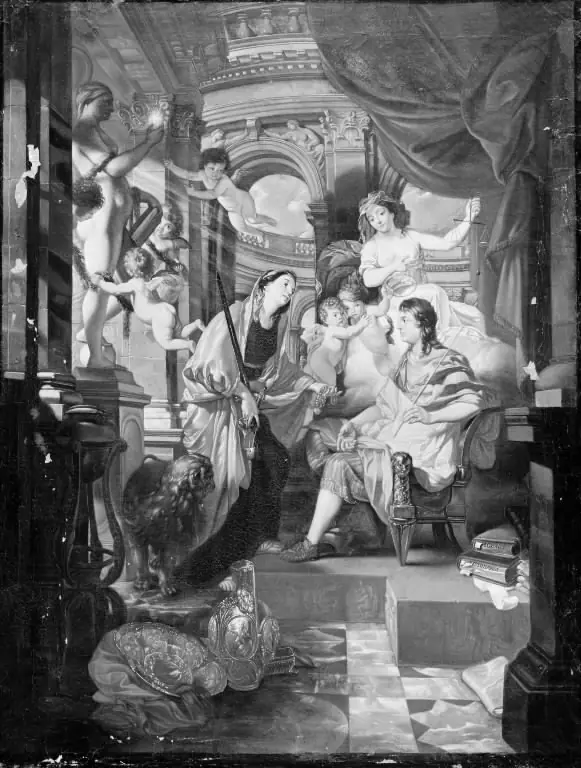
Semele and Juno
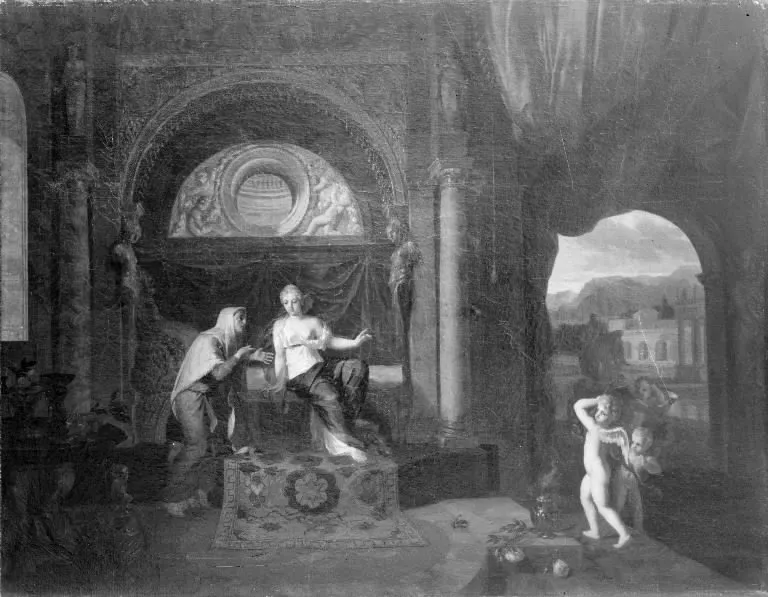
Semele and Juno is an oil painting by the Flemish Baroque painting artist Gerard de Lairesse. It dates from 1692 and is held in the collection of the Statens Museum for Kunst.
About this work
Subject & Meaning
Gerard de Lairesse's 1683 oil painting Semele and Juno takes its subject from classical mythology, depicting the figures of Semele and Juno together in a single mythological scene. As a mythological painting, the work belongs to the long tradition of artists drawing on Greco-Roman narratives for visual storytelling, presenting the encounter between the mortal Semele and the goddess Juno as its central theme. The pairing of these two figures, one a favored mortal of Jupiter and the other his divine consort, frames the composition around themes of rivalry, jealousy, and the tension between mortal and divine spheres that characterize the Semele myth.
By staging both characters within the same canvas, the painting invites the viewer to consider the confrontation central to the legend rather than isolating either figure in a separate narrative moment.
Technique & Style
The work is executed in oil paint on canvas, a typical support in late 17th-century Dutch painting. Its dimensions are recorded as 49 cm in height by 63 cm in width. The composition draws from mythological subject matter, depicting the figures of Semele and Juno, and reflects the stylistic conventions of the period through its clear narrative rendering and restrained brushwork.
History & Provenance
Executed in 1683 as an oil painting on canvas, this mythological scene depicting Semele and Juno was created by Gerard de Lairesse.
Executed in 1683 as an oil painting on canvas, this mythological scene depicting Semele and Juno was created by Gerard de Lairesse. It entered the collection of the Statens Museum for Kunst, where it remains on display.
The work was commissioned as part of a mythological series and has been part of the museum's holdings since its inception in 1683, documented through its accession into the institution's collection.
Overview
Gerard de Lairesse’s 1692 oil painting Semele and Juno belongs to the late Flemish Baroque tradition. Executed in a dimly lit interior, the work presents three figures arranged around a raised platform, their gestures suggesting a moment of mythic narrative. The canvas is part of the permanent collection of Denmark’s Statens Museum for Kunst, where it is displayed among other 17th‑century European works.
Context
Created shortly after Rembrandt’s death, the painting reflects de Lairesse’s shift toward French classicism, influenced by the iconographic guide of Cesare Ripa and the courtly aesthetics of Charles le Brun. This period saw the Dutch artist embracing a more academic approach, aligning his practice with the broader European taste for orderly, narrative-driven history painting.
Legacy
Beyond its visual qualities, Semele and Juno illustrates de Lairesse’s dual role as painter and theorist. His later writings on artistic principles gained considerable traction in the 18th century, shaping academic curricula across the continent. The work thus serves both as a testament to his artistic output and as a visual reference for his theoretical ideas on composition and moralizing content.
Artist & collection
Artist
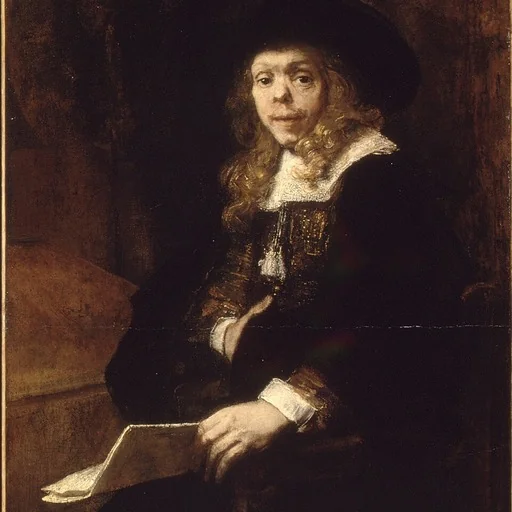
Gerard or Gérard (de) Lairesse (French pronunciation:; 11 September 1641 – June 1711) was a Dutch Golden Age painter and art theorist.

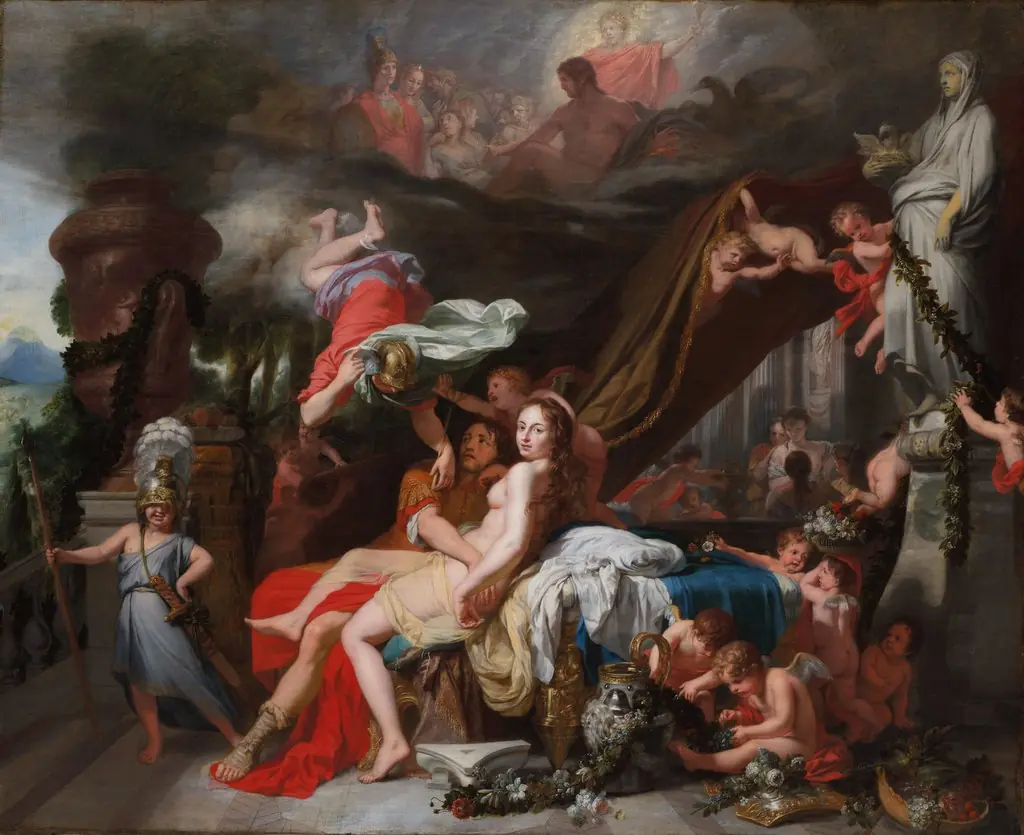
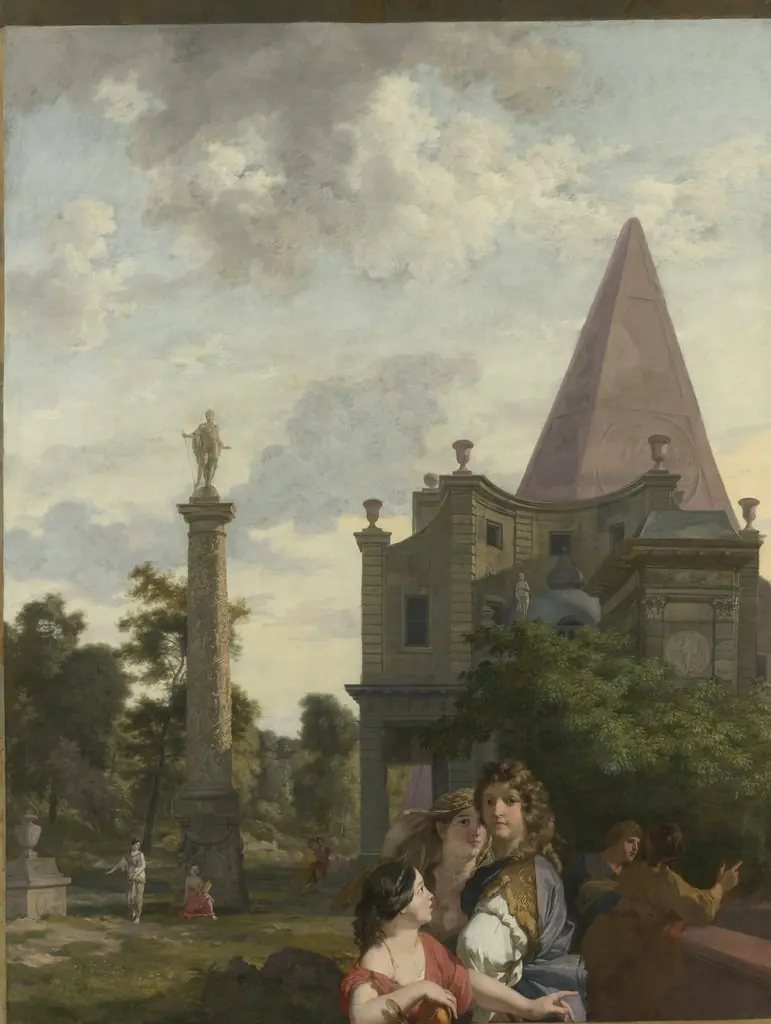
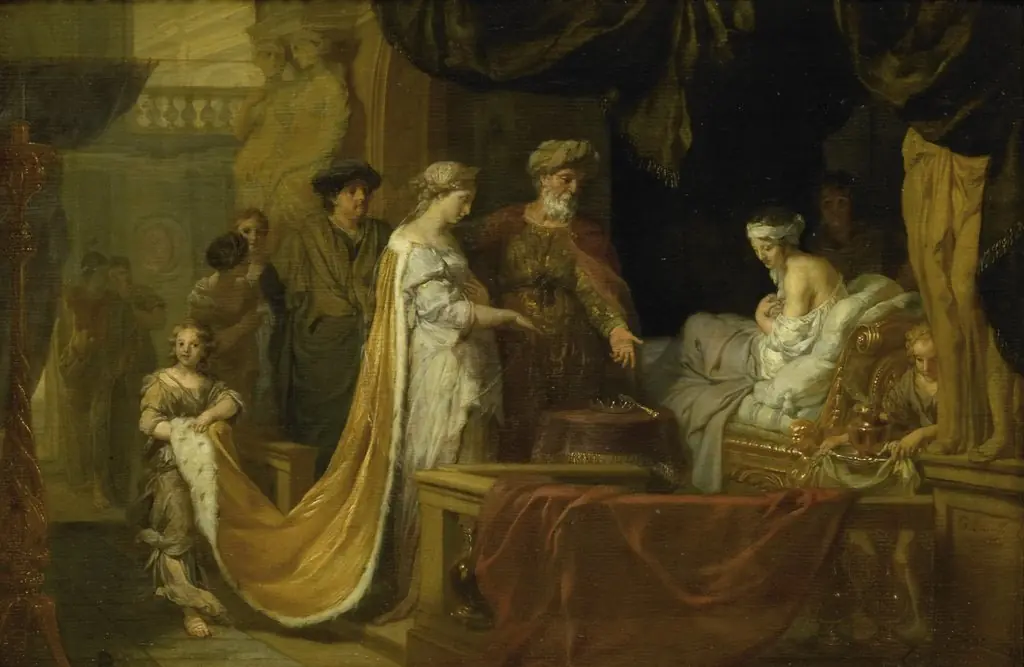
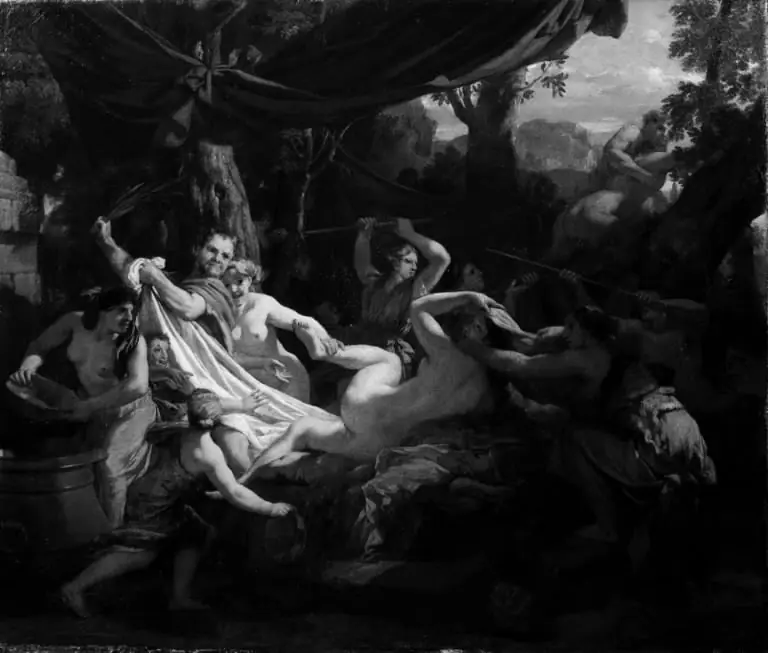
 En ung fyrste på sin trone omgivet af allegoriske figurer
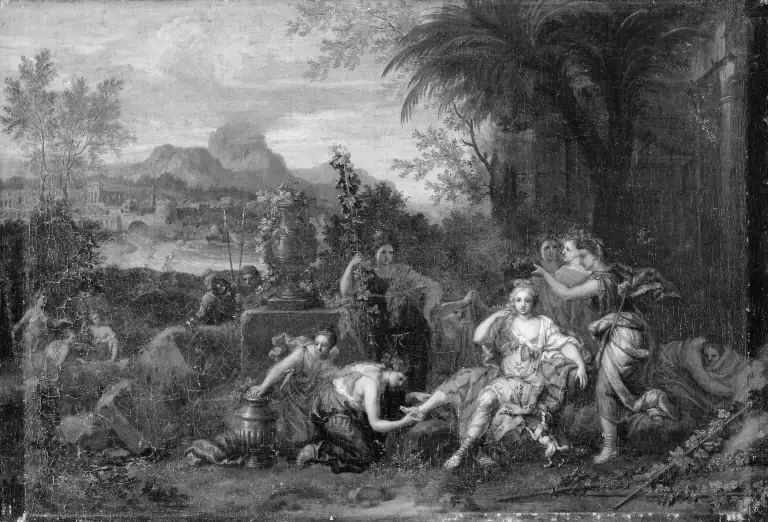 Landscape with Messalina's Wedding
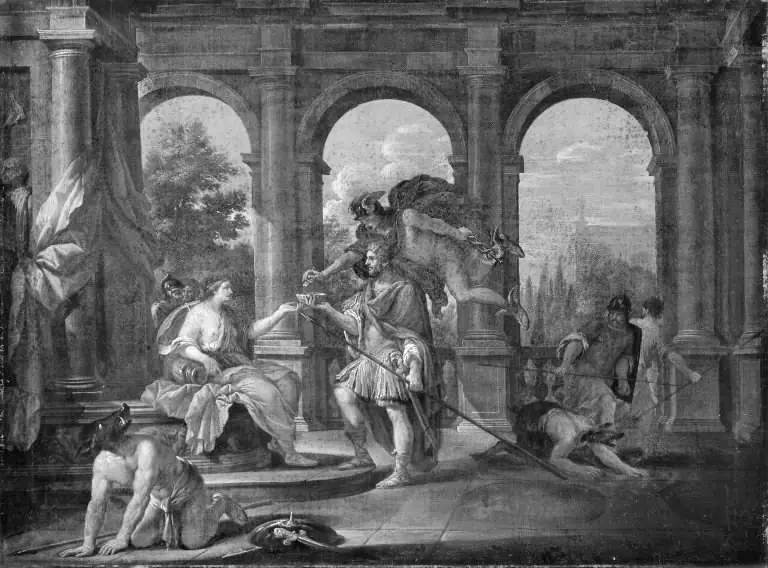 Circe and Ulysses
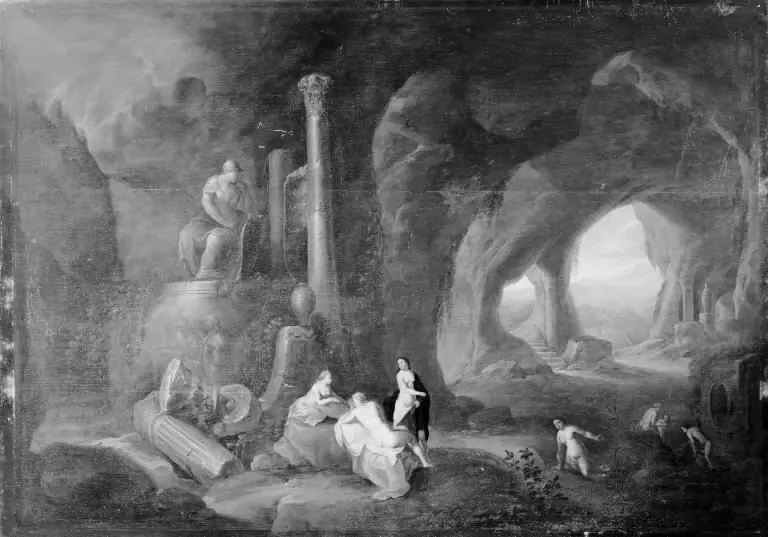 Seven Nymphs in a Grotto
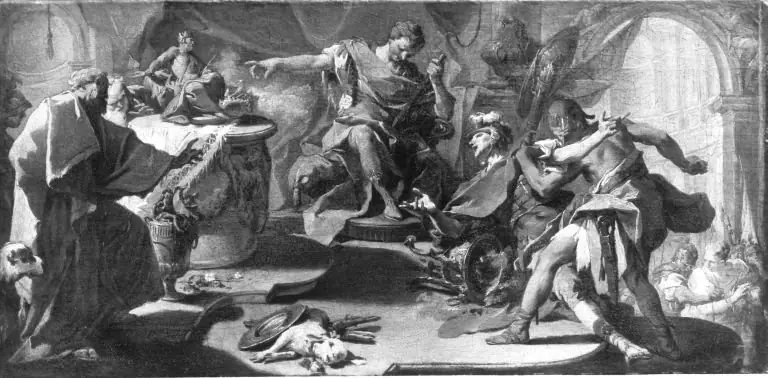 The St. Eustace refuses idolatry
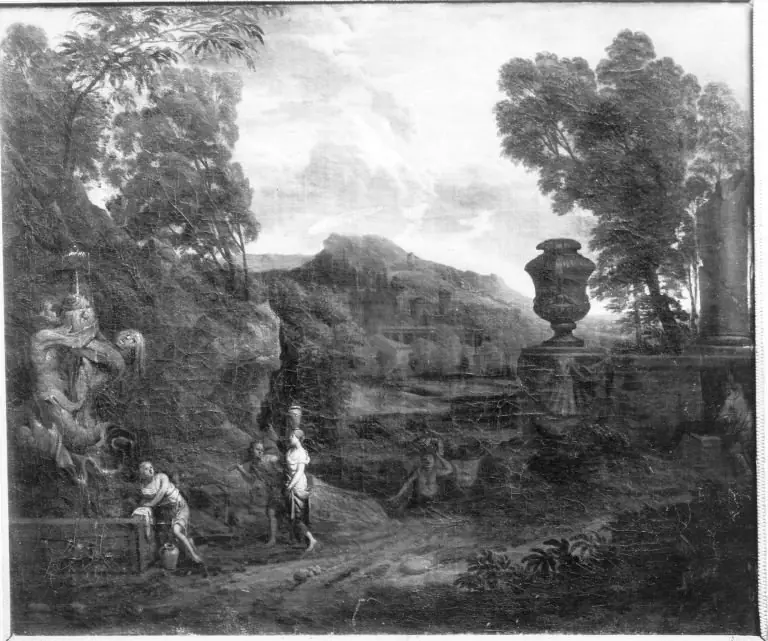 Italienisch-klassische Landschaft
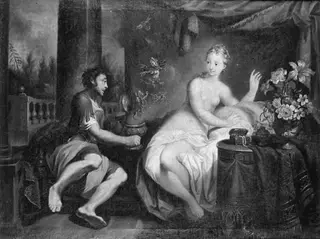 Epimetheus Opening Pandora's Box
 Landscape with Messalina's Wedding
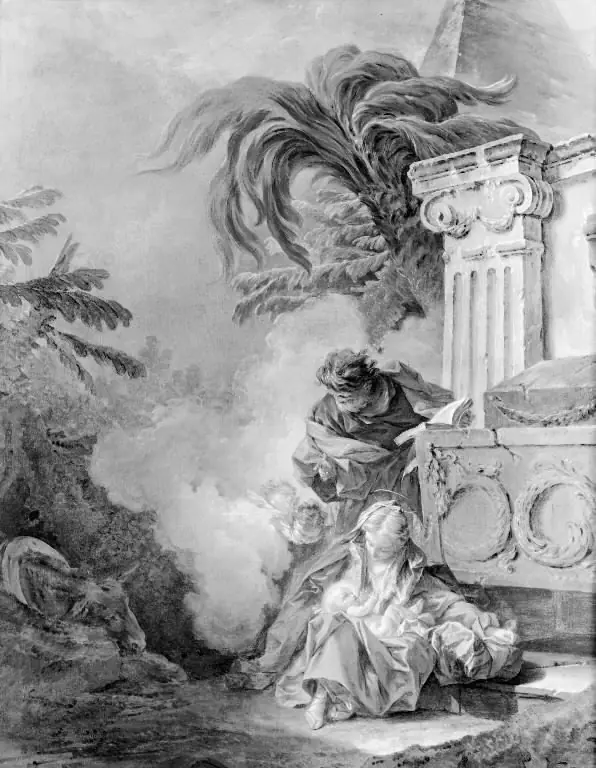 The Rest of the Holy Family during the Flight into Egypt
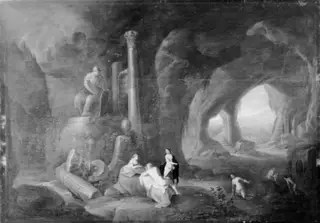 Seven Nymphs in a Grotto
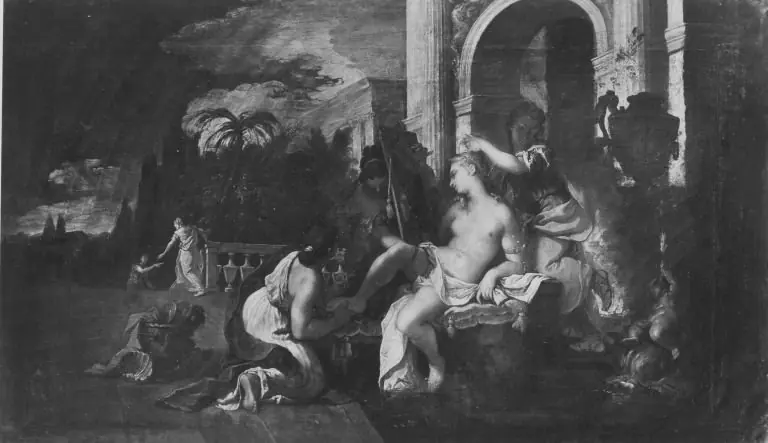 Bathseba im Bade
- Semele and Juno