Artwork
The Village Horse Market
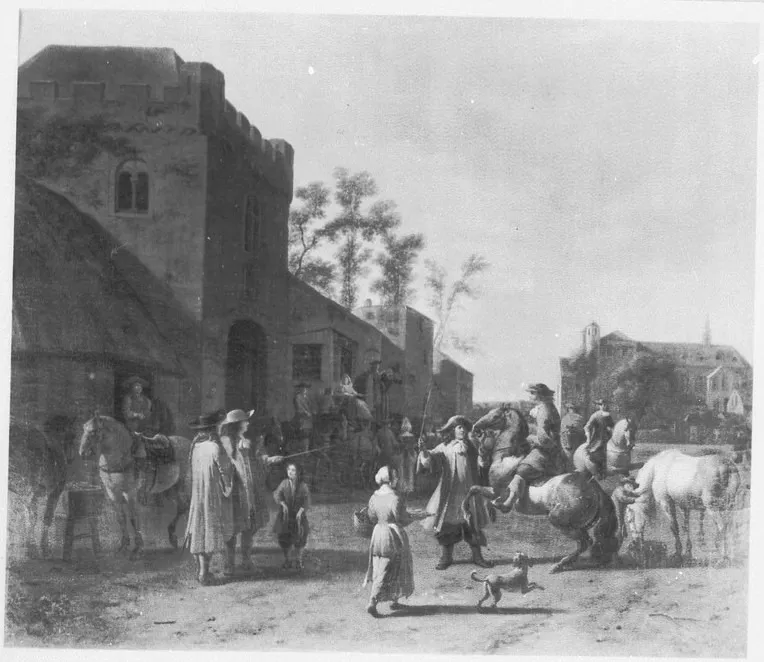
The Village Horse Market is an oil painting by the Dutch Golden Age artist Gerrit Adriaenszoon Berckheyde. It dates from 1690 and is held in the collection of the Staatliche Kunstsammlungen Dresden.
About this work
Overview
Berckheyde, known for his architectural precision and urban narratives, turns his attention here to a modest village setting rather than a grand city.
Painted in 1690 by Gerrit Adriaenszoon Berckheyde, The Village Horse Market is an oil-on-canvas work capturing a rural transaction scene in the Dutch Golden Age. Berckheyde, known for his architectural precision and urban narratives, turns his attention here to a modest village setting rather than a grand city. The composition centers on a gathering of people and horses, rendered with careful attention to daily activity and spatial depth.
Subject & Meaning
The painting portrays a local horse market, a common economic ritual in 17th-century Dutch villages. Figures engage in negotiation, leading, or observing animals, while others stand in quiet conversation. The scene reflects the importance of livestock in rural life and the social rhythms of small communities. No single event dominates; instead, the work conveys the quiet bustle of ordinary commerce and communal interaction.
Technique & Style
Berckheyde employs a restrained palette of earth tones, ochres, browns, and muted greens, accented by subtle highlights in clothing and horse tack. His brushwork is precise yet unobtrusive, allowing individual figures and architectural details to emerge without theatricality. The spatial arrangement guides the eye toward the central group, while receding buildings and trees establish depth, characteristic of his architectural training and observational discipline.
History & Provenance
Created late in Berckheyde’s career, the painting entered the collection of the Gemäldegalerie Alte Meister in Dresden, where it remains today. Its provenance traces back to 18th-century German collections, likely acquired during a period of heightened interest in Dutch genre scenes. Unlike his earlier cityscapes of Haarlem and Amsterdam, this work reflects a shift toward smaller, regional subjects in his final years.
Context
In the late 17th century, Dutch painters increasingly turned from grand historical or religious themes to scenes of everyday life. Berckheyde’s focus on village markets aligns with this trend, though his approach remains more restrained than the exuberant genre works of contemporaries like Pieter de Hooch. The painting reflects a broader cultural interest in documenting local customs, even as urban centers expanded and rural economies evolved.
Legacy
While Berckheyde is best remembered for his detailed city views, The Village Horse Market illustrates his versatility and commitment to observing social life beyond the metropolis. The work contributes to a broader understanding of Dutch rural economy and visual culture. It stands as a quiet testament to the painter’s ability to find dignity and order in the mundane, influencing later genre painters who sought authenticity over idealization.
Artist & collection
Artist
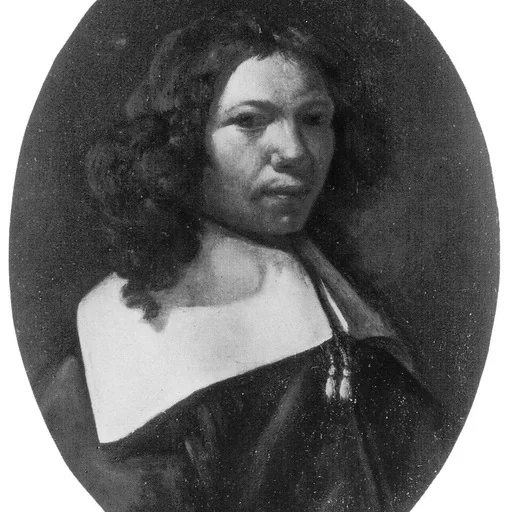
Gerrit Adriaenszoon Berckheyde
Gerrit Adriaenszoon Berckheyde (1638 – 10 June 1698) was a Dutch Golden Age painter, active in Haarlem, Amsterdam, and The Hague, who is best known today for his cityscapes.

 Resting at a Tavern
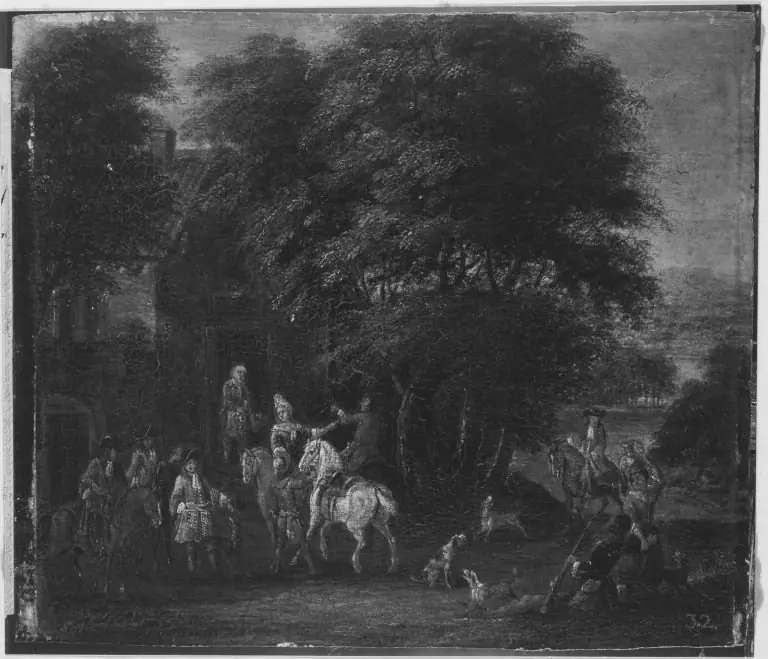 Jagdgesellschaft vor der Schenke
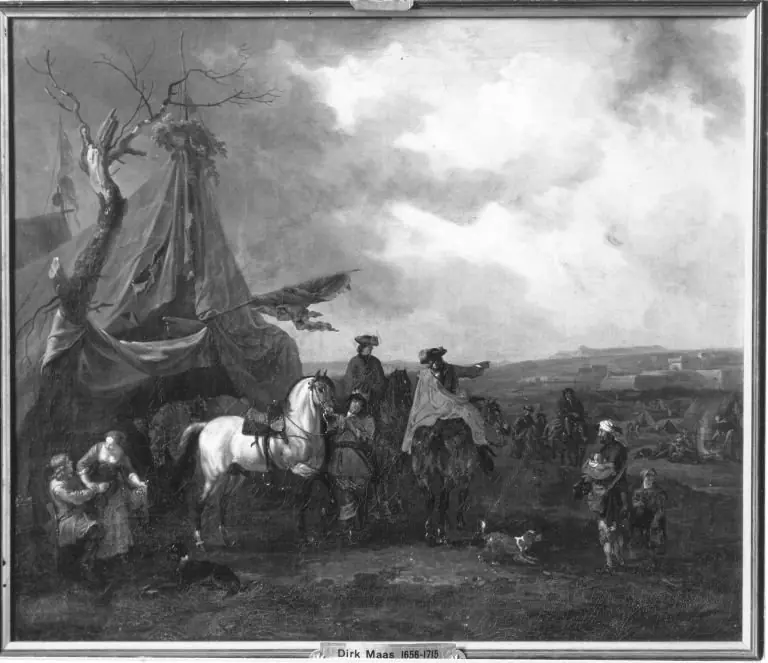 Lagerleben
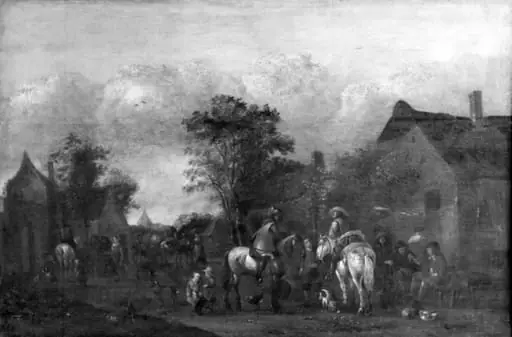 Horsemen by an Inn
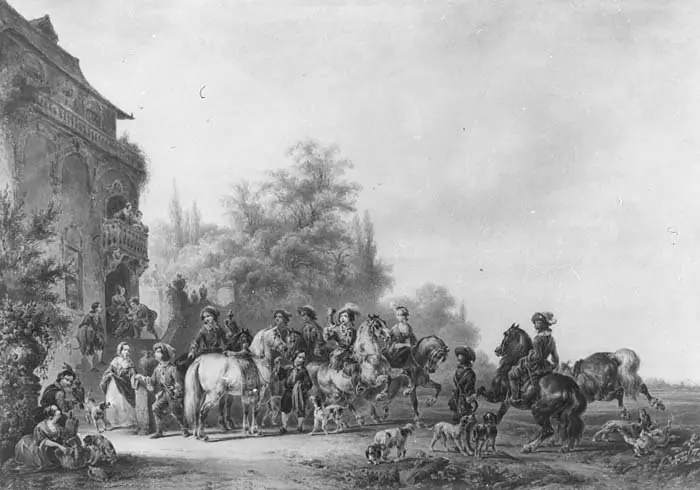 Elegant Company Going Hunting
 Village Scene with Dutch Colonial Figures (from Hosack Album)
 Lady and Gentleman Conversing
 Landscape with Figures
 The Visit to the Camp
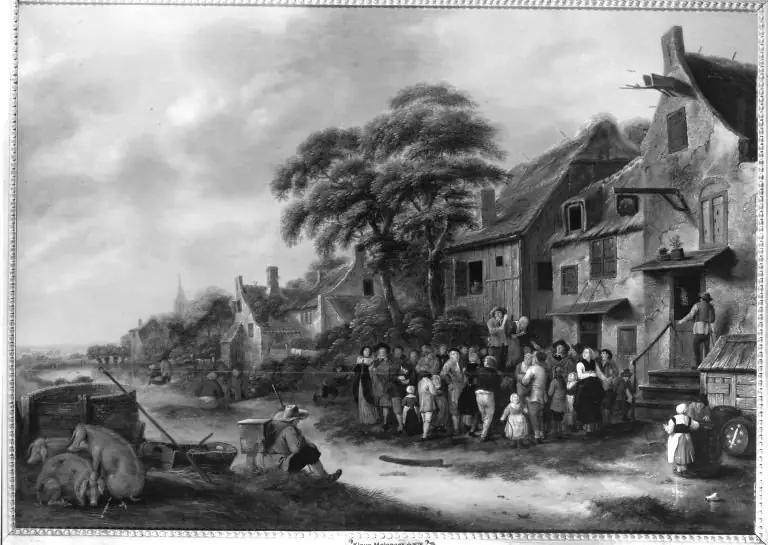 Bänkelsänger vor der Dorfschenke
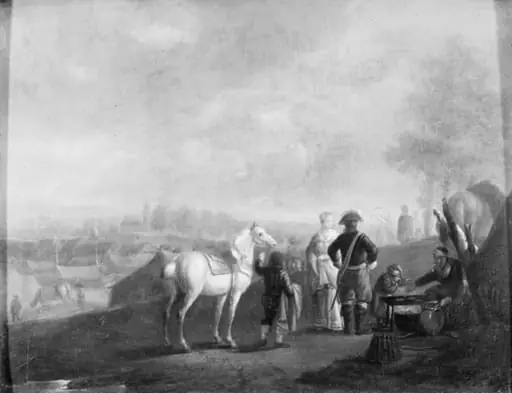 Lady and Gentleman Conversing
- village fair