Artwork
William IV (1711-51), Prince of Orange-Nassau
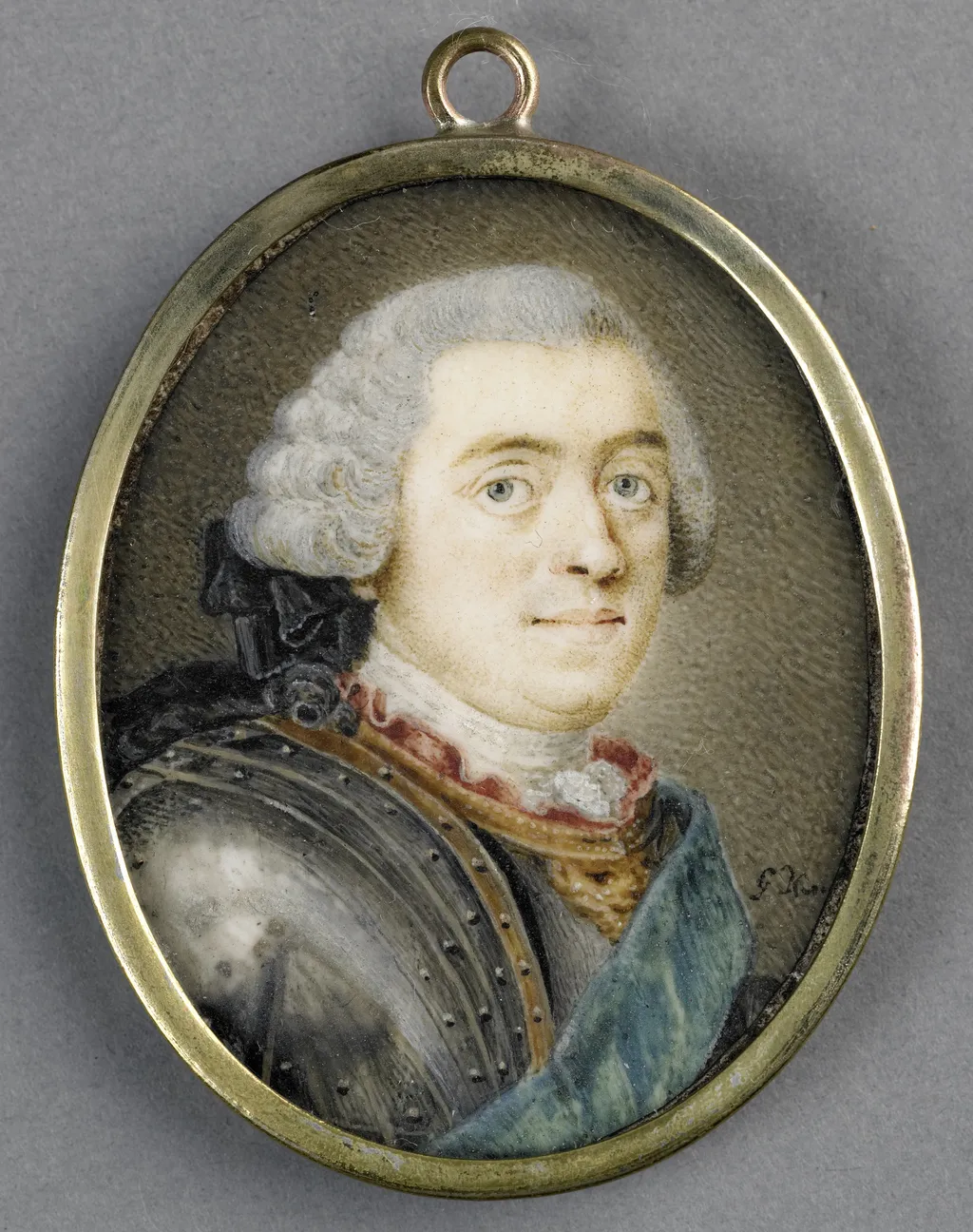
William IV (1711-51), Prince of Orange-Nassau is an ivory painting by the Rococo painting artist Gerrit Kamphuysen. It dates from 1750 and is held in the collection of the Rijksmuseum.
About this work
The painting is an example of a portrait from the 18th century, and it showcases the artist's skill in capturing the subject's likeness and expression.
This painting is a portrait of a man with white hair, wearing a blue coat and a red and white collar. He is also wearing a brown and gold necklace and a black and gold shoulder piece. The background of the painting is a light brown color.
The man in the painting is looking directly at the viewer with a neutral expression. His hair is styled in a curly fashion, and he has a small nose and mouth. The overall style of the painting is realistic, with attention to detail in the subject's clothing and accessories.
The painting is an example of a portrait from the 18th century, and it showcases the artist's skill in capturing the subject's likeness and expression. To learn more about the artist's use of chiaroscuro, look up Gerrit Kamphuysen.
Subject & Meaning
The work depicts William IV, Prince of Orange, portrayed by Gerrit Kamphuysen in 1750 as a miniature on ivory. The subject is shown directing his gaze toward the viewer, a compositional choice that establishes a direct engagement between the sitter and the observer. As a portrait of the Prince of Orange, the piece serves to represent the individual's status and presence through this intimate scale and material.
Technique & Style
Executed in 1750 by Gerrit Kamphuysen, this work is a miniature painting rendered on an ivory support. The piece measures 4.7 cm in height and 3.8 cm in width, reflecting the intimate scale characteristic of the genre. Stylistically, the composition features the subject, William IV, Prince of Orange, directing his gaze straight toward the viewer, establishing a direct visual engagement typical of portraiture from this period.
History & Provenance
The miniature painting depicting William IV, Prince of Orange-Nassau, was created in 1750 by Gerrit Kamphuysen. It is executed in ivory and measures 4.7 cm in height by 3.8 cm in width. The work has been part of the Rijksmuseum collection since its acquisition, remaining on display in Amsterdam.
Gerrit Kamphuysen painted William IV (1711-51), Prince of Orange-Nassau, circa 1750 on ivory. The work is housed in the Rijksmuseum collection and is catalogued under inventory number SK-A-2688. It has been exhibited in the Rijksmuseum exhibition 'Dutch & Flemish Paintings from the Rijksmuseum' in 2015.
Overview
Created around 1750 by Gerrit Kamphuysen, this ivory portrait presents William IV, Prince of Orange‑Nassau (1711‑1751). The sitter faces the viewer directly, his expression neutral, set against a muted light‑brown backdrop. The work is part of the Rijksmuseum’s collection.
Own this work as a print
Artist & collection
Artist
Dutch artists in the 1700s often painted tiny portraits on ivory for keepsakes. Gerrit Kamphuysen made more than 50 of these, mostly small ovals worn as lockets or attached to snuffboxes. In the Gallery you’ll find…

 Willem IV (1711-51), prins van Oranje Nassau
 Portrait of an Austrian officer
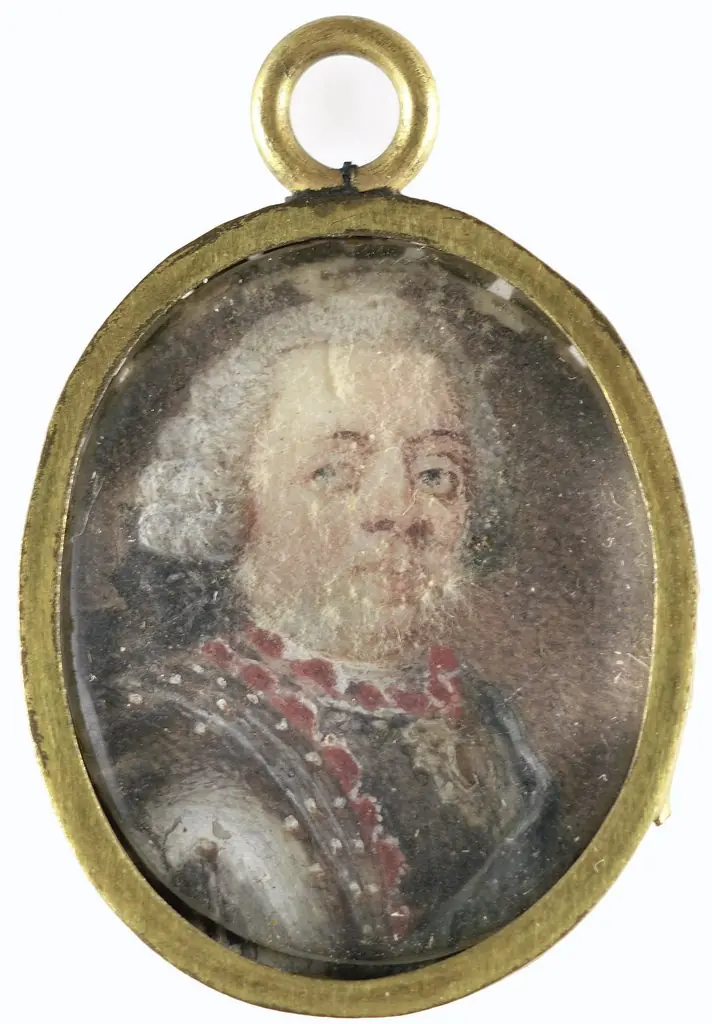 Portrait of Willem IV van Oranje- Nassau (1711-1751)
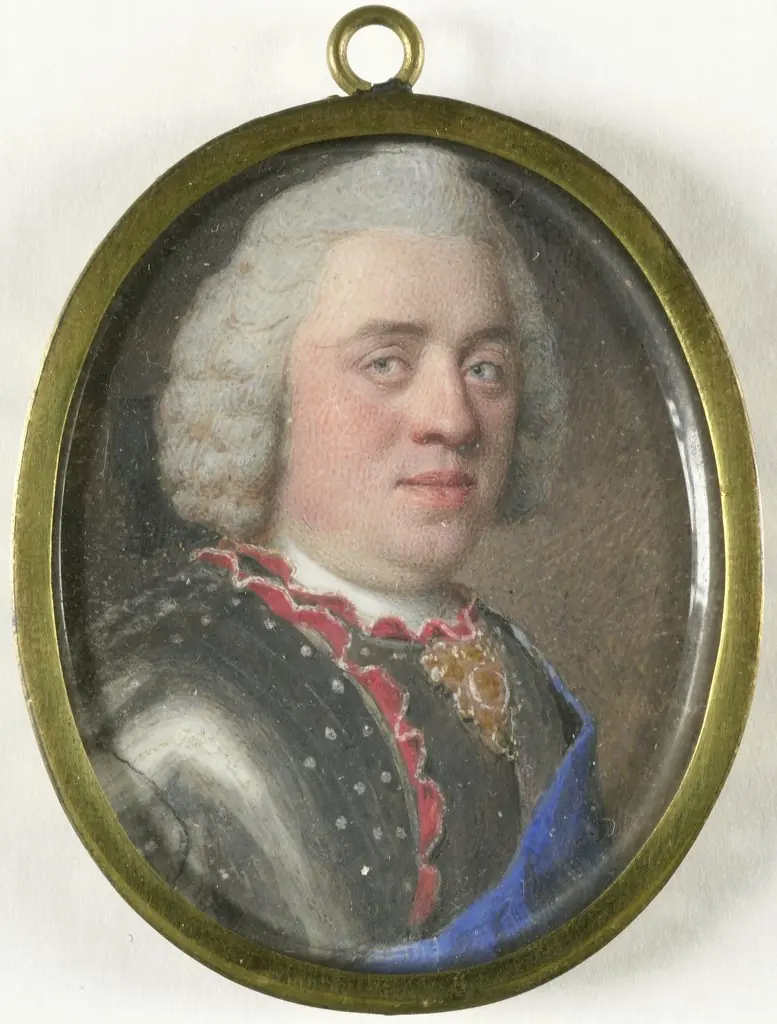 Portrait of Willem IV van Oranje- Nassau (1711-1751)
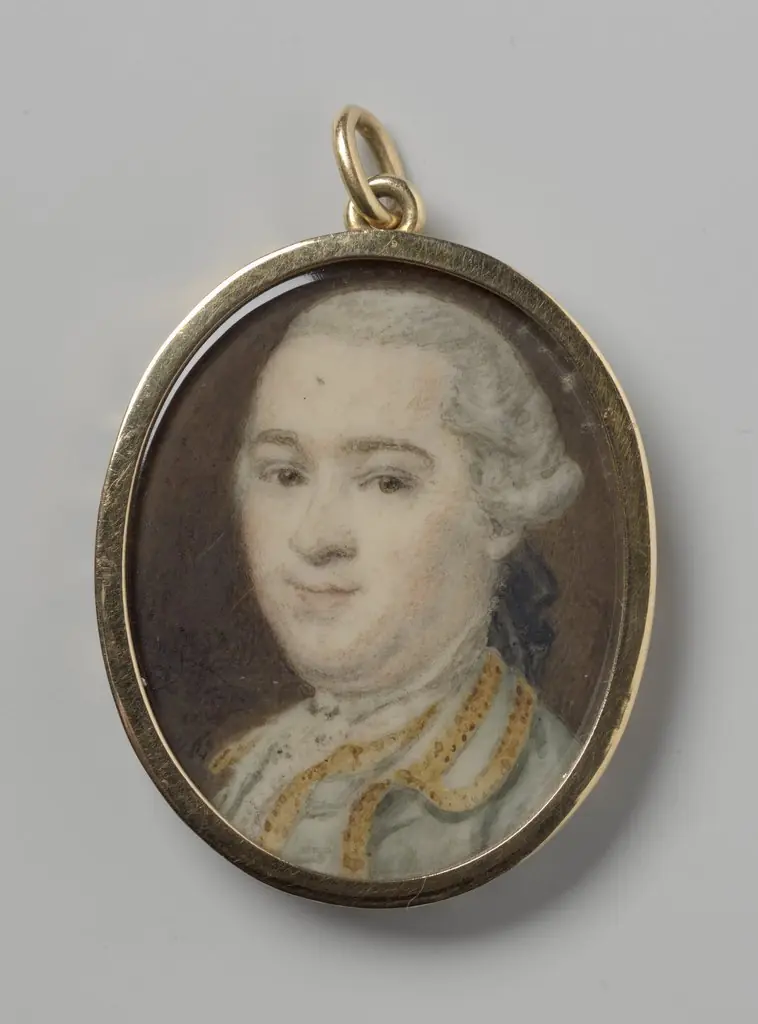 Portret van een man
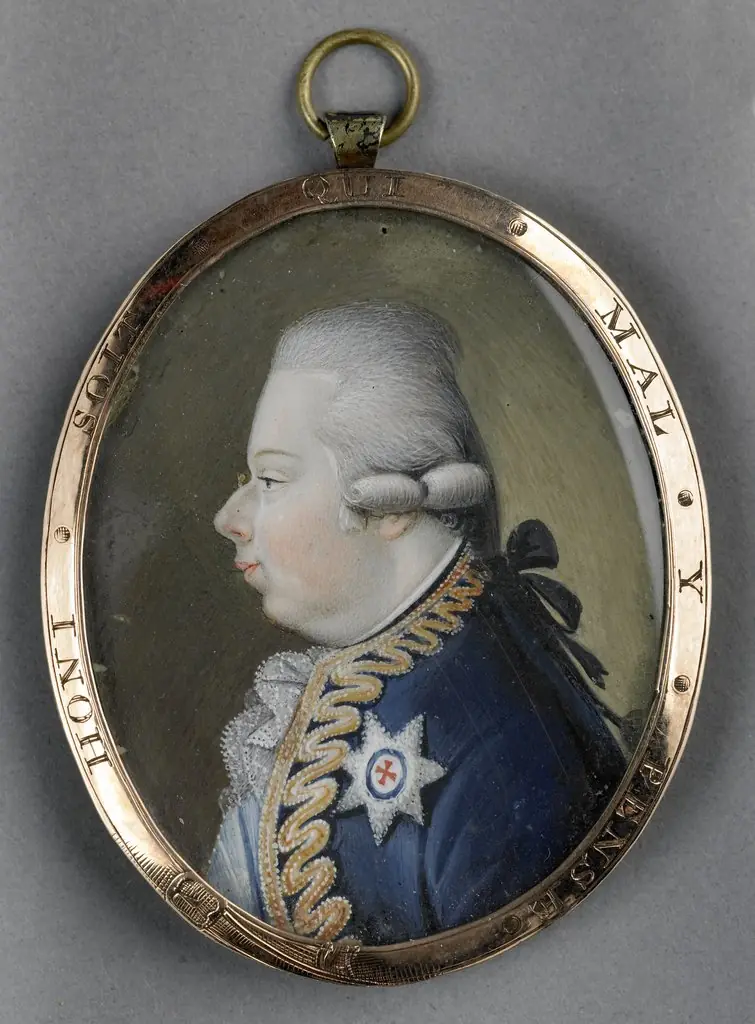 Portrait of Willem V van Oranje- Nassau (1748-1806)
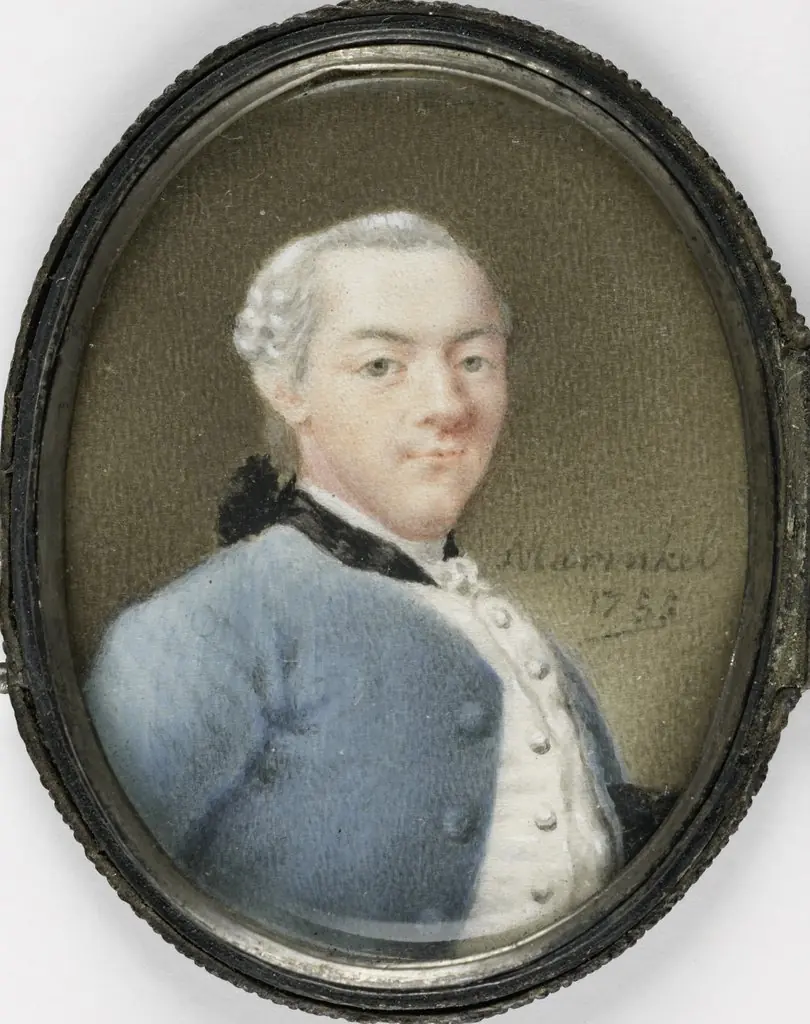 Portret van een man
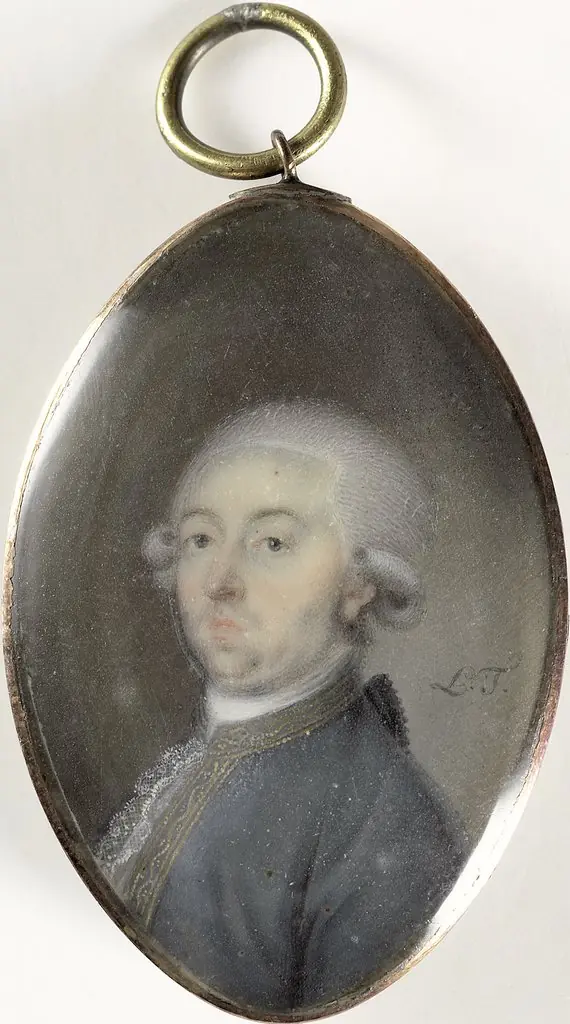 Portrait of Roedolph van Olden (1752-1828)
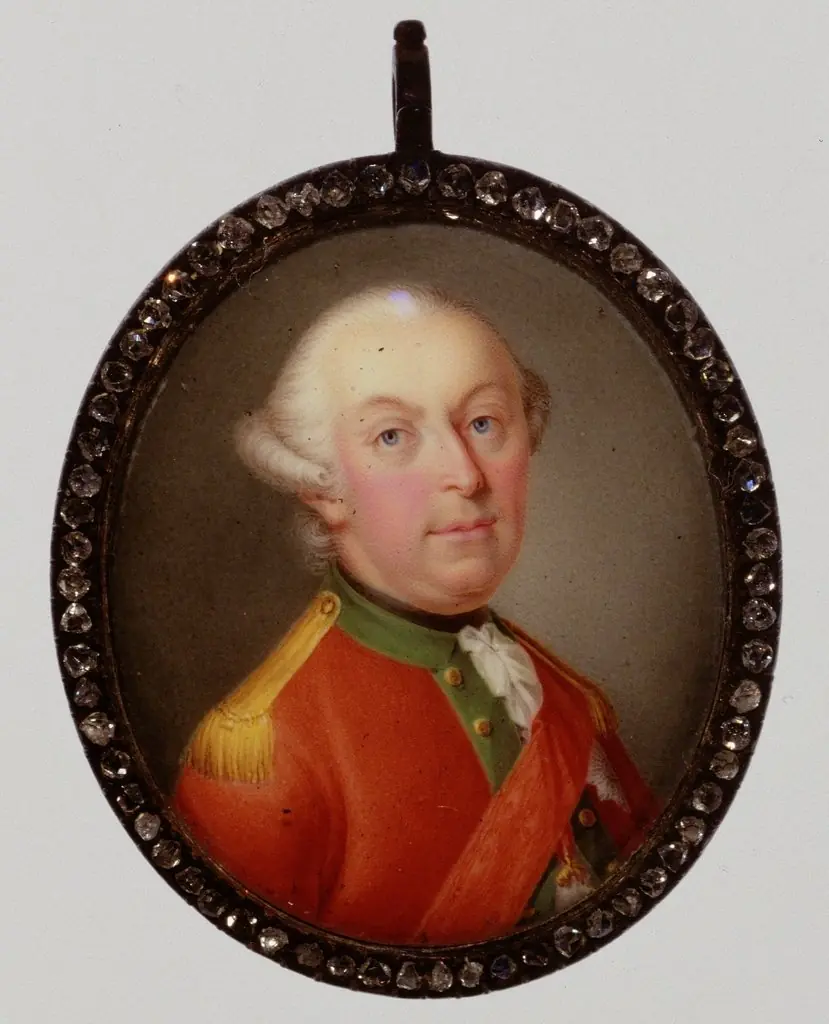 Joseph II (1741–1790), Emperor of Austria
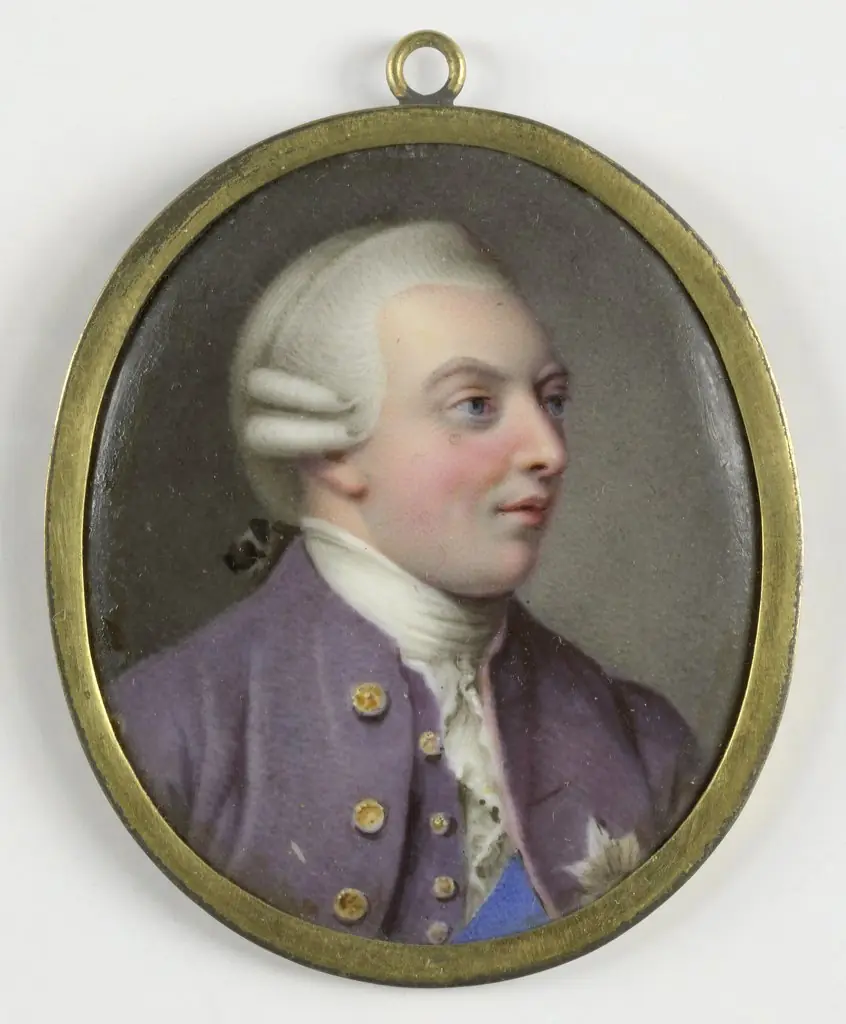 George III (1738-1820), koning van Engeland