Artwork
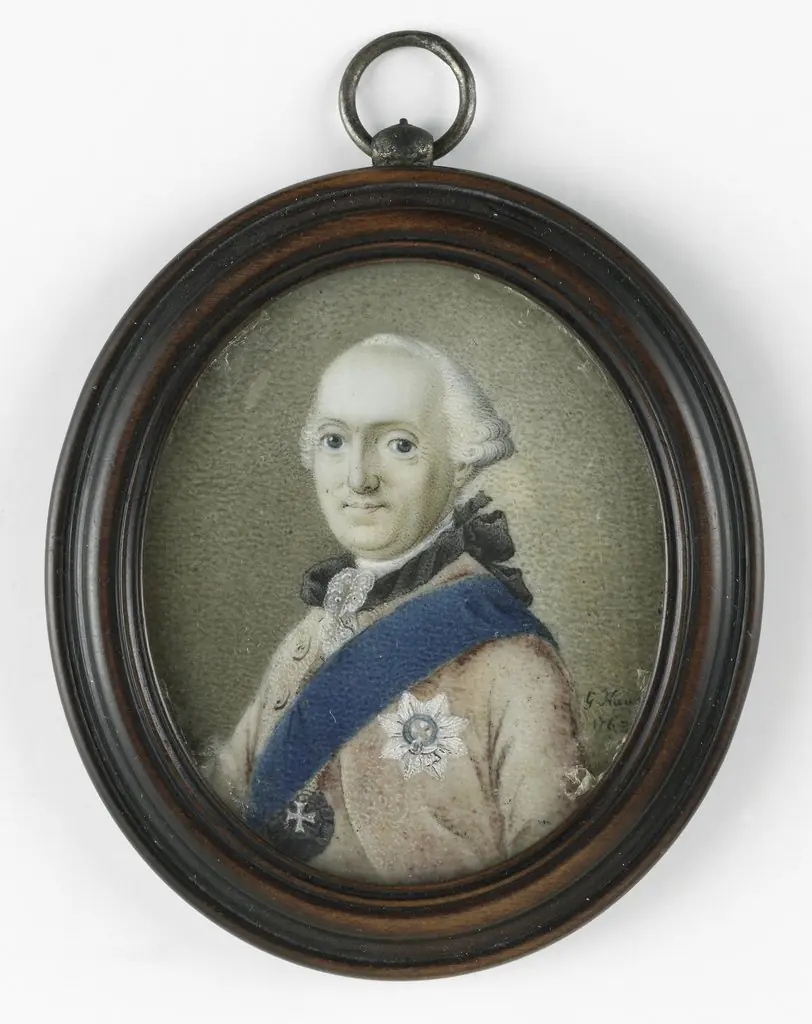
Portrait of an Austrian officer
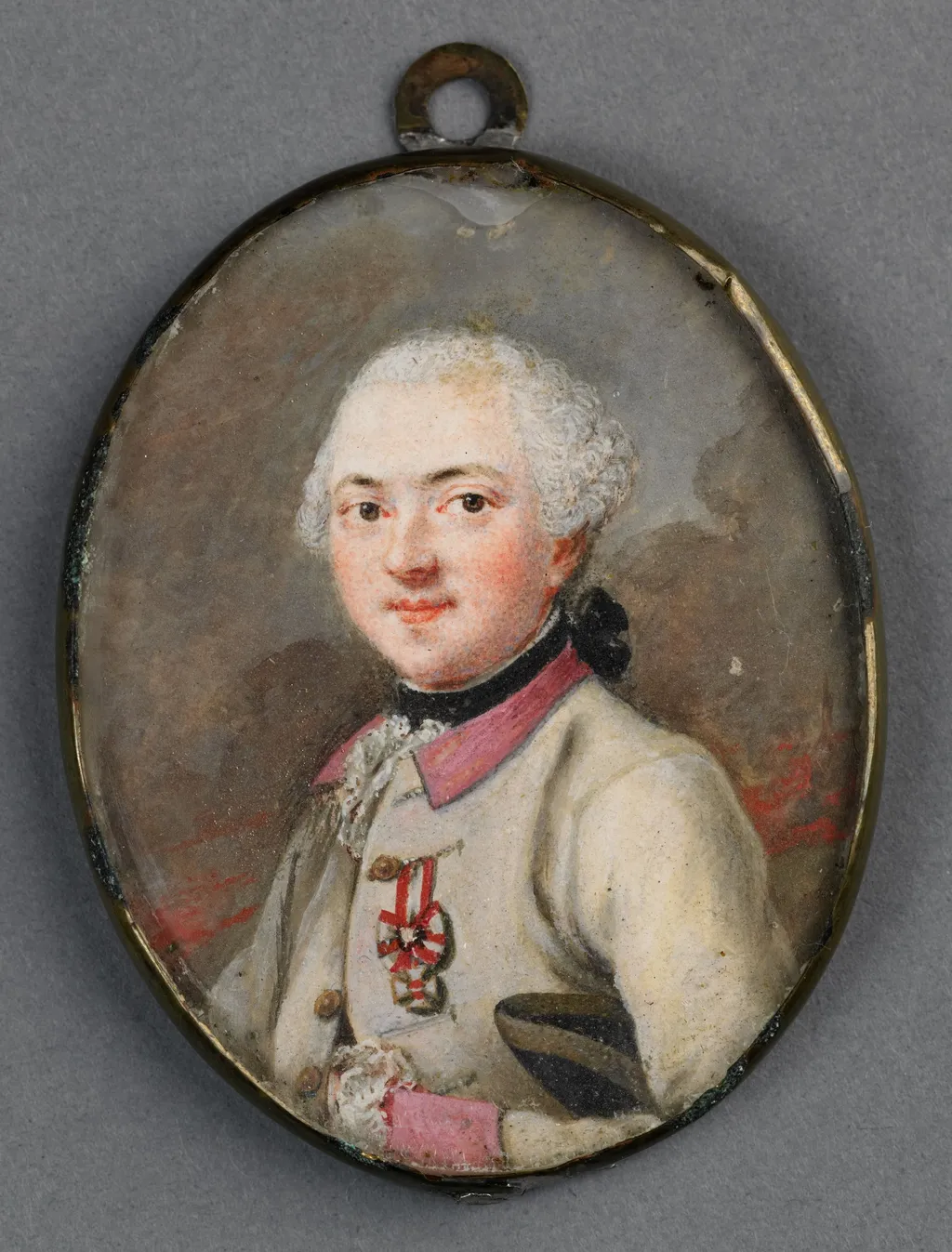
Portrait of an Austrian officer is an unspecified painting by the Rococo painting artist Unknown. It dates from 1790 and is held in the collection of the Rijksmuseum.
About this work
Technique & Style
This substrate creates a smooth, non-porous surface that restricts brushwork, encouraging precise, controlled application of pigment.
The work is executed on a rigid cardboard support, a material noted for its stiffness and flatness. This substrate creates a smooth, non-porous surface that restricts brushwork, encouraging precise, controlled application of pigment. The limited surface texture shapes a restrained handling of the medium, resulting in a flat, almost graphic quality.
Formal elements include a muted palette and tightly defined contours that emphasize the subject’s uniform details. These stylistic choices align with miniature portrait conventions, where clarity and economy of line dominate over painterly depth.
History & Provenance
The Portrait of an Austrian officer is held in the collection of the Rijksmuseum in Amsterdam. The work, an anonymous miniature painting executed on cardboard around 1780, measures 4.9 cm in height and 3.9 cm in width. While the artwork is part of the museum's permanent holdings, the provided sources do not list a specific inventory or accession number for this piece. Additionally, the available records contain no information regarding a history of exhibitions for this portrait.
Overview
This oval portrait on cardboard depicts an Austrian officer in formal attire, characterized by a powdered white wig, distinctive red-and-black military jacket adorned with gold buttons, and a prominent red sash. The composition emphasizes the subject's face and medals against a plain background.
Subject & Meaning
The portrait honors an Austrian military officer, likely of high rank given the ornate uniform details and medals. The focus on his face and decorations suggests an emphasis on personal and professional distinction.
Context
Created during a period when powdered wigs and elaborate military attire were customary among European nobility and high-ranking officers, the portrait reflects late 18th-century Austrian military and social conventions.
Artist & collection









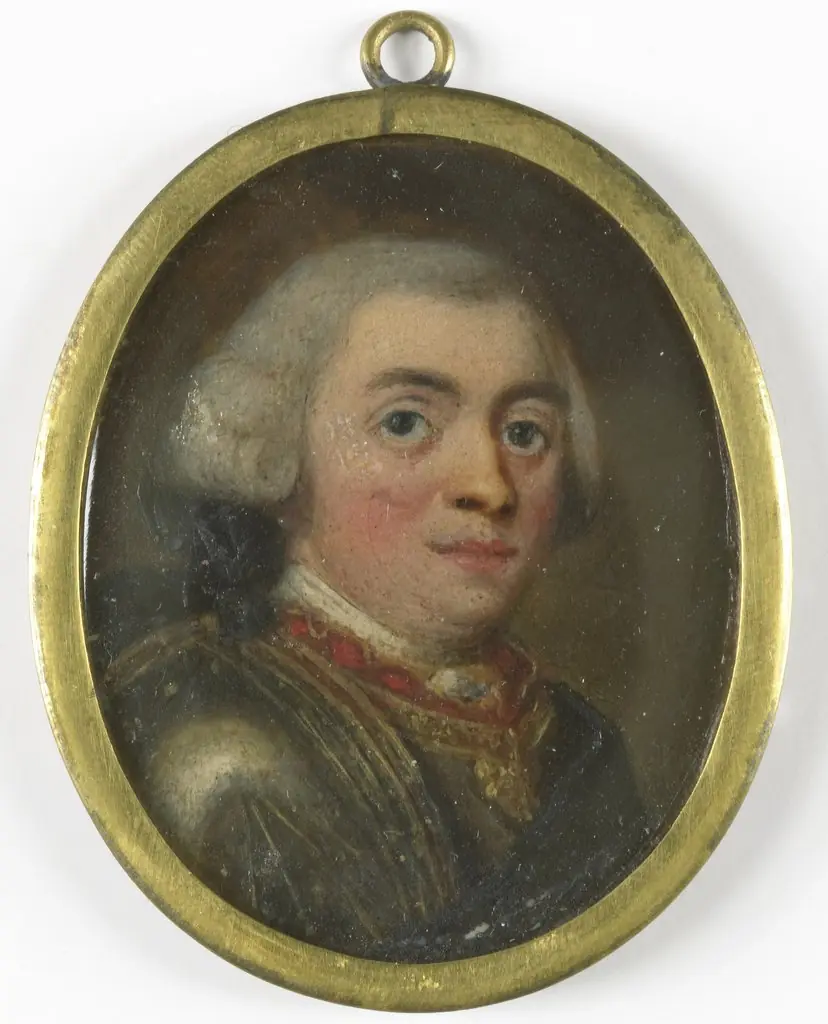
- Willem IV (1711-51), prins van Oranje Nassau
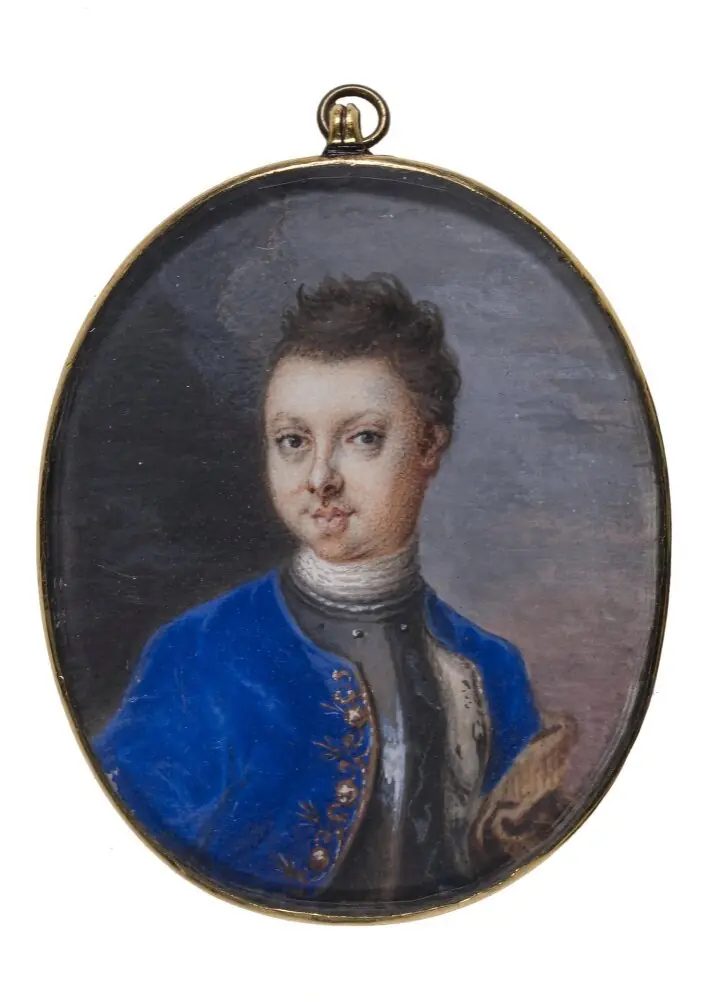 Karl Fredrik, Duke of Holstein-Gottorp
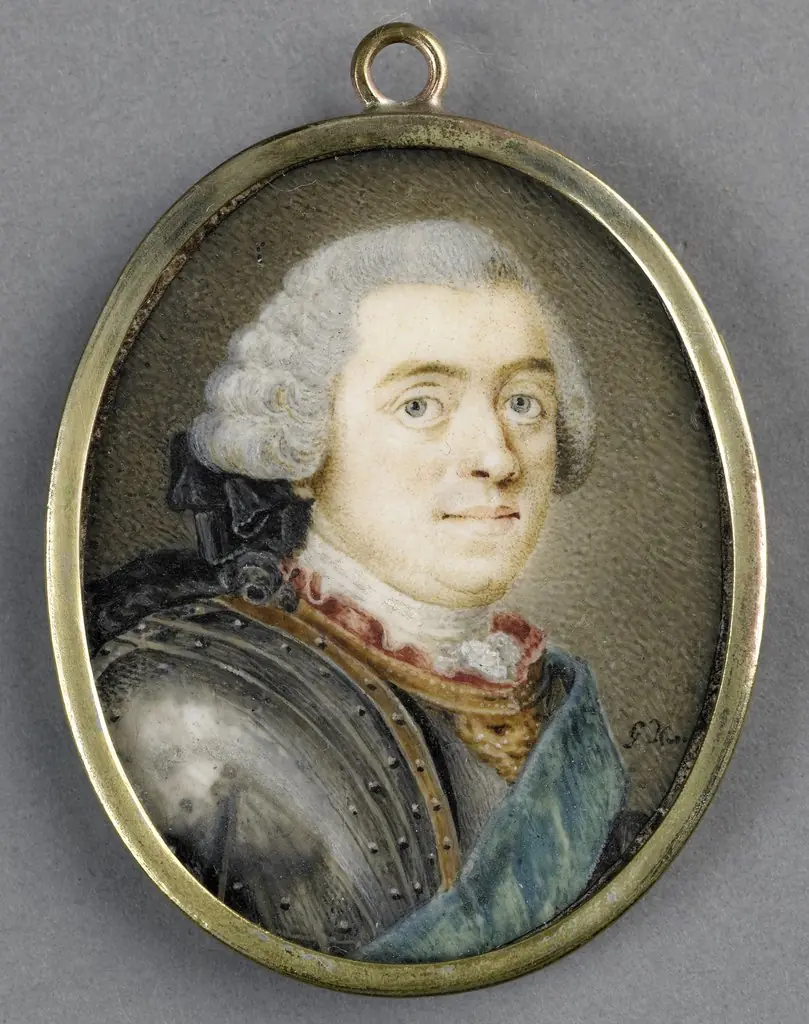 William IV (1711-51), Prince of Orange-Nassau
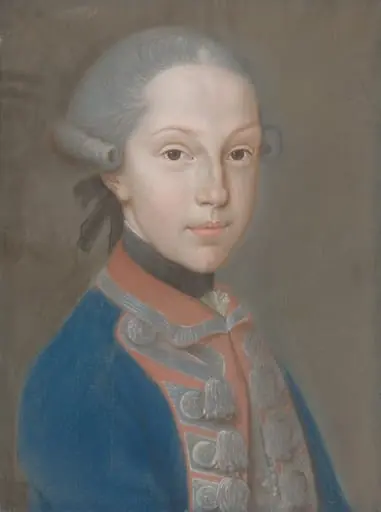 Portrait of a Young Man in Uniform
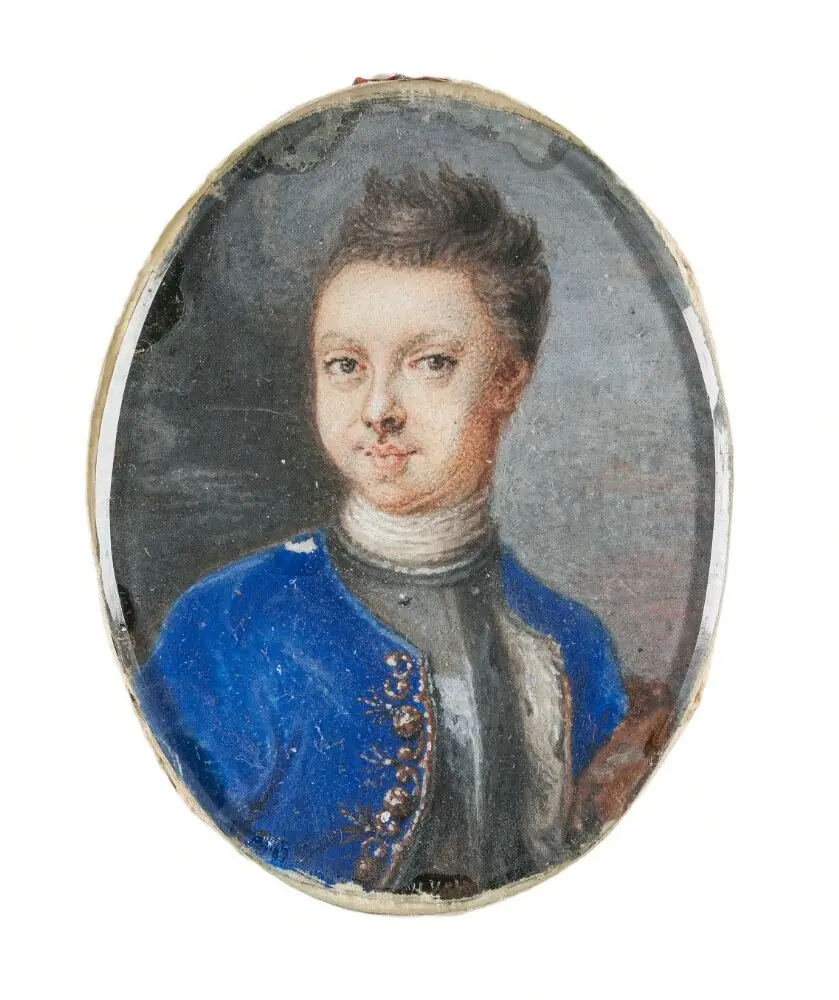 Charles Frederick, Duke of Holstein-Gottorp
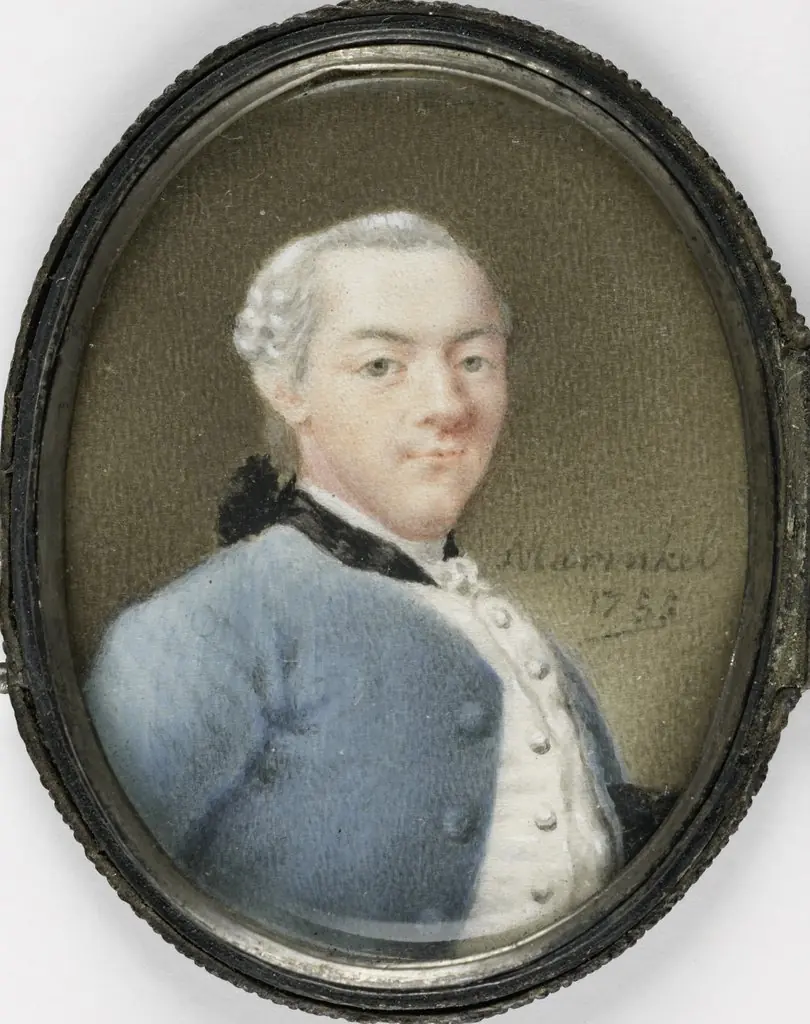 Portret van een man
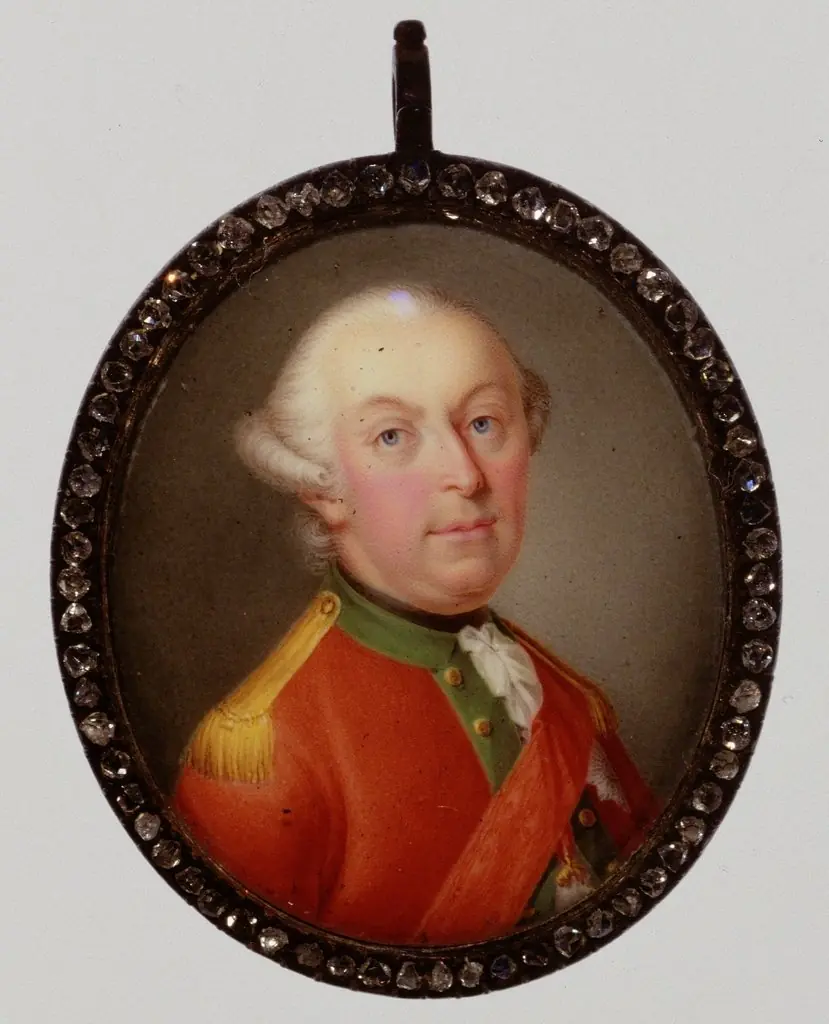 Joseph II (1741–1790), Emperor of Austria
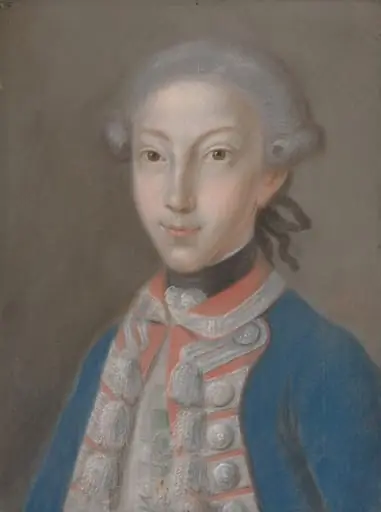 Portrait of a Young Man in Uniform
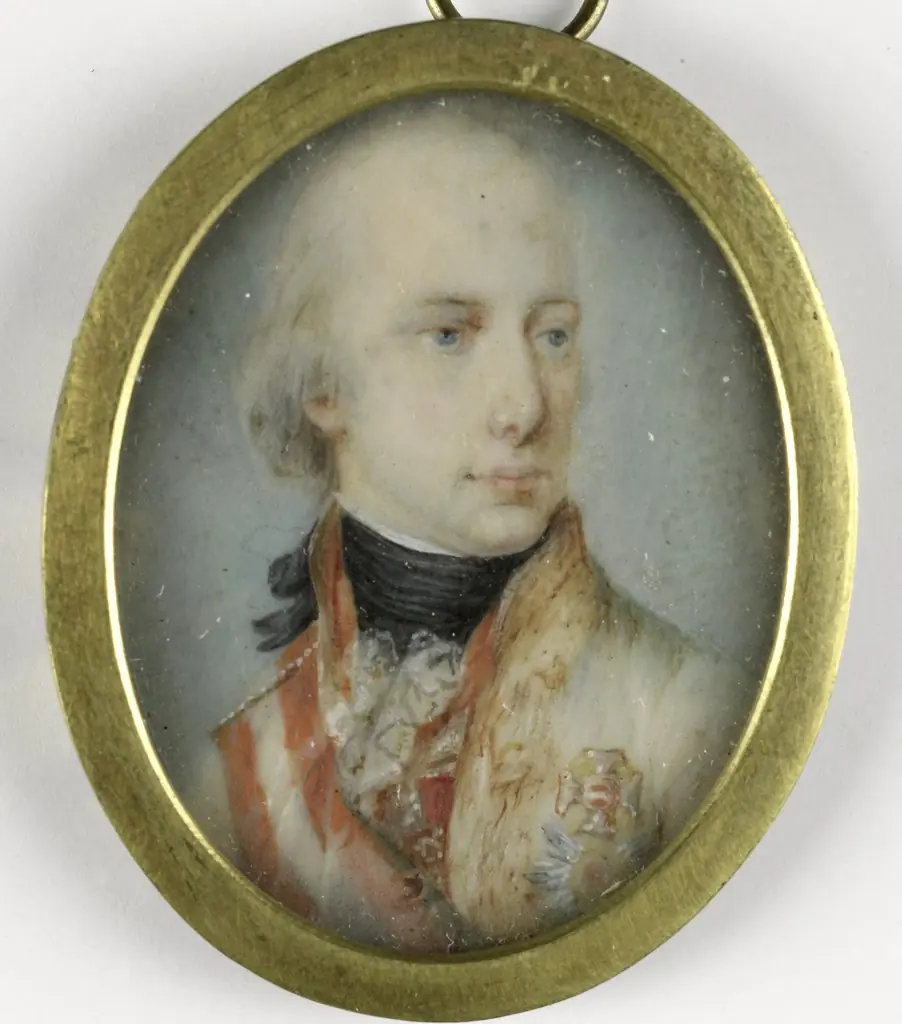 Portrait of Frans I van Habsburg (1768-1835), emperor of Austria
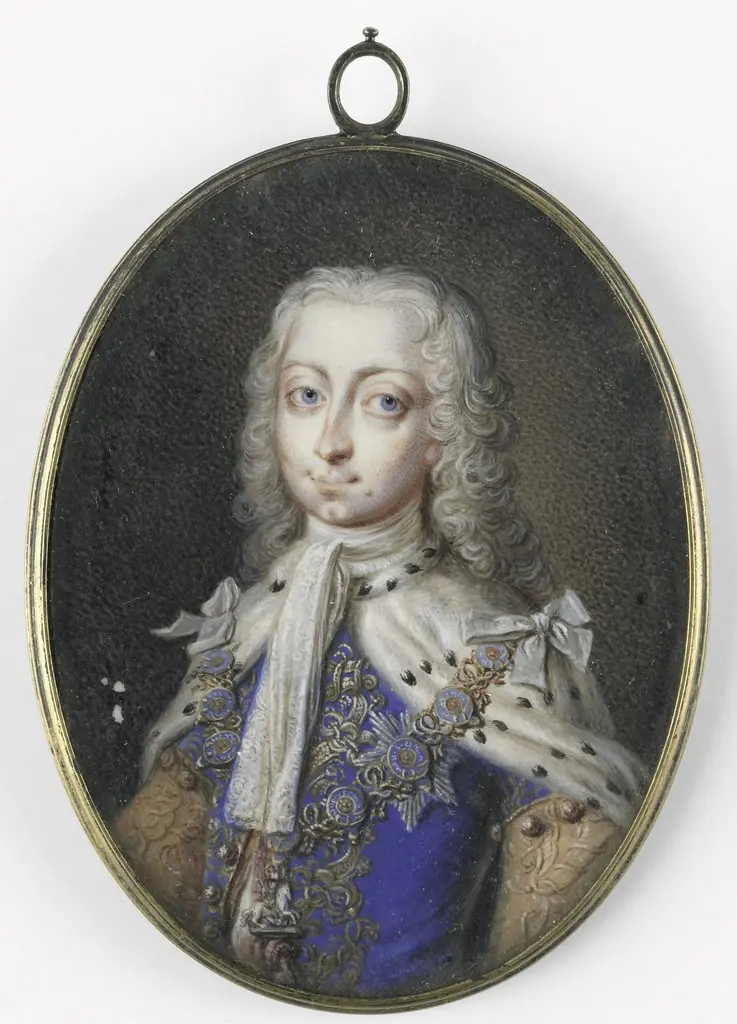 Frederick Louis (1707-51), prins van Wales. Zoon van koning George II
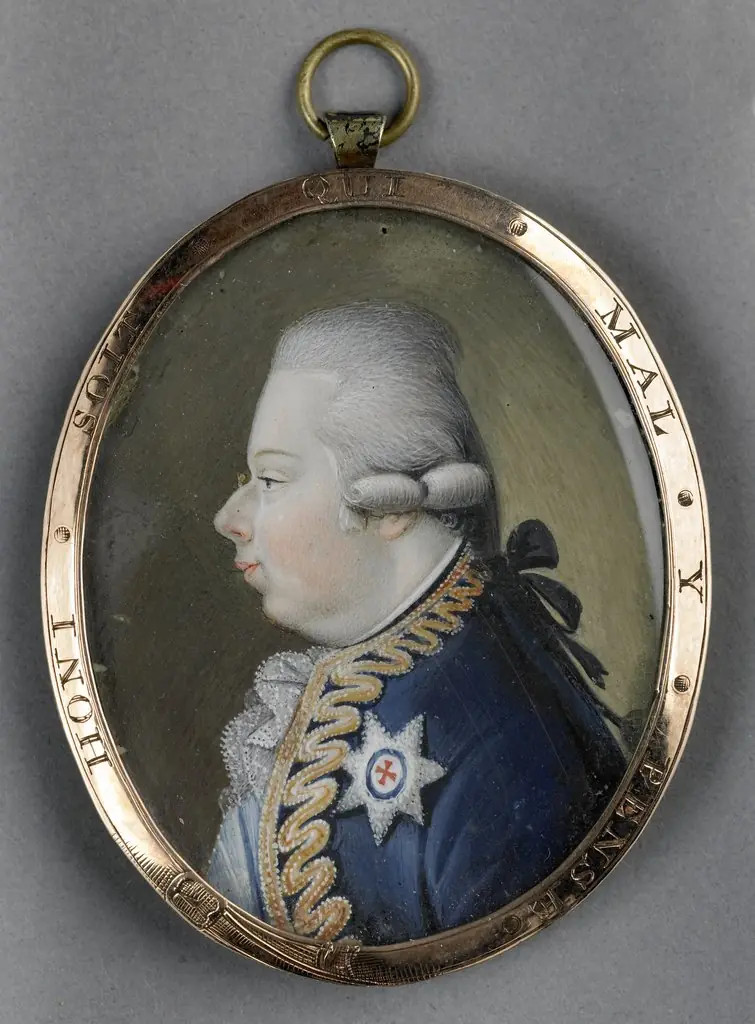 Portrait of Willem V van Oranje- Nassau (1748-1806)
 Karl Wilhelm Ferdinand (1735-1806), Duke of Brunswick-Luneburg