Artwork
Hl. Magdalena
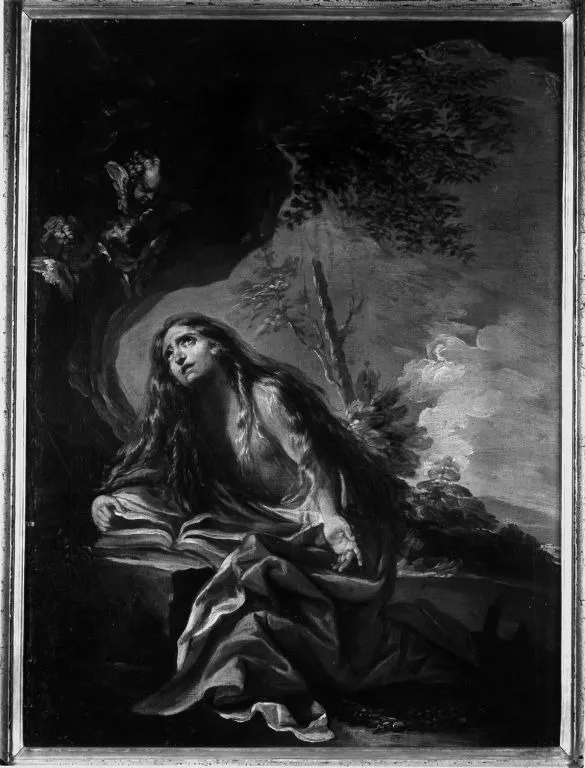
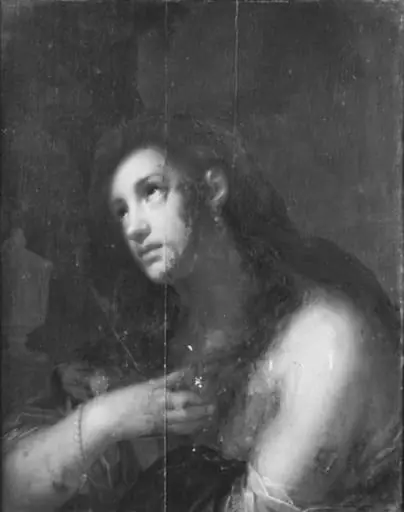
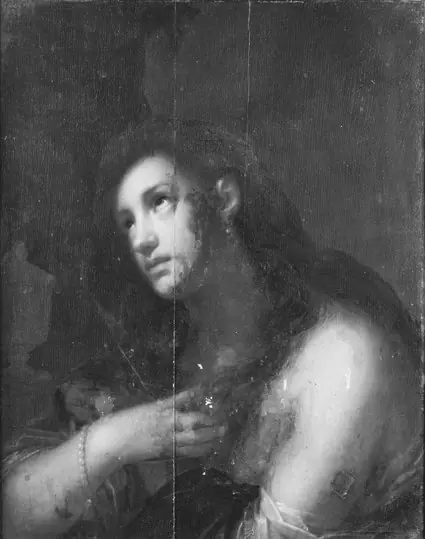
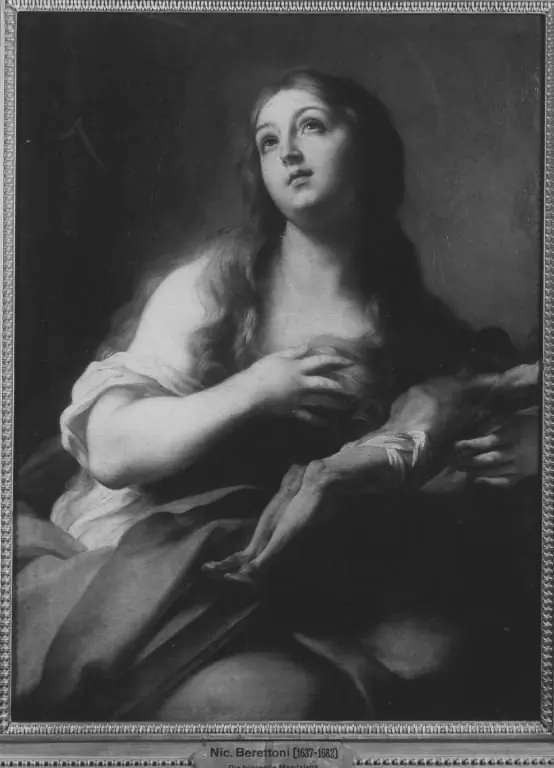
Hl. Magdalena is an unspecified painting by the Early Baroque Italian artist Giacinto Brandi. It dates from 1656 and is held in the collection of the Bavarian State Painting Collections.
About this work
Subject & Meaning
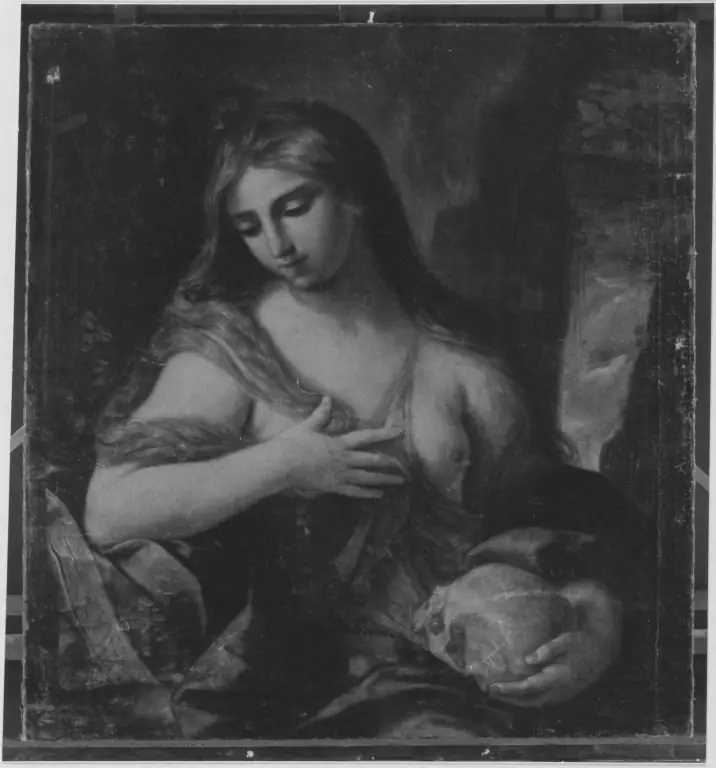
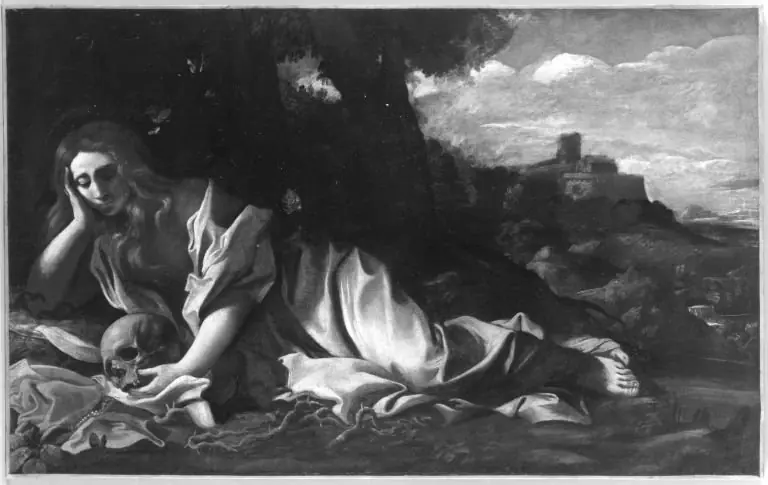
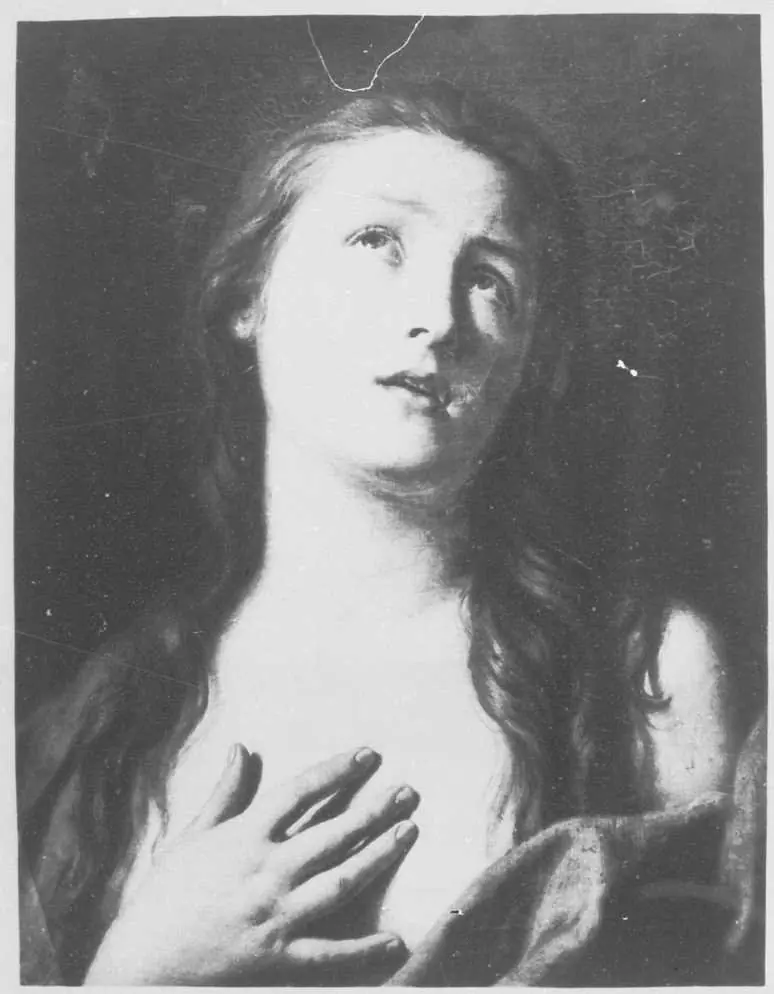
The painting depicts Mary Magdalene, a figure central to Christian religious art. Created by Giacinto Brandi in 1656, the work belongs to the genre of religious art. As a representation of the saint, the image serves to visualize the biblical figure within a devotional context, consistent with the artist's output for sacred themes during the mid-seventeenth century.
Technique & Style
Created in 1656, Hl. Magdalena is an oil painting executed on a panel support. The work measures 63.5 cm in height and 46.1 cm in width.
Executed by Giacinto Brandi, the piece belongs to the religious art genre and depicts Mary Magdalene. It is currently held within the collection of the Bavarian State Painting Collections at the Alte Pinakothek.
History & Provenance
The provided sources do not contain specific inventory or accession numbers for the artwork, nor do they list any exhibition history or past display records.
The painting Hl. Magdalena was created in 1656 by the Italian artist Giacinto Brandi. Executed as a religious work depicting Mary Magdalene, the piece dates specifically to that year according to internal records and collection data.
The artwork currently resides within the Bavarian State Painting Collections, where it is housed at the Alte Pinakothek in Munich. No further details regarding its original commission, early ownership history, or specific provenance chain prior to its entry into the Bavarian collection are provided in the available documentation.
The painting Hl. Magdalena by Giacinto Brandi is held within the Bavarian State Painting Collections. Specifically, the work is located at the Alte Pinakothek in Munich.
Its creation is dated to January 1, 1656. The provided sources do not contain specific inventory or accession numbers for the artwork, nor do they list any exhibition history or past display records.
Context
Critical reception of Hl. Magdalena has been limited, with no major contemporary commentary identified in the provided sources. Scholarship situates the painting firmly within Giacinto Brandi's late Baroque religious oeuvre, emphasizing its technical execution and devotional function in 17th-century Rome.
The work's placement in the Bayerische Staatsgemäldesammlungen' Alte Pinakothek reflects its recognized significance within German museum collections of Baroque religious art, where it is studied alongside Brandi's other Magdalene depictions as part of his contribution to Counter-Reformation visual culture.
Overview
Painted in 1656 by Giacinto Brandi, this work portrays Mary Magdalene as a figure of quiet introspection. Executed in oil on canvas, it is part of the Alte Pinakothek’s collection in Munich. The composition centers on the saint seated alone, her posture and gaze suggesting inner reflection. The dark, atmospheric background isolates her form, emphasizing her spiritual solitude.
Legacy
Though not widely exhibited outside Germany, the painting remains a representative example of Italian Baroque devotional art in Northern European collections. It contributes to scholarly understanding of how Roman-trained artists like Brandi translated theatrical religious themes into quiet, personal moments, influencing regional interpretations of sacred figures beyond Italy.
Artist & collection