Artwork
Orpheus and Eurydike
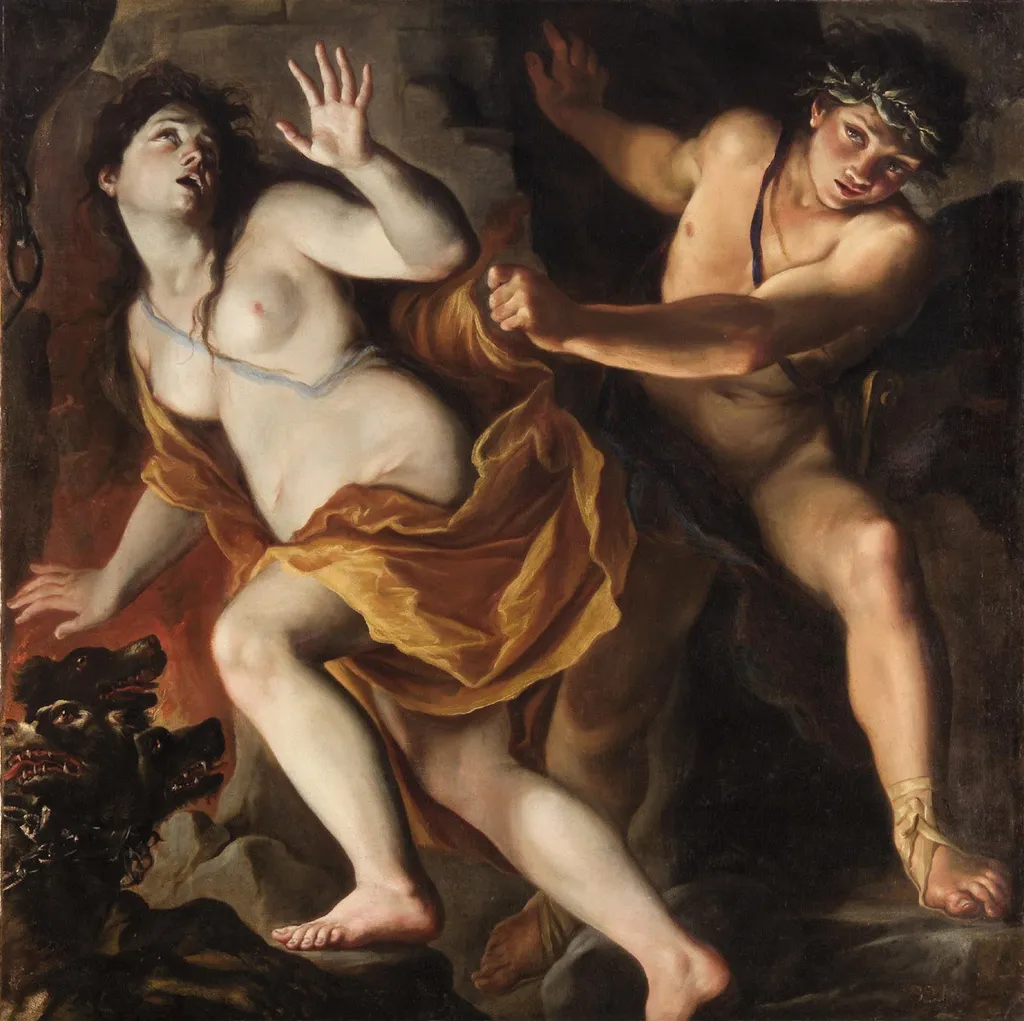
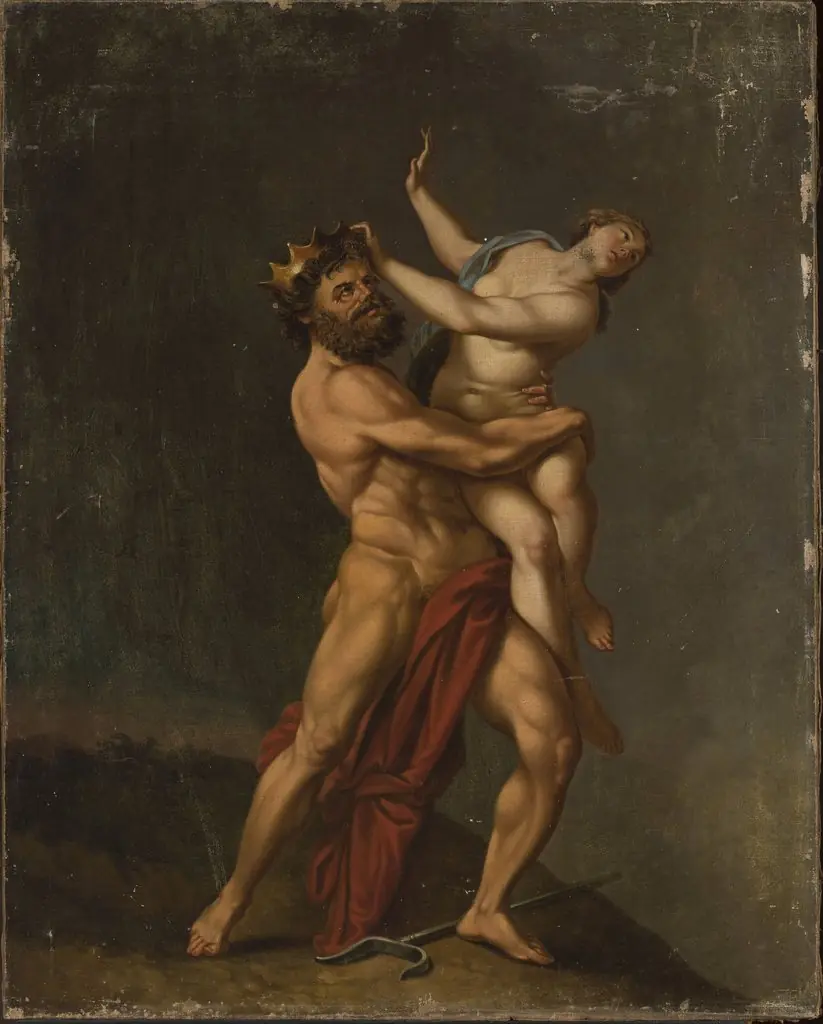
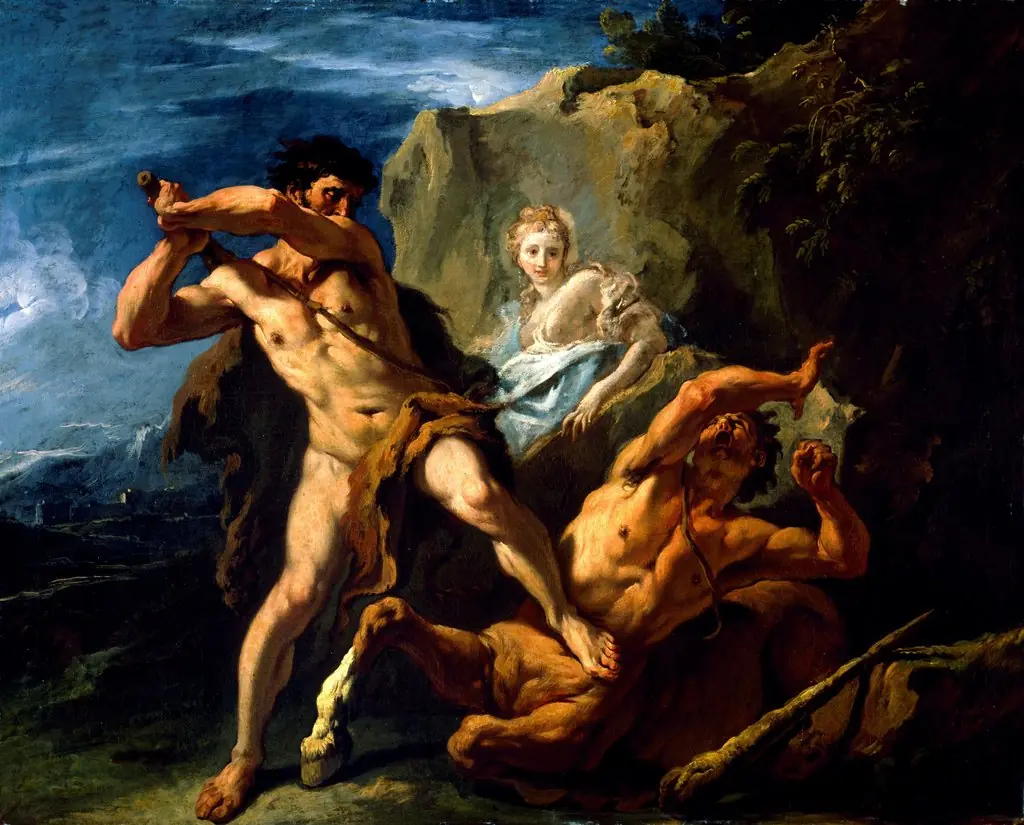
Orpheus and Eurydike is an oil painting by the Early Baroque Italian artist Giovanni Antonio Burrini. It dates from 1700 and is held in the collection of the Kunsthistorisches Museum.
About this work
Subject & Meaning
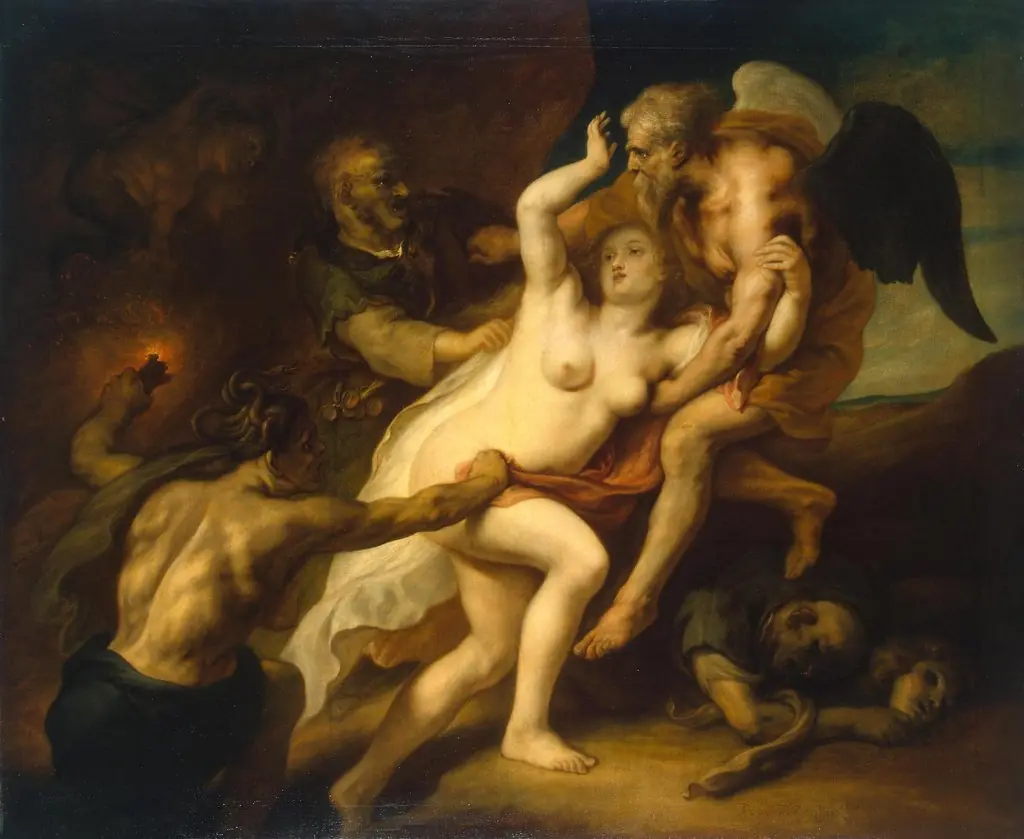
Giovanni Antonio Burrini's 1700 oil painting depicts the mythological figures of Orpheus and Eurydice, serving as a visual representation of their classical legend. As a work of mythological genre, the composition centers on these two characters as its primary subjects, illustrating a specific narrative moment from ancient lore. The artwork functions as an iconographic interpretation of the tragic romance, capturing the essence of the story through the depiction of the titular hero and his beloved.
Technique & Style
Giovanni Antonio Burrini created the mythological composition in 1700, employing oil paint as the medium and canvas as the support.
The work is an oil painting executed on canvas. Giovanni Antonio Burrini created the mythological composition in 1700, employing oil paint as the medium and canvas as the support. The painting measures 120 cm in height and 119.5 cm in width, depicting the figures of Orpheus and Eurydice.
Its formal qualities include a balanced arrangement of the central characters, delicate chiaroscuro modeling, and a rich, warm palette that emphasizes the narrative tension between the lovers.
History & Provenance
The painting Orpheus and Eurydice was created in 1700 by Giovanni Antonio Burrini as an oil on canvas work. It was acquired by the Kunsthistorisches Museum in Vienna, where it remains in the collection and is displayed as part of the museum's mythological paintings. The work measures 120 cm in height and 119.5 cm in width.
The painting is held in the collection of the Kunsthistorisches Museum in Vienna. It is inventoried as a Burrini work with the accession dimensions of 120 cm in height and 119.5 cm in width. The museum’s holdings list it under Burrini’s mythological subjects, specifically depicting Orpheus and Eurydice.
Overview
Orpheus and Eurydike is a 1700 oil painting by Giovanni Antonio Burrini, a Bolognese artist linked to the Late-Baroque and Rococo styles. The work depicts a pivotal moment from Greek mythology within a dramatic, dark landscape.
Context
While initially categorized under the early Baroque Italian movement, Burrini's style in this work shows transitional elements towards the more expressive and emotionally charged aspects of Late-Baroque and Rococo. The subject choice highlights the enduring appeal of classical mythology in 18th-century art.
Legacy
Orpheus and Eurydike contributes to the broader legacy of mythological themes in European art. Burrini's interpretation, though less renowned than works by more prominent contemporaries, offers insight into the artistic transitions and preferences of the late 17th to early 18th centuries.
Artist & collection
Artist
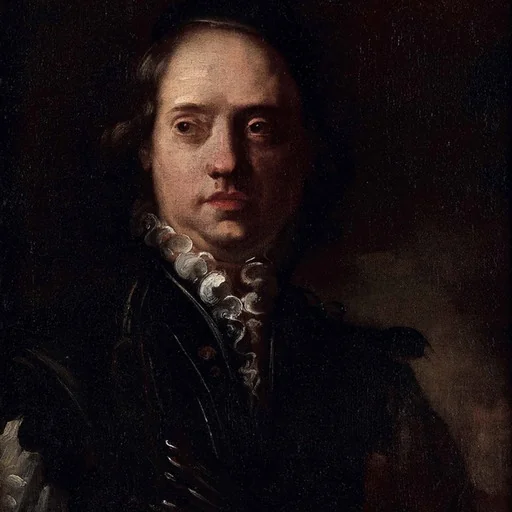
Giovanni Antonio Burrini (25 April 1656 – 5 January 1727) was a Bolognese painter of Late-Baroque or Rococo style.