Artwork
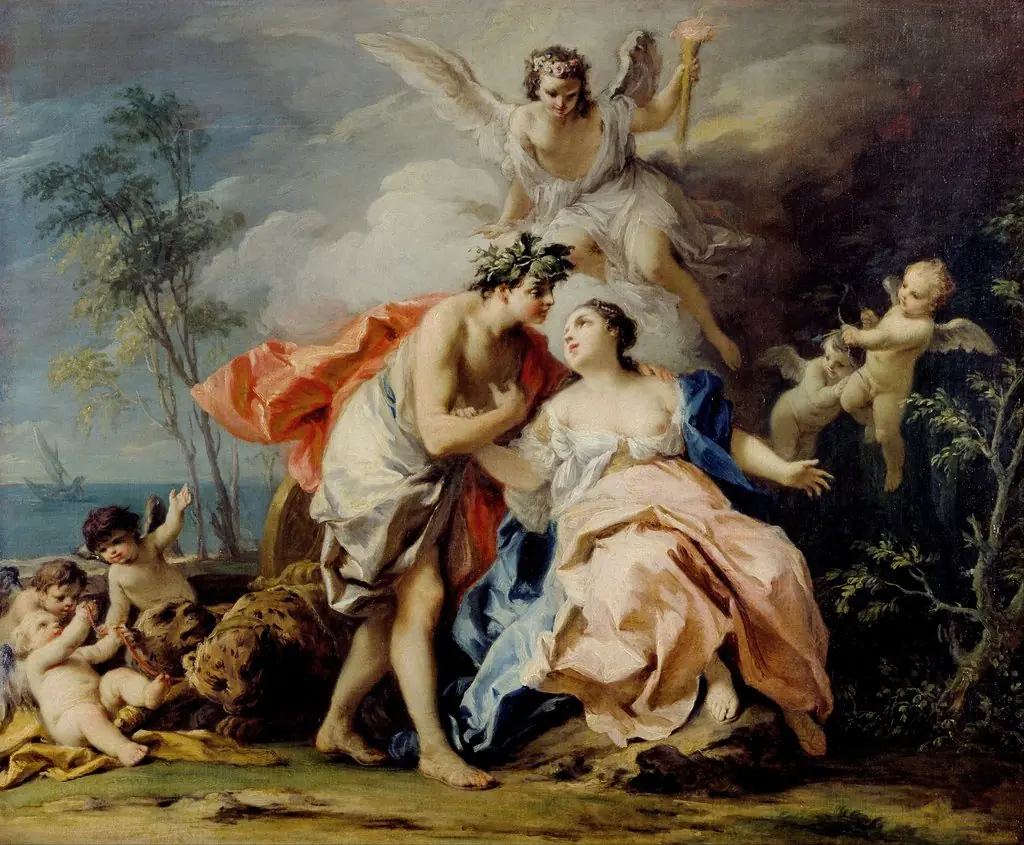
Bacchus and Ariadne
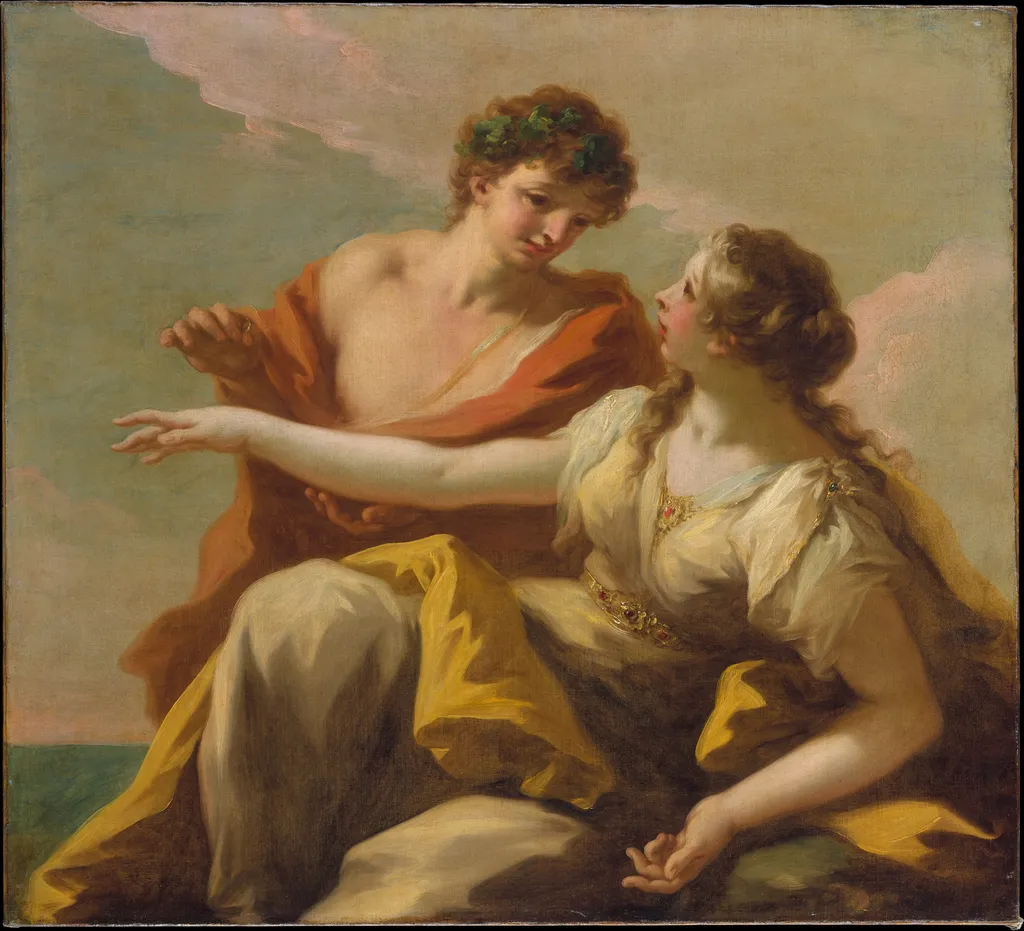
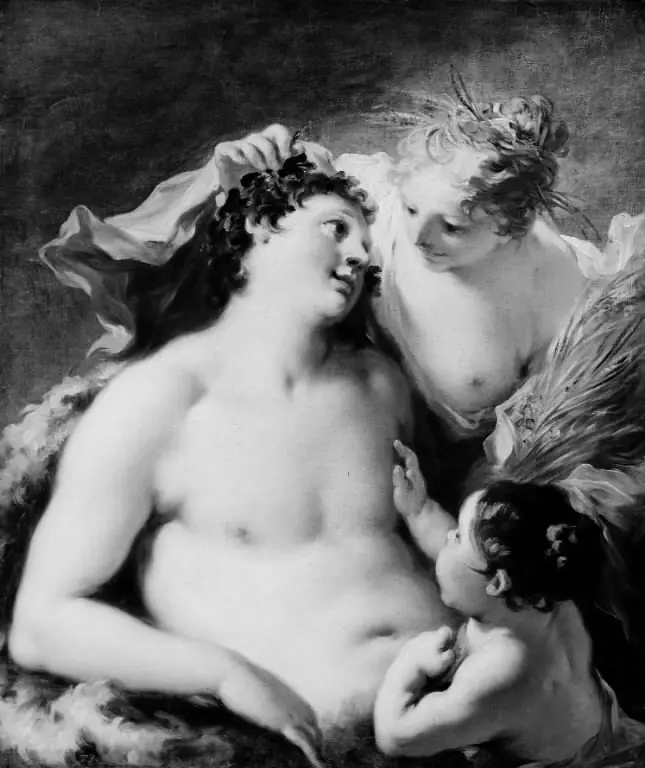
Bacchus and Ariadne is an oil painting by the Rococo painting artist Giovanni Antonio Pellegrini. It dates from 1720 and is held in the collection of the Metropolitan Museum of Art.
About this work
History & Provenance
The work, executed on canvas, carries the accession number 1984.
Giovanni Antonio Pellegrini's 1720 oil painting depicting the mythological figures Bacchus and Ariadne is held in the collection of the Metropolitan Museum of Art. The work, executed on canvas, carries the accession number 1984.458 within the museum's inventory. While the available records confirm its location and acquisition details, specific data regarding its exhibition history or prior provenance prior to entering the museum's holdings are not detailed in the provided sources.
Context
Giovanni Antonio Pellegrini's 1720 oil on canvas, titled Bacchus and Ariadne, exemplifies early‑18th‑century Venetian mythological painting. The work, catalogued as a mythological painting in both its classification and genre, portrays the moment of Bacchus discovering Ariadne;. It entered the Metropolitan Museum of Art's collection (1984.458) and is displayed at the museum.
Scholars note its compositional balance and the dynamic interaction between the figures, situating it within Pellegrini's broader decorative practice and the trajectory of mythological subjects in European art;. The painting's provenance, dimensions, and material details further underscore its significance as a representative piece of the period.
Overview
Giovanni Antonio Pellegrini's 1720 oil painting, "Bacchus and Ariadne," exemplifies the Rococo movement. This work by the prominent early 18th-century Venetian history painter depicts the mythological encounter between the god of wine and the Cretan princess. Currently part of The Metropolitan Museum of Art's collection, the piece showcases Pellegrini's characteristic blend of historical narrative and vibrant aesthetic, contributing to his significant influence across Europe.
Subject & Meaning
The painting illustrates the mythological narrative of Bacchus discovering Ariadne after she was abandoned by Theseus on the island of Naxos. Pellegrini renders the two figures suspended amidst a soft, ethereal sky. Bacchus, adorned with a leafy wreath and draped in orange fabric, gently interacts with Ariadne, who wears flowing white and gold robes.
Their relaxed postures and close proximity suggest an intimate, almost whispered exchange, set against a delicate backdrop of pale green and pink.
Technique & Style
Pellegrini's artistic approach in "Bacchus and Ariadne" reflects the emerging Rococo sensibility, characterized by lightness and fluidity. His technique integrates elements from Renaissance masters with the dramatic flair of Baroque art. This synthesis is evident in the dynamic composition and the soft, atmospheric quality of the scene.
The artist's extensive travels for commissions disseminated his distinctive style, making him a key figure in the transition from Baroque grandeur to Rococo elegance.
Own this work as a print
Artist & collection
Artist
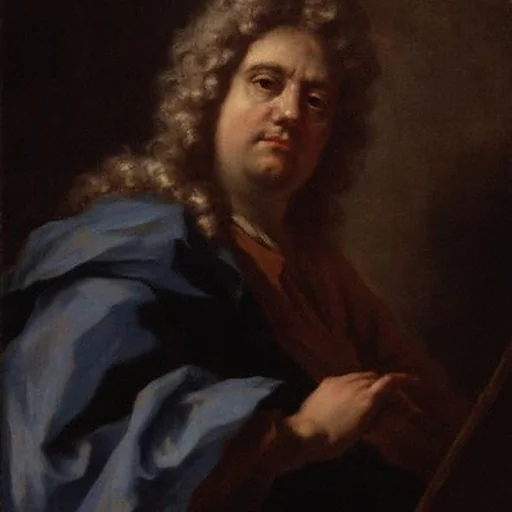
Giovanni Antonio Pellegrini (29 April 1675 – 2 or 5 November 1741) was one of the leading Venetian history painters of the early 18th century.