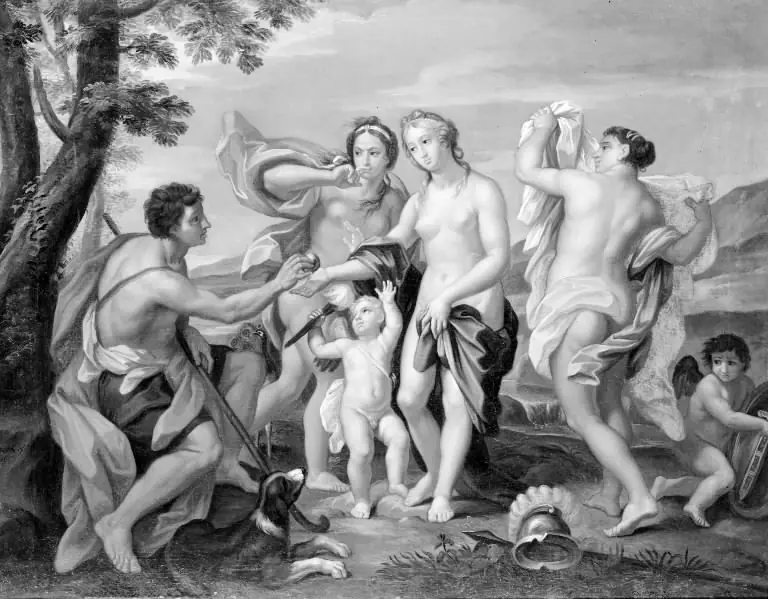
Artwork
Ceres, Bacchus and Cupid
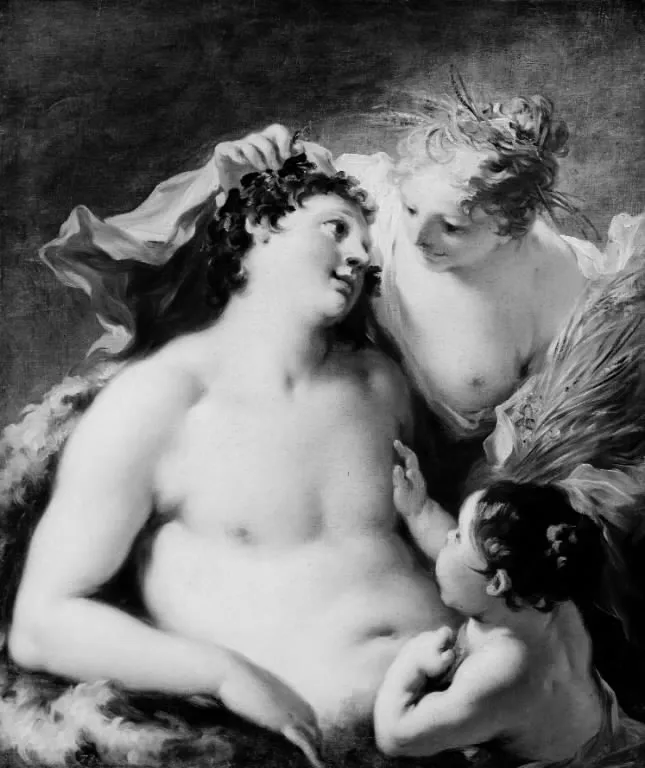
Ceres, Bacchus and Cupid is an oil painting by the Rococo painting artist Giovanni Antonio Pellegrini. It dates from 1715 and is held in the collection of the Statens Museum for Kunst.
About this work
Subject & Meaning
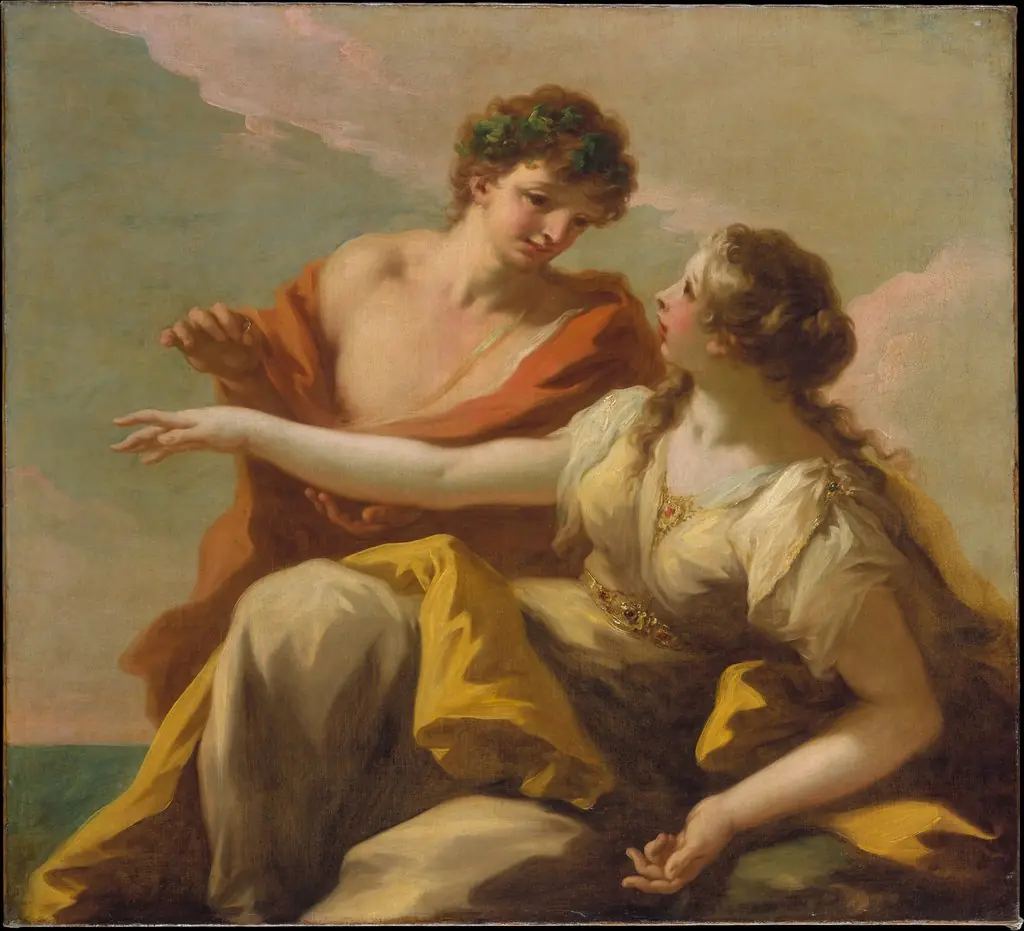
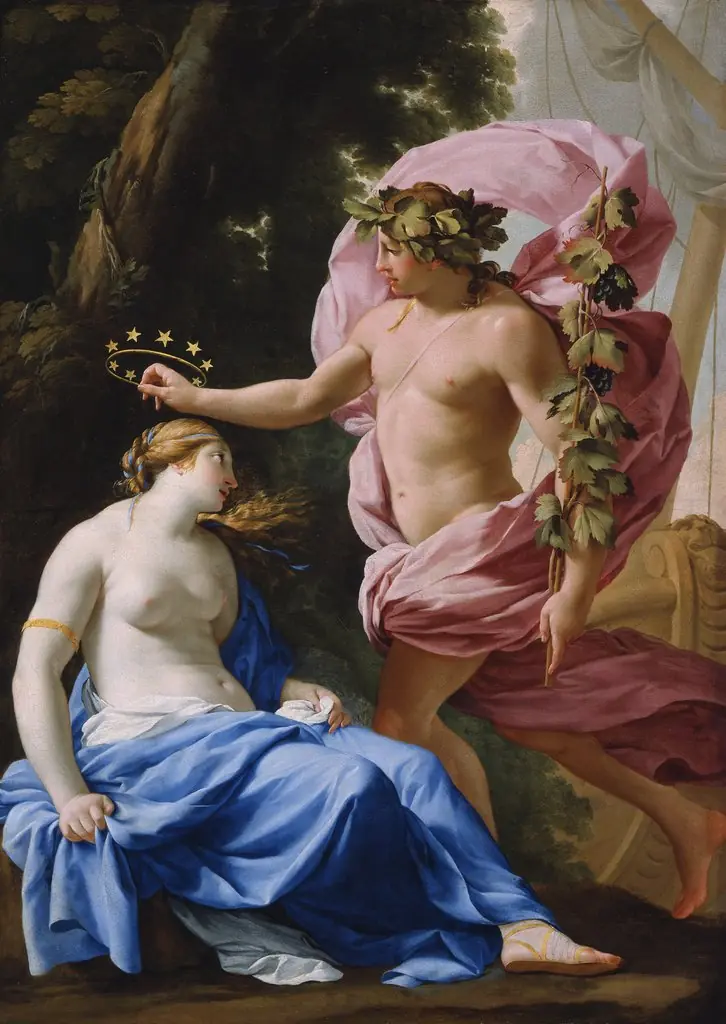
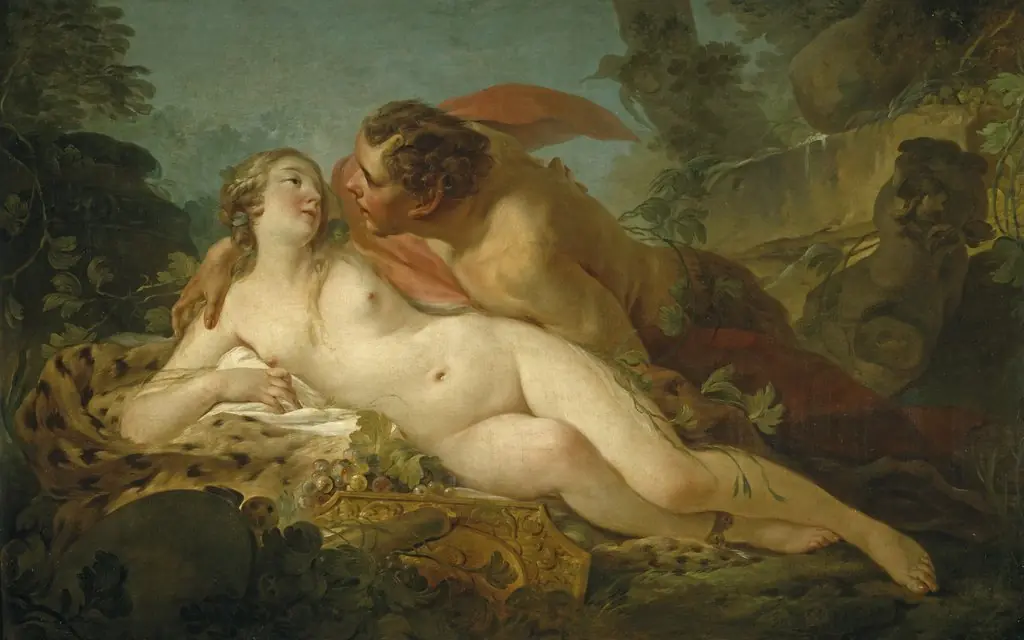
Bacchus appears crowned with ivy and accompanied by grapevines, underscoring his association with wine and revelry.
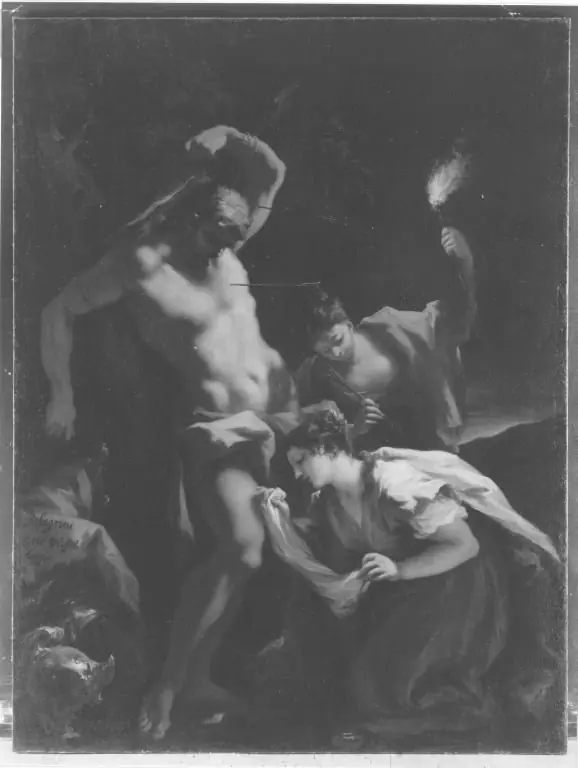
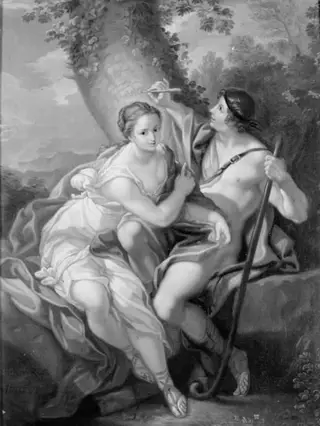
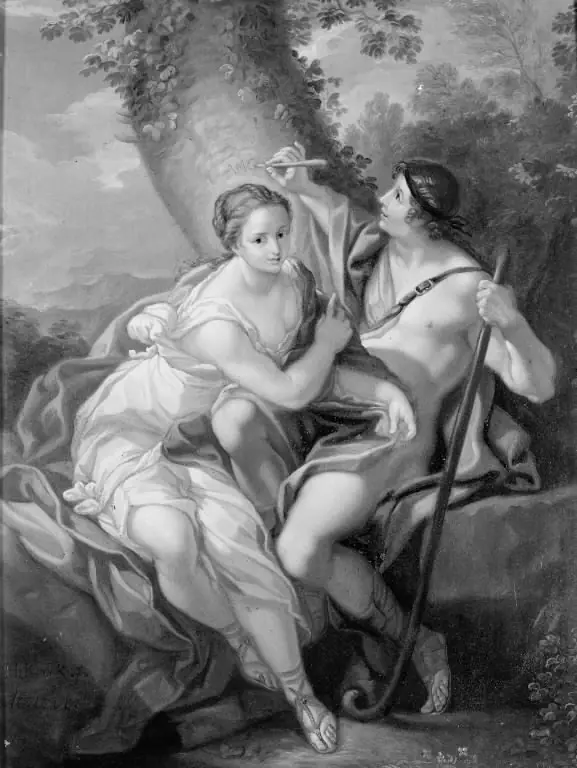
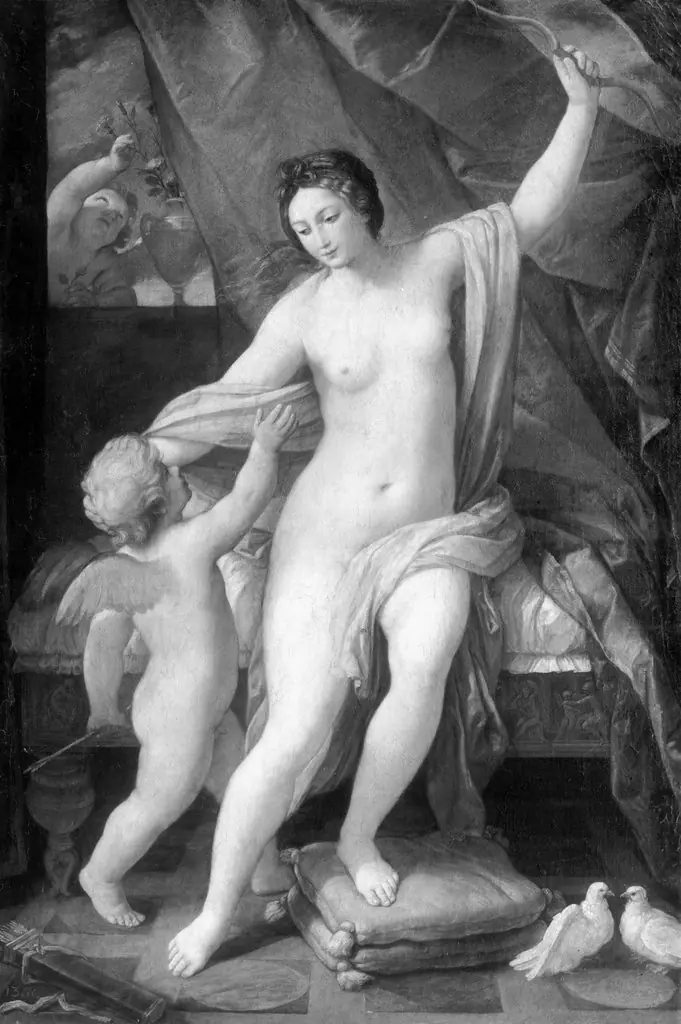
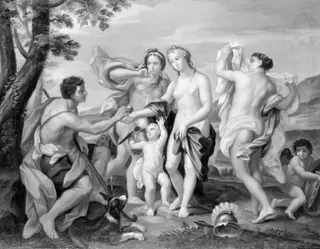
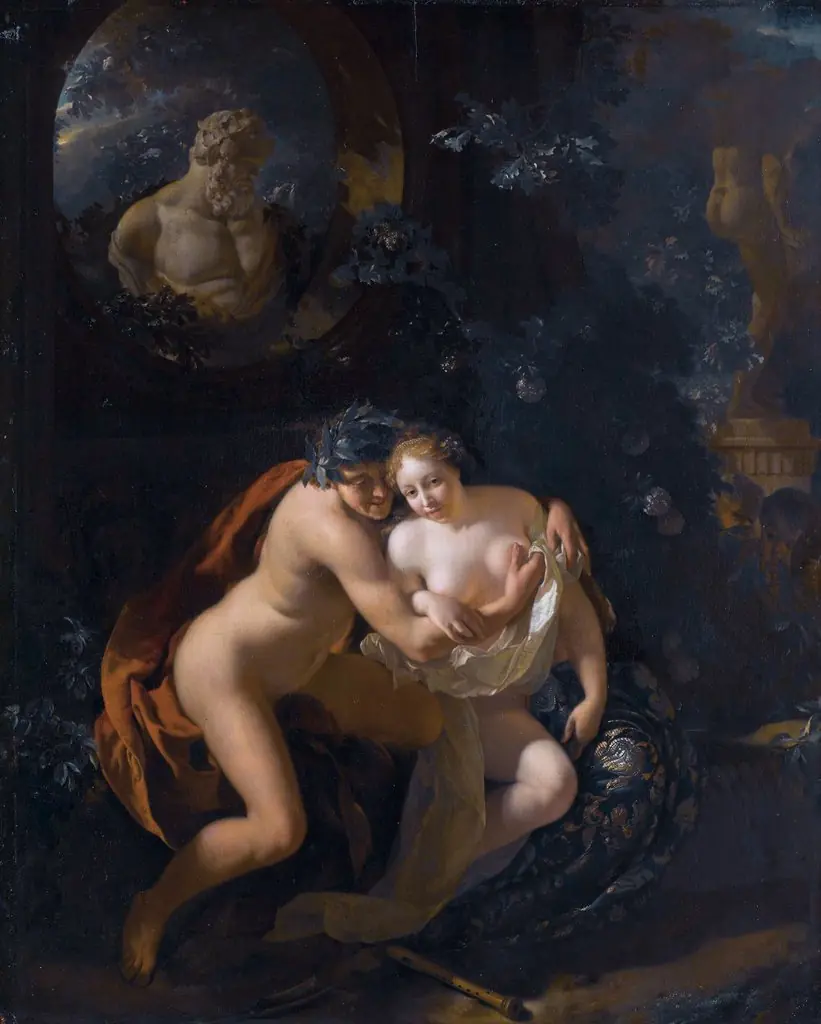
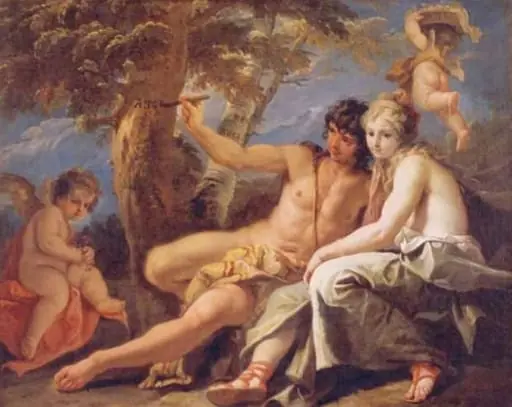
The canvas depicts a mythological scene centered on three deities from Roman tradition: Ceres, the goddess of agriculture and fertility; Bacchus, the god of wine; and Cupid, the god of love. Ceres is shown holding a sheaf of wheat, a direct reference to her domain over grain and harvests. Bacchus appears crowned with ivy and accompanied by grapevines, underscoring his association with wine and revelry.
Cupid hovers nearby, bow drawn, indicating the power of love to influence the other deities’ spheres. The grouping suggests an allegory in which the nurturing force of agriculture, the ecstatic release of wine, and the binding power of love are brought into pictorial harmony, reflecting contemporary interest in classical syncretism and the interplay of elemental human experiences.
Technique & Style
Created in 1715, Ceres, Bacchus and Cupid is executed in oil paint on a canvas support. The work is classified as a mythological painting, depicting the figures of Bacchus and Ceres alongside Cupid. As a product of the early eighteenth century, the piece reflects the stylistic conventions of Giovanni Antonio Pellegrini's approach to mythological subjects during this period.
History & Provenance
The mythological oil painting was created in 1715 by Giovanni Antonio Pellegrini, depicting Ceres, Bacchus and Cupid. It entered the collection of the Statens Museum for Kunst, where it remains on display.
The work was commissioned as a mythological piece and has been part of the museum's collection since its creation, reflecting continuous ownership by the institution.
Overview
Giovanni Antonio Pellegrini painted Ceres, Bacchus and Cupid in 1715. Executed in oil on canvas, the work belongs to the early Rococo period and is now part of the Statens Museum for Kunst collection. The composition presents three mythological figures in a calm, intimate setting.
Context
At the time of its execution, mythological subjects were popular in aristocratic interiors, serving both decorative and allegorical purposes. Pellegrini’s choice of Ceres, Bacchus, and Cupid aligns with contemporary tastes for classical motifs that conveyed moral and sensual ideas simultaneously.
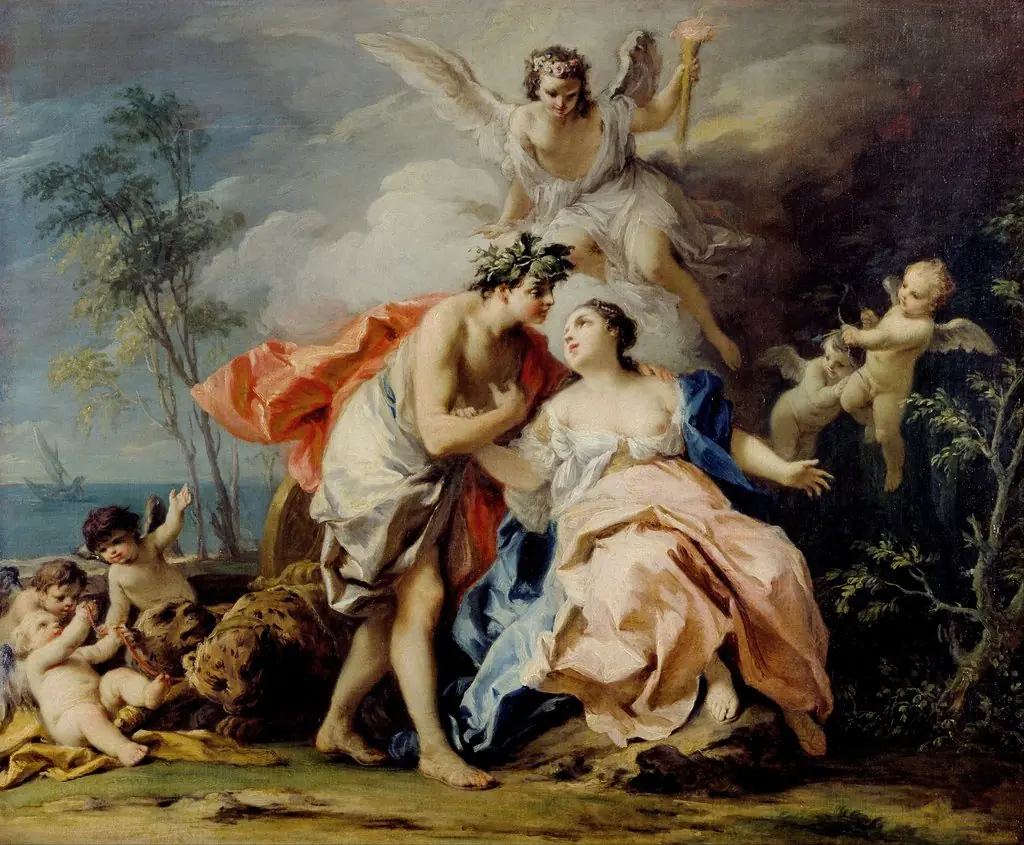
Artist & collection
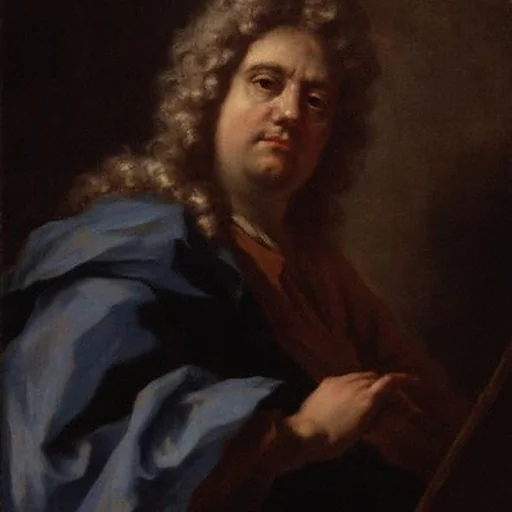
Artist
Giovanni Antonio Pellegrini (29 April 1675 – 2 or 5 November 1741) was one of the leading Venetian history painters of the early 18th century.