Artwork
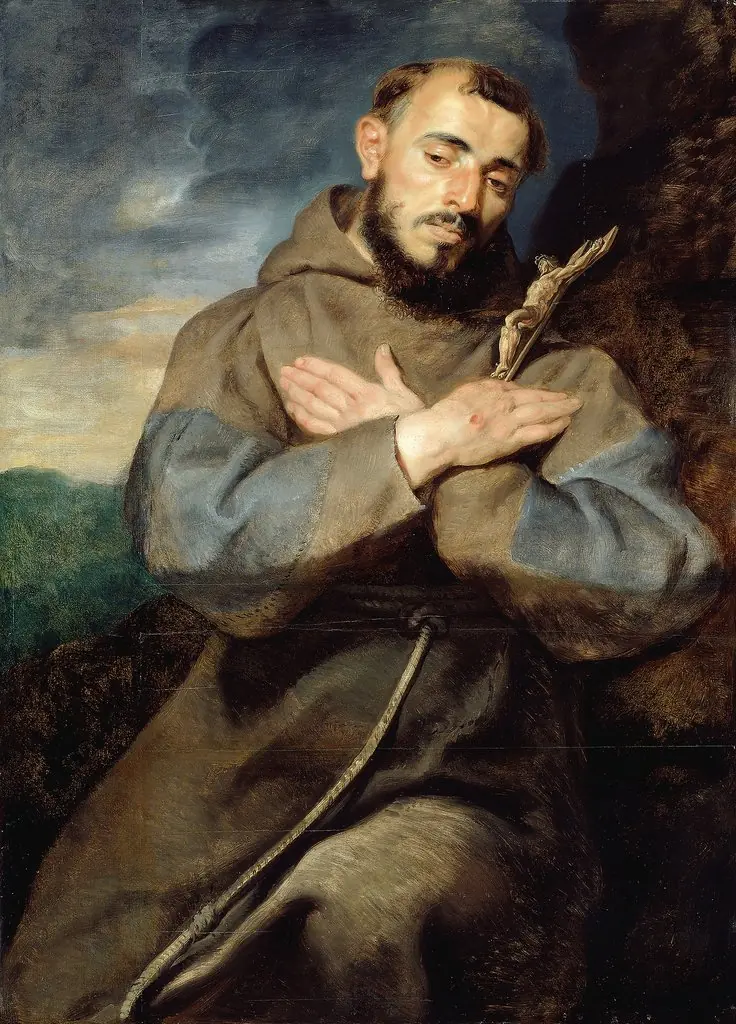
Saint Francis in Ecstasy
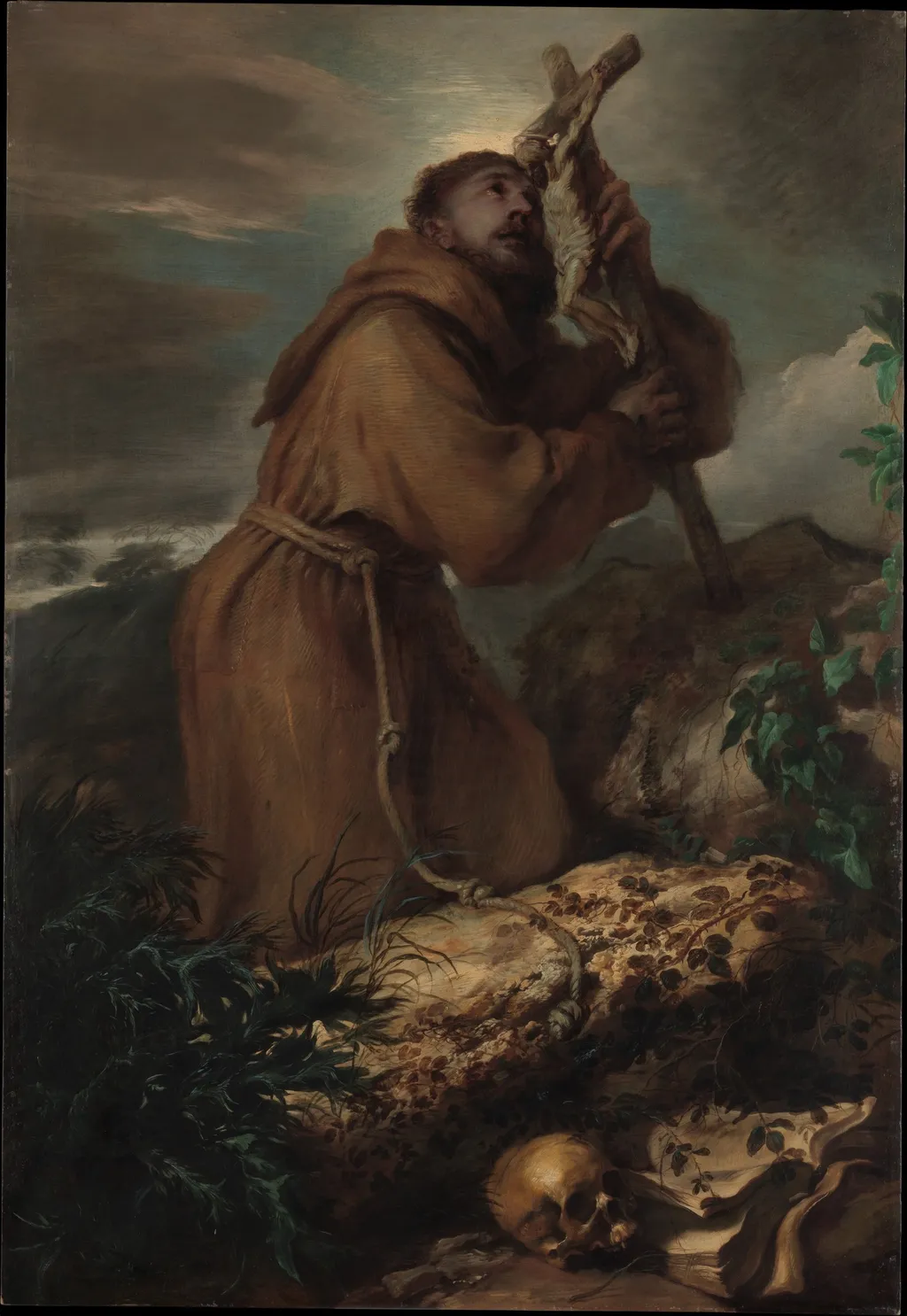
Saint Francis in Ecstasy is an oil painting by the Early Baroque Italian artist Giovanni Benedetto Castiglione. It dates from 1650 and is held in the collection of the Metropolitan Museum of Art.
About this work
Subject & Meaning
Giovanni Benedetto Castiglione's 1650 oil painting depicts Francis of Assisi as its central figure, capturing a moment of religious ecstasy.
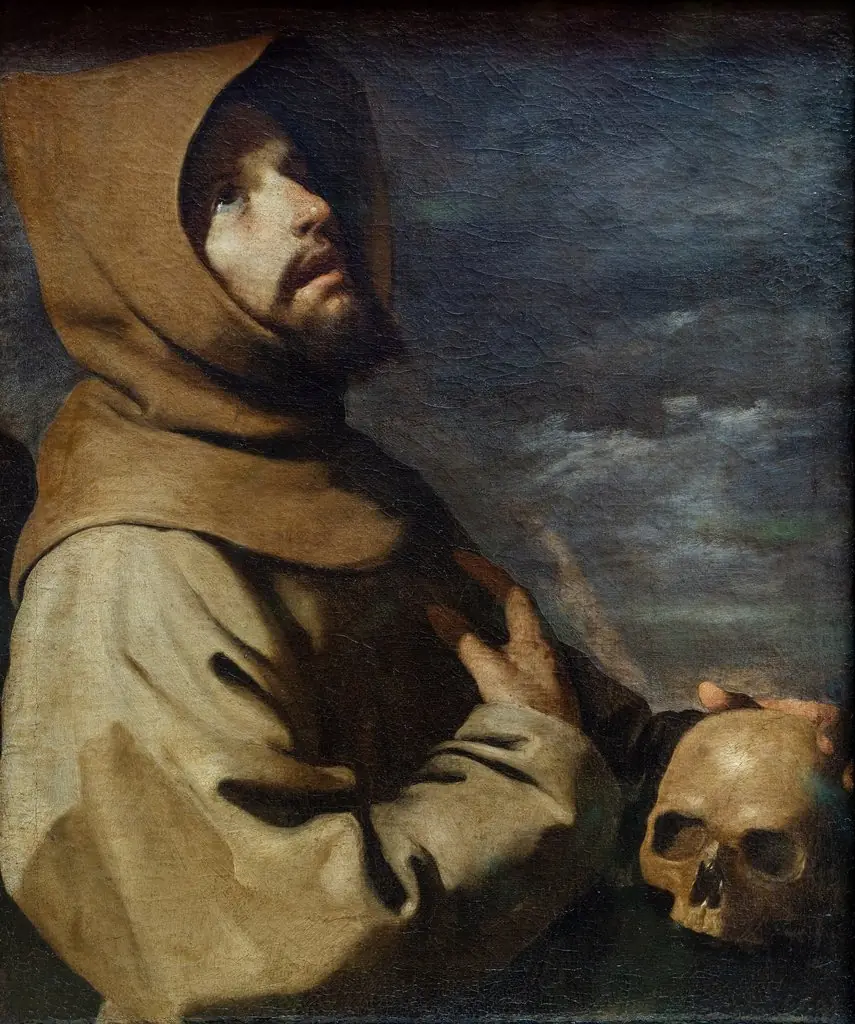
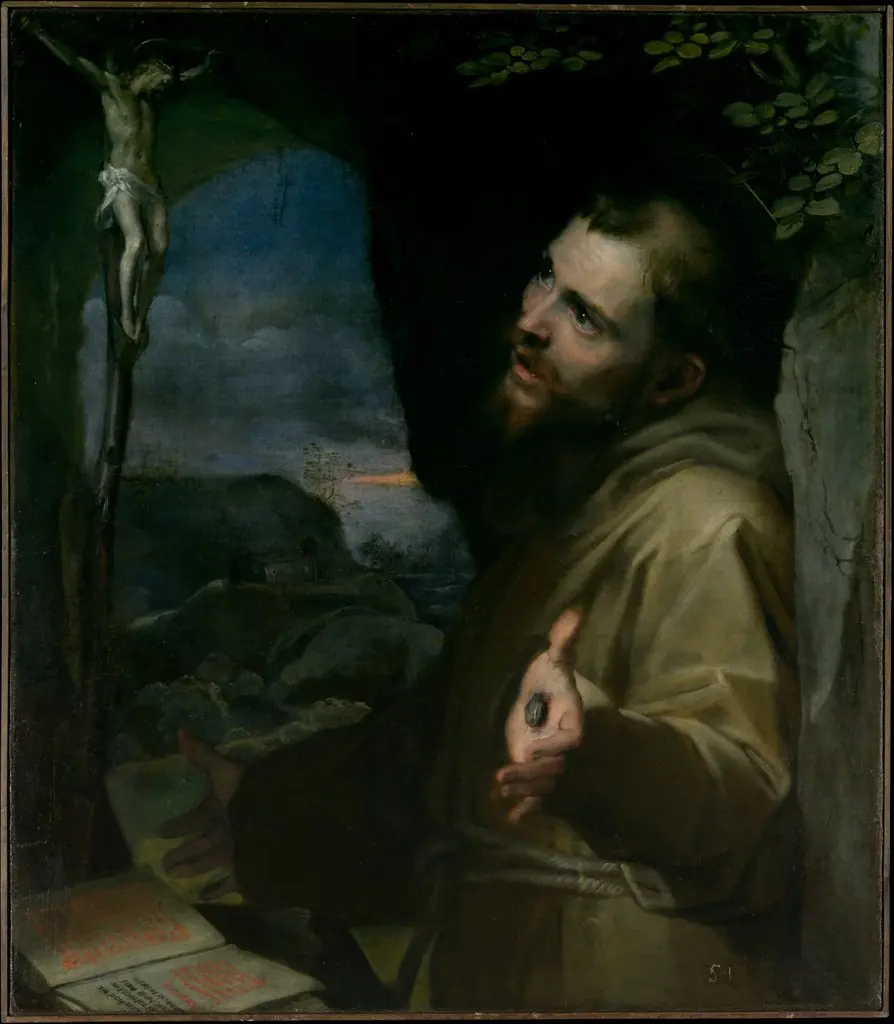
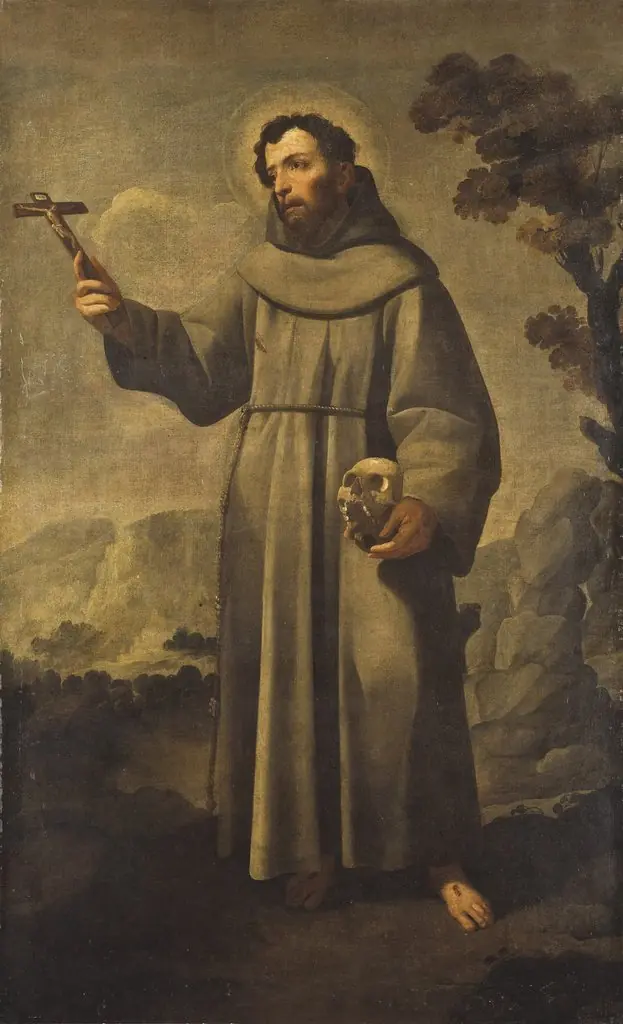
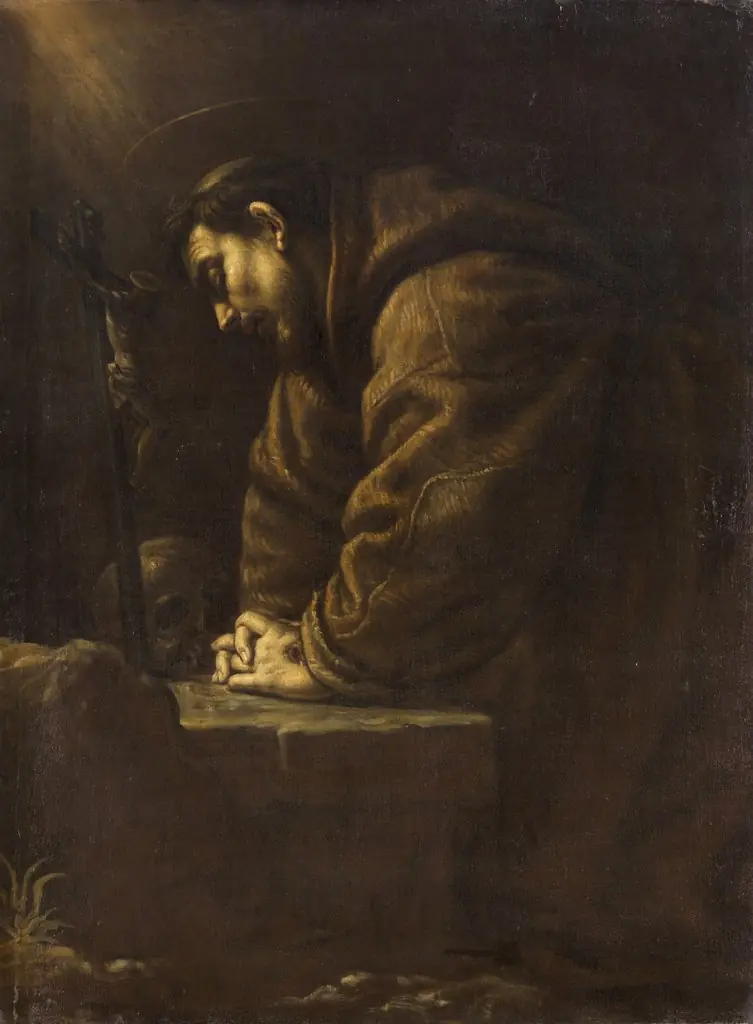
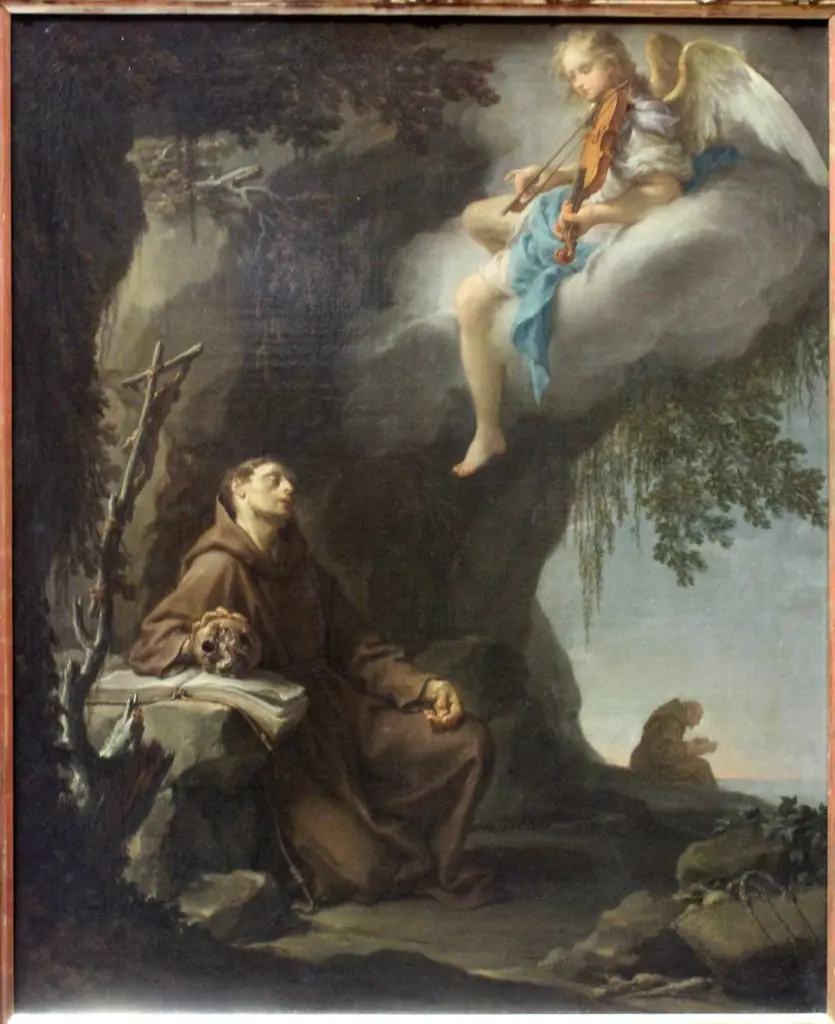
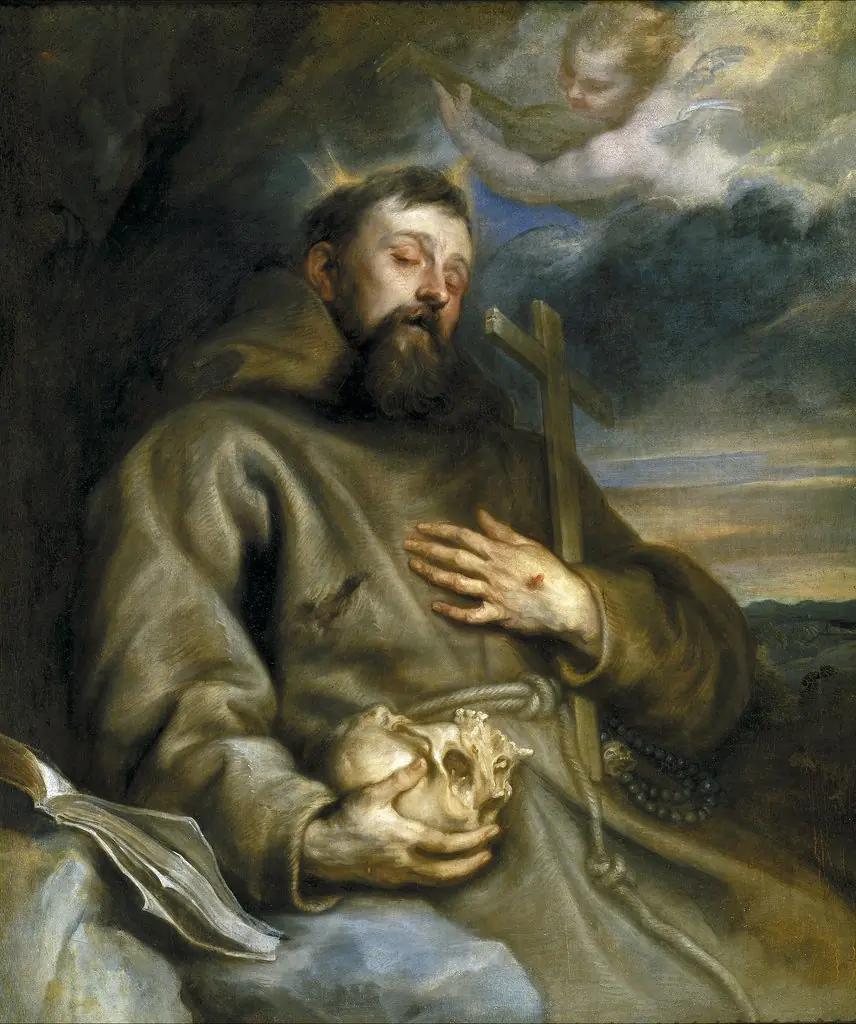
Giovanni Benedetto Castiglione's 1650 oil painting depicts Francis of Assisi as its central figure, capturing a moment of religious ecstasy. The iconography includes a skull and a cross, traditional symbols associated with the saint that emphasize themes of mortality and devotion. These elements collectively represent the spiritual intensity and penitential nature characteristic of Francis's life and mysticism within the context of religious art.
Technique & Style
Created in 1650, Giovanni Benedetto Castiglione's Saint Francis in Ecstasy is executed in oil paint on a canvas support. The work measures 195.6 cm in height and 135.3 cm in width, presenting a substantial religious composition. Stylistically, the piece depicts the main subject, Francis of Assisi, alongside iconographic elements including a cross and a skull.
As a religious painting by the artist known as Il Grechetto, the medium and dimensions reflect the grand scale typical of mid-seventeenth-century devotional art held in the collection of the Metropolitan Museum of Art. The formal qualities center on the spiritual intensity of the saint's experience, rendered through the fluid application of oil pigments on the stretched canvas.
History & Provenance
Created in 1650, the oil painting Saint Francis in Ecstasy was executed by the Italian artist Giovanni Benedetto Castiglione, also known as Il Grechetto. The work, which depicts Francis of Assisi alongside a cross and a skull, was produced on canvas measuring approximately 195.6 by 135.3 centimeters. The specific circumstances of its original commission and early ownership are not detailed in the available records.
The painting is held in the collection of the Metropolitan Museum of Art, classified within the genre of religious art; no accession number or exhibition history is documented in the available sources.
Context
Giovanni Benedetto Castiglione, known as Il Grechetto, created Saint Francis in Ecstasy in 1650, a work that situates the artist within the mid-seventeenth-century Baroque tradition of religious devotion. The painting, executed in oil on canvas, depicts Francis of Assisi in a moment of spiritual rapture alongside traditional iconography such as a skull and a cross. Currently held by the Metropolitan Museum of Art, the piece measures 195.6 by 135.3 centimeters.
As a religious genre work, it reflects Castiglione's engagement with Counter-Reformation themes, emphasizing mystical experience and asceticism, and remains a significant example of the artist's mid-century output.
Overview
Giovanni Benedetto Castiglione, an Italian Baroque painter and printmaker from Genoa, created Saint Francis in Ecstasy around 1650. Executed in oil paint, this work captures Saint Francis of Assisi in a state of intense spiritual rapture. Castiglione, often referred to as Il Grechetto, frequently explored religious and pastoral themes, sometimes incorporating animals into his compositions. This particular painting is held in the collection of The Metropolitan Museum of Art.
Own this work as a print
Artist & collection
Artist
Giovanni Benedetto Castiglione
Giovanni Benedetto Castiglione (baptized 23 March 1609 – 5 May 1664) was an Italian Baroque painter, printmaker and draftsman, of the Genoese school.