Artwork
Saint Francis in Ecstasy
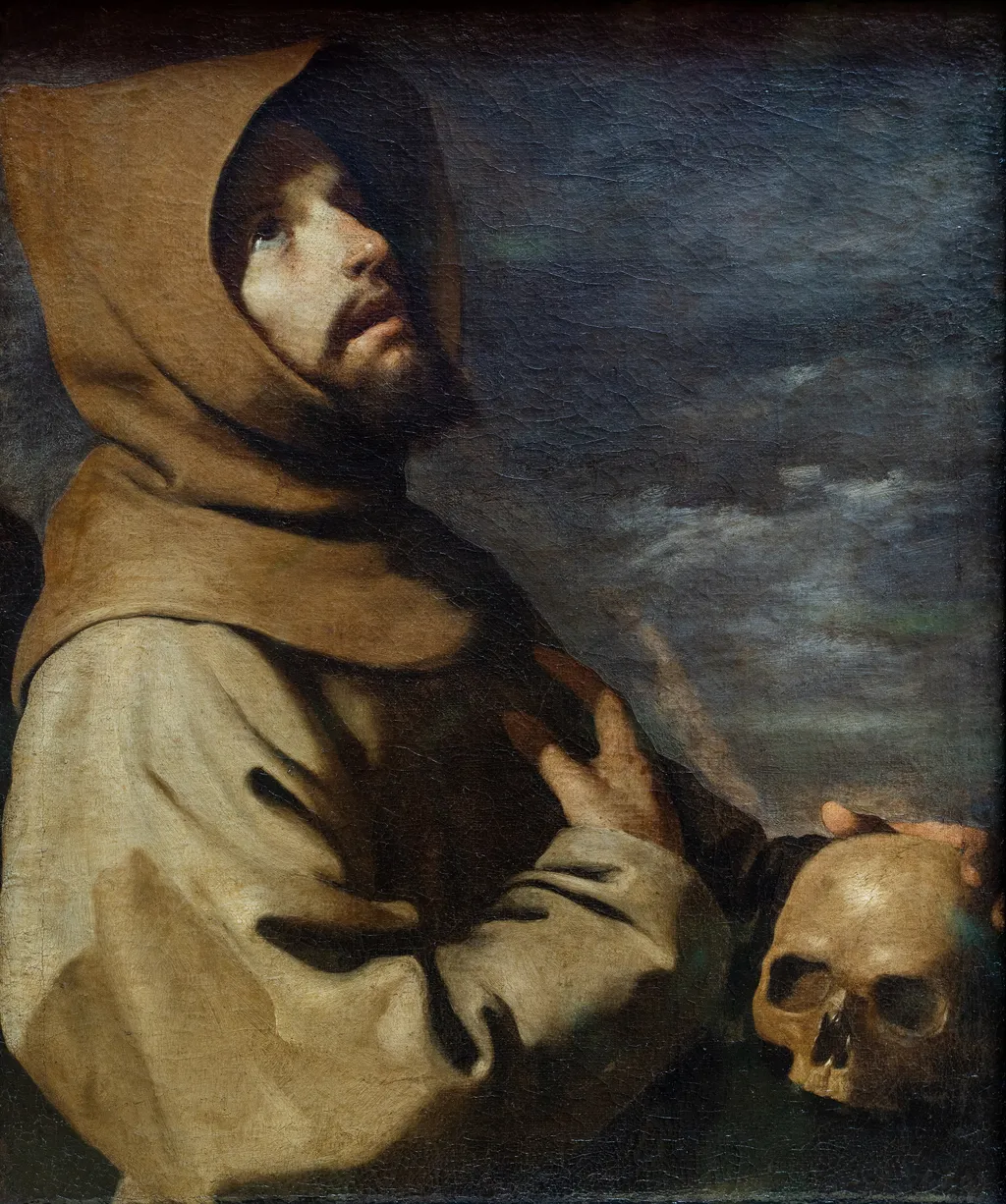
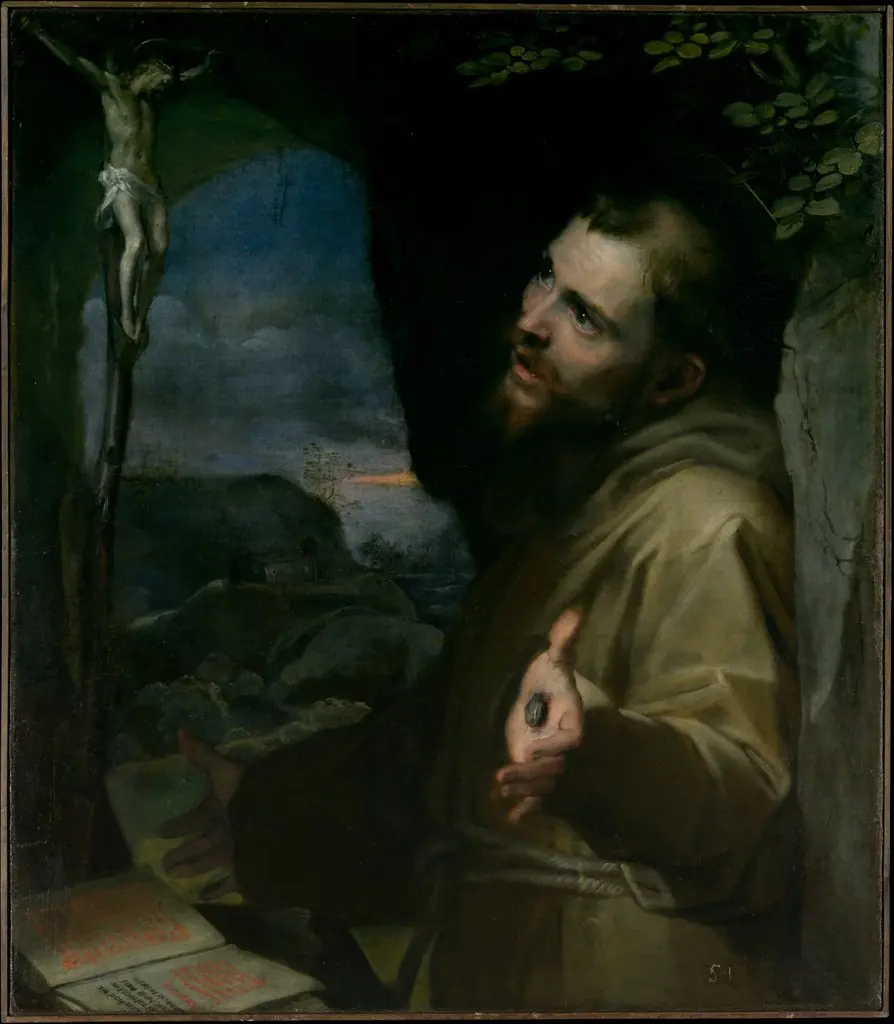
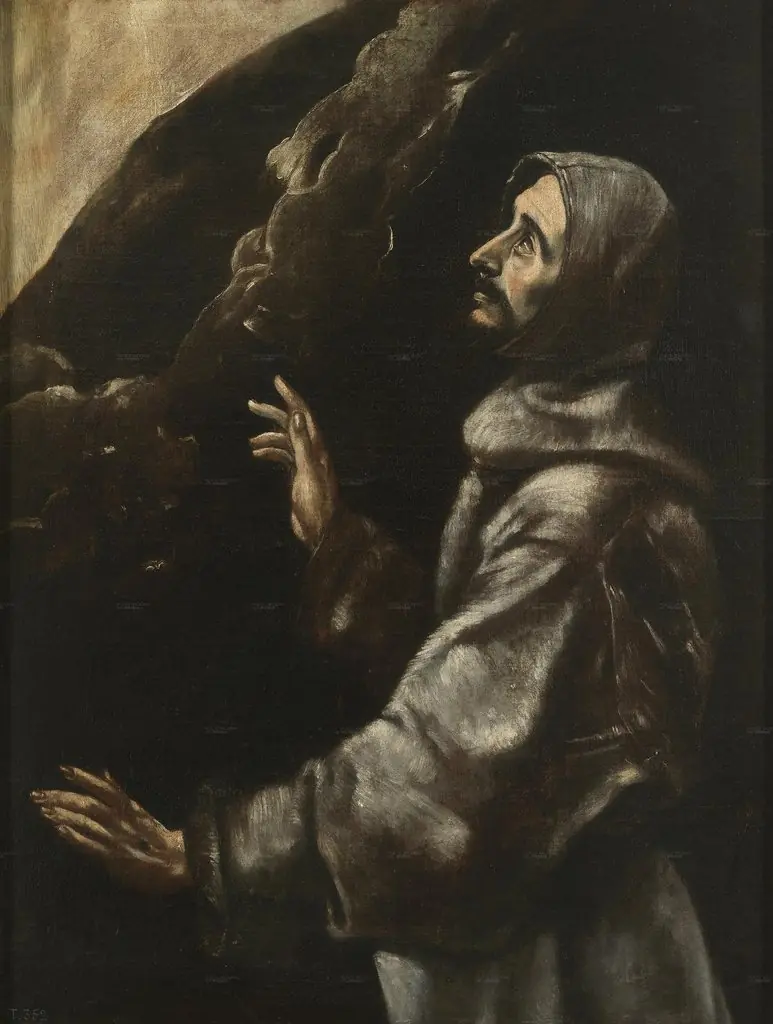
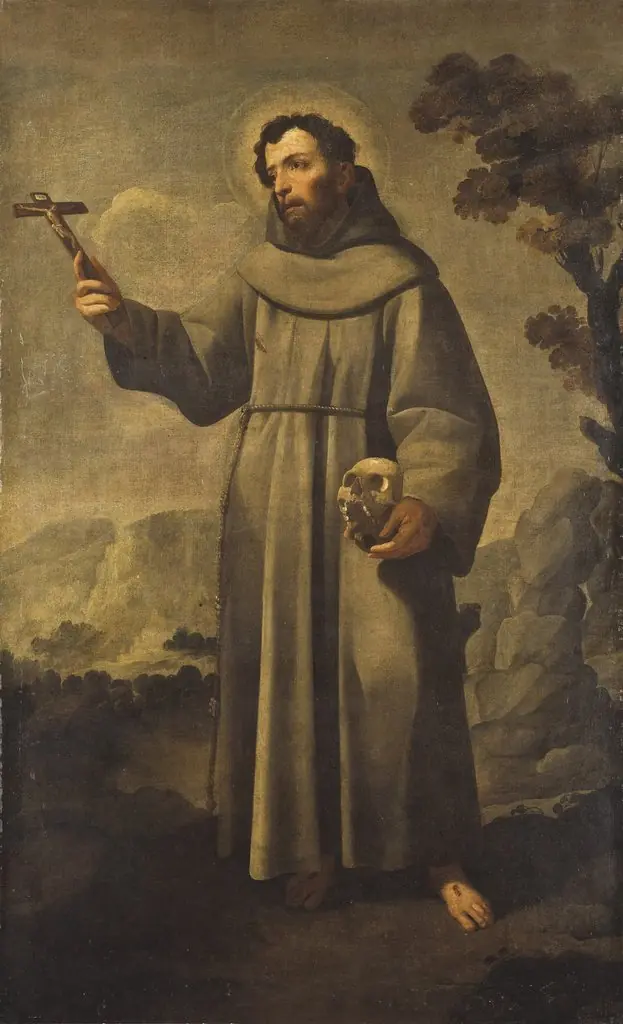
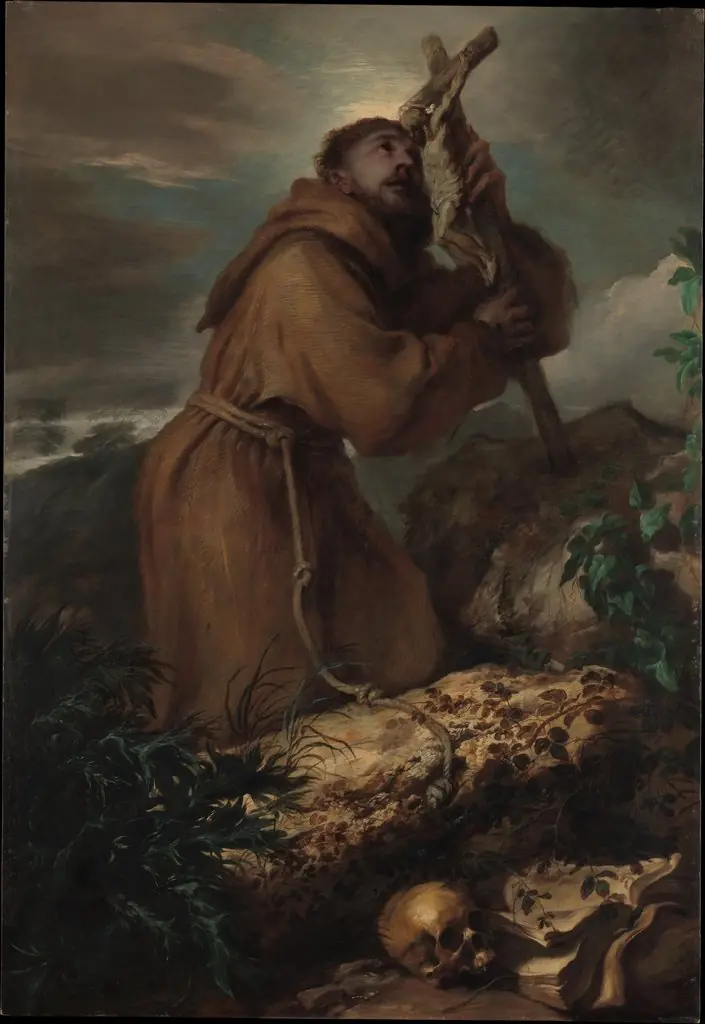
Saint Francis in Ecstasy is an oil painting by the Baroque artist Francisco de Zurbarán. It dates from 1660 and is held in the collection of the Bavarian State Painting Collections.
About this work
Subject & Meaning
The painting depicts Francis of Assisi, the name saint of Francisco de Zurbarán and founder of the Franciscan order, captured in a moment of spiritual ecstasy.
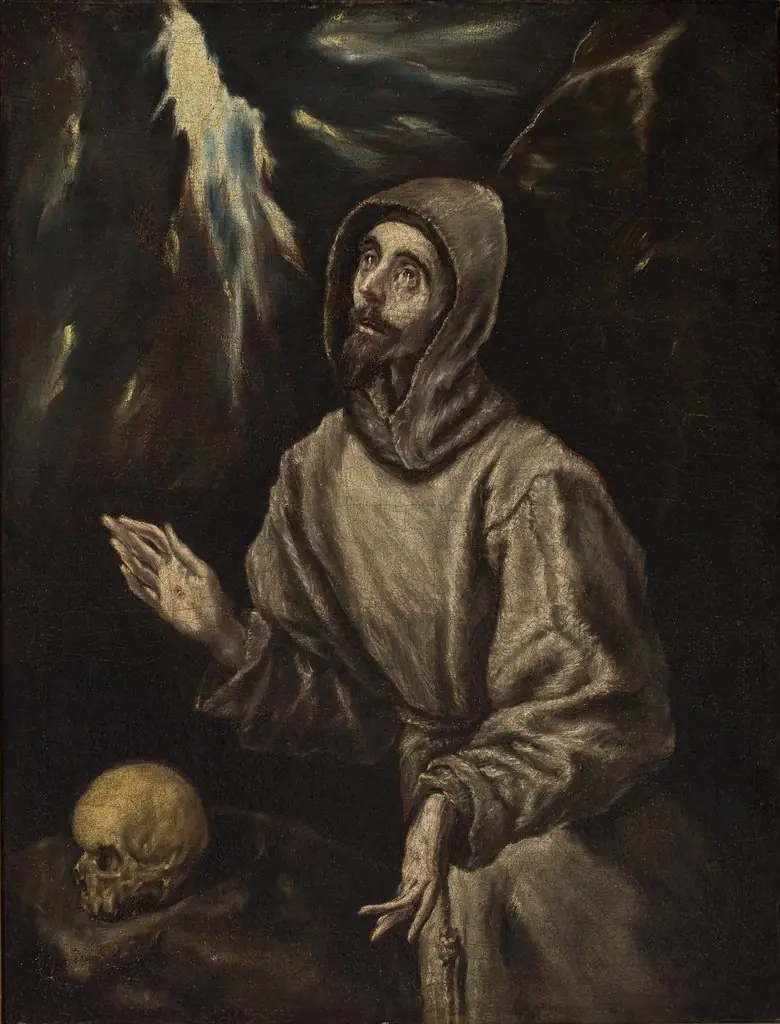
The painting depicts Francis of Assisi, the name saint of Francisco de Zurbarán and founder of the Franciscan order, captured in a moment of spiritual ecstasy. Rendered as a half-length figure, the saint wears the rough habit of the Discalced Friars Minor with his hood drawn over his head. His youthful face is turned upward with eyes raised toward heaven and mouth slightly open, conveying a state of divine rapture and deep contemplation.
His right hand rests upon his chest while his left hand touches a skull positioned to the right, a traditional memento mori symbolizing the vanity of earthly life outside of divine love. The work adheres to the iconographic standards established by the Council of Trent, presenting Francis as a model of humility and intense spiritual life. Warm brown tones of the robe contrast with the cool grey background, focusing attention on the illuminated face and the reflective surface of the skull.
Technique & Style
Executed in oil on canvas around 1658–1660, the work measures 64.7 × 53.1 cm and employs Zurbarán’s late palette of warm browns and cool greys. The composition centers on the half-length figure of Saint Francis, his hooded habit rendered in softly blended earth tones that contrast with the muted greys of the cloudy sky.
The saint’s youthful face is illuminated, eyes uplifted and mouth slightly open in contemplative rapture; his right hand rests on his heart while his left touches a polished skull placed to the right. A still-life element, the skull is painted with smooth, reflective surfaces and deep orbital hollows that draw the viewer’s gaze. The handling favors quiet realism over dramatic chiaroscuro, with delicate transitions in the drapery and a restrained, luminous touch on flesh and bone.
History & Provenance
Saint Francis in Ecstasy was painted by Francisco de Zurbarán between 1658 and 1660, likely as a private devotional work in his late period.
The painting entered the collection of Charles Theodore, Elector of Bavaria, in 1756 when he purchased it for his gallery in Mannheim, at which time it was misattributed to Guido Reni. In 1799 it was transferred to the Hofgartengalerie in Munich, and in 1836 it moved to the Alte Pinakothek, where it remains.
The painting is held in the Alte Pinakothek, Munich, as part of the Bavarian State Painting Collections, where it is inventoried as no. 504.
It entered the collection after being moved from Mannheim in 1799 and formally accessioned in 1836. Previously, it was acquired in 1756 by Charles Theodore, Elector of Bavaria, for his gallery in Mannheim, at which time it was misattributed to Guido Reni. The correct attribution to Zurbarán was established in 1818 by Johann Georg von Dillis, director of the royal collection under Ludwig I of Bavaria.
Context
The painting Saint Francis in Ecstasy was created by Francisco de Zurbarán between 1658 and 1660 as an oil on canvas work intended for private devotion, reflecting the artist’s late style and his sustained interest in the life of Saint Francis of Assisi. It is one of several autographed depictions of the saint by Zurbarán, standing alongside works such as Saint Francis Praying in His Cave, and represents one of the few instances of his art outside Spain before the Napoleonic looting, having entered the Bavarian royal collection through Charles Theodore of Bavaria in the 18th century. Initially misattributed to Guido Reni upon its acquisition in 1756, the painting’s authorship was corrected in 1818 by Johann Georg von Dillis, director of the royal Bavarian collection, a turning point in the scholarly understanding of Zurbarán’s oeuvre.
Today housed in the Alte Pinakothek in Munich since 1836, the work exemplifies the quiet intensity and spiritual contemplation characteristic of Zurbarán’s Baroque religious imagery, combining naturalistic detail with a restrained palette to convey deep mystical experience.
Overview
Francisco de Zurbarán painted Saint Francis in Ecstasy between 1658 and 1660. Executed in oil on canvas, the work measures roughly the size of a modest altarpiece and has been displayed in Munich’s Alte Pinakothek since 1836. It belongs to a series of Franciscan subjects that occupied the artist in his later years.
Own this work as a print
Artist & collection
Artist
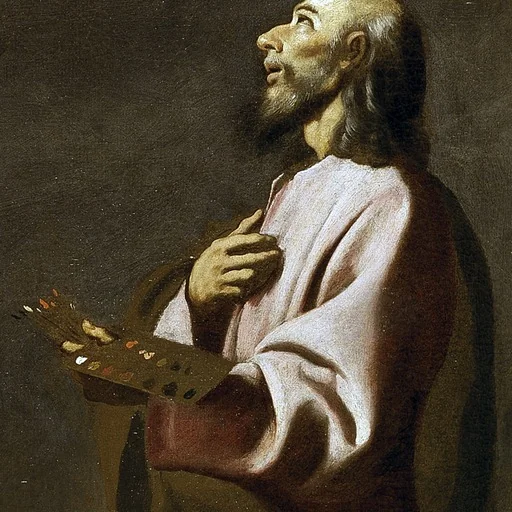
Francisco de Zurbarán was a Spanish Baroque painter. He is known primarily for his religious paintings depicting monks, nuns, and martyrs, and for his still-lifes. Zurbarán gained the nickname "Spanish Caravaggio",…