Artwork
Paradise
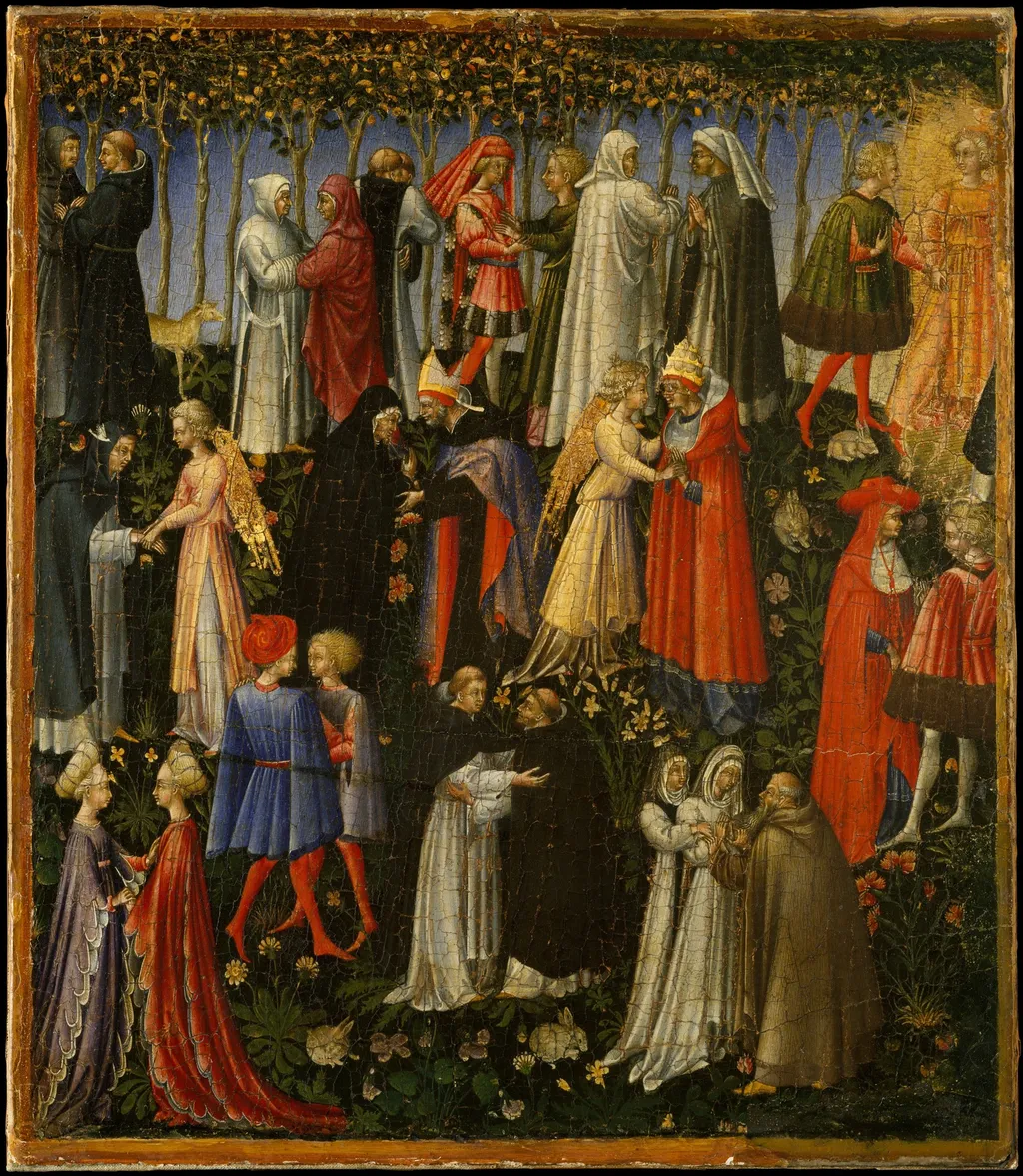
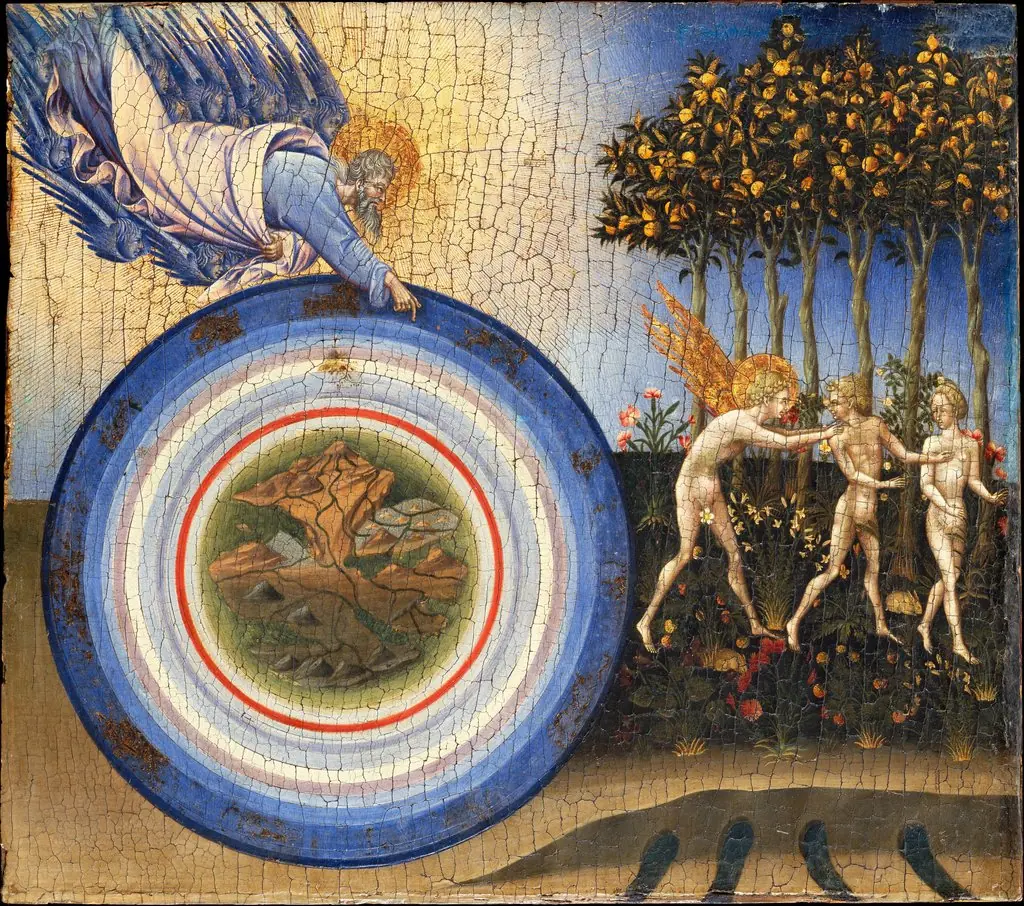
Paradise is an unspecified painting by the Early Renaissance artist Giovanni di Paolo. It dates from 1445 and is held in the collection of the Metropolitan Museum of Art.
About this work
Subject & Meaning
Giovanni di Paolo's 1445 painting Paradise depicts the Garden of Eden populated by various figures: a man, a woman, a saint, an angel, and a rabbit.
Giovanni di Paolo's 1445 painting Paradise depicts the Garden of Eden populated by various figures: a man, a woman, a saint, an angel, and a rabbit. The composition presents the sacred garden as a place of divine order and beauty. The inclusion of specific fauna and human figures serves to ground the spiritual narrative in a tangible, albeit stylized, environment, reflecting the mid-fifteenth-century Sienese tradition of vivid, jewel-toned devotional imagery.
History & Provenance
Paradise by Giovanni di Paolo was created in 1445. The painting is held in the permanent collection of the Metropolitan Museum of Art in New York. The panel measures 44.5 cm in height and 38.4 cm in width.
Beyond its dating, current location, and physical dimensions, the available sources do not document the work's commission history, prior ownership chain, or earlier provenance.
Context
Giovanni di Paolo's 1445 panel, titled Paradise, exemplifies early Renaissance narrative painting within the religious genre. The work, in the Metropolitan Museum of Art's collection, portrays a garden populated by an angel, a saint, a man, a rabbit, and a woman. Its formal qualities and iconography reflect the storytelling emphasis characteristic of di Paolo's oeuvre, situating the piece within the broader development of Italian devotional art during the mid-15th century.
Overview
The painting titled Paradise depicts a vibrant gathering of figures in what appears to be a heavenly setting. Dressed in colorful, medieval-inspired garments, the individuals are arranged in a circular composition, suggesting a communal or ceremonial event. The artwork employs a distinct visual approach, characterized by its bright palette and the absence of deep shadows, contributing to its lively yet serene atmosphere.
Technique & Style
The artist employs a distinctive stylistic approach, utilizing a palette of bright, unmodulated colors that contribute to the painting's vibrant character. Figures are arranged in a circular formation, creating a sense of unity and movement, reminiscent of a ritualistic gathering. The absence of deep shadows results in a flat, two-dimensional quality, while the inclusion of gold detailing further enhances the scene's luminosity and decorative appeal, defining its visual language.
Own this work as a print
Artist & collection

Artist
Giovanni di Paolo di Grazia was an Italian painter, working primarily in Siena, becoming a prolific painter and illustrator of manuscripts, including Dante's texts.

 The Adoration of the Magi
 The Presentation of Christ in the Temple
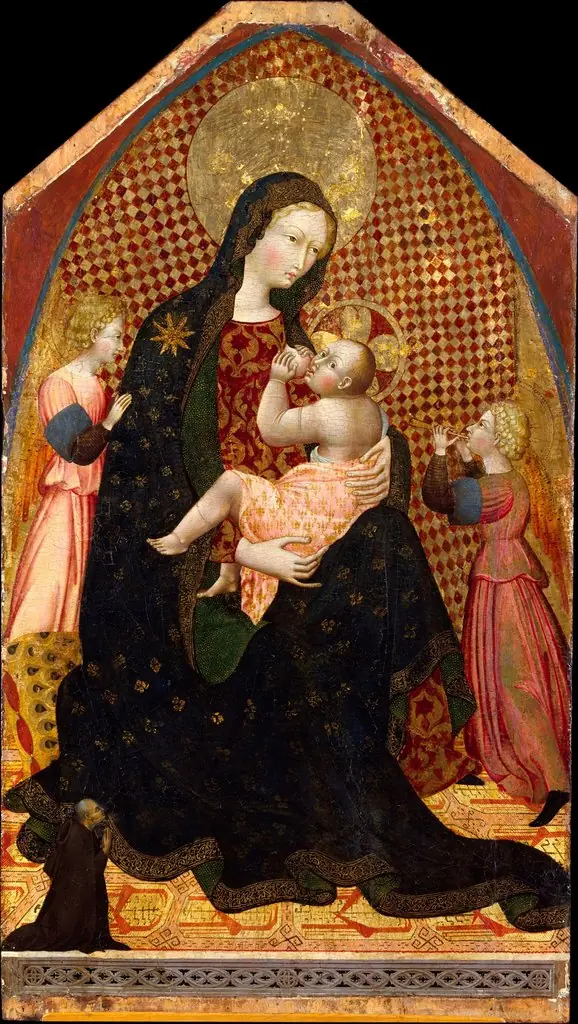 Madonna and Child with Two Angels and a Donor
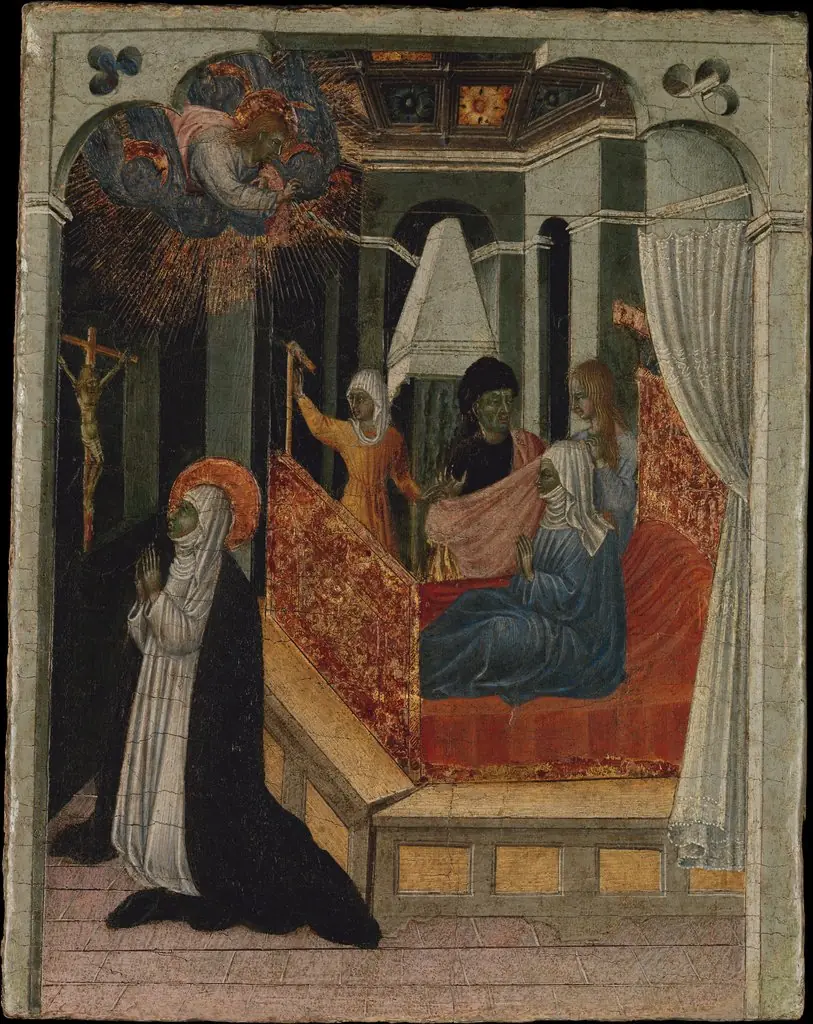 Saint Catherine of Siena Beseeching Christ to Resuscitate Her Mother
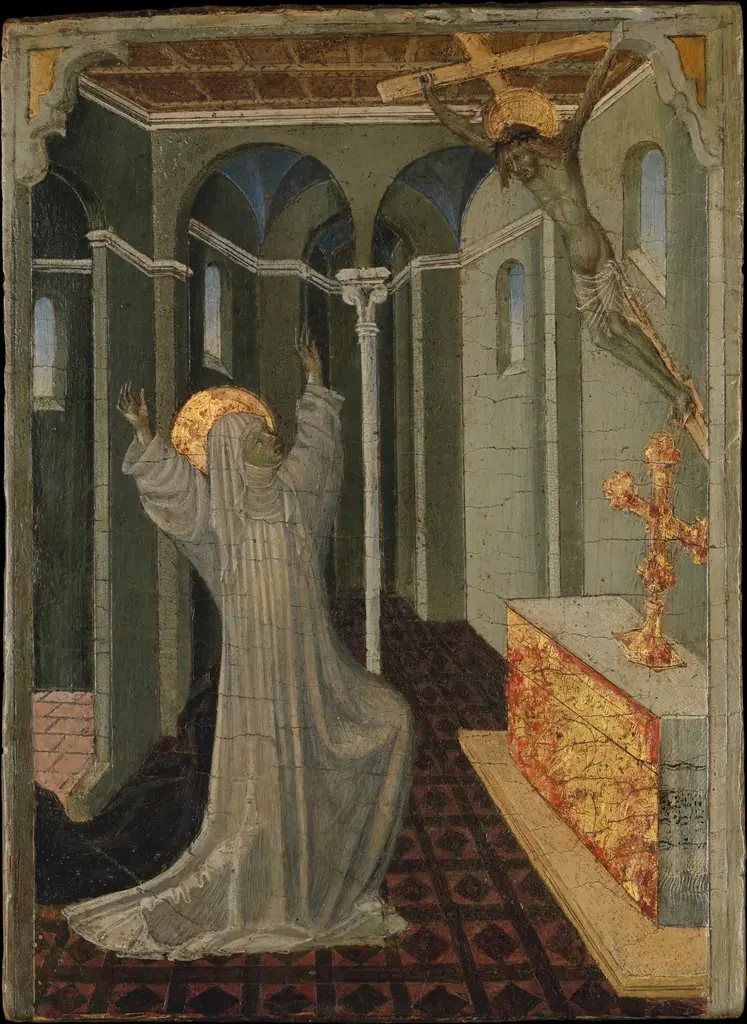 Saint Catherine of Siena Receiving the Stigmata
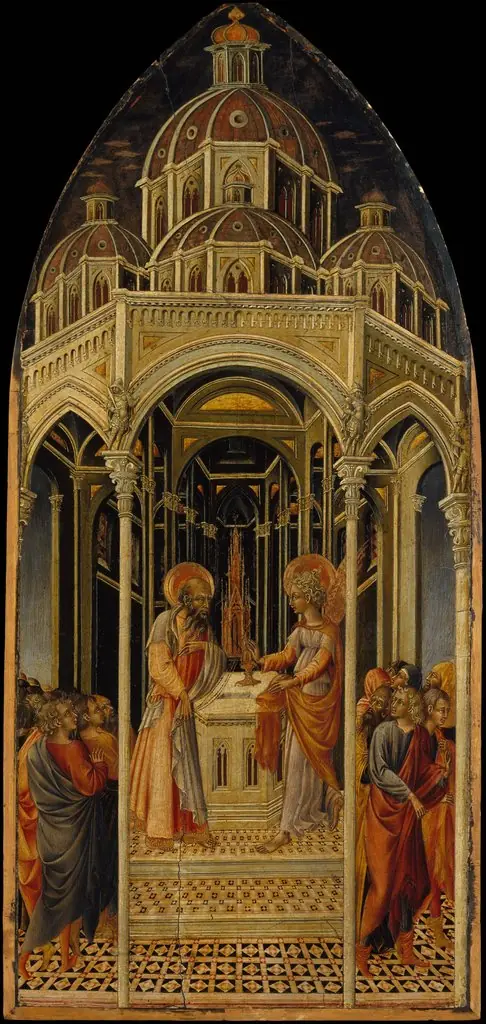 The Annunciation to Zacharias; (verso) The Angel of the Annunciation
 The Creation of the World and the Expulsion from Paradise
 Saints Catherine of Alexandria, Barbara, Agatha, and Margaret
- Garden of Love
 Coronation of the Virgin
 Triptych: The Last Judgment
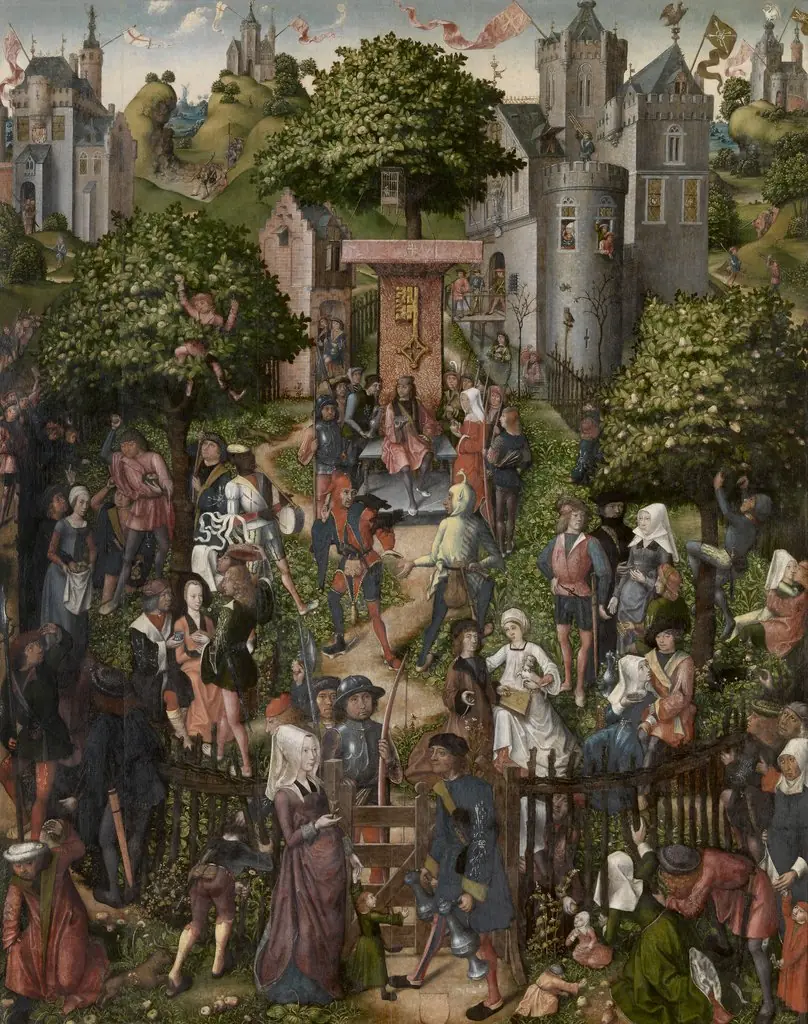 Festival of the Archers
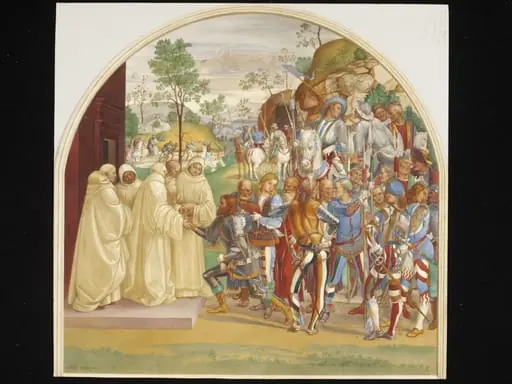 St Benedict and the True King Totila
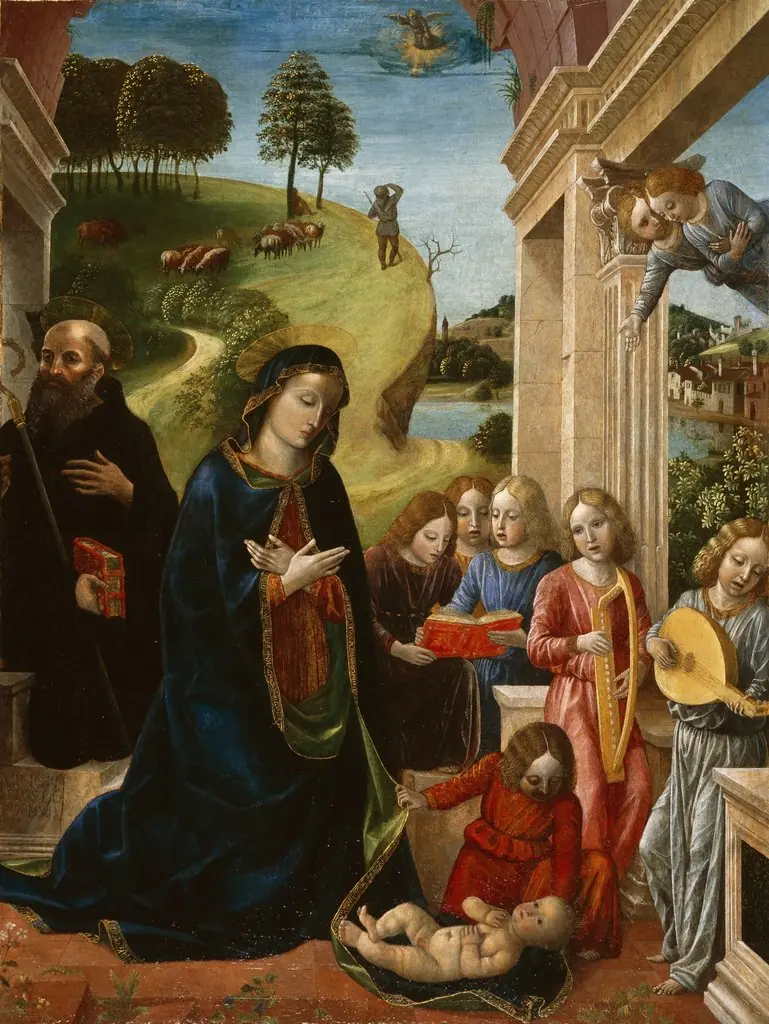 Adoration of the Child with St. Benedict and Angels
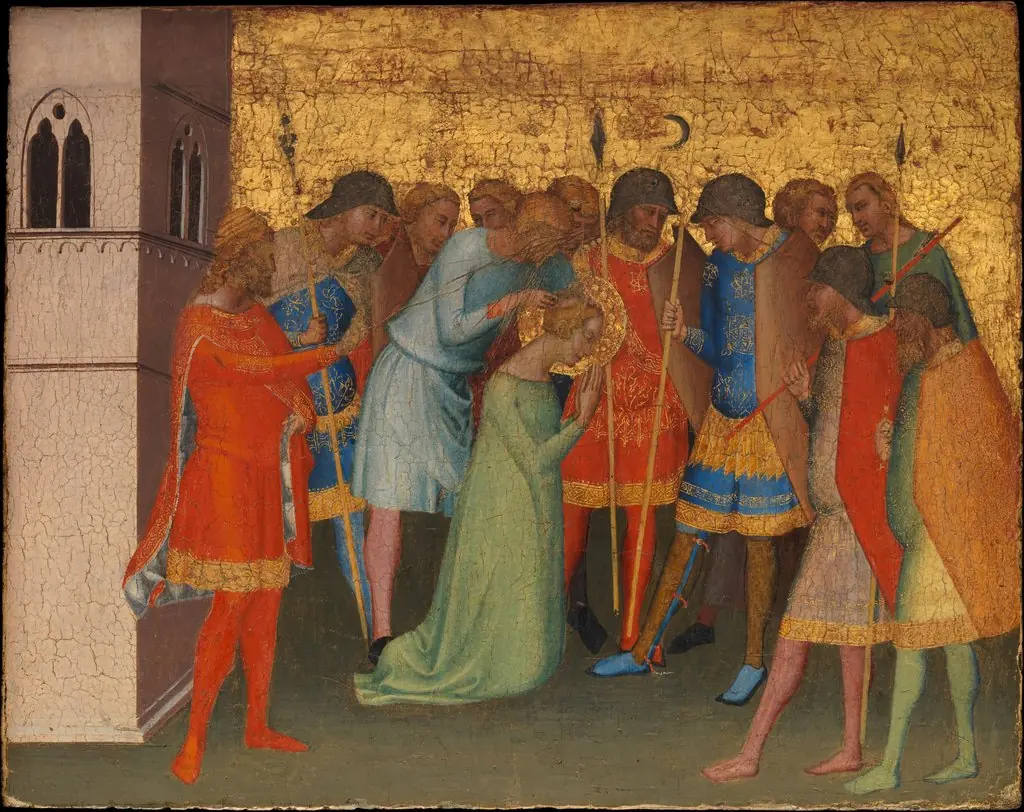 Saint Reparata Being Prepared for Execution
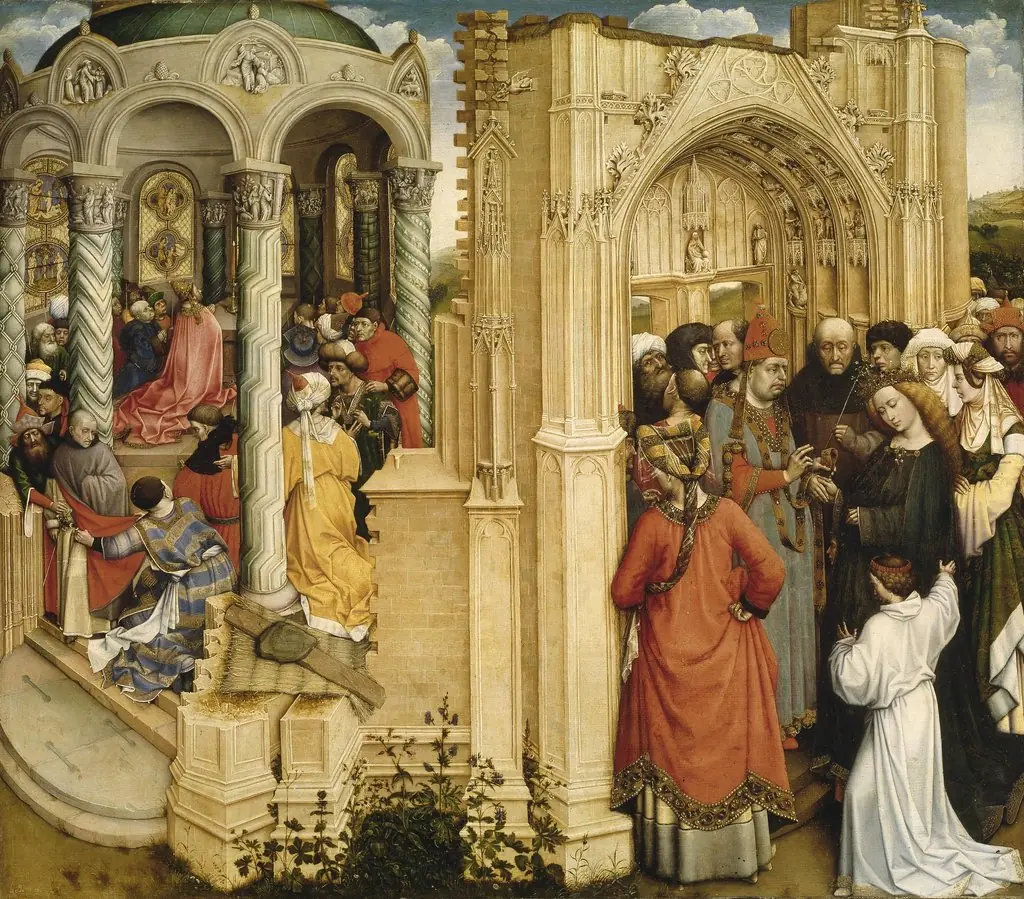 The miracle of the flowering rod (left); the marriage of Mary and Joseph (right)
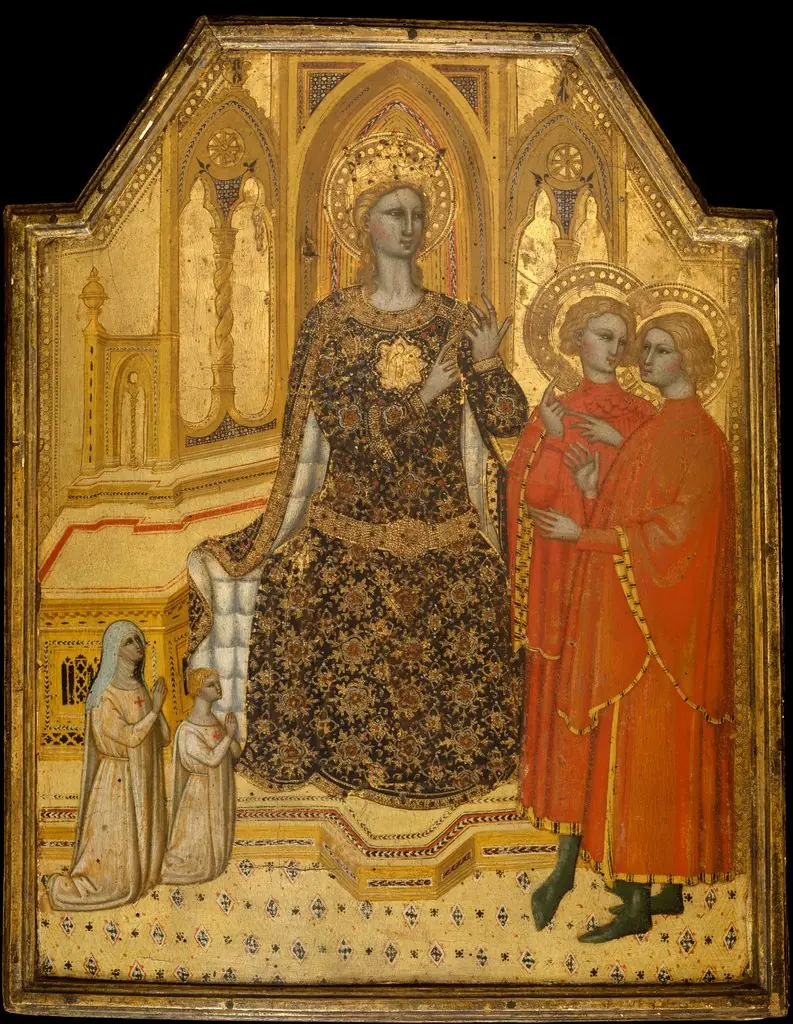 Saint Catherine Disputing and Two Donors
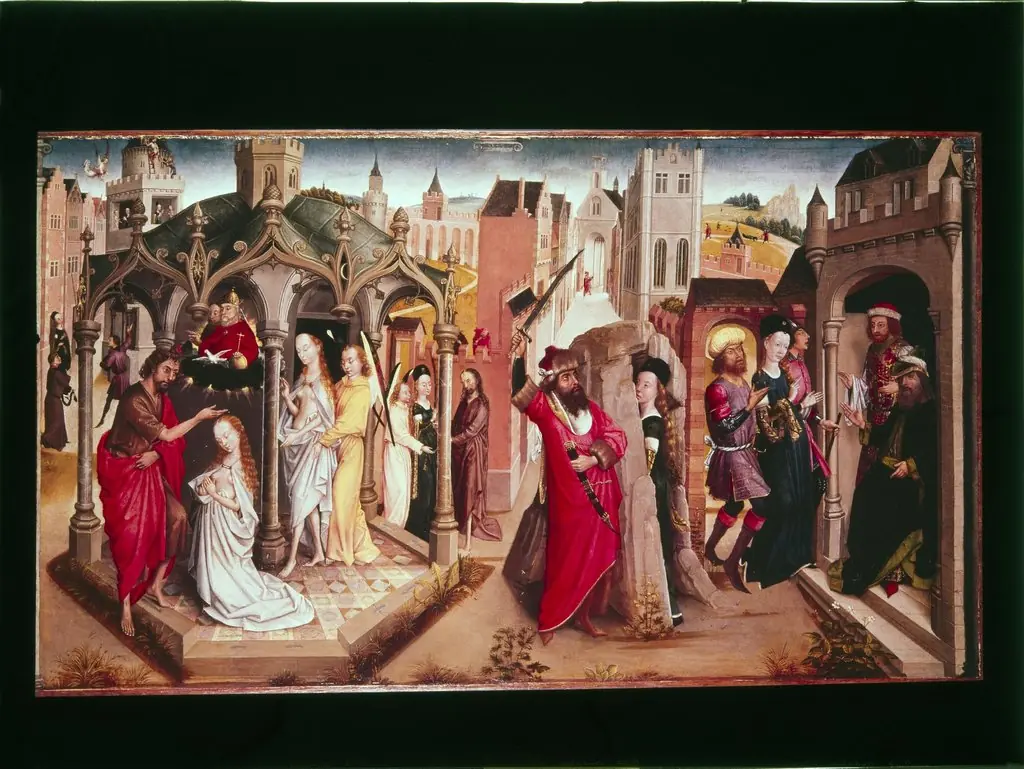 Part of a triptych; Scenes of the Life of St. Barbara
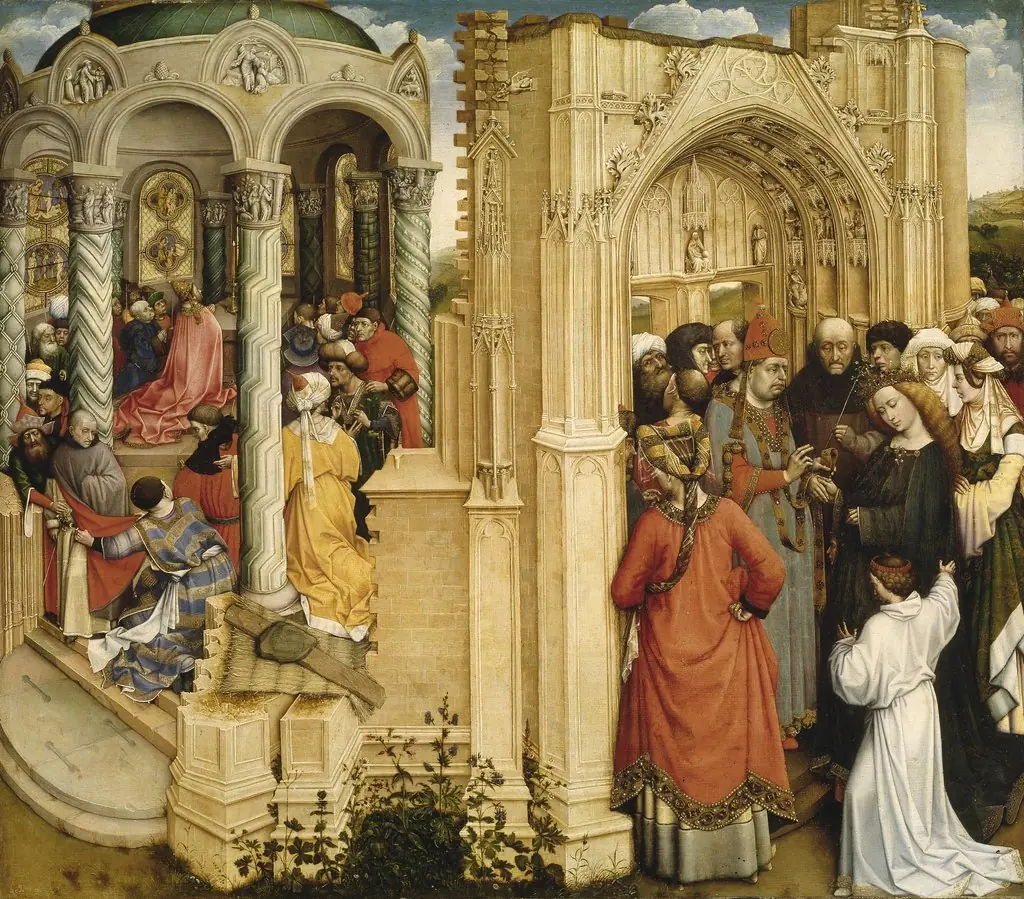 Marriage of the Virgin
 The Presentation of the Virgin in the Temple