Artwork
Ruins with Saint Paul preaching
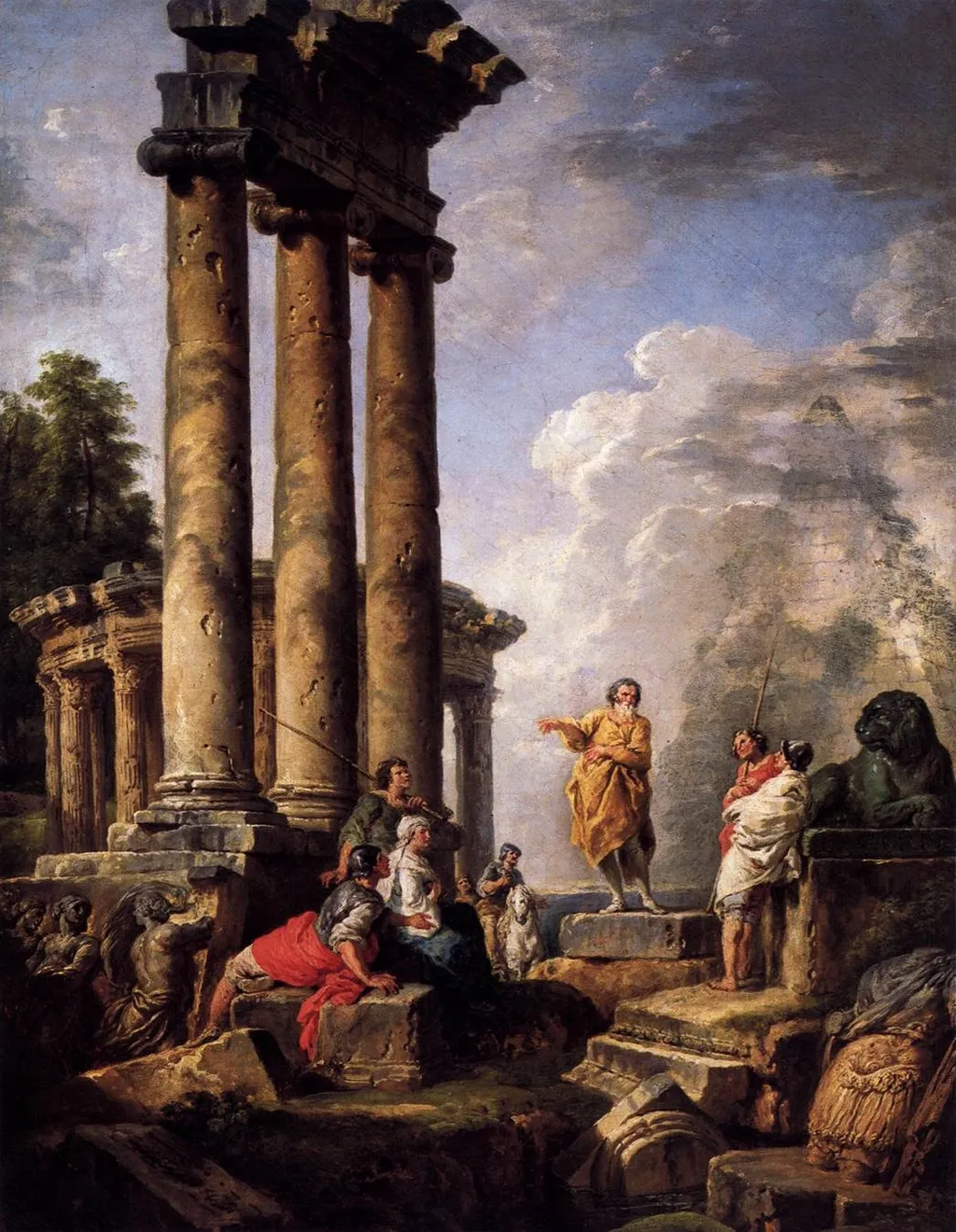
Ruins with Saint Paul preaching is an oil painting by the Rococo painting artist Giovanni Paolo Panini. It dates from 1735 and is held in the collection of the Museo del Prado.
About this work
Subject & Meaning
The genre is identified as religious art, anchoring the picture firmly within devotional imagery rather than pure landscape or capriccio.
The painting depicts Saint Paul the Apostle preaching amid classical ruins, a subject that fuses early Christian narrative with the visual vocabulary of the Roman past. In the Christian tradition, Paul is the missionary whose preaching carried the message of Christianity outward from the Jewish communities of the eastern Mediterranean into the Greco-Roman world, and showing him among crumbling classical structures visually frames that mission as emerging from, and superseding, pagan antiquity.
The choice of ruins as a setting carries long-standing symbolic weight: decaying columns and broken masonry evoke the transience of earthly empires and the rise of a new spiritual order. For a religious work of the eighteenth century, this pairing of apostle and antique fragment also reflected the era's taste for the picturesque, in which sacred history was staged within evocative remnants of antiquity.
The genre is identified as religious art, anchoring the picture firmly within devotional imagery rather than pure landscape or capriccio.
Technique & Style
Giovanni Paolo Panini executed Ruins with Saint Paul preaching in 1735 using oil paint on a canvas support. The painting measures 63 cm in height and 48 cm in width. Stylistically, the work aligns with the religious genre, depicting the Apostle Paul set amidst architectural ruins, a hallmark of Panini's vedute and capriccio compositions that blend figural religious narratives with monumental, decaying classical architecture.
History & Provenance
Ruins with Saint Paul preaching is an oil painting on canvas created in 1735 by Giovanni Paolo Panini. The work entered the collection of the Museo del Prado, where it remains on display in Madrid. Its dimensions are 63 cm in height and 48 cm in width.
The painting was produced during Panini’s mature period, reflecting his interest in combining topographical precision with religious narrative. It was likely executed for a private patron before entering the Spanish royal collection and eventually being acquired by the Museo del Prado in the 19th century.
The composition depicts Saint Paul amid classical ruins, illustrating a biblical scene within an idealized architectural setting typical of Panini’s vedute. The work’s provenance traces a continuous ownership from the artist to mid‑18th‑century collectors, followed by acquisition by the Spanish Crown and later donation to the Museo del Prado.
Documented dating aligns with the inception recorded in 1735, and the painting’s medium and materials are confirmed as oil on canvas.
The artwork is classified within the religious art genre, reflecting its narrative focus on the apostle’s preaching amidst antiquities.
Overview
Created in 1735, this oil painting by Giovanni Paolo Panini merges religious narrative with the architectural splendor of ancient Rome. The composition places the Apostle Paul on a raised platform, gesturing to a gathered crowd against the backdrop of crumbling columns and arches. The work exemplifies the Rococo period’s taste for theatricality while retaining Panini’s characteristic interest in the city’s ruins.
Artist & collection
Artist
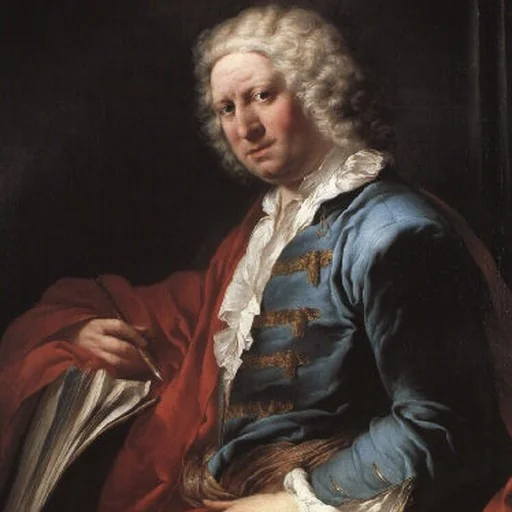
Giovanni Paolo, also known as Gian Paolo Panini or Pannini (17 June 1691 – 21 October 1765), was an Italian Baroque painter and architect who worked in Rome and is primarily known as one of the vedutisti ("view painters").

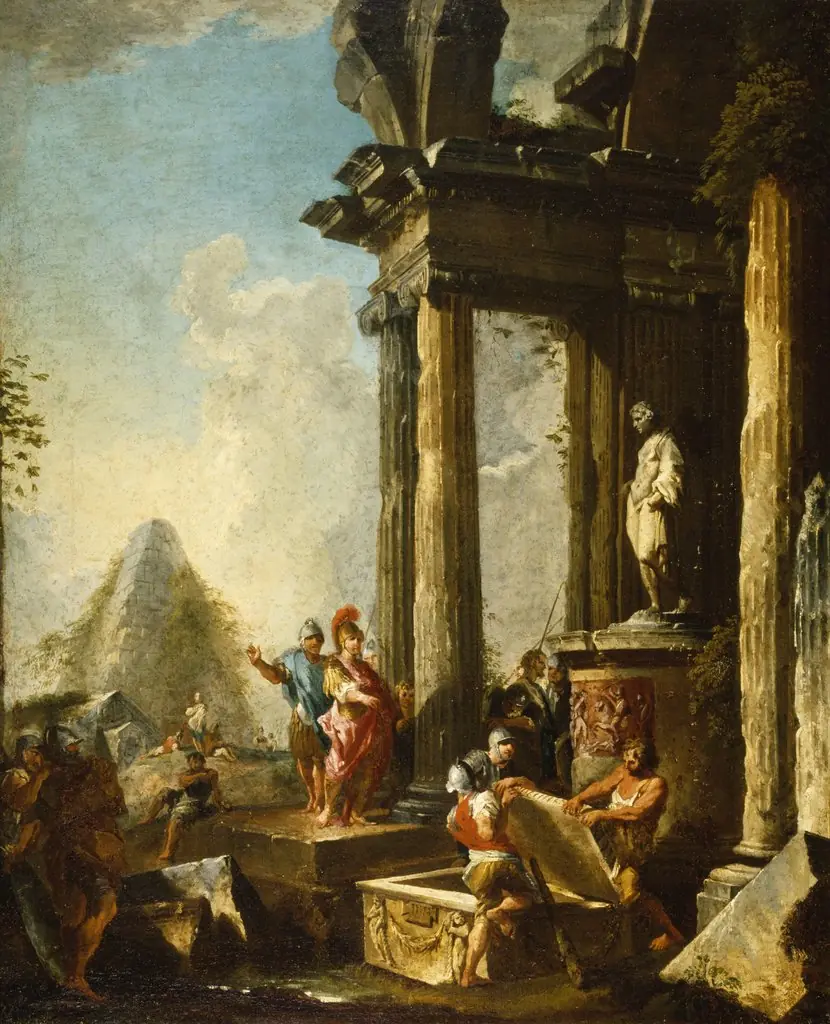 Alexander the Great at the Tomb of Achilles
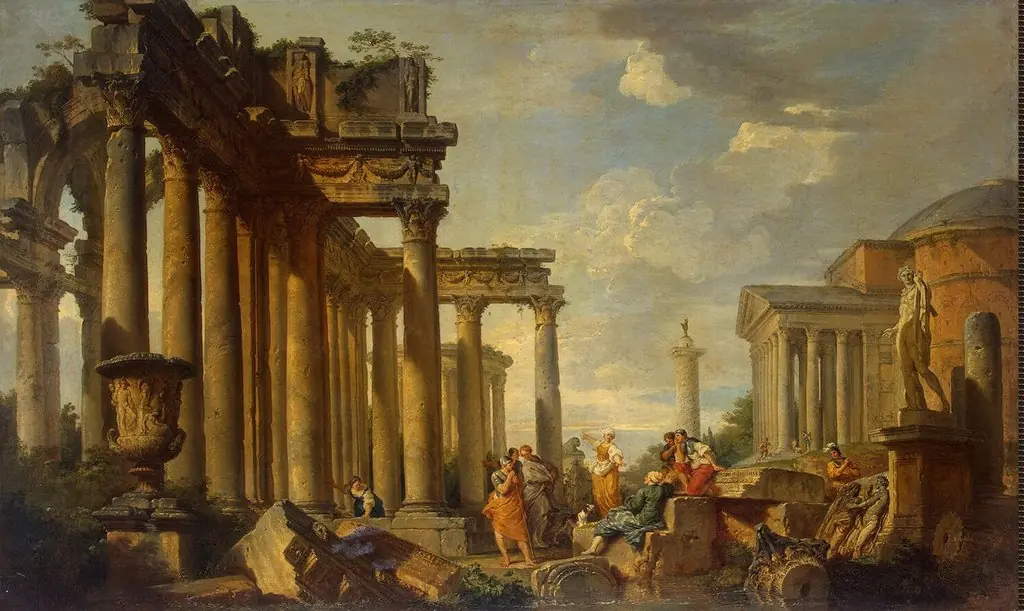 St Sibyl's Sermon in Roman Ruins with the Statue of Apollo
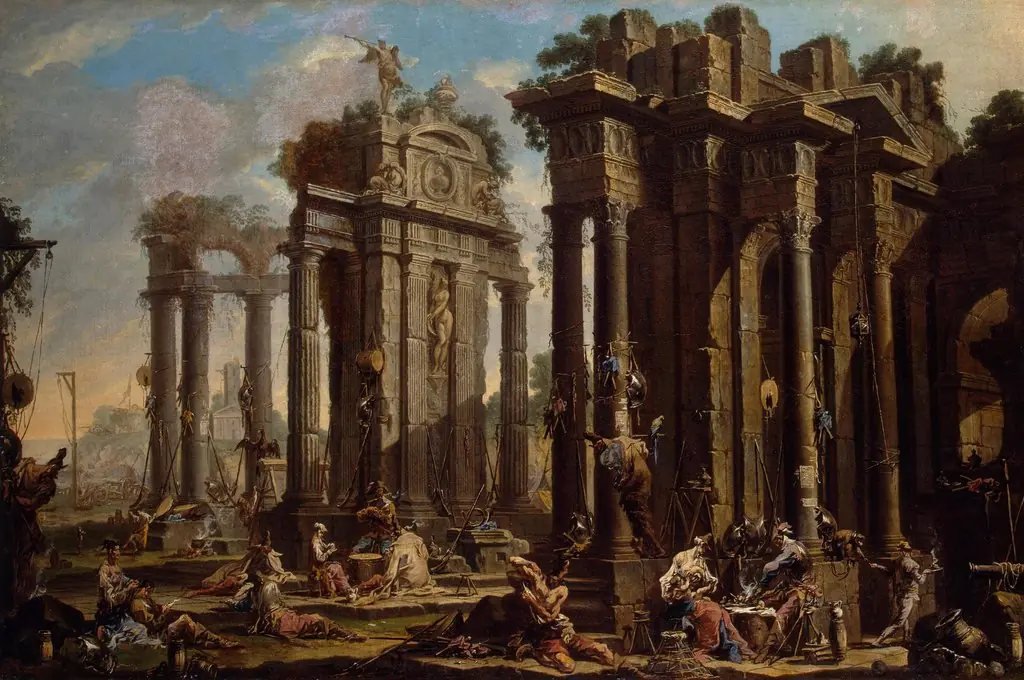 Halt of the Brigands
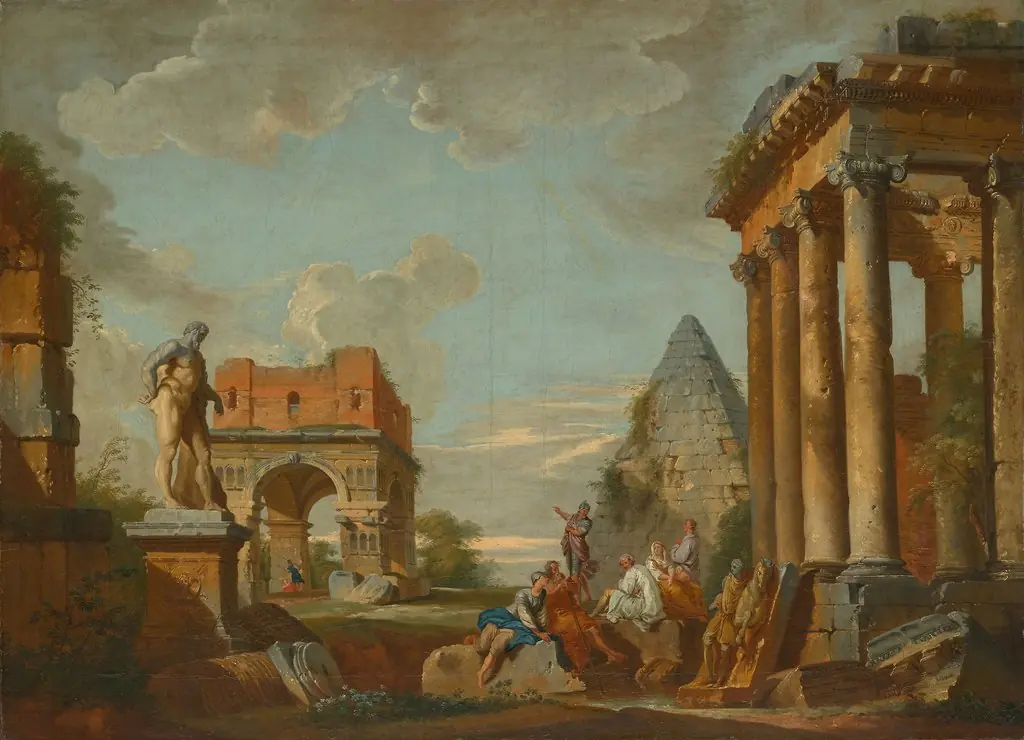 Classical Landscape
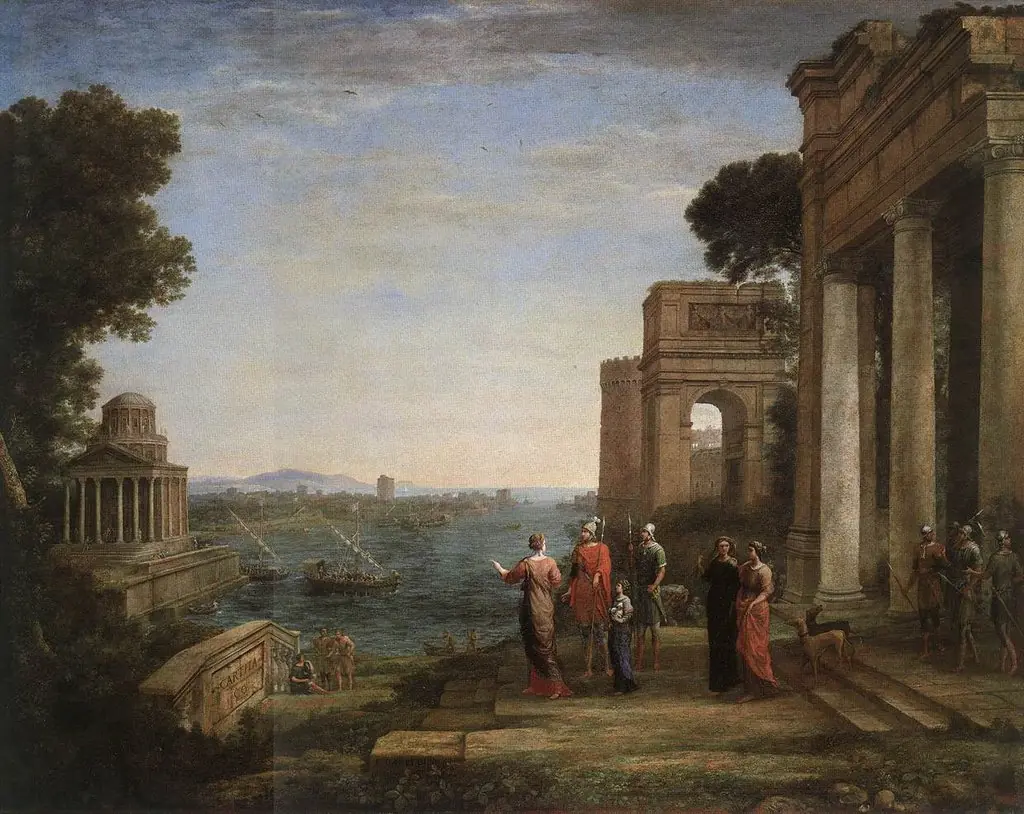 Aeneas's Farewell to Dido in Carthage
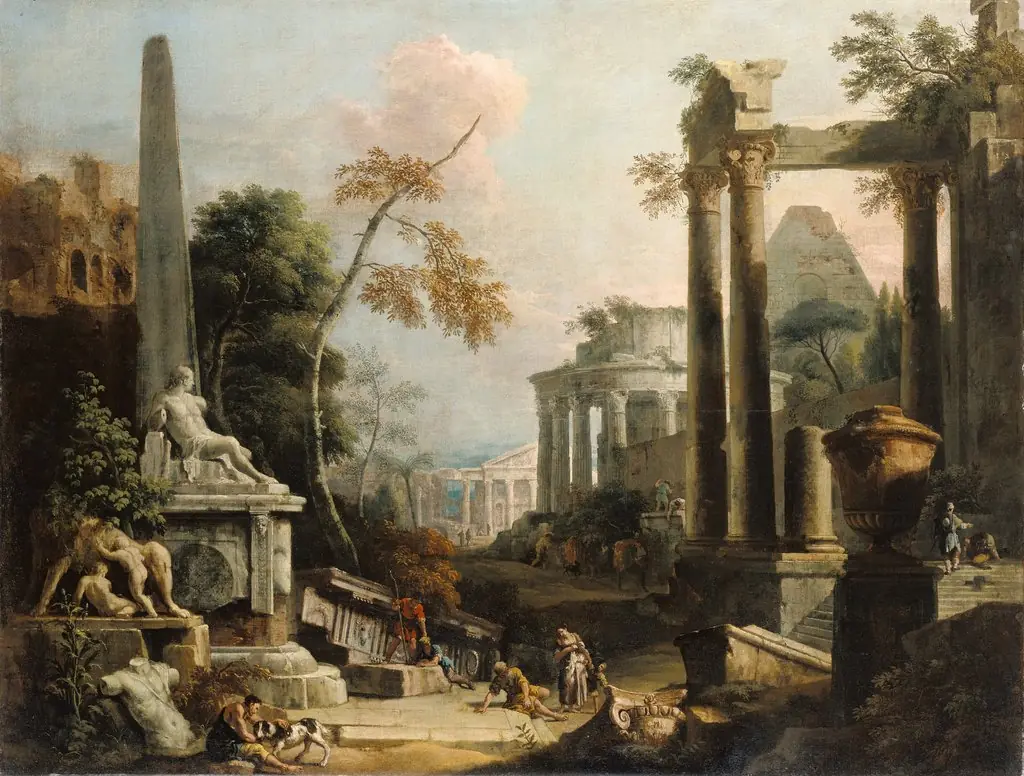 Landscape with Classical Ruins and Figures
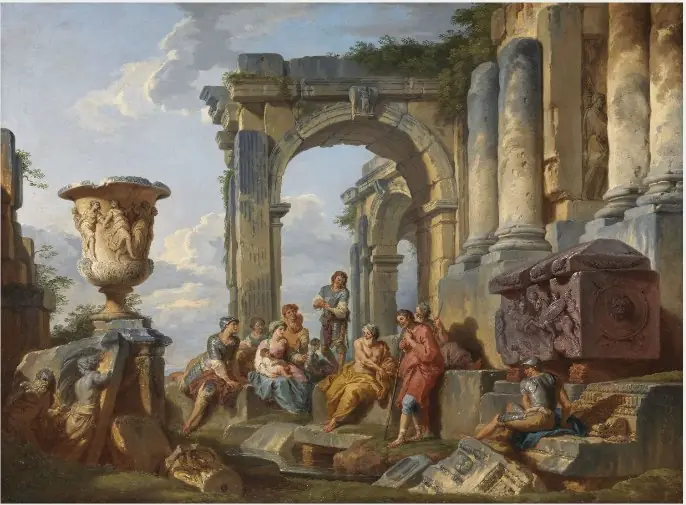 A Capriccio with Saint Peter Preaching to the Romans
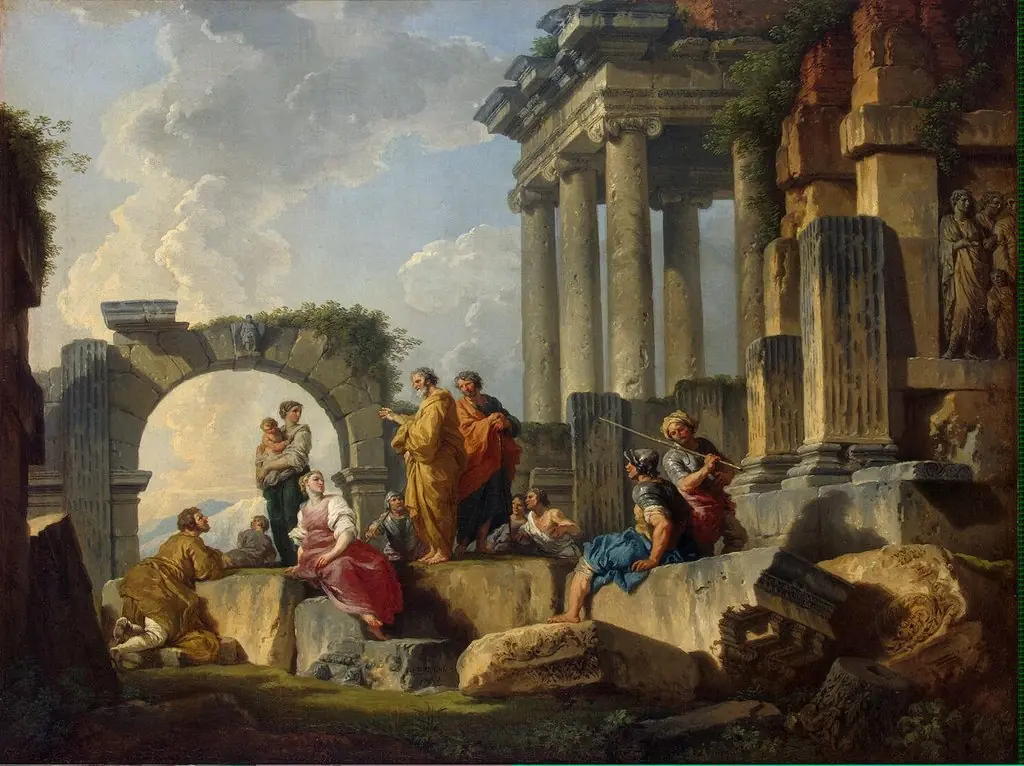
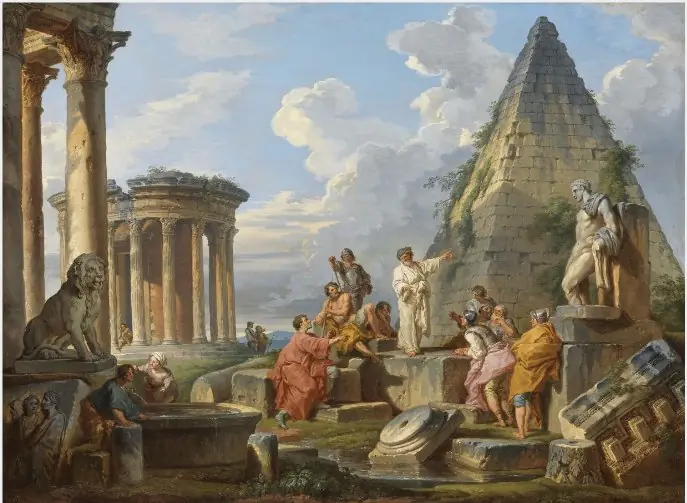 A Capriccio with Saint Paul Preaching to the Romans, with the Temple of Vesta and Pyramid of Caius Cestius
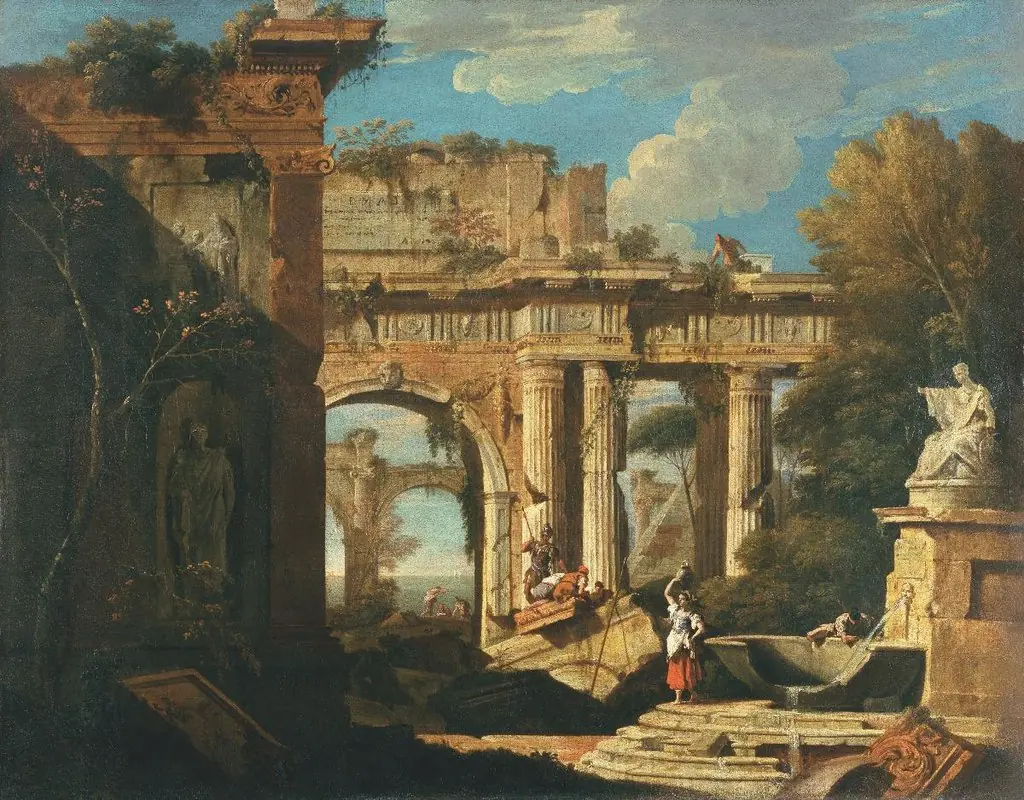 Capriccio con rovine romane