Artwork
The Tribute Money
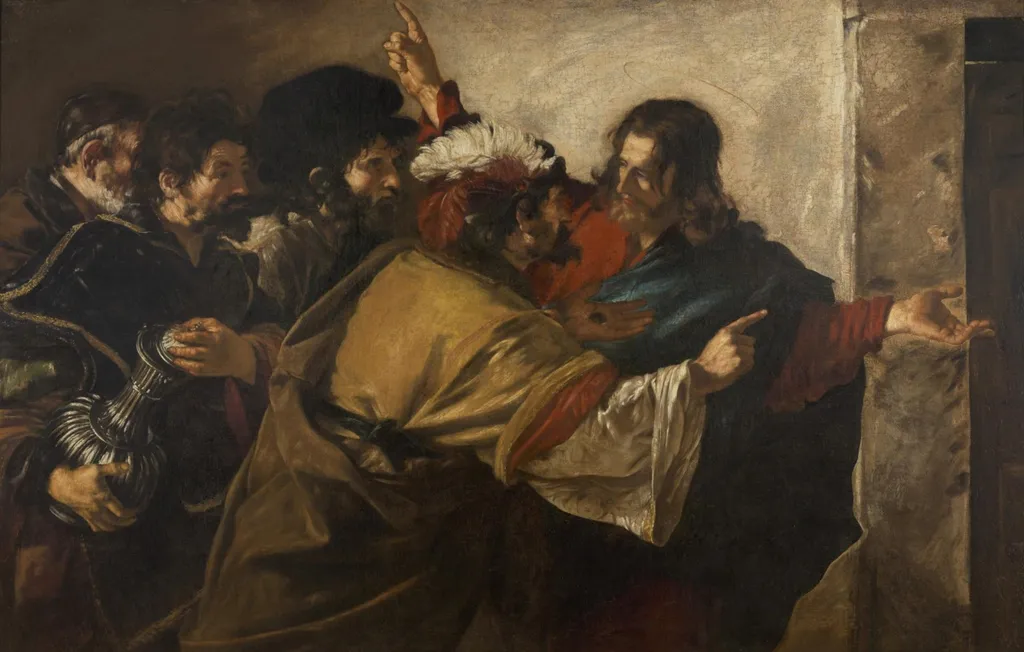
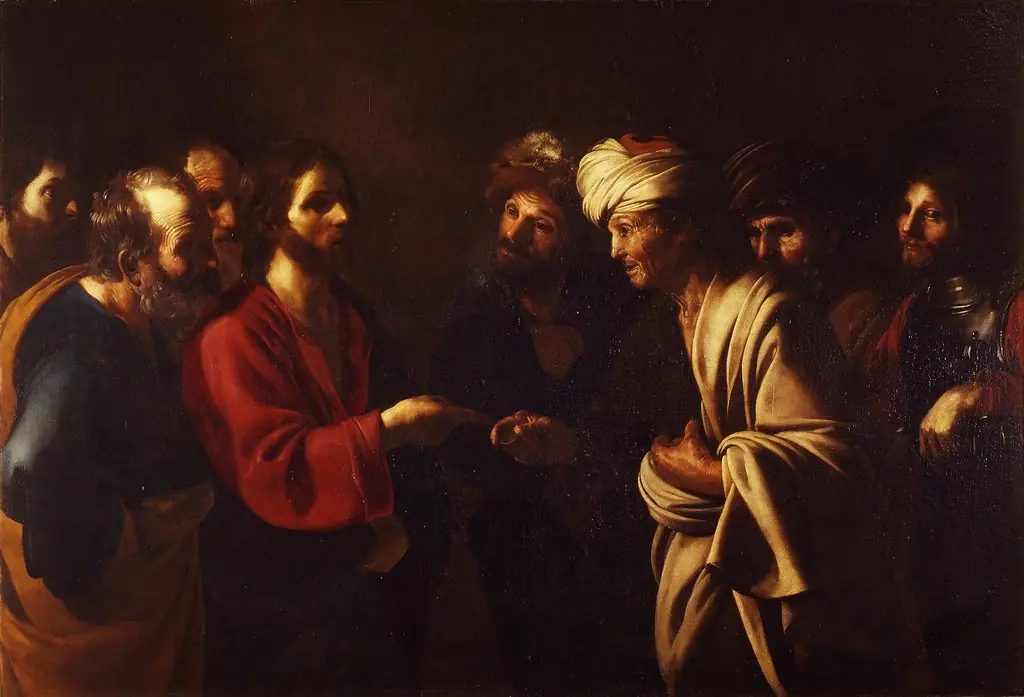
The Tribute Money is an oil painting by the Early Baroque Italian artist Giovanni Serodine. It dates from 1625 and is held in the collection of the National Galleries Scotland.
About this work
Overview
The Tribute Money is a 1625 oil painting by Giovanni Serodine, a Swiss-Italian artist known for his Caravaggist style. It is held in the Scottish National Gallery.
Subject & Meaning
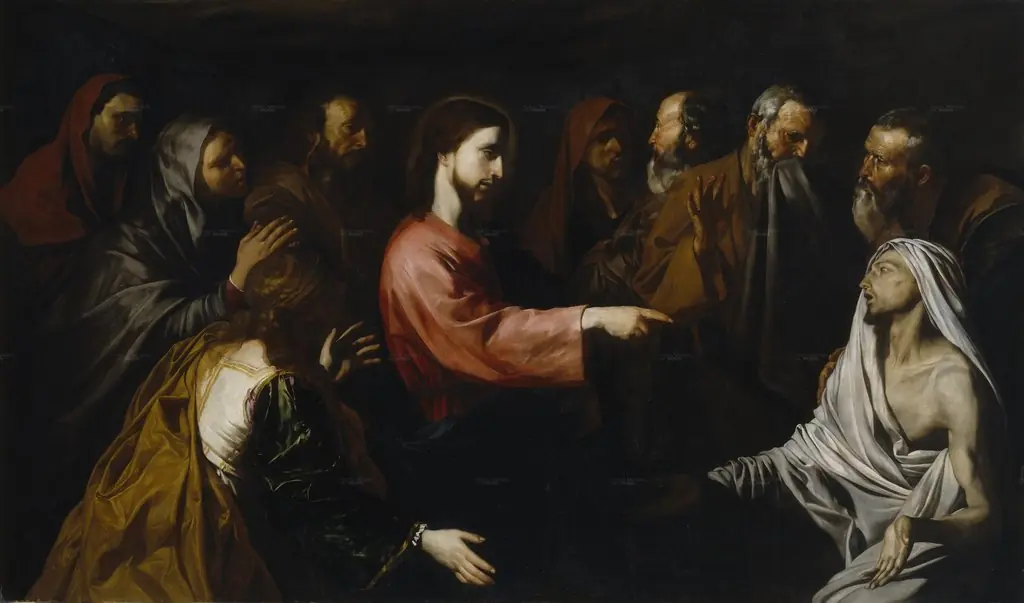
The painting depicts a group of robed figures gathered around a central figure, who gestures outside the frame. One figure holds a small object, likely a coin, referencing the biblical episode where Christ is asked to pay tribute.
Technique & Style
Serodine's loose brushwork and use of chiaroscuro create a sense of depth and volume. The central figure stands out in a bright blue robe against a plain background, highlighting the artist's use of color contrast.
History & Provenance
Serodine, born in 1600 to a family of stuccoists, worked in Rome during the early Baroque period. The painting reflects his exposure to northern Caravaggisti influences.
Own this work as a print
Artist & collection
Artist
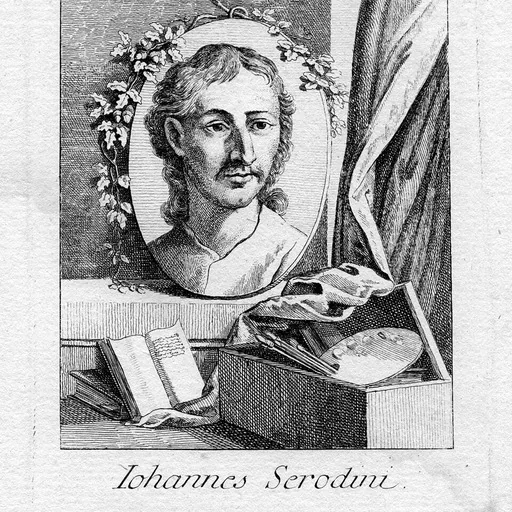
Giovanni Serodine (1600 – 21 December 1630) was a Swiss-Italian painter of the early Baroque period.