Artwork
A Foxglove in Bloom
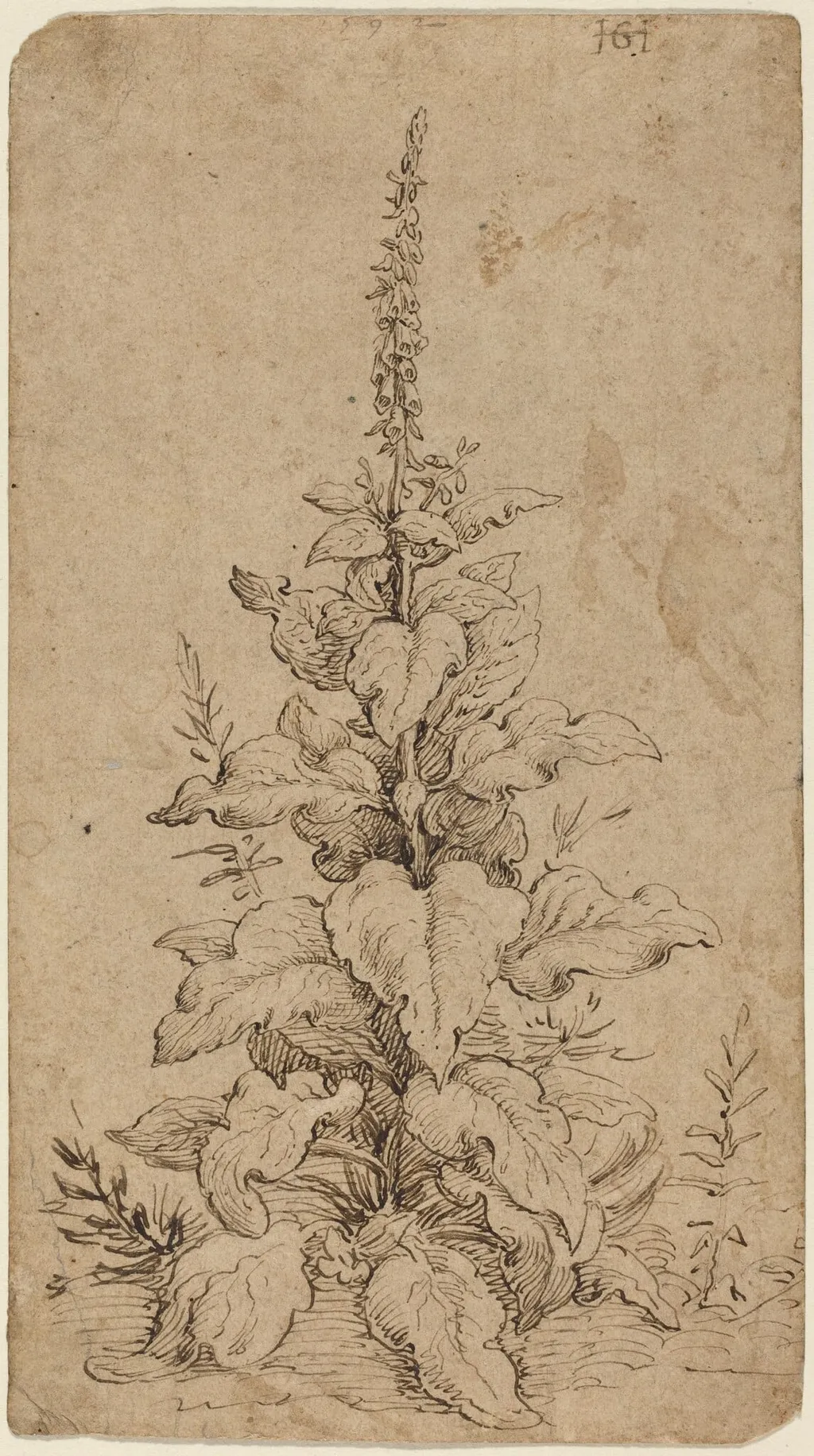
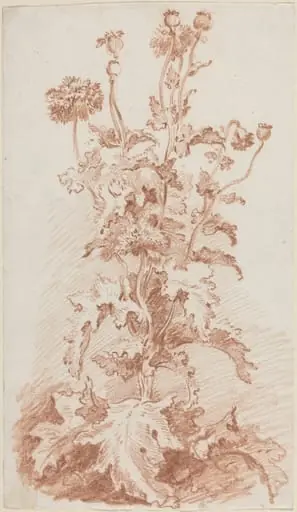
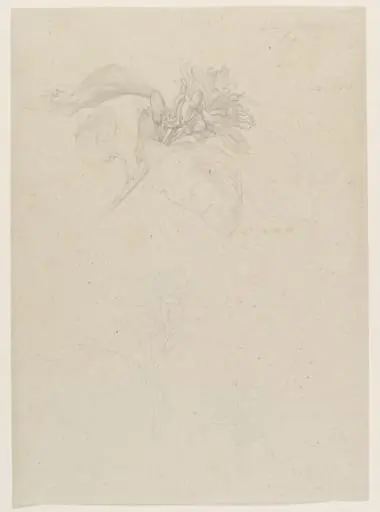
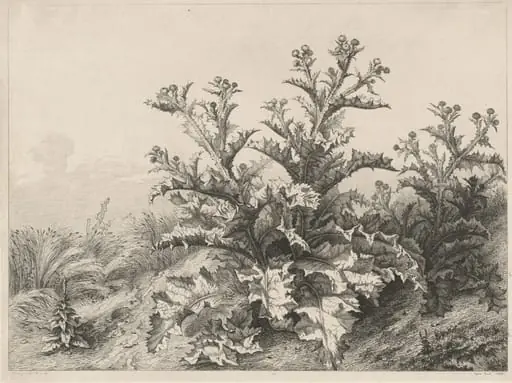
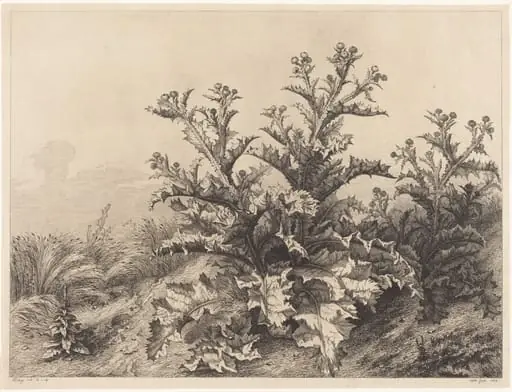
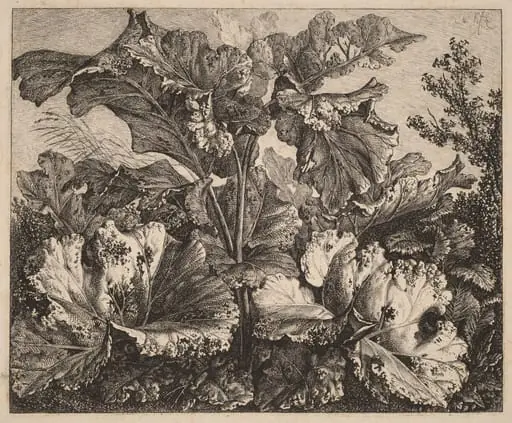
A Foxglove in Bloom is an ink drawing by the Renaissance artist Hendrick Goltzius. It dates from 1592 and is held in the collection of the National Gallery of Art.
- Inscription
- Inscribed:upper right in brown ink: HG (in monogram); upper center in brown ink: 1592; by later hand, center verso in graphite: H. Goltzius; center verso stamped in black: 2418; by later hand, lower center in graphite: Gesch [?] / [?] / [?] 1947
About this work
Overview
Created in 1592, A Foxglove in Bloom is a pen-and-brown‑ink drawing on laid paper by Hendrick Goltzius. The German‑born Dutch artist, celebrated for his printmaking, applied his draftsmanship to a single botanical subject, rendering the plant with meticulous line work that emphasizes form and texture.
Subject & Meaning
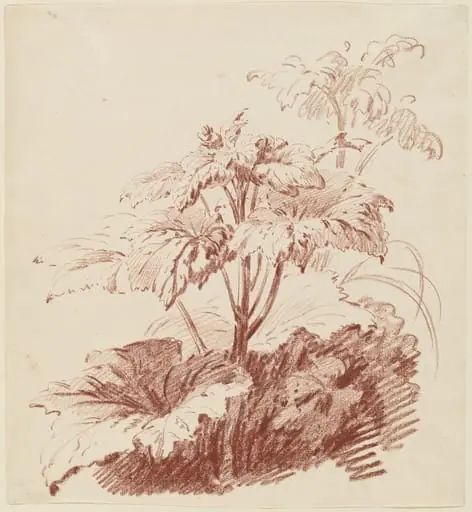
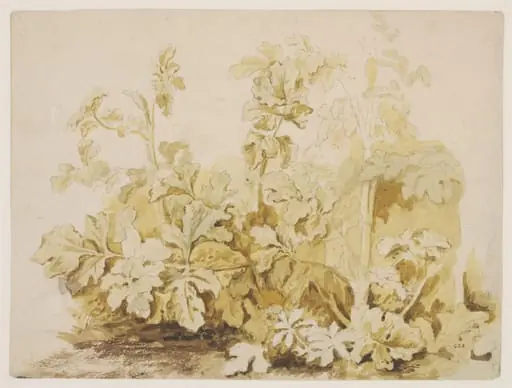
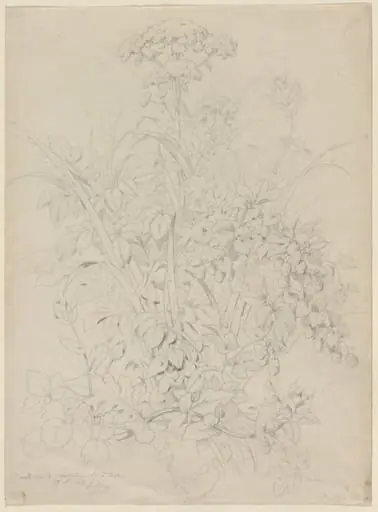
The composition focuses on a solitary foxglove, its broad, undulating leaves gathered around a slender stalk that supports a cluster of tiny blossoms near the apex. By isolating the flower, Goltzius highlights the plant’s natural structure, inviting close observation of its botanical characteristics.
Technique & Style
Goltzius employed fine, intersecting strokes to create a dense cross‑hatching pattern, building tonal variation and a sense of volume. This method, typical of Northern Mannerist drawing, allows the flat surface to suggest depth, giving the foliage a subtle three‑dimensional quality despite the monochrome medium.
History & Provenance
The drawing dates from the early phase of Goltzius’s career, before he expanded into painting later in life. As a leading figure of the early Baroque in the Netherlands, his works were widely circulated among collectors; the piece now resides in a public collection, reflecting its continued relevance to studies of 16th‑century draftsmanship.
Artist & collection
Artist
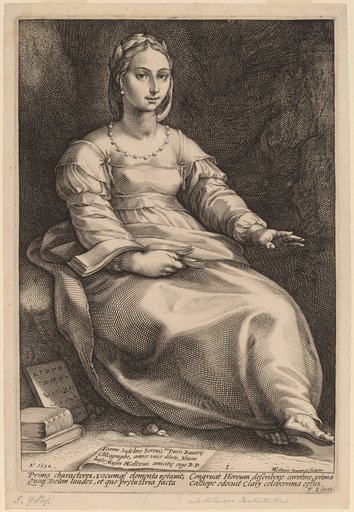
Hendrick Goltzius (German: , Dutch: ; né Goltz; January or February 1558 – 1 January 1617) was a German-born Dutch printmaker, draftsman, and painter.