Subject
Flower
Flower is a subject in art. The gallery holds 200 works in this subject in art, including works by Titian, Gustave Courbet and Edgar Degas.
Flowers — also called blossoms or blooms, the reproductive structures of flowering plants, typically arranged in four concentric whorls around the tip of a stalk — are among the oldest and most enduring motifs in art. They appear in ancient Egyptian tomb paintings and temple reliefs, where the lotus stood for creation, the sun, and rebirth, and they recur throughout medieval Christian imagery, in which the white lily and the enclosed rose garden signified the purity of the Virgin Mary. Yet for most of this history flowers were emblems woven into larger scenes rather than subjects in their own right.
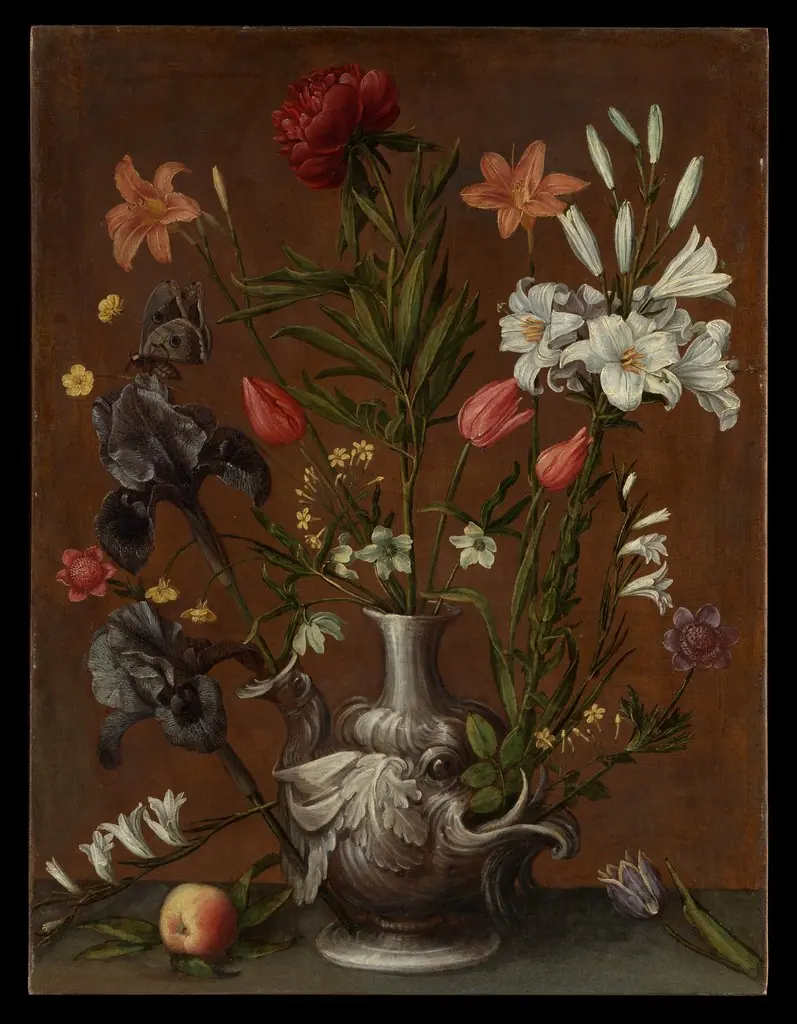
The flower piece emerged as an independent genre around 1600, above all in the Low Countries. The Flemish-born painter Ambrosius Bosschaert the Elder (1573–1621) founded a dynasty of specialists, composing symmetrical bouquets dominated by a single central bloom. The new fashion was bound up with Europe's surging interest in botany and horticulture — and with the speculative frenzy of Dutch "tulip mania" in the 1630s, which made a painted tulip a marker of wealth and global trade. Crucially, these dense bouquets were fictions: assembled from individual studies and book illustrations, they combined blossoms from different seasons that could never have stood together in life.
Technically the genre prized minute realism, jewel-like detail, and symbolic charge. Dewdrops, wilting petals, and crawling insects carried a vanitas message drawn from Ecclesiastes — beauty fades, and all living things must die. Balthasar van der Ast and the celebrated Rachel Ruysch (1664–1750) refined the form, while Jan van Huysum (1682–1749) abandoned dark grounds for luminous, asymmetric arrangements. Because flower painting was open to women excluded from the academies and the life class, it nurtured major female artists; Margareta Haverman, Van Huysum's only pupil, painted the dazzling "A Vase of Flowers" (1716) held in our collection.
The genre never withered. The nineteenth century brought Henri Fantin-Latour's restrained bouquets, Monet's flower-strewn gardens — among them his "Garden at Sainte-Adresse" (1867) — and Van Gogh's emotionally charged "Sunflowers." In the twentieth century Georgia O'Keeffe radically magnified single blooms into near-abstract fields of colour. From botanical record to vanitas meditation to pure form, the flower has remained a vehicle through which artists test realism, symbolism, and the fragile passage of time.
Key artists
Overview
The flower, defined botanically as the sexual reproductive structure of flowering plants (angiosperms), is among the most pervasive and enduring motifs in the history of art. Appearing in 3,422 works in the collection, it spans genres from landscape and portraiture to still life and religious narrative. Structurally, the typical flower consists of four whorls, sepals, petals, stamens, and carpels, arranged around a receptacle, a morphology that has lent itself to both naturalistic representation and symbolic abstraction. Its ubiquity in art derives from its immediate visual appeal, its role in human rituals of decoration and commemoration, and its capacity to carry layered meanings ranging from the devotional to the vanitas.
Iconography & meaning
Flowers have accumulated dense symbolic associations across cultures and periods. In Christian art, they often denote purity, the Virgin Mary, or the Incarnation, as in depictions of the Annunciation where lilies frequently appear. The French source notes that flowers were sometimes rejected or neglected in early Christian centuries, only to be highly valued in later periods, suggesting a fluctuating theological attitude toward worldly beauty. More broadly, flowers serve as memento mori, their brief blooming period evoking the transience of life, a theme central to vanitas still lifes. Different species carry specific connotations, roses for love or the martyred Christ, lilies for chalcity, and pansies for thought. The Dutch tradition of flower painting in particular exploited this semantic range, combining botanical accuracy with moral allegory.
Legacy
The flower's afterlife in visual culture extends far beyond the specific works in this collection. As the French source notes, flowers have inspired painters, poets, sculptors, and decorators across all civilizations, their cultural valuation shifting from rejection to exaltation. The scientific study of flowers, foundational to modern botany through systems such as Linnaeus's sexual system of classification based on floral structures, ran parallel to and sometimes intersected with their artistic representation. Today, the flower remains an inexhaustible subject in contemporary art, even as its historical meanings, religious, moral, scientific, and aesthetic, continue to inform new productions. The collection's 3,422 floral works constitute not merely a quantitative prominence but a demonstration of the motif's unique capacity to reconcile the particular, a single bloom, with the universal, the cycle of life, death, and rebirth.
Works
 Lake Lucerne
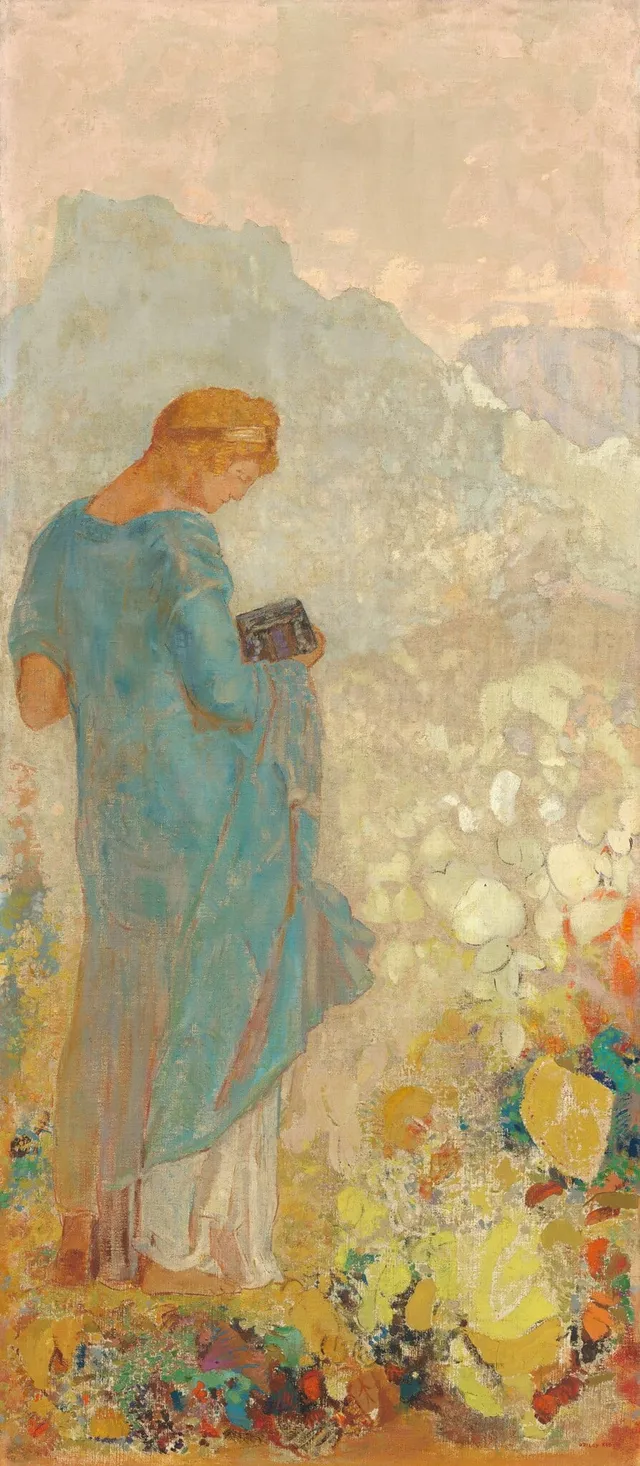
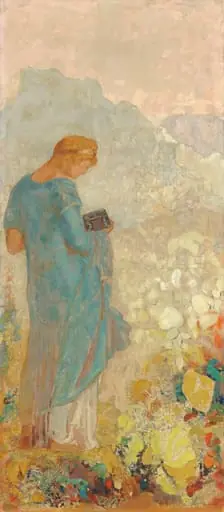 Pandora
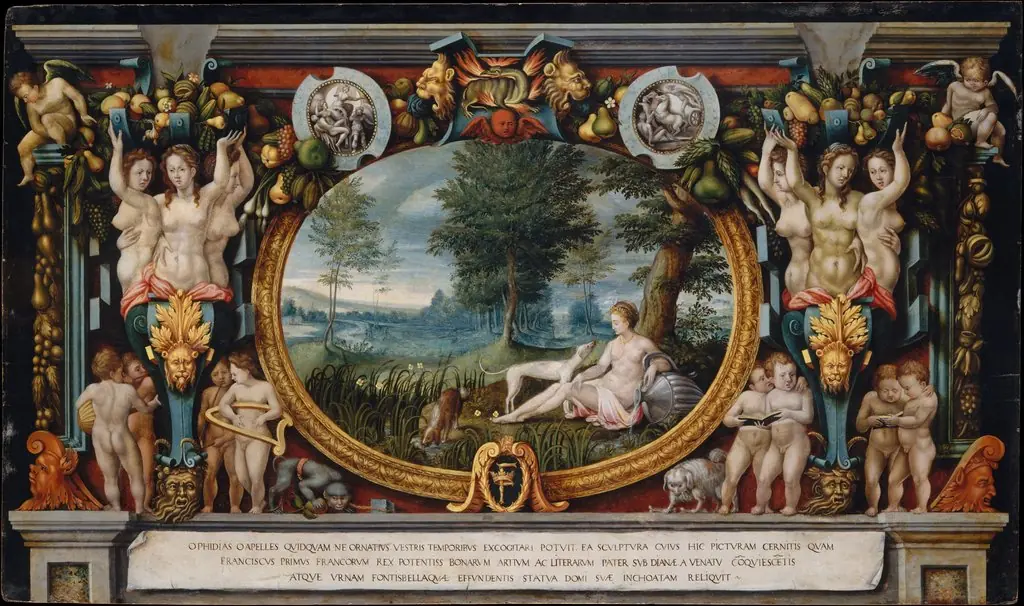 The Nymph of Fontainebleau
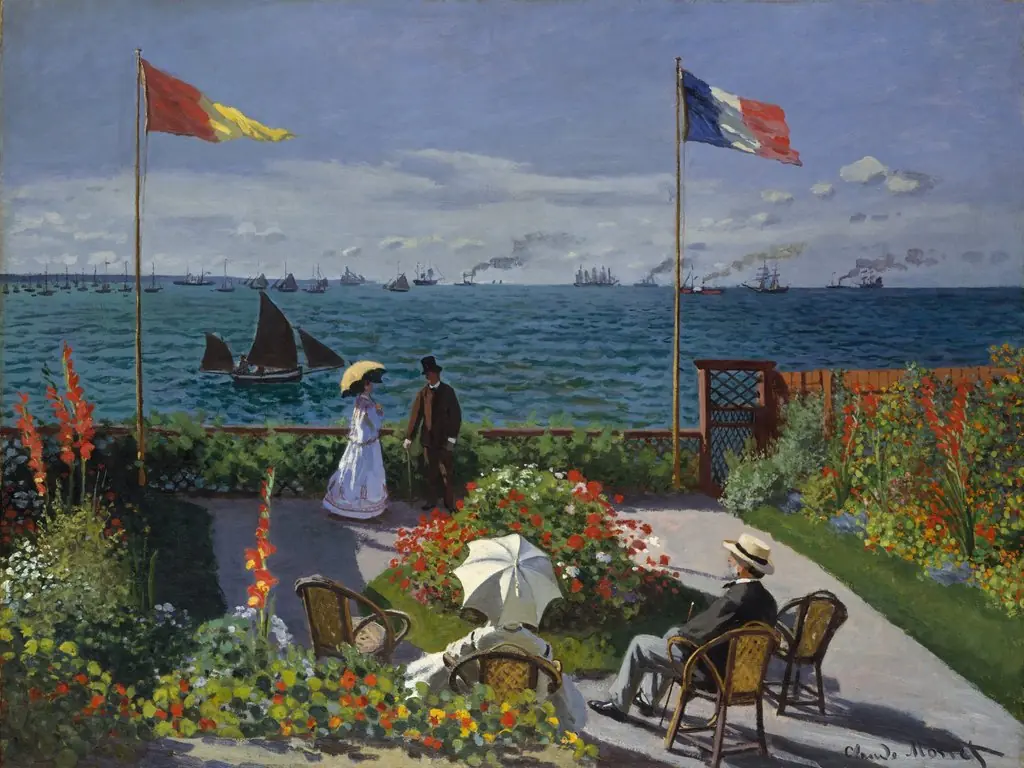 Garden at Sainte-Adresse
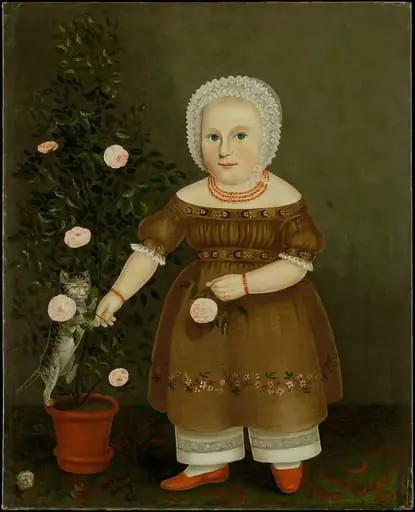 Emma Homan
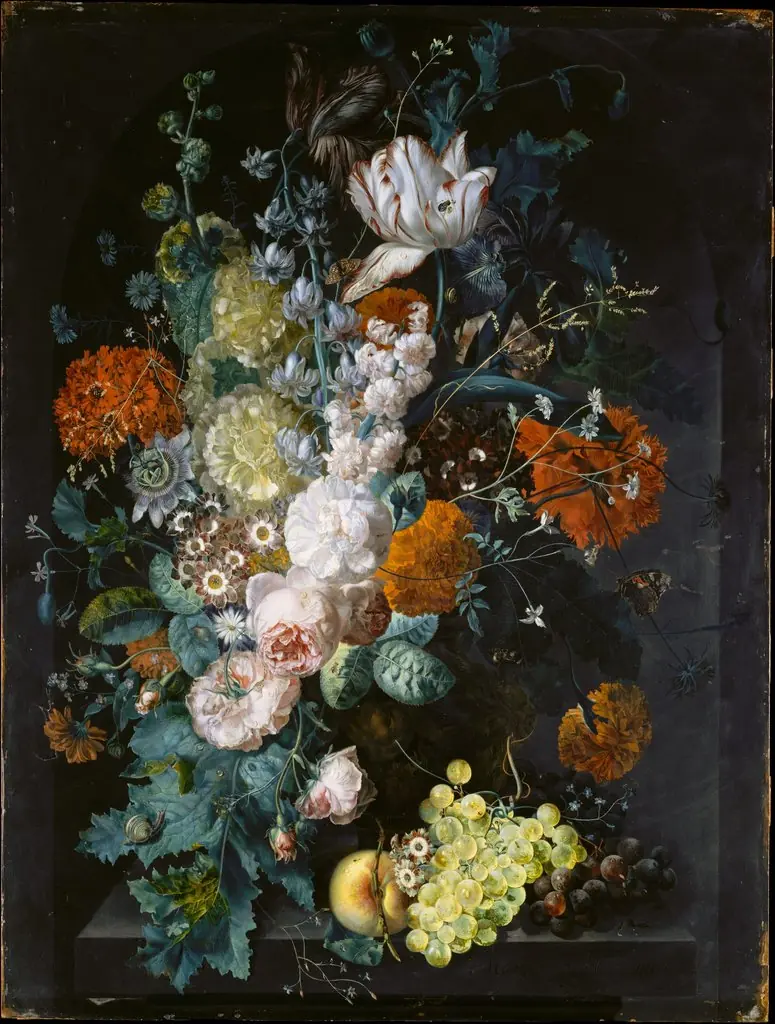 A Vase of Flowers
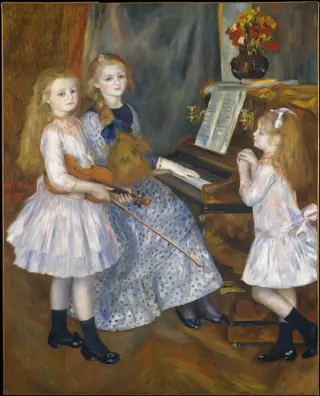 The Daughters of Catulle Mendès
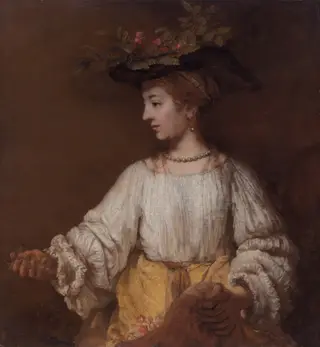 Flora
Flora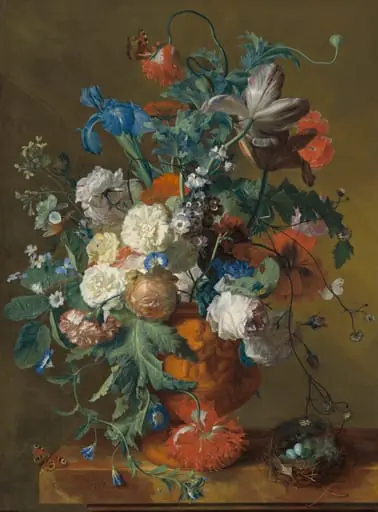 Flowers in an Urn
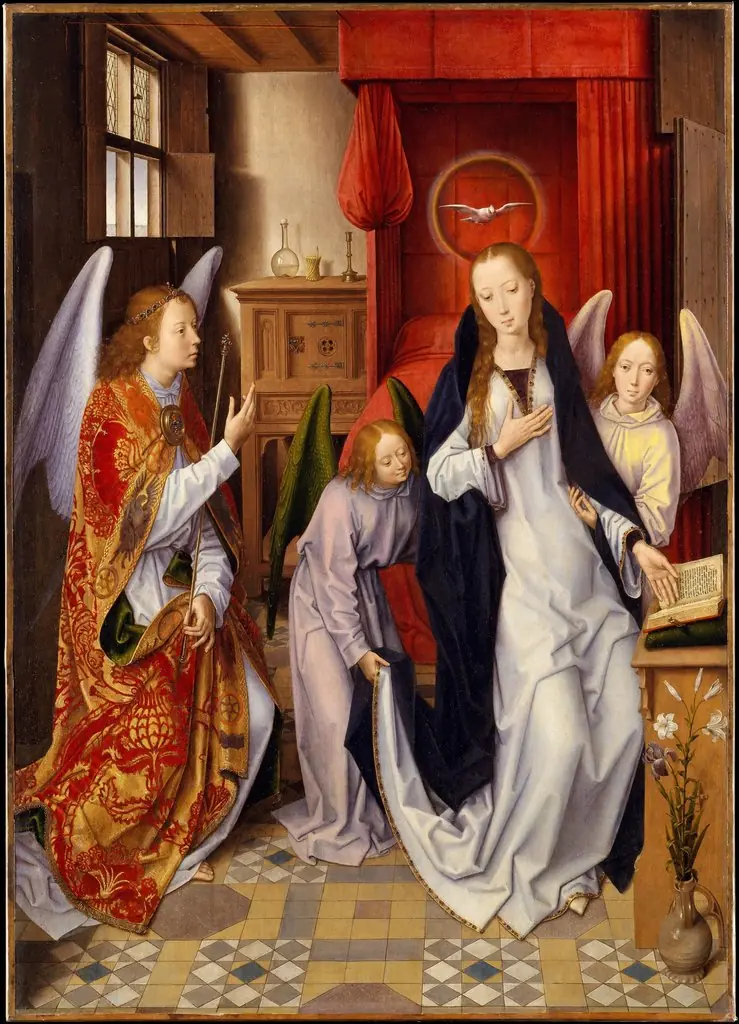 Annunciation
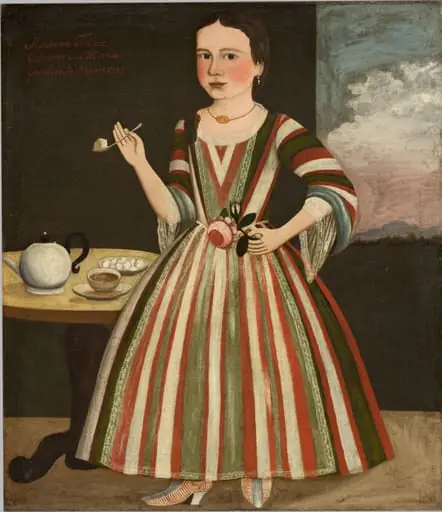 Susanna Truax
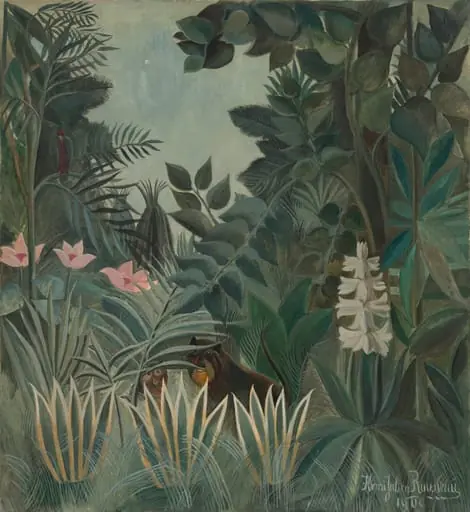 The Equatorial Jungle
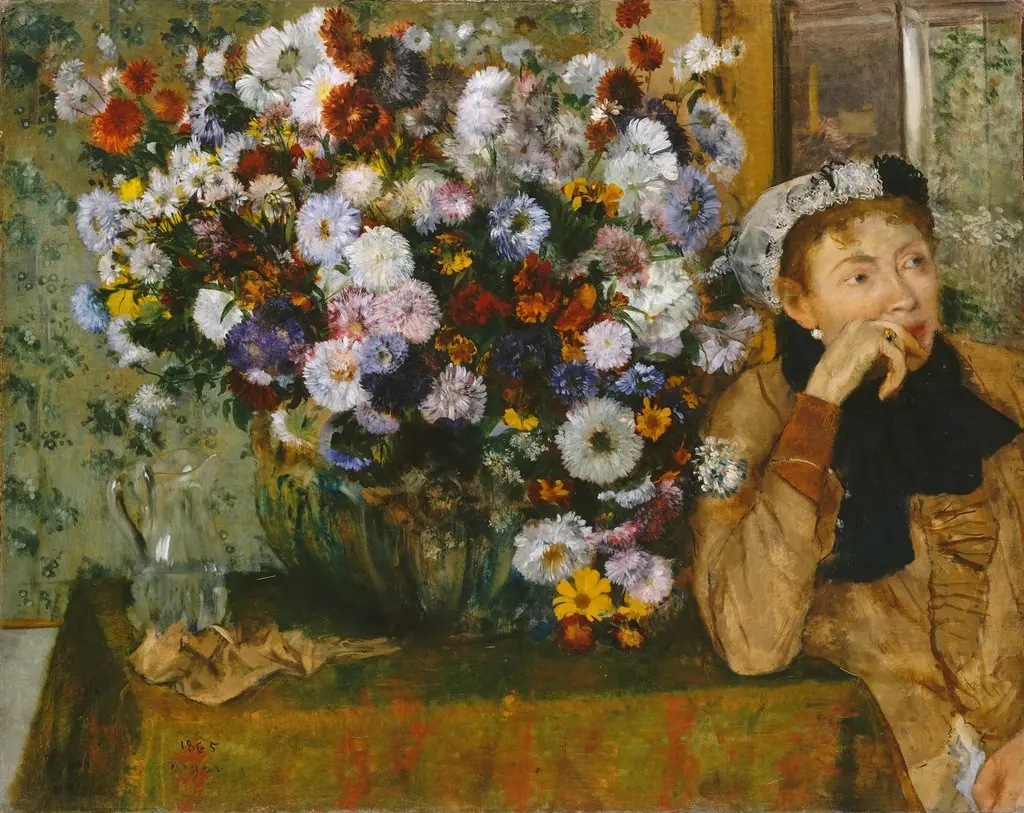 A Woman Seated beside a Vase of Flowers
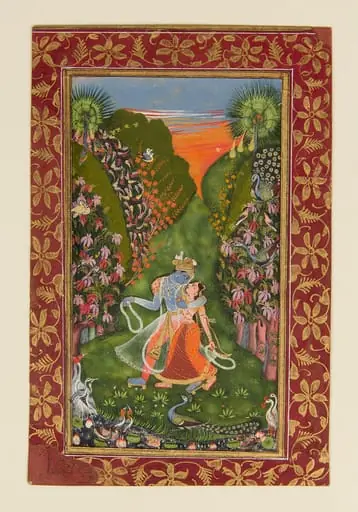 Untitled
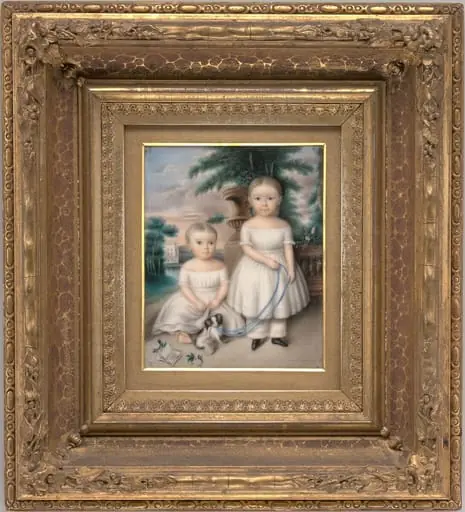 Watson Van Benthuysen II and Thomas Van Benthuysen
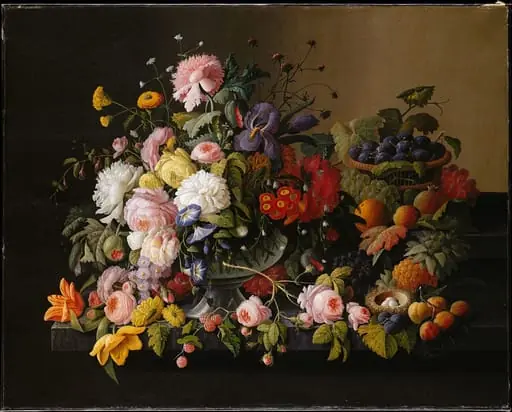 Still Life: Flowers and Fruit
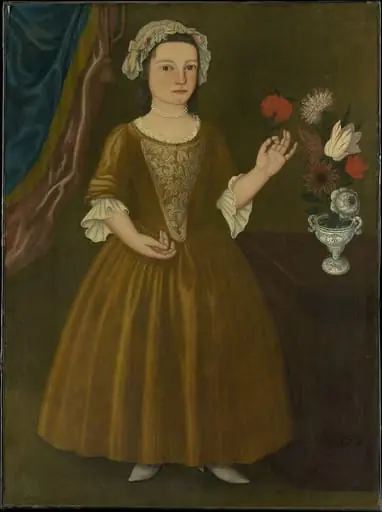 Catherina Elmendorf
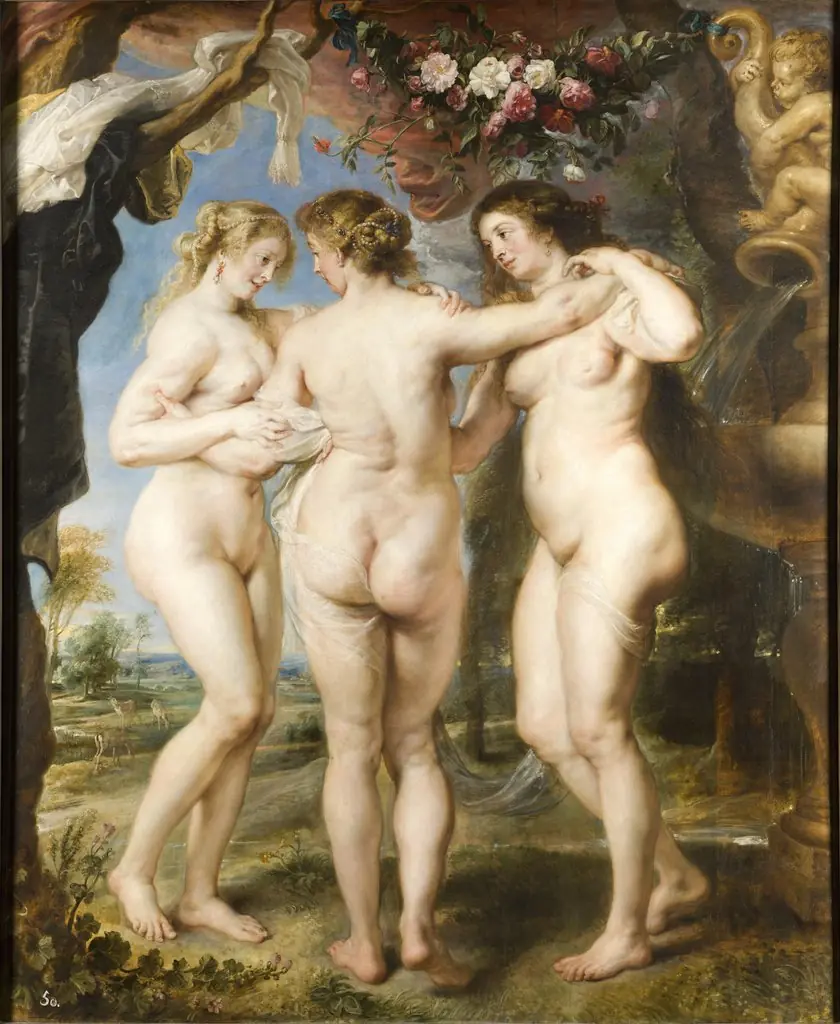 The Three Graces
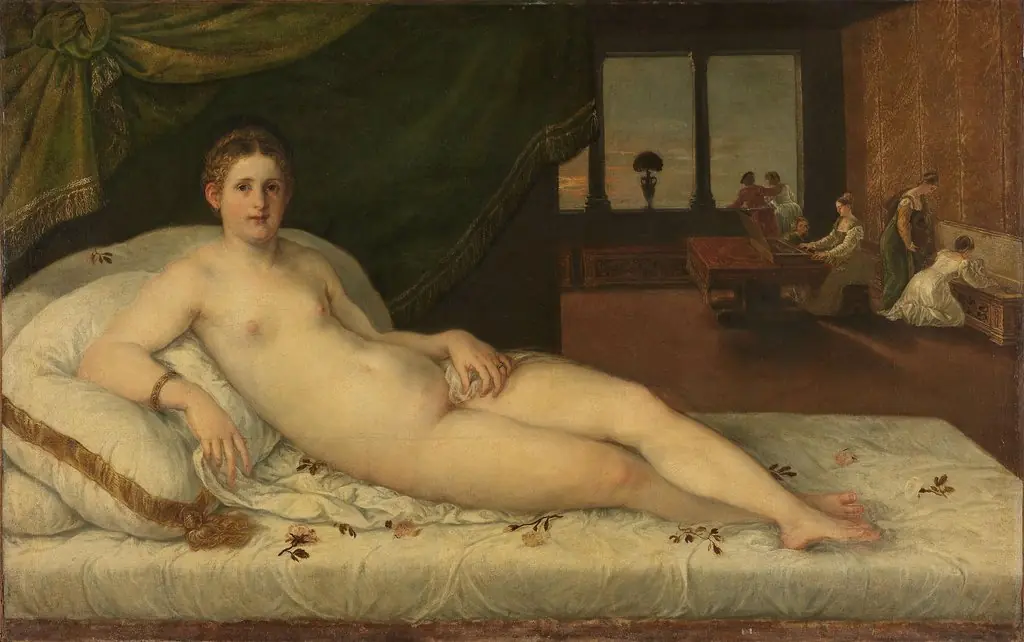 Reclining Venus
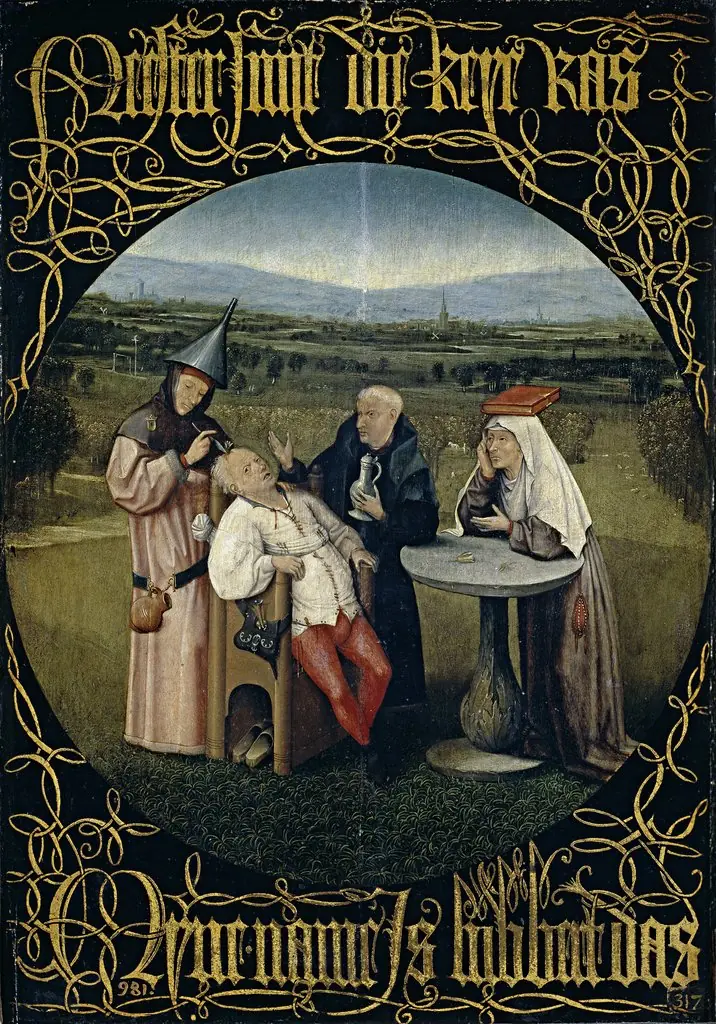 Cutting the Stone
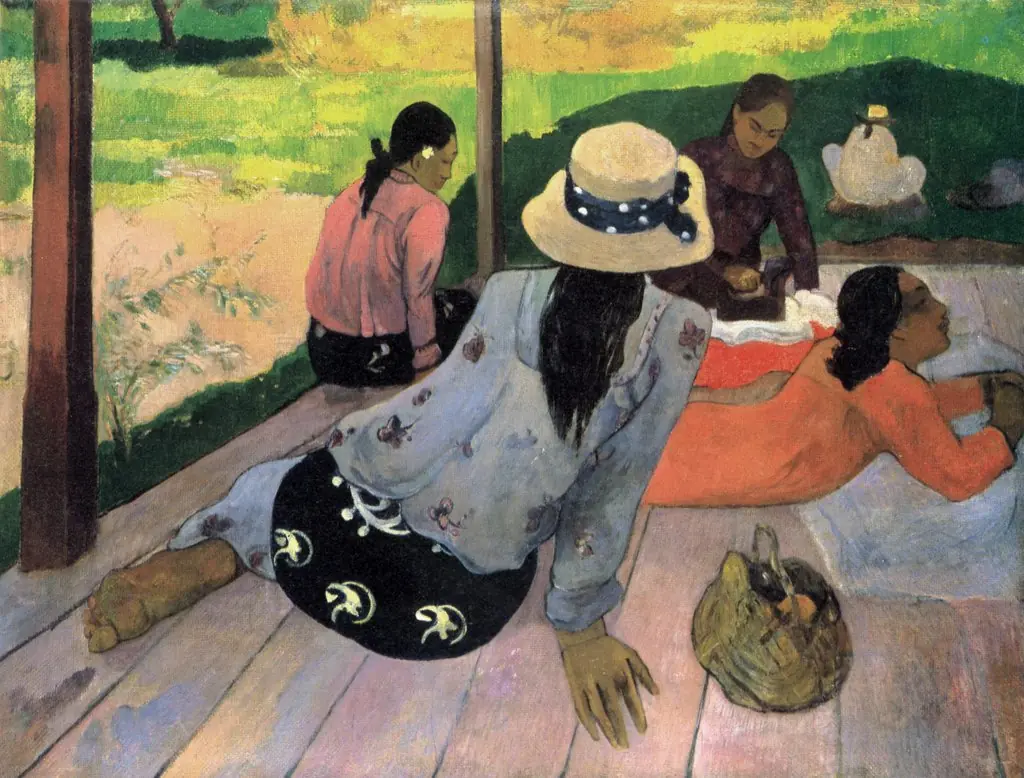 The Siesta
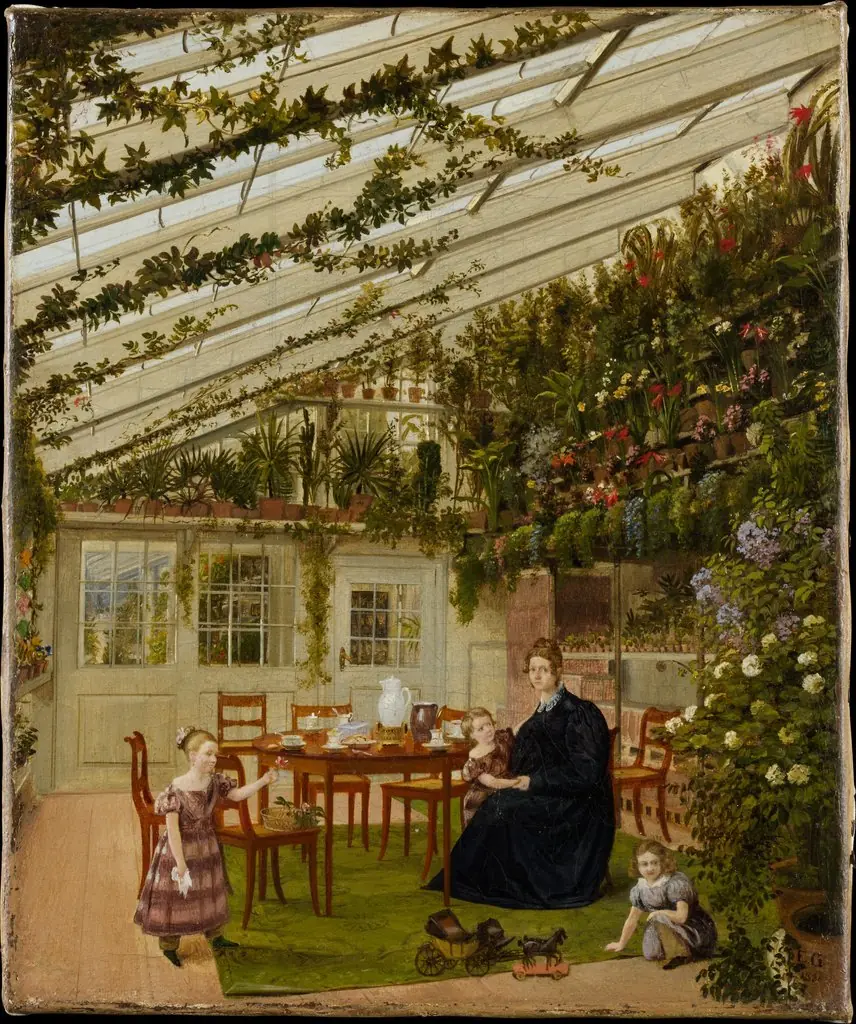 The Family of Mr. Westfal in the Conservatory
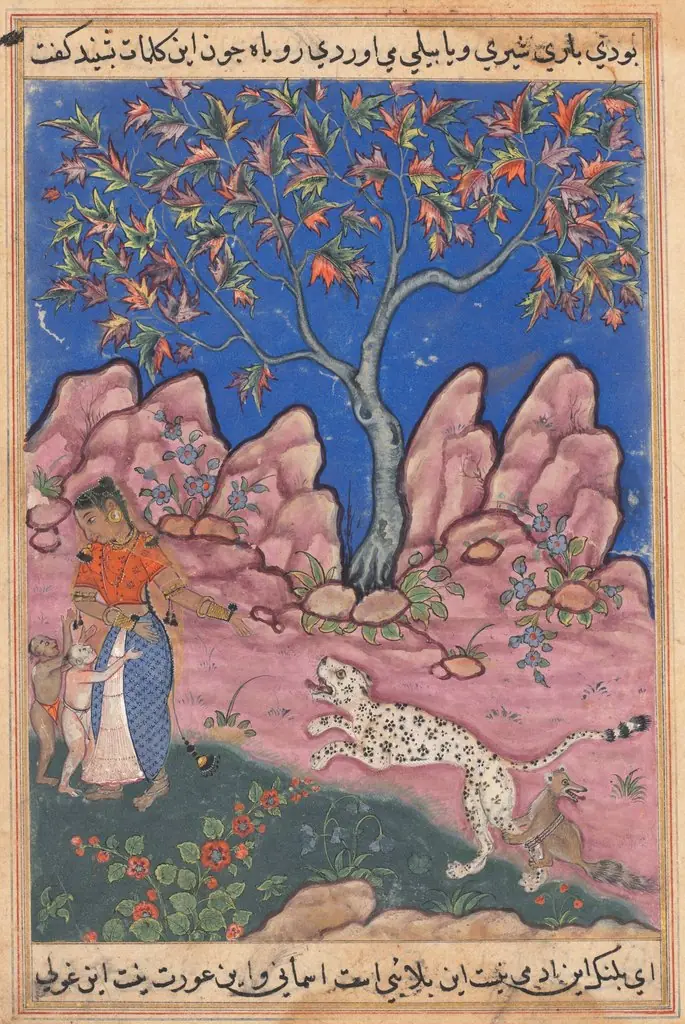 The woman conversing with her children, as the leopard returns, egged on by a fox who is tied to his leg, from a Tuti-nama (Tales of a Parrot): Thirtieth Night
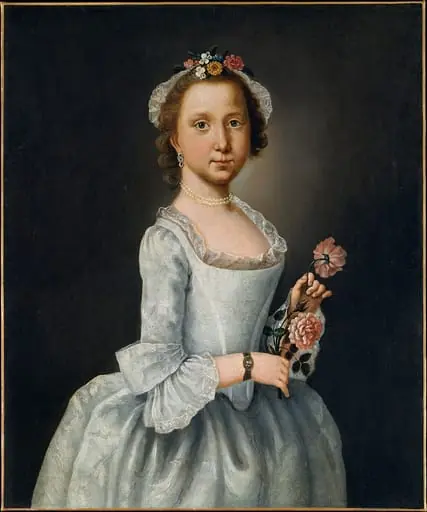 Portrait of a Lady
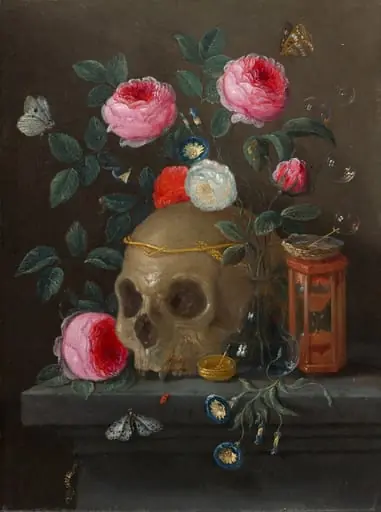 Vanitas Still Life
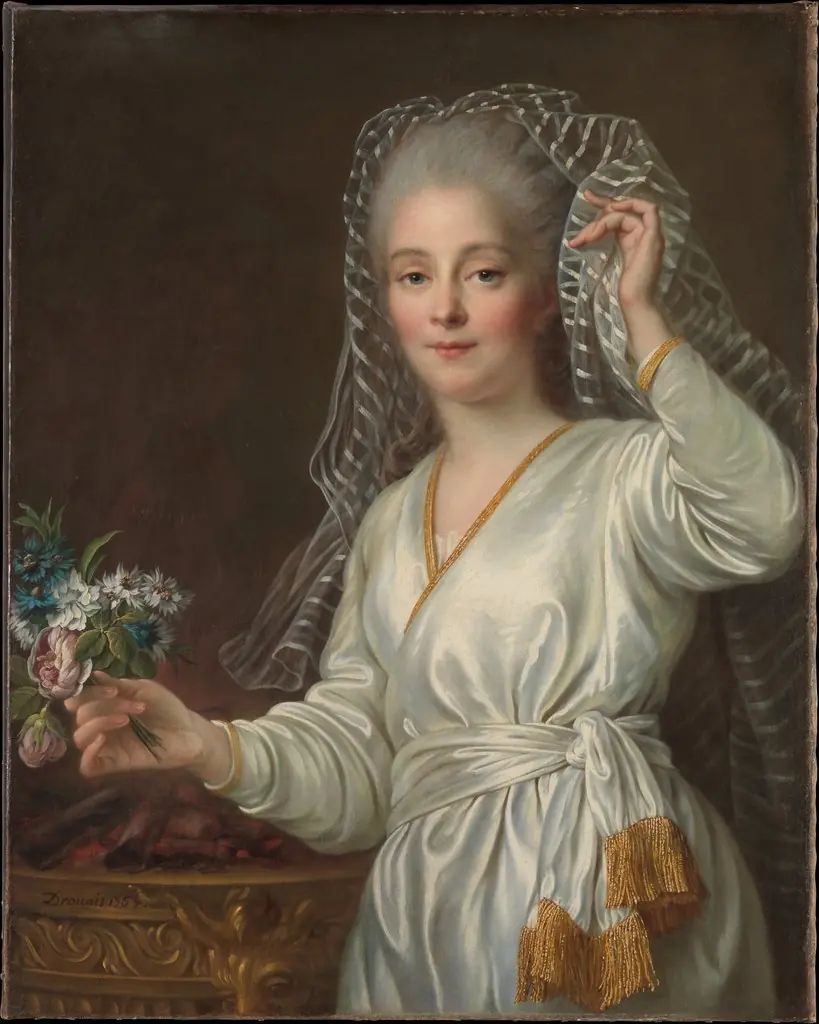 Portrait of a Young Woman as a Vestal Virgin
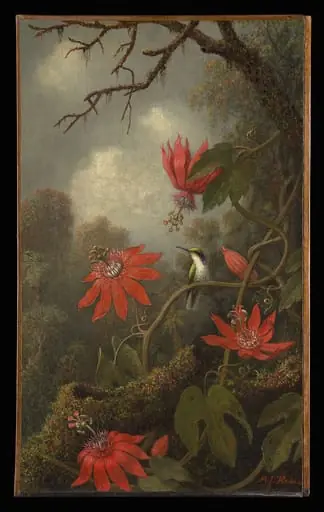 Hummingbird and Passionflowers
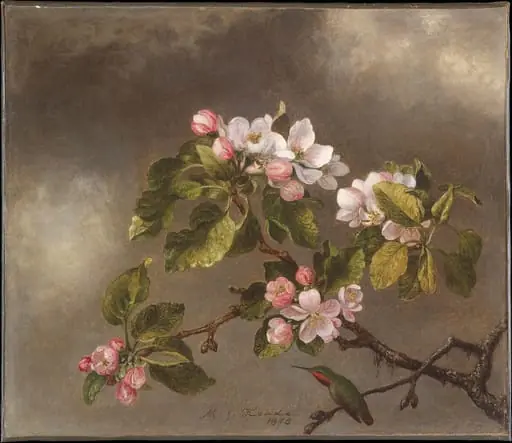 Hummingbird and Apple Blossoms
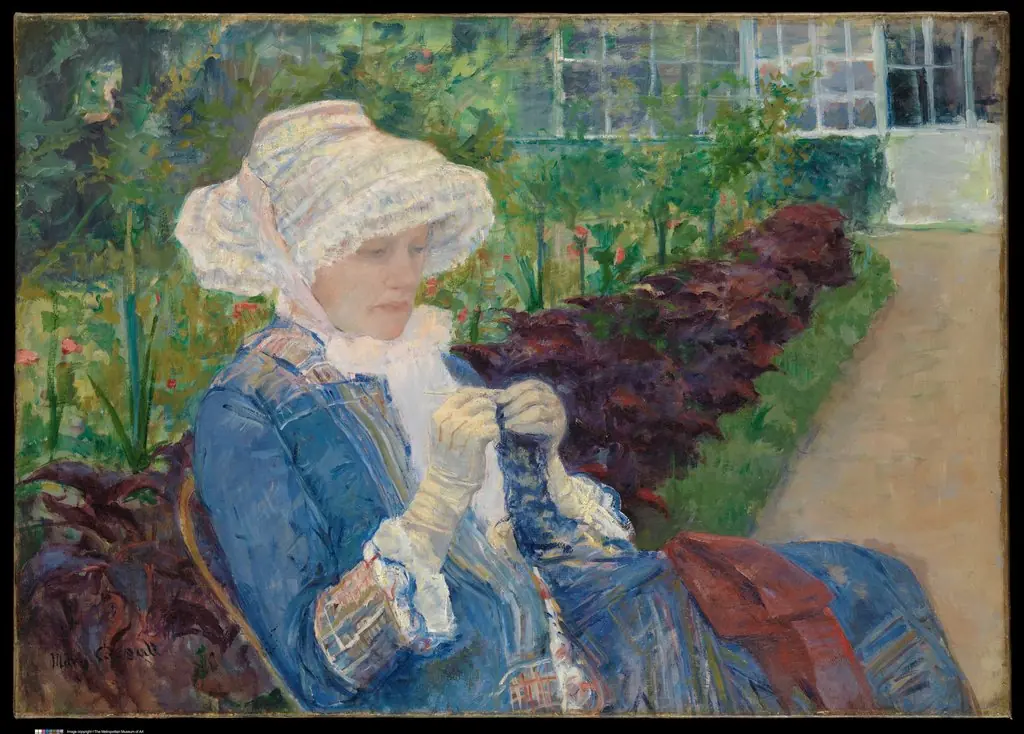 Lydia Crocheting in the Garden at Marly
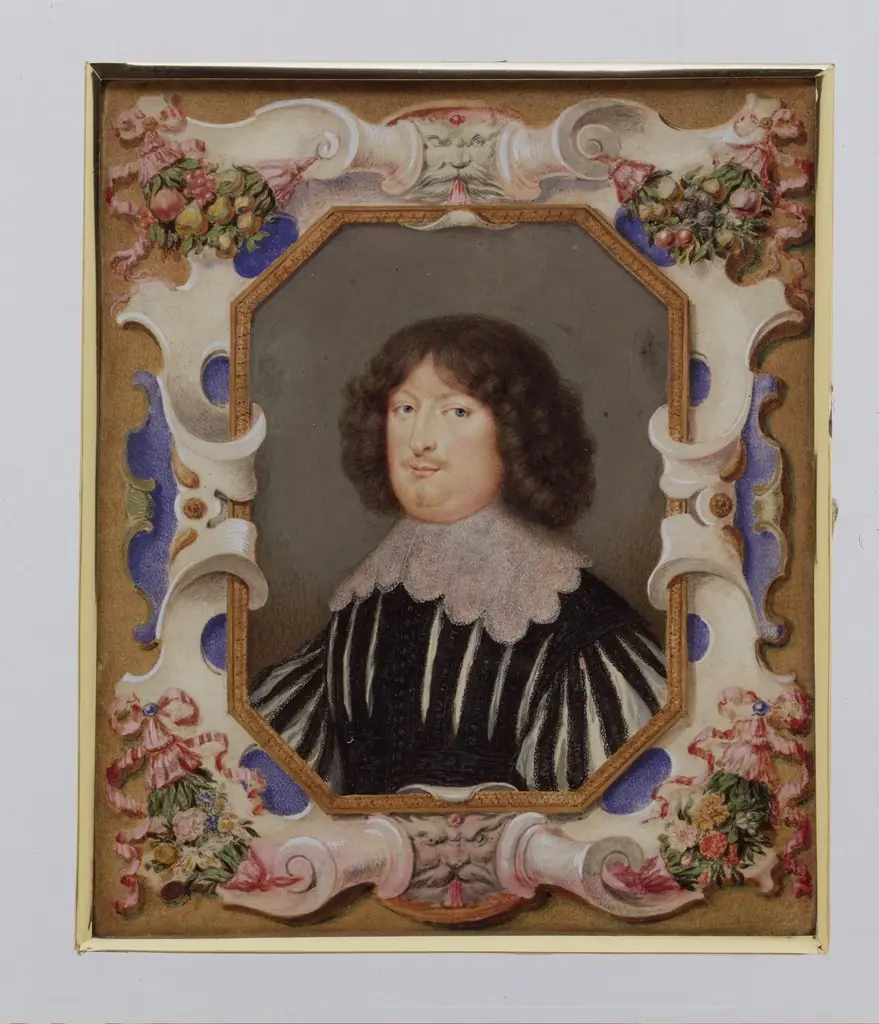 Portrait of a Man
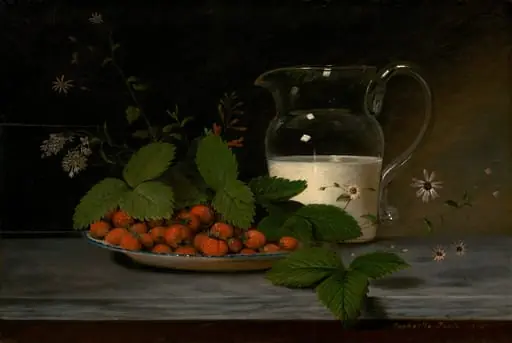 Strawberries and Cream
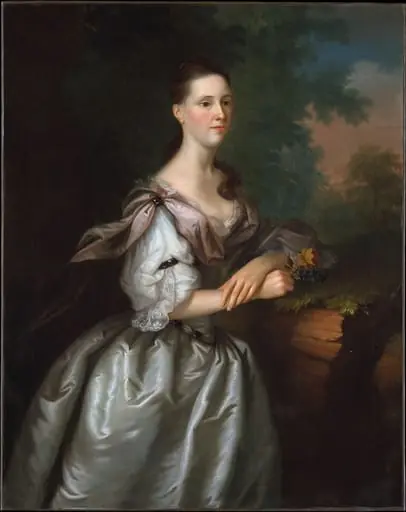 Mrs. Samuel Cutts
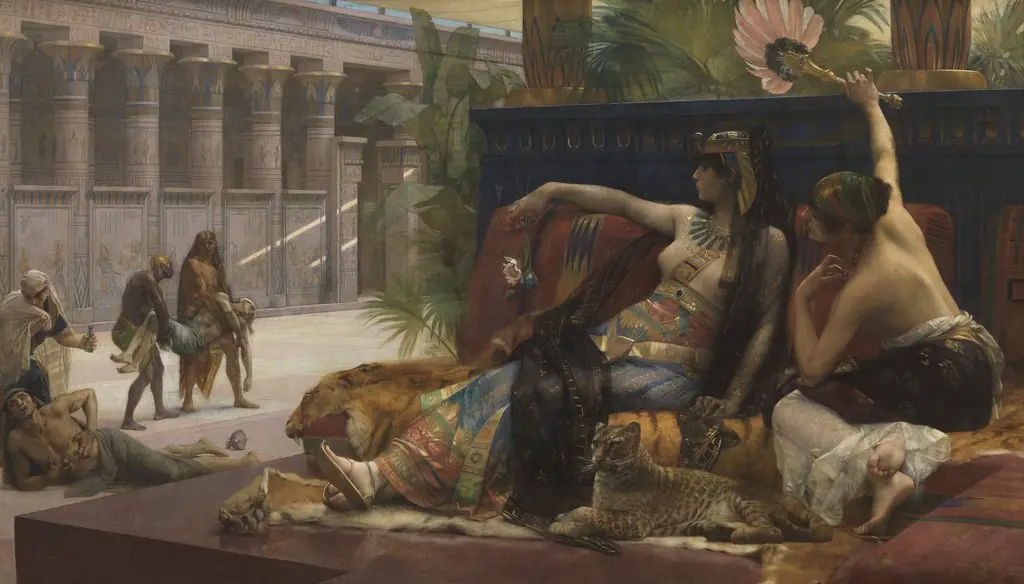 Cleopatra Testing Poisons on Condemned Prisoners
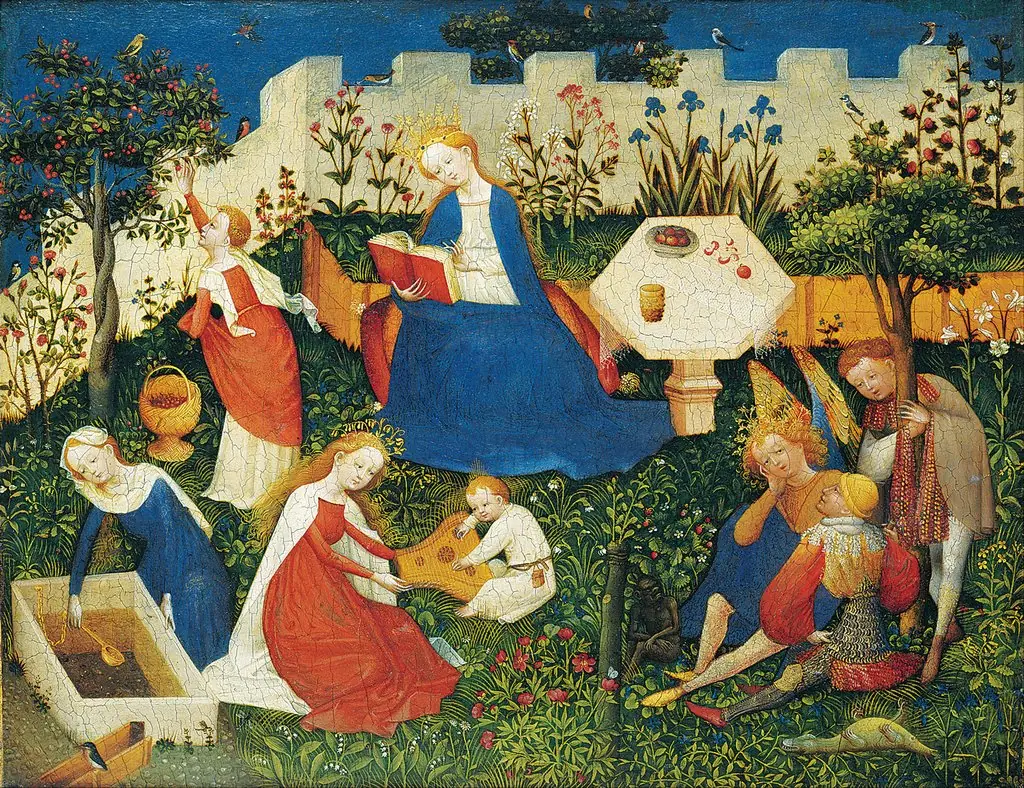 Paradiesgärtlein
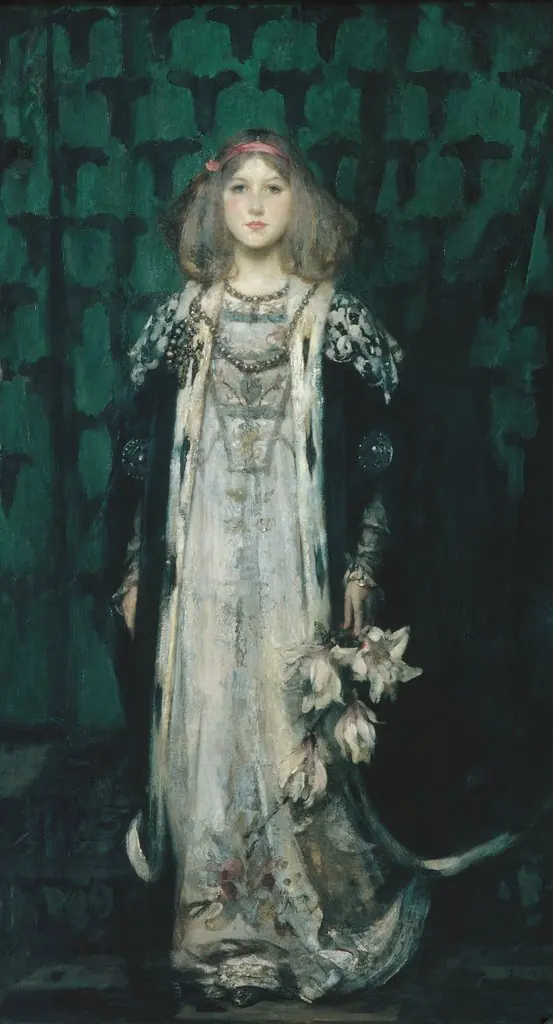 Magnolia
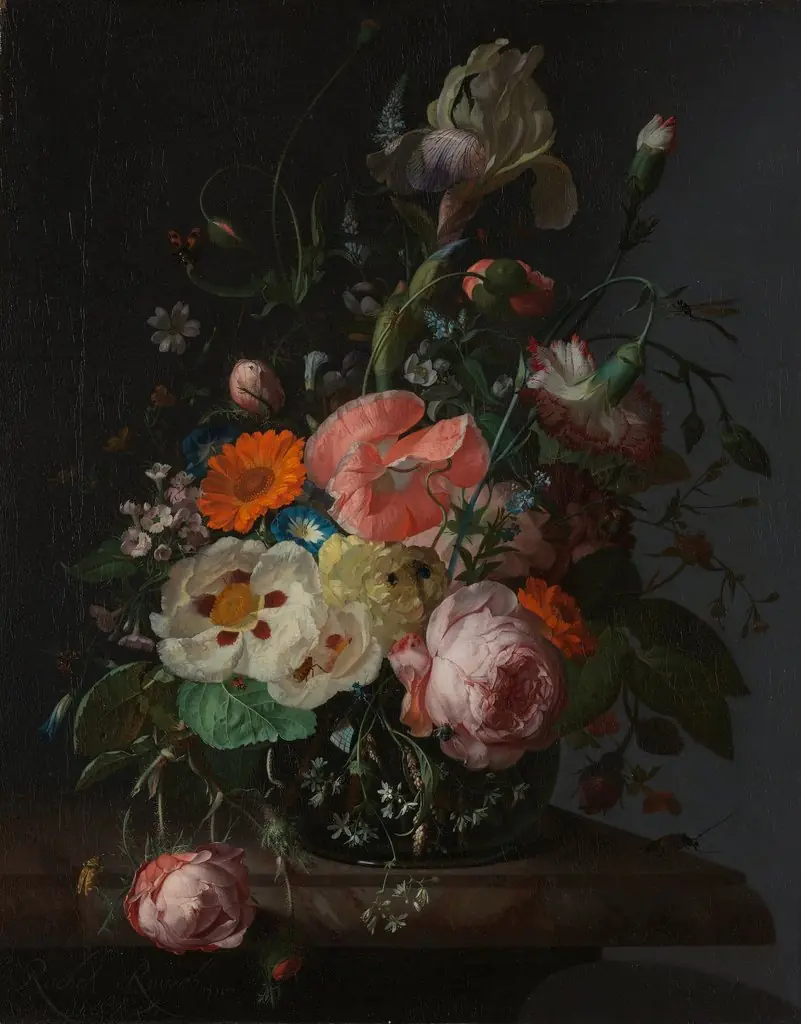 Still Life with Flowers on a Marble Slab
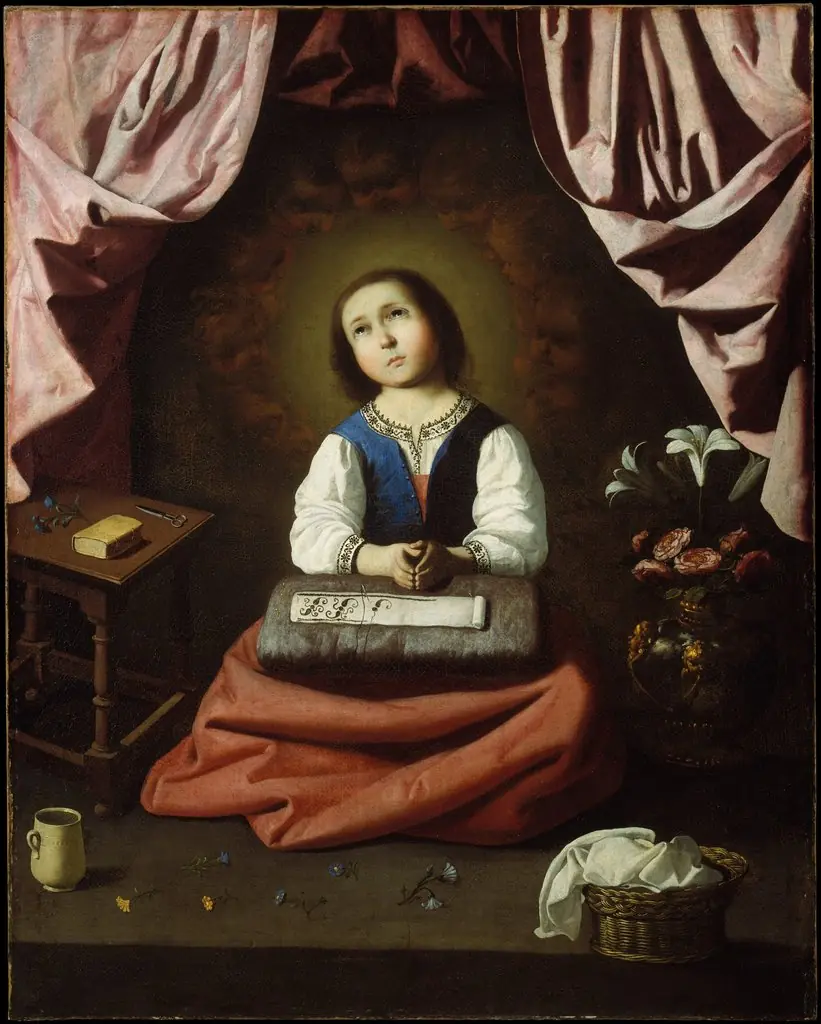 The Young Virgin
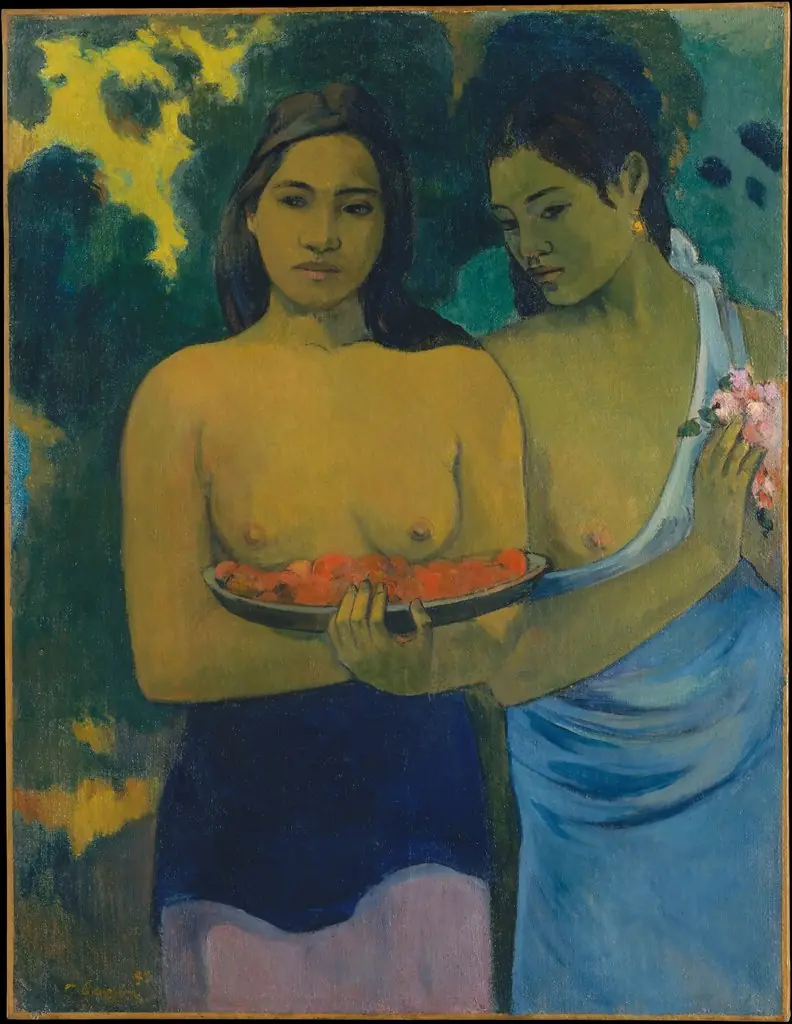 Two Tahitian Women
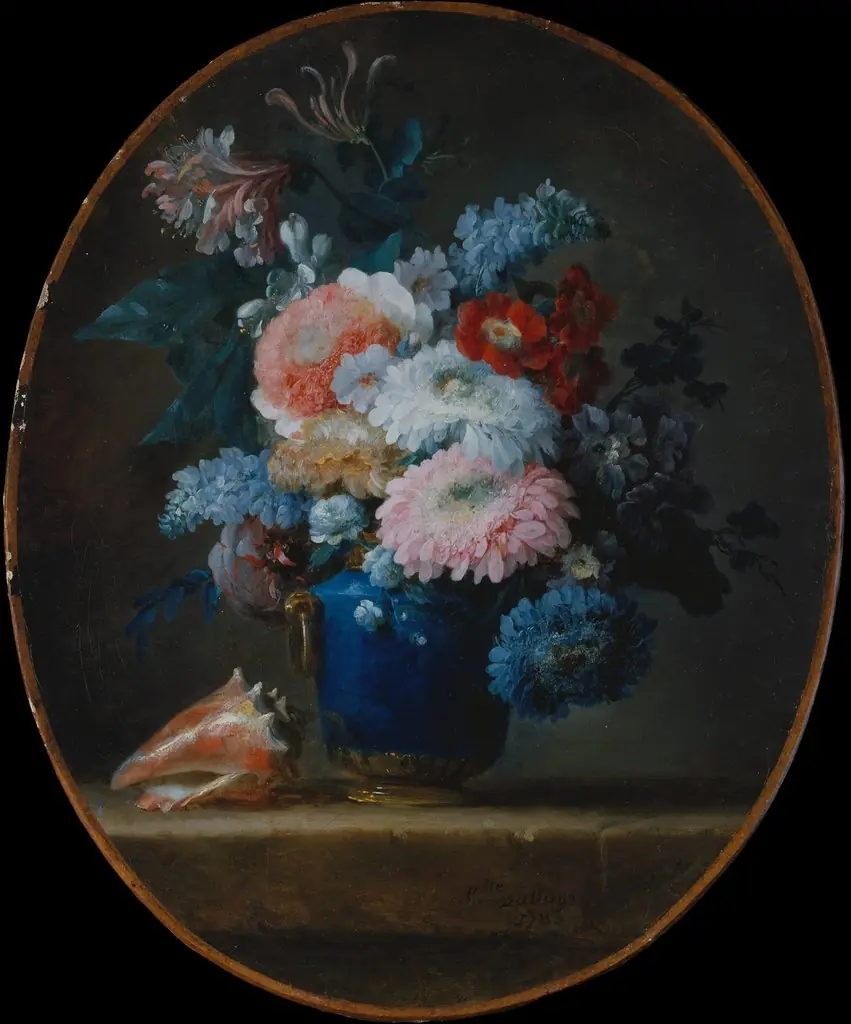 Vase of Flowers and Conch Shell
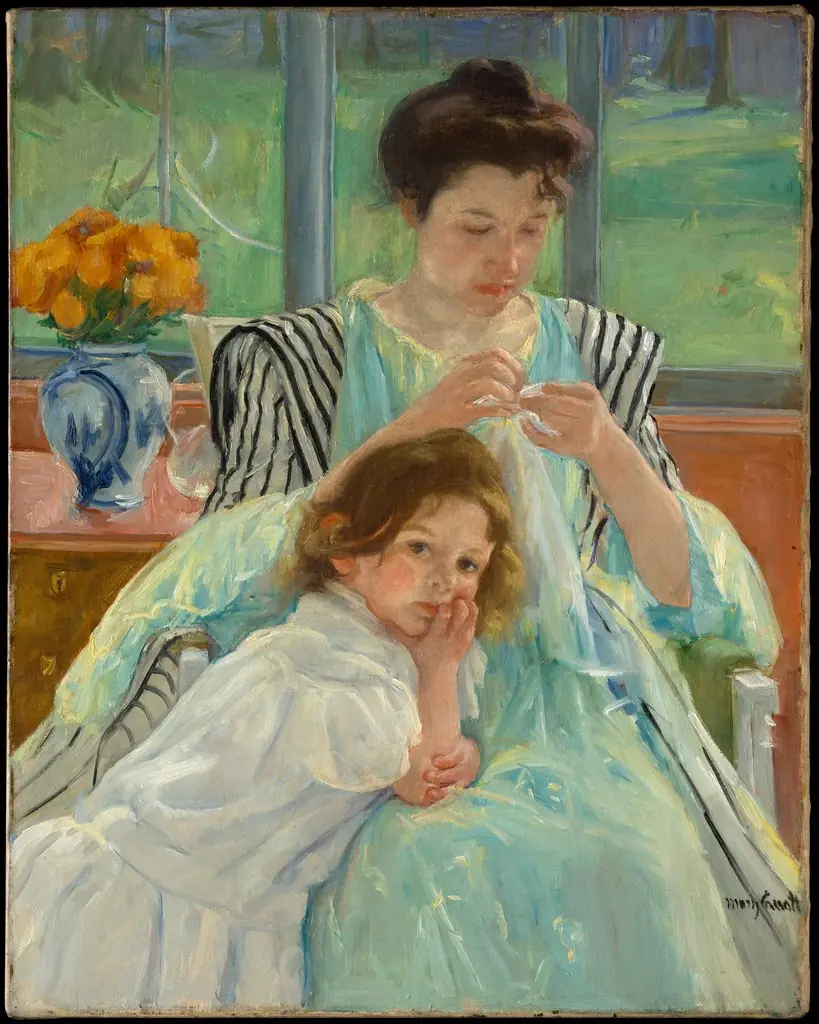 Young Mother Sewing
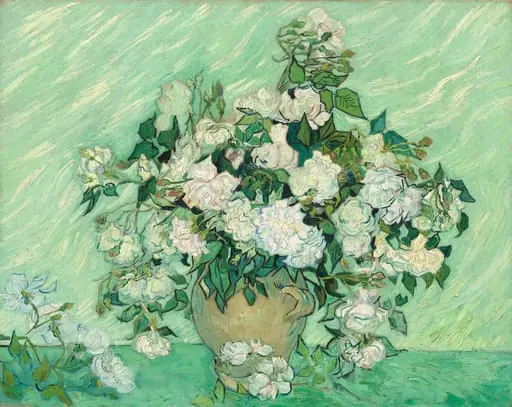 Roses
Roses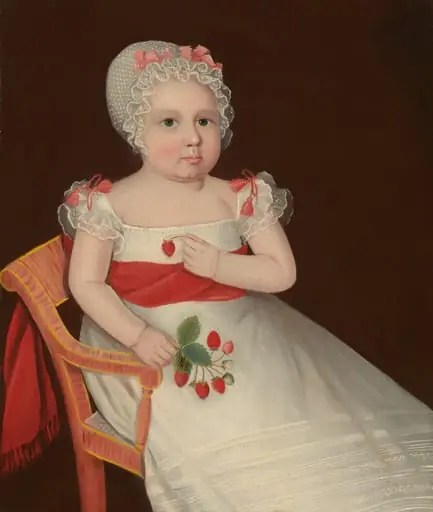 The Strawberry Girl
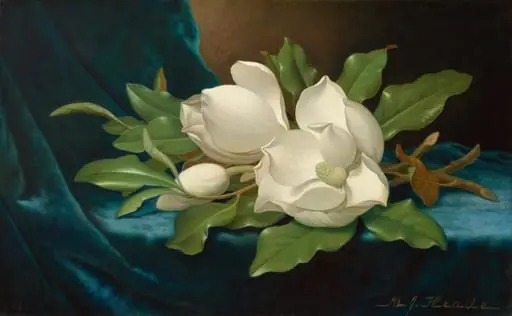 Giant Magnolias on a Blue Velvet Cloth
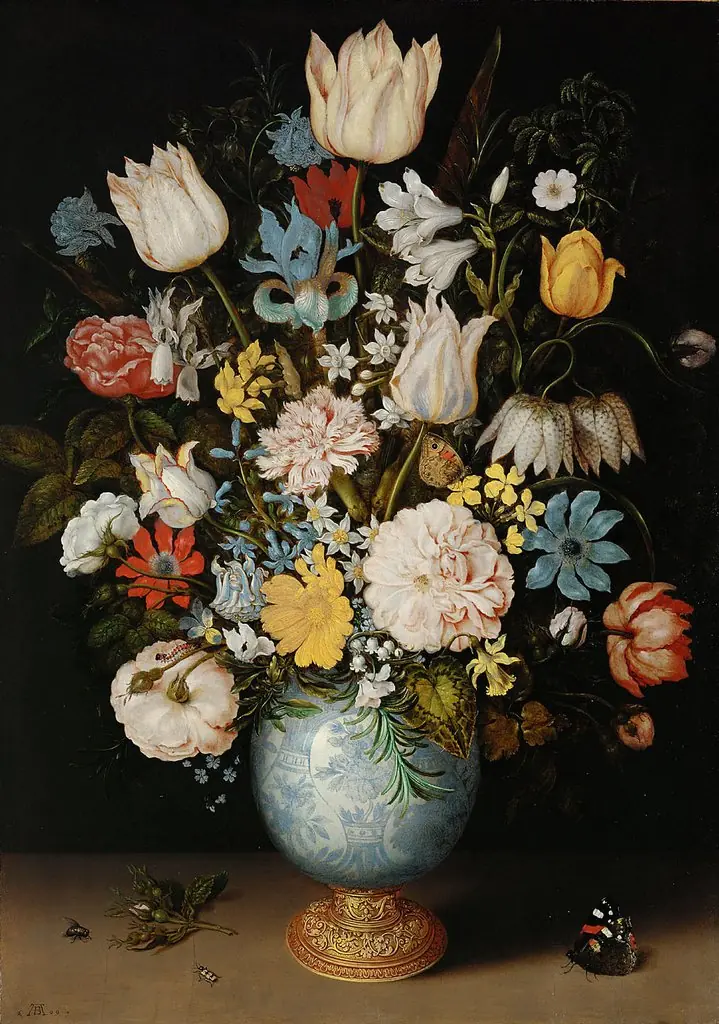 Flowers in a blue and white porcelain vase
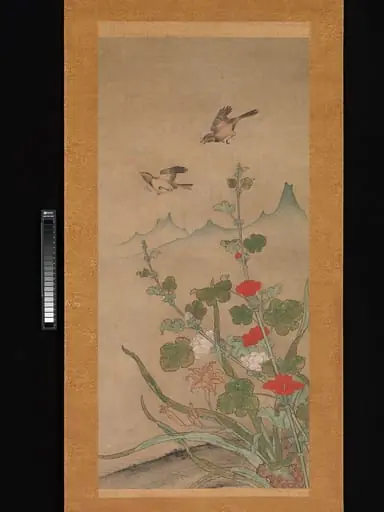 式部輝忠筆 夏秋花鳥図|Birds and Flowers of Summer and Autumn
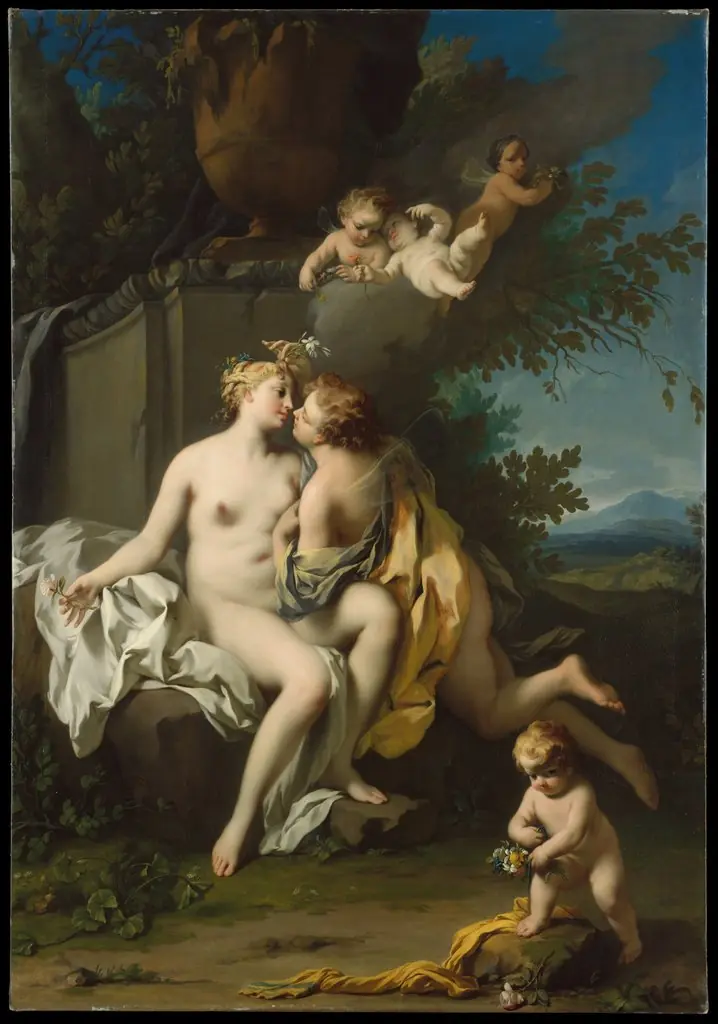 Flora and Zephyr
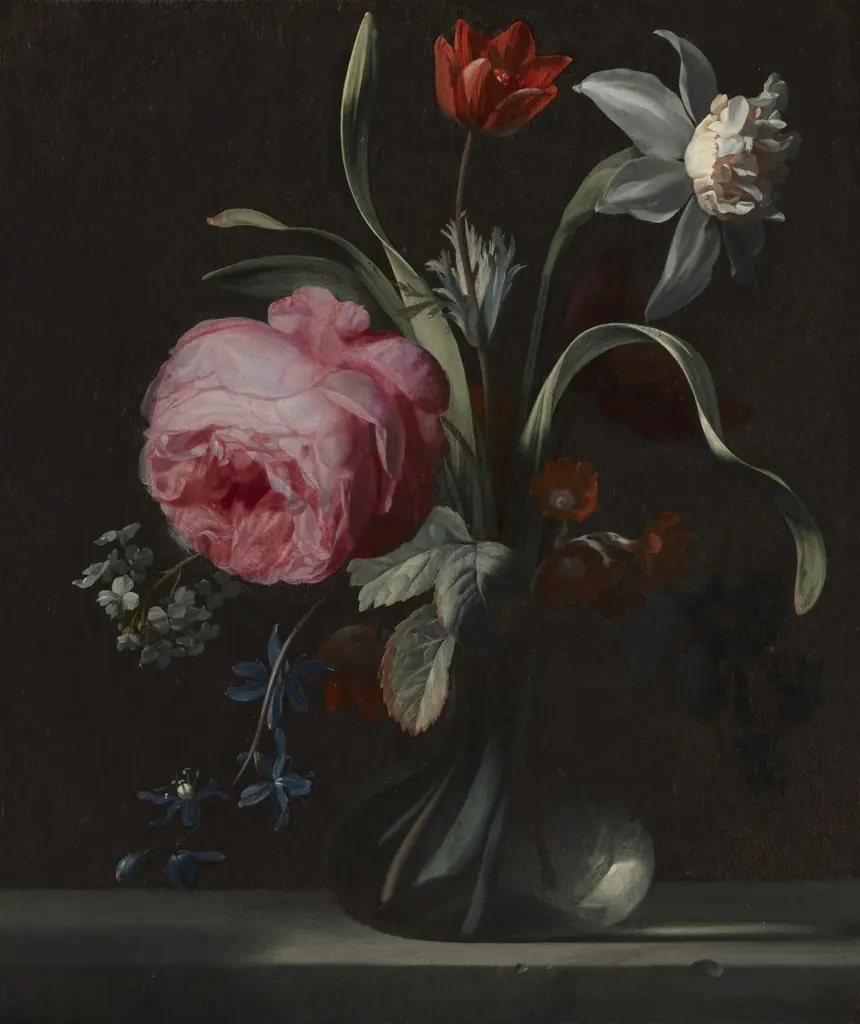 Flowers in a Vase
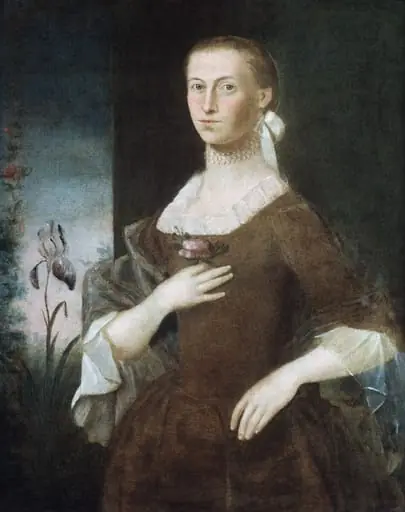 Mrs. Samuel Gardiner
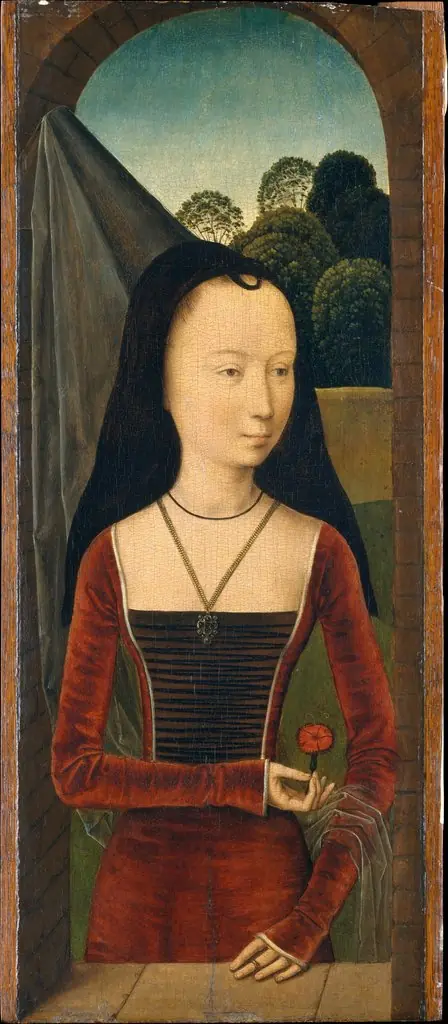 Young Woman with a Pink
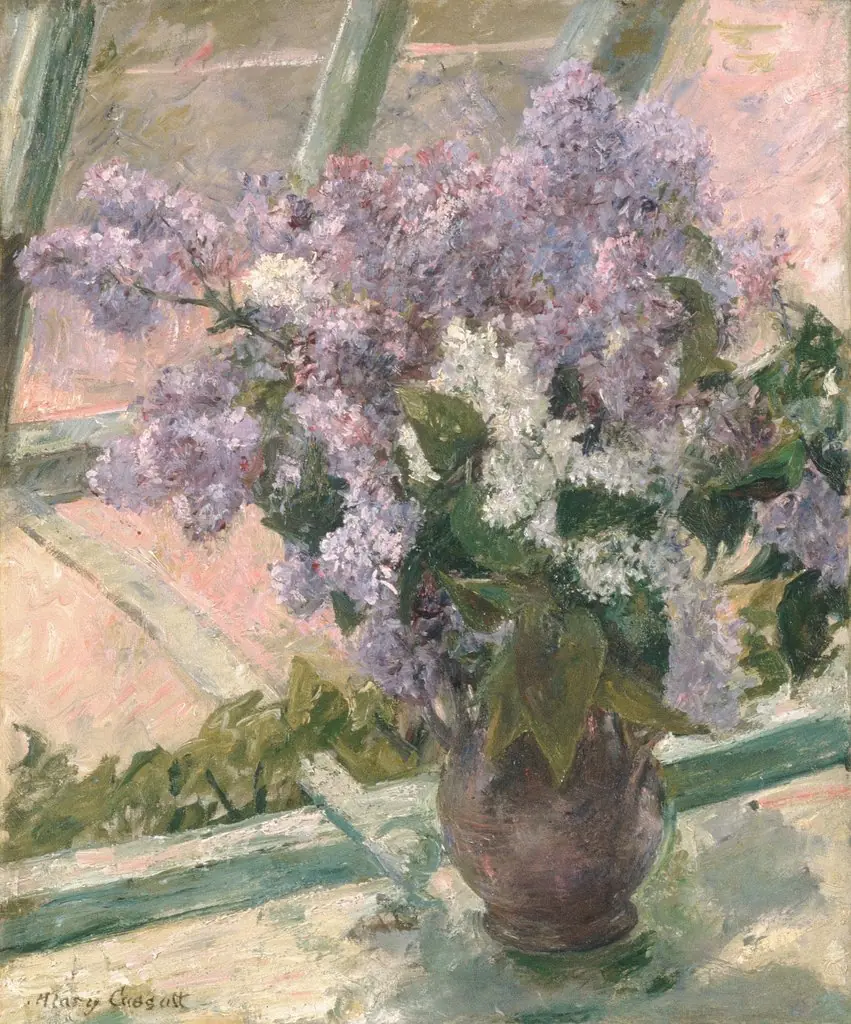 Lilacs in a Window
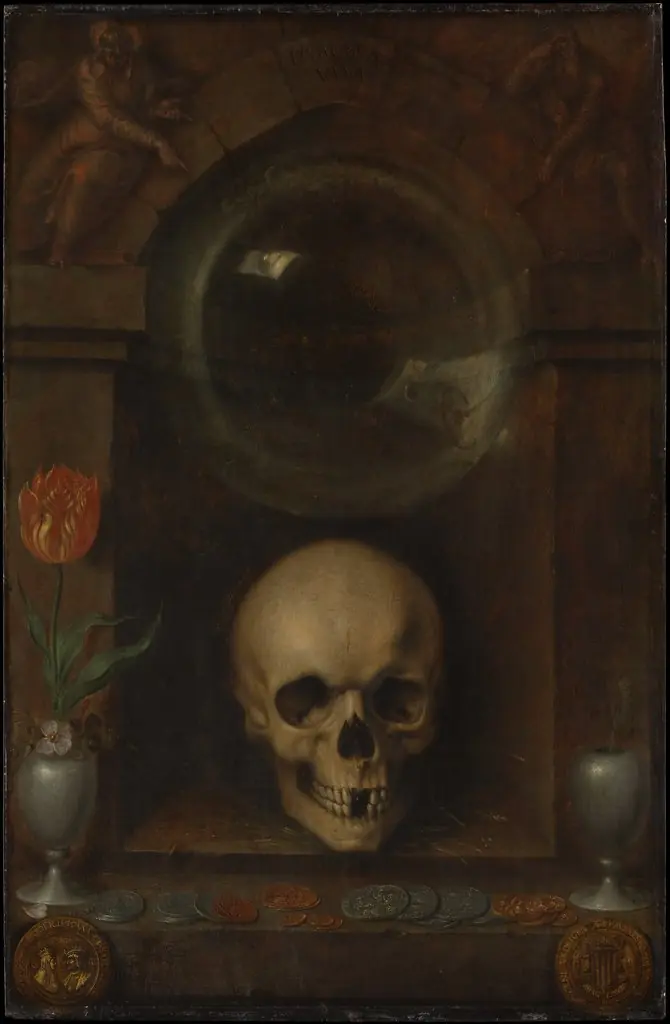 Vanitas Still Life
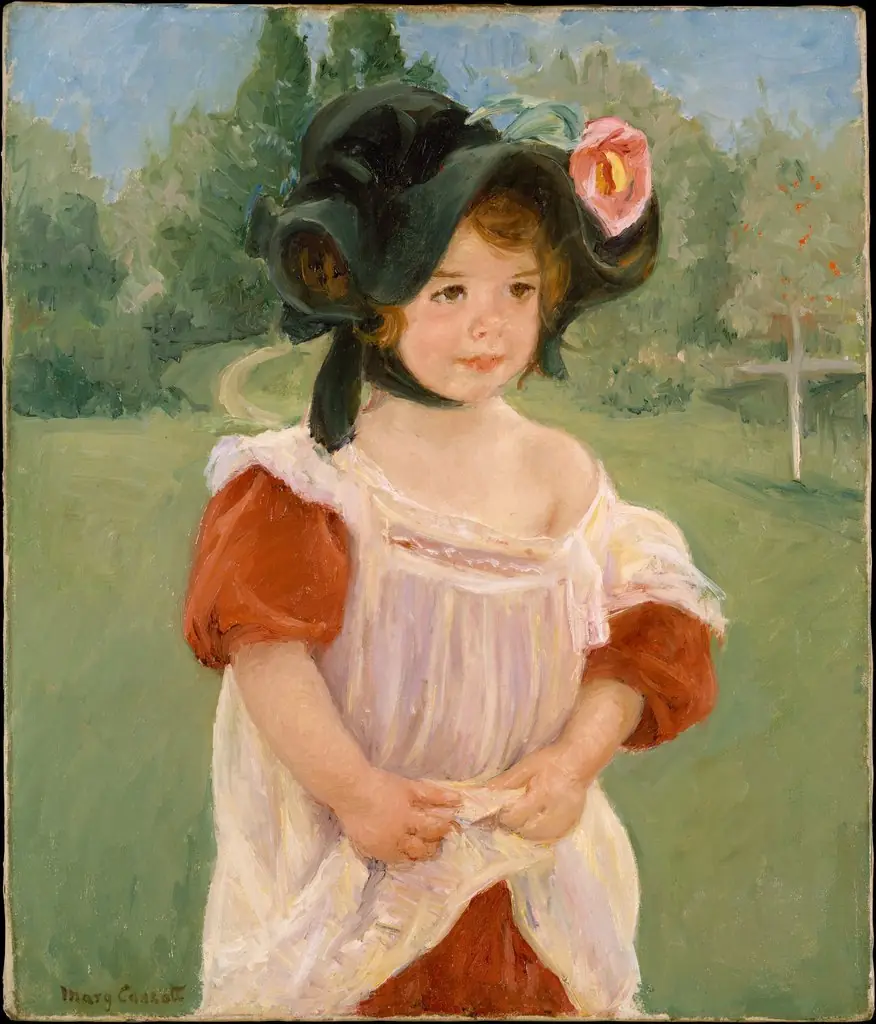 Spring: Margot Standing in a Garden (Fillette dans un jardin)
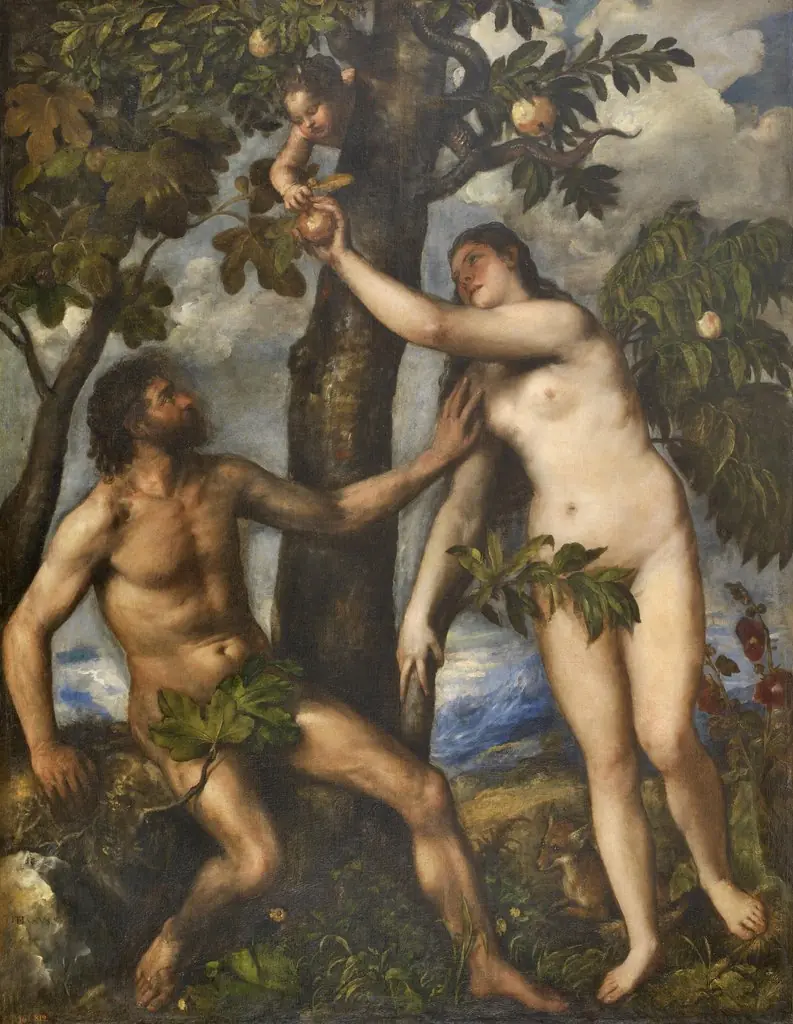 The Fall of Man
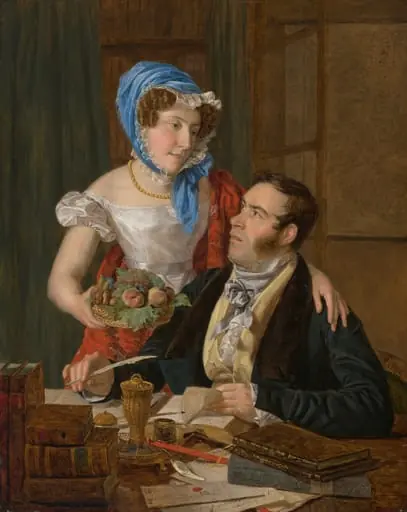 The Cartographer Professor Josef Jüttner and His Wife
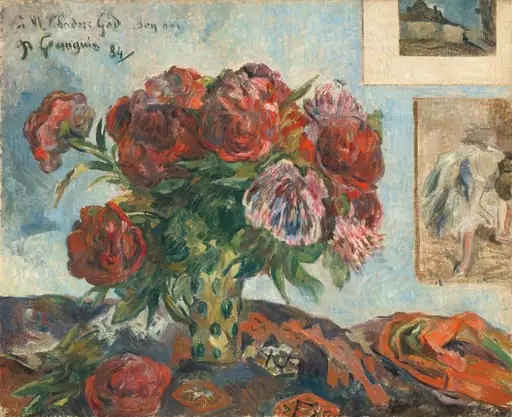 Still Life with Peonies
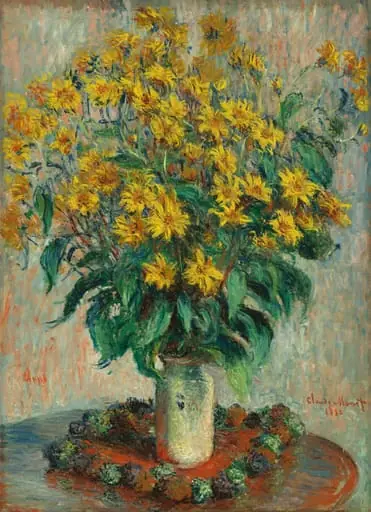 Jerusalem Artichoke Flowers
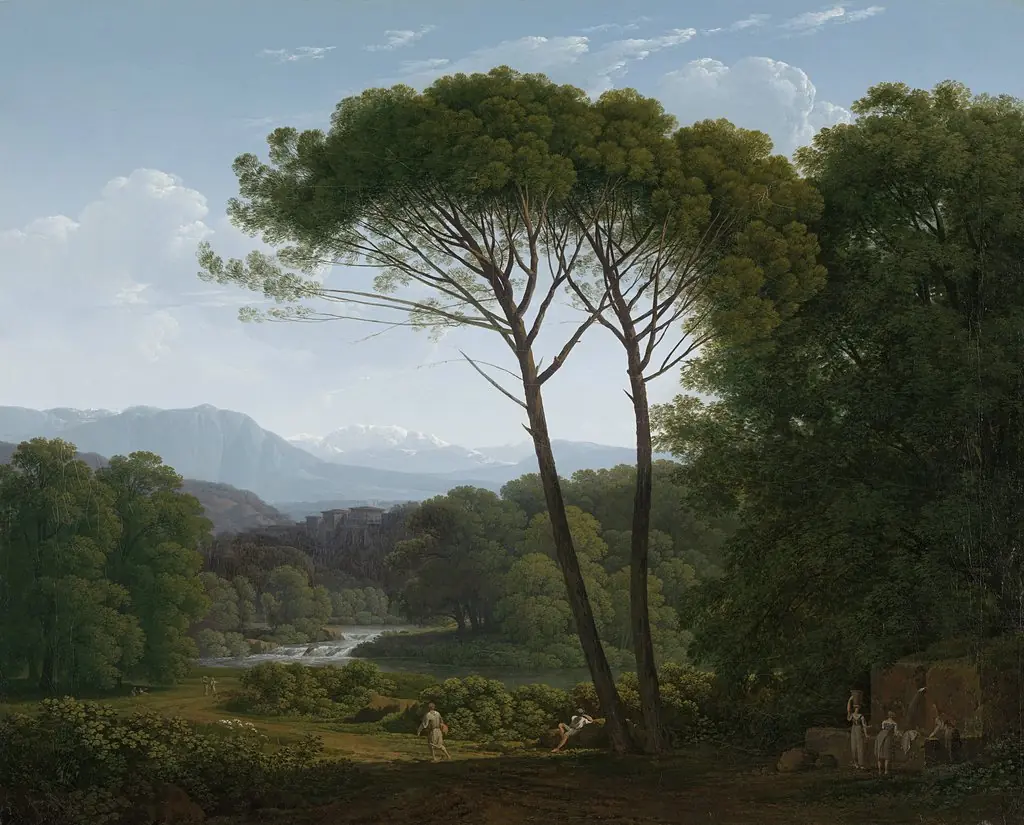 Italianate Landscape with Pines
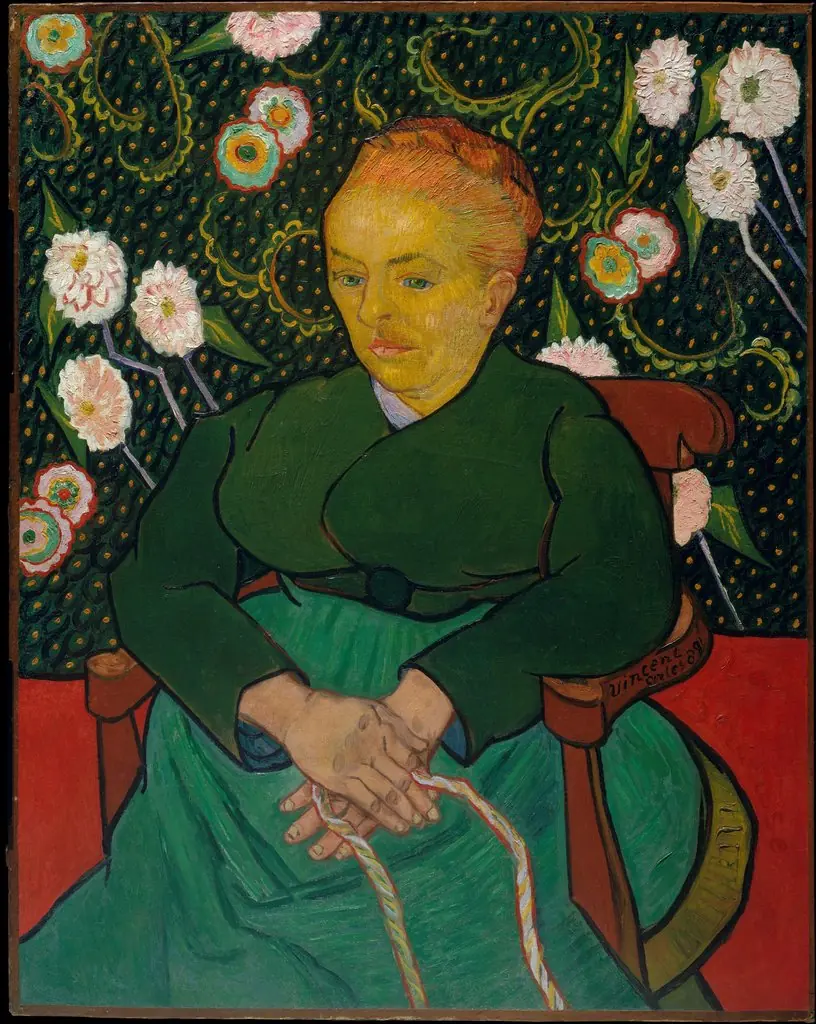 La Berceuse (Woman Rocking a Cradle; Augustine-Alix Pellicot Roulin, 1851–1930)
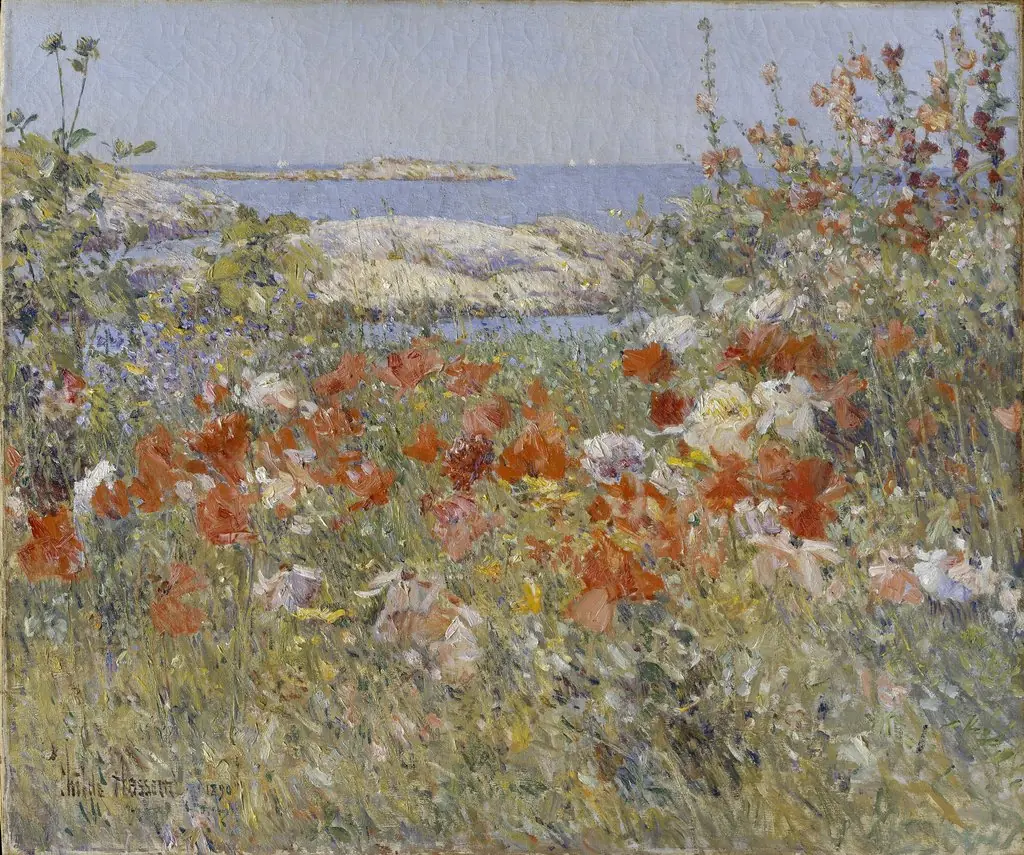 Celia Thaxter's Garden, Isles of Shoals, Maine
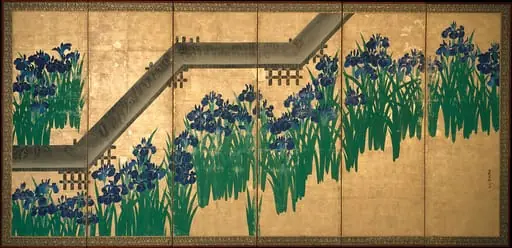 八橋図屏風 |Irises at Yatsuhashi (Eight Bridges)
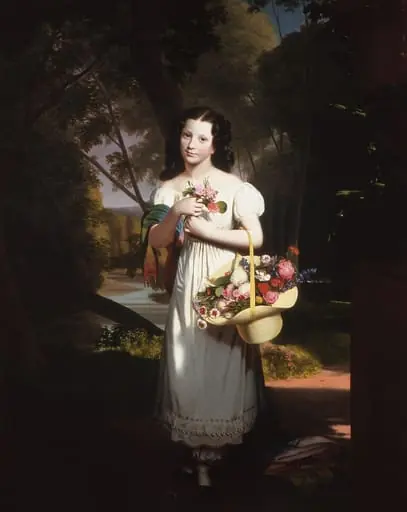 Little Girl with Flowers (Amelia Palmer)
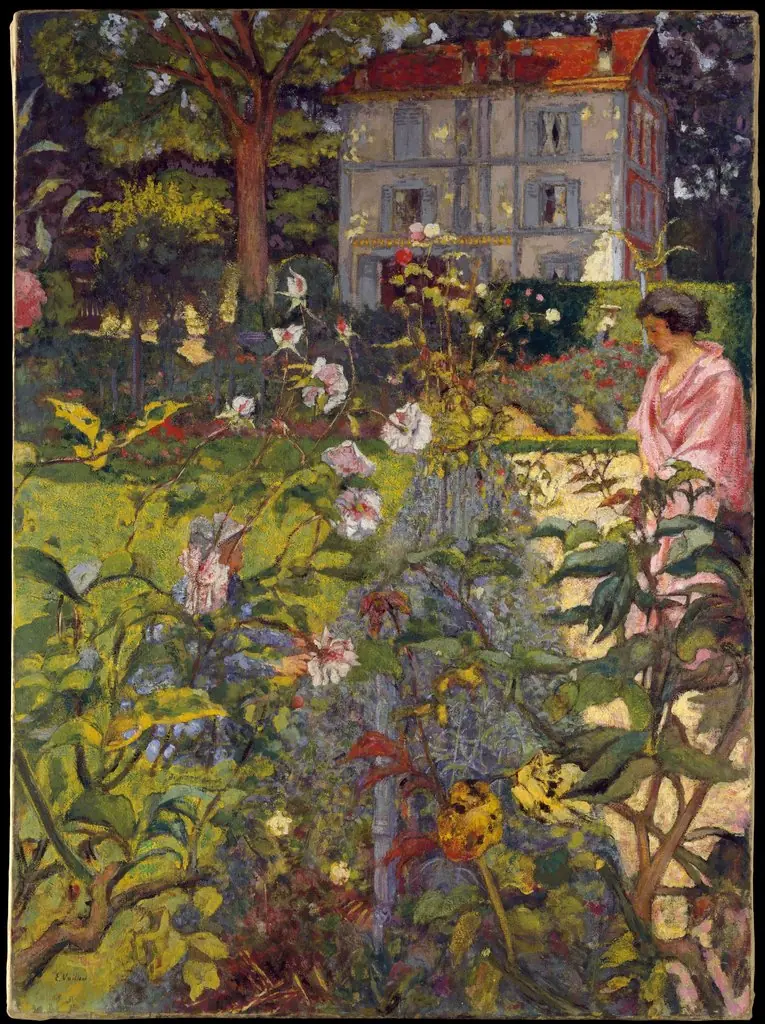 Garden at Vaucresson
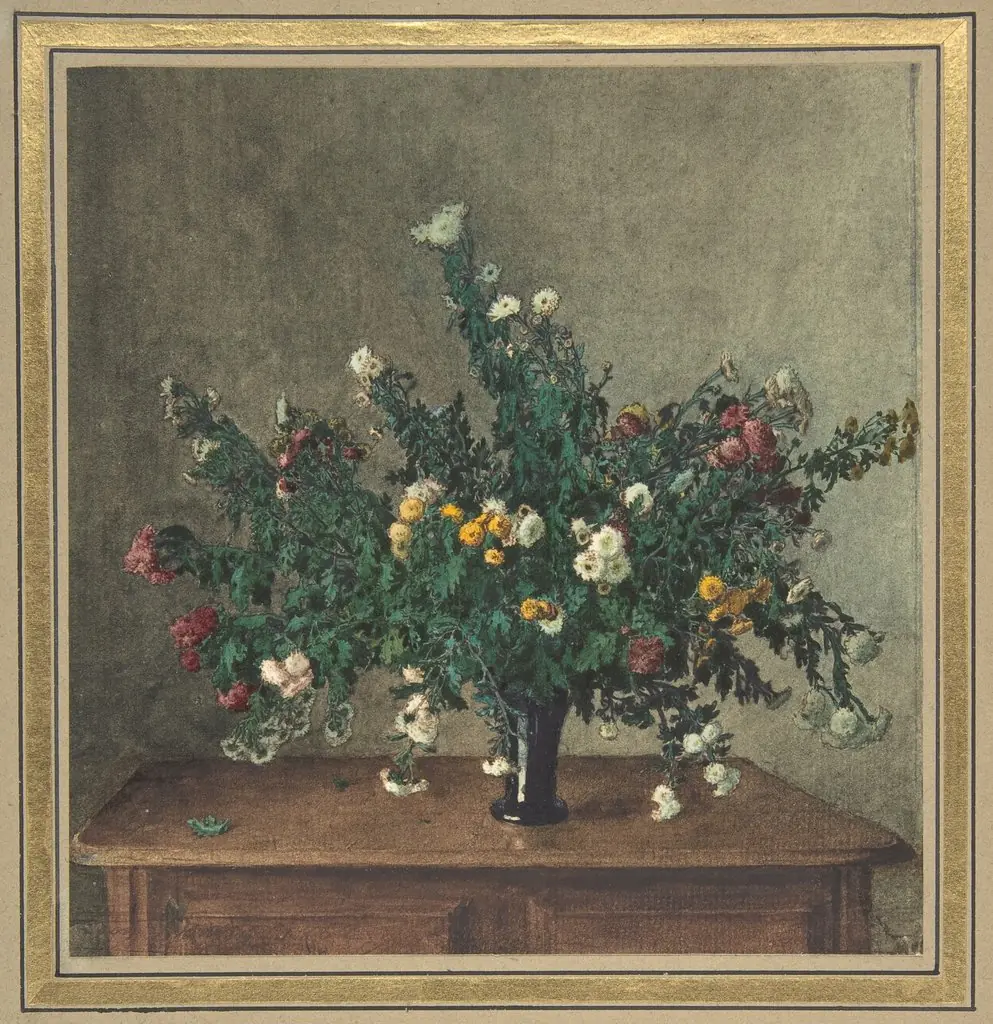 Bouquet of Small Chrysanthemums
 Untitled
 Flowers in a Grotesque Vase
 Still Life with Strawberries
 Still Life with Flowers, Fan, and Pearls
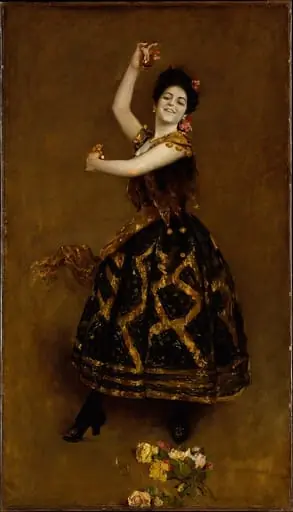 Carmencita
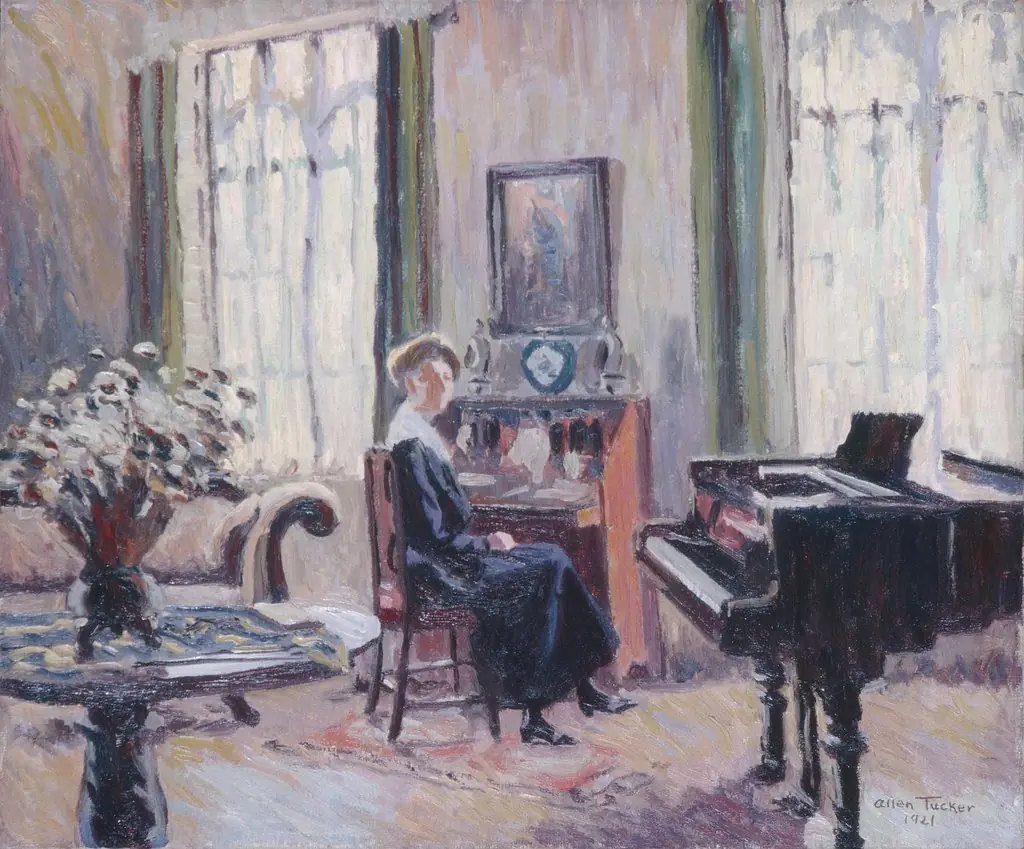 Interior
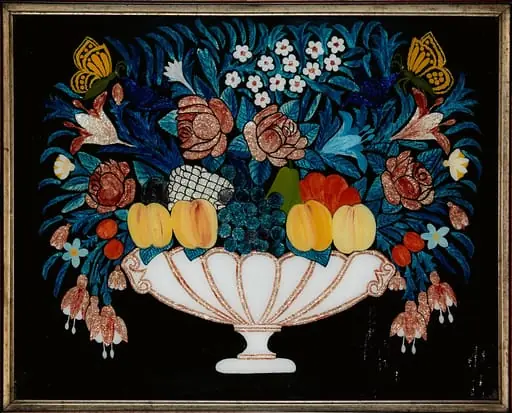 Still Life—Flowers and Fruit in White and Pink Bowl
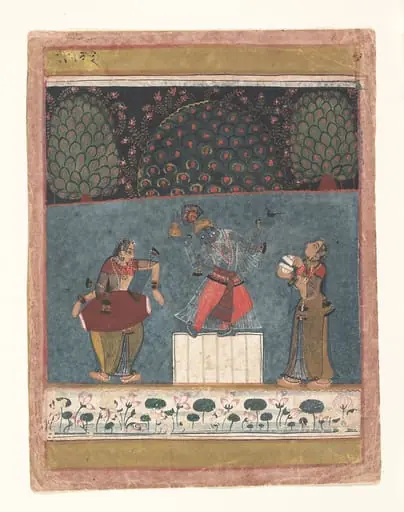 Untitled
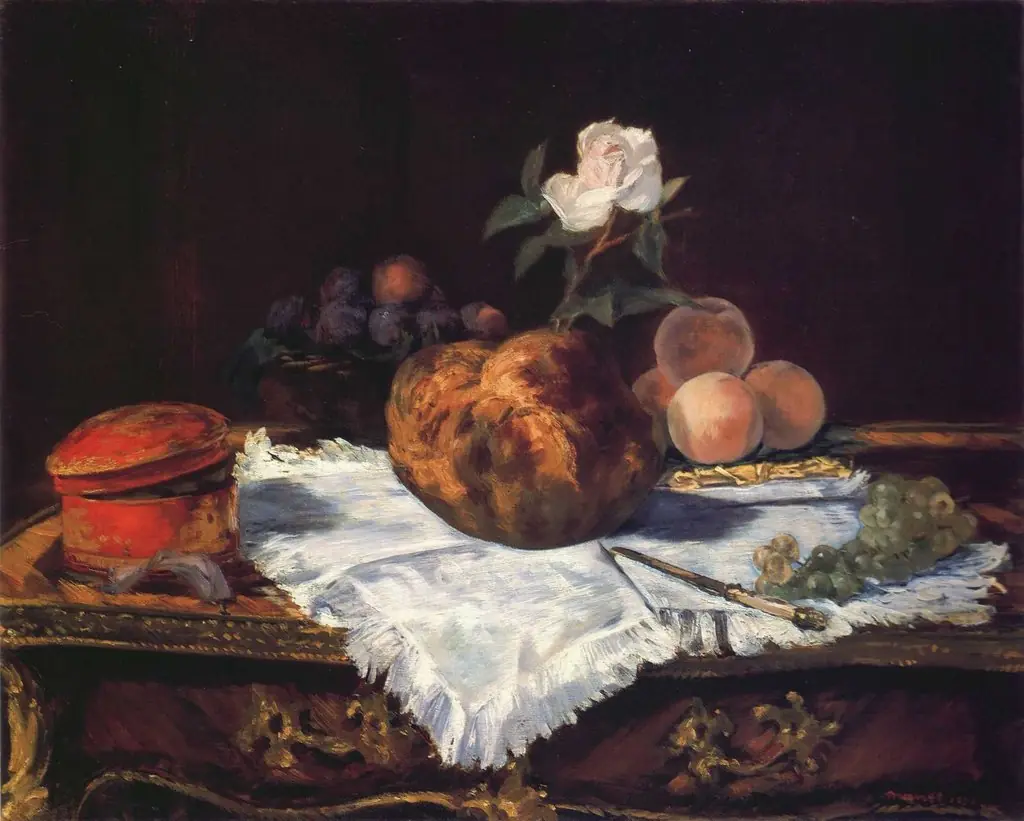 The Brioche
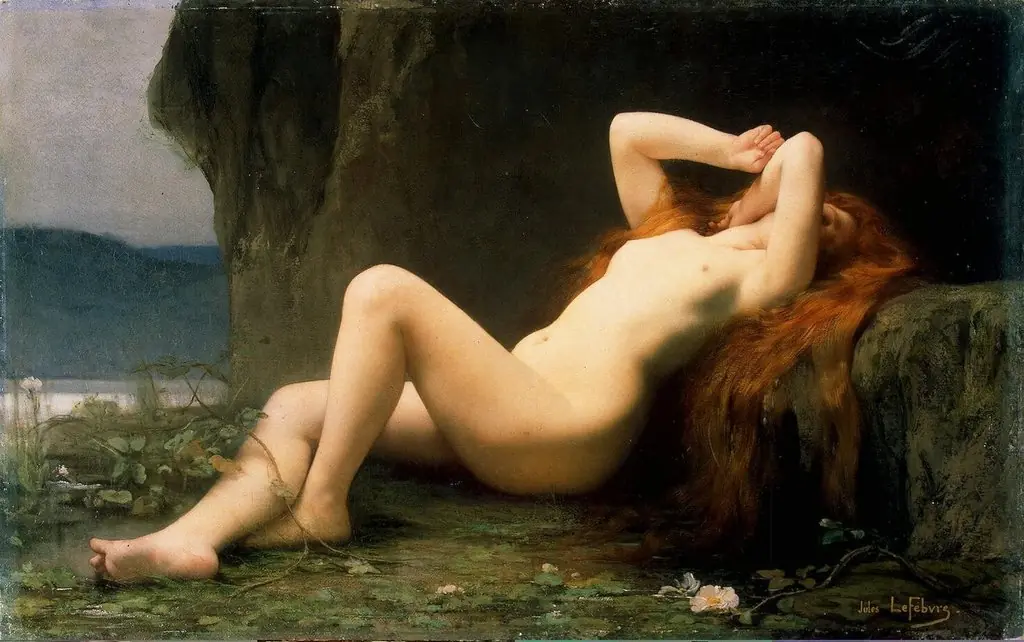 Mary Magdalene in a Grotto
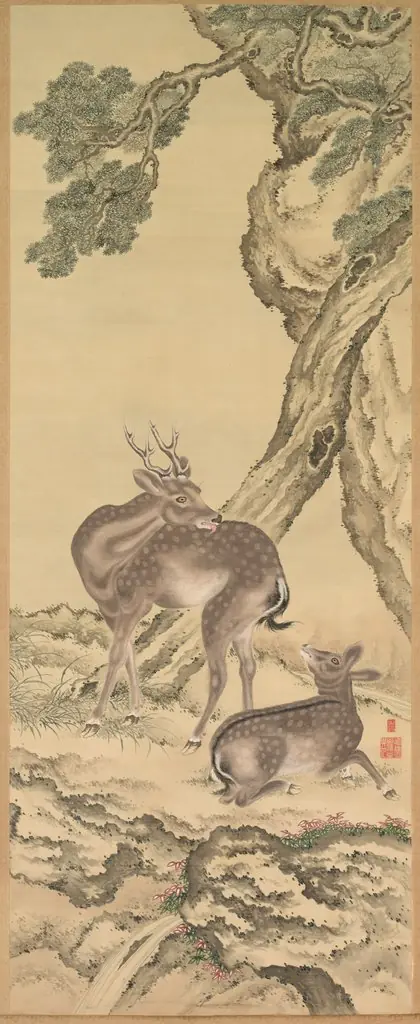 Symbols of Longevity: Deer under Peach and Pine (Peach) (left)
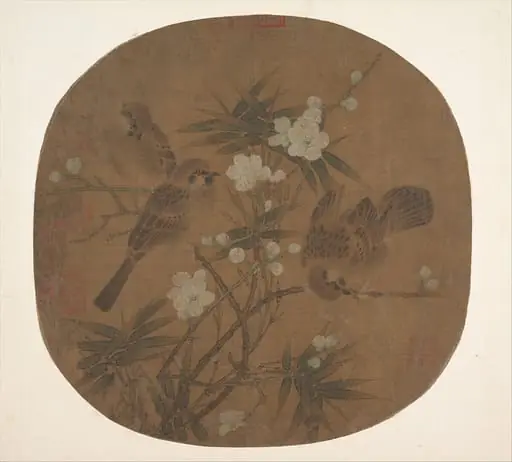 南宋 佚名 竹梅小禽圖 團扇|Sparrows, plum blossoms, and bamboo
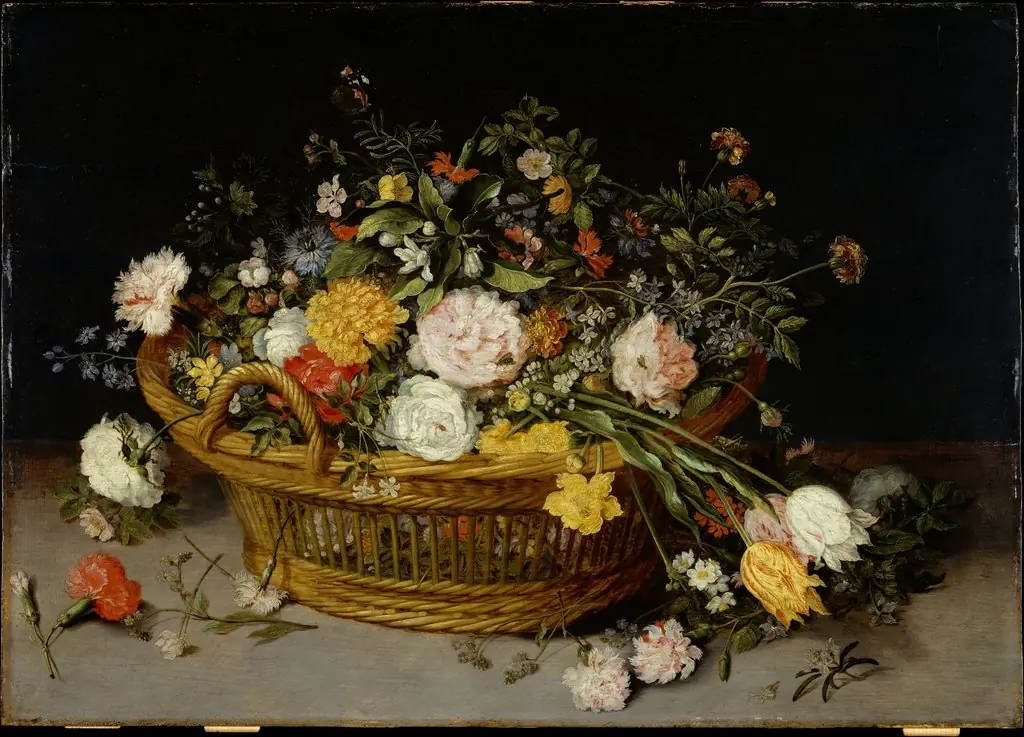 A Basket of Flowers
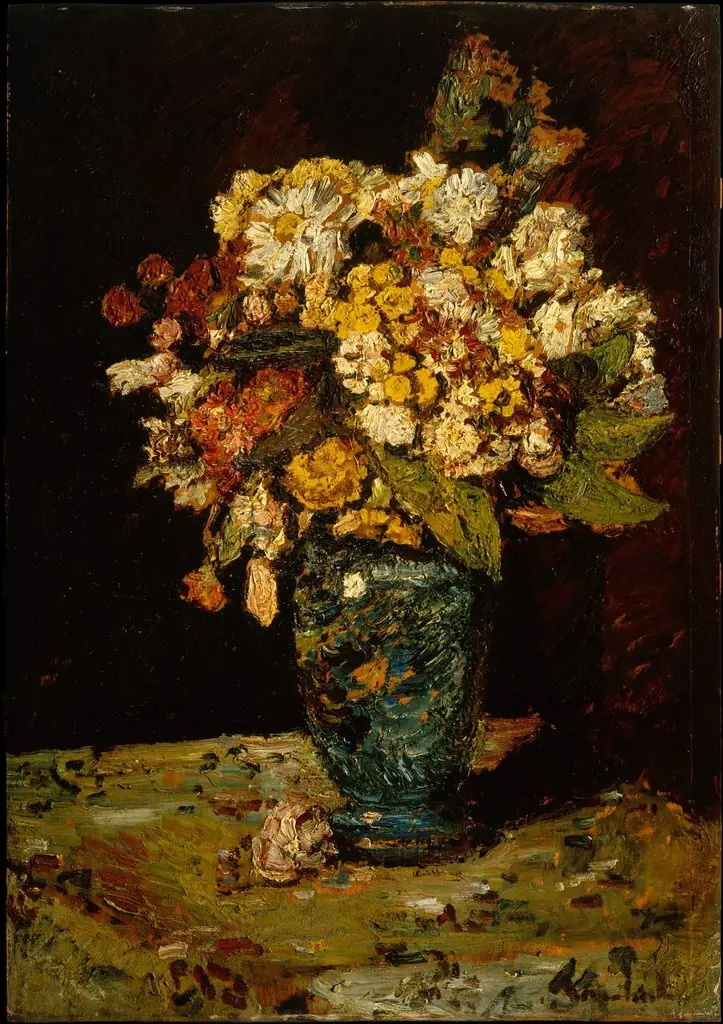 Flowers in a Blue Vase
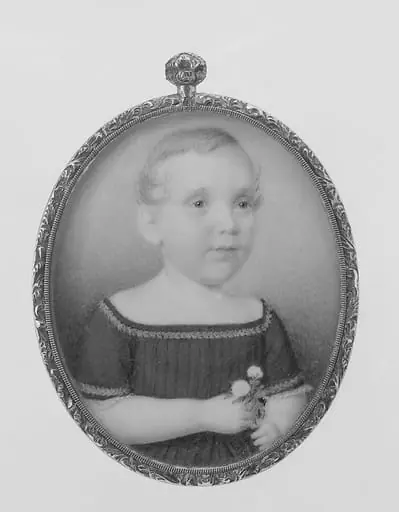 Portrait of a Boy
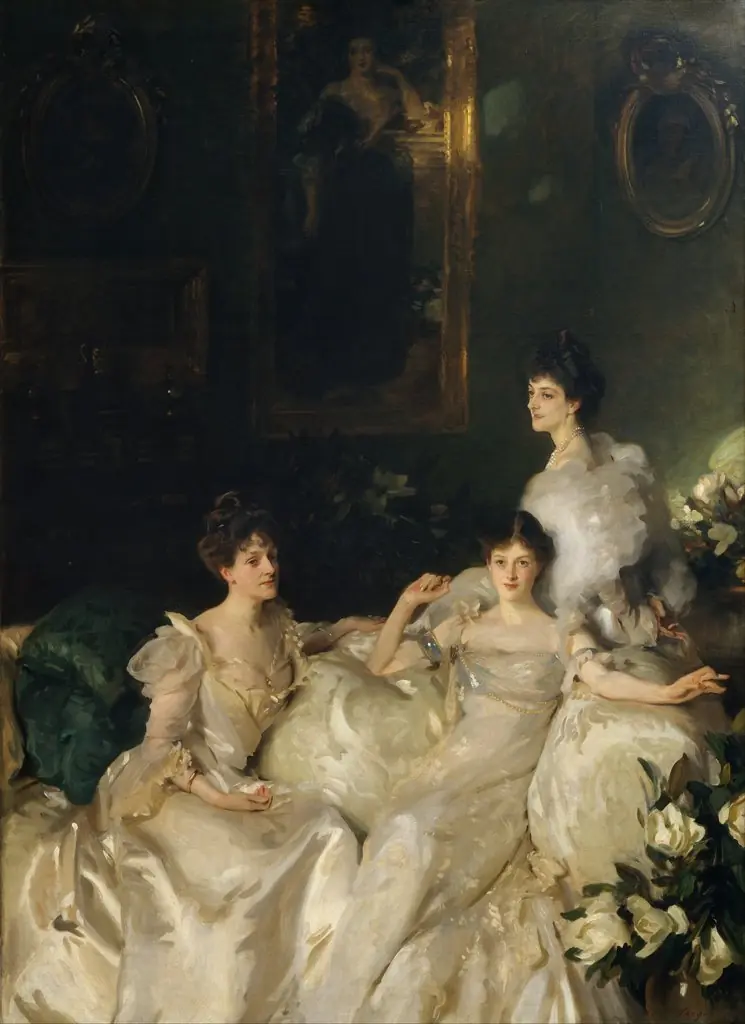 The Wyndham Sisters: Lady Elcho, Mrs. Adeane, and Mrs. Tennant
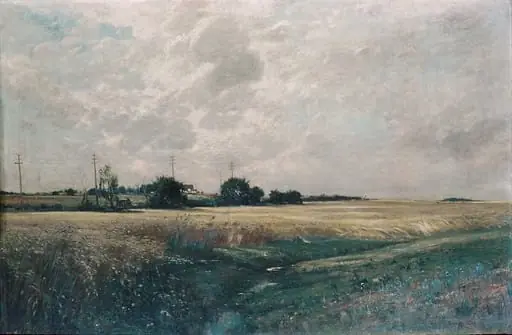 Broad Acres
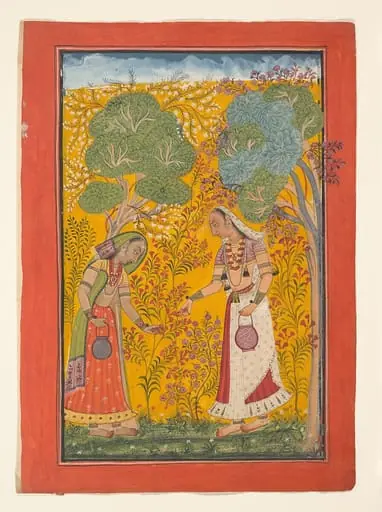 Untitled
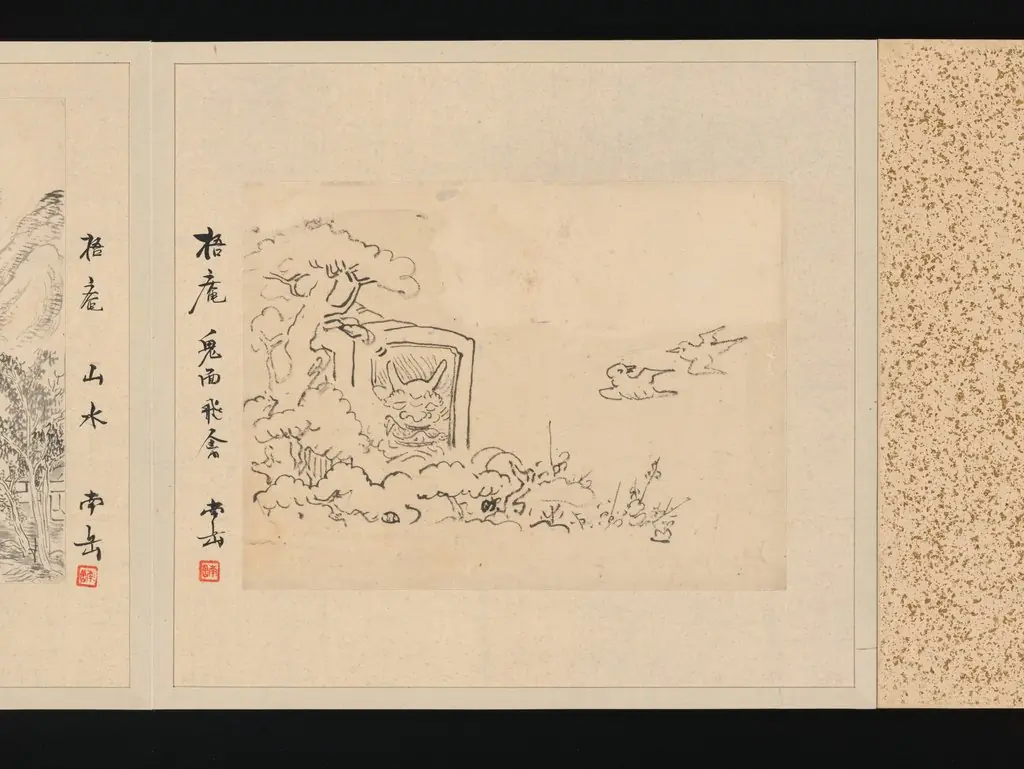 Album of Fifty-four Sketches
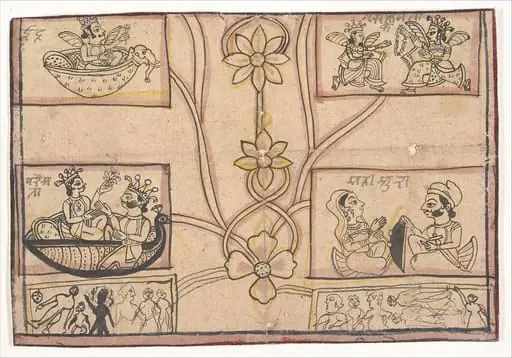 Untitled
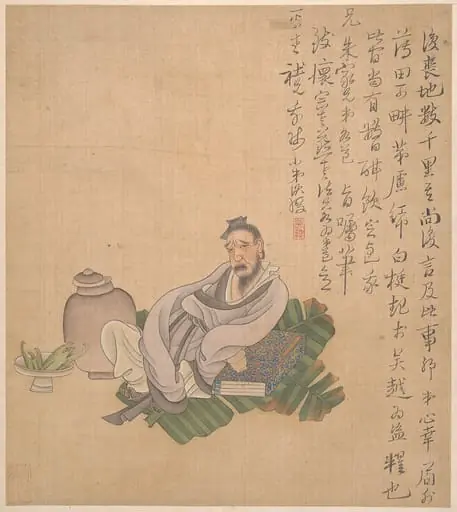 明/清 陳洪綬、陳字 雜畫 冊|Figures, flowers, and landscapes
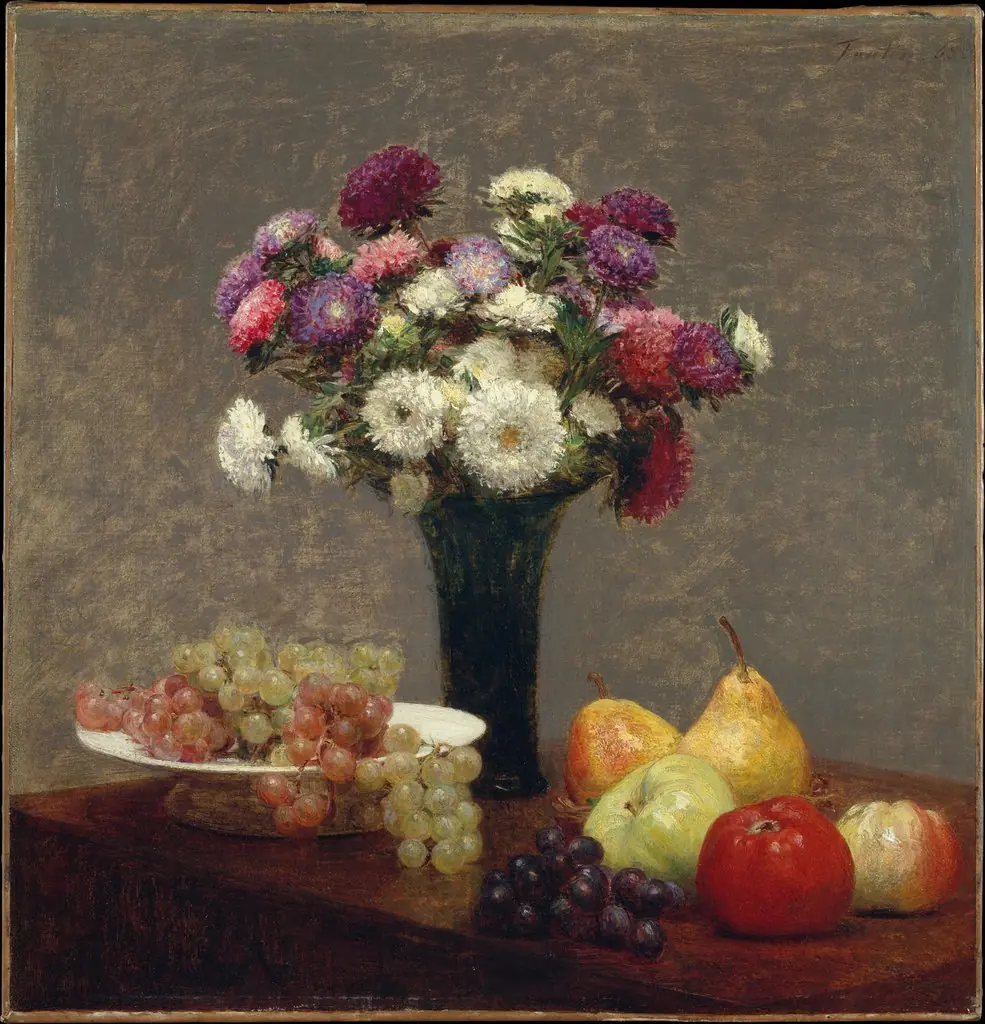 Asters and Fruit on a Table
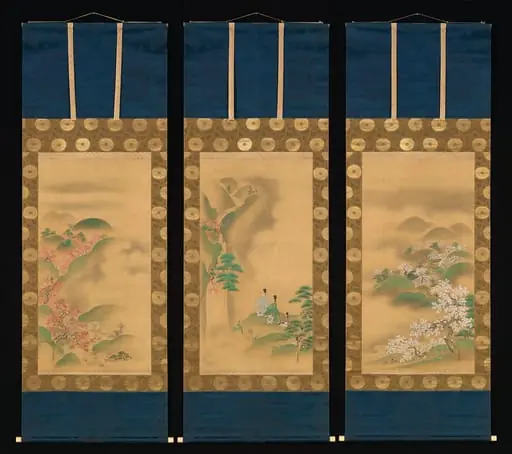 狩野常信筆 滝見業平図|Nunobiki Waterfall, Mount Yoshino, and Tatsuta River
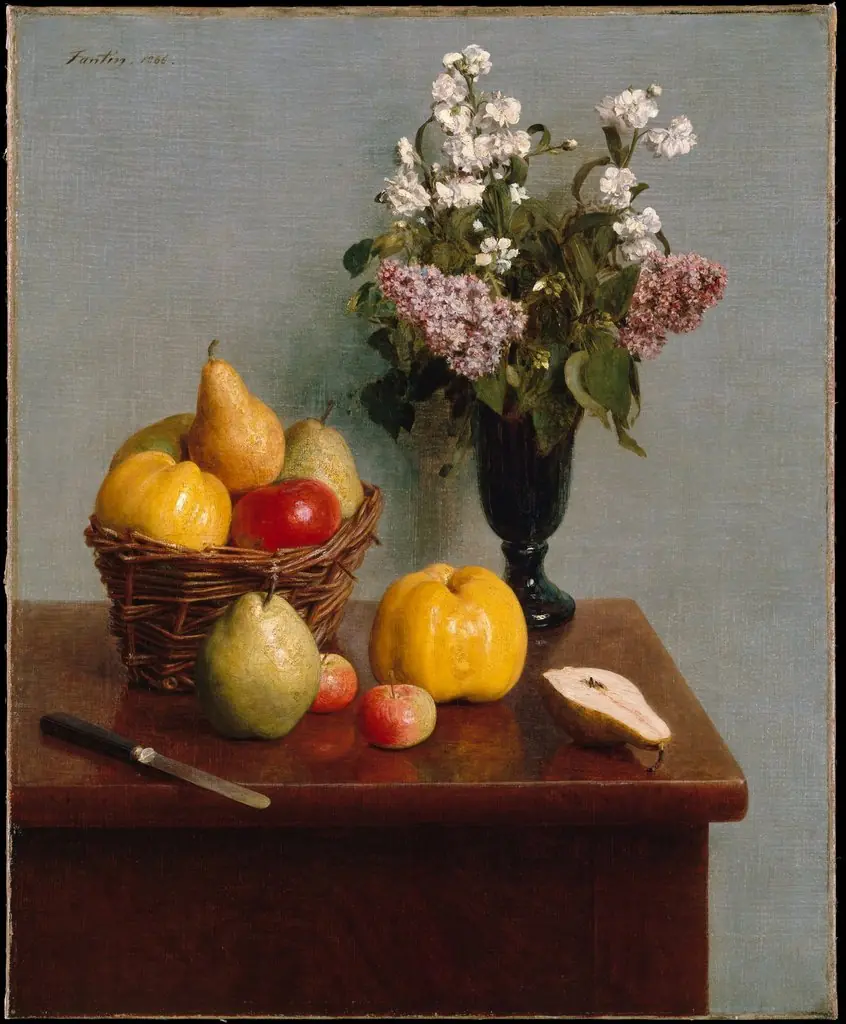 Still Life with Flowers and Fruit
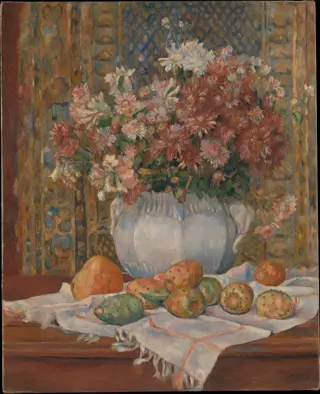 Still Life with Flowers and Prickly Pears
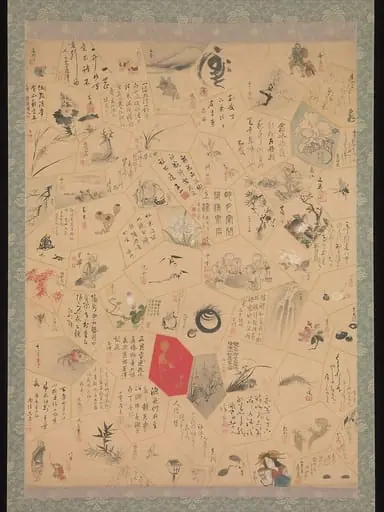 Untitled
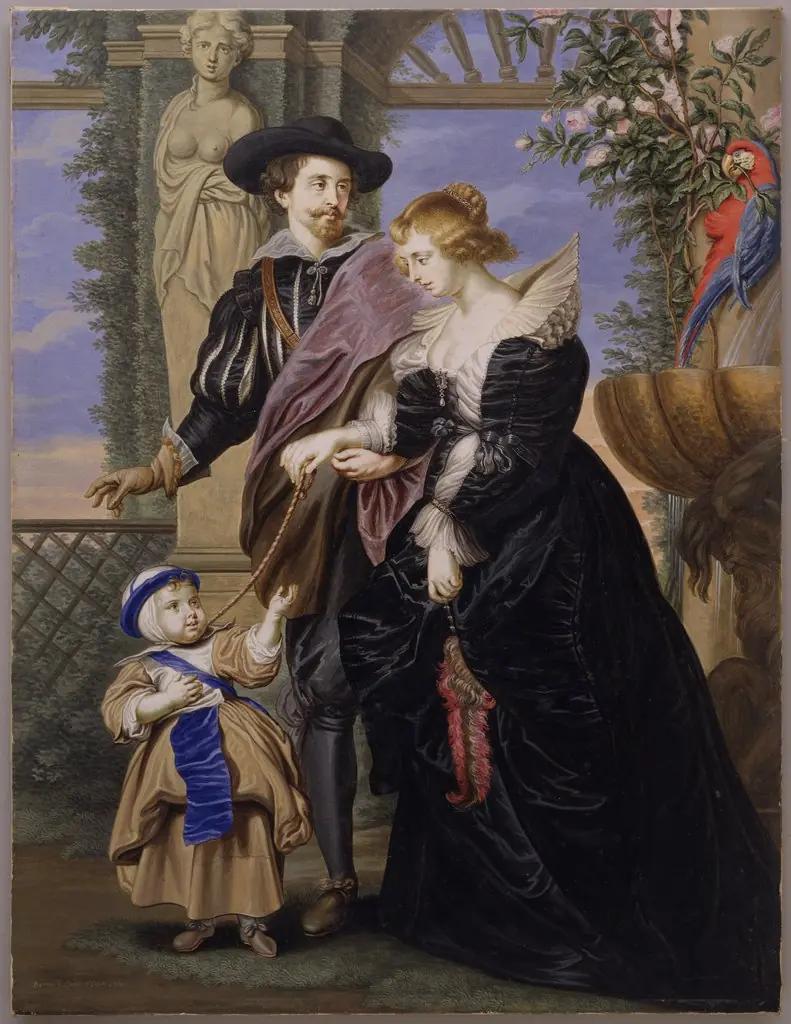 Copy after "Rubens, His Wife Helena Fourment (1614–1673), and Their Son Frans (1633–1678)"
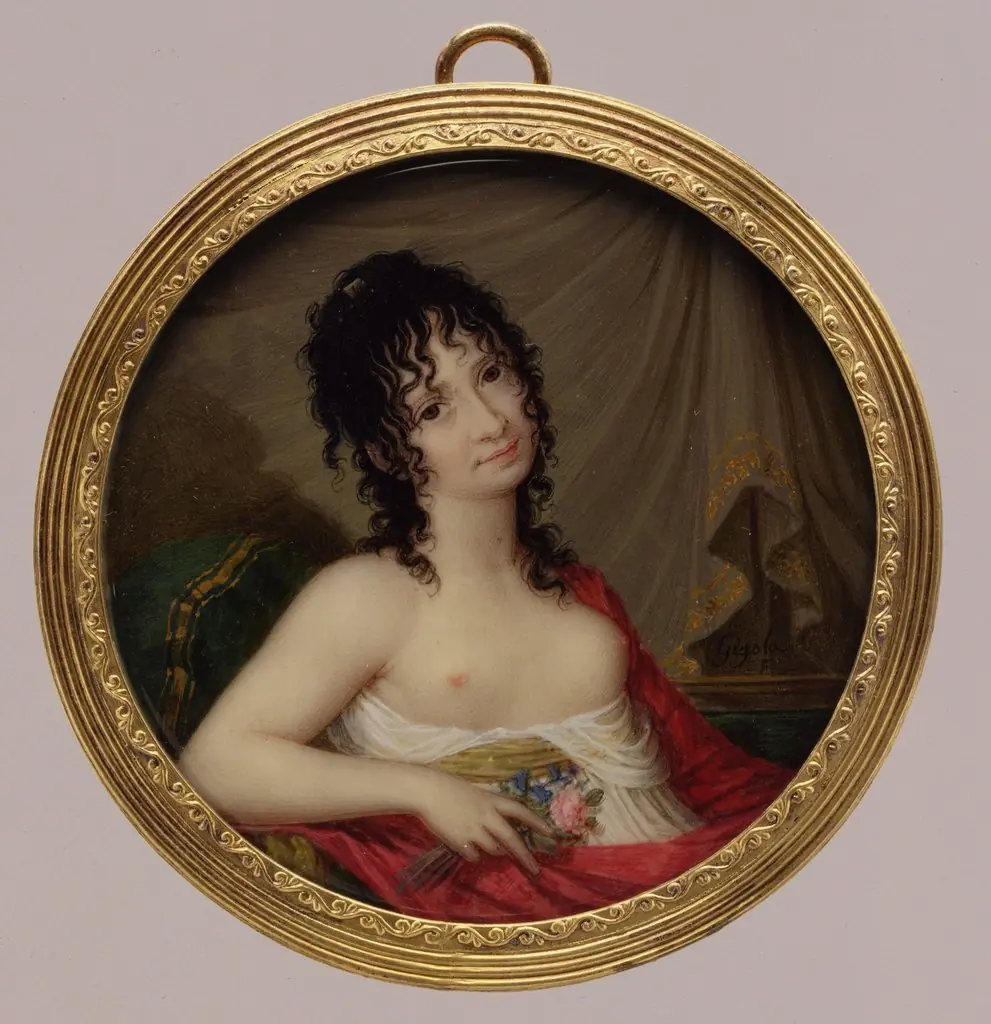 Francesca Ghirardi Lechi
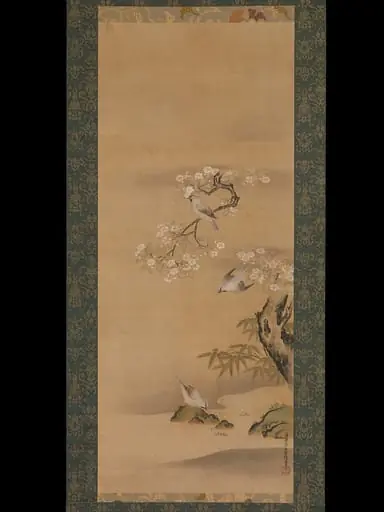 清原雪信筆 緋連雀桜竹図|Waxwings, Cherry Blossoms, and Bamboo
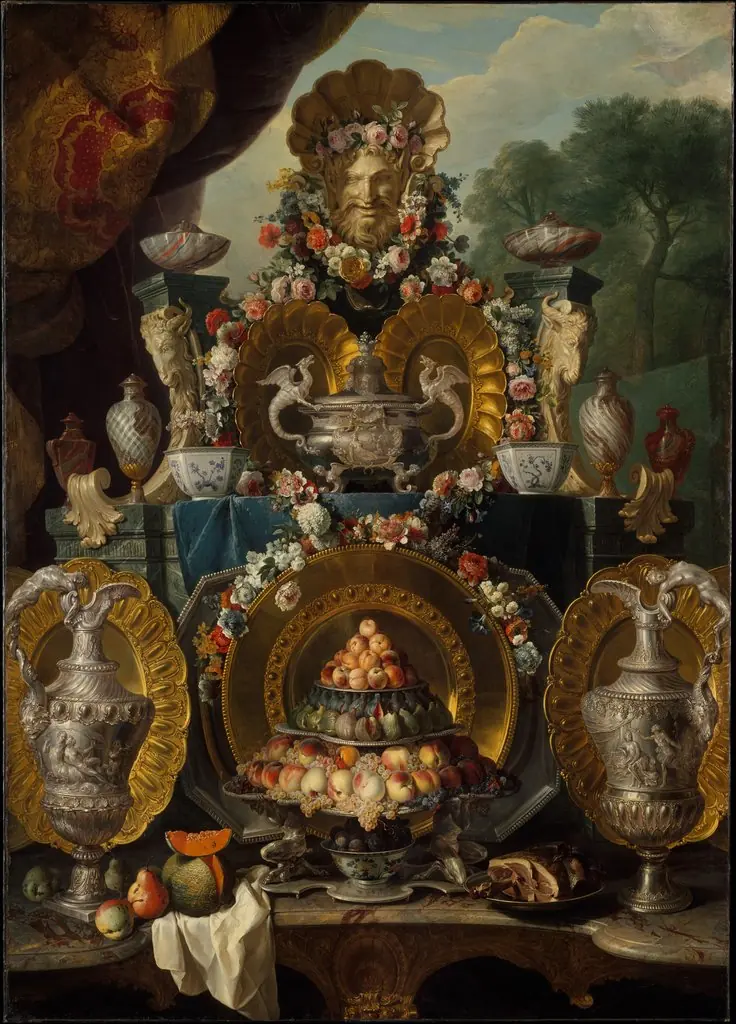 Still Life with Silver
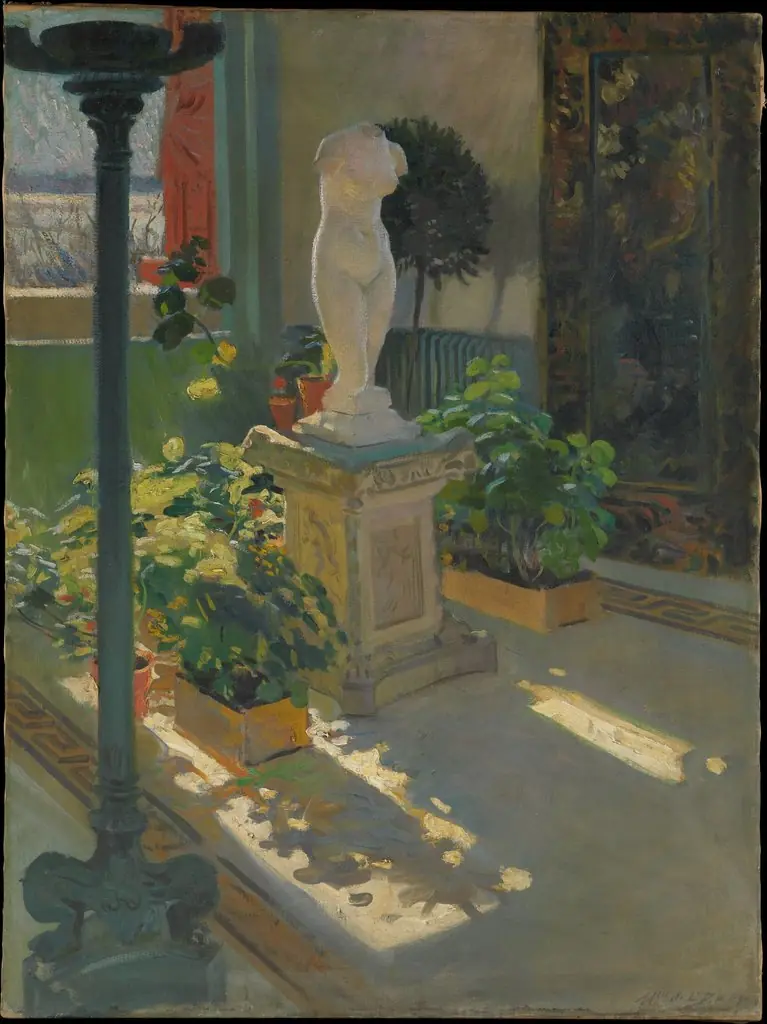 Venus in Atrium
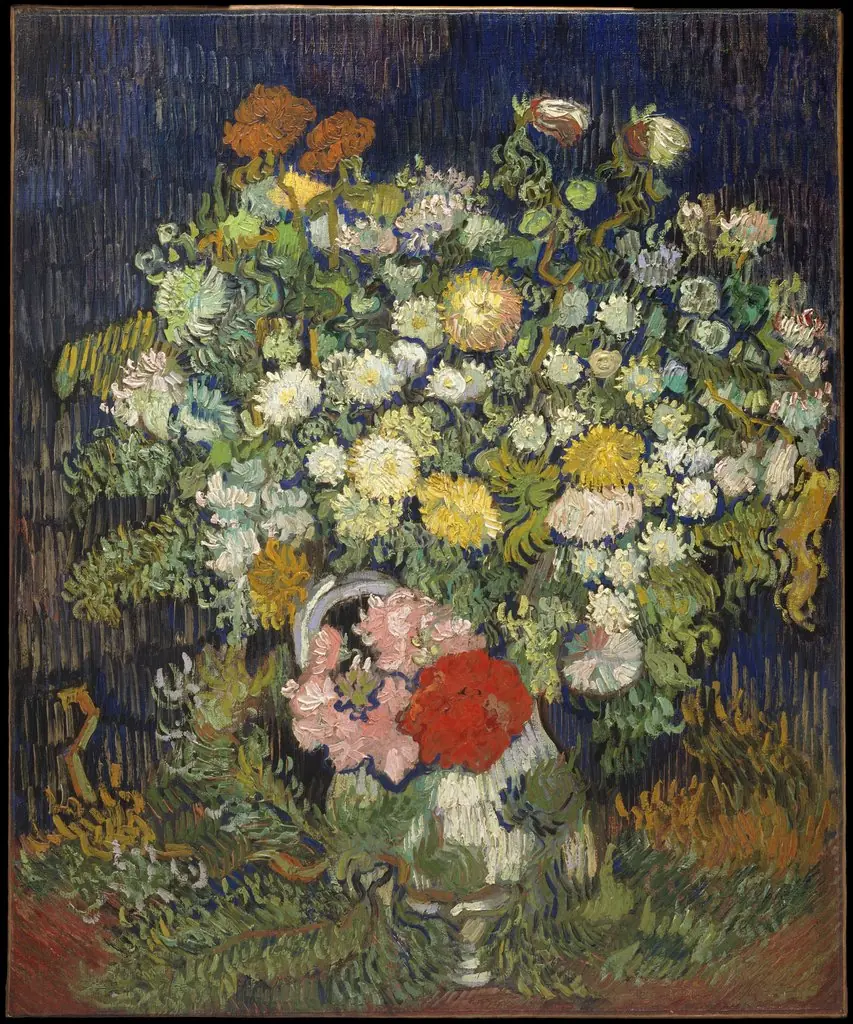 Bouquet of Flowers in a Vase
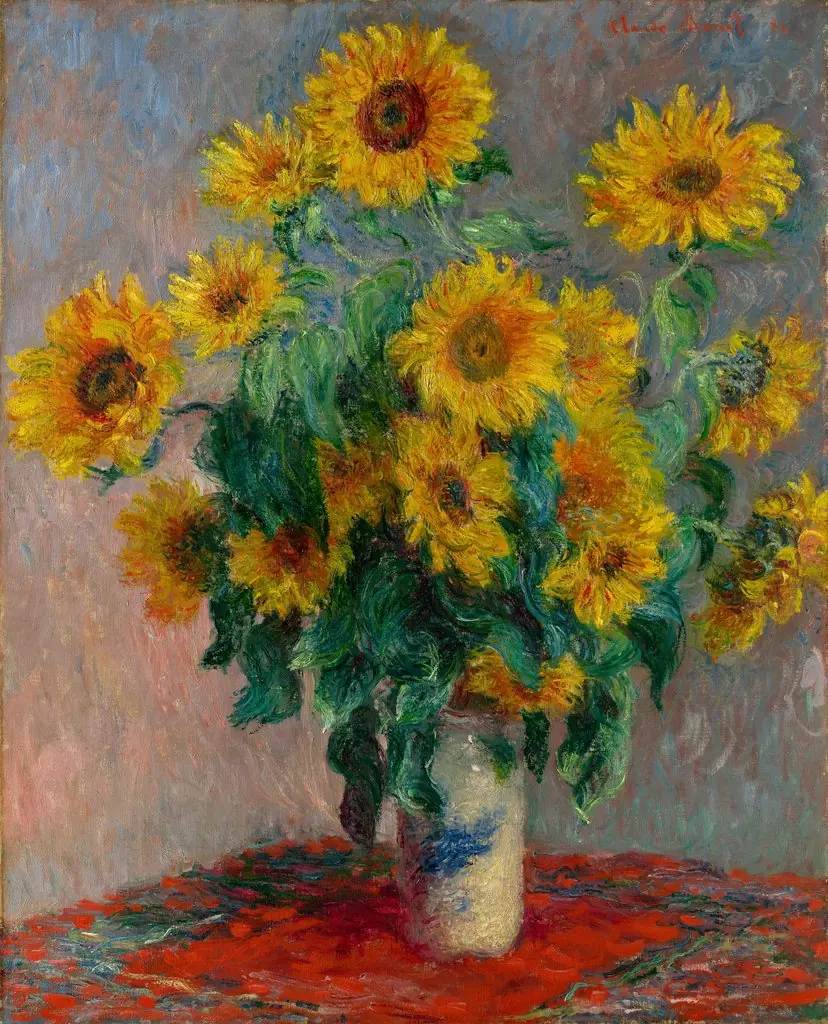 Bouquet of Sunflowers
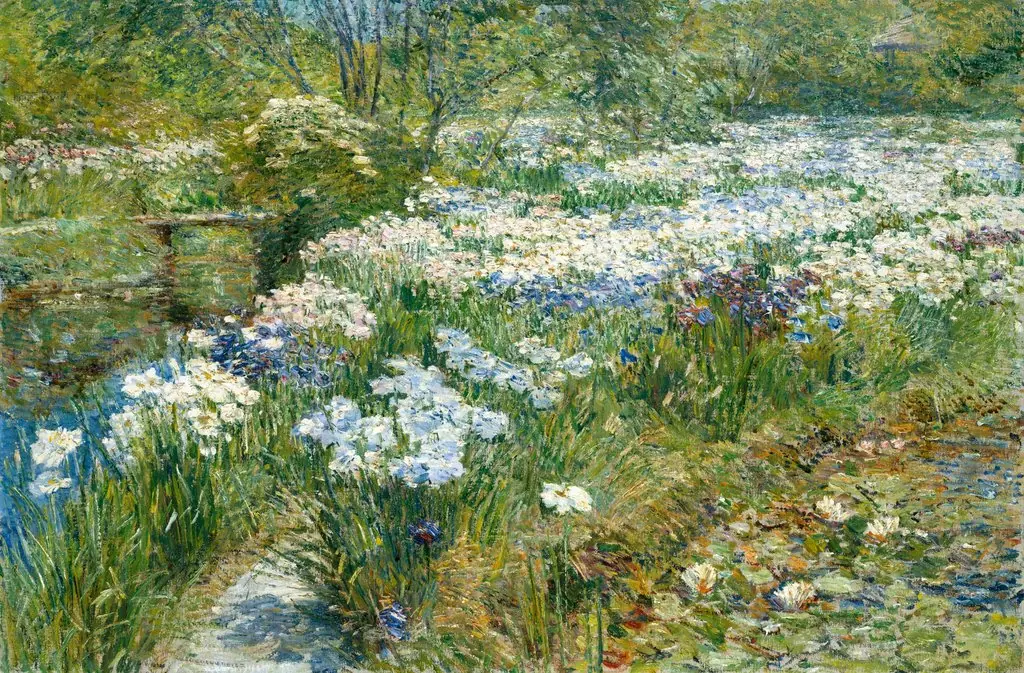 The Water Garden
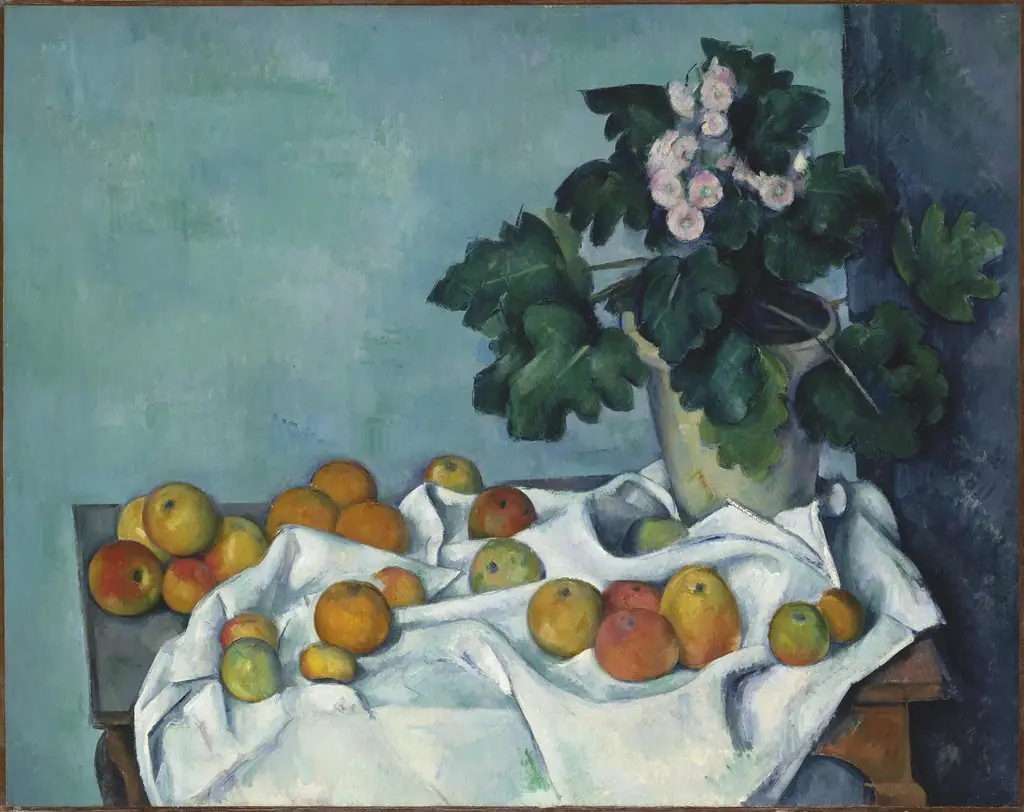 Still Life with Apples and a Pot of Primroses
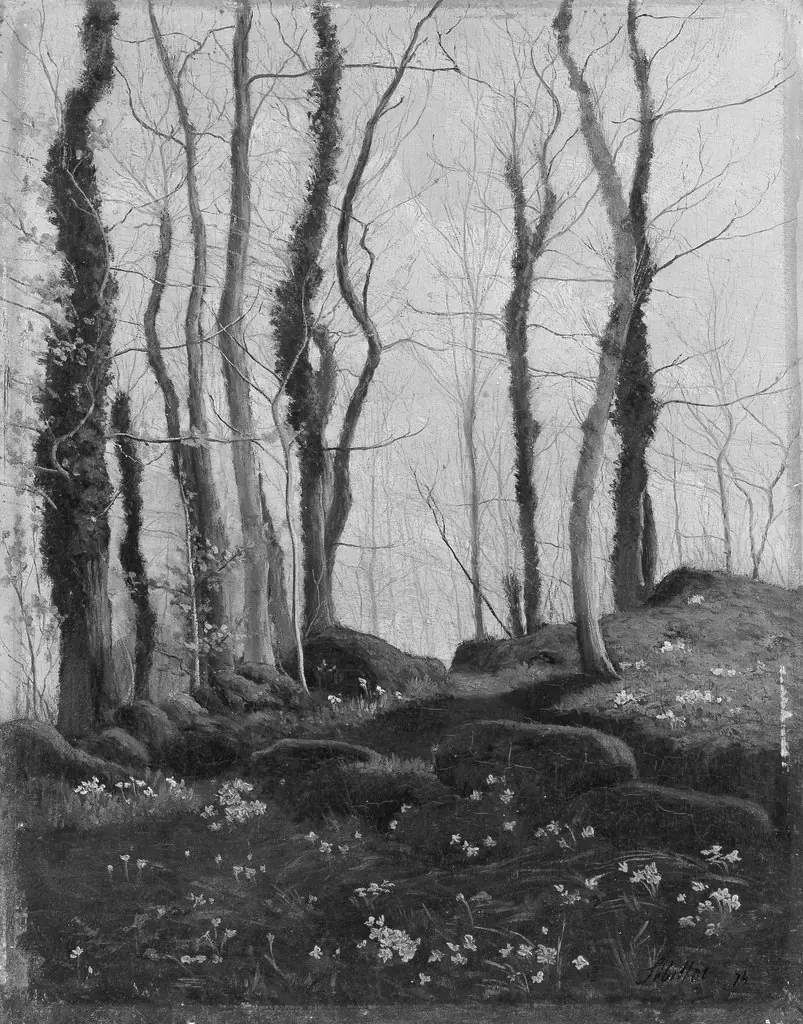 Spring in Brittany
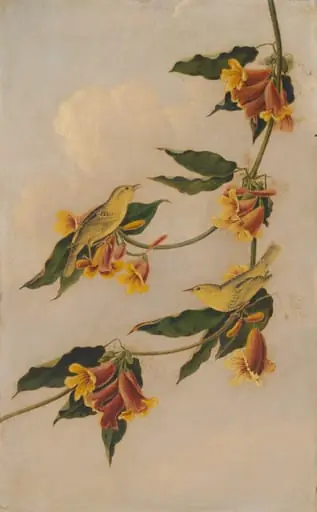 Yellow Warbler
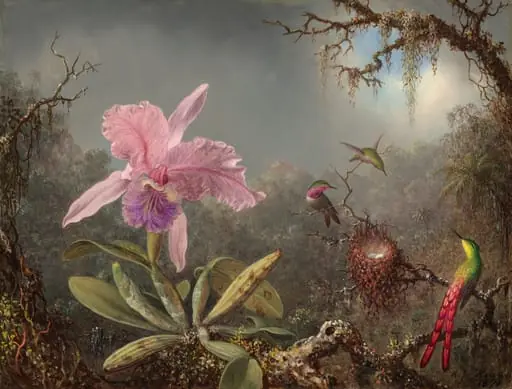 Cattleya Orchid and Three Hummingbirds
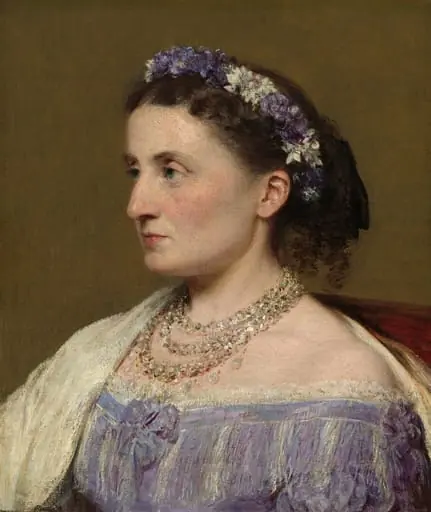 Duchess de Fitz-James
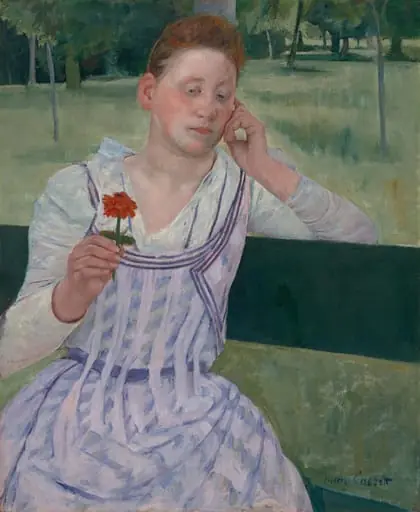 Woman with a Red Zinnia (Revery)
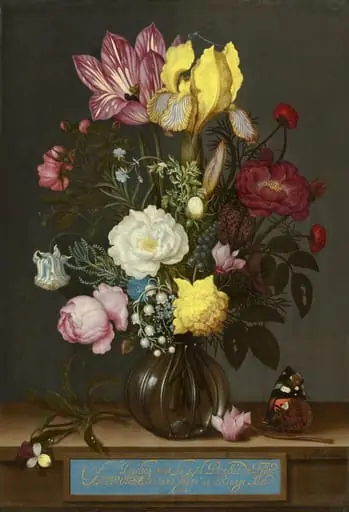 Bouquet of Flowers in a Glass Vase
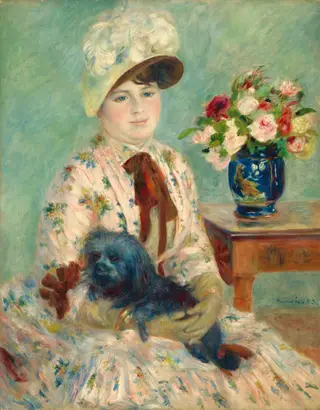 Mlle Charlotte Berthier
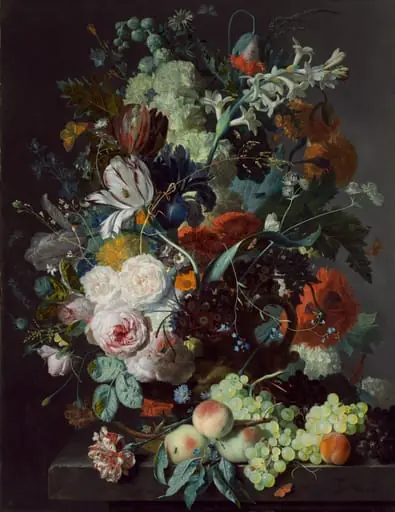 Still Life with Flowers and Fruit
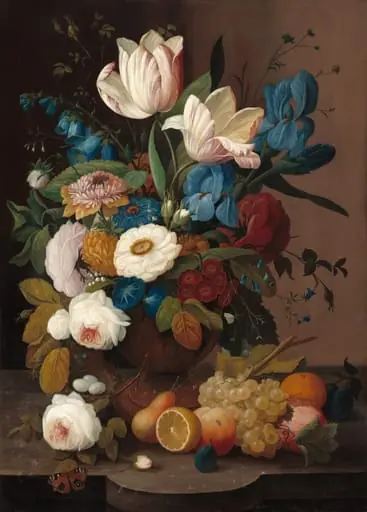 Still Life, Flowers, and Fruit
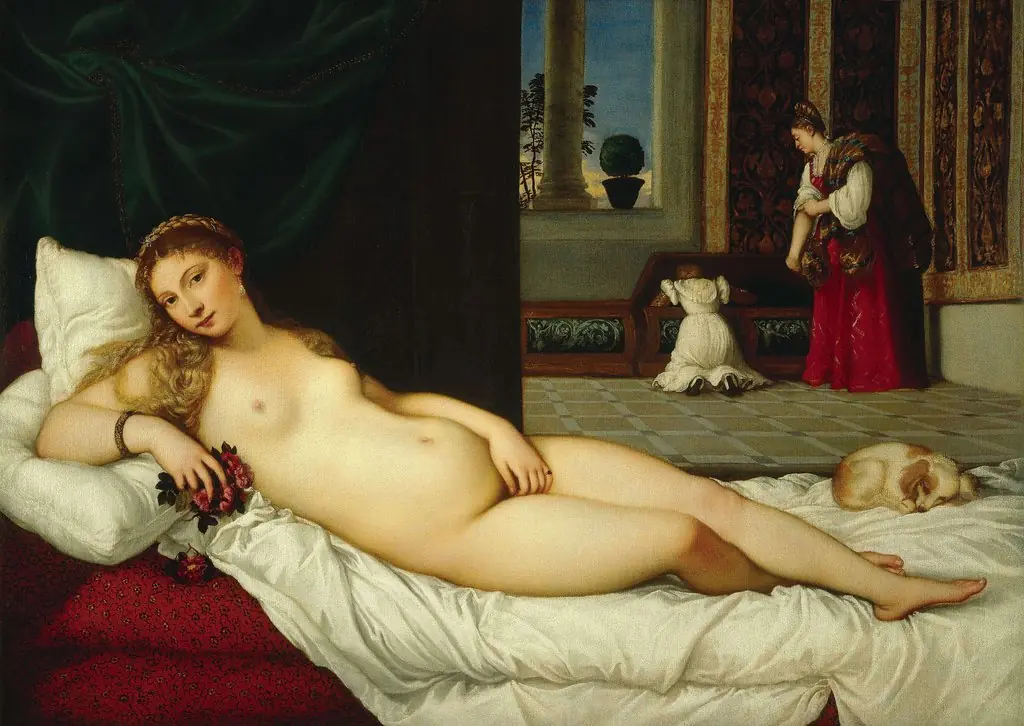 Venus of Urbino
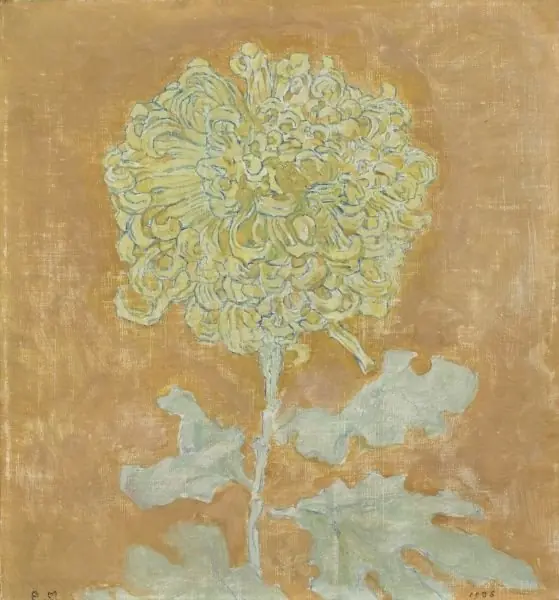 Chrysanthemum
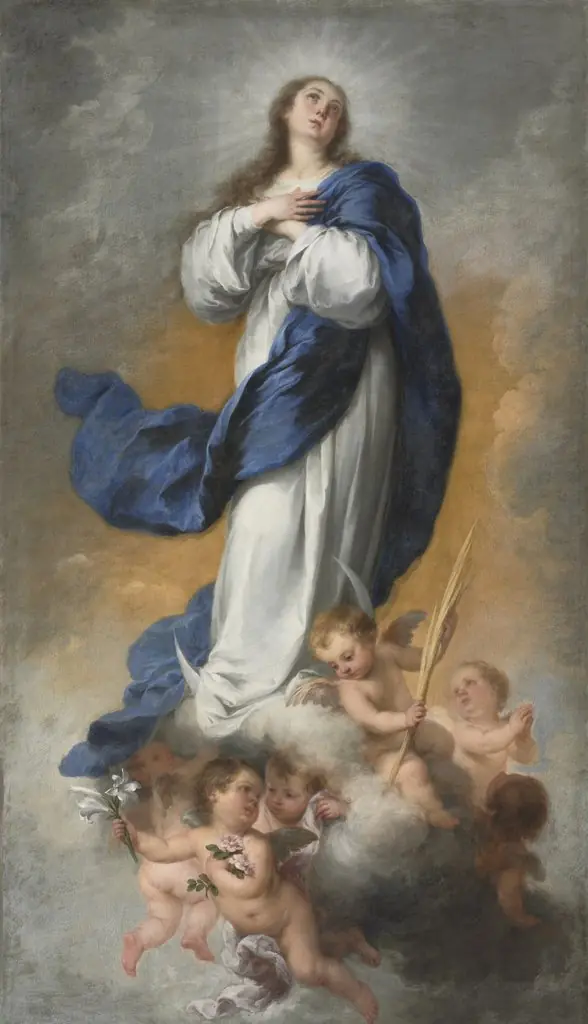 The Immaculate Conception
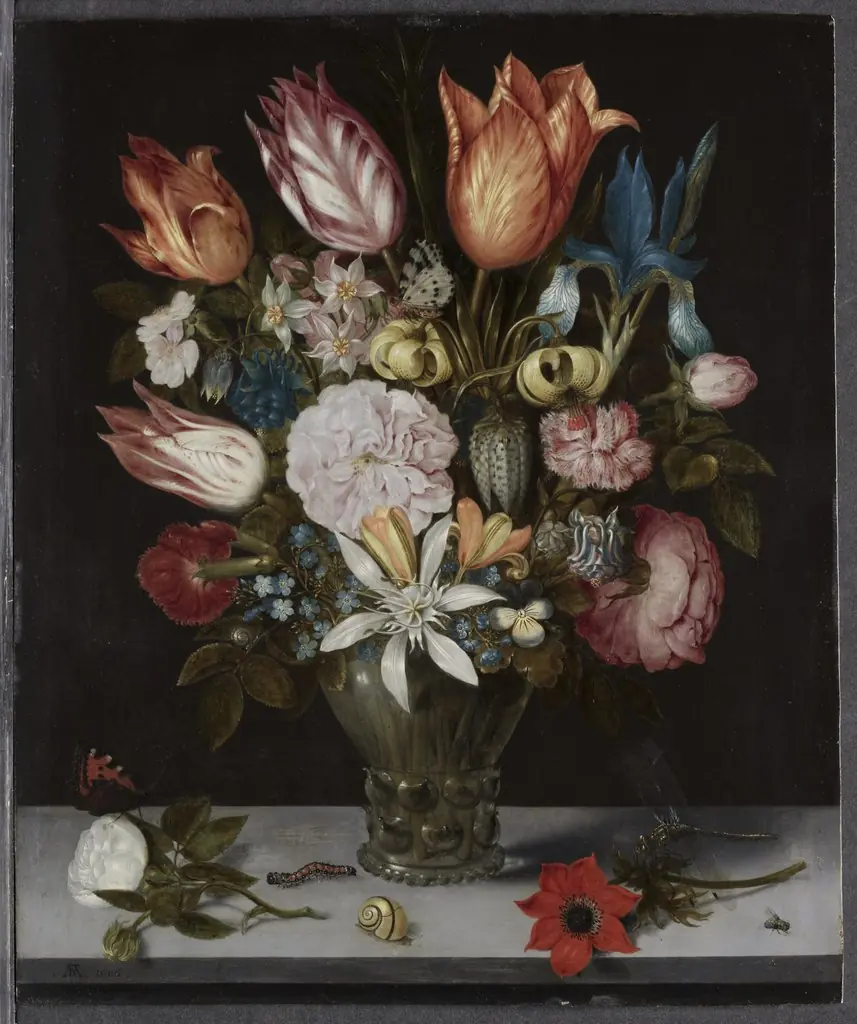 Flowers in a Glass
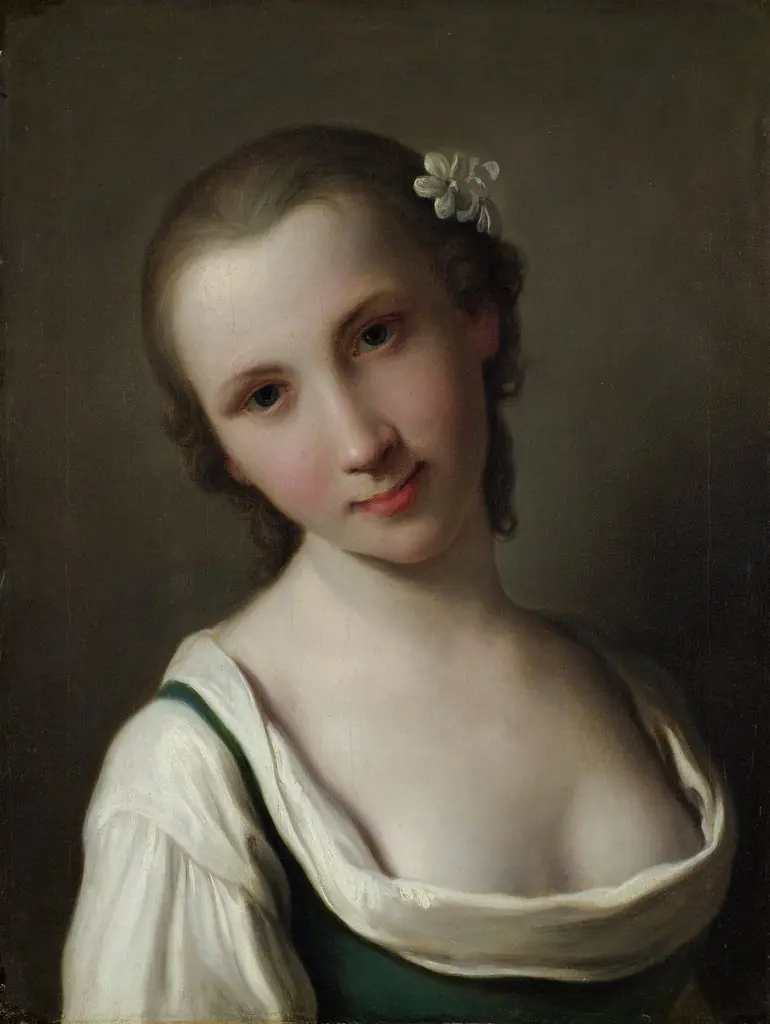 A young Woman
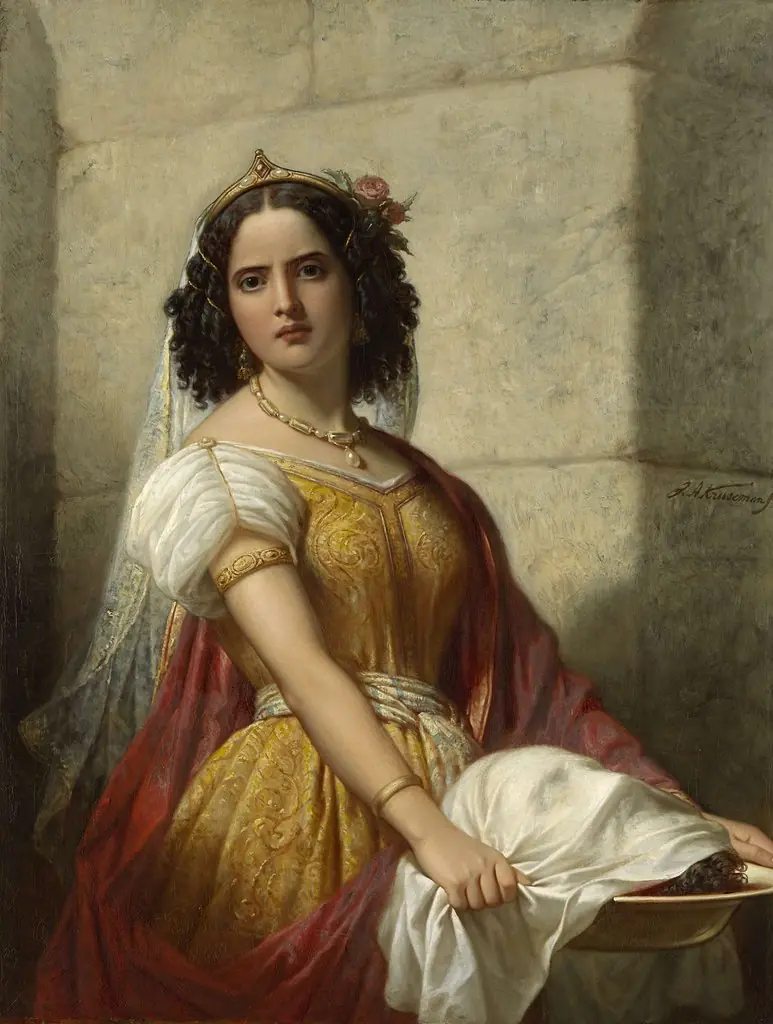 Salome with the Head of John the Baptist
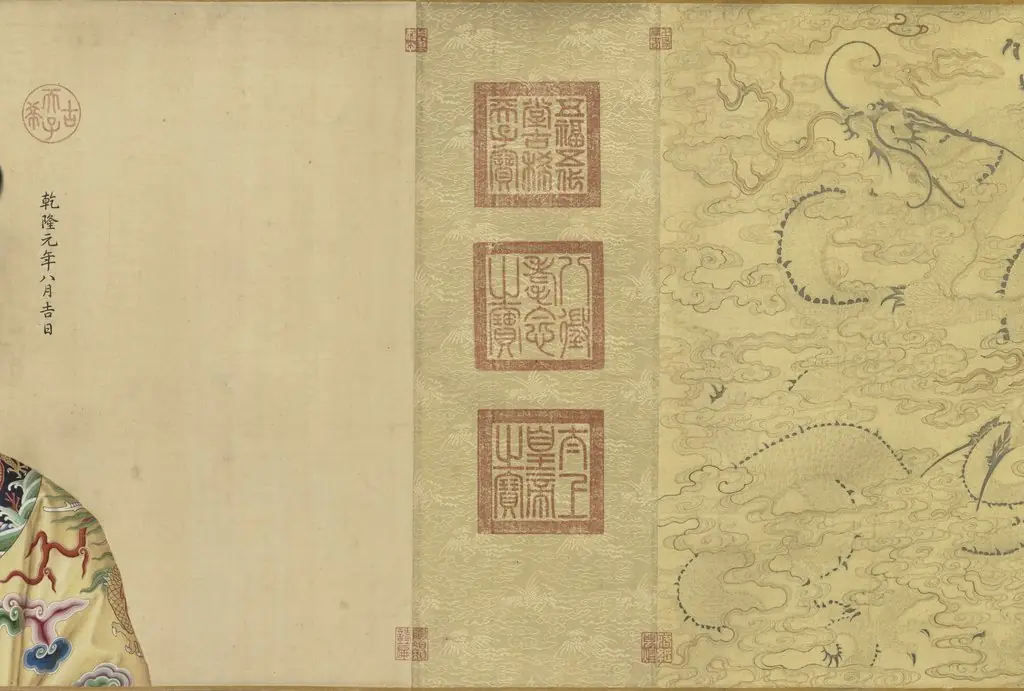 Portraits of the Qianlong Emperor and His Twelve Consorts
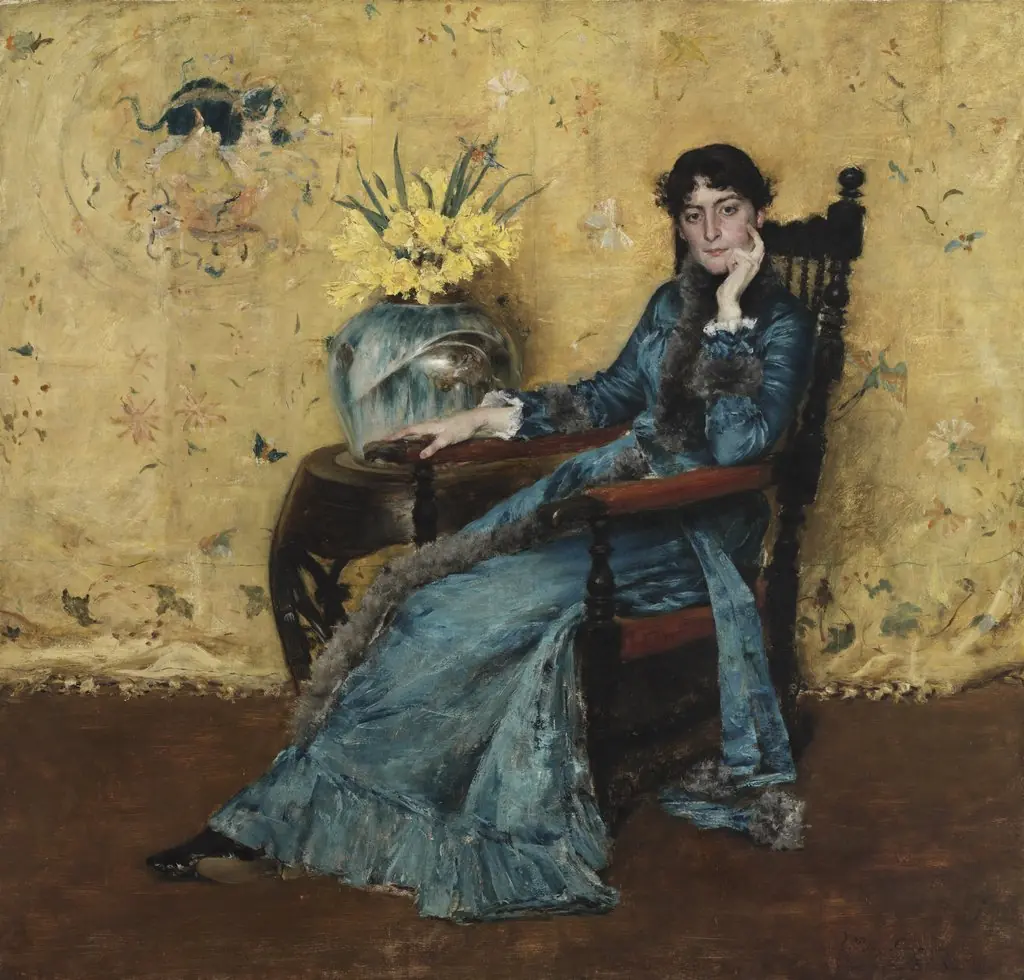 Portrait of Dora Wheeler
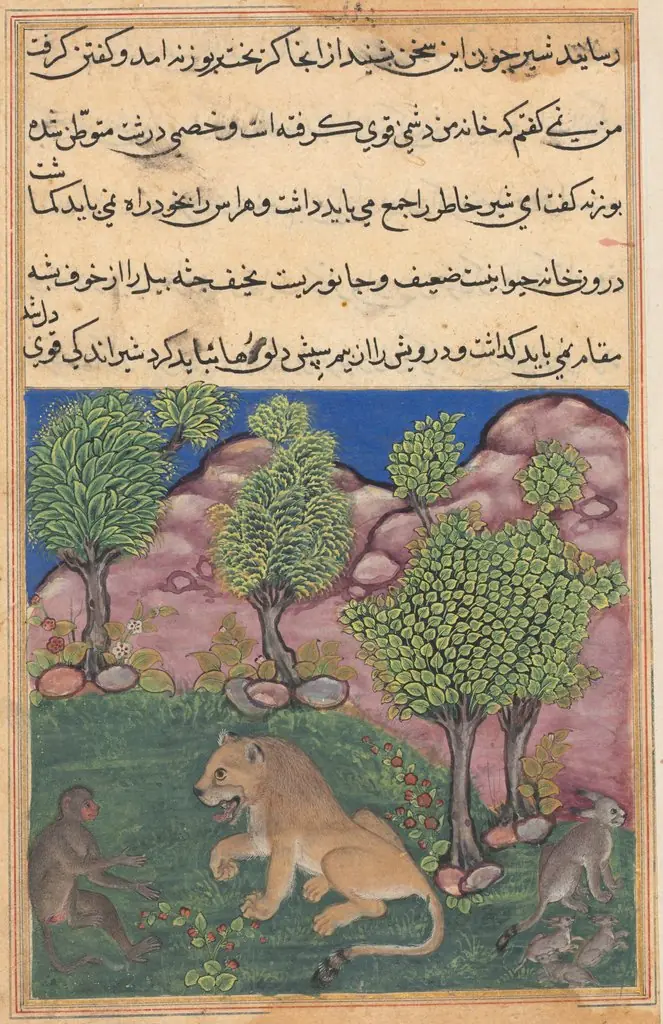 The monkey advises the suspicious lion to cast off fear and take possession of his territory, from a Tuti-nama (Tales of a Parrot): Twenty-ninth Night
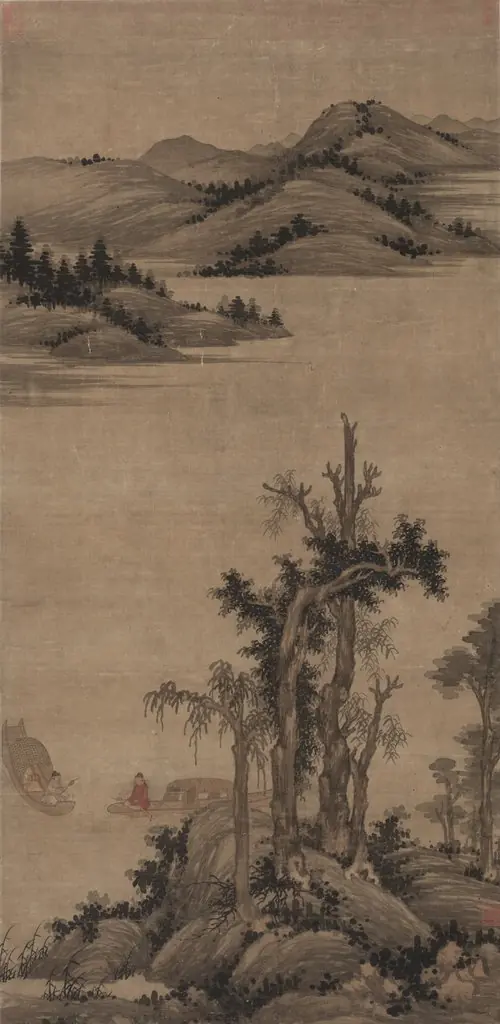 Fishermen-Hermits in Stream and Mountain
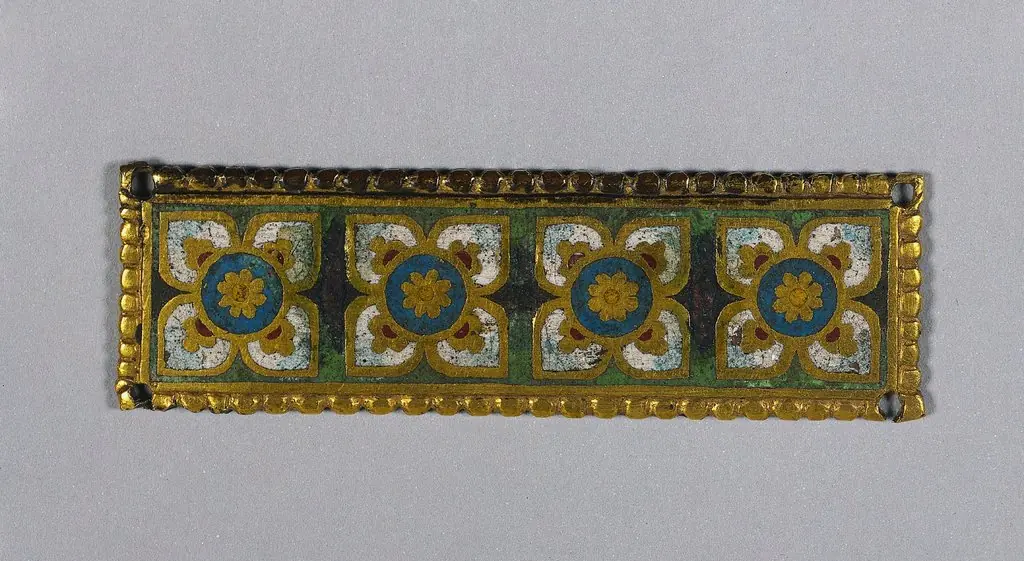 Christ
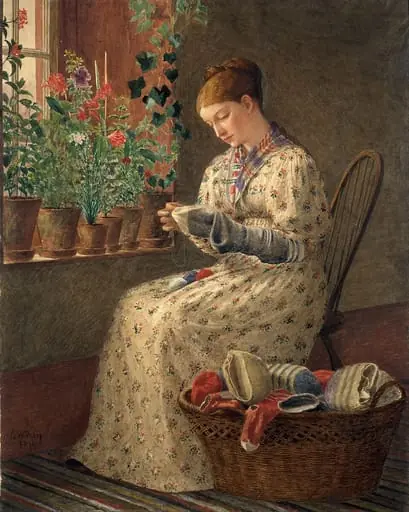 A Month's Darning
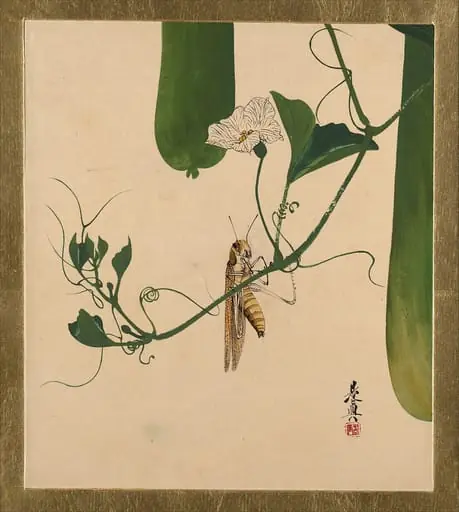 Untitled
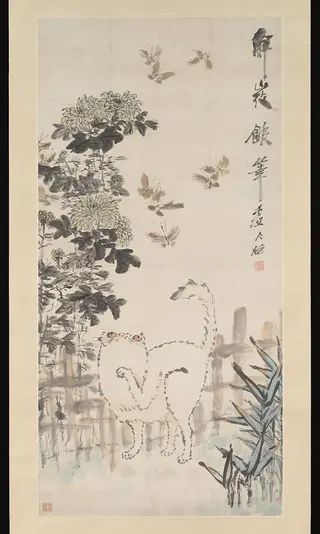 清 虛谷 蝶貓圖 軸|Cat and Butterfly
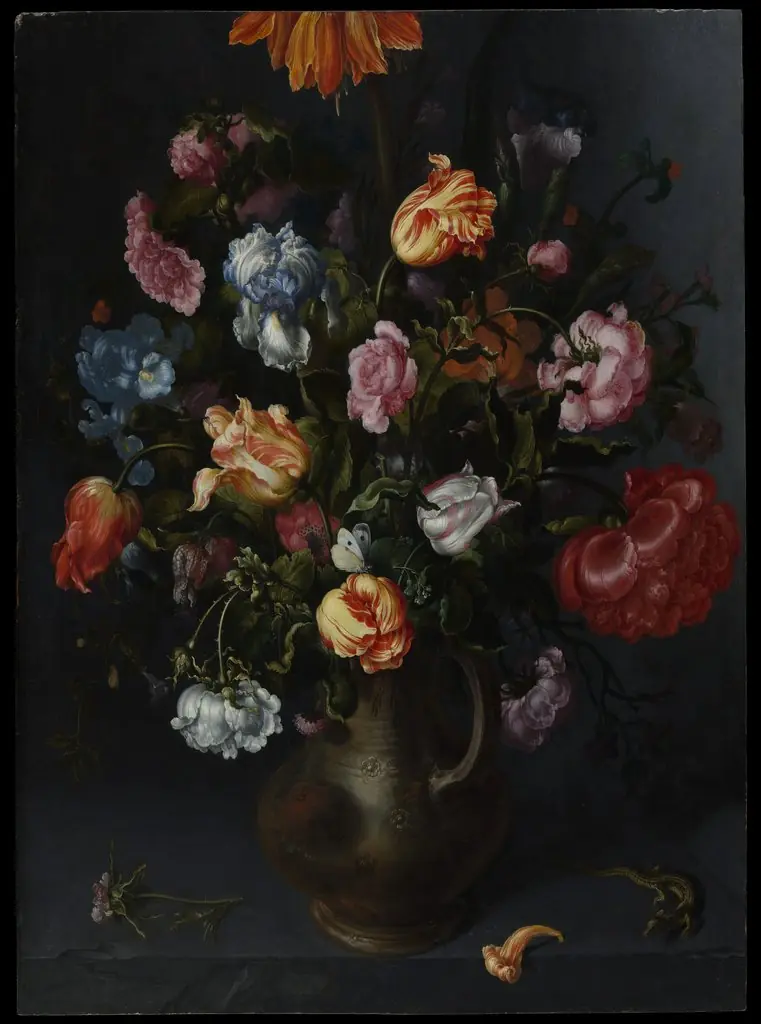 A Vase with Flowers
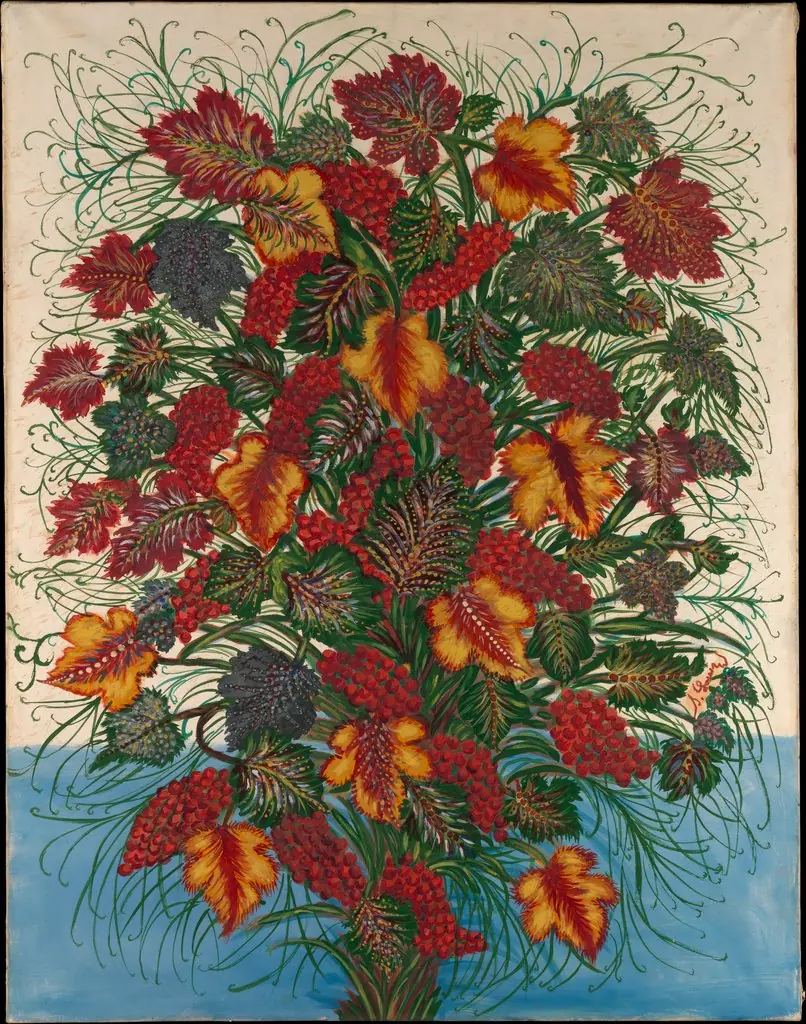 The Large Bouquet
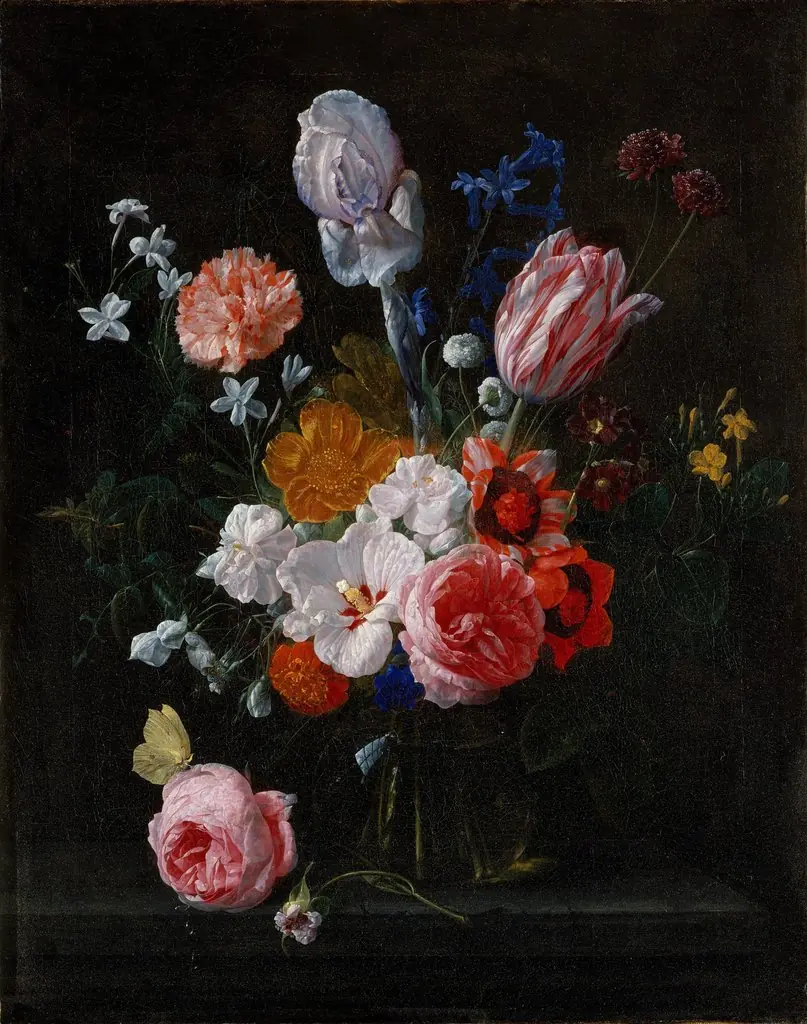 A Bouquet of Flowers in a Crystal Vase
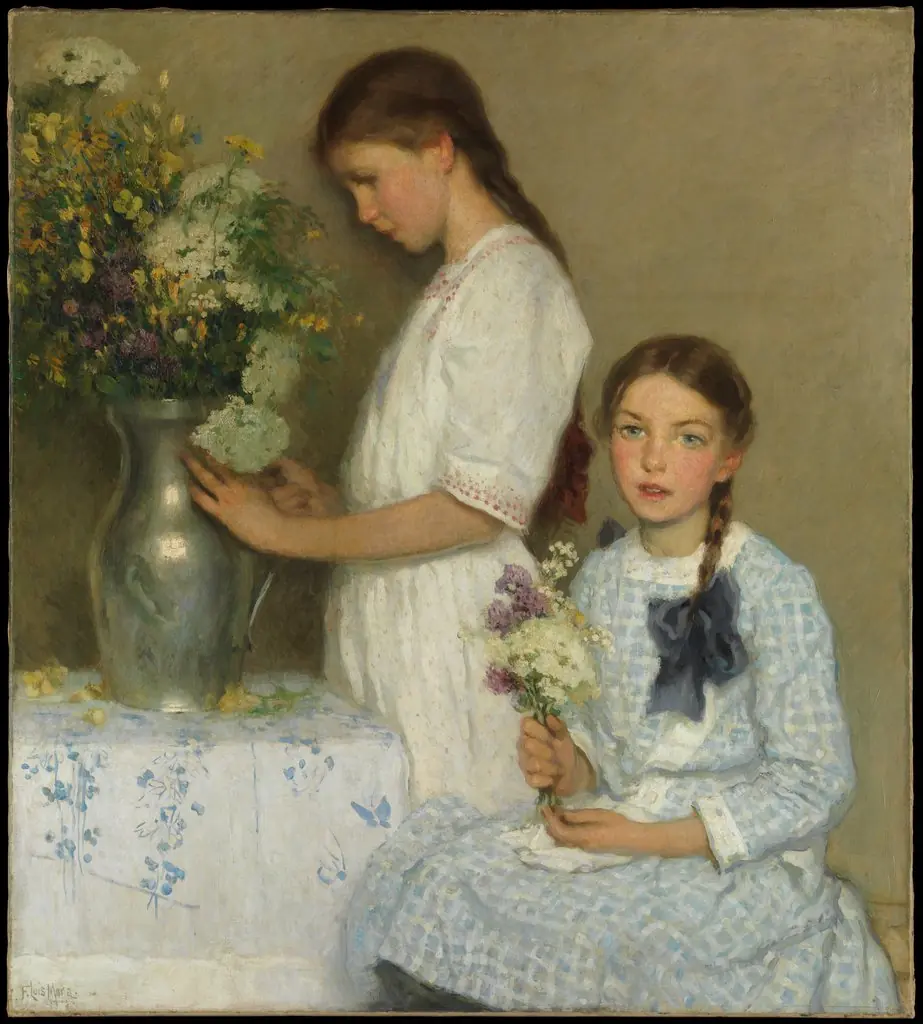 Flowers of the Field
 老梅図襖|Old Plum
 Spring
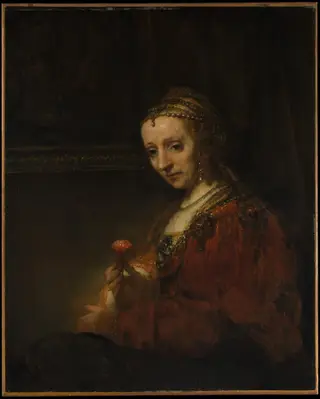 Woman with a Pink
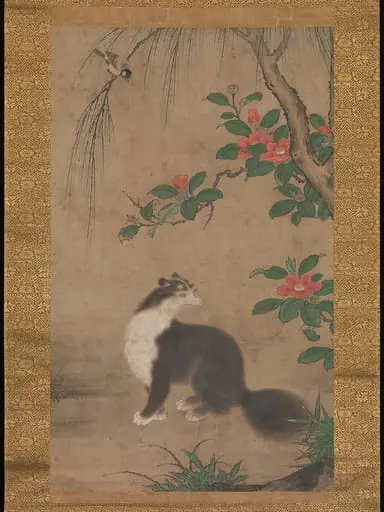 右都御史筆 麝香猫図|Musk Cat
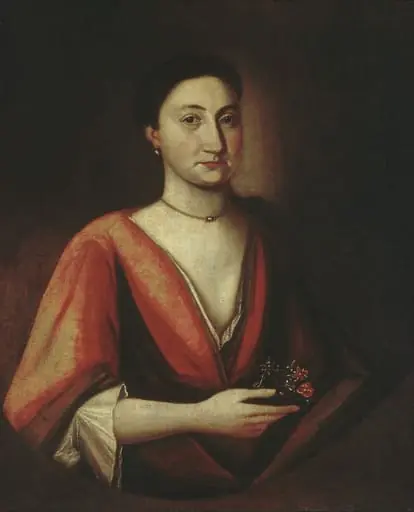 Portrait of a Lady (Possibly Hannah Stillman)
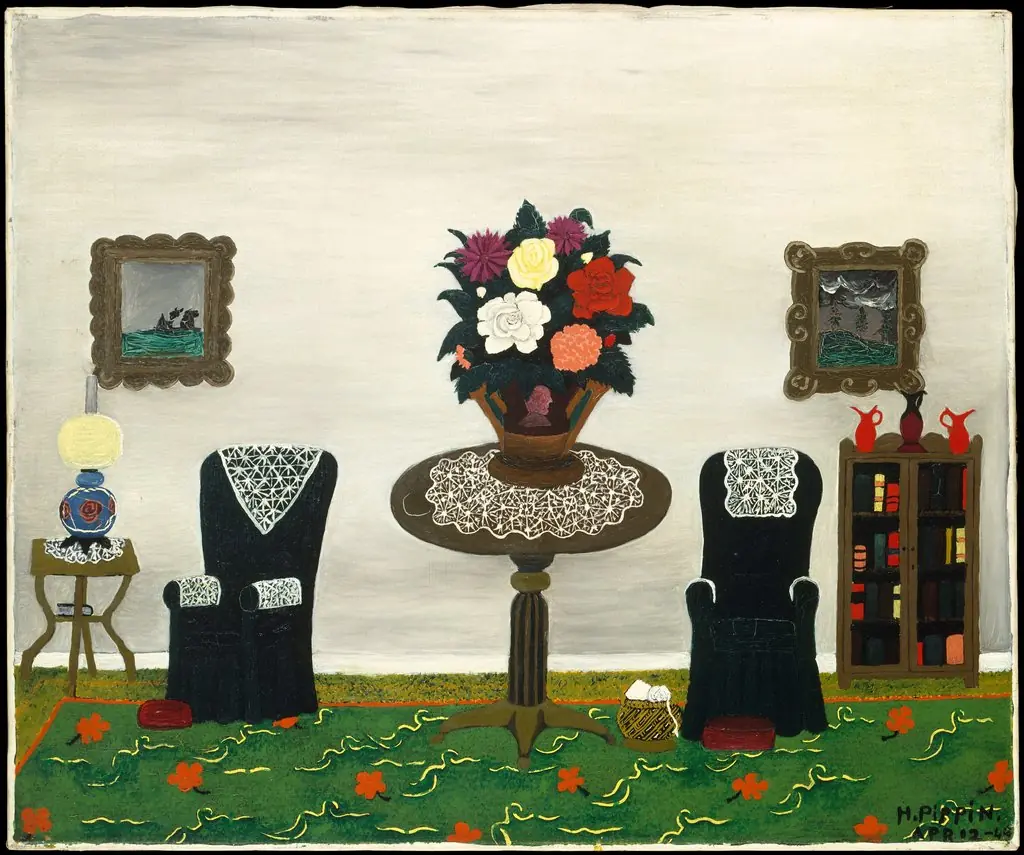 Victorian Interior II
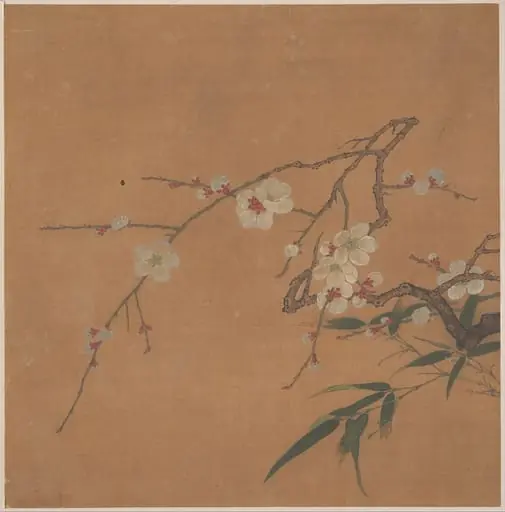 明/清 佚名 梅竹圖 冊頁|Flowering Plum and Bamboo
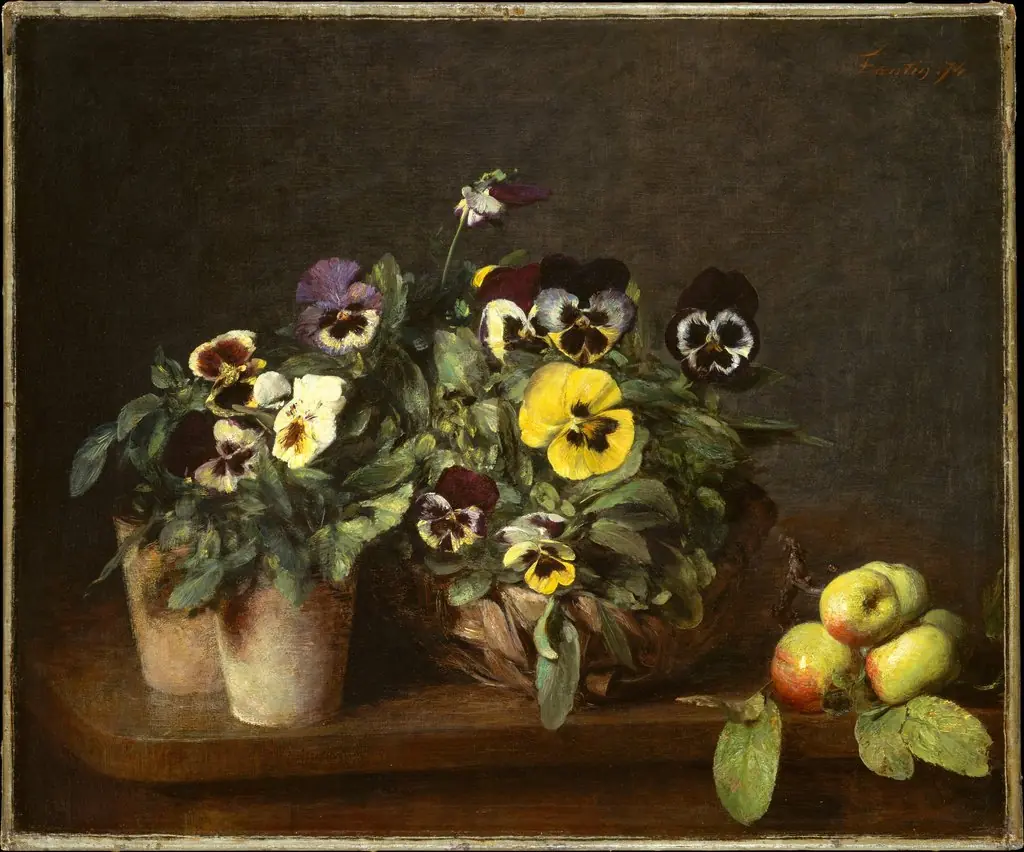 Still Life with Pansies
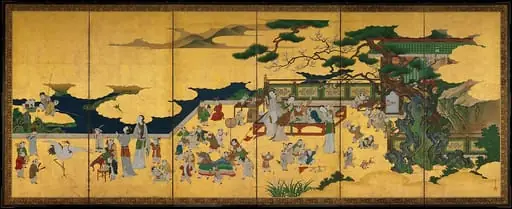 狩野永納筆 唐子遊図屏風|One Hundred Boys
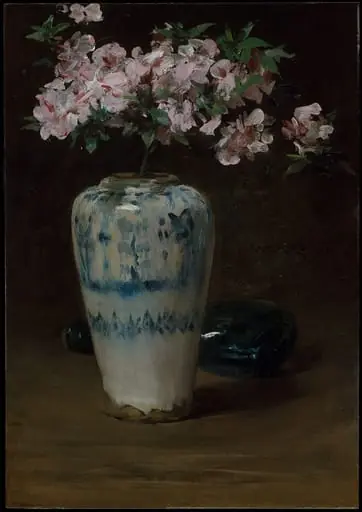 Pink Azalea—Chinese Vase
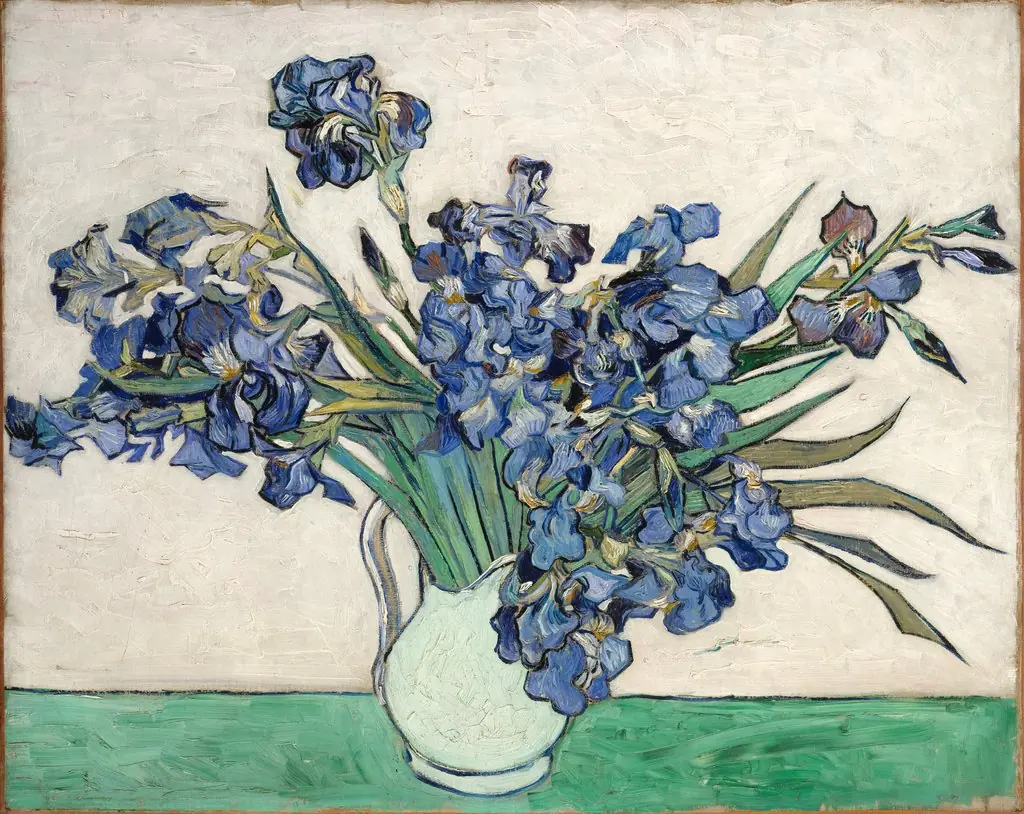 Irises
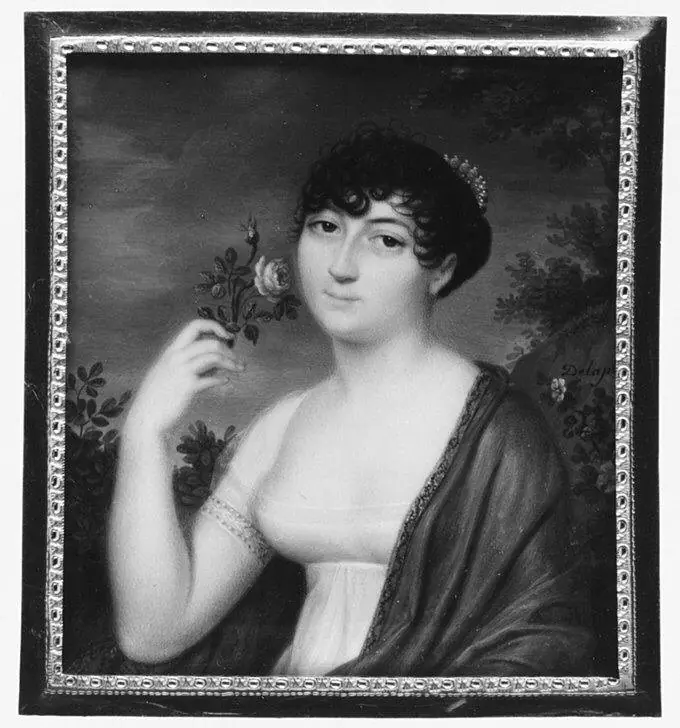 Portrait of a Woman
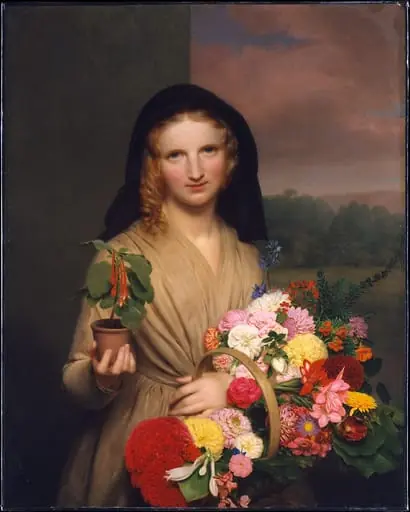 The Flower Girl
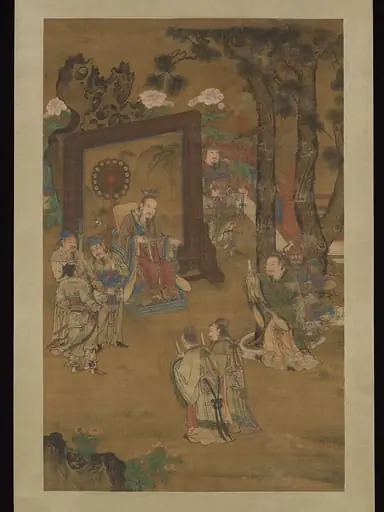 明 劉俊 納諫圖 軸|Remonstrating with the emperor
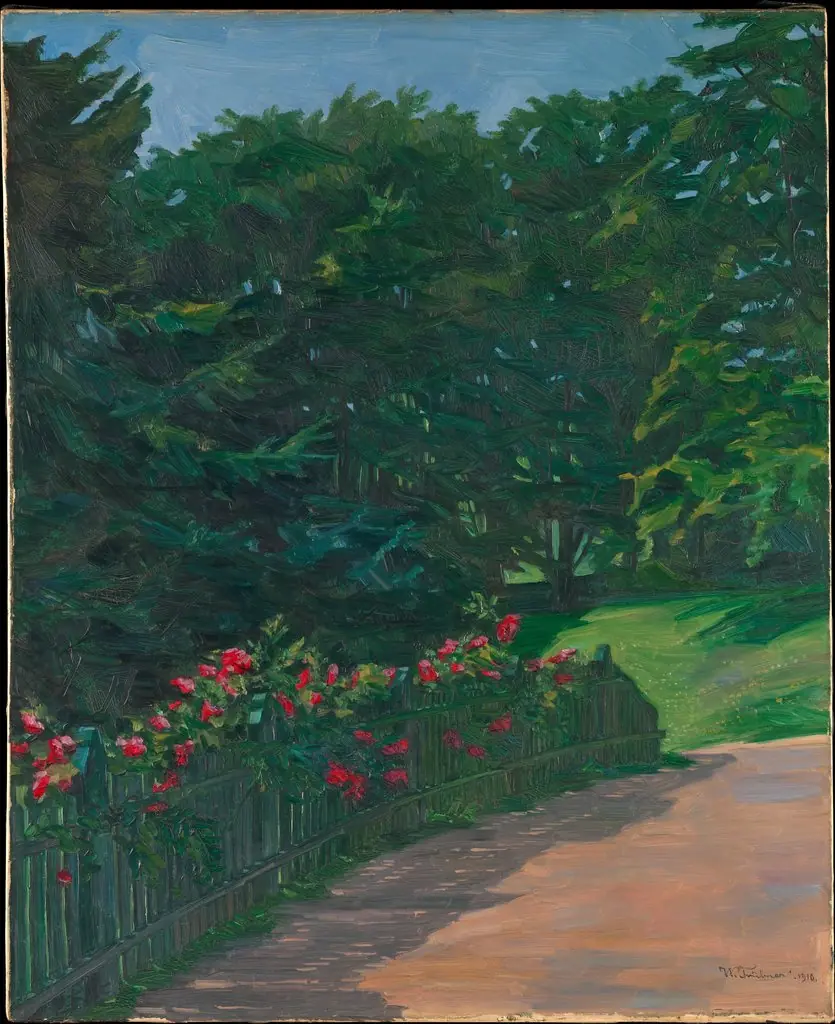 Landscape
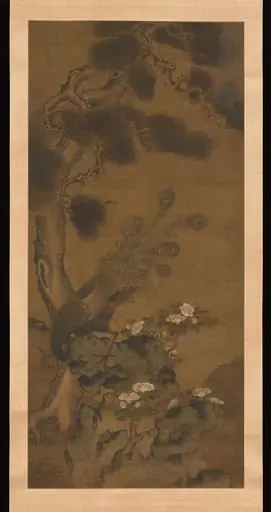 Untitled
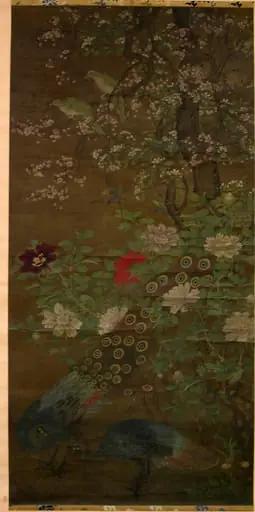 Untitled
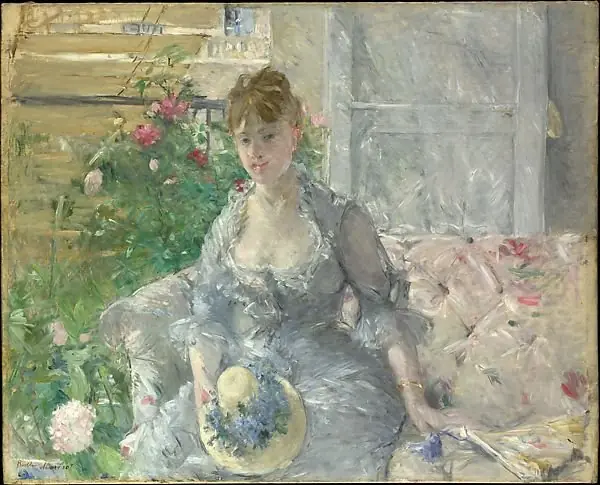 Young Woman Seated on a Sofa
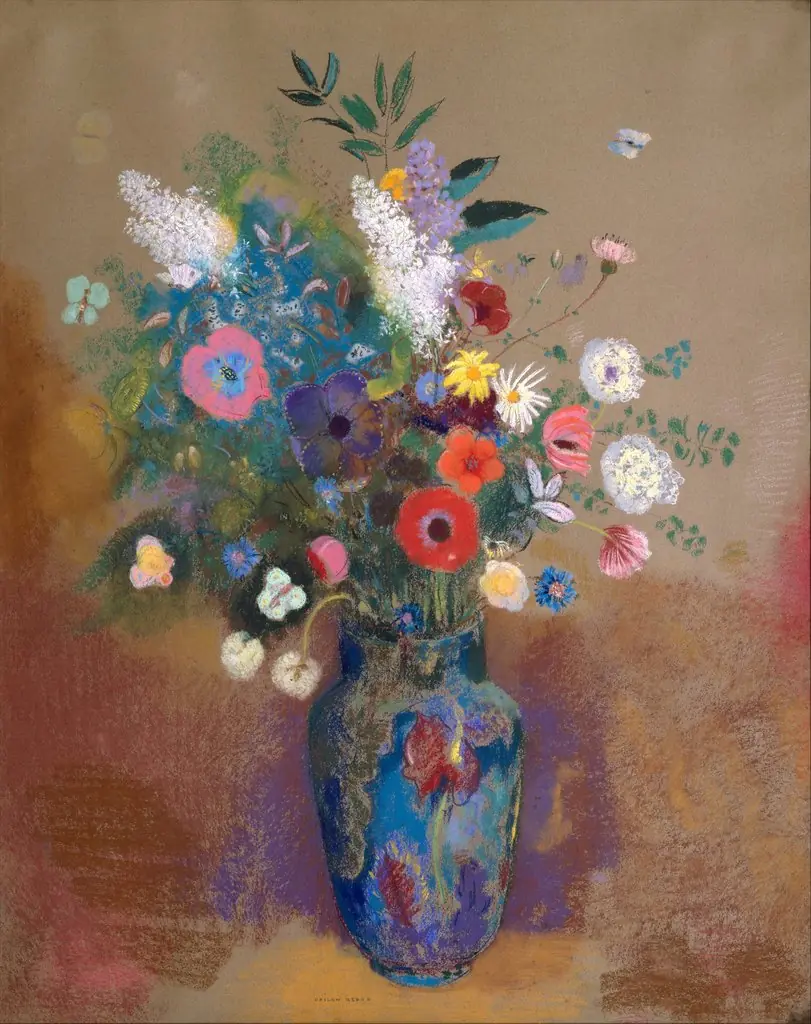 Bouquet of Flowers
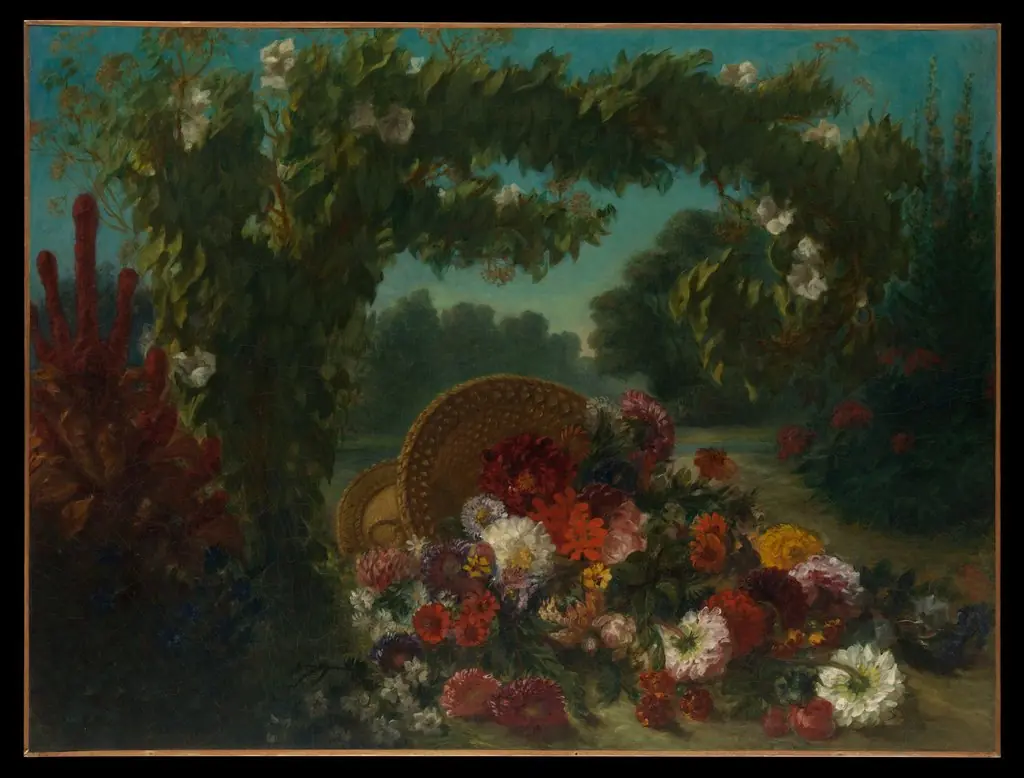 Basket of Flowers
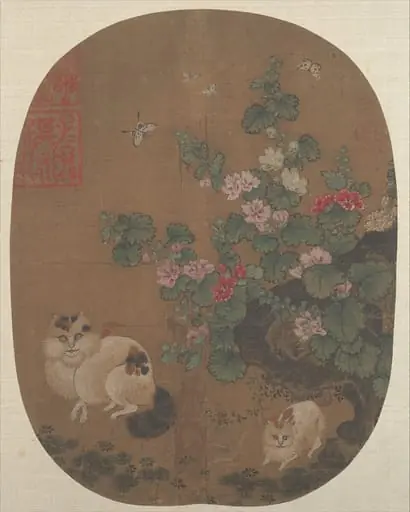 Untitled
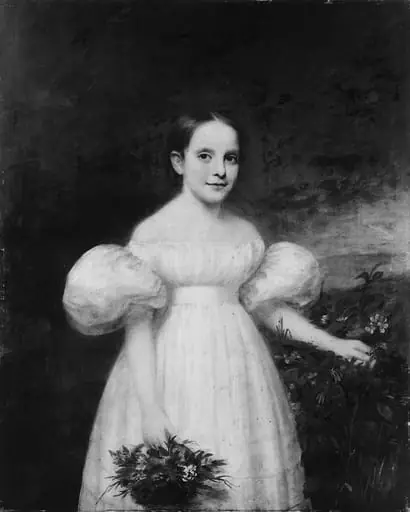 Portrait of a Girl with Flowers
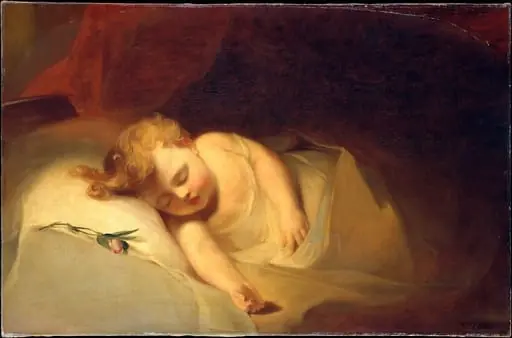 Child Asleep (The Rosebud)
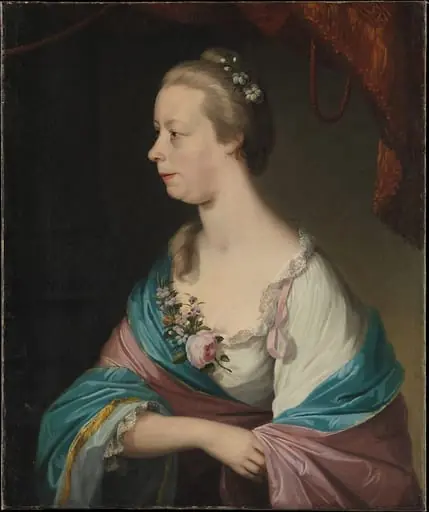 Christiana Stille Keen
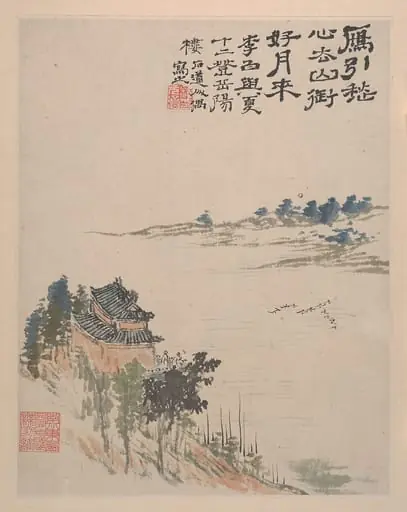 清 石濤 (朱若極) 野色圖 冊|Wilderness Colors
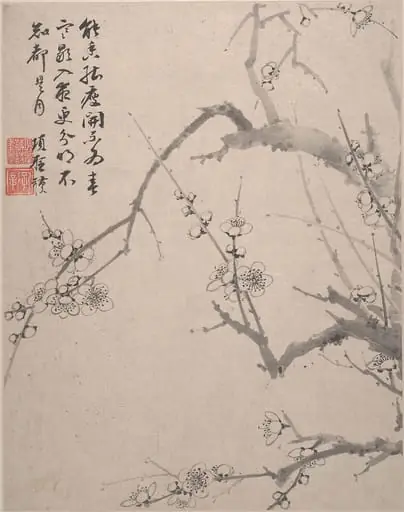 明/清 項聖謨 山水花鳥圖 冊|Landscapes, Flowers and Birds
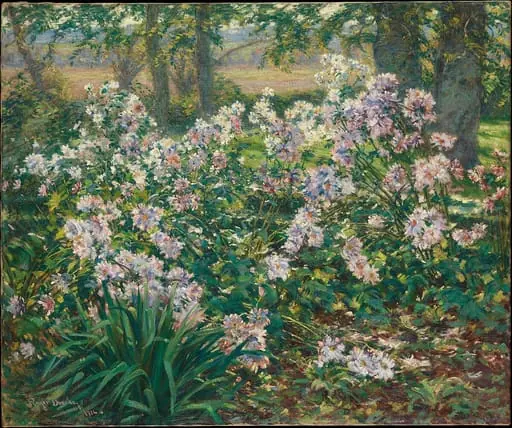 Windflowers
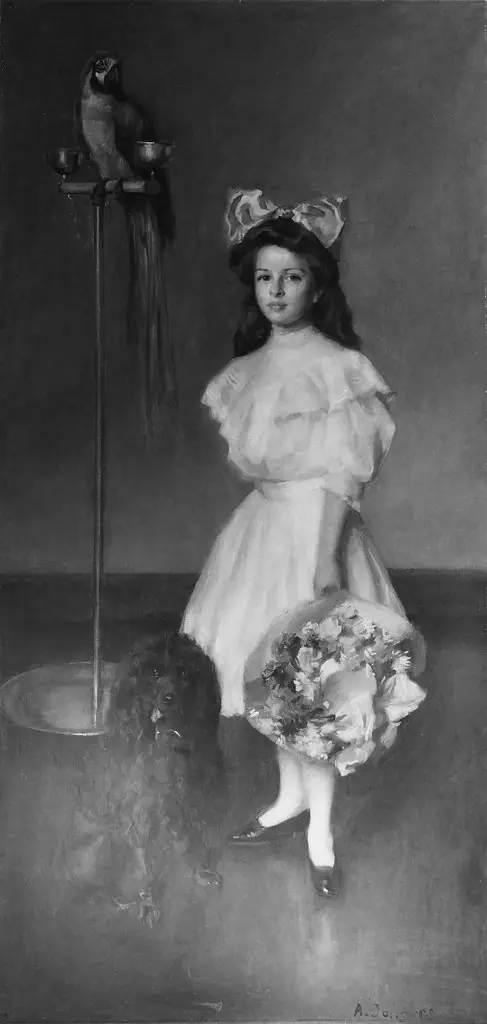 Louise
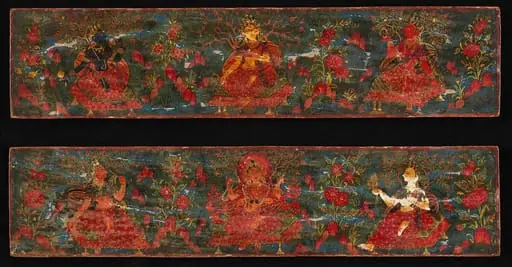 Untitled
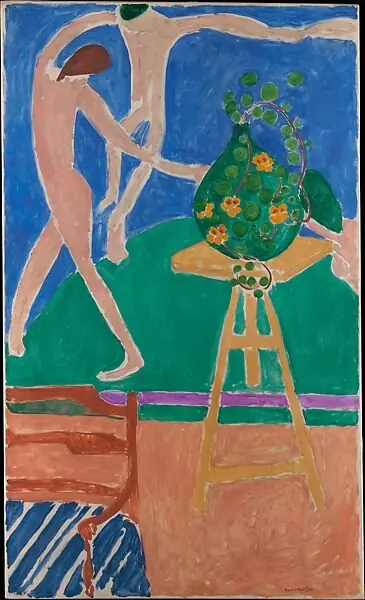 Nasturtiums with the Painting "Dance" I
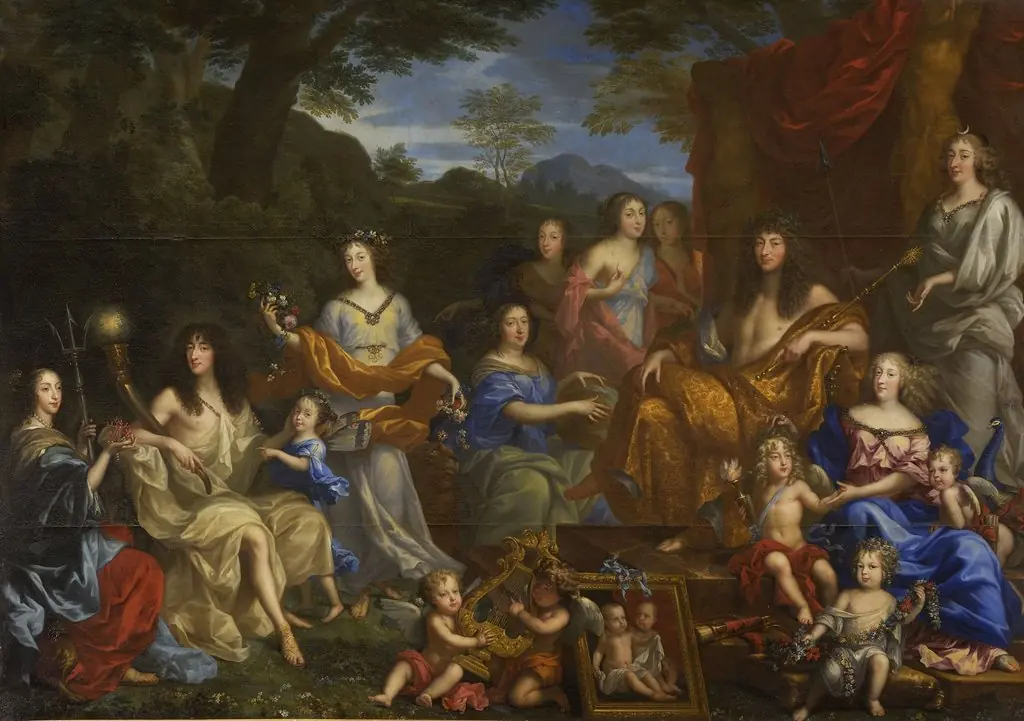 Mythological portrait of Louis XIV and the royal family
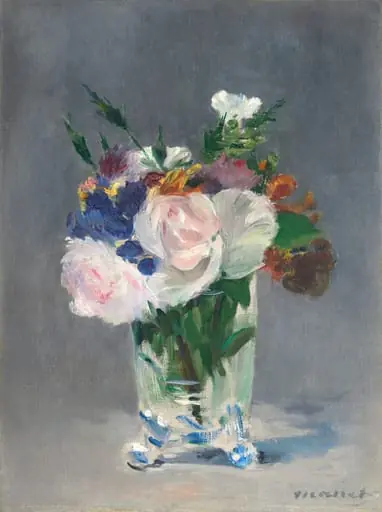 Flowers in a Crystal Vase
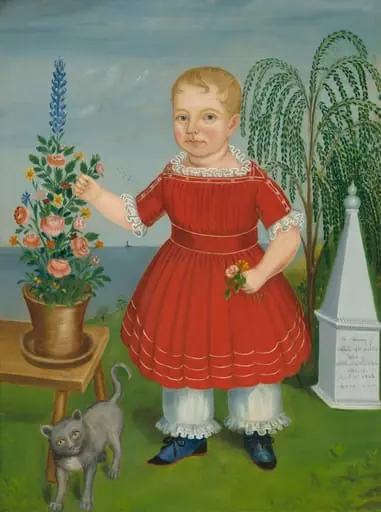 Memorial to Nicholas M. S. Catlin
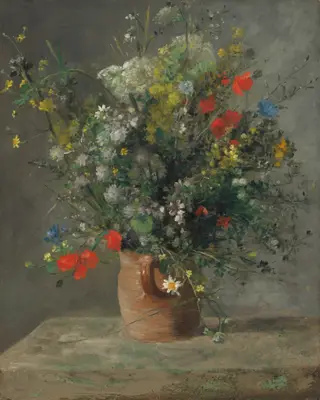 Flowers in a Vase
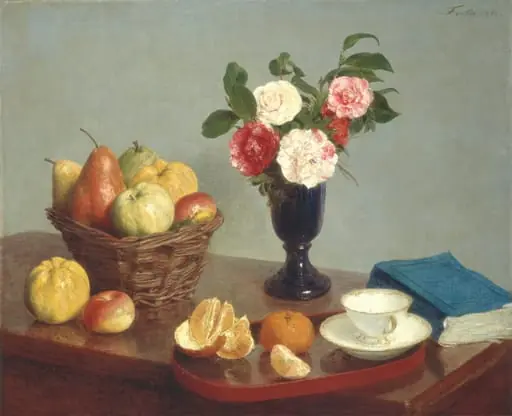 Still Life
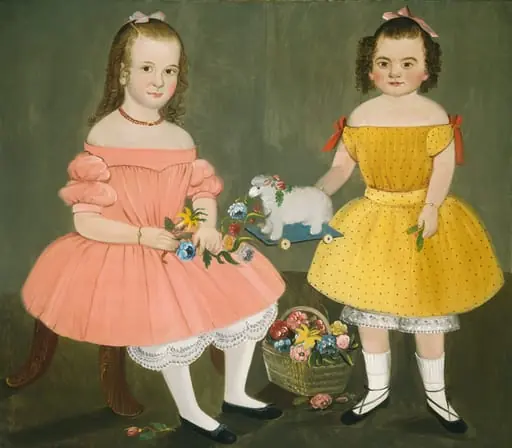 The Burnish Sisters
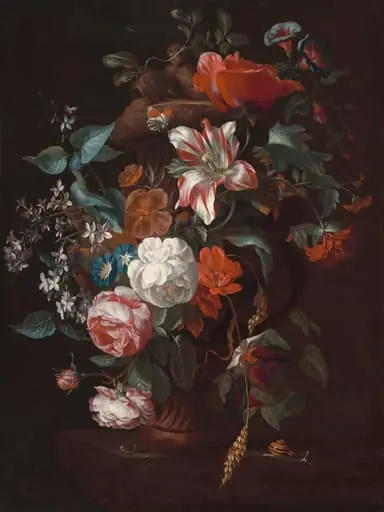 Flowers in a Vase
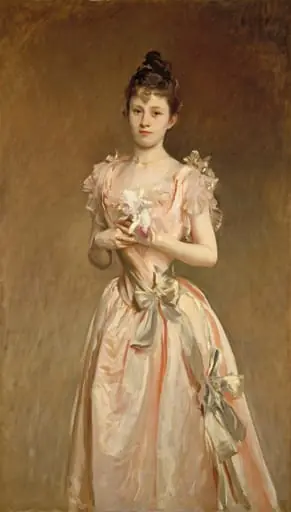 Miss Grace Woodhouse
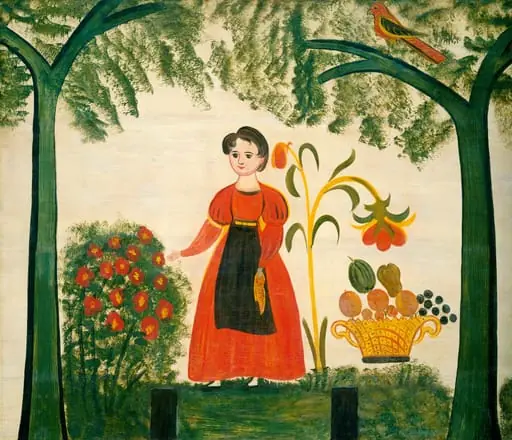 Girl in Red with Flowers and a Distelfink
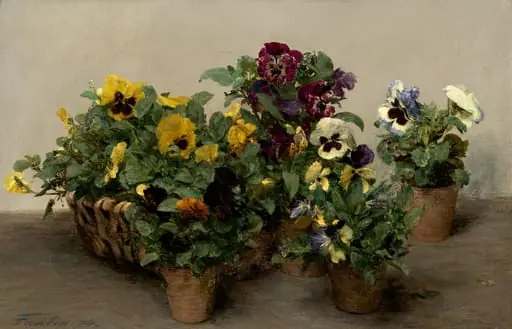 Pansies
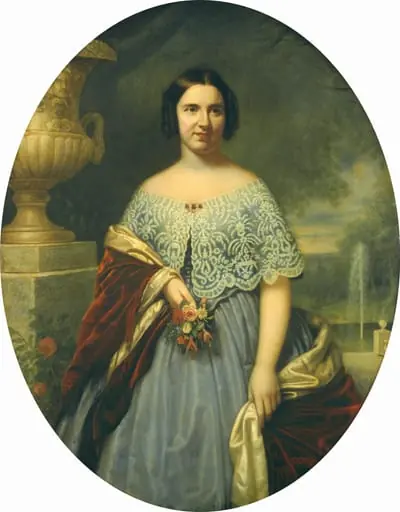 Lucy Tappan Bowen (Mrs. Henry C. Bowen)
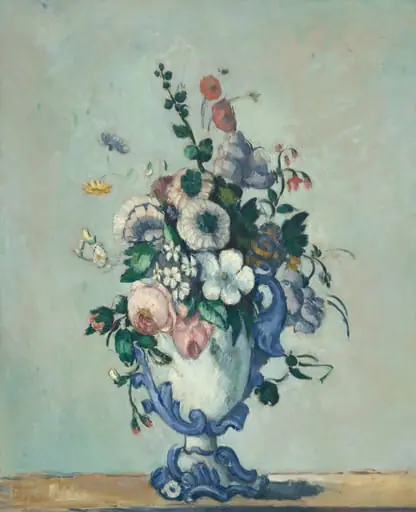 Flowers in a Rococo Vase
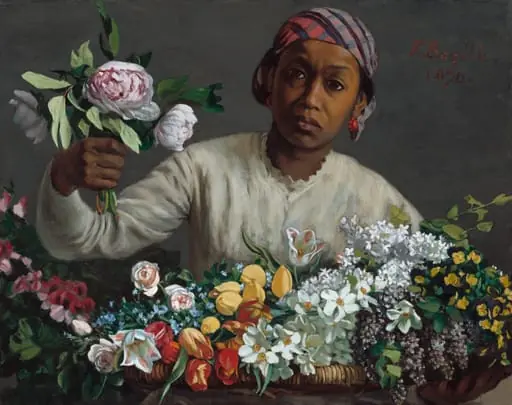 Young Woman with Peonies
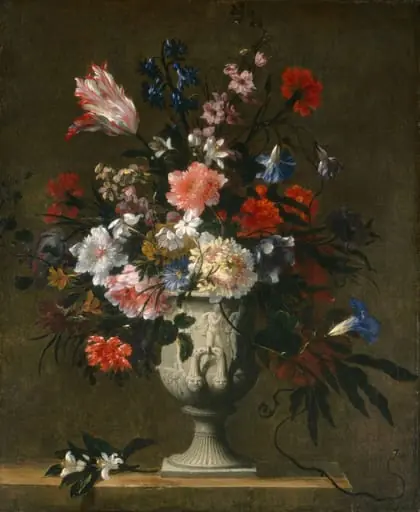 Flowers in a Classical Vase
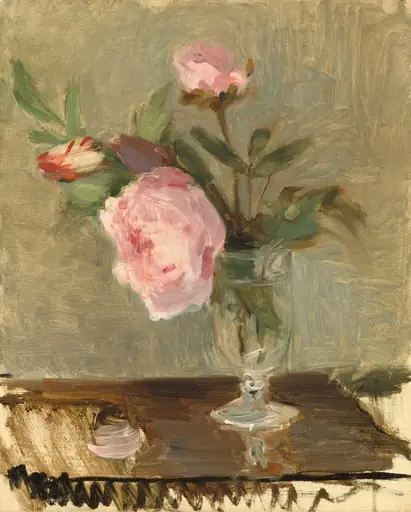 Peonies
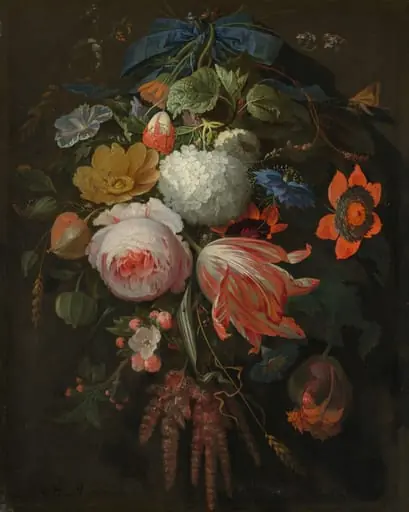 A Hanging Bouquet of Flowers
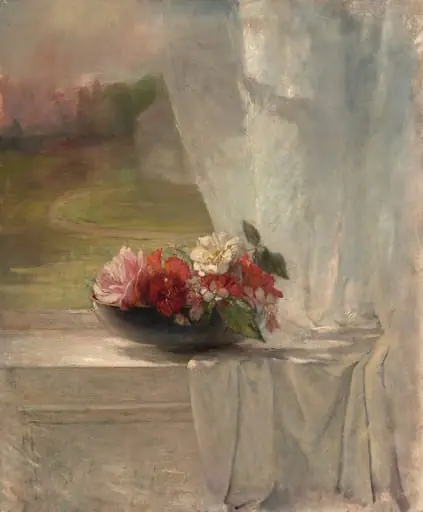 Flowers on a Window Ledge
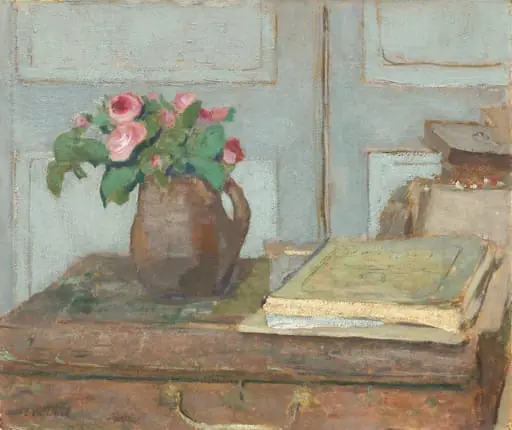 The Artist's Paint Box and Moss Roses
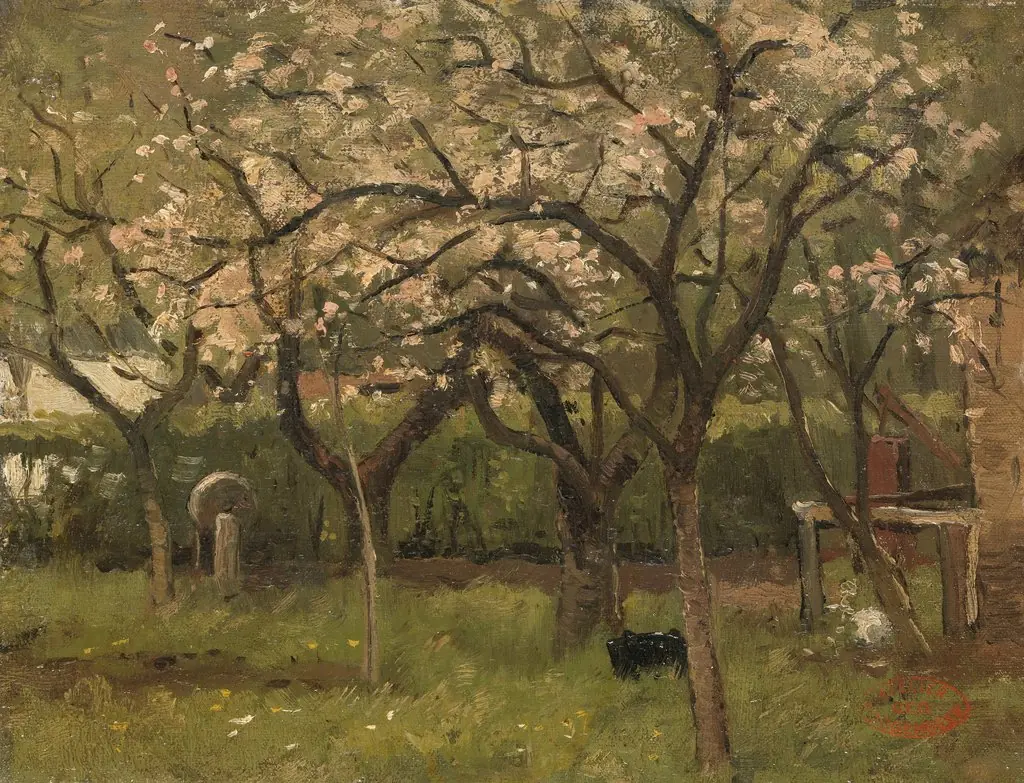 An orchard in bloom
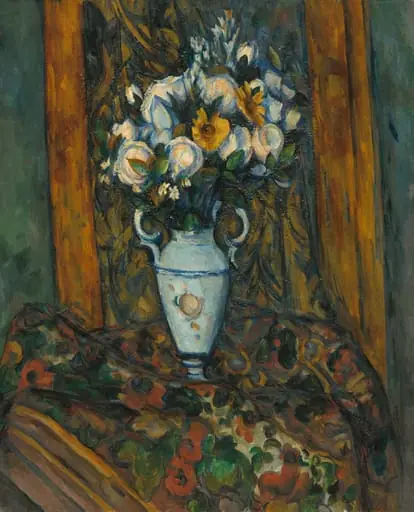 Vase of Flowers
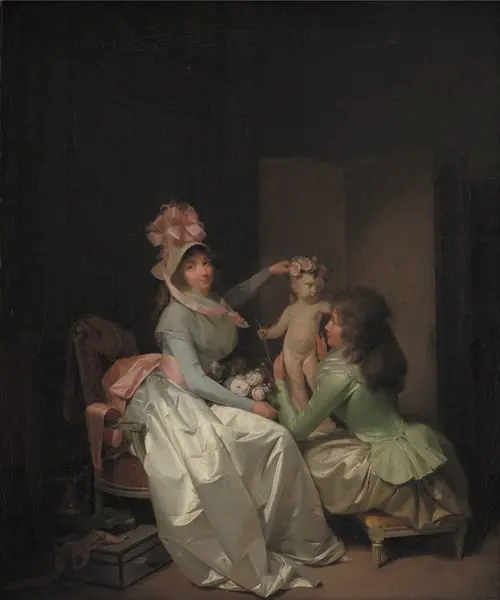 Garlanding the Statuette of Cupid
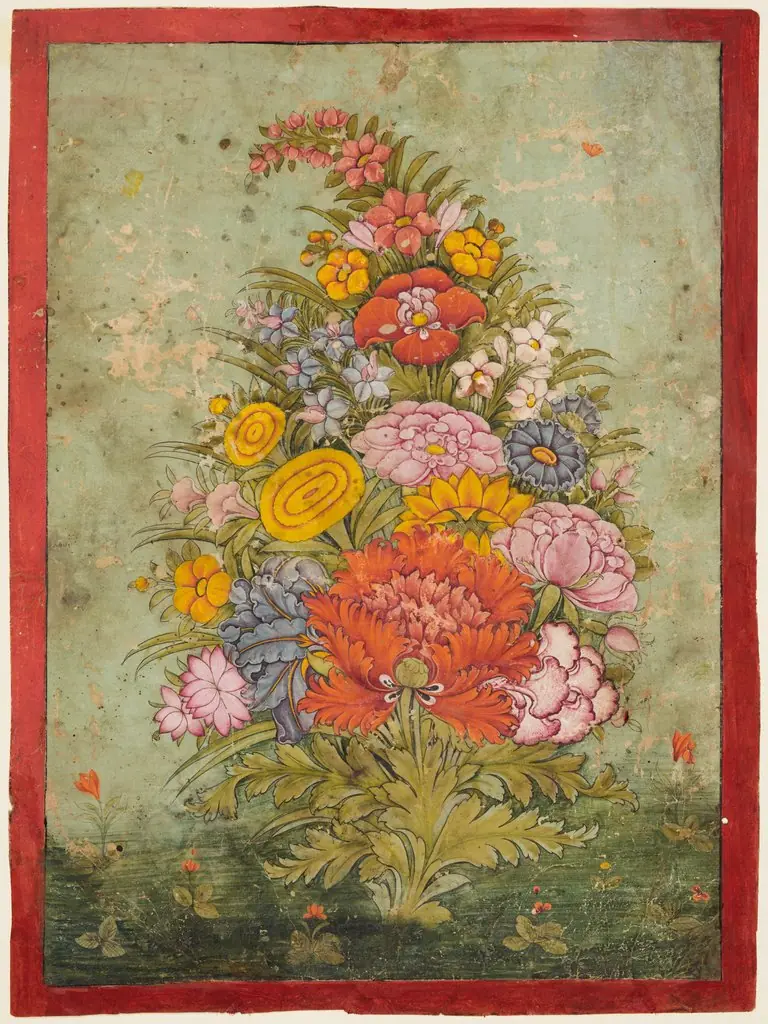 Still Life: Bouquet of Flowers Emerging from the Grass
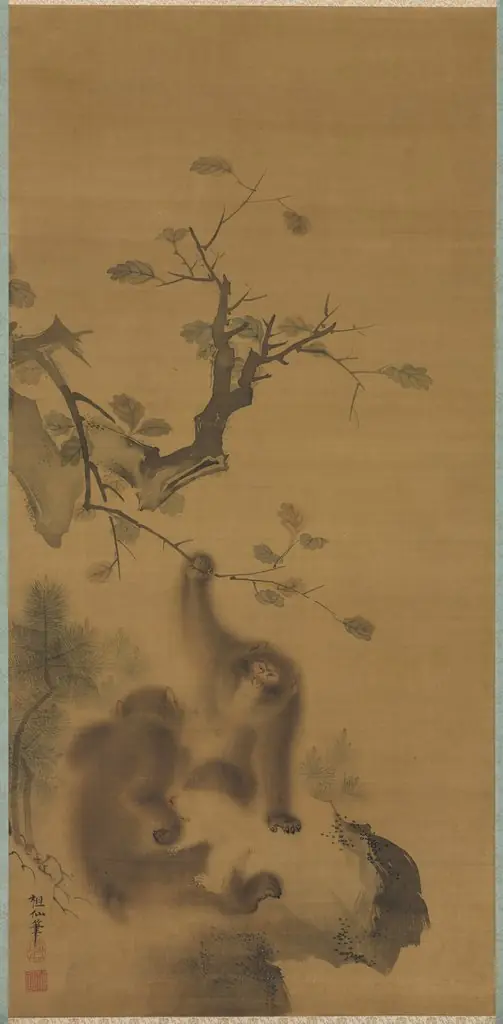 Monkeys on a Rock Ledge
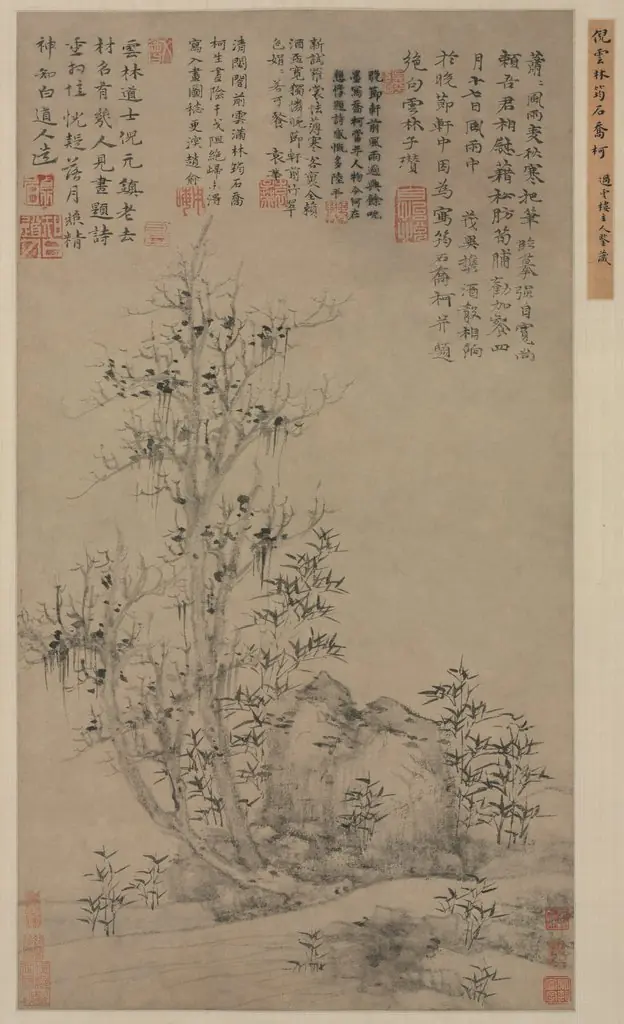 Bamboo, Rock, and Tall Tree
 Perfection of Wisdom in Eight Thousand Lines: Ashtasahasrika Prajnaparamita: Back Cover
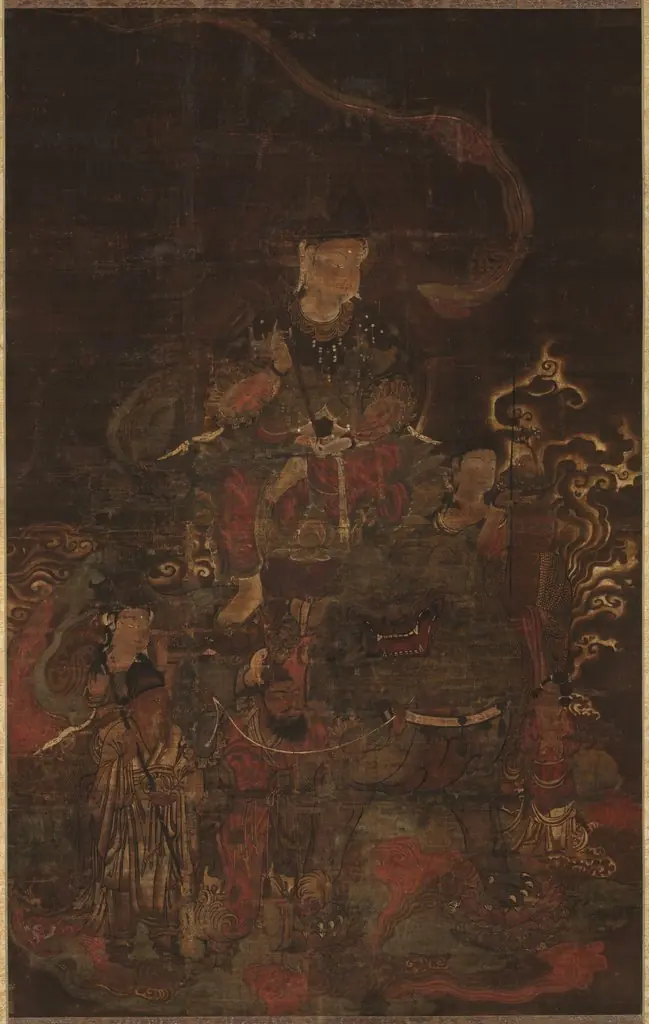 Monju Riding Lion with Attendants
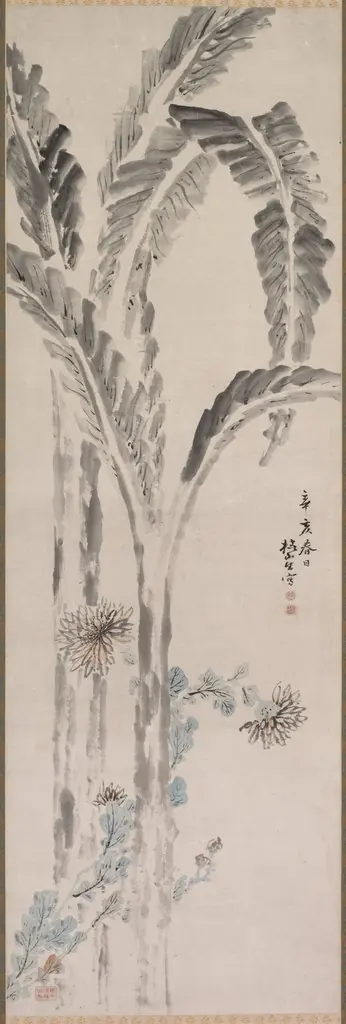 Banana Plant and Chrysanthemum
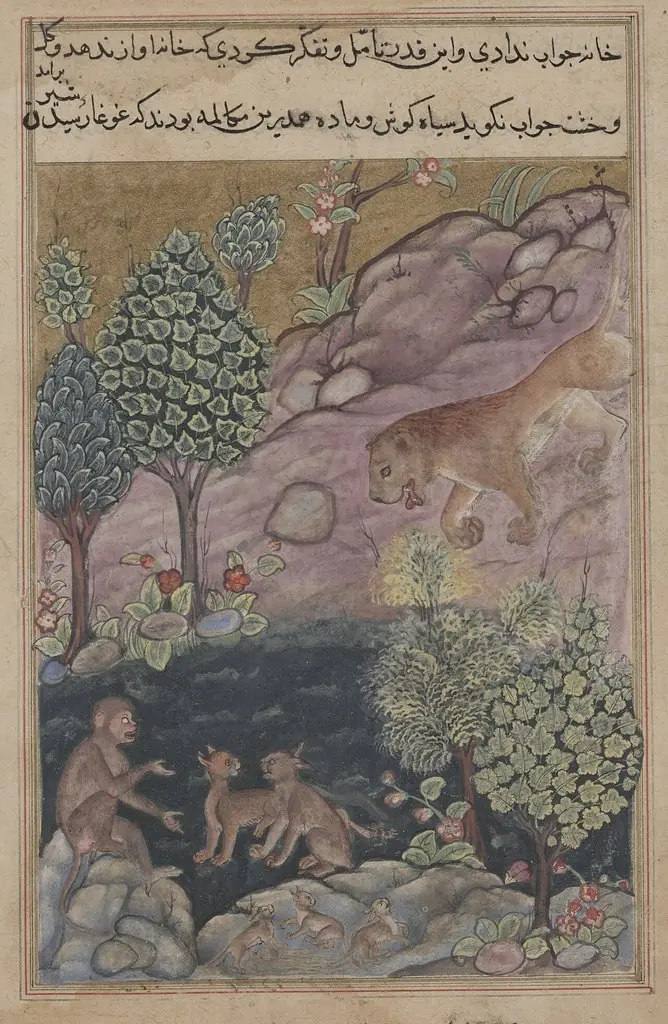 The lion returns to his territory and sees the monkey conversing with the lynx, from a Tuti-nama (Tales of a Parrot): Twenty-ninth Night
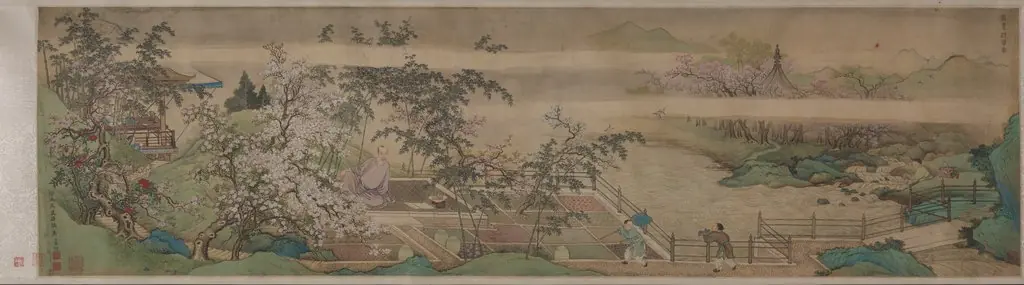 Cleansing Medicinal Herbs in the Stream on a Spring Day
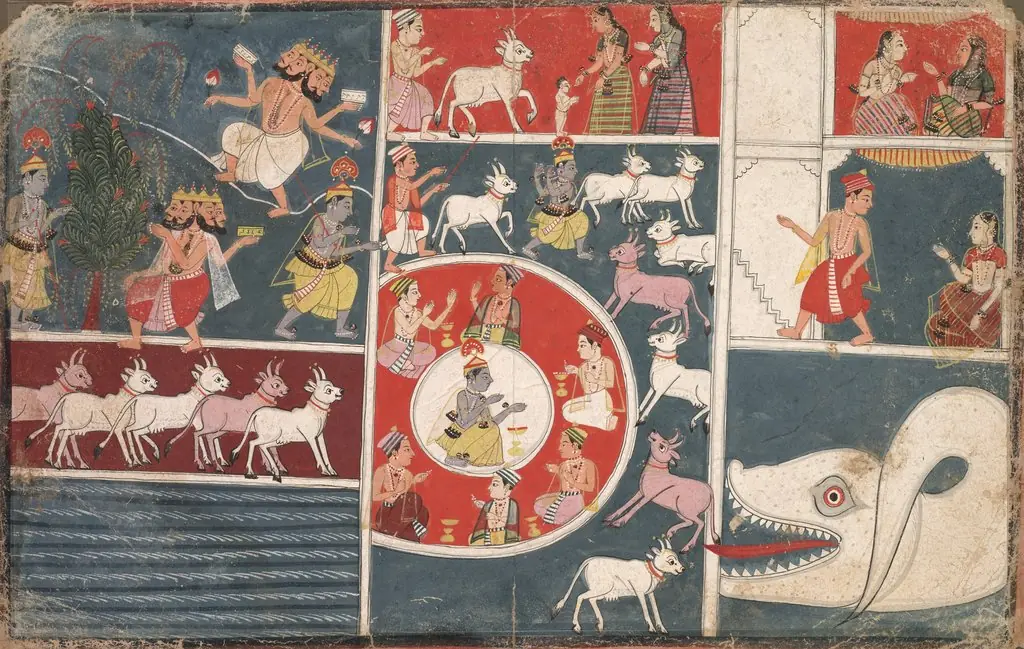 Krishna Playing the Flute and other Episodes from the Bhagavata Purana
 Manuscript of the Perfection of Wisdom in Eight Thousand Lines (Ashtasahasrika Prajnaparamita-sutra)
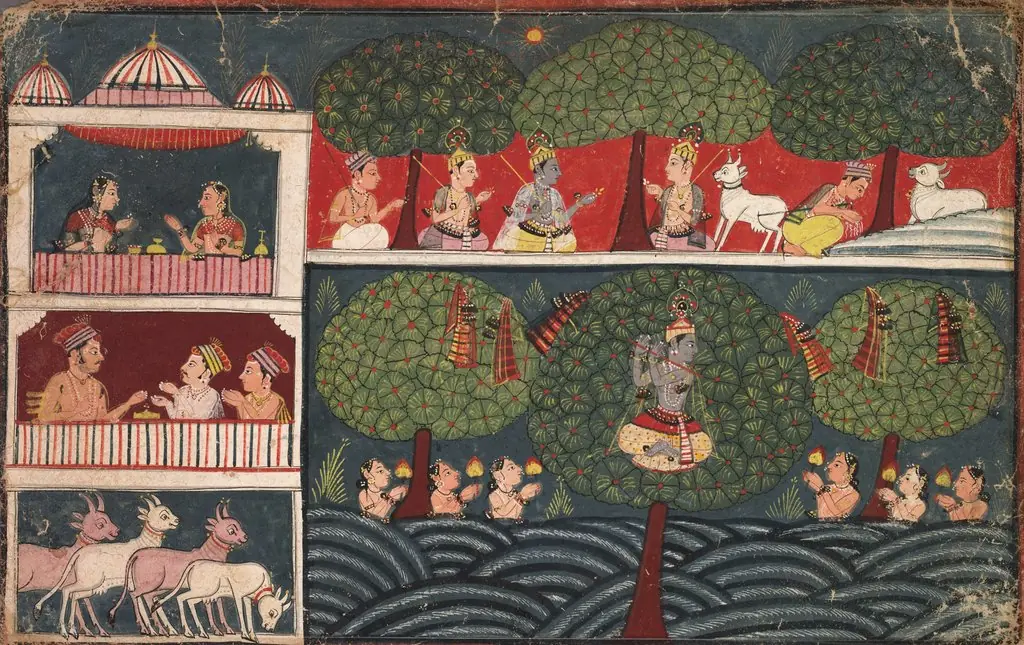 Krishna Steals the Clothes of the Milkmaids and Expounds on the Virtue of Trees, from a Braj Bhagavata Purana
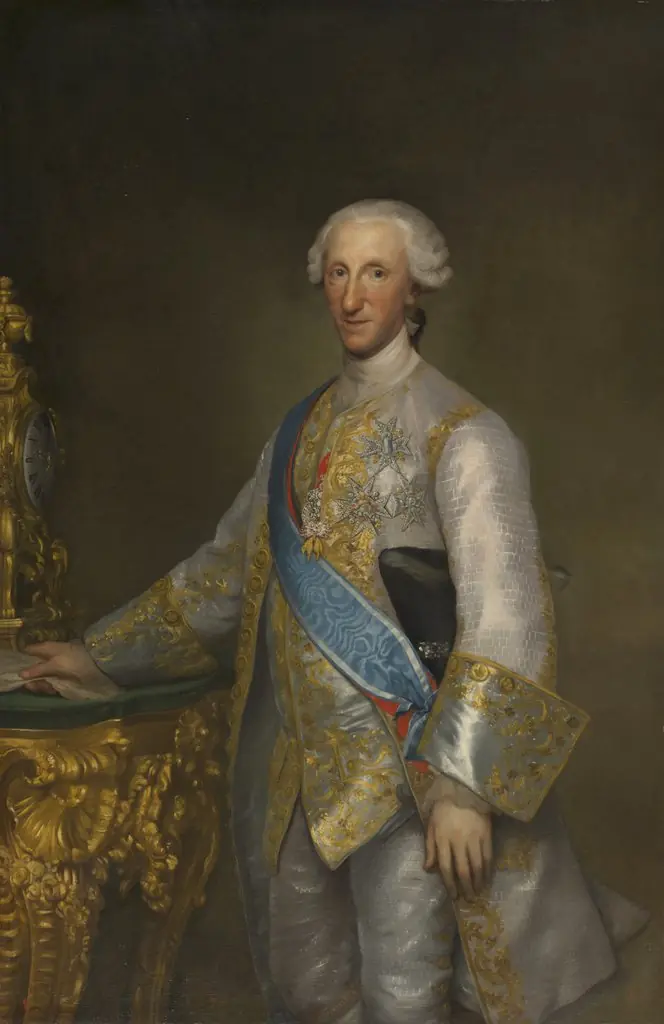 Portrait of Infante Don Luis de Borbon
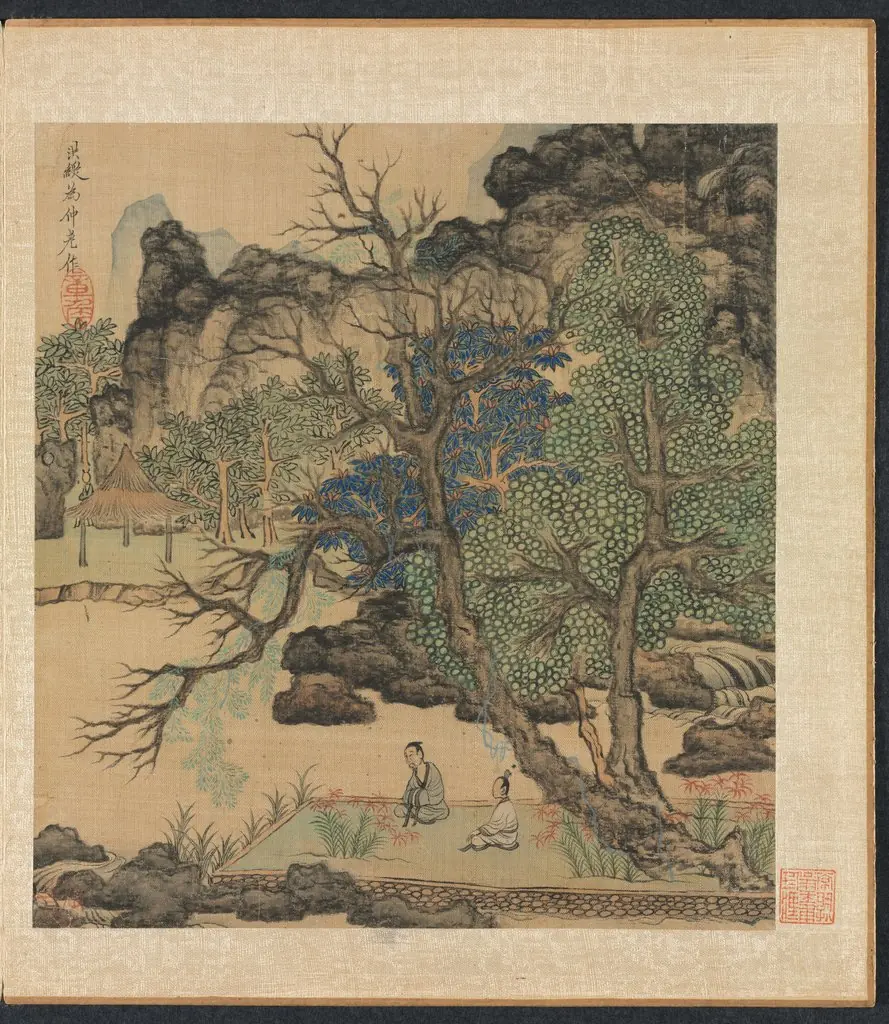 Paintings after Ancient Masters: Scholars in a Garden
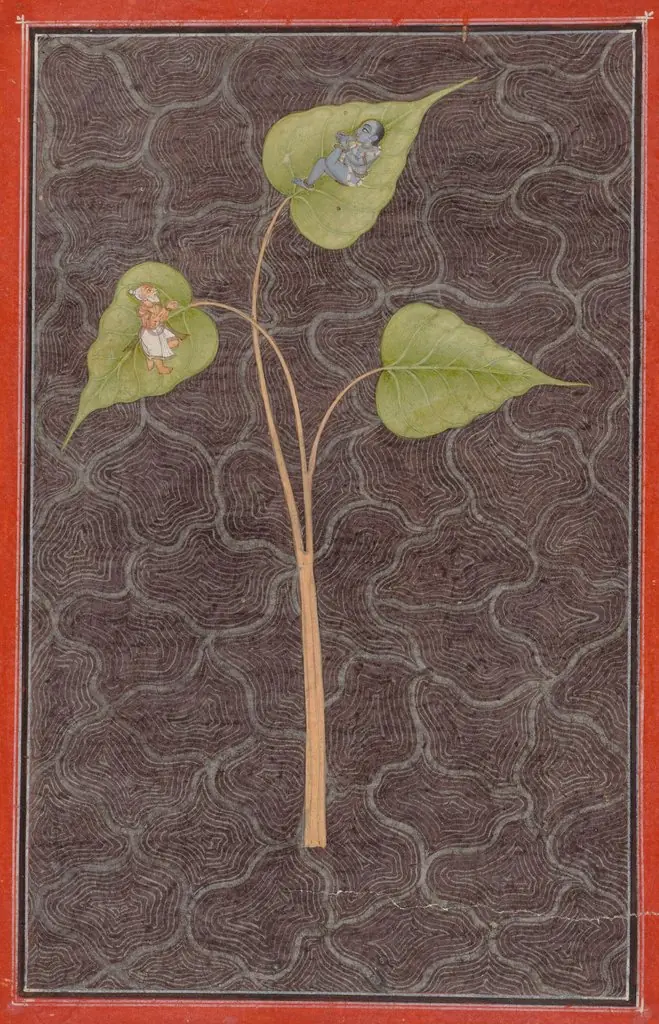 Markandeya Viewing Krishna in the Cosmic Ocean
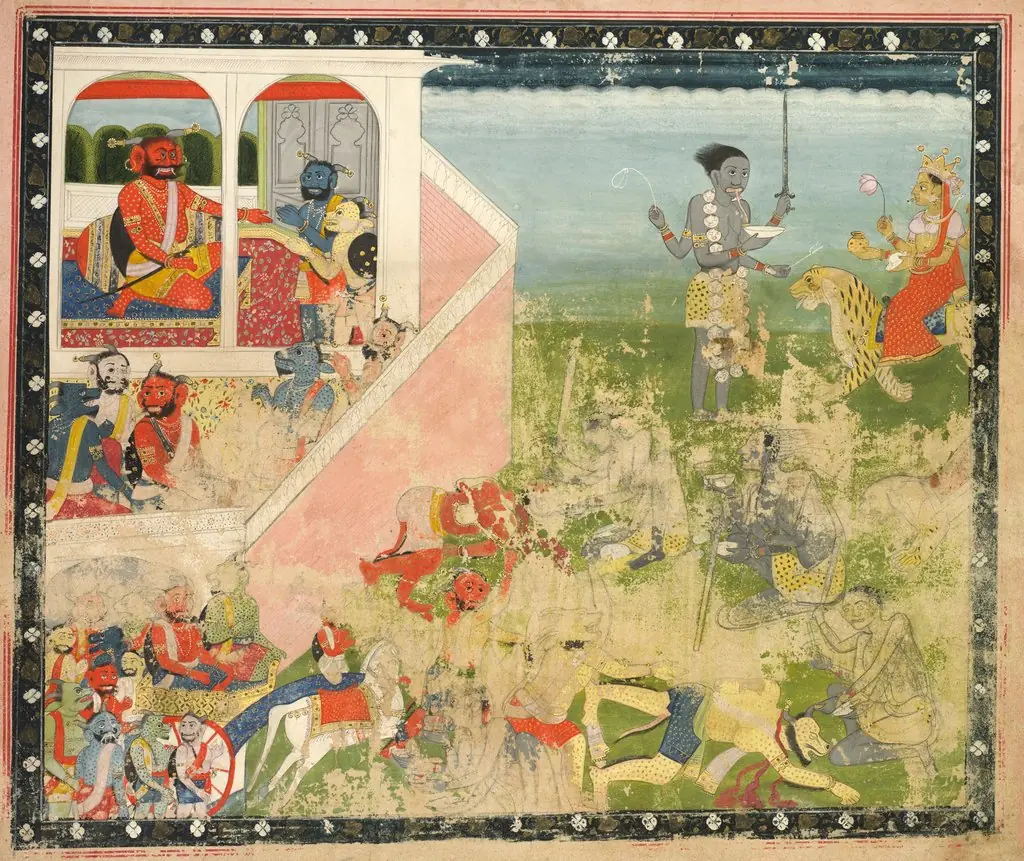 Kali and Devi Attack: Leaf from a Devi Mahatmya
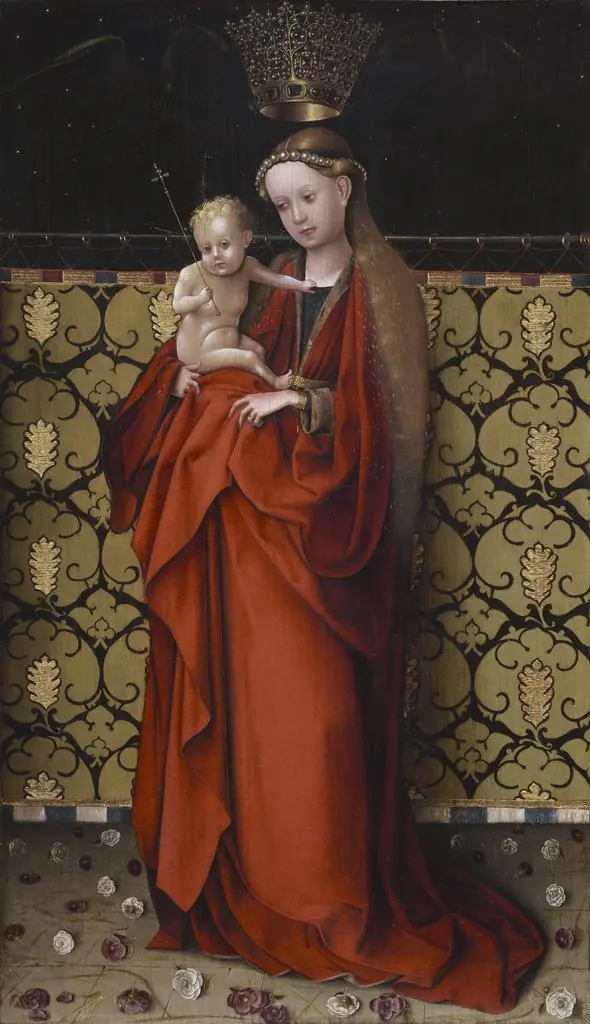 The Virgin Crowned by Angels
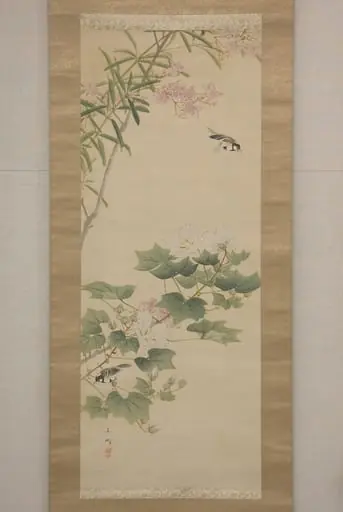 Untitled
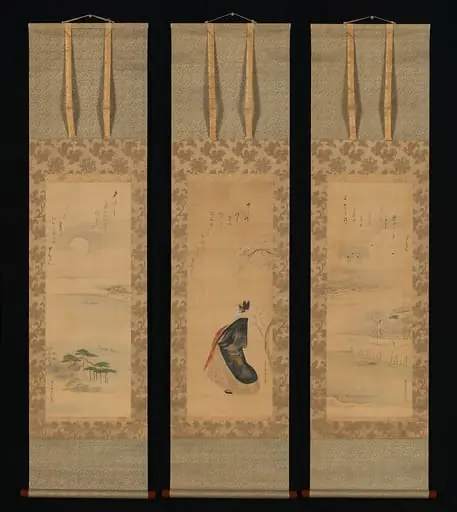 蜀山人(大田 南畝)賛 雪・月・花図 |Snow, Moon, and Cherry Blossoms (Yoshiwara in Three Seasons)
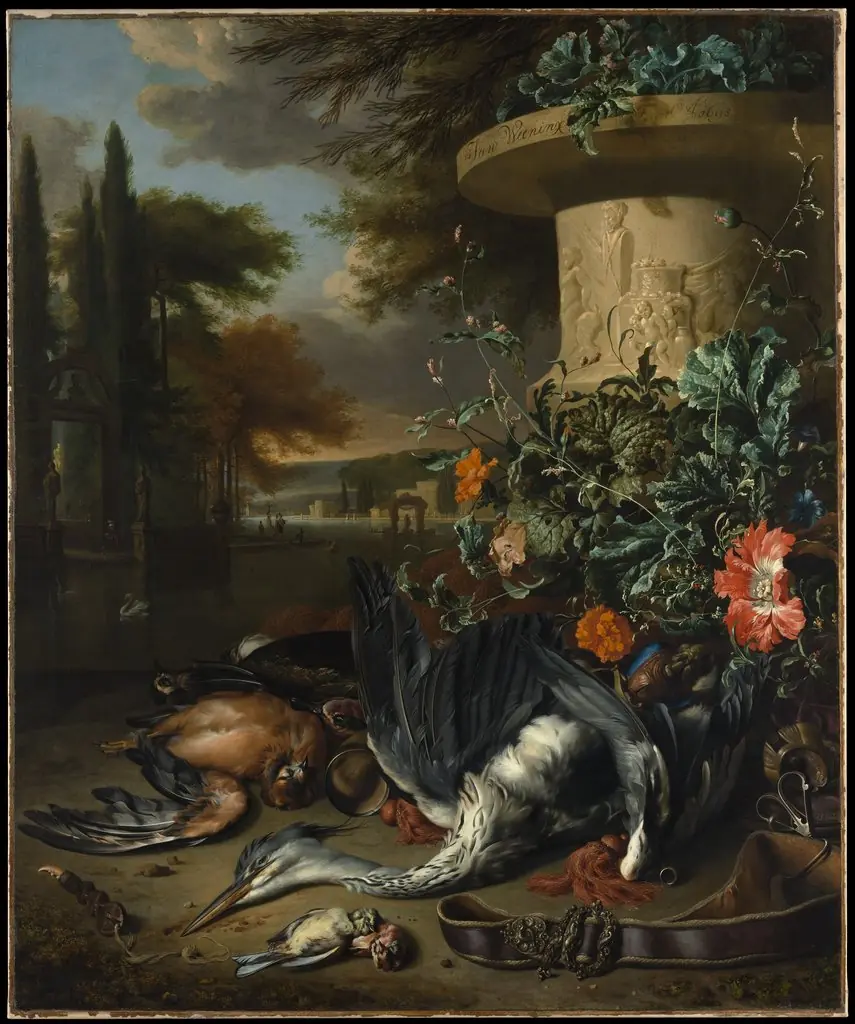 Gamepiece with a Dead Heron ("Falconer's Bag")
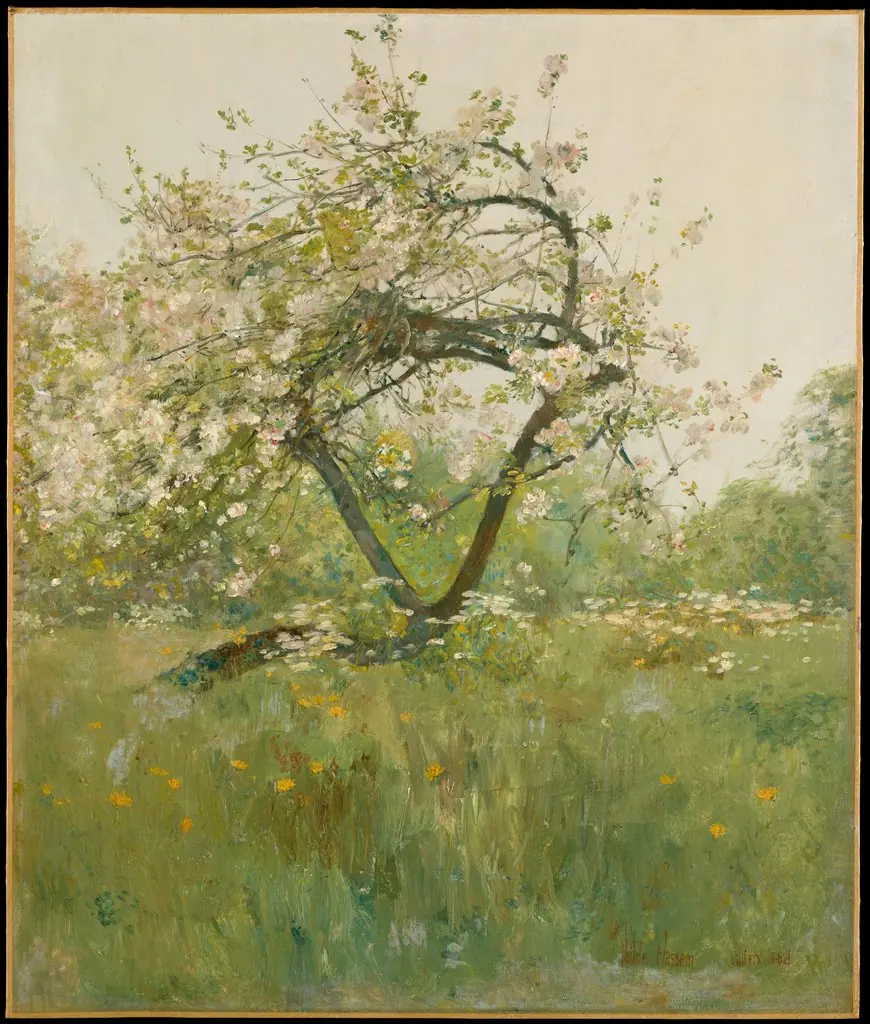 Peach Blossoms—Villiers-le-Bel
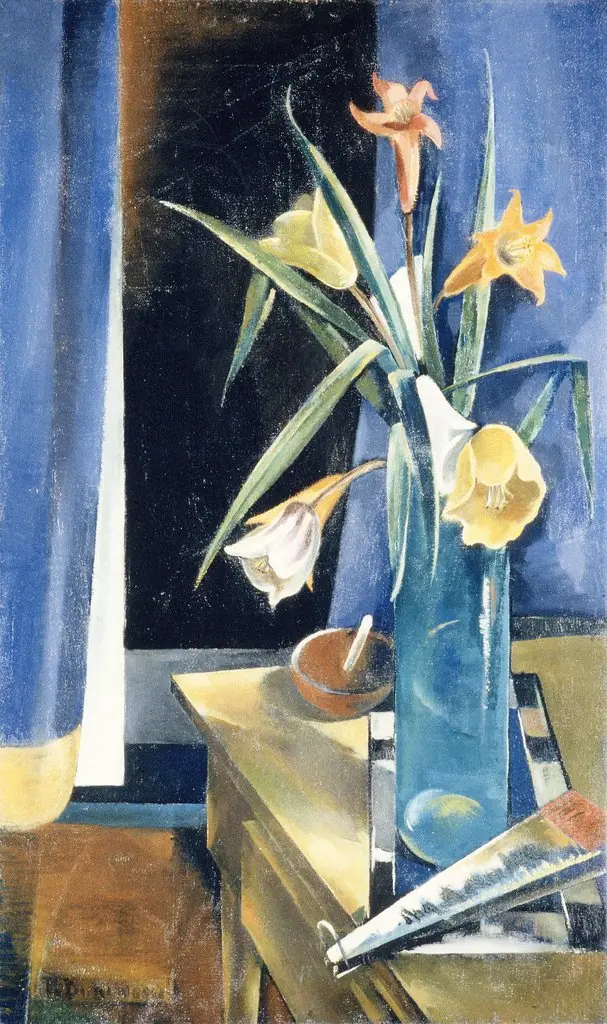 Vase of Flowers
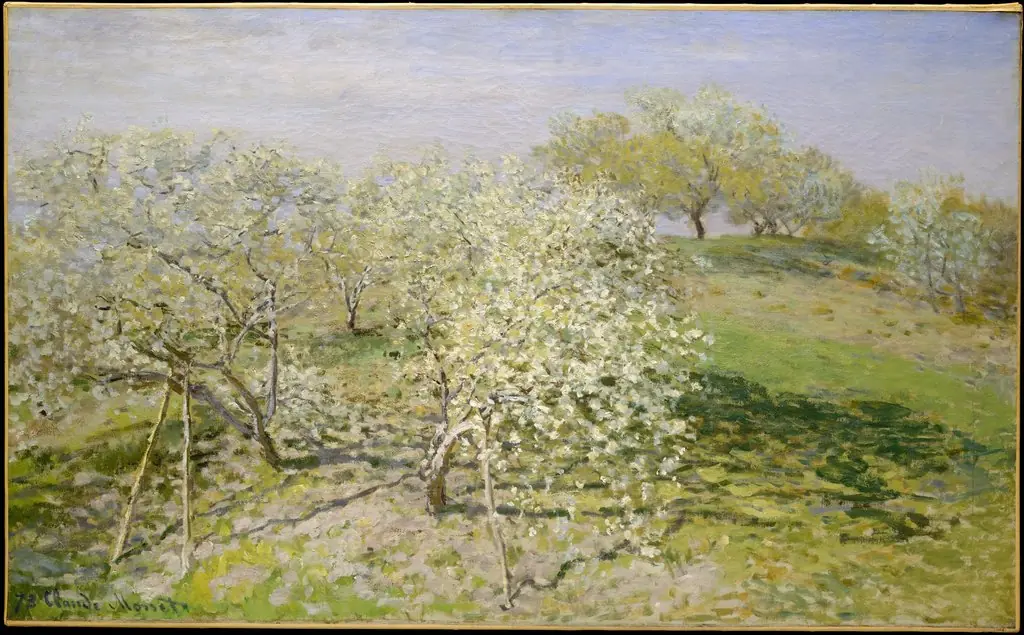 Spring (Fruit Trees in Bloom)
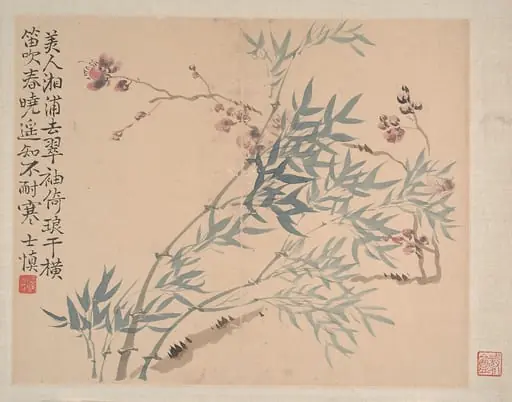 清 汪士慎 山水花卉圖 冊|Landscapes and Flowers
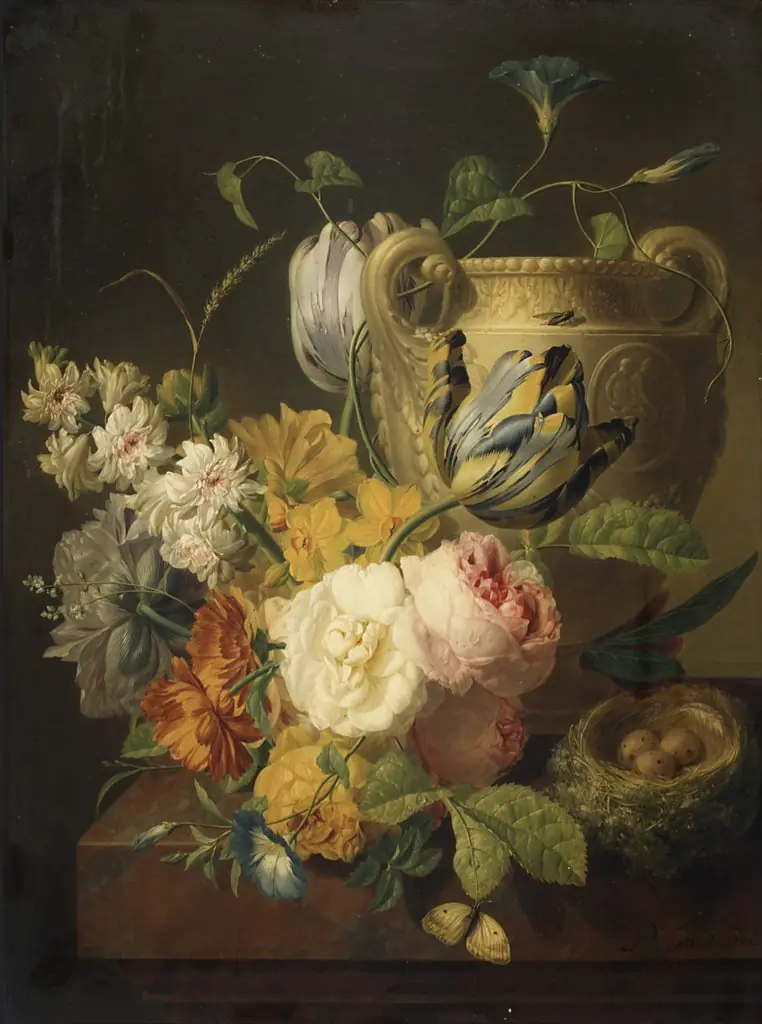 Flowers by a Stone Vase
Frequently asked questions
What is Flower?
Flowers, also known as blossoms and blooms, are the reproductive structures of flowering plants.
How many Flower works does Artifact World Gallery have?
Artifact World Gallery holds 200 public-domain Flower works, all free to view and download.
Who are the key Flower artists?
Key Flower artists in the collection include Titian, Gustave Courbet and Edgar Degas.
Where can I see Flower works?
Flower works in the collection are held by Metropolitan Museum of Art, ASTRA National Museum Complex and "Dimitrie Gusti" National Village Museum.