Artwork
H Beard Print Collection
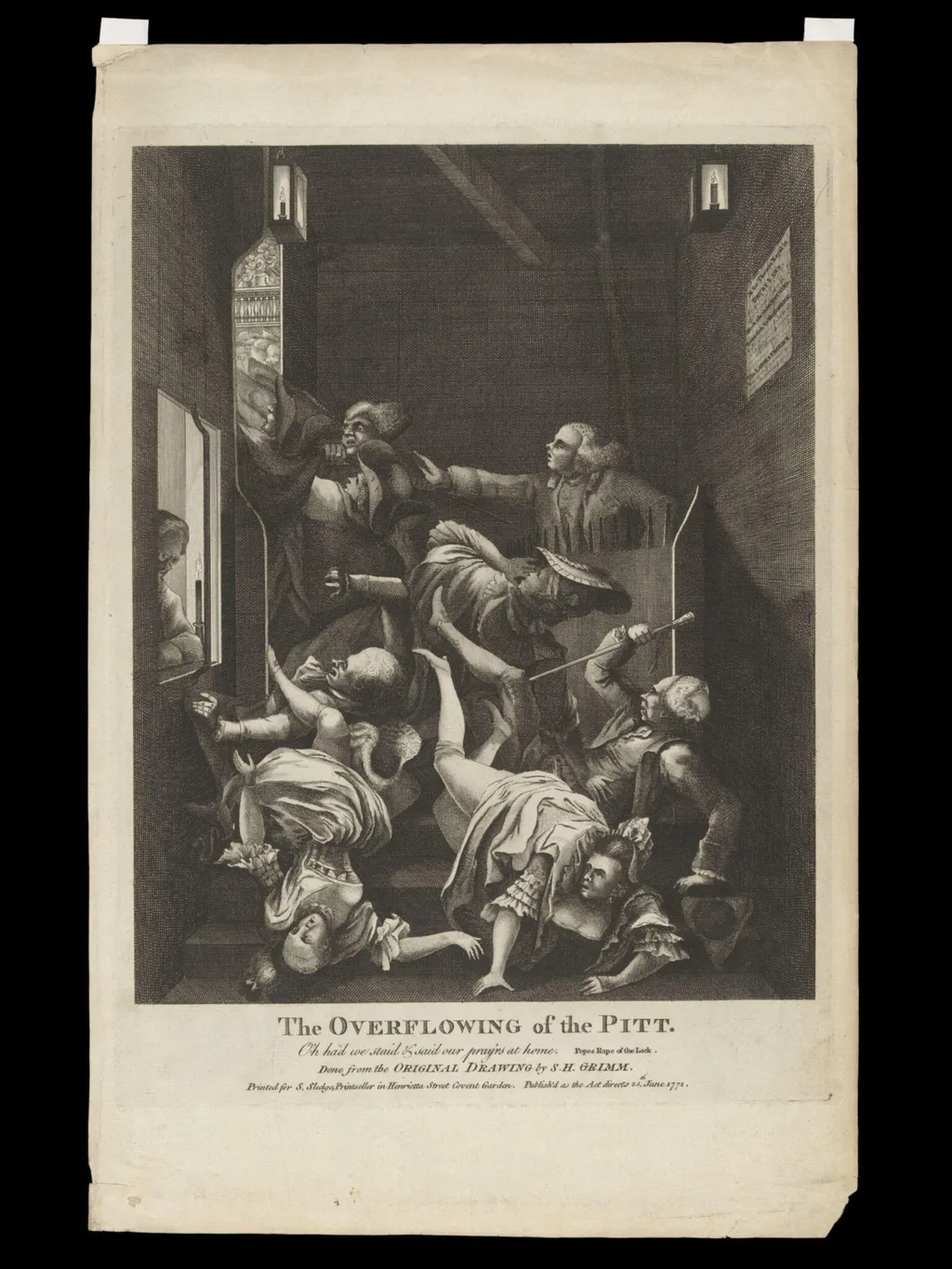
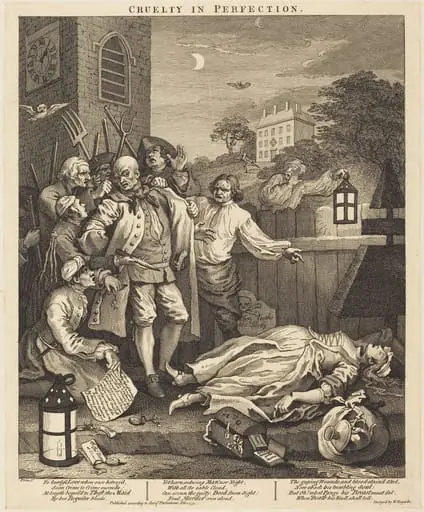
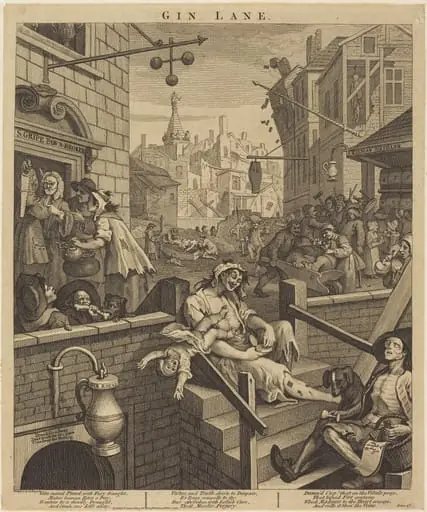
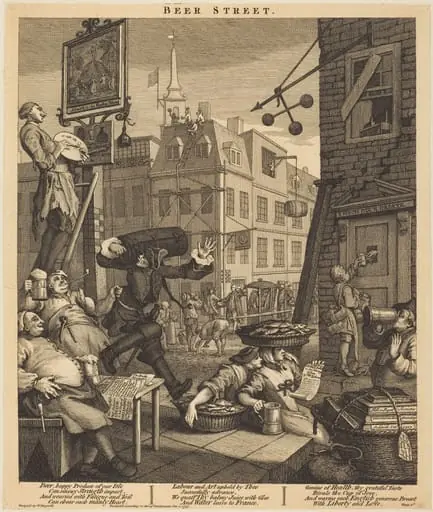
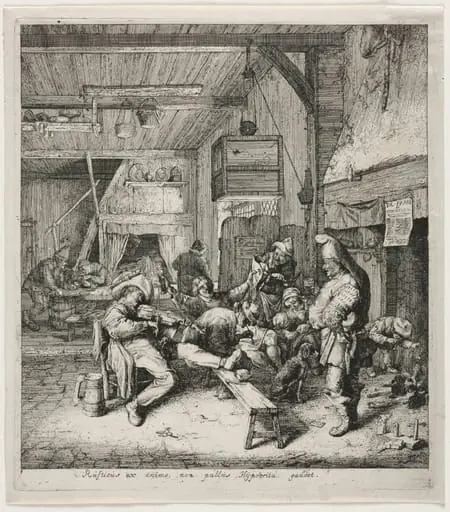
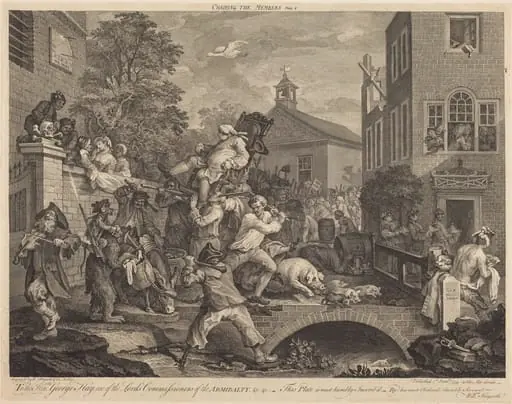
H Beard Print Collection is a print by the Romanticist artist Samuel Hieronymous Grimm. It dates from 25 and is held in the collection of the Victoria and Albert Museum. This engraving belongs to the H.
About this work
Overview
It depicts a scene titled 'The Overflowing of the Pitt,' produced for the publisher S.
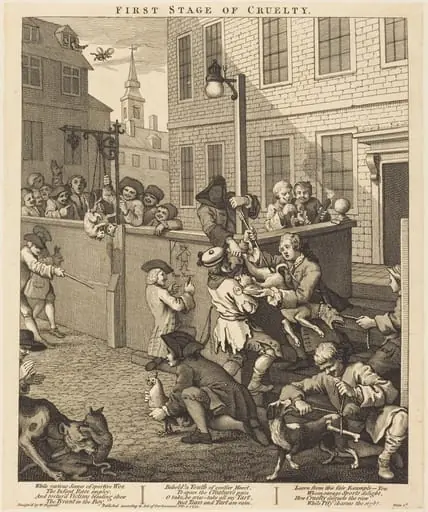
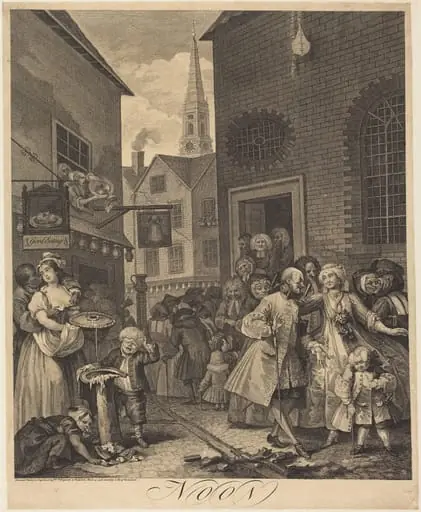
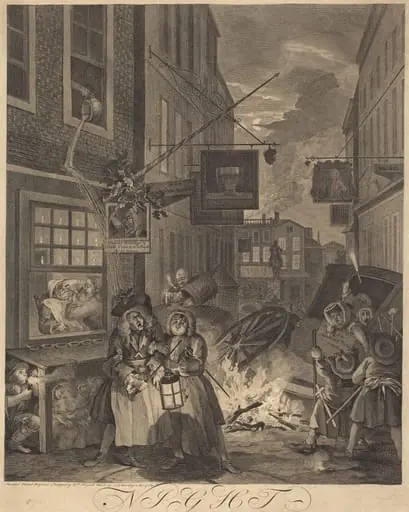
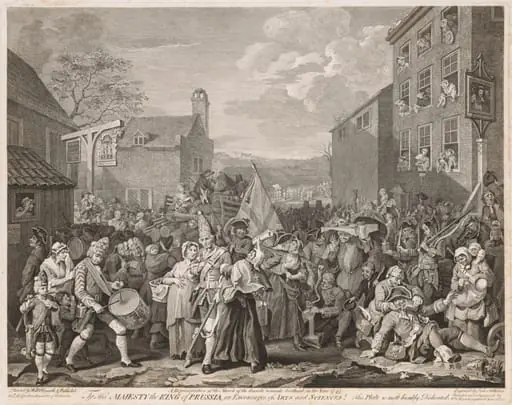
This engraving belongs to the H. Beard Print Collection and was executed by Samuel Hieronymous Grimm. It depicts a scene titled 'The Overflowing of the Pitt,' produced for the publisher S. Sledge. As a hand-engraved print, it reflects the precision and technical discipline typical of late 18th-century topographical illustration, capturing architectural and environmental details with careful line work.
Subject & Meaning
The image portrays a flood event at the Pitt, likely referring to a local waterway or drainage system overwhelmed by heavy rain. The scene documents a practical urban concern, infrastructure failure, rather than a mythological or idealized landscape. Its focus on a mundane natural disaster suggests an interest in recording real-world events, aligning with the observational ethos of topographical artists of the period.
Technique & Style
Executed in fine-line engraving, the work demonstrates Grimm’s mastery of controlled incisions to render texture, depth, and spatial relationships. The composition emphasizes architectural elements and water flow with meticulous attention to detail, characteristic of his documentary approach. The style avoids romantic embellishment, favoring clarity and accuracy over dramatic effect.
History & Provenance
Created in the late 1700s, the print was published by S. Sledge, a known London printer of topographical and antiquarian subjects. It entered the H. Beard Collection, a curated assemblage of British topographical prints, likely during the 19th century. Grimm’s association with the Society of Antiquaries and his extensive fieldwork in England lend credibility to the print’s historical record.
Context
Grimm worked during a period when detailed visual documentation of British landscapes and infrastructure was gaining scholarly value. While Romanticism emphasized emotion and sublime nature, Grimm’s approach remained grounded in empirical observation. His prints served as records for antiquarians and urban planners, reflecting a broader cultural shift toward systematic visual archiving.
Legacy
Grimm’s engravings, including this one, remain valuable as historical documents of 18th-century Britain’s built and natural environments. Though not widely exhibited today, they contribute to studies in urban history, cartography, and the evolution of print culture. His method influenced later generations of topographical illustrators who prioritized accuracy over artistic interpretation.
Own this work as a print
Artist & collection
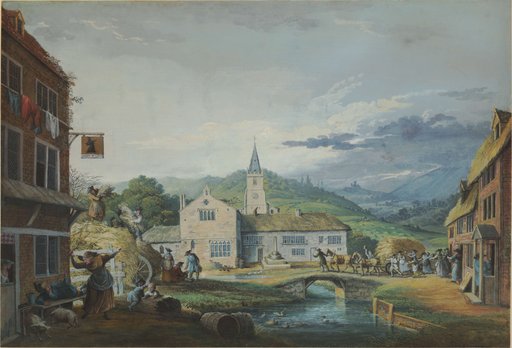
Artist
Samuel Hieronymus Grimm was an 18th-century Swiss landscape artist who worked in oils, watercolours, and pen and ink media.