Artwork
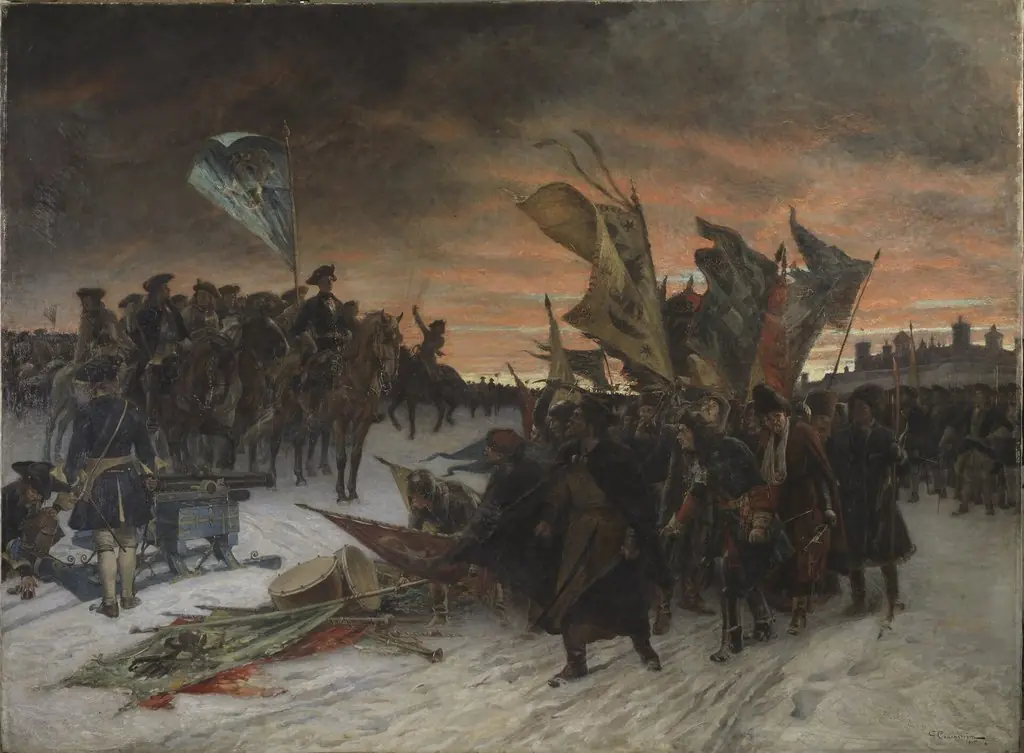
Bringing Home the Body of King Karl XII of Sweden
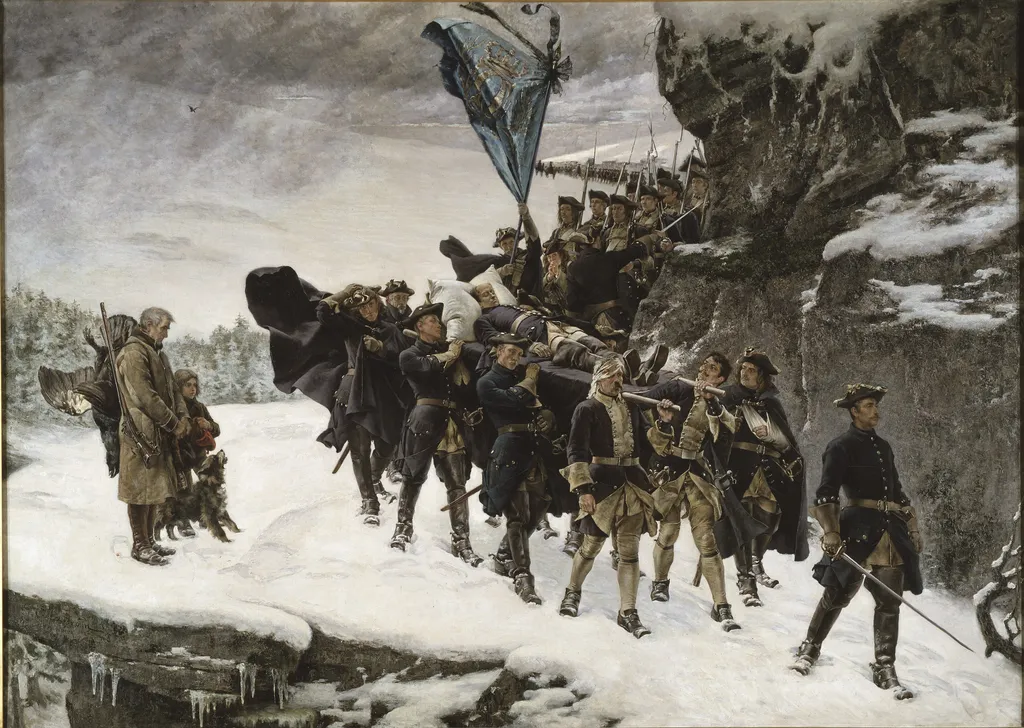
Bringing Home the Body of King Karl XII of Sweden is an oil painting by the Realist artist Gustaf Cederström. It dates from 1892 and is held in the collection of the Nationalmuseum.
About this work
Subject & Meaning
The subject's identity and the historical moment are central to the work's meaning, representing both a specific event and broader Swedish historical narrative.
The painting shows the repatriation of King Charles XII of Sweden after his death in Norway during the Siege of Fredriksten. It depicts the king's body carried home on a funeral procession with soldiers, a coffin, and mourners, symbolizing national mourning and the end of Sweden's era as a great power. The work reflects the geopolitical significance of Charles XII's death, marking the conclusion of the Great Northern War and the transition to Sweden's Age of Liberty.
Cederström created two versions of this historical scene, with the first painted in Paris in 1878 and the second completed in Sweden in 1884. The painting was inspired by the Carolean Death March, though Cederström took artistic liberties in depicting the landscape and procession. The subject's identity and the historical moment are central to the work's meaning, representing both a specific event and broader Swedish historical narrative.
Technique & Style
Bringing Home the Body of King Karl XII of Sweden is executed in oil paint on canvas, adhering to the conventions of history painting. Gustaf Cederström pursued an intense realism in his technique, utilizing extensive preliminary sketches and live models to achieve pictorial accuracy. For the 1878 original, he imported Swedish military uniforms and constructed a stretcher for the king's model, while using large quantities of salt to simulate snow in the Parisian studio.
Figures not posed by human models were crafted in wax by the artist himself. Although the work aims for realism in its material execution, the composition is a fictionalized interpretation of historical events, featuring a dramatic mountainous landscape inspired by the Carolean Death March rather than the actual flat terrain of the funeral route. The second version, painted in 1884, maintains these stylistic choices while incorporating Swedish models, resulting in lighter hair and eye colors for the figures compared to the first iteration.
History & Provenance
Gustaf Cederström conceived the original painting for the 1878 Exposition Universelle in Paris, where he produced it while studying under Léon Bonnat. After the exhibition it was purchased for 22,000 francs by Grand Duke Konstantin Konstantinovich of Russia, who took it to the Marble Palace in Saint Petersburg.
Outrage among Swedish admirers that the funerary tribute to Charles XII had ended up in Russia prompted a fundraising campaign that raised 11,000 kronor to commission a replica. Cederström accepted while still in Paris, basing the new version on sketches of the original. He continued work in Florence and finished it at his home in Krusenberg, south of Uppsala.
On 30 November 1884, the anniversary of Charles XII's death, he signed the canvas and delivered it to the museum in Stockholm, where it entered the Nationalmuseum collection.
The fate of the 1878 original during the upheavals of the October Revolution is undocumented, but in 1923 the art dealer Max Molvidson acquired it for 7,500 roubles and brought it back to Sweden. He sold it to Gustaf Werner, who donated it to the Gothenburg Museum of Art in 1939.
Gustaf Cederström's 1884 version of Bringing Home the Body of King Karl XII of Sweden is held by the Nationalmuseum in Stockholm. This replica was delivered to the museum on November 30, 1884, following a fundraising campaign by Swedish admirers. The work was exhibited under the title Svenska hävder genom konstnärsögon.
The original 1878 version is currently displayed at the Gothenburg Museum of Art. After being purchased by a Russian grand duke and surviving the October Revolution, it was acquired by art dealer Max Molvidson in 1923. Gustaf Werner subsequently donated this earlier work to the Gothenburg institution in 1939, where it remains part of the collection.
Context
Gustaf Cederström’s Bringing Home the Body of King Karl XII of Sweden (1878; 1884 version) emerged from a nationalist impulse to monumentalize a decisive moment in Swedish history. The 1878 version, painted in Paris under Léon Bonnat, won a second-place medal at the Exposition Universelle despite Bonnat’s skepticism, validating Cederström’s meticulous, costly realism, down to imported Swedish uniforms and simulated snow. Its purchase by a Russian grand duke sparked Swedish outrage, prompting a 1884 fundraising campaign to commission a Stockholm version, completed by the anniversary of Karl XII’s death.
Scholarly discussion emphasizes the work’s tension between realism and invention. Cederström freely altered historical facts, placing the repatriation in daytime on an open stretcher rather than at night in a pine coffin, while citing the Catastrophe on Øyfjellet as inspiration for the mountainous backdrop. He defended these choices in 1919, framing them as purposeful poetic license.
The two versions also reflect Cederström’s shifting contexts: the 1884 Stockholm painting incorporates Swedish models and family portraits, embedding personal and national memory.
Legacy
Upon its debut at the 1878 Exposition Universelle in Paris, Gustaf Cederström's painting achieved immediate international acclaim, earning the artist a second-place medal and widespread fame across Europe. The work's initial sale to Grand Duke Konstantin Konstantinovich of Russia sparked a significant national controversy in Sweden, where many viewed the transfer of a patriotic tribute to a former enemy as a disgrace. This public outcry directly influenced the creation of the 1884 replica; admirers organized a fundraising campaign to commission a new version to be kept within Sweden, a project Cederström completed in Stockholm.
The original 1878 work survived the Russian Revolution, eventually returning to Sweden in 1923 after being purchased by art dealer Max Molvidson, before being donated to the Gothenburg Museum of Art in 1939. The 1884 version remains a prominent fixture at the Nationalmuseum in Stockholm, cementing the work's dual legacy as both a celebrated artistic achievement and a focal point of Swedish national identity.
Overview
Gustaf Cederström’s oil painting, created in Paris in 1878, portrays the solemn return of King Charles XII’s corpse to Sweden after his death at the siege of Fredriksten. The work is part of the Gothenburg Museum of Art’s collection, while a later 1884 version resides in Stockholm’s National Museum.
Own this work as a print
Artist & collection

- Victory at Narva
 On Outpost Duty
 On Outpost Duty
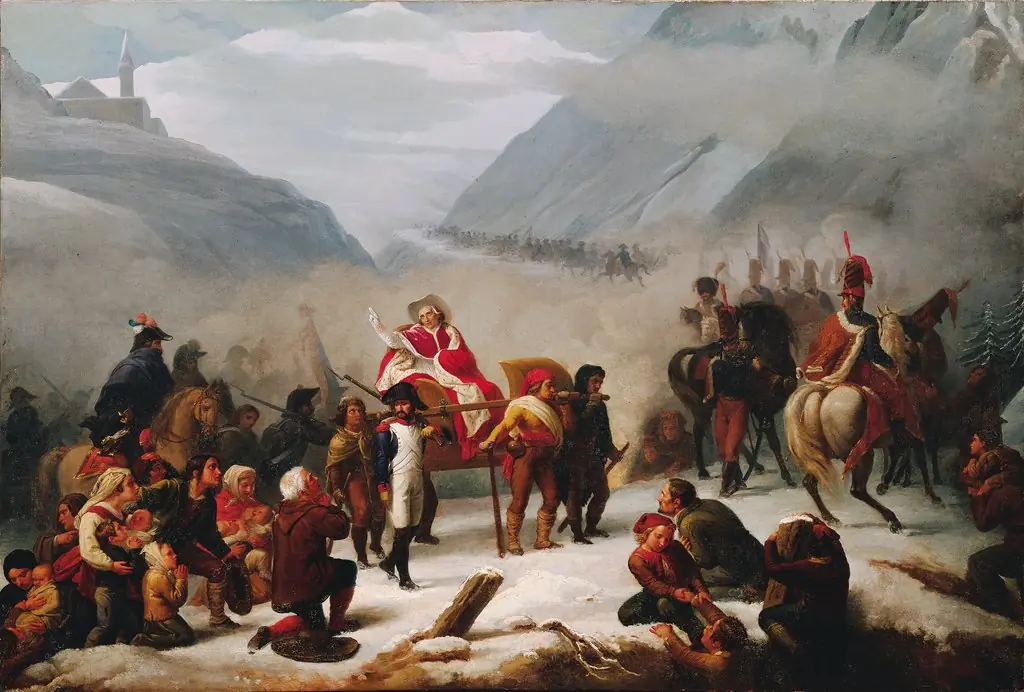 Pope Pius VII Crosses the Alps
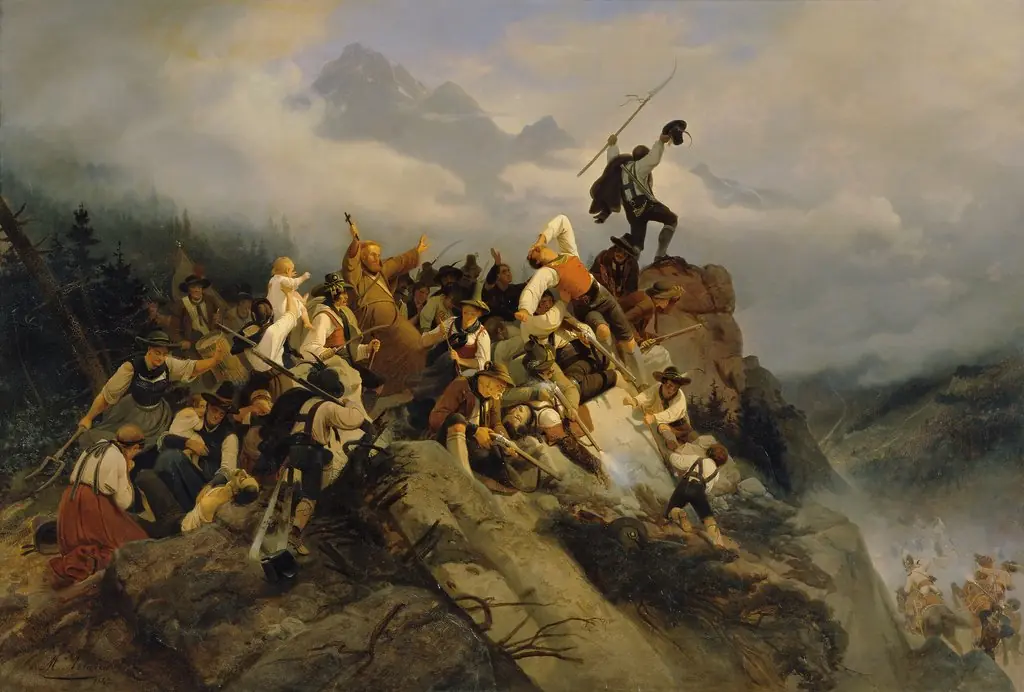 Pater Joachim Haspinger unter den kämpfenden Bauern
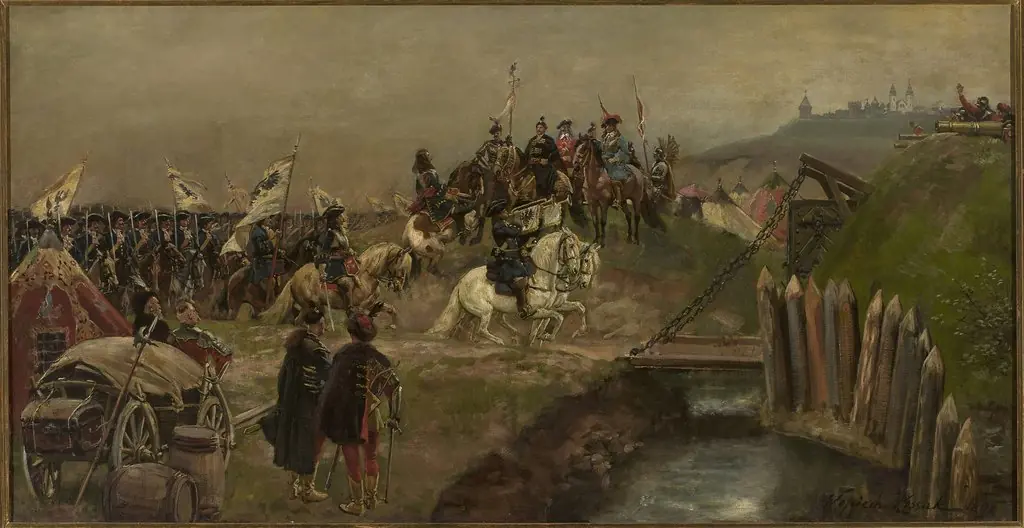 Parade of the Austrian troops before King Jan Sobieski
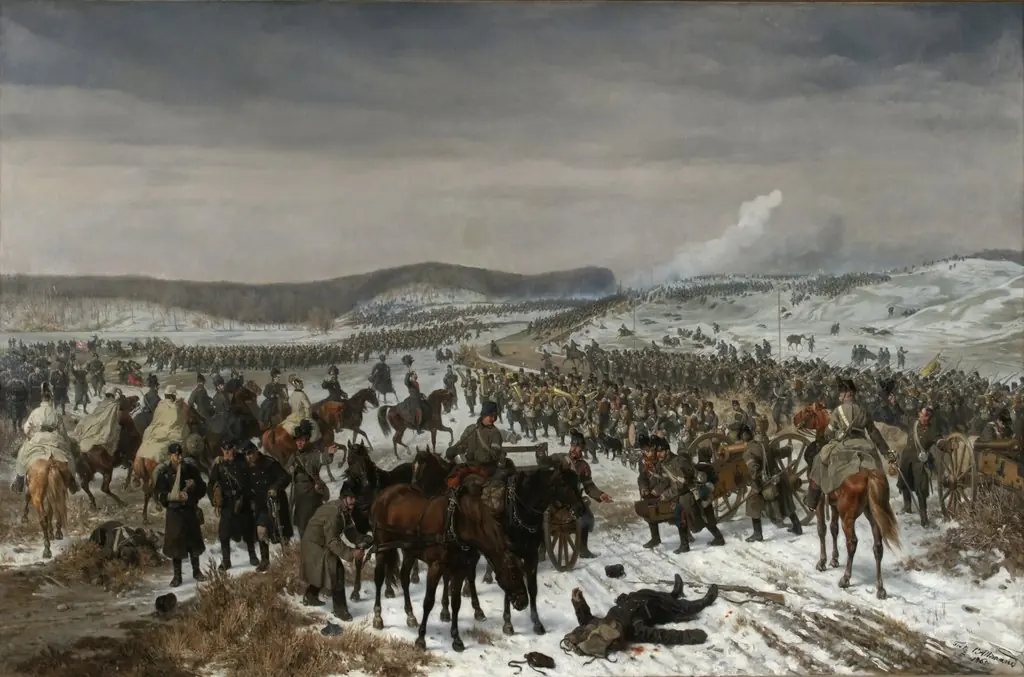 Die Schlacht bei Oeversee am 6. Februar 1864
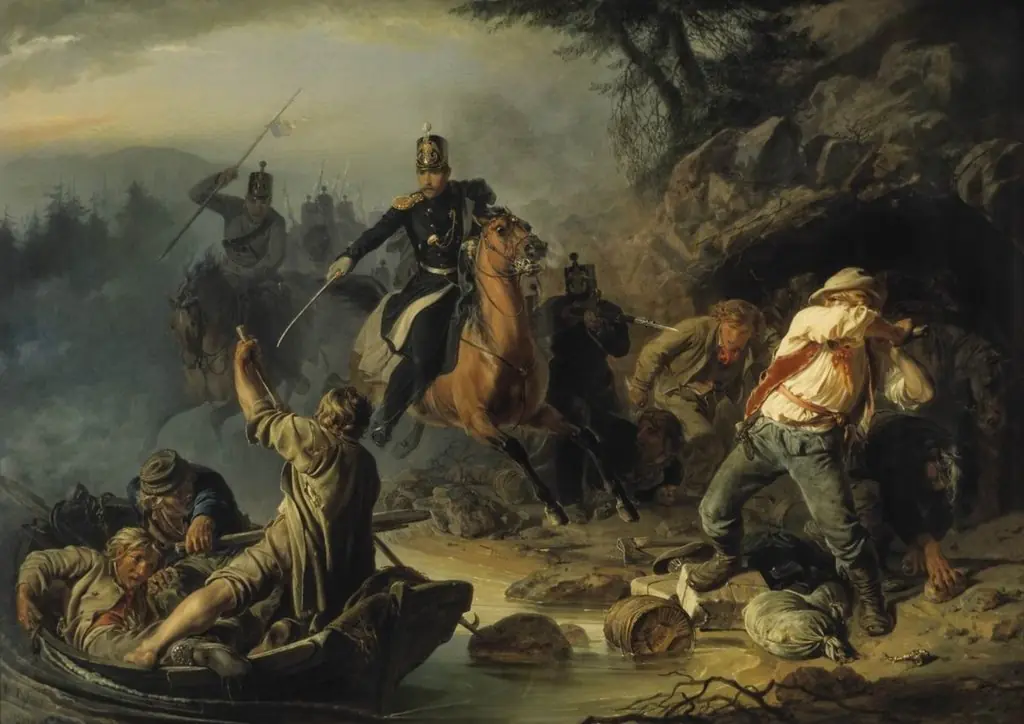 Skirmish with finnish smugglers
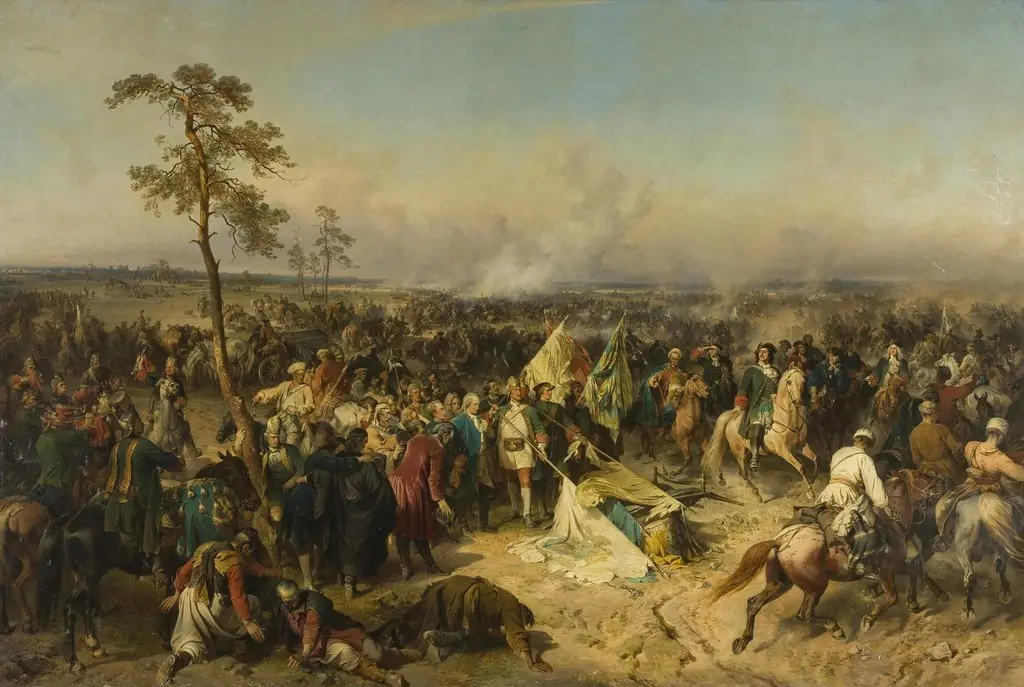 Battle of Poltava
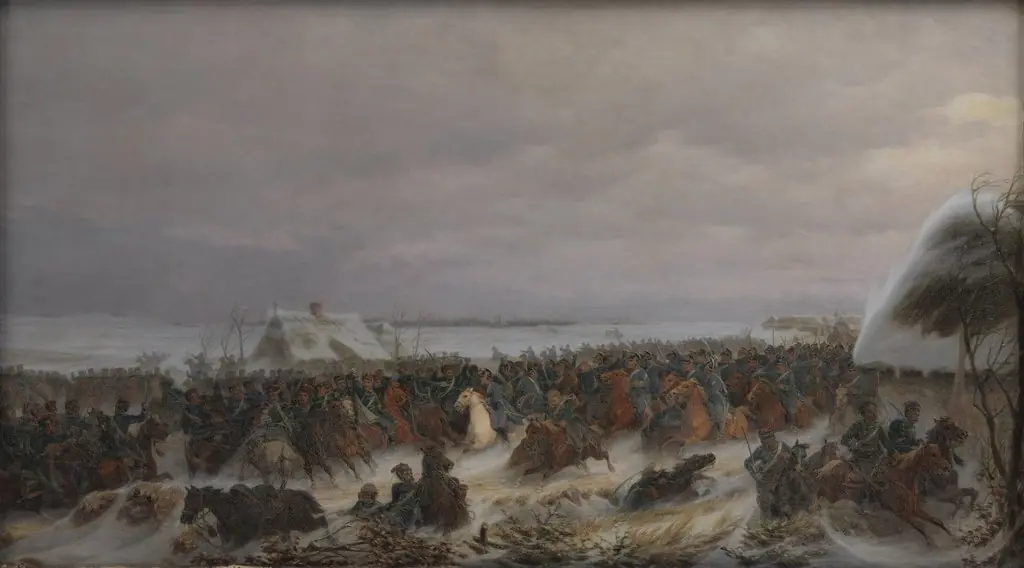 The Skirmish at Vorbasse February the 29th, 1864
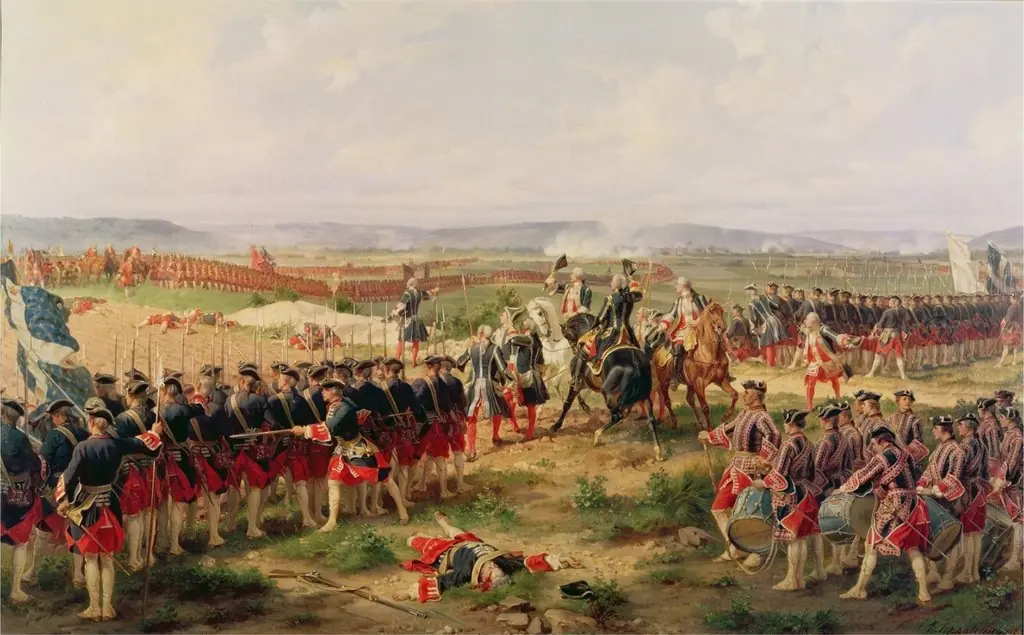 The Battle of Fontenoy, 1745: The French and the Allies Confronting Each Other
 Taking of Narva