Artwork
Hercules and the Lernaean Hydra
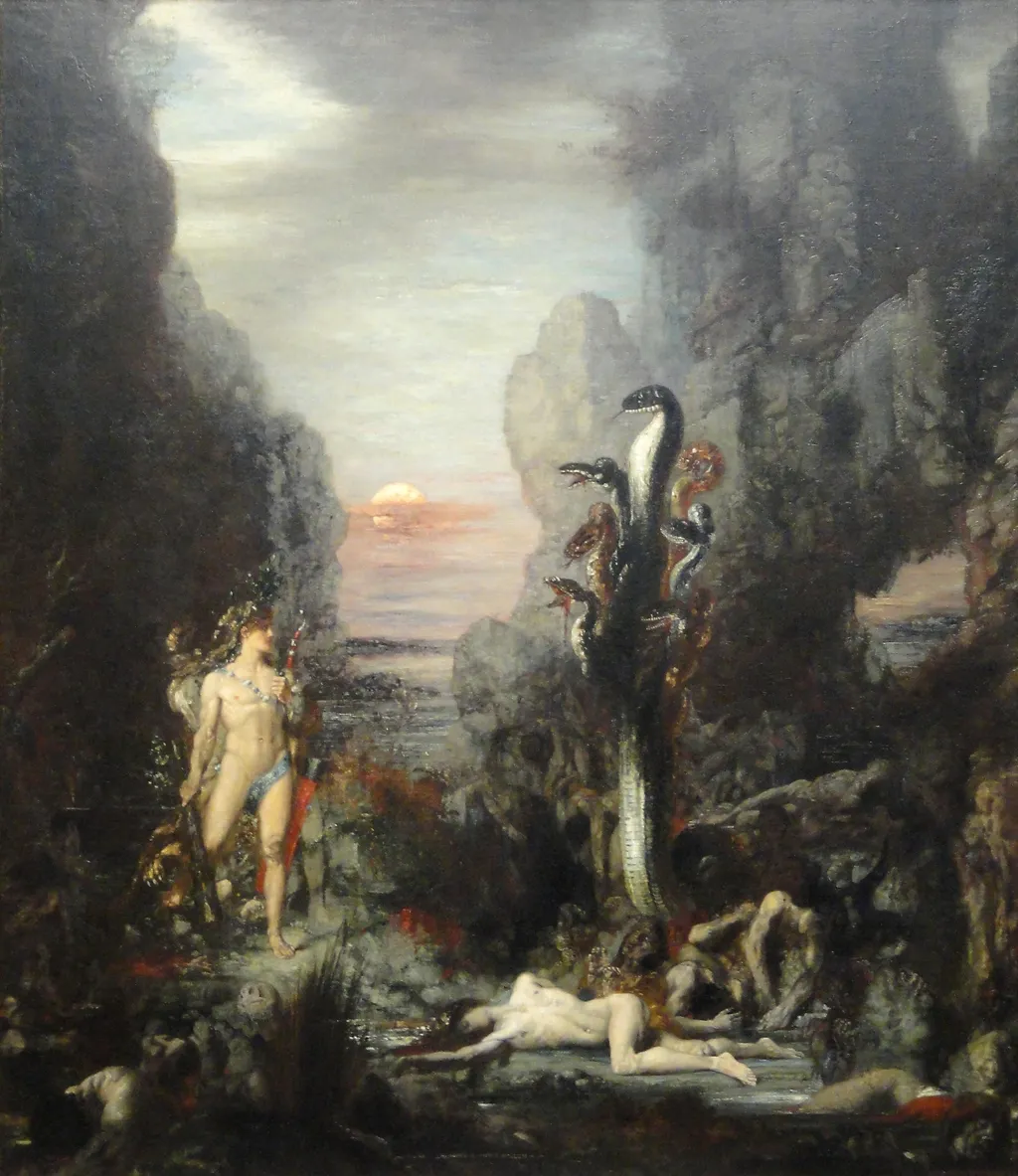
Hercules and the Lernaean Hydra is an oil painting by the Symbolist artist Gustave Moreau. It dates from 1888 and is held in the collection of the Art Institute of Chicago.
About this work
Overview
3 by 154 centimetres, this vertical-format mythological work depicts the hero Hercules confronting the multi-headed serpentine monster in a dark, rocky gorge.
Hercules and the Lernaean Hydra is an oil on canvas painting by the French artist Gustave Moreau, completed in 1876. Measuring 179.3 by 154 centimetres, this vertical-format mythological work depicts the hero Hercules confronting the multi-headed serpentine monster in a dark, rocky gorge. The painting is held by the Art Institute of Chicago, having been acquired as a gift in 1964. It stands as a significant example of Moreau's engagement with classical mythology and his distinctive fusion of Romantic tradition with emerging Symbolist sensibilities.
Subject & Meaning
The painting illustrates the second of Hercules' twelve labours: the slaying of the Lernaean Hydra, a monstrous serpentine creature with multiple heads. Moreau depicts the moment of tense confrontation rather than active combat. Hercules stands at left, nude except for a blue cloth at the hips and a red sash, club in hand, facing the coiled hydra with its black and white scales, red-brown accents, and multiple serpentine heads, including the seventh immortal head. Pale, lifeless human bodies lie scattered in the foreground and lower right, victims of the monster. The iconography carries allegorical weight: critics have variously interpreted the hydra as representing the threat of anarchy posed by the Paris Commune of 1871, or as an allusion to the Franco-Prussian War. More broadly, the scene embodies an allegorical struggle between good and evil. Despite the violence of the subject, the composition is marked by stillness, capturing what scholars describe as the calm before the battle.
Technique & Style
Executed in oil on canvas, the painting displays Moreau's characteristic handling that merges Romantic roots with Symbolist and mystical tendencies. The composition is organised around a narrow central vista opening between dark, towering rock formations, through which light filters to illuminate the central figures while casting surrounding rocks into deep shadow. The palette is dominated by deep browns, blacks, and muted greens, contrasted against warm orange-pink tones of a distant sun hovering above a calm waterway, and the pale flesh tones of Hercules and the victims. The brushwork varies across the surface: loose and atmospheric in the rocks and sky, with tighter rendering on the central figures of Hercules and the hydra. The surface retains a somewhat glossy, varnished finish. This technical approach creates dramatic chiaroscuro effects and an otherworldly, dreamlike atmosphere that transcends mere narrative illustration.
History & Provenance
The painting was created in 1875-1876 and first exhibited at the Paris Salon of 1876, a major venue for contemporary French art. It subsequently appeared at the Exposition Universelle of 1878. The work was donated to the Art Institute of Chicago in 1964, where it remains in the permanent collection. Its exhibition at the Salon placed it before a significant contemporary audience during a period of intense debate about the direction of French painting.
Context
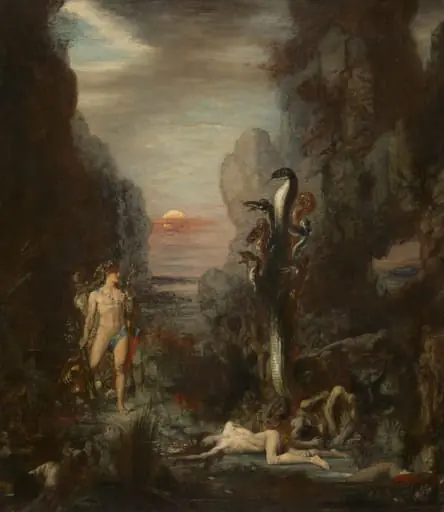
Moreau maintained a lifelong fascination with the figure of Hercules, and this painting represents one of his most sustained engagements with the hero. The work occupies a transitional position in Moreau's career and in broader art historical developments. While rooted in Romantic tradition, it anticipates Symbolism through its mystical atmosphere, psychological tension, and allegorical ambiguity. Critical reception has been marked by debate over its precise meaning, with scholars proposing political readings related to the Commune or the Franco-Prussian War, alongside more universal interpretations of cosmic struggle. The painting's immobility and dreamlike quality distinguish it from more literal academic treatments of mythological subjects, aligning it with Moreau's growing interest in interiority and symbolic resonance over narrative clarity. The artist returned to this subject in another oil painting of the same title now held at the Musée Gustave Moreau in Paris, indicating the theme's personal significance for him.
Legacy
Hercules and the Lernaean Hydra occupies an important place in Moreau's oeuvre as a bridge between his Romantic early manner and his mature Symbolist style. Its presence in a major American museum has ensured sustained visibility and scholarly attention. The painting exempl对比 with Francisco de Zurbarán's treatment of the same subject at the Prado underscores its place within a broader artistic tradition, while its distinctive atmosphere and handling demonstrate Moreau's unique contribution. The work continues to attract interest for its unresolved interpretive tensions and its exemplification of how mythological subjects could be reimagined to address contemporary anxieties without abandoning classical reference.
Own this work as a print
Artist & collection

Artist
Gustave Moreau was a French artist and an important figure in the Symbolist movement.

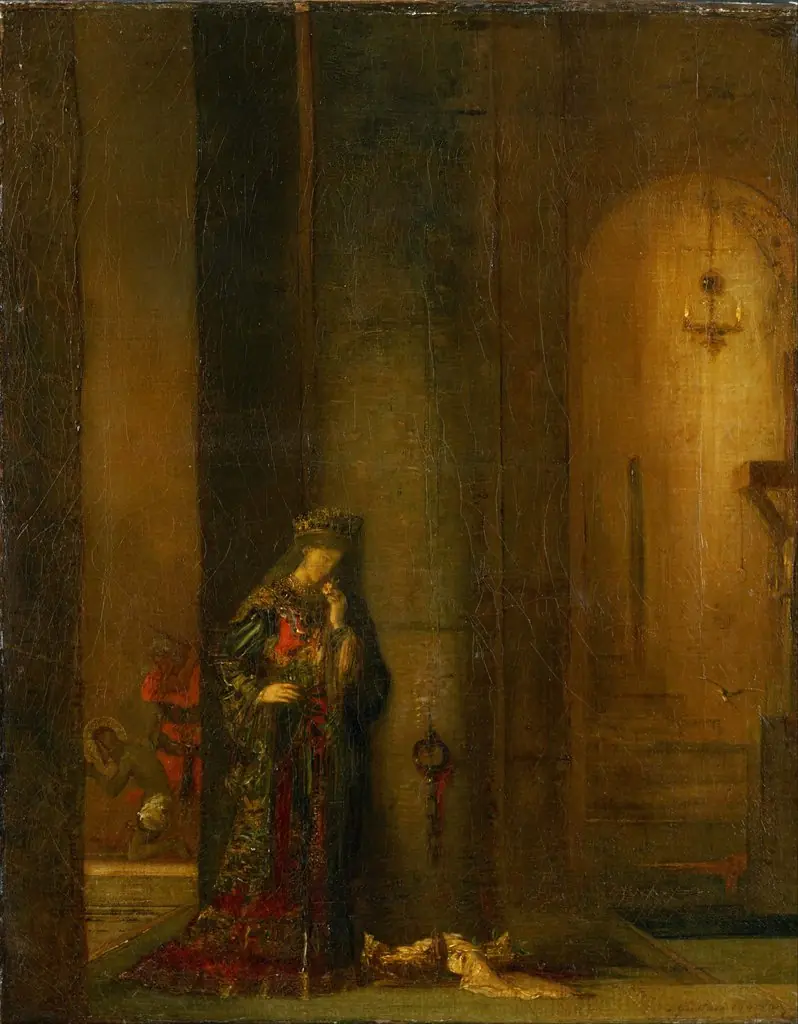
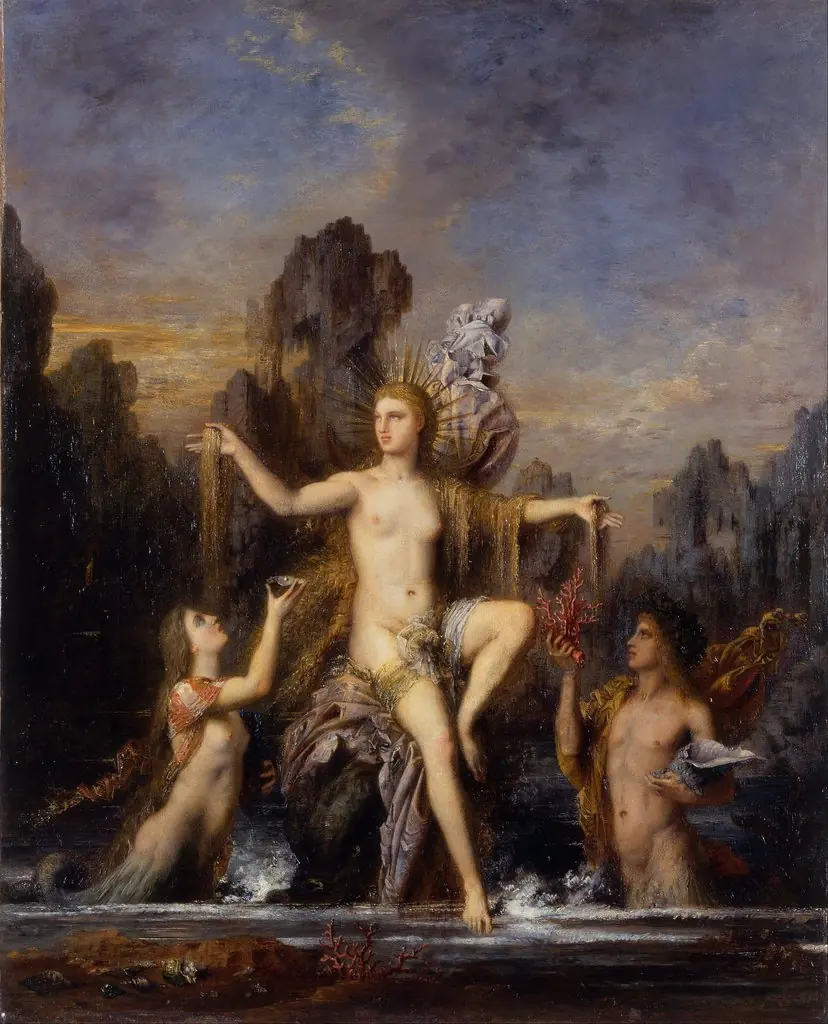
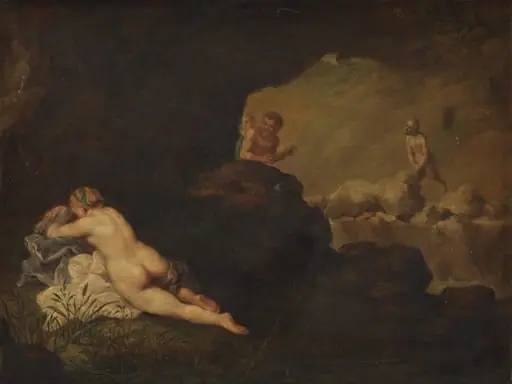 Sleeping Nymph
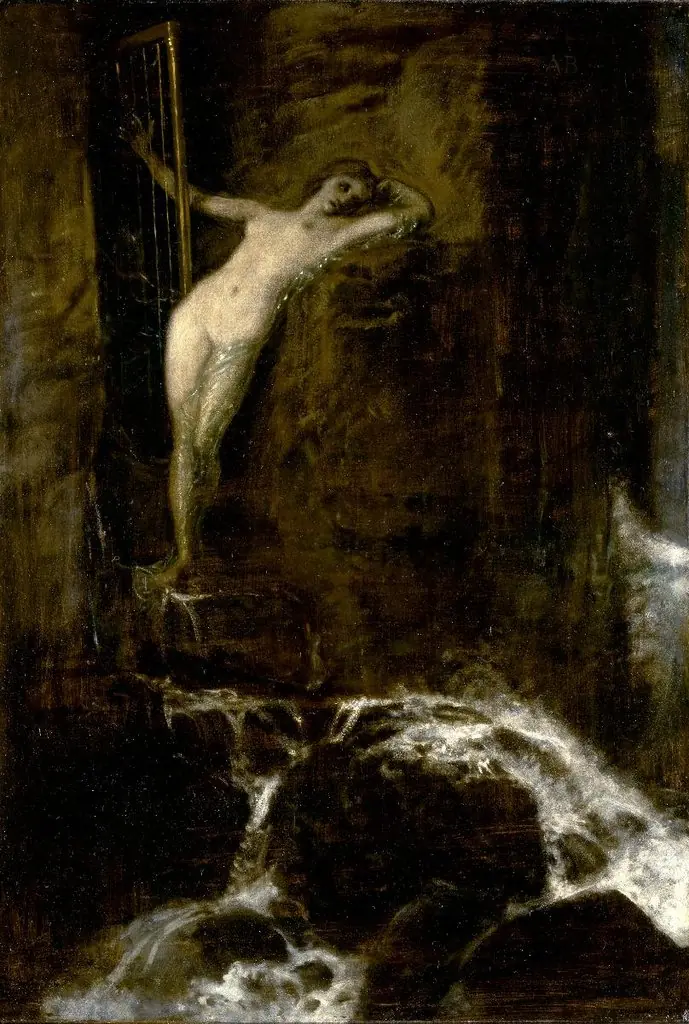 Die Meeresbrandung
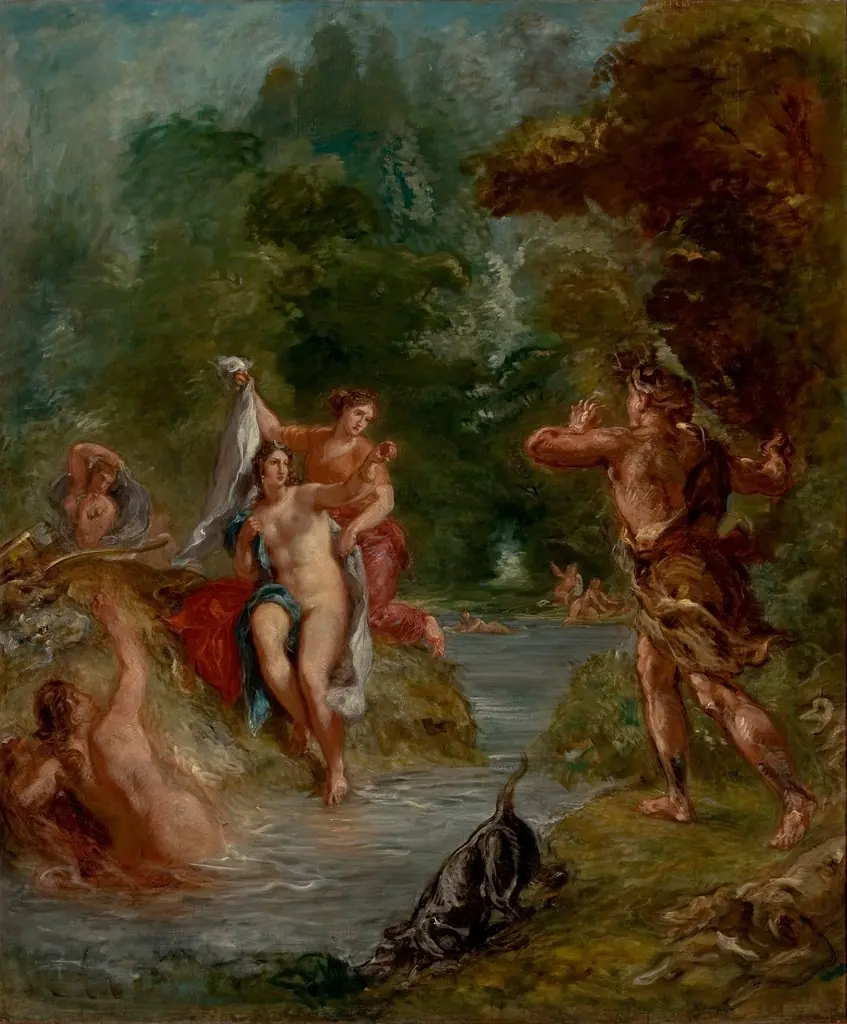 The Summer - Diana surprised by Actaeon
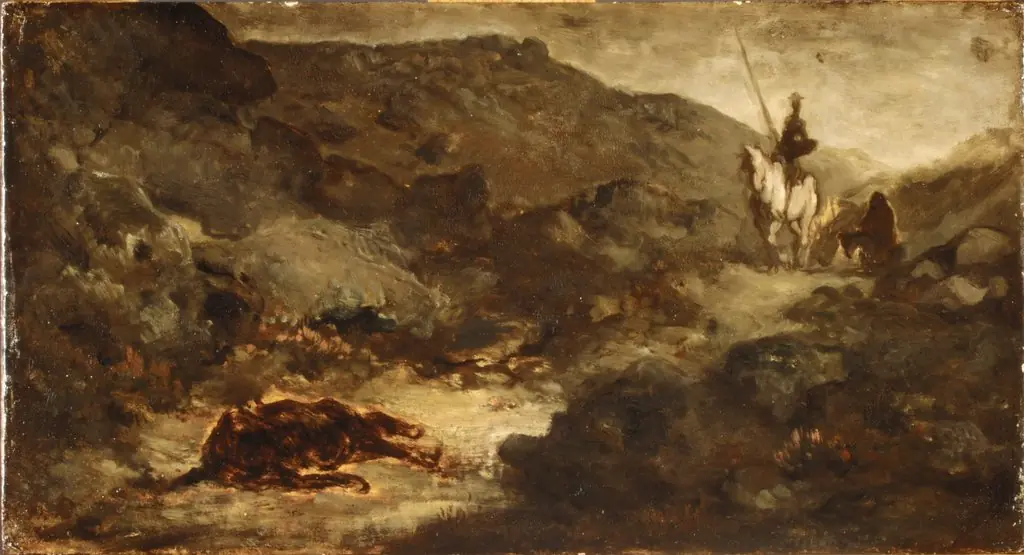 Don Quixote and the Dead Mule
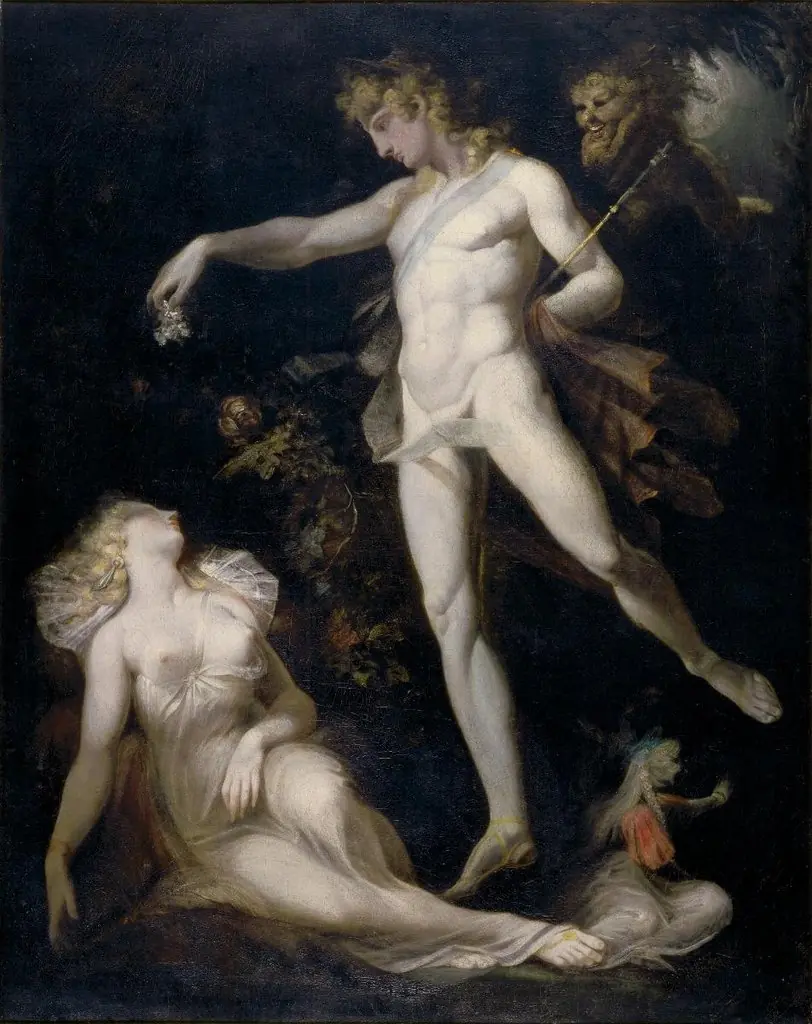 Oberon träufelt Blumensaft auf die Augen der schlafenden Titania
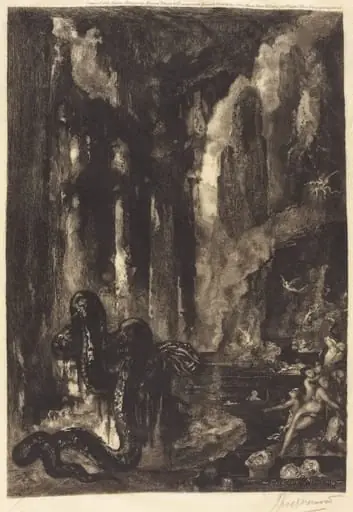 Untitled (The Dream of the Mogul?)
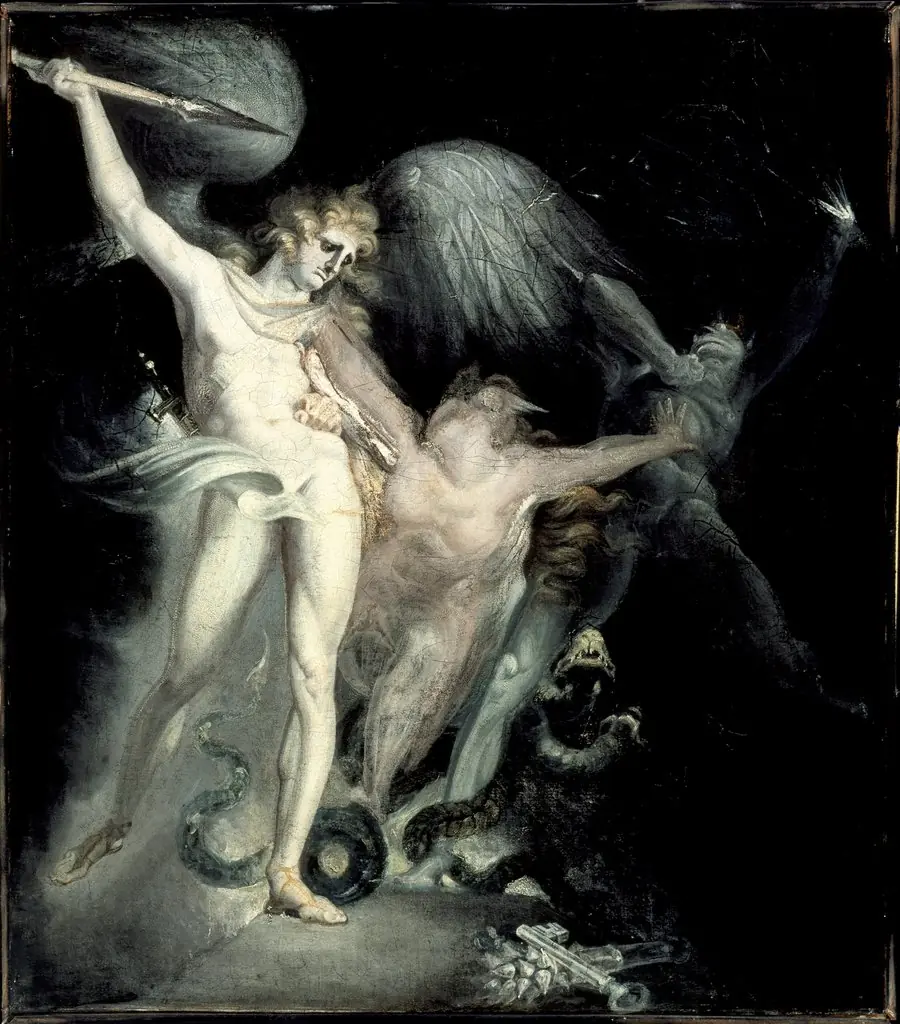 Satan and Death with Sin Intervening
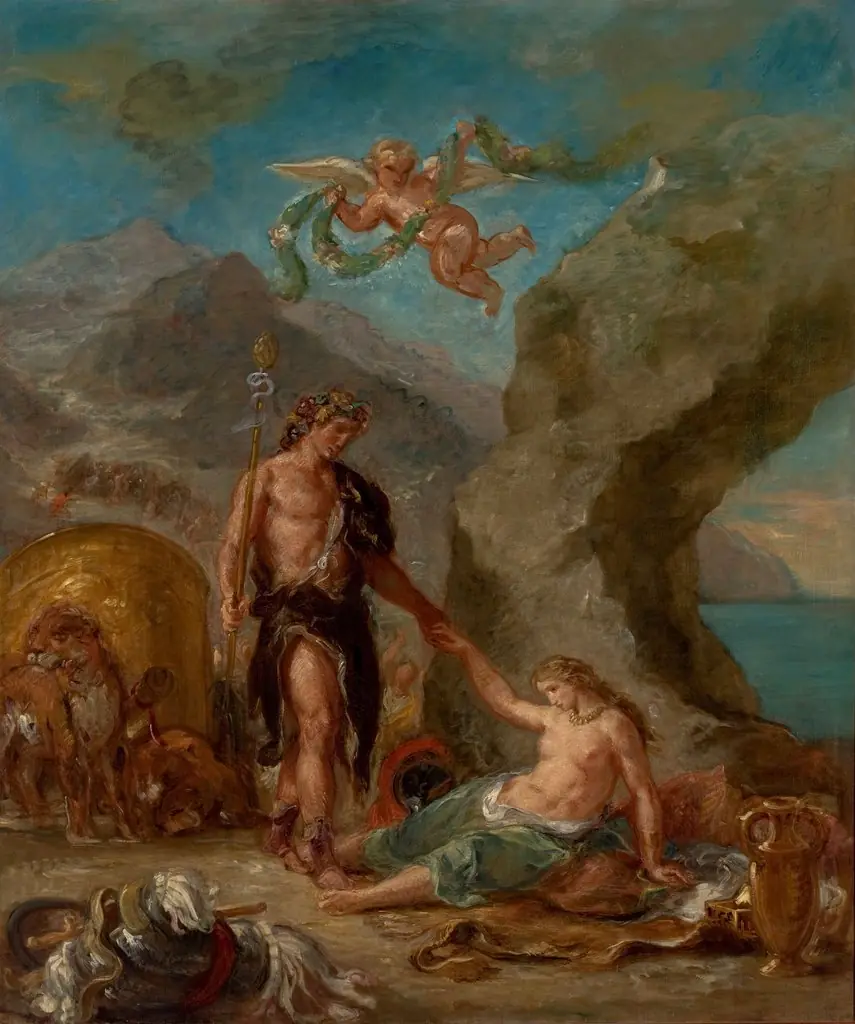 The Autumn - Baccus and Ariadne
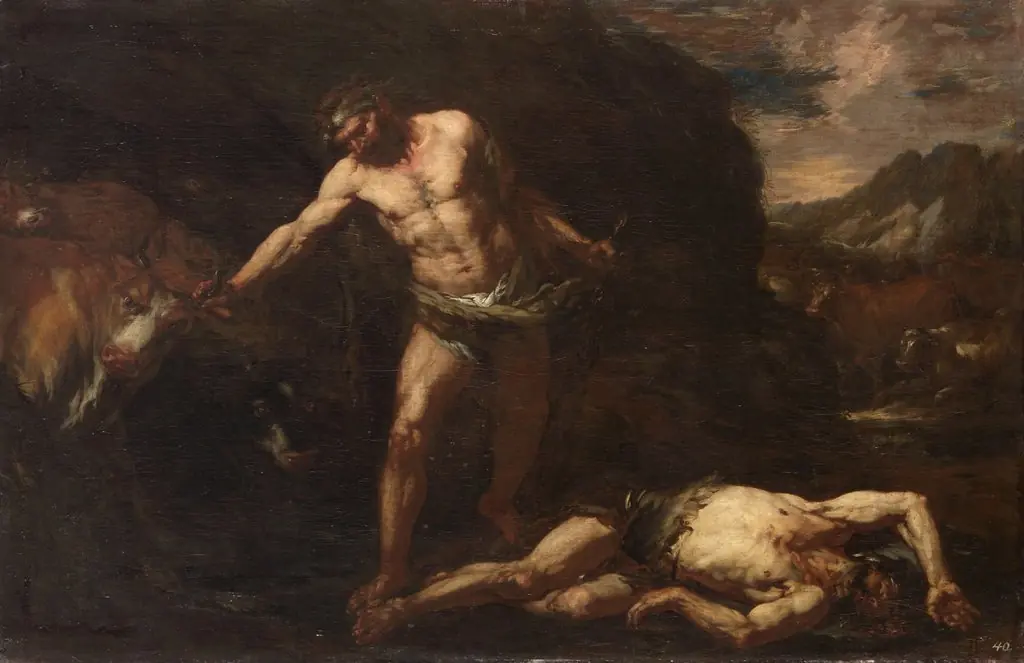 Hercules tötet den Riesen Cacus und raubt die Rinder des Geryoneus
- Hercules and the Lernaean Hydra