Artwork
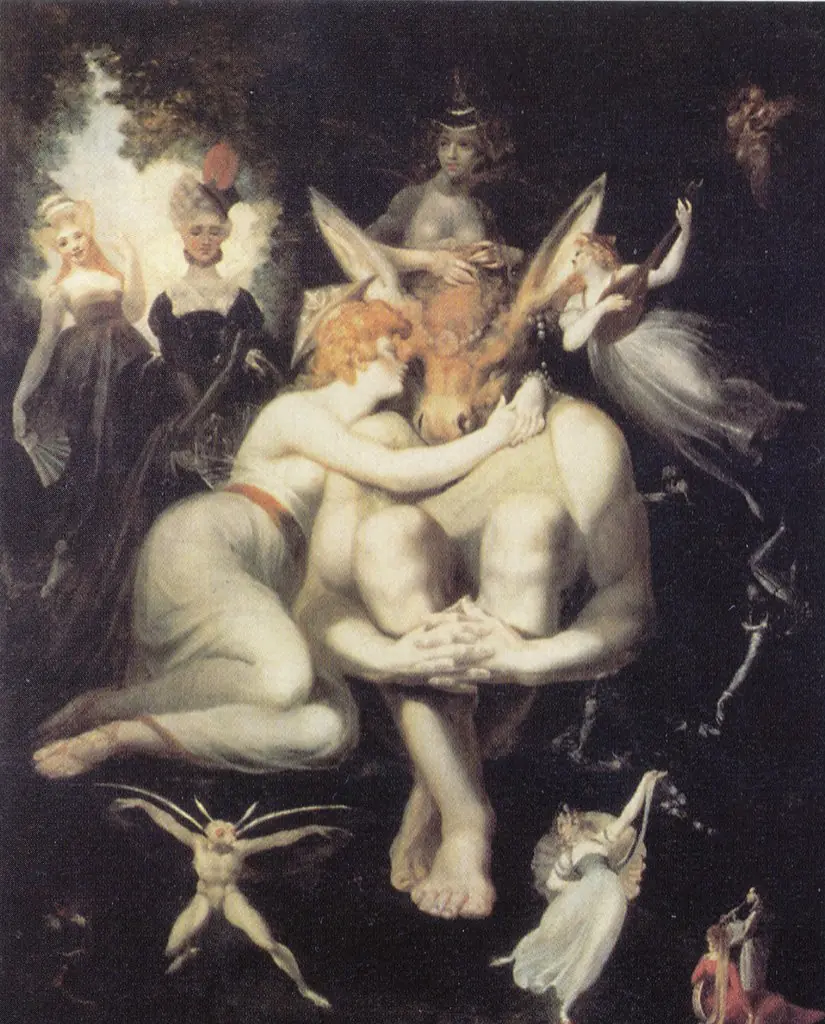
Oberon träufelt Blumensaft auf die Augen der schlafenden Titania
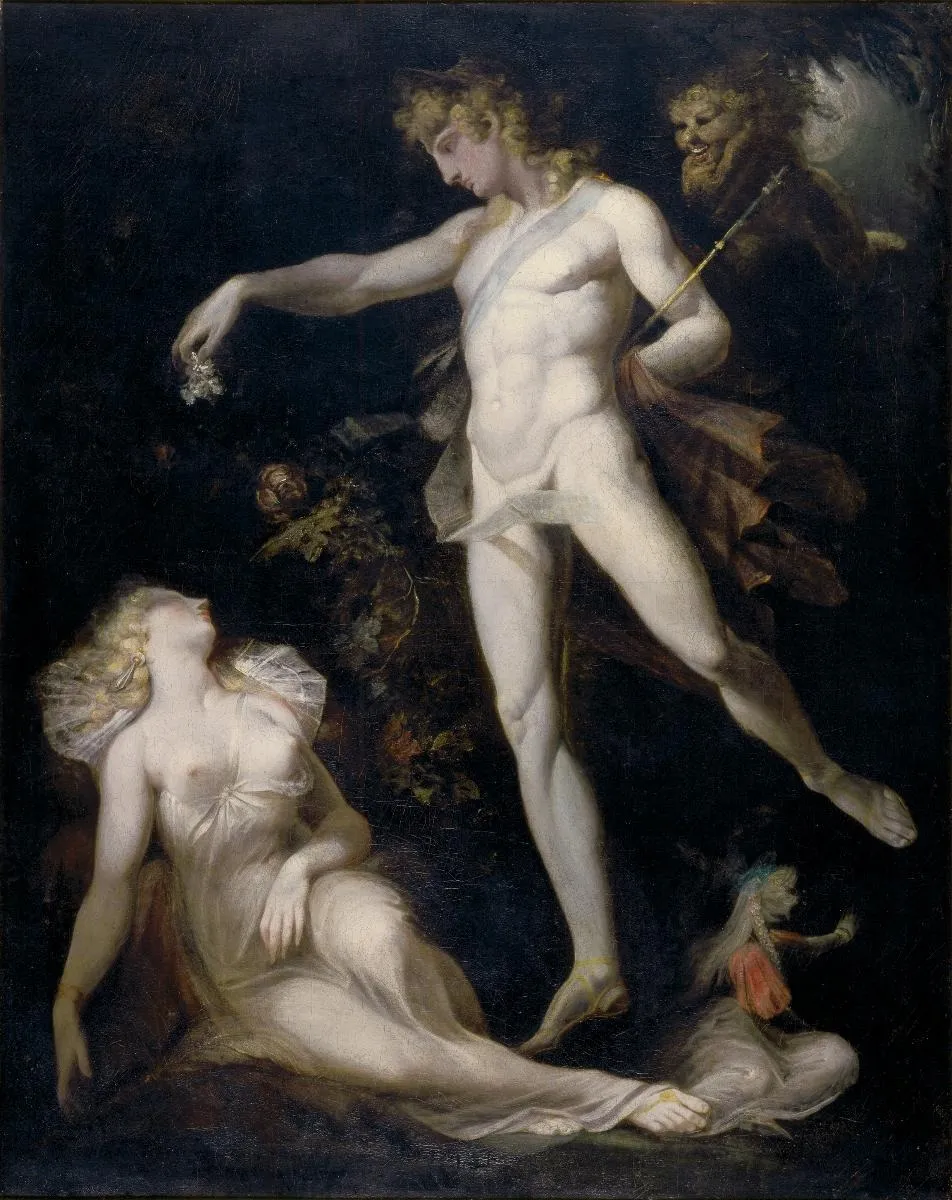
Oberon träufelt Blumensaft auf die Augen der schlafenden Titania is an oil painting by the British Romanticist artist Henry Fuseli. It dates from 1797 and is held in the collection of the Kunsthaus Zürich.
About this work
Overview
The scene is set against a dark, shadowy backdrop with sparse foliage, characteristic of Fuseli's fascination with the sublime and the supernatural.
Henry Fuseli's 1797 oil painting, Oberon träufelt Blumensaft auf die Augen der schlafenden Titania, illustrates a pivotal moment from William Shakespeare's A Midsummer Night's Dream. The composition centers on Oberon, the fairy king, who leans over the sleeping Titania to drip flower juice into her eyes, a magical act intended to make her fall in love with the first creature she sees upon waking. Fuseli renders Oberon as a dynamic, nude male figure draped in a flowing white cloth, holding a spear that emphasizes his supernatural authority.
Titania lies supine on the forest floor, her body relaxed in slumber, while a second female figure, likely a fairy attendant, stands in the background observing the ritual. The scene is set against a dark, shadowy backdrop with sparse foliage, characteristic of Fuseli's fascination with the sublime and the supernatural. Executed during the artist's mature period, the work exemplifies his distinctive style, which blends Romantic intensity with dramatic chiaroscuro and elongated, expressive forms.
This painting reflects Fuseli's enduring engagement with literary subjects and his ability to visualize the psychological tension and magical atmosphere of Shakespearean fantasy, cementing his reputation as a master of the macabre and the imaginative.
Subject & Meaning
The composition draws on Shakespeare’s A Midsummer Night’s Dream, portraying Oberon, the fairy king, as he prepares to anoint the sleeping Titania with a floral elixir. The surrounding female figures, one prone, the other standing, react with a blend of apprehension and curiosity, suggesting the tension between enchantment and vulnerability inherent in the mythic narrative.
Technique & Style
Fuseli employs stark contrasts of light and shadow to model the figures, heightening the dramatic intensity. The illuminated flesh of the central figure emerges against a dark, foliage‑filled backdrop, while the fluid white cloth and the gleam on the spear convey motion. The painter’s brushwork combines precise anatomical detail with a theatrical, almost surreal atmosphere.
History & Provenance
The painting entered the Kunsthaus Zürich’s holdings in the early 20th century, though its exact acquisition path remains undocumented in public records. Since its arrival, it has been displayed as a representative example of Fuseli’s late‑period exploration of literary subjects and his continued interest in the interplay of the supernatural and the human form.
Context
Fuseli’s fascination with Shakespeare and the Romantic imagination informed much of his output after moving to England. By the late 1790s, his work increasingly featured dramatic lighting and mythic themes, aligning with contemporary tastes for the sublime. This piece reflects that trend, situating the artist within the broader European shift toward emotionally charged, narrative-driven painting.
Artist & collection
Artist
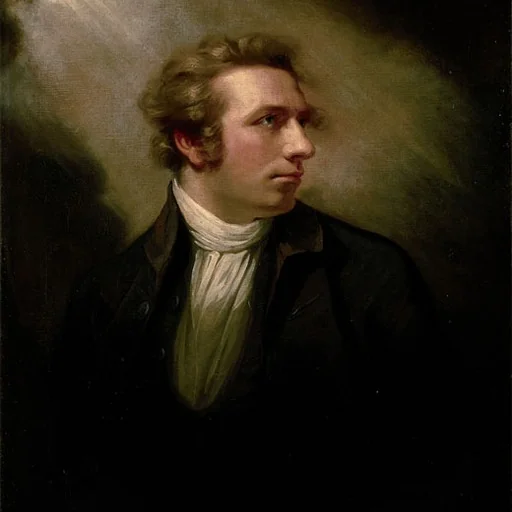
Henry Fuseli was a Swiss painter, draughtsman, and writer on art who spent much of his career in Britain.

 Venus and a Sleeping Cupid
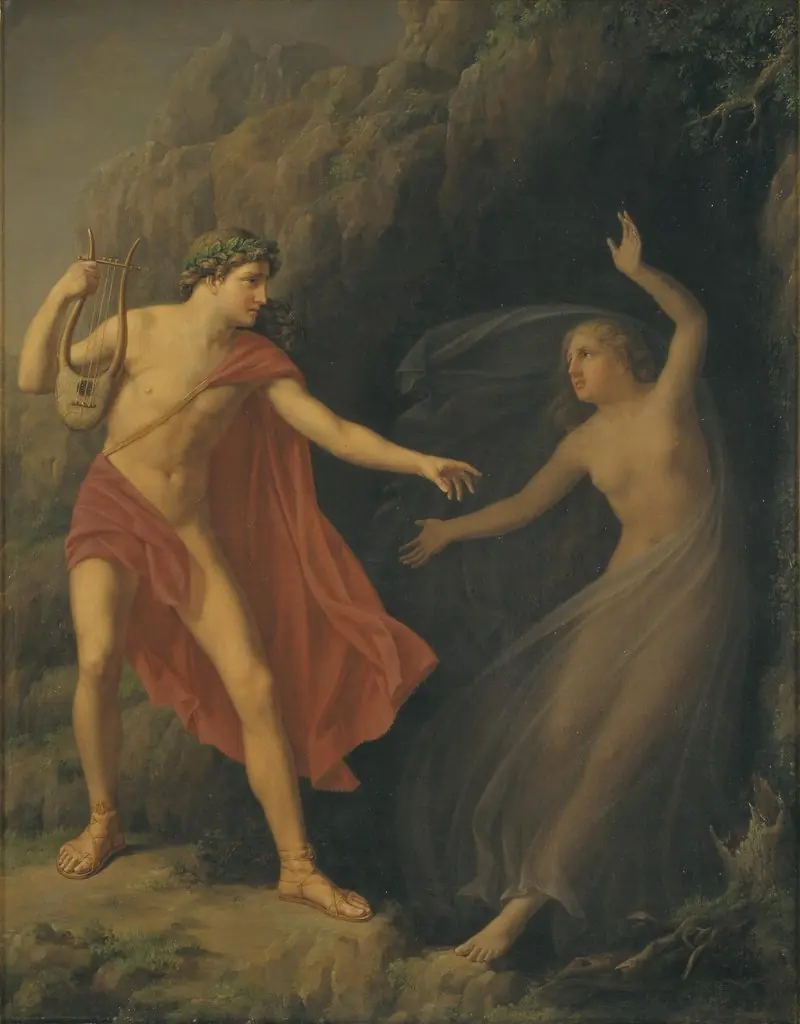 Orpheus and Eurydice
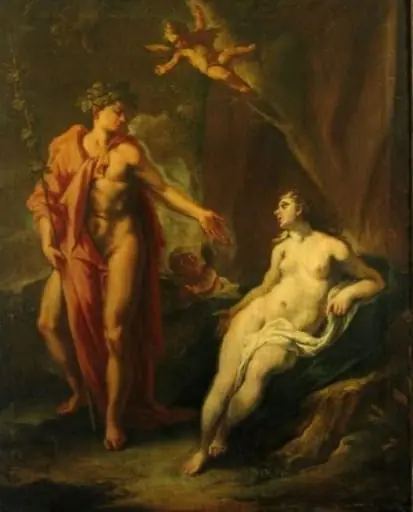 Bacchus și Ariadna
 Orpheus and Eurydice
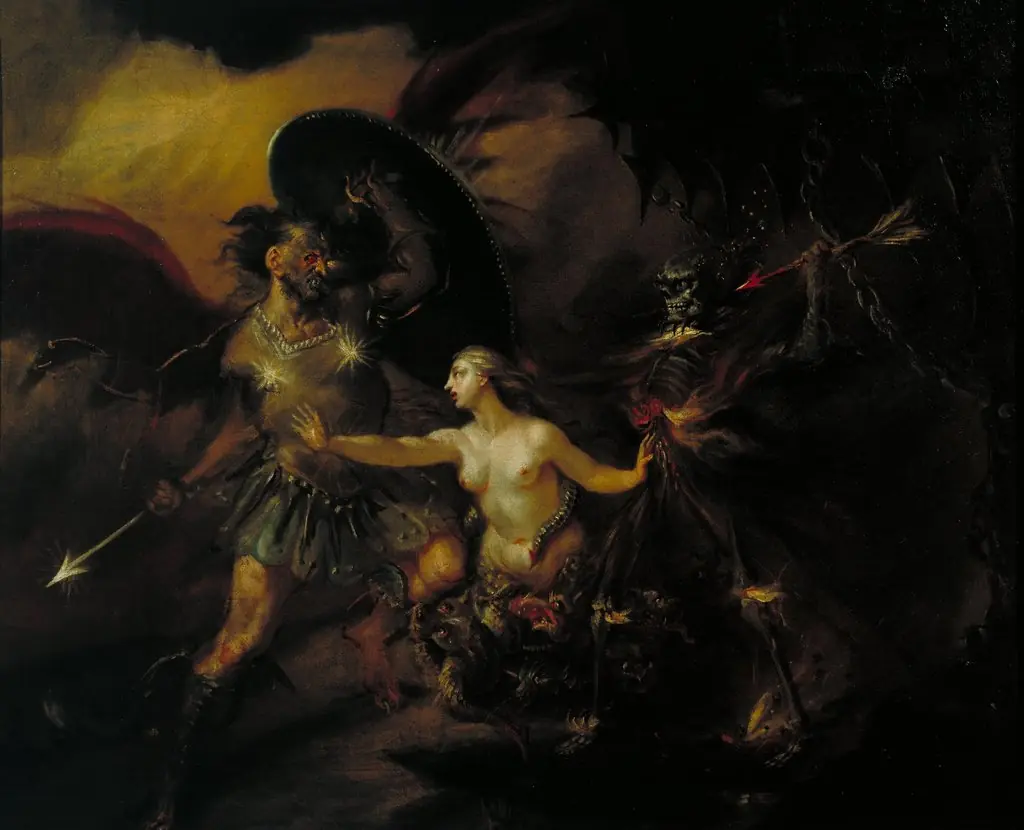 Satan, Sin and Death (A Scene from Milton's `Paradise Lost')
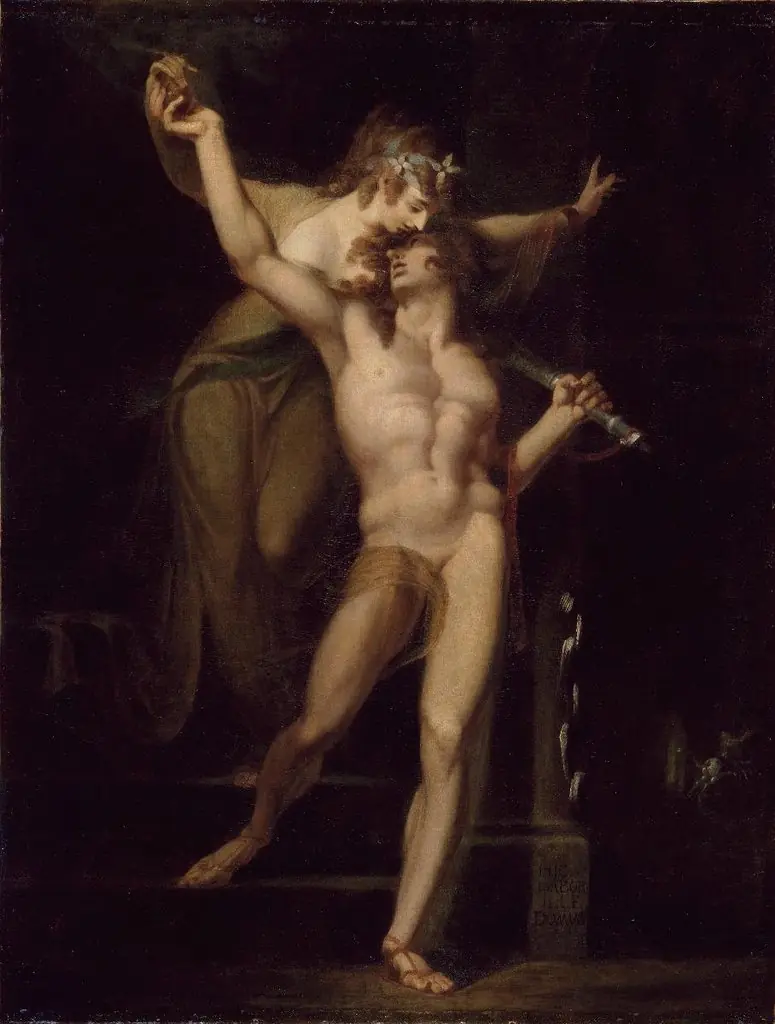 Theseus und Ariadne
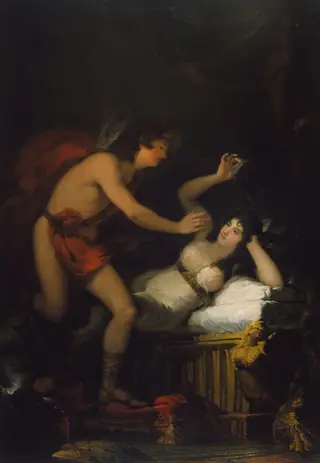 Allegory of Love, Cupid and Psyche
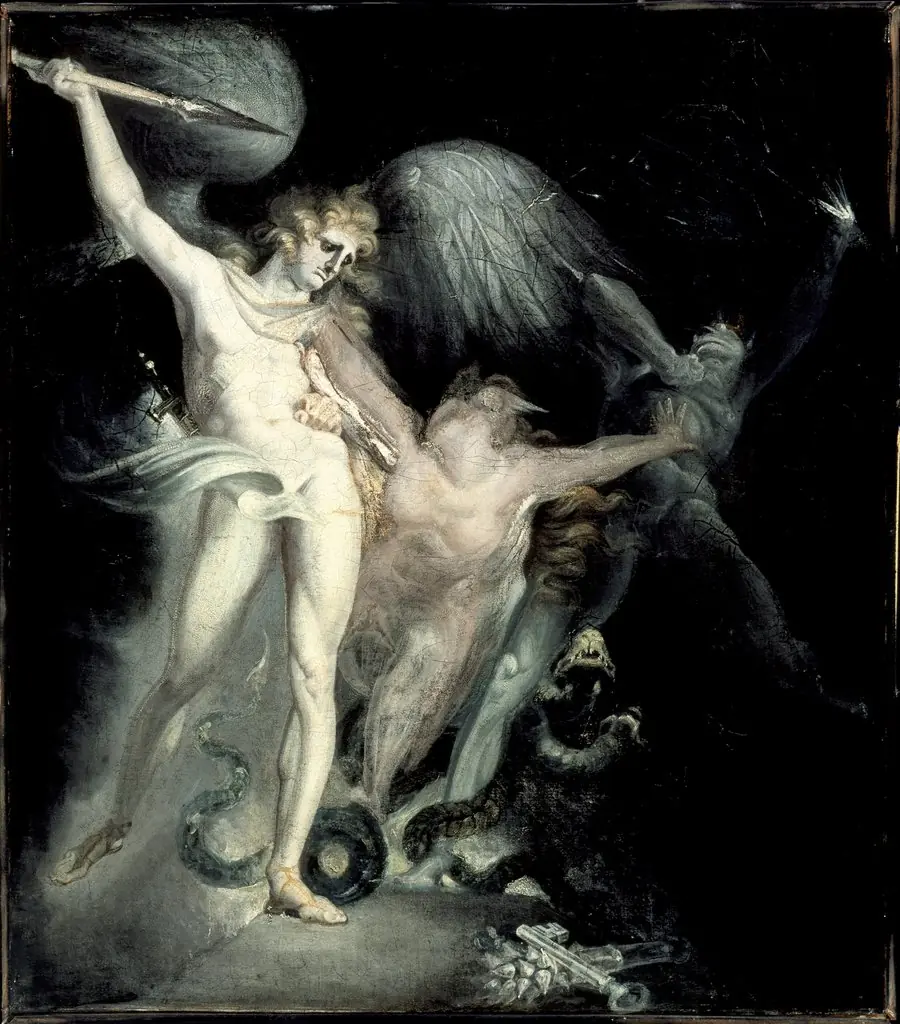 Satan and Death with Sin Intervening
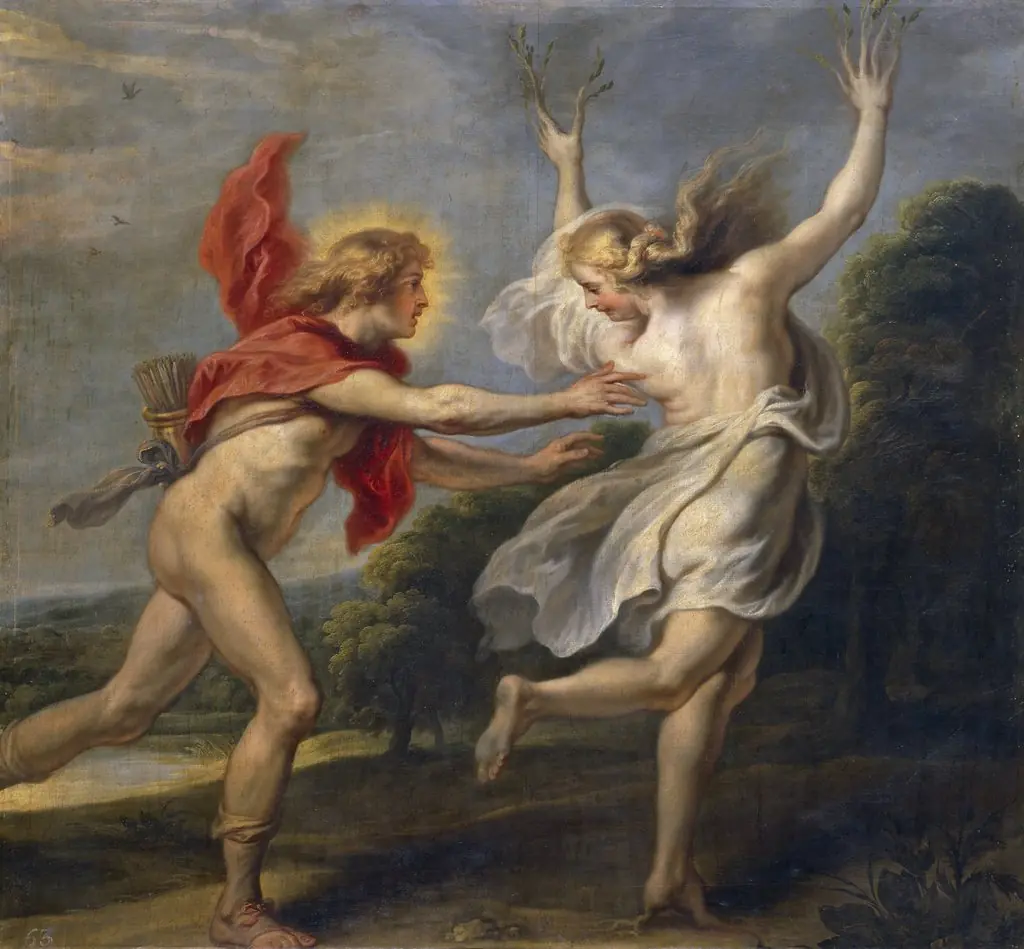 Apollo and Daphne
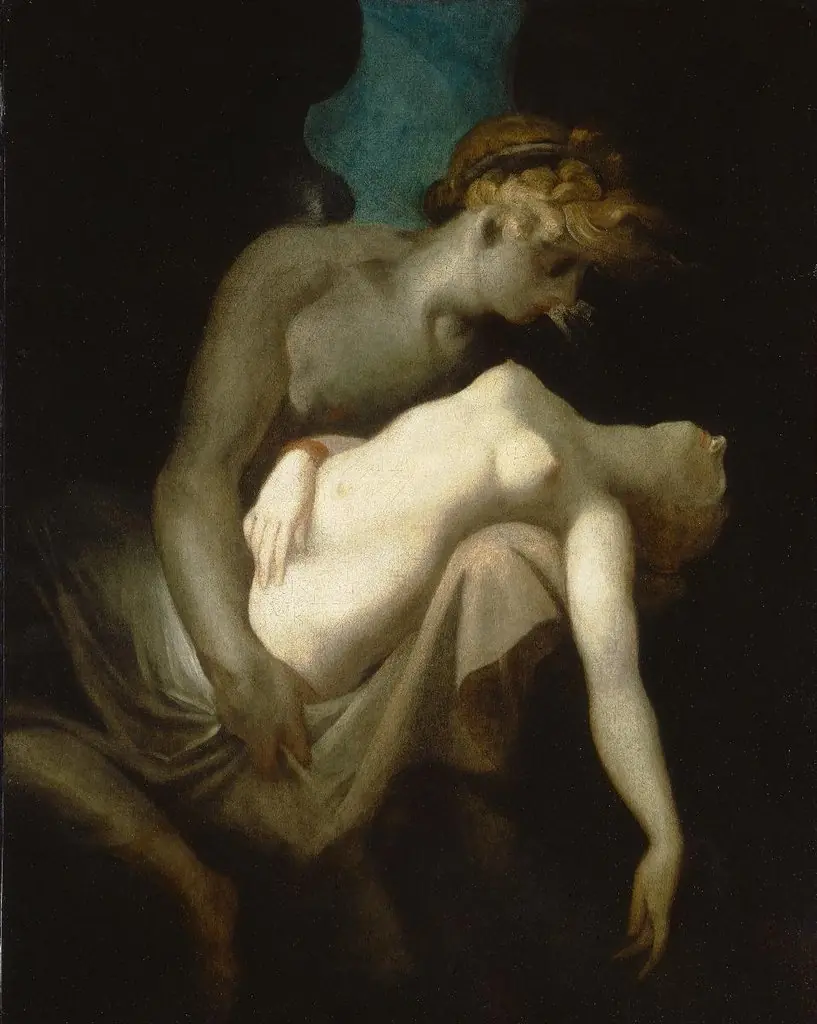 Amor und Psyche
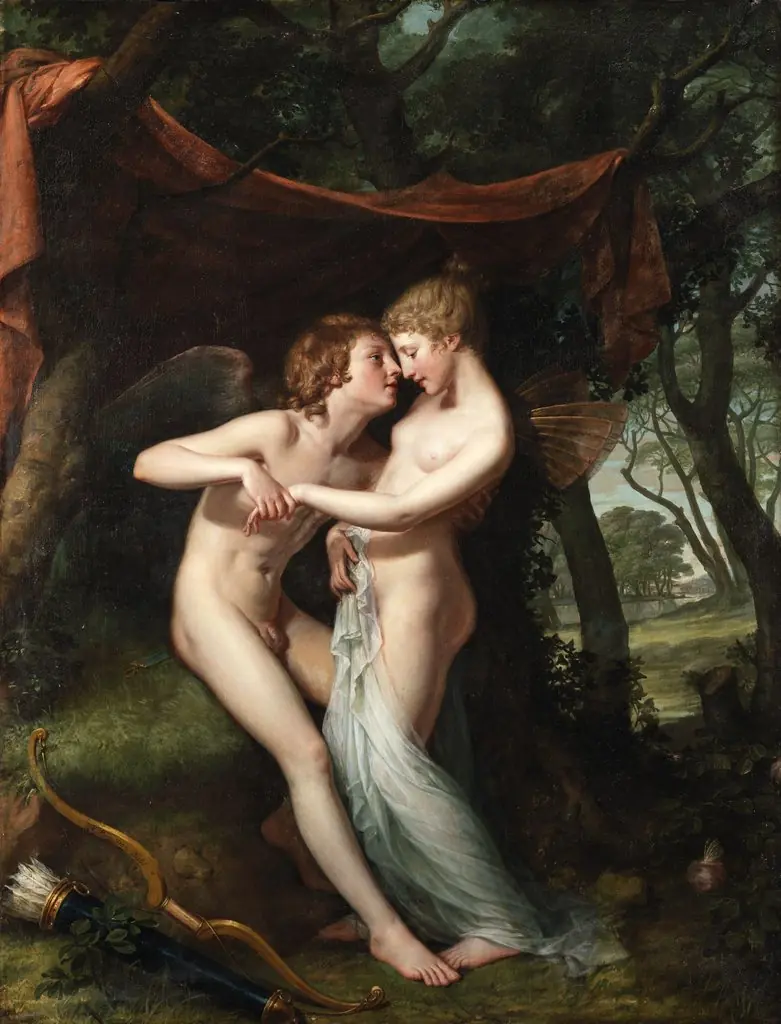 Cupid and Psyche in the Nuptial Bower
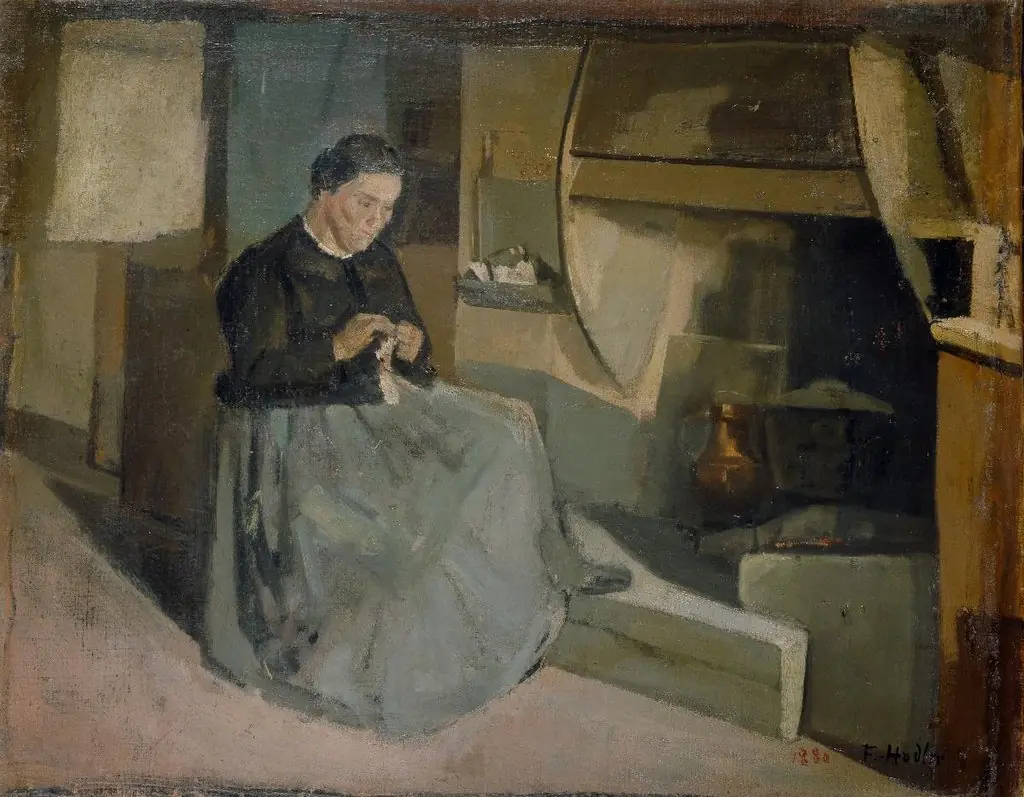
- Näherin am Kamin