Artwork
Feldherr Tod
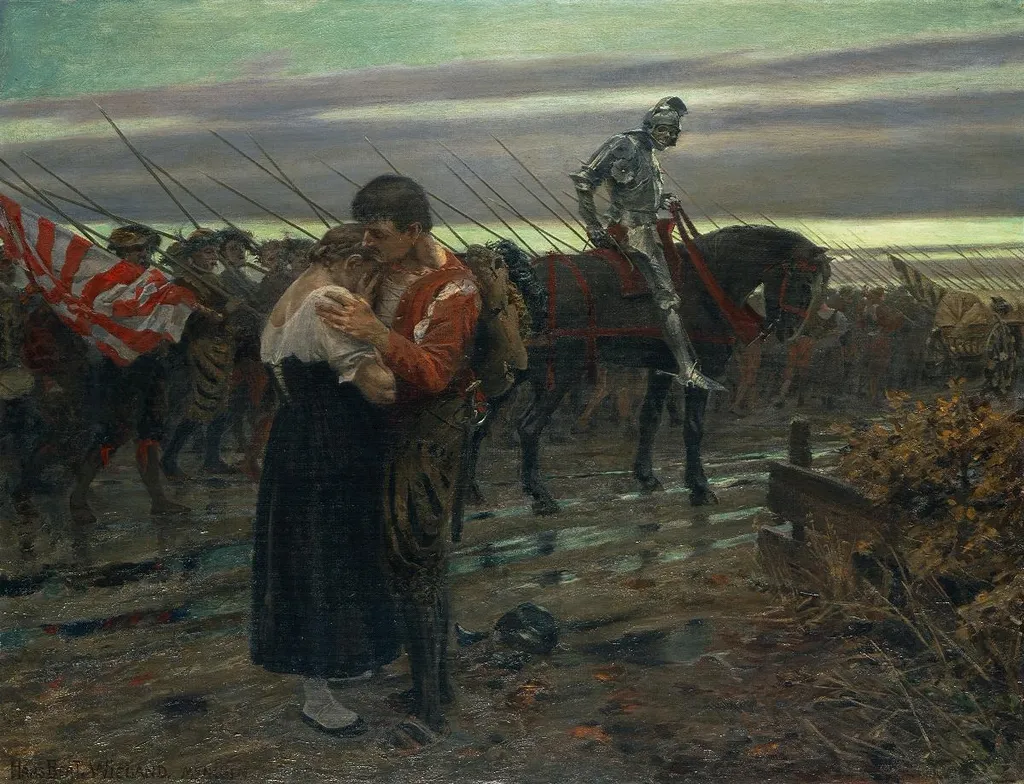
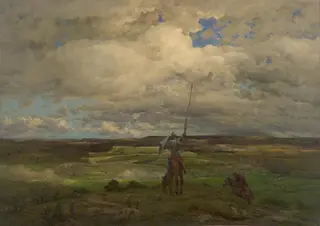
Feldherr Tod is an oil painting by the Art Nouveau artist Hans Beat Wieland. It dates from 1898 and is held in the collection of the Kunsthaus Zürich.
About this work
Overview
Hans Beat Wieland, a Swiss artist born in 1867, completed Feldherr Tod in 1898 using oil on canvas.
Hans Beat Wieland, a Swiss artist born in 1867, completed Feldherr Tod in 1898 using oil on canvas. Though known for Alpine realism, this work diverges into symbolic territory. It resides in the Kunsthaus Zürich collection and reflects a shift in Wieland’s practice toward narrative and allegorical themes, blending naturalistic detail with stylized composition influenced by contemporary European trends.
Subject & Meaning
The painting presents a pair locked in an intimate embrace, juxtaposed against a armored knight on horseback. Behind them, a crowd holds banners, suggesting collective tension or ritual. The knight’s presence, rigid and armed, contrasts with the couple’s vulnerability, evoking themes of love confronting duty, death, or historical upheaval. The title, meaning 'General Death,' hints at an allegory where personal emotion is overshadowed by inevitable forces.
Technique & Style
Wieland employed oil paint with careful attention to texture and light, rendering armor, fabric, and skin with precise realism. Yet the composition leans into Art Nouveau sensibilities: sinuous lines in the figures’ poses, flattened spatial depth, and rhythmic repetition in the background crowd. The sky, softly rendered in muted grays, enhances the emotional weight without overt drama, balancing naturalism with symbolic form.
History & Provenance
Wieland trained in Munich after early studies in Basel and contributed to the 1893 World’s Fair in Chicago with a large-scale panorama. Feldherr Tod emerged shortly after this public project, signaling a move toward personal, introspective work. The painting entered the Kunsthaus Zürich collection in the early 20th century, where it has remained, reflecting Swiss institutional interest in artists bridging realism and modernist experimentation.
Context
In late 19th-century Switzerland, artists increasingly engaged with symbolic and literary themes beyond regional landscapes. Wieland’s work responded to broader European currents, Art Nouveau’s emotional expressiveness, Symbolist preoccupations with mortality, and the lingering influence of historical painting. Feldherr Tod reflects this crosscurrent, merging Swiss realism with continental allegory during a period of cultural transition.
Legacy
Though not widely reproduced, Feldherr Tod stands as a key example of Wieland’s departure from pure landscape painting. It illustrates how Swiss artists of the era negotiated tradition and modernity, incorporating international styles without abandoning local sensibilities. The work remains a quiet but potent reference in Swiss art history for its psychological depth and formal hybridity.
Artist & collection
Artist
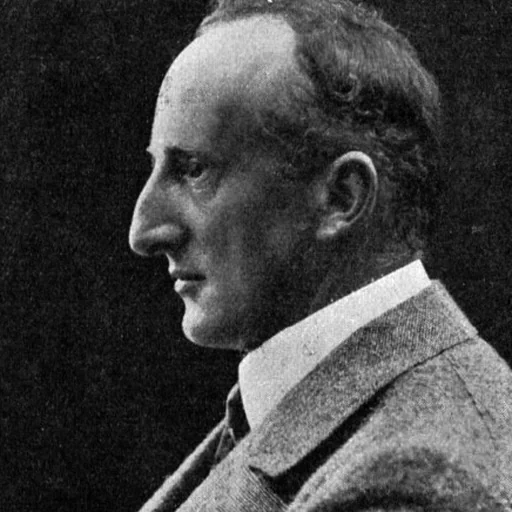
Hans Beat Wieland (11 June 1867 – 23 August 1945) was a Swiss painter, best known for his realist paintings of Alpine sceneries.