Artwork
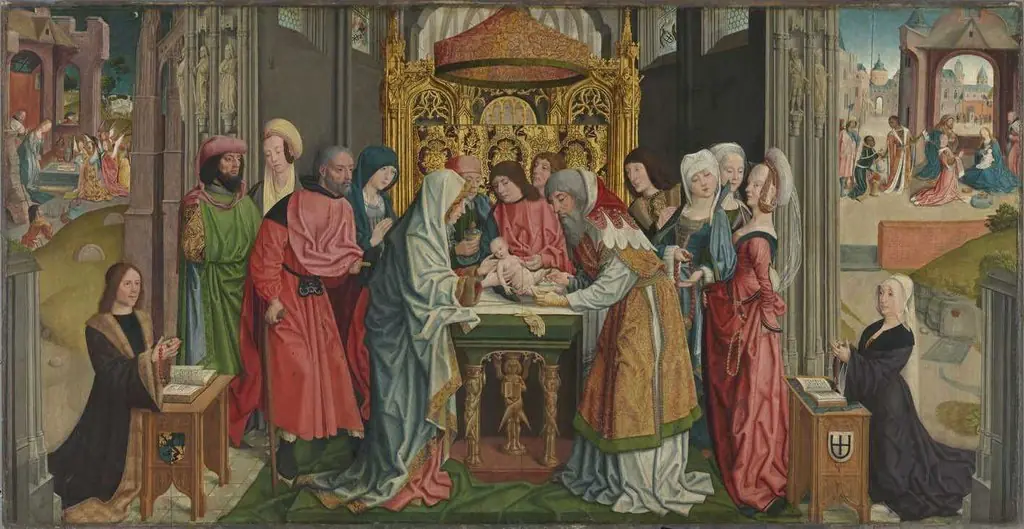
Kaisheimer Altar: Darbringung im Tempel
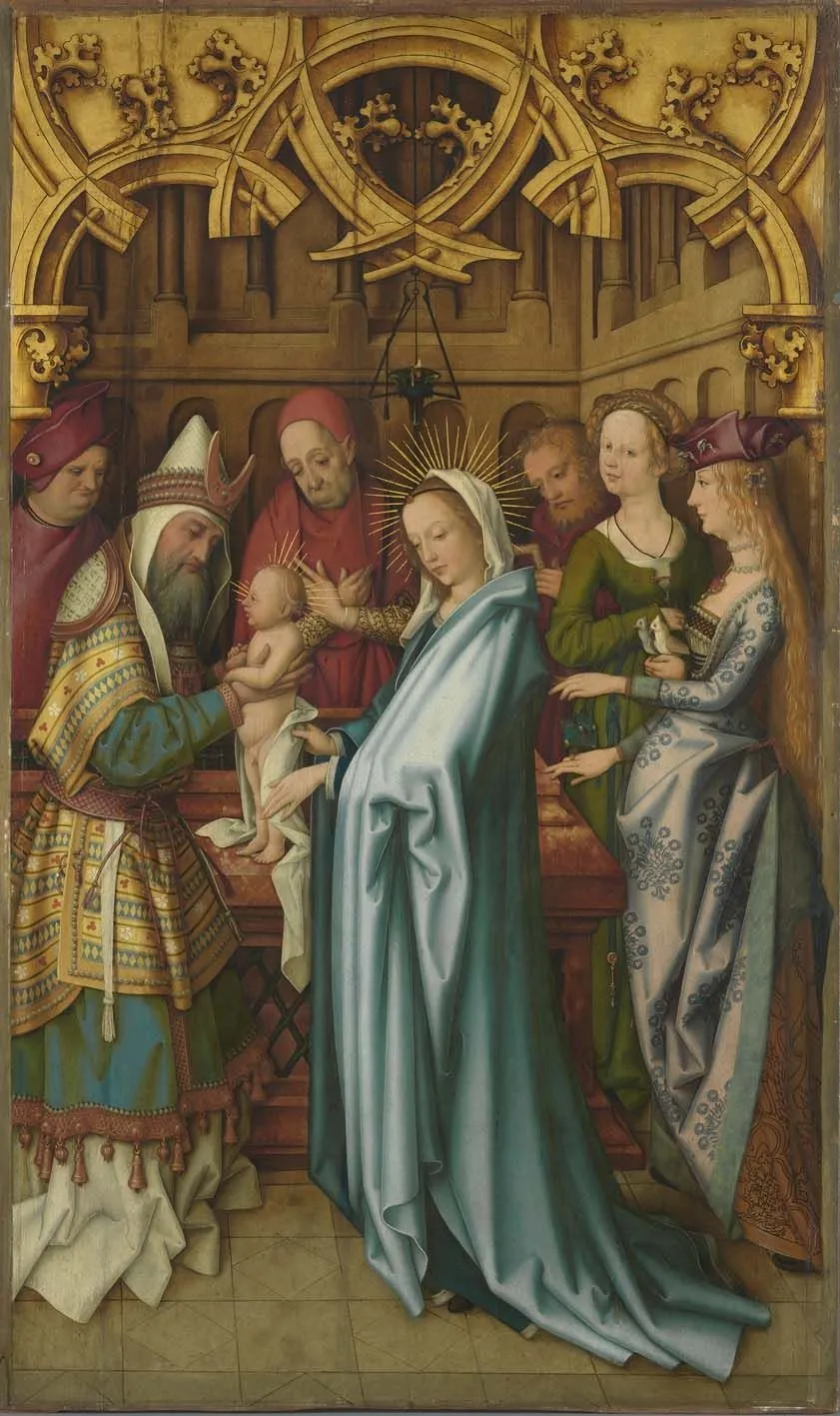
Kaisheimer Altar: Darbringung im Tempel is an unspecified painting by the Northern Renaissance artist Hans Holbein the Elder. It dates from 1502 and is held in the collection of the Bavarian State Painting Collections.
About this work
Subject & Meaning
The inclusion of these specific figures underscores the theological significance of the event as a moment of divine revelation and dedication.
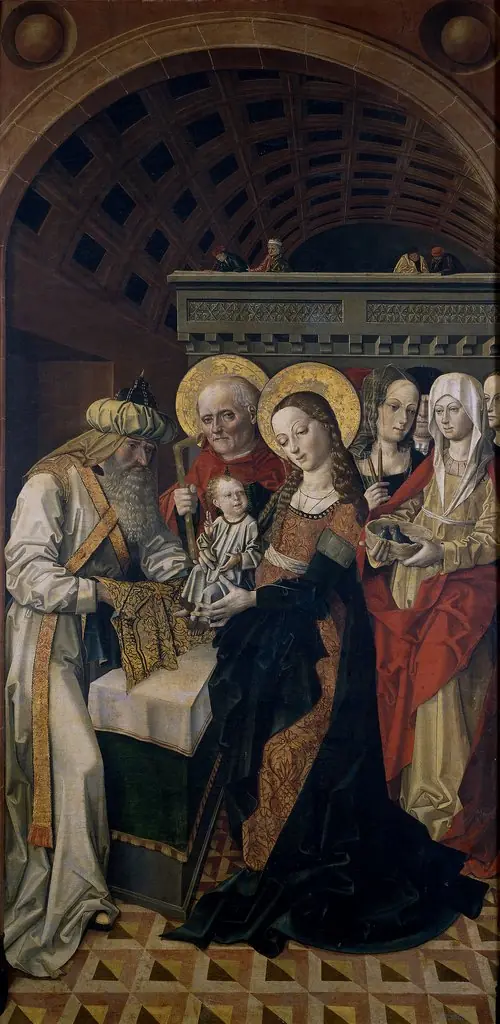
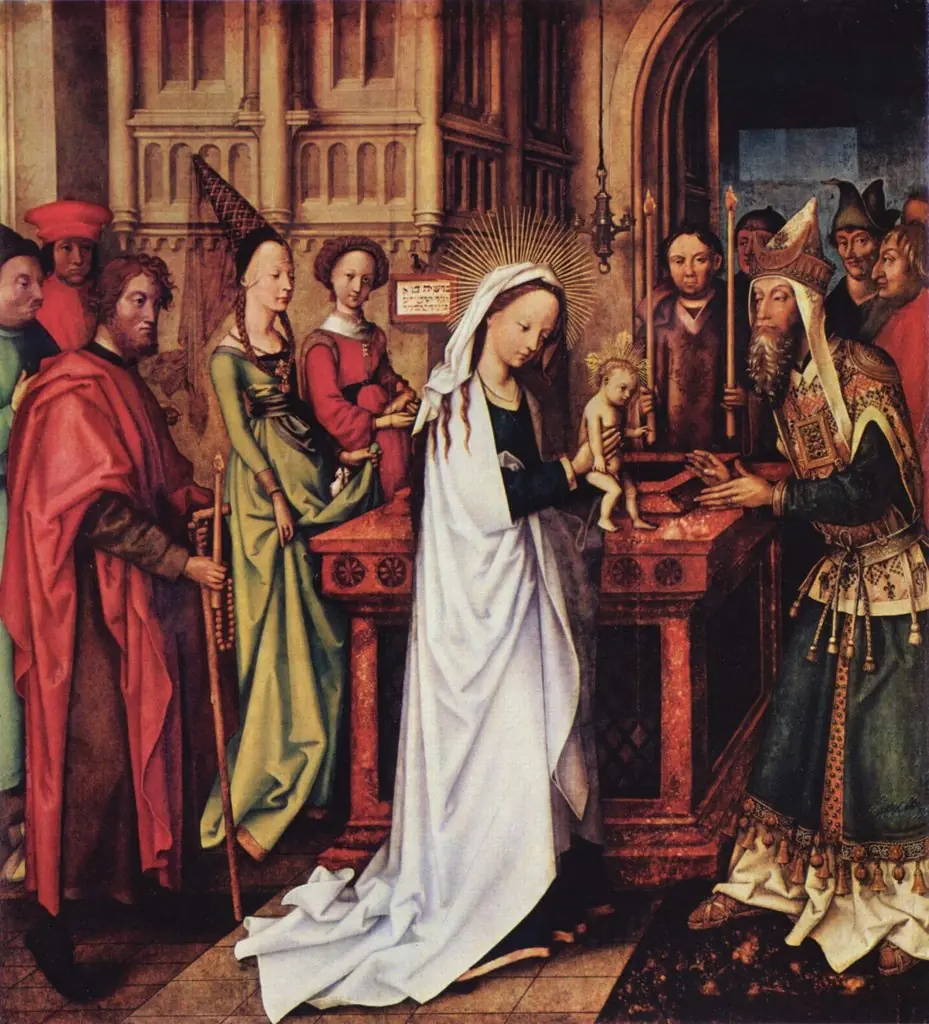
The painting illustrates the biblical episode of the Presentation of Jesus at the Temple. The composition features the Virgin Mary offering the Christ Child to the elderly Simeon within the sacred precincts of the temple. As a work of religious art, the scene visually narrates the fulfillment of prophecy where the infant Messiah is formally recognized.
The inclusion of these specific figures underscores the theological significance of the event as a moment of divine revelation and dedication.
Technique & Style
The Kaisheimer Altar panel depicting the Presentation of Jesus at the Temple is a religious painting executed in 1502 by Hans Holbein the Elder. It is held by the Bavarian State Painting Collections at the Alte Pinakothek. The work measures 141 cm in height and 85 cm in width, presented in a tall vertical format suited to its devotional function as part of an altarpiece.
Its subject matter centers on the Presentation of Christ in the Temple, with the figures of Simeon, Mary, and the Christ Child forming the iconographic core of the composition.
History & Provenance
The Kaisheimer Altar panel depicting the Presentation in the Temple was painted by Hans Holbein the Elder in 1502, as recorded in the work’s inception date.
The painting entered the Bavarian State Painting Collections and has remained in Munich, where it is currently housed at the Alte Pinakothek.
No documented commission or earlier ownership history prior to its inclusion in the state collection has been established.
The painting Kaisheimer Altar: Darbringung im Tempel is held within the collection of the Bavarian State Painting Collections. It is currently located at the Alte Pinakothek in Munich. Created in 1502, the work depicts the Presentation of Jesus at the Temple featuring Simeon, Mary, and the Christ Child.
The provided sources do not contain specific inventory or accession numbers for this piece, nor do they list any exhibition history.
Overview
Created in 1502 by Hans Holbein the Elder, this panel from the Kaisheimer Altar illustrates the biblical Presentation of Christ in the Temple. Executed during the early Northern Renaissance, the work now belongs to the collection of Munich’s Alte Pinakothek. It portrays the infant Jesus, his mother Mary, and the priest Simeon within an opulently decorated interior.
Context
Holbein the Elder worked at a time when Northern artists were integrating Italian Renaissance ideas with local Gothic traditions. This work reflects that synthesis: the careful observation of human figures and spatial arrangement echo Italian influence, while the ornate gold motifs and devotional subject remain rooted in German ecclesiastical art.
Artist & collection
Artist
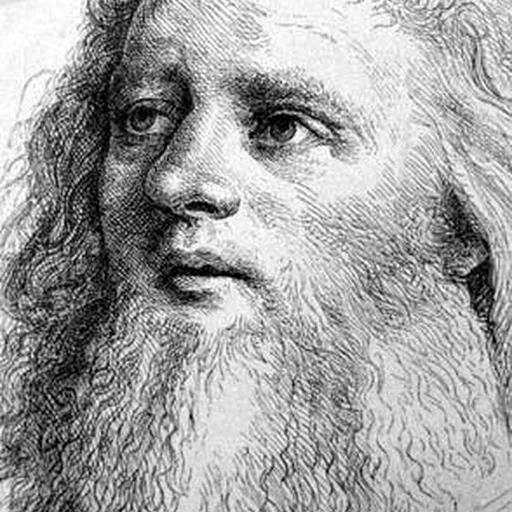
Hans Holbein the Elder (c. 1460/65 – 1524) was a German painter of the early German Renaissance. He was the father of painters Ambrosius and Hans the Younger.