Artwork
Untitled
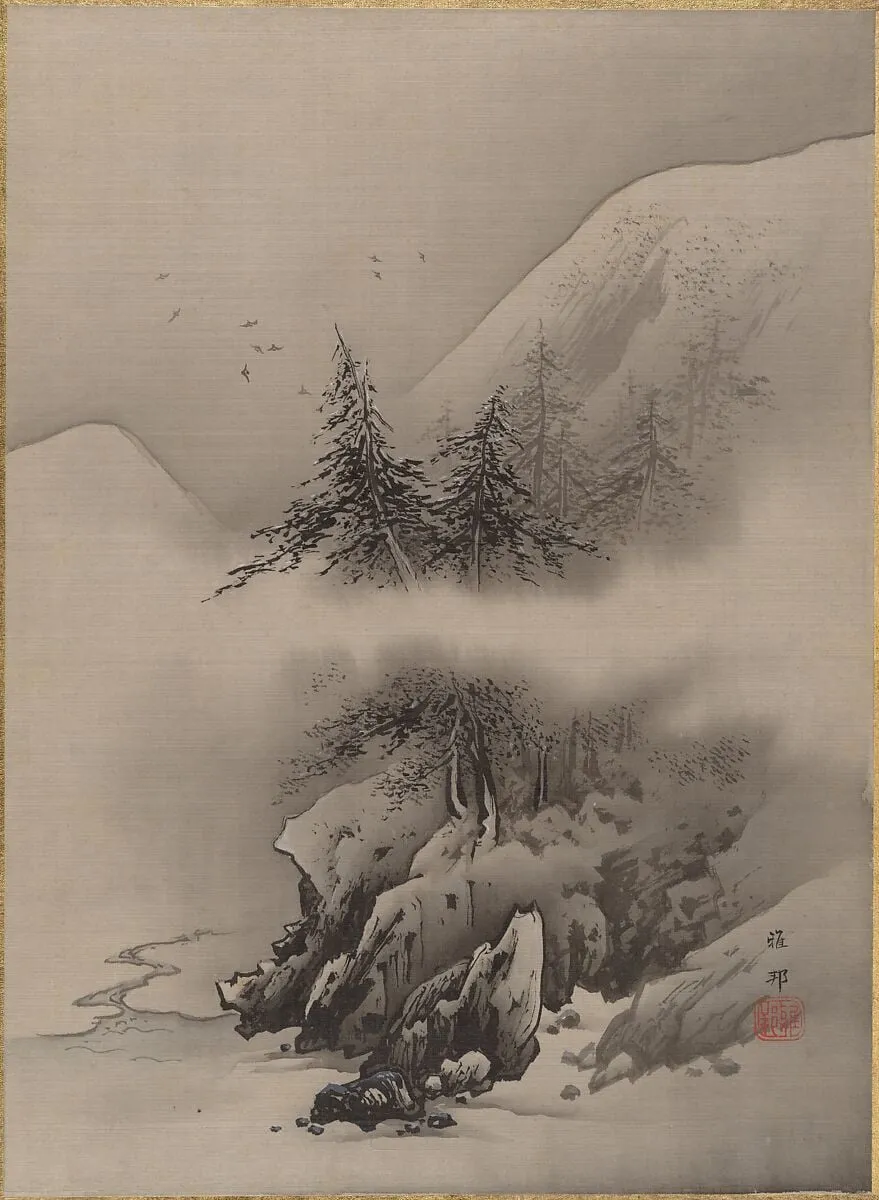
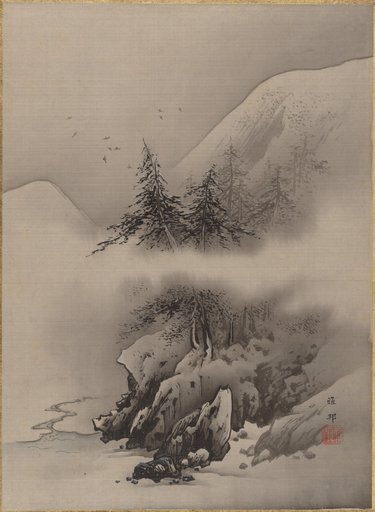
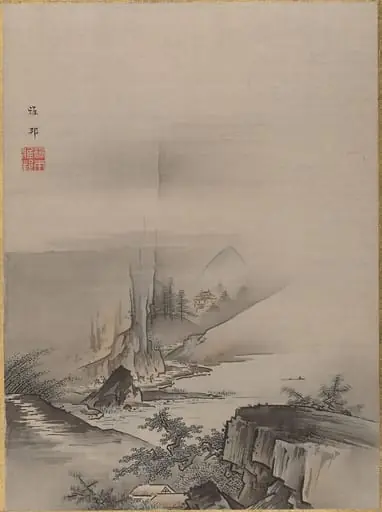
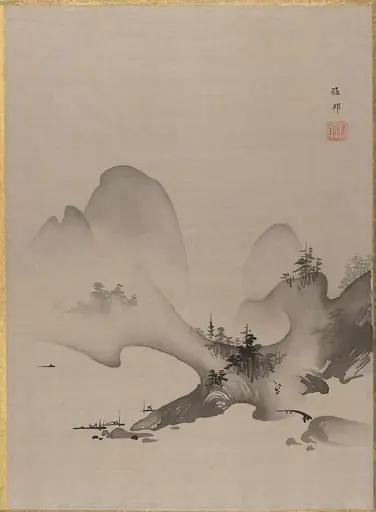
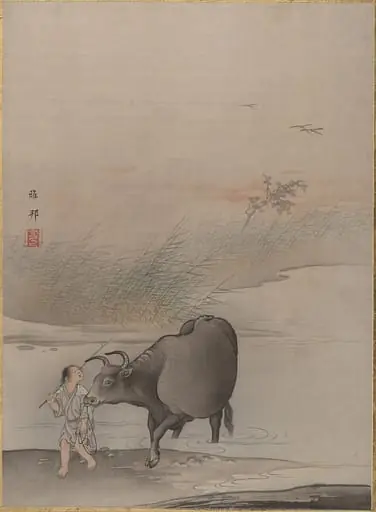
Untitled is an ink painting by the Impressionist artist Hashimoto Gahō. It dates from 1887 and is held in the collection of the Metropolitan Museum of Art.
About this work
Subject & Meaning
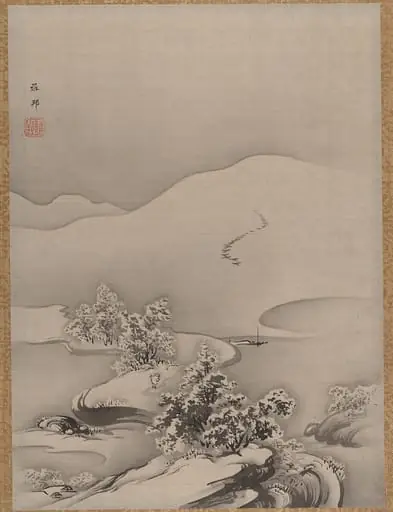
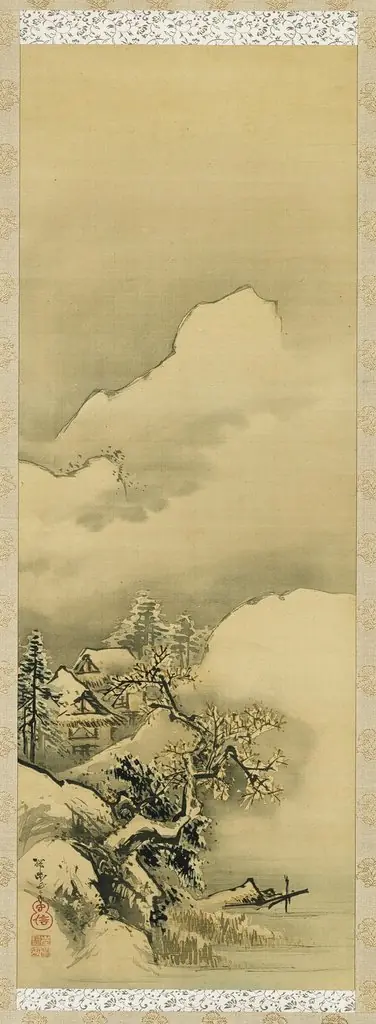
The depiction of snow functions as the primary visual subject, presenting a quiet, wintry environment without additional narrative elements.
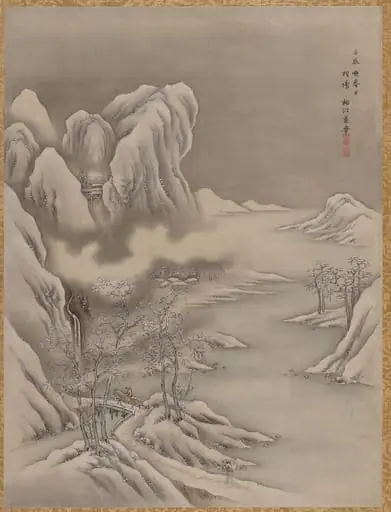
The work is a landscape painting that portrays a snowy scene. Executed in ink and color on silk in 1887, it belongs to the landscape genre and was created in Japan. The depiction of snow functions as the primary visual subject, presenting a quiet, wintry environment without additional narrative elements.
As a representation of snow, the composition emphasizes the subtle effects of light and texture within a natural setting, reflecting the artist’s interest in atmospheric conditions. The painting’s meaning is tied to its realistic rendering of a snow‑covered landscape, offering a contemplative view of nature’s transience.
Technique & Style
The work is an album leaf painted in ink and color on silk, executed in 1887 and classified as a painting within the landscape genre. The handling reflects a refined application of mineral pigments and ink washes to articulate snow-laden forms, while the silk support allows for a luminous ground that enhances the depiction of falling snow. Formal qualities emphasize atmospheric recession through layered ink veils and delicate color modulation, aligning with late nineteenth-century Nihonga practices that synthesize traditional Yamato-e conventions with Western-influenced spatial recession.
Overview
Hashimoto Gahō's 1887 untitled album leaf depicts a serene winter landscape rendered in ink and color on silk. The composition features a snow-covered mountain setting with bare trees and a frozen stream, populated by a few travelers clad in straw coats. Created during a pivotal era when Japan was actively engaging with Western artistic influences, the work exemplifies Gahō's synthesis of traditional Japanese ink painting techniques with a more naturalistic approach to atmosphere and light.
The artist employs soft coloration to convey the quiet stillness of the snow, while the small, bundled figures provide a sense of scale and human presence within the vast, cold environment. This piece reflects Gahō's role in the Nihonga movement, where he sought to modernize Japanese painting by integrating observational realism without abandoning the aesthetic principles of the classical tradition. The work stands as a representative example of his mature style, balancing the decorative qualities of silk painting with a grounded depiction of nature.
Context
This painting was produced during the 1880s, a pivotal era when Japan was increasingly engaging with Western cultures and ideas. Gahō, a prominent artist of the time, navigated this period by integrating elements of traditional Japanese aesthetics with subtle innovations, reflecting the broader cultural shifts occurring within the nation's artistic landscape.
Artist & collection