Movement
Nihonga
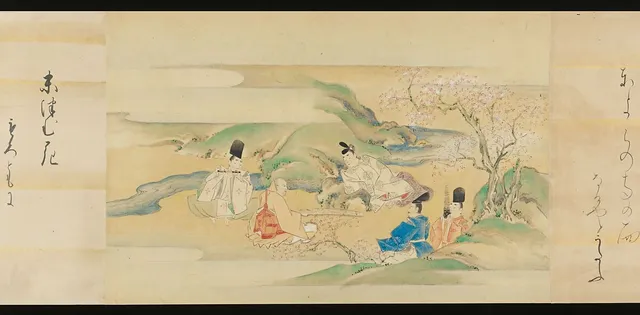
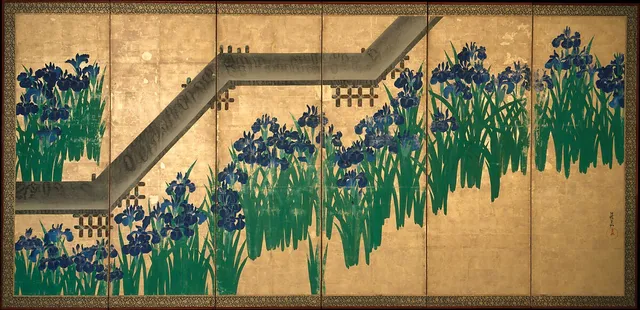
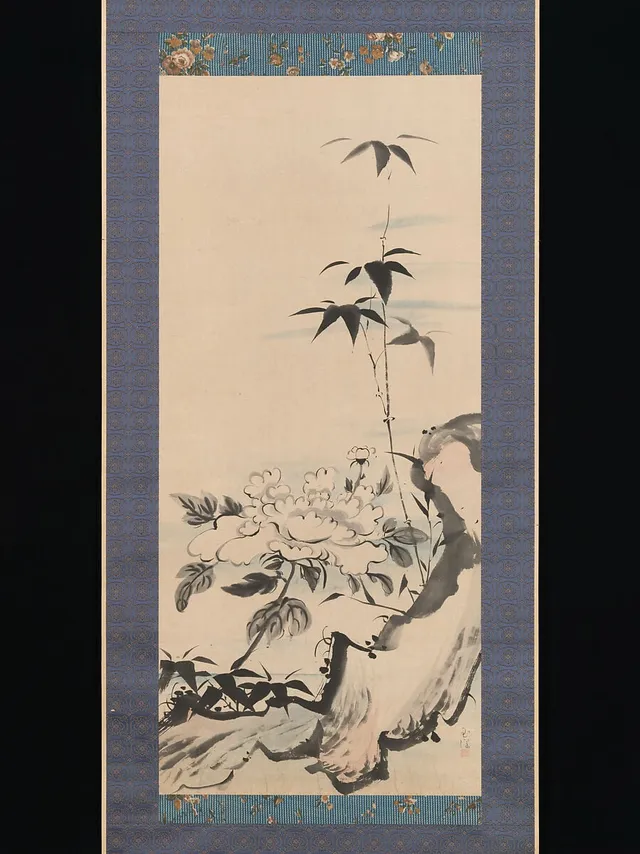
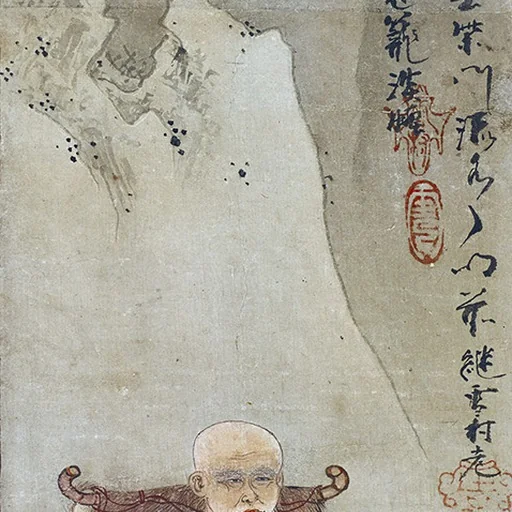
Nihonga is an art movement dating from 1860. The gallery holds 411 works in this movement, including works by Sesson Shūkei, Kaihō Yūsetsu and Soga Shōhaku. Browse Nihonga paintings, portraits, pictures and artworks from the world's public-domain museum collections.
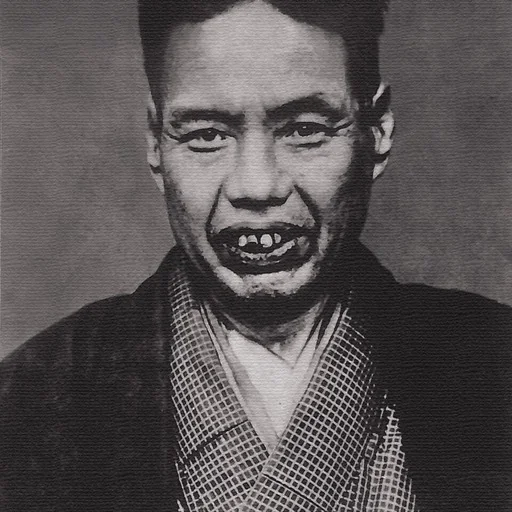
Nihonga (日本画, literally "Japanese painting") names not an ancient tradition but a deliberately modern one: the term was coined in the early Meiji period to set painting in indigenous materials and formats apart from the Western-style oil painting (yōga) flooding Japan's new art schools after the country opened to the West. By the 1880s traditional painting was being dismissed as backward, and its revival was led by an unlikely pair—the American scholar Ernest Fenollosa and the critic Okakura Kakuzō (Tenshin), often called the father of modern Japanese art. Together they founded the Kangakai (Painting Appreciation Society) in 1884 and helped establish the Tokyo School of Fine Arts (Tokyo Bijutsu Gakkō, opened 1889); in 1898 Okakura broke away to form the Nihon Bijutsuin (Japan Art Institute), which became Nihonga's spiritual home.
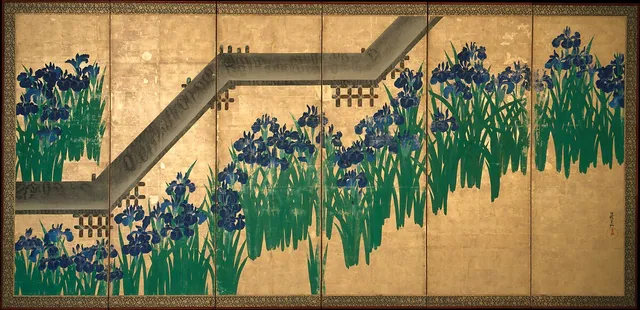
What unites Nihonga is technique rather than subject. Painters work in iwa-enogu—powdered mineral pigments ground from malachite (green), azurite (blue), and cinnabar (red)—bound with nikawa, an animal-hide glue, on supports of washi paper or silk, often laid over gold or silver leaf. The coarseness of the grind governs the colour's texture and luminosity, and pigment is placed in thin, fully dried layers rather than brushed. Nihonga consciously drew on the classical schools it sought to preserve: the bold decorative design of Rinpa (epitomised by Ogata Kōrin's celebrated "Irises at Yatsuhashi"), the ink discipline of the Kanō school, and the scholarly literati manner of nanga masters such as Ike no Taiga.
The movement's first generation bridged old and new. Kanō Hōgai (1828–1888) and Hashimoto Gahō (1835–1908) carried Kanō training into a modern idiom, while Okakura's pupils Yokoyama Taikan (1868–1958) and Hishida Shunsō (1874–1911) pioneered mōrōtai, a "hazy" lineless style built from atmospheric washes of colour—initially derided, later embraced. Shunsō's silk painting "Black Cat" (Kuroki neko, 1910), now an Important Cultural Property, marks its maturity. In Kyoto, Takeuchi Seihō and the bijinga specialist Uemura Shōen developed a parallel, more naturalistic current.
Nihonga endures as the counterweight to yōga in modern Japanese art, a living tradition that reinvented heritage rather than merely conserving it.
Key artists

Works
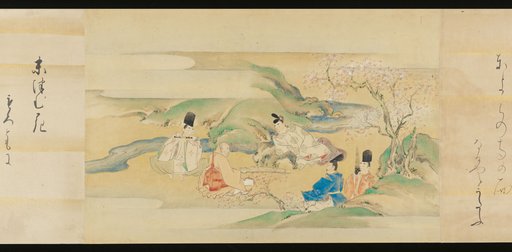
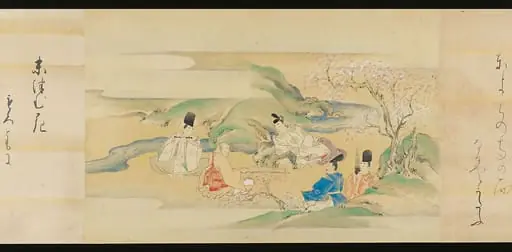 伝海北友雪筆 『源氏物語』 絵巻|The Tale of Genji
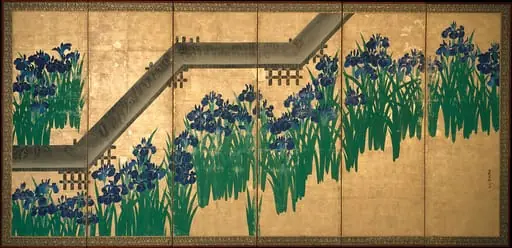 八橋図屏風 |Irises at Yatsuhashi (Eight Bridges)
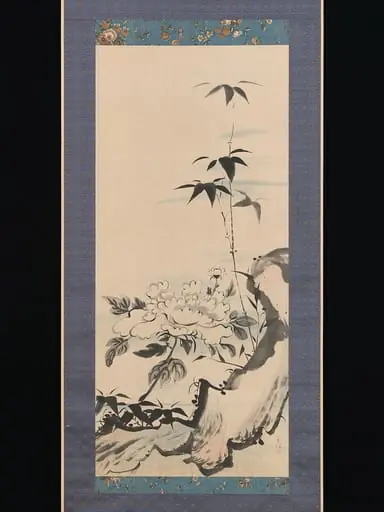 徳山玉瀾筆 牡丹に竹図|Peony and Bamboo
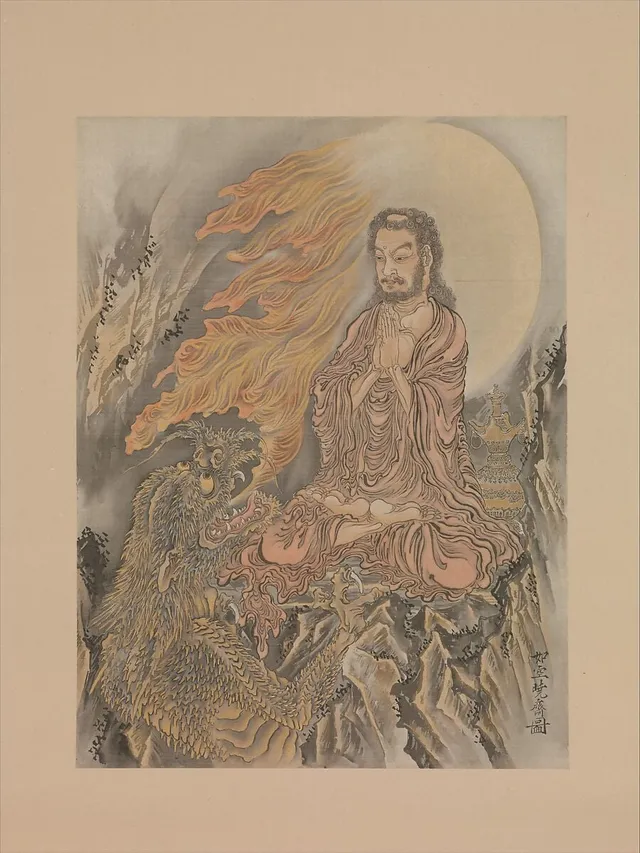
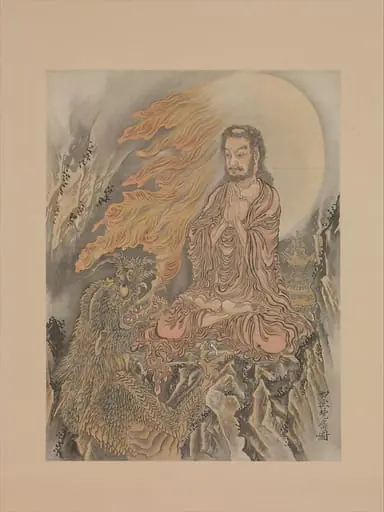 釈迦降魔図|Shakyamuni Subjugating Demons
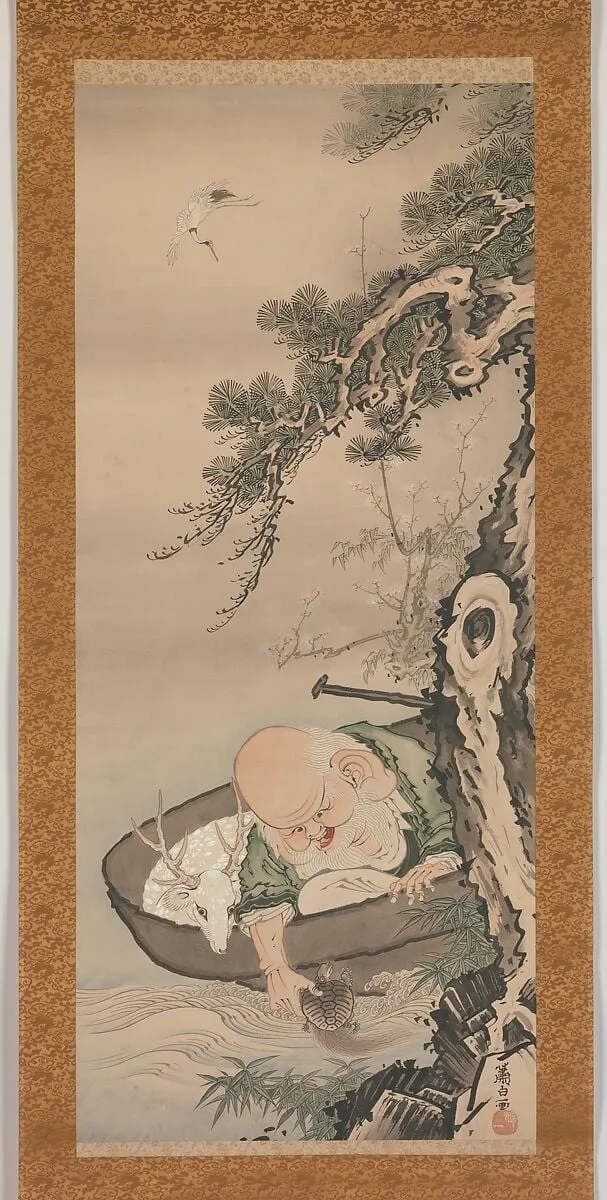
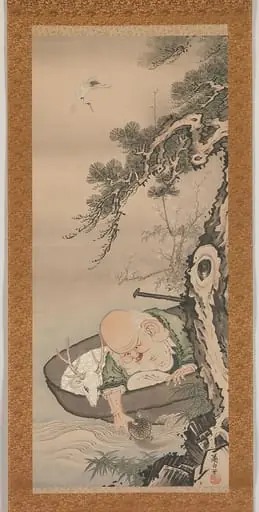 曽我蕭白筆 寿老人図|The God of Good Fortune Jurōjin
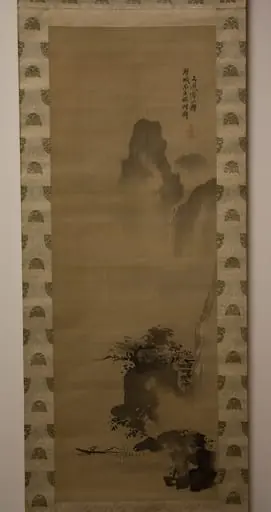 Untitled
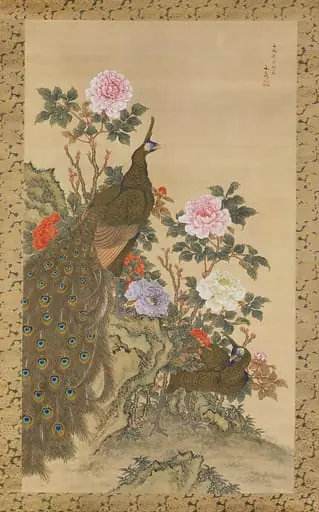 牡丹に孔雀図|Peacocks and Peonies
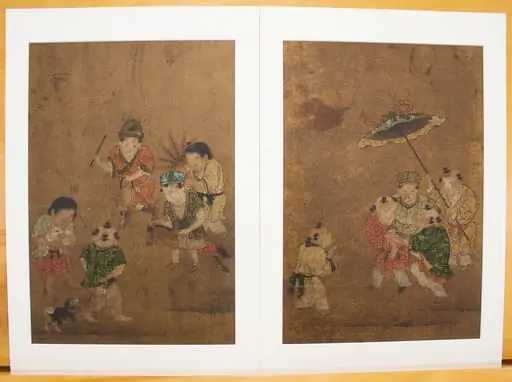 Untitled
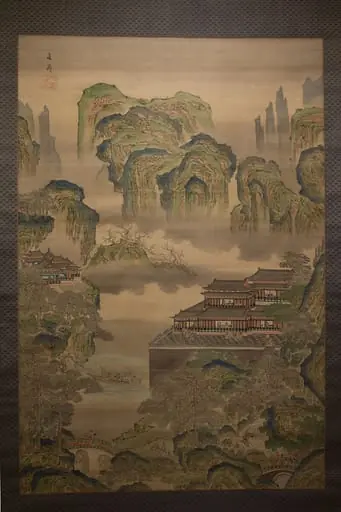 Untitled
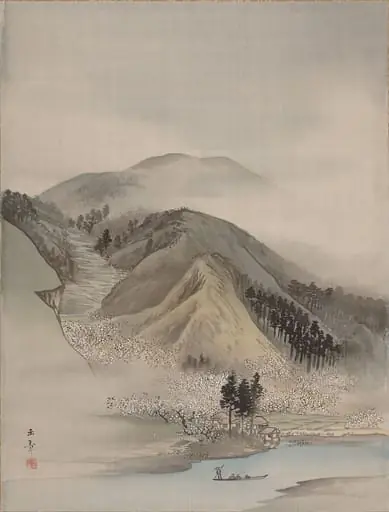 Untitled
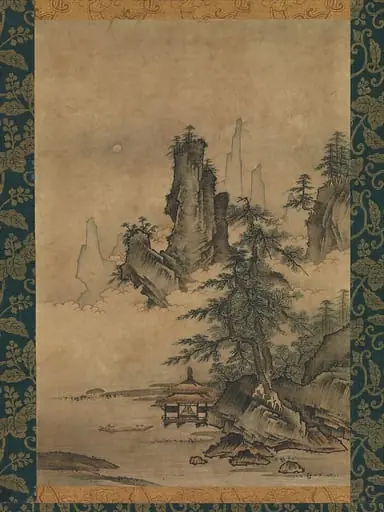 山水図|Landscape
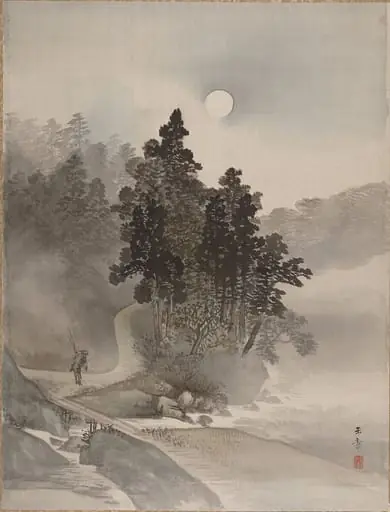 Untitled
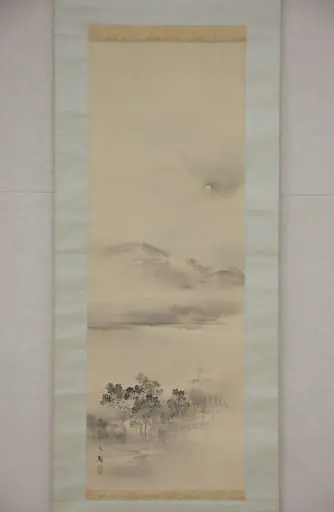 Untitled
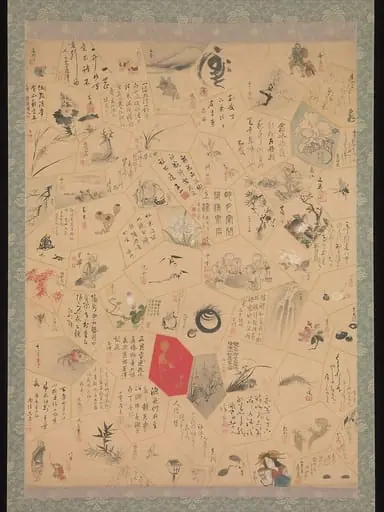 Untitled
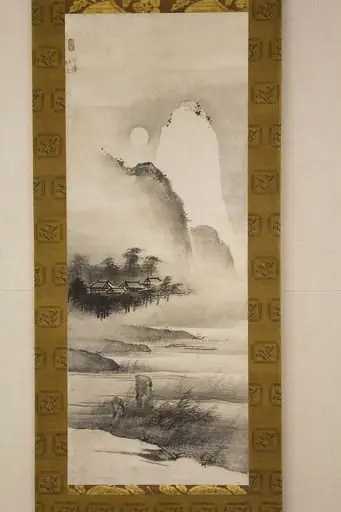 Untitled
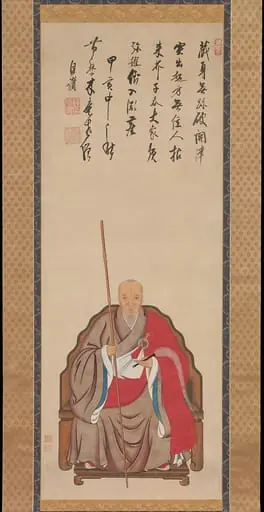 Untitled
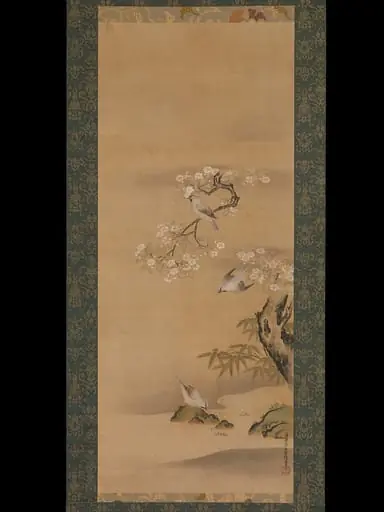 清原雪信筆 緋連雀桜竹図|Waxwings, Cherry Blossoms, and Bamboo
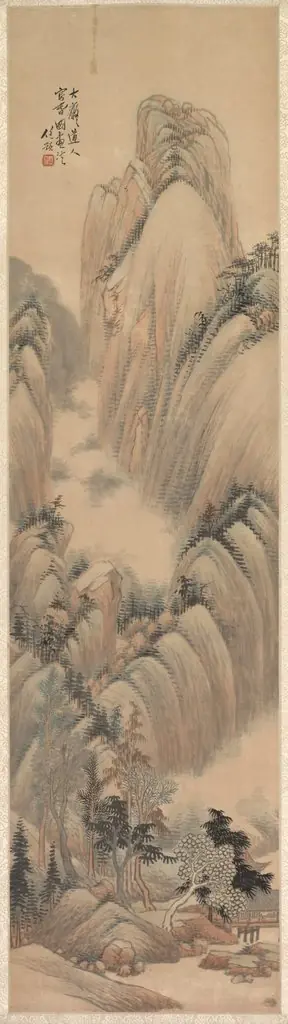 Landscapes
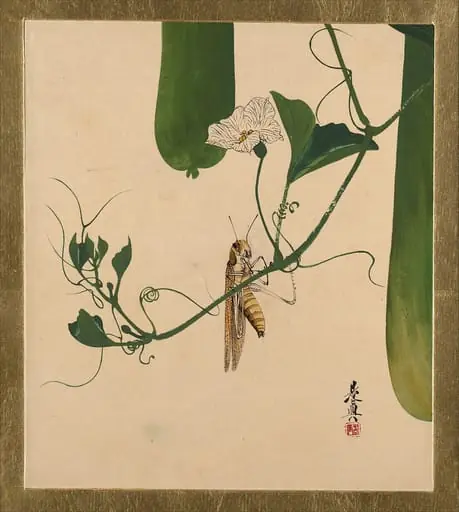 Untitled
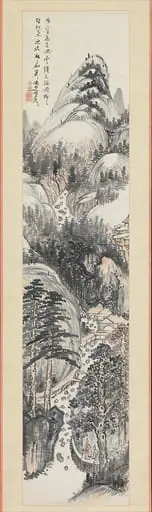 Untitled
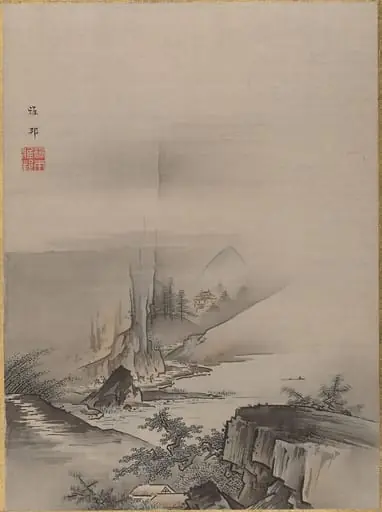 Untitled
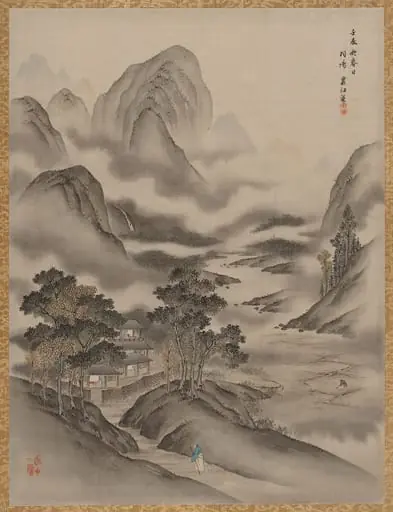 Untitled
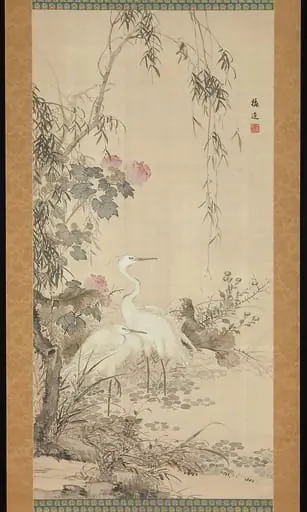 山本梅逸筆 柳鷺図|Egrets, Peonies, and Willows
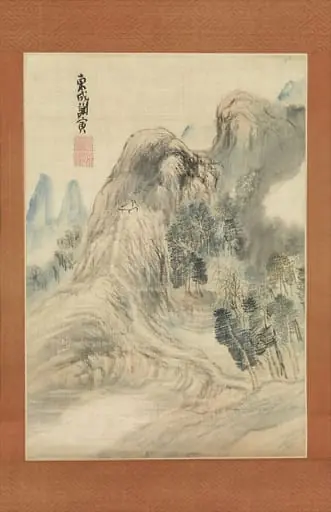 Untitled
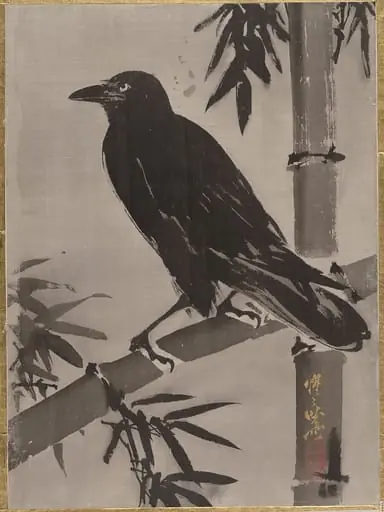 竹に鴉図|Crow on a Bamboo Branch
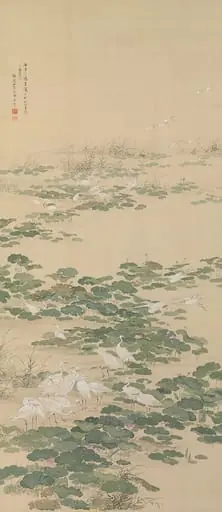 山本梅逸筆 蓮池白鷺図|Egrets in a Lotus Pond
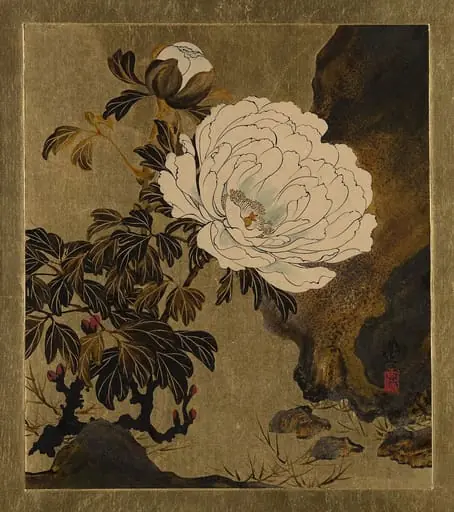 Untitled
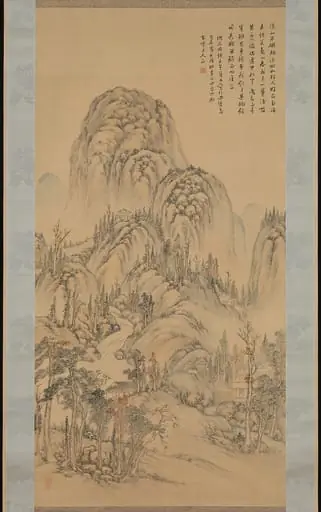 Untitled
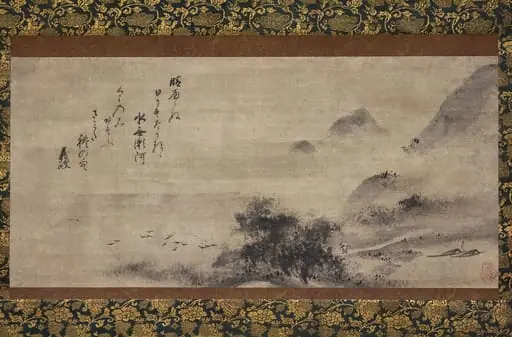 Untitled
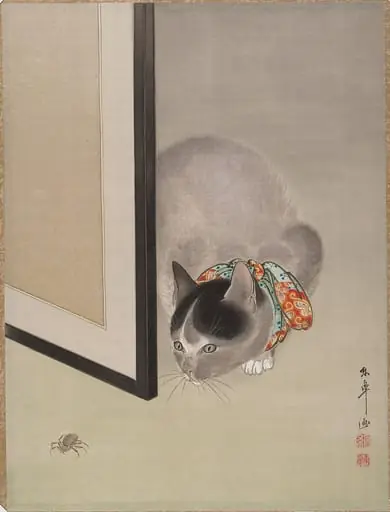 猫に蜘蛛図|Cat Watching a Spider
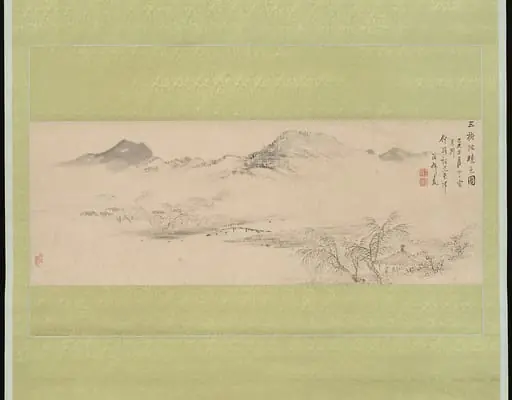 三樹坡曉色图|View of the Kamo River from Sanbogi at Dawn
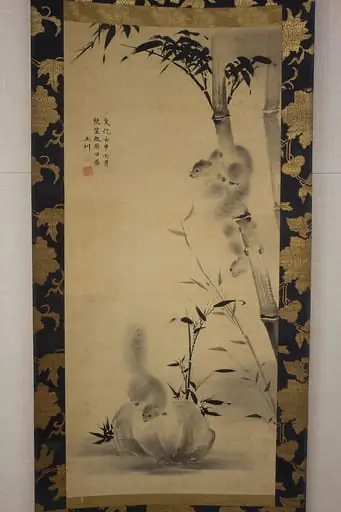 竹に栗鼠図|Squirrels on Bamboo and Rock
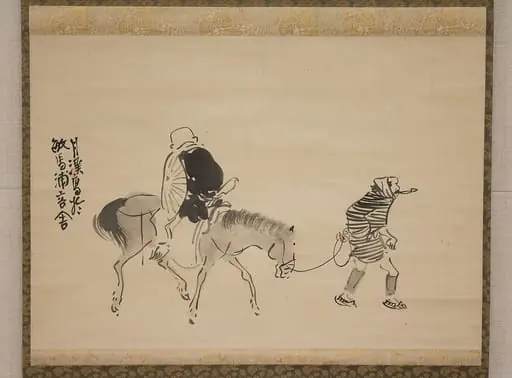 蓮生法師図|Monk Renshō Riding His Horse Backwards
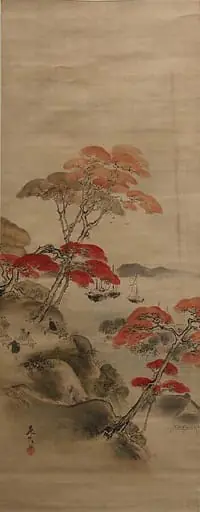 Untitled
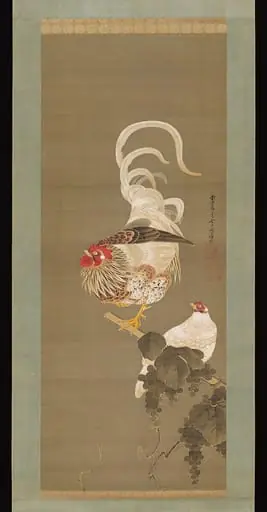 伊藤若沖筆 葡萄双鶏図|Hen and Rooster with Grapevine
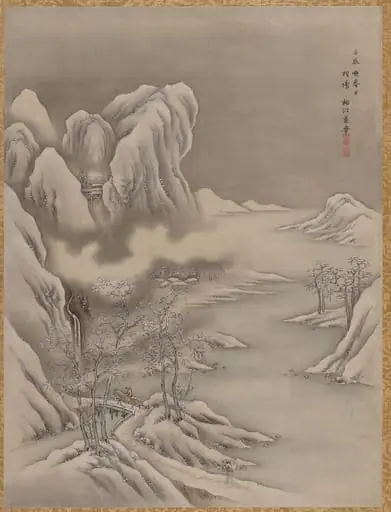 Untitled
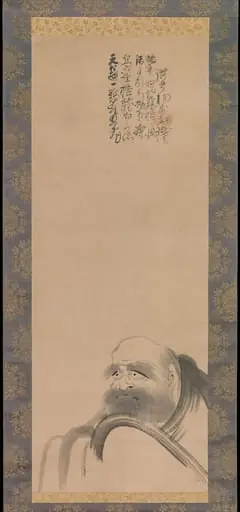 風外慧薫筆 達磨図|Portrait of Daruma
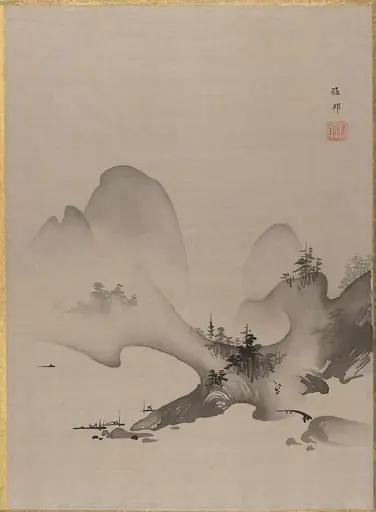 Untitled
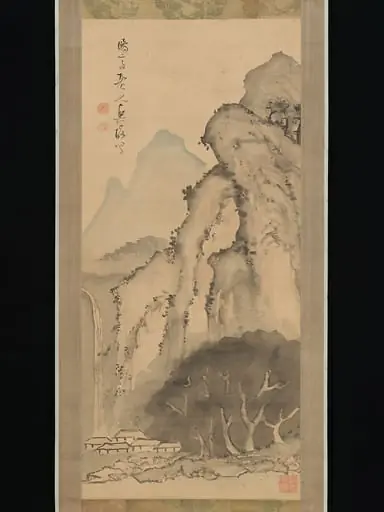 Untitled
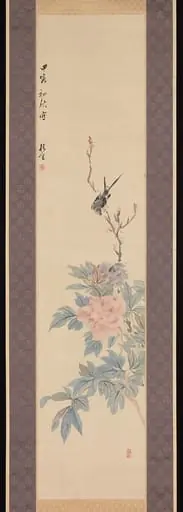 Untitled
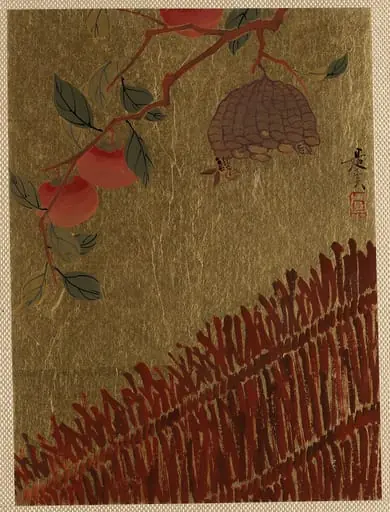 Untitled
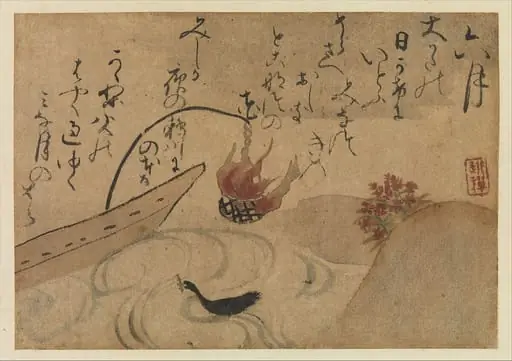 尾形乾山筆 定家詠十二ヶ月和歌 花鳥図 『拾遺愚草』 より六月|“Sixth Month” from Fujiwara no Teika’s “Birds and Flowers of the Twelve Months”
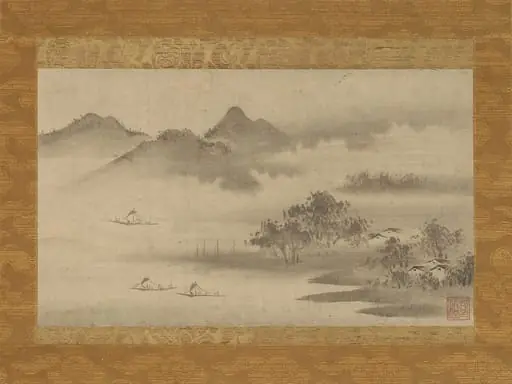 Untitled
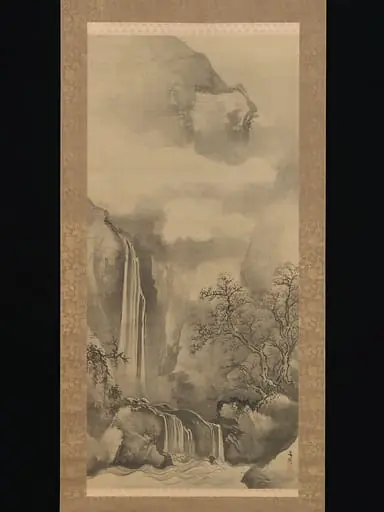 Untitled
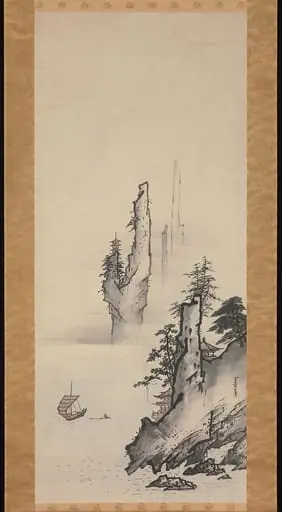 Untitled
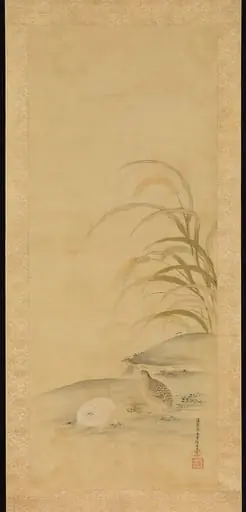 粟に鶉図|Quail and Millet
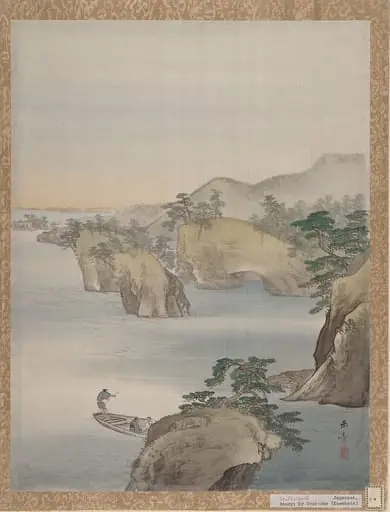 Untitled
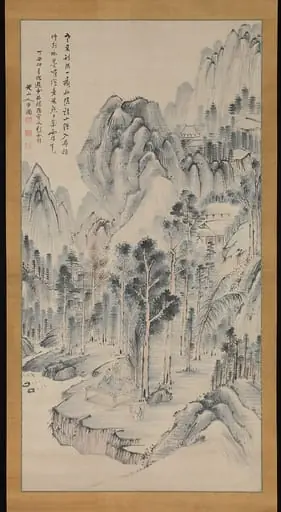 Untitled
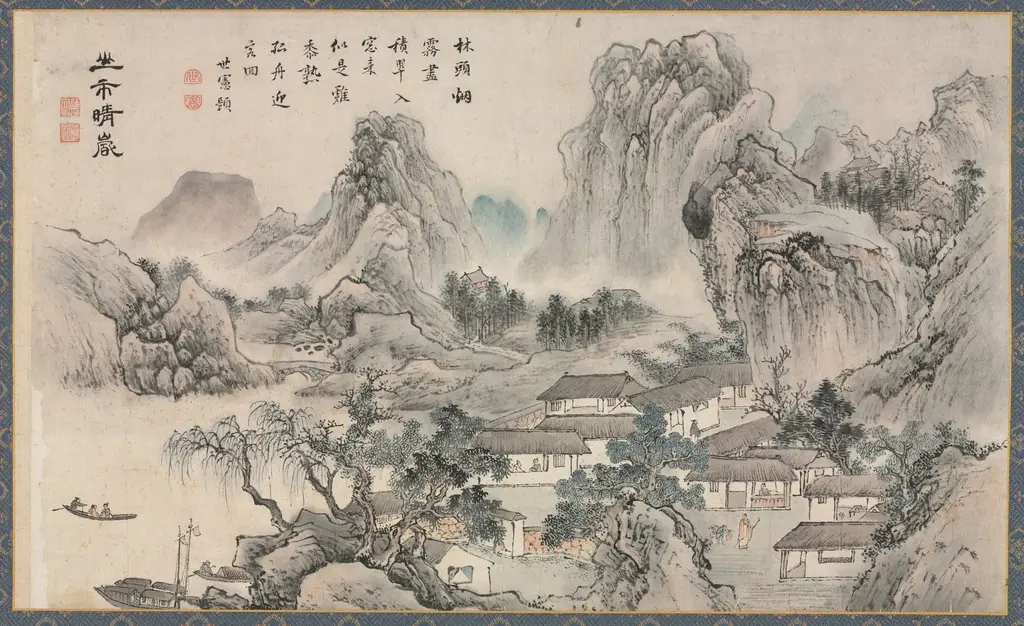 Mountain Market in Clearing Mist, from Eight Views of Xiao-Xiang
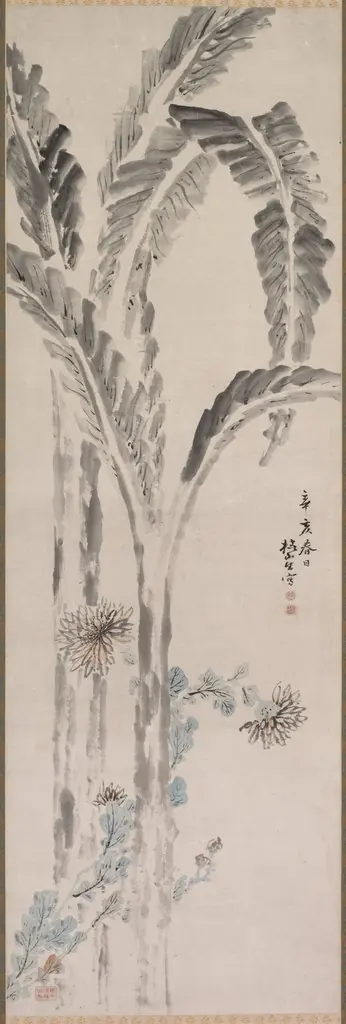 Banana Plant and Chrysanthemum
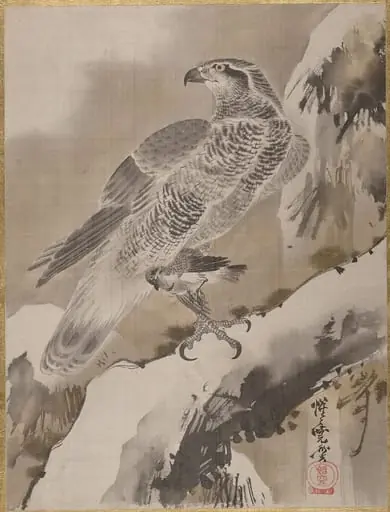 Untitled
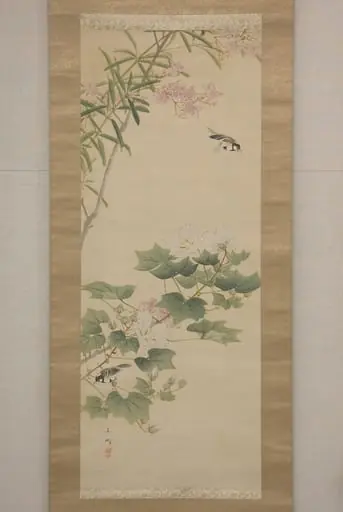 Untitled
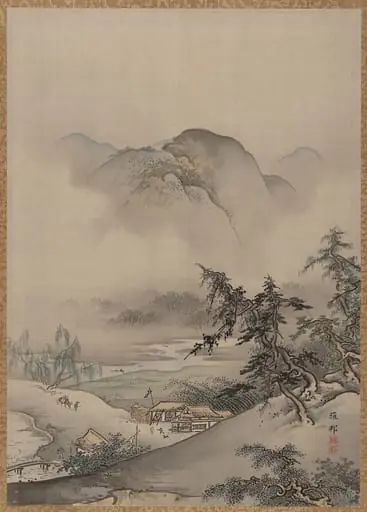 Untitled
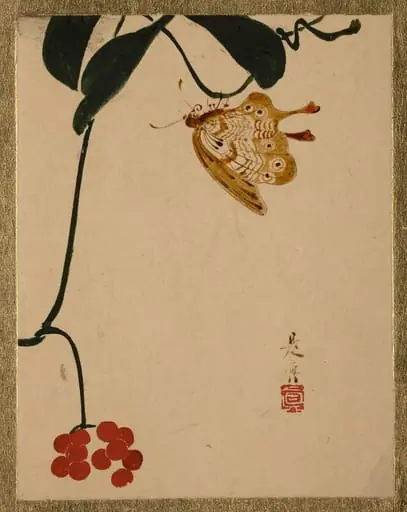 Untitled
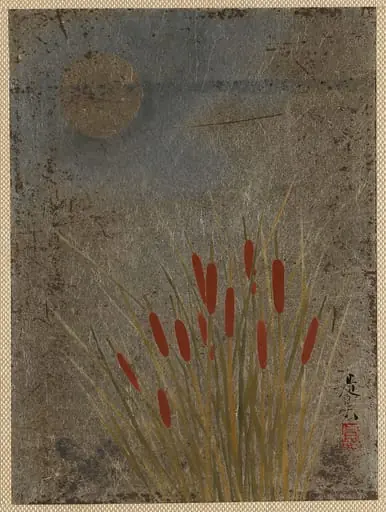 Untitled
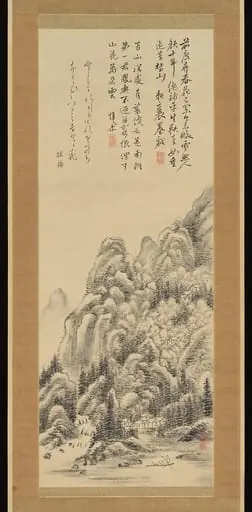 Untitled
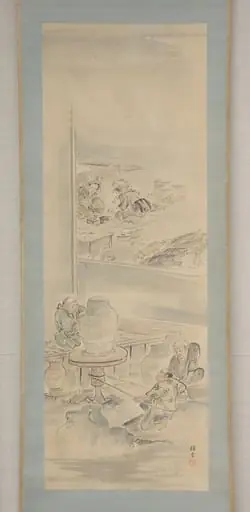 永樂保全筆 「陶造」|Making Ceramics
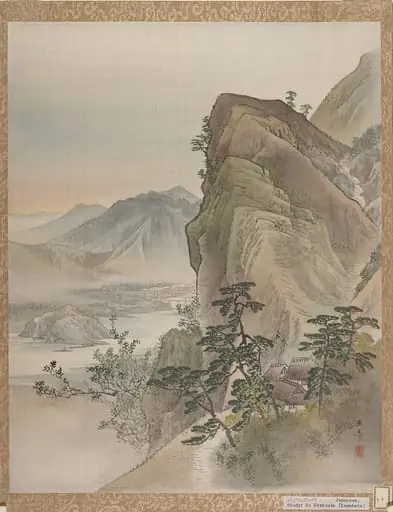 Untitled
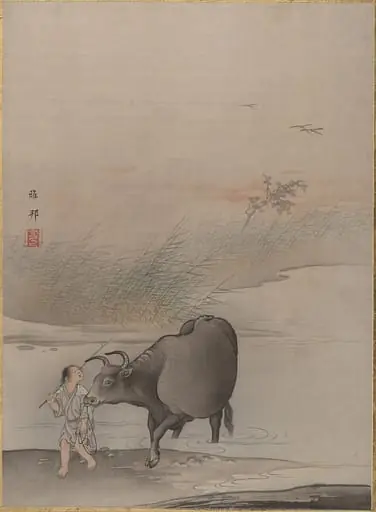 Untitled
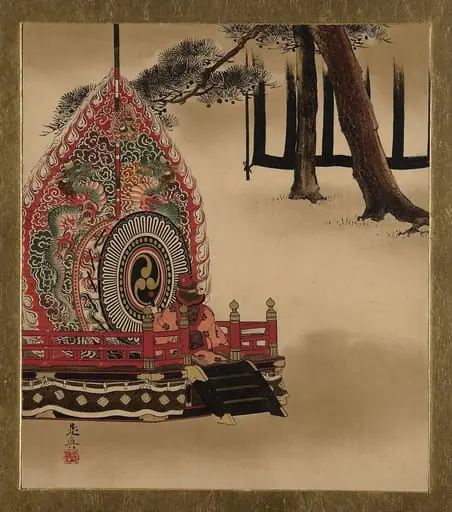 Untitled
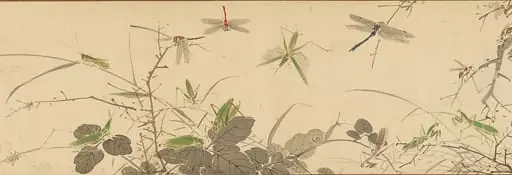 Untitled
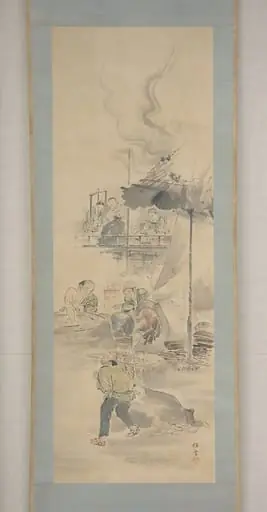 永樂保全筆 「陶造」|Making Ceramics
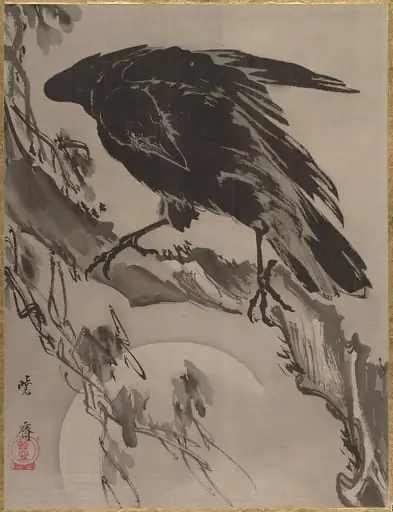 月に鴉図|Crow and the Moon
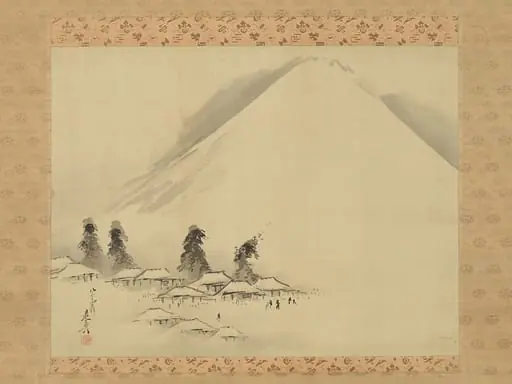 Untitled
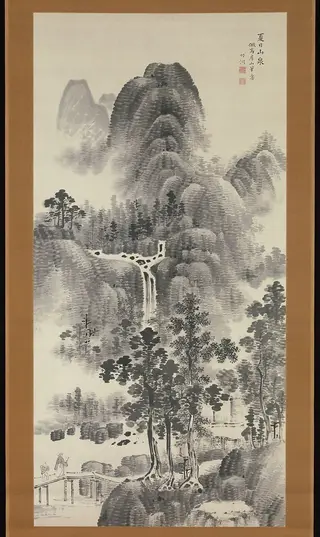 中林竹洞筆 夏日山泉図|Mountain Stream on a Summer Day
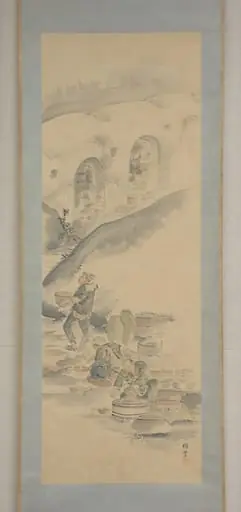 永樂保全筆 「陶造」|Making Ceramics
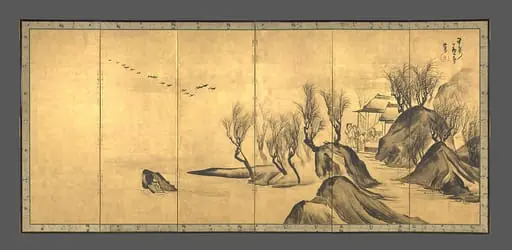 山水唐人物図屏風|Landscapes with the Chinese Literati Su Shi and Tao Qian
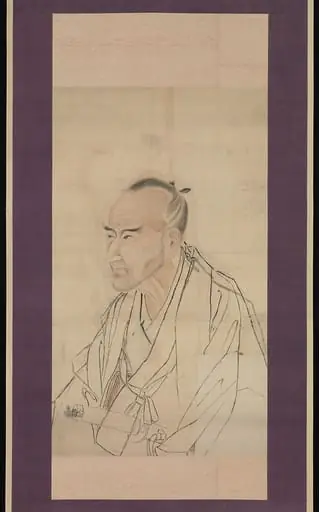 Untitled
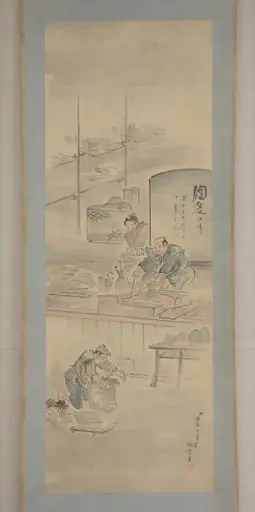 永樂保全筆 「陶造」|Making Ceramics
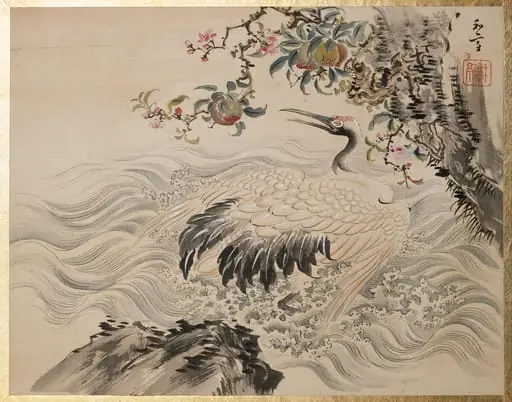 桃に鶴図|Flowers and Birds
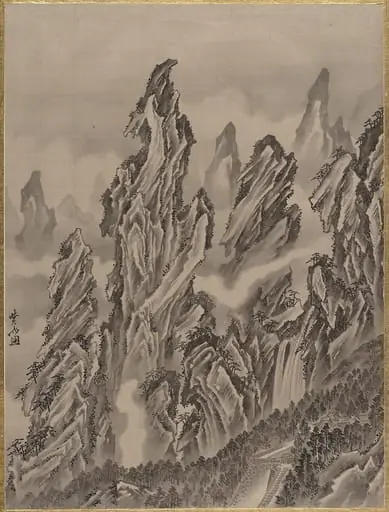 Untitled
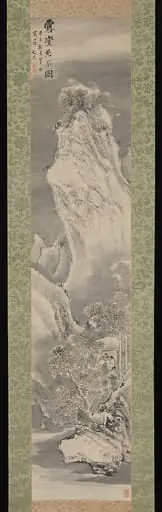 Untitled
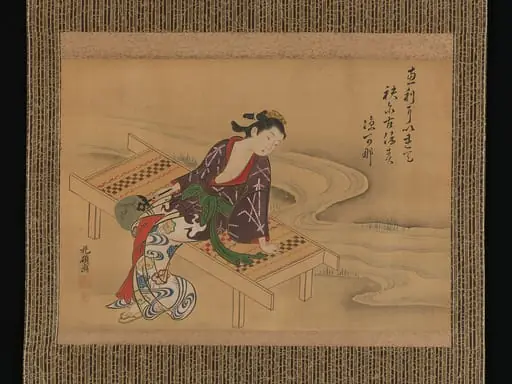 Untitled
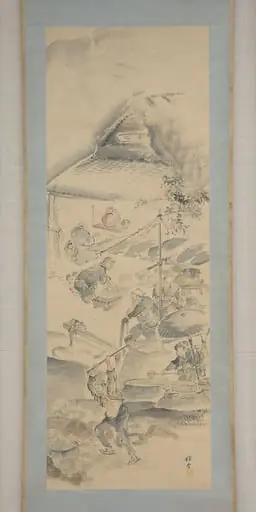 永樂保全筆 「陶造」|Making Ceramics
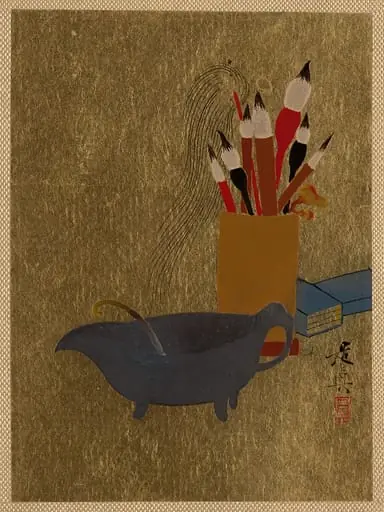 Untitled
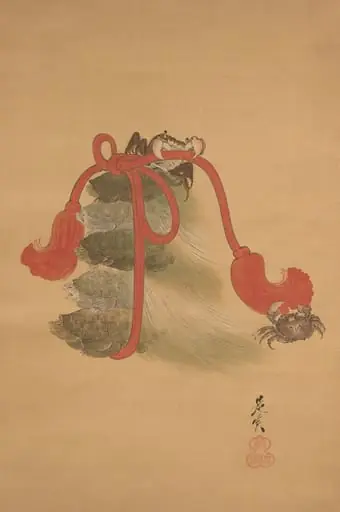 Untitled
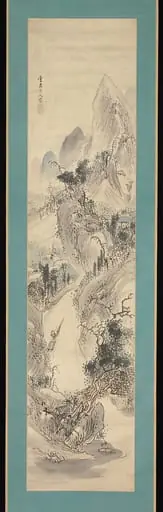 Untitled
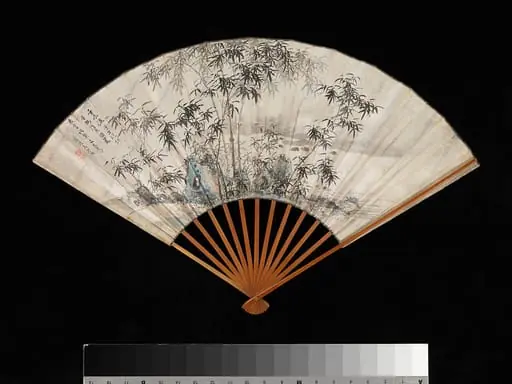 墨竹扇面図|Bamboo and Rocks by a Stream
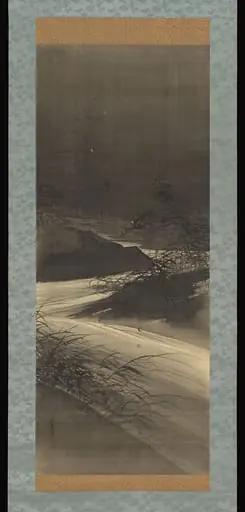 Untitled
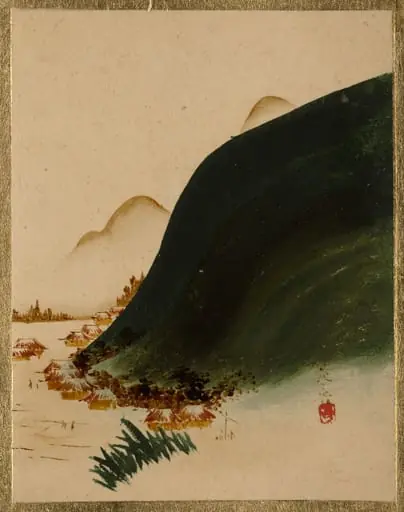 Untitled
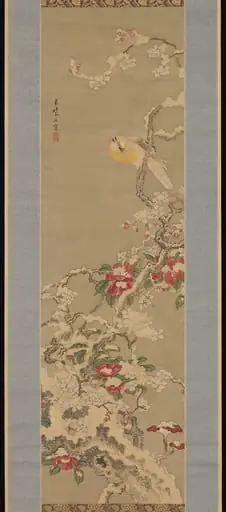 Untitled
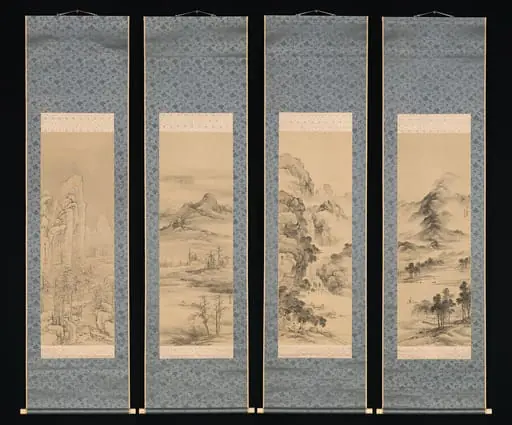 山本梅逸筆 四季山水図|Landscapes of the Four Seasons
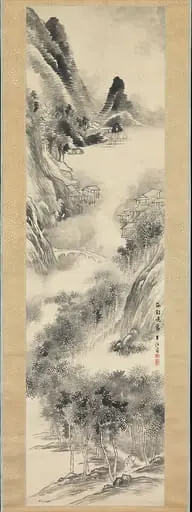 Untitled
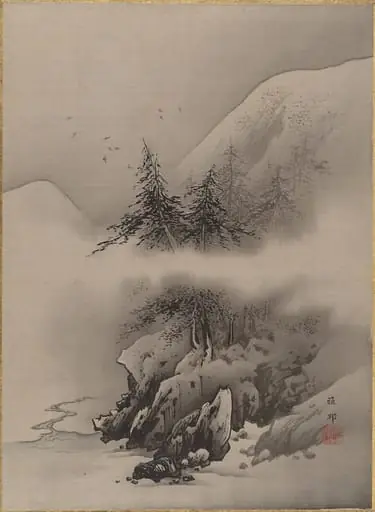 Untitled
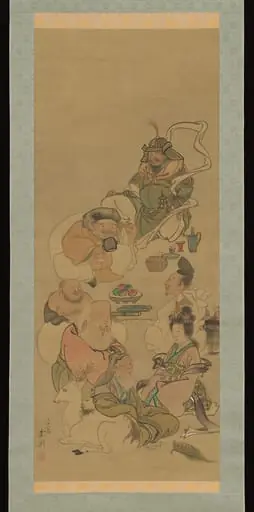 長澤蘆洲筆 七福神図|Seven Gods of Good Fortune
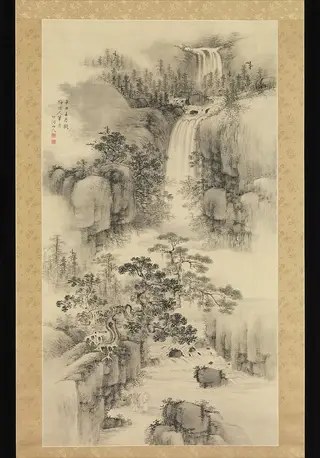 観瀑山水図|Landscape with Waterfall
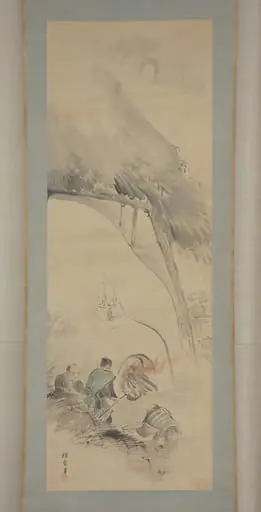 永樂保全筆 「陶造」|Making Ceramics
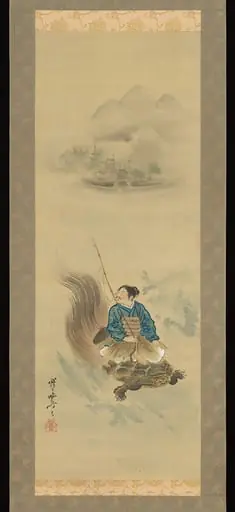 Untitled
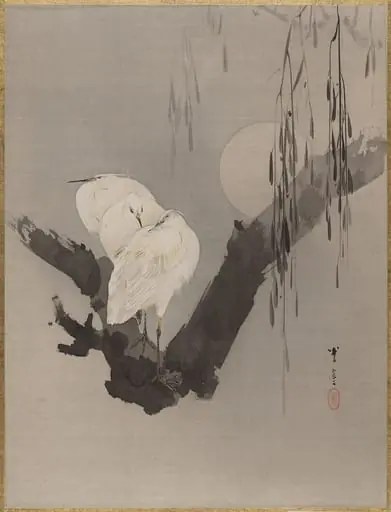 Untitled
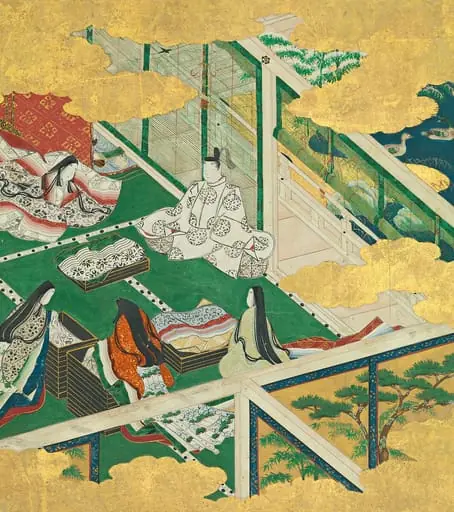 源氏物語画帖「玉鬘」|“A Lovely Garland” (Tamakazura), from The Tale of Genji
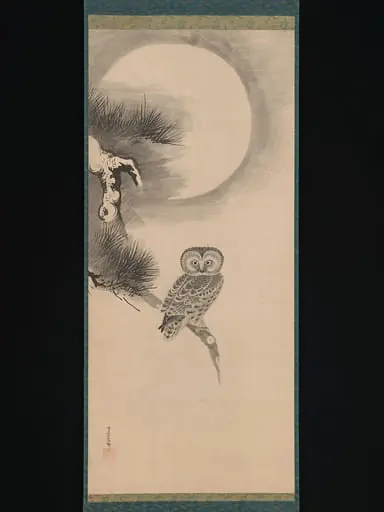 Untitled
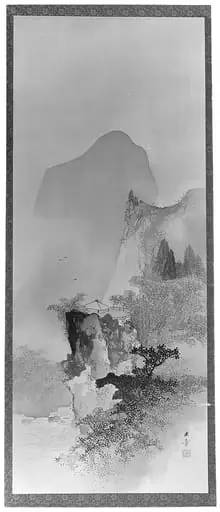 Untitled
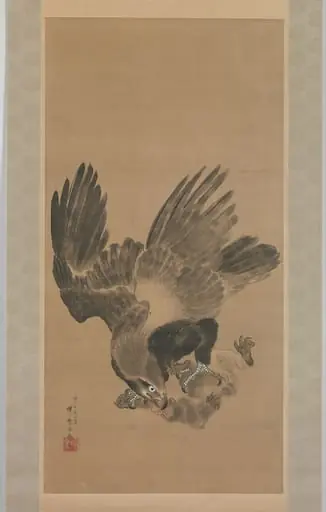 猿を襲う鷲図|Eagle Attacking a Monkey
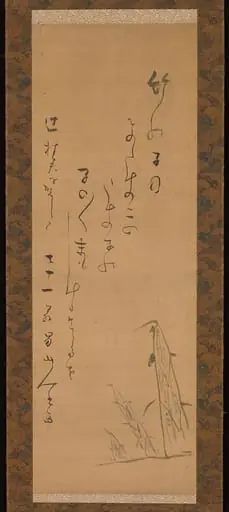 蜀山人(大田南畝)筆 筍図|Bamboo Shoots
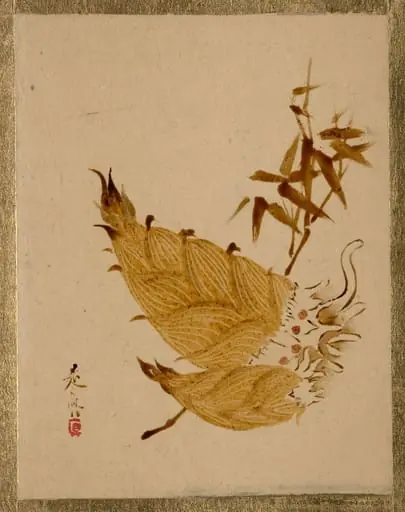 柴田是真筆筍図|Bamboo Shoots
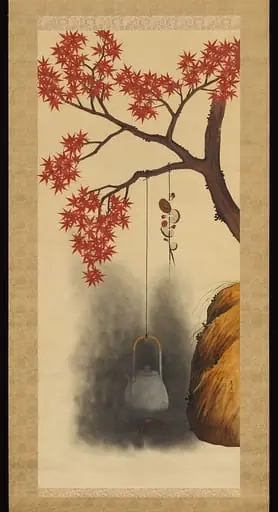 Untitled
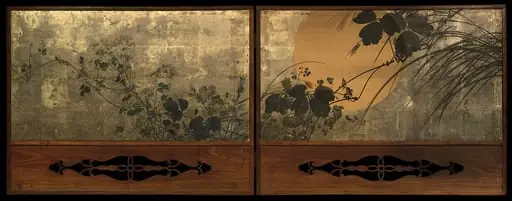 月に秋草図屏風|Autumn Grasses in Moonlight
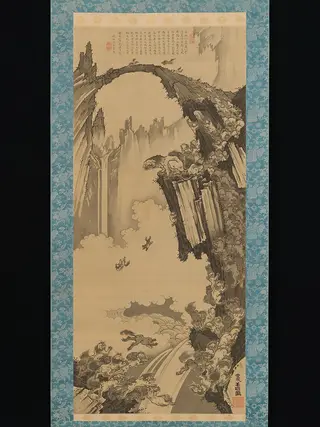 曽我蕭白筆 峨山南宗賛 天台山石橋図|Lions at the Stone Bridge of Mount Tiantai
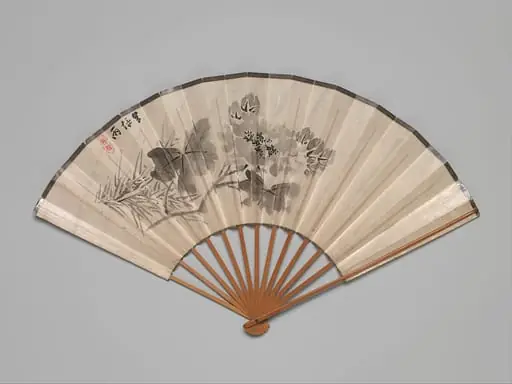 高橋草坪筆 牡丹図|Peony
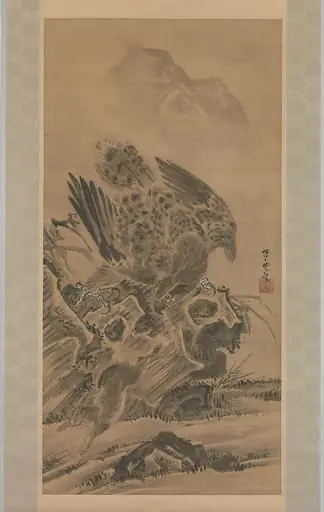 兎を追う鷲図|Eagle Pursuing Rabbit
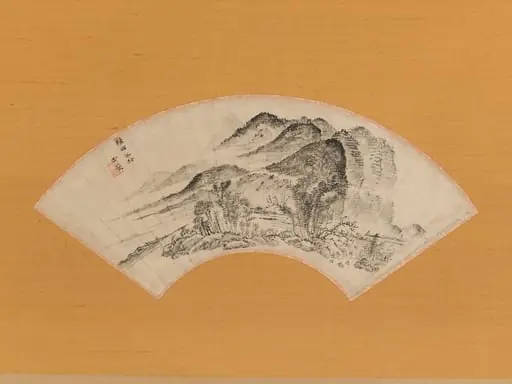 「残雨半村」図|“Lingering Rain over Half the Village”
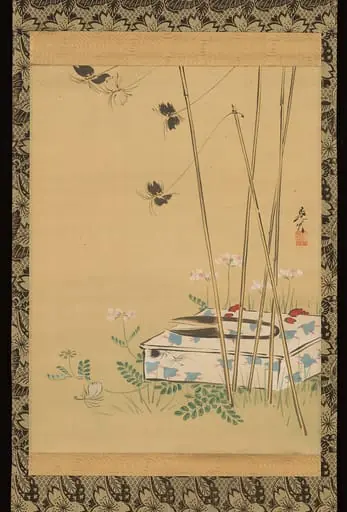 Untitled
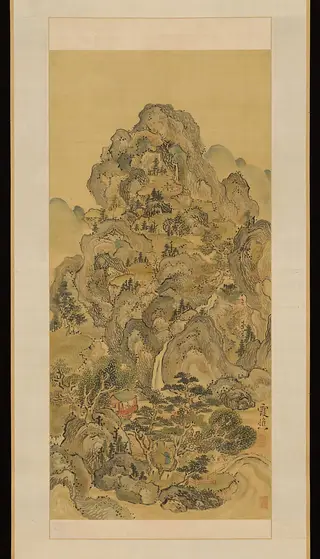 Untitled
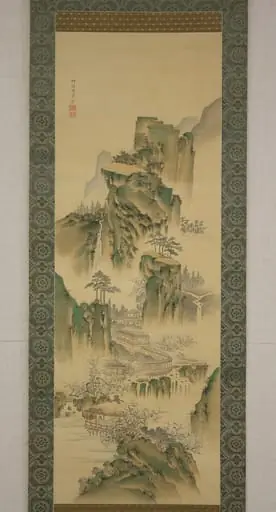 Untitled
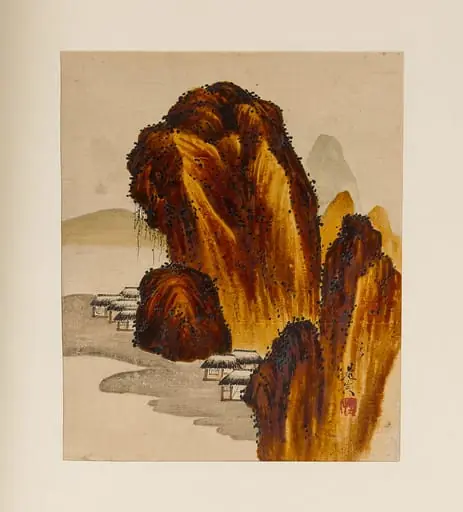 Untitled
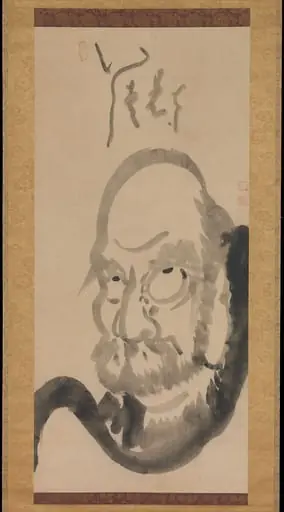 白隠慧鶴筆 達磨像|Portrait of Bodhidharma
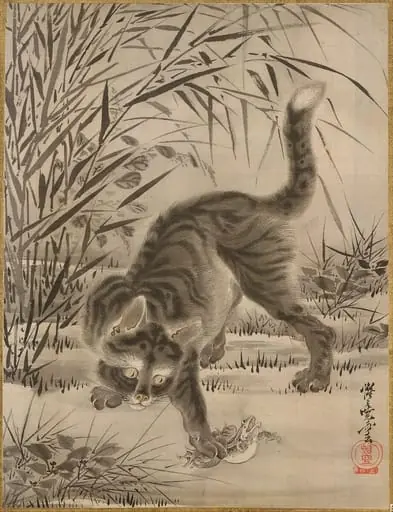 Untitled
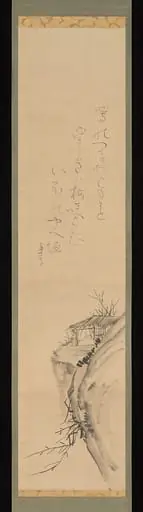 Untitled
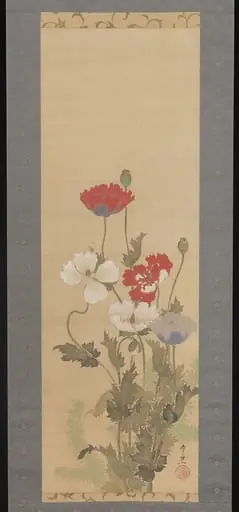 鈴木其一筆 芥子図|Poppies
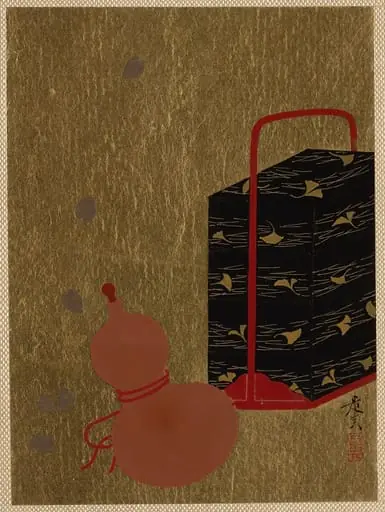 Untitled
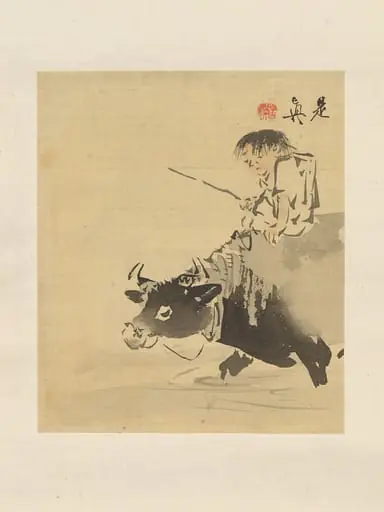 Untitled
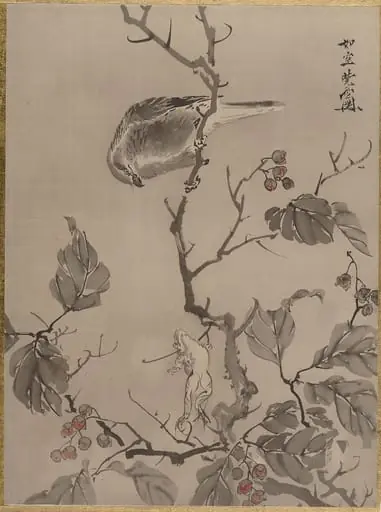 Untitled
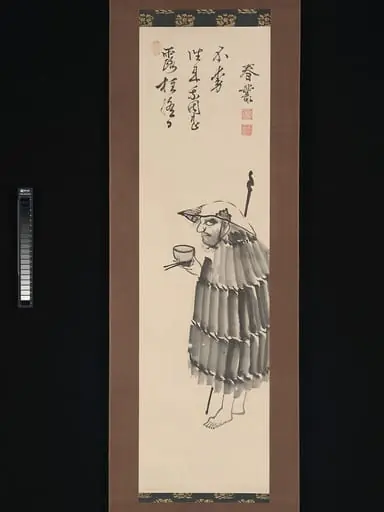 Untitled
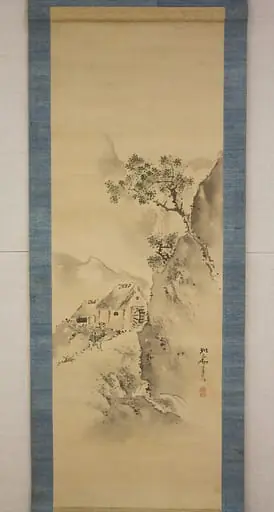 Untitled
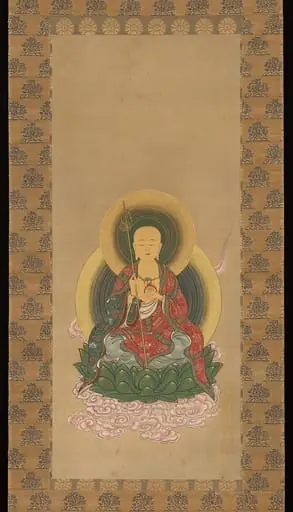 英一蝶筆 地蔵菩薩図|Jizō Bosatsu
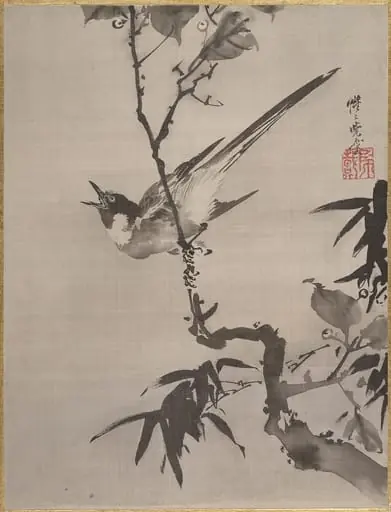 Untitled
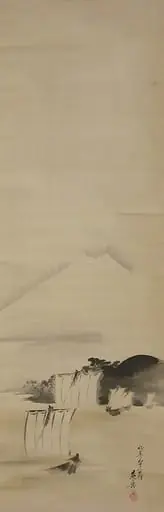 Untitled
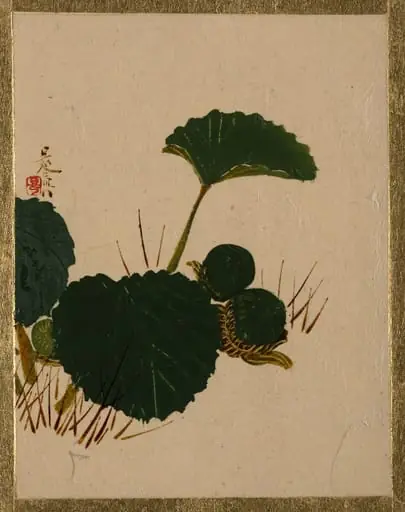 Untitled
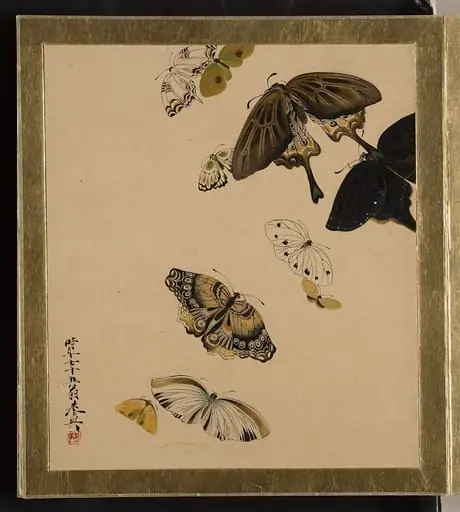 Untitled
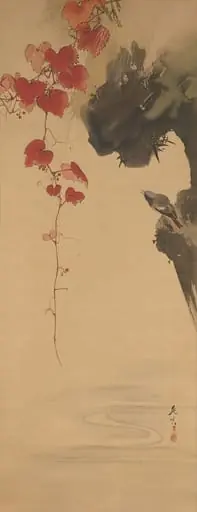 Untitled
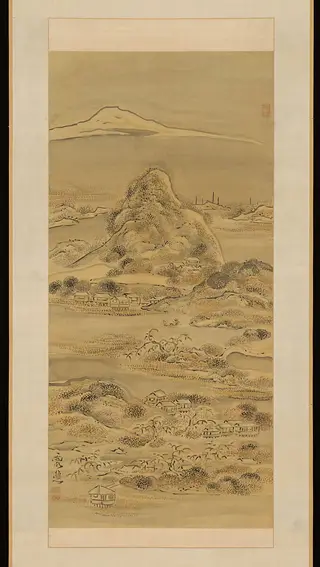 Untitled
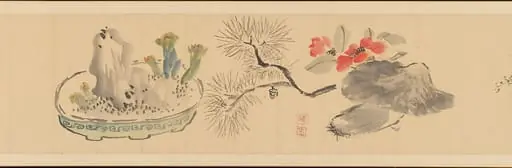 岡田半江筆 花卉図巻|Letter Enclosing Flowers
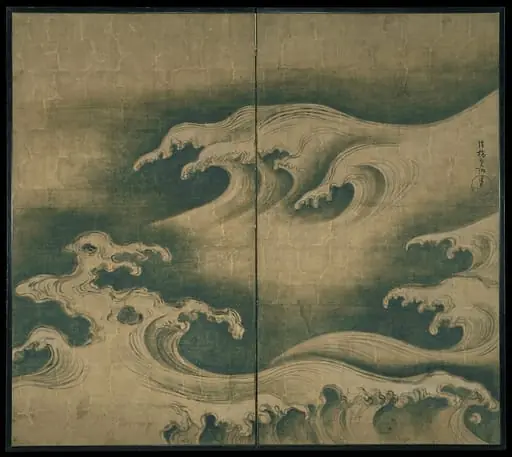 波濤図屏風|Rough Waves
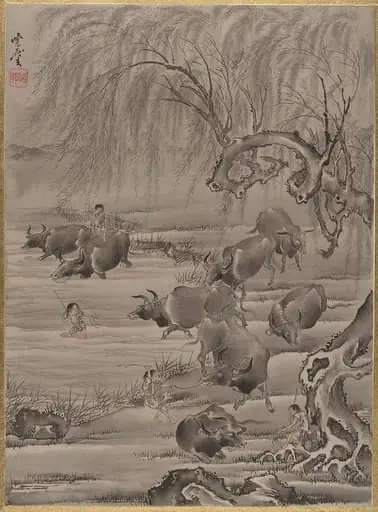 Untitled
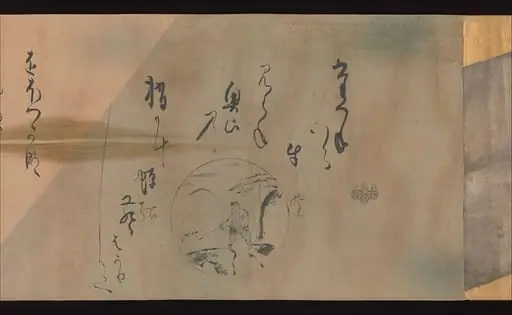 烏丸光広筆 十牛図歌賛図巻|Ten Oxherding Songs
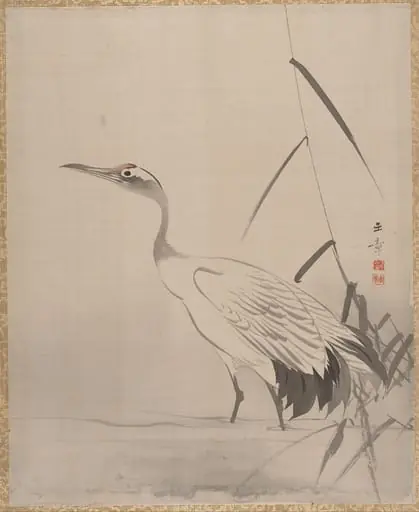 Untitled
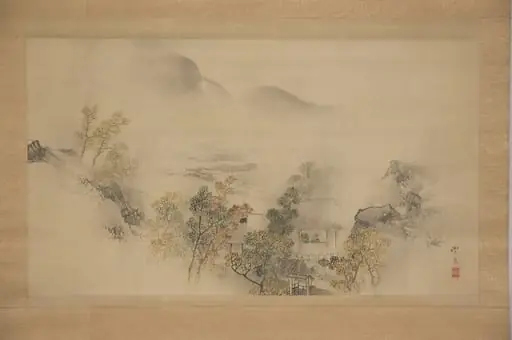 Untitled
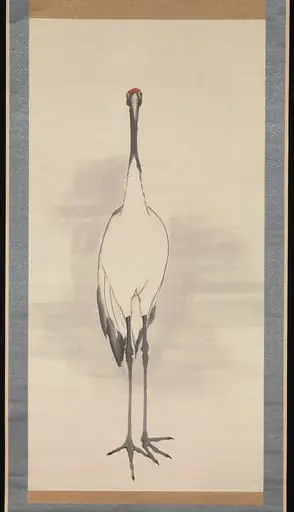 鶴図|Cranes
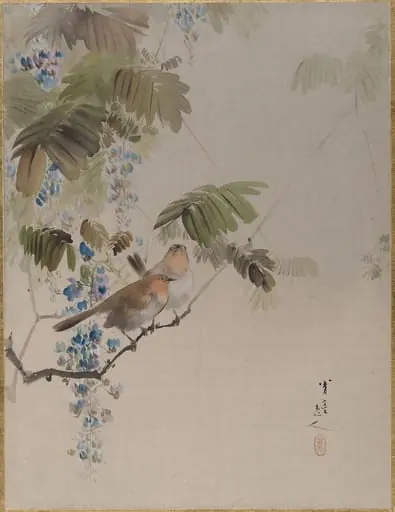 Untitled
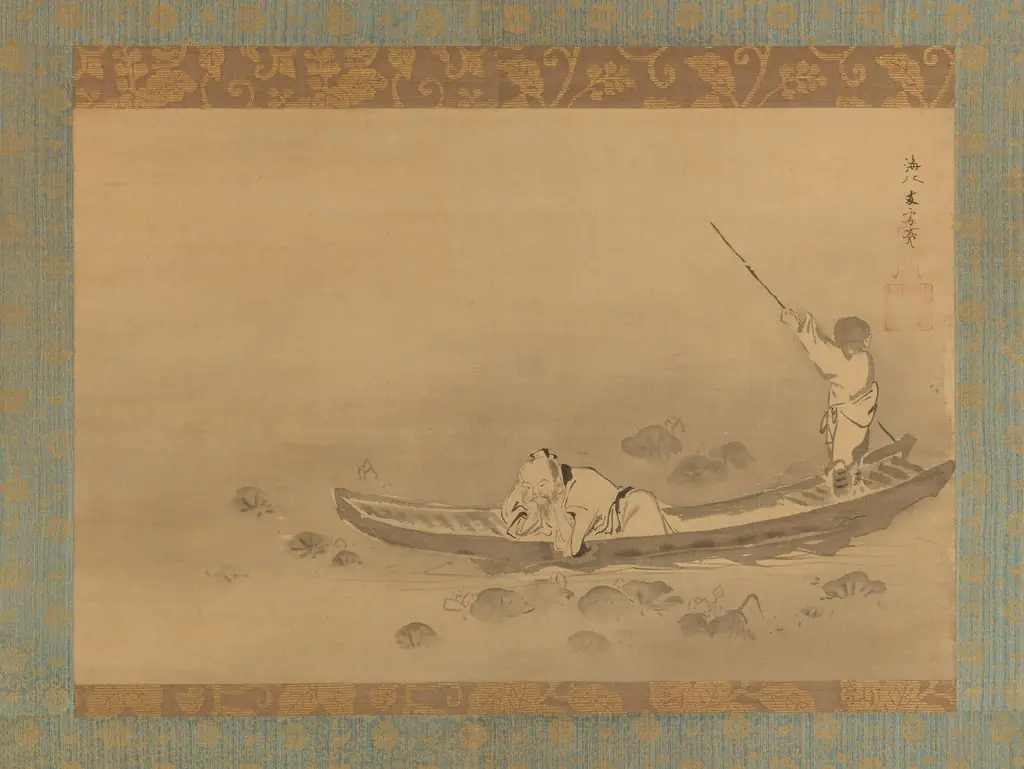 Zhou Maoshu Admiring Lotuses
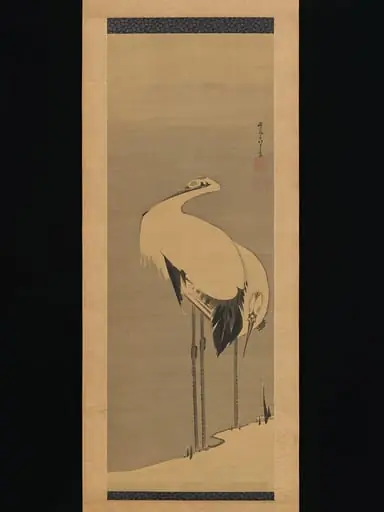 Untitled
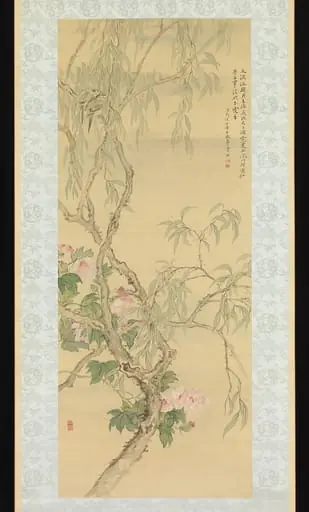 Untitled
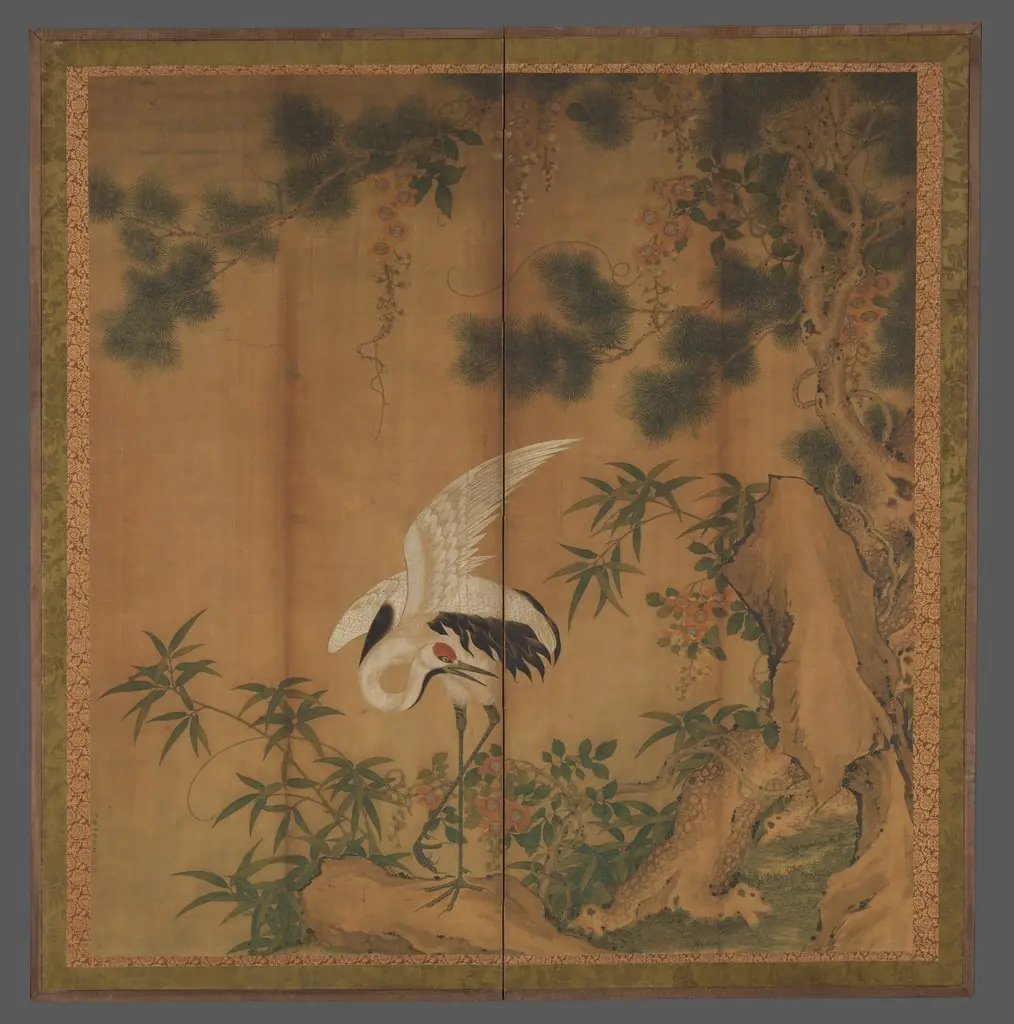 Crane and Pine
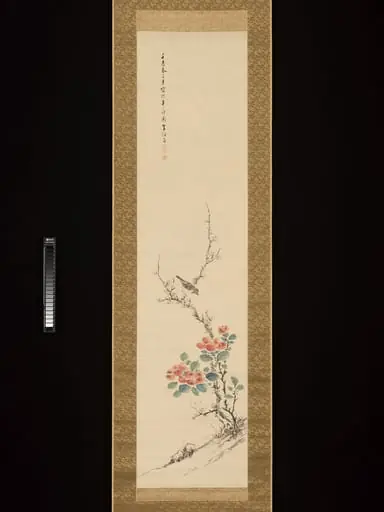 Untitled
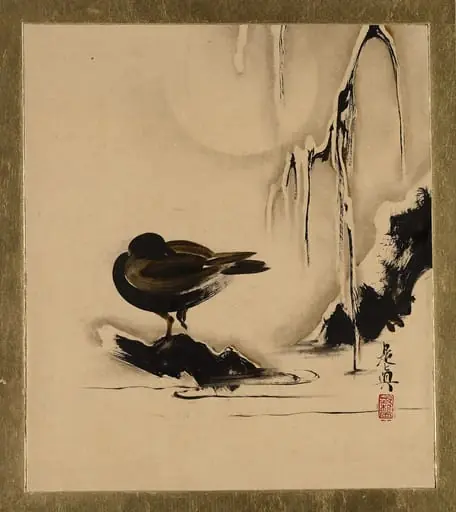 Untitled
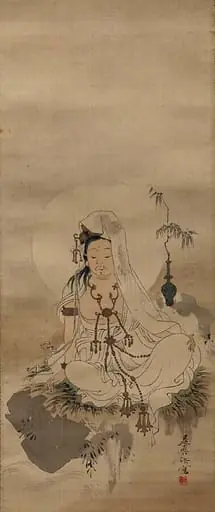 Untitled
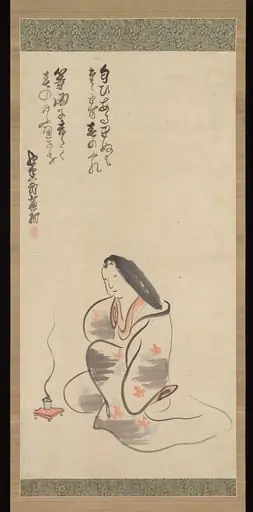 Untitled
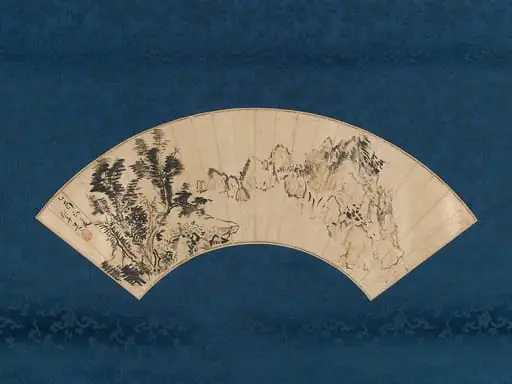 青木木米筆 山中喫茶図扇面|Preparing Tea by a Mountain Gorge
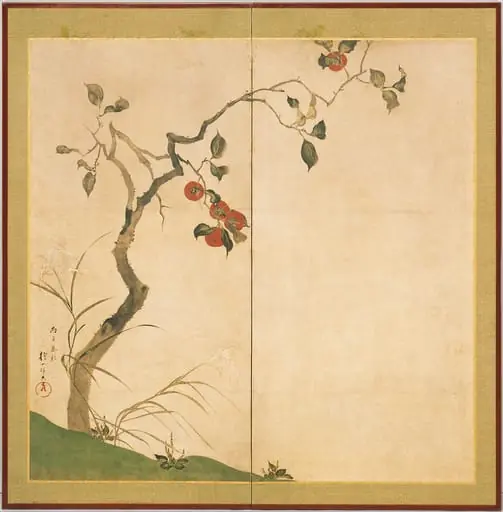 酒井抱一筆 柿図屏風|Persimmon Tree
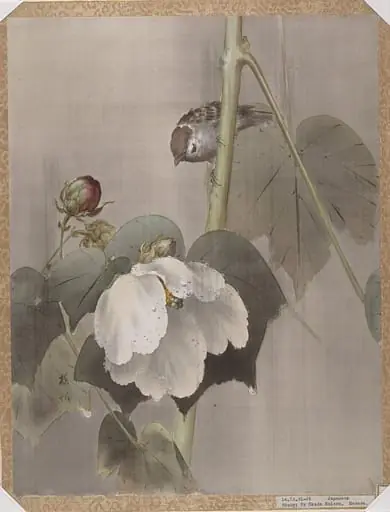 Untitled
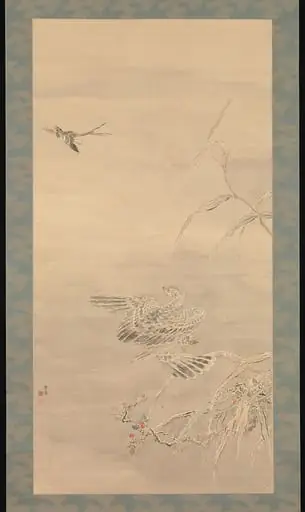 Untitled
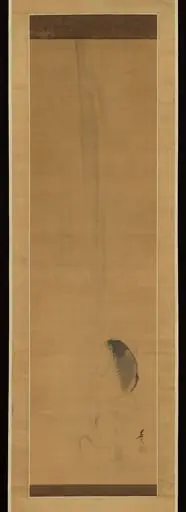 Untitled
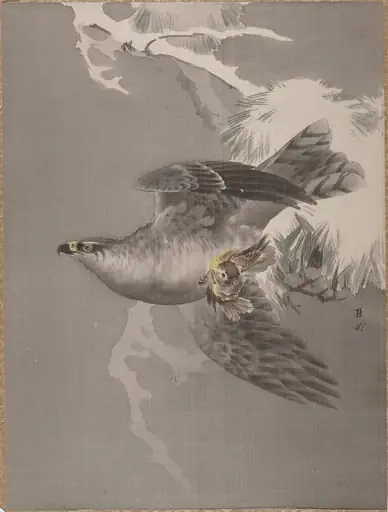 Untitled
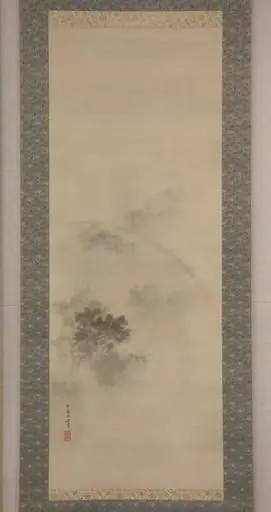 Untitled
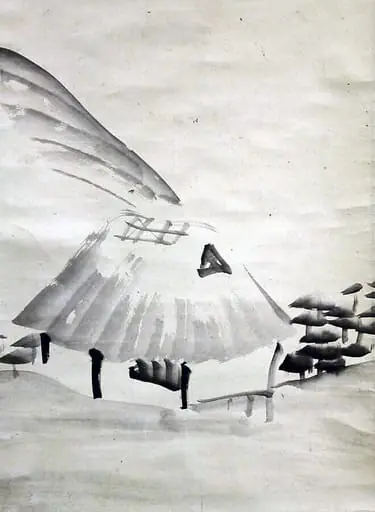 Untitled
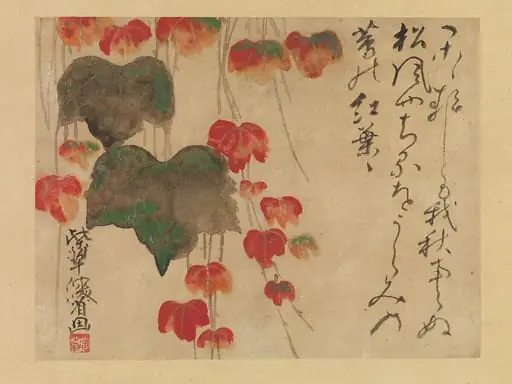 蔦紅葉図|Autumn Ivy
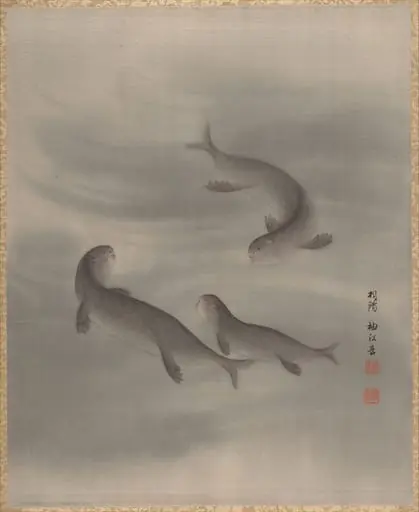 Untitled
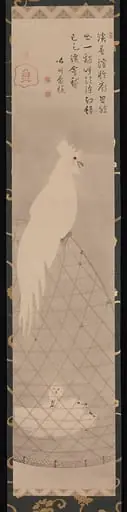 白鶏図|Rooster, Hen, and Chicks
 Untitled
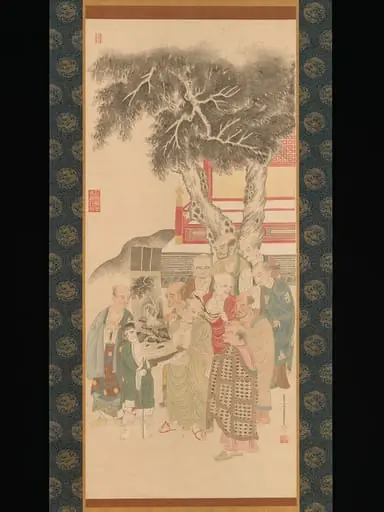 加藤信清筆 羅漢図|Ten Rakan Examining a Painting of White-Robed Kannon
 Untitled
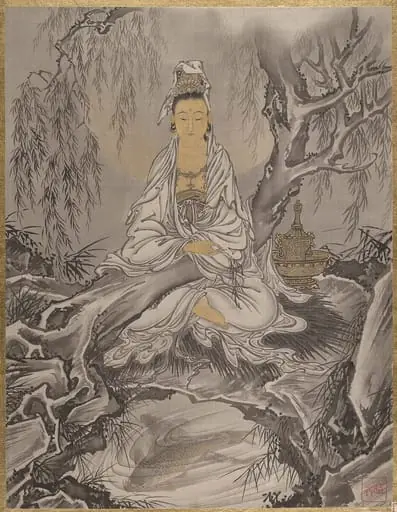 白衣観音図|White-Robed Kannon
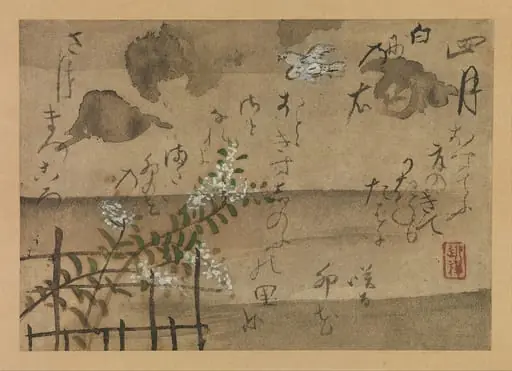 尾形乾山筆 定家詠十二ヶ月和歌 花鳥図 『拾遺愚草』 より四月|“Fourth Month” from Fujiwara no Teika’s “Birds and Flowers of the Twelve Months”
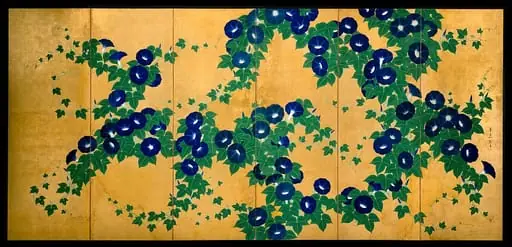 朝顔図屏風|Morning Glories
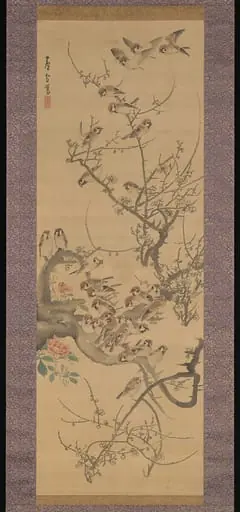 梅雀図|Sparrows in a Plum Tree
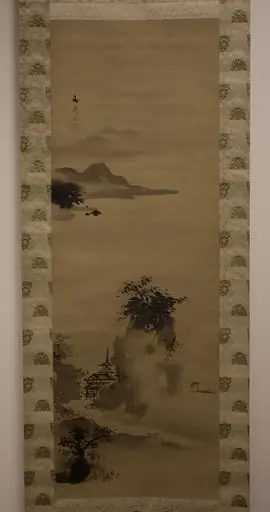 Untitled
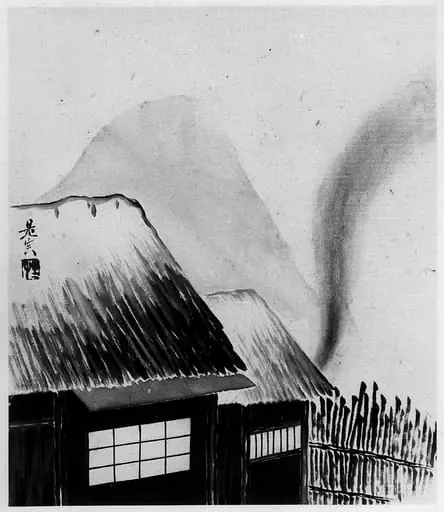 Untitled
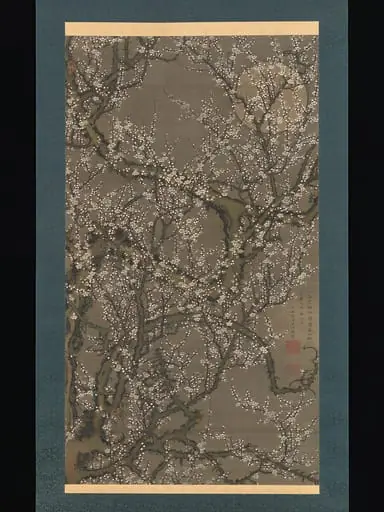 伊藤若冲筆 月下白梅図|White Plum Blossoms and Moon
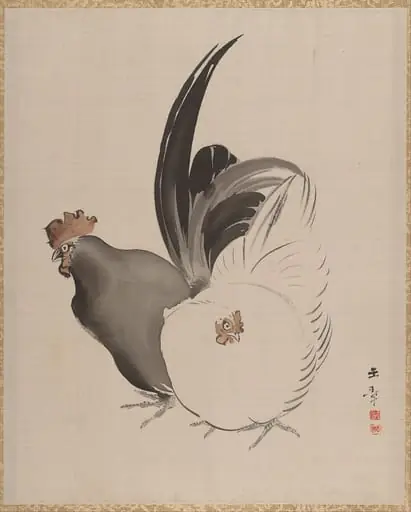 Untitled
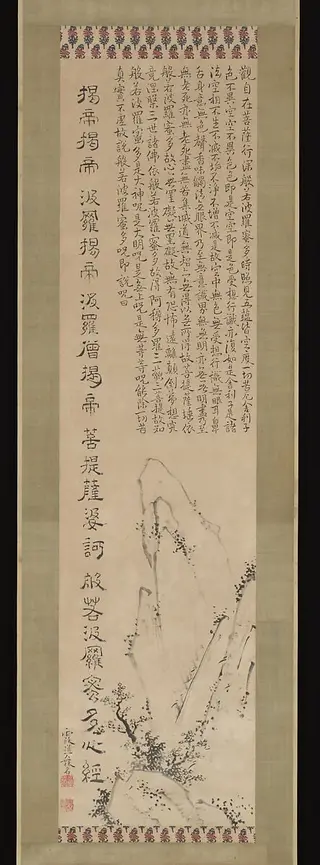 Untitled
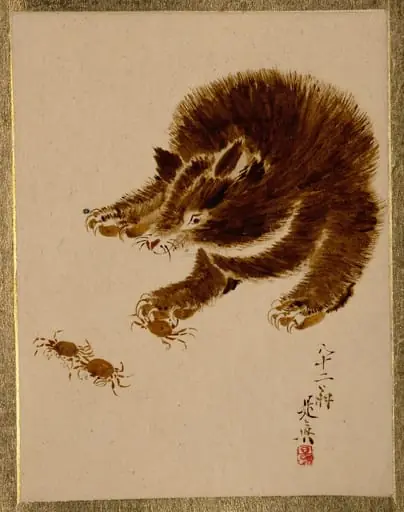 Untitled
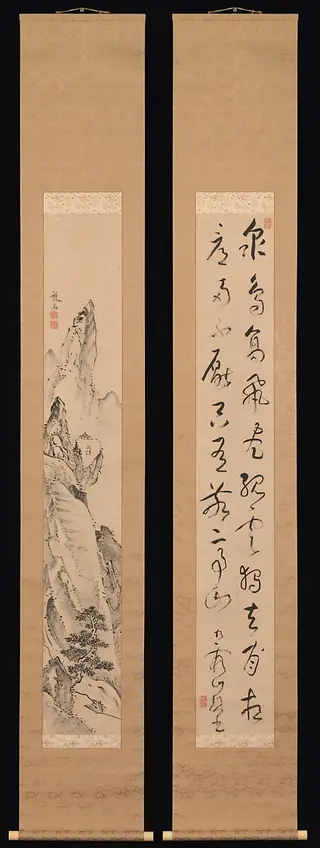 池大雅筆 「独座敬亭山」図|Landscape and Couplet of Chinese Verse
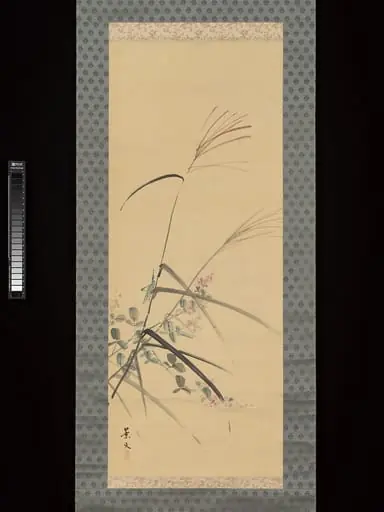 Untitled
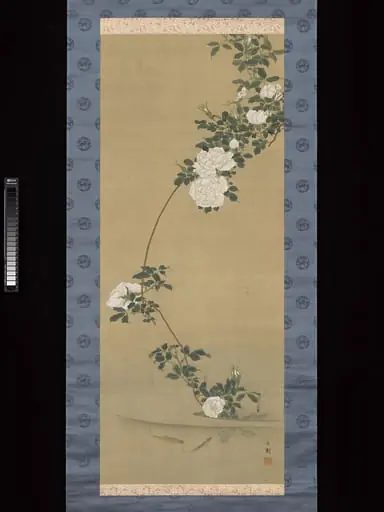 Untitled
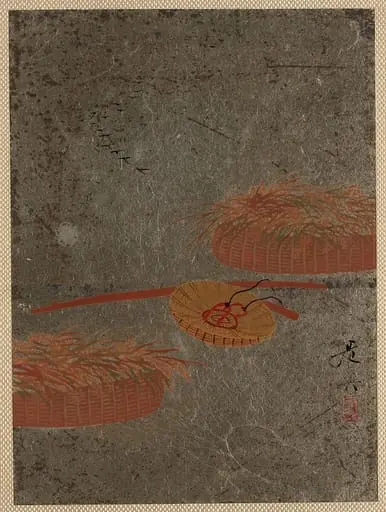 柴田是真筆籠・菅笠図|Flower Baskets and Farmer's Hat
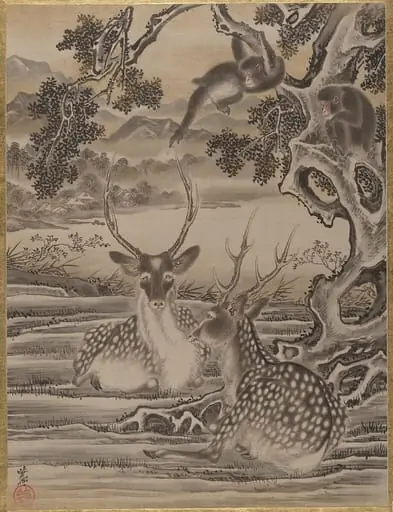 Untitled
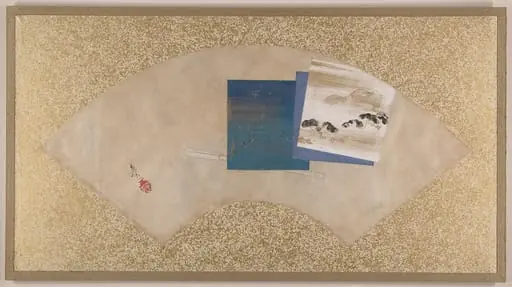 Untitled
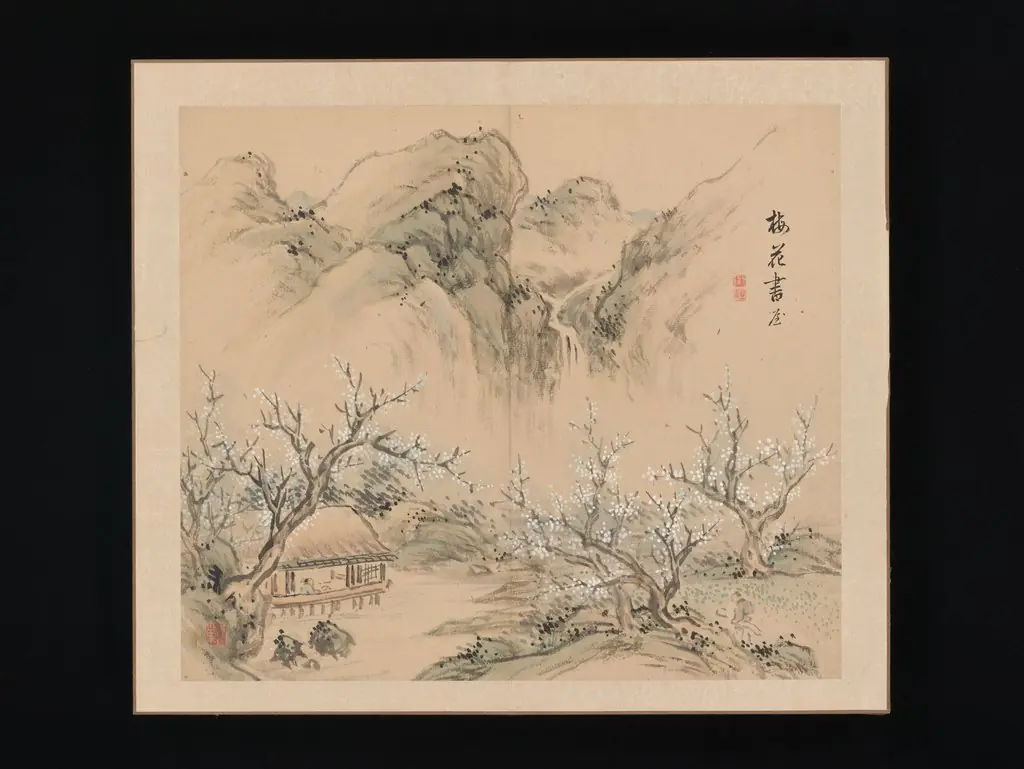 Landscapes of the Four Seasons
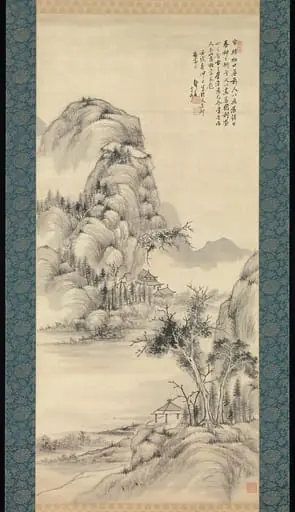 Untitled
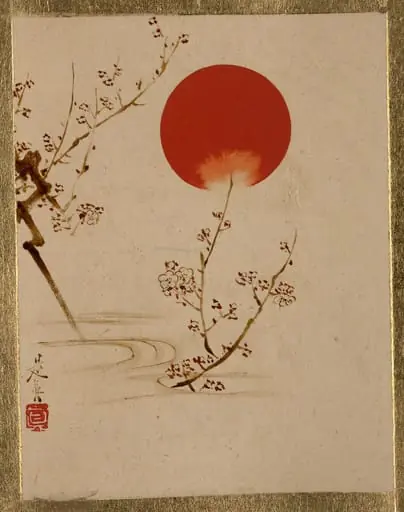 Untitled
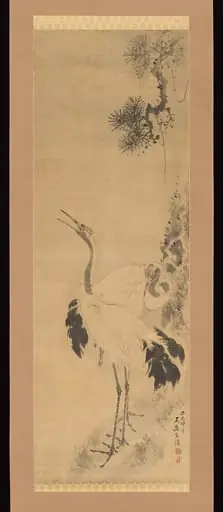 Untitled
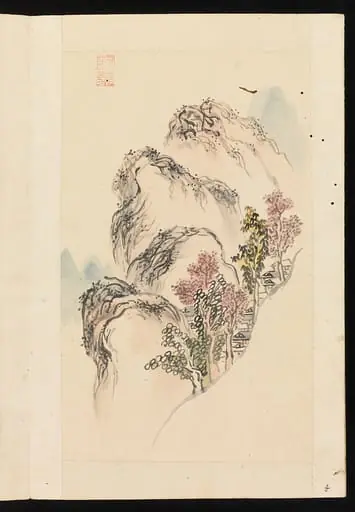 Untitled
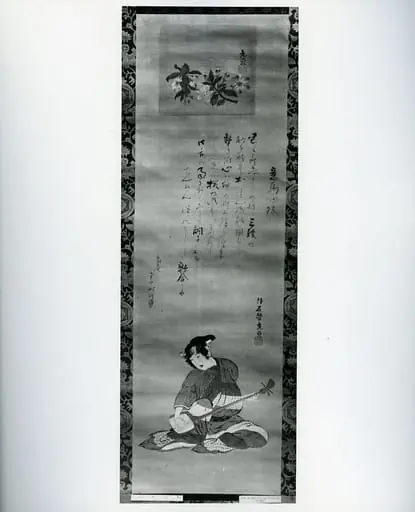 Untitled
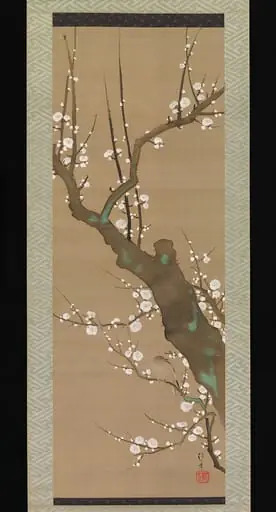 酒井抱一筆 鶯白梅図|Bush Warbler (Uguisu) in a Plum Tree
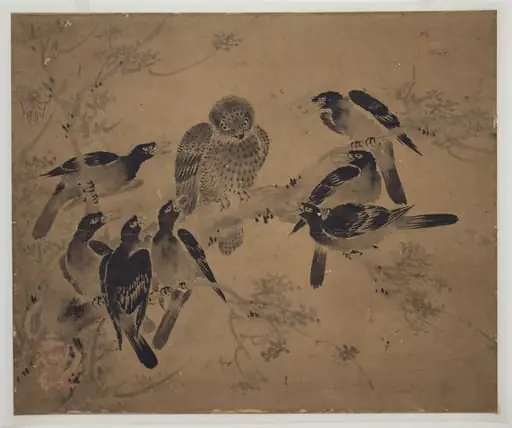 Untitled
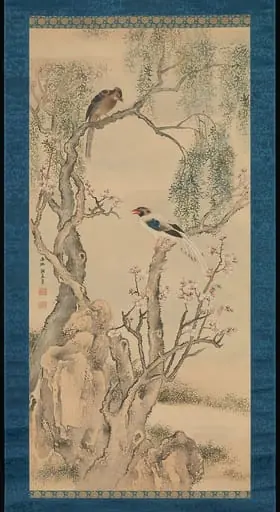 与謝蕪村筆 柳緑桃紅図|Birds in Willows and Blossoming Peach Tree
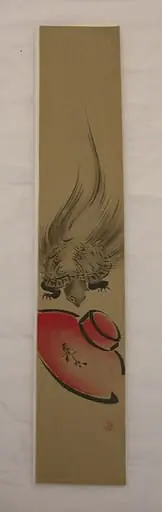 Untitled
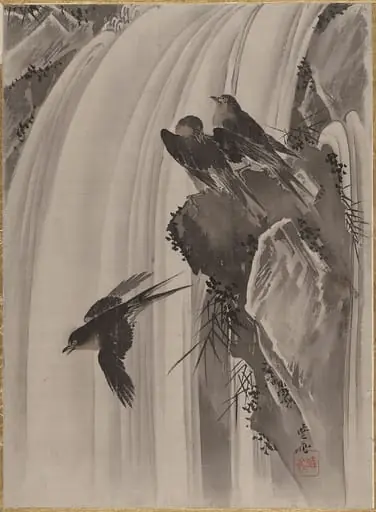 滝に燕図|Swallows by a Waterfall
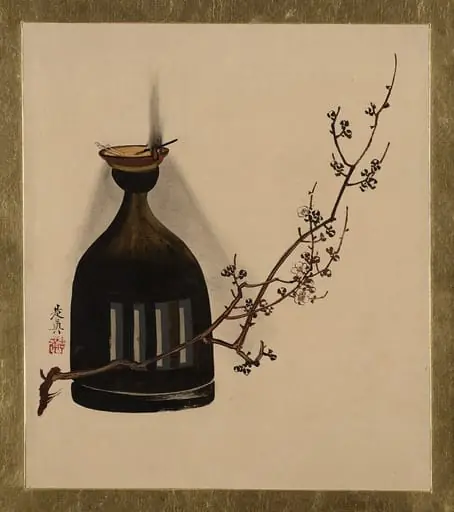 Untitled
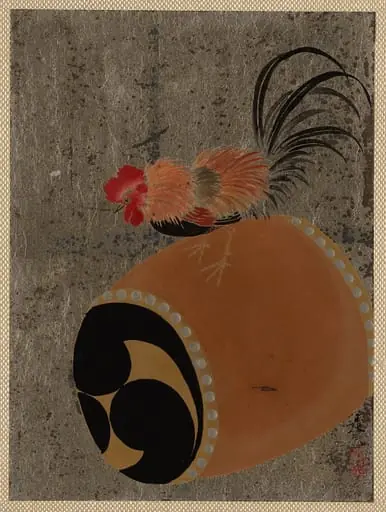 Untitled
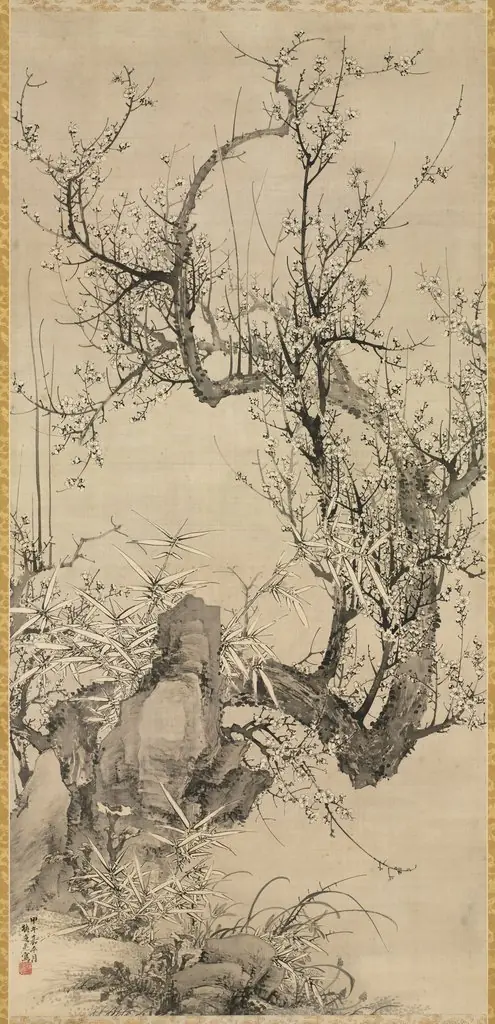 Plums, Bamboo, and Orchid
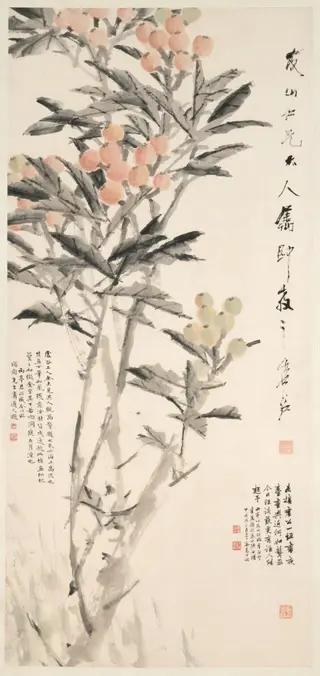 Pipa (Loquats)
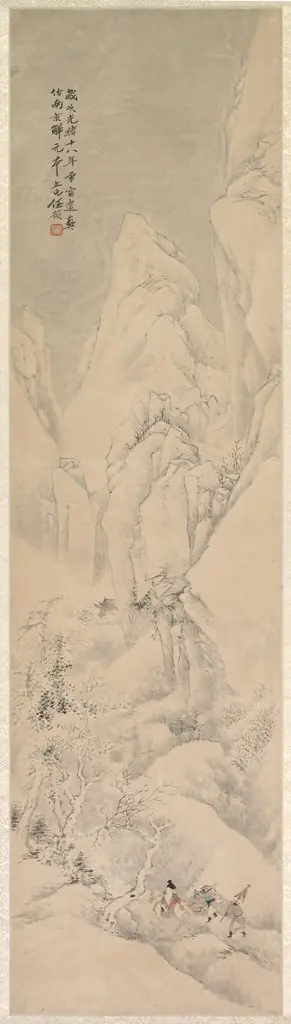 Landscape
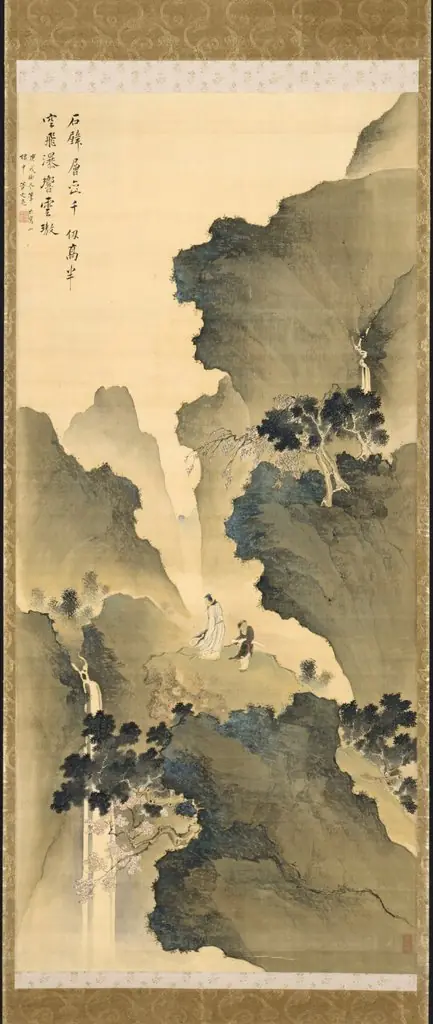 Gazing at a Waterfall
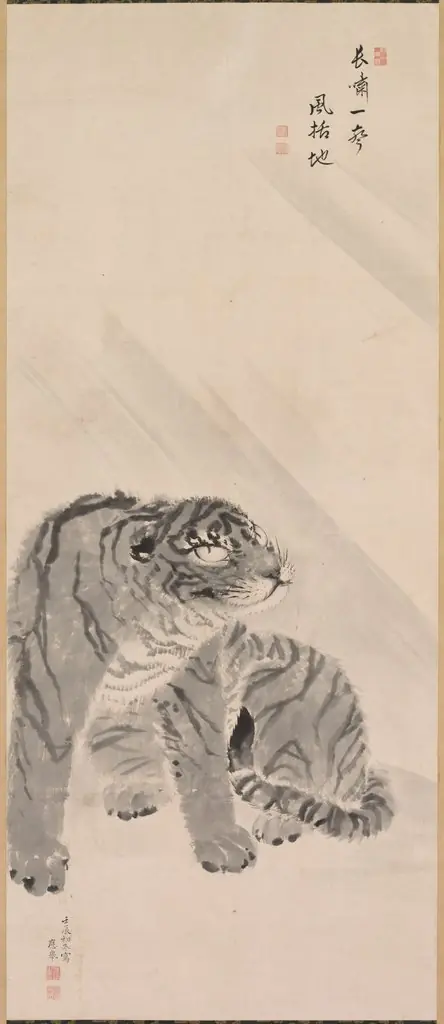 Tiger in Wind
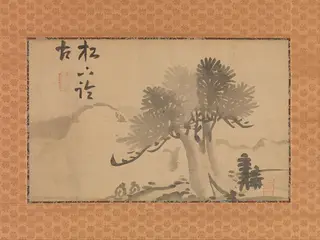 池大雅筆 「大雅堂画弁題詩」|Pine Tree and Calligraphy
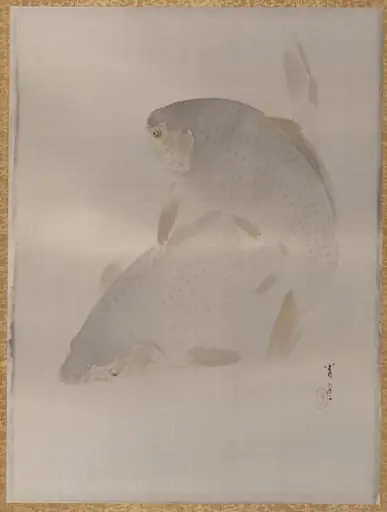 Untitled
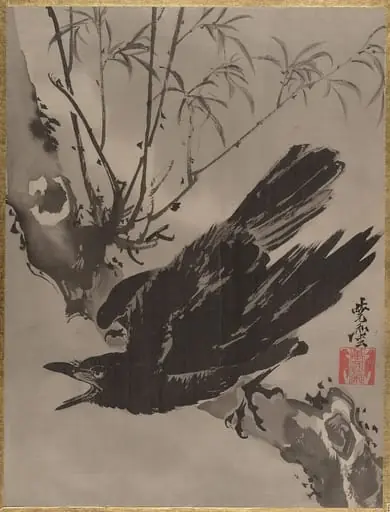 木に鴉図|Crow on a Branch
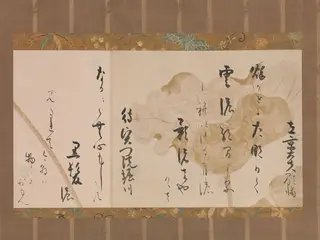 本阿弥光悦書・俵屋宗達下絵 小倉百人一首和歌巻断簡|Two Poems from One Hundred Poems by One Hundred Poets
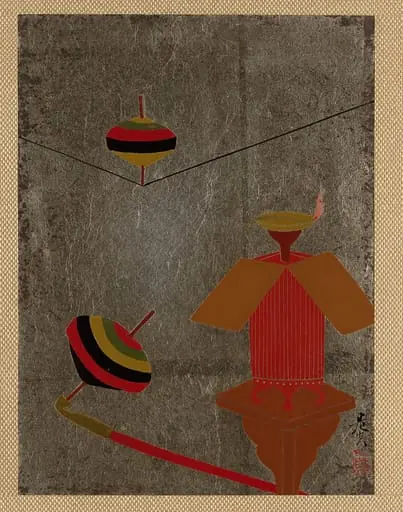 Untitled
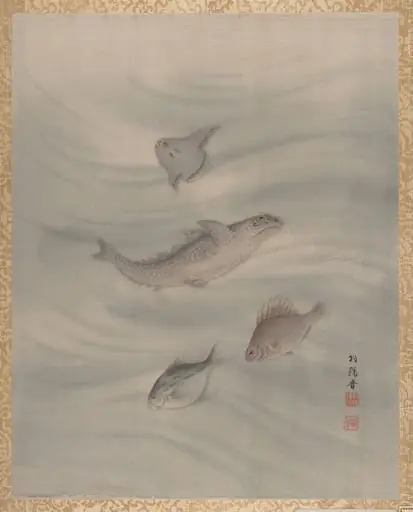 Untitled
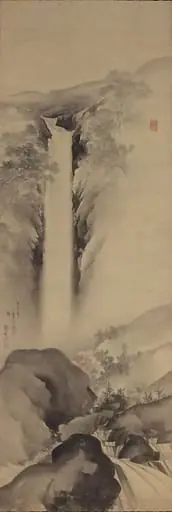 田崎草雲筆 養老の滝|Yōrō Waterfall
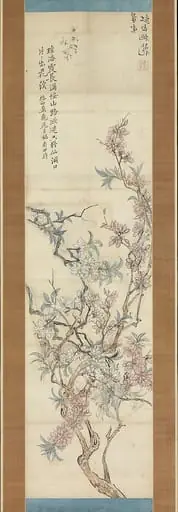 椿椿山筆 紅白桃花図(付・画稿)|Red and White Peach Blossoms, Preparatory Sketch
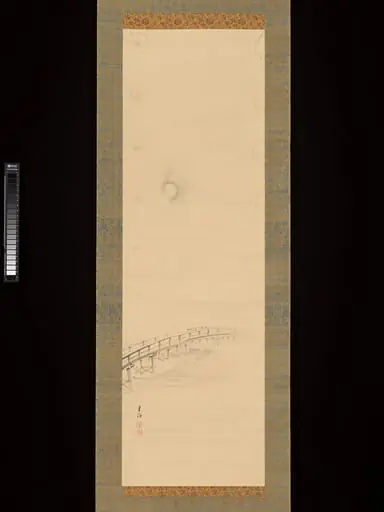 Untitled
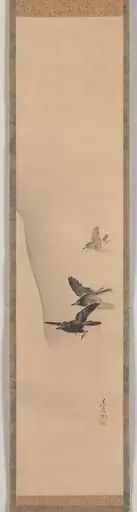 三羽黒鳥図|Three Crows in Flight
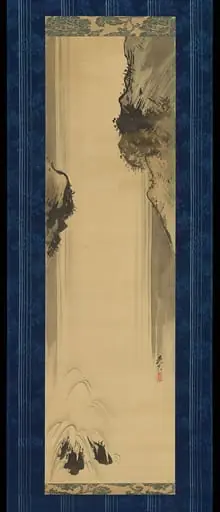 Untitled
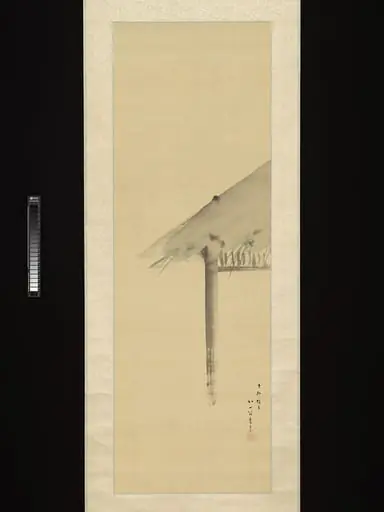 Untitled
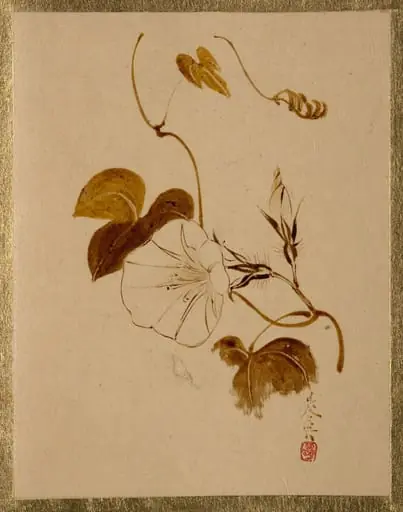 Untitled
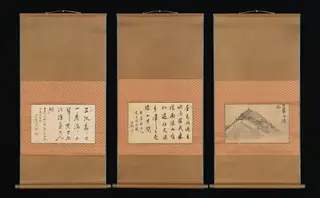 Mountain and Calligraphy
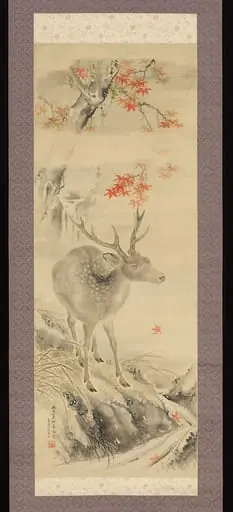 Untitled
Groups & collectives
Frequently asked questions
What is Nihonga?
Nihonga is an art movement. A genre of Japanese painting defined in the Meiji period (1868–1912) as painting in accordance with traditional Japanese techniques and materials — mineral pigments, ink, and paper or silk.
How many Nihonga works does Artifact World Gallery have?
Artifact World Gallery holds 411 public-domain Nihonga works, all free to view and download.
Who are the key Nihonga artists?
Key Nihonga artists in the collection include Sesson Shūkei, Kaihō Yūsetsu and Soga Shōhaku.
When did Nihonga take place?
Nihonga dates from around 1860.
Where can I see Nihonga works?
Nihonga works in the collection are held by Metropolitan Museum of Art, Cleveland Museum of Art and Los Angeles County Museum of Art.