Artwork
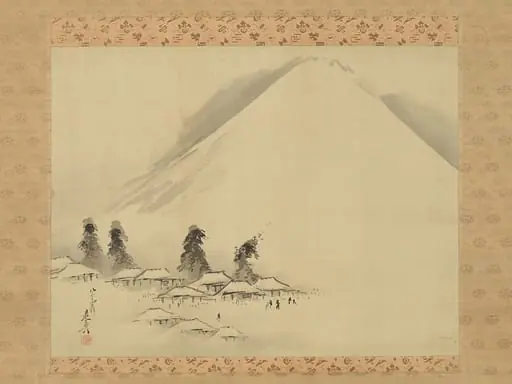
富士図|Mount Fuji
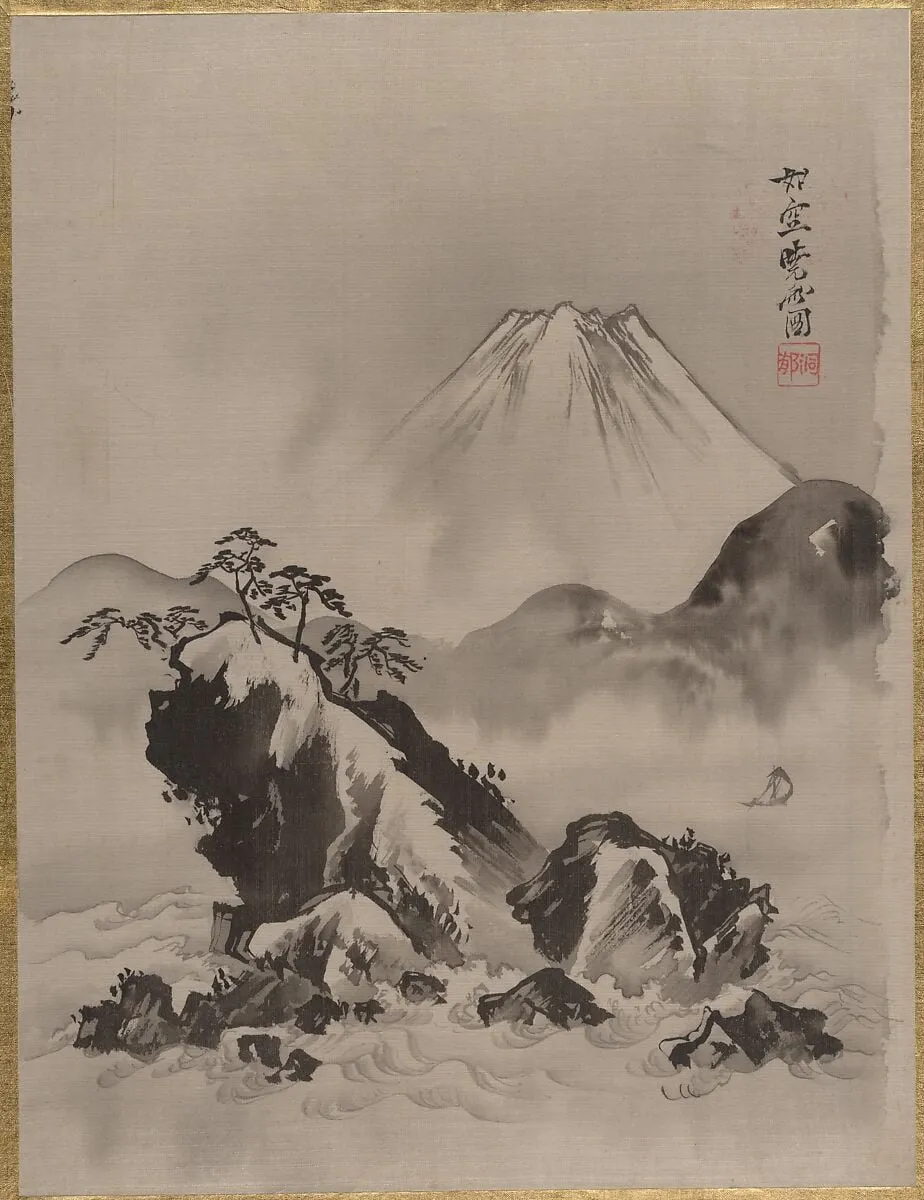
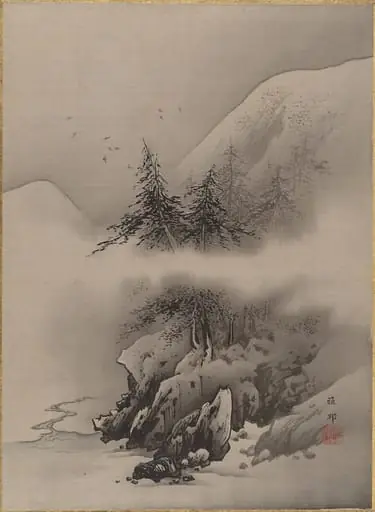
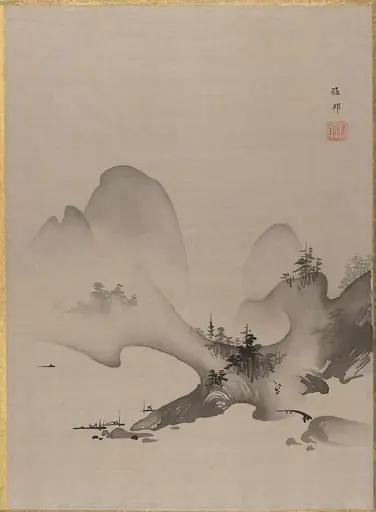
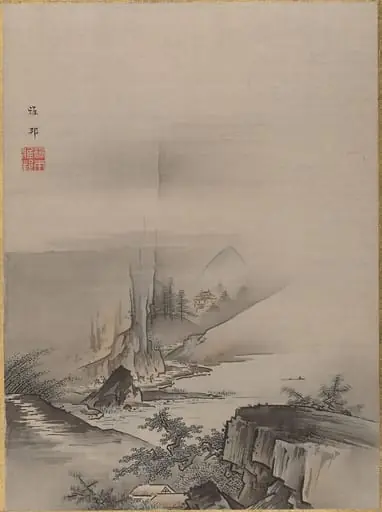
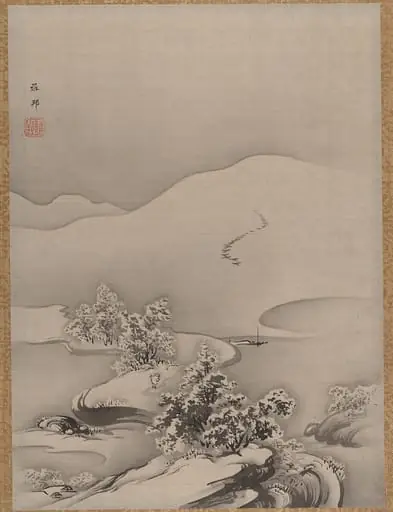
富士図|Mount Fuji is an ink painting by the Impressionist artist Kawanabe Kyōsai 河鍋暁斎. It dates from 1887 and is held in the collection of the Metropolitan Museum of Art. Kawanabe Kyōsai's Mount Fuji, created around 1887, is an album leaf rendered with ink and color on silk.
About this work
Subject & Meaning
The work portrays Mount Fuji, a sacred peak that in Japanese tradition symbolizes spiritual ascent and national identity.
The work portrays Mount Fuji, a sacred peak that in Japanese tradition symbolizes spiritual ascent and national identity. Painted by Kawanabe Kyōsai in 1887 on silk as an album leaf, the ink-and-color landscape belongs to the genre of famous scenic views, reflecting the long-standing interest in celebrated mountains as sites of pilgrimage and reverence. The composition emphasizes the mountain’s towering presence through stylized brushwork and subtle color, conveying both its physical grandeur and its role as a cultural emblem of endurance and transcendence.
Technique & Style
Created in 1887, Mount Fuji is executed as an album leaf utilizing ink and color applied directly onto a silk support. The work is classified as a landscape painting that formally depicts a mountain, adhering to the traditional Japanese medium of ink and pigment on silk. While the specific handling techniques of brushwork are not detailed in the available records, the physical dimensions of the piece are recorded as 35.9 cm in height and 27.3 cm in width.
The artwork is held in the collection of the Metropolitan Museum of Art, a compact album-leaf example of late-19th-century Japanese landscape painting on silk.
History & Provenance
Created in 1887, the ink and color on silk album leaf known as Mount Fuji was produced by the Japanese artist Kawanabe Kyōsai. The work, classified as a landscape painting, depicts a mountain and originates from Japan. It is held in the collection of the Metropolitan Museum of Art in New York and measures 35.9 cm in height and 27.3 cm in width.
As a work from near the end of Kyōsai's life (he died in 1889), it is a documented example of his late landscape output. The available records do not specify a unique accession or inventory number, nor any past or current exhibitions for this piece.
Overview
Kawanabe Kyōsai's Mount Fuji, created around 1887, is an album leaf rendered with ink and color on silk. This painting exemplifies the ukiyo-e tradition, presenting Japan's iconic peak within a landscape composition. Kyōsai, known for his distinctive style, produced this work during a transformative era for Japanese art, showcasing his command of traditional techniques.
Context
Created in the 1880s, Mount Fuji emerged during a pivotal period in Japanese history, as the nation underwent profound cultural shifts and engaged more extensively with Western influences. Kyōsai, often regarded as one of the last great practitioners of traditional Japanese painting, navigated this era of modernization, maintaining a connection to classical techniques while subtly evolving his artistic expression.
Artist & collection
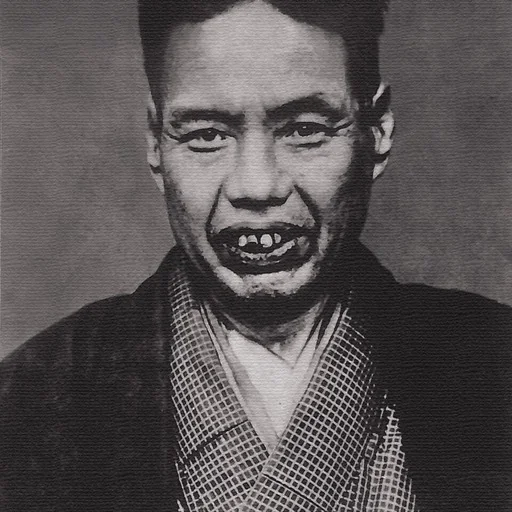
Artist
Kawanabe Kyōsai (河鍋 暁斎; May 18, 1831 – April 26, 1889) was a Japanese painter and caricaturist. In the words of art historian Timothy Clark, "an individualist and an independent, perhaps the last virtuoso in traditional Japanese painting".