Artwork
Winter, St. Ives
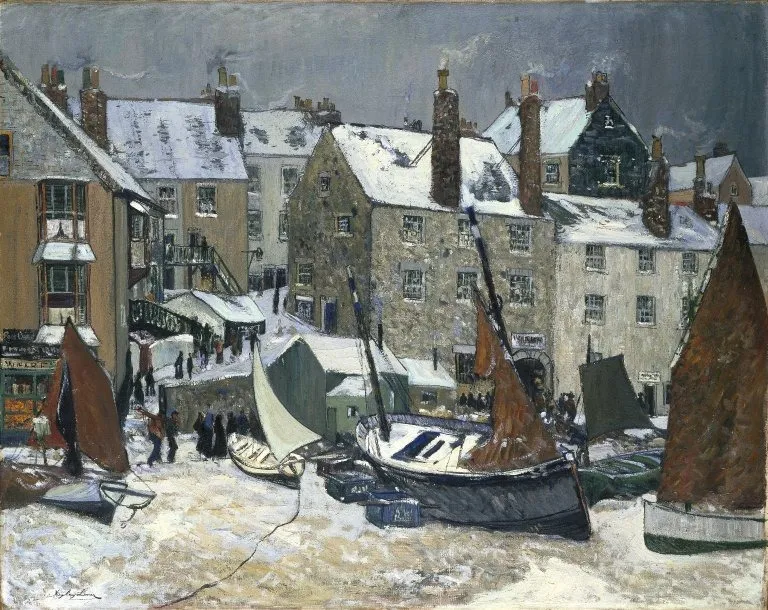
Winter, St. Ives is an oil painting by the American Impressionist artist Hayley Lever. It dates from 1914 and is held in the collection of the Brooklyn Museum. Painted in 1914, Winter, St.
About this work
Overview
Ives is an oil on canvas work by Hayley Lever, an Australian-born artist who settled in the United States.
Painted in 1914, Winter, St. Ives is an oil on canvas work by Hayley Lever, an Australian-born artist who settled in the United States. The piece captures a quiet coastal town in Cornwall, England, during winter. It reflects Lever’s engagement with American Impressionism, though its subdued tones and precise detail distinguish it from the movement’s brighter, more atmospheric tendencies. The painting is held in the collection of the Brooklyn Museum.
Subject & Meaning
The scene portrays a frost-laden harbor town, with stone buildings, snow-draped rooftops, and moored fishing vessels. Figures move sparingly along the shore, their presence emphasizing solitude rather than activity. The stillness of the composition suggests a pause in daily life, inviting contemplation of the quiet endurance of coastal communities under winter’s weight. No dramatic narrative is offered, only an observation of ordinary, frozen moments.
Technique & Style
Lever employed thick, deliberate brushwork to render the textures of snow, stone, and wood, avoiding the loose, broken strokes typical of French Impressionism. The palette is restrained, dominated by grays, muted blues, and earthy browns, enhancing the chill of the season. Light is diffused and even, casting no sharp shadows, which contributes to the painting’s calm, almost meditative tone. Detail is rendered with care, but without idealization.
History & Provenance
Created during Lever’s time in England, the painting reflects his travels outside the United States, where he sought new subjects beyond American landscapes. It entered the Brooklyn Museum’s collection in the mid-20th century, likely through acquisition or donation. Its presence there aligns with the museum’s broader interest in early 20th-century American artists who engaged with European scenes and styles.
Context
In 1914, as Europe edged toward war, Lever’s depiction of a tranquil English village offered a counterpoint to the looming turmoil. His choice to paint St. Ives, a known artists’ colony, places him within a tradition of foreign painters drawn to its light and maritime character. Yet his approach, more restrained than the vibrant hues of the St. Ives School, reveals a personal sensitivity to quietude and decay.
Legacy
Though Lever is less widely remembered today, Winter, St. Ives remains a quiet example of transatlantic artistic exchange. It illustrates how American painters absorbed European subjects without fully adopting local styles. The work endures not for its innovation, but for its unembellished observation of winter’s stillness, a testament to the artist’s eye for the unremarkable, rendered with sincerity.
Artist & collection
Artist
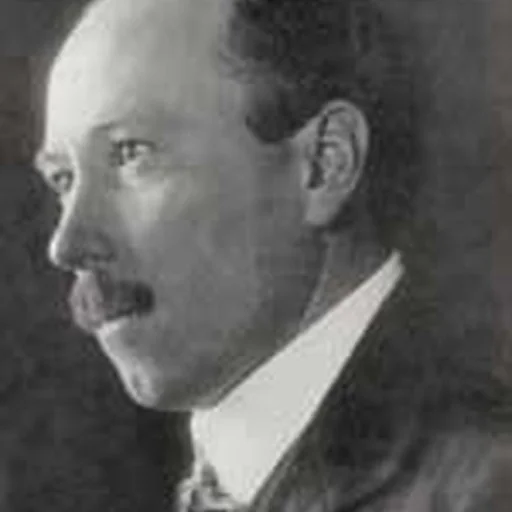
Richard Hayley Lever (28 September 1876 – 6 December 1958) was an Australian-American painter, etcher, lecturer and art teacher. His work was part of the art competitions at the 1928 Summer Olympics and the 1932 Summer Olympics.

- Port
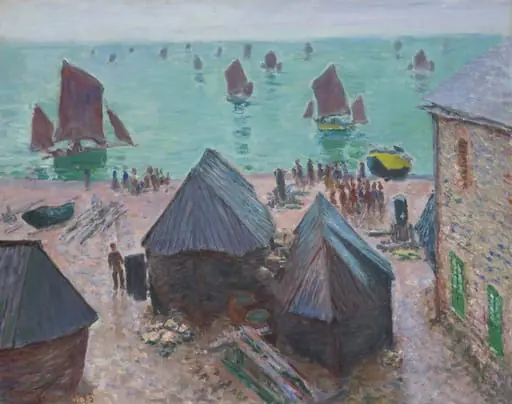 The Departure of the Boats, Étretat
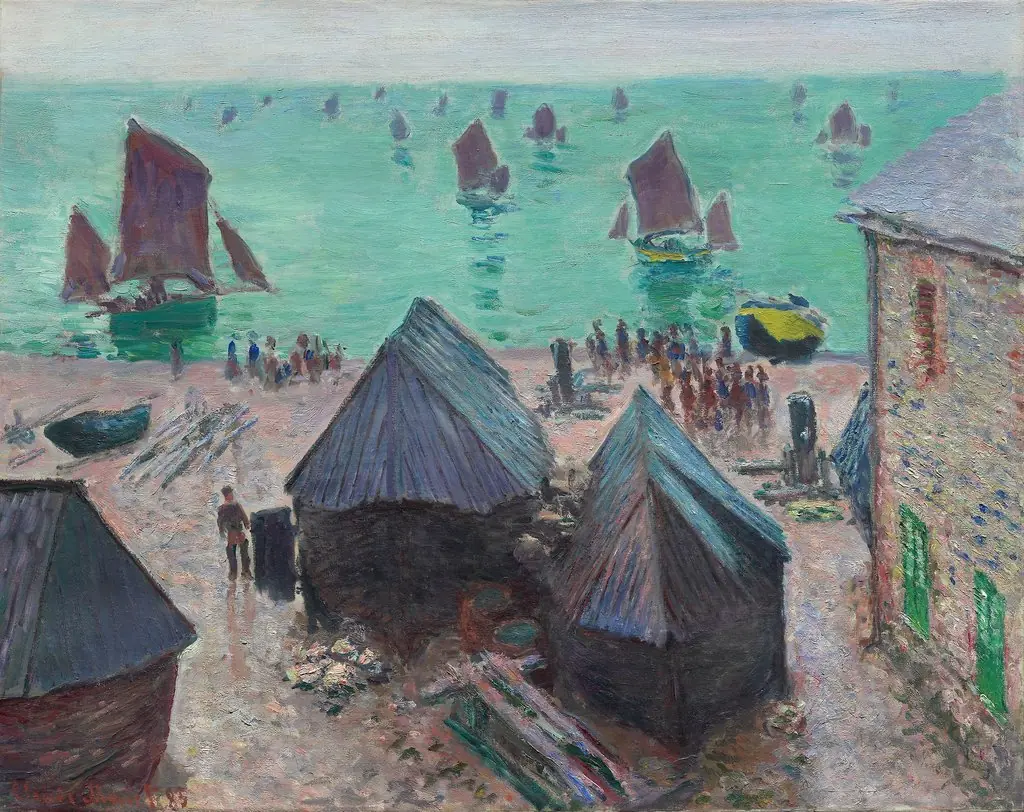 The Departure of the Boats, Étretat
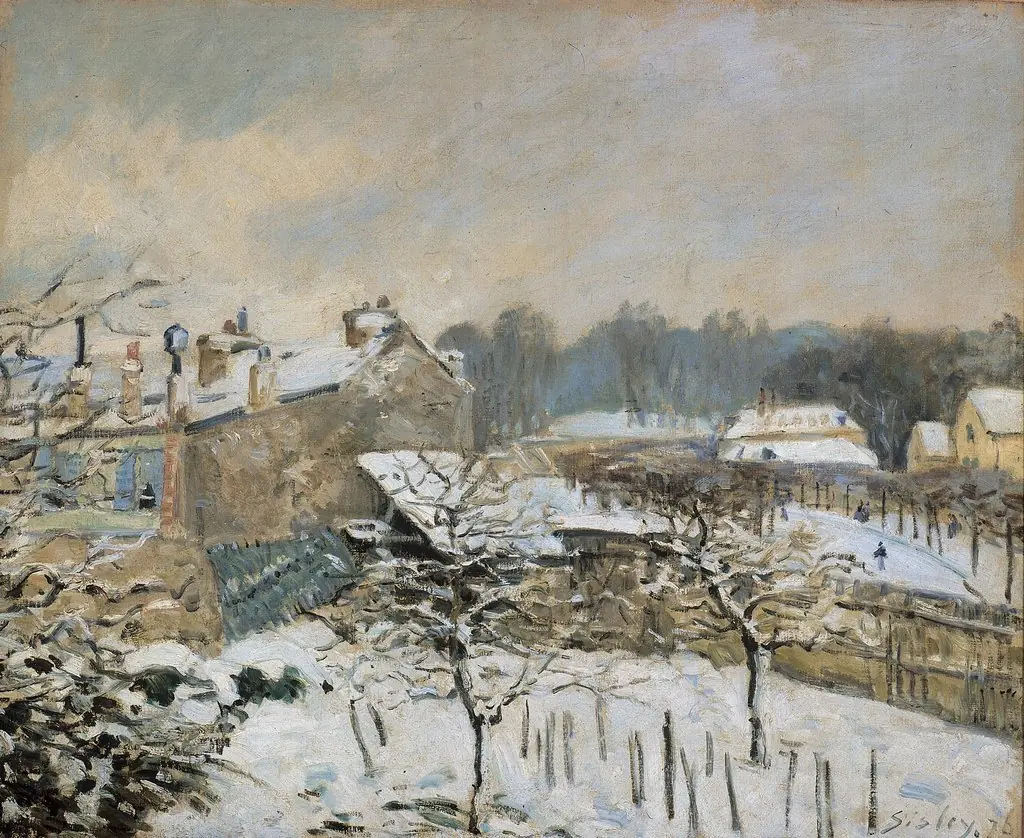 Snow Effect in Louveciennes
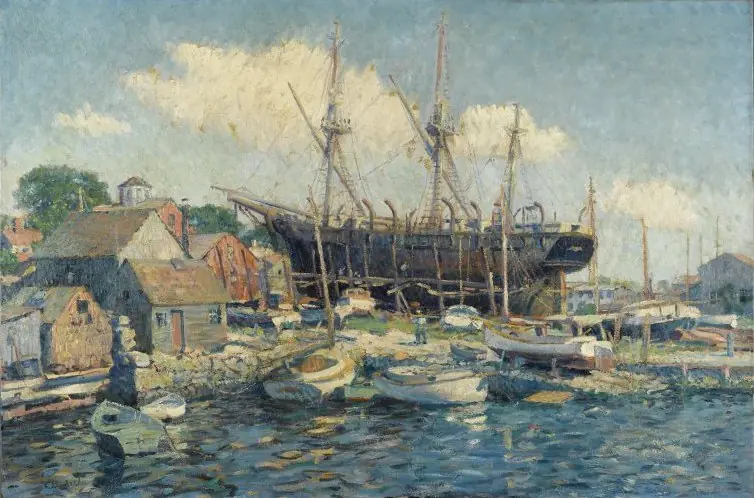 A Whaleship on the Marine Railway at Fairhaven
 Vedere din port
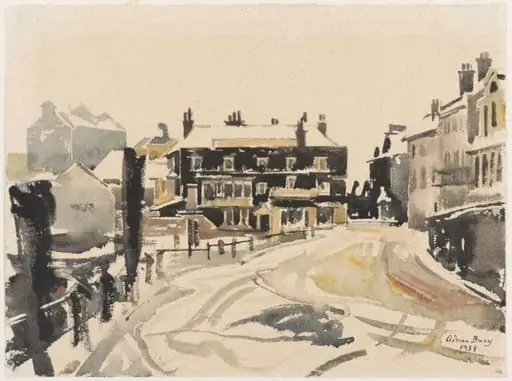 Winter at Isleworth
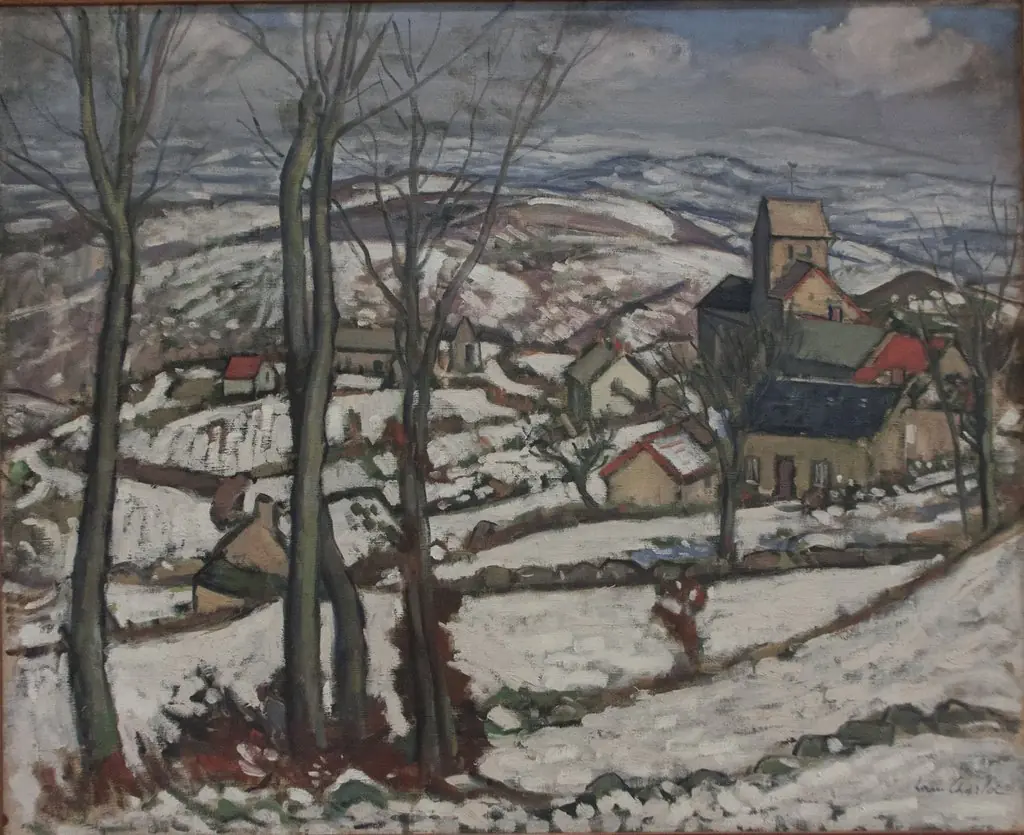 Village at Morvan under Snow
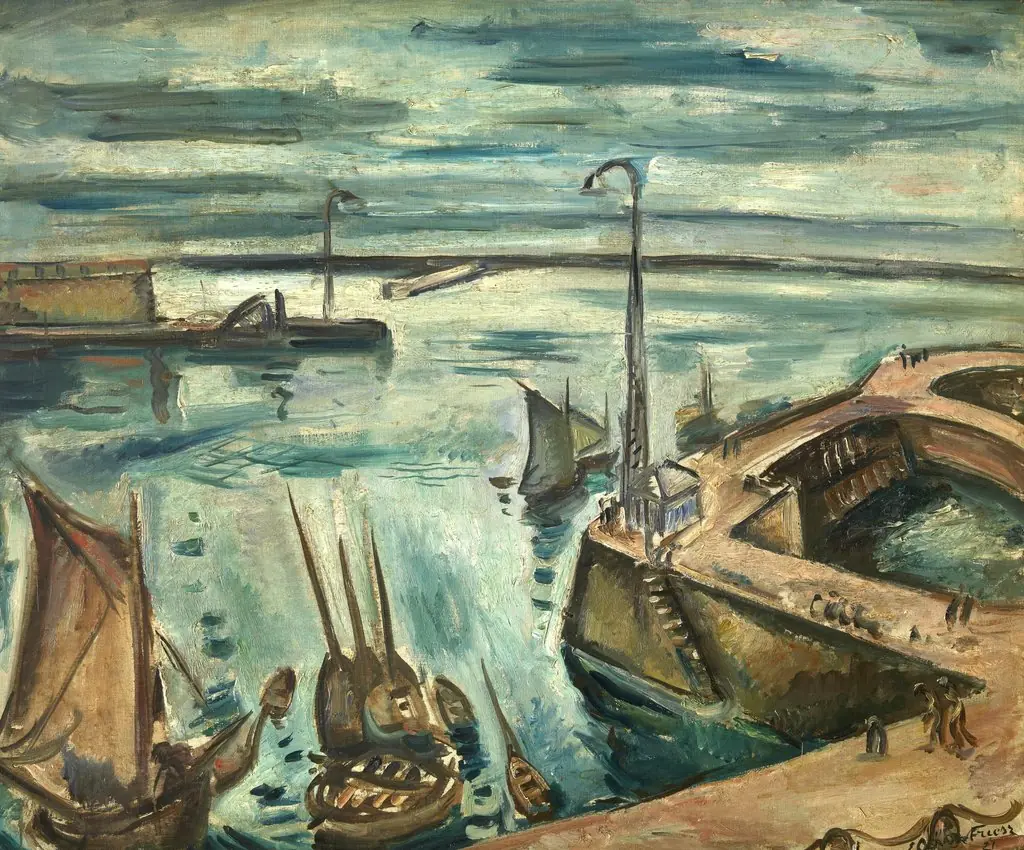 The Harbour of Le Havre
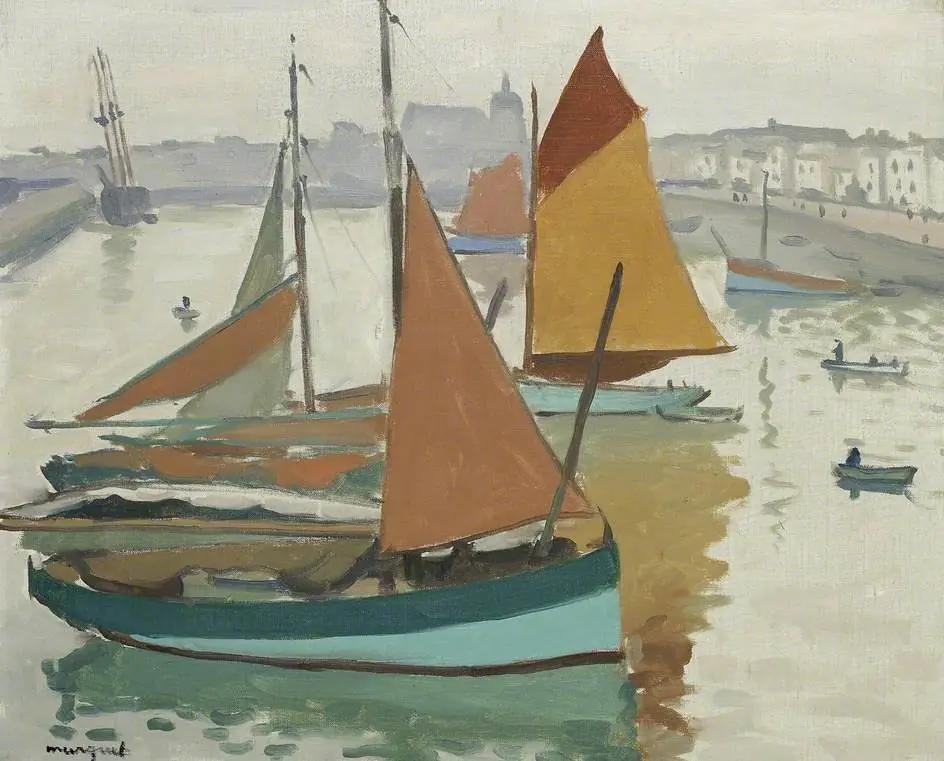 Les Sables-d'Olonne
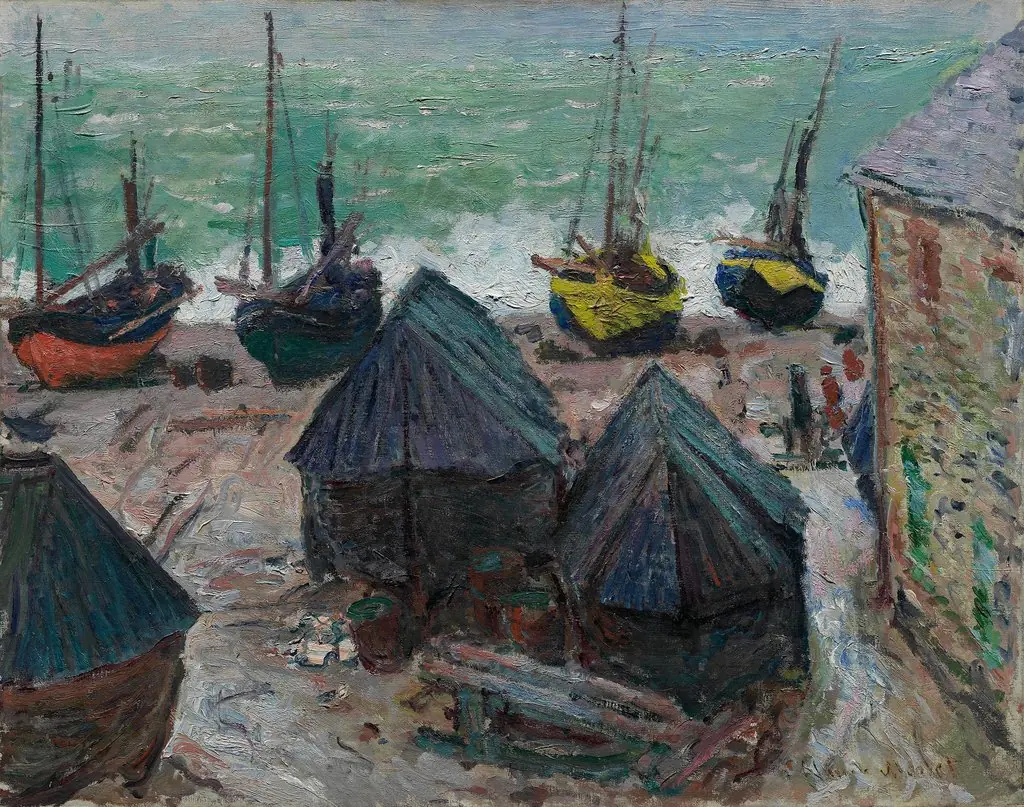 Boats on the Beach at Étretat
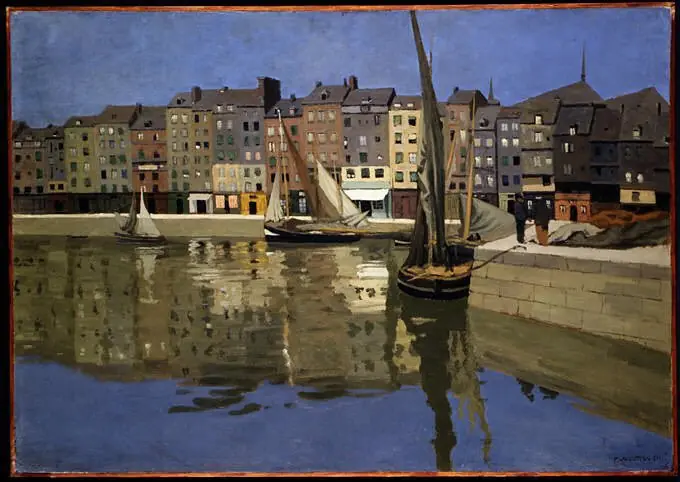 Le port de Honfleur la nuit