Subject
Snow
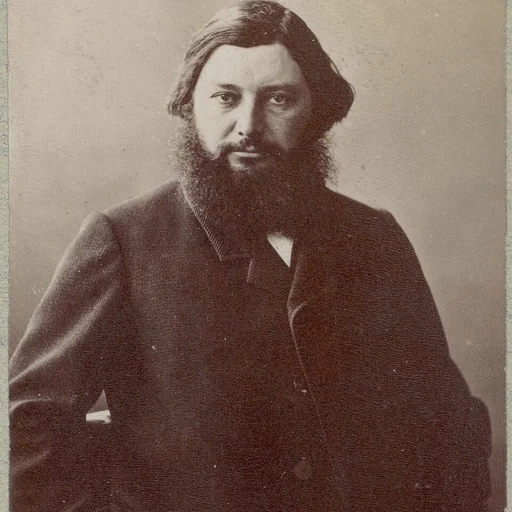
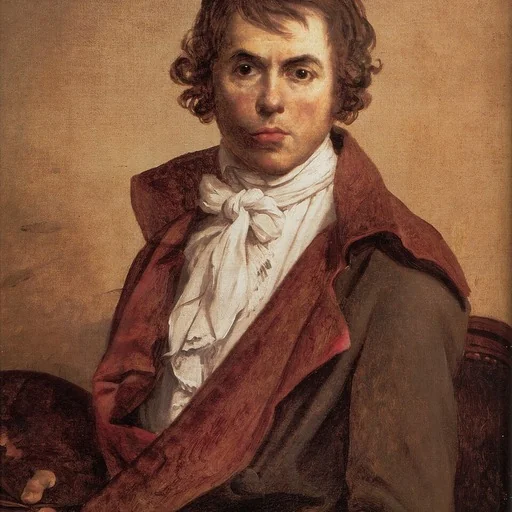
Snow is a subject in art. The gallery holds 200 works in this subject in art, including works by Gustave Courbet, Jacques-Louis David and Jean Léon Gérôme.
Snow has been one of art's most demanding and rewarding subjects since it first emerged as a serious theme during the Northern Renaissance. Although winter appears earlier in illuminated calendar miniatures, the true snowscape was effectively invented by Pieter Bruegel the Elder, whose "Hunters in the Snow" (1565) is the most famous winter image in Western art. Bruegel painted his snowbound panoramas during the Little Ice Age, when the Low Countries endured a run of exceptionally harsh winters between 1562 and 1566. His example founded a Netherlandish tradition carried forward by Hendrick Avercamp (1585–1634), the "winter painter" of the Dutch Golden Age, whose crowded scenes of skaters on frozen canals turned ice and snow into a stage for everyday life.
Snow poses a singular technical problem: it is a vast, near-white field that nonetheless brims with colour. Painters learned to evoke cold through a restrained palette of whites, blue-greens, greys and bare browns, reading shadows on snow as blue or violet rather than grey, and using the silhouettes of leafless trees, frozen mills and low winter light to register temperature itself. A snow-covered ground also flattens and unifies a composition, throwing figures and architecture into stark relief.
These qualities made snow central to Impressionism, whose painters produced hundreds of so-called effets de neige. Claude Monet, Alfred Sisley and Camille Pissarro were especially drawn to the motif, with Gustave Caillebotte and Renoir following. Monet's "The Magpie" (1869), painted near Étretat, is the supreme example—an early masterpiece in which a single bird perches on a gate amid luminous, colour-flecked snow. The taste for winter atmosphere was deepened by Japanese woodblock prints, above all Utagawa Hiroshige's snow scenes from "One Hundred Famous Views of Edo," which Monet and Van Gogh admired.
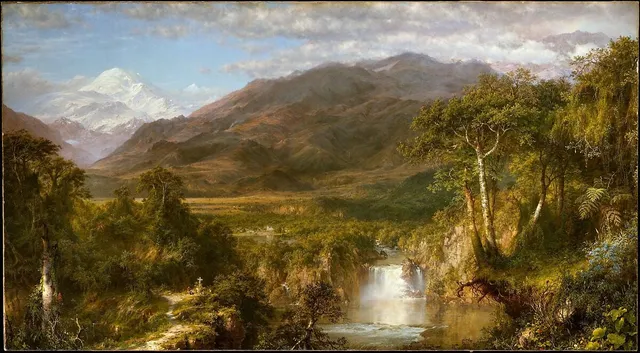
Elsewhere snow served the sublime. Caspar David Friedrich made bleak, snow-laden landscapes emblems of human frailty before nature, while American painters such as Albert Bierstadt turned the snow-capped peaks of "The Rocky Mountains, Lander's Peak" and the Canadian Rockies into images of continental grandeur, paralleled by the icy Andean summits of Frederic Edwin Church's "Heart of the Andes." From Bruegel through the Impressionists to luminism, snow has remained a perpetual test of an artist's eye for light, and a recurring symbol of stillness, hardship and transience.
Key artists


Overview
Snow as a pictorial subject in Western art emerged gradually from medieval manuscript illumination to become one of the most technically demanding and symbolically rich motifs in landscape painting. Before the fifteenth century, winter conditions served merely as background for religious or historical narratives. The February page of the Très Riches Heures du Duc de Berry, illuminated between 1412 and 1416 by the Limbourg Brothers, ranks among the earliest dedicated winter scenes, depicting figures warming themselves by a fire while snow covers the landscape outside. The motif gained autonomous status during the Northern Renaissance, when Protestant restrictions on religious imagery propelled landscape into the hierarchy of legitimate genres. From that point forward, snow became a vehicle for artists to explore optical complexity, atmospheric mood, and existential themes, with particular intensity during the Romantic and Impressionist periods. The collection in question holds 306 works depicting snow, ranging from panoramic mountain vistas to intimate urban views and East Asian ink paintings.
Iconography & meaning
Snow carries layered iconographic and symbolic meanings that have shifted across cultures and periods. In early Netherlandish art, as in Bruegel's Adoration of the Magi in the Snow, the white blanket could signify both the purity of the divine event and the harsh realities of peasant life during the Little Ice Age. The Japanese ukiyo-e tradition, exemplified by Utagawa Hiroshige's Evening Snow at Kambara and Utagawa Kuniyoshi's Nichiren in Snow at Tsukahara, employed snow to convey isolation, spiritual trial, or the quiet harmony between human structures and nature. Romantic painters such as Caspar David Friedrich transformed snow into a metaphor for the sublime, the terrifying indifference of nature to human endeavor. For the Impressionists, snow became an optical laboratory: Claude Monet, Alfred Sisley, and Camille Pissarro pursued effets de neige, recognizing that snow is not white but a prism reflecting blues, purples, yellows, and pinks from sky and surroundings. Wassily Kandinsky, who experienced synesthesia, used snow scenes to explore correspondences between color and musical sound, while later twentieth-century artists have deployed melting ice and snow as explicit commentary on climate change.
Across movements & periods
The treatment of snow evolved markedively across art historical movements. Medieval and early Renaissance artists rendered snow schematically, as in the Très Riches Heures, where it served seasonal illustration within devotional books. The Northern Renaissance marked a turning point when Pieter Bruegel the Elder, in 1565, produced the first major non-religious winter landscape in The Hunters in the Snow, embedding meteorological specificity within a cycle of months. Romanticism elevated snow to the sublime: Caspar David Friedrich's The Sea of Ice (1823-1824) depicted Arctic shipwreck as metaphysical terror, while George Henry Durrie's rural American winter scenes, later popularized by Currier and Ives lithographs, domesticated the motif. Impressionism represented the most concentrated technical revolution, as Monet alone painted approximately 140 snowscapes between 1867 and 1893, exploiting the reflective properties that made snow a chromatic mirror. Post-Impressionists like Paul Gauguin retained Impressionist palette in early works such as Garden Under Snow (1894) before moving toward Symbolism. Early abstraction saw Kandinsky's Winter Landscape (1911) push color toward emotional and musical equivalence. Contemporary practice has shifted toward environmental engagement, with artists such as Simon Beck using snow itself as medium, Sally Linder addressing polar ice loss, and Lisa Lebofsky creating immersive ice-field paintings that confront viewers with climate anxiety.
Notable depictions
Certain snow depictions have achieved canonical status through technical innovation or cultural penetration. Pieter Bruegel the Elder's The Hunters in the Snow (1565), now in the Kunsthistorisches Museum Wien, established the winter landscape as an independent genre. Claude Monet's The Magpie (1868-1869), held at the Musée d'Orsay, remains the most celebrated Impressionist snowscape for its demonstration of colored shadow and reflected light on snow. Caspar David Friedrich's The Sea of Ice (1823-1824), at the Hamburger Kunsthalle, stands as the definitive Romantic statement of nature's indifference. Japanese woodblock prints achieved comparable recognition: Hiroshige's Evening Snow at Kambara (1833-1834) from The Fifty-three Stations of the Tōkaidō, now at the Metropolitan Museum of Art, influenced Western artists from Monet to Van Gogh. Winslow Homer's The Fox Hunt (1893), his largest single canvas, offered a Darwinian reading of winter survival. J.M.W. Turner's Snow Storm: Steam-Boat off a Harbour's Mouth (1842), at Tate Britain, translated snow into swirling atmospheric chaos. Vincent van Gogh's Landscape with Snow (1888), at the Guggenheim Museum, captured an anomalous southern snowfall with characteristic impasto. Gustave Caillebotte's Wellington Roofs (1878), also at the Musée d'Orsay, distilled urban winter into grey melancholy. Wassily Kandinsky's Winter Landscape (1911) and Zao Wou-Ki's Swirling Snow marked transitions toward abstraction.
Legacy
The legacy of snow in art extends from genre formation to contemporary environmental practice. Bruegel's establishment of the independent winter landscape created a template that persisted for centuries. The Impressionist effets de neige permanently altered how painters perceive and represent snow, replacing the convention of flat white with chromatic complexity that remains foundational to color theory instruction. The cross-cultural exchange between Japanese ukiyo-e and Western painting, mediated partly through snow scenes, contributed to broader Japonisme. Scientific illustration found early expression in Wilson Bentley's 1902 microphotographs of snowflakes, which supported the theory that no two are alike. In contemporary practice, snow has transitioned from subject to medium and message: Simon Beck's mathematical snow drawings, ephemeral by design, comment on impermanence; Walter Martin and Paloma Muñoz's snow-globe installations literalize psychological isolation; and artists such as Sally Linder and Lisa Lebofsky deploy Arctic imagery to mobilize ecological consciousness. The collection's 306 works thus represent not merely a thematic aggregation but a cumulative index of how snow has served as optical problem, symbolic vehicle, and increasingly urgent environmental signifier across six centuries of art making.
Works
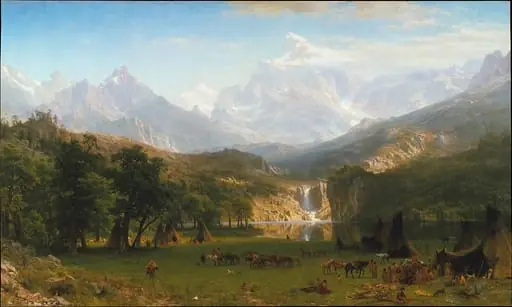 The Rocky Mountains, Lander's Peak
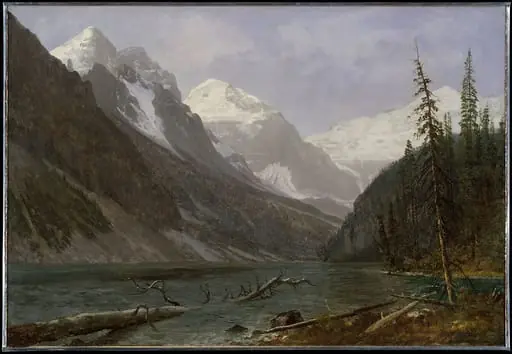 Canadian Rockies (Lake Louise)
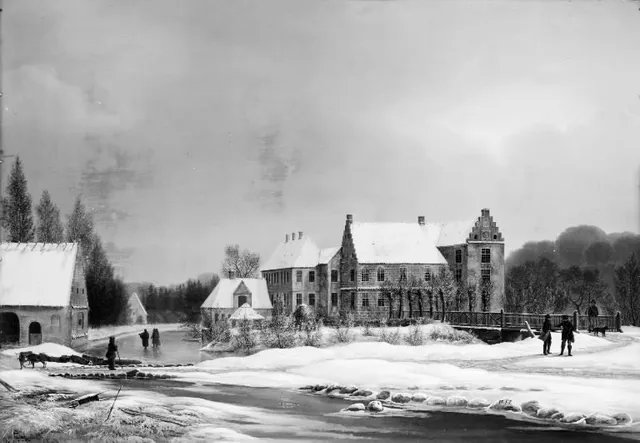
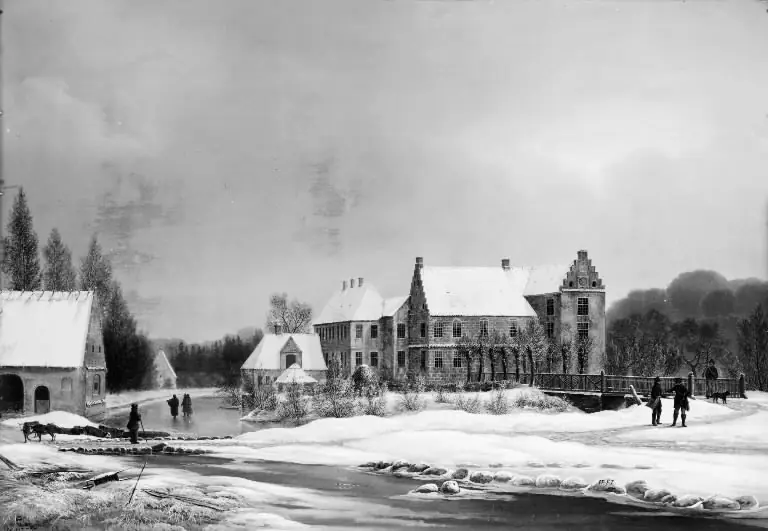 Prospekt af hovedgården Lykkesholm på Fyn. Vinter
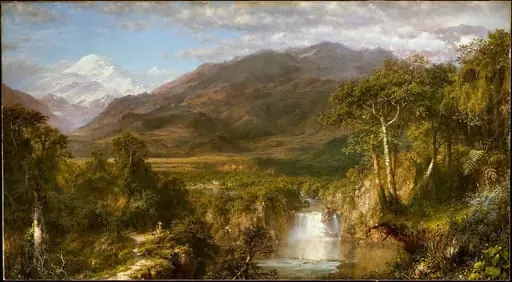 Heart of the Andes
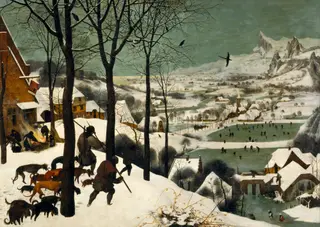 The Hunters in the Snow
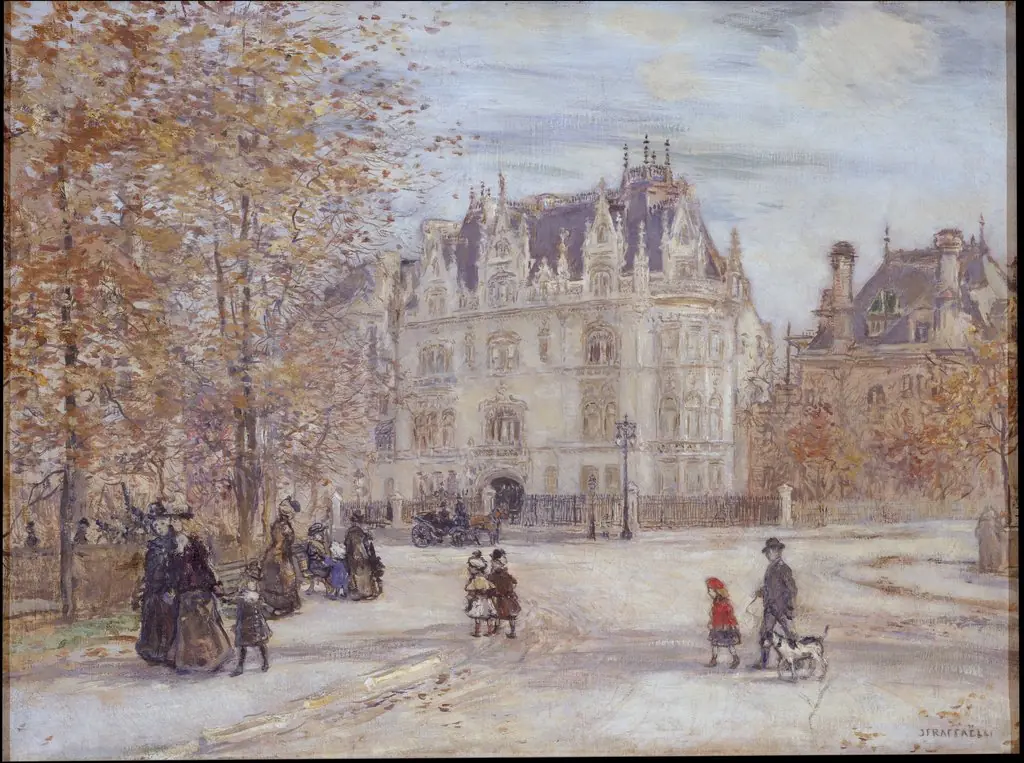 The Fletcher Mansion, New York City
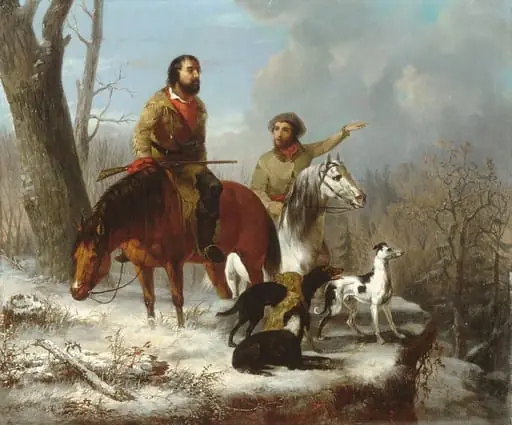 Trappers
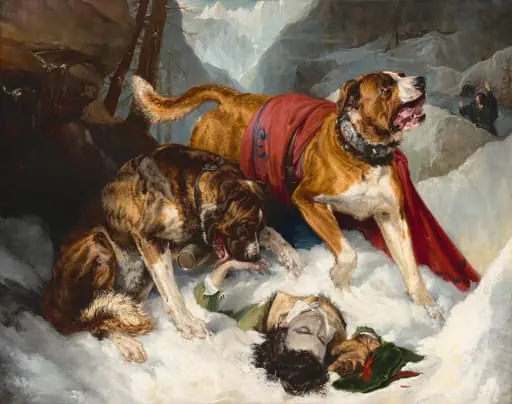 Alpine Mastiffs Reanimating a Distressed Traveler
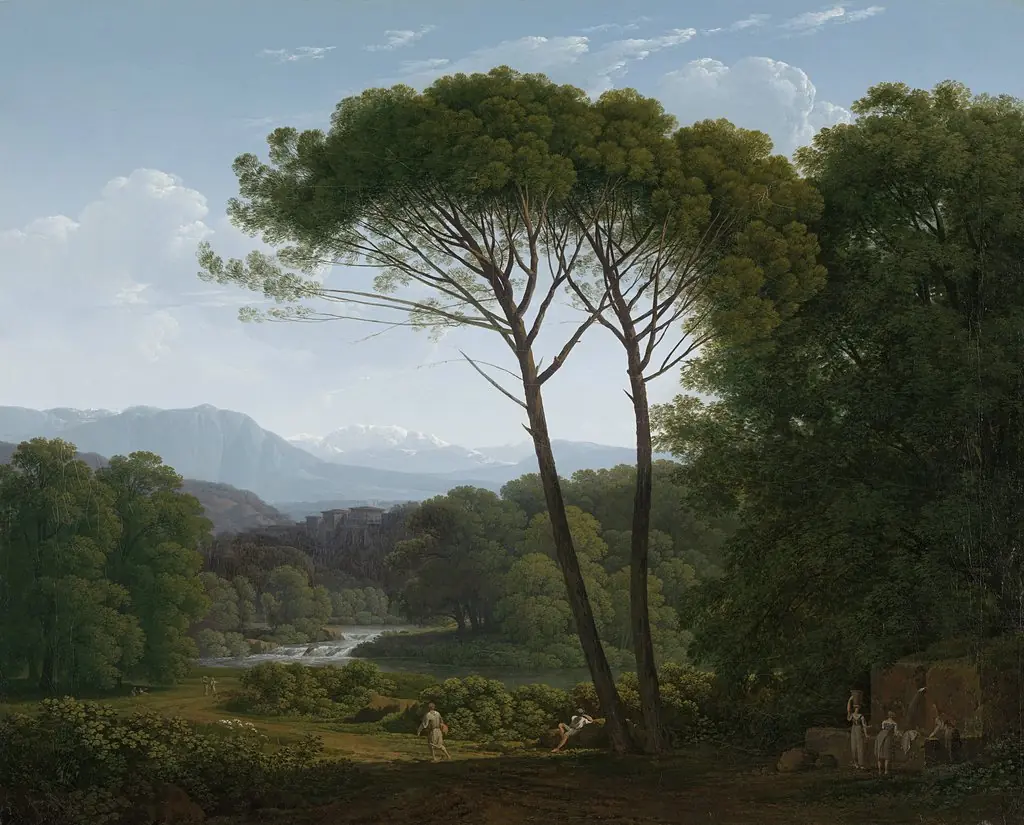 Italianate Landscape with Pines
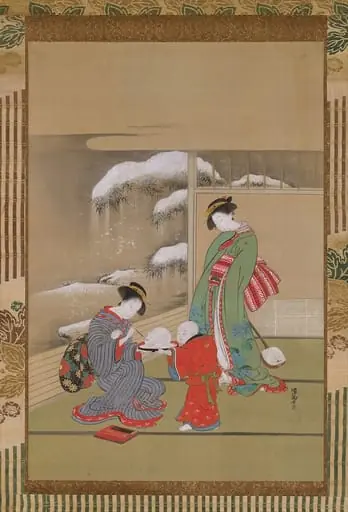 雪兎図|Painting the Eyes on a Snow Rabbit
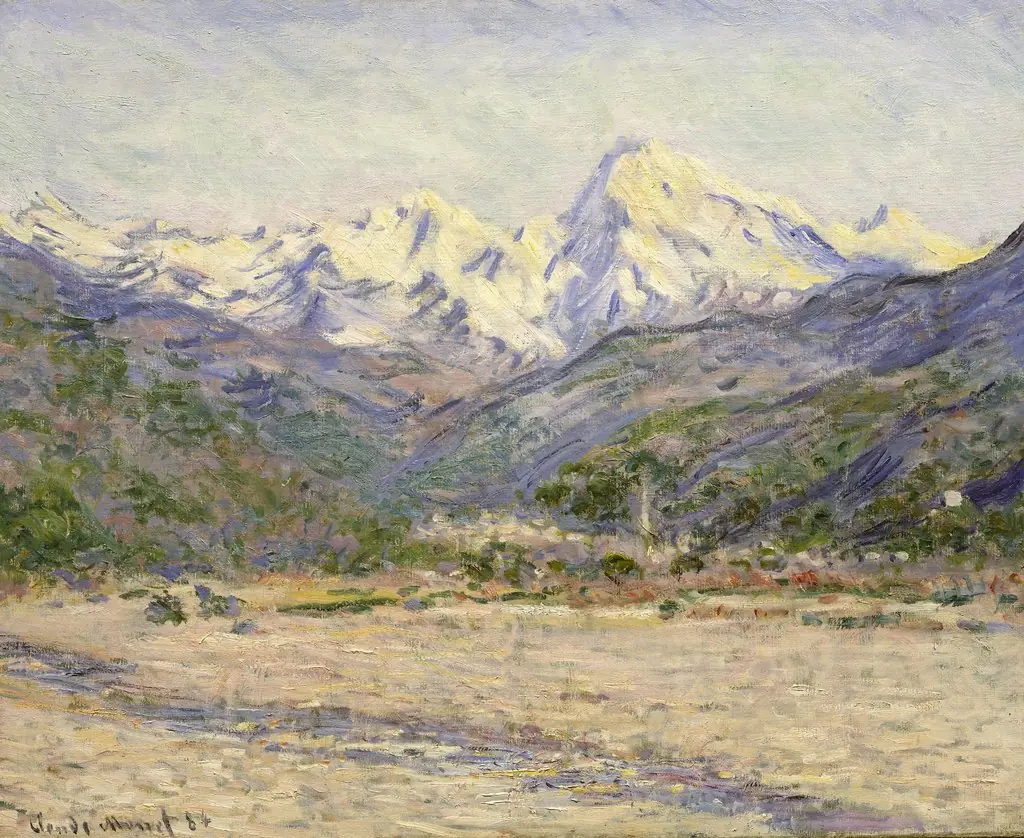 The Valley of the Nervia
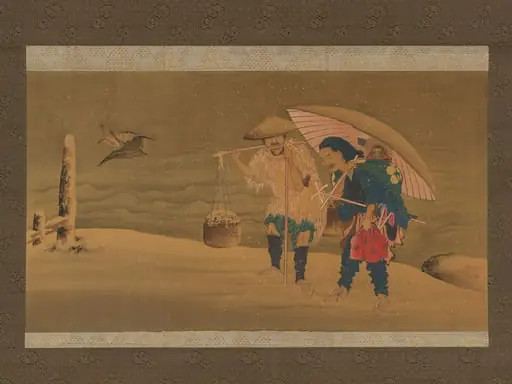 Untitled
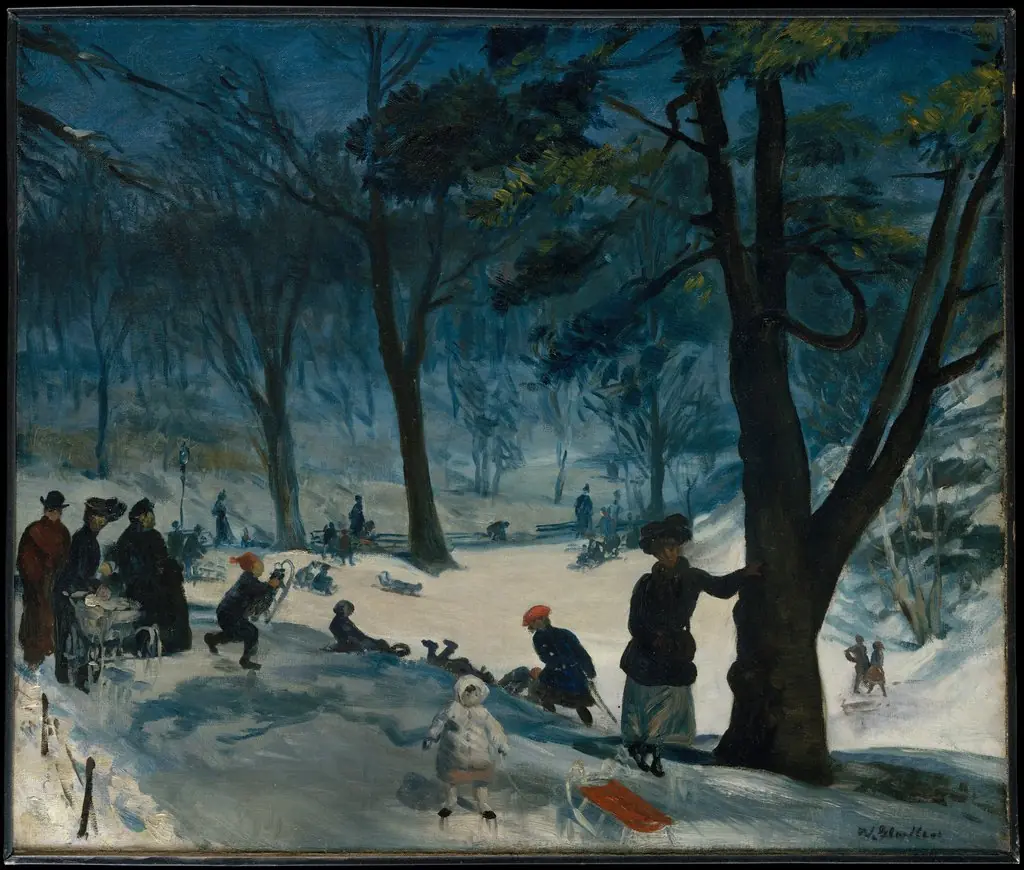 Central Park, Winter
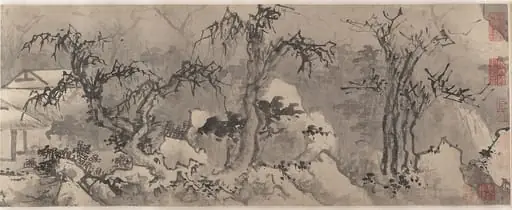 明 傳蔣嵩 冬景山水圖 卷|Winter landscape
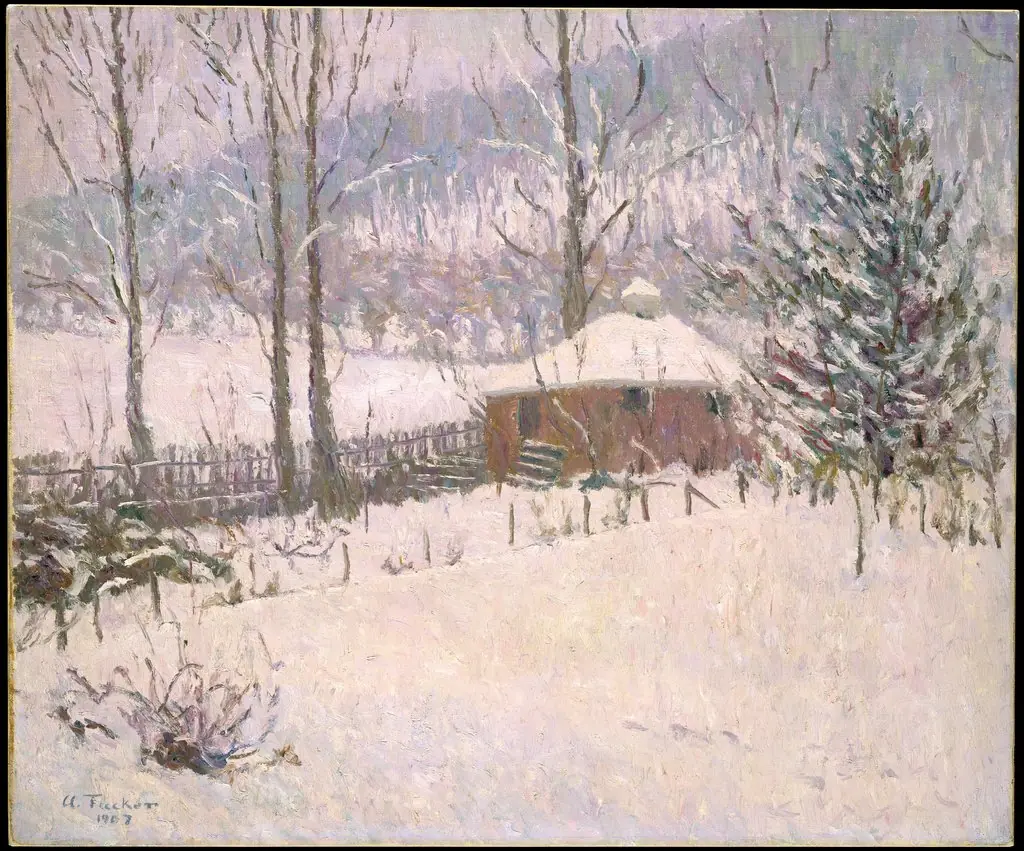 Winter at Portland
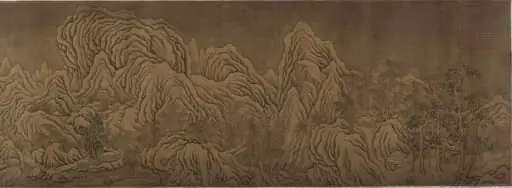 Untitled
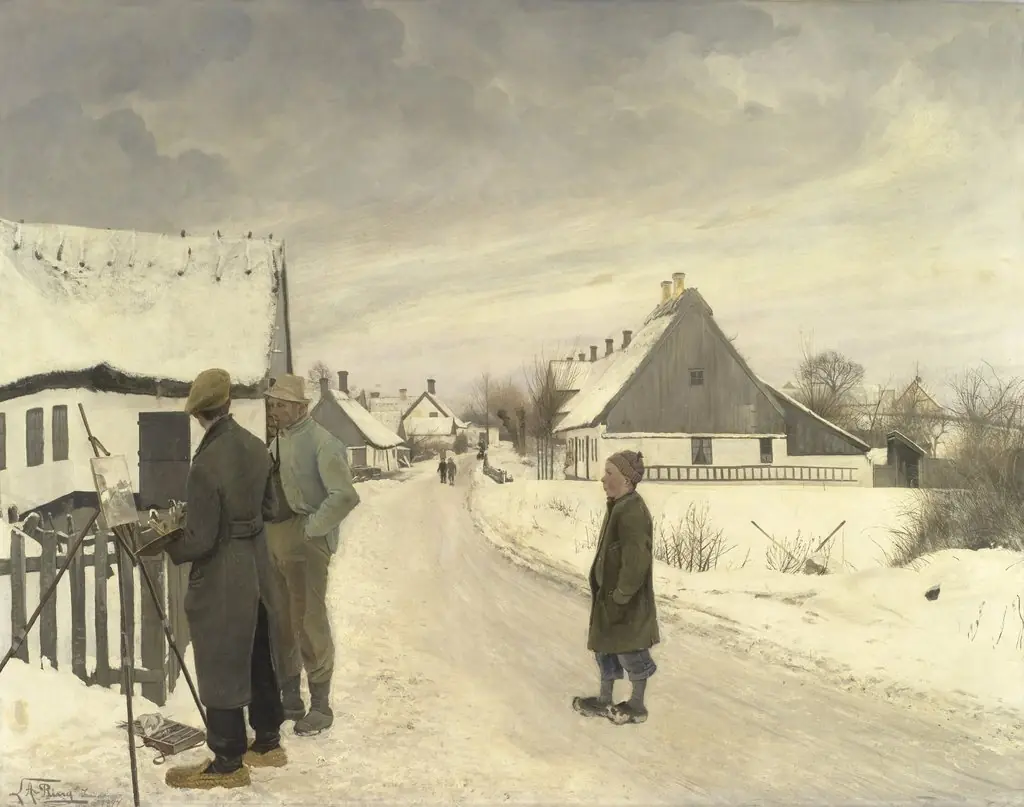 The Painter in the Village
 An Opalescent River
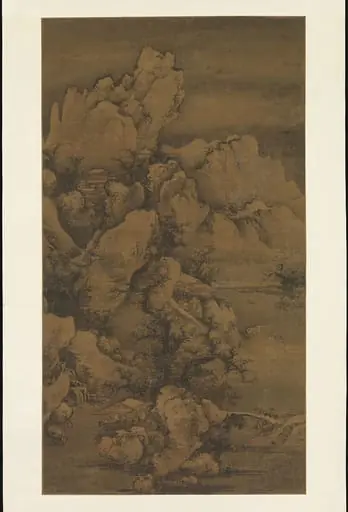 元 姚彥卿 (廷美) 雪山行旅圖 軸|요언경, 눈 덮인 산 속 나그네 중국 원|Traveling through Snow-Covered Mountains
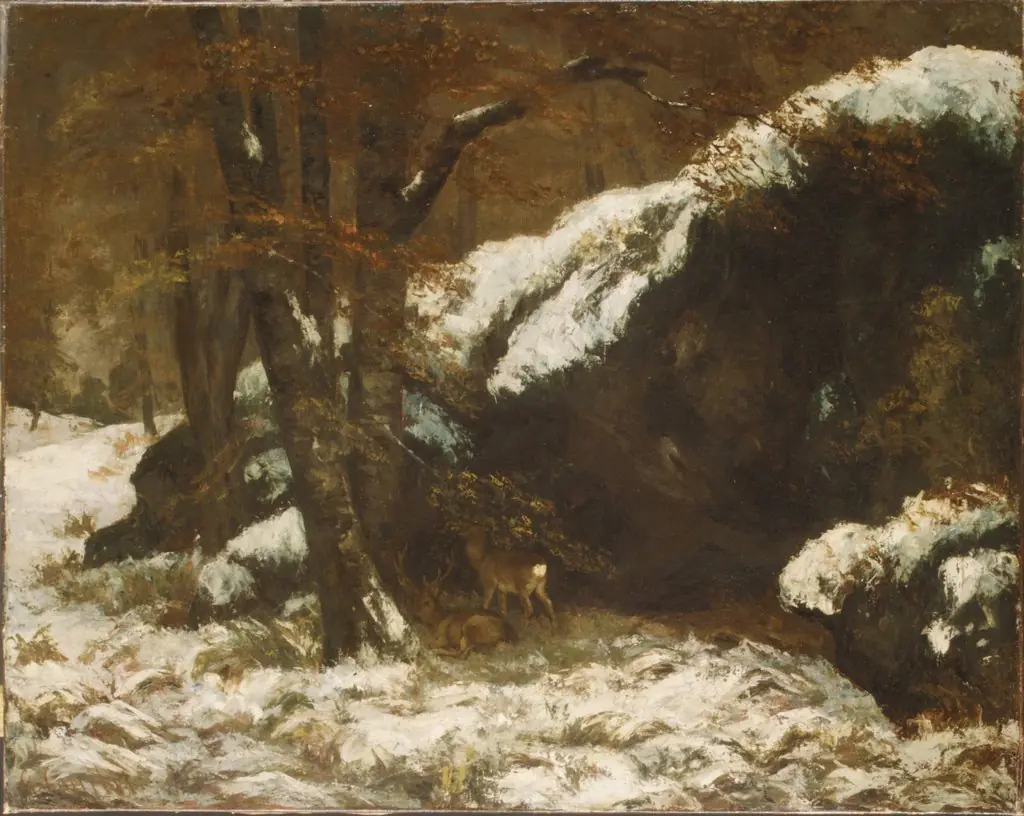 The Deer
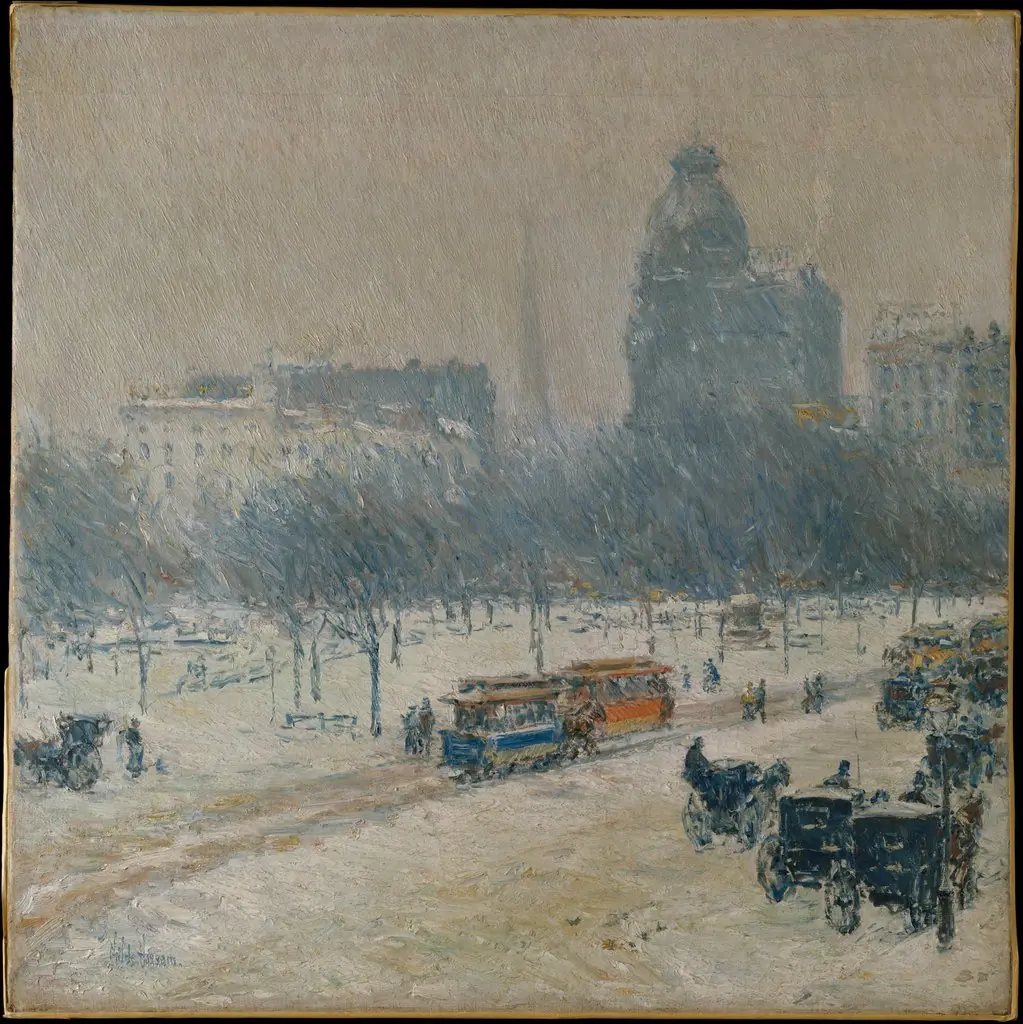 Winter in Union Square
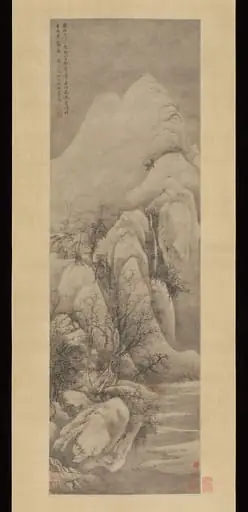 清 王翬 倣李成雪霽圖 軸|Snow Clearing: Landscape after Li Cheng
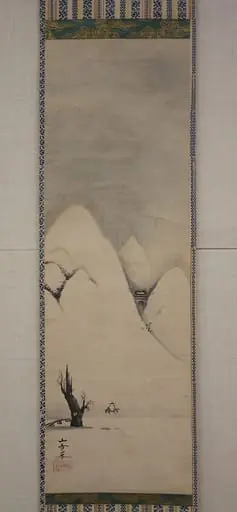 雪中山水図|Winter Landscape
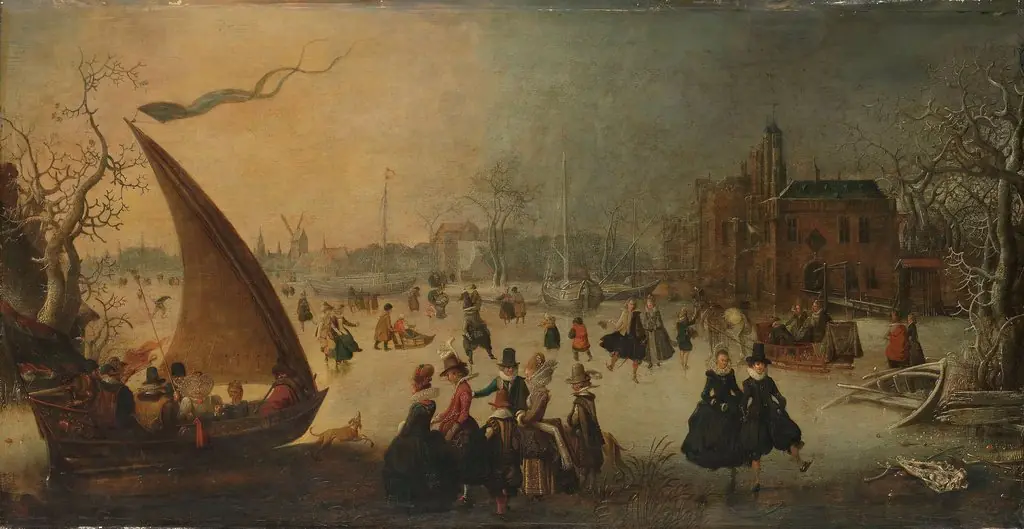 Landscape with frozen canal, skaters and an ice-boat
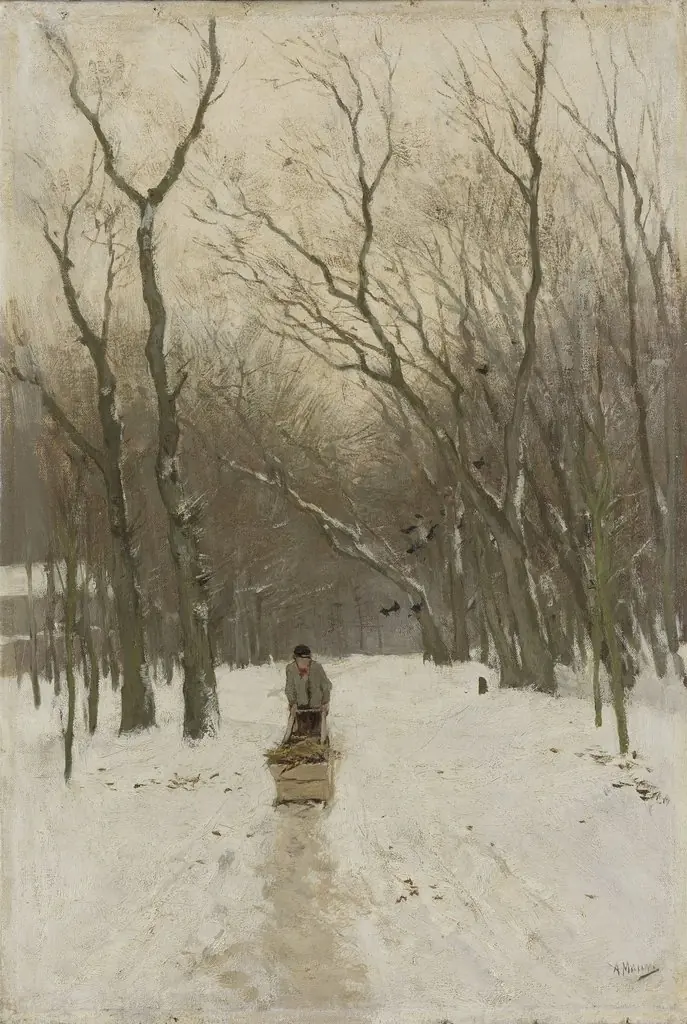 Winter in the Scheveningse bosjes.
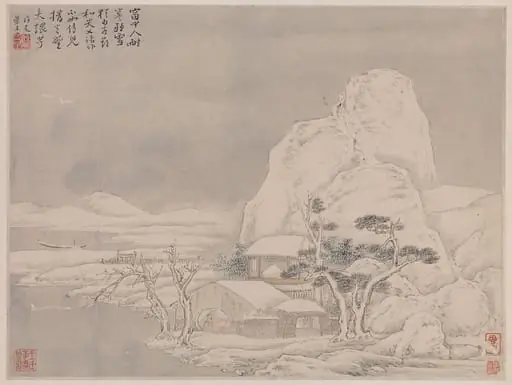 清 葉欣 聼雪圖 冊頁|Snowscape, leaf from Album for Zhou Lianggong
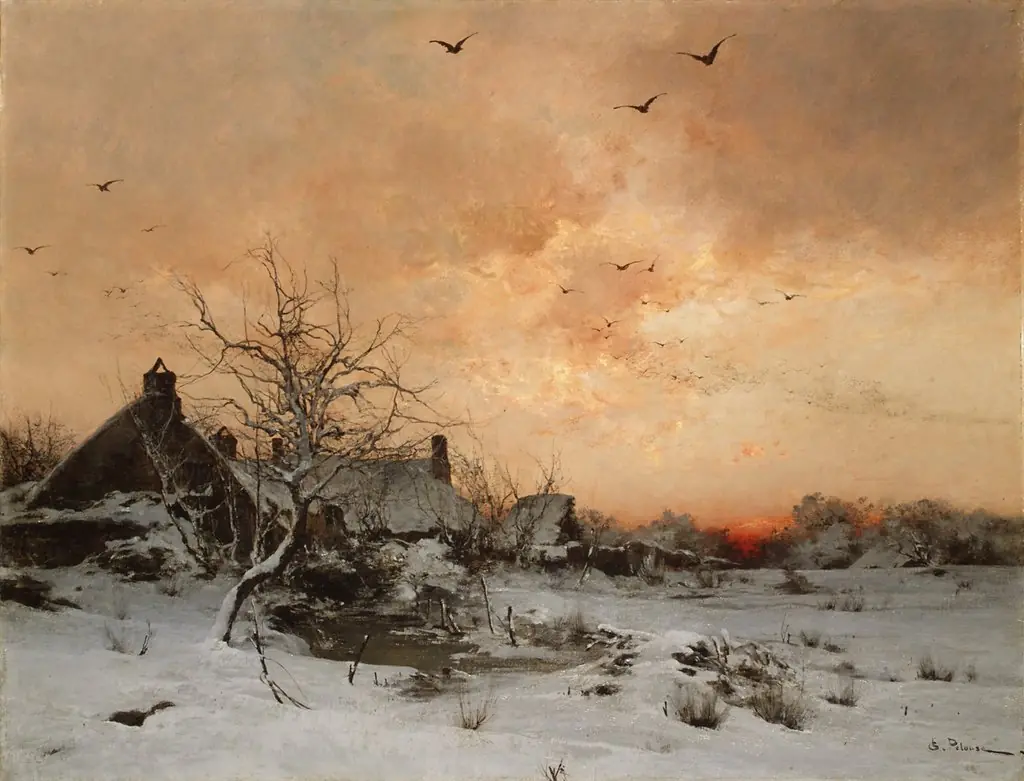 January: Cernay, near Rambouillet
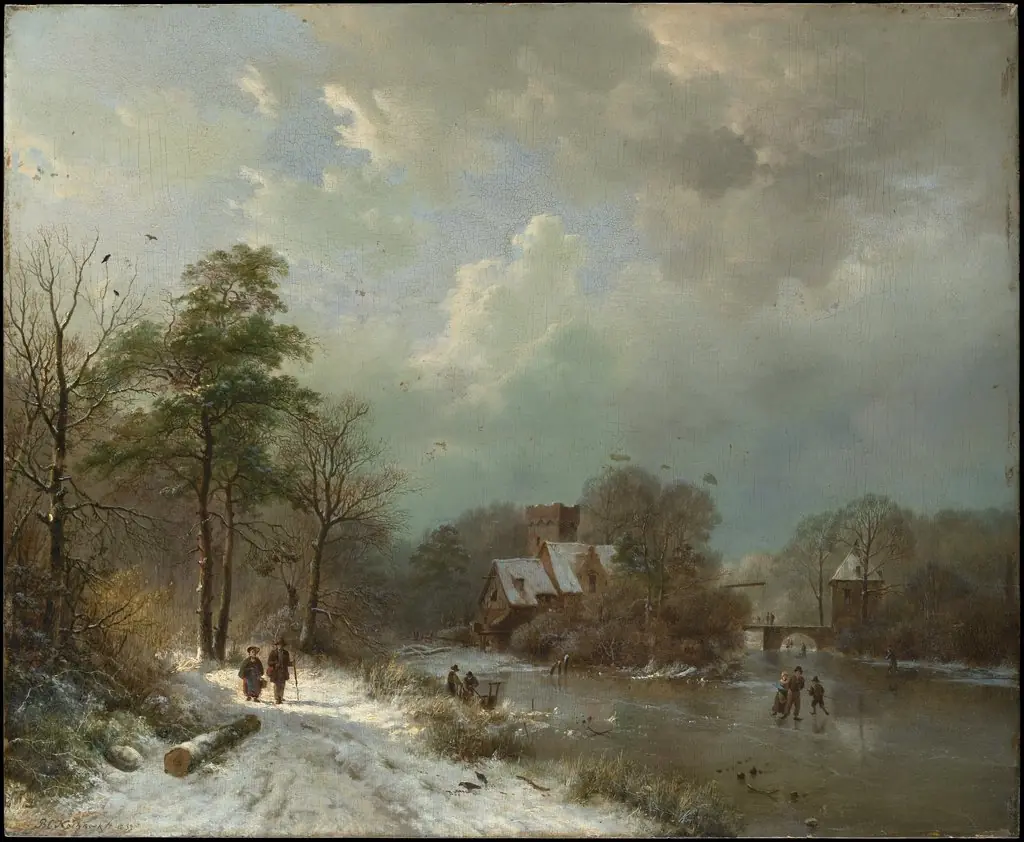 Winter Landscape, Holland
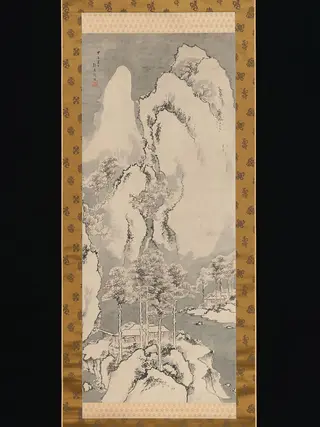 Untitled
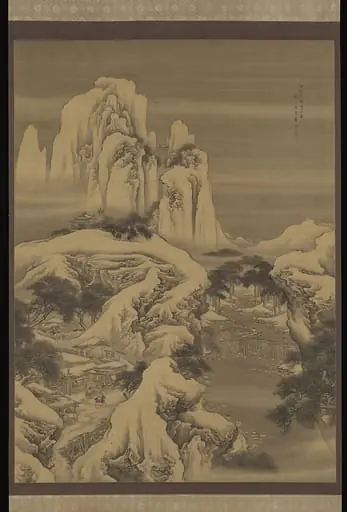 清 袁耀 雪棧行旅圖 軸|Inn and Travelers in Snowy Mountains
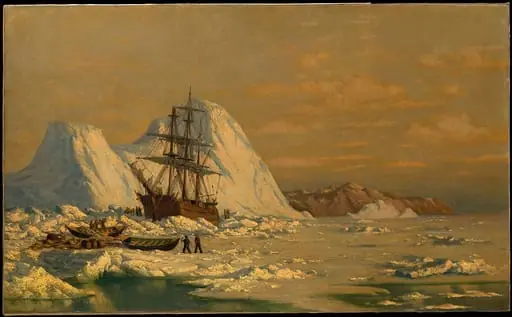 An Incident of Whaling
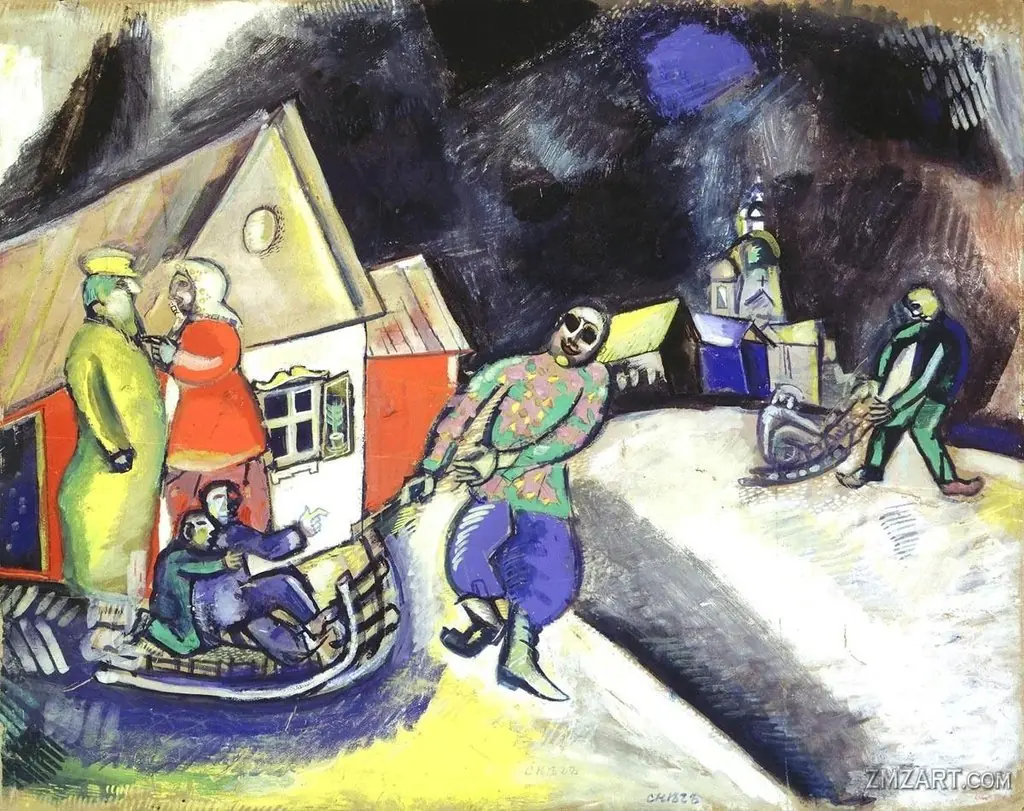 Snow, Winter in Vitebsk
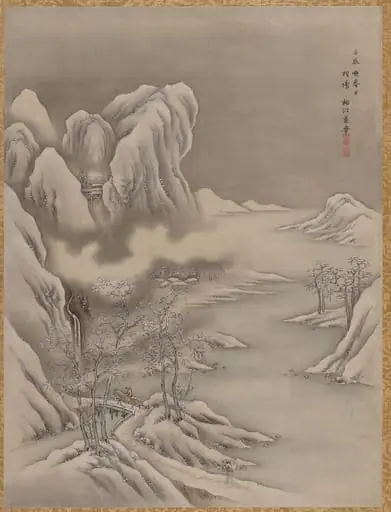 Untitled
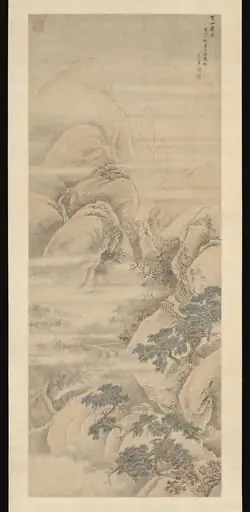 清 (傳)王翬 雪景山水圖 軸|Snowscape
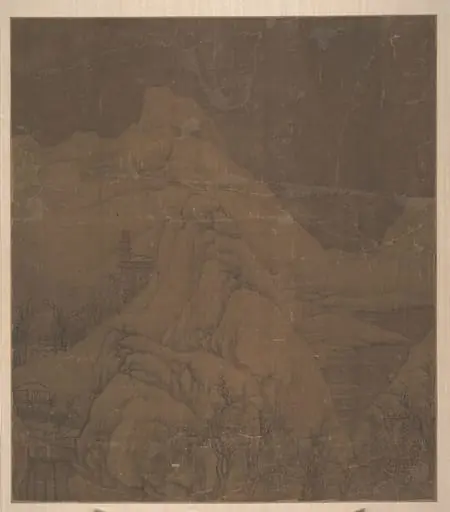 Untitled
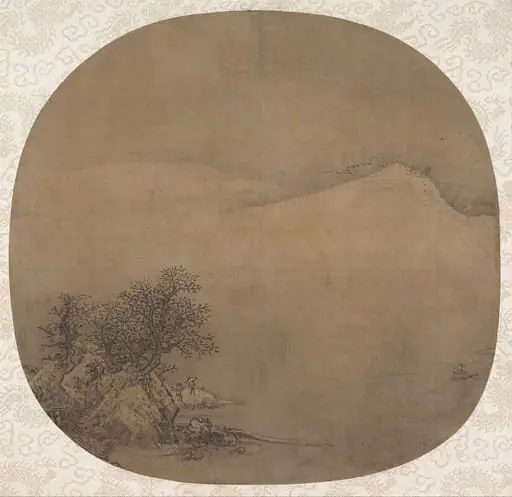 南宋 佚名 雪景待渡圖 團扇|Waiting for the Ferry
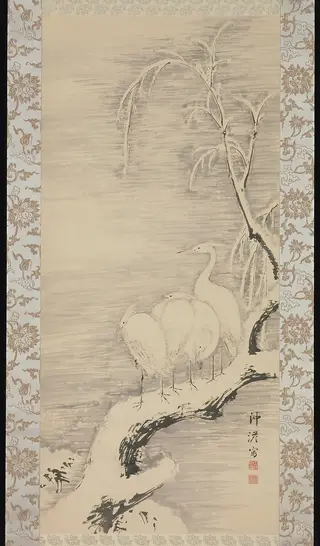 Untitled
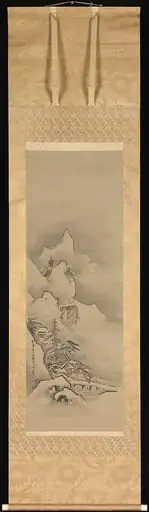 狩野探幽筆 神農・夏冬山水図|Winter Landscape
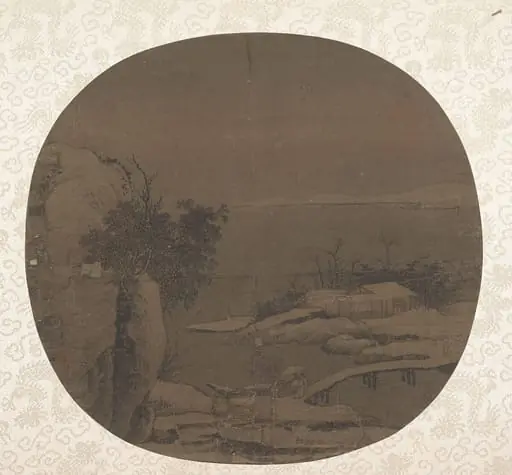 明? 佚名 舊傳燕文貴 雪橋送別 扇|Bridge in Snow
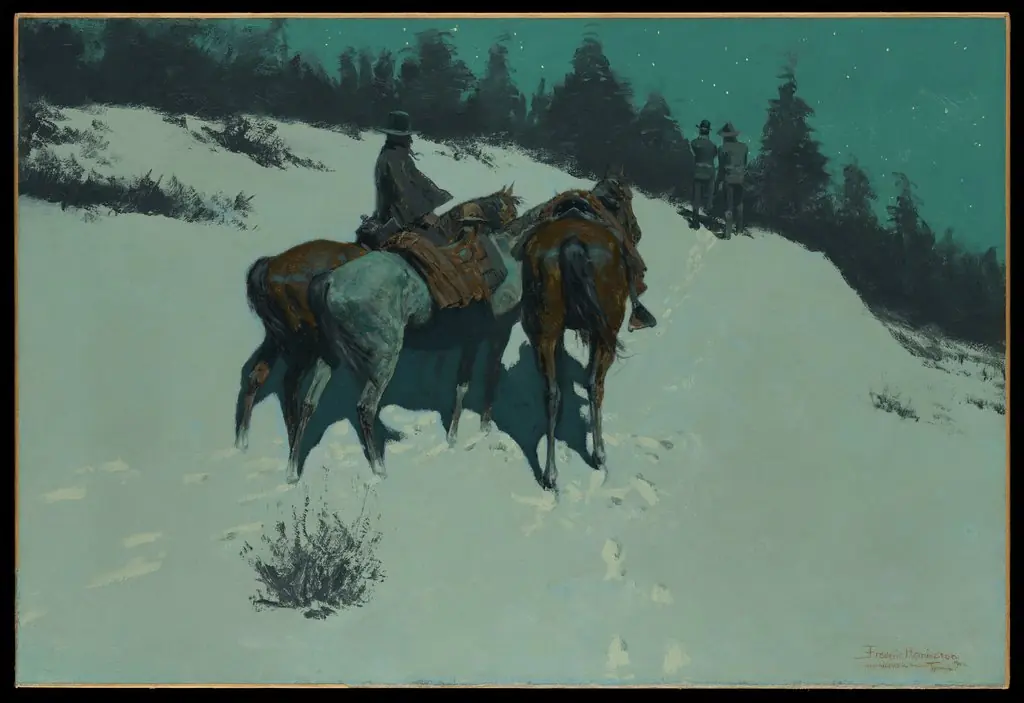 A Reconnaissance
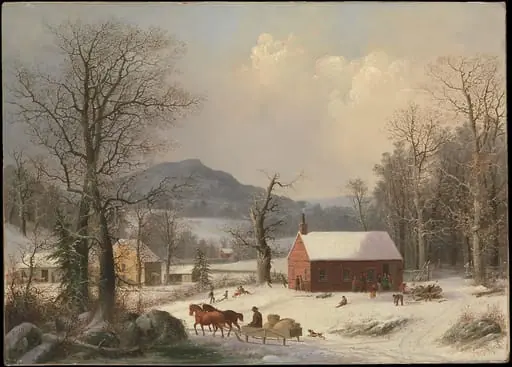 Red School House (Country Scene)
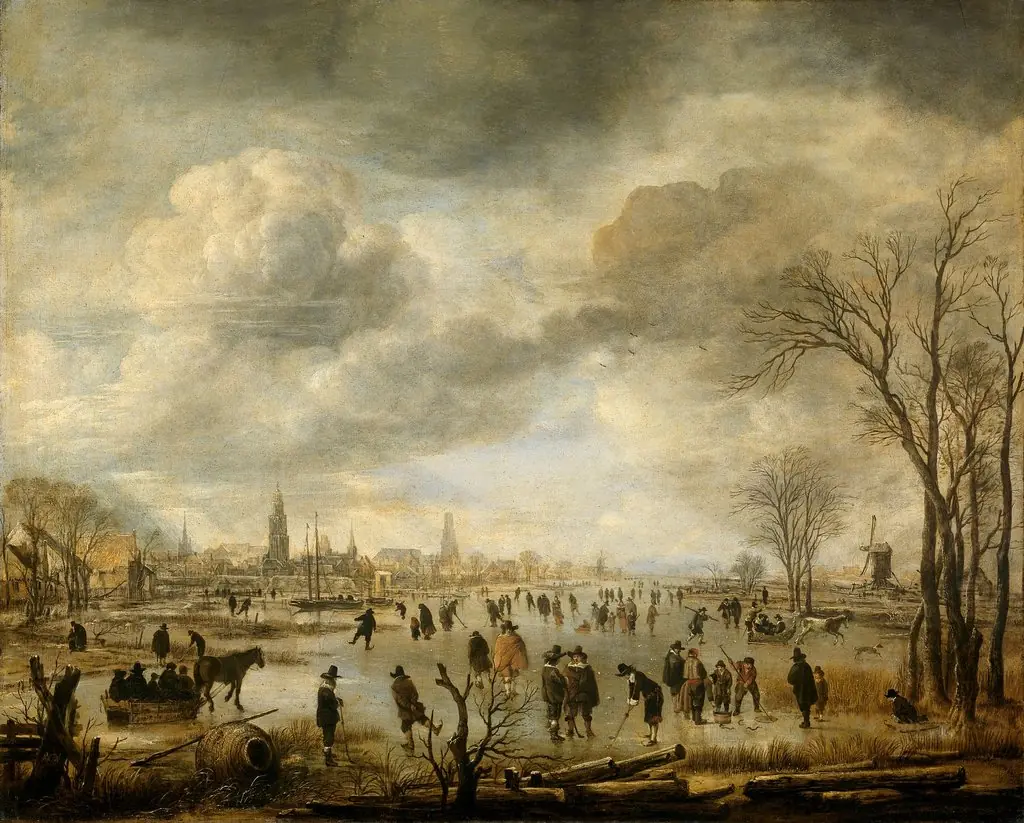 River View in Winter
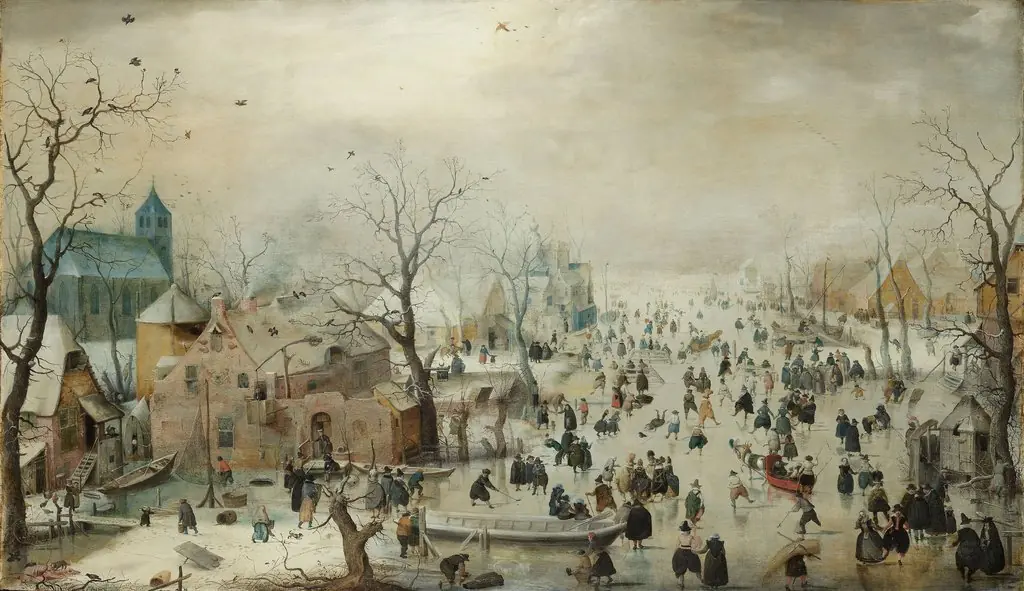 Winter landscape with skaters
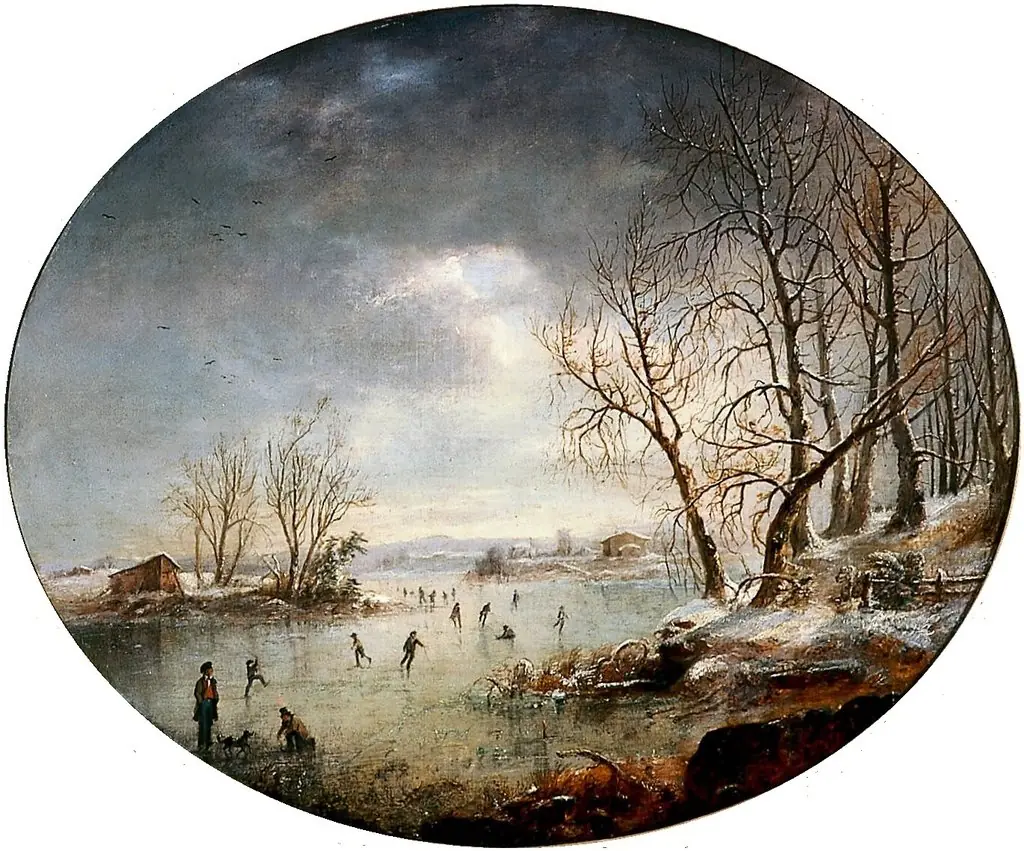 Winter Scene in New Jersey
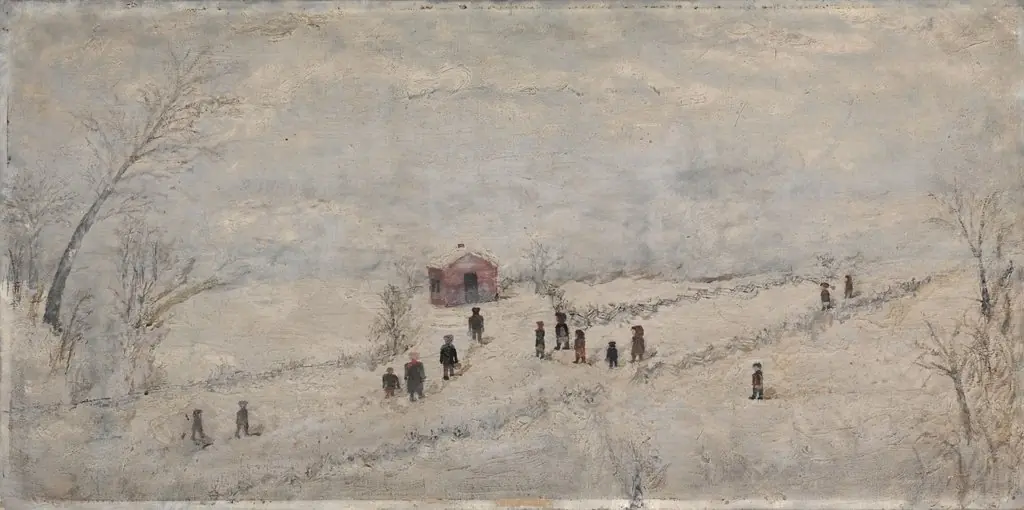 Snow Scene
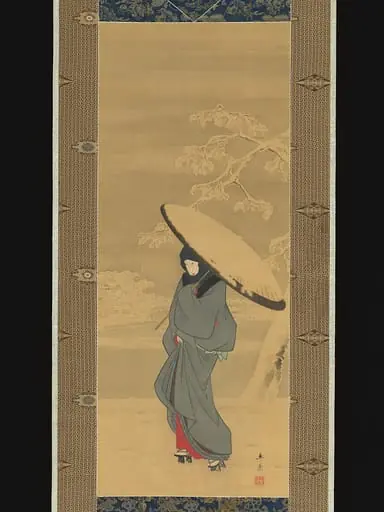 Untitled
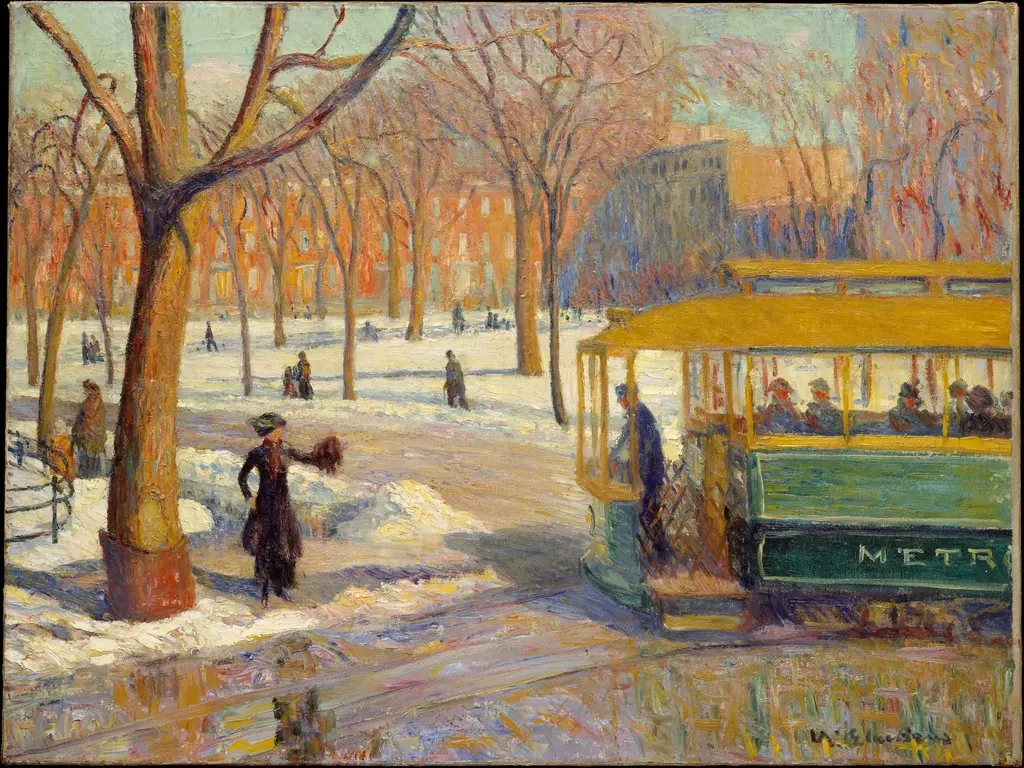 The Green Car
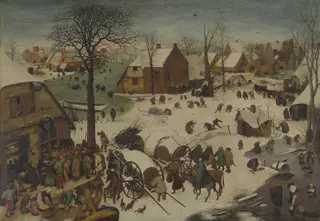 The People's Census at Bethlehem
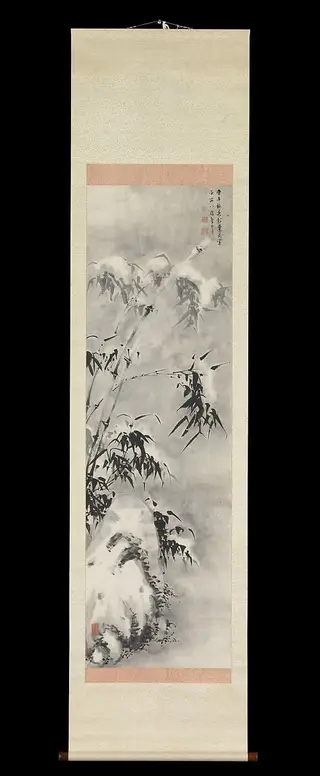 雪竹図|Bamboo and Rock in Snow
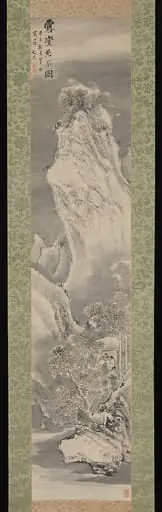 Untitled
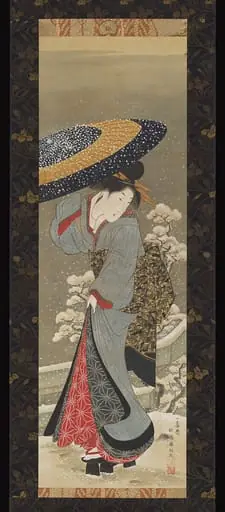 Untitled
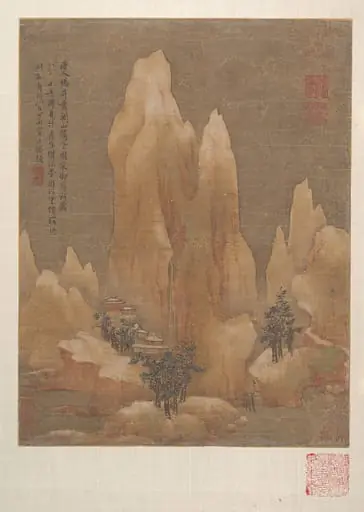 明/清 楊昇(僞款) 關山小雪圖 冊頁|Light Snow on the Mountain Pass
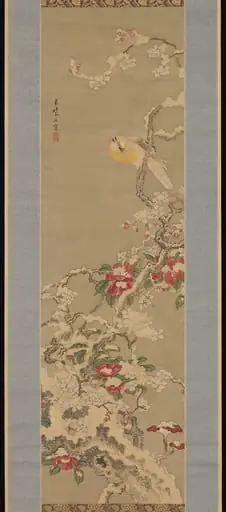 Untitled
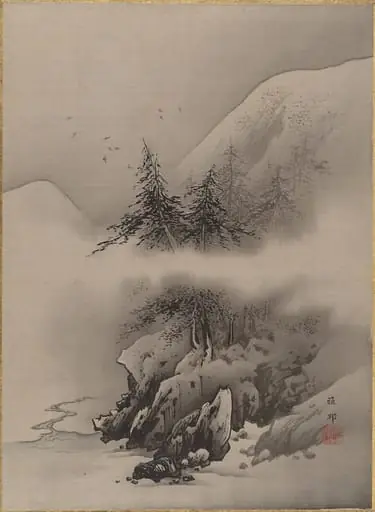 Untitled
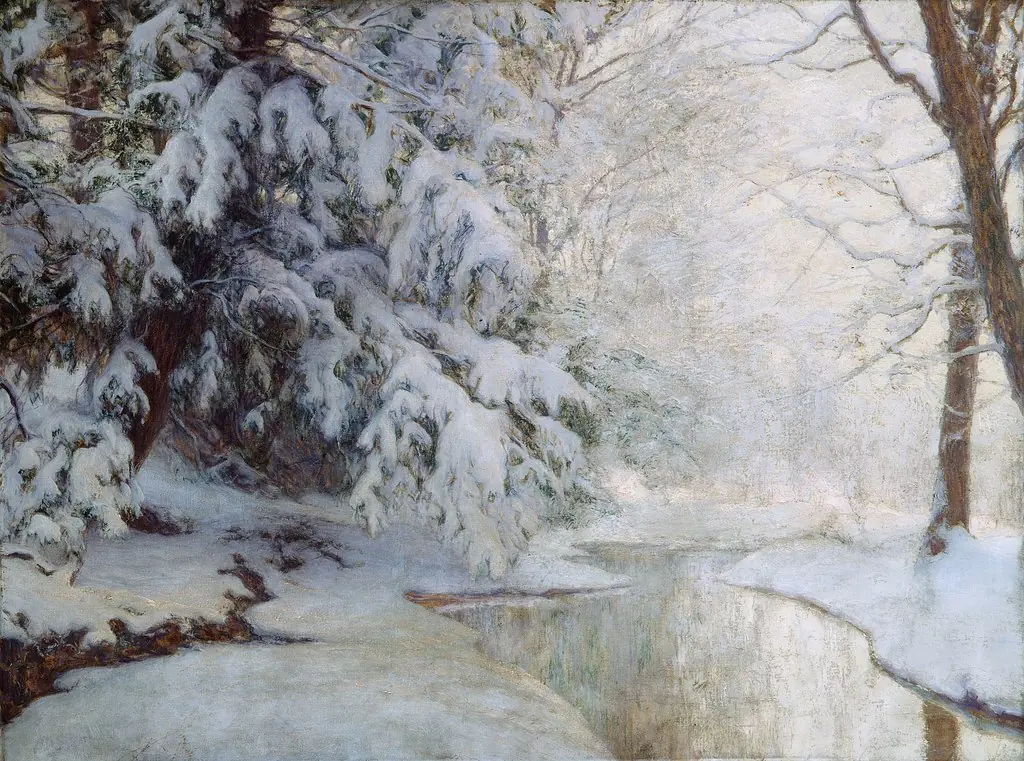 Silent Dawn
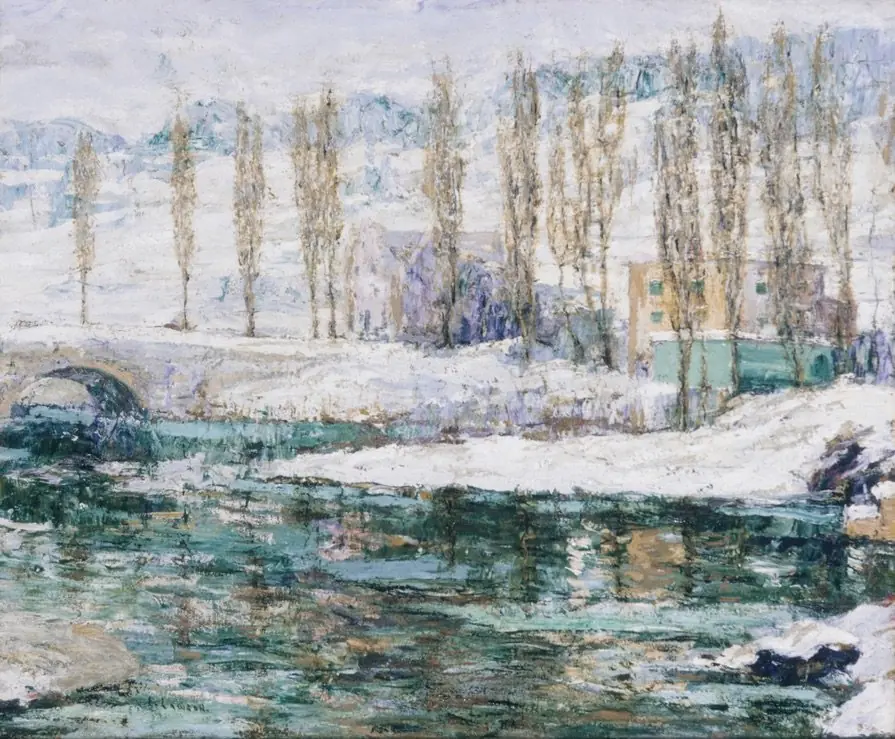 Winter
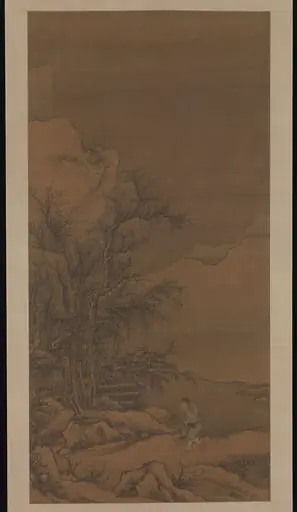 明 戴進 雪歸圖 軸|Returning home through the snow
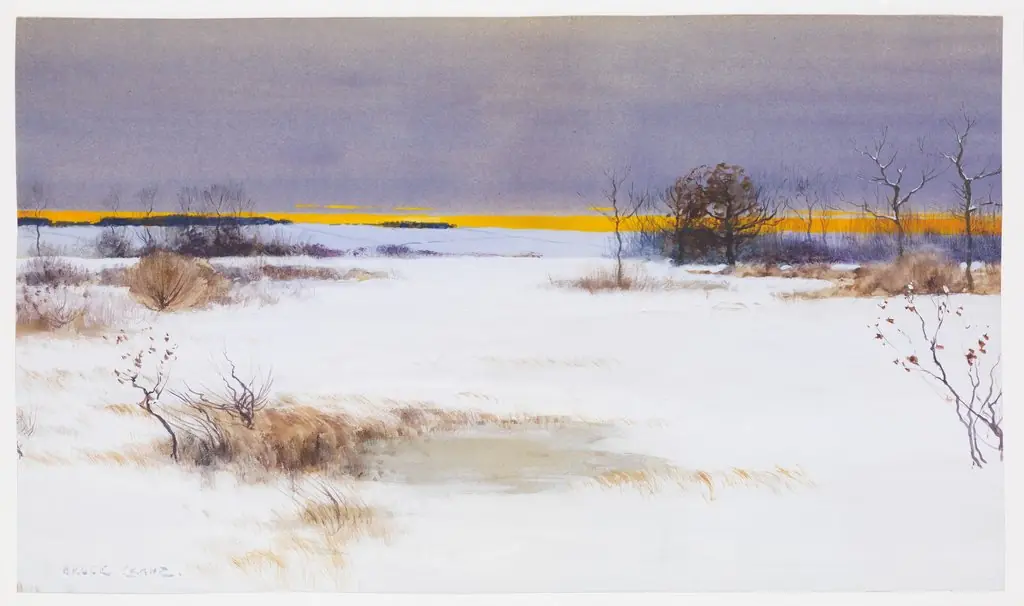 Snow Scene
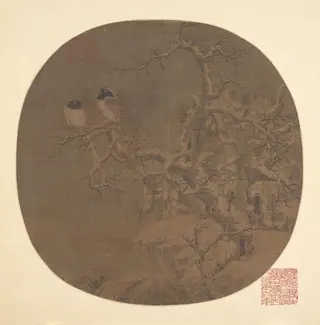 南宋 傳李迪 幽禽寒林圖 冊頁|Two Birds on a Wintry Tree
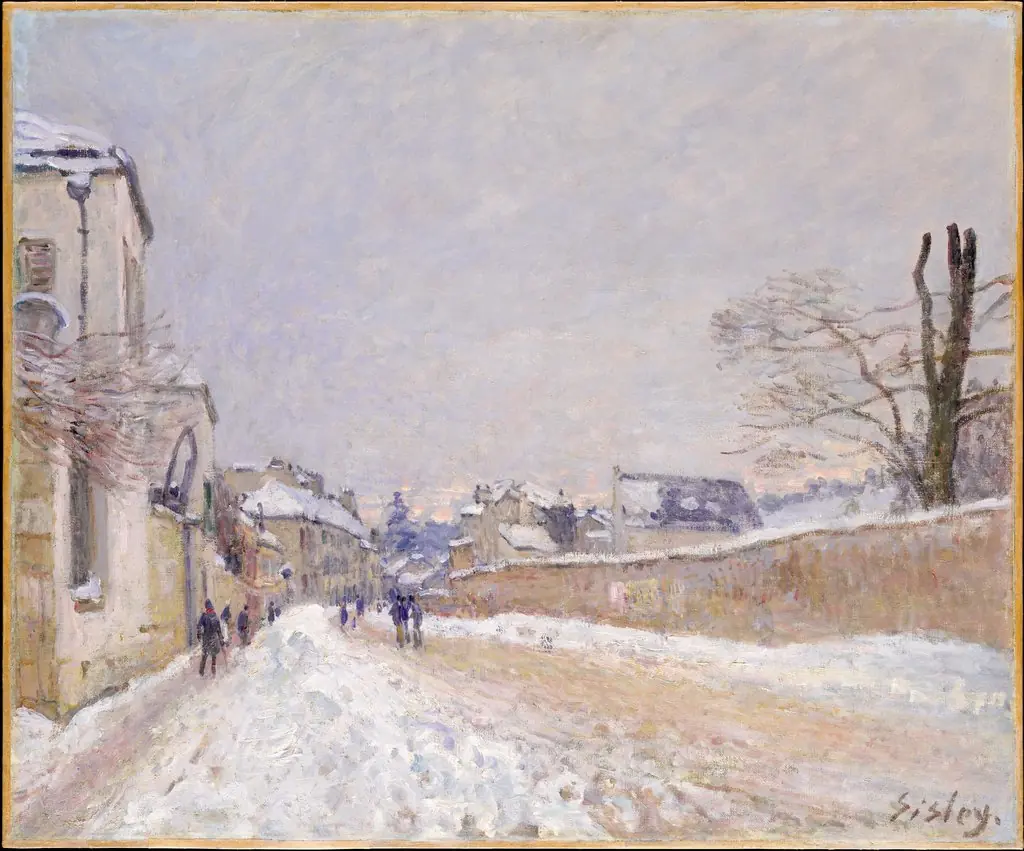 Rue Eugène Moussoir at Moret: Winter
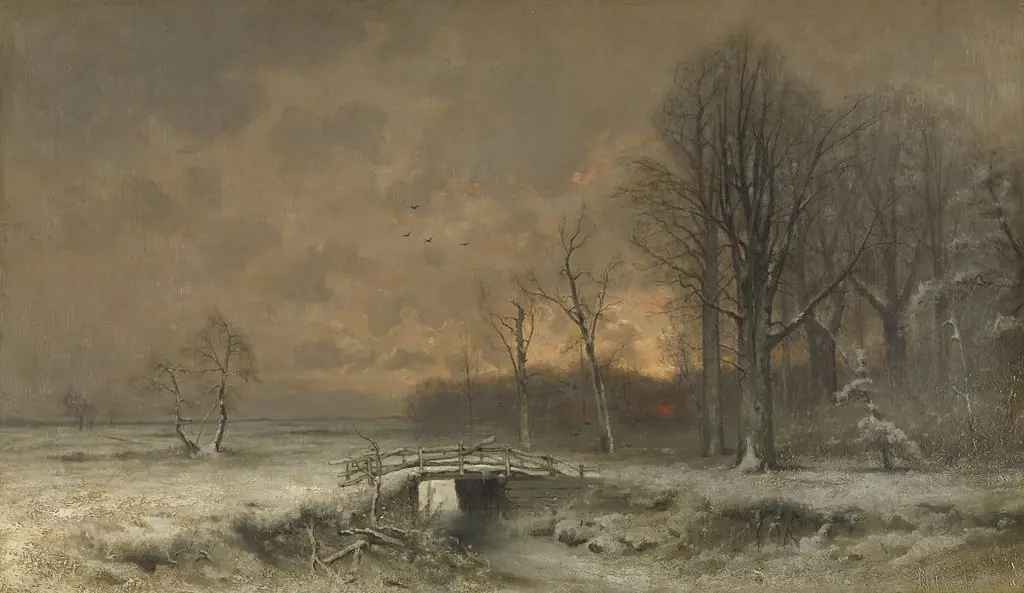 Winter Scene with the Sun Setting Behind Trees
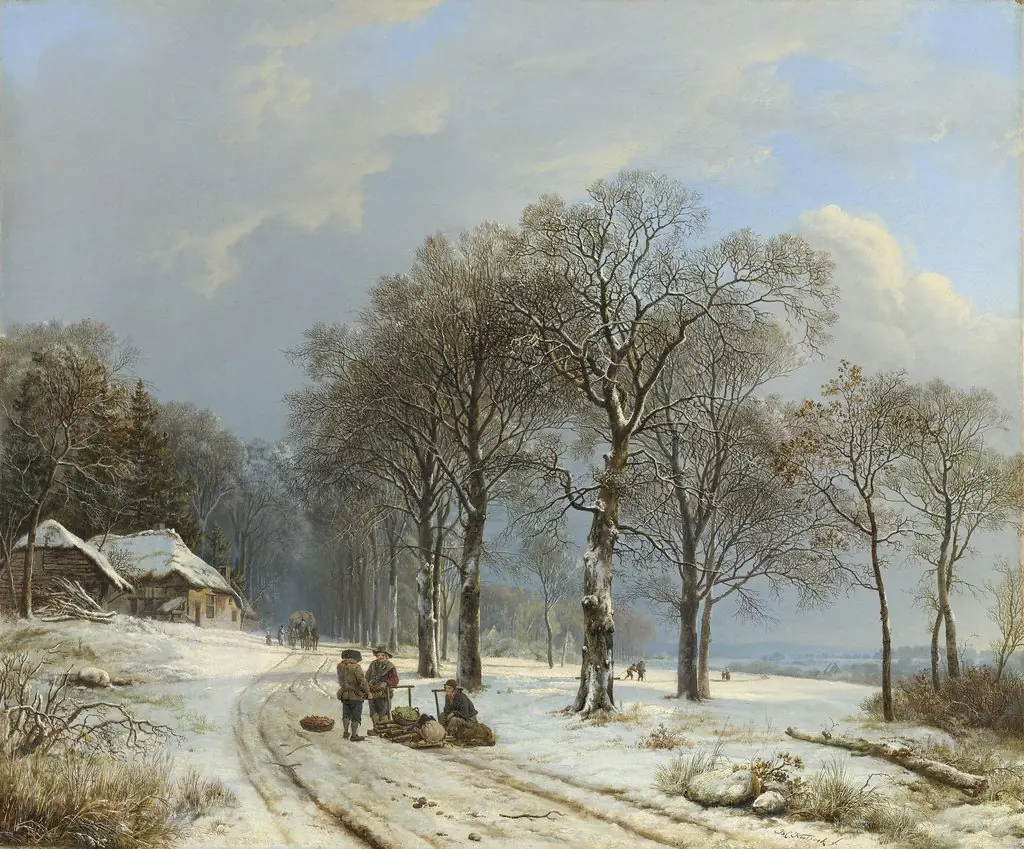 Winter Landscape
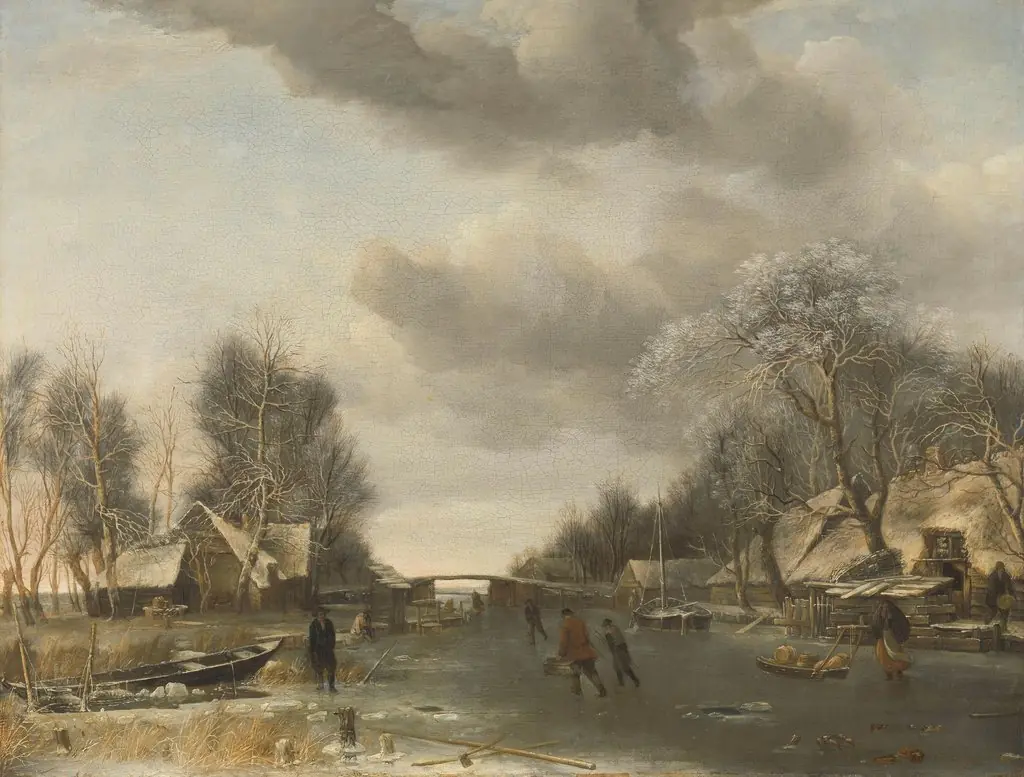 Winter scene
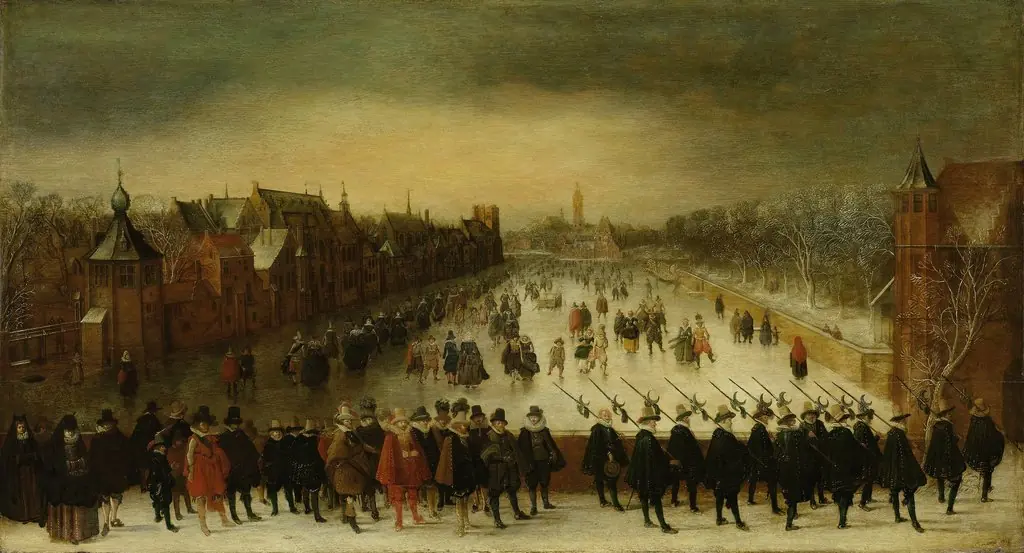 The Vijverberg, The Hague in winter, with Prince Maurits and his retinue in the foreground
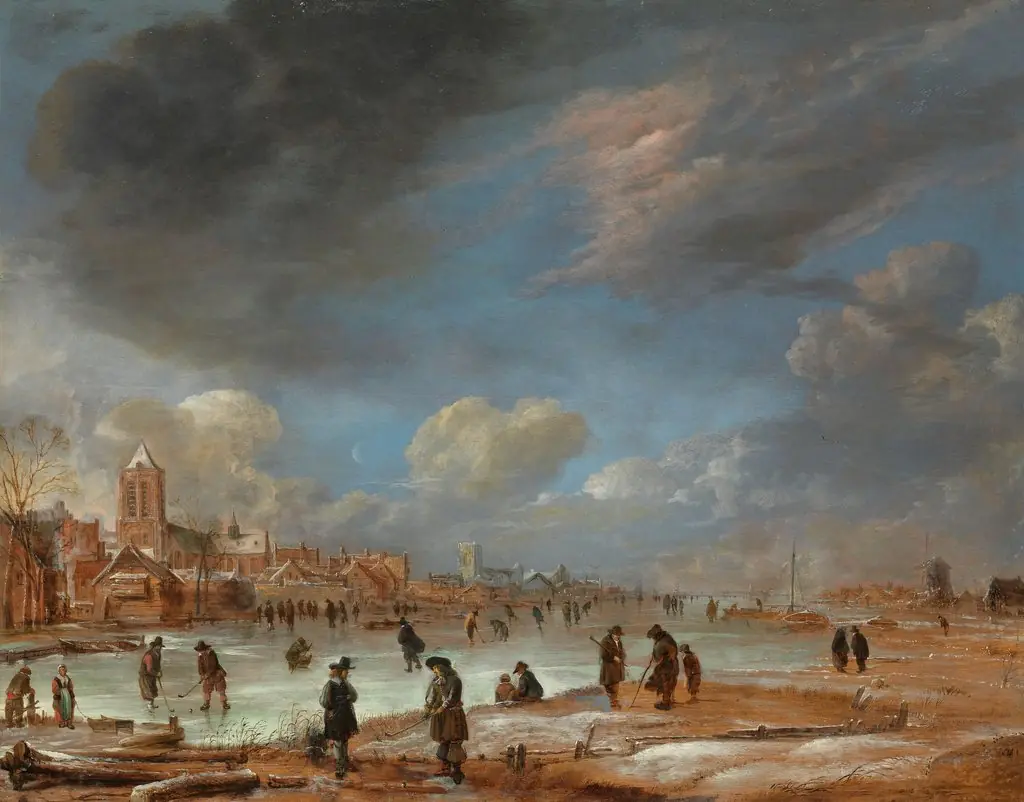 River view in the winter
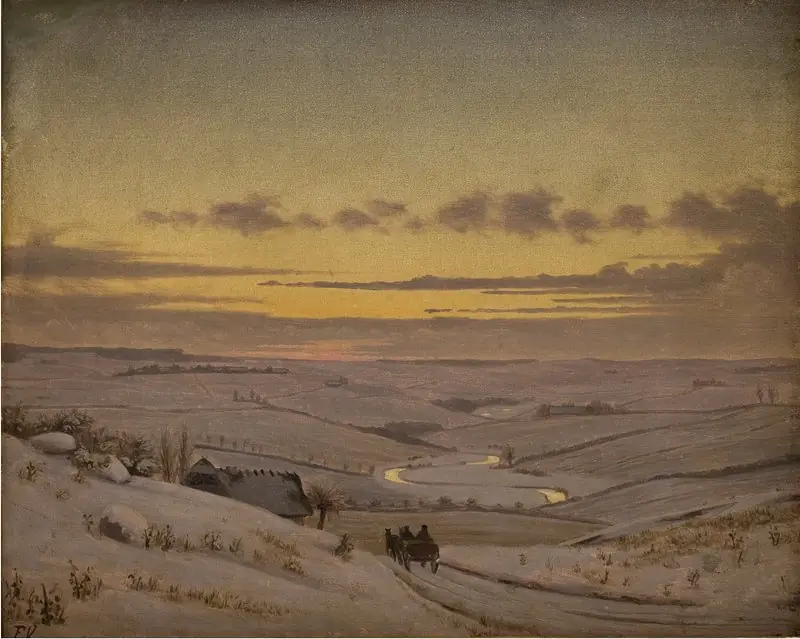 Vinteraften ved Susåen
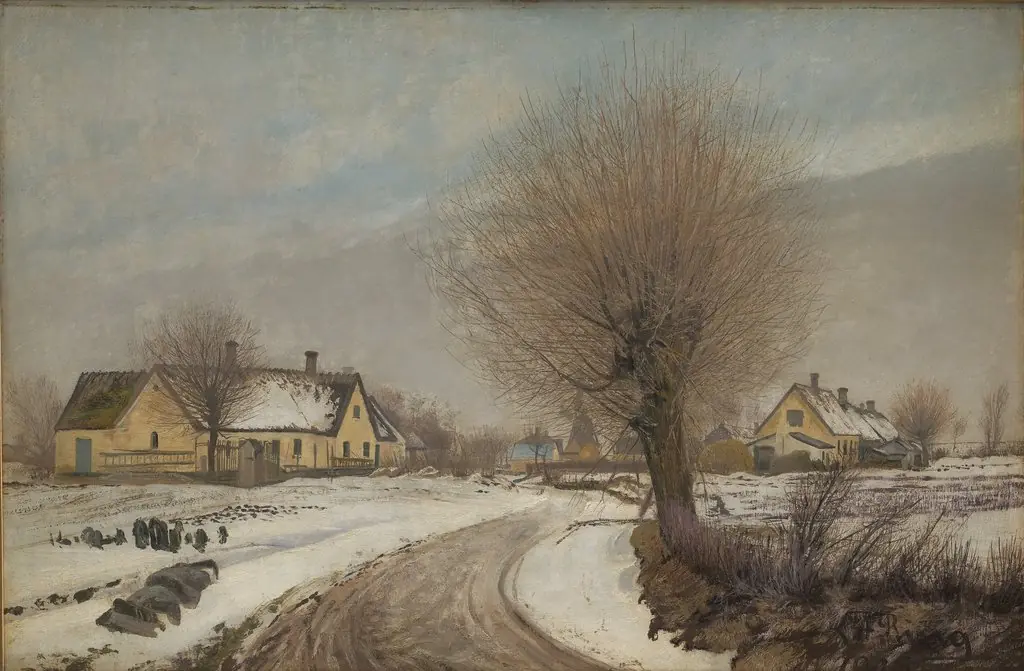 A Sealand Village. Winter
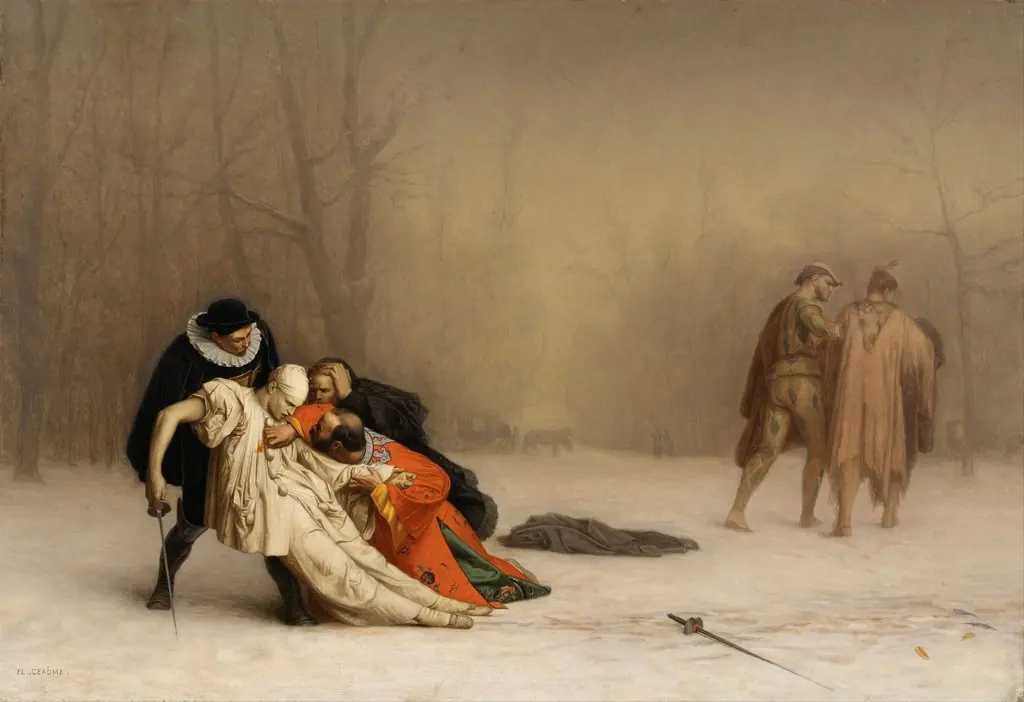 The Duel After the Masquerade
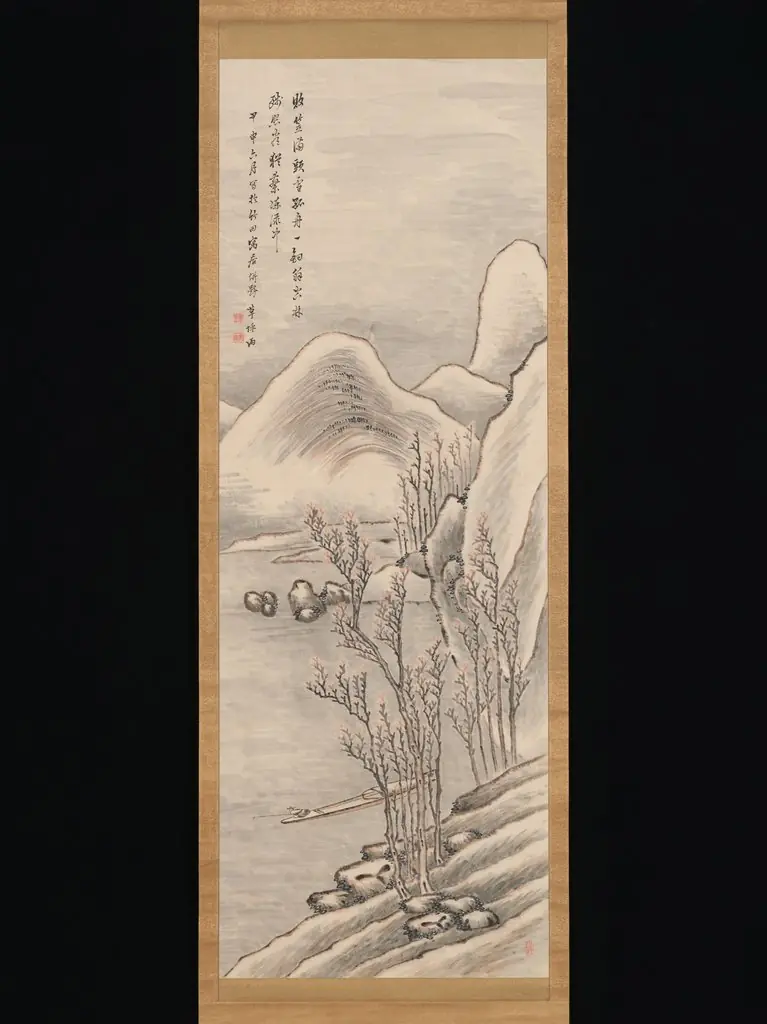 Snowy Landscape
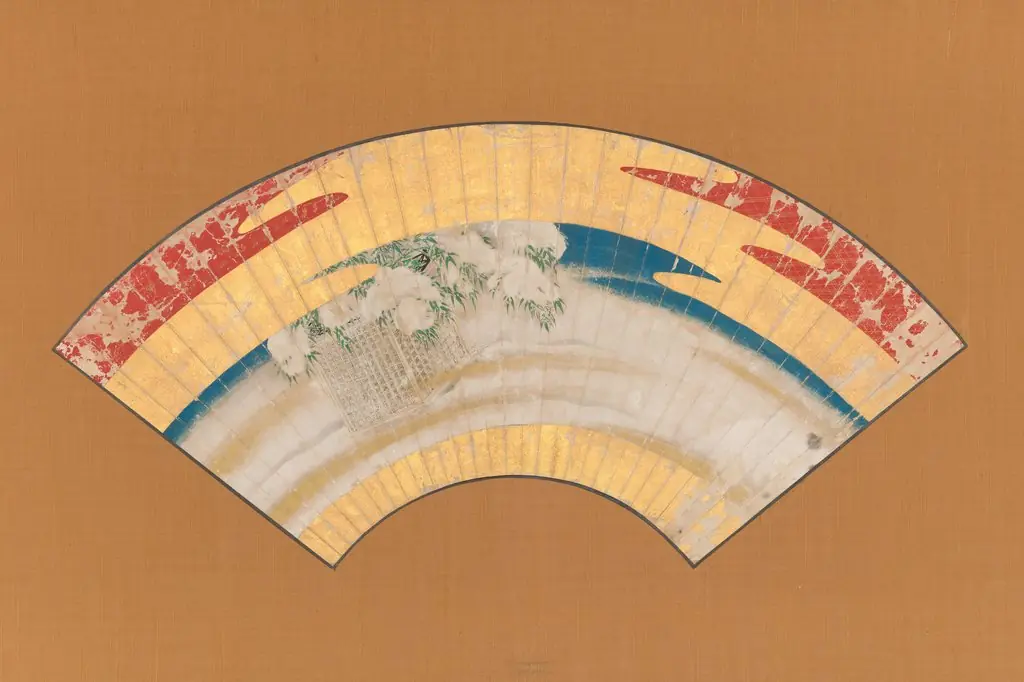 Breaking a Plum Branch on a Snowy Night; Bamboo in Snow
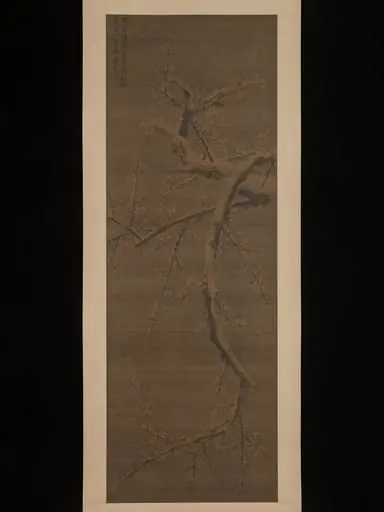 明 劉世儒 雪梅圖 軸|Plum in snow
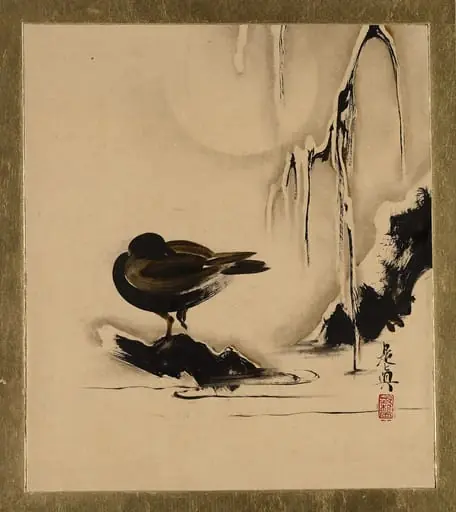 Untitled
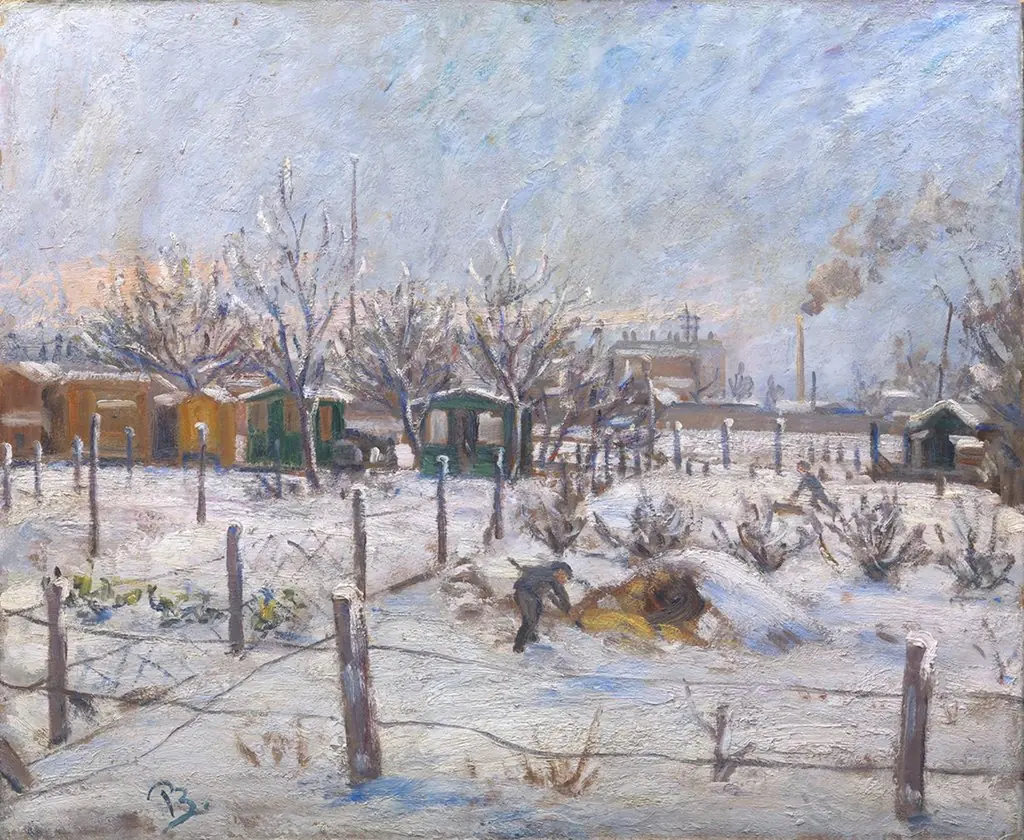 Winter at Nørrebro
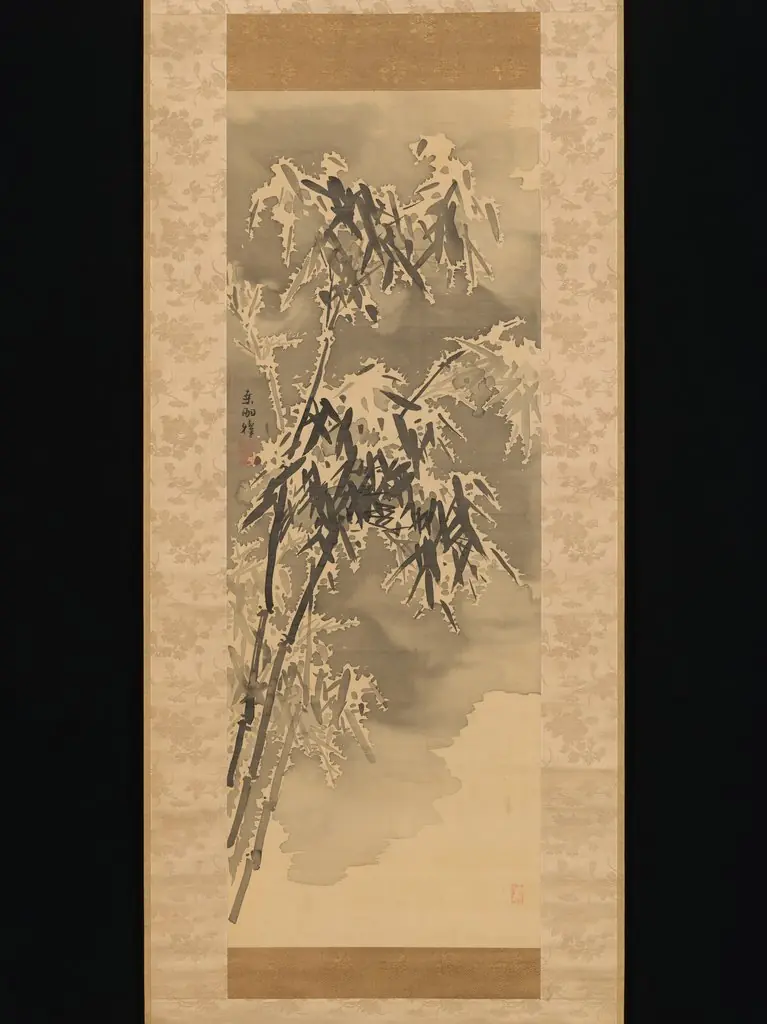 Bamboo in Snow
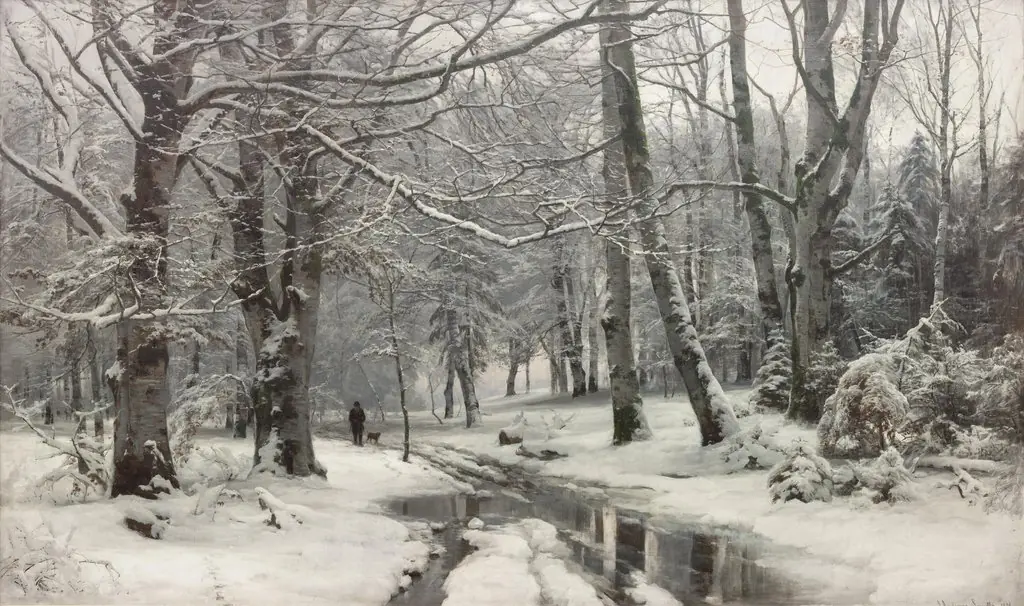 Thaw in a Beech Forest
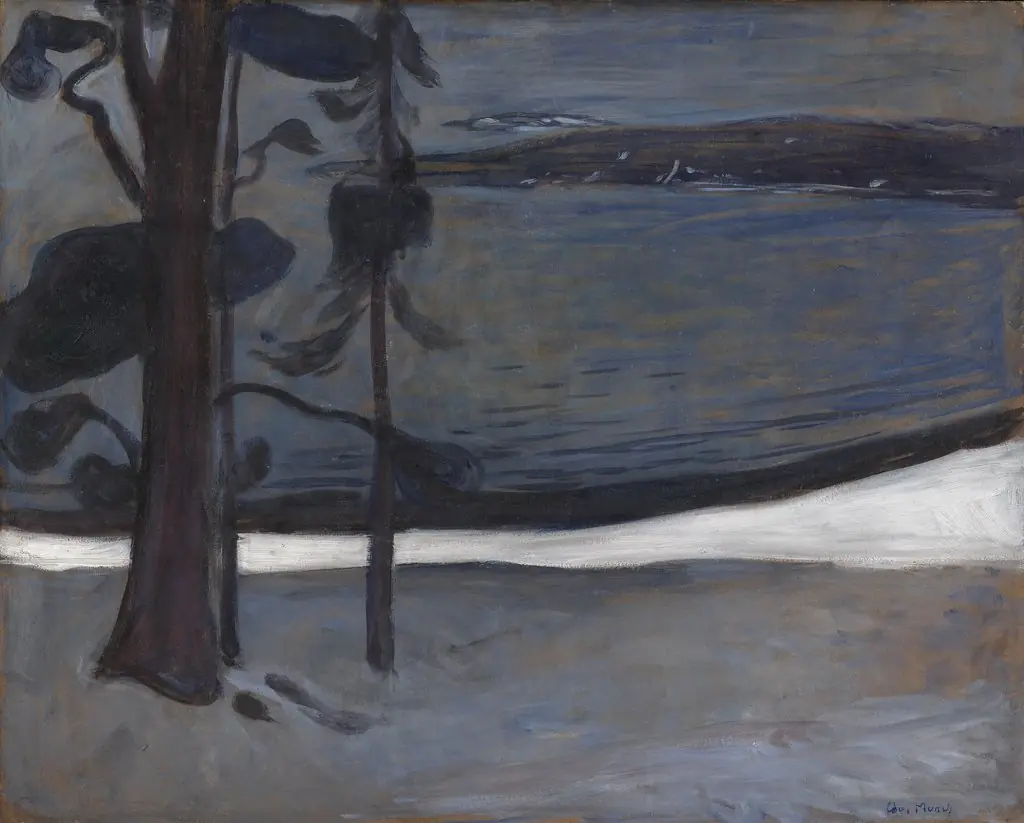 Winter at Nordstrand
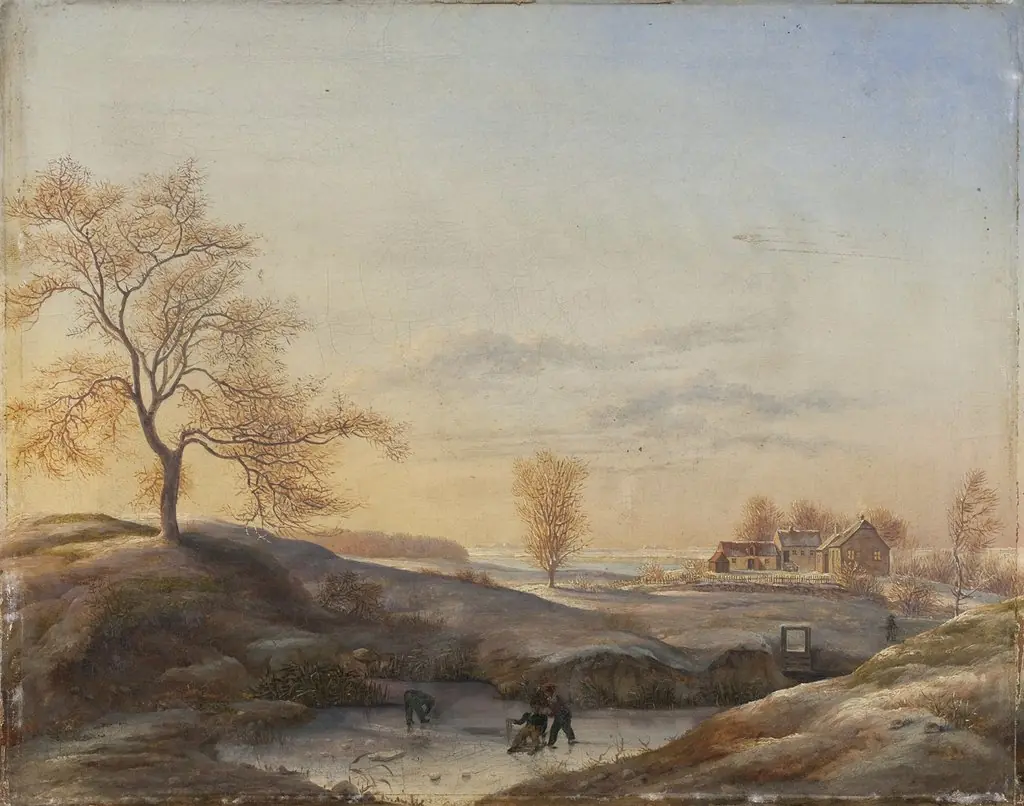 Vinterlandskab fra Frederiksdal med skøjteløbere
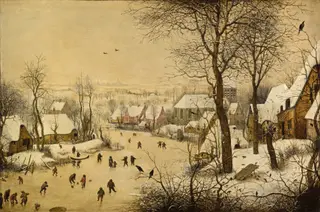 Winter Landscape with a Bird Trap
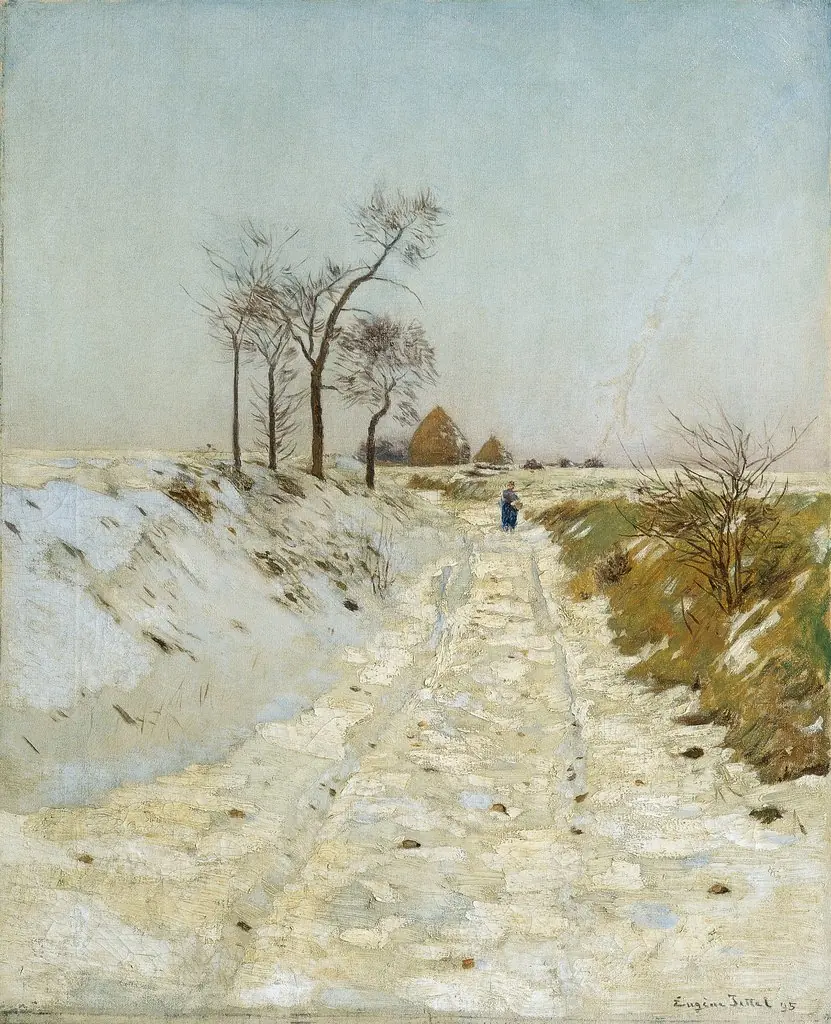 Hohlweg im Winter
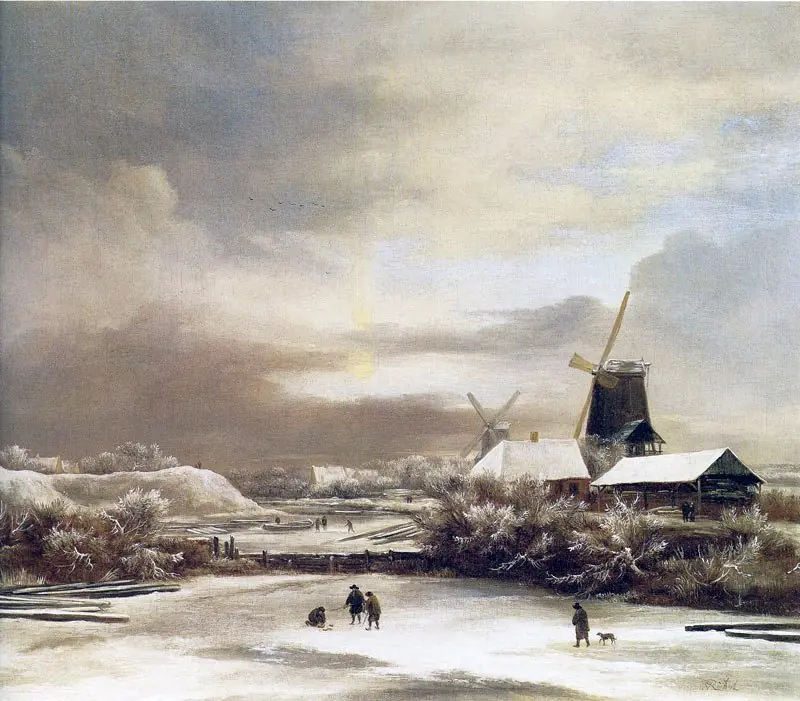 Winter Landscape with Two Windmills
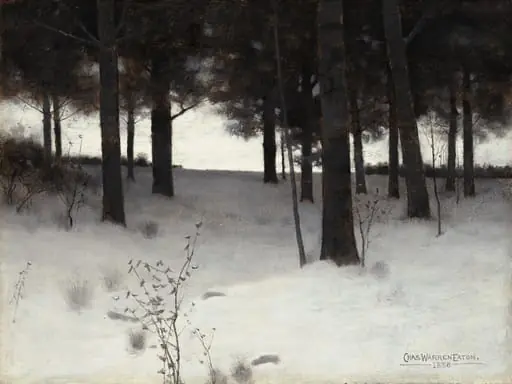 Woods in Winter
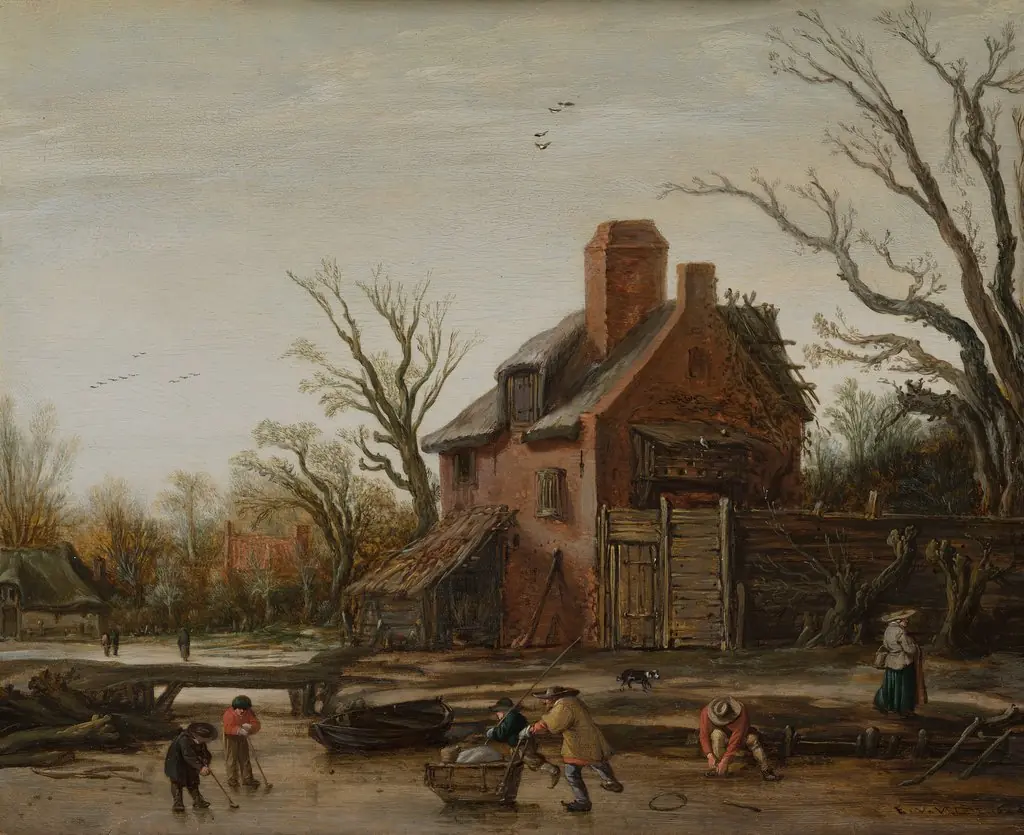 Winter landscape with farmhouse
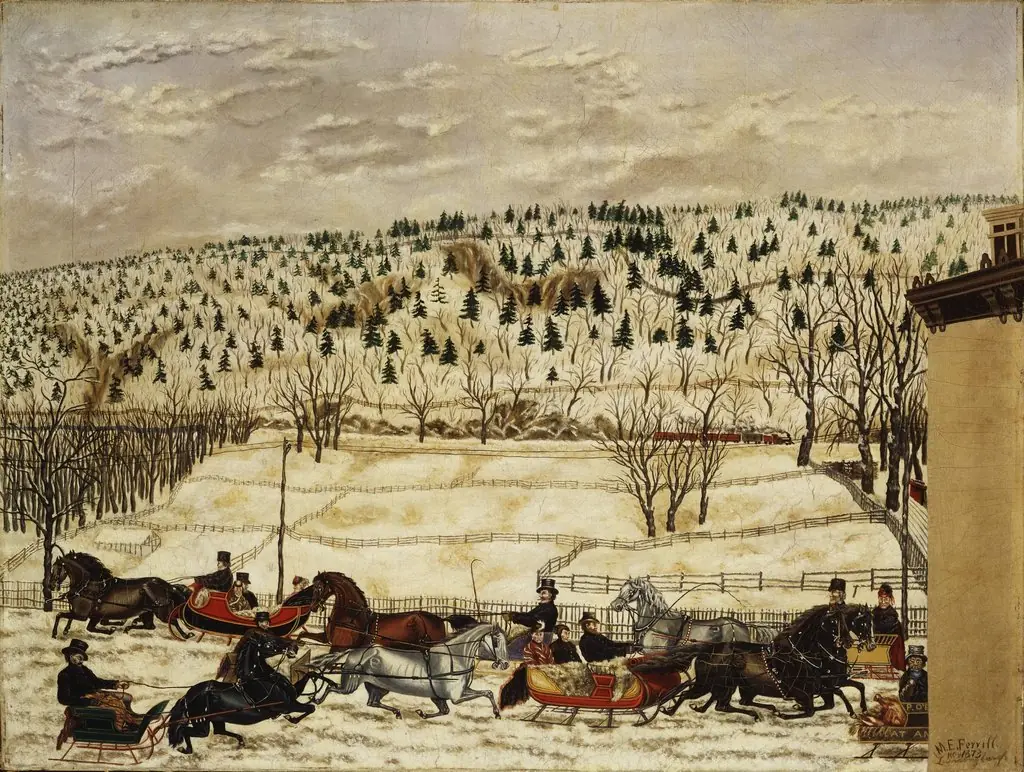 Sleighing Scene
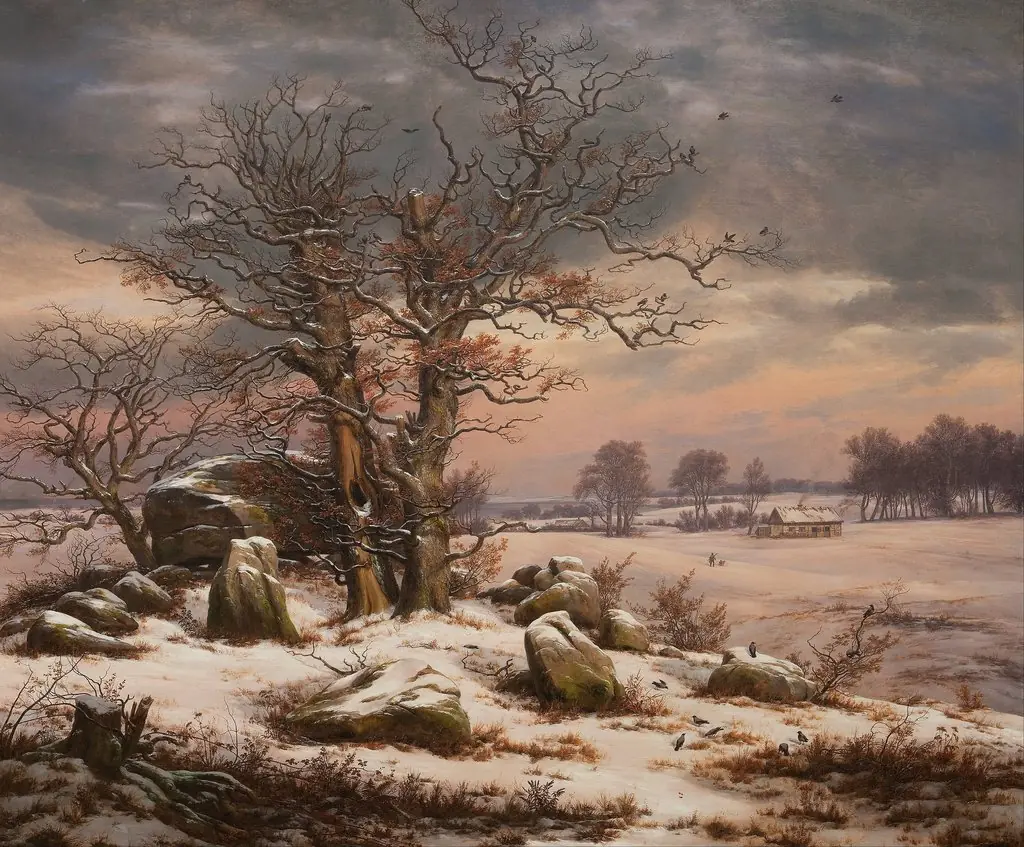 Winter Landscape near Vordingborg, Denmark
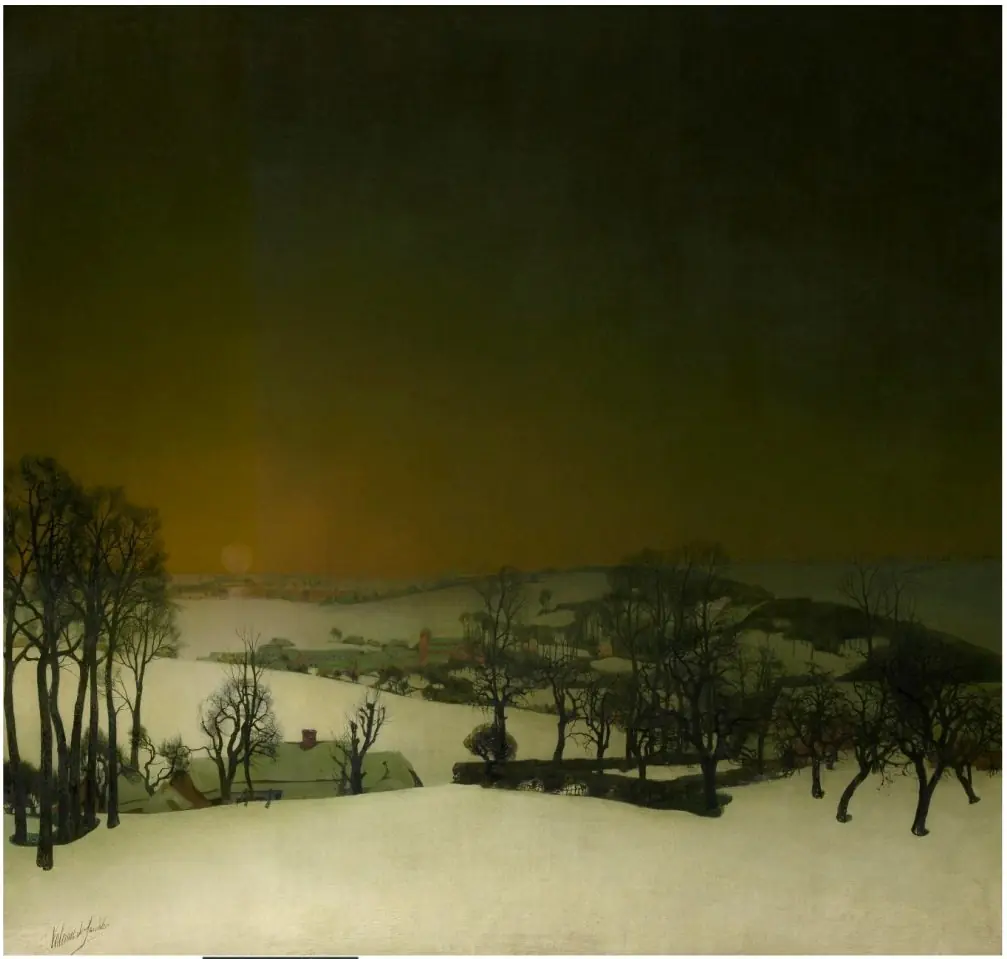 Snow in Flanders
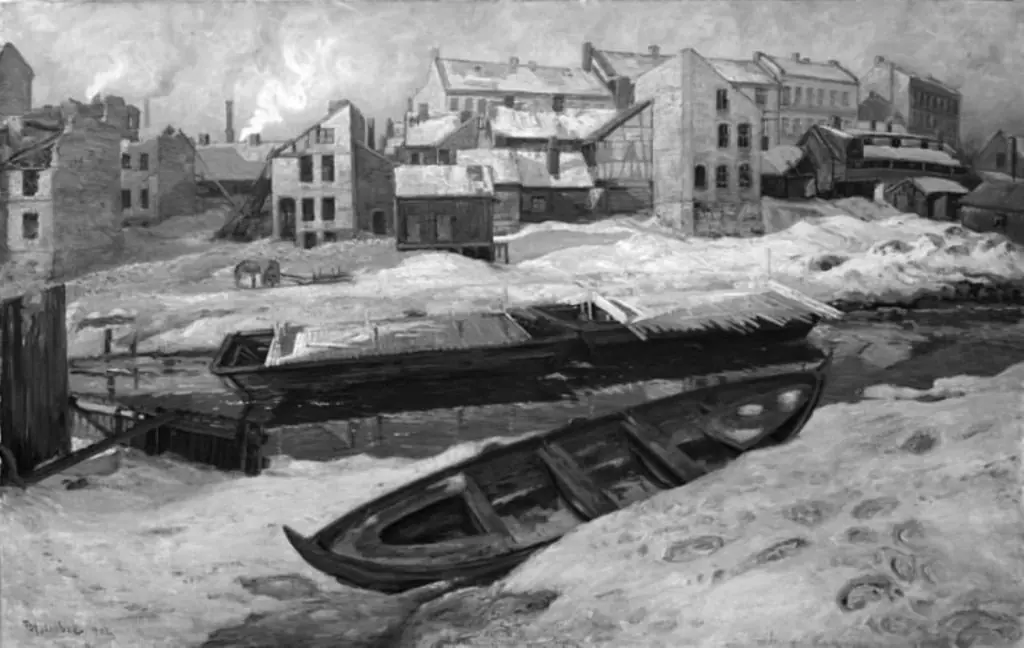 From the Old Kristiania
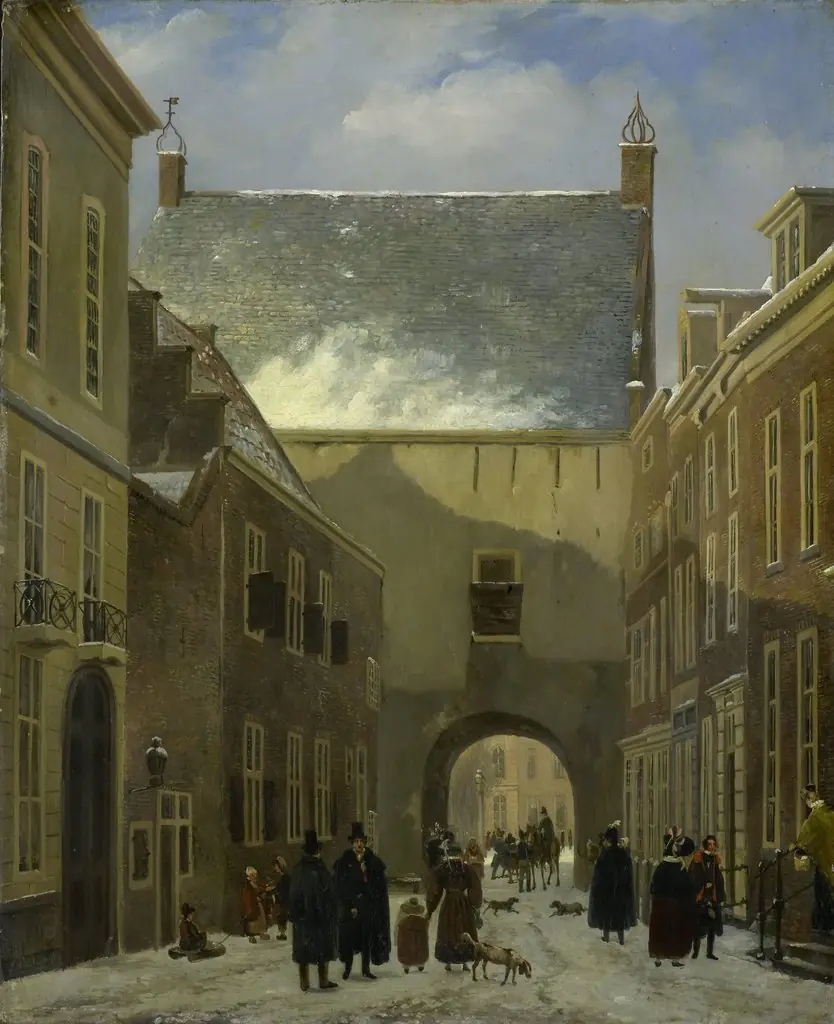 The Gevangenpoort, The Hague
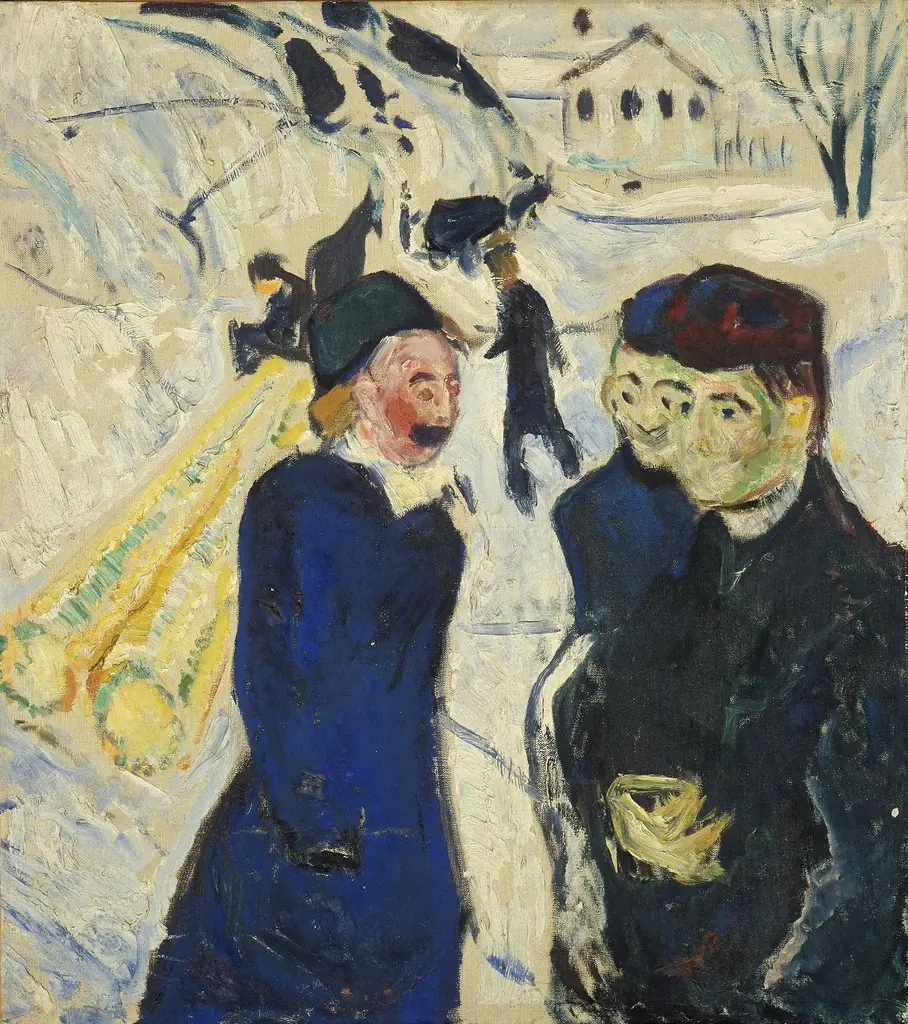 People and Timber Transport in a Kragerø Street
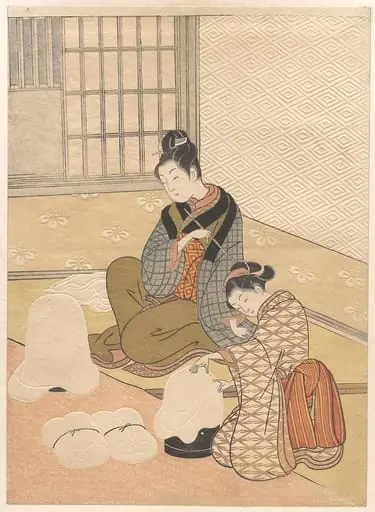 Untitled
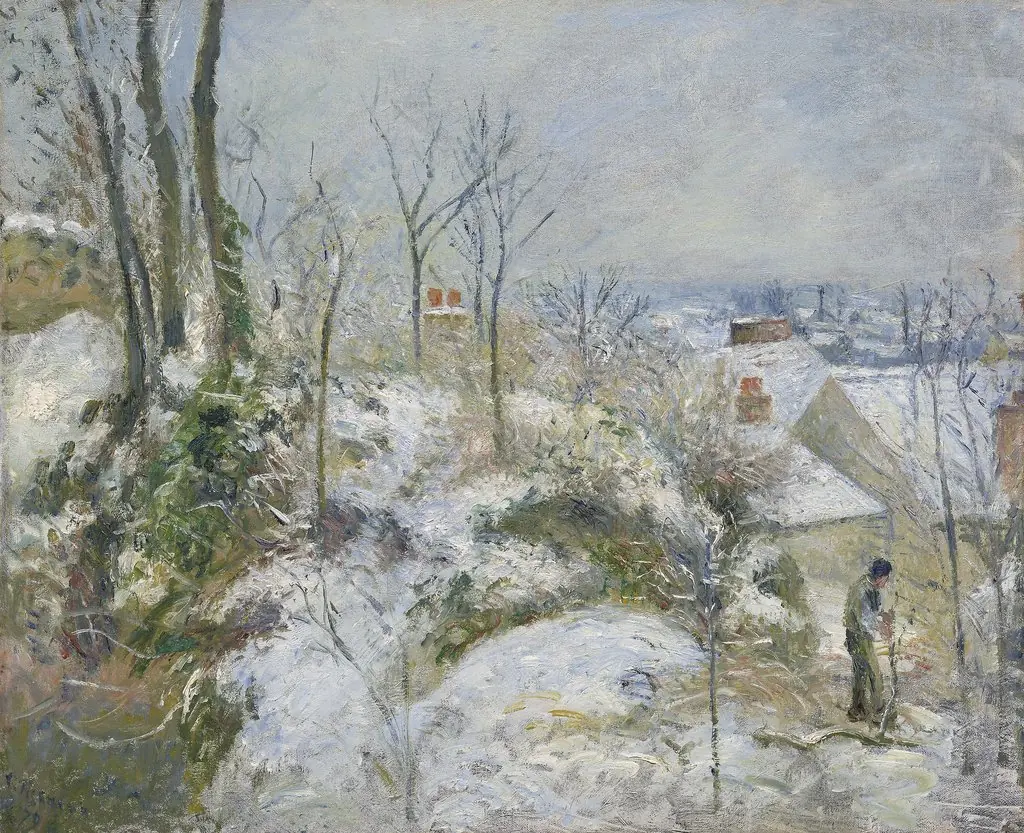 Rabbit Warren at Pontoise, Snow
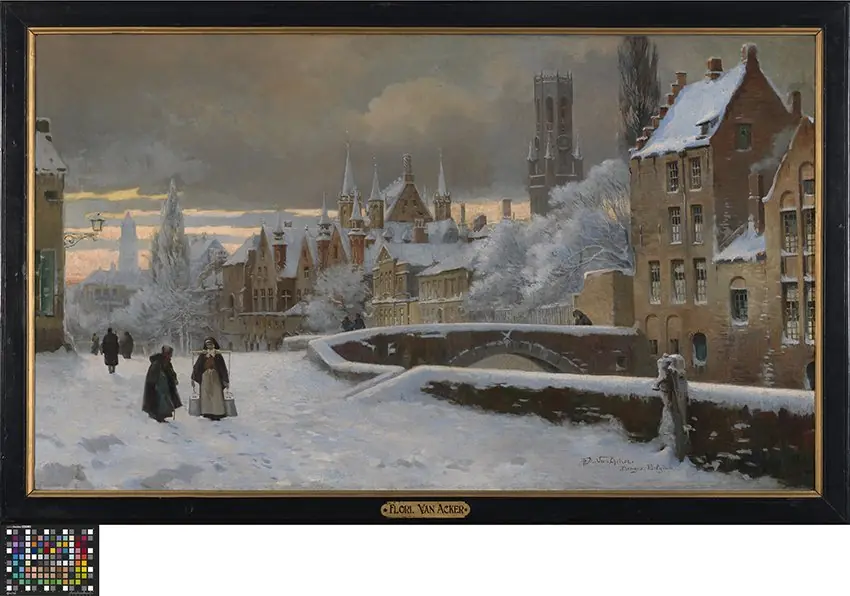 Meebrug in Brugge onder de sneeuw
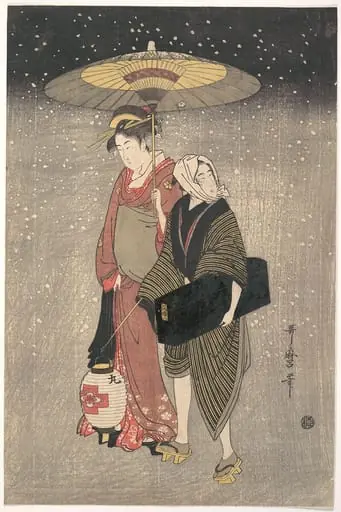 Untitled
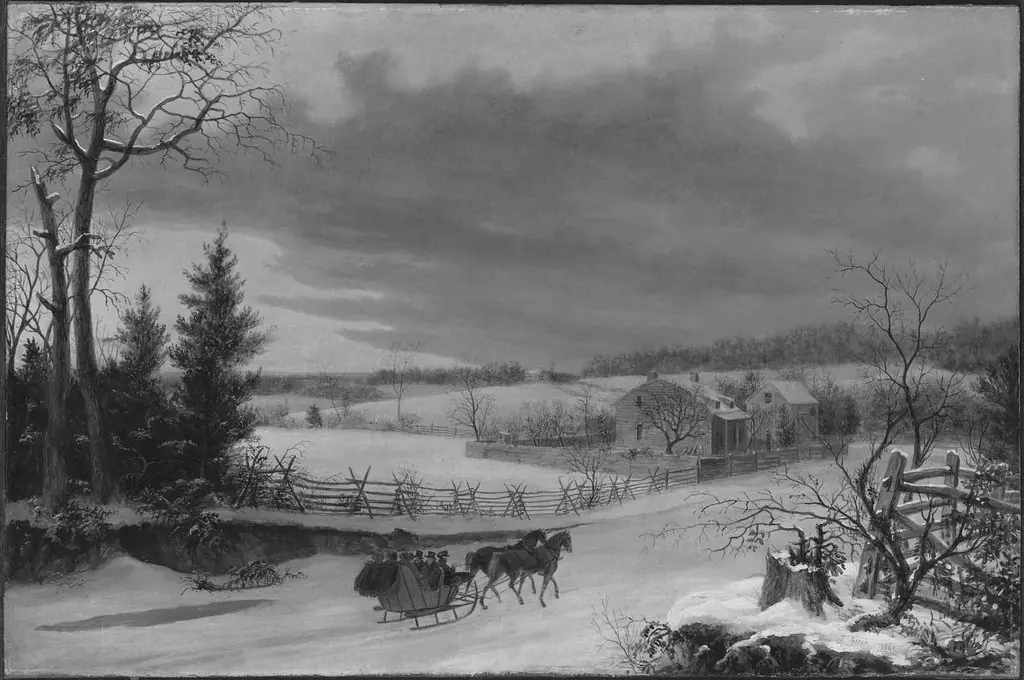 Sleigh Ride in the Country
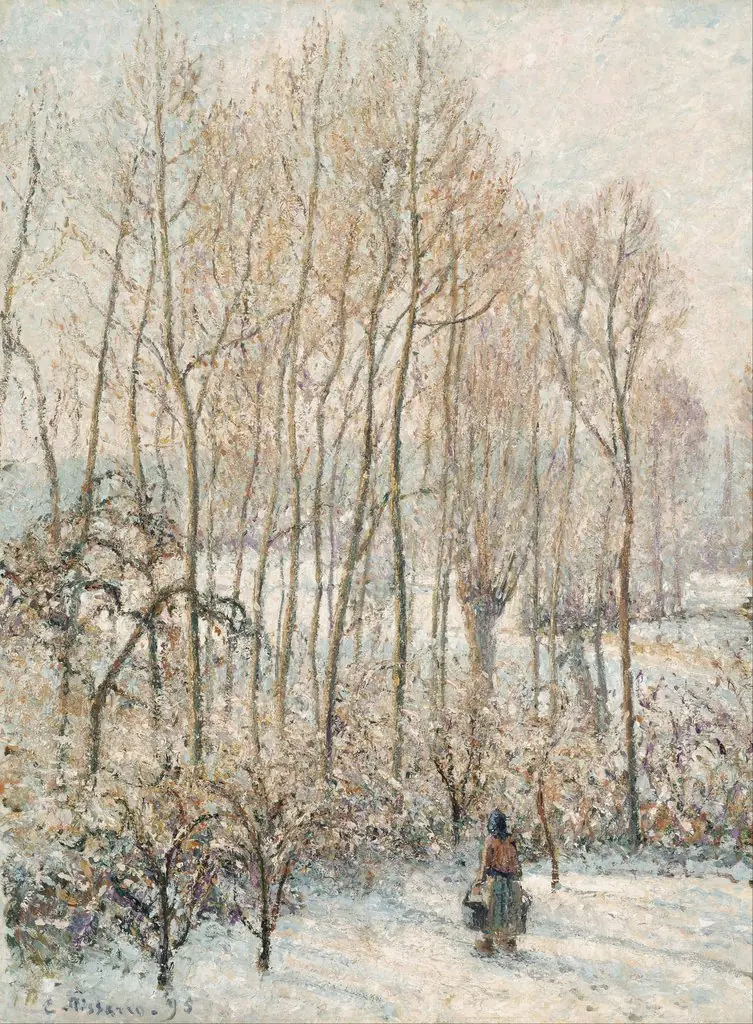 Morning Sunlight on the Snow, Éragny-sur-Epte
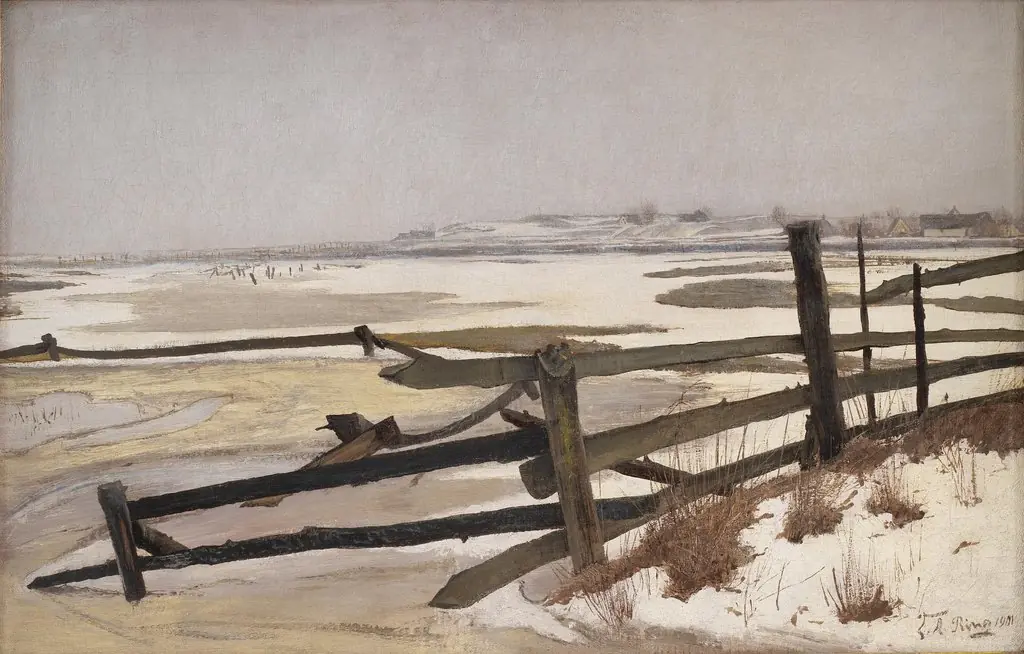 Thaw
Thaw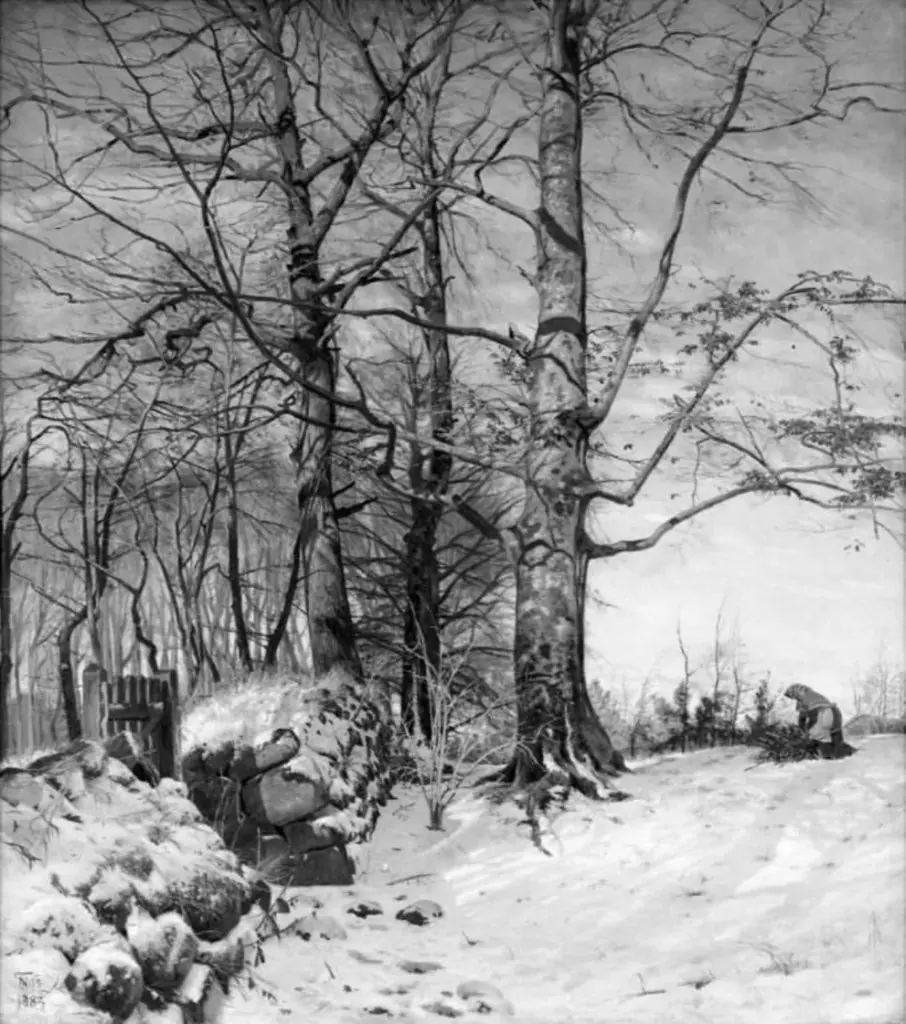 Fra Folehaven. Et stengærde ved et skovbryn
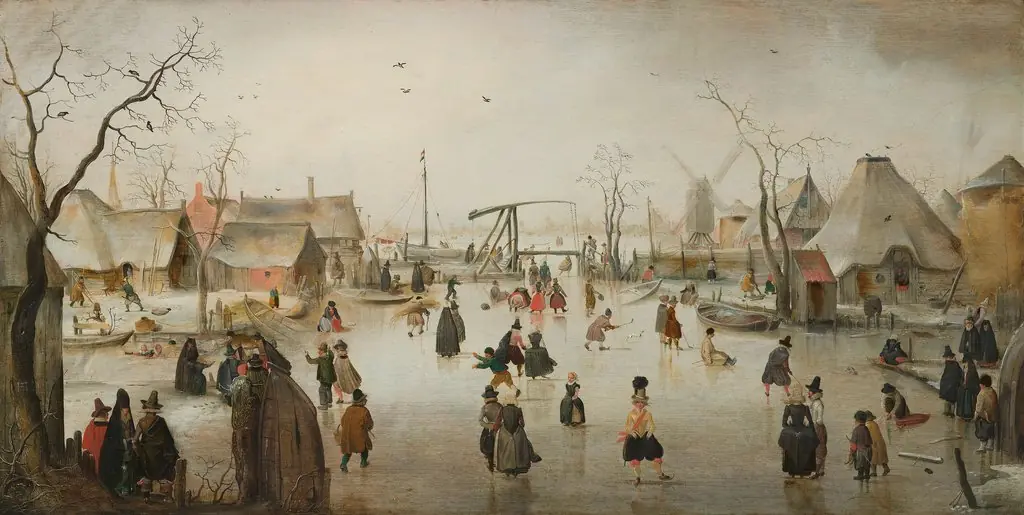 Ice Scene
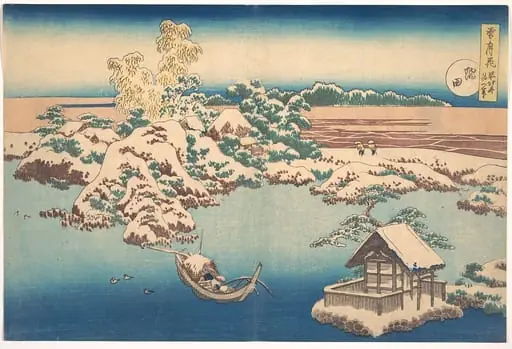 雪月花 隅田|Snow on the Sumida River (Sumida), from the series, Snow, Moon, and Flowers (Setsugekka)
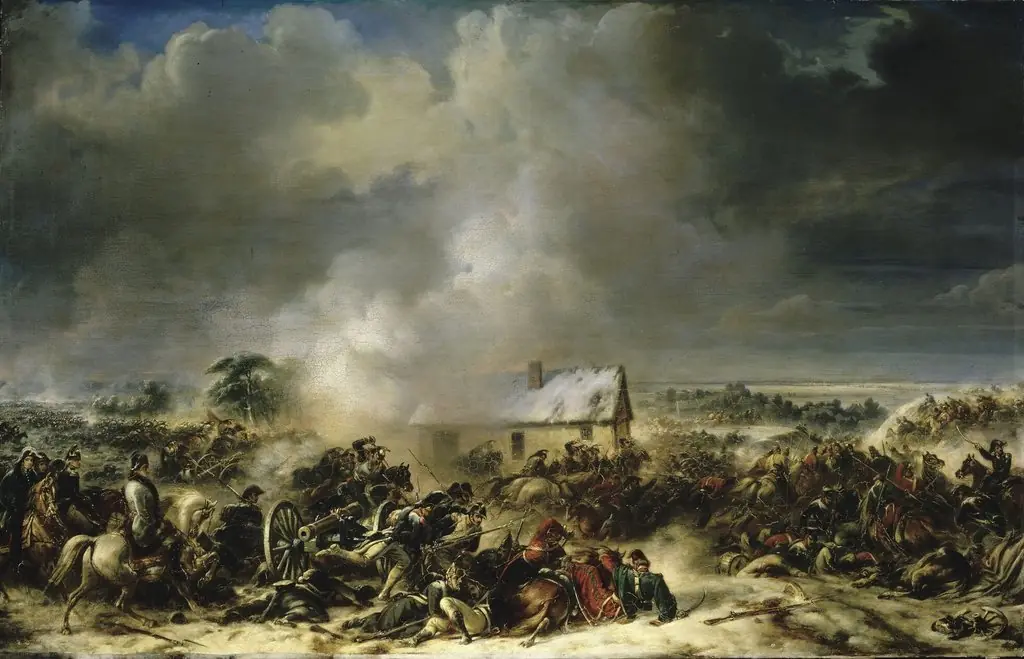 Battle of Hoff, February 6, 1807
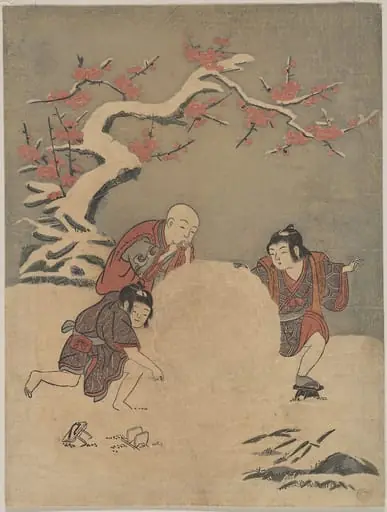 Untitled
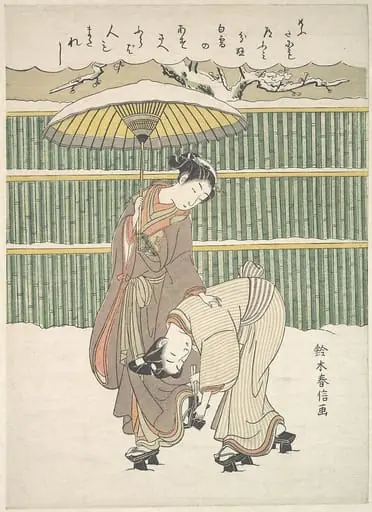 Untitled
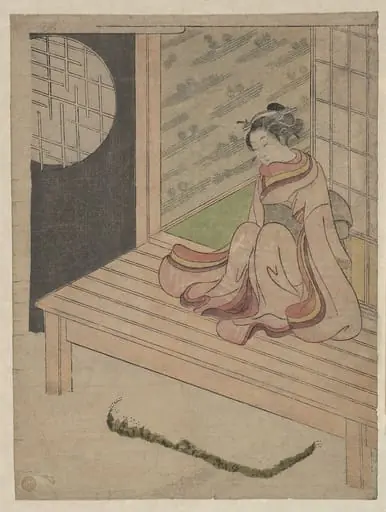 Untitled
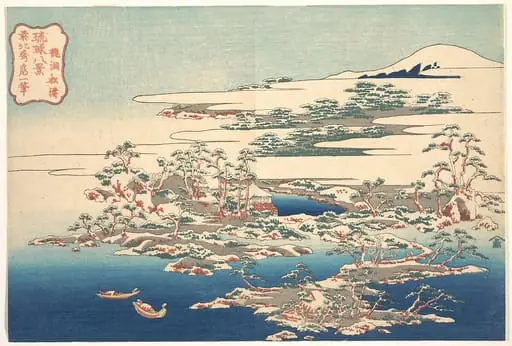 琉球八景 龍洞松濤|Pines and Waves at Ryūtō (Ryūtō shōtō), from the series Eight Views of the Ryūkyū Islands (Ryūkyū hakkei)
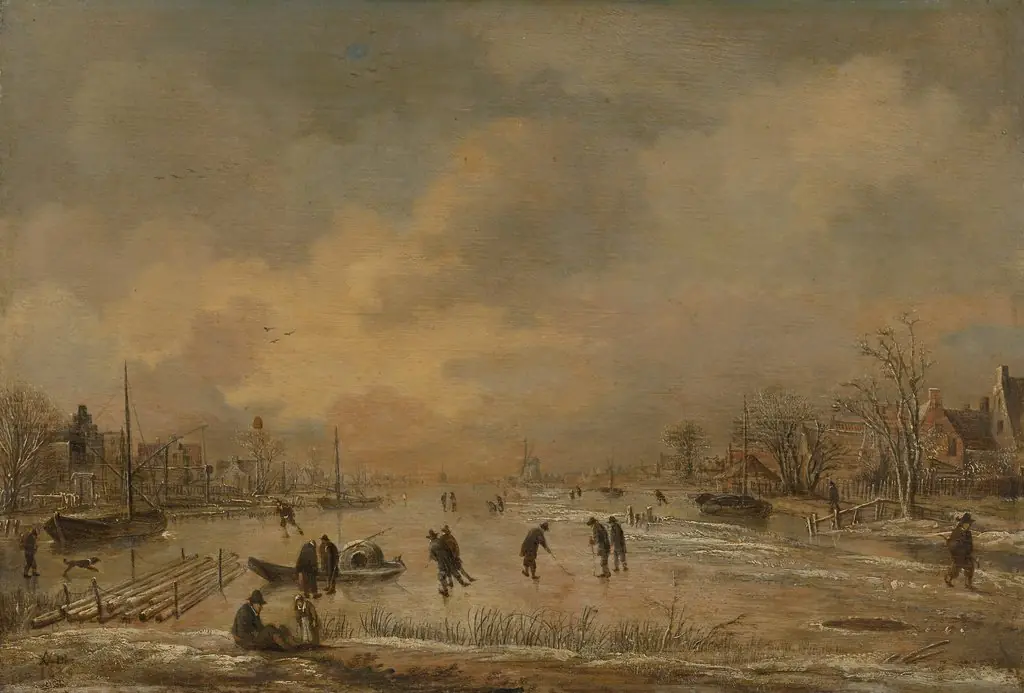 Winter landscape with houses
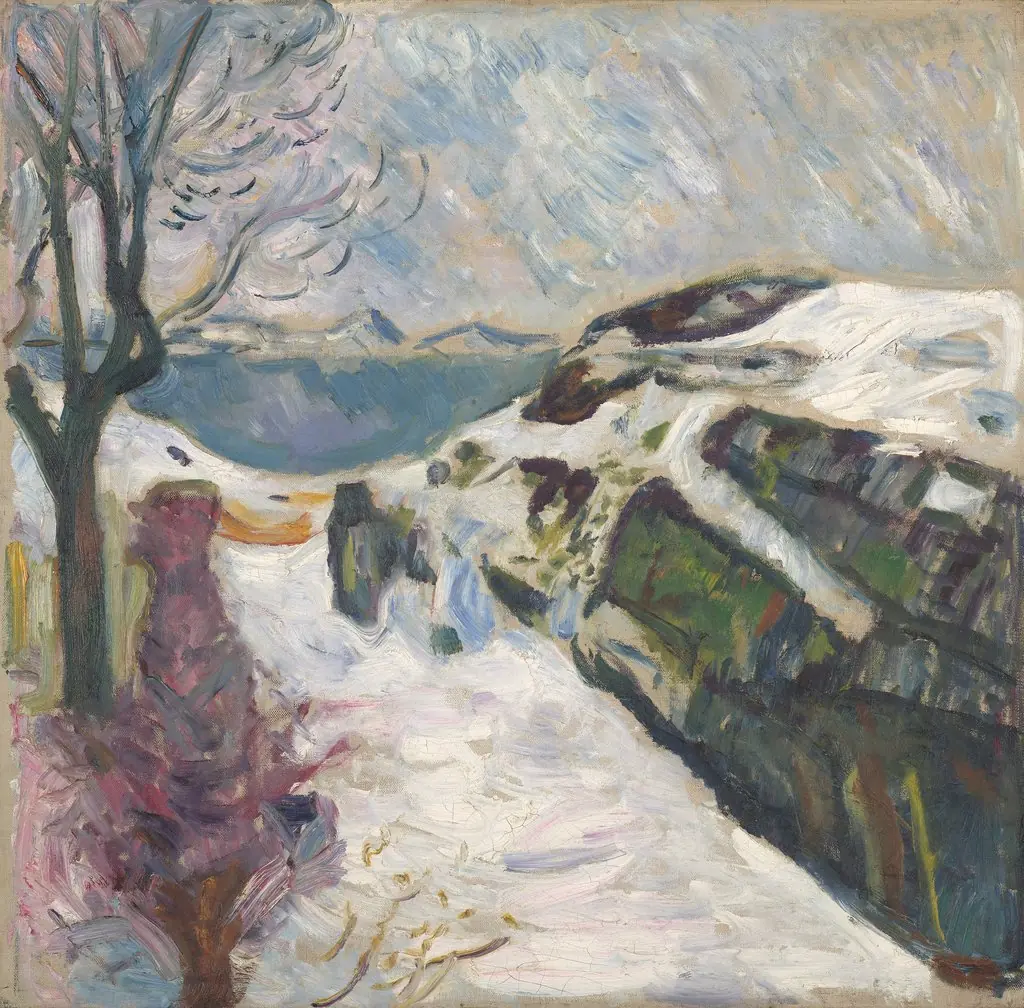 Winter Landscape from Kragerø
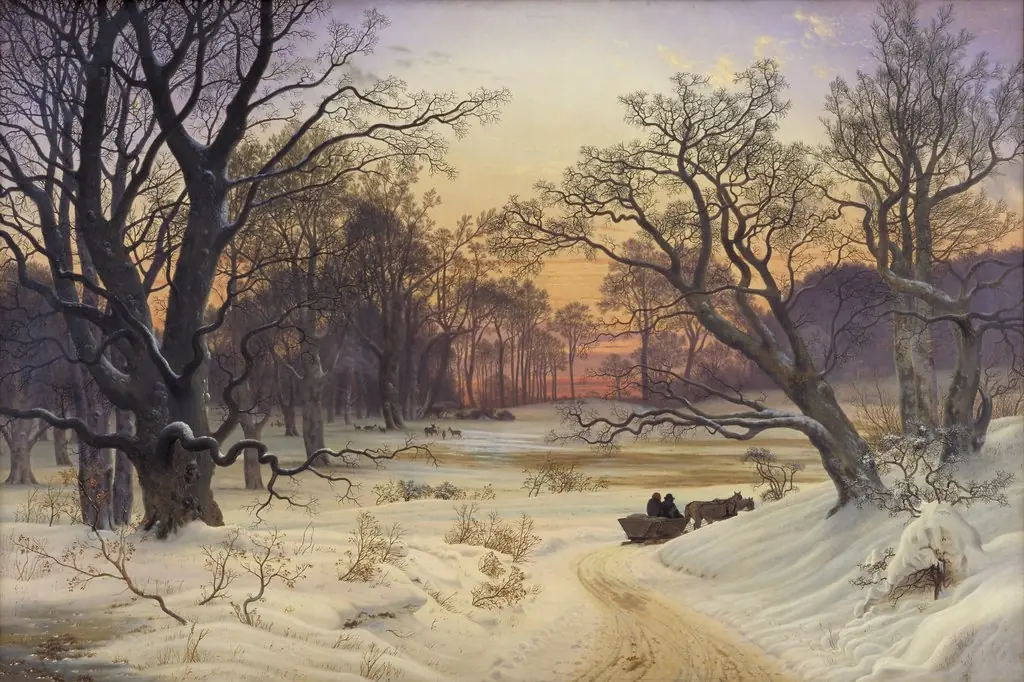 Winter Night in a Forest
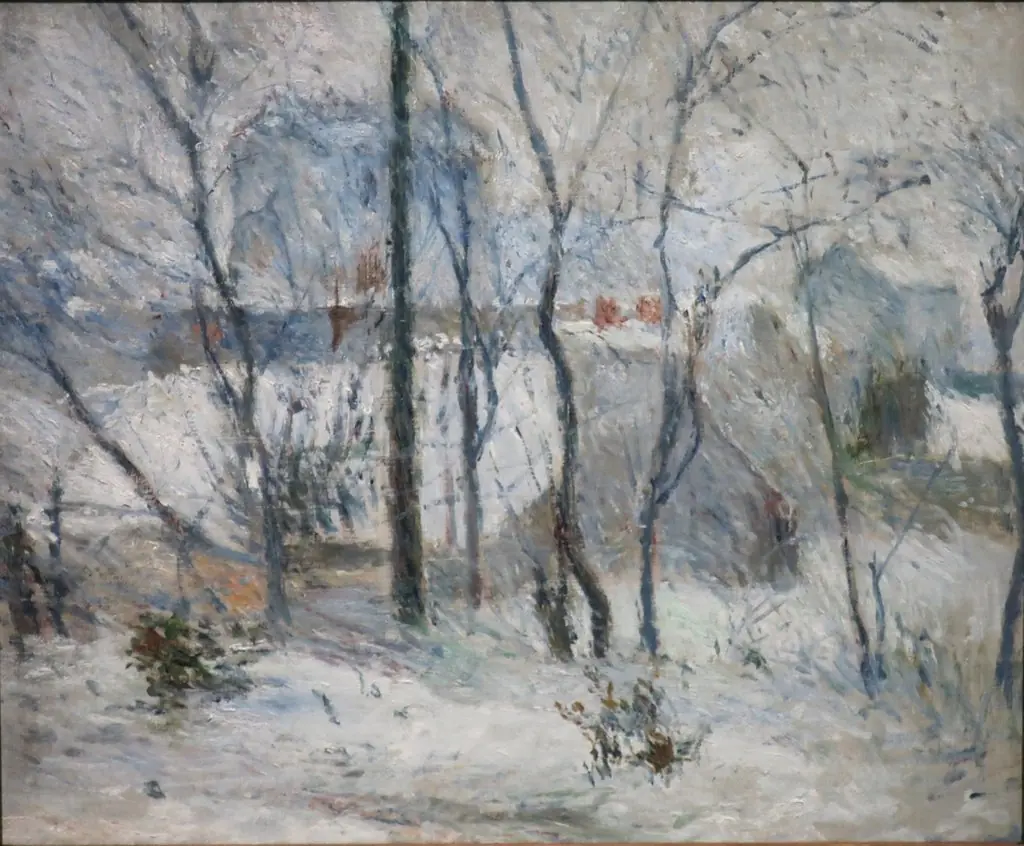 Garden in Snow
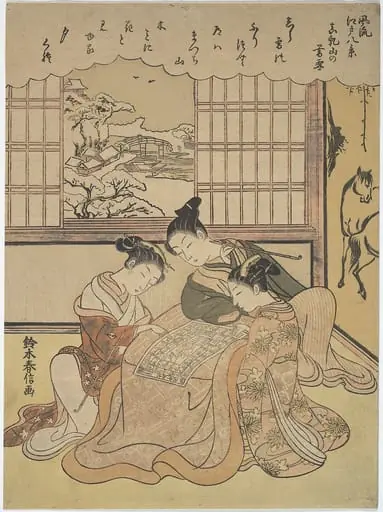 風流江戸八景 真乳山の暮雪|Evening Snow on Matsuchi Hilll, from the series Eight Fashionable Views of Edo (Furyu Edo hakkei)
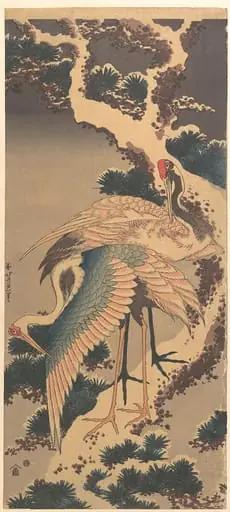 雪松に鶴|Cranes on Branch of Snow-covered Pine
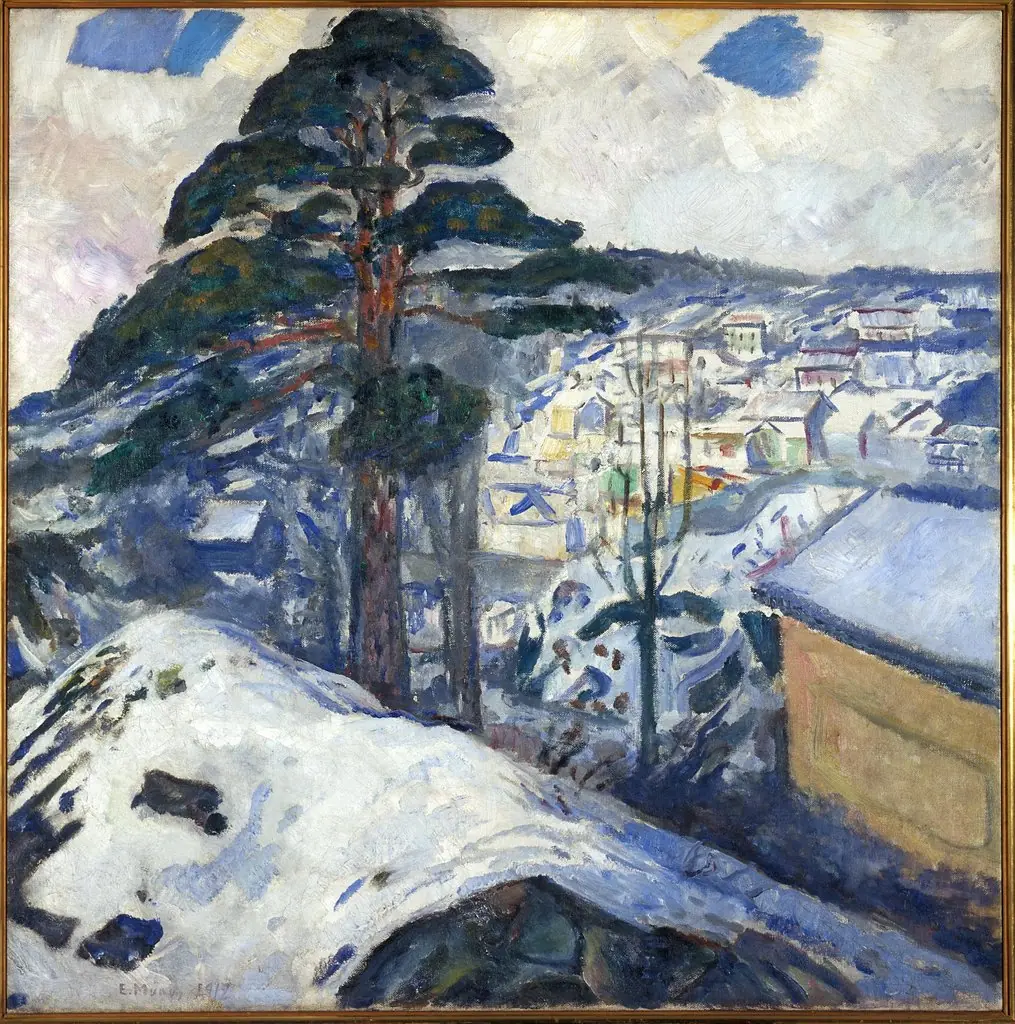 Winter in Kragerø
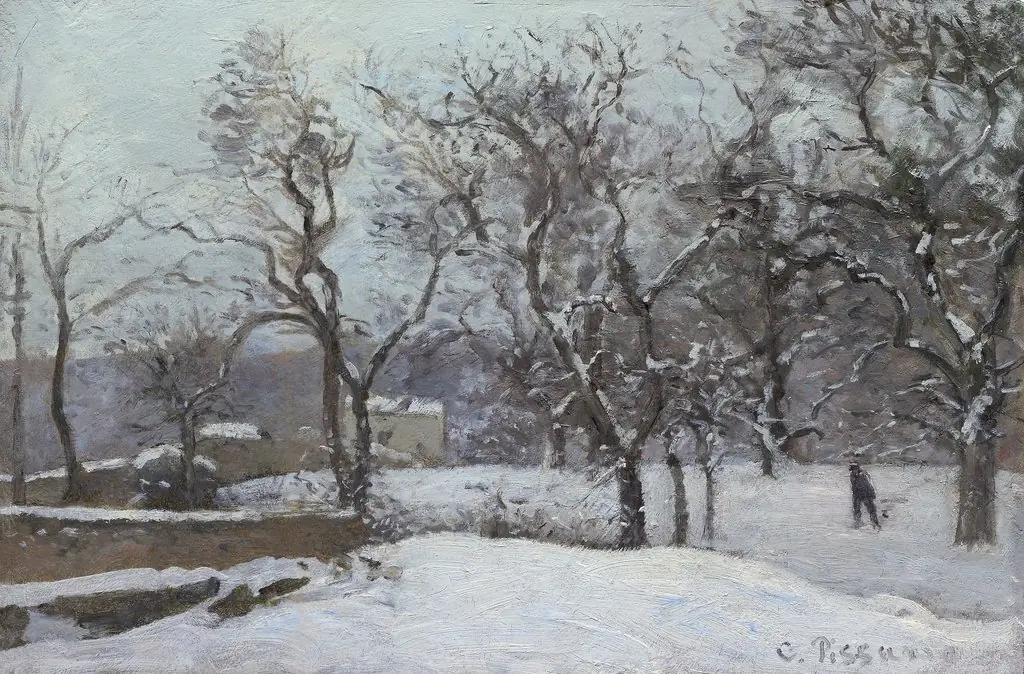 Snow at Louveciennes
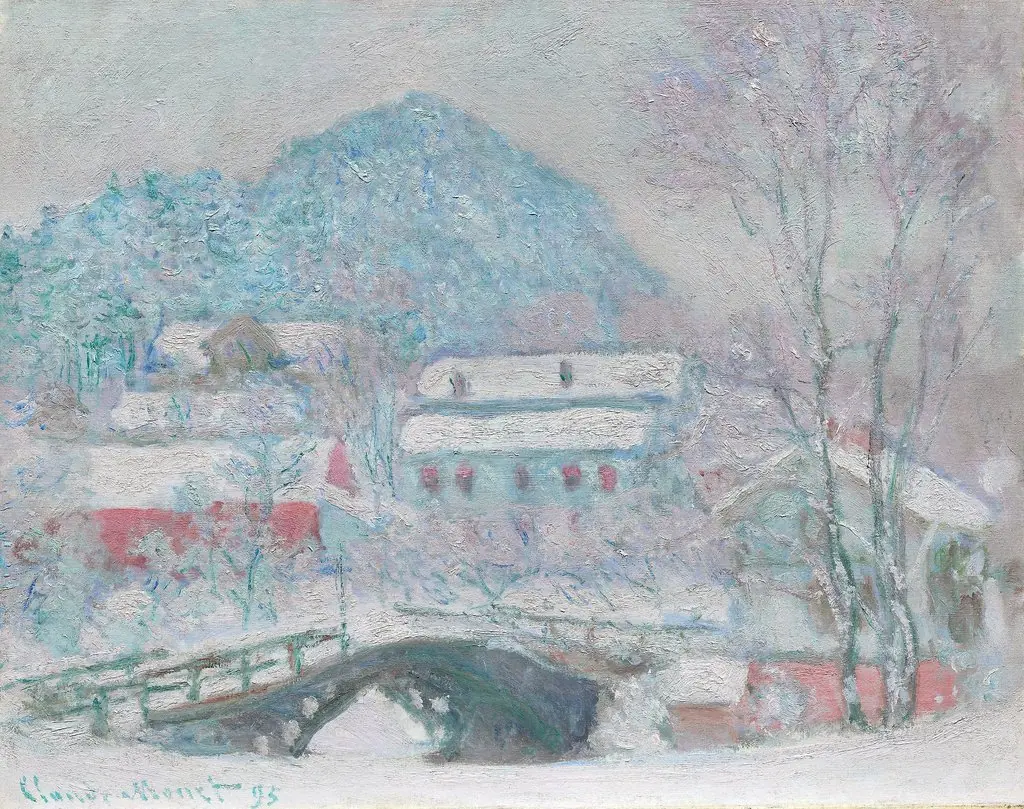 Sandvika, Norway
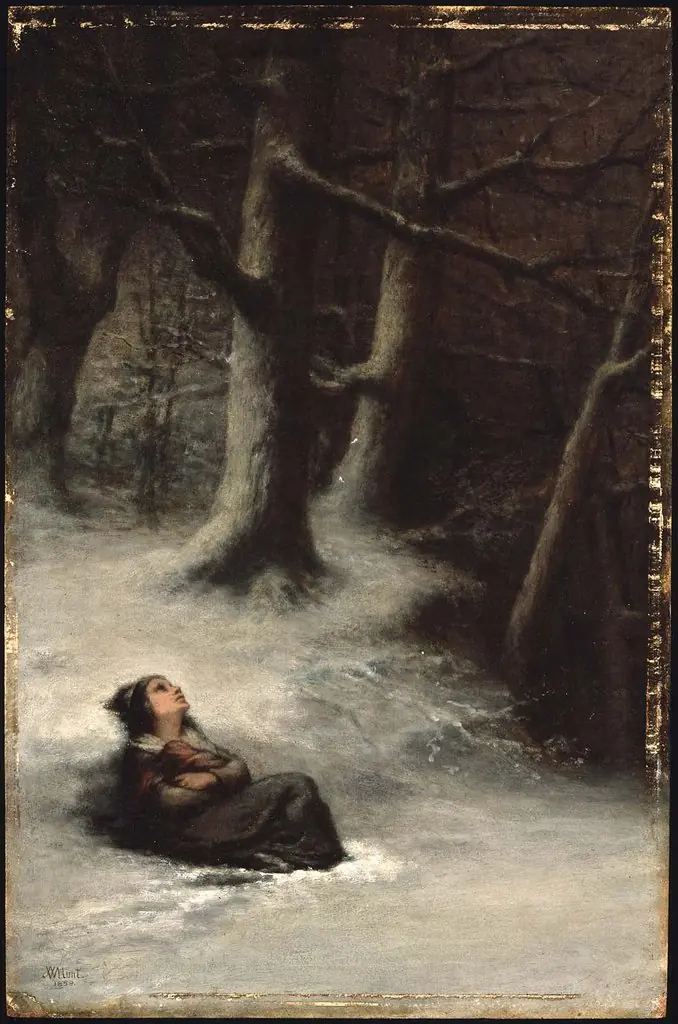 The Snow Storm
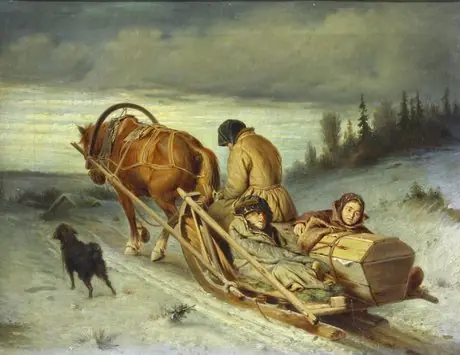 Rural funeral
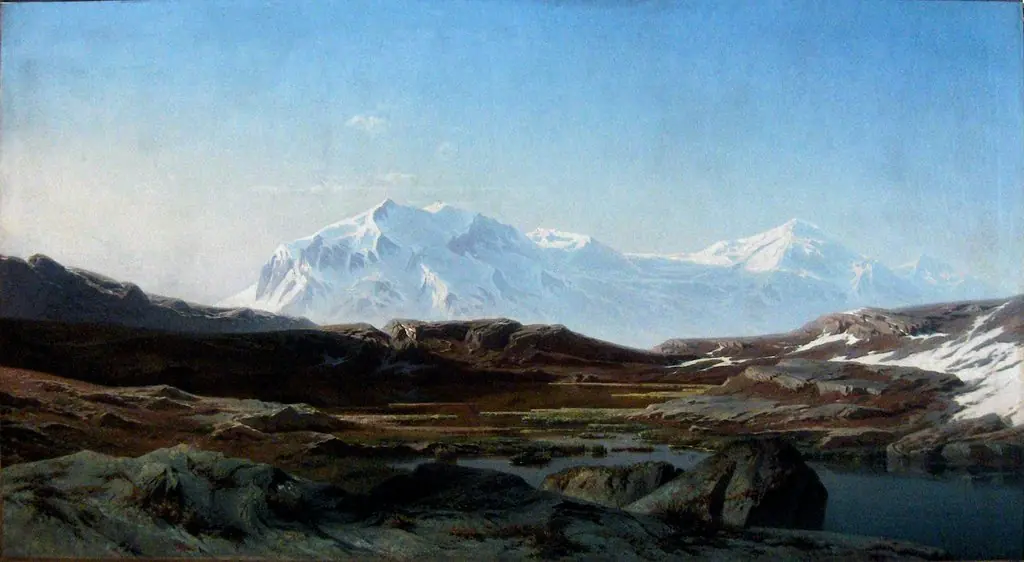 The Monte Rosa
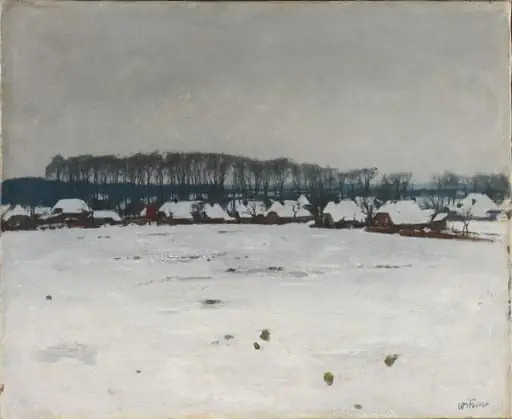 Winter Landscape
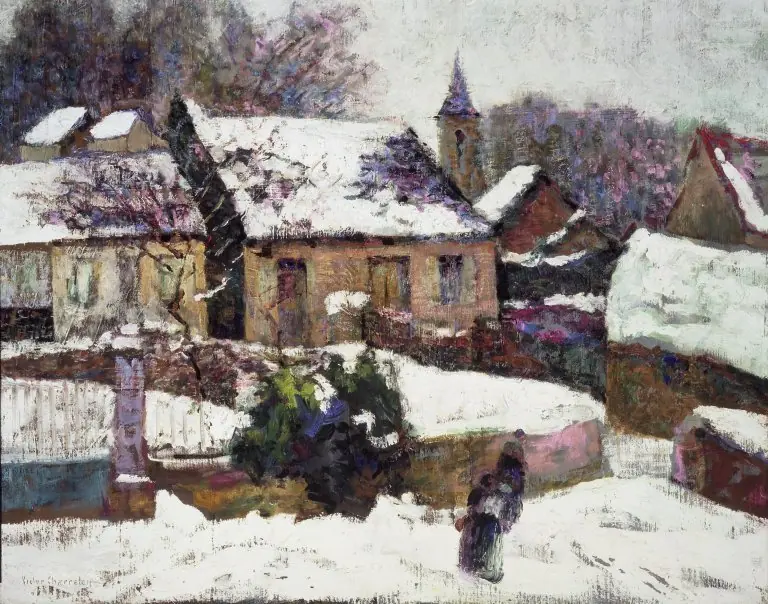 Wet Snow, Auvergne
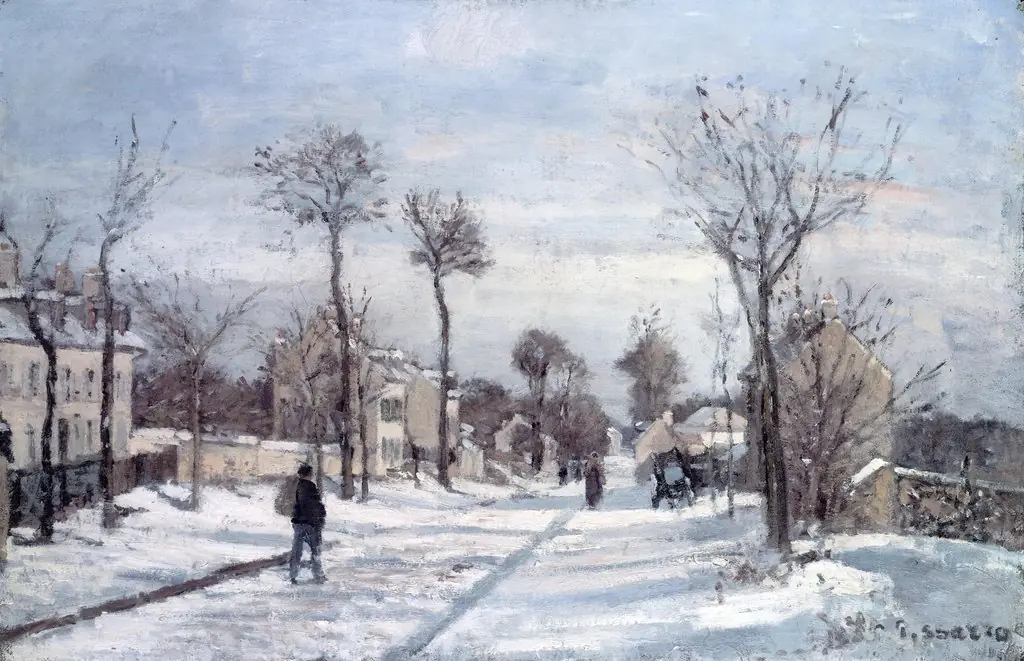 The Road to Versailles, Louveciennes, Snow
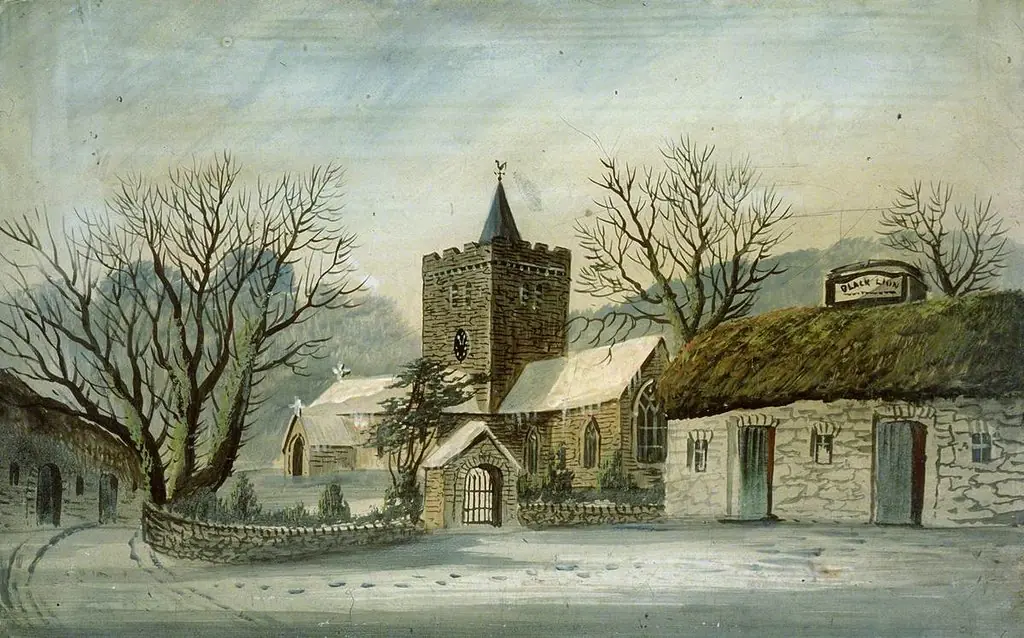 Llanbadarn Fawr Church and 'Black Lion' Inn
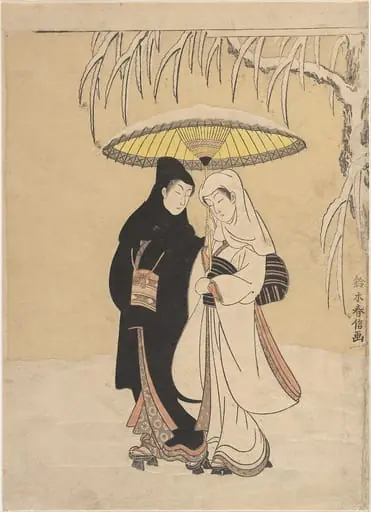 Untitled
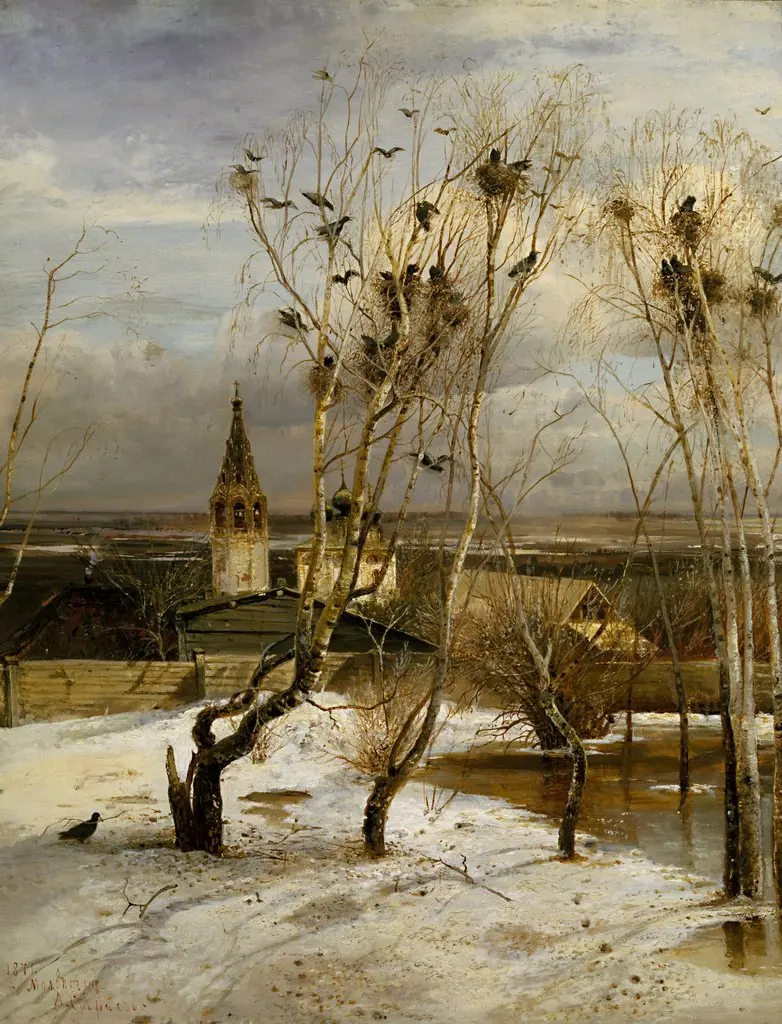 The Rooks Have Returned
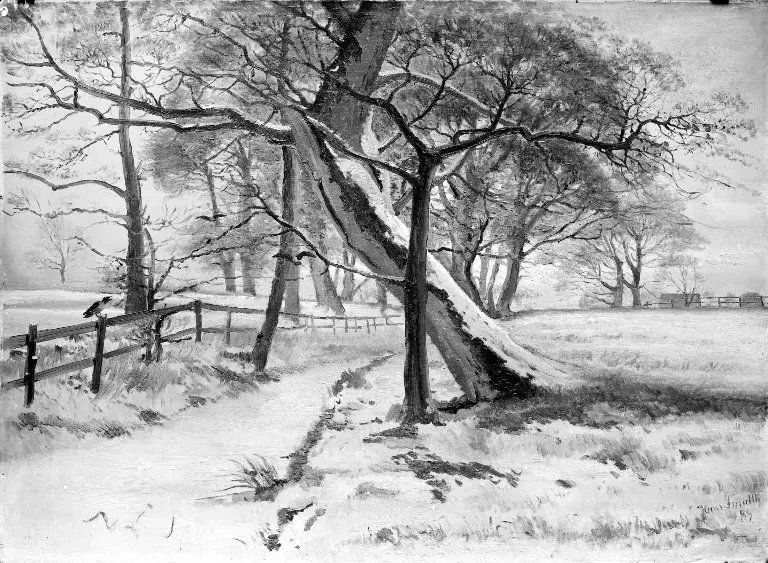 Winter Landscape with a Frozen Stream
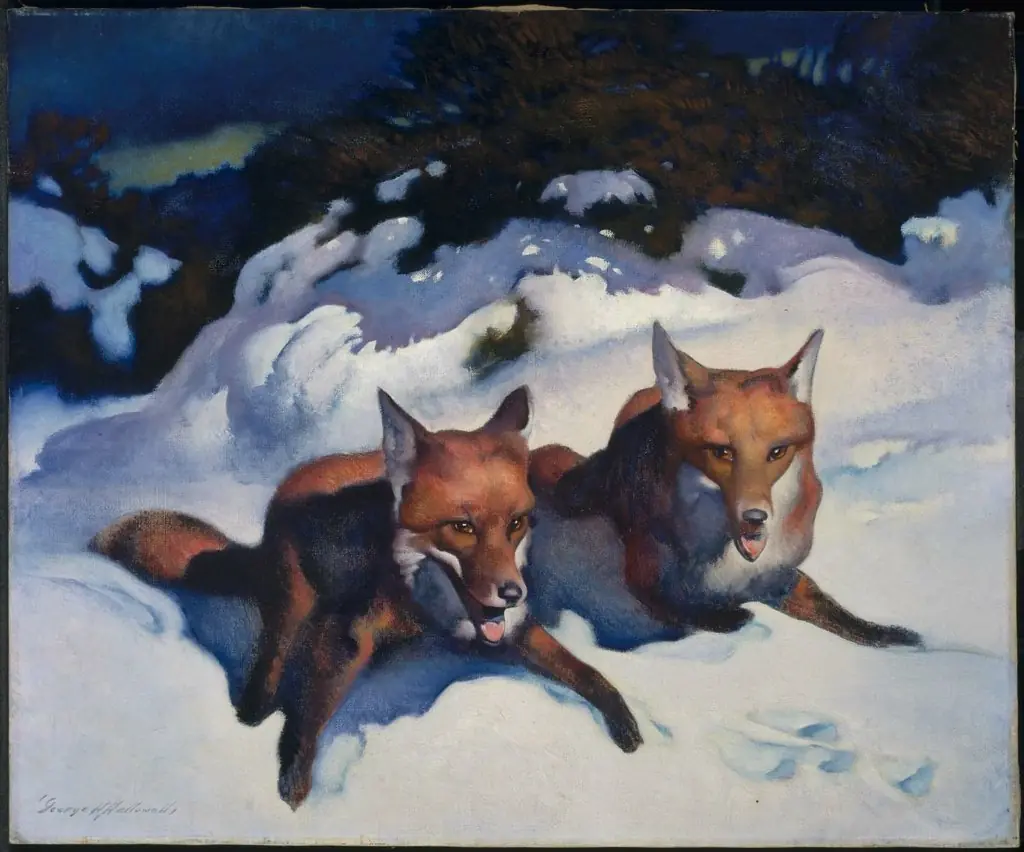 Two Foxes
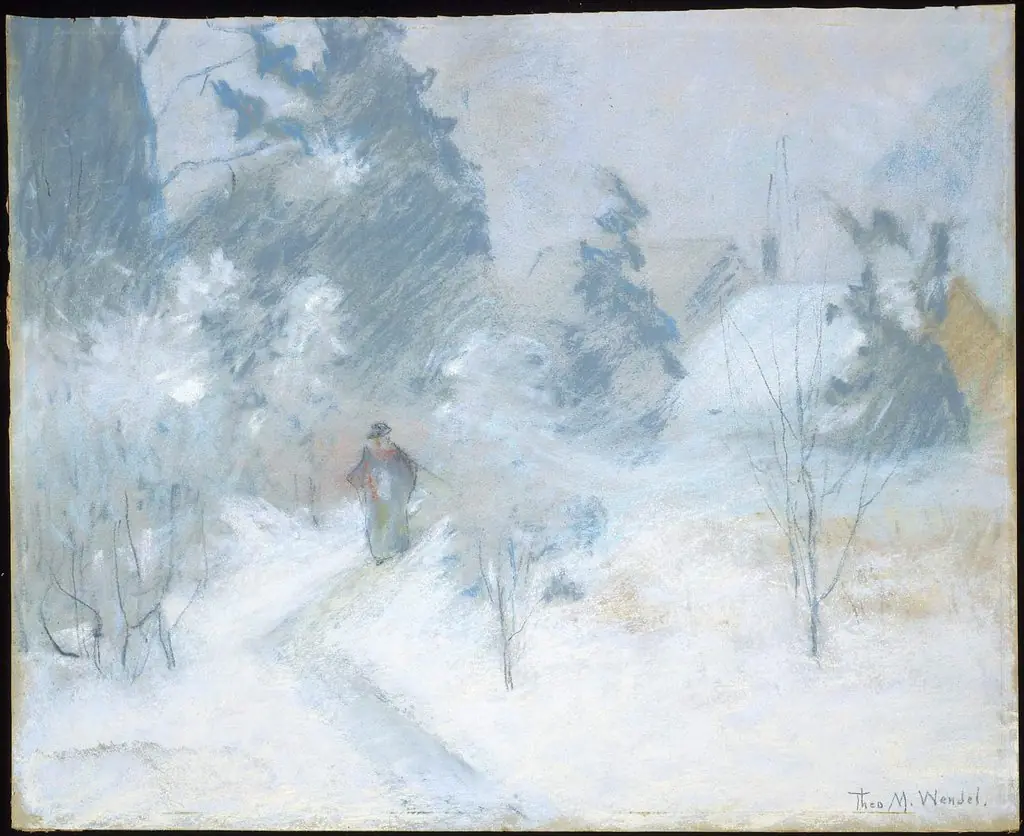 Snow Scene
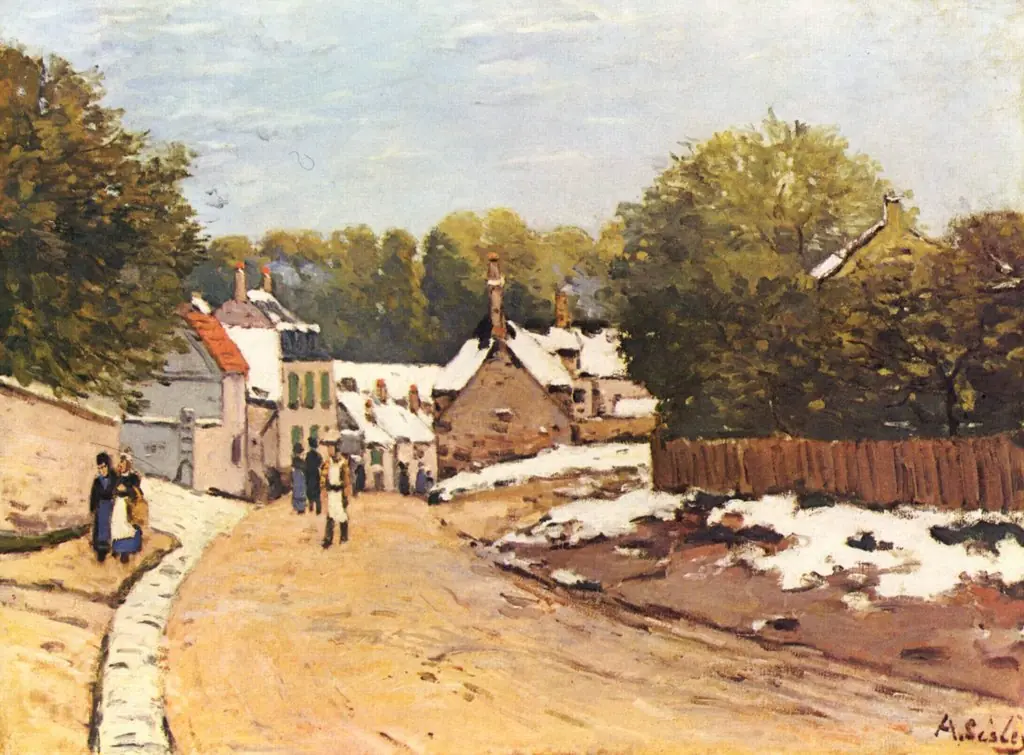 Early Snow in Louveciennes
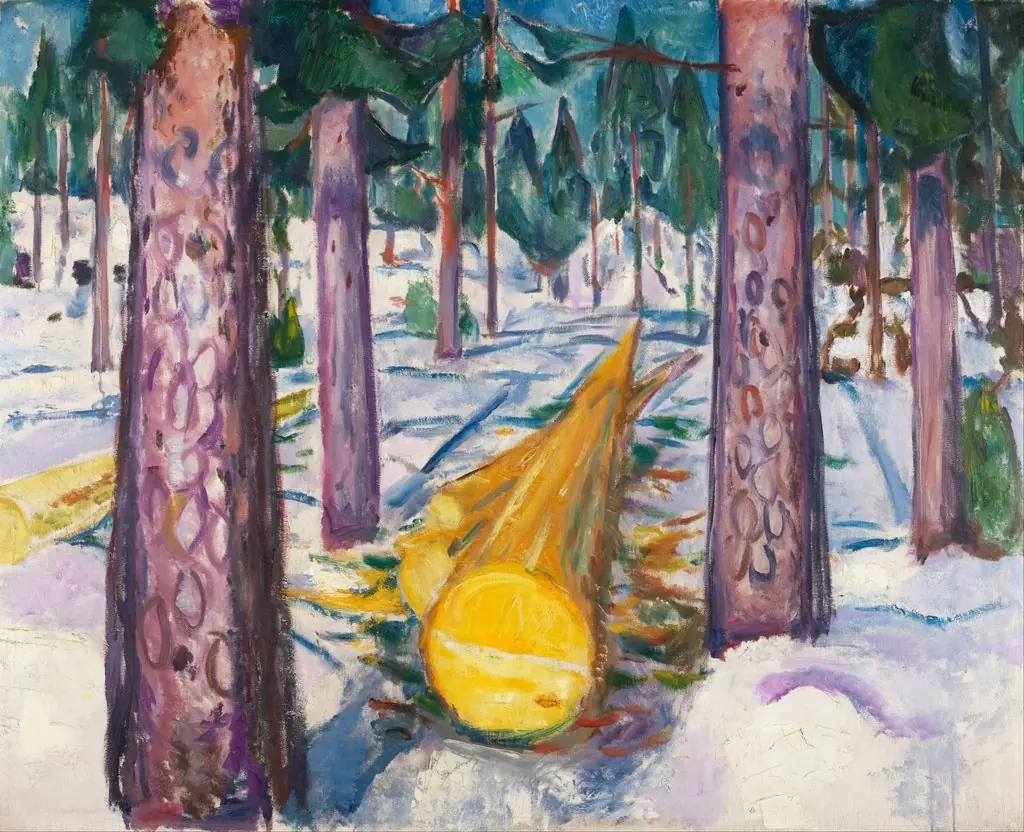 The Yellow Log
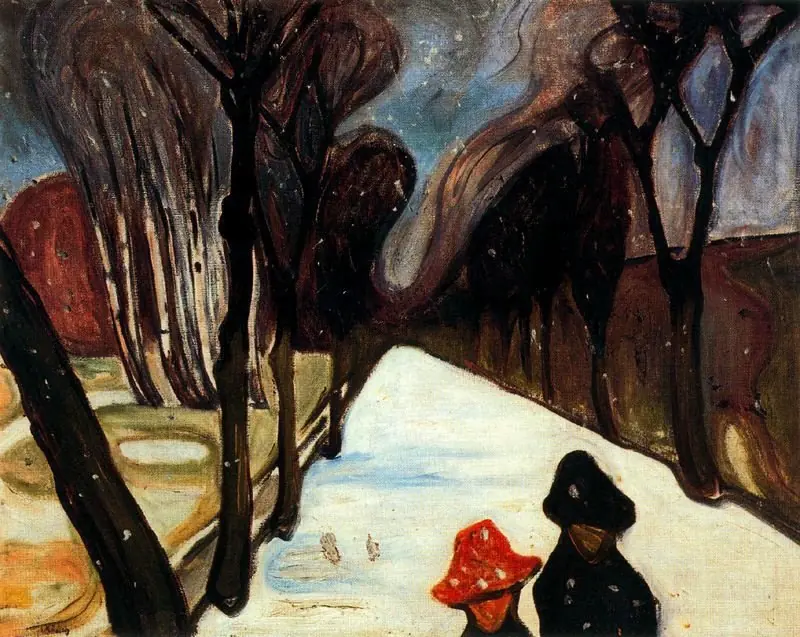 New Snow in the Avenue
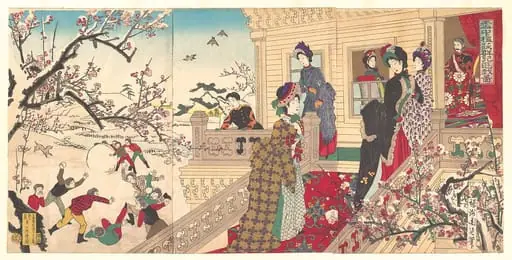 『雪中梅荘群児遊戯 図』|Children Playing in the Snow under Plum Trees in Bloom (Secchū baisō gunji yūgi zu)
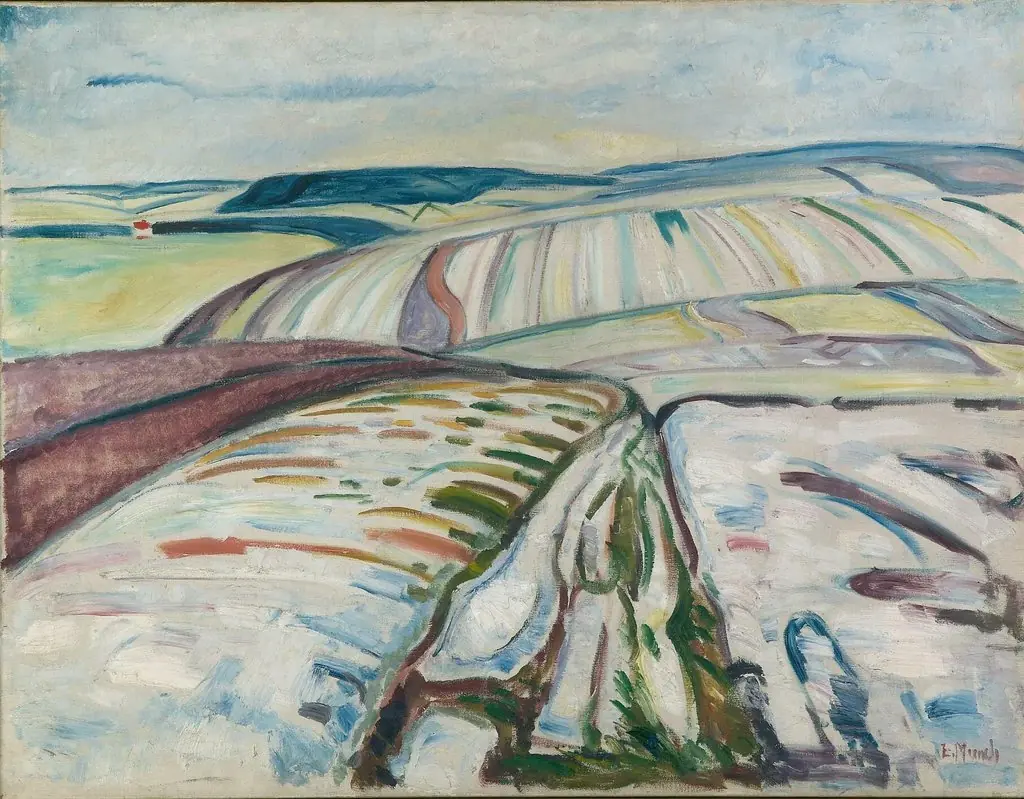 Winter. Elgersburg
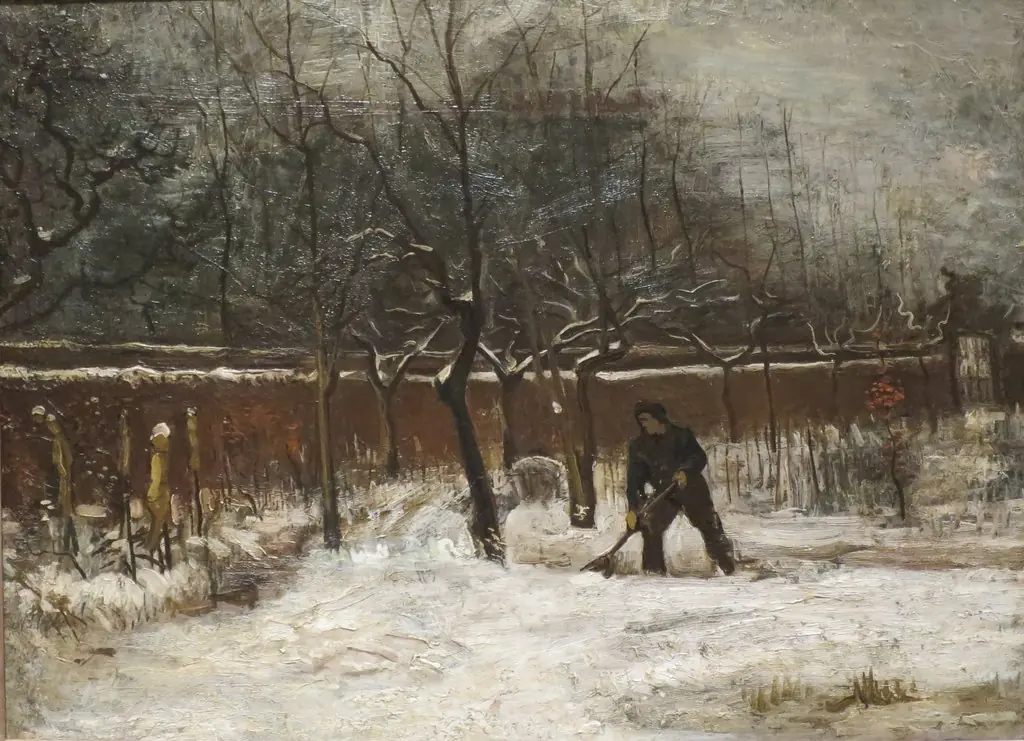 Winter (The Vicarage Garden under Snow)
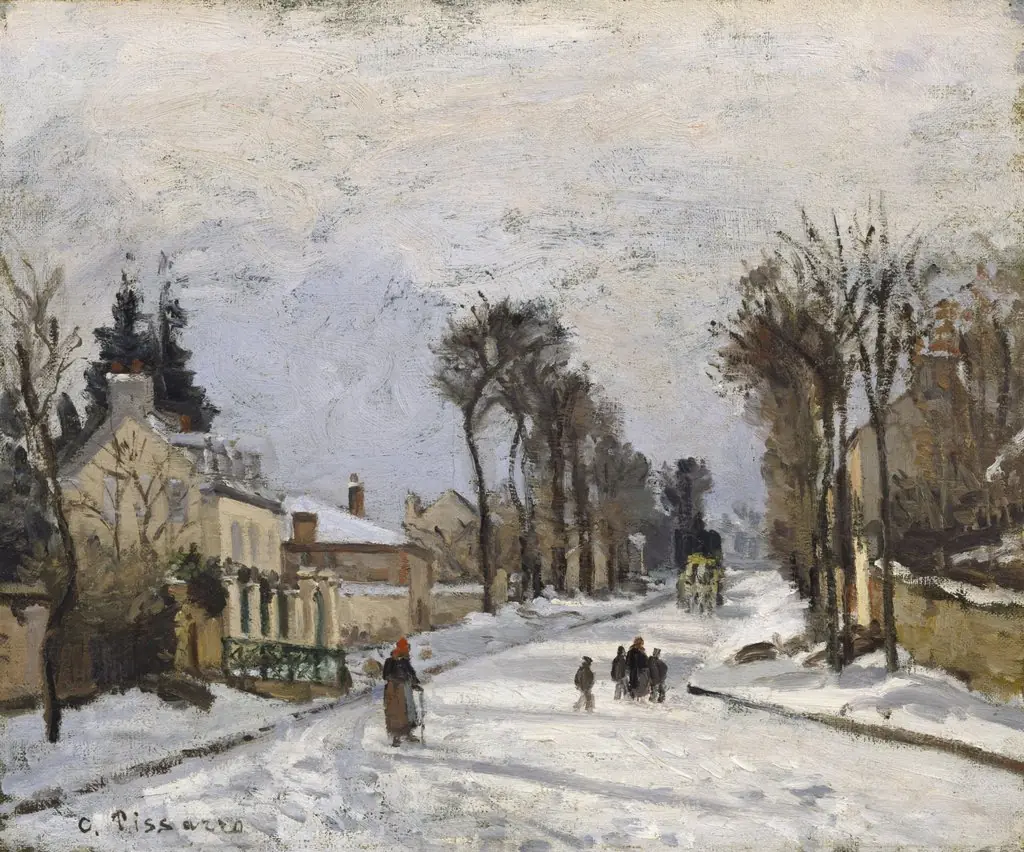 Route to Versailles, Louveciennes
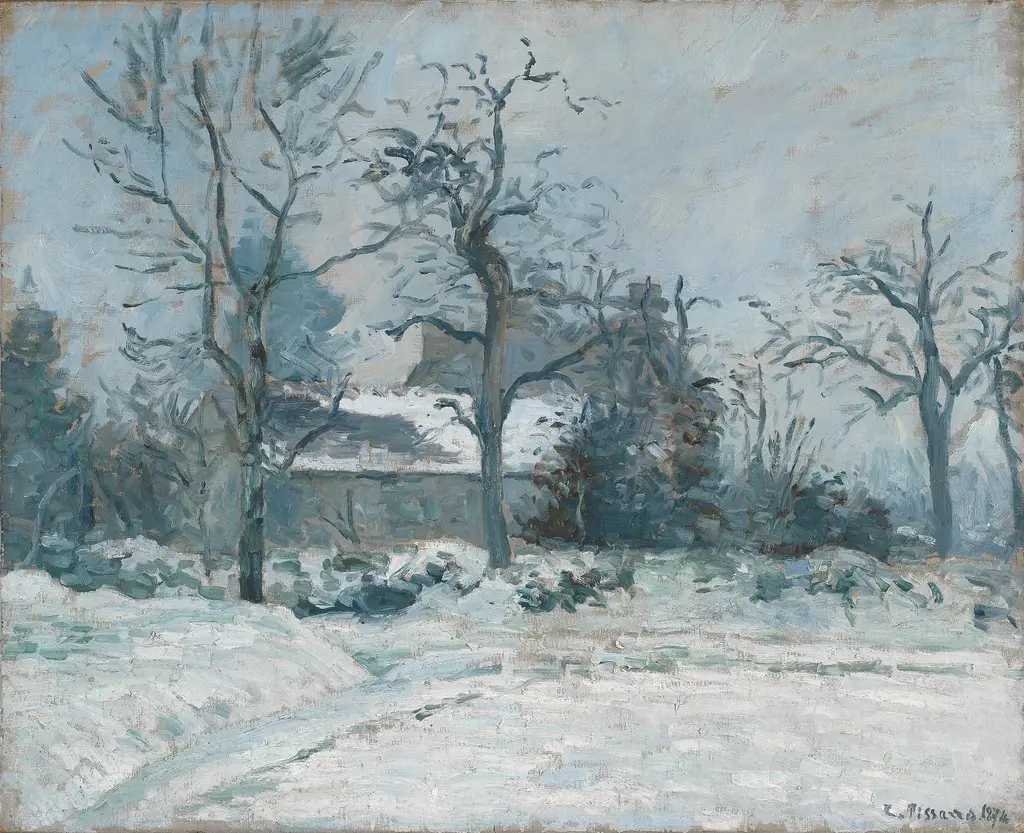 La Maison de la Piette, Montfoucault, effet de neige
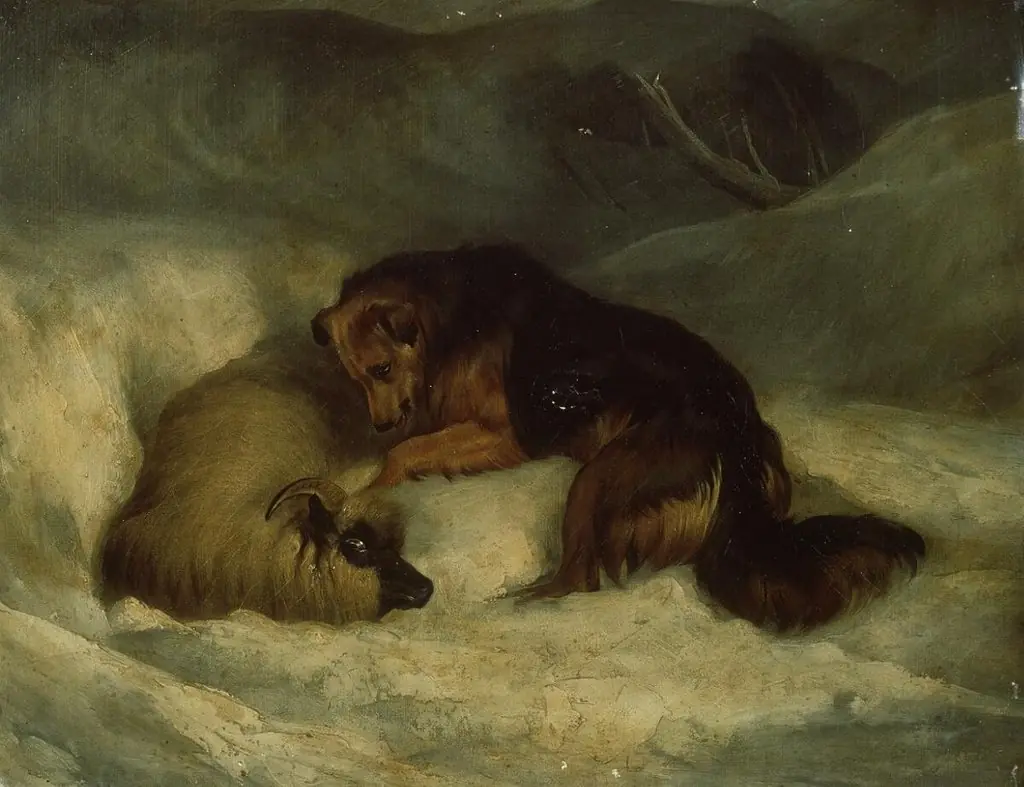 Sheepdog rescuing ram from snowdrift
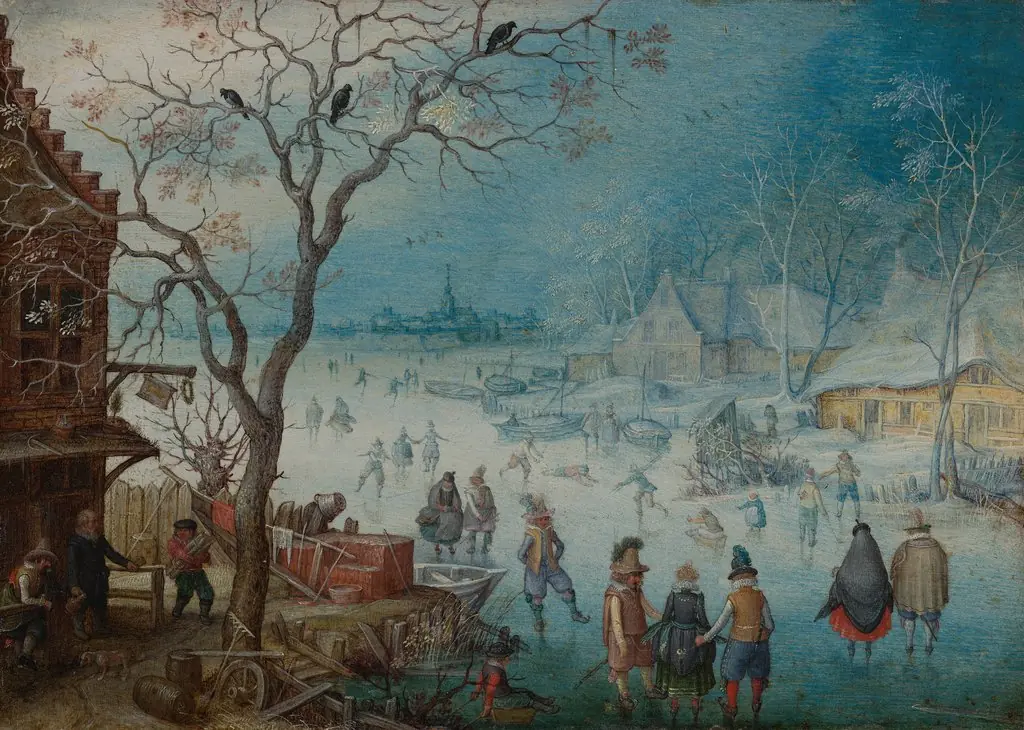 Winter Landscape
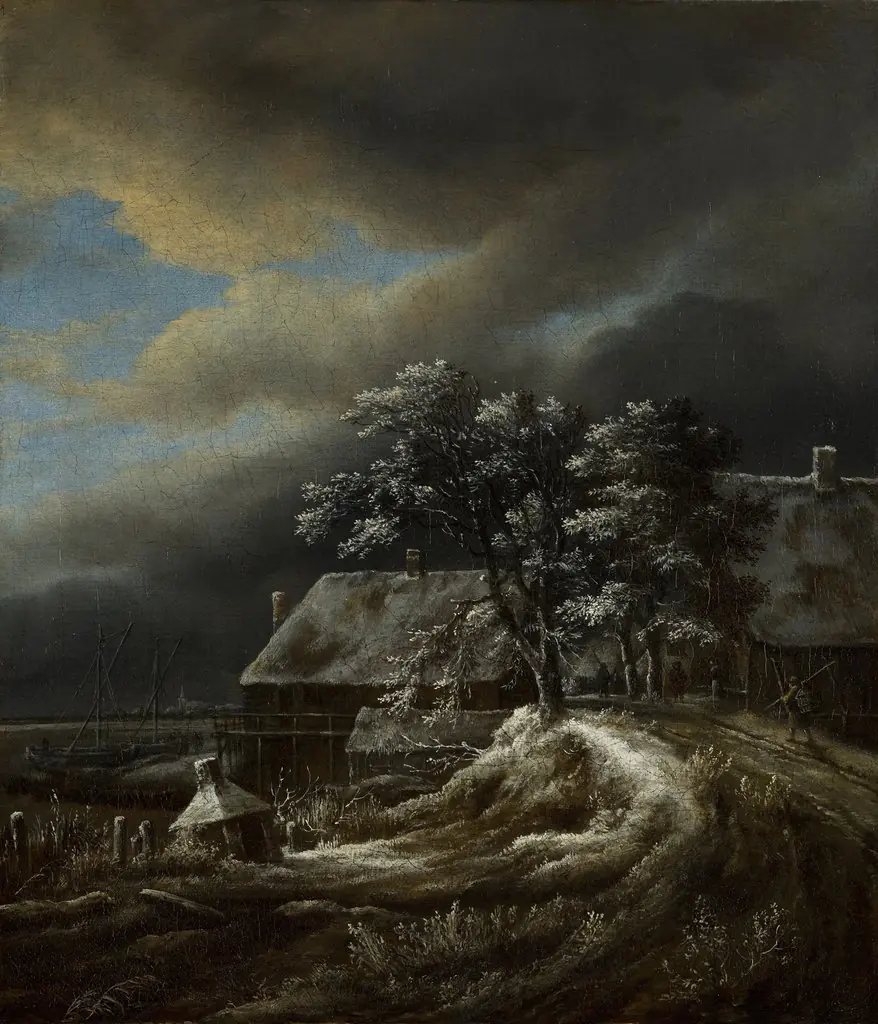 Winter landscape with a harbour
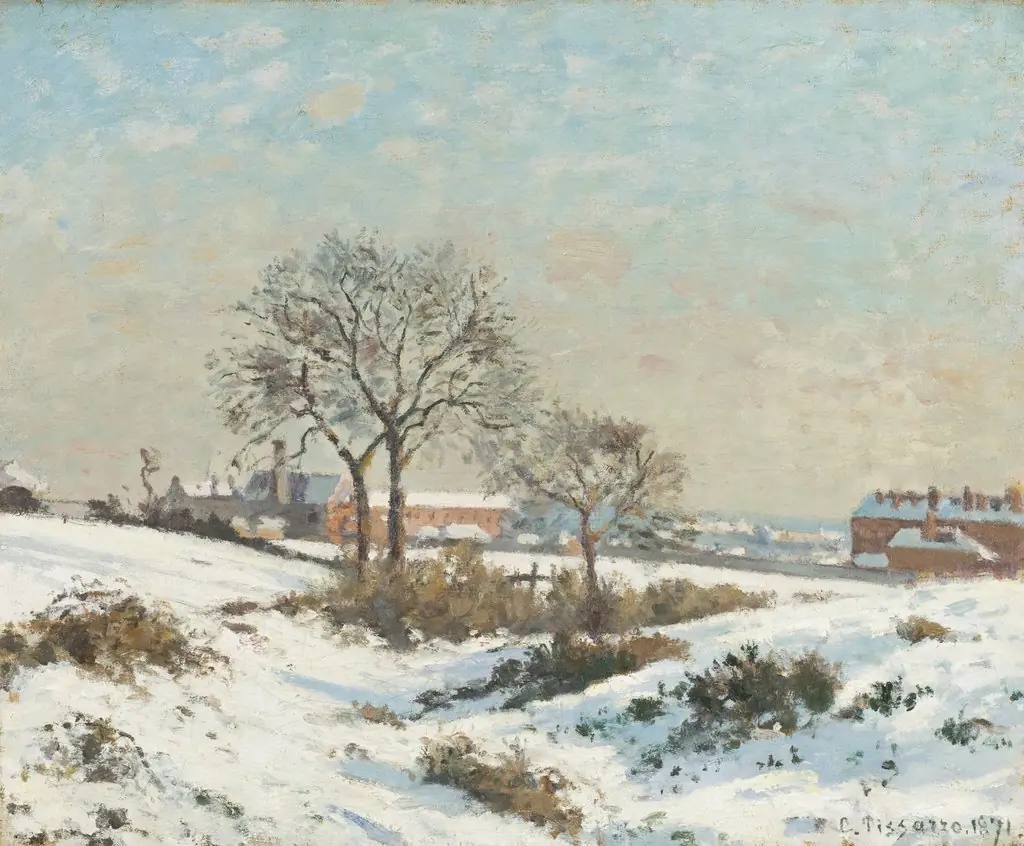 Snowy Landscape at South Norwood
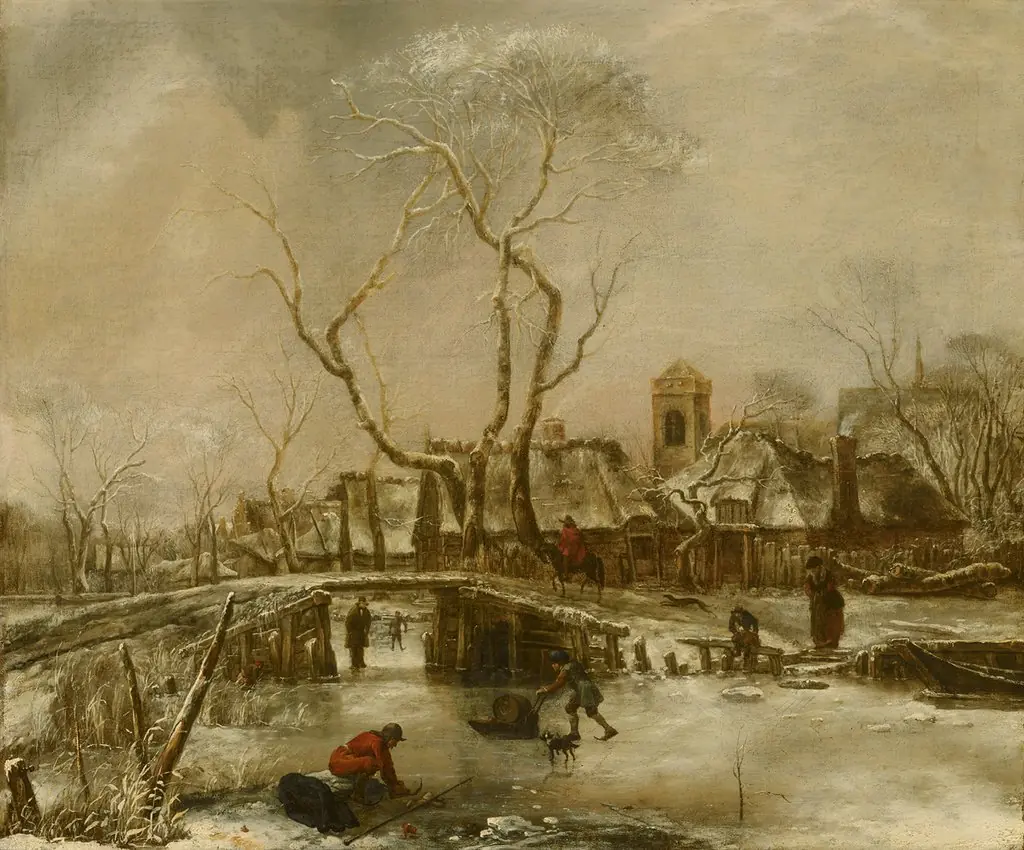 Winter Landscape
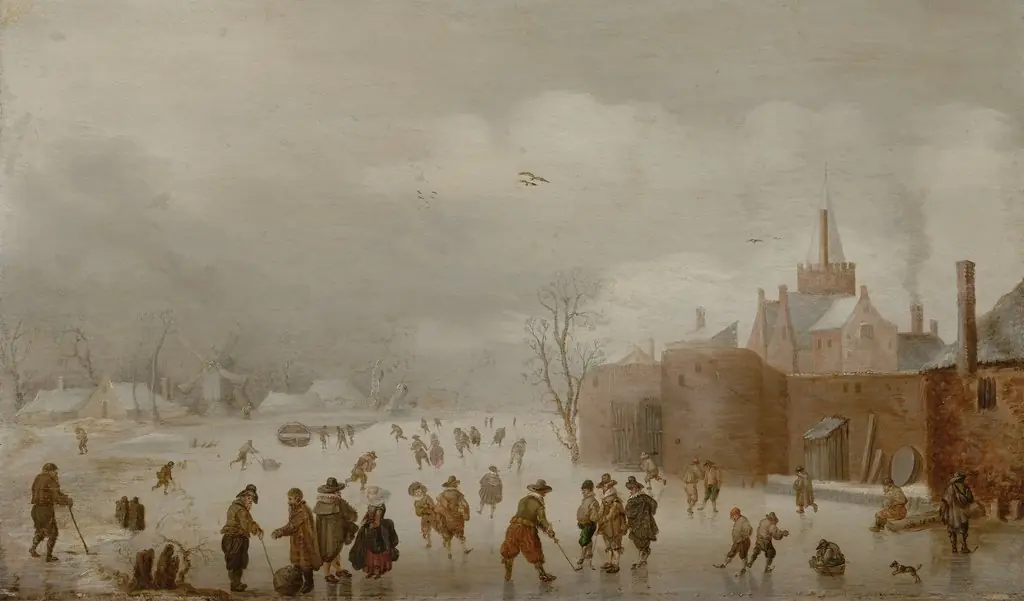 Winter Landscape
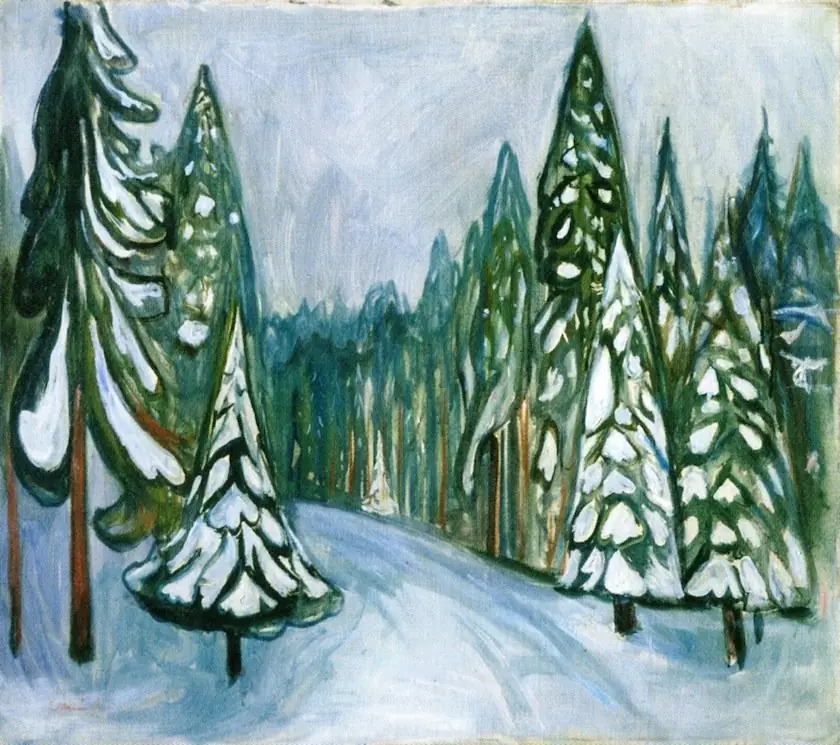 New Snow
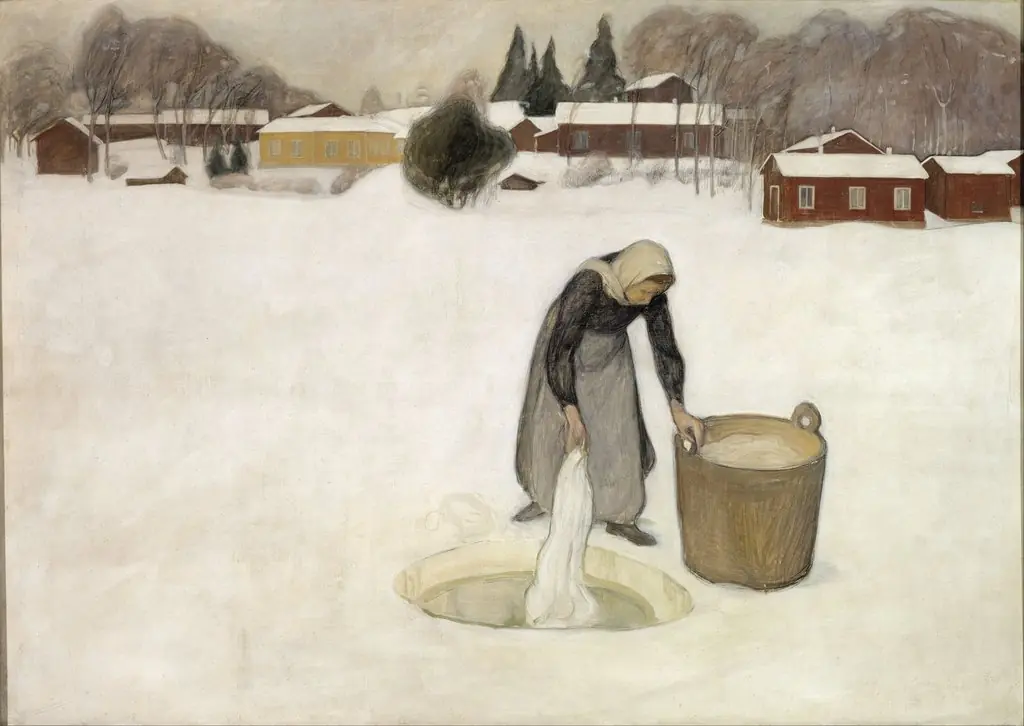 Washing on the Ice
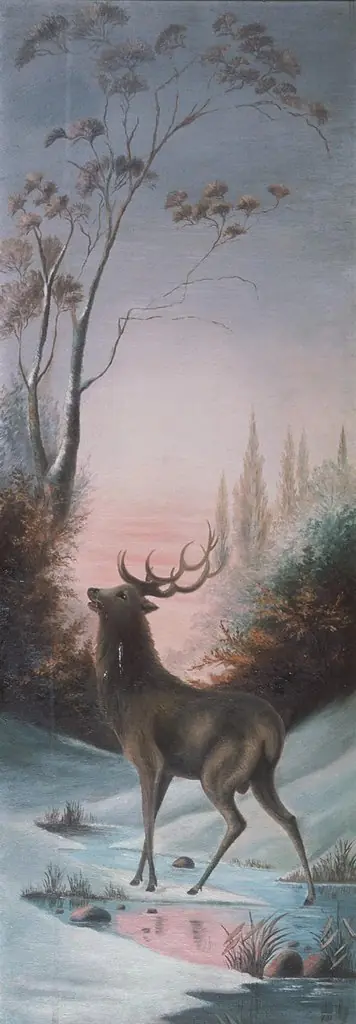 Stag in snowy landscape
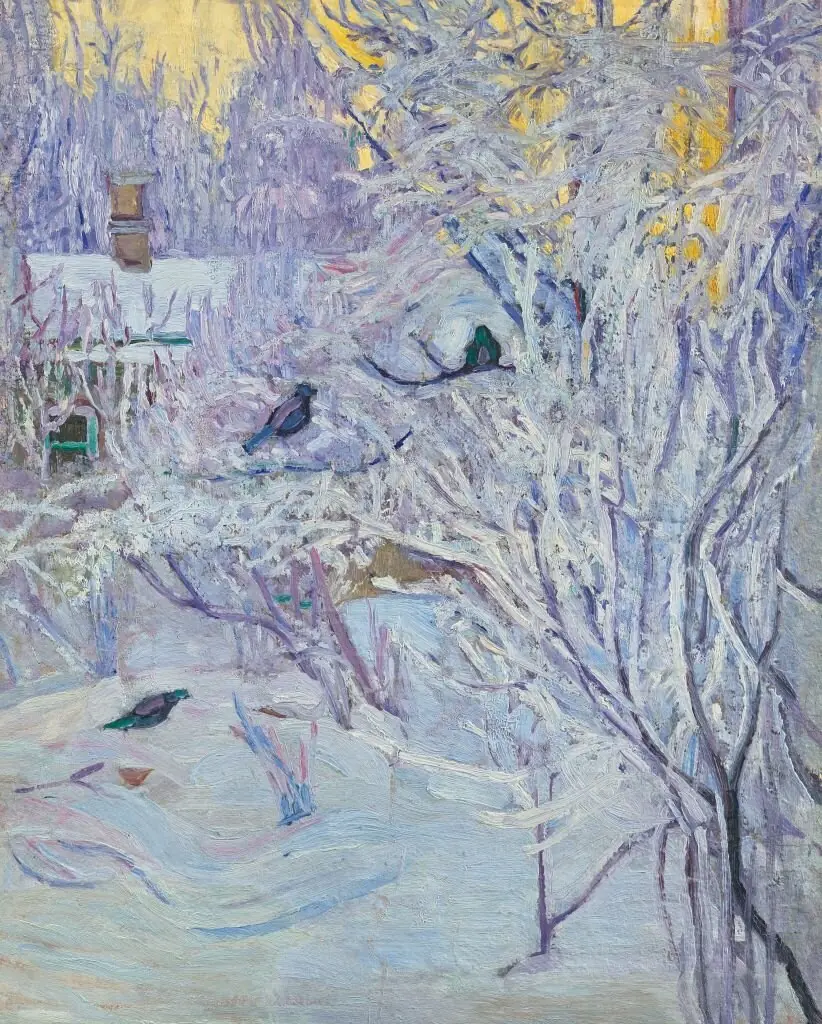 Corner of the House and Bullfinches on the Tree. Winter
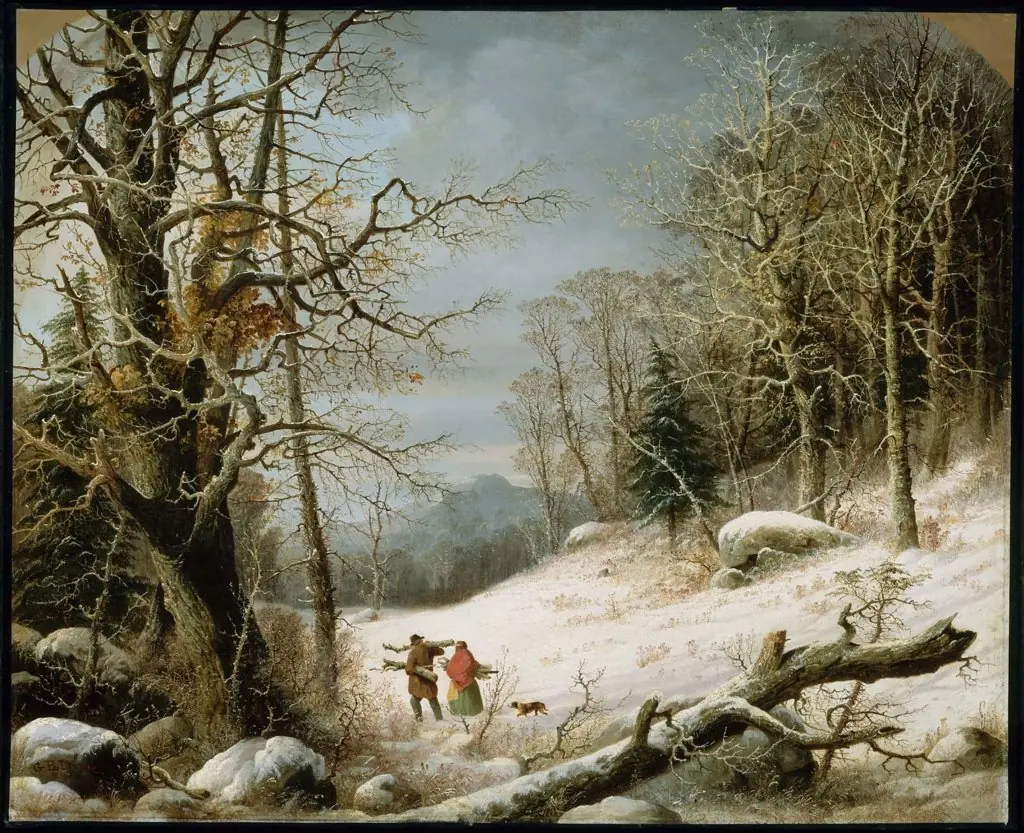 Winter Landscape: Gathering Wood
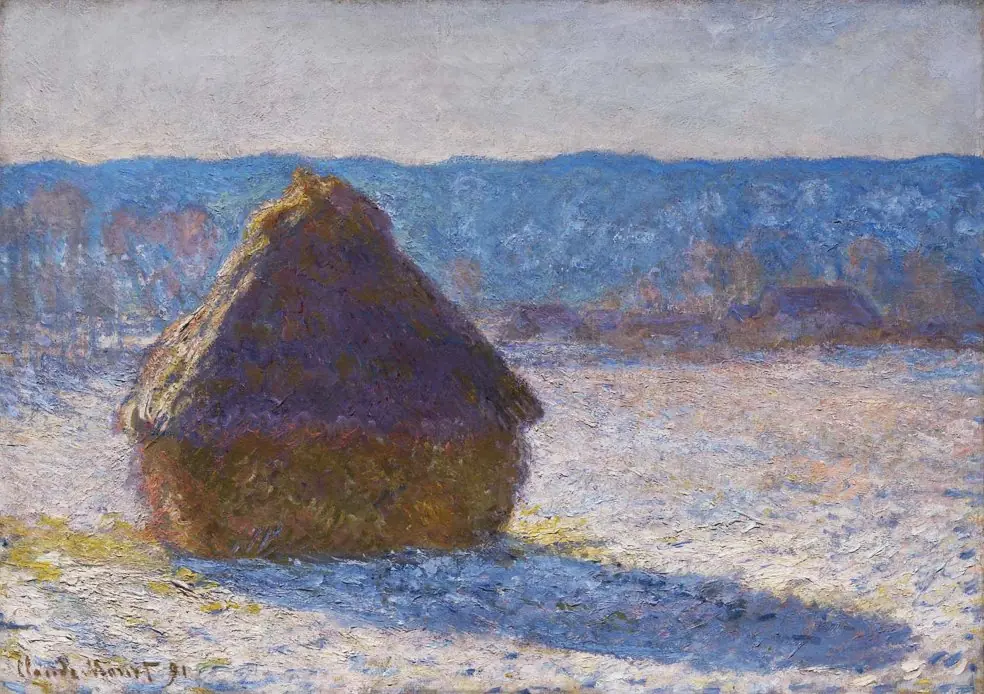 Grainstack (Snow Effect)
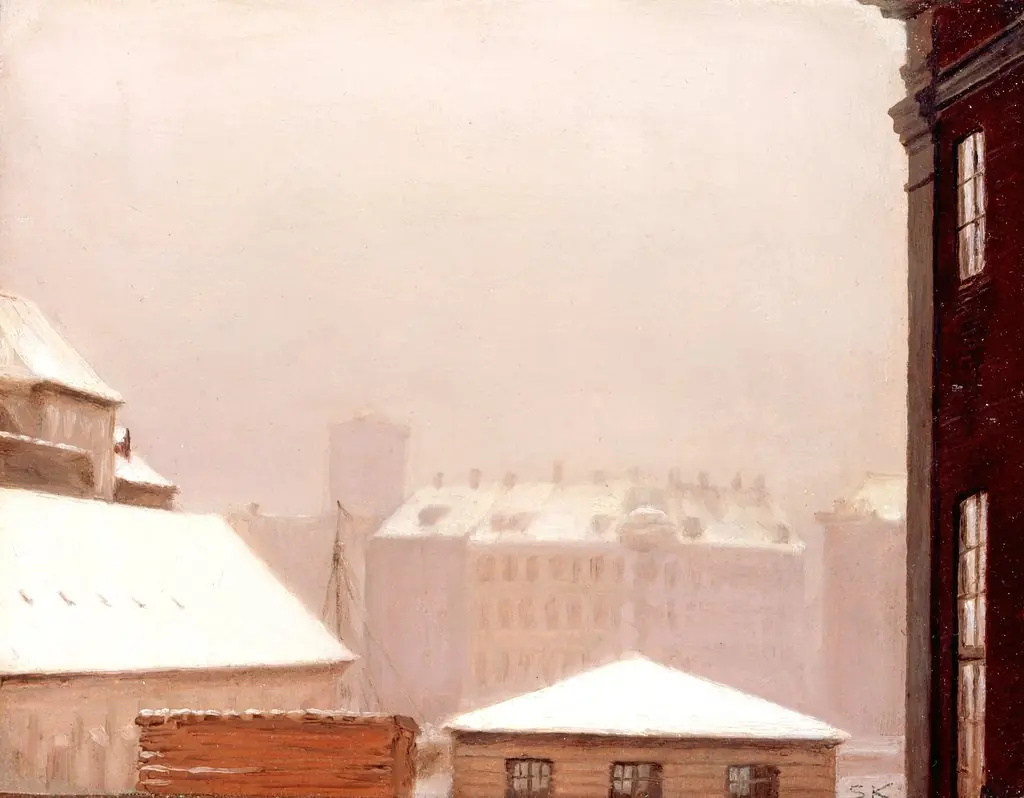 Copenhagen: Roofs Under the Snow
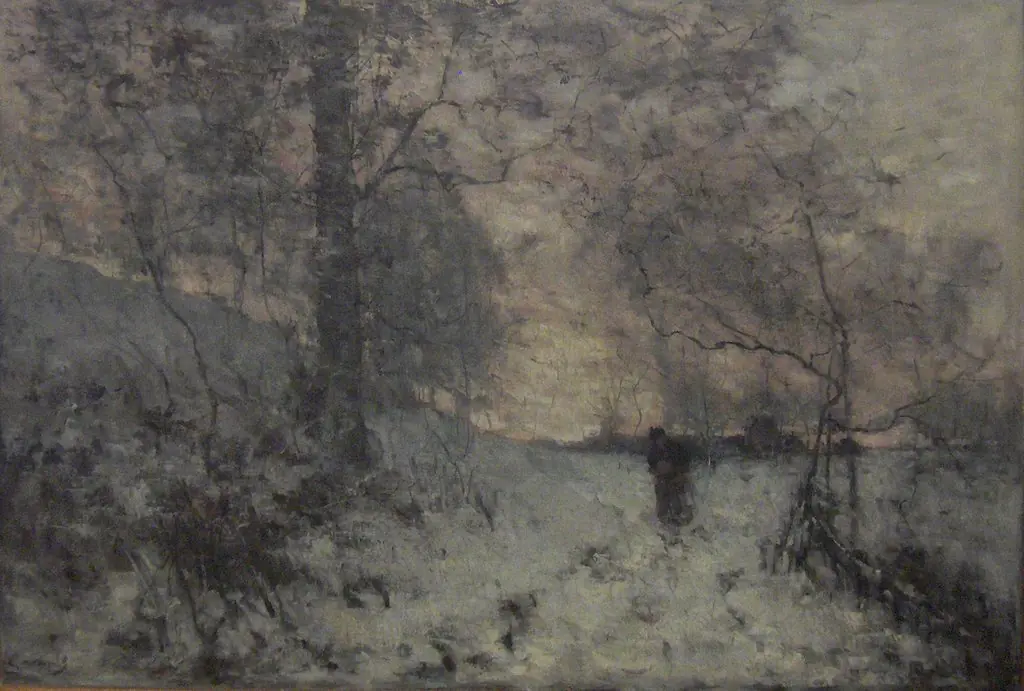 The snow, evening
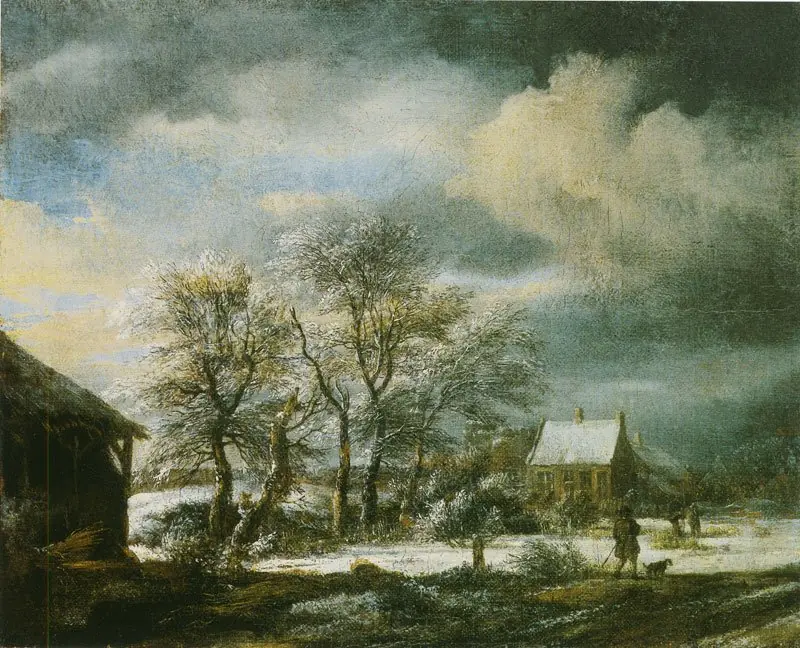 Winter landscape with a snow covered tree group
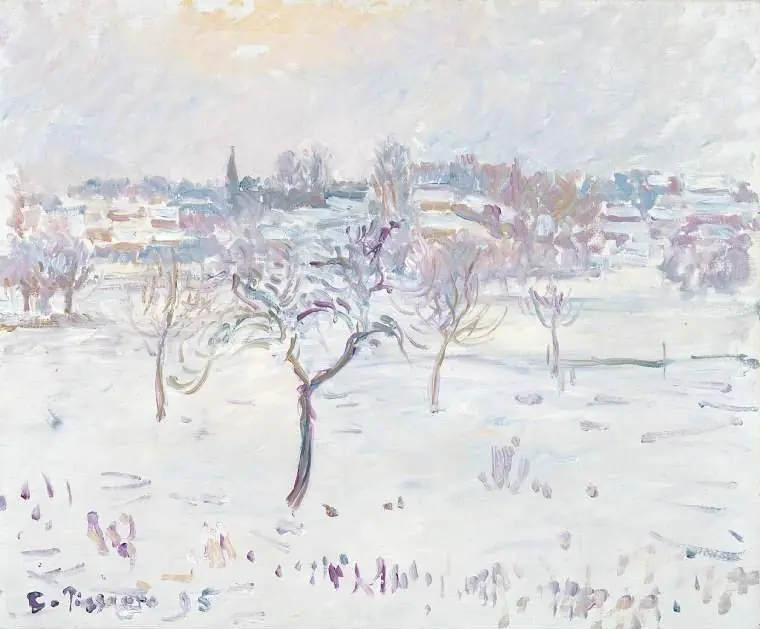 Snowy landscape at Eragny with an apple tree
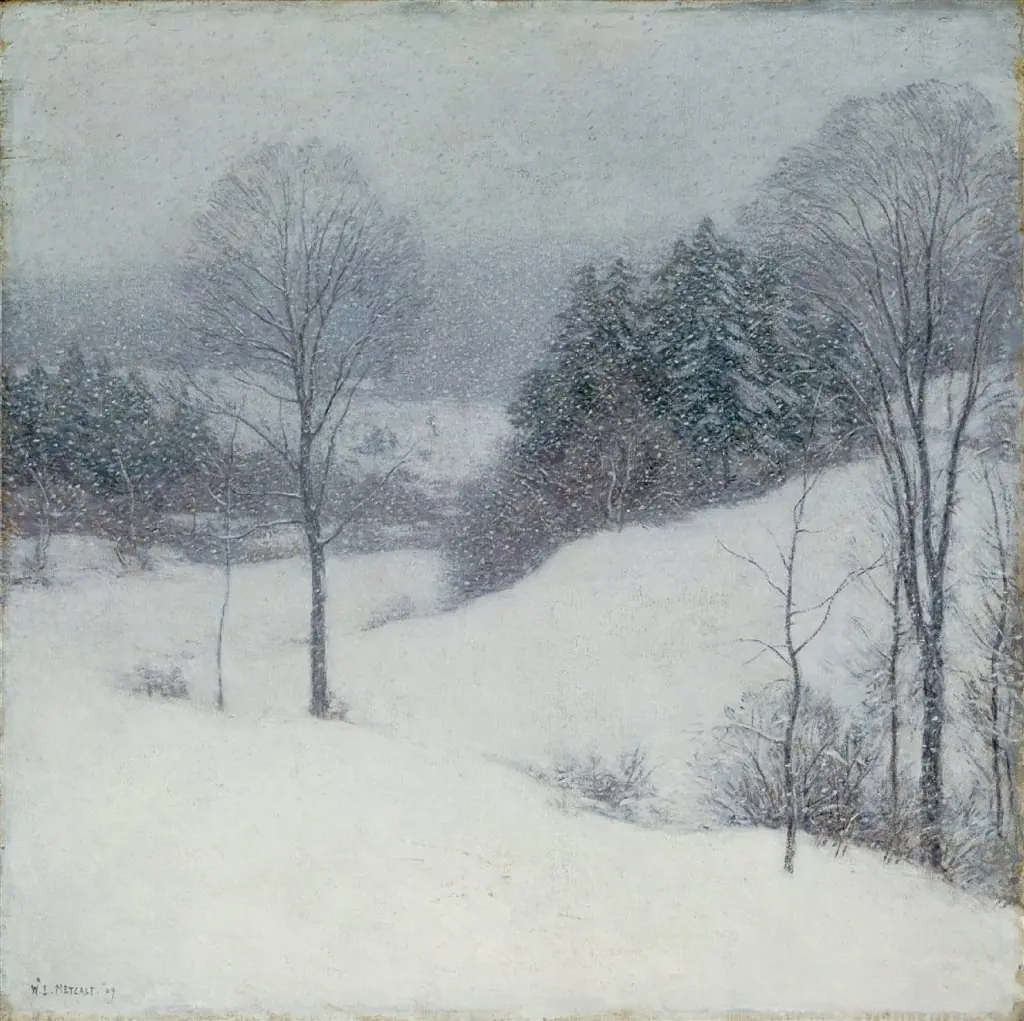 The White Veil
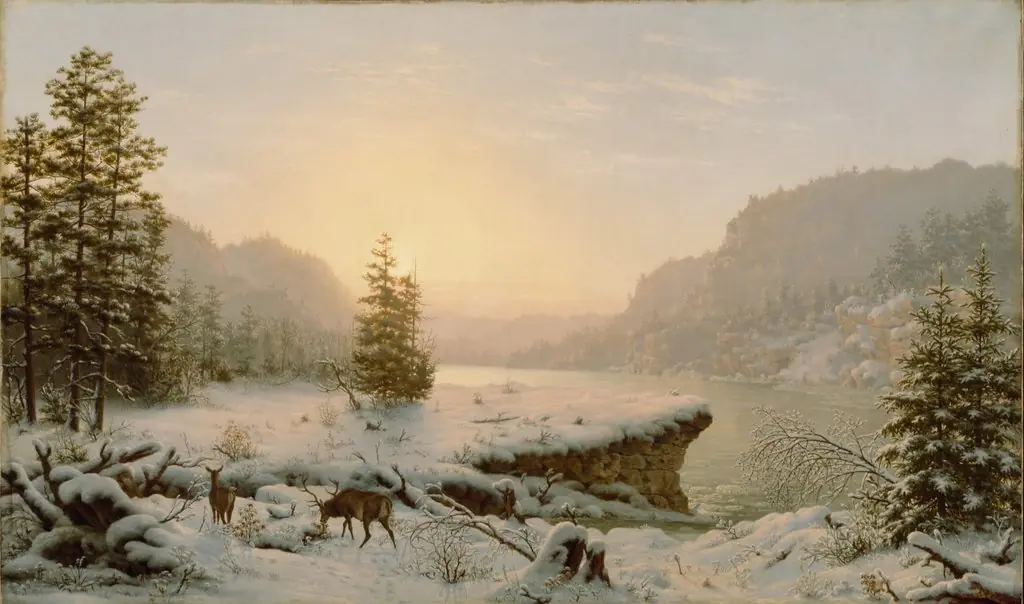 Winter Landscape
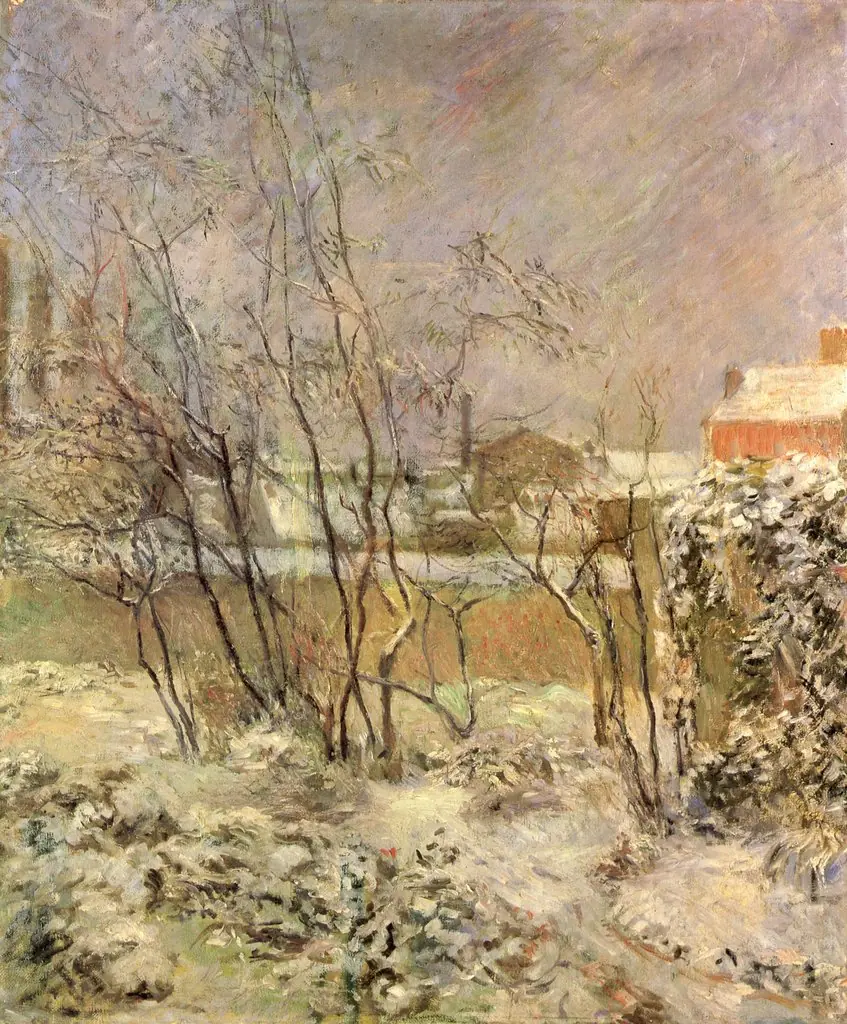 Garden in Snow
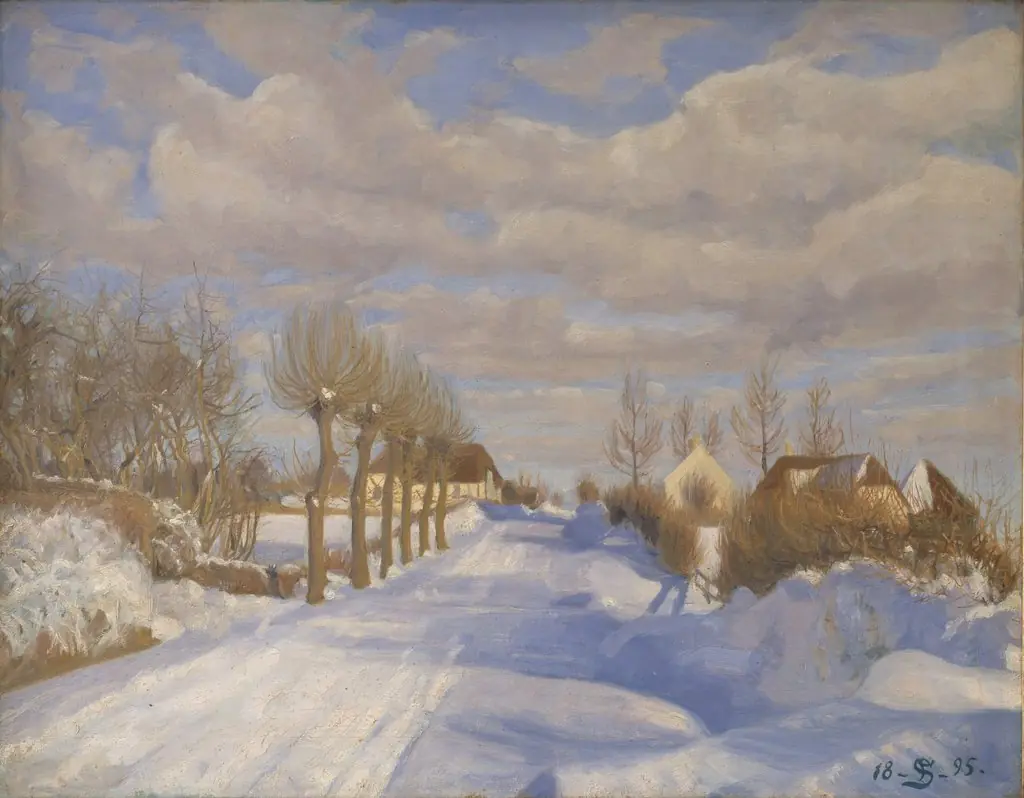 Snow-Covered Highroad in the Sunshine
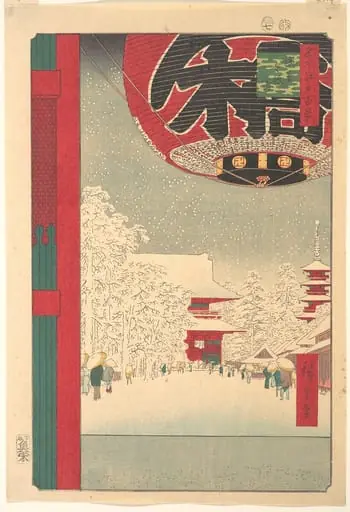 名所江戸百景 浅草金龍山|Kinryūsan Temple at Asakusa, from the series "One Hundred Famous Views of Edo"
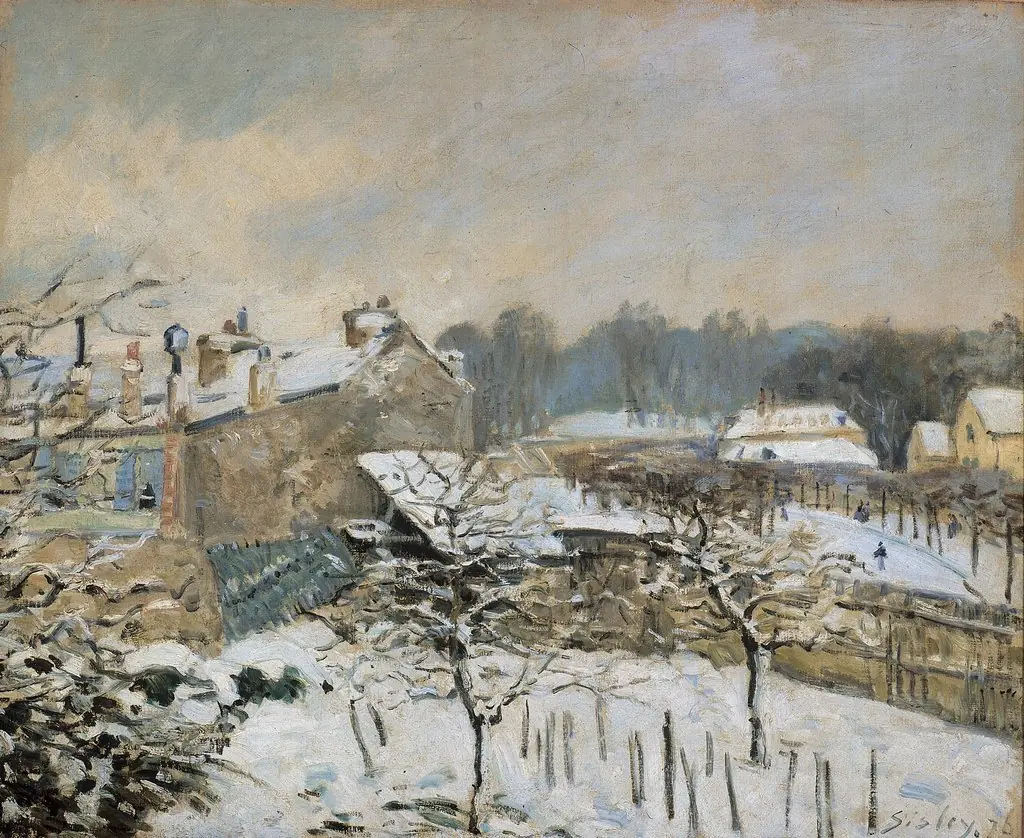 Snow Effect in Louveciennes
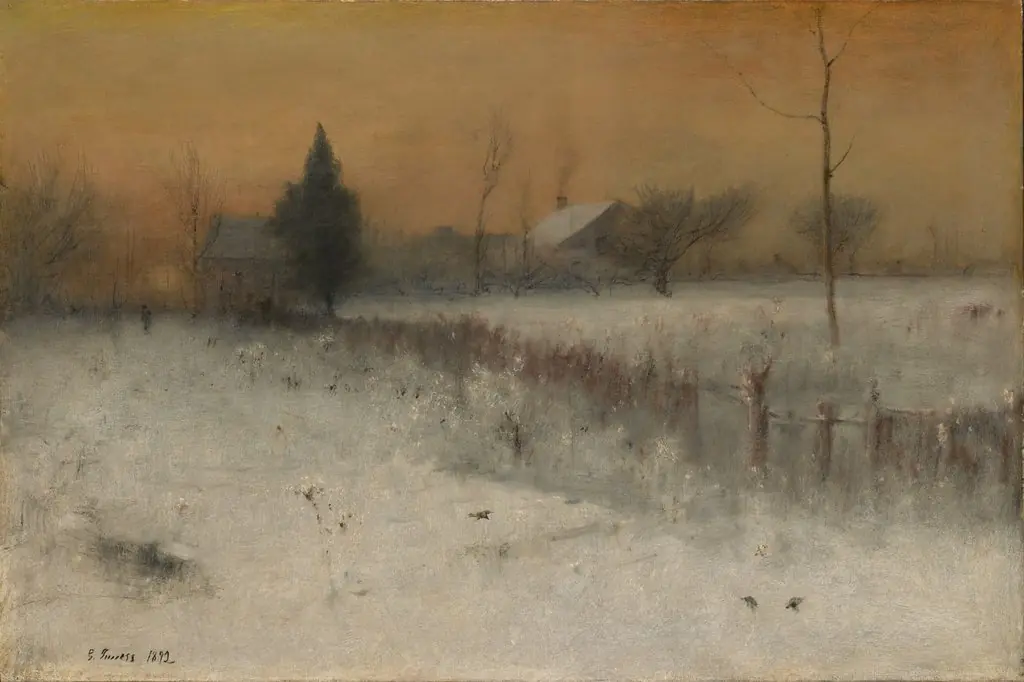 Home at Montclair
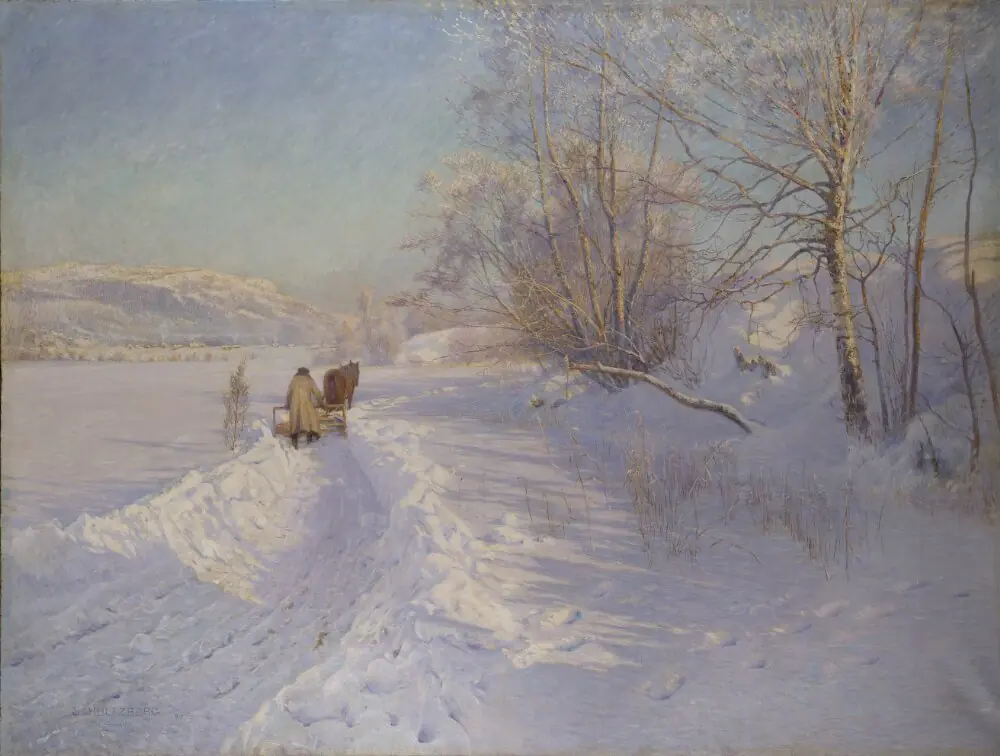 A Winter Morning after a Snowfall in Dalarna
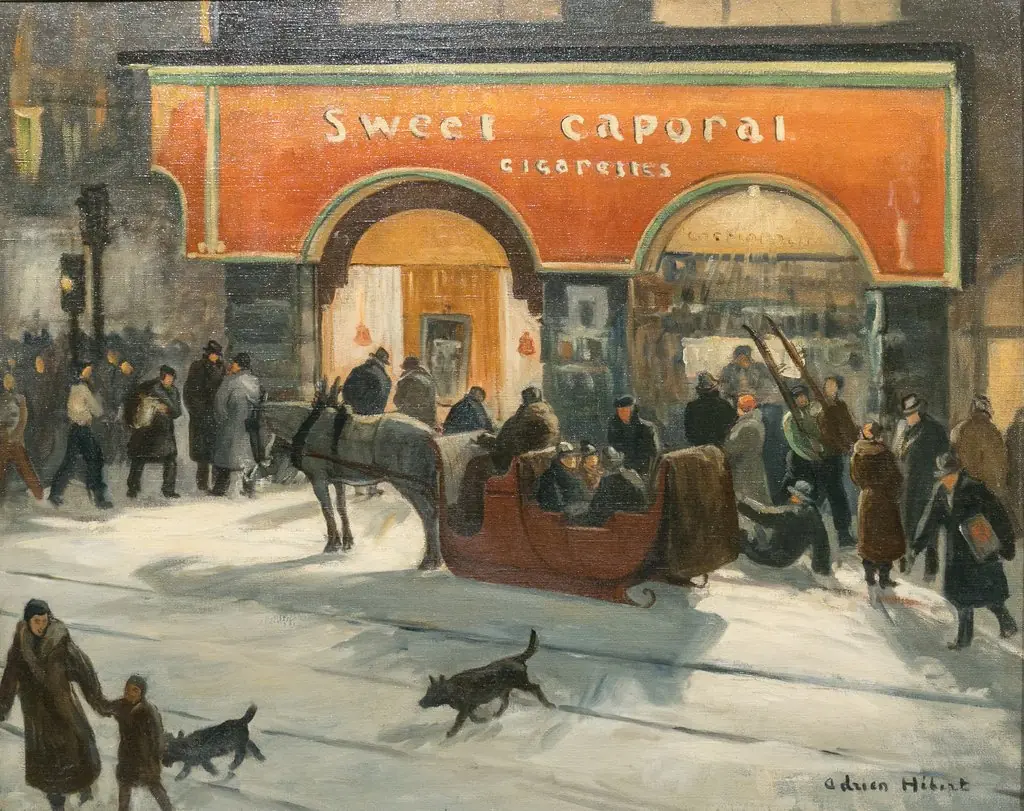 Hyman's Tobacco Store
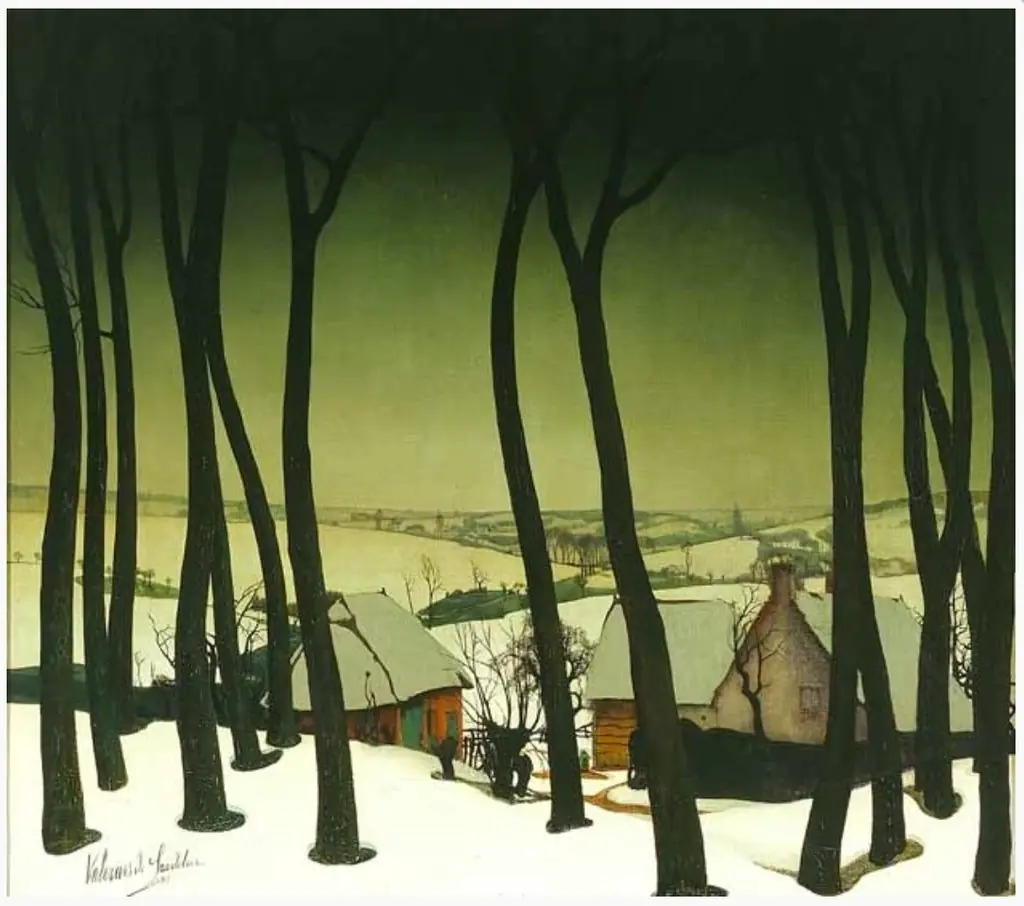 Winter in Flanders
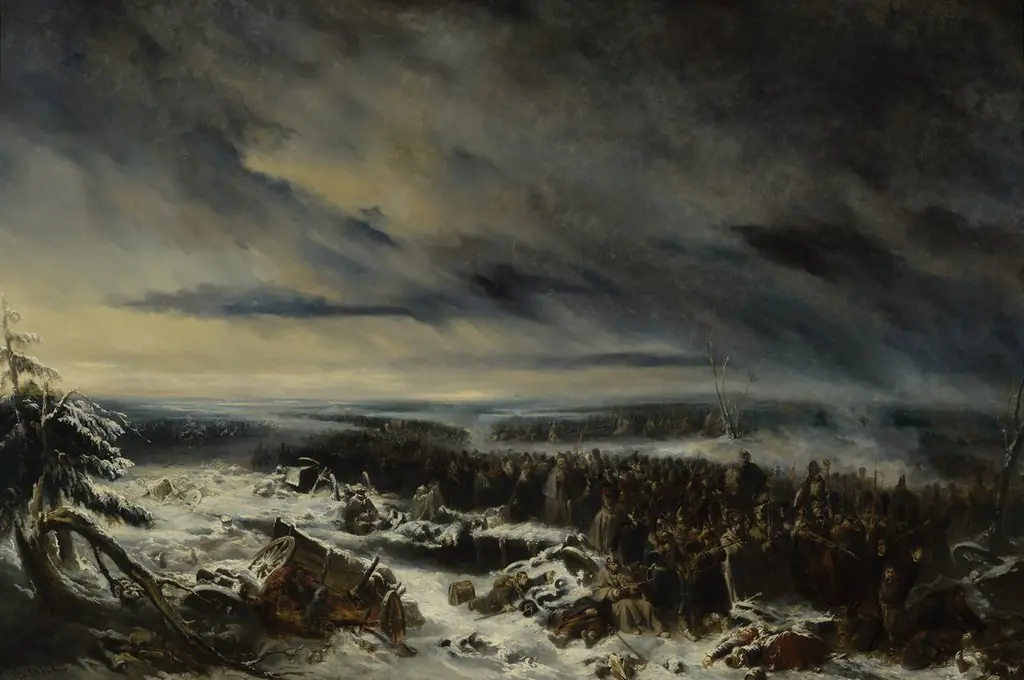 Épisode de la campagne de Russie
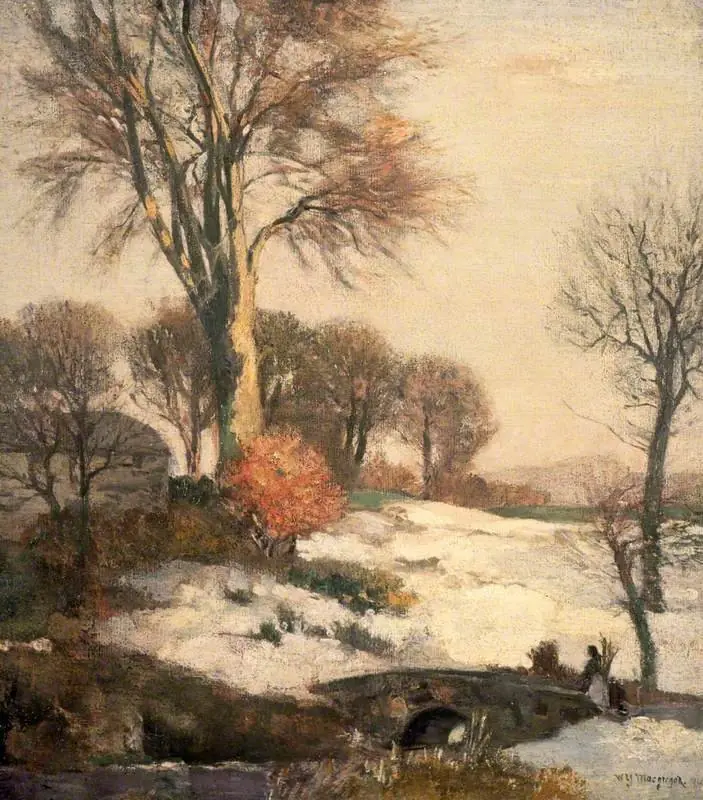 Winter Landscape
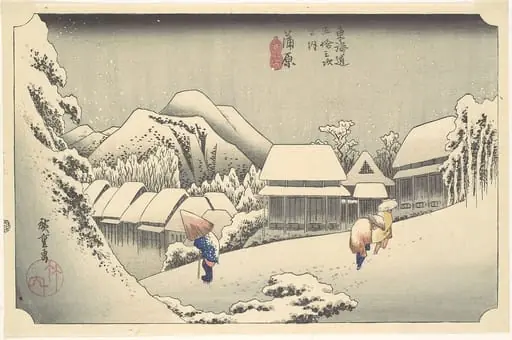 東海道五十三次之内 蒲原 夜の雪|Evening Snow at Kanbara, from the series "Fifty-three Stations of the Tōkaidō"
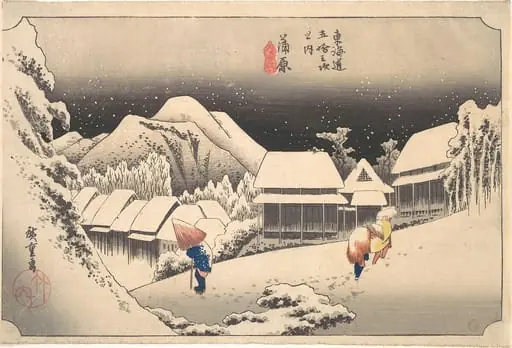 東海道五十三次之内 蒲原 夜の雪|A Snowy Evening at Kambara Station
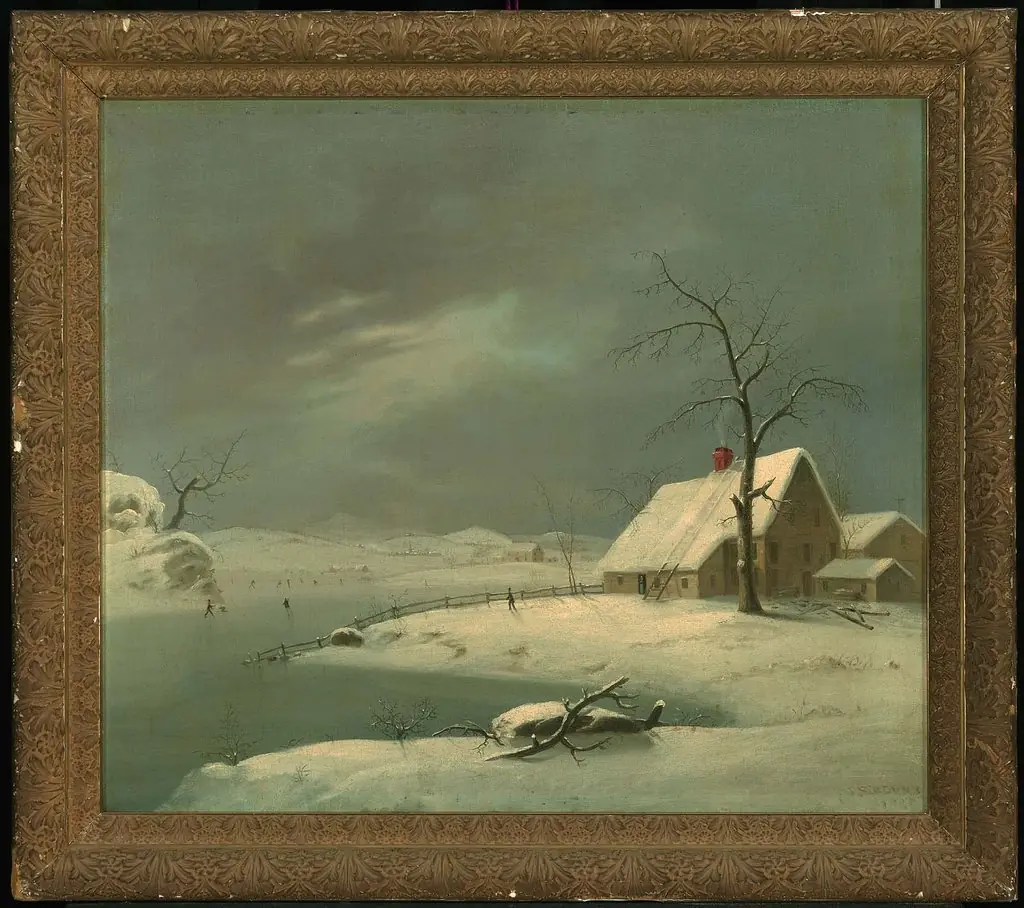 Winter Scene
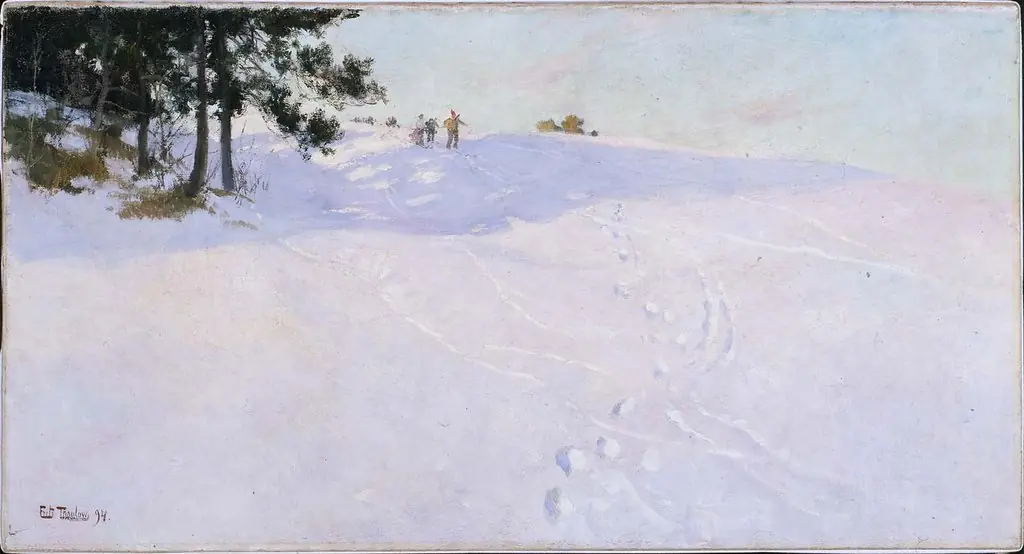 Skiers at the Top of a Snow-covered Hill
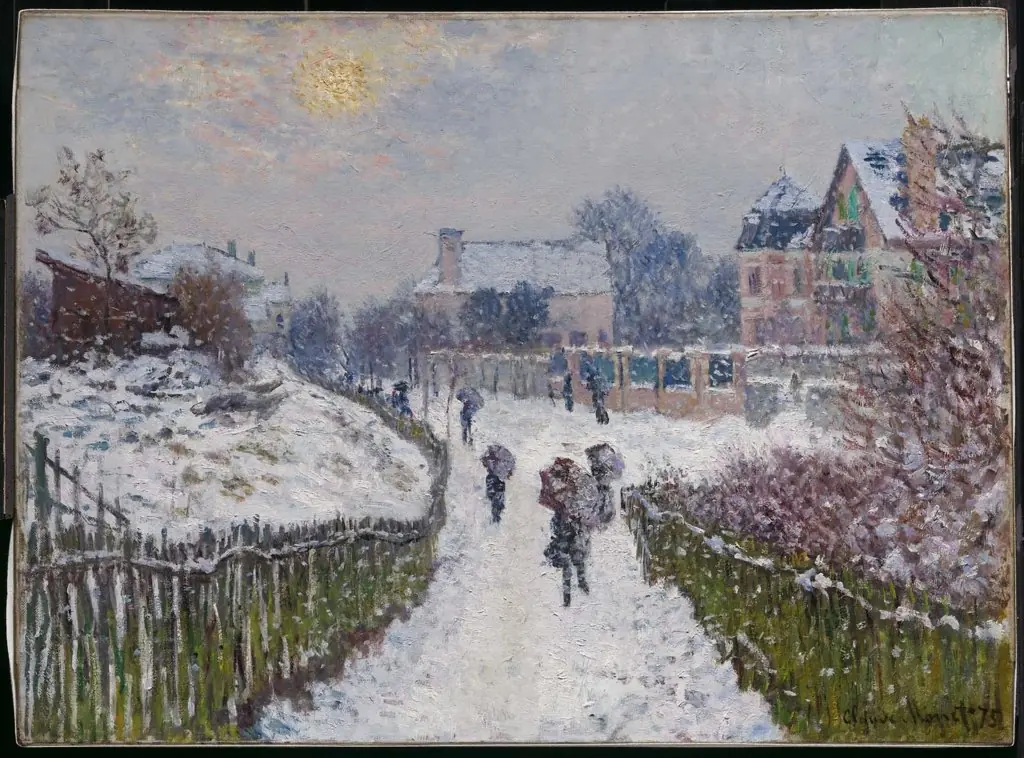 Boulevard Saint-Denis, Argenteuil, in Winter
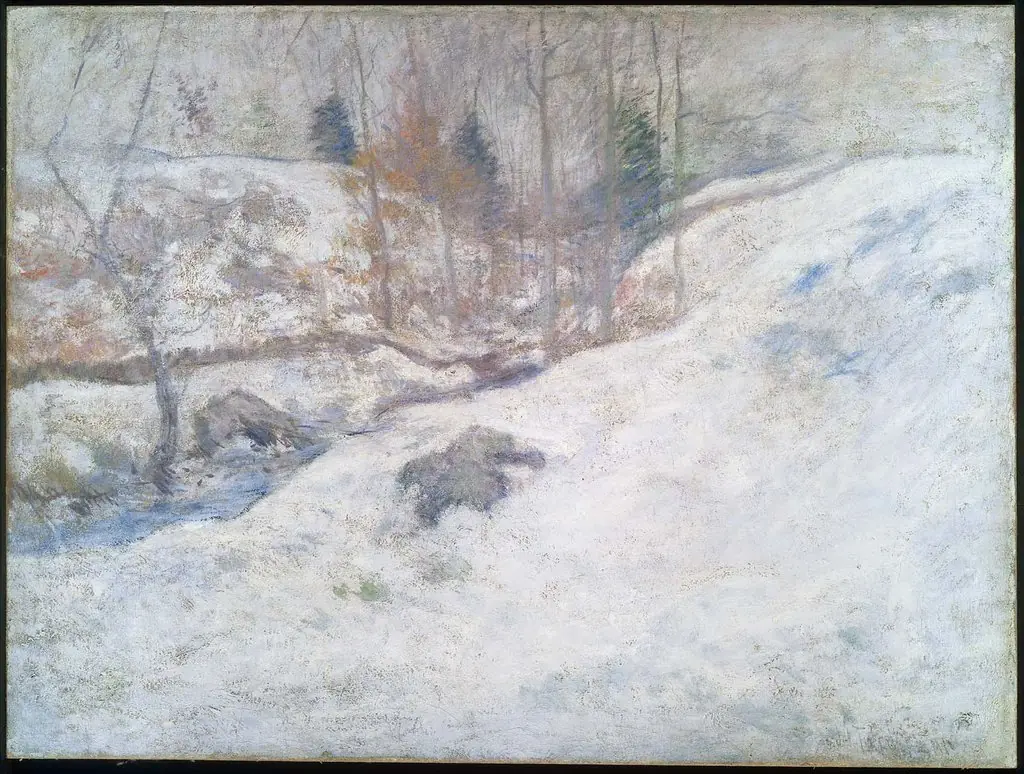 Brook in Winter
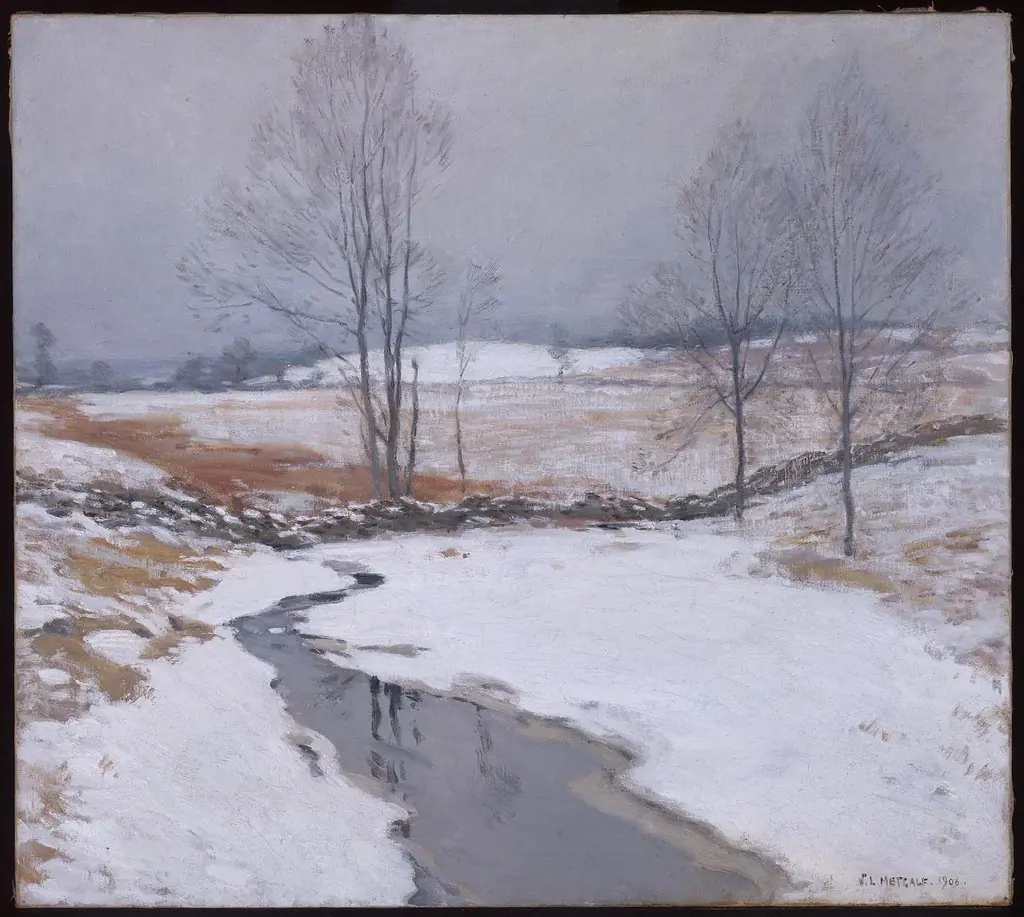 The First Snow
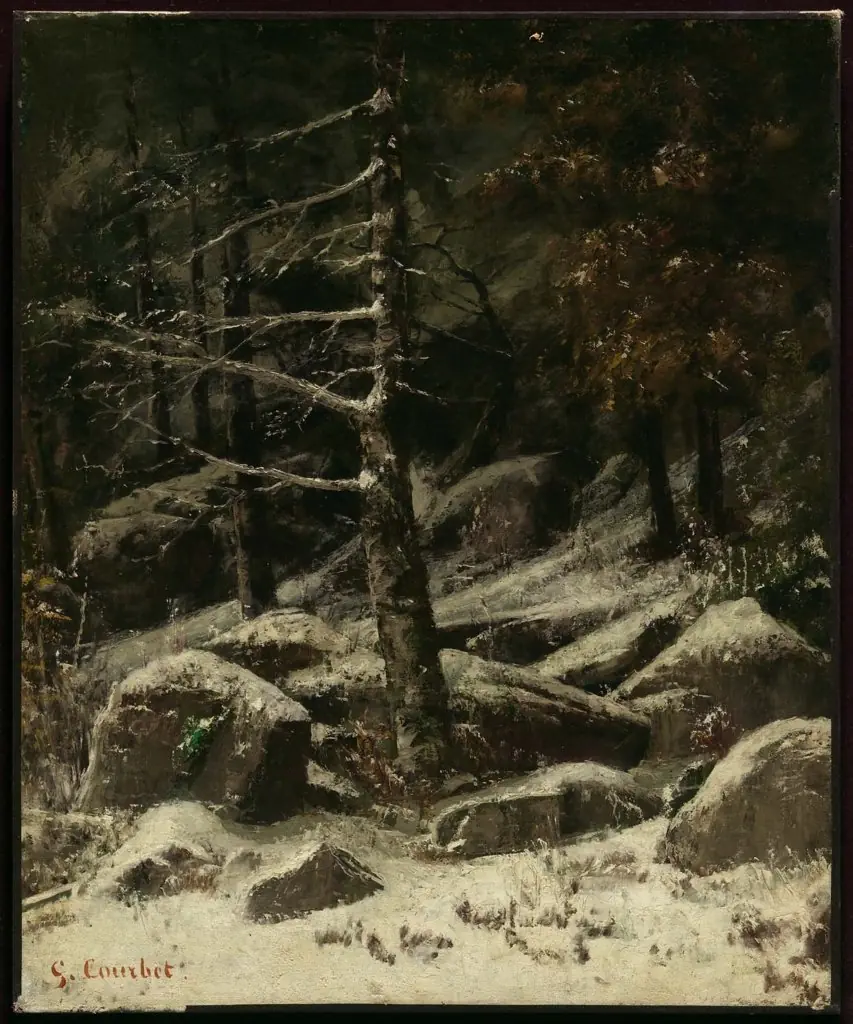 Wooded Hillside in Winter
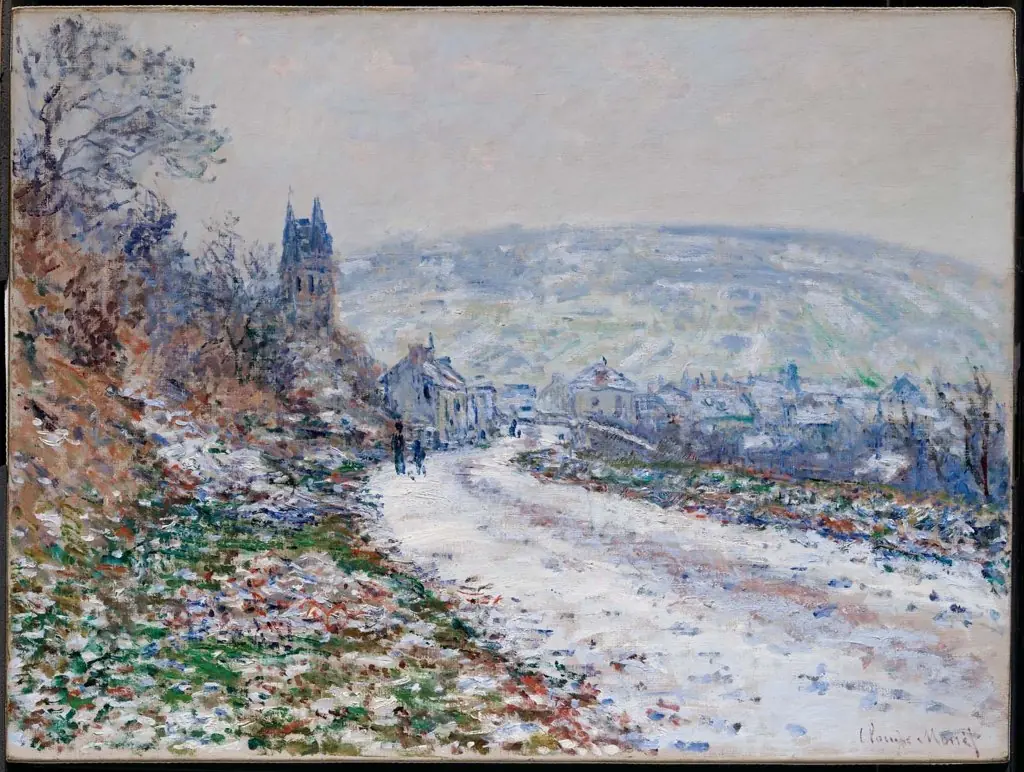 Entrance to the Village of Vétheuil in Winter
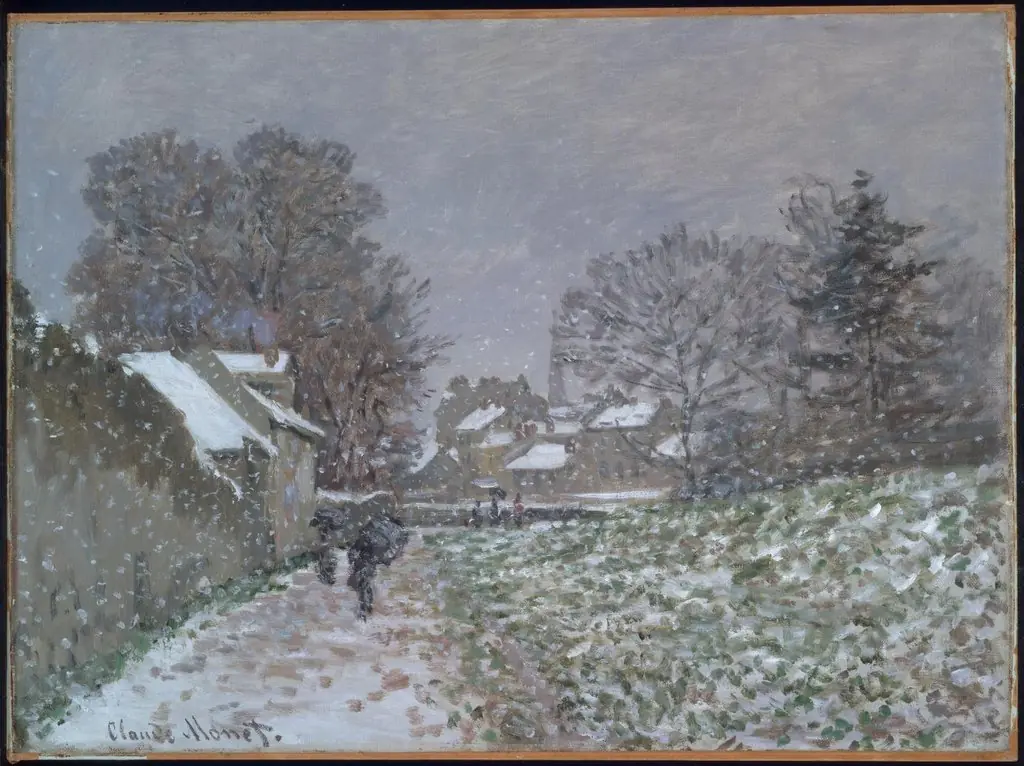 Snow at Argenteuil
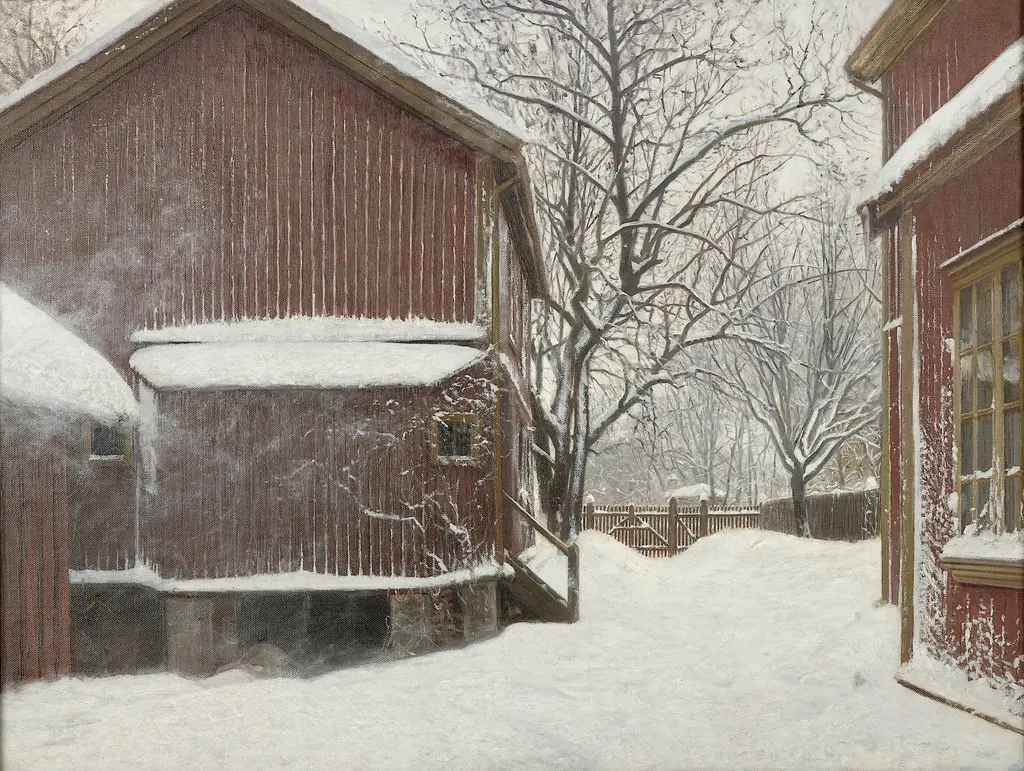 Snefokk i Majorstuveien 8
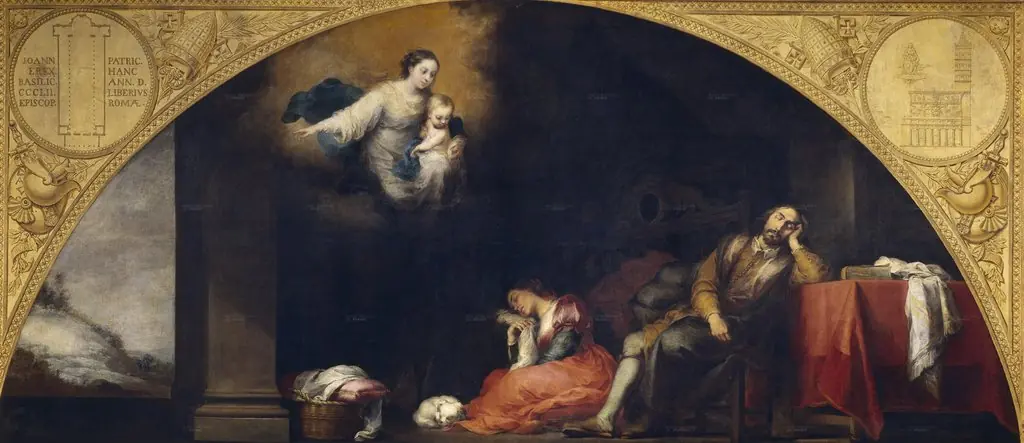 The Patrician's Dream
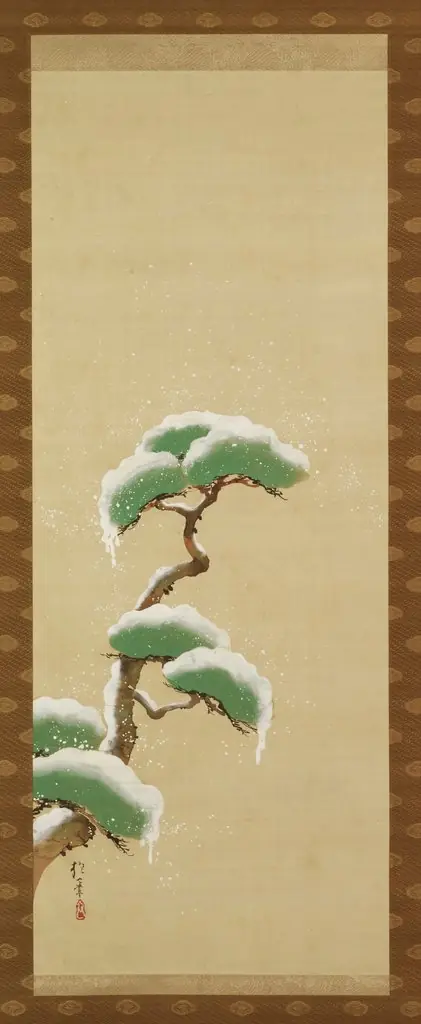 Triptych of the Seasons: Snow Clad Pine
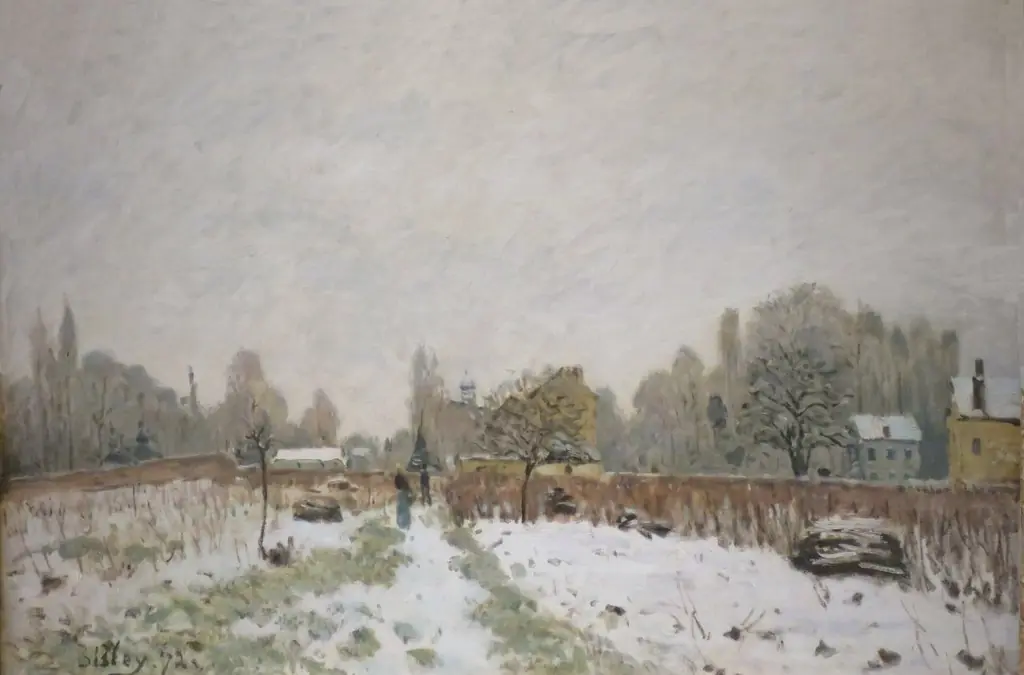 Louveciennes in the Snow
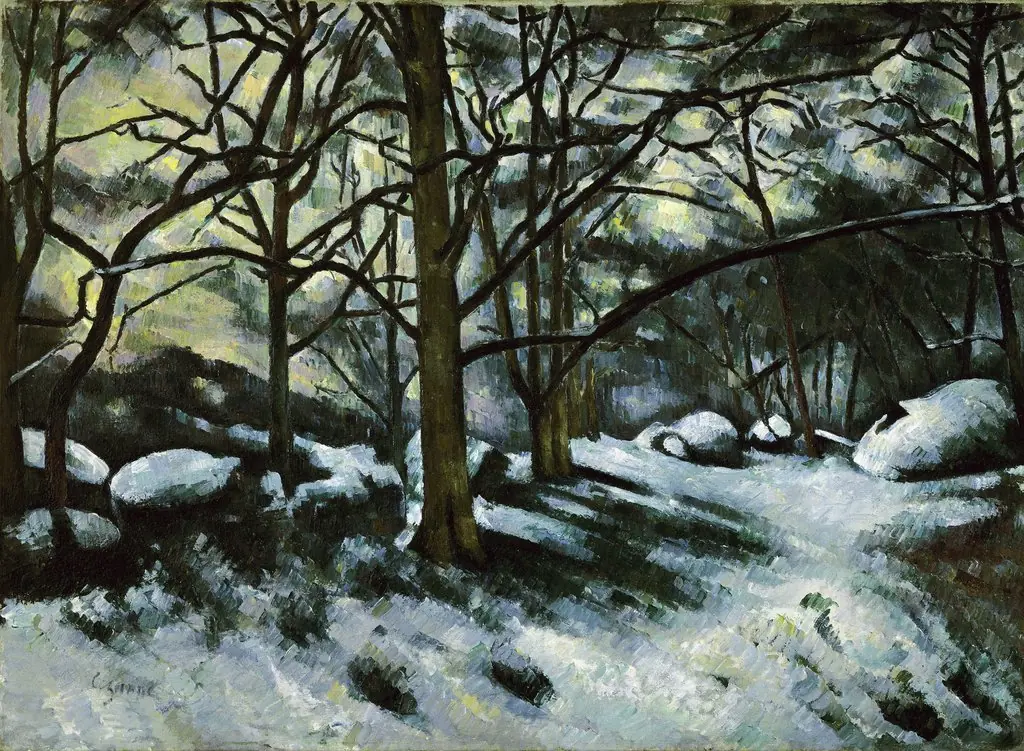 Neige fondante à Fontainebleau (Melting Snow, Fontainebleau)
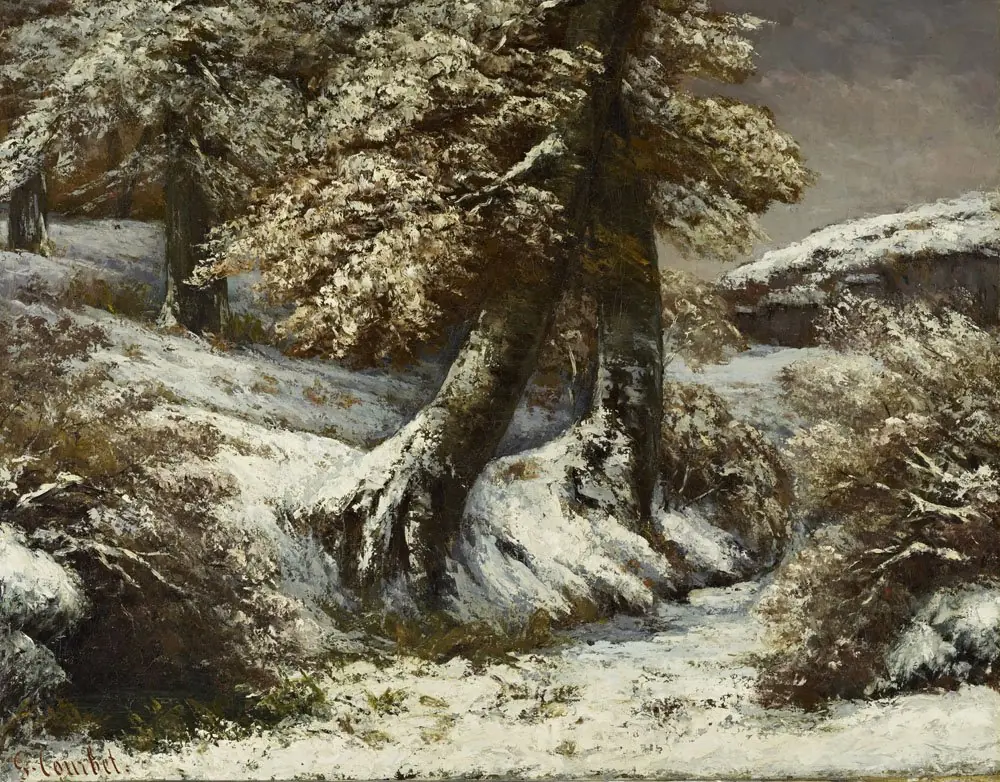 Trees in the Snow
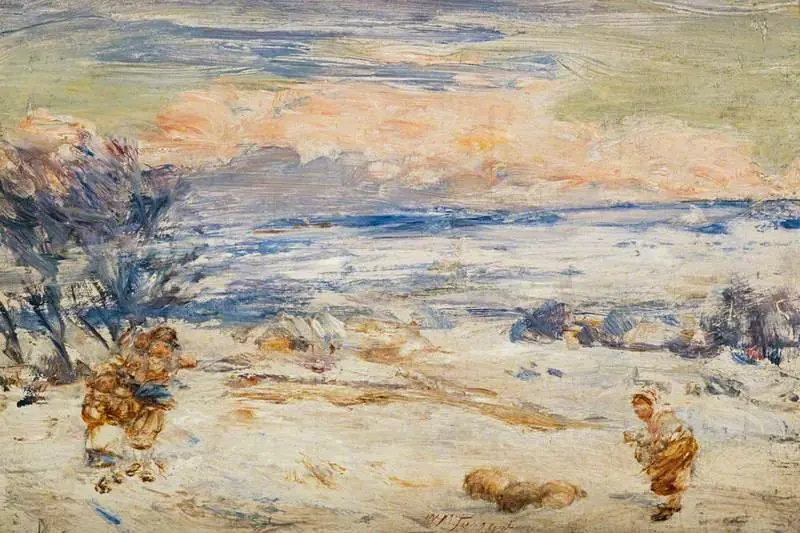 Snow in April
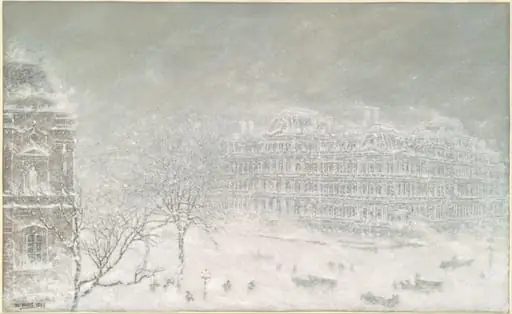 The Great Blizzard of 1899
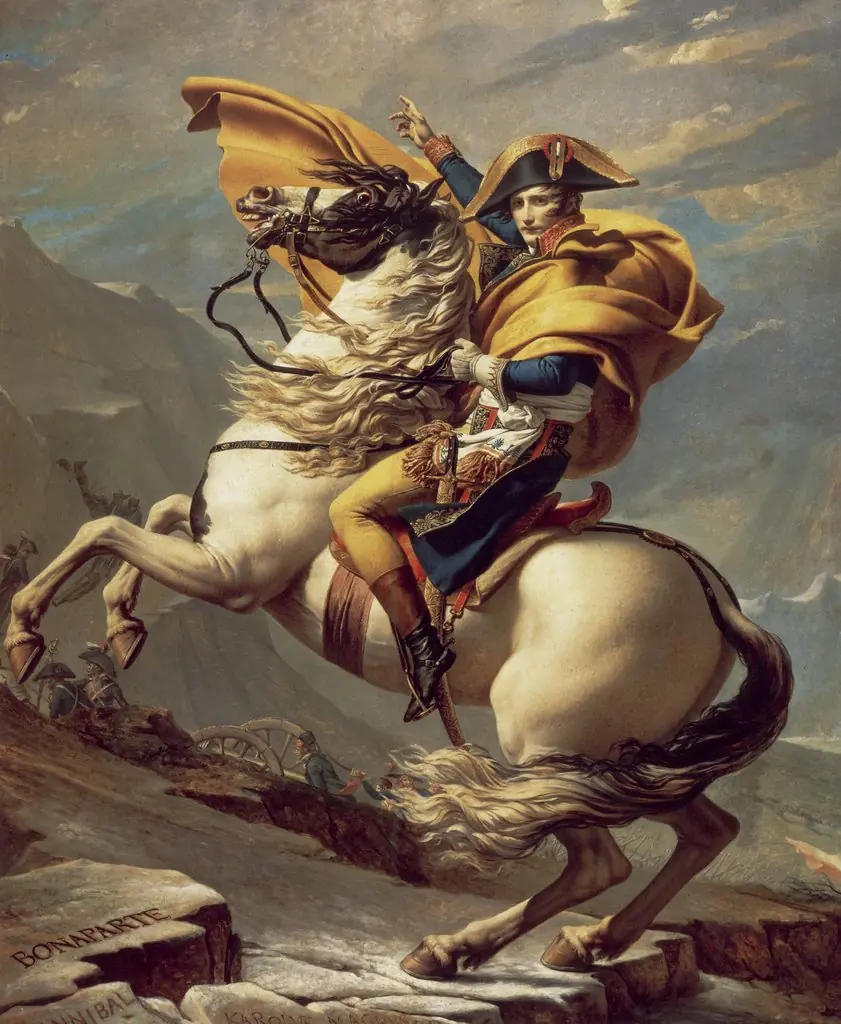 Napoleon Crossing the Alps
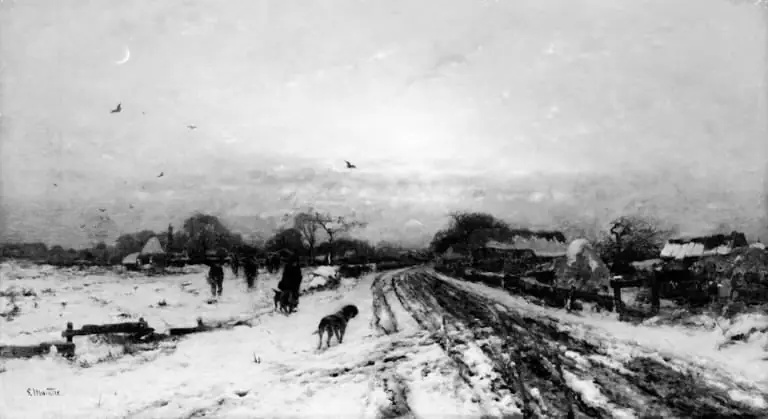 Winter Scenery
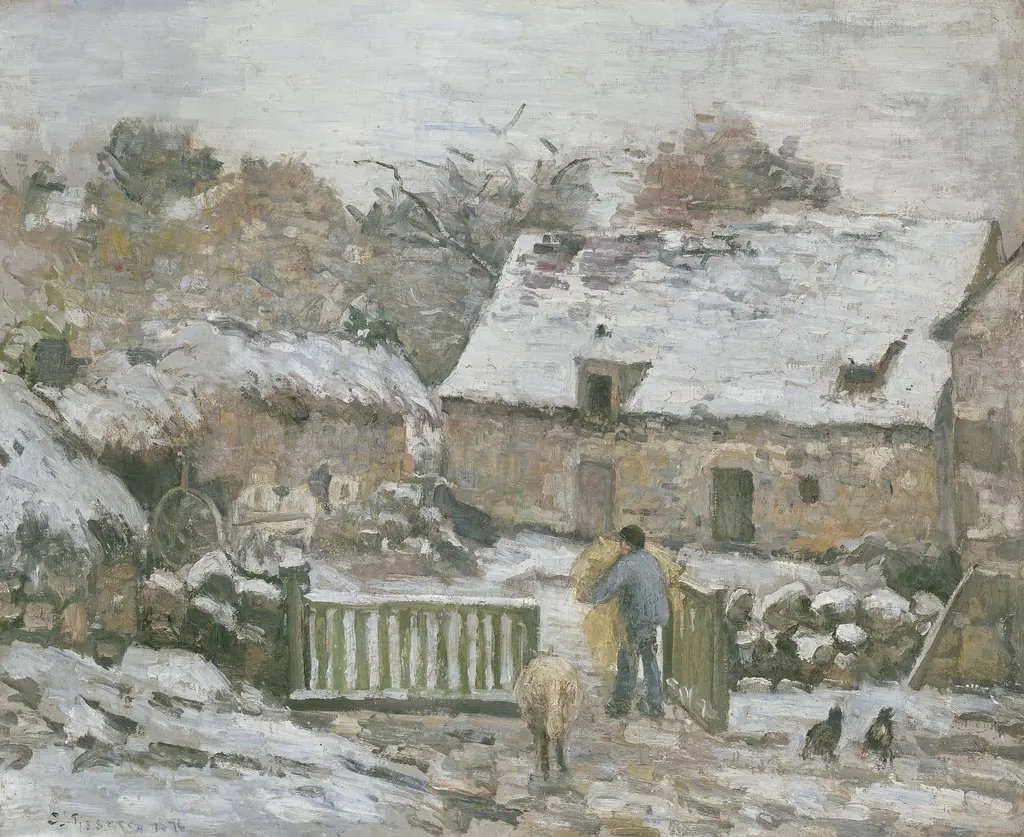 Farm at Montfoucault in Snow
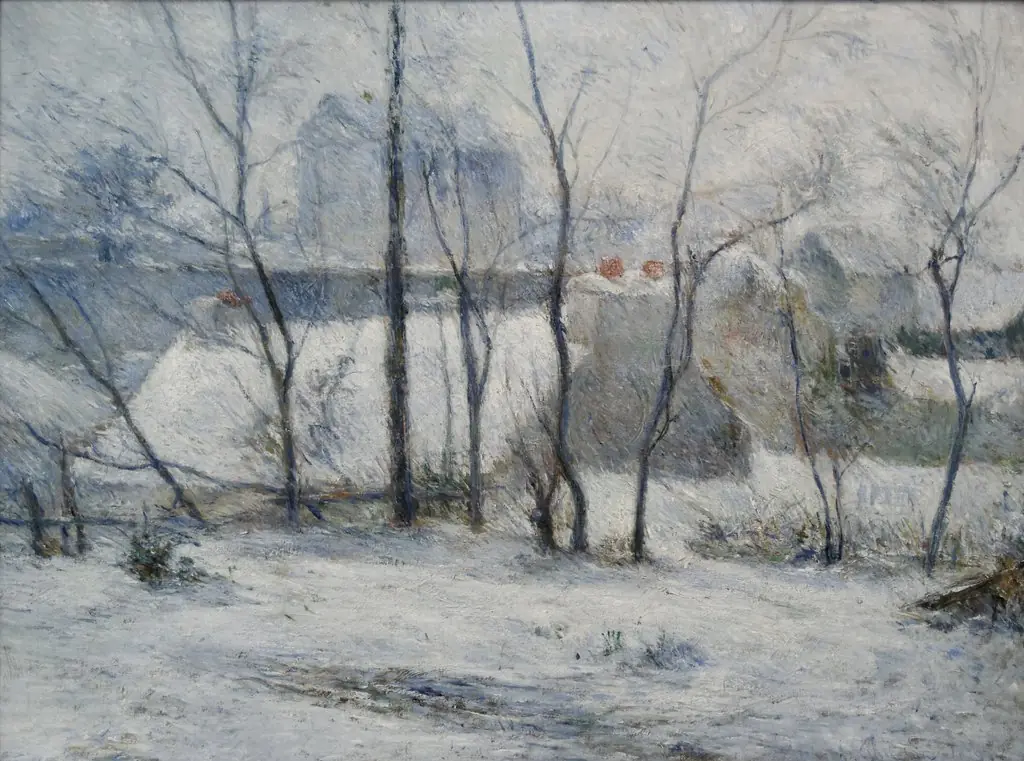 Garden under Snow
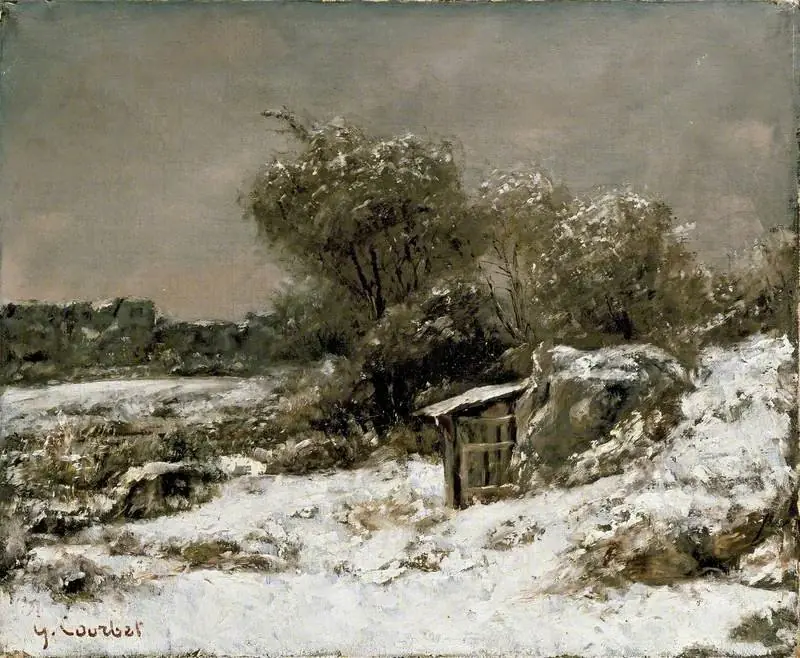 Winter Scene
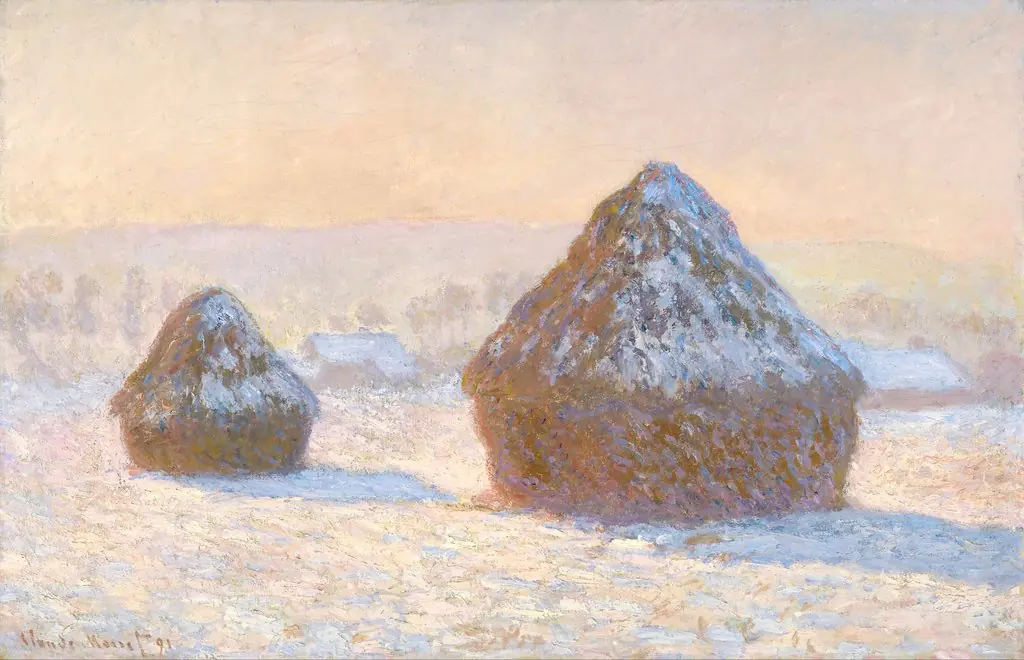 Wheatstacks, Snow Effect, Morning (Meules, Effet de Neige, Le Matin)
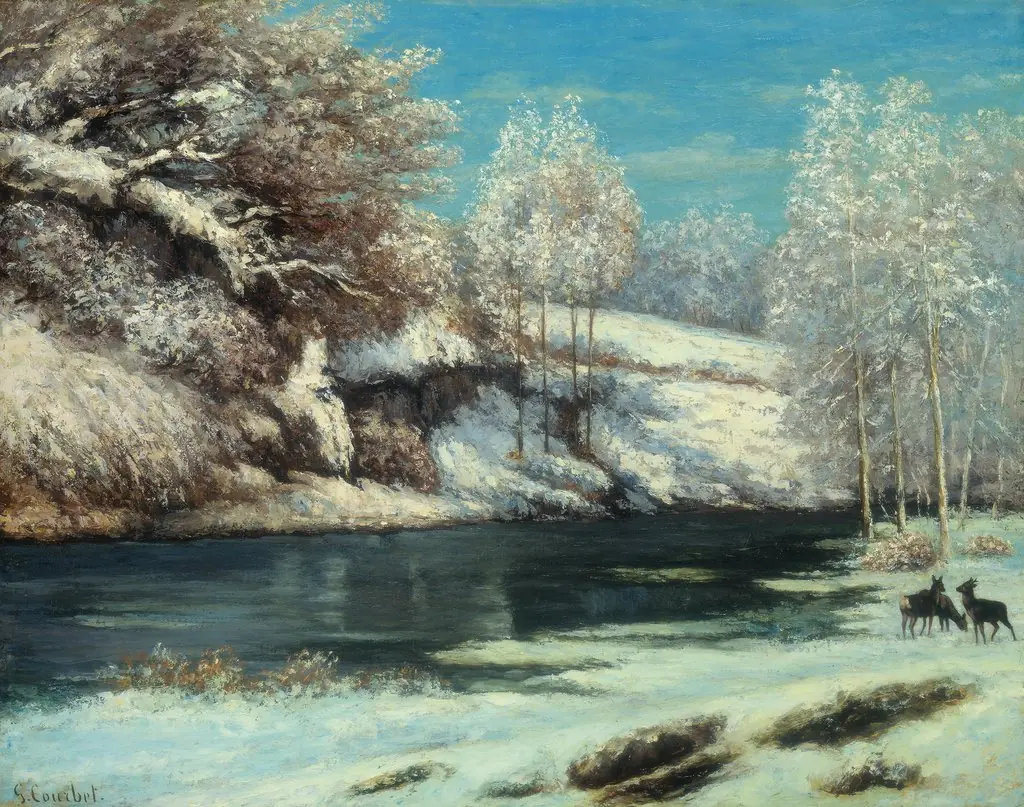 Winter Landscape with Deer
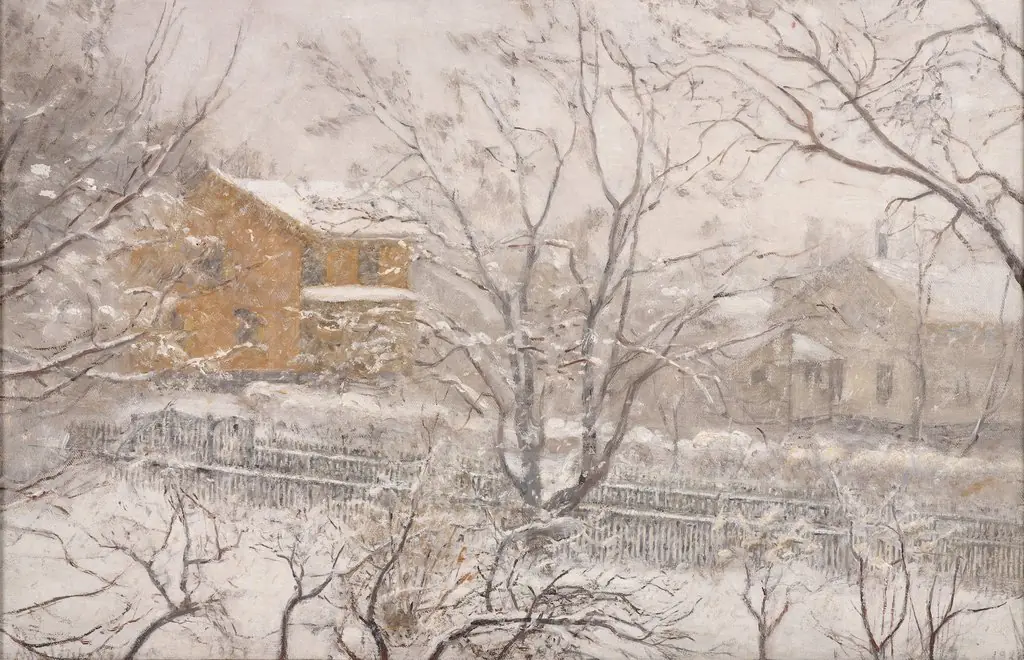 Sludd. Fra ateliervinduet
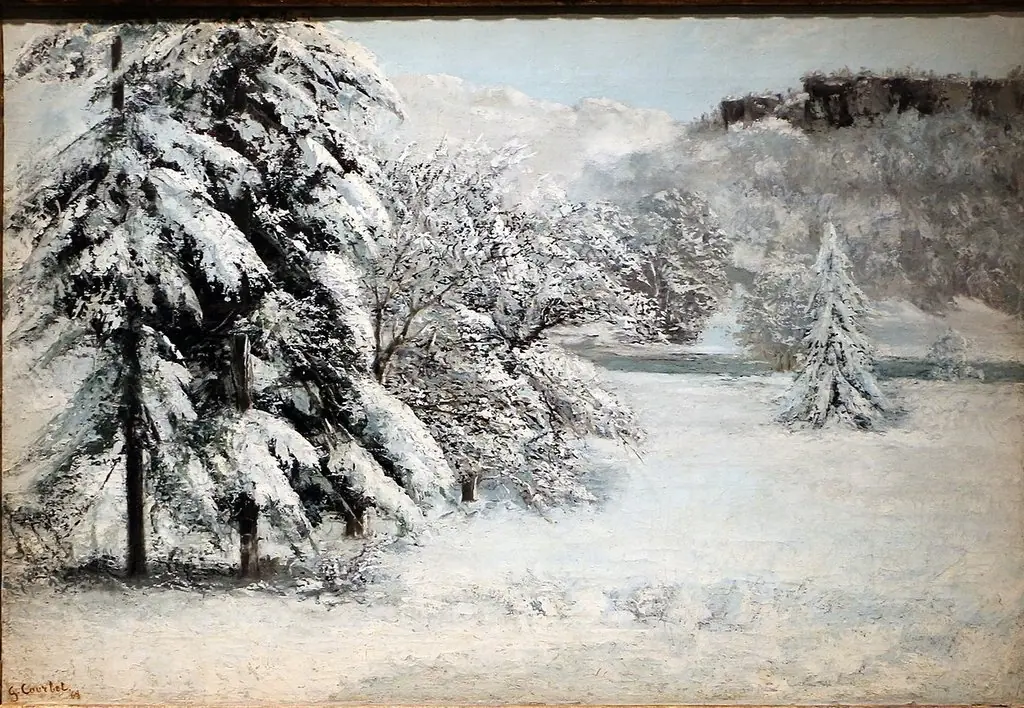 Landscape in Winter
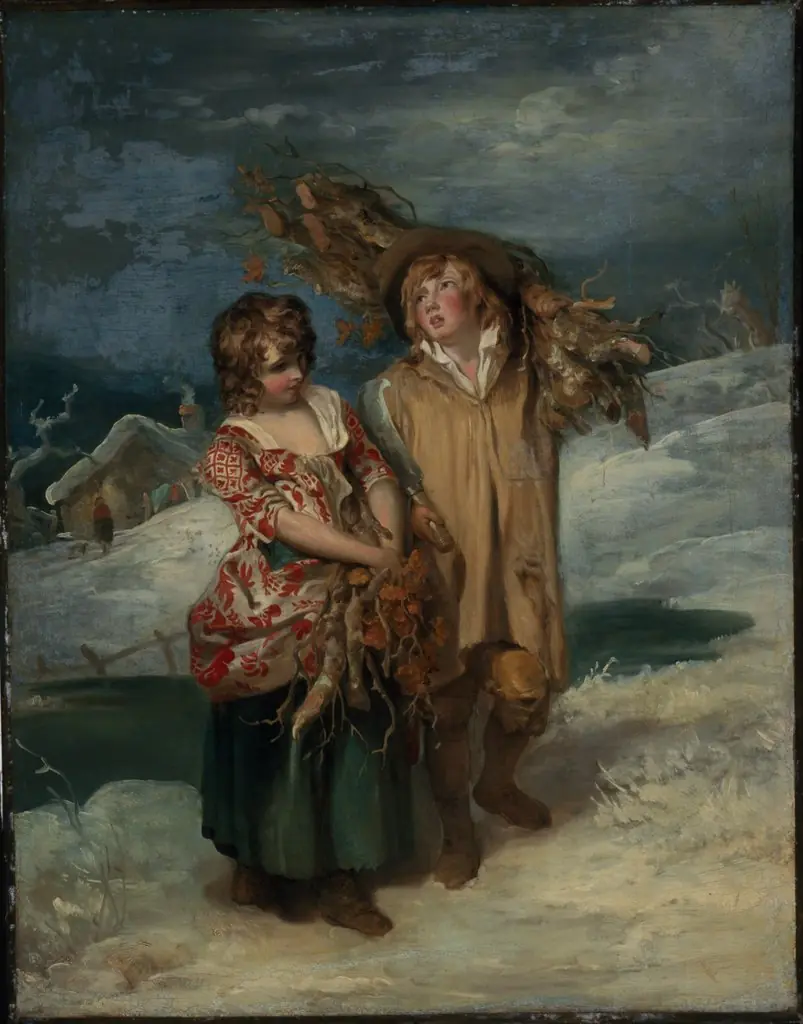 Winter
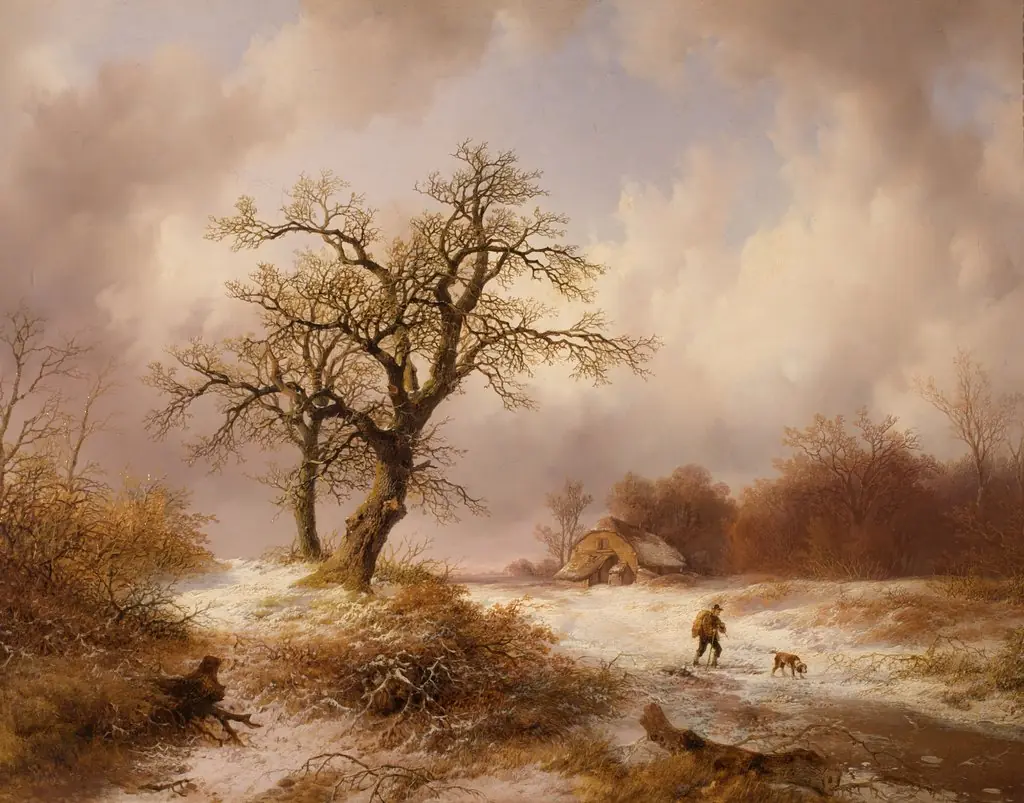 Winterlandschaft
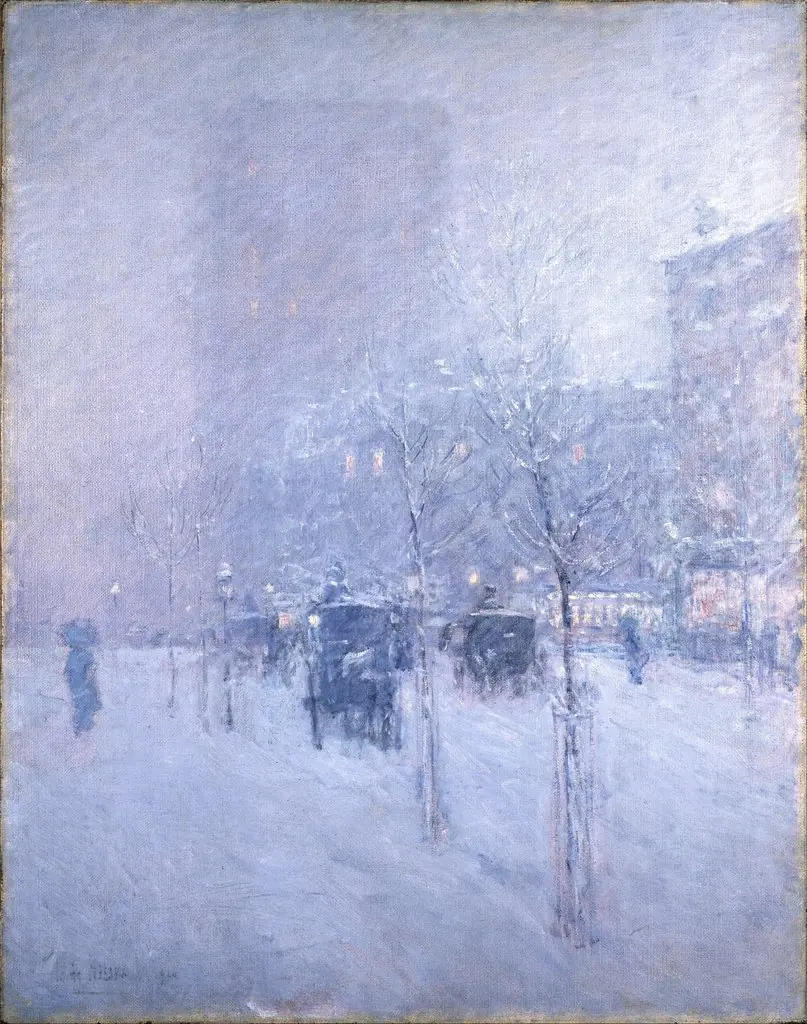 Late Afternoon, New York, Winter
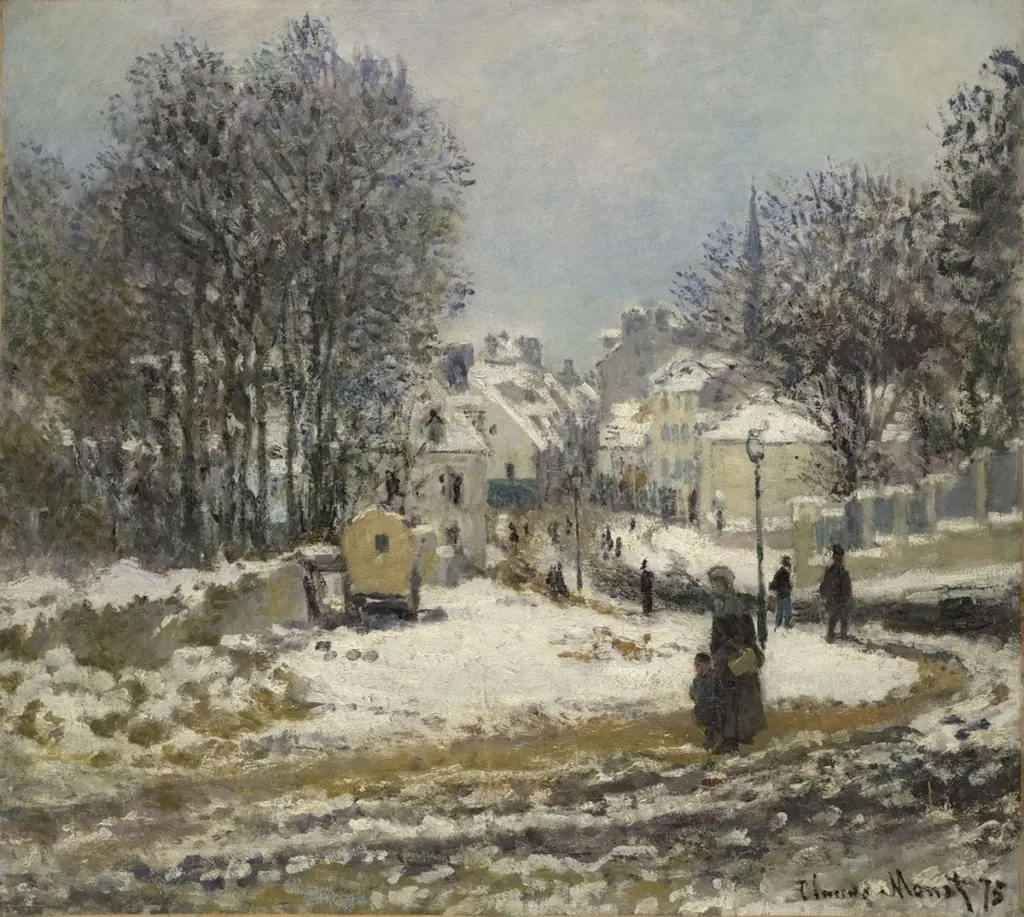 L'Entrée de la Grande Rue à Argenteuil, l'hiver
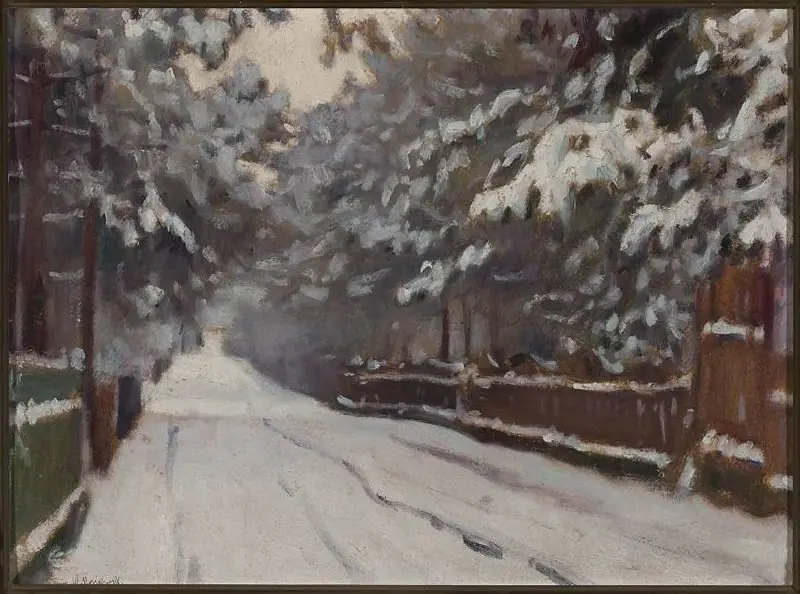 Winter morning II
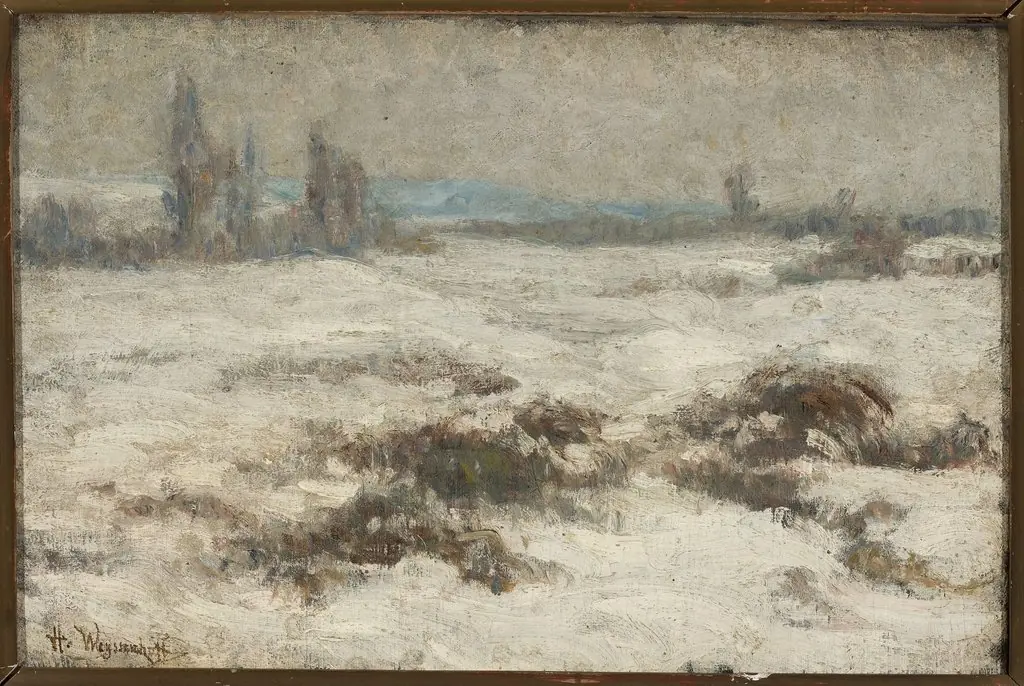 Winter landscape
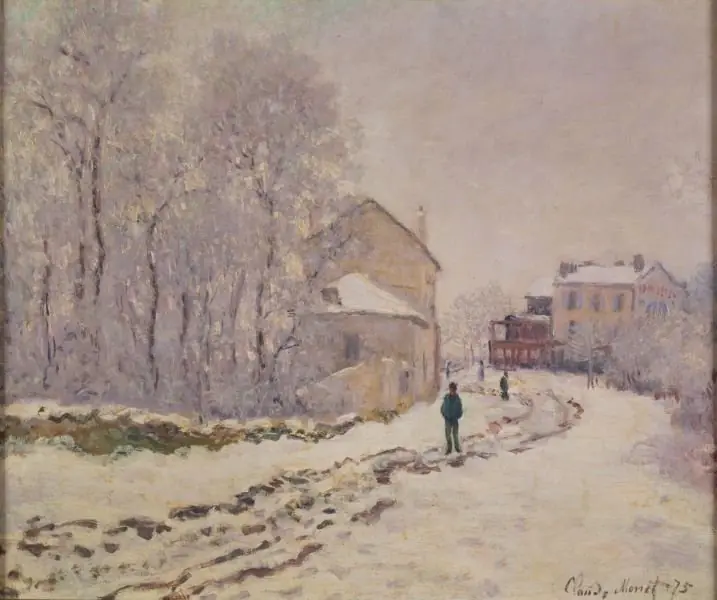 Snow in Argenteuil
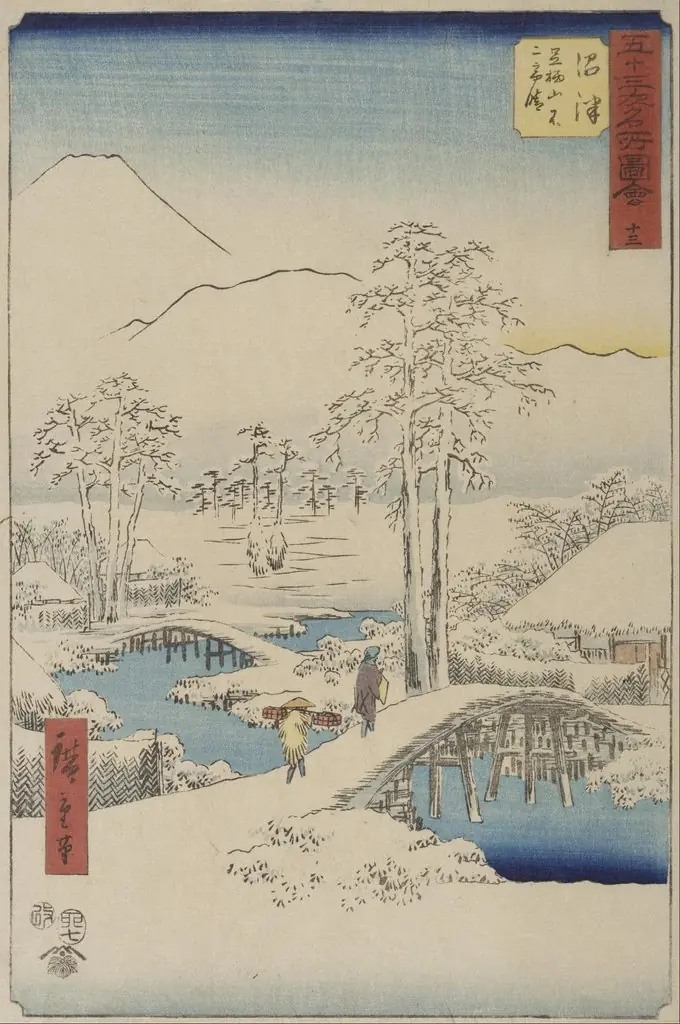 Mt. Fuji and Mt. Ashigara from Numazu from the series Vertical Tokaido (or "Famous Places of the Fifty-three Stations of the Tōkaidō")
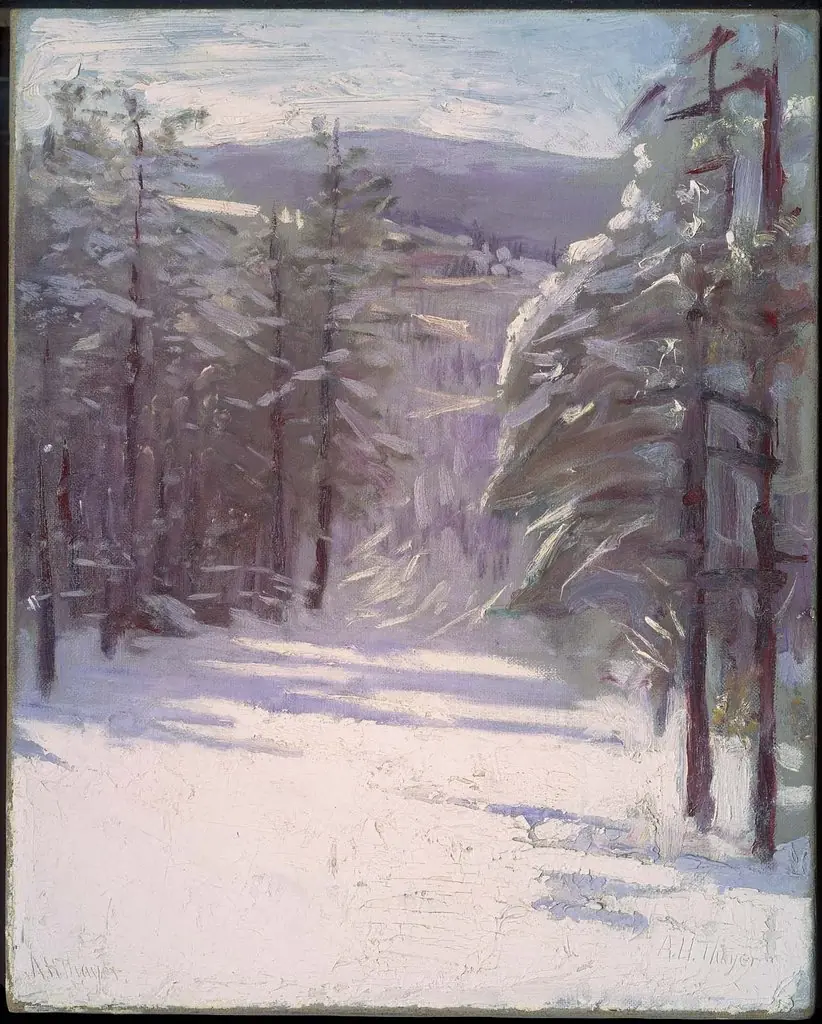 Winter Scene
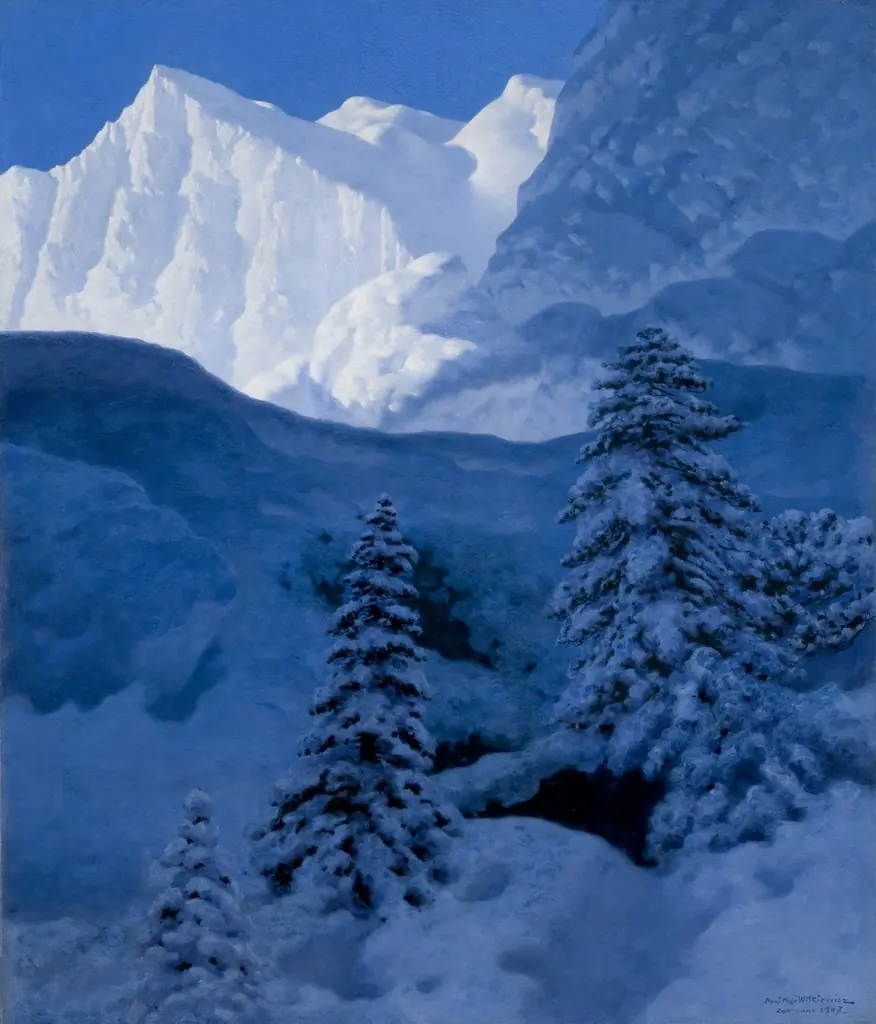 Nest of Winter
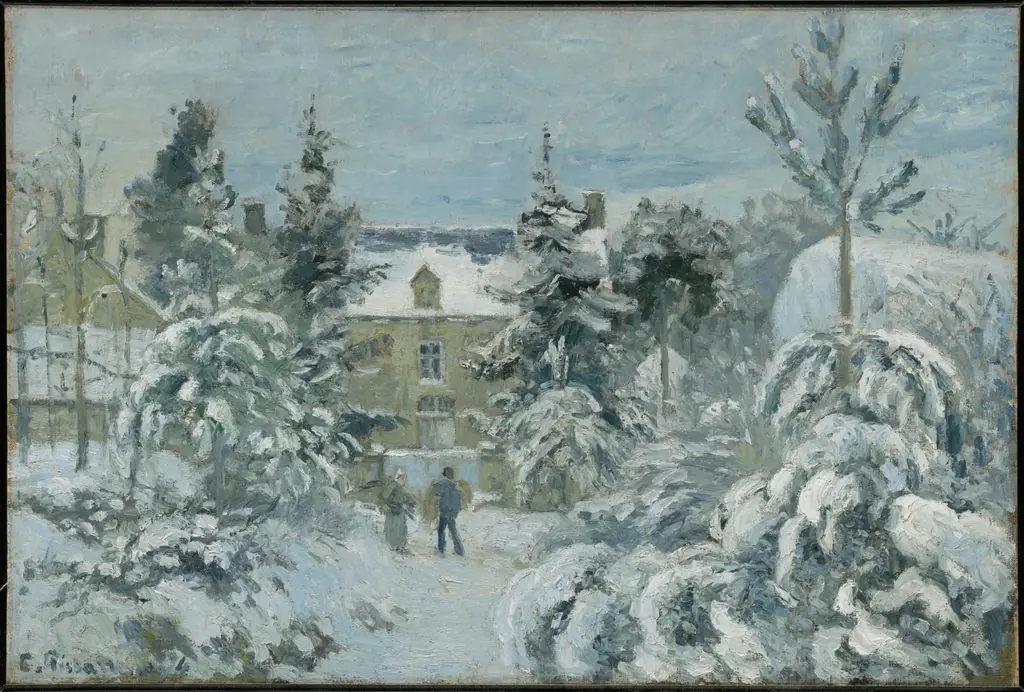 Piette's House at Montfoucault
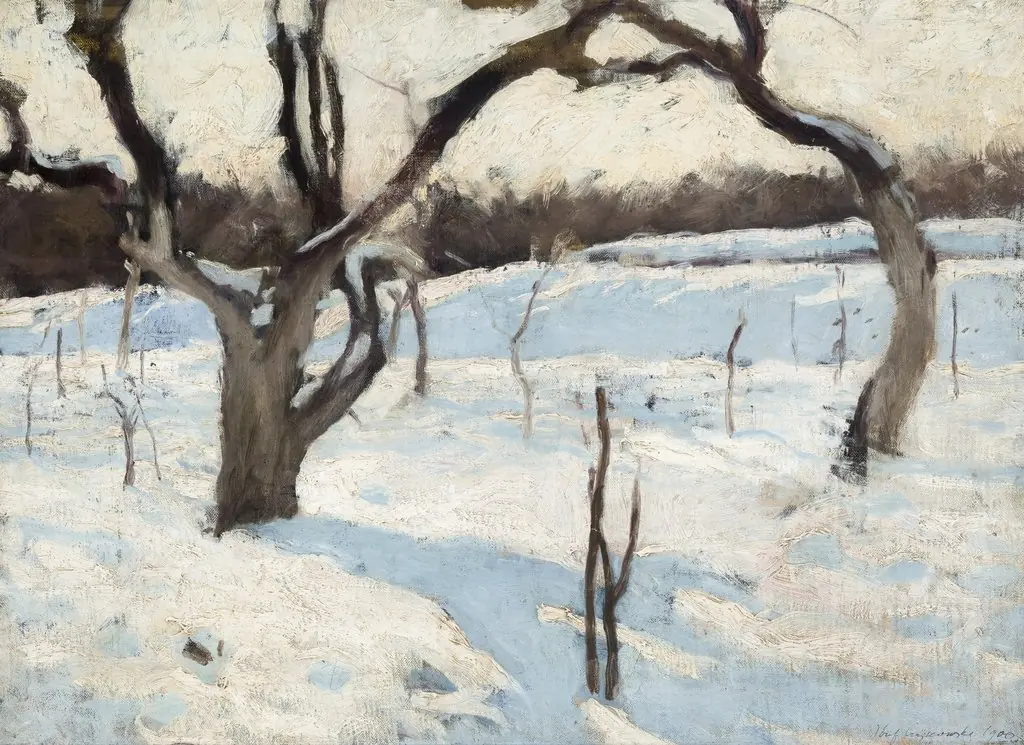 Orchard in Winter
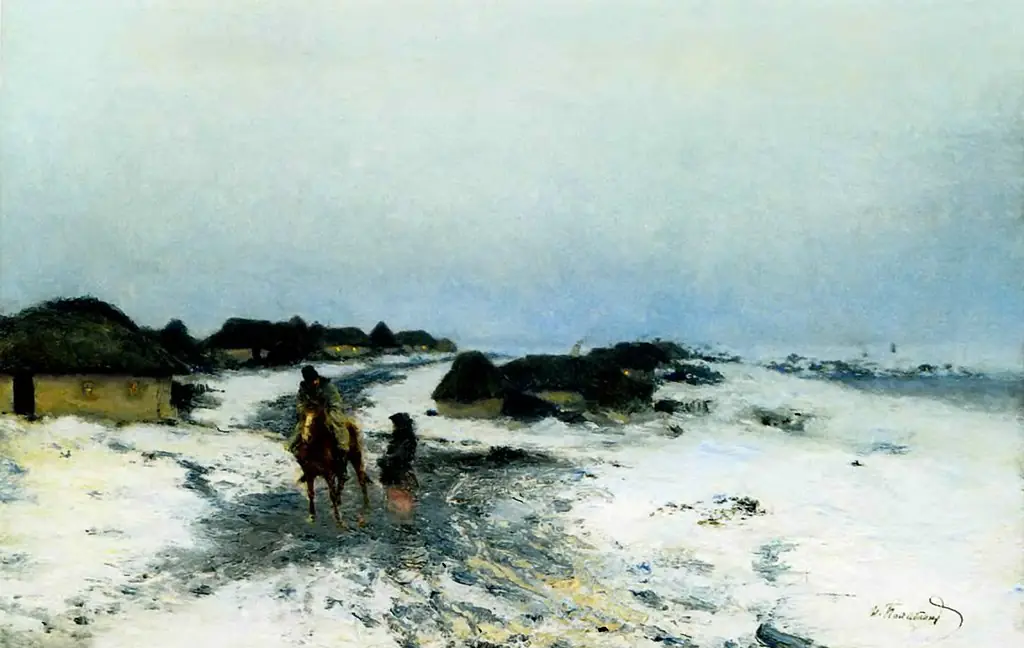 Winter Twilight in Ukraine.
Frequently asked questions
What is Snow?
Snow or Snowe is an English surname.
How many Snow works does Artifact World Gallery have?
Artifact World Gallery holds 200 public-domain Snow works, all free to view and download.
Who are the key Snow artists?
Key Snow artists in the collection include Gustave Courbet, Jacques-Louis David and Jean Léon Gérôme.
Where can I see Snow works?
Snow works in the collection are held by Metropolitan Museum of Art, Victoria and Albert Museum and Statens Museum for Kunst.