
Subject
Harbor
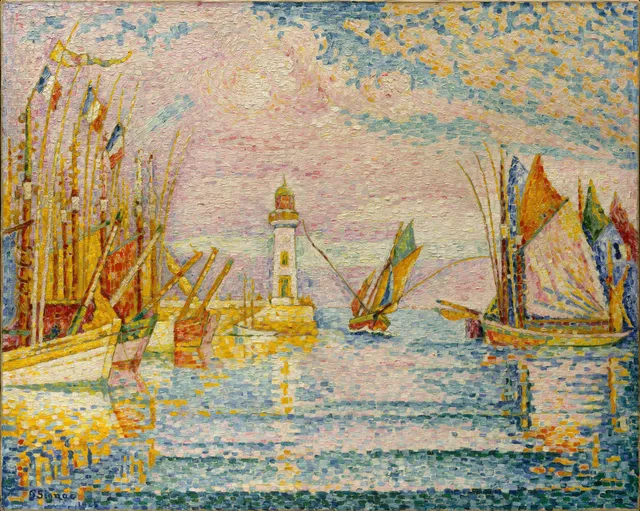
Harbor is a subject in art. The gallery holds 141 works in this subject in art, including works by Alfred Thompson Bricher, George Loring Brown and Claude Monet.
A harbor is a sheltered body of water where ships, boats, and barges can be moored, distinct from a port, which refers specifically to the facilities for loading and unloading vessels. As a subject in art, the harbor sits at the meeting point of land, sea, sky, and human commerce, and it has drawn painters wherever maritime trade shaped a city's identity. The motif crystallized into a serious genre in seventeenth-century Holland, where the young Dutch Republic owed its wealth to command of the oceans and inland waters. During this Golden Age, marine painting flourished as a national specialty: masters such as Jan Porcellis, Simon de Vlieger, Jan van de Cappelle, and Ludolf Backhuysen rendered crowded roadsteads, fishing fleets, and calm anchorages with unprecedented attention to atmosphere, water, and the silver northern light.
In Italy, Claude Lorrain (1604/5–1682) recast the harbor as an idealized stage. Settling in Rome by 1627, he began painting imaginary seaports in the 1630s, framing glowing expanses of water with classical colonnades and placing the sun low on the horizon—as in his celebrated Seaport with the Embarkation of Saint Ursula (1641) and the Embarkation of the Queen of Sheba (1648). Claude was among the first to make the sunrise or sunset the true subject of a picture, and his luminous compositions became a touchstone for later landscapists. In eighteenth-century Venice, Canaletto perfected the topographical veduta, depicting the Grand Canal and lagoon with crystalline precision for English Grand Tourists.
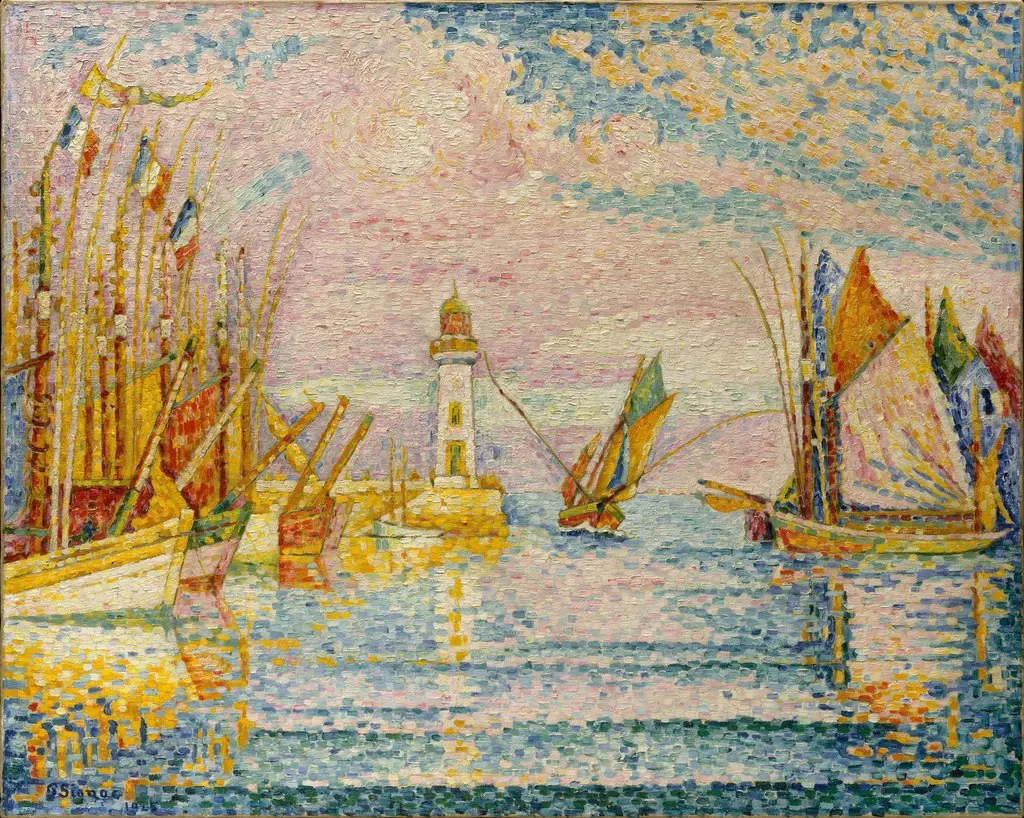
The harbor proved equally vital to nineteenth-century innovation. J. M. W. Turner, an avowed admirer of Claude, dissolved ship and shore into fog and fire in The Fighting Temeraire (1839). His example in turn shaped Claude Monet, whose Impression, Sunrise (1872)—a hazy view of the industrial port of Le Havre painted from the Grand Quai—gave Impressionism its name. In America, Fitz Henry Lane and the Luminists distilled harbor light into serene, meticulous calm, while the Neo-Impressionist Paul Signac, an avid yachtsman, built shimmering port scenes from dots of pure color, as in his Lighthouse at Groix (1925), held in this collection.
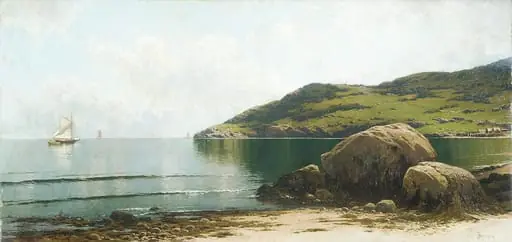
From Dutch realism through Romantic spectacle and modernist experiment, the harbor remained a laboratory for studying light on water and the rhythms of trade. This collection's holdings—including Alfred Thompson Bricher's Marine Landscape and Signac's Lighthouse at Groix—reflect that long and varied tradition.
Key artists
Overview
A harbor is a sheltered part of a body of water where ships, boats, and barges can be moored. Though often used interchangeably with port, the term harbor refers specifically to the sheltered area of water itself, whereas port denotes the facilities for loading and unloading vessels. Harbors may be natural or artificial: natural harbors are protected by surrounding landforms such as bays, inlets, or promontories, while artificial harbors require human construction of breakwaters, sea walls,+jetties, or dredging to create sufficient depth. The motif of the harbor has recurred across centuries of art as a site where human industry intersects with natural forces, offering artists a rich subject that encompasses maritime commerce, naval power, coastal geography, and the atmospheric effects of water, sky, and light. In the collection under discussion, the harbor appears in 155 works, ranging from marine landscapes and nocturnal port views to specific topographical records such as View of the Harbor at Canton, Le port de Honfleur la nuit, and Evening, New Bedford Harbor.
Iconography & meaning
The harbor carries multivalent symbolism in art. Fundamentally, it represents a threshold between land and sea, stability and flux, the known and the unknown. As a sheltered space, it evokes protection, refuge, and respite from danger, a meaning reinforced by the French term havre, which carries the metaphorical sense of a safe haven or peaceful retreat. In maritime contexts, harbors signify commerce, empire, and the wealth generated by trade, as seen in depictions of bustling port cities. The presence of ships, whether at anchor or departing, introduces narratives of voyage, return, and human endeavor against natural forces. Lighthouses, breakwaters, and dock structures within harbor scenes speak to human ingenuity and the struggle to master unpredictable waters. In Romantic and later treatments, harbors often become vehicles for atmospheric and emotional effect, with moonlit waters, dramatic skies, and reflections serving as conduits for contemplation or sublime feeling. The Cubist harbor, as theorized by Jean Metzinger and Albert Gleizes, transforms these traditional associations entirely: the harbor becomes a subject through which to explore multiple viewpoints, non-Euclidean spatial concepts, and the active role of the observer in reconstructing reality.
Across movements & periods
The treatment of harbors in art has shifted markedly across movements and periods. In the seventeenth through nineteenth centuries, harbors were frequently depicted by artists working in Romantic, Realist, and Impressionist modes, often emphasizing the interplay between human activity and natural setting. John Atkinson Grimshaw's nocturnal harbor views, Fitz Hugh Lane's luminist treatments, and Winslow Homer's realistic marine scenes exemplify approaches that exploit the harbor's capacity for atmospheric and light effects. The Dutch tradition of harbor and canal views, continued by painters such as Frank Myers Boggs, emphasized topographical specificity and the poetry of everyday maritime commerce. With the advent of Cubism, the harbor underwent radical transformation. Jean Metzinger's Le Port (1911-12), exhibited at the Salon des Indépendants and the Salon de La Section d'Or, abandoned single-point perspective in favor of a mobile, multi-viewpoint construction that embedded harbor elements, sailboats, buildings, and shuttered windows within a curved, non-Euclidean spatial manifold. This represented not merely a stylistic shift but a fundamental rethinking of how space itself could be represented, with the harbor serving as the vehicle for exploring Riemannian geometry and the subjective reconstruction of reality by the viewer.
Notable depictions
Among canonical harbor depictions, several works stand out for their artistic significance. William Wilson's Leaving Harbour captures a small sailing vessel departing for open sea, with sailors visible on deck. John Atkinson Grimshaw's Whitby Harbor by Moonlight exemplifies Romantic nocturnal treatment with saturated green tones mirroring the harbor water. Fitz Hugh Lane's Boston Harbor (c. 1850-55) demonstrates Luminist principles through its morning light and contrast between foreground small craft and background grand vessels. Winslow Homer's Gloucester Harbor and Dory and Watching the Harbor show his characteristic realistic approach with somber palettes and integration of human figures within maritime settings. Frank Myers Boggs's Dordrecht Harbor applies Impressionist outdoor painting to a Dutch locale. Egon Schiele's Harbor of Trieste displays Art Nouveau attention to detail, particularly in water reflections. William Bradford's Boston Harbor (1857) offers a Romantic, Hudson River School-influenced serenity. Most significantly for modern art, Jean Metzinger's The Harbor (Le Port, 1911-12), reproduced in the seminal theoretical texts Du Cubisme and Guillaume Apollinaire's The Cubist Painters, Aesthetic Meditations, used the harbor to demonstrate Cubism's revolutionary spatial principles, with its curved horizon and simultaneous multiple viewpoints.
Legacy
The harbor motif has demonstrated remarkable persistence and adaptability across the history of art. Its continued presence in collections, with 155 works in this corpus alone, attests to its enduring hold on the artistic imagination. The theoretical significance of Metzinger's Cubist harbor, disseminated through the widely read manifesto Du Cubisme and Apollinaire's critical writings, ensured that the harbor became associated with some of the most advanced artistic thinking of the early twentieth century. Apollinaire himself noted the classical qualities of Metzinger's treatment, suggesting its worthiness for the Musée du Luxembourg. The harbor's legacy extends beyond fine art into local and regional heritage preservation, as institutions such as the Harbor History Museum in Gig Harbor, Washington, demonstrate. Such museums, with collections exceeding 29,000 artifacts, images, and archival materials, use the harbor as an organizing principle for understanding community identity, maritime labor, and environmental history. The Wikimedia Commons category for paintings of ports and harbours, containing 189 files across 20 subcategories, further indicates the subject's continued documentation and digital accessibility. From documentary record to avant-garde experiment, from local heritage to global commerce, the harbor remains a vital site where art, history, and geography converge.
Works
 Marine Landscape
 Lighthouse at Groix
 Memorial painting
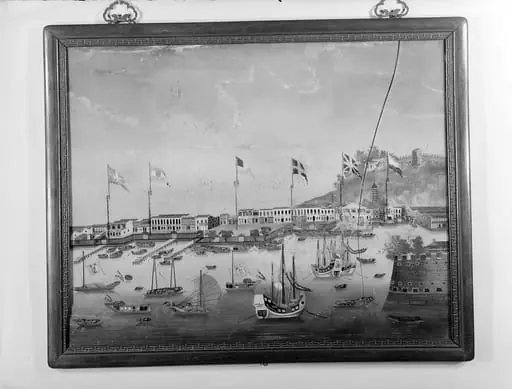 View of the Harbor at Canton
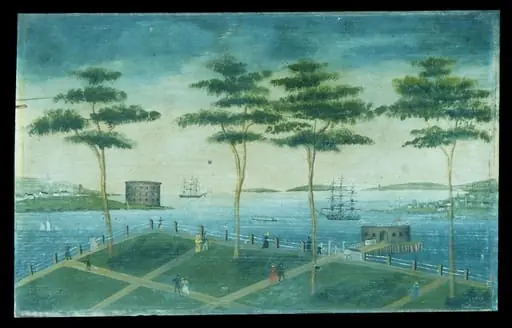 View of the Battery, New York
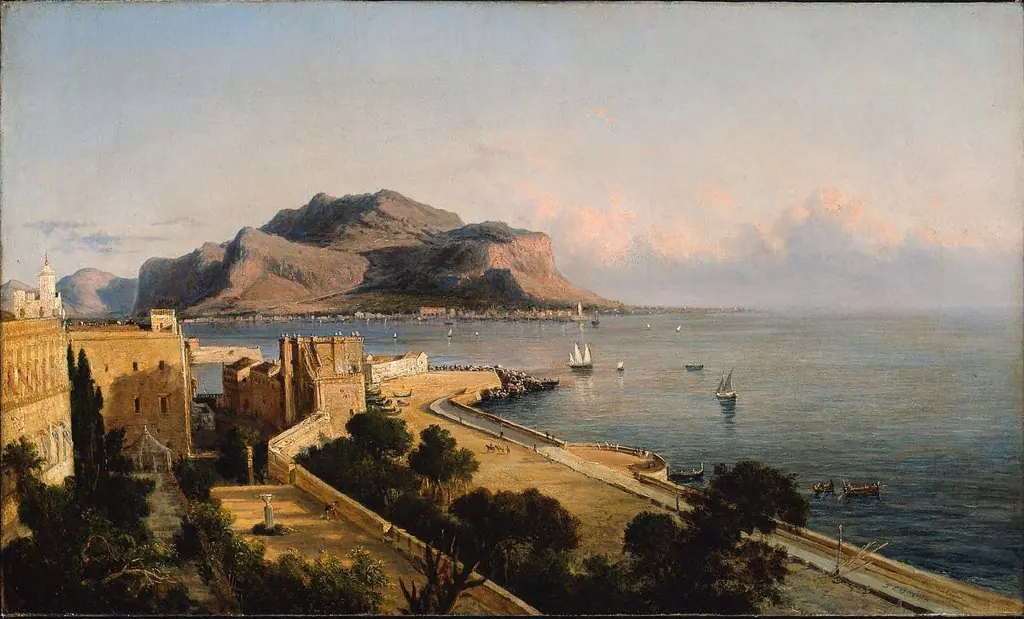 Monte Pellegrino at Palermo, Italy
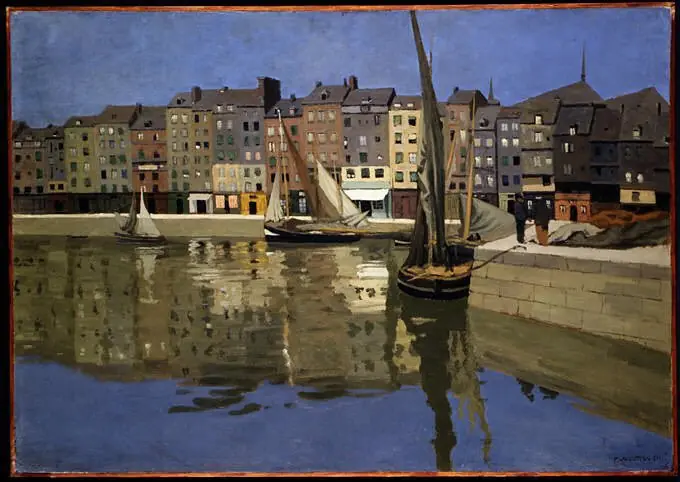 Le port de Honfleur la nuit
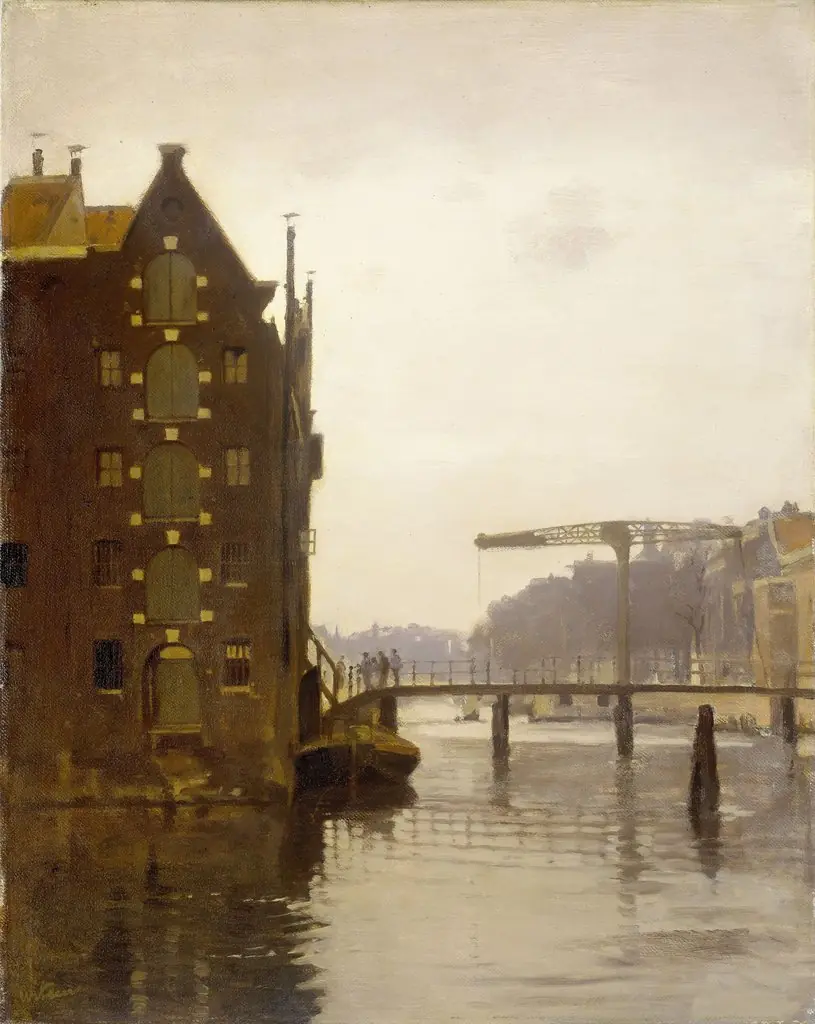 Pakhuizen aan een Amsterdamse gracht op Uilenburg
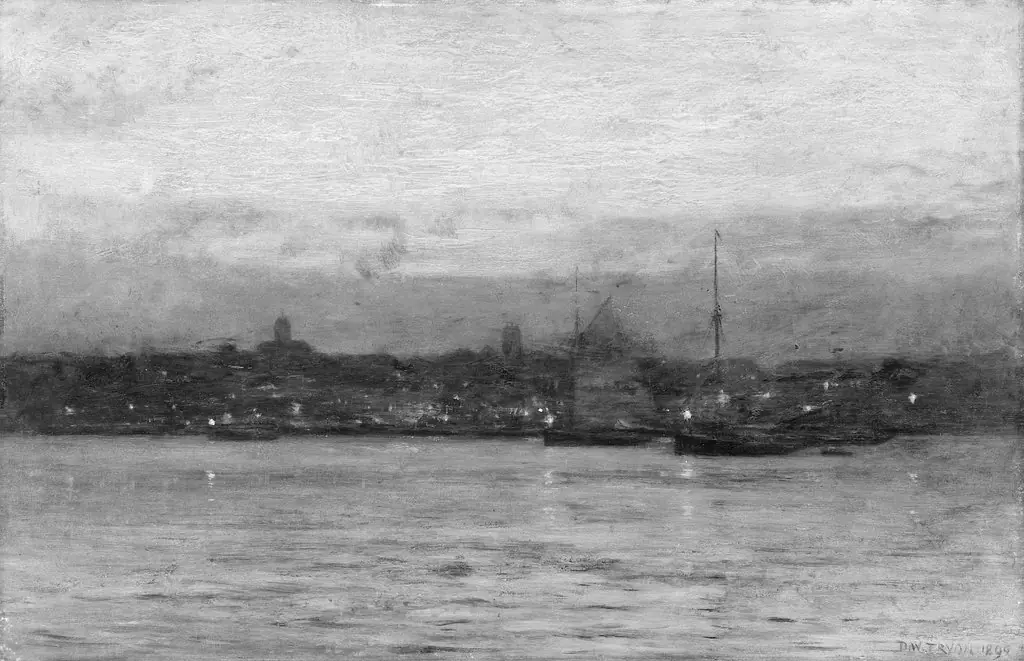 Evening, New Bedford Harbor
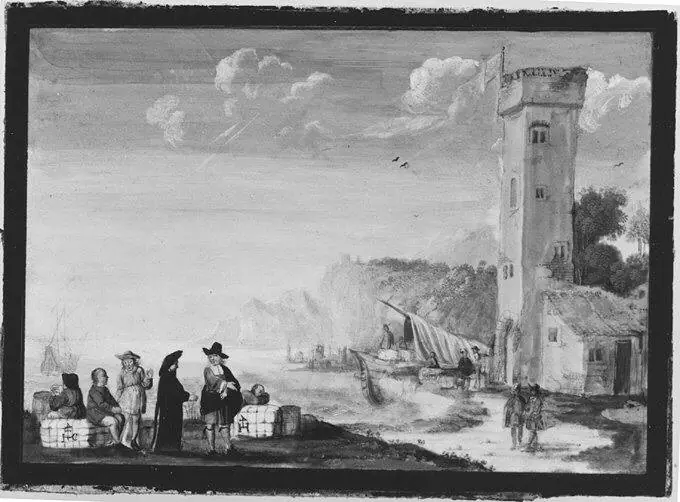 Harbor Scene
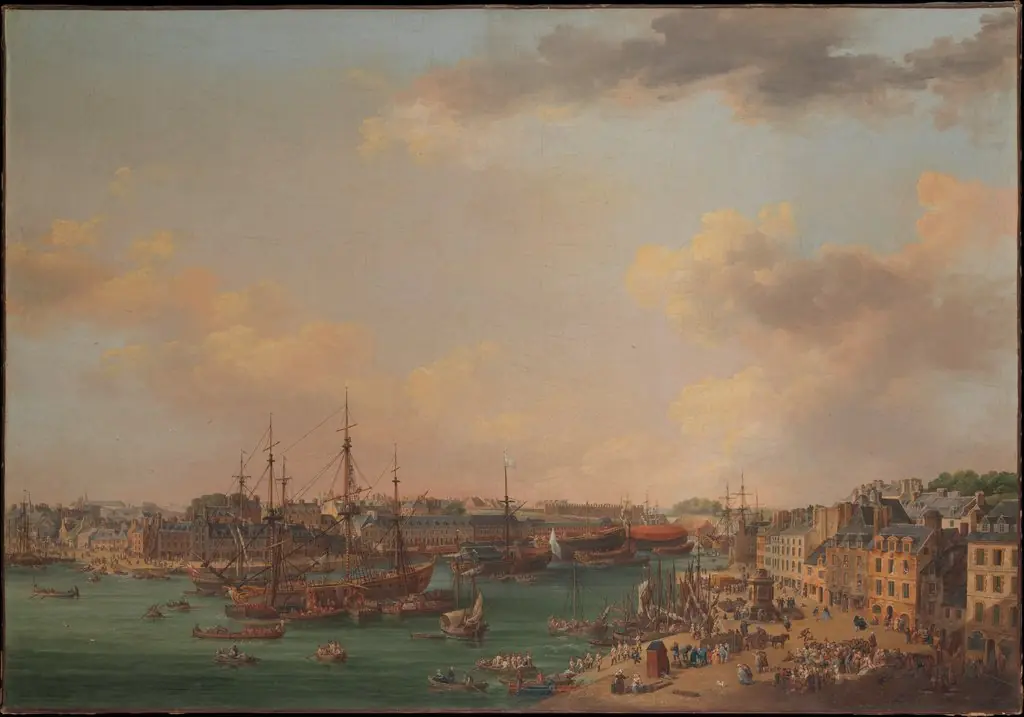 The Outer Harbor of Brest
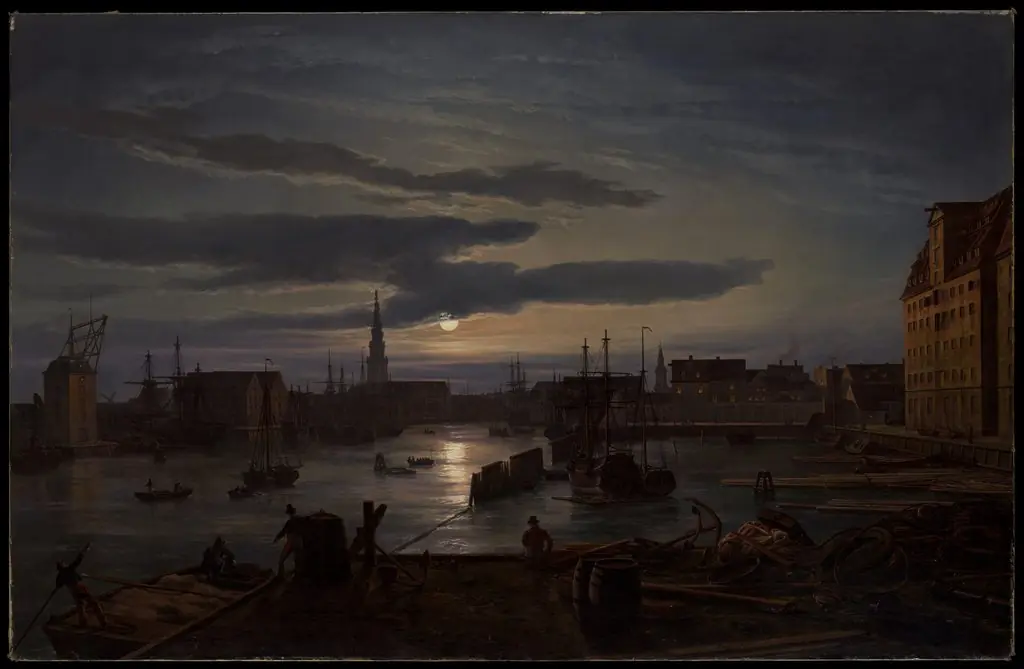 Copenhagen Harbor by Moonlight
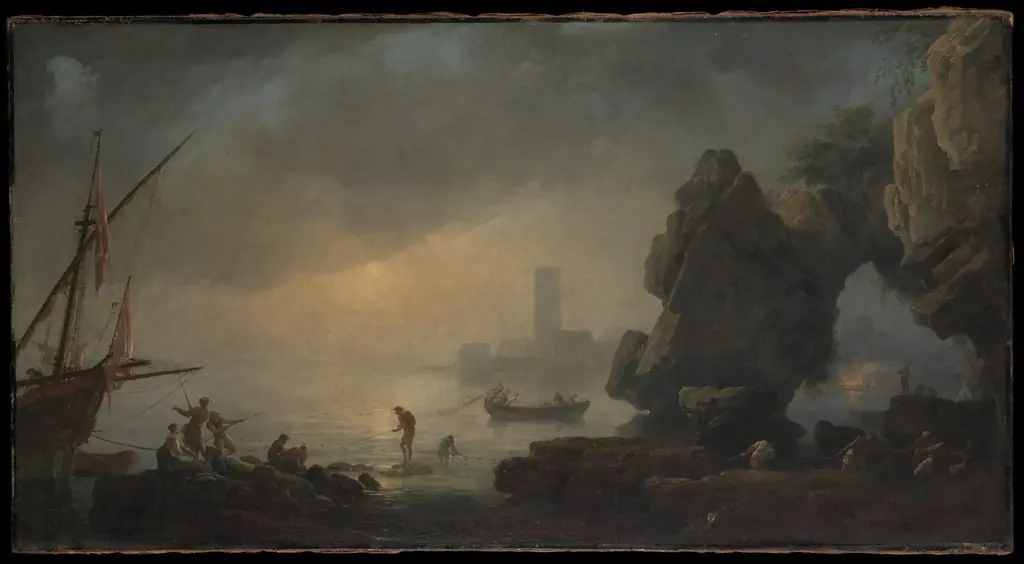 Harbor Scene with a Grotto and Fishermen Hauling in Nets
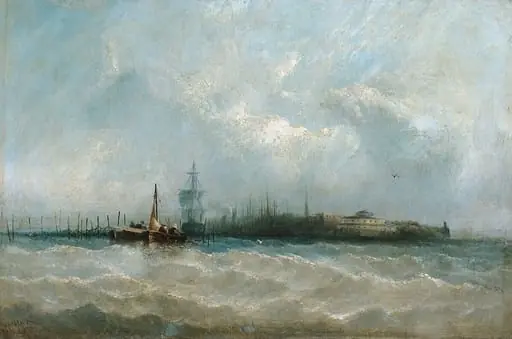 New York from the Harbor Showing the Battery and Castle Garden
 Entrance to the Port of Palermo by Moonlight
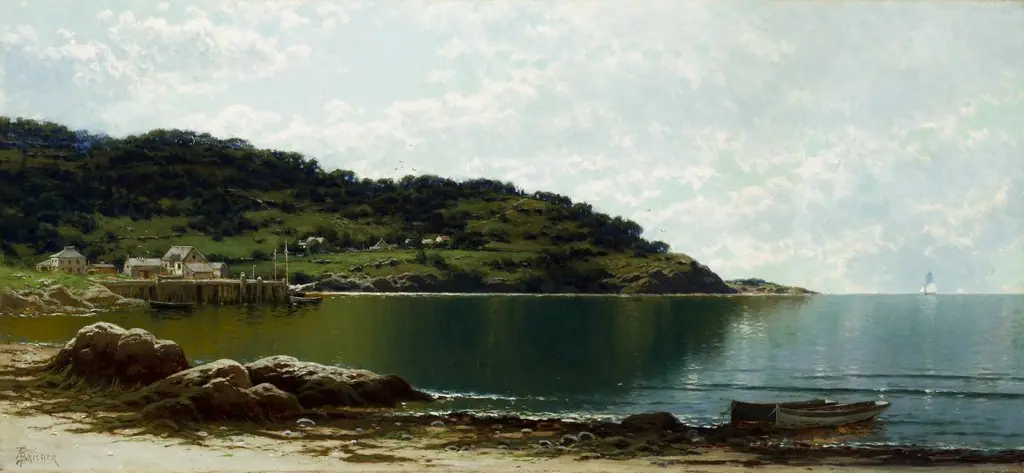 Along the Maine Coast
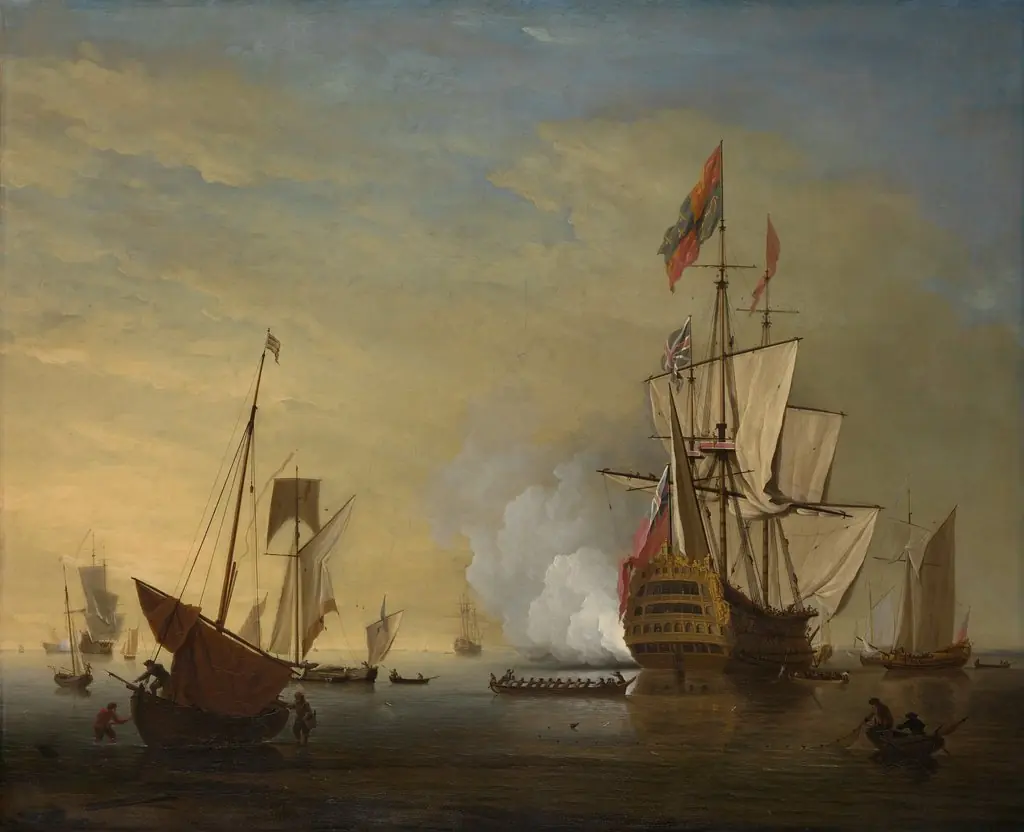 Harbor Scene: An English Ship with Sails Loosened Firing a Gun
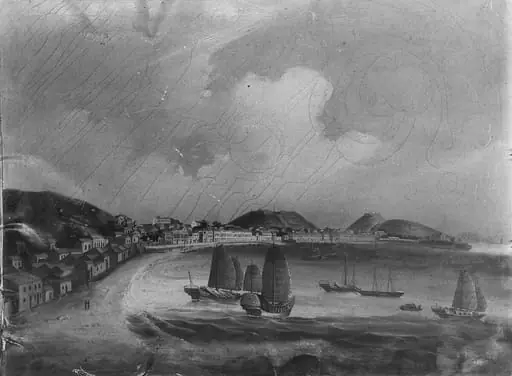 View of Macau
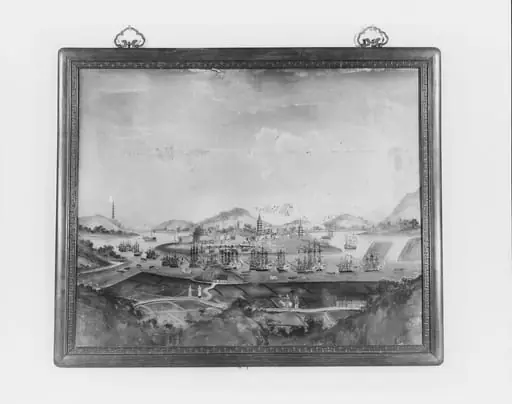 Harbor Scene
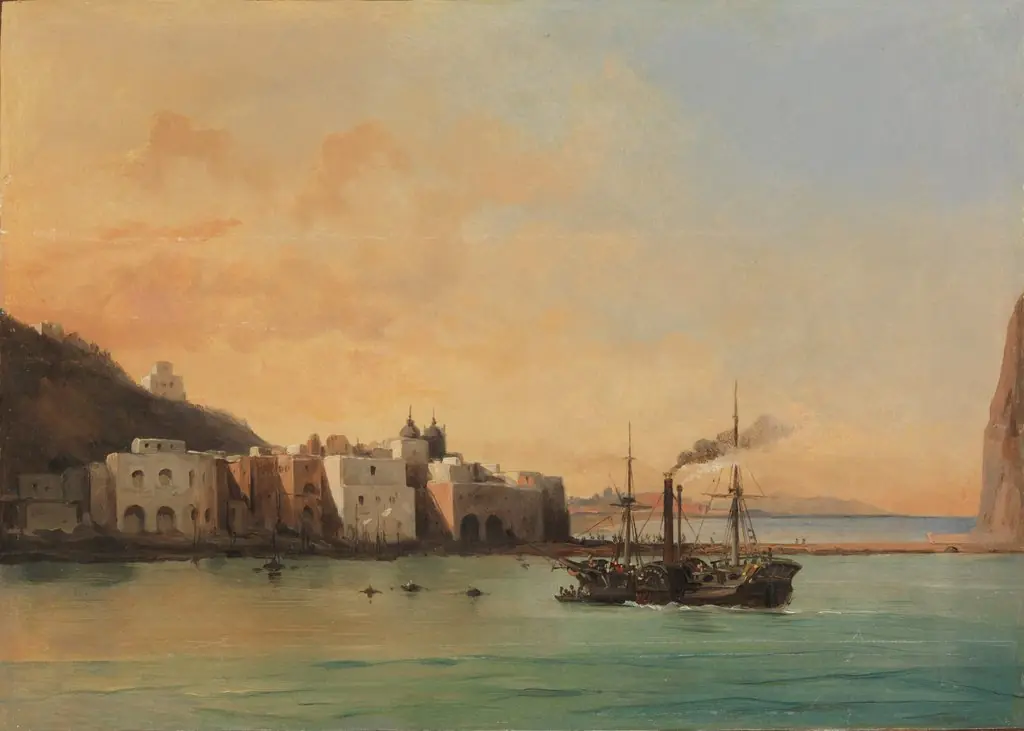 View of Ischia from the Sea
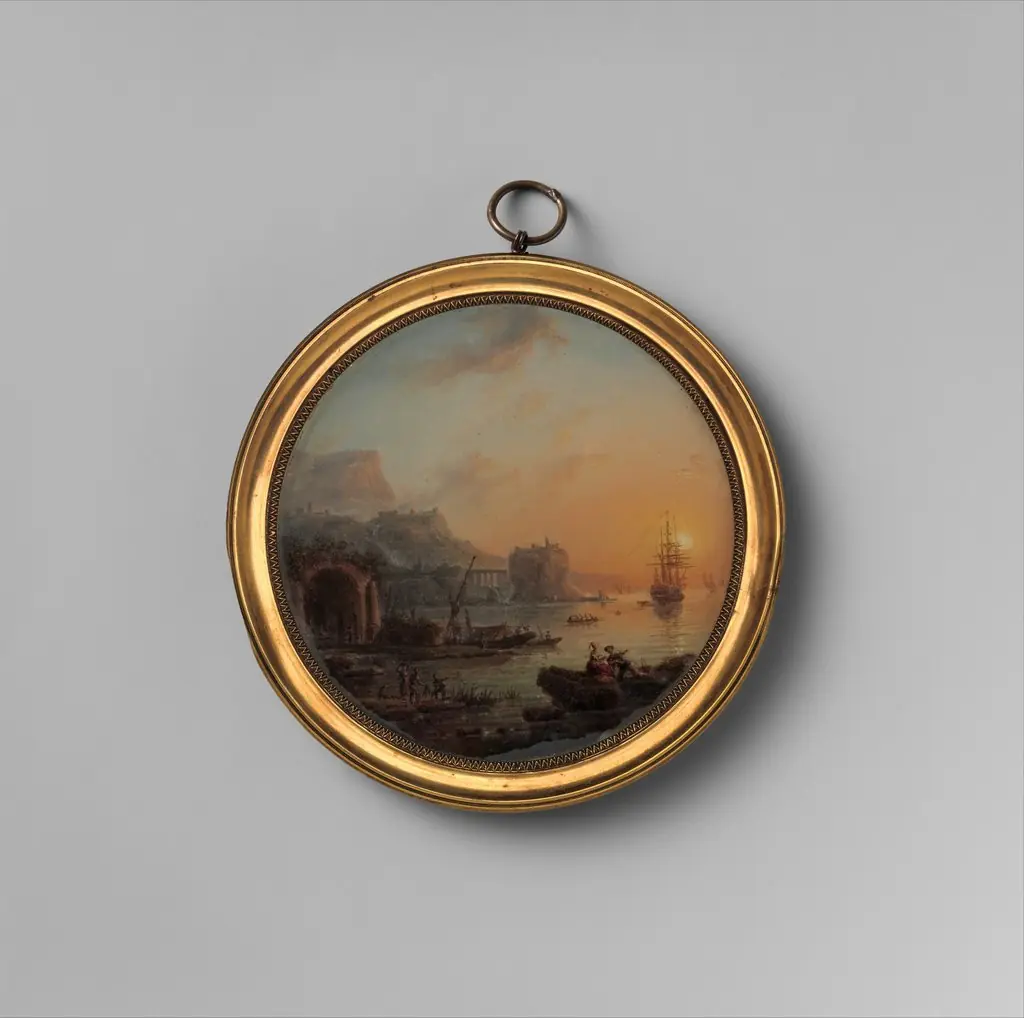 View of a Harbor
 Bay and Harbor of New York from Bedlow's Island
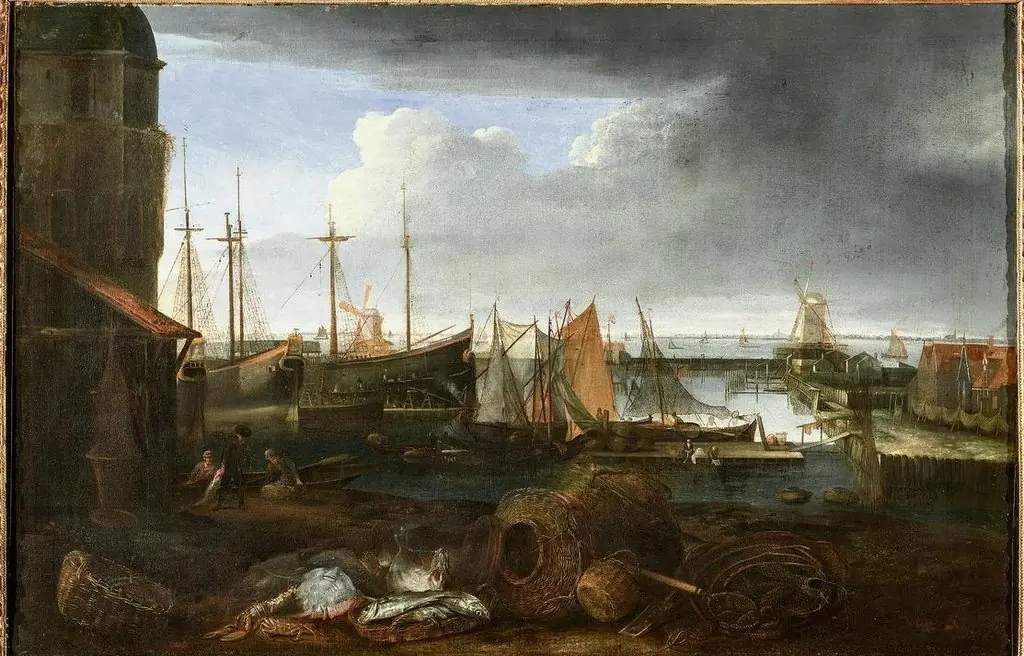 View of the harbor of Hoorn, with a still life of fish and baskets in the foreground
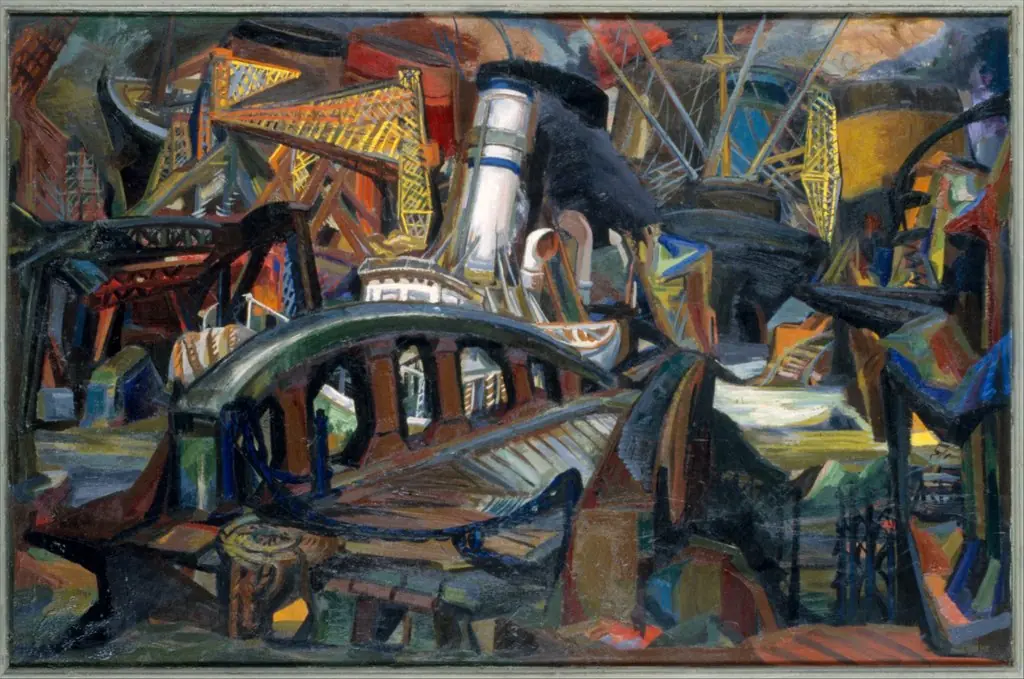 The Harbor
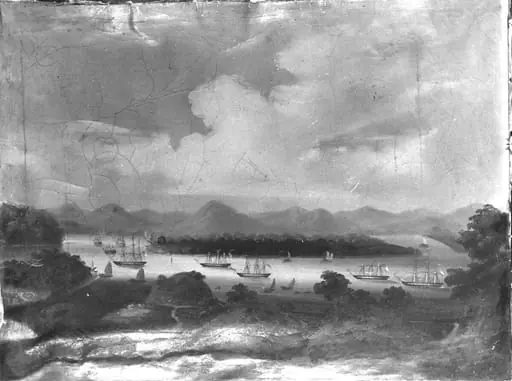 View of the Whampoa Anchorage
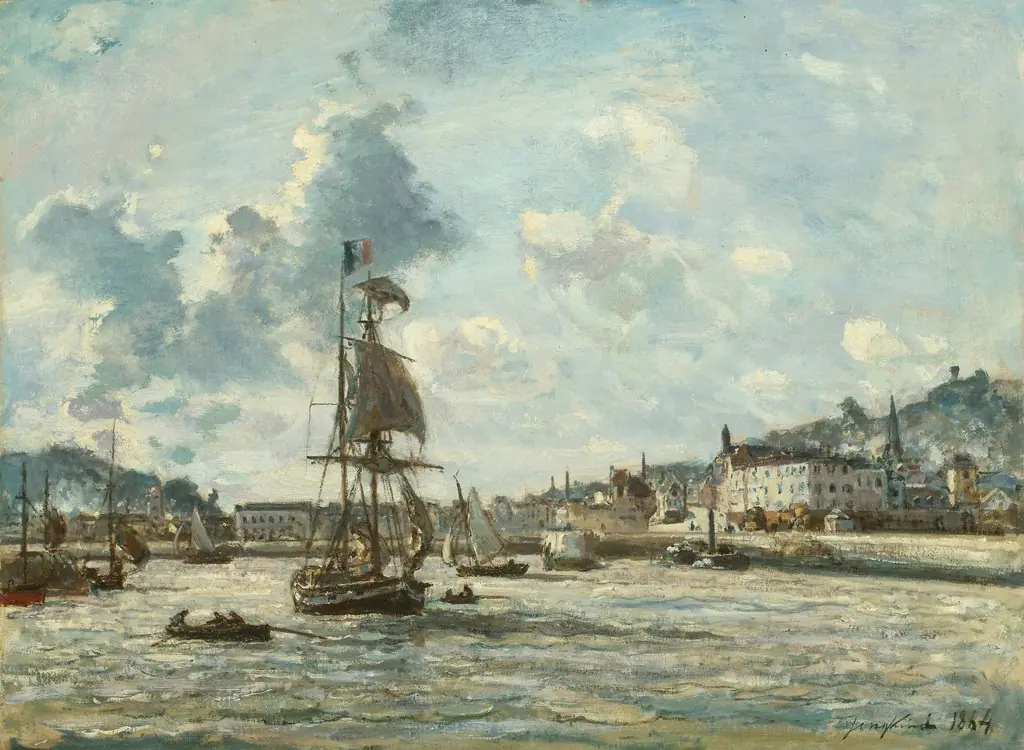 Entrance to the Port of Honfleur
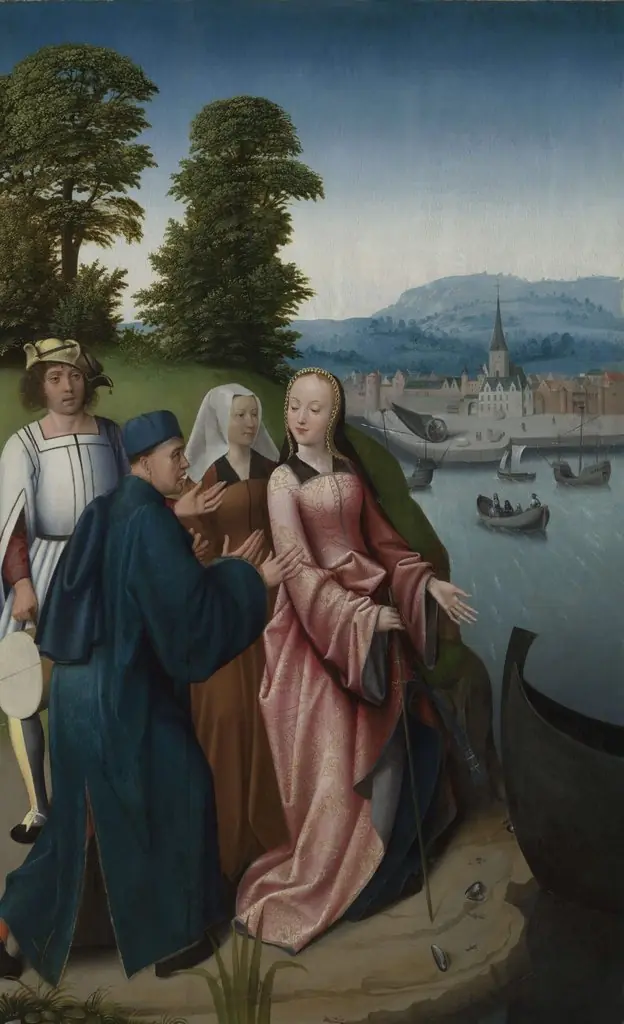 Dymphna and her Companions about to Embark
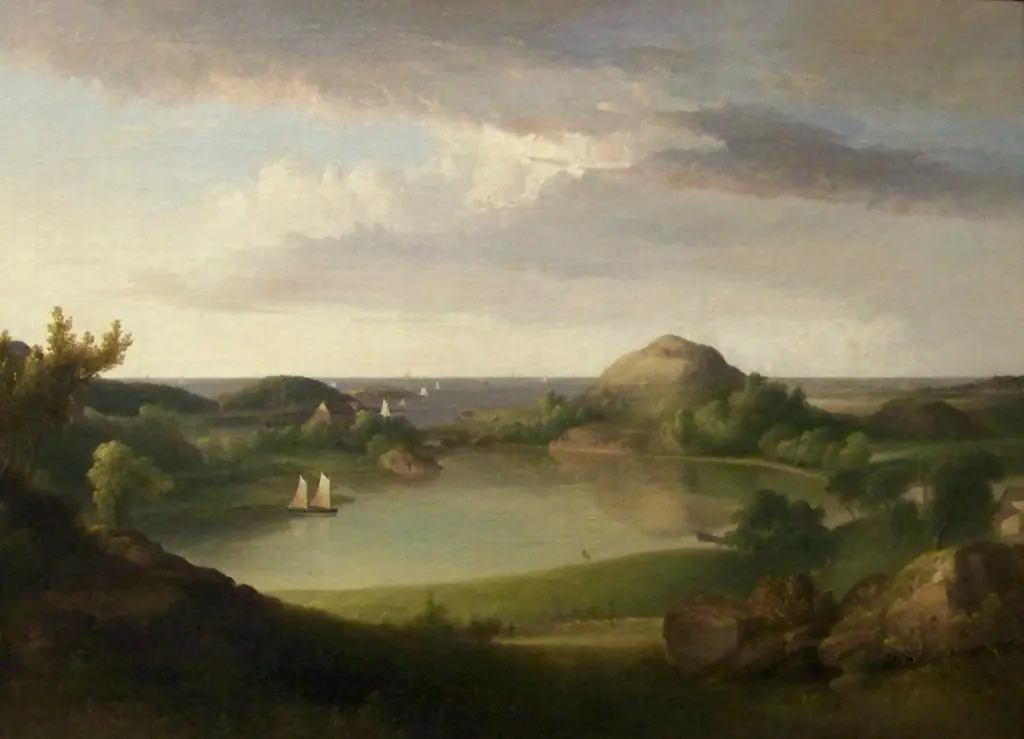 Harbor Landscape
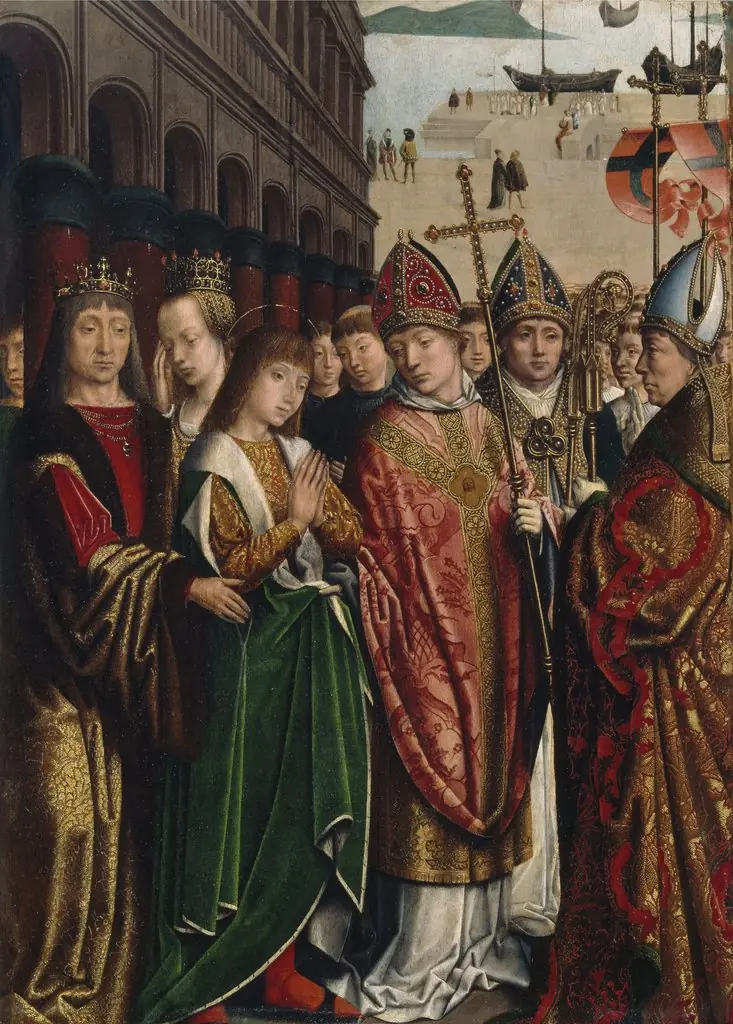 Saint Rumbold Taking Leave of his Parents
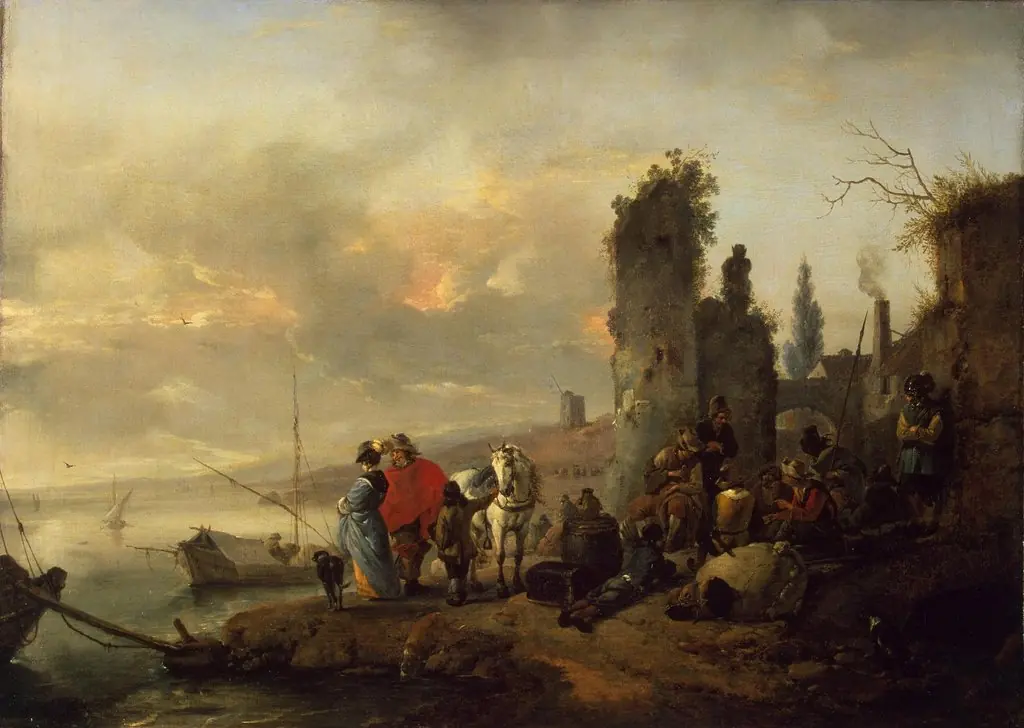 Sea Harbour
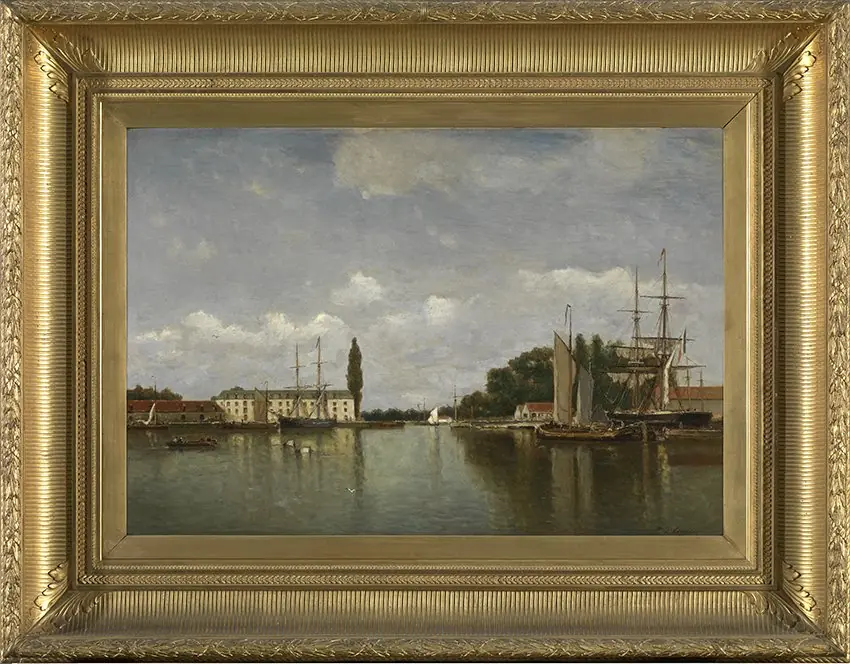 De Handelskom in Brugge
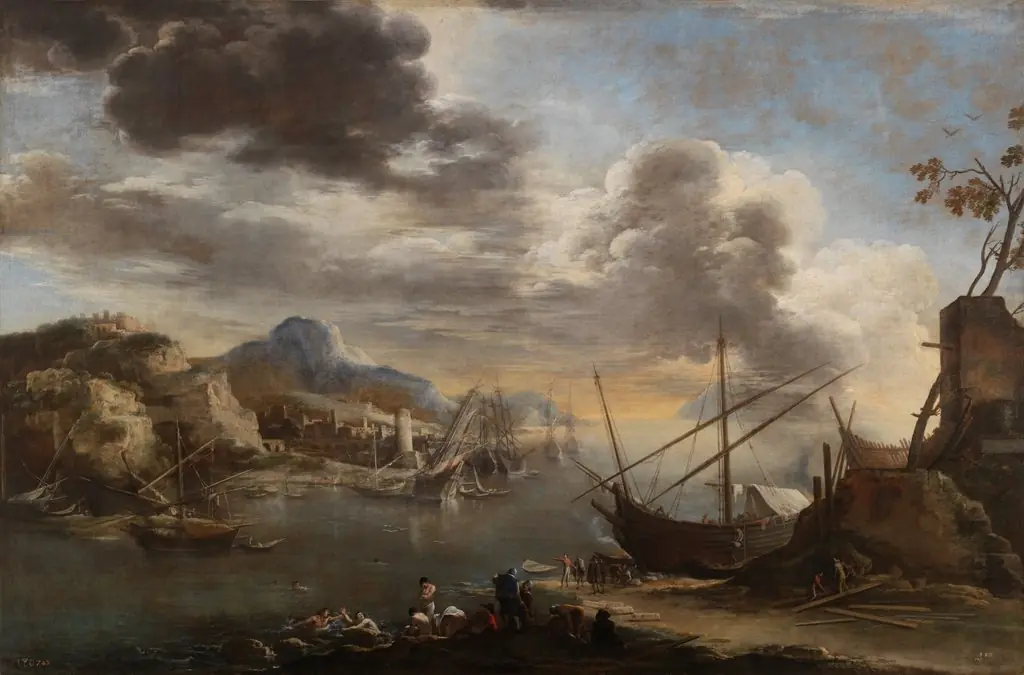 A harbour scene
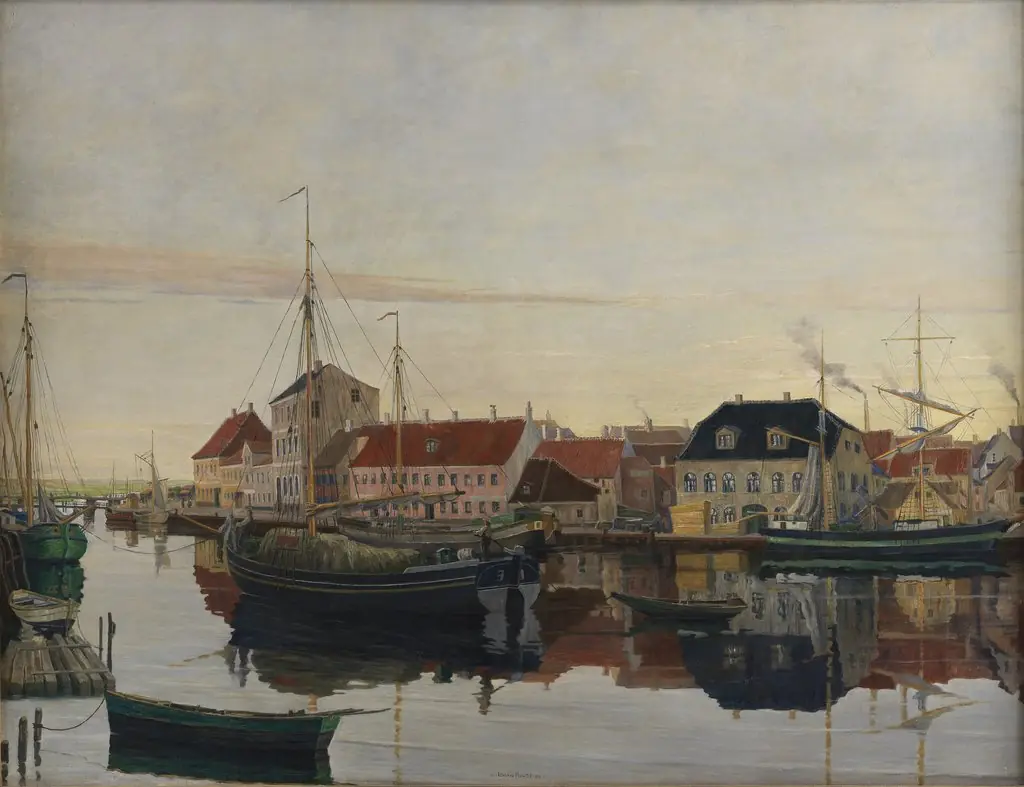 Randers havn
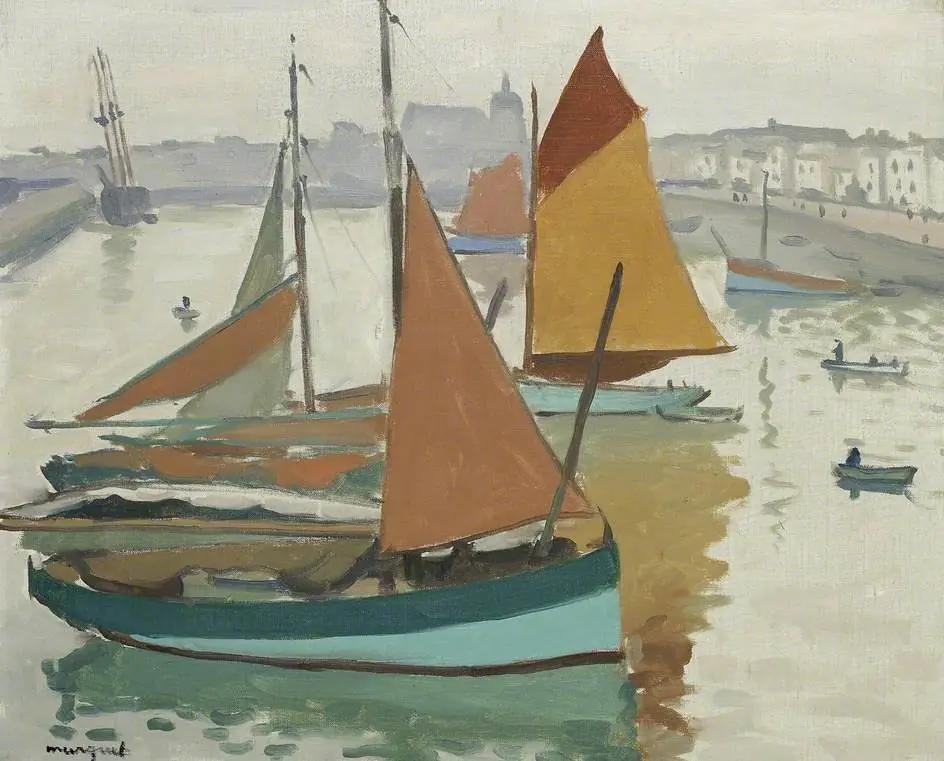 Les Sables-d'Olonne
 Ships in a southern harbour
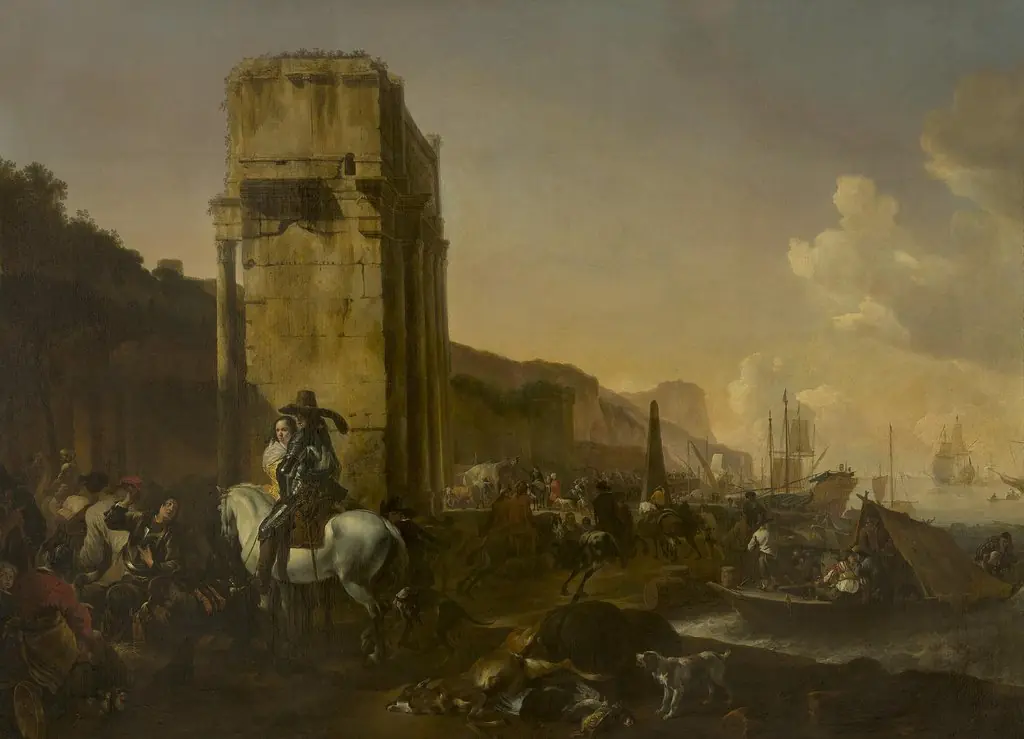 Italian Harbour
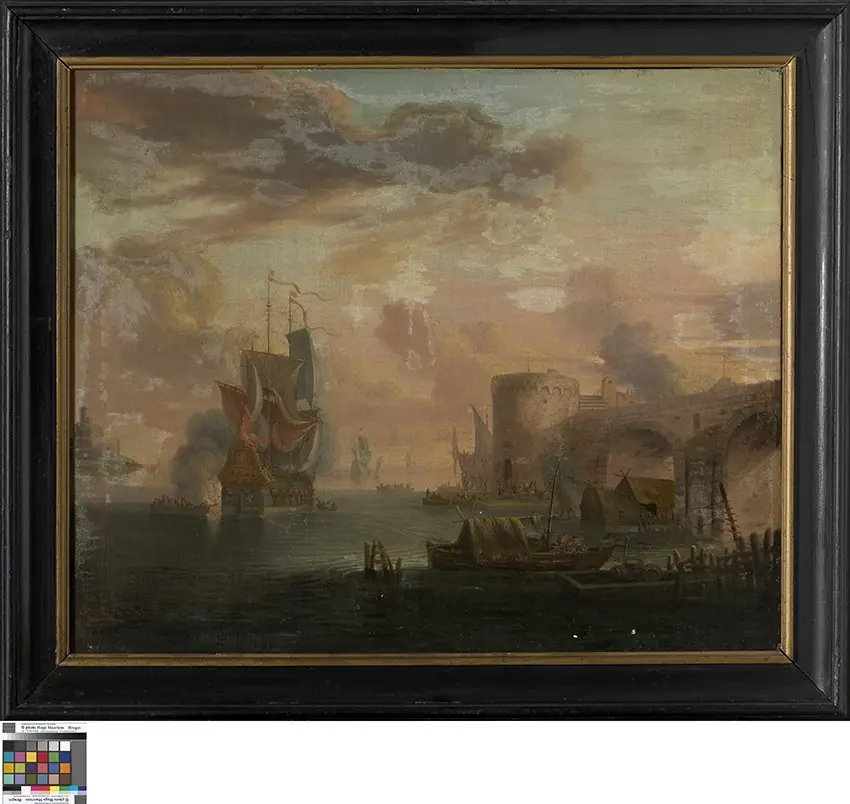 Havengezicht
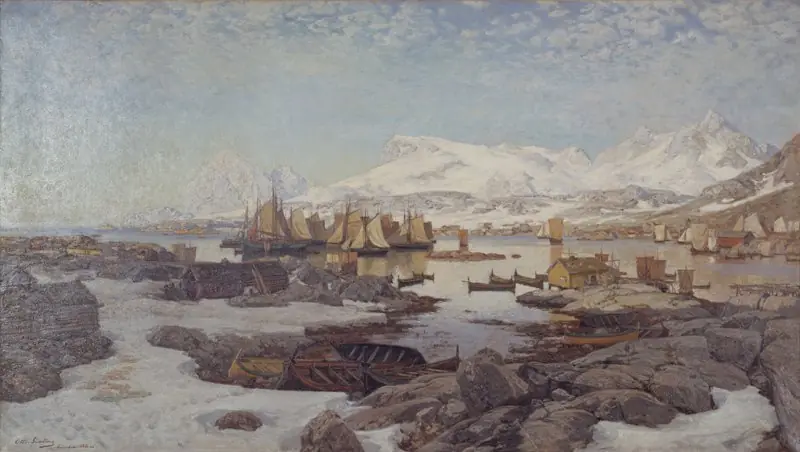 Spring Day in Lofoten
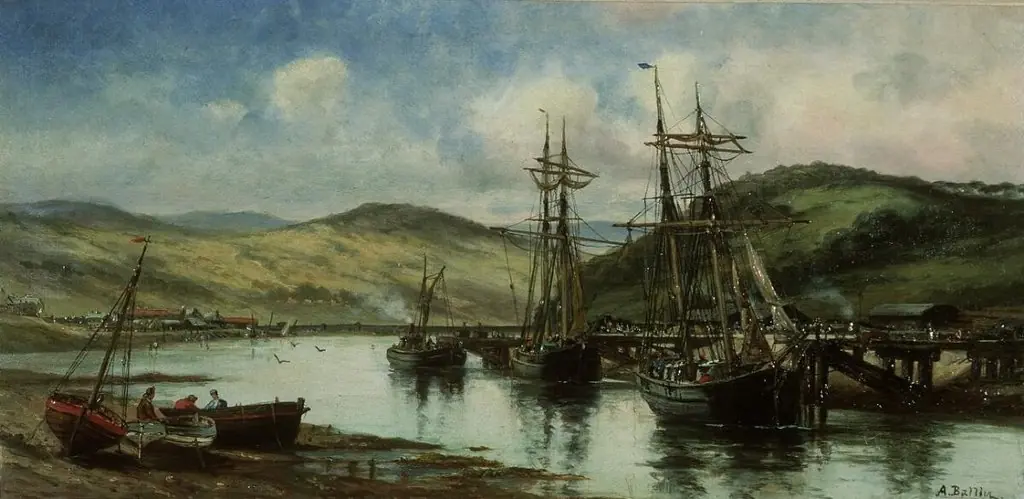 Deganwy
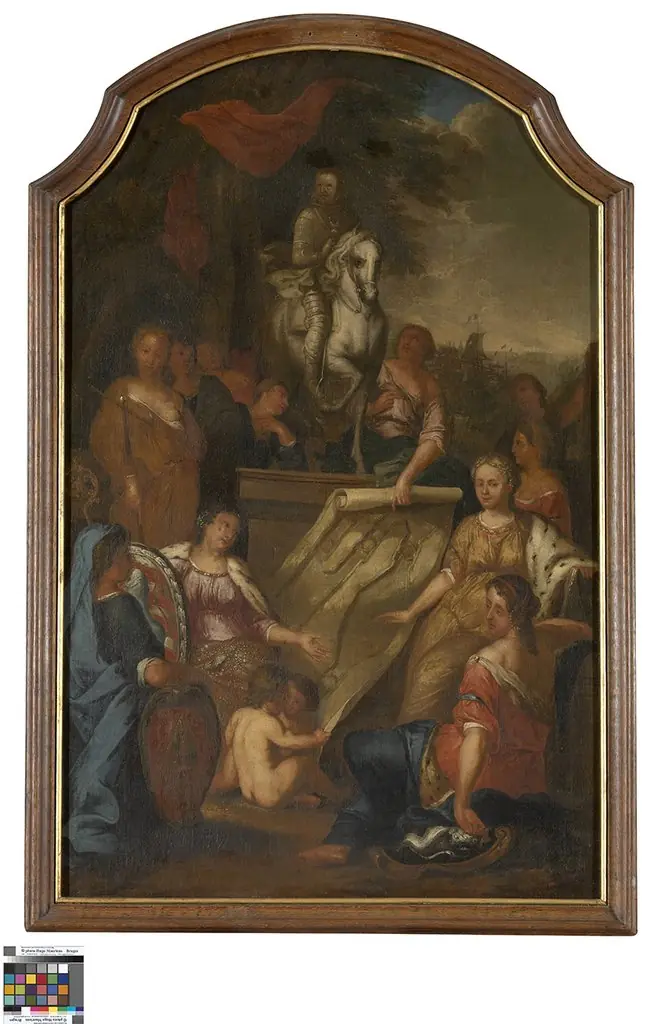 Allegorie van de nieuwe haven van Oostende
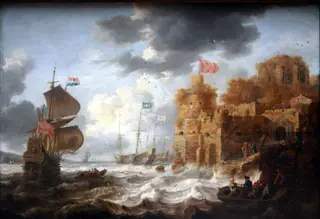 An Oriental Harbour
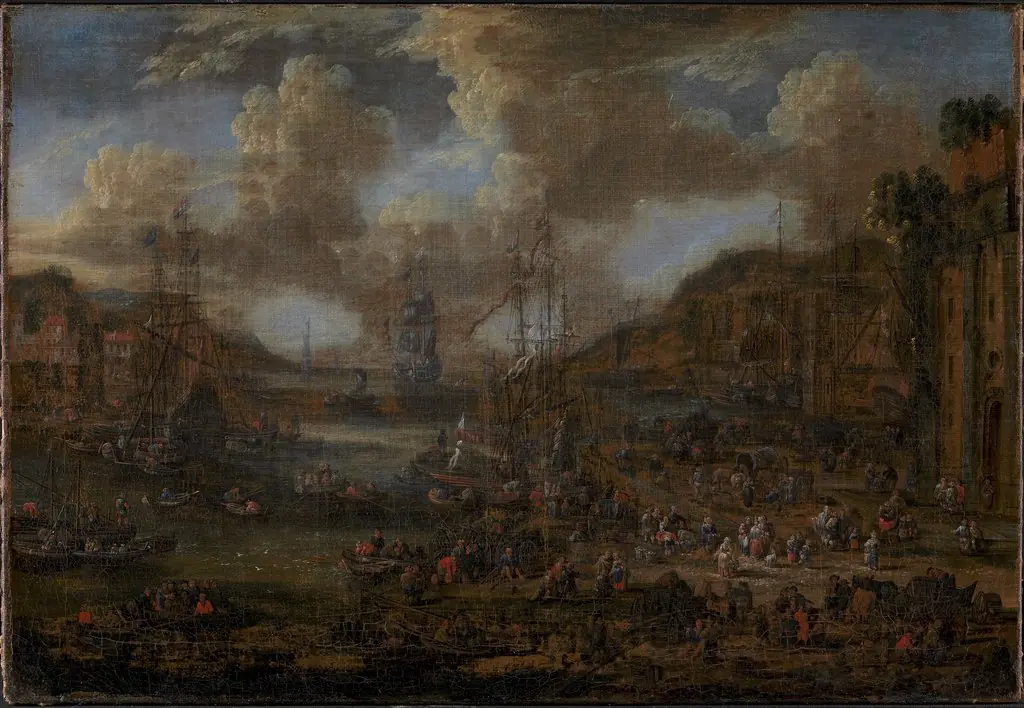 Sounthern Seaport with Numerous Figures on the Shore
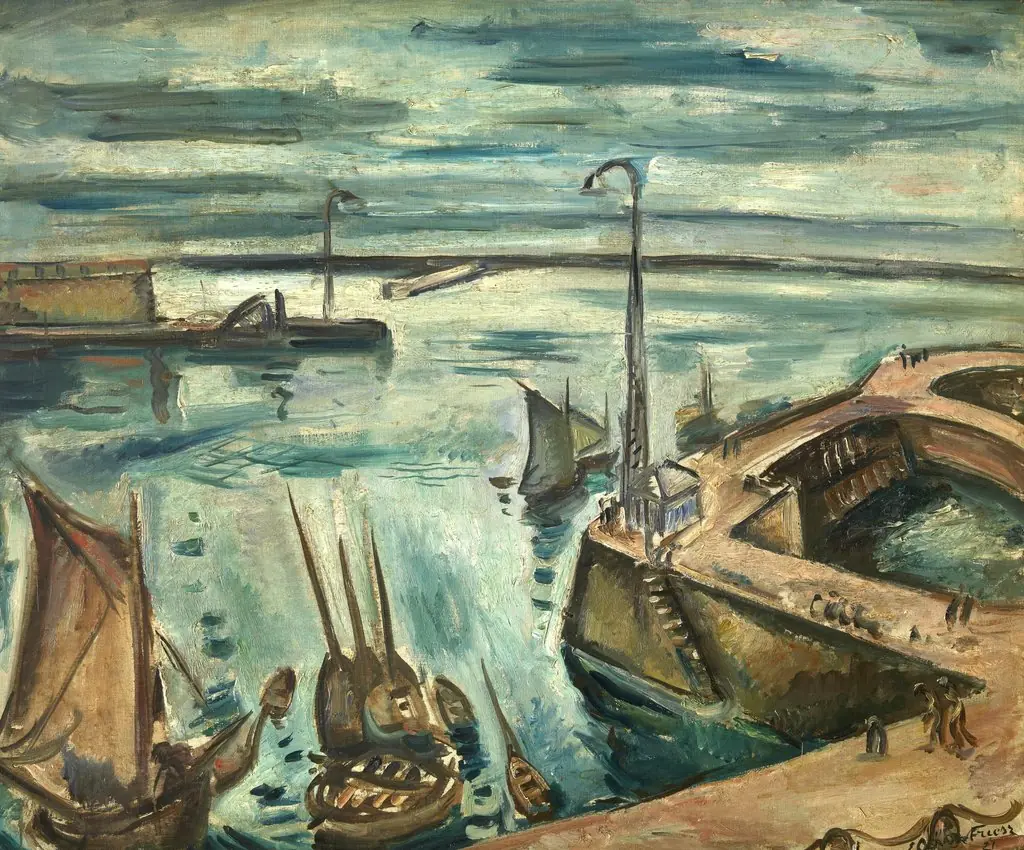 The Harbour of Le Havre
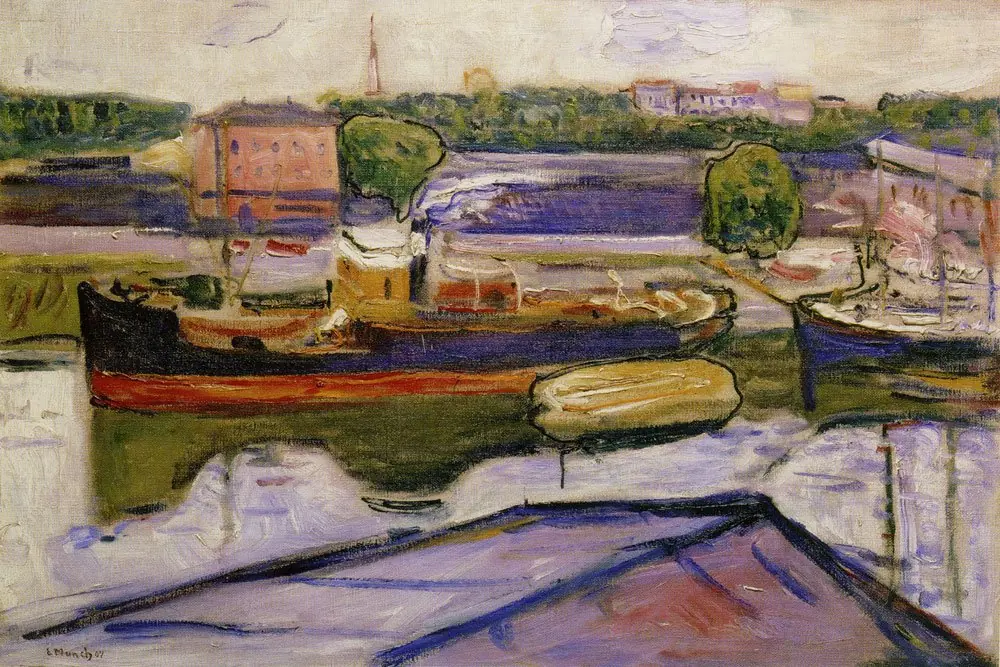 The Harbour in Lübeck
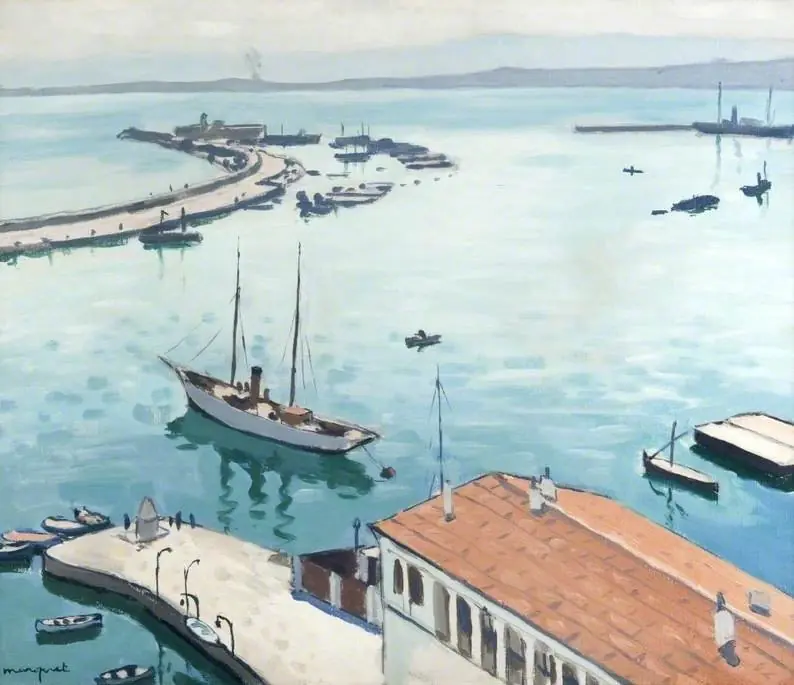 The Port of Algiers
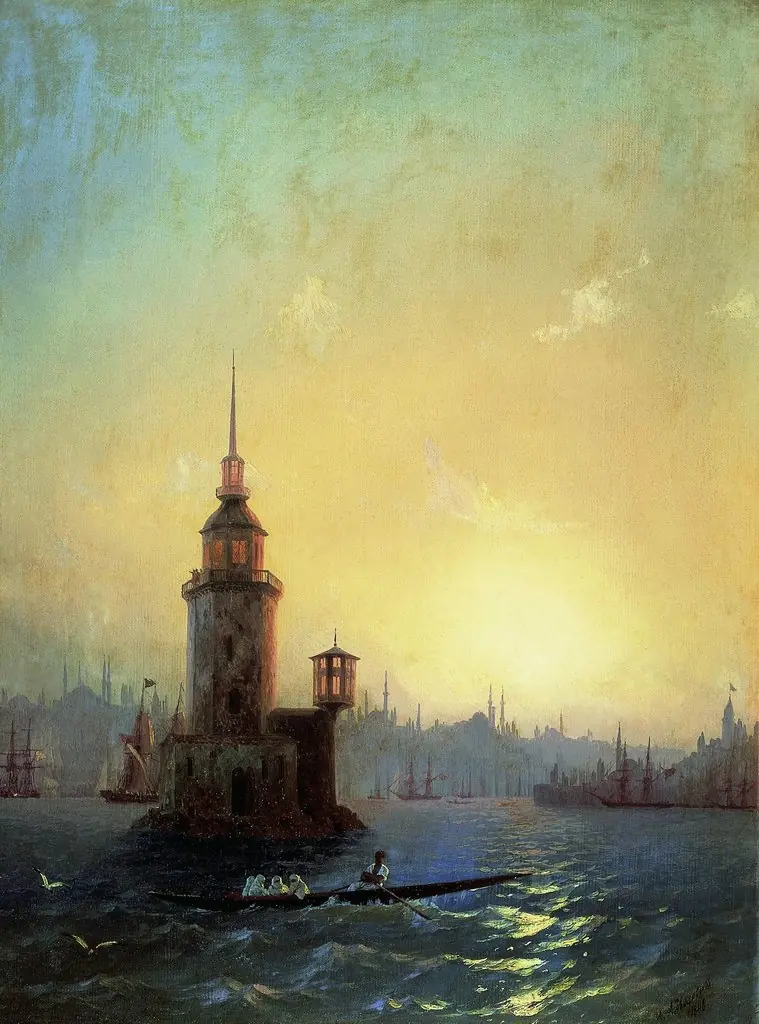 The Maiden's Tower
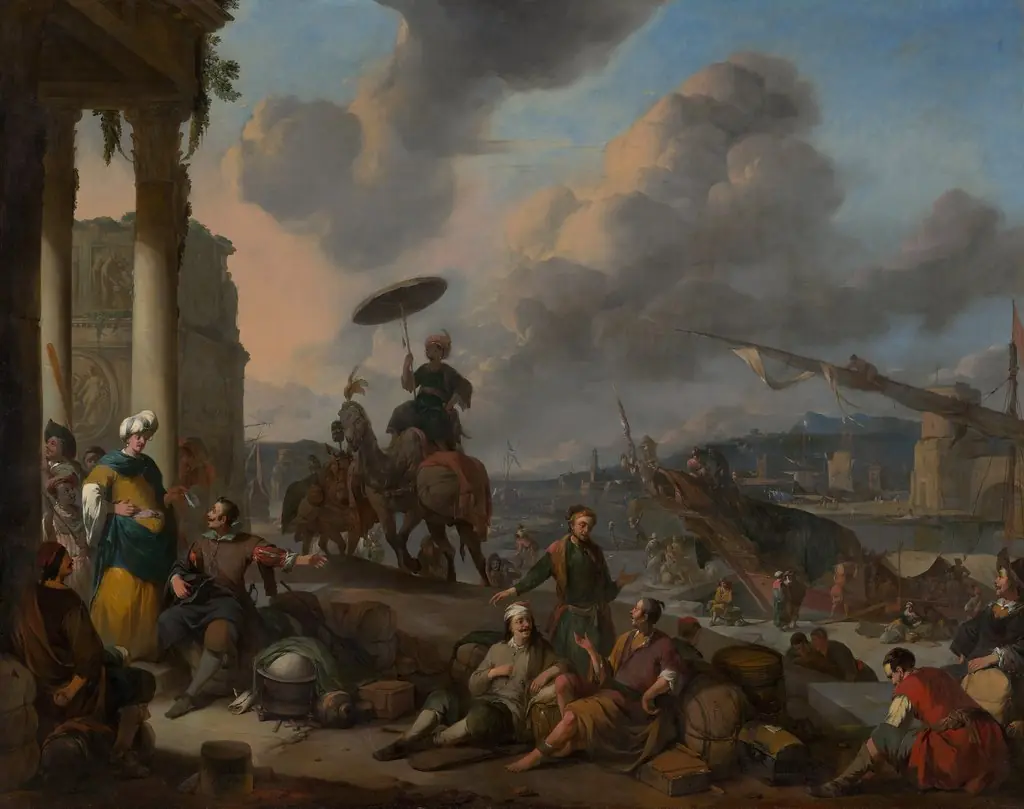 Harbour on the Mediterranean
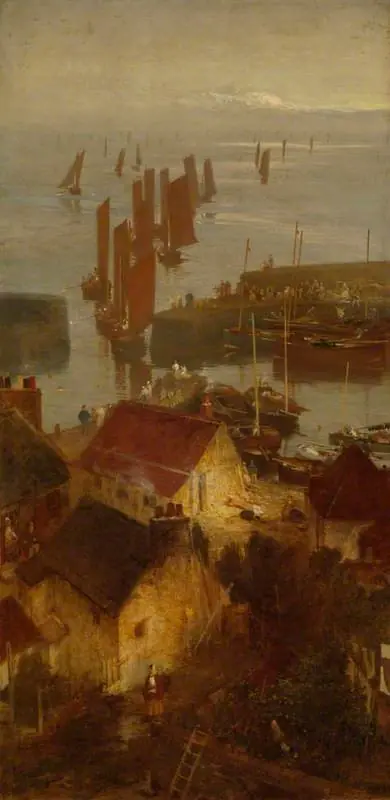 Stonehaven Harbour
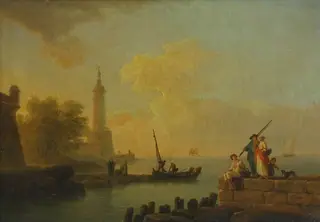 Sea view
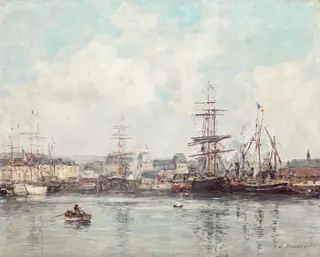 Casimir Delavigne Basin at Le Havre
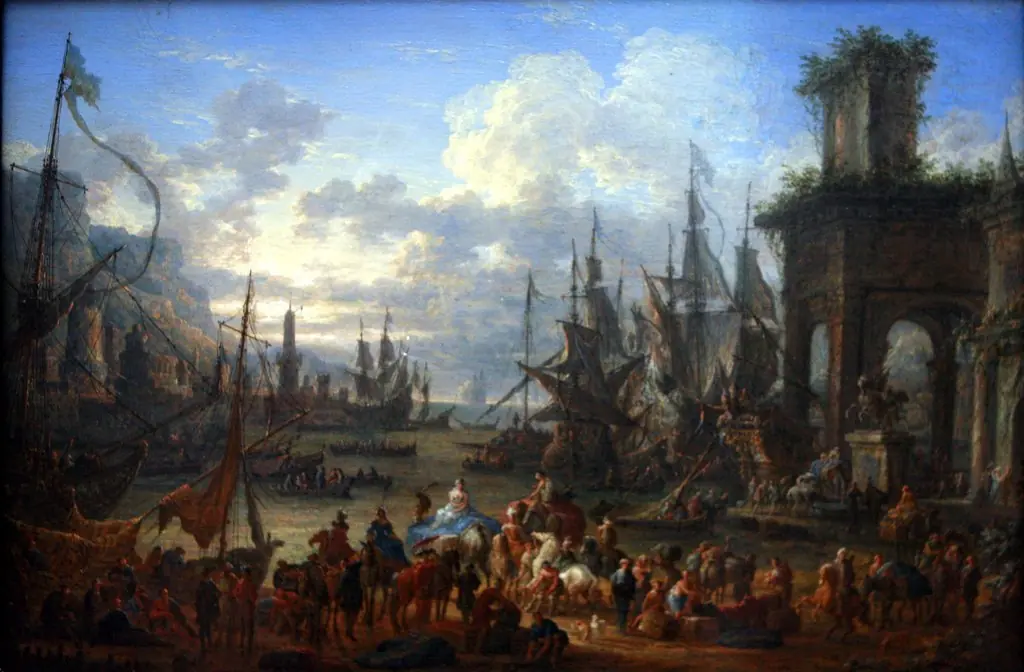 Harbour
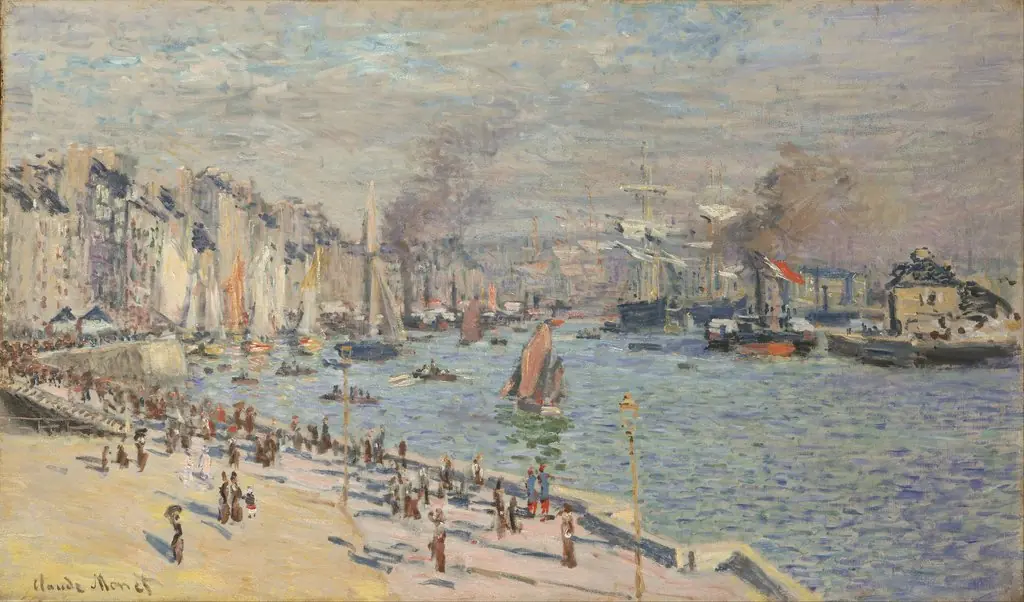 Port of Le Havre
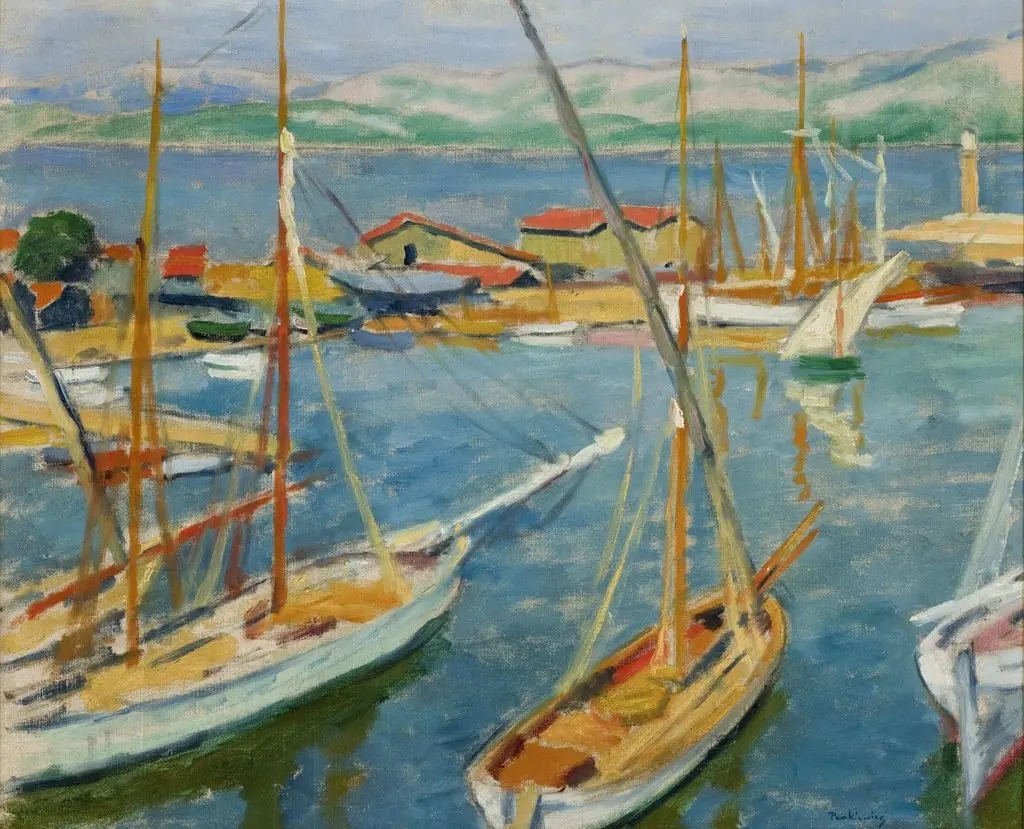 Harbour at Saint-Tropez
 Sea port
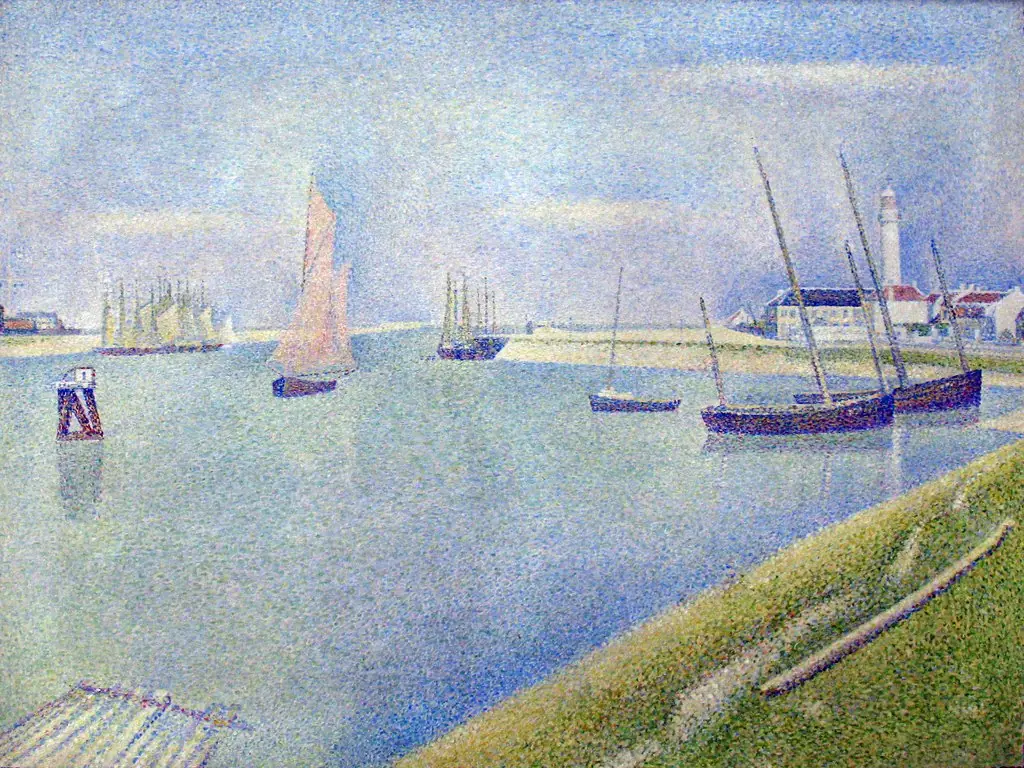 The Gravelines Channel, towards the sea
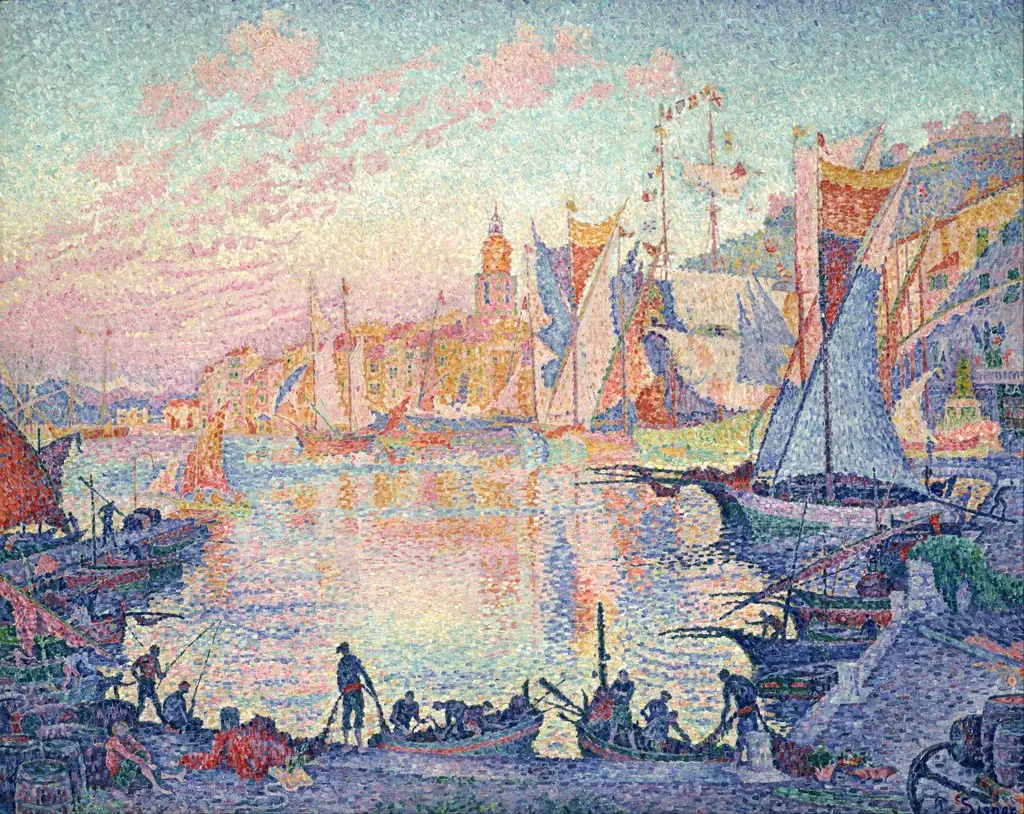 The Port of Saint-Tropez
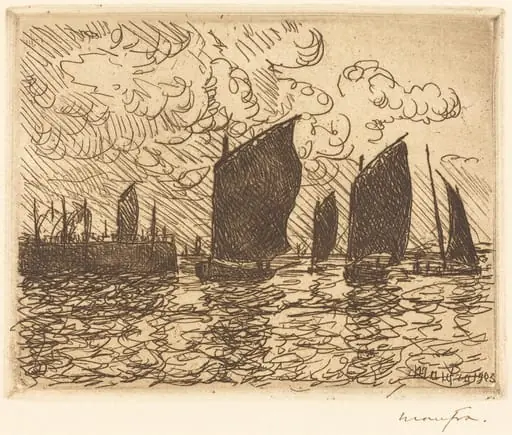 Return of the Boats
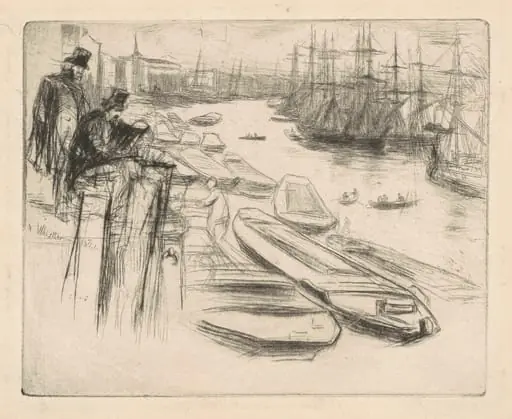 The Little Pool
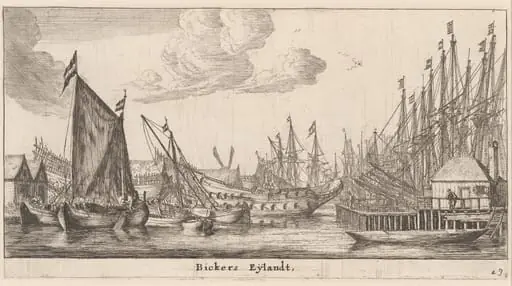 Bicker's Island, Amsterdam
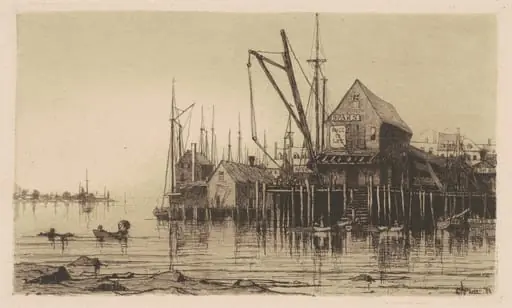 Old Boat-House
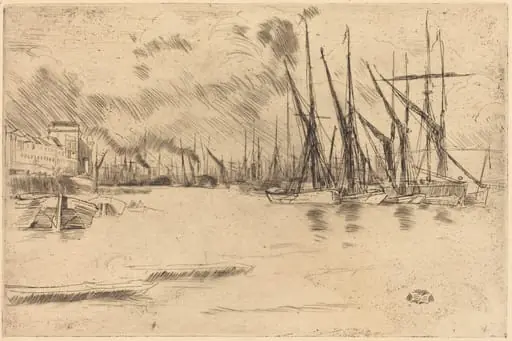 From Pickle-Herring Stairs
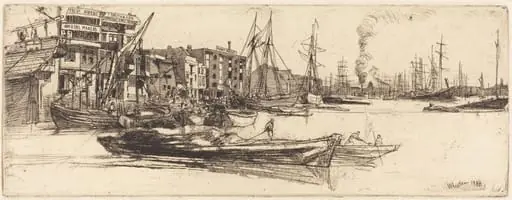 Thames Warehouses
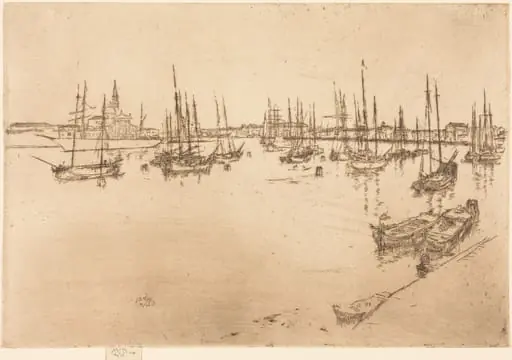 San Giorgio
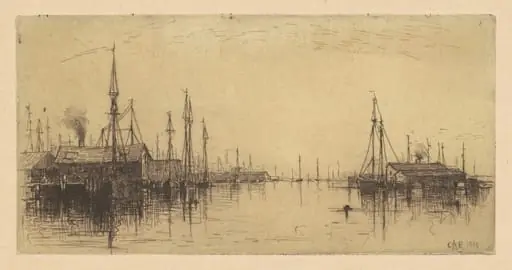 Gloucester Harbor
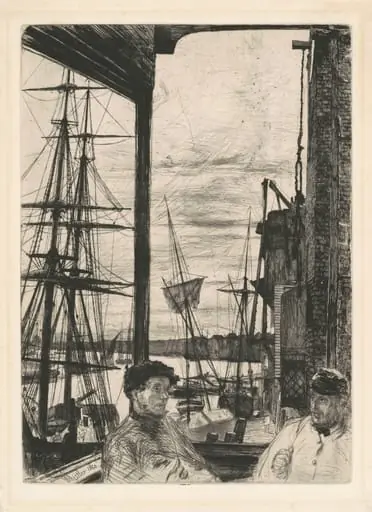 Rotherhithe
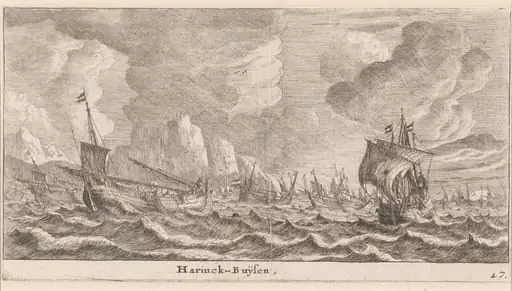 Herring-Busses
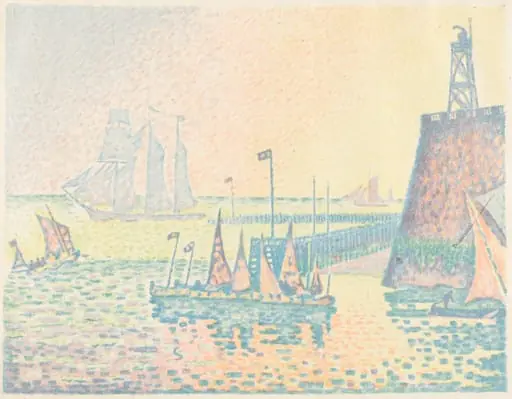 Evening (Le soir)
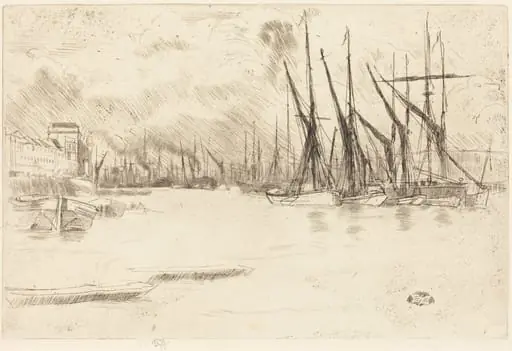 From Pickle-Herring Stairs
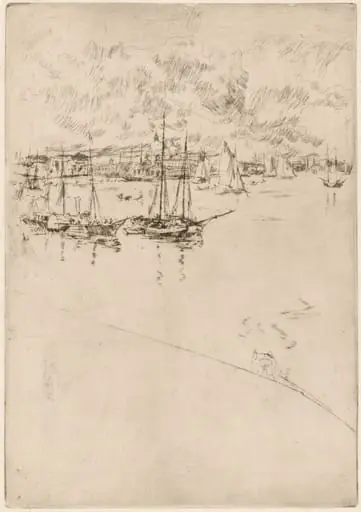 The Steamboat, Venice
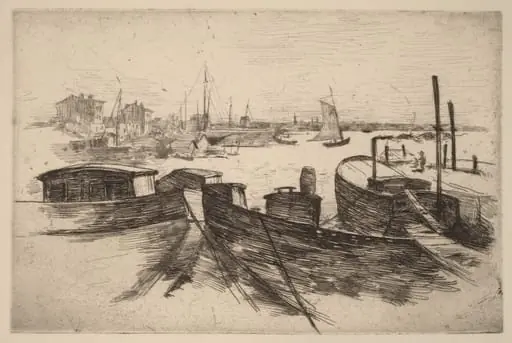 The Harbor, Bridgeport
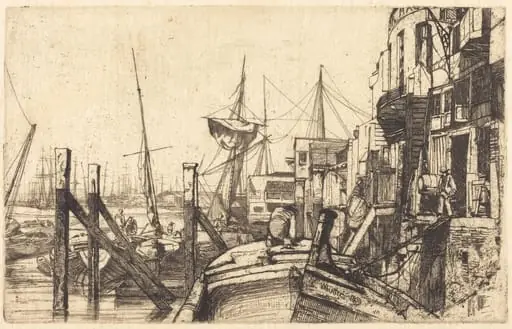 Limehouse
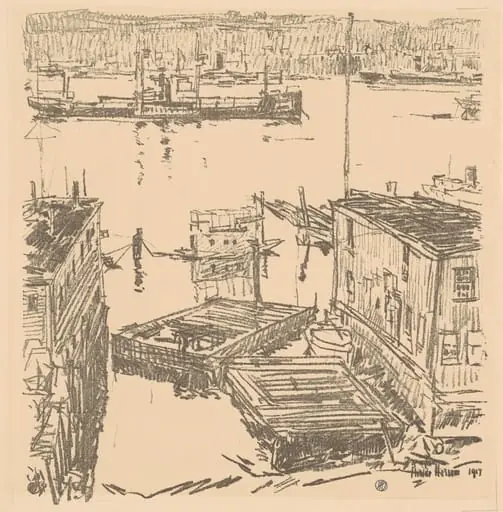 North River
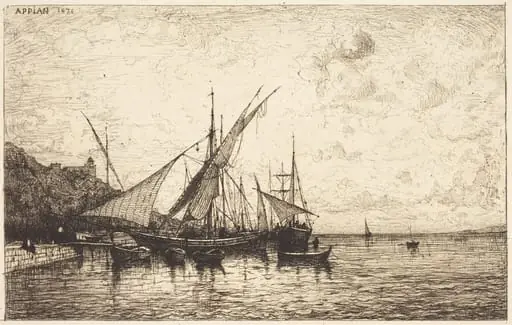 The Port of Monaco
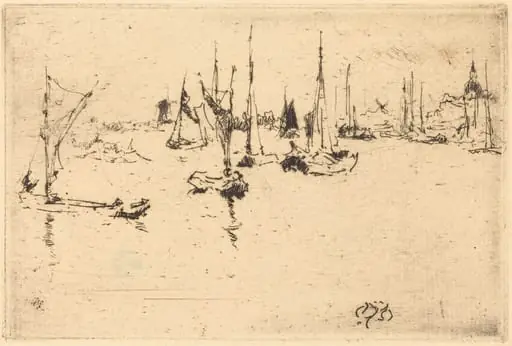 Boats, Dordrecht
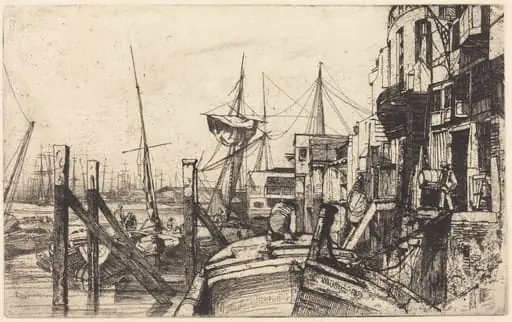 Limehouse
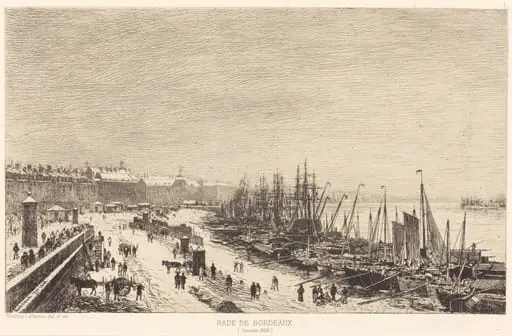 Rade de Bordeaux
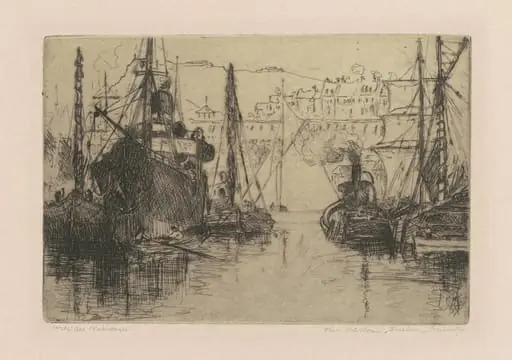 The Harbor, Quebec, Canada
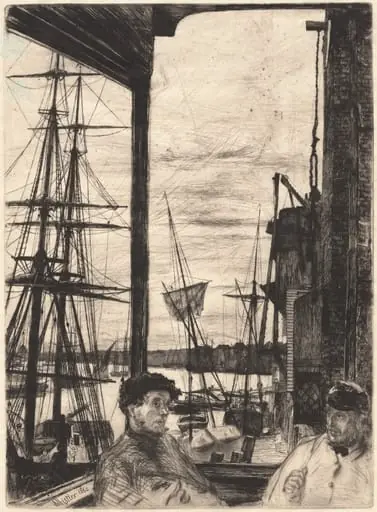 Rotherhithe
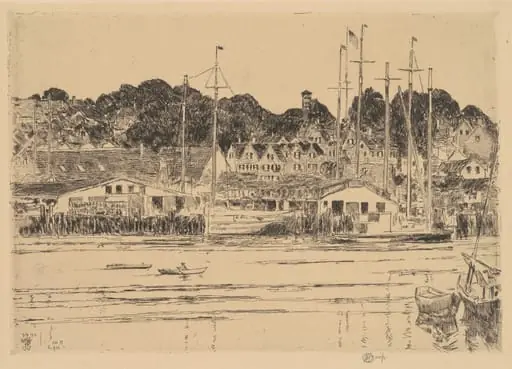 Inner Harbor, Gloucester
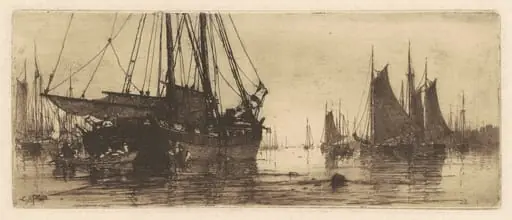 Fishing Boats
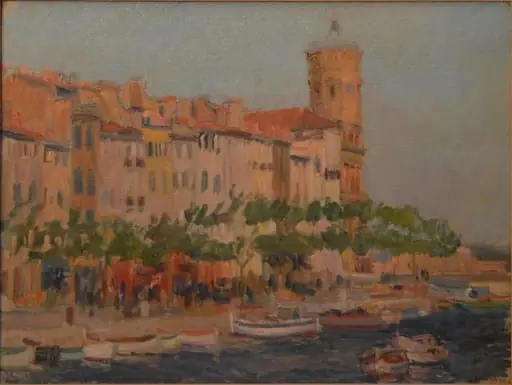
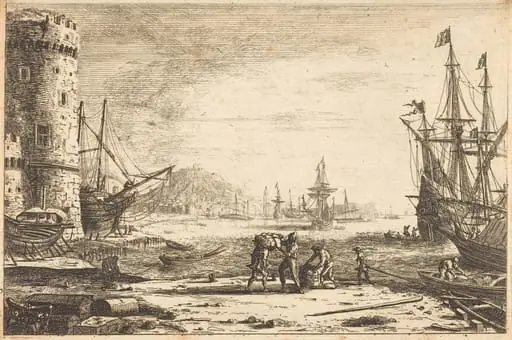 Harbor with a Large Tower (Le Port de mer à la grosse tour)
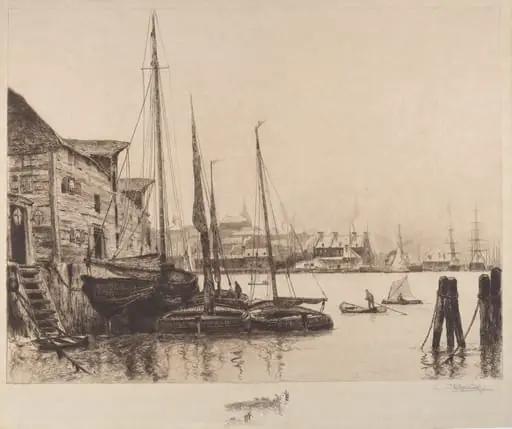 Quebec
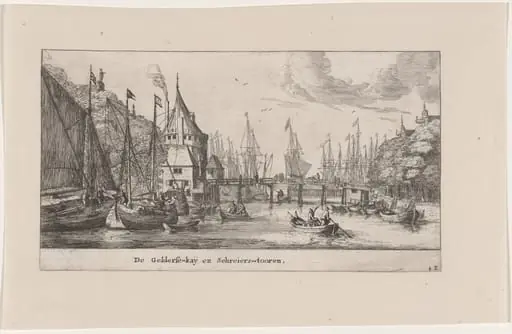 The Gelderse Quay and the Schreiers Tower, Amsterdam
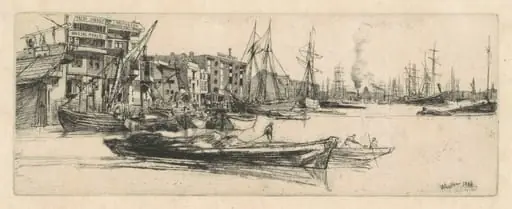 Thames Warehouses
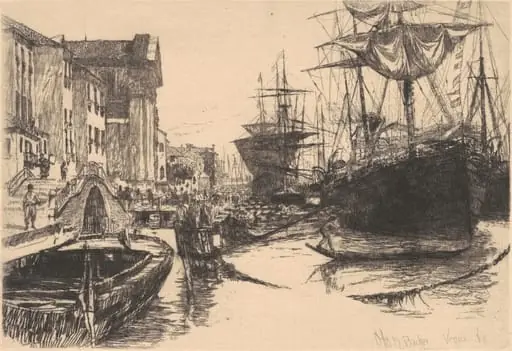 Venice
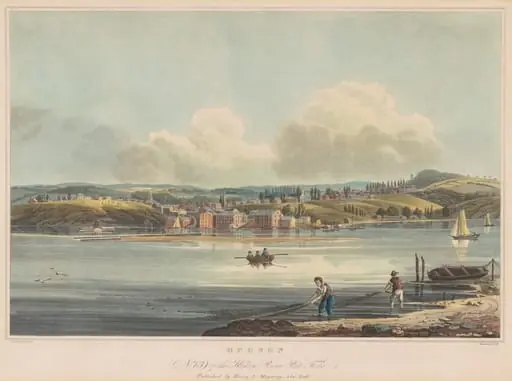 Hudson
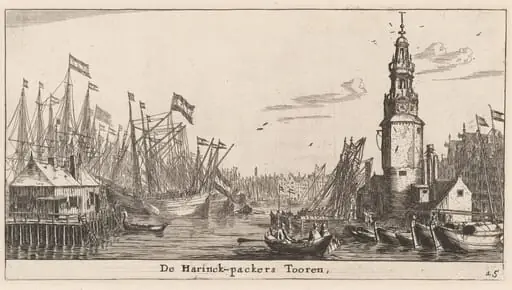 The Haringpakkers Tower in Amsterdam
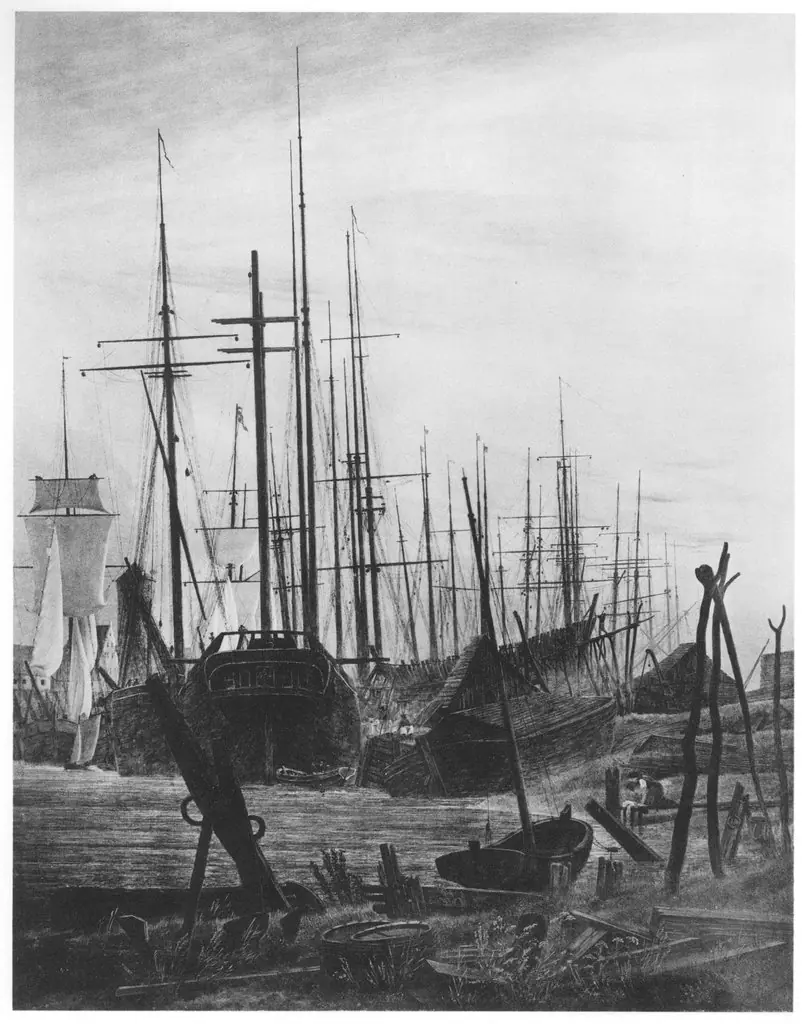 Port of Greifswald
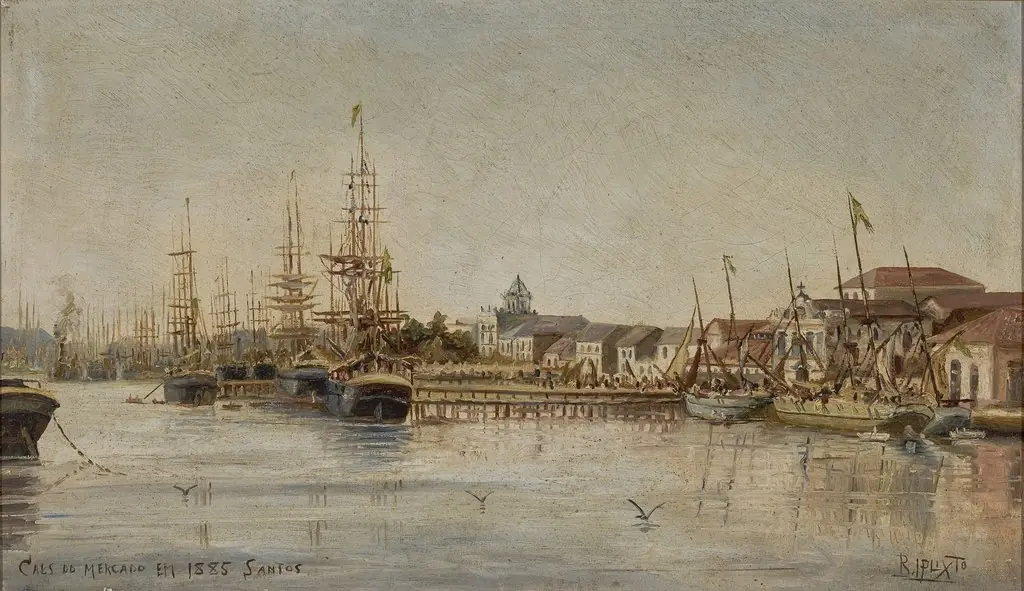 Market Quay in 1885
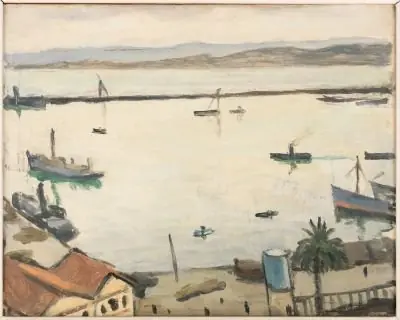 Le Port d'Alger
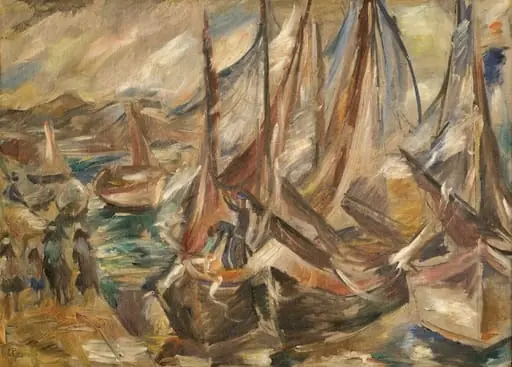 Bărci (Port în Bretania)
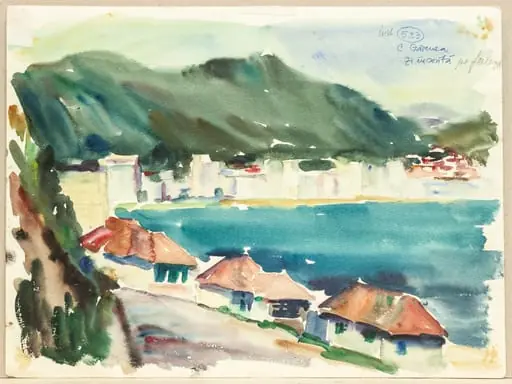 verso: La malul mării
 Pe chei Tulcea
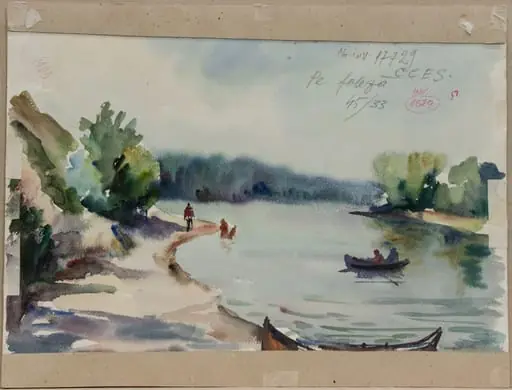 Pe faleză
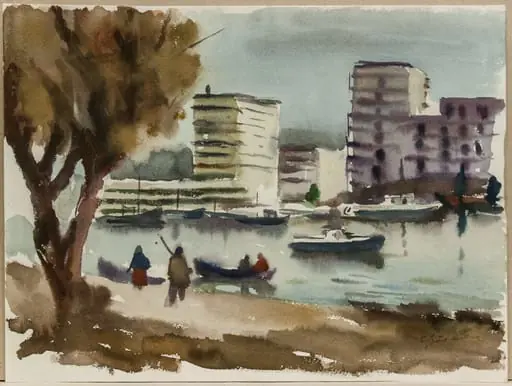 Pe faleză la Tulcea
 Port
Port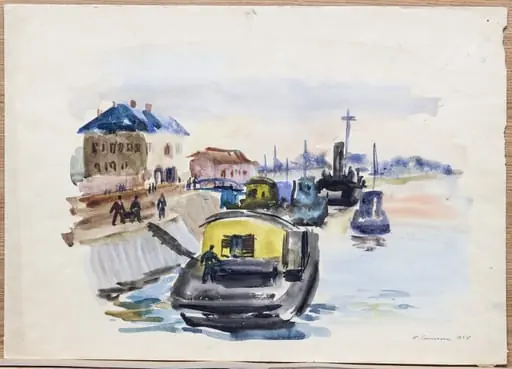 Tulcea (portul)
 Dimineața în port
 Macarale în portul Constanța
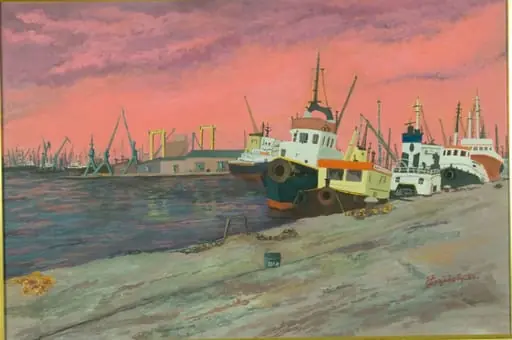
 PORTUL GALAȚI
 Λιμάνι
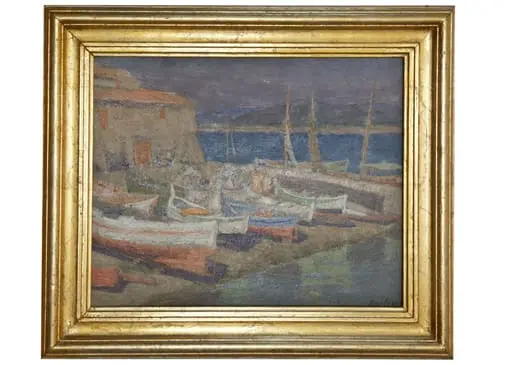 Port
Port Port la Dunăre
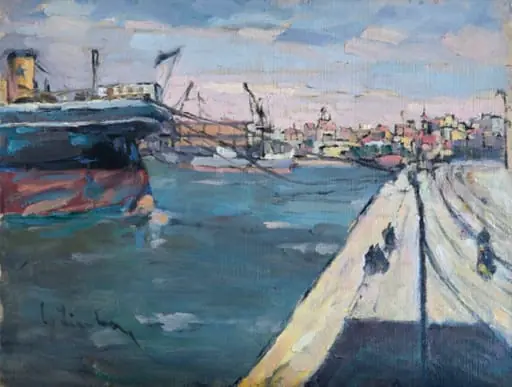 Portul Constanța
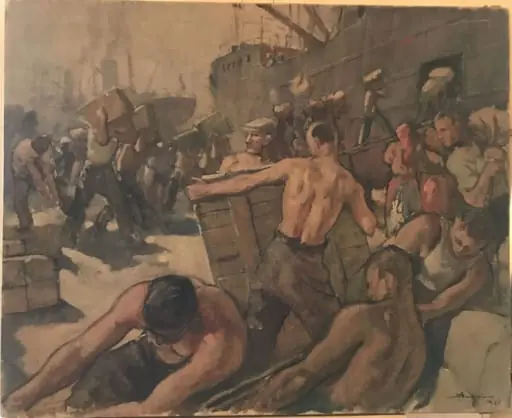 Muncitori în port
 Peisaj la șantierul naval
 Peisaj
 În portul Tulcea
 Sulina
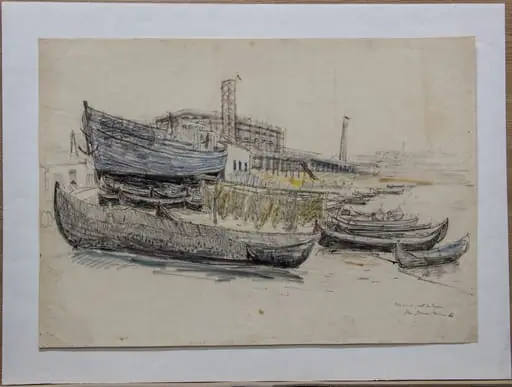 Bărci în port la Tulcea
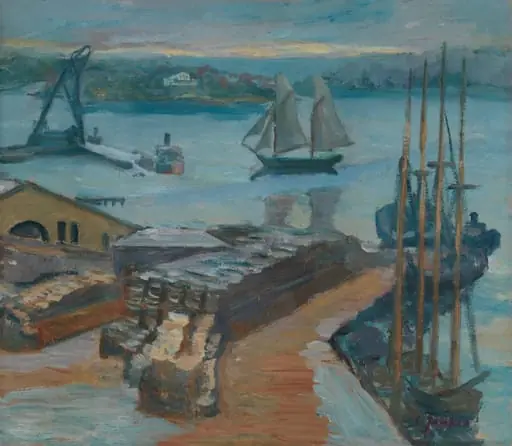 Sadetunnelma satamassa
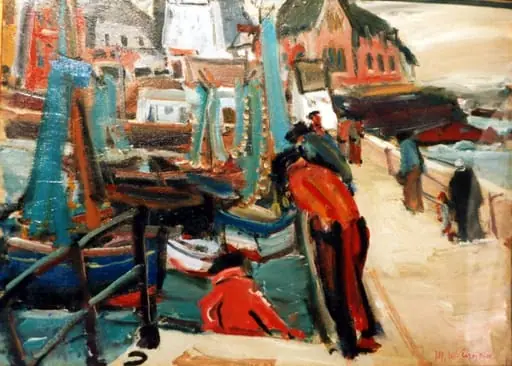 Port
Port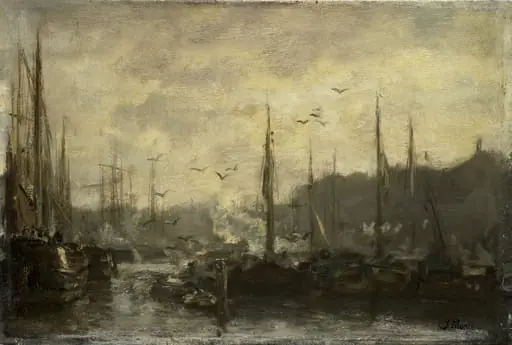 Harbor View
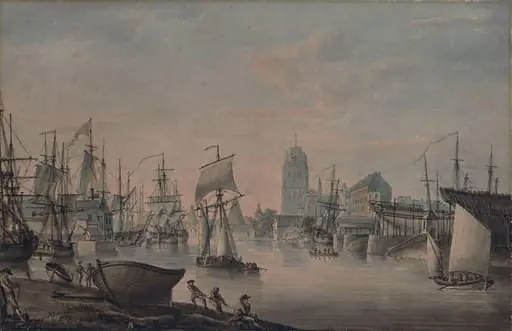 View of Bristol
 Portul Tulcea
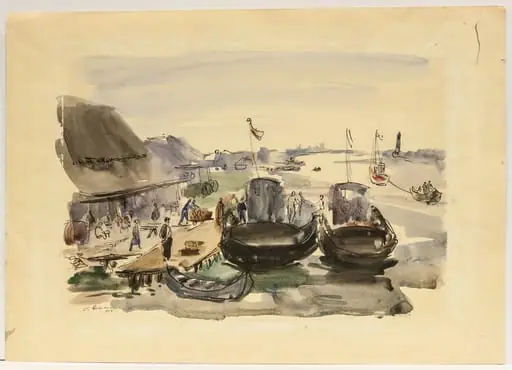 Încărcarea peștelui la Tulcea (la cherhana)
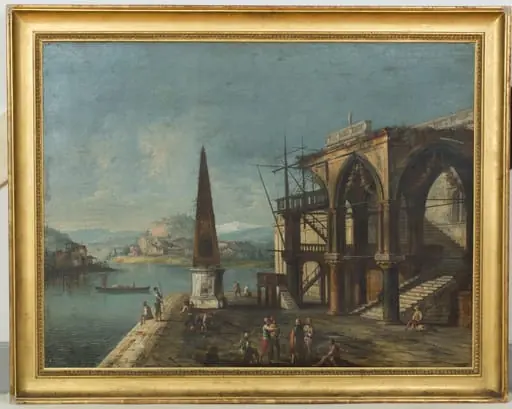 Phantasievedute mit gotischer Loggia und Obelisk Hafenansicht
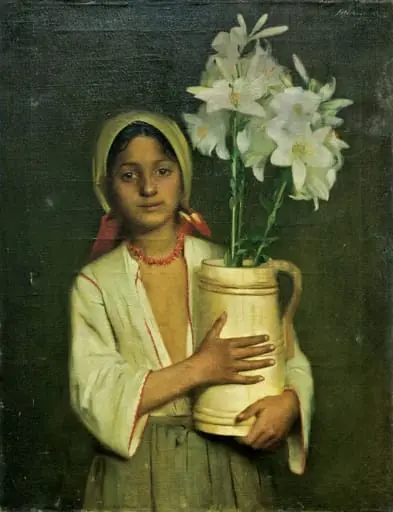 Fată cu crin
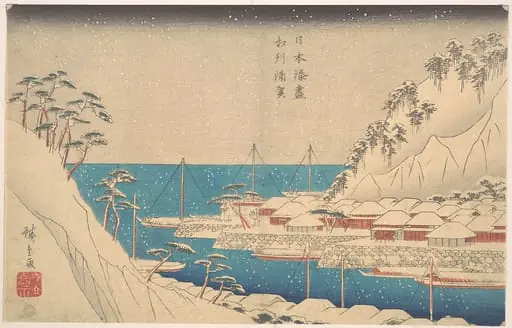 日本湊尽 相州浦賀|Uraga Harbor
 Peisaj de pe faleză
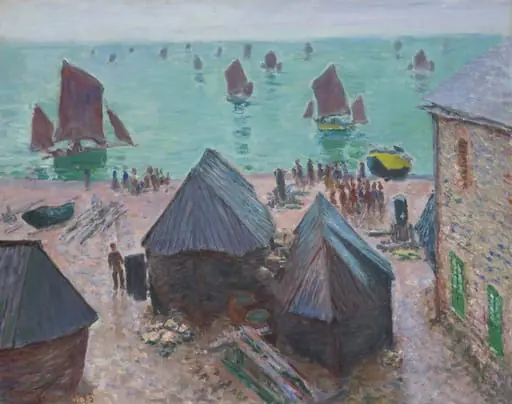 The Departure of the Boats, Étretat
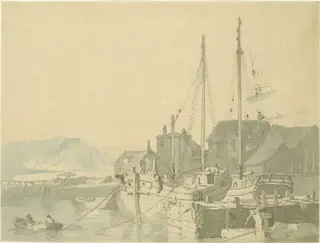 Dover Harbour
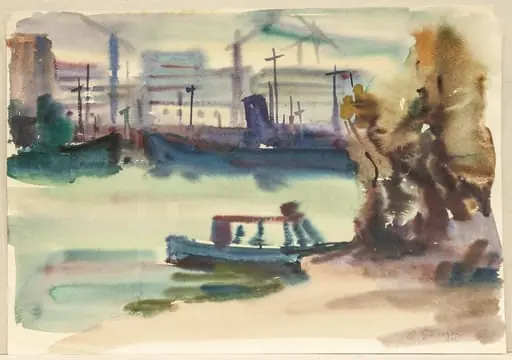 Peisaj în port
 PORTUL CONSTANȚA
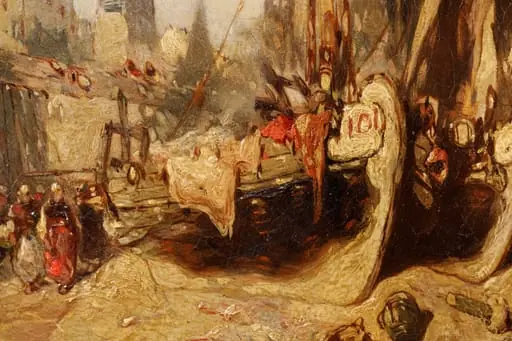 Bărci
Bărci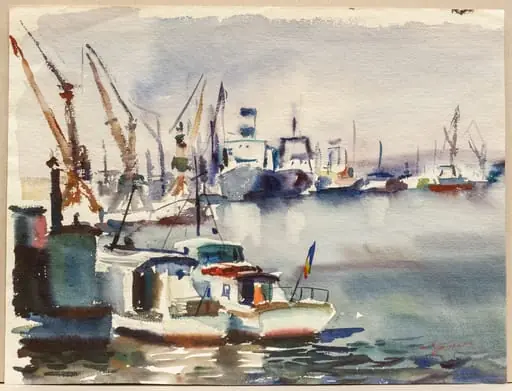 Portul comercial Tulcea
 Barcaze la fluviu
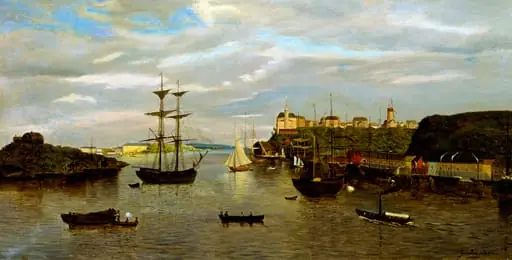 Näkymä Kaivopuistoon ja Viaporiin Eteläsataman suunnasta
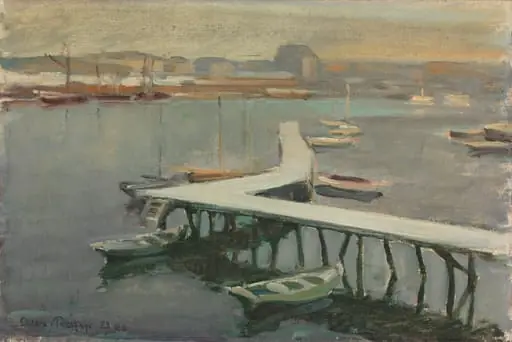 Näkymä Jätkäsaarelta Helsingin rantaan
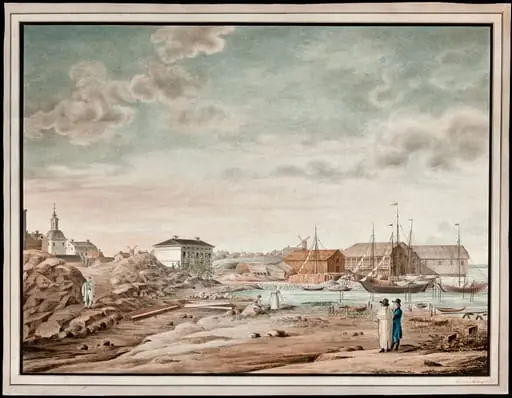 Pohjoissatama
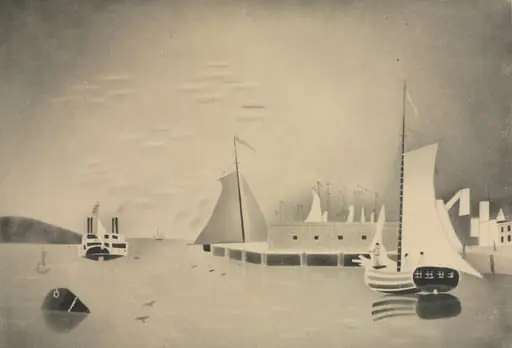 Harbor Scene
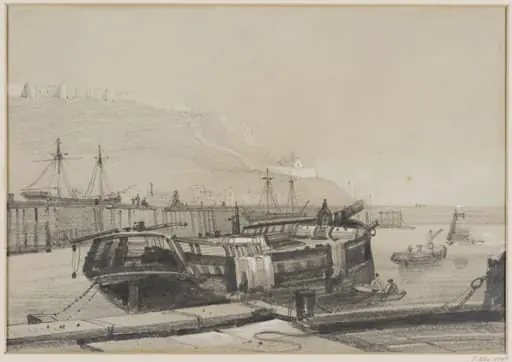 Scarborough Harbour
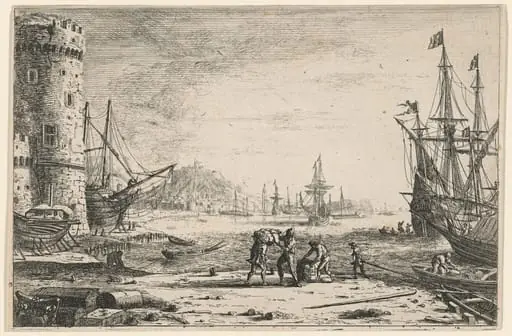 Harbor with a Large Tower (Le Port de mer à la grosse tour)
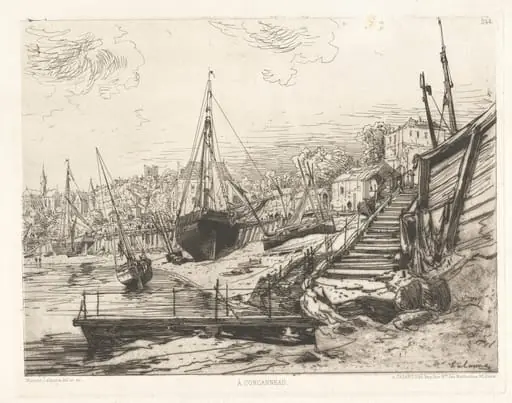 À Concarneau (Trouville)
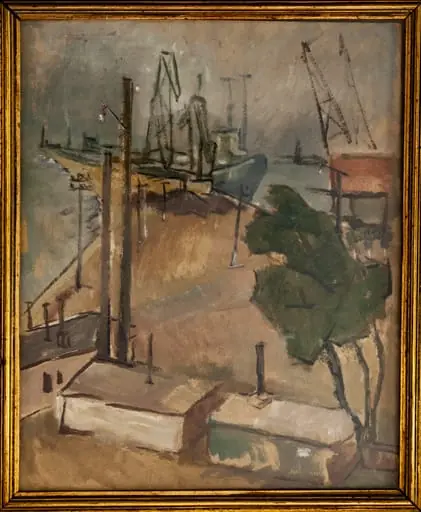 Dimineața în port
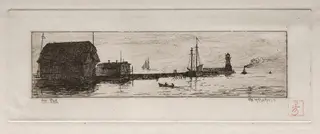 West Pier, Cleveland
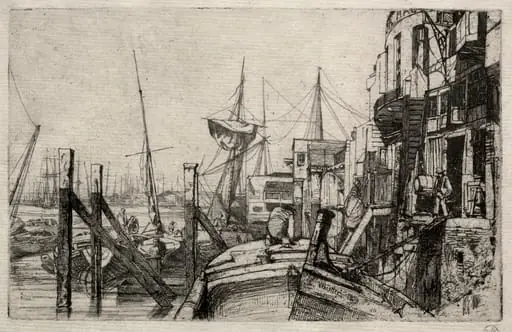 The Limehouse
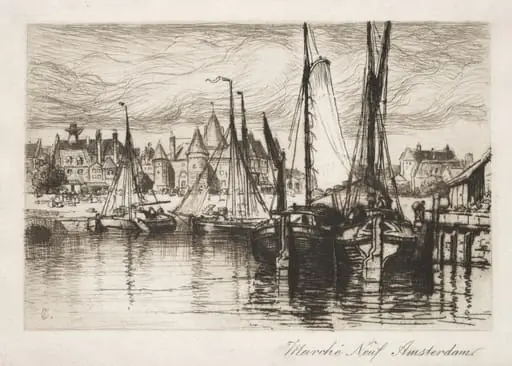 The New Market, Amsterdam
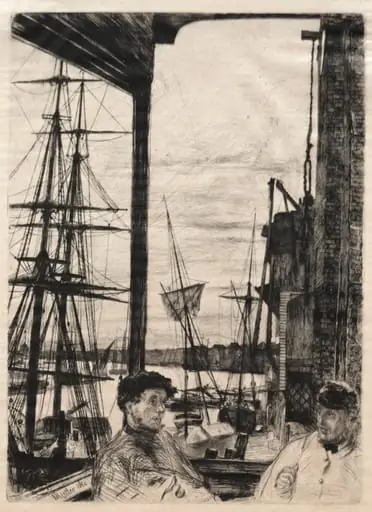 Rotherhithe
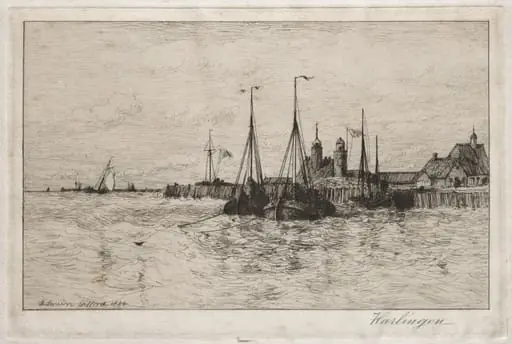 Harlingen
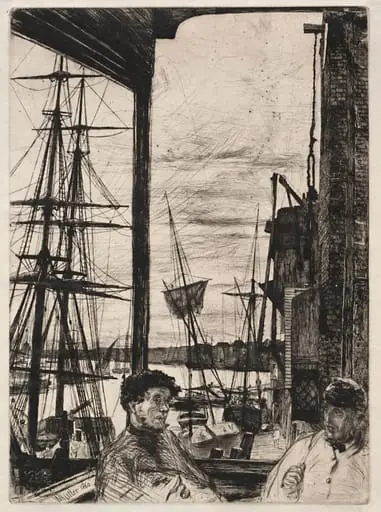 Rotherhite
Frequently asked questions
What is Harbor?
Harbor is a subject in art. A harbor (American English) or harbour (Commonwealth English) is a sheltered part of a body of water where ships, boats, and barges can be moored.
How many Harbor works does Artifact World Gallery have?
Artifact World Gallery holds 141 public-domain Harbor works, all free to view and download.
Who are the key Harbor artists?
Key Harbor artists in the collection include Alfred Thompson Bricher, George Loring Brown and Claude Monet.
Where can I see Harbor works?
Harbor works in the collection are held by National Gallery of Art, Metropolitan Museum of Art and Gavrila Simion Eco-Museum Research Institute Tulcea.