Artwork
Alexandru Hasdeu
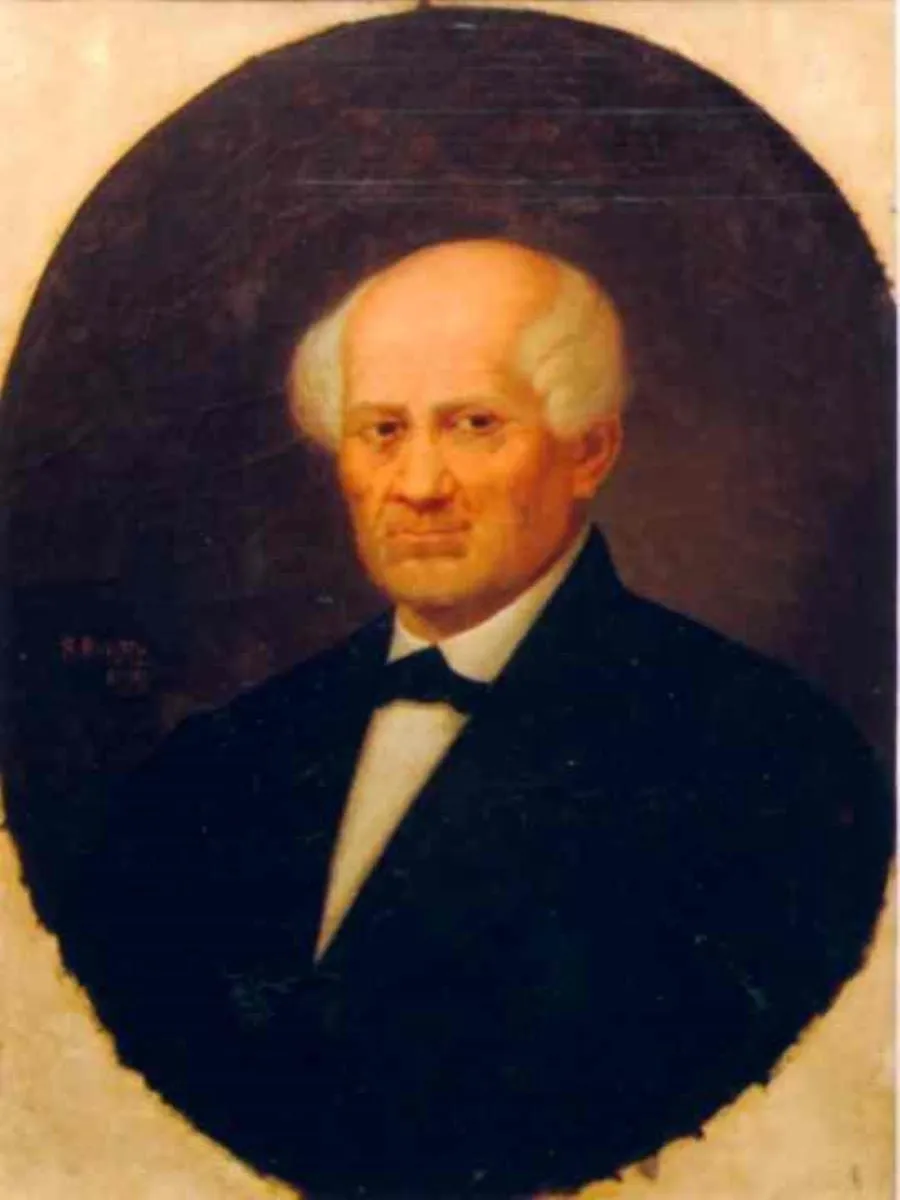
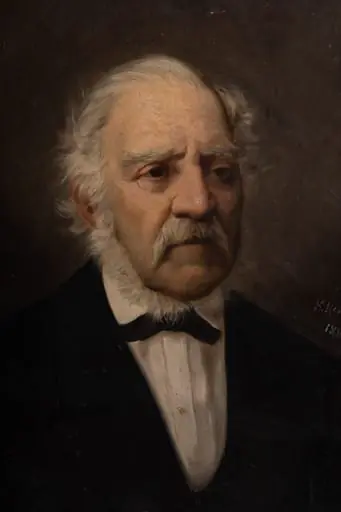
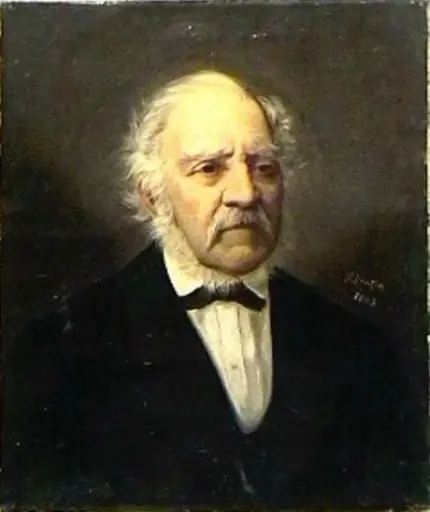
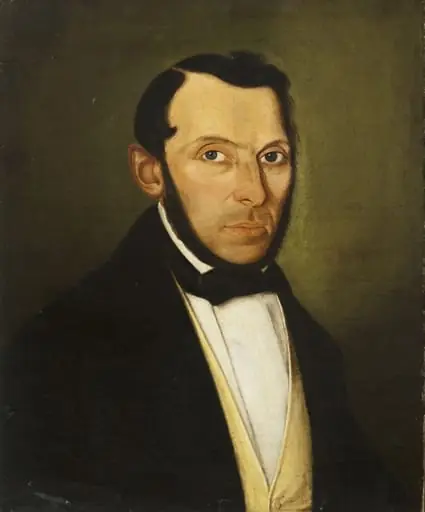
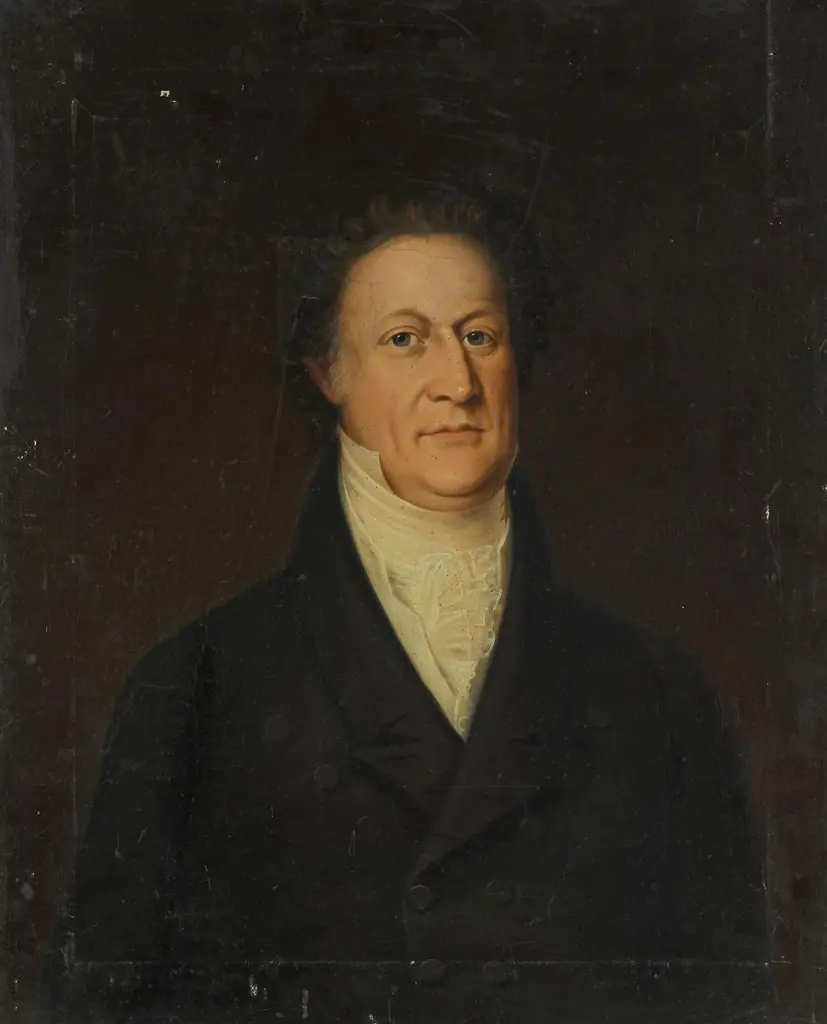
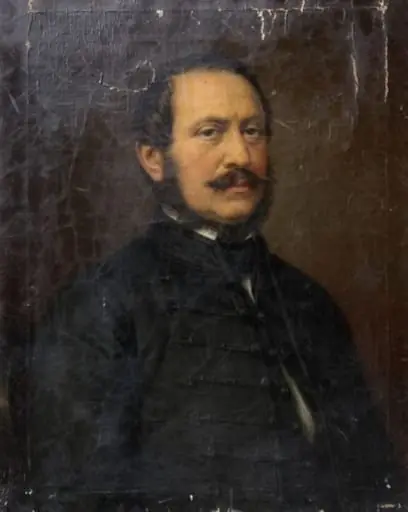
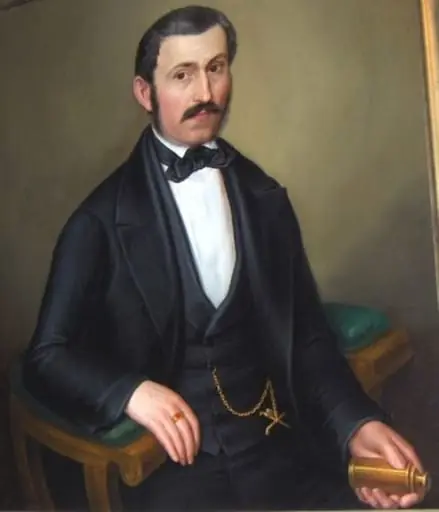
Alexandru Hasdeu is an unspecified painting by the Impressionist artist Sava Henția. It dates from 1879 and is held in the collection of the Bogdan Petriceicu Hasdeu Memorial Museum.
About this work
Overview
Henția, trained in the Austro-Hungarian Empire and active in Romanian cultural circles, focused on portraiture and decorative arts during the late 19th century.
Painted in 1879 by Sava Henția, this portrait depicts Alexandru Hasdeu, a Romanian scholar and writer. Executed in oil on canvas, the work is a circular composition framed in a simple, dark oval. Henția, trained in the Austro-Hungarian Empire and active in Romanian cultural circles, focused on portraiture and decorative arts during the late 19th century. The piece resides in the Museum of Ethnography’s collection, reflecting its role in documenting national intellectual figures.
Subject & Meaning
Alexandru Hasdeu was a prominent historian and philologist whose work shaped Romanian cultural identity. The portrait captures him in middle to late age, his white beard and composed gaze conveying intellectual authority. Dressed formally in a dark coat and bow tie, he appears neither idealized nor theatrical, suggesting a deliberate emphasis on dignity and quiet intellect. The direct gaze invites contemplation rather than admiration, aligning with 19th-century norms of scholarly representation.
Technique & Style
Henția employed subtle chiaroscuro to model Hasdeu’s face, using soft transitions between light and shadow to define features without harsh contours. The brushwork is smooth and controlled, avoiding visible strokes to maintain a refined, almost sculptural quality. The dark, unadorned background isolates the figure, focusing attention on facial expression and texture. This restrained approach reflects academic portraiture traditions, prioritizing clarity and presence over decorative flourish.
History & Provenance
Commissioned shortly after Hasdeu’s death, the portrait was likely intended to honor his legacy within Romanian intellectual life. It entered the Museum of Ethnography’s holdings in the late 19th or early 20th century, where it remains today. While no documentation survives regarding its original commissioning, its placement in a museum dedicated to national heritage suggests it was valued as a cultural artifact, not merely a personal likeness.
Context
In late 19th-century Romania, portraiture of scholars and public figures served to reinforce national identity amid efforts to define a distinct cultural narrative. Henția, though born in the Austro-Hungarian Empire, aligned himself with Romanian artistic institutions. His work, including this portrait, contributed to a broader movement that elevated local intellectuals through visual representation, paralleling similar efforts in other emerging European nations.
Legacy
The portrait endures as a quiet testament to Hasdeu’s influence and Henția’s skill in capturing intellectual presence. It is not widely reproduced or celebrated in popular culture, but within Romanian art history, it remains a reference point for academic portraiture of the period. Its preservation in a museum of ethnography underscores its role in documenting the nation’s scholarly heritage rather than its artistic innovation.
Artist & collection
Artist
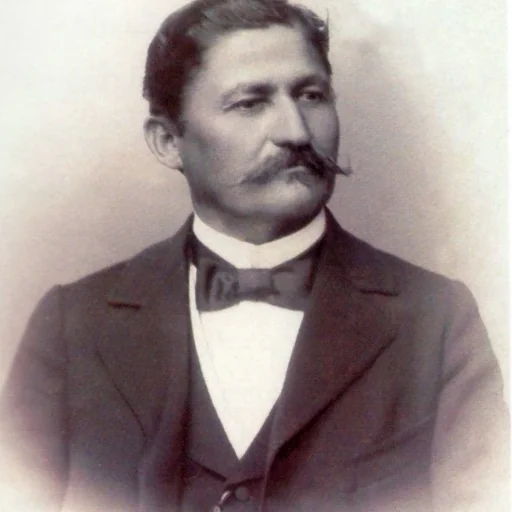
Sava Henția (1 February 1848, Sebeșel - 21 February 1904, Sebeșel) was an Imperial Austrian-born Romanian painter, decorator and illustrator.
Museum
Bogdan Petriceicu Hasdeu Memorial Museum
Continue through works from the same source collection.