Artwork
Vacă
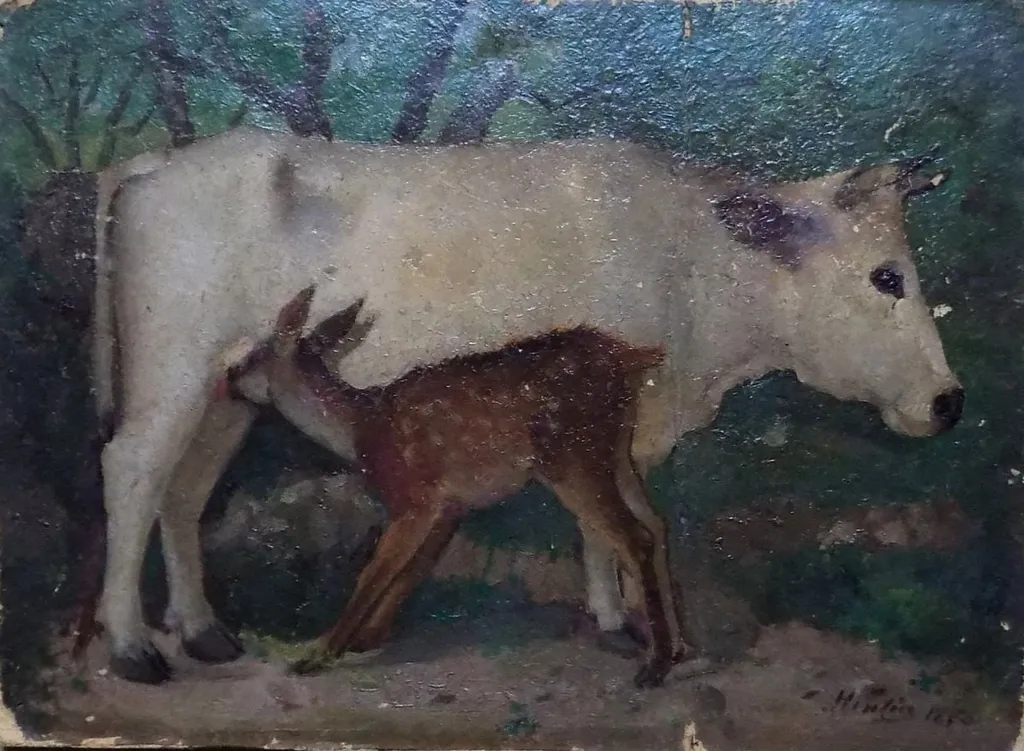
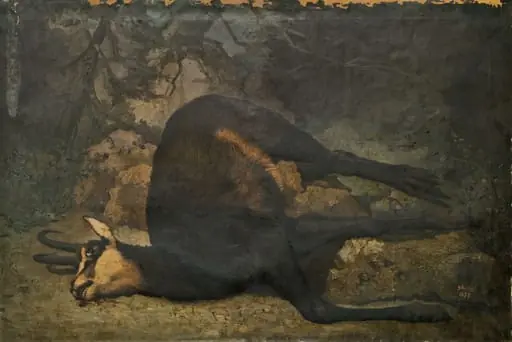
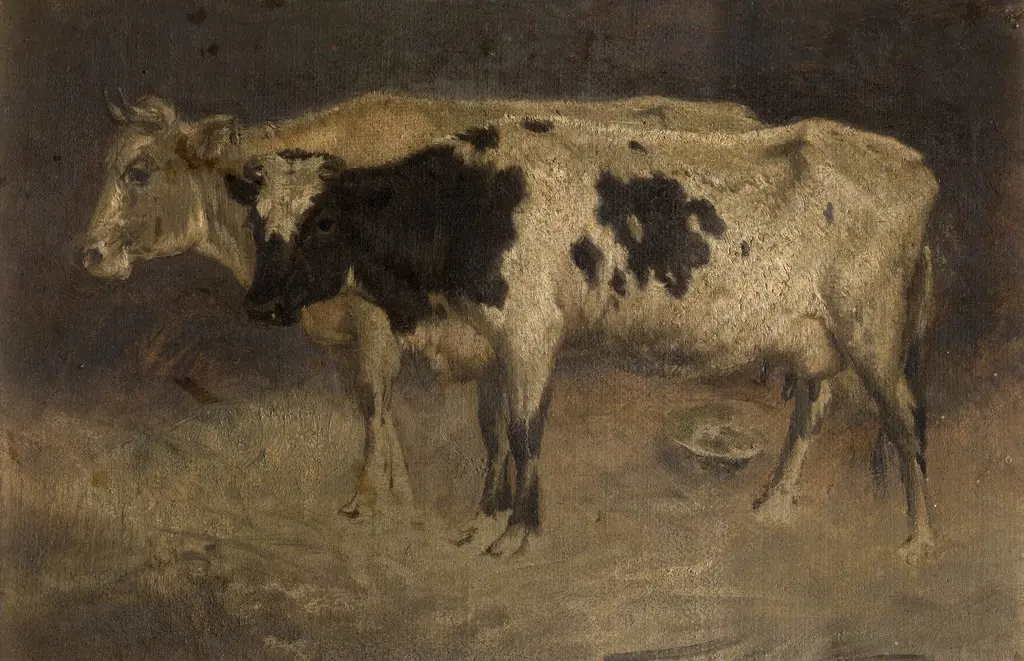
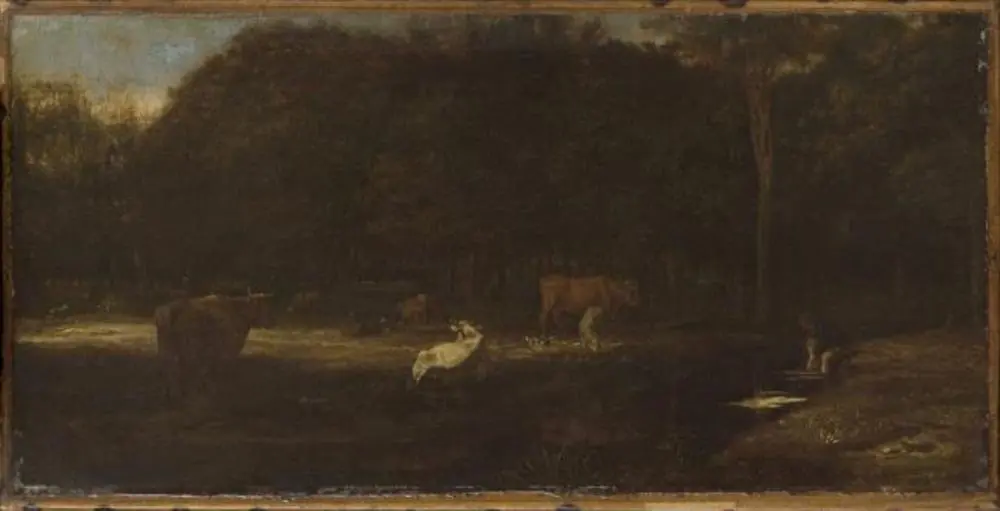
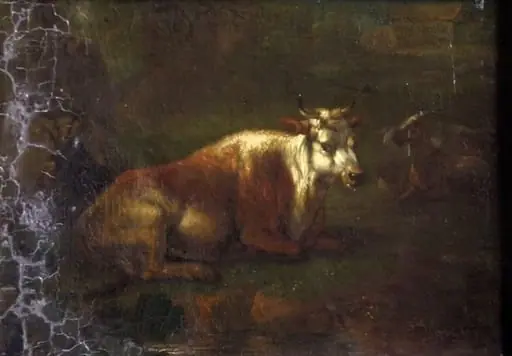
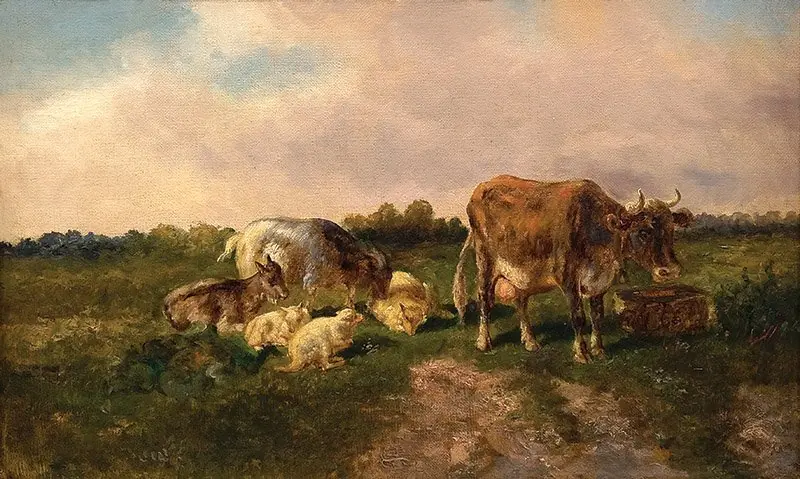
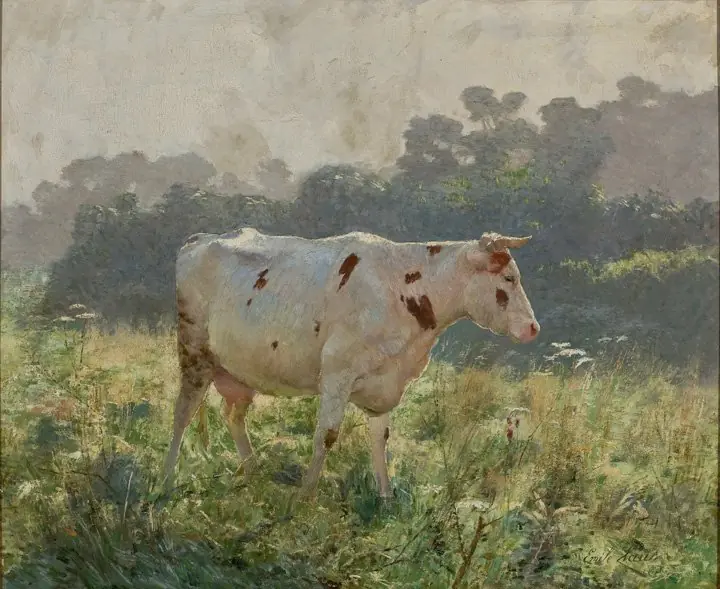
Vacă is an unspecified painting by the Biedermeier artist Sava Henția. It dates from 1876 and is held in the collection of the Bucharest Municipality Museum.
About this work
Overview
Sava Henția, an artist born in the Austrian Empire who later worked in Romania, painted Vacă in 1876. The work belongs to a period when Romanian art was engaging with European stylistic trends, particularly those rooted in domestic realism. It is held in the collection of the Museum of Ethnography, reflecting its role in documenting rural life through visual means.
Subject & Meaning
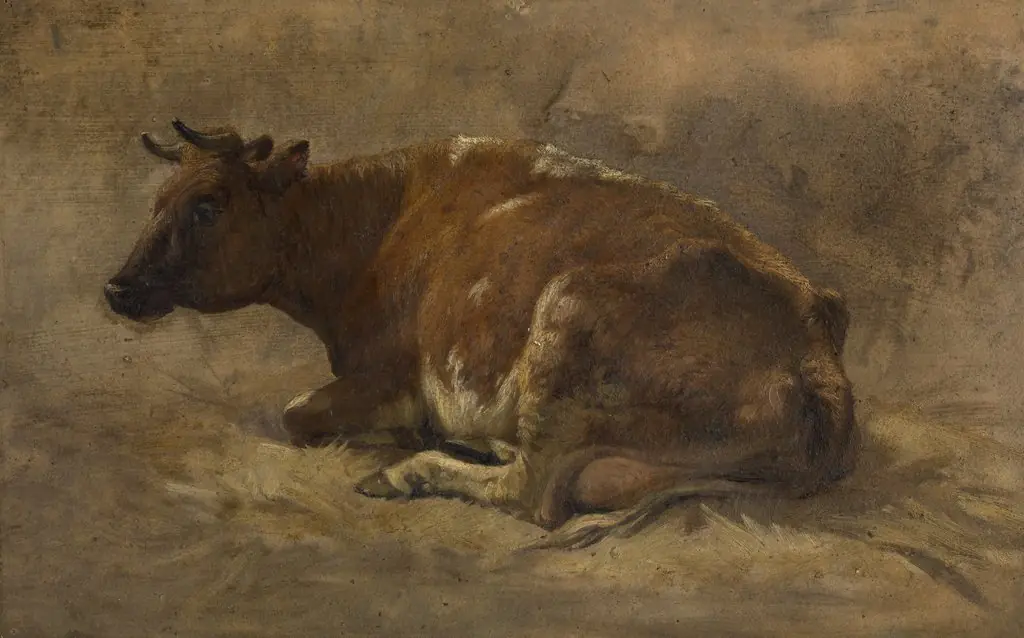
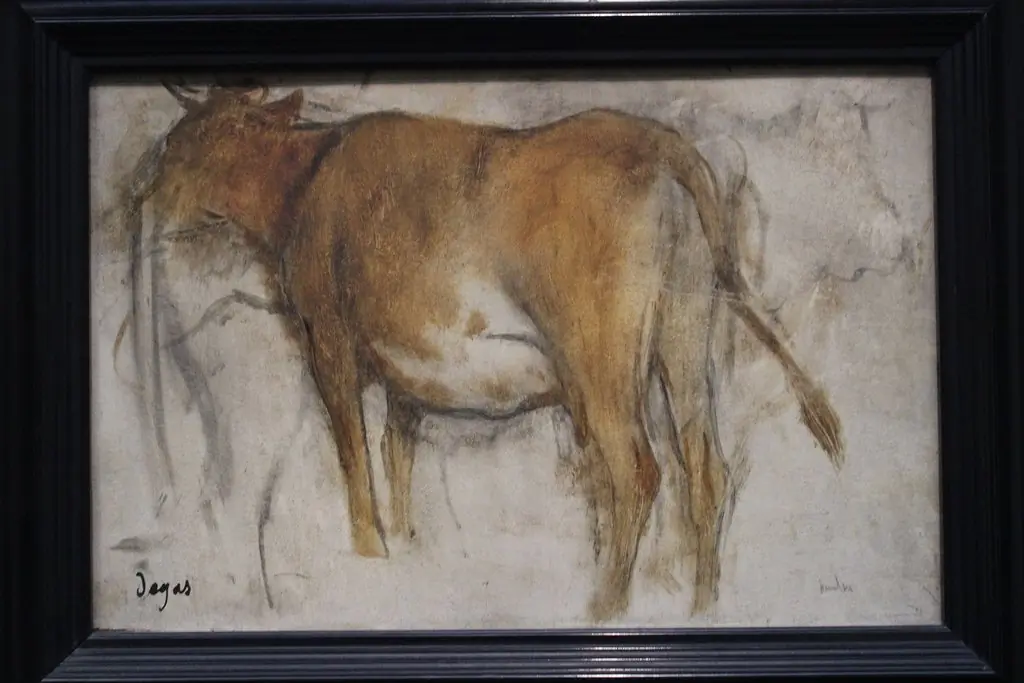
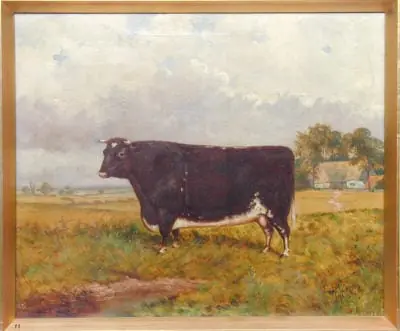
The painting depicts a white cow and a brown calf moving together through a field, a quiet moment of animal life. No human figures appear, emphasizing the autonomy and rhythm of rural existence. The scene avoids sentimentality, instead presenting the animals as part of an unembellished natural cycle, consistent with the observational priorities of its time.
Technique & Style
Henția employed loose, rapid brushwork that suggests spontaneity rather than formal finish. Colors are subdued, grayish whites and warm browns dominate, with the background rendered in soft greens and blue-greens that blur into atmospheric haze. This approach prioritizes immediacy over detail, aligning with a sketch-like sensibility that captures motion and light without idealization.
History & Provenance
Created in 1876, Vacă entered the collection of the Museum of Ethnography, where it remains today. Its preservation there suggests an early recognition of its value as a record of everyday rural Romania. Henția’s background as a decorator and illustrator likely influenced the painting’s accessible, narrative quality, distinguishing it from academic traditions of the era.
Context
Painted during the later phase of Biedermeier influence in Eastern Europe, Vacă reflects a broader cultural turn toward intimate, non-heroic subjects.
Painted during the later phase of Biedermeier influence in Eastern Europe, Vacă reflects a broader cultural turn toward intimate, non-heroic subjects. While not strictly Biedermeier in origin, its focus on domestic nature and quiet observation mirrors the movement’s values. It also anticipates the rise of Realism in Romanian art, which would soon emphasize social and environmental truth over ornamentation.
Legacy
Though not widely exhibited beyond institutional settings, Vacă contributes to a small but significant body of 19th-century Romanian works that documented rural life with restraint. Its informal technique and unadorned subject matter helped pave the way for later artists who sought to portray the natural world without romantic embellishment.
Artist & collection
Artist
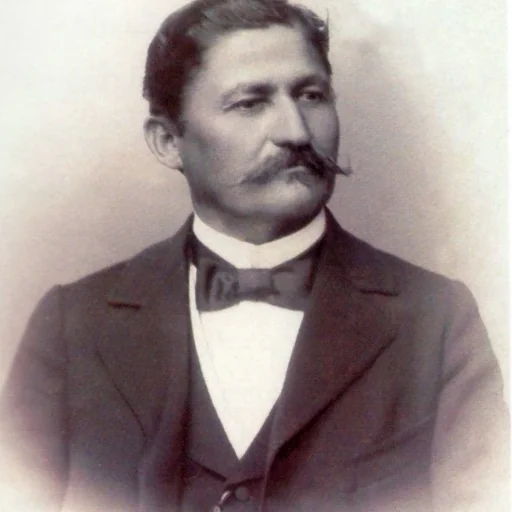
Sava Henția (1 February 1848, Sebeșel - 21 February 1904, Sebeșel) was an Imperial Austrian-born Romanian painter, decorator and illustrator.