Subject
Cow
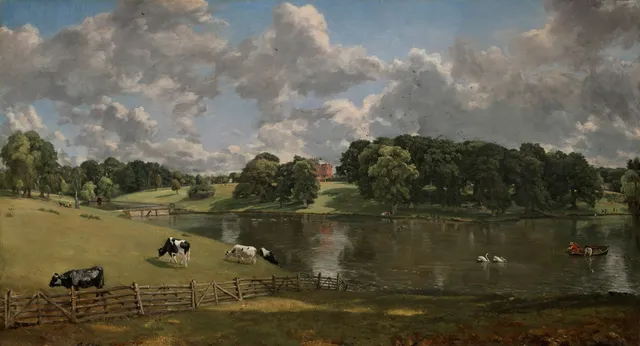
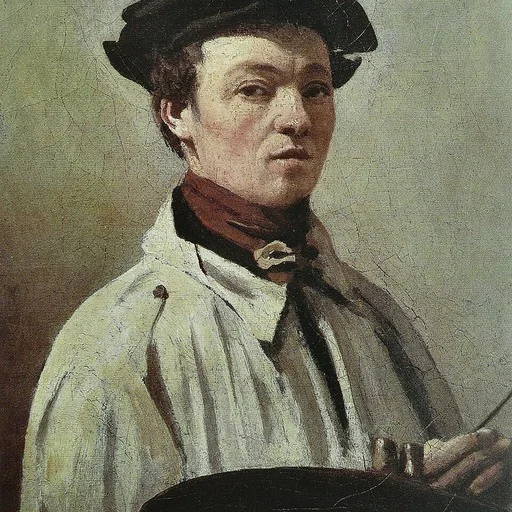
Cow is a subject in art. The gallery holds 50 works in this subject in art, including works by Jean Baptiste Camille Corot, Edgar Degas and Camille Pissarro.
Zhōu (Chinese: 周; pinyin: Zhōu; Wade–Giles: Chou¹) is a Chinese-language surname. In places which use the Wade–Giles romanization such as Taiwan, Zhou is usually spelled as Chou, and it may also be spelled as Chiau, Chau, Chao, Chew, Chow, Chiu, Cho, Chu, Jhou, Jou, Djou, Jue, Jow, Joe, or Tseu, depending on regional pronunciation.
Key artists

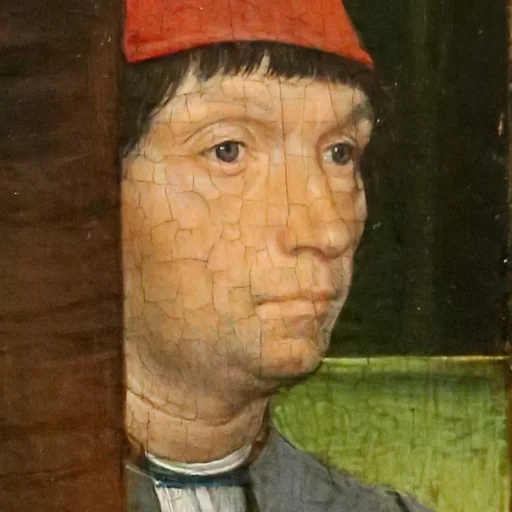
Overview
The cow and its close relatives, the bull and the ox, constitute one of the most enduring and versatile subjects in the history of art, appearing across cultures and periods as everything from humble background detail to monumental protagonist. In the collection under discussion, the cow appears in fifty-five works, ranging from pastoral landscapes to intimate genre scenes, reflecting the animal's deep integration into human life and artistic imagination. The motif encompasses a wide spectrum of meanings: the cow as livestock, as symbol of rural prosperity, as religious presence, and as vehicle for exploring formal qualities of light, texture, and composition. Its recurrence speaks to both the economic centrality of cattle in agricultural societies and their rich symbolic potential, from the sacred to the mundane.
Iconography & meaning
The iconography of the cow in art carries layered and often contradictory meanings. In Western religious tradition, the cow at the Nativity represents humility, peace, and Christian virtue, typically depicted with head bowed as though in prayer. In Zen Buddhist tradition, the ox serves as a metaphor for the mind, with herding cattle representing the process of quieting the self and achieving enlightenment, as articulated in Ming Dynasty texts like the 'Ode to 10 Bulls' by Zen Master Puming. The animal's physical presence also conveys wealth and power: the imposing bulk of a healthy cow or bull signals agricultural prosperity, while its skull, as in Georgia O'Keeffe's work, becomes an emblem of endurance and the rugged beauty of the American landscape. In classical mythology, the bull form of Zeus carries connotations of divine power and sexual violence, as in the Rape of Europa. The cow's duality, humble yet powerful, peaceful yet potentially dangerous, has allowed artists to deploy it across a remarkable range of symbolic registers.
Across movements & periods
The treatment of cows in art evolved significantly across movements and periods. In Minoan Crete, bull-leaping frescoes from around 1450 BC celebrated human mastery over nature through athletic confrontation with the animal. Medieval bestiaries, such as the thirteenth-century English example now at the Getty Museum, presented cattle as expressive, dominant figures within didactic frameworks. The Dutch Golden Age marked a crucial transformation: Paulus Potter elevated the cow to monumental subject status, most famously in The Young Bull (1647, Mauritshuis), a life-size work of national renown compared to Rembrandt's Night Watch for its significance. Albert Cuyp meanwhile integrated cattle into luminous pastoral landscapes, using golden light to ennoble their presence. The Romantic movement of the early nineteenth century, exemplified by Constable and Gainsborough, idealized cows within harmonious rural retreats from industrialization. Realism then shifted focus toward authentic agricultural labor, with Jean-François Millet depicting cows as working companions to farmers. Impressionists like Monet and Pissarro experimented with light and color in their treatment of cattle. Modern and contemporary artists have continued to exploit the motif's possibilities: Vincent van Gogh painted cows in 1890 while in northern France; Georgia O'Keeffe transformed the cow skull into modernist icon; Damien Hirst's Mother and Child Divided (1993) used bisected calf and cow in formaldehyde to interrogate boundaries between life, death, and spectacle; and John Steuart Curry's Ajax (1936-37) monumentalized the ox as symbol of American heartland identity.
Notable depictions
Certain depictions of cows have achieved particular canonical status. Paulus Potter's The Young Bull (1647) remains perhaps the most celebrated single bovine portrait in Western art, its life-size scale and meticulous detail establishing a benchmark for animal painting. Albert Cuyp's Peasants and Cattle by the River Merwede (c. 1658-1660, National Gallery, London) demonstrates the integration of cattle into sublime landscape composition. Titian's The Rape of Europa (1560-1562), painted for Philip II of Spain as part of the Poesies series, deploys the bull form of Zeus in mythological narrative. Nicolas Poussin's Landscape With a crowd (1650-1651) uses cattle as essential counterweights to dramatic action, their peaceful movement through shallow water establishing the painting's characteristic calm. Georgia O'Keeffe's Cow's Skull: Red, White, and Blue (1931, Metropolitan Museum of Art) transmuted the motif into modernist abstraction and national symbol. Damien Hirst's Mother and Child Divided (1993), first exhibited at the Venice Biennale and contributing to his Turner Prize win, provocatively recontextualized the cow within contemporary art's discourse on mortality and spectacle. Li Keran's Herdboy and Ox (1980, Hong Kong Museum of Art) renews the Zen tradition for modern Chinese painting, while Candido Portinari's Nativity (1960) offers a vibrant Brazilian reinterpretation of the cow's Christian iconography.
Legacy
The cow's afterlife in art and culture extends beyond individual works to broader patterns of representation and institutional recognition. Specialized museums dedicated to cattle and their role in human civilization have emerged, preserving and interpreting the deep history of human-bovine relations from domestication to modern agriculture. The motif continues to attract scholarly and popular attention, as evidenced by curated surveys of art history's most significant cattle. The Chinese zodiac's Year of the Ox, most recently the Metal Ox in 2021, periodically renews cultural focus on the animal's associations with sturdiness, strength, and dependability. Contemporary artists continue to find in the cow a flexible vehicle for exploring themes ranging from rural identity to environmental crisis to the boundaries of biological art. The persistence of cow-themed educational materials and cross-curricular resources further testifies to the subject's accessibility and enduring resonance across age groups and learning contexts. From prehistoric cave paintings to digital media, the cow remains a surprisingly potent and adaptable artistic subject, its very familiarity allowing for continual reinvention.
Works
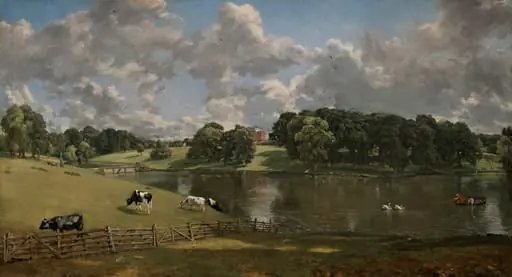 Wivenhoe Park, Essex
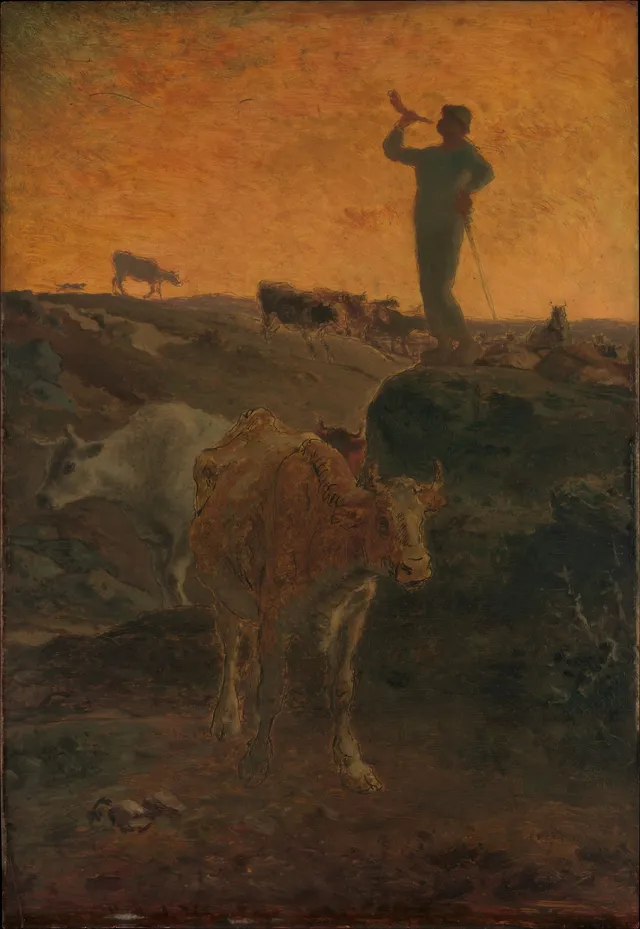
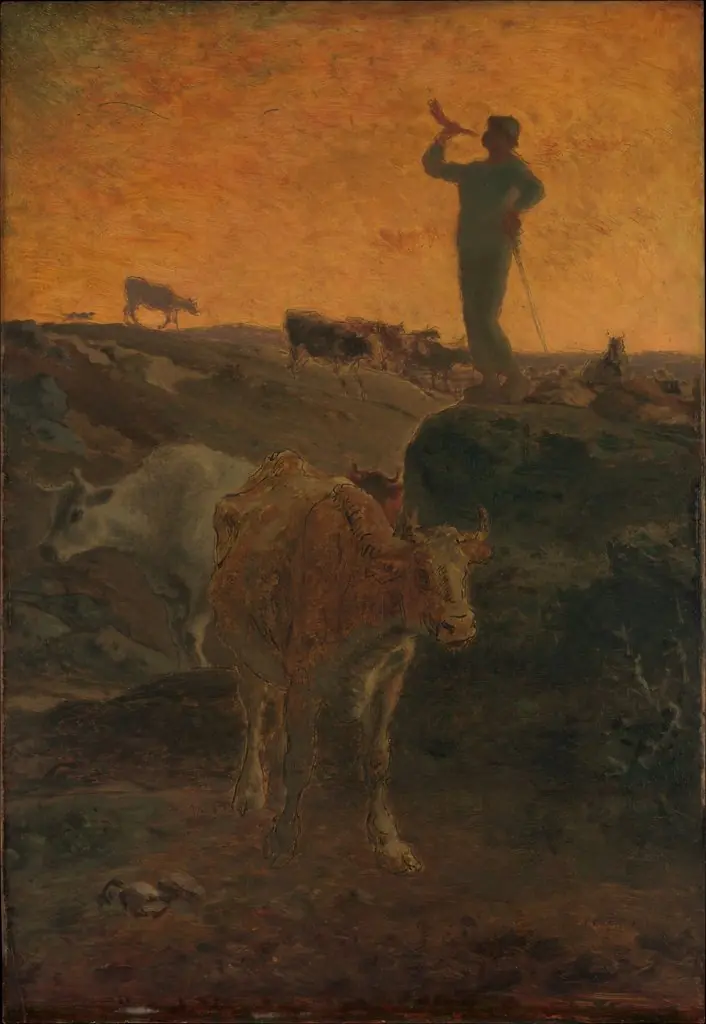 Calling the Cows Home
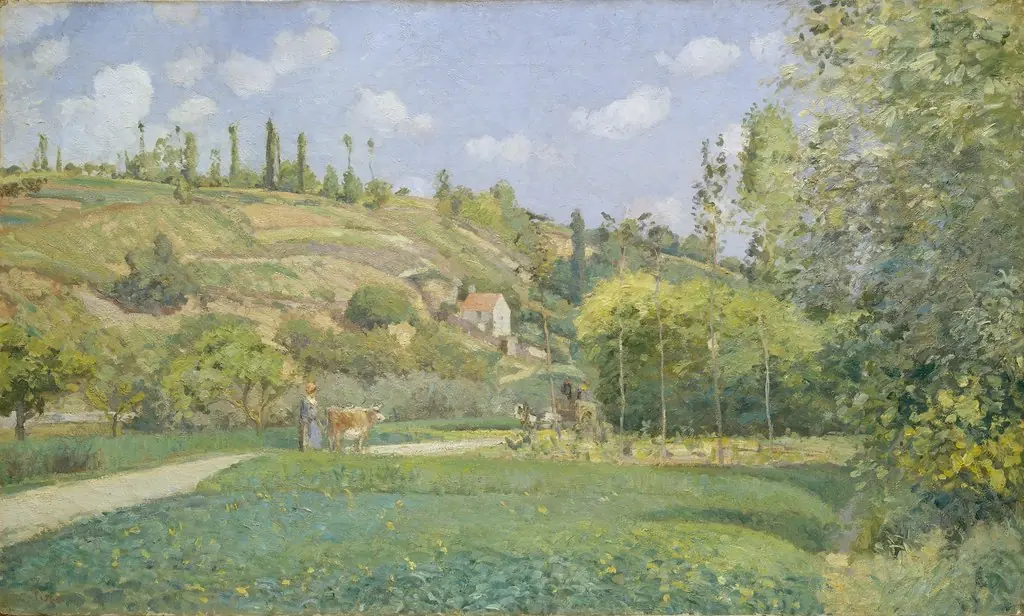 A Cowherd at Valhermeil, Auvers-sur-Oise
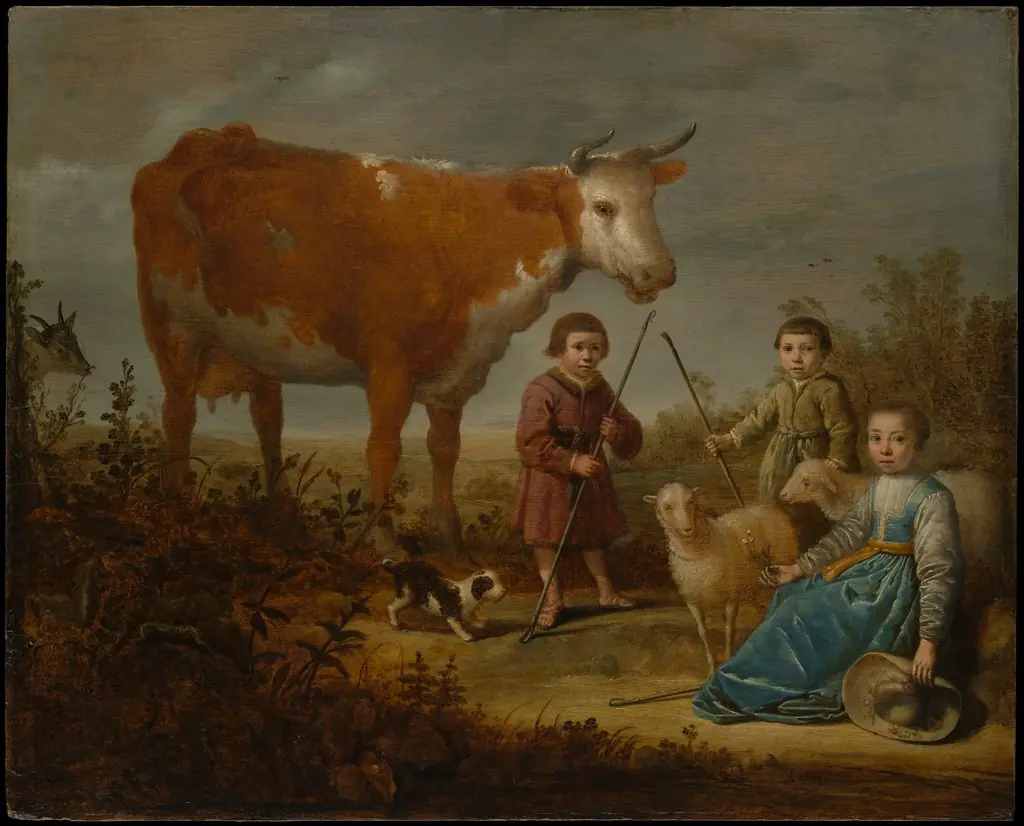 Children and a Cow
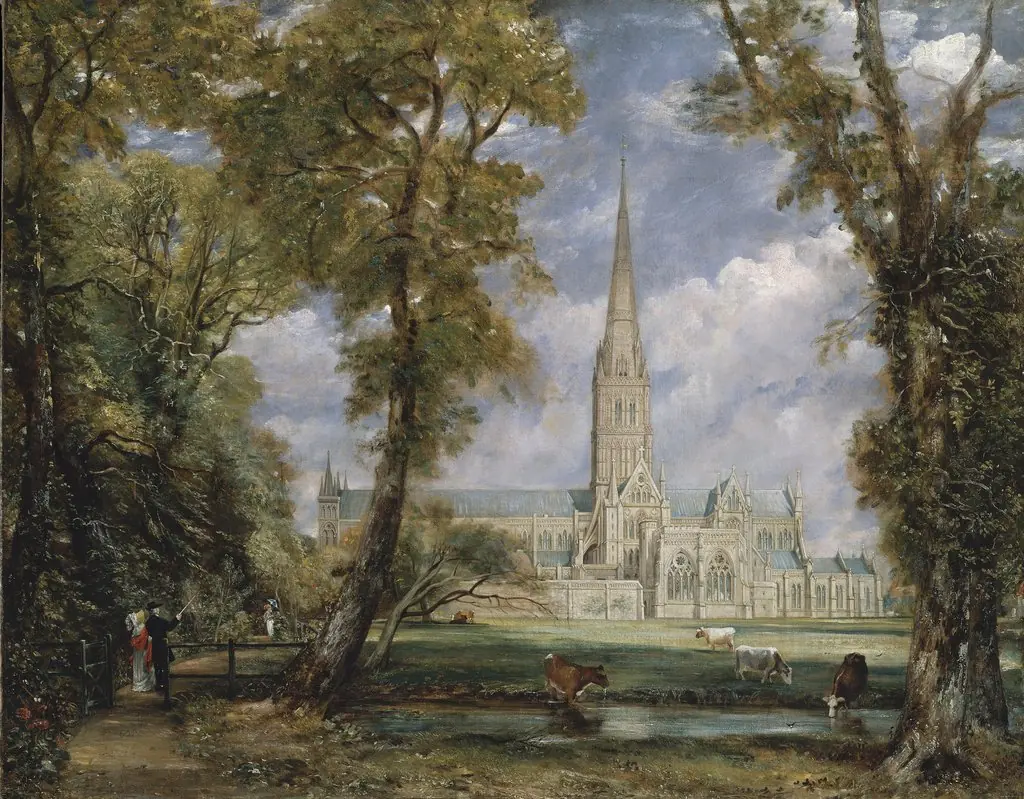 Salisbury Cathedral from the Bishop's Garden
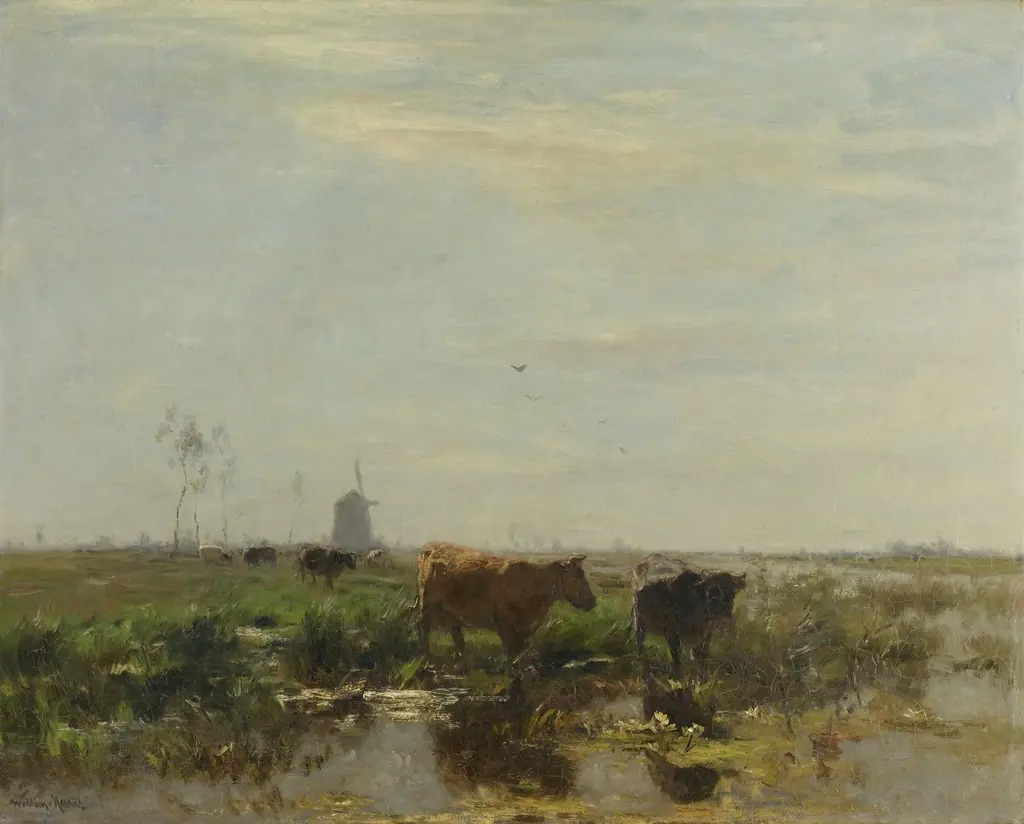 Meadow with Cows by the Water
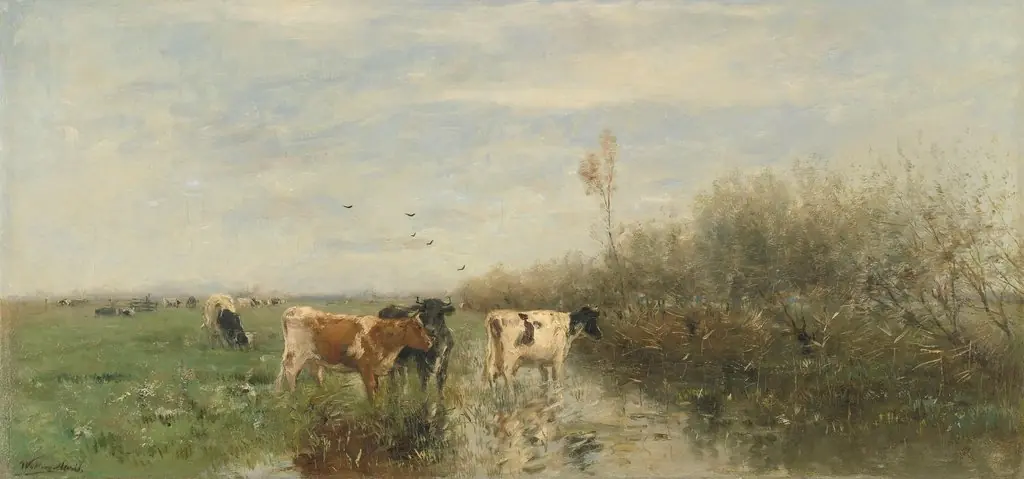 Cows in a soggy meadow
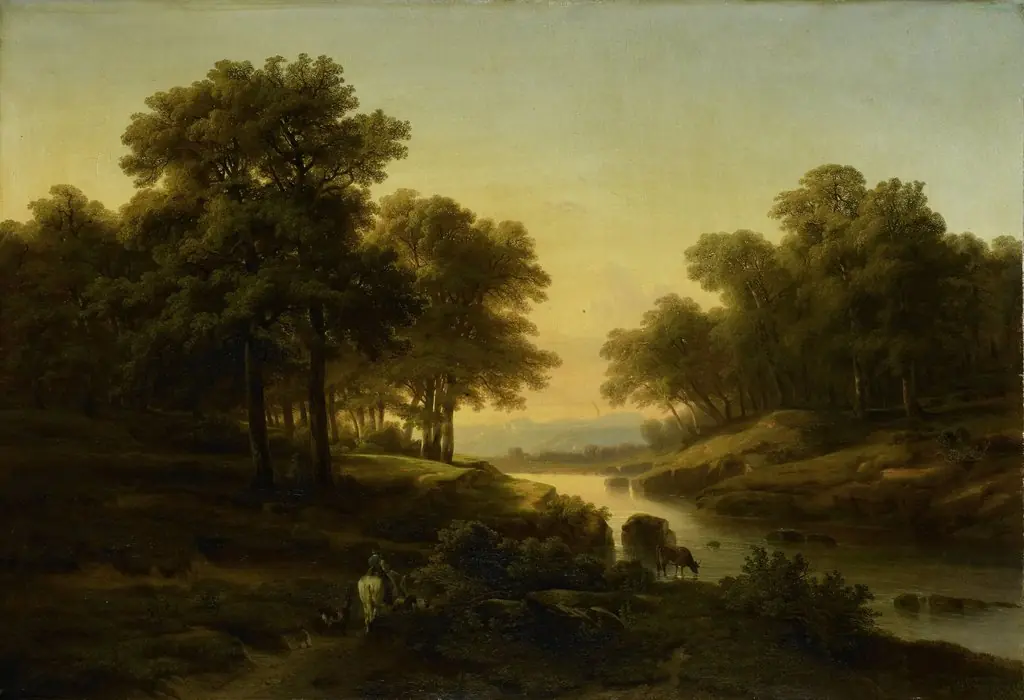 Landscape
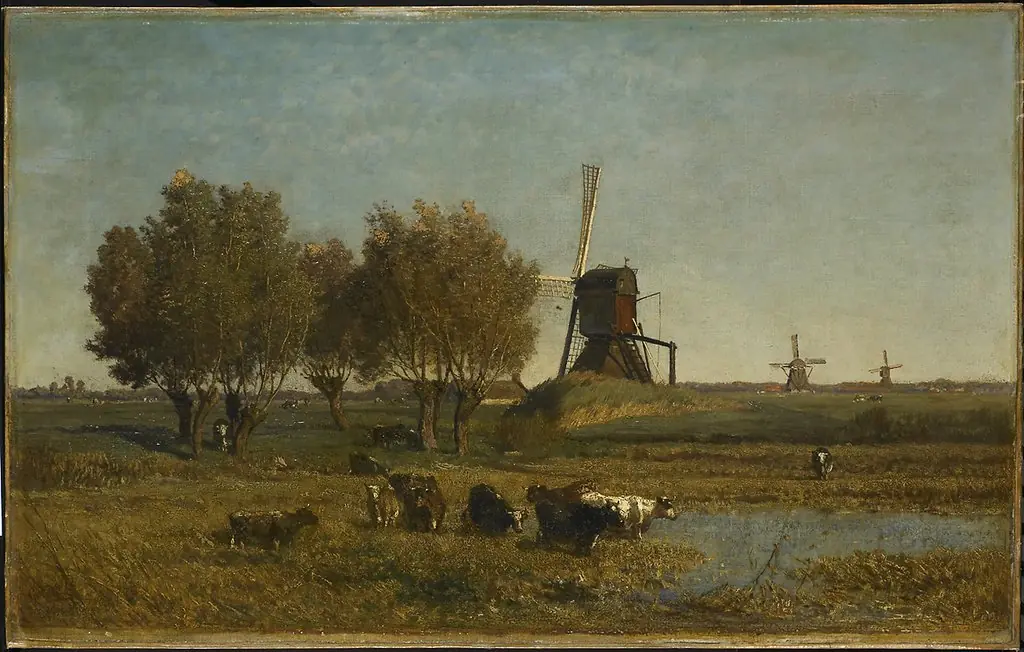 De Winkel near Abcoude
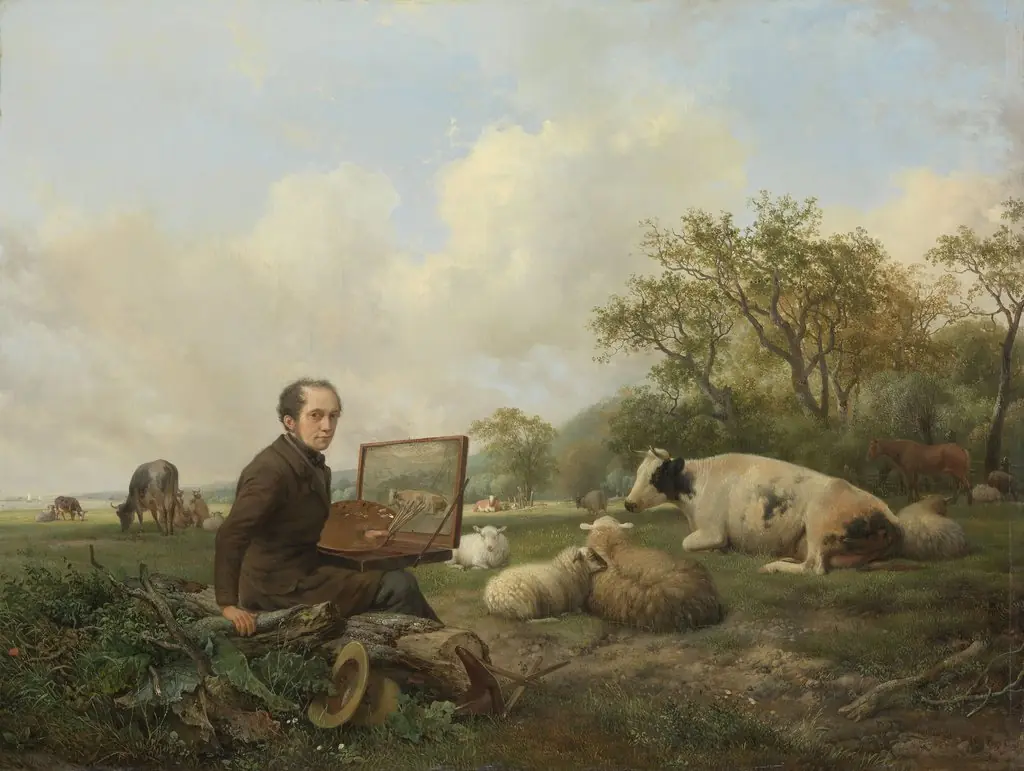 The Artist Painting a Cow in a Meadow
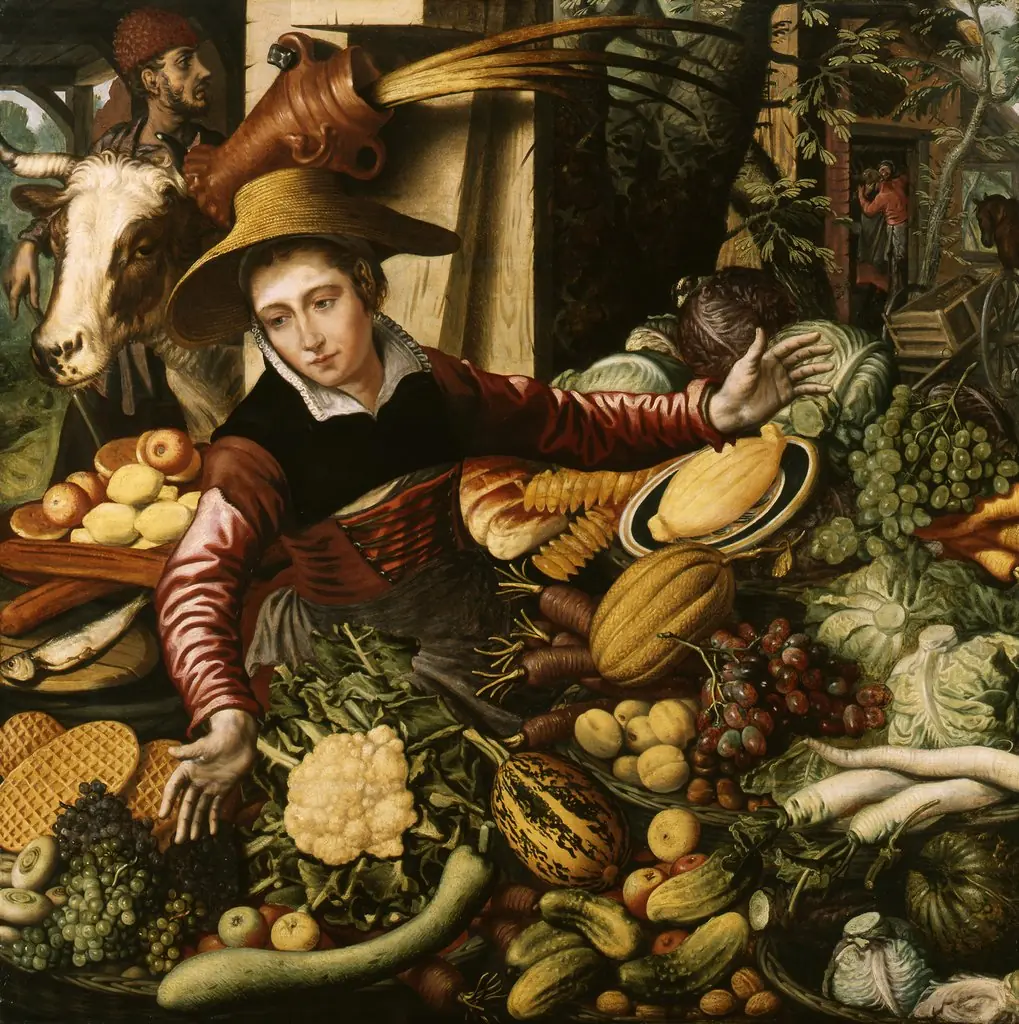 Market Woman at the Vegetable Stall
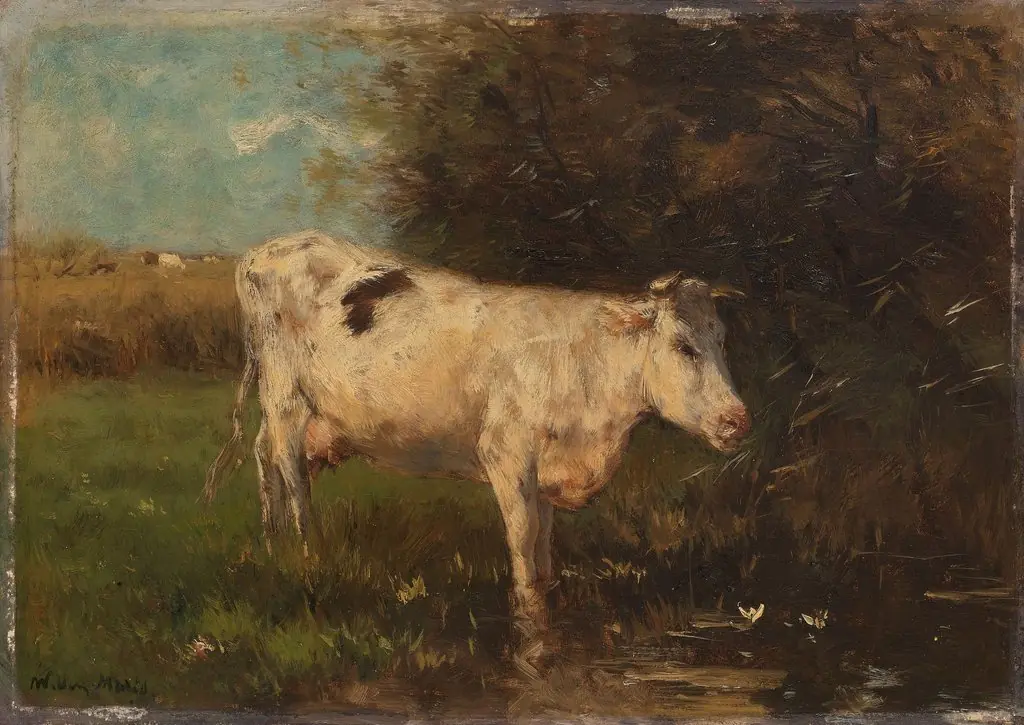 White Cow
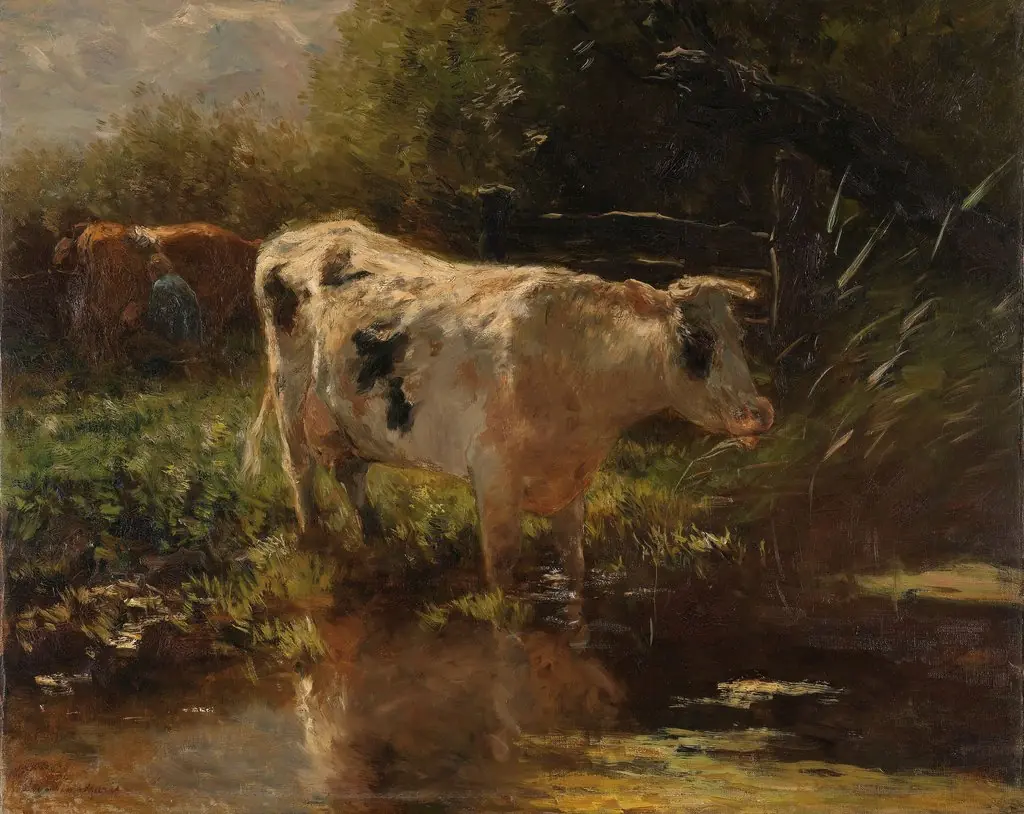 Cow beside a Ditch
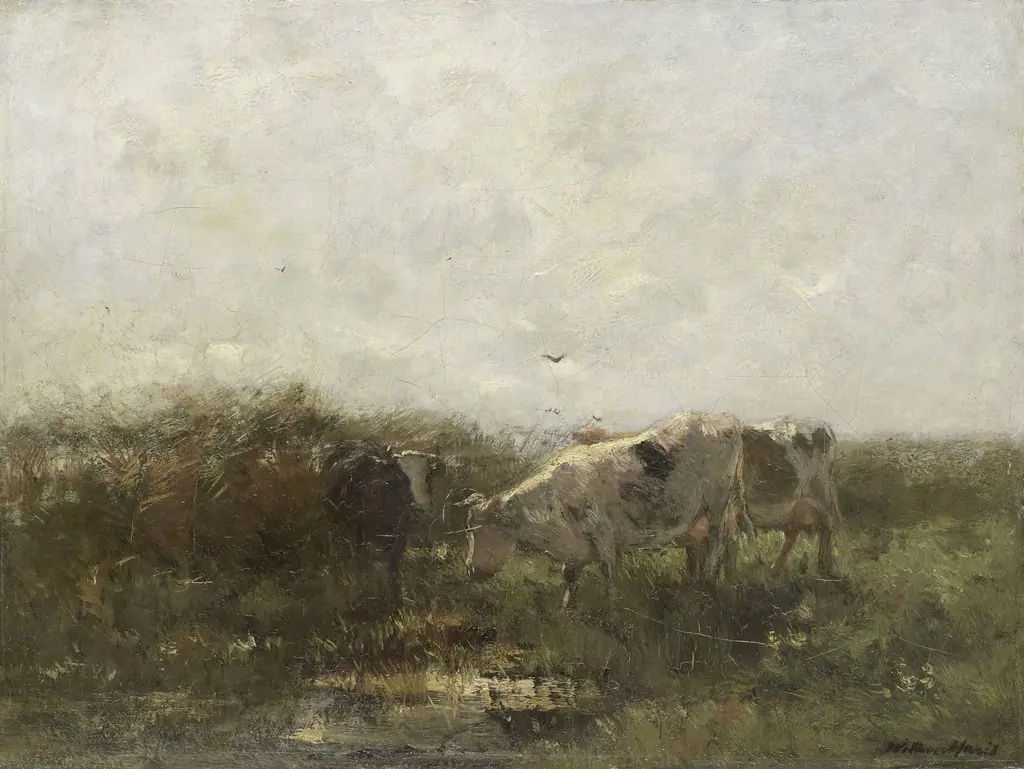 Koeien
 The People's Census at Bethlehem
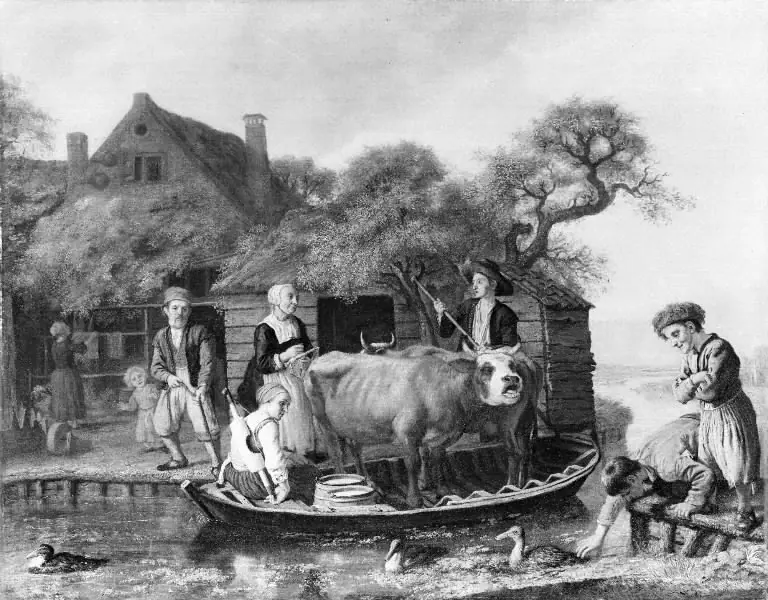 Scene outside a Dutch Farm
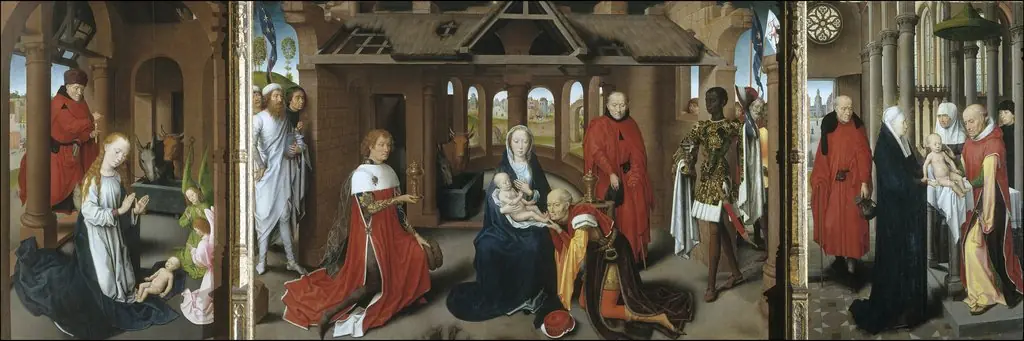 Adoration of the Magi Triptych
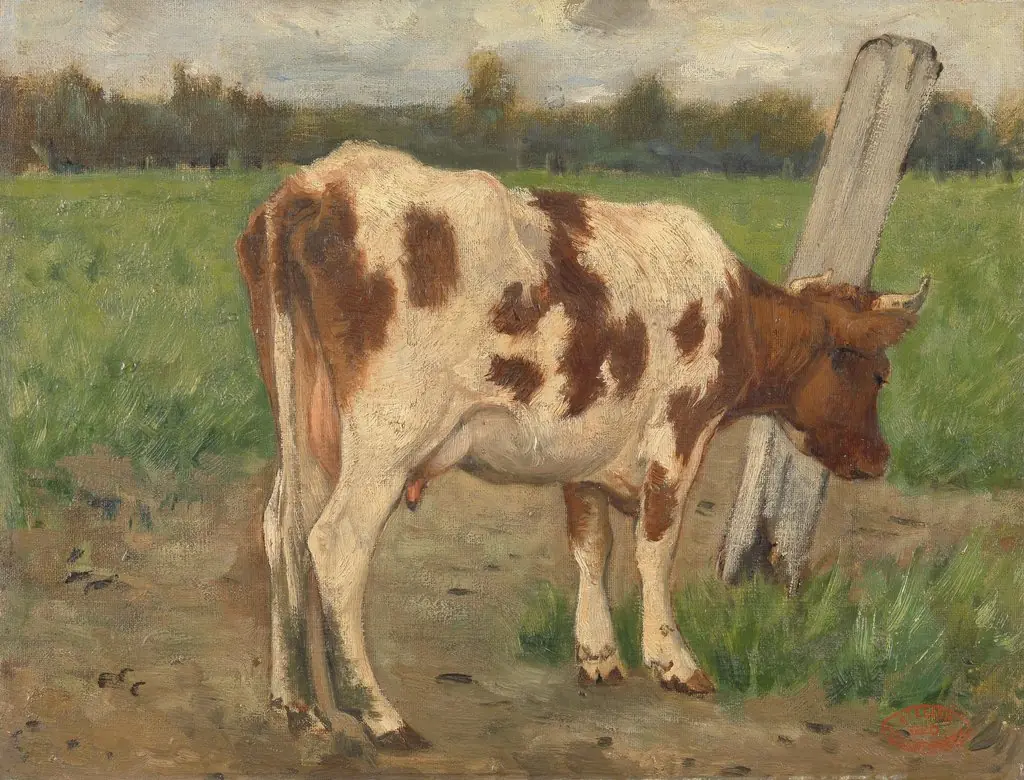 Cow
Cow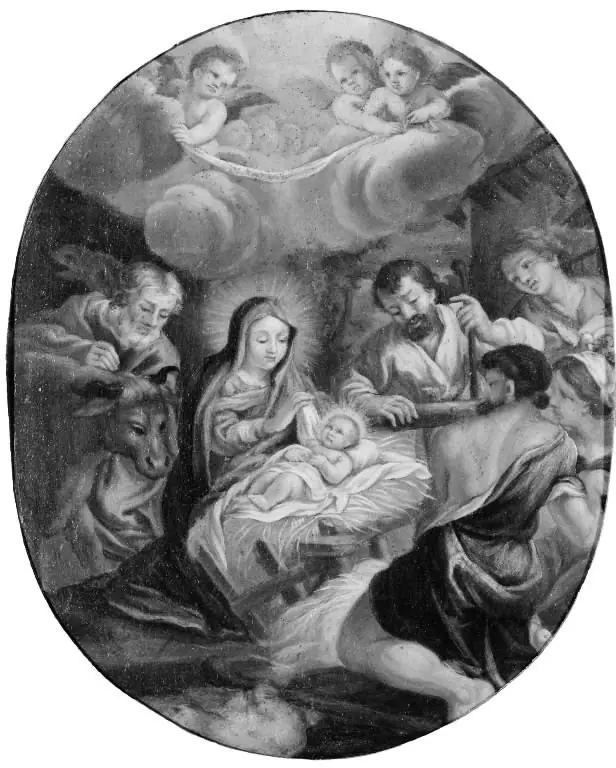 The Adoration of the Shepherds
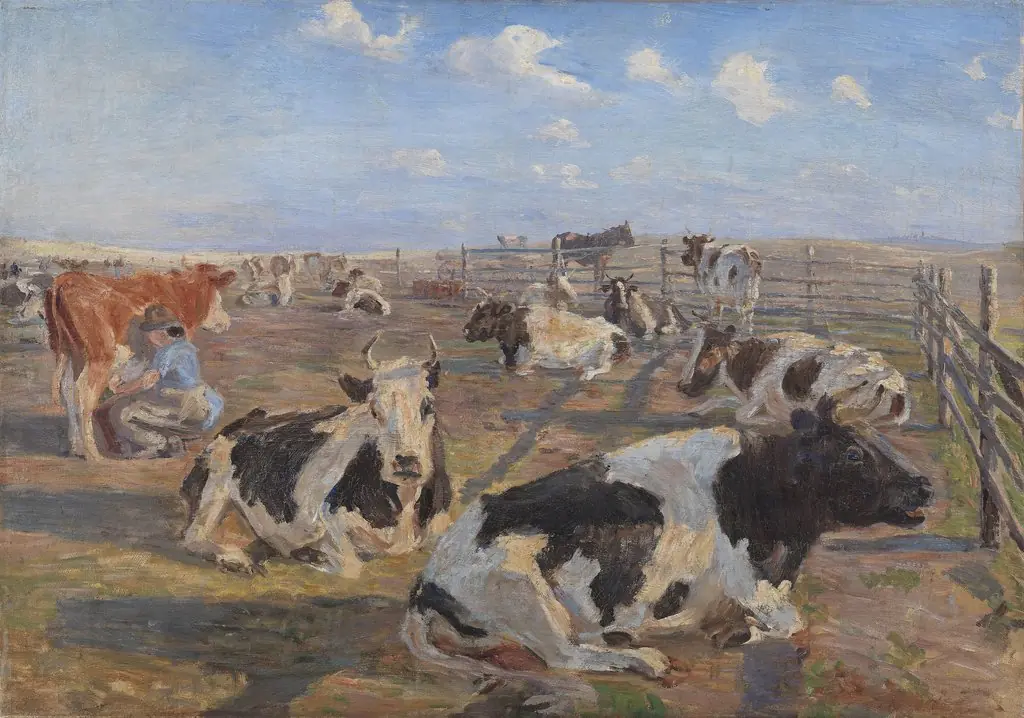 The Milking Place at Meilgård
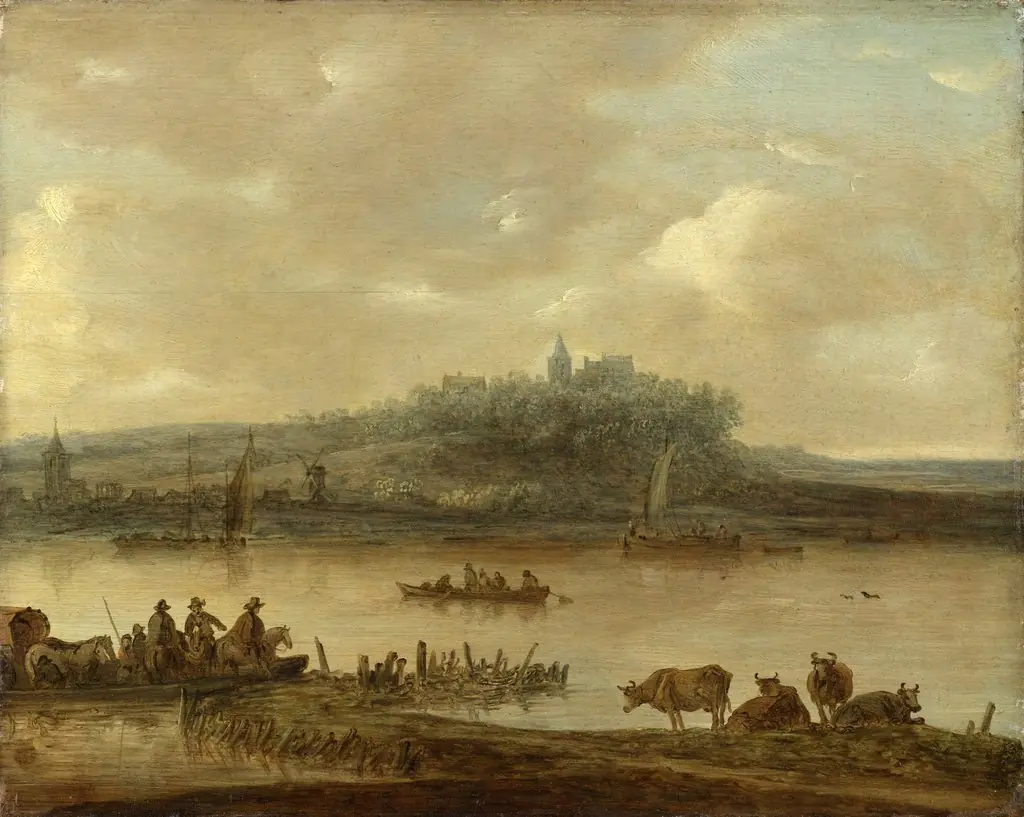 View of the Rhine and the Elterberg
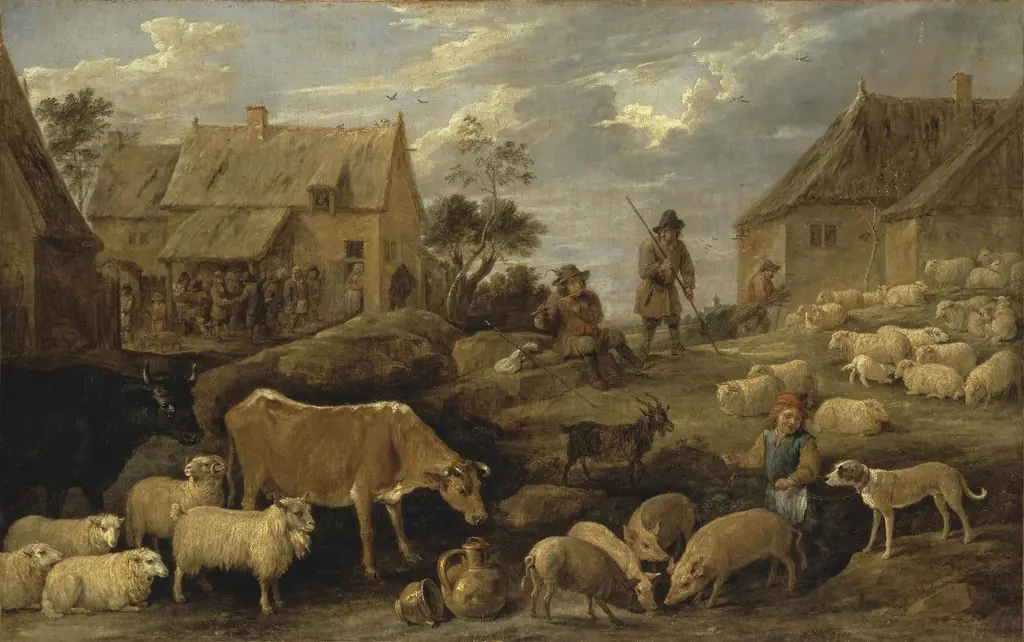 Landscape with shepherds and a flock
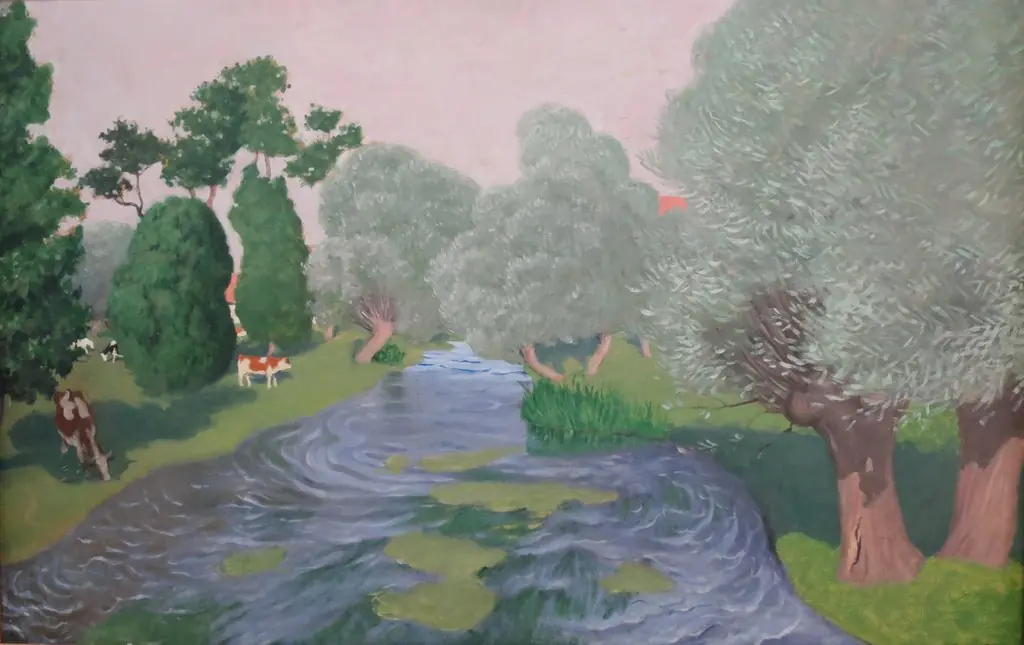 Landscape. Arcques-la-Bataille
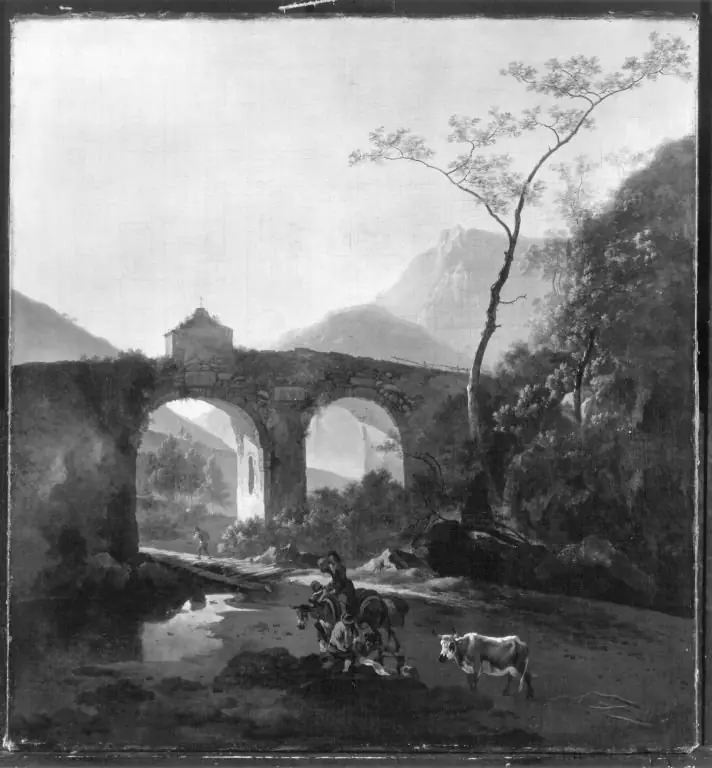 Italian Landscape with Viaduct
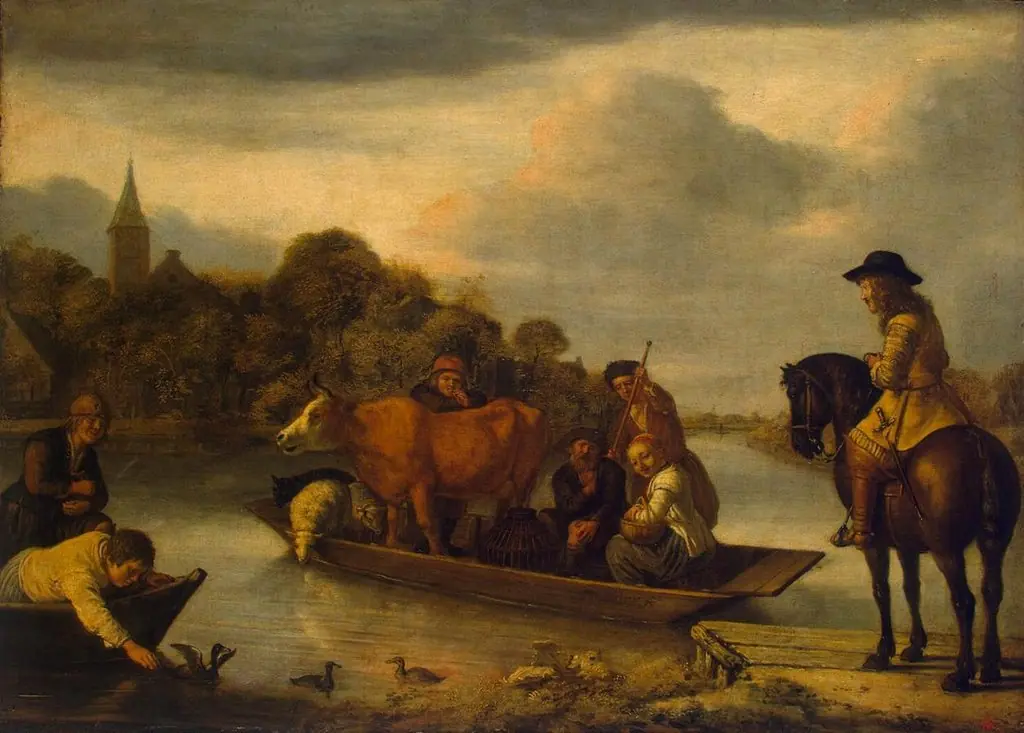 Ferry-boat
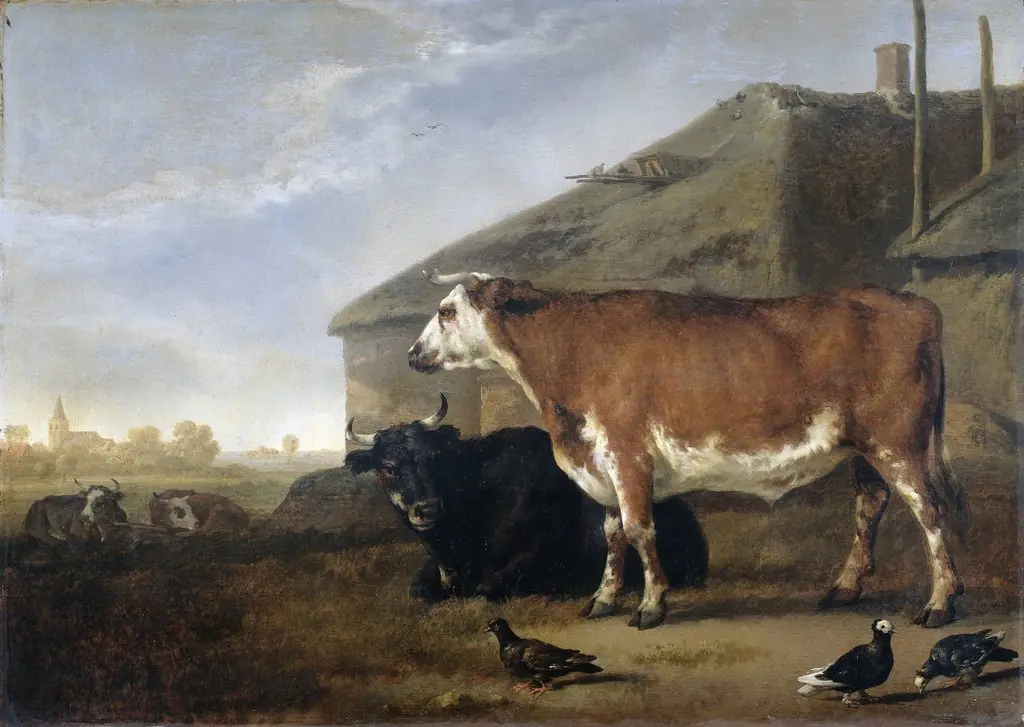 Cattle
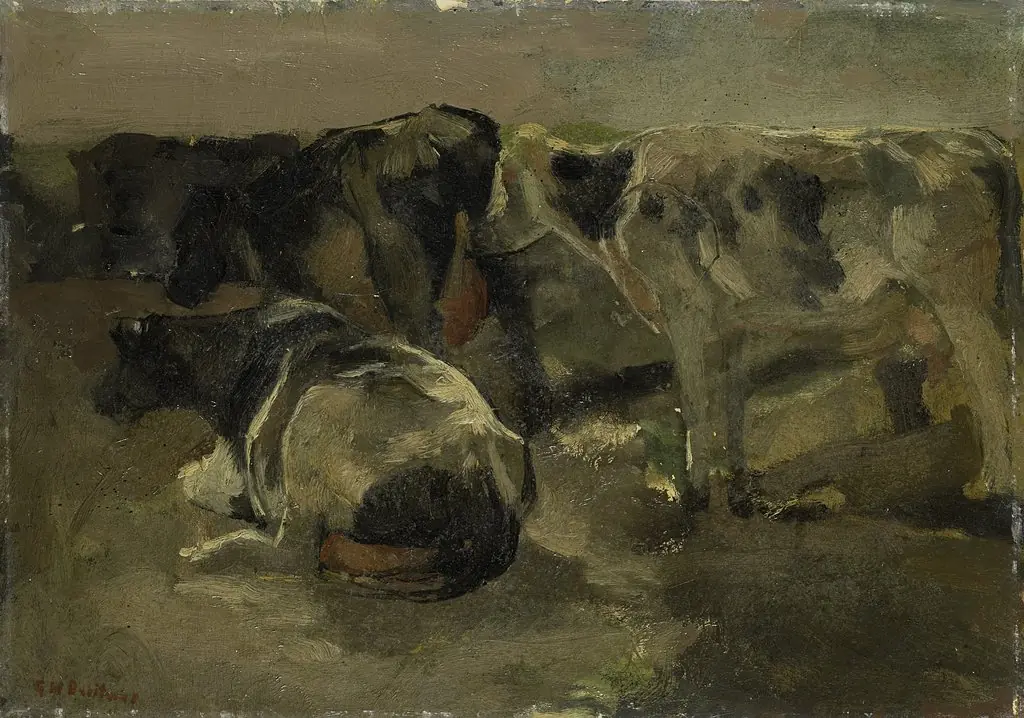 Four Cows
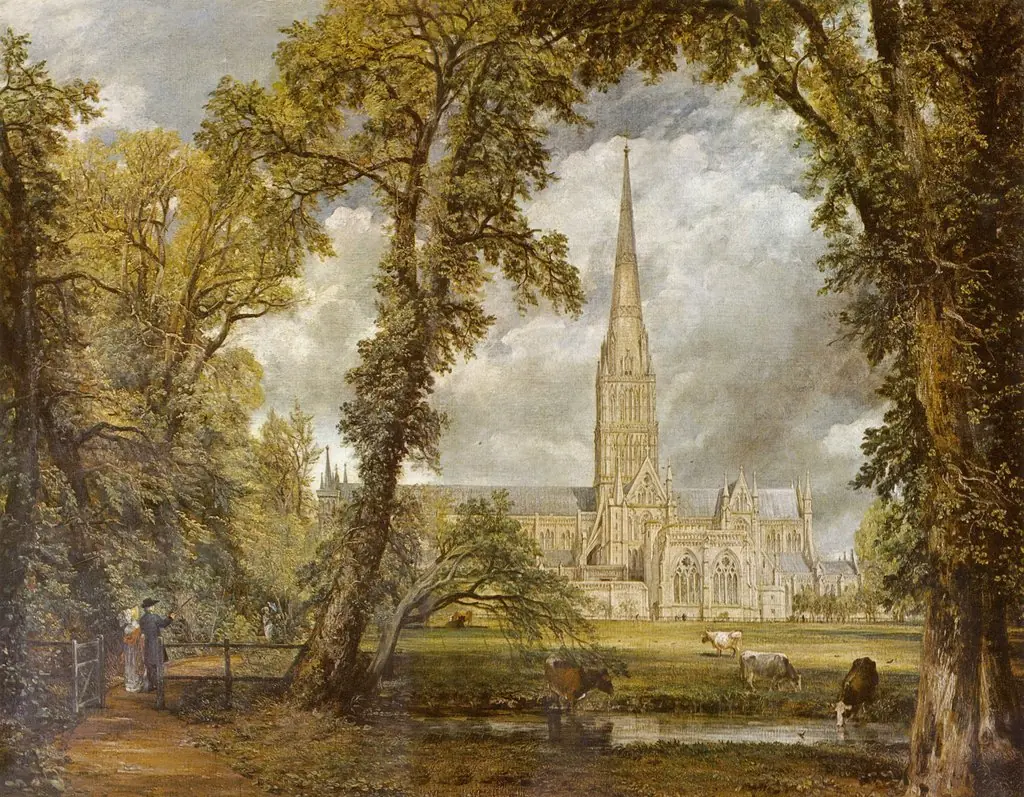 Salisbury Cathedral from the Bishop's Grounds
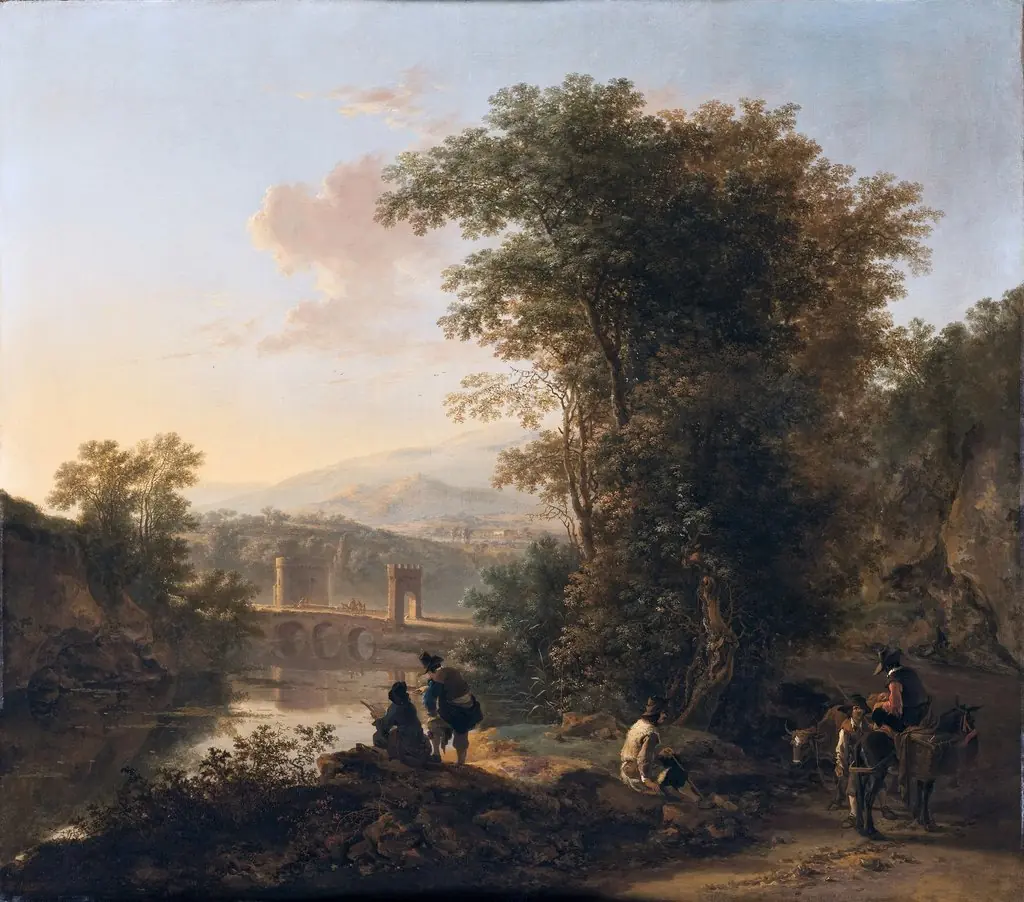 Landscape with a Draftsman
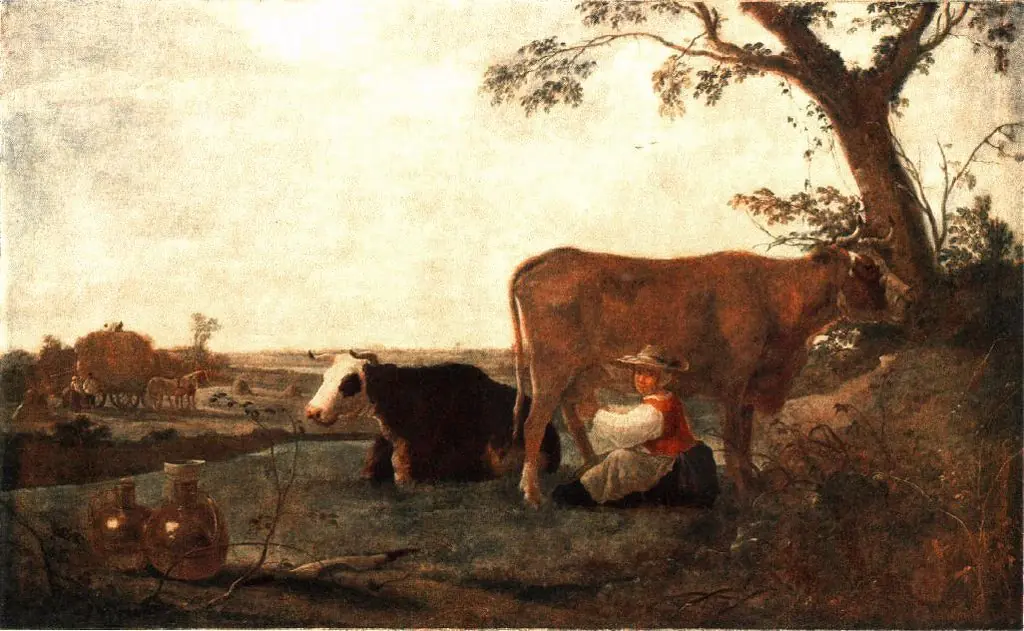 Dairy Maid
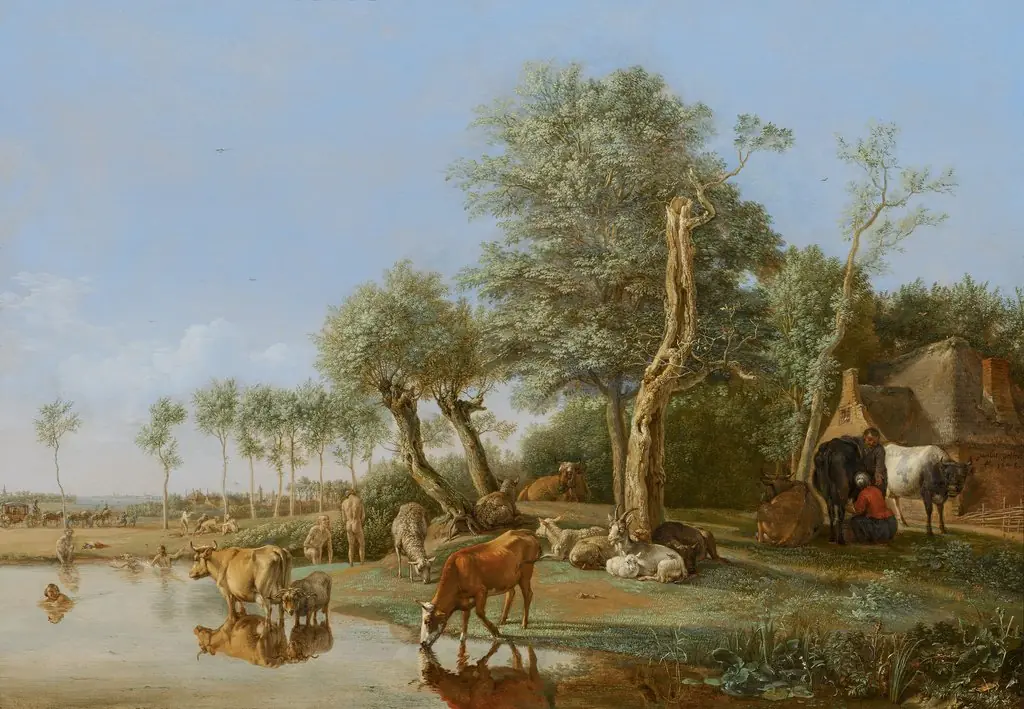 Cows reflected in the water
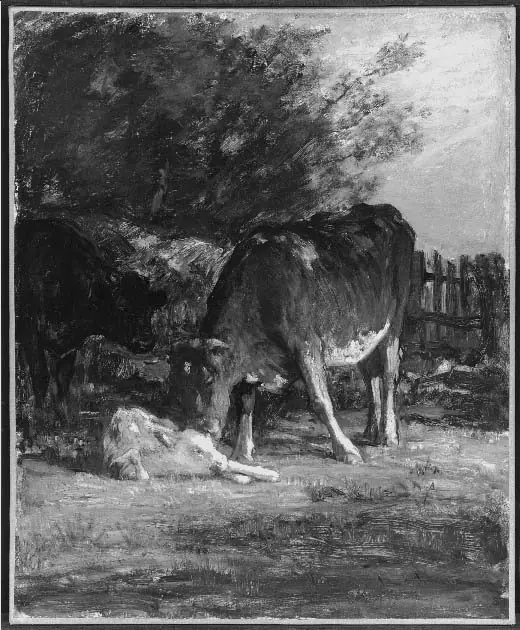 The Newborn Calf
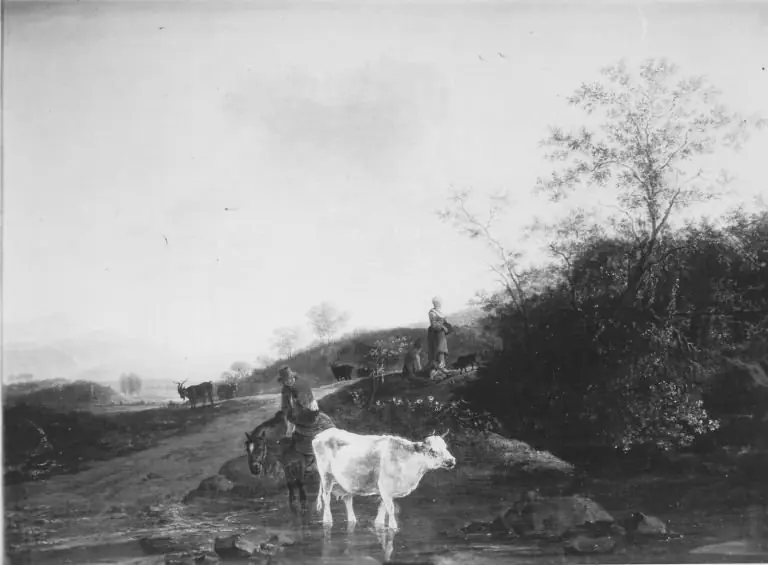 Evening Landscape
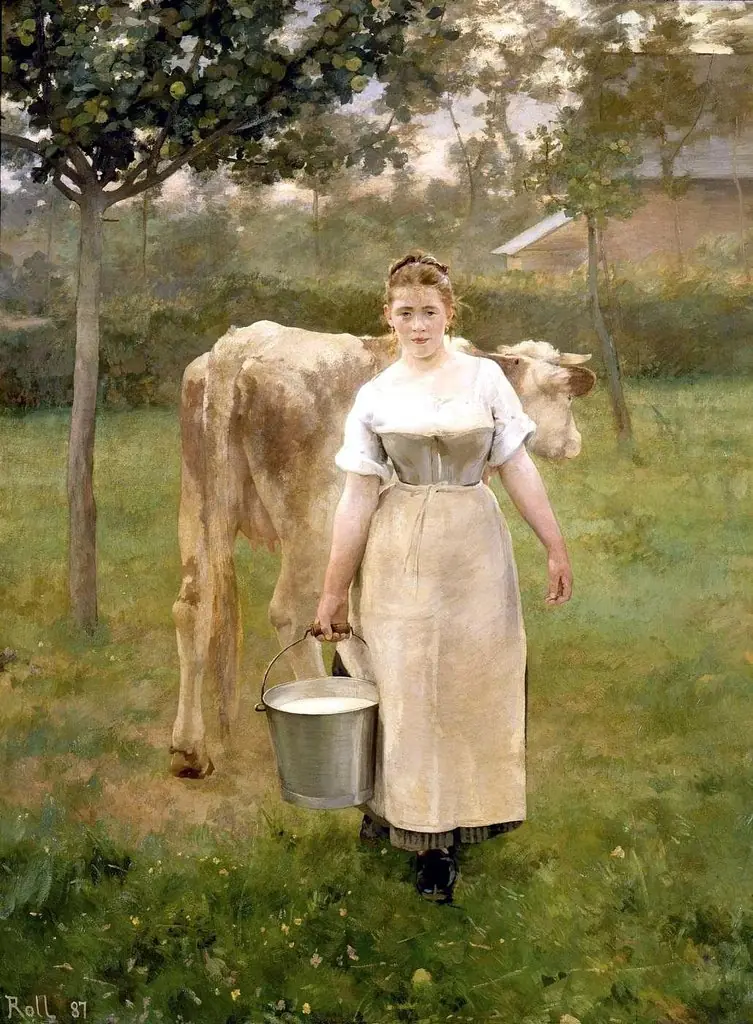 Manda Lamétrie, fermière
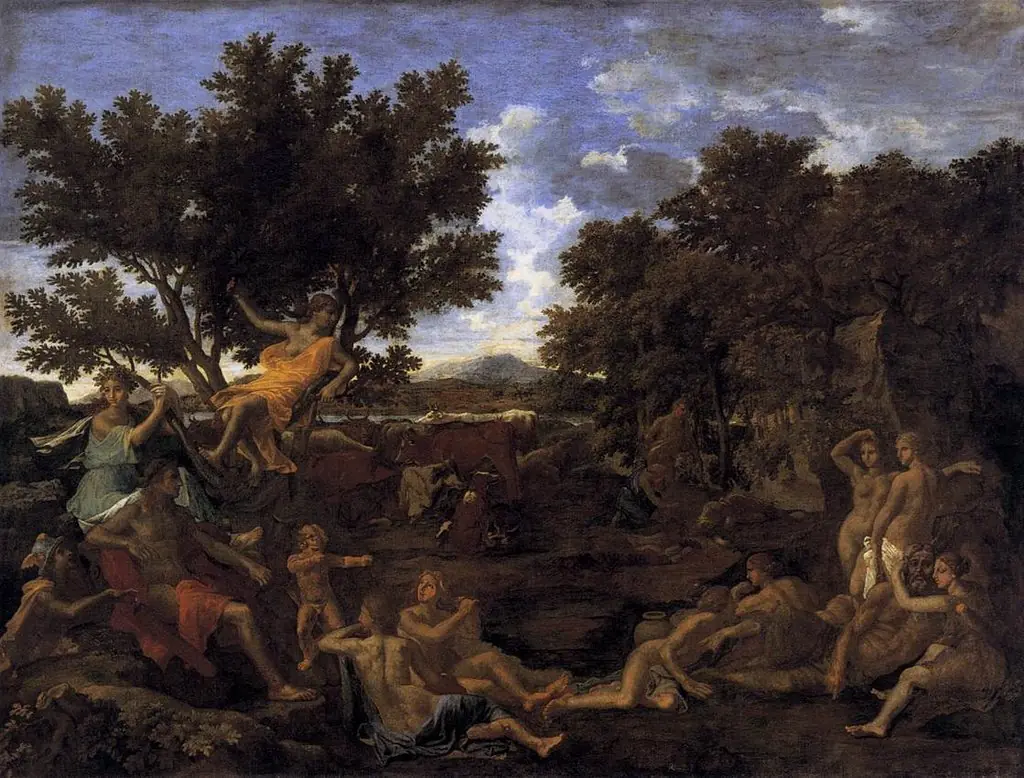 Apollo in Love with Daphne
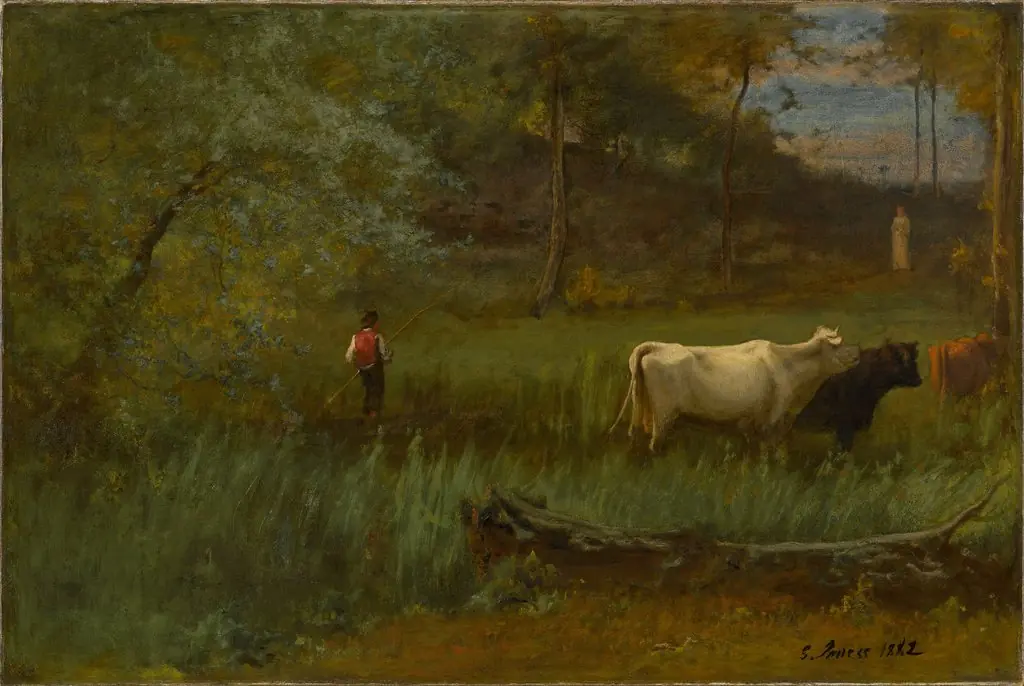 A Pastoral
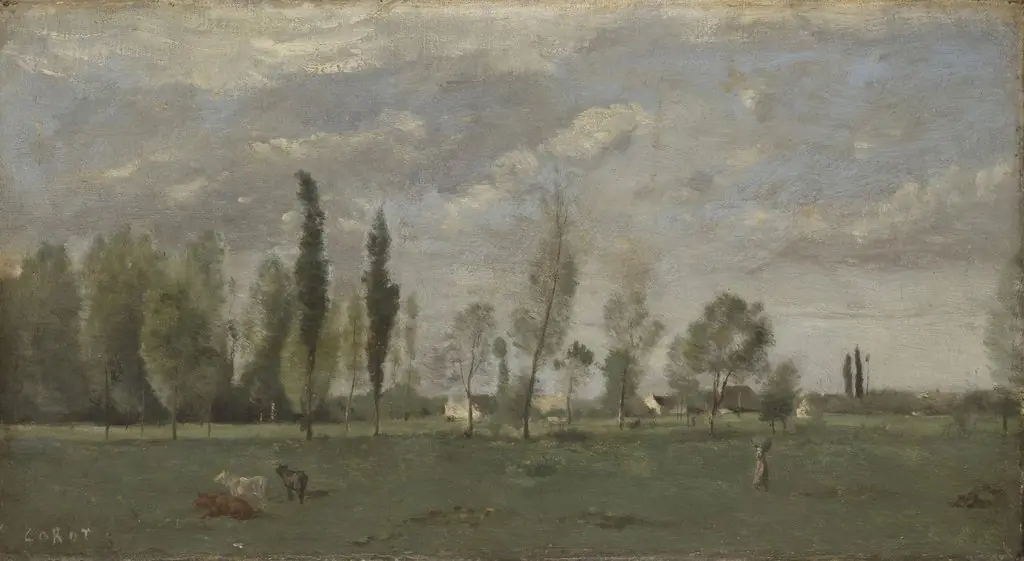 Fields of Saint-Ouen
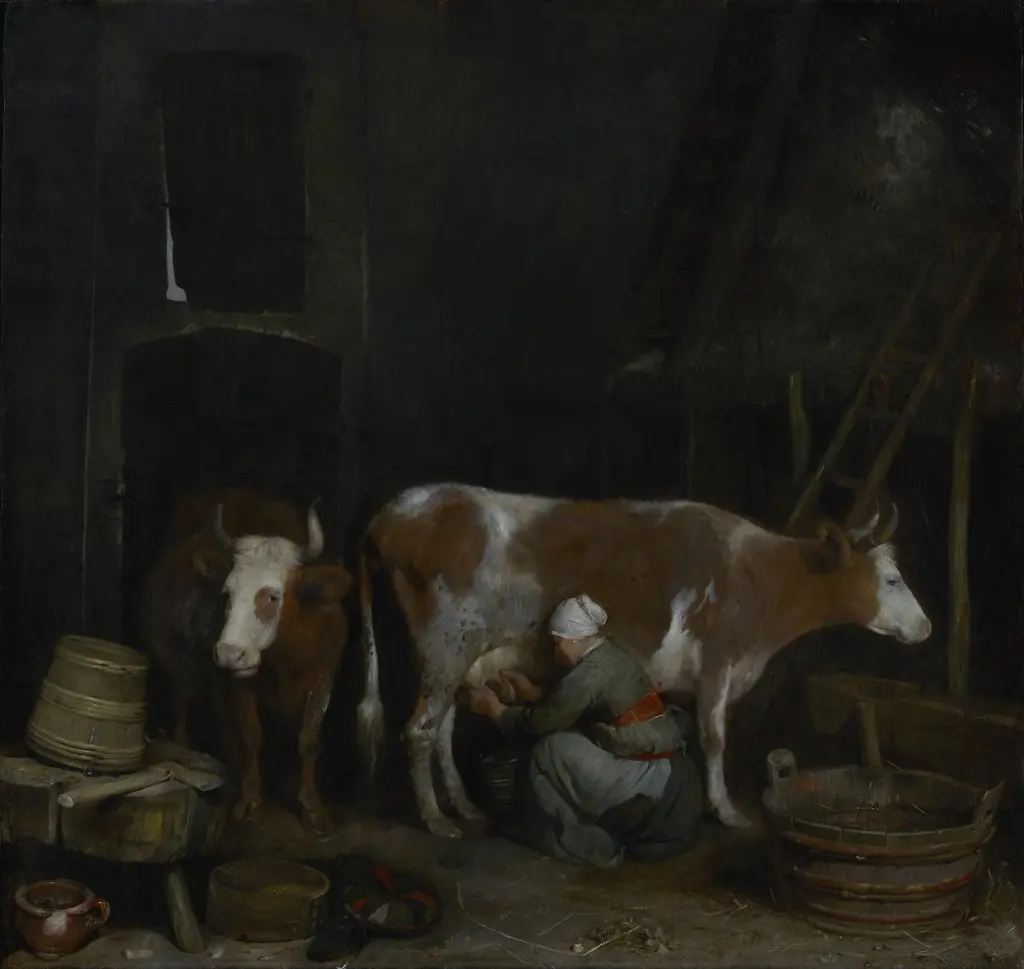 A Maid Milking a Cow in a Barn
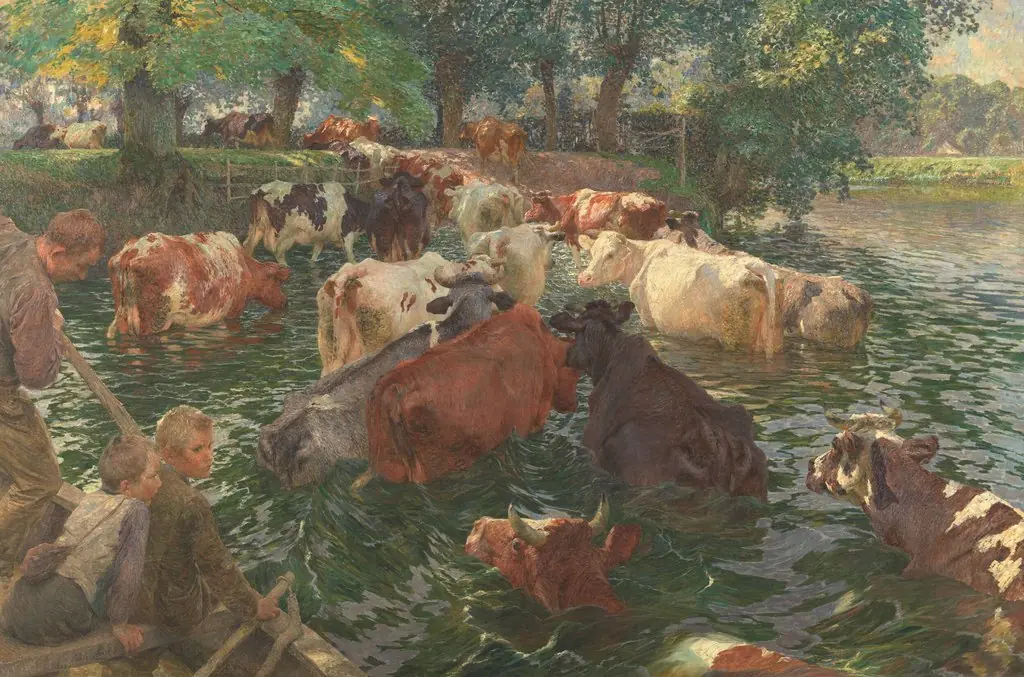 Cows crossing the Lys River
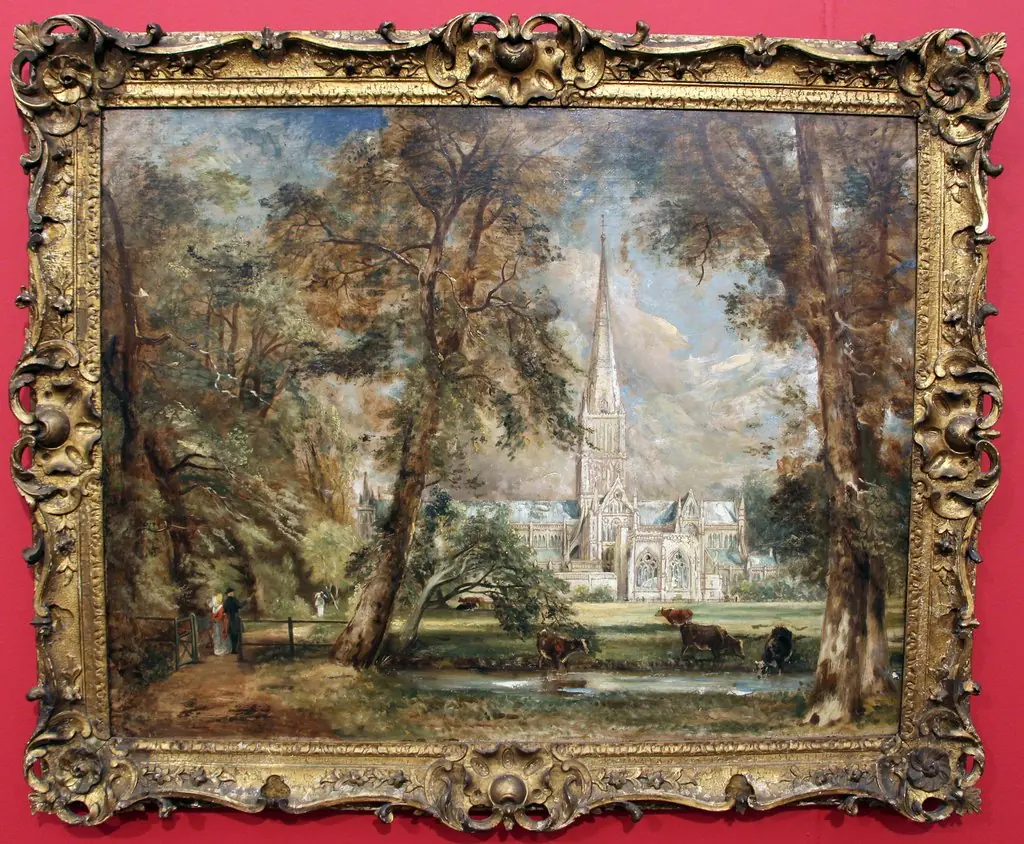 Salisbury Cathedral from the Bishop's Garden
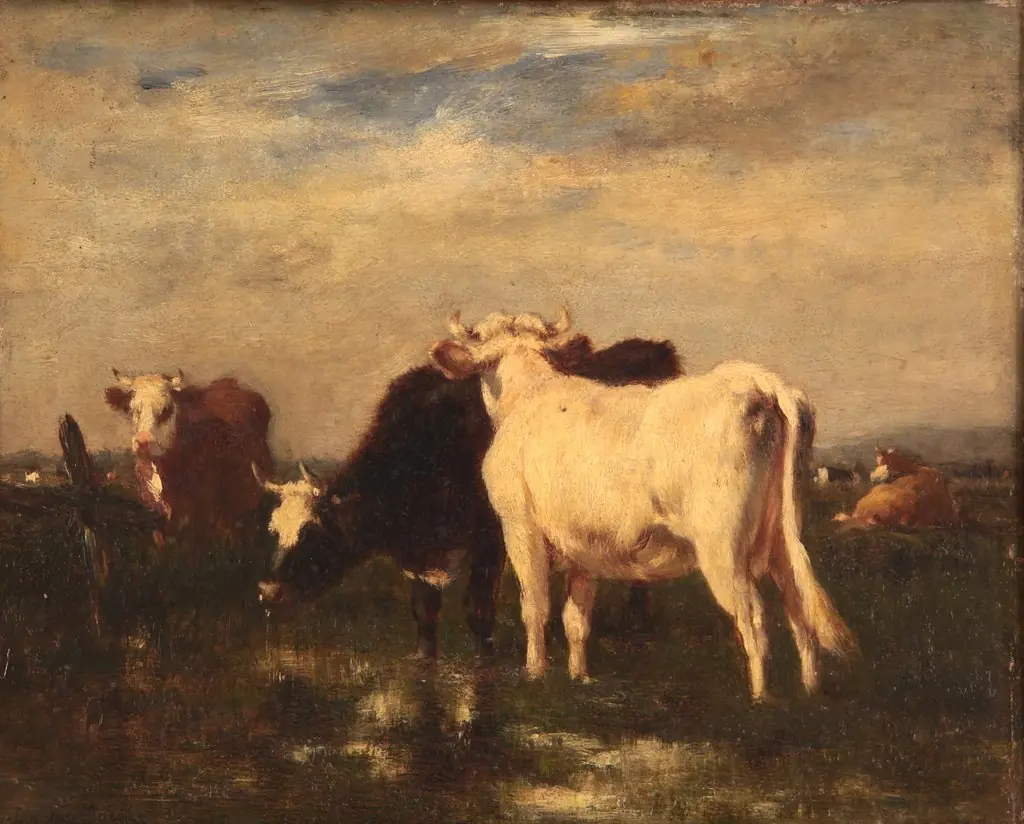 Cows in landscape
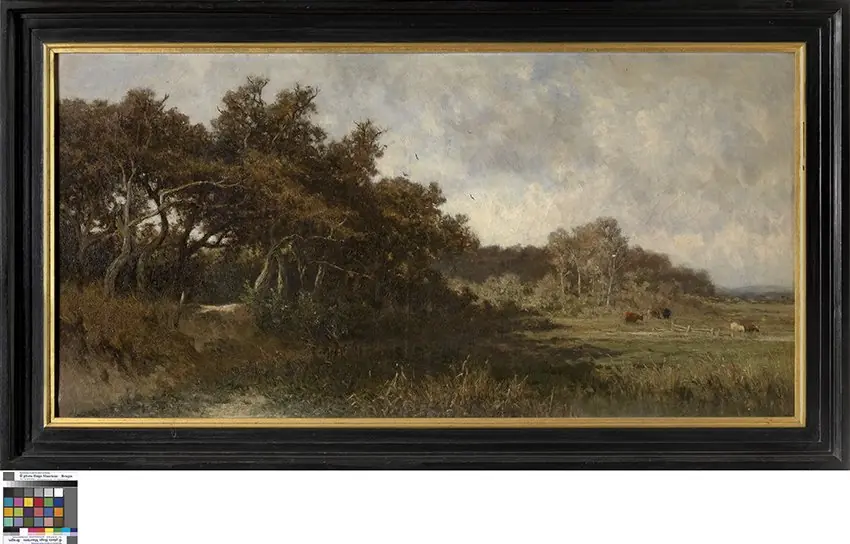 Landschap met koeien
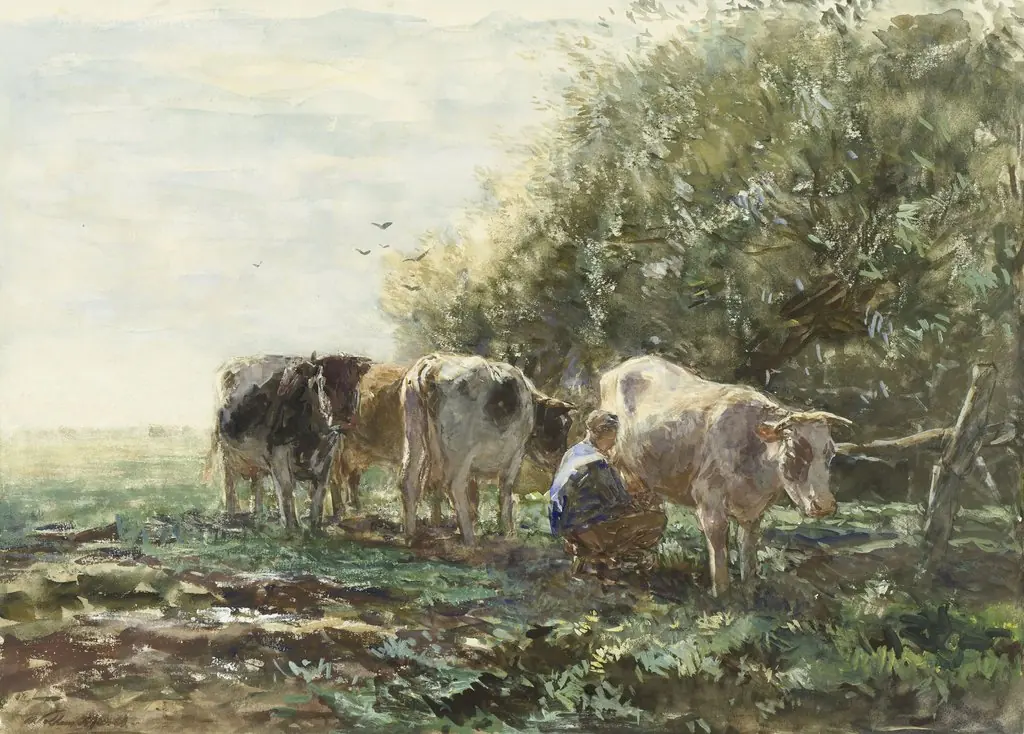 De melkbocht
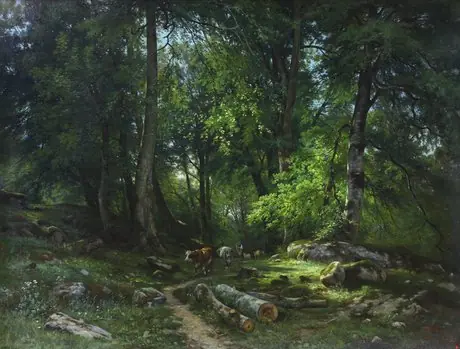 In the Forest
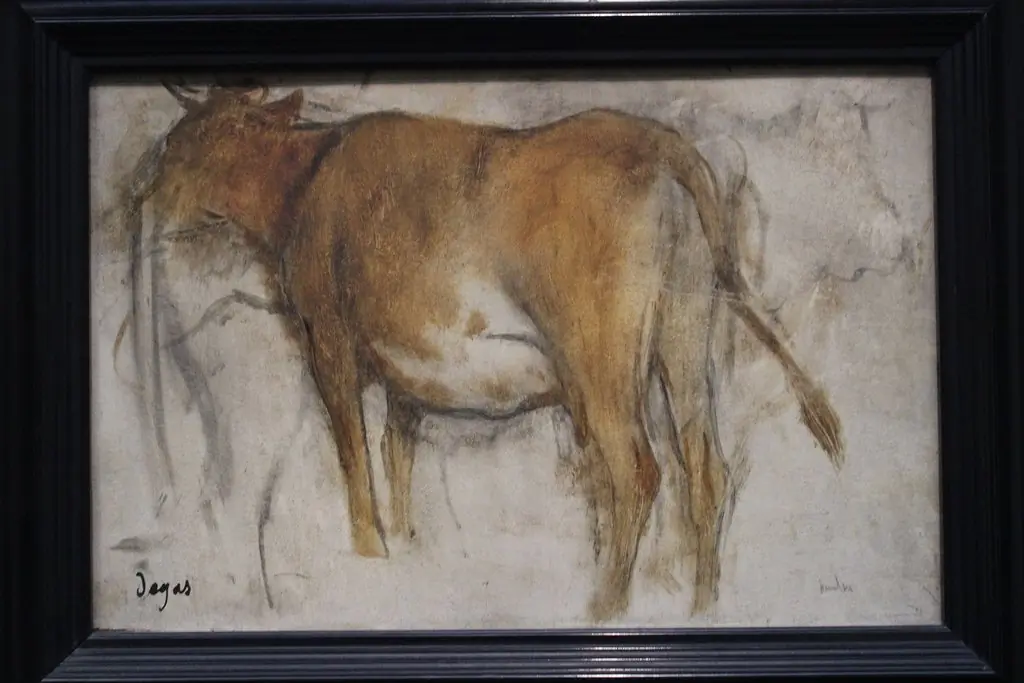 Cow
Cow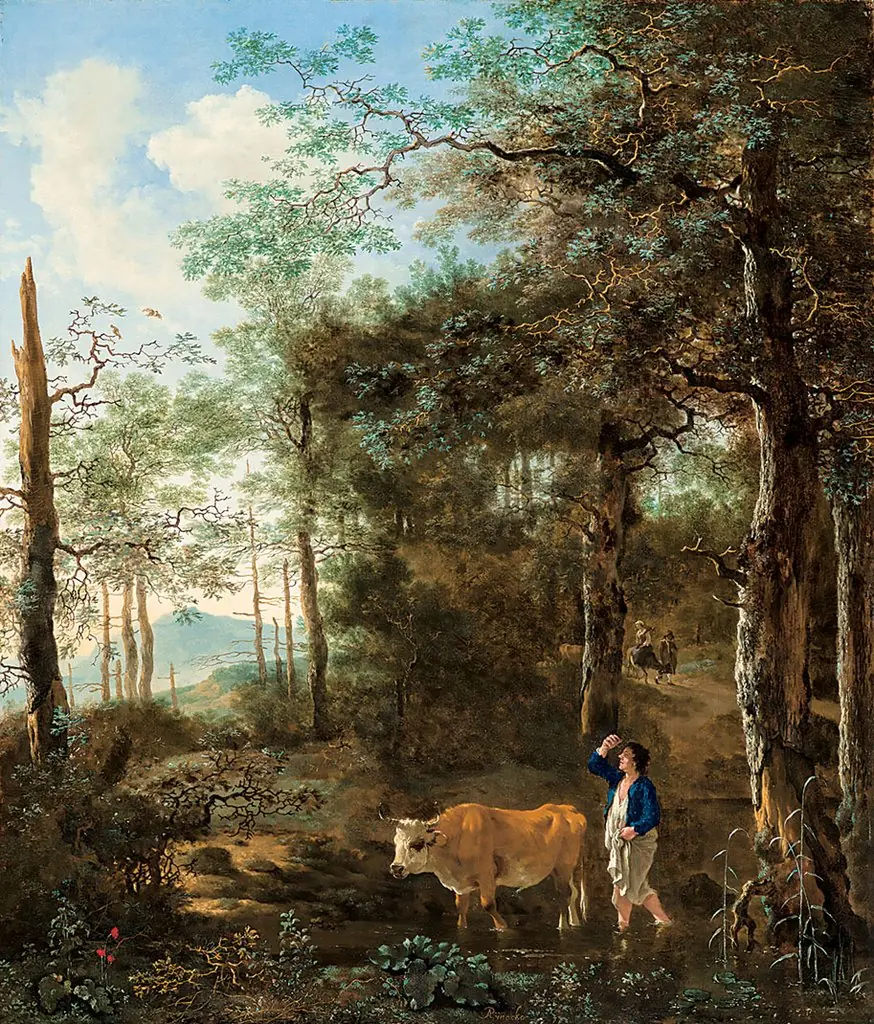 Cowherd in an Italian Landscape
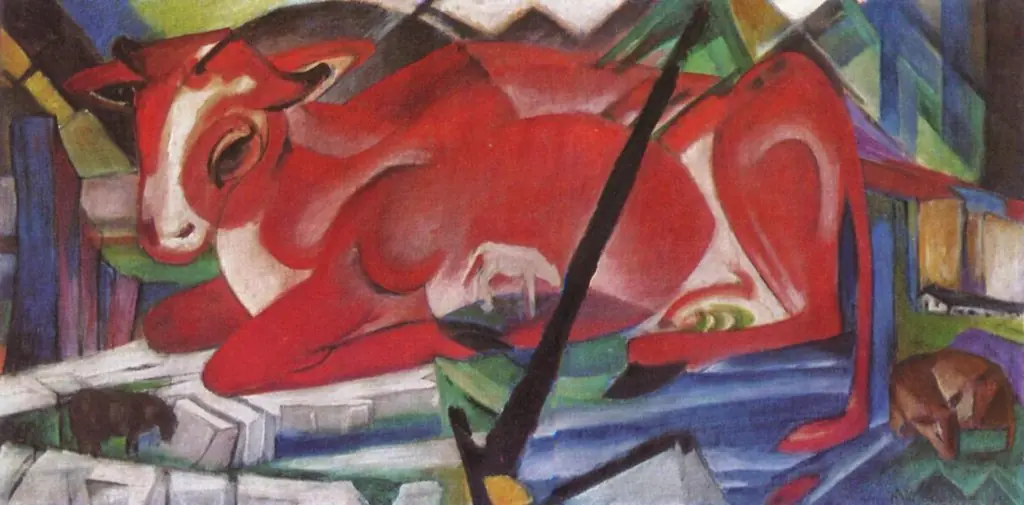 World Cow
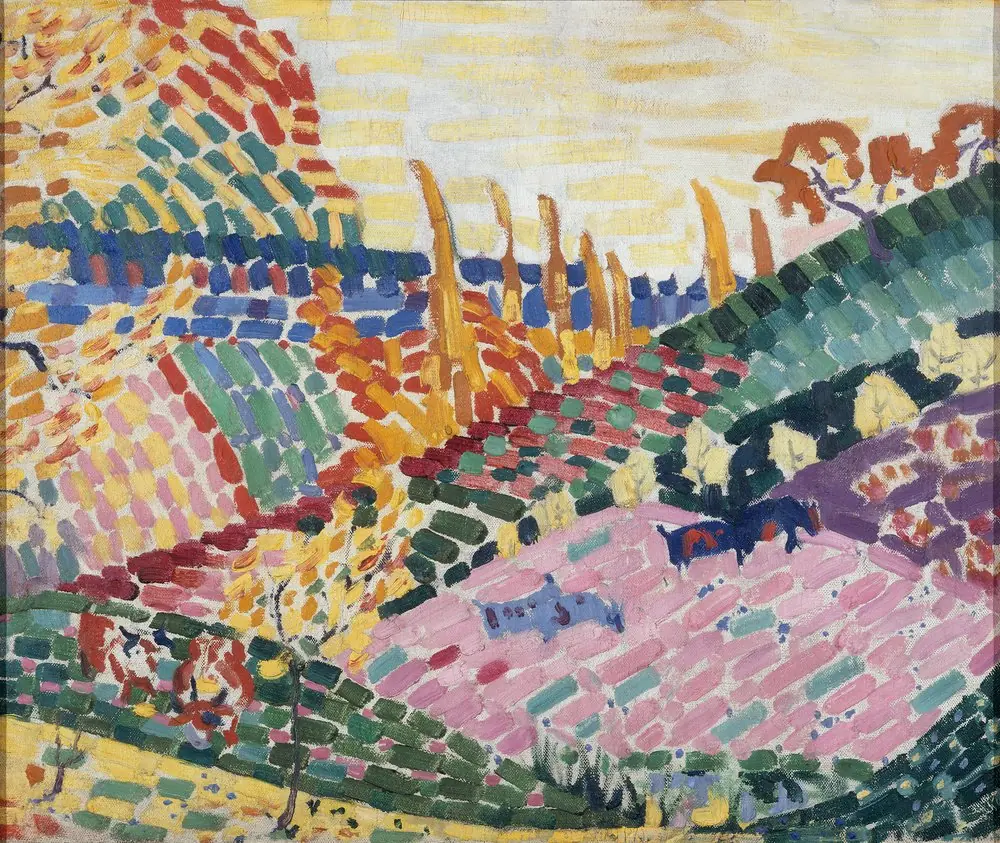 Landscape with Cows
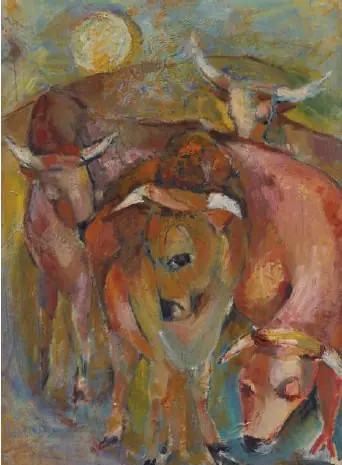 Cattle
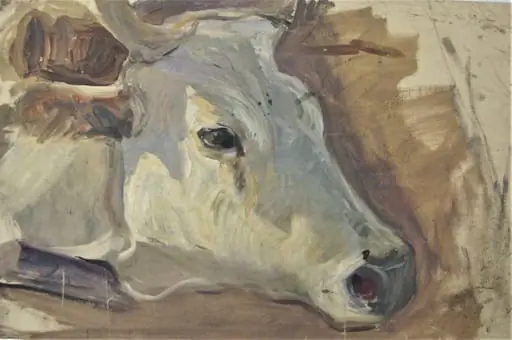 Cap de bou
Frequently asked questions
What is Cow?
Cow is a subject in art. Zhōu (Chinese: 周; pinyin: Zhōu; Wade–Giles: Chou¹) is a Chinese-language surname.
How many Cow works does Artifact World Gallery have?
Artifact World Gallery holds 50 public-domain Cow works, all free to view and download.
Who are the key Cow artists?
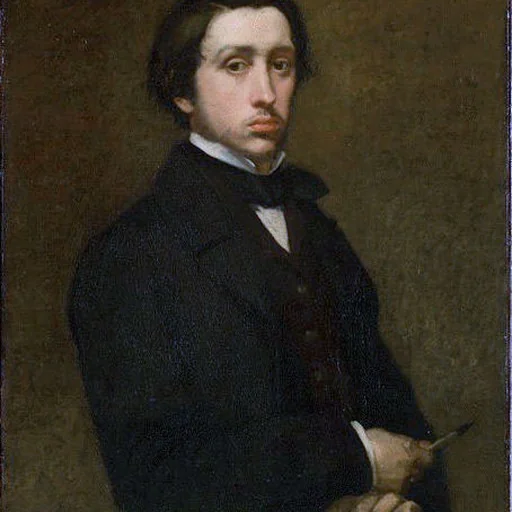
Key Cow artists in the collection include Jean Baptiste Camille Corot, Edgar Degas and Camille Pissarro.
Where can I see Cow works?
Cow works in the collection are held by Rijksmuseum, Metropolitan Museum of Art and Hermitage Museum.