Artwork
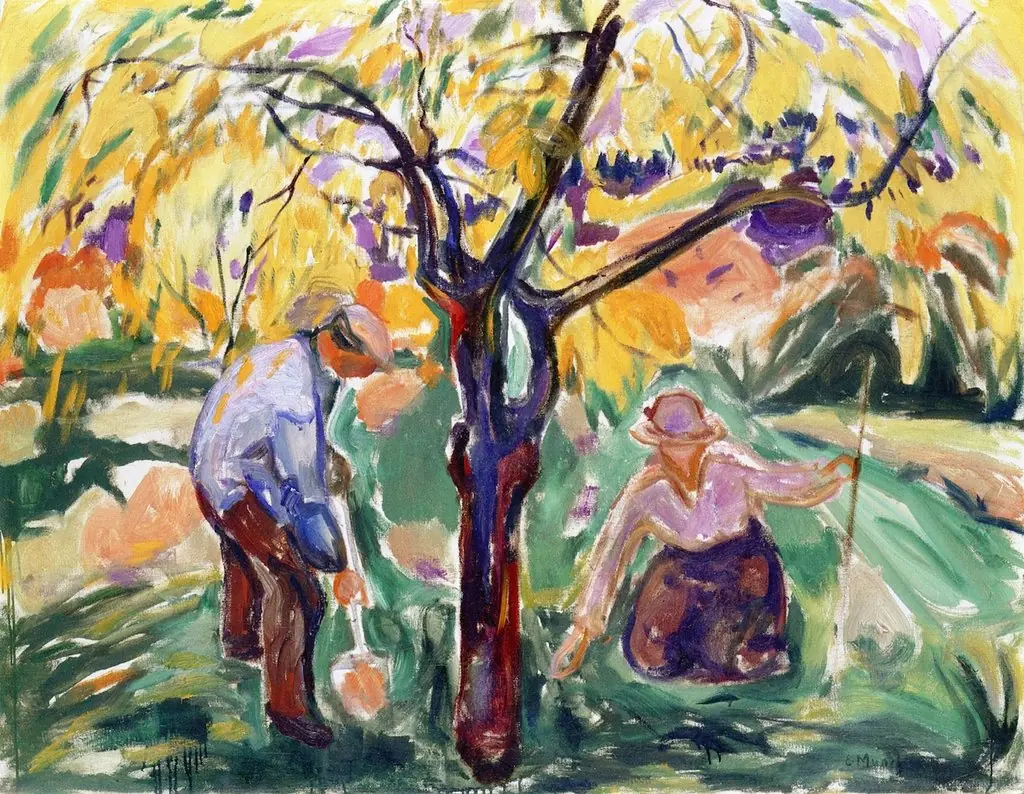
Peasant Cutting Back a Tree in Bloom
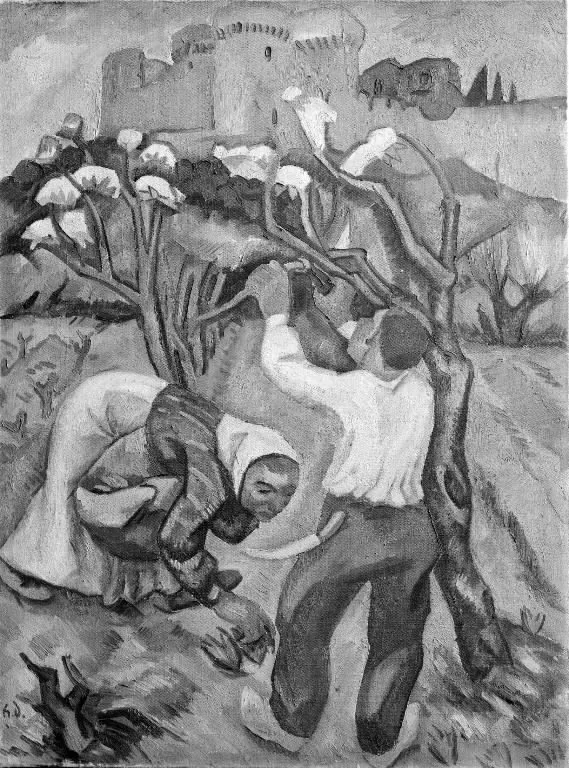
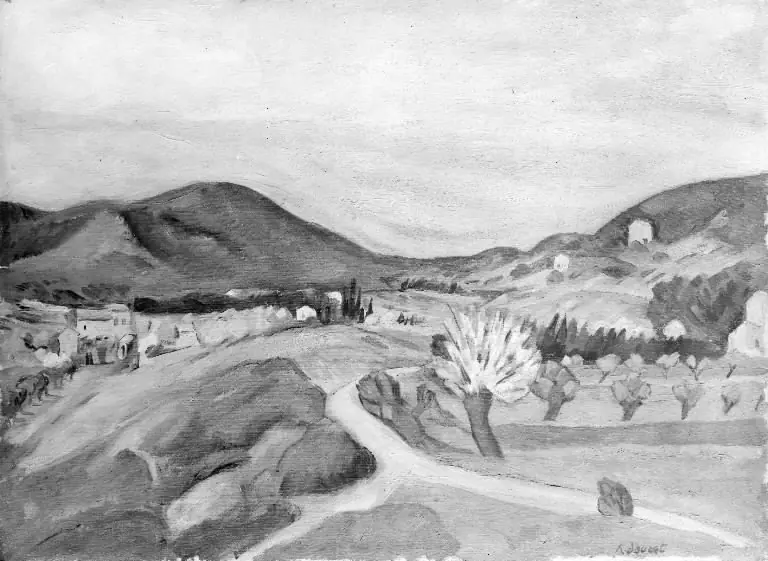
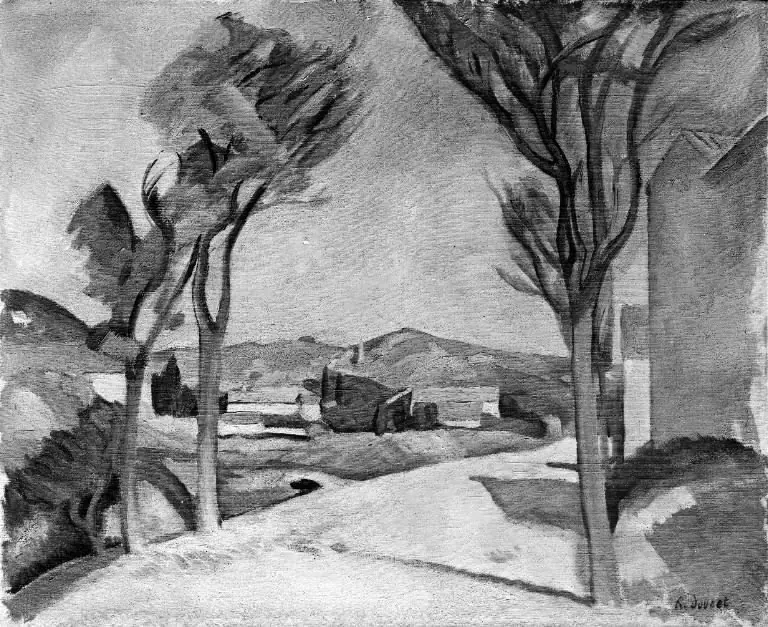
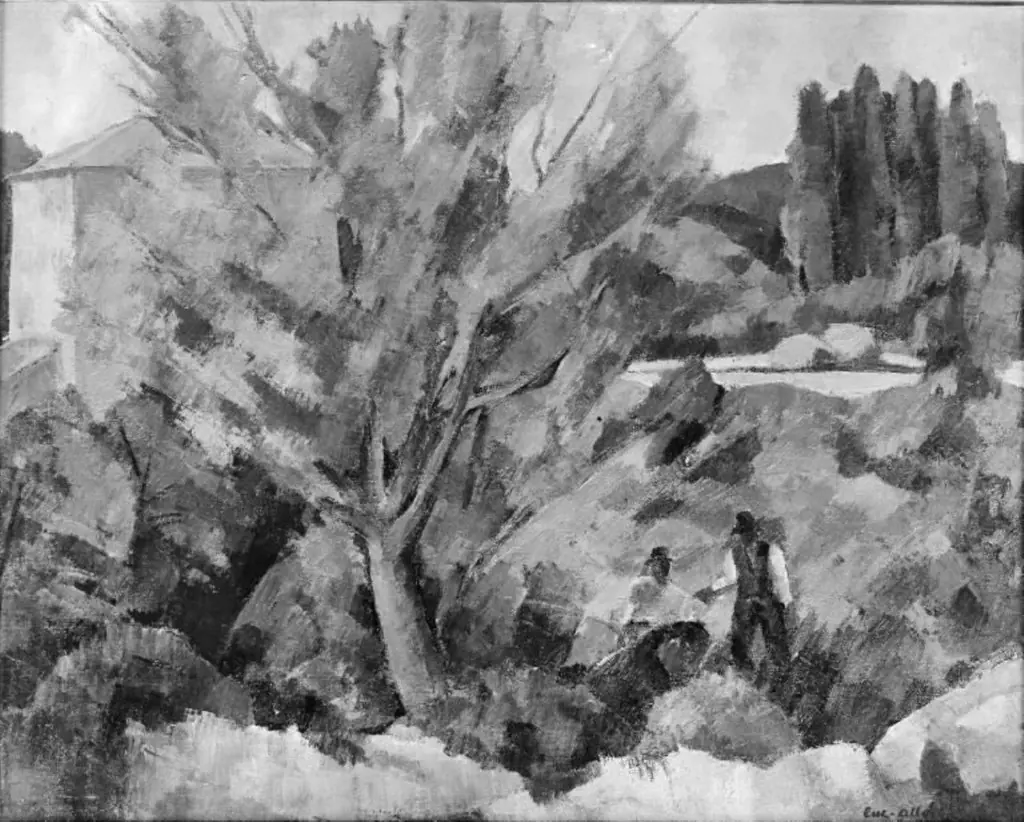
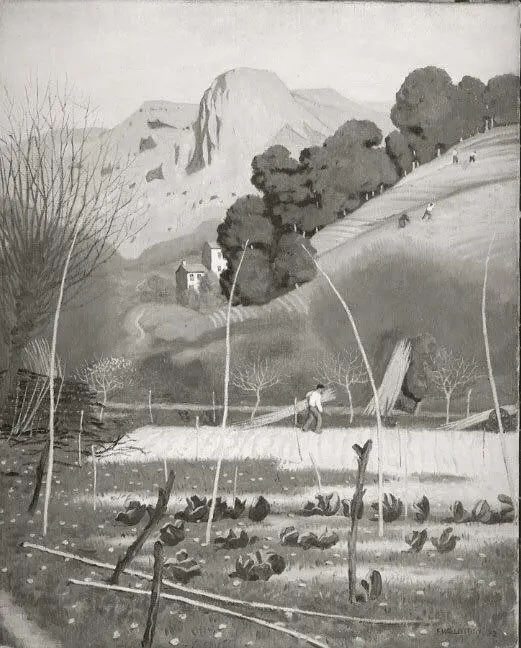
Peasant Cutting Back a Tree in Bloom is an oil painting by the Cubism Synthetic artist Henri Doucet. It dates from 1913 and is held in the collection of the Statens Museum for Kunst.
About this work
Overview
Henri Doucet’s 1913 oil on canvas, Peasant Cutting Back a Tree in Bloom, is part of the collection of Denmark’s Statens Museum for Kunst. The work presents a solitary figure engaged in pruning a flowering tree, set within a modest countryside that includes a stone wall and distant foliage. The composition conveys a moment of quiet labor under a clear sky.
Subject & Meaning
The central figure, a peasant dressed in muted, earth‑toned garments, kneels beside a tree laden with white blossoms. By focusing on the act of cutting back the bloom, the painting reflects themes of seasonal cycles and the humble diligence of rural life, inviting viewers to contemplate the relationship between human effort and natural renewal.
Technique & Style
Executed in oil, Doucet employs a restrained palette of soft greens, browns, and the delicate white of the flowers. Subtle glazing layers give the foliage a luminous quality, while the brushwork remains tight around the figure, contrasting with looser strokes that suggest depth in the background stone wall and distant trees.
History & Provenance
Created in 1913, the painting entered the Statens Museum for Kunst’s holdings during the early 20th‑century acquisitions that expanded the museum’s representation of Scandinavian genre scenes. Its provenance traces back to the artist’s estate, though specific details of its early ownership remain limited.
Context
Doucet worked during a period when French painters often turned to rural subjects to document everyday labor. The work aligns with contemporaneous genre paintings that emphasize realism and the dignity of agrarian work, situating the piece within broader early‑modernist explorations of light, atmosphere, and social observation.
Artist & collection