
Movement
Cubism Synthetic
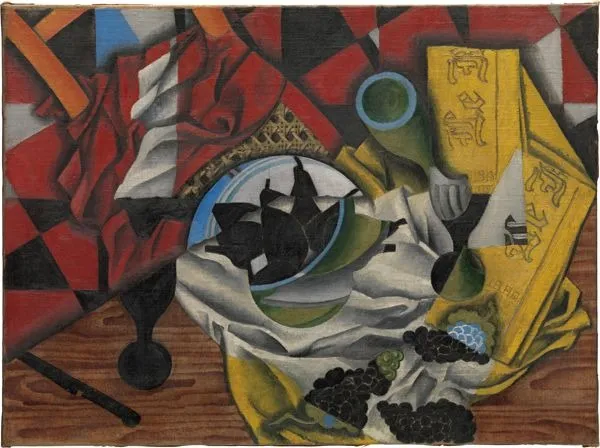
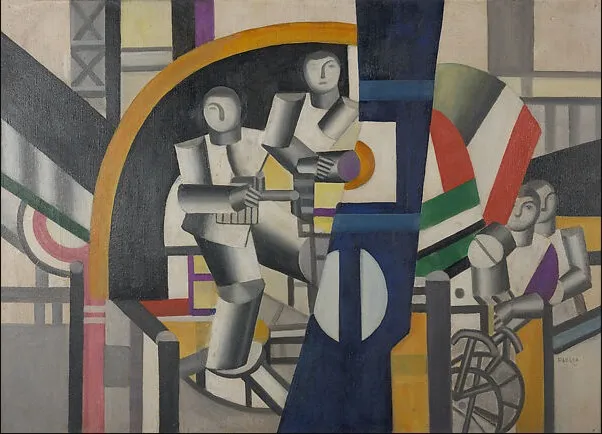
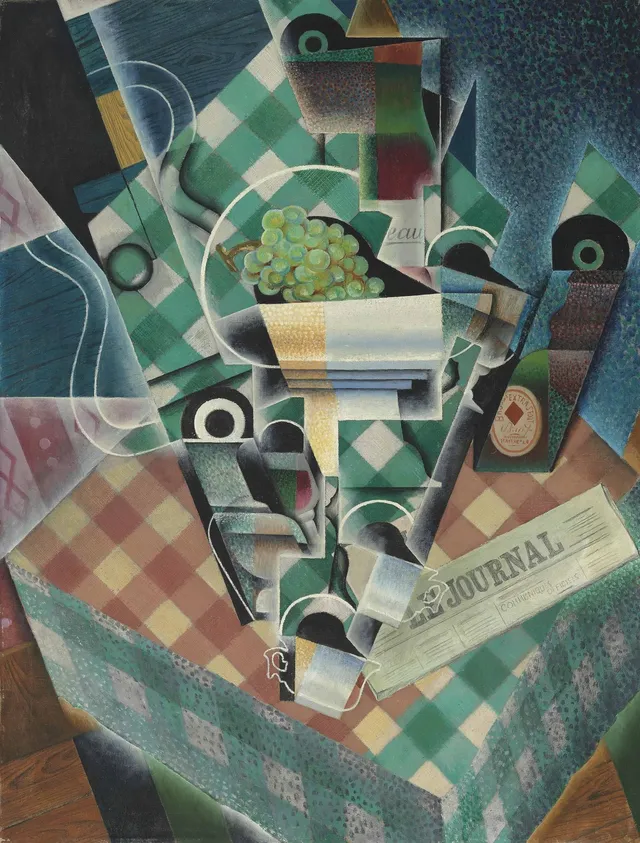
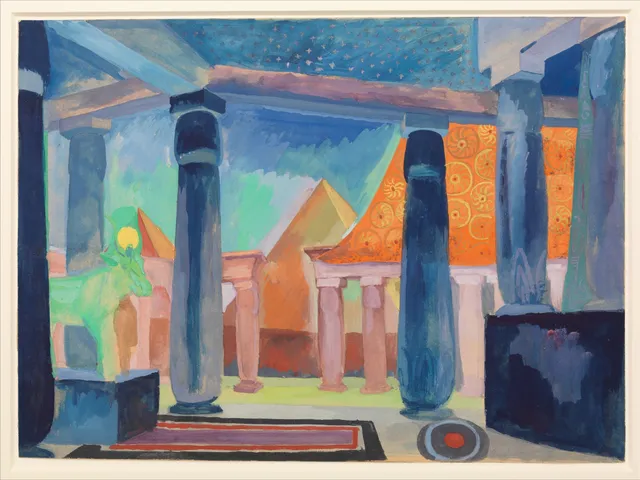
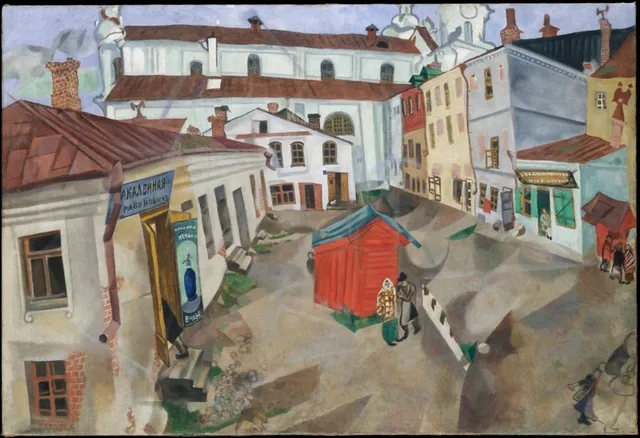
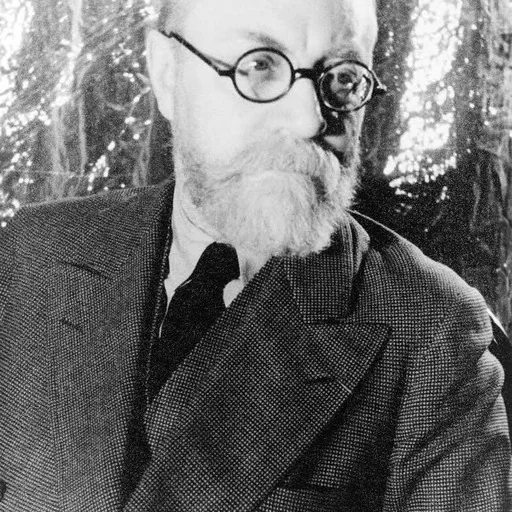
Cubism Synthetic is an art movement of the 1910–1920 period. The gallery holds 187 works in this movement, including works by Marsden Hartley, Henri Matisse and Juan Gris. Browse Cubism Synthetic paintings, portraits, pictures and artworks from the world's public-domain museum collections.
Synthetic Cubism is the second phase of Cubism, generally dated from about 1912 to 1914, in which Pablo Picasso and Georges Braque reversed the logic of the movement's first phase. Where Analytic Cubism (c. 1908–1912) had dissected objects into a near-monochrome lattice of shifting facets, the Synthetic phase built images back up—"synthesizing" them from flat, legible signs and fragments. The pivot came in the summer of 1912, when Braque, holidaying in Sorgues in Provence, bought a roll of imitation wood-grain (faux bois) wallpaper in nearby Avignon and pasted strips of it into his charcoal drawings. The gesture inaugurated papier collé, and Cubism turned decisively from analysis to construction.
Two 1912 works anchor the breakthrough. Picasso's Still Life with Chair Caning, an oval canvas combining oil, a printed oilcloth that mimics caning, and a rope frame, is widely called the first Cubist collage; Braque's Fruit Dish and Glass is credited as the first papier collé. From these experiments came the style's defining traits: pasted paper, newsprint, and patterned fabric incorporated directly into the picture; a brighter, broader palette; bold, simplified geometric planes; and a flattened space that all but abandoned the illusion of depth. Real-world fragments now stood as witty signs for the things they depicted rather than as descriptions of them.
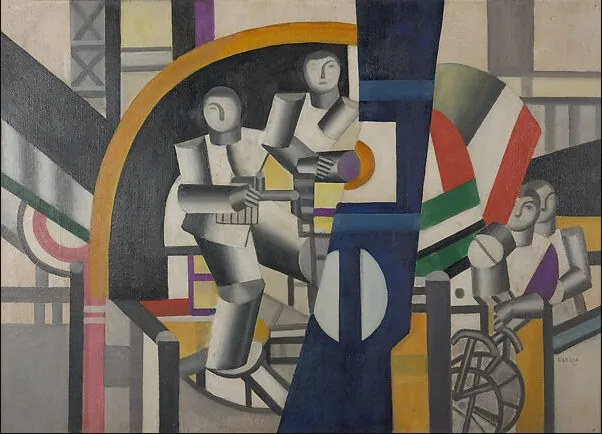
The phase produced its most systematic practitioner in Juan Gris (1887–1927), who arrived at his own lucid, rigorously composed Synthetic Cubism around 1913 in works such as Still Life with a Guitar; Fernand Léger brought a robust, tubular vocabulary that pushed the style toward machine-age imagery. Around them, the Salon Cubists—Albert Gleizes, Robert Delaunay, and Roger de La Fresnaye among them—extended Cubist ideas to larger, more public canvases, while artists like Marc Chagall and the American Marsden Hartley absorbed its flattened, sign-based language.
Synthetic Cubism's legacy is outsized. Collage and the assembled image fed directly into Dada, Constructivism, and Surrealism, and Picasso's pasted constructions helped invent modern assemblage sculpture. By 1914–1915 the style hardened into the more abstract "Crystal Cubism," but its core insight—that a picture can be made of borrowed materials and visual signs—remains foundational to twentieth-century art.
Key artists

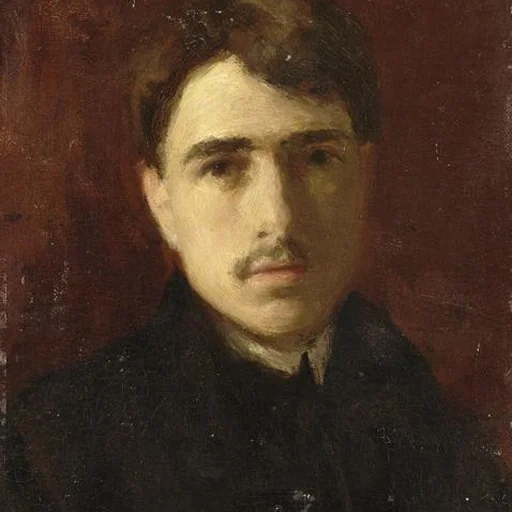
Works
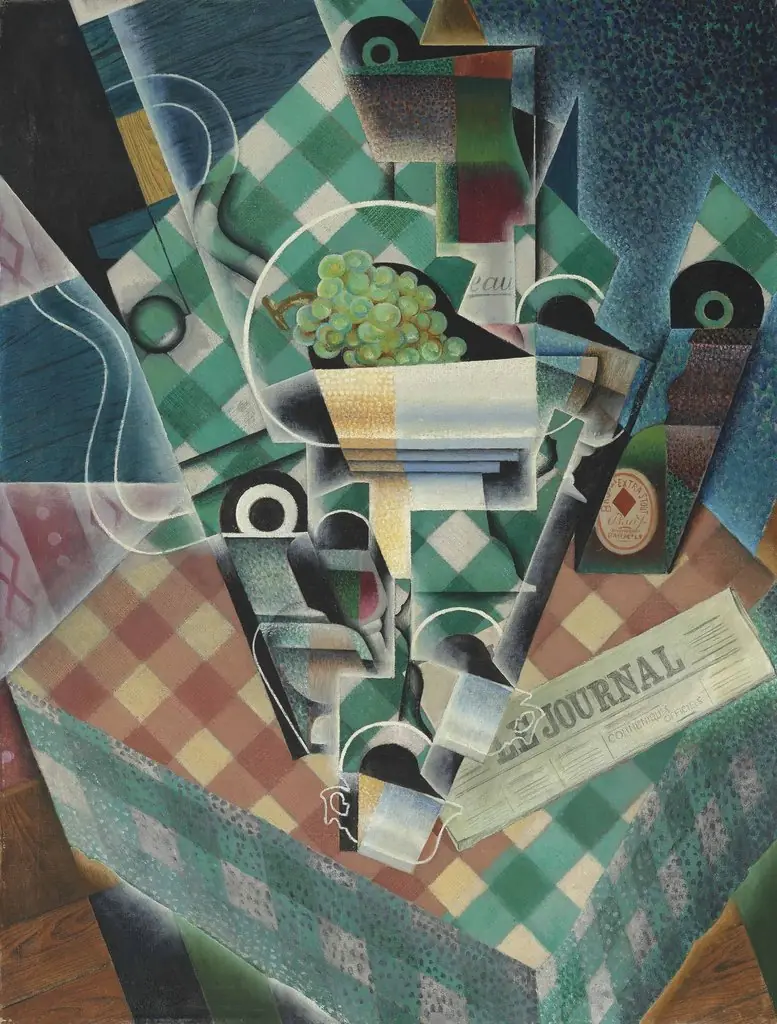 Still Life with Checked Tablecloth
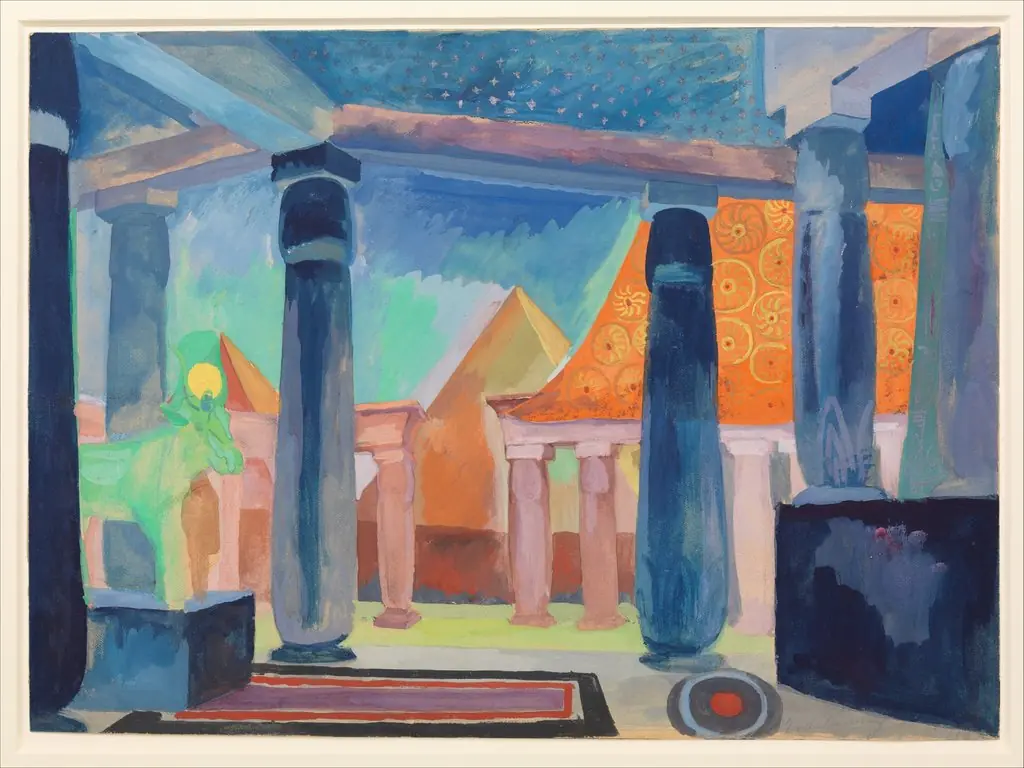 Stage Design for Cleopatra
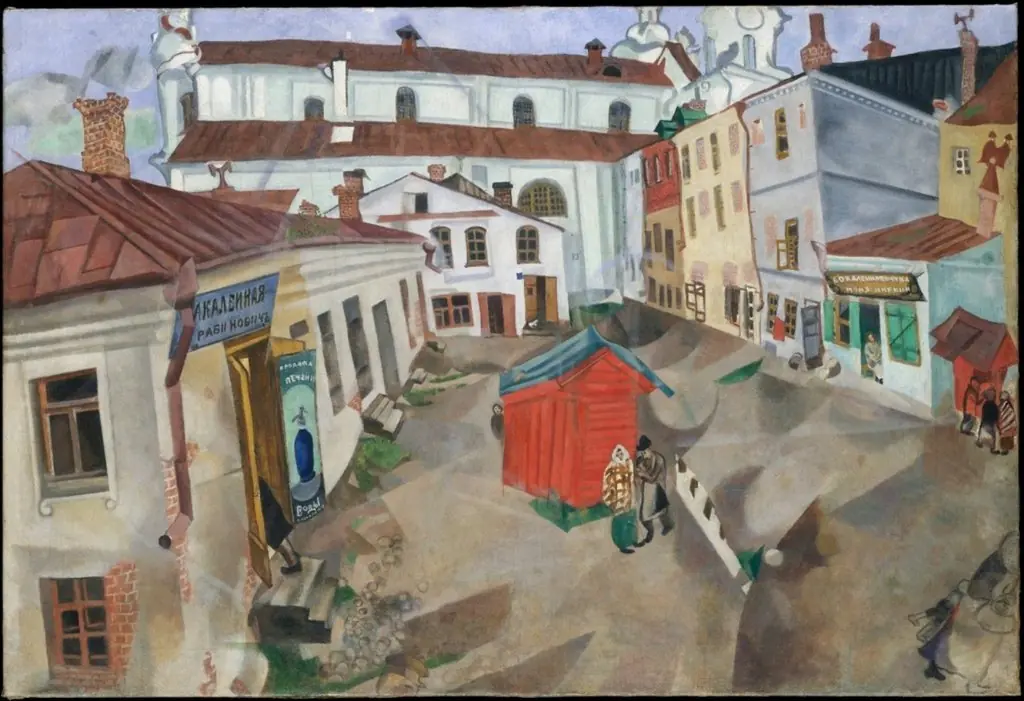 The Marketplace, Vitebsk
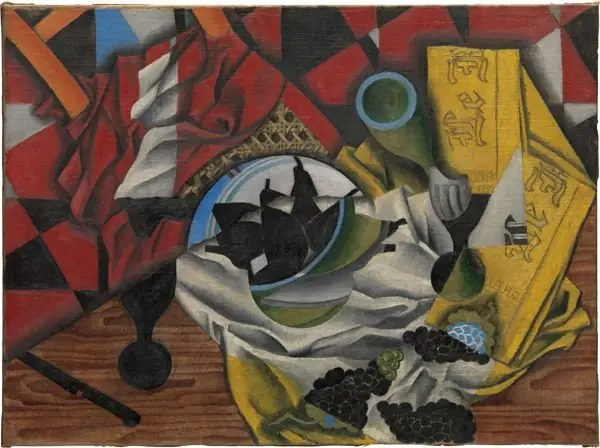 Pears and Grapes on a Table
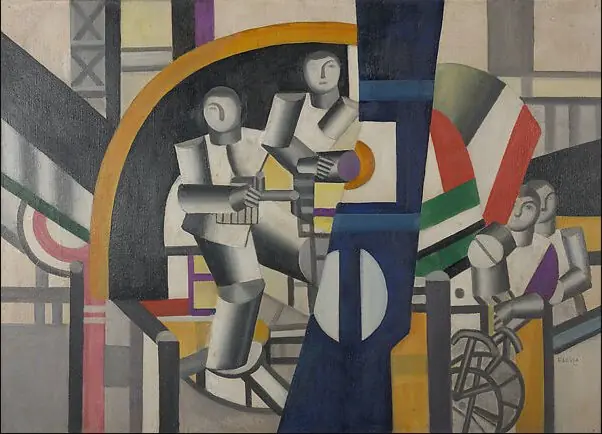 The Builders
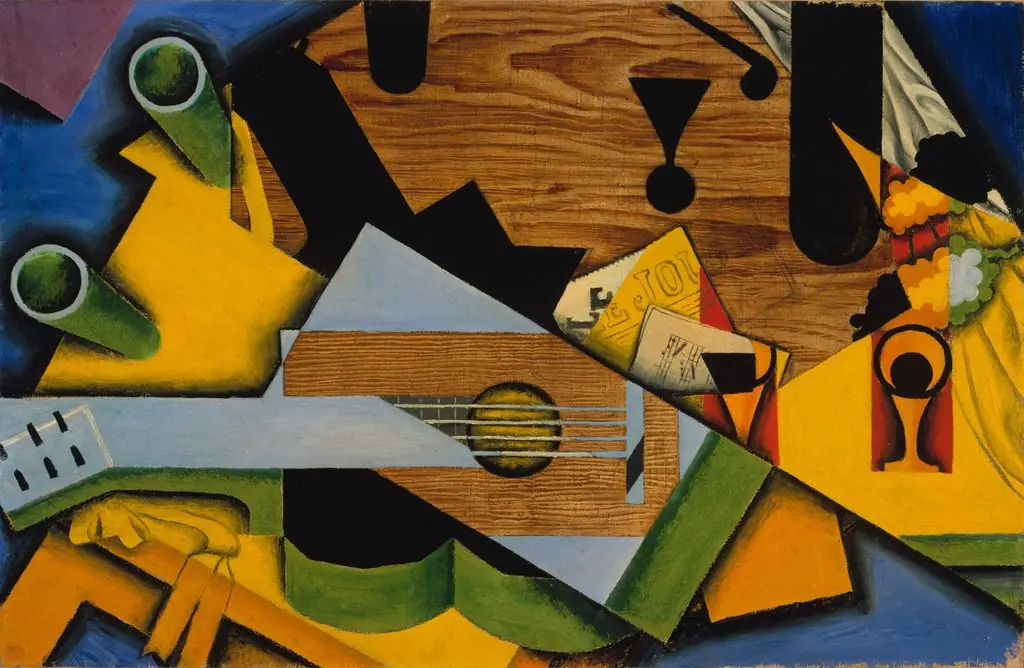 Still Life with a Guitar
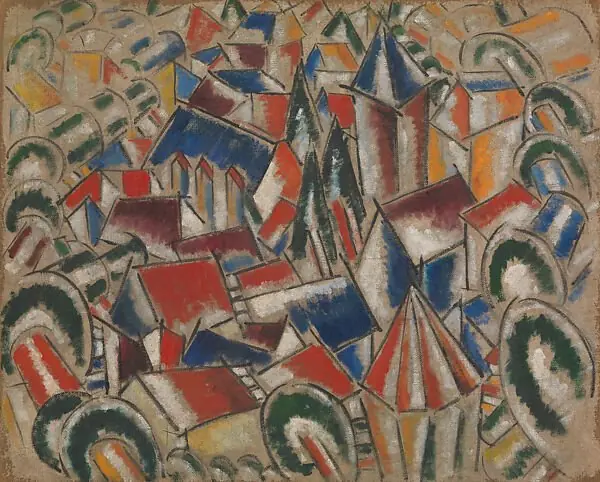 The Village
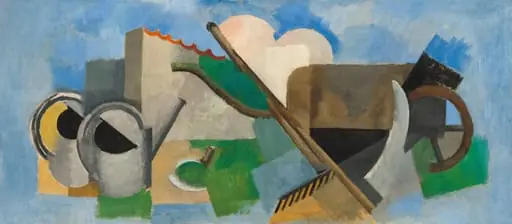 The Watering Can (Emblems: The Garden)
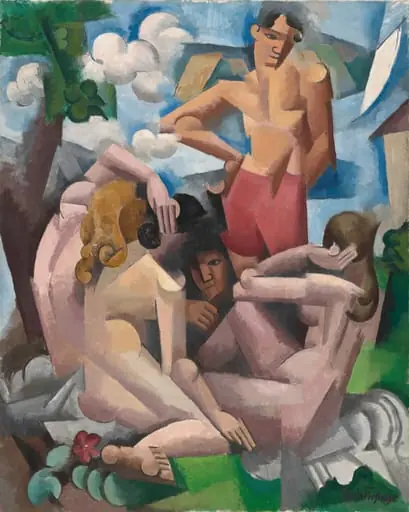 The Bathers
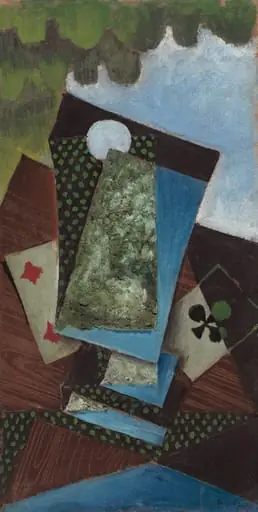 Ace of Clubs and Four of Diamonds
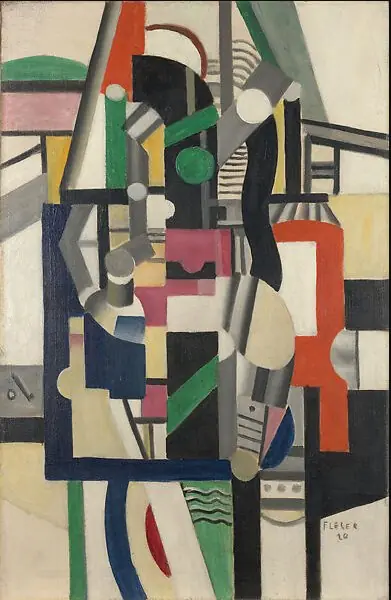 Mechanical Elements
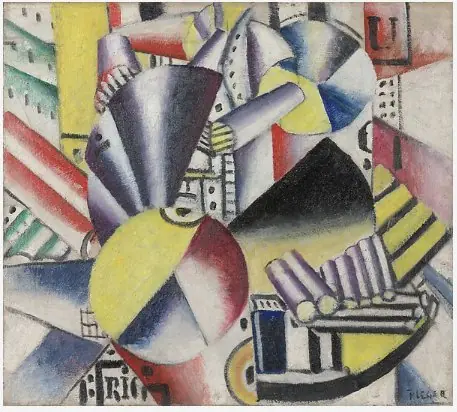 The Bargeman
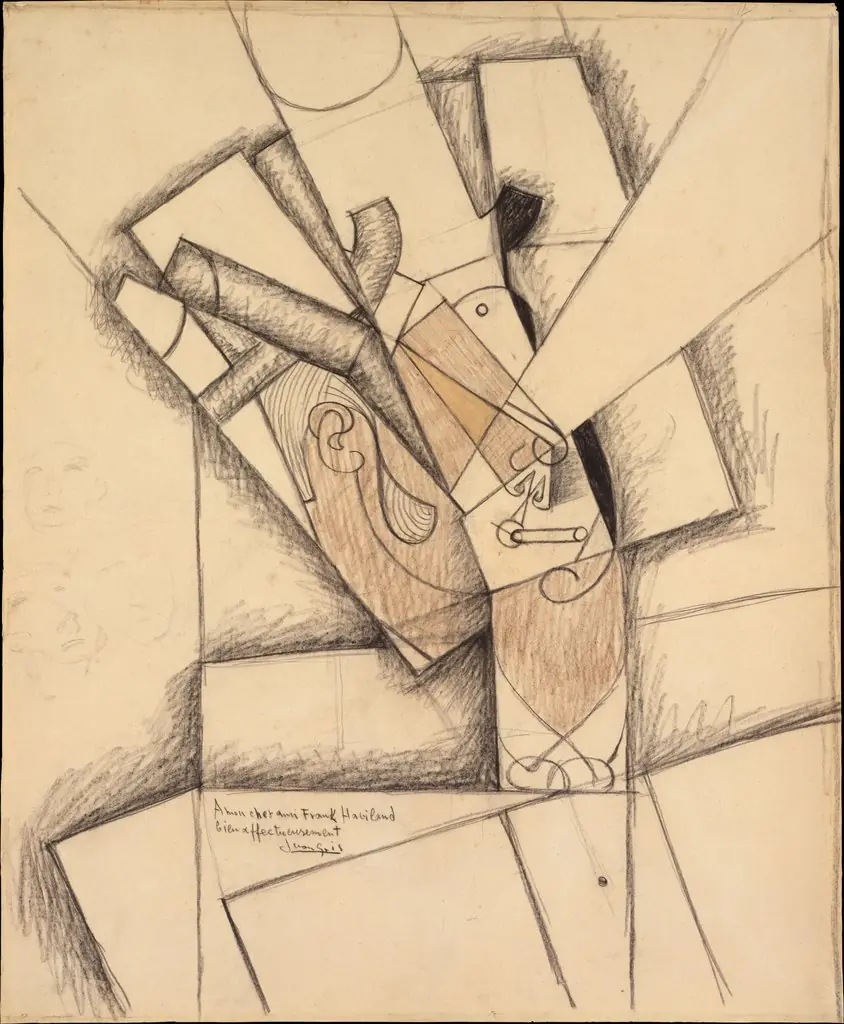 The Smoker
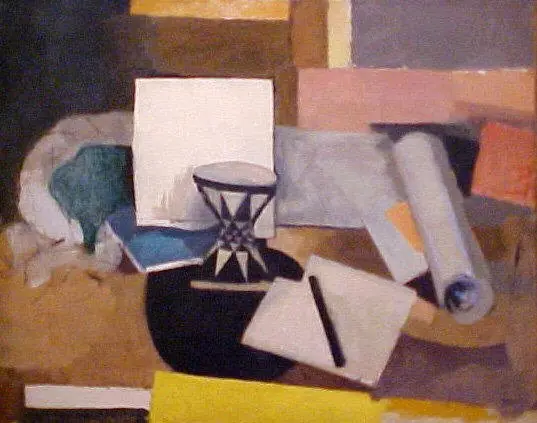 Still Life with a Diabolo
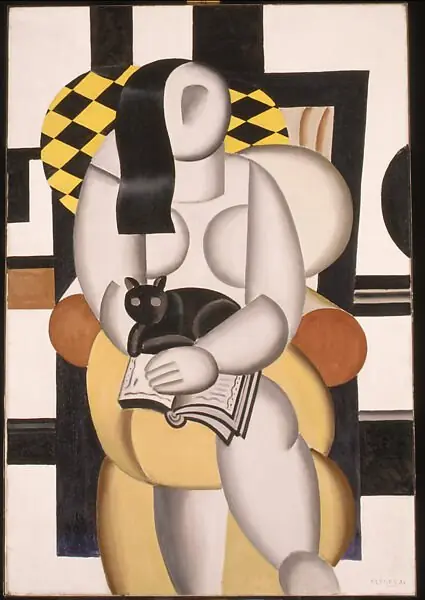 Woman with a Cat (MET)
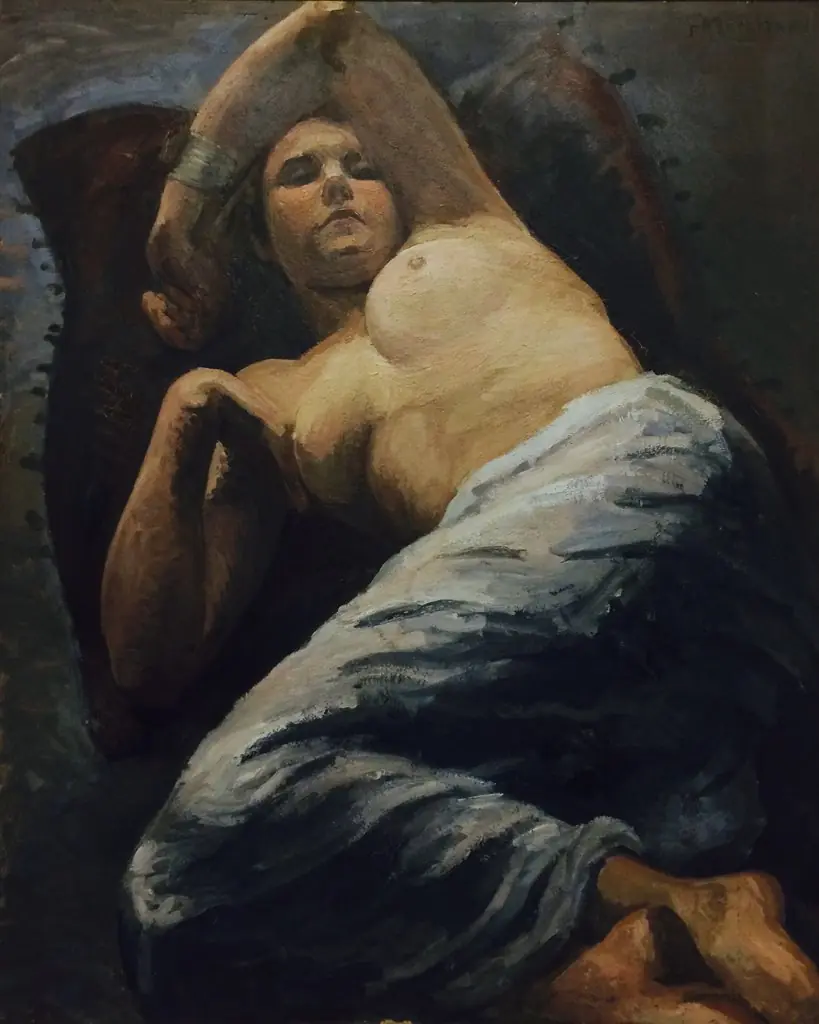 Reclining Figure
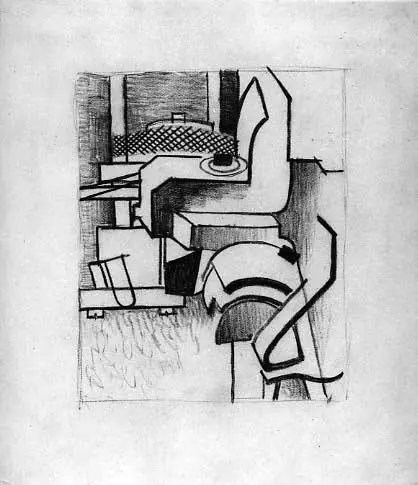 Untitled
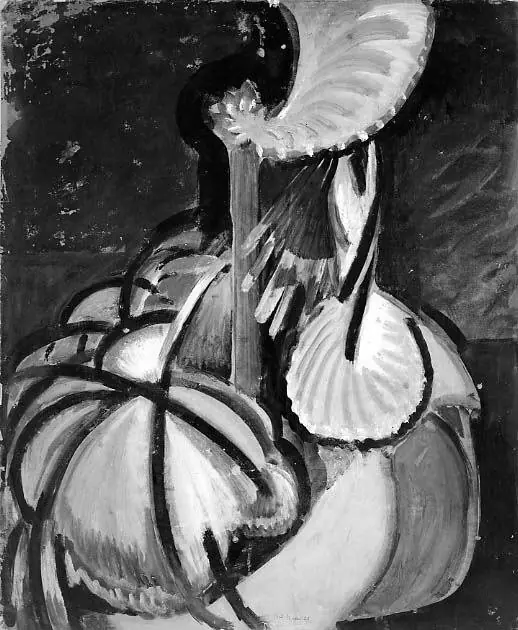 Abstraction
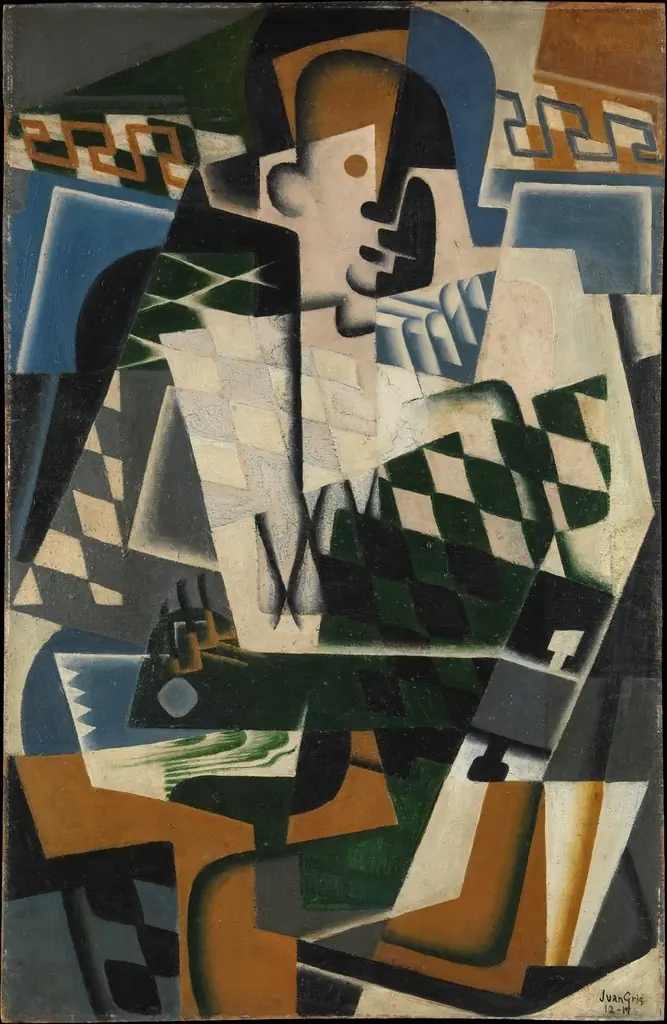 Harlequin with a Guitar
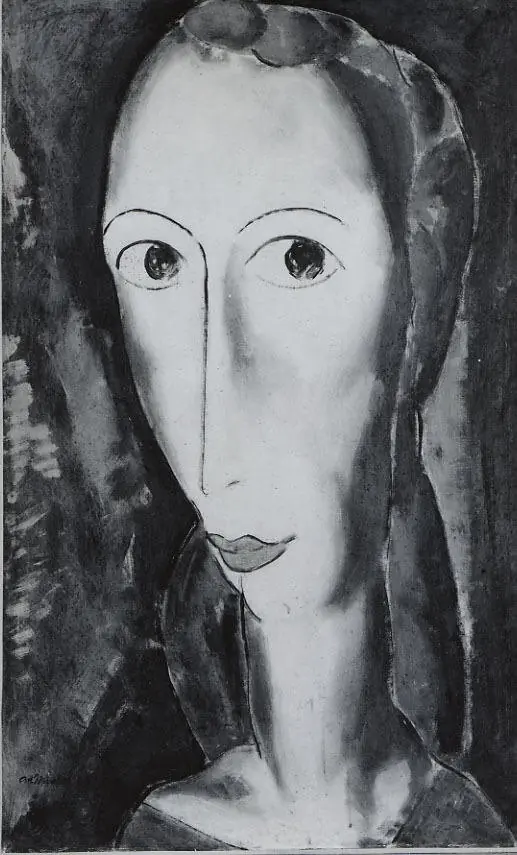 Head
Head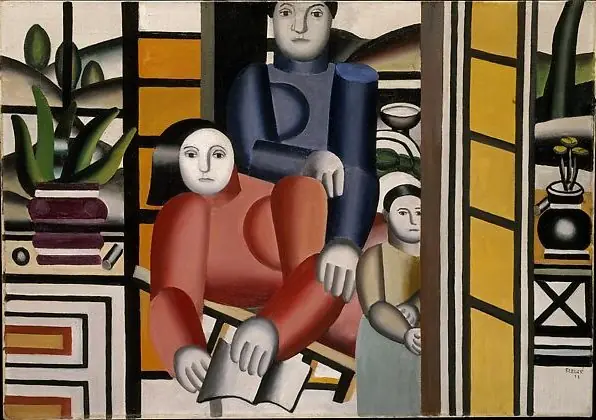 Three Women by a Garden
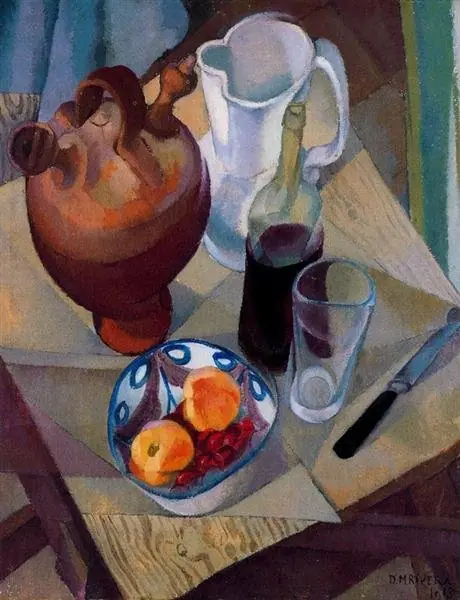 Still Life
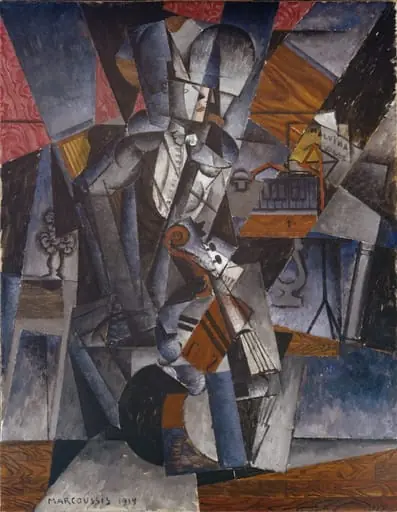 The Musician
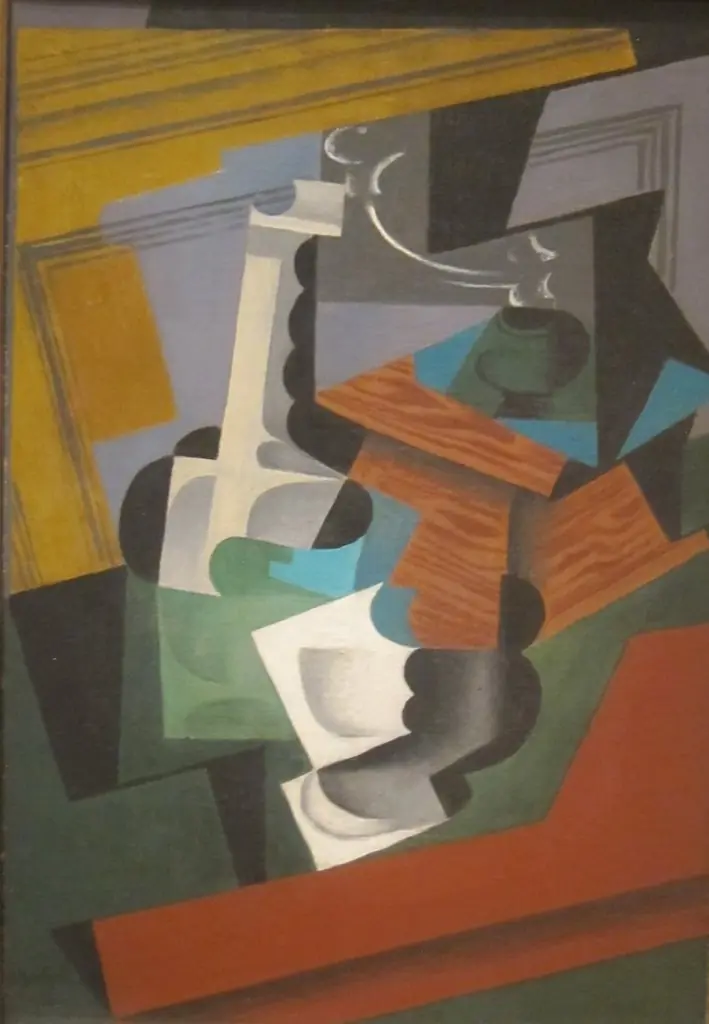 The Coffee Mill
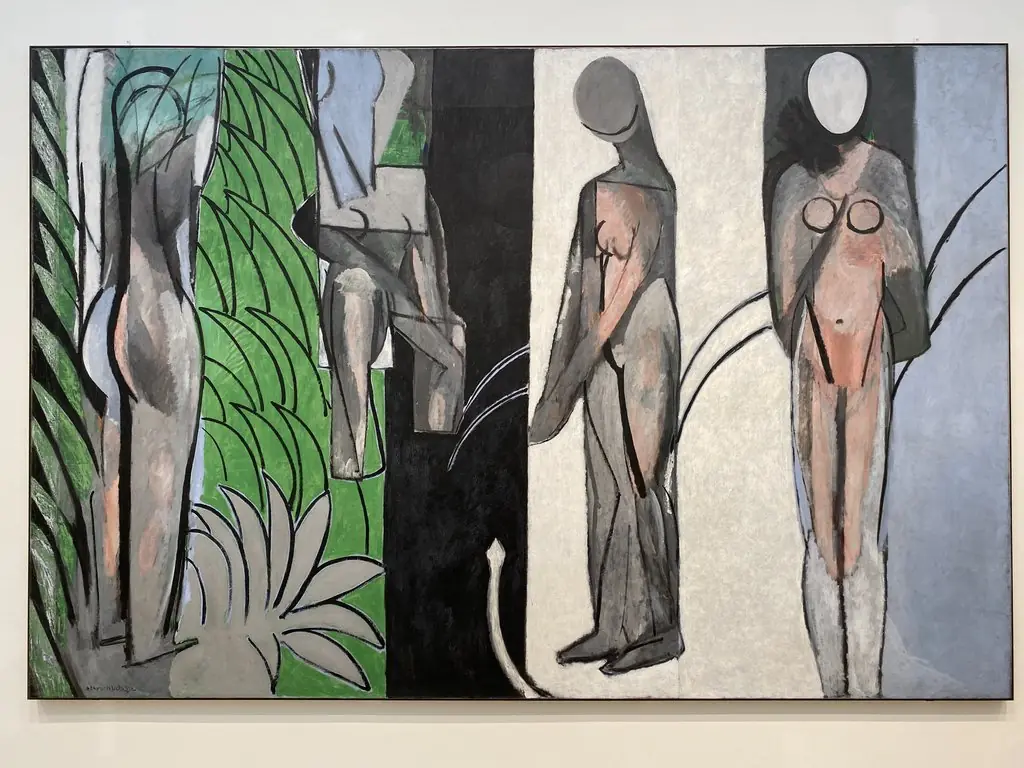 Bathers by a River
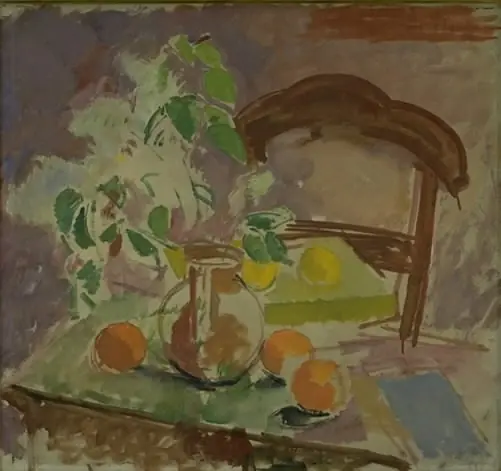 Still Life with Flowers, Fruits and the Back of a Chair
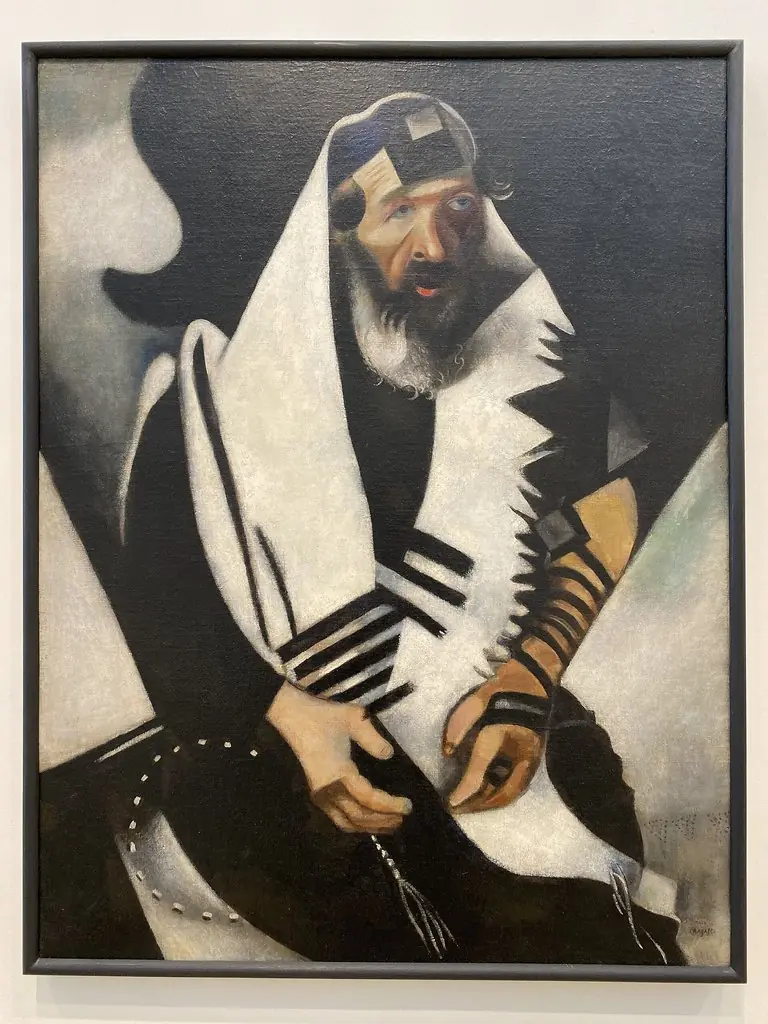 The Praying Jew
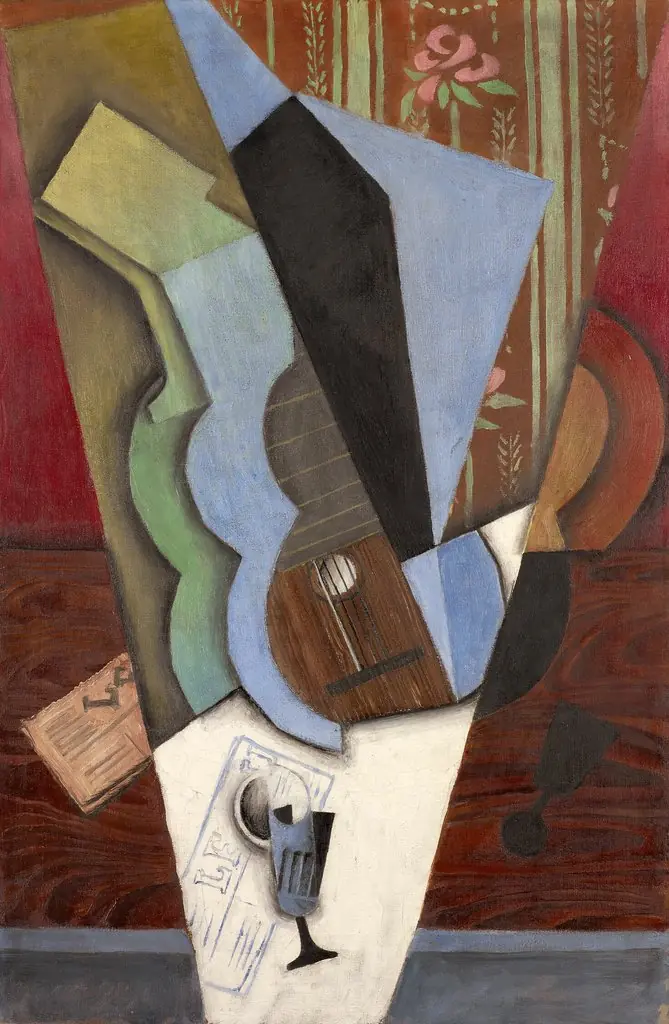 Abstraction (Guitar and Glass)
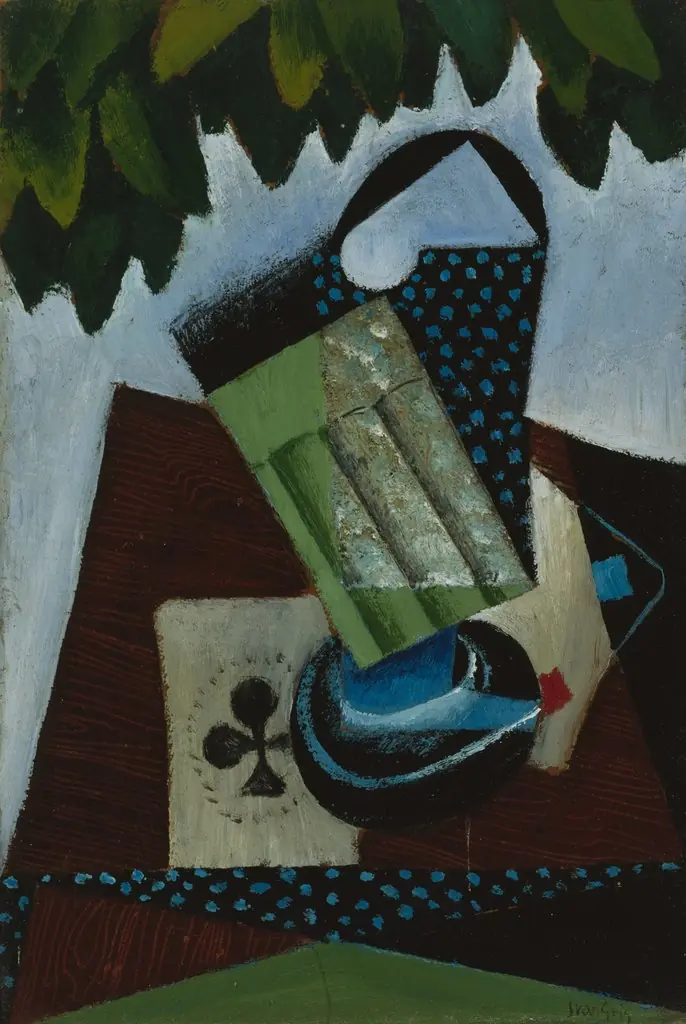 Glass and Playing Cards
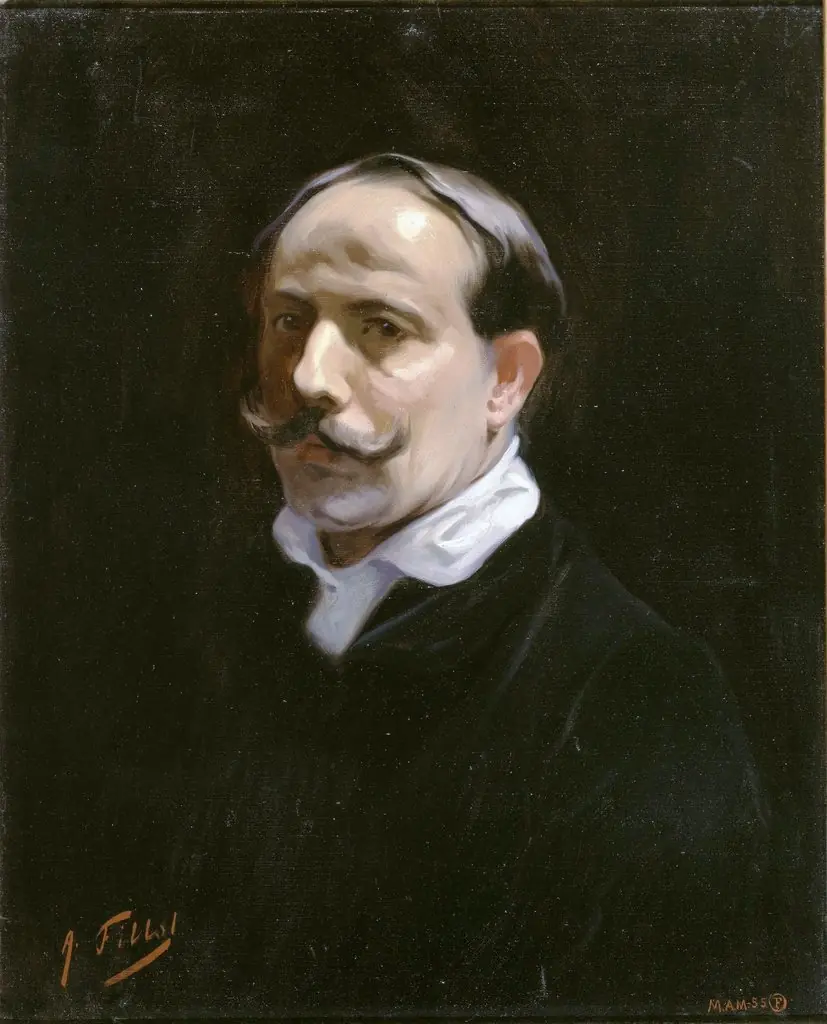 Self-portrait
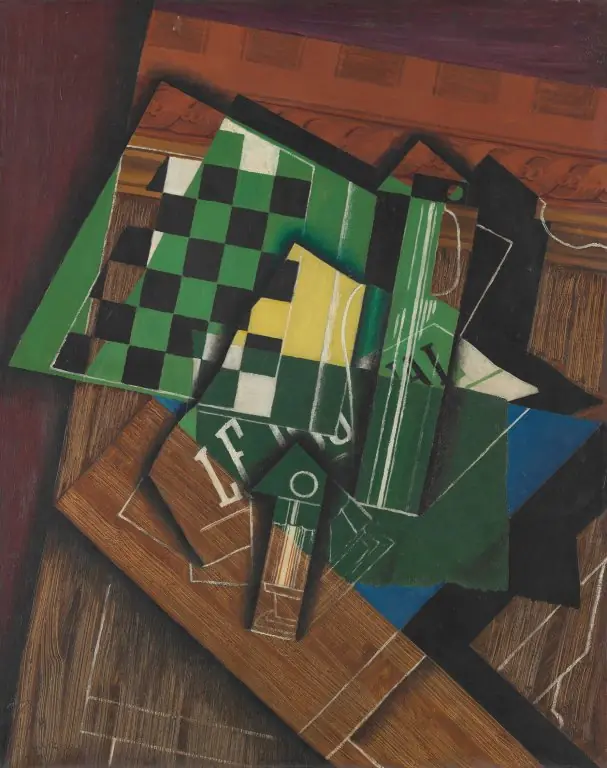 The Checkerboard
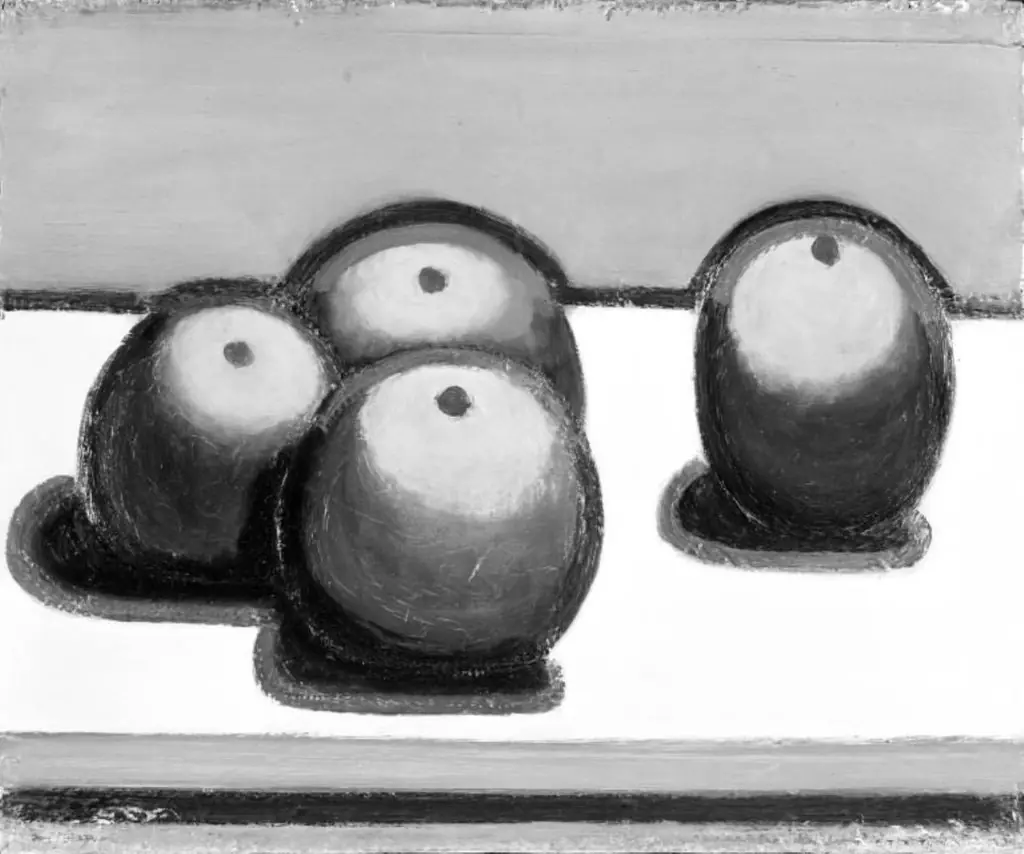 Still Life with Four Apples
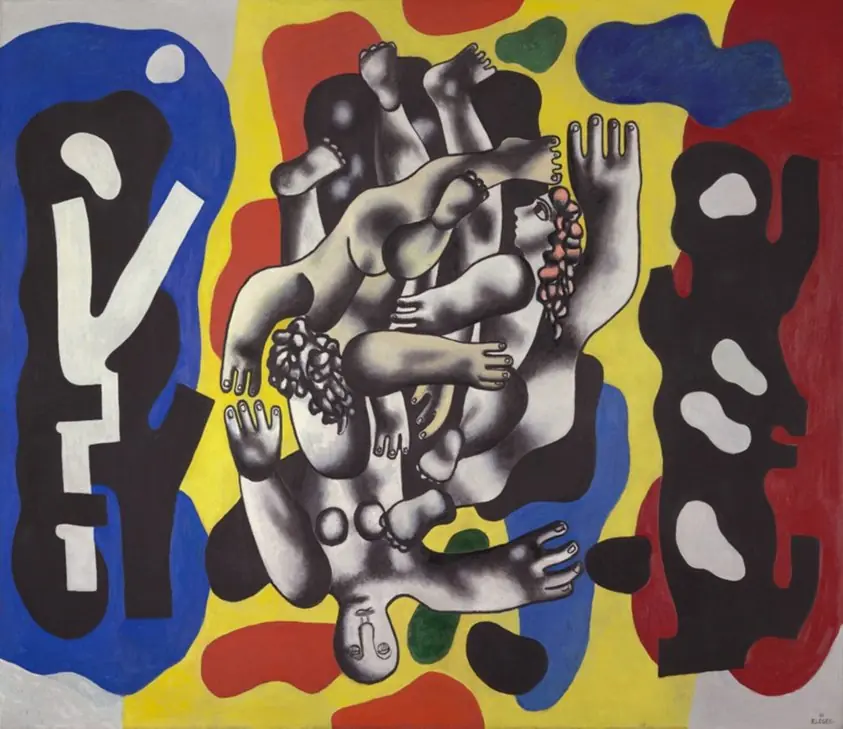 Divers on a Yellow Background
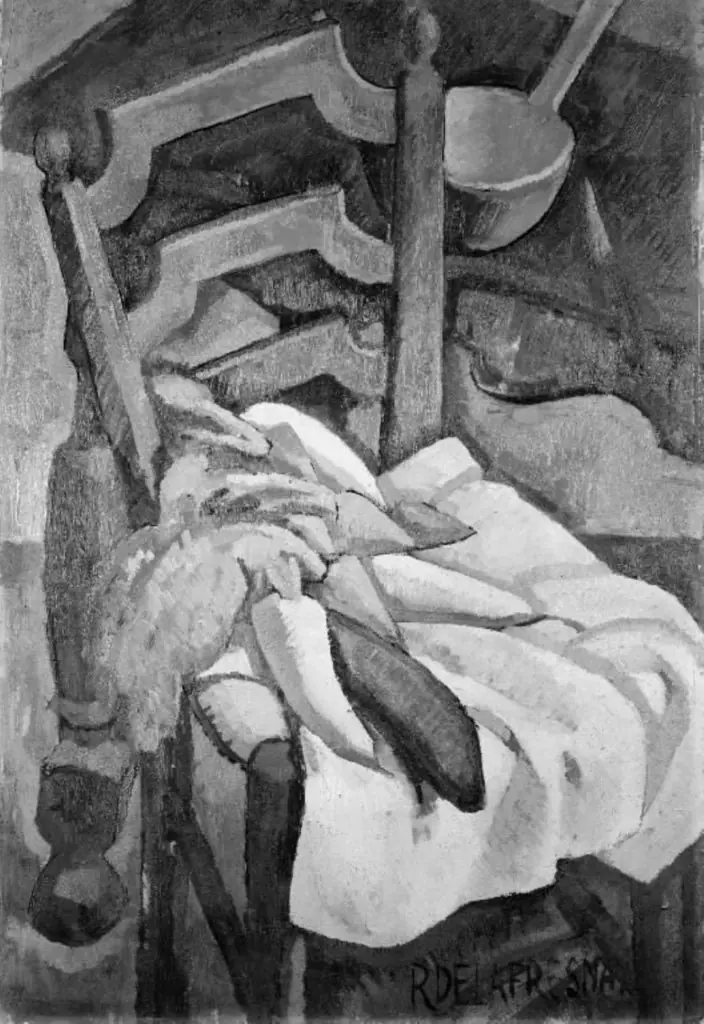 Nature morte
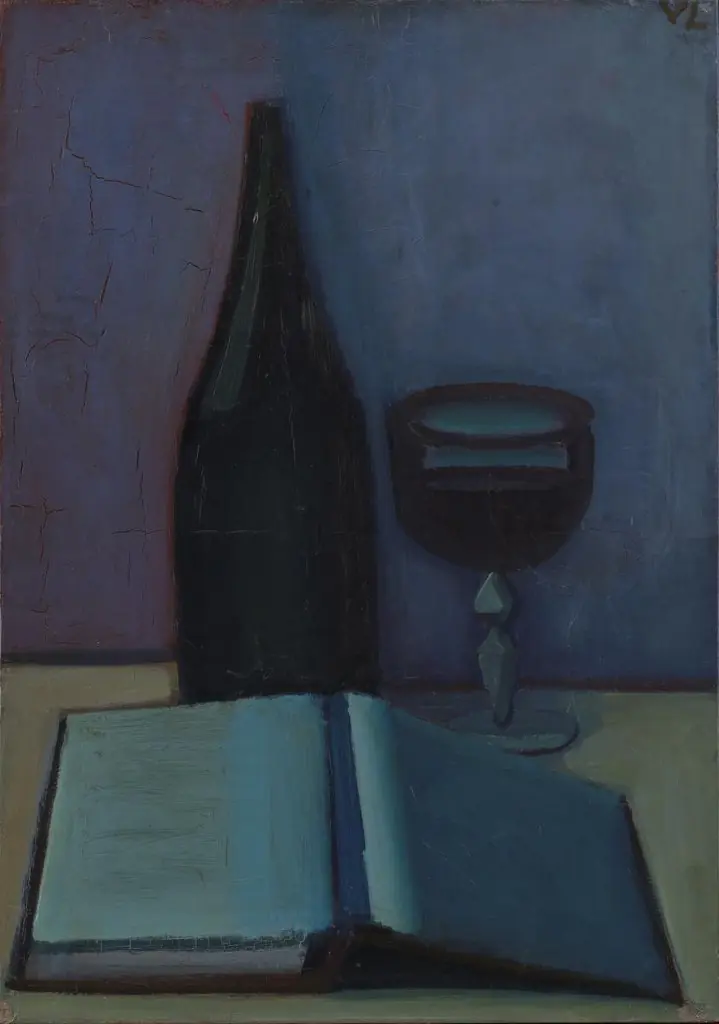 Still Life with a Book, a Glass and a Bottle
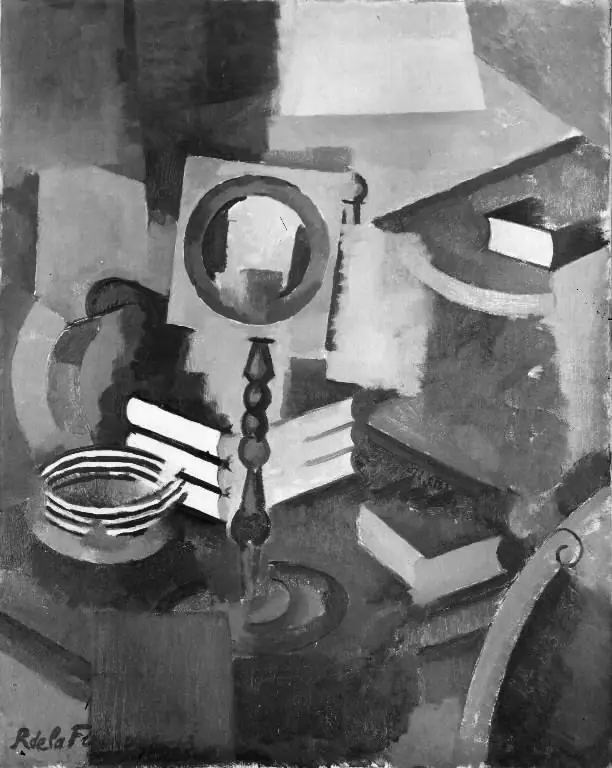 Still Life
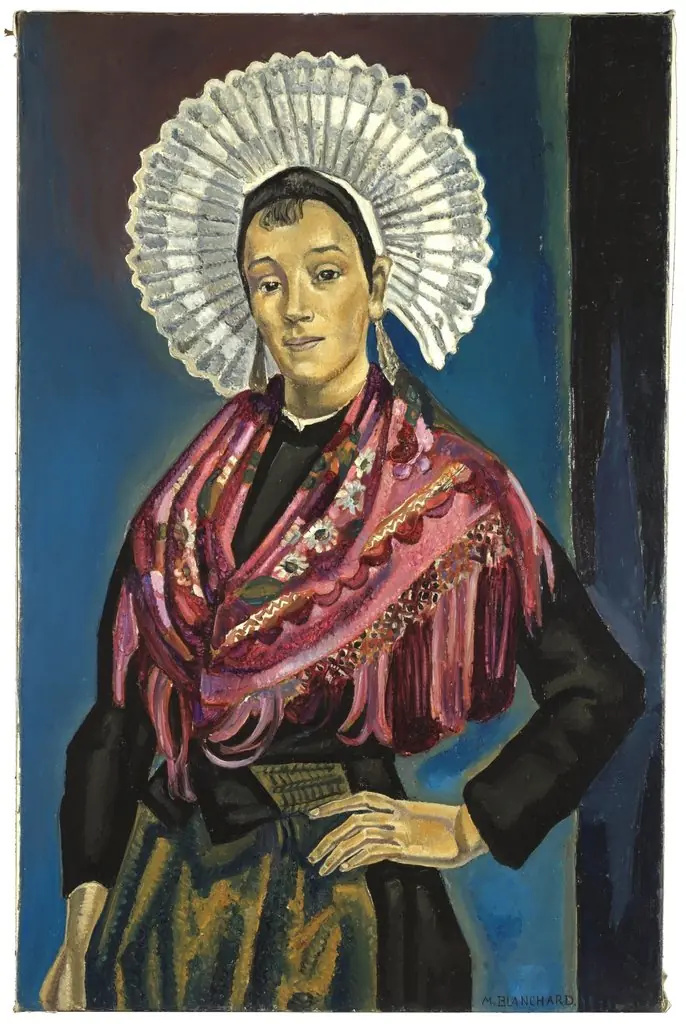 La boulonnaise
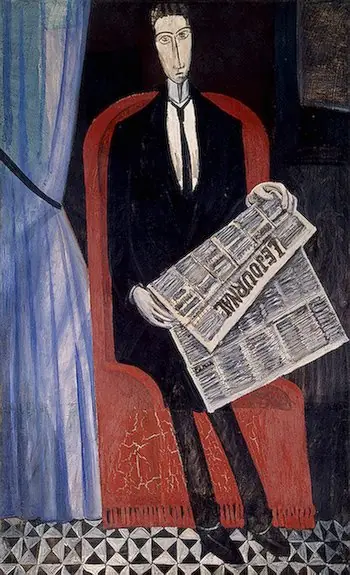 Portrait of a Man with a Newspaper (Chevalier X)
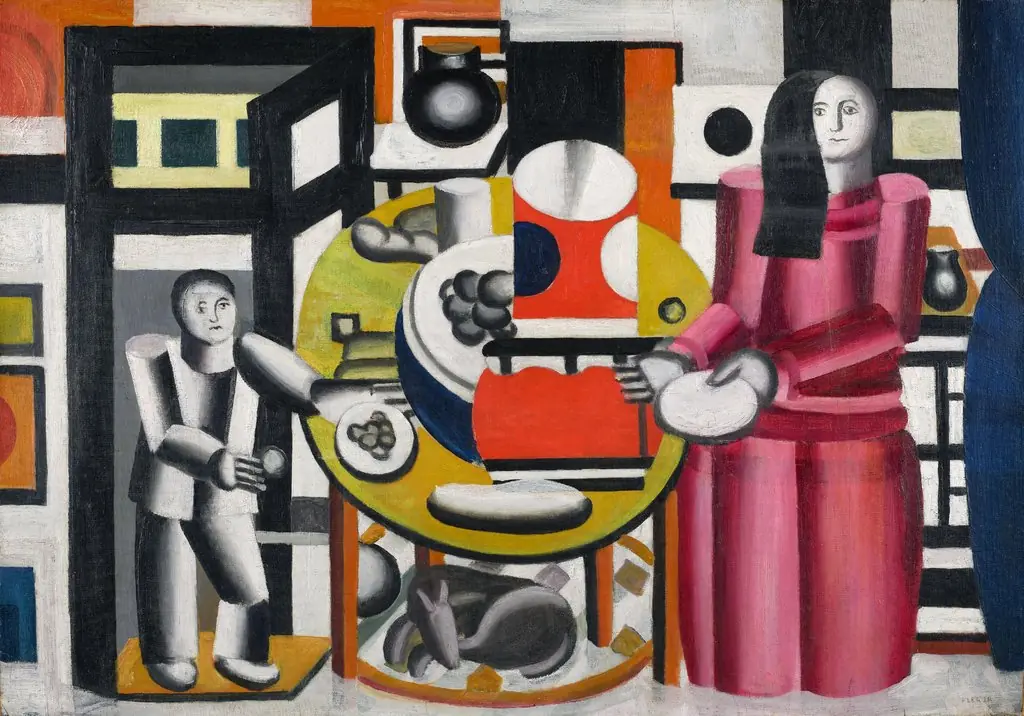 La Mère et l'Enfant (Chien sous la table)
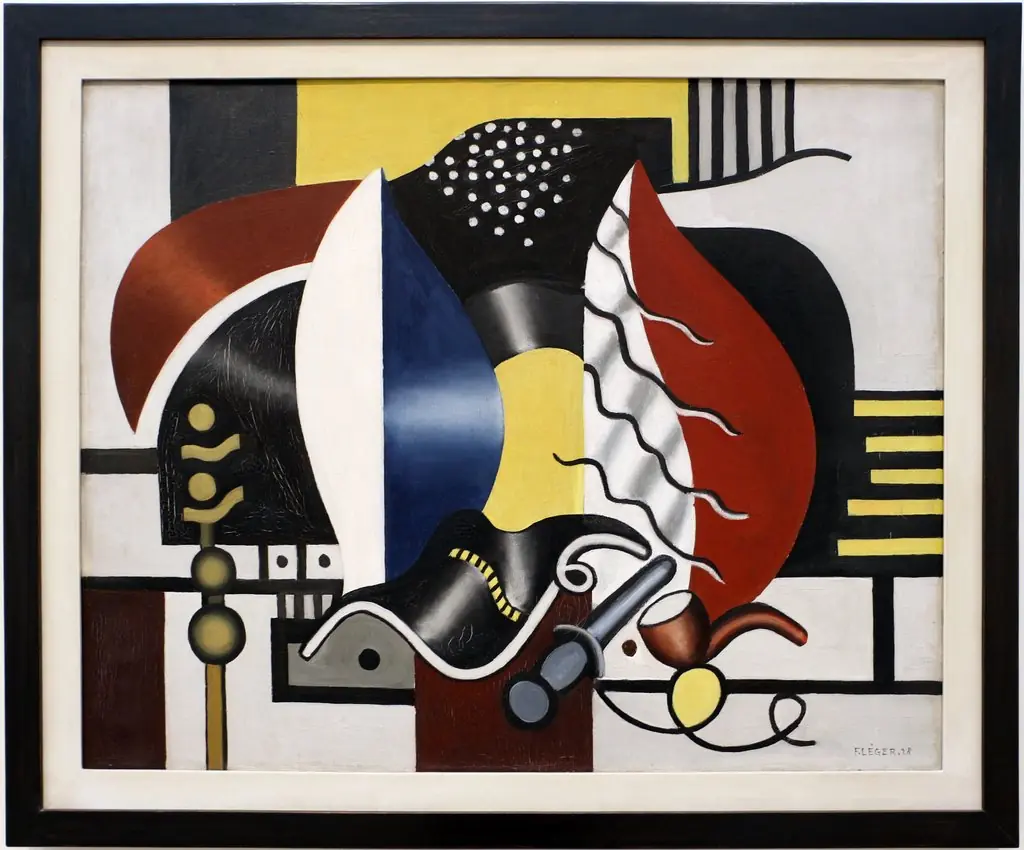 Still Life
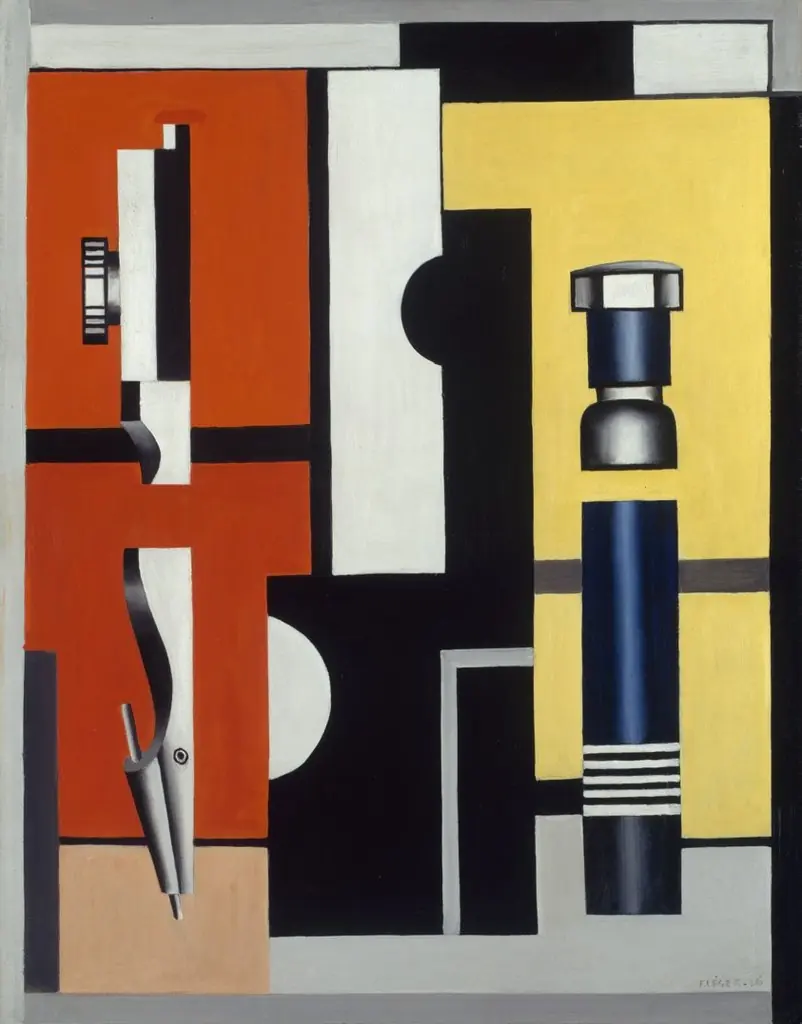 Still Life
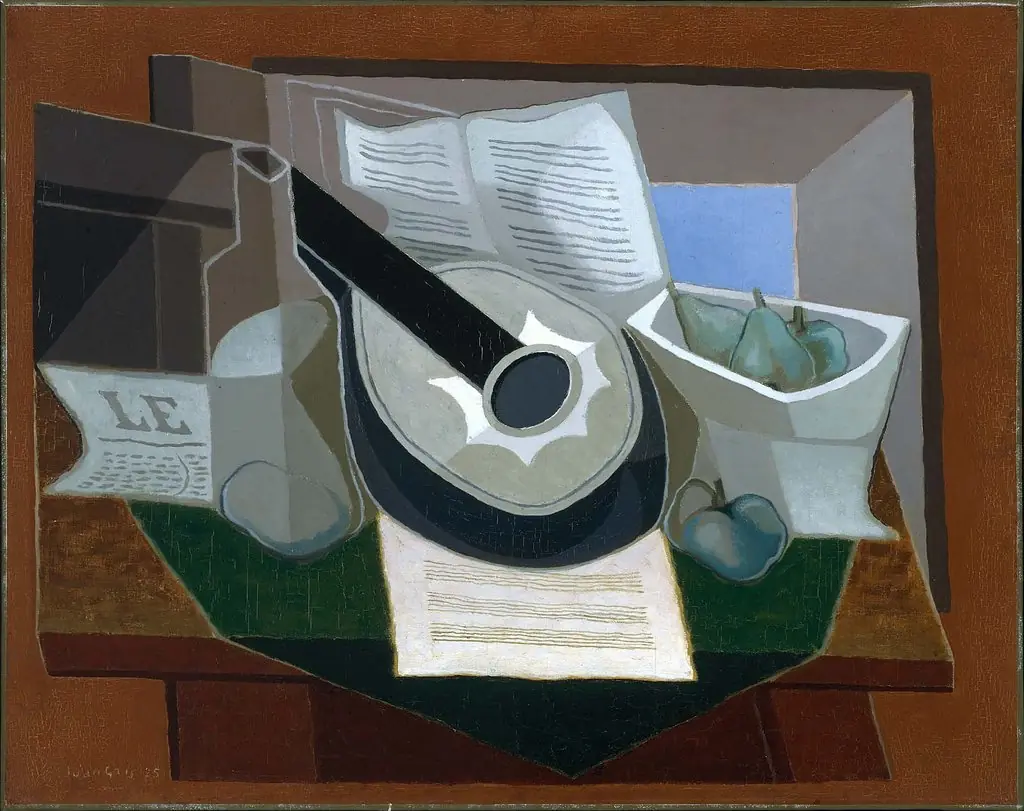 Mandolin and Fruit Dish
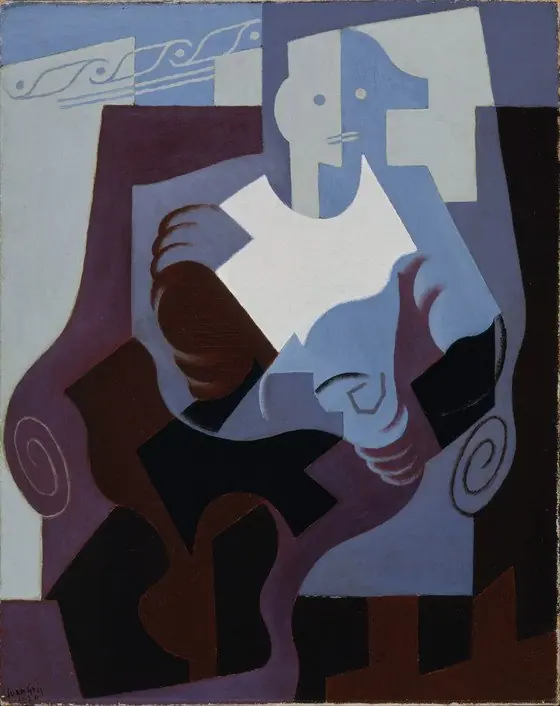 Seated Harlequin
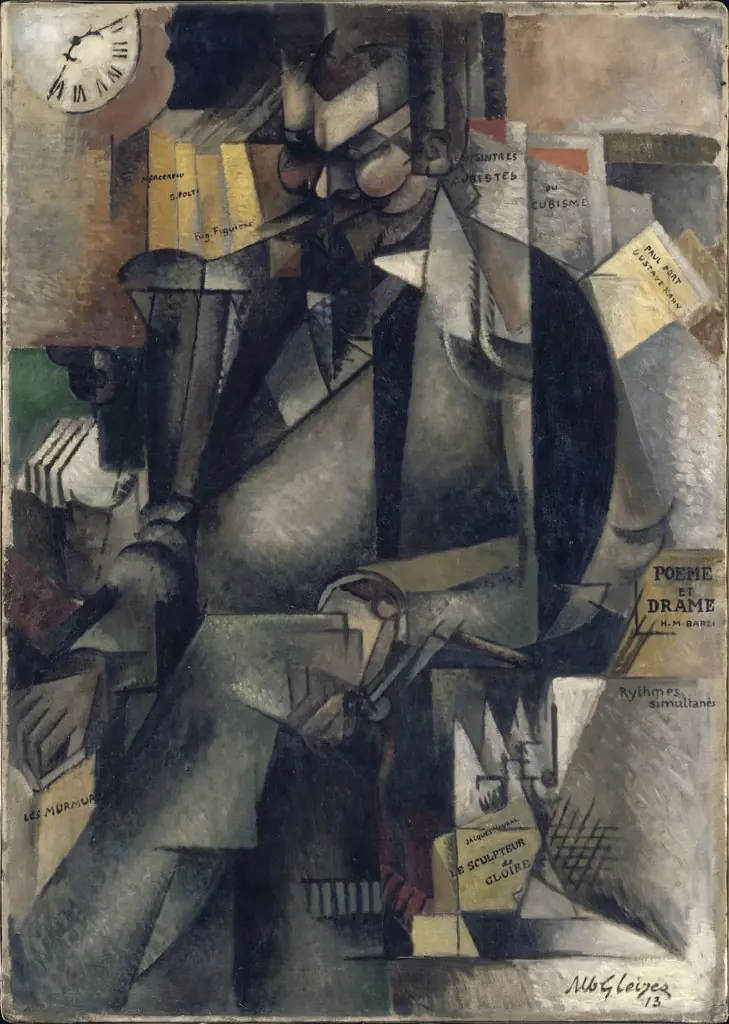 The Publisher Eugène Figuière
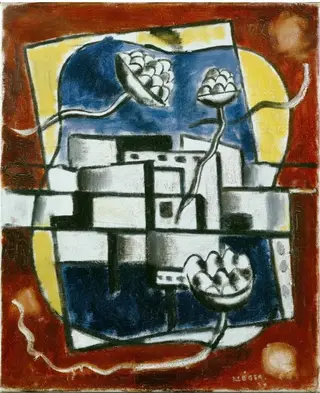 Landscape
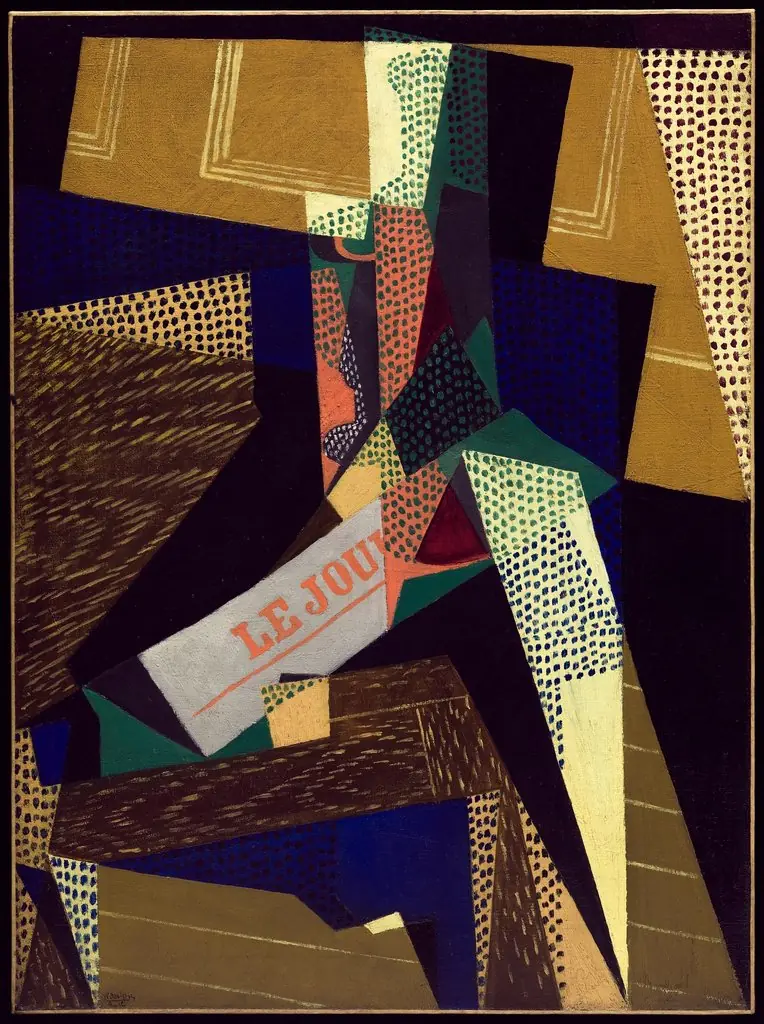 Still Life
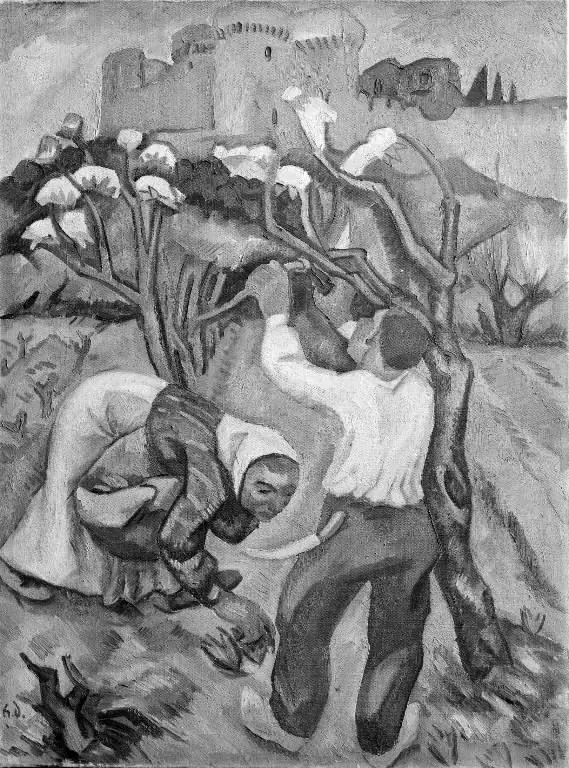 Peasant Cutting Back a Tree in Bloom
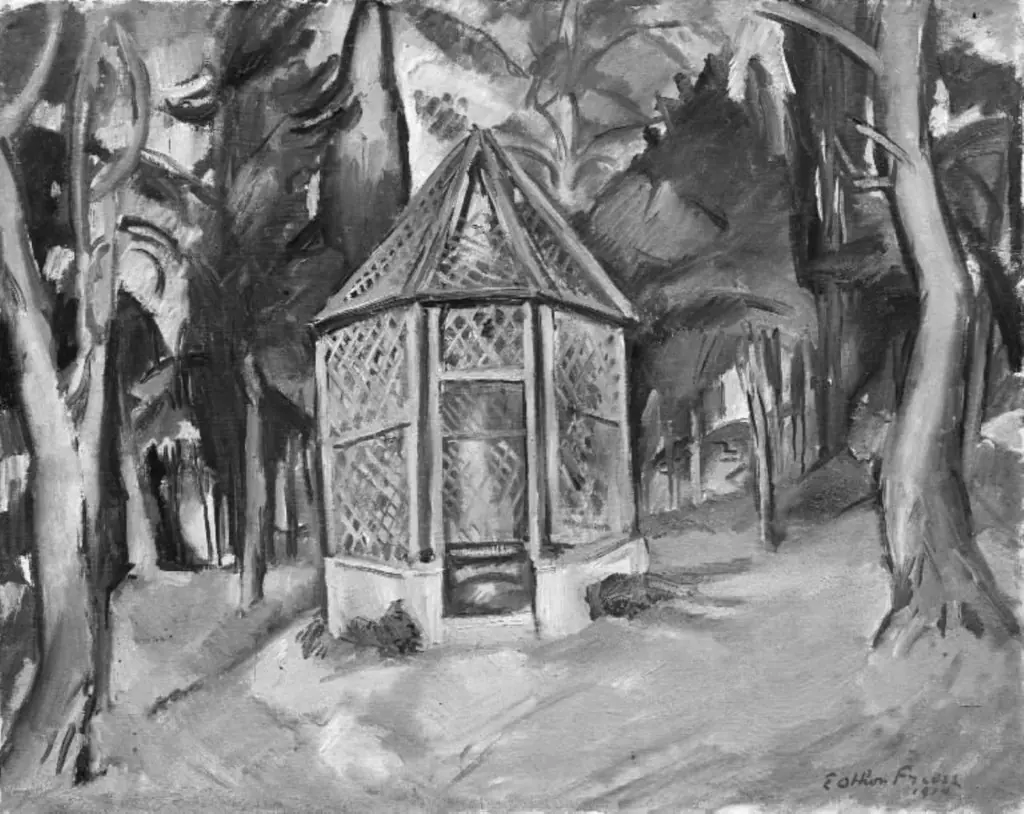 The Arbour in the Pine Wood
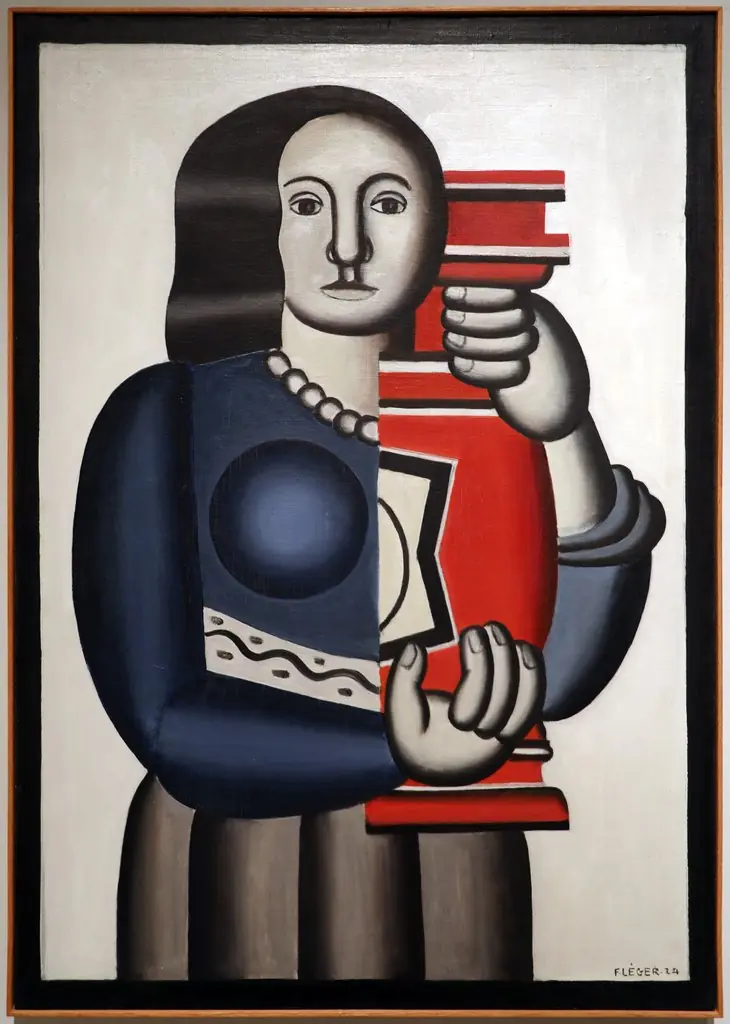 Kvinde med vase
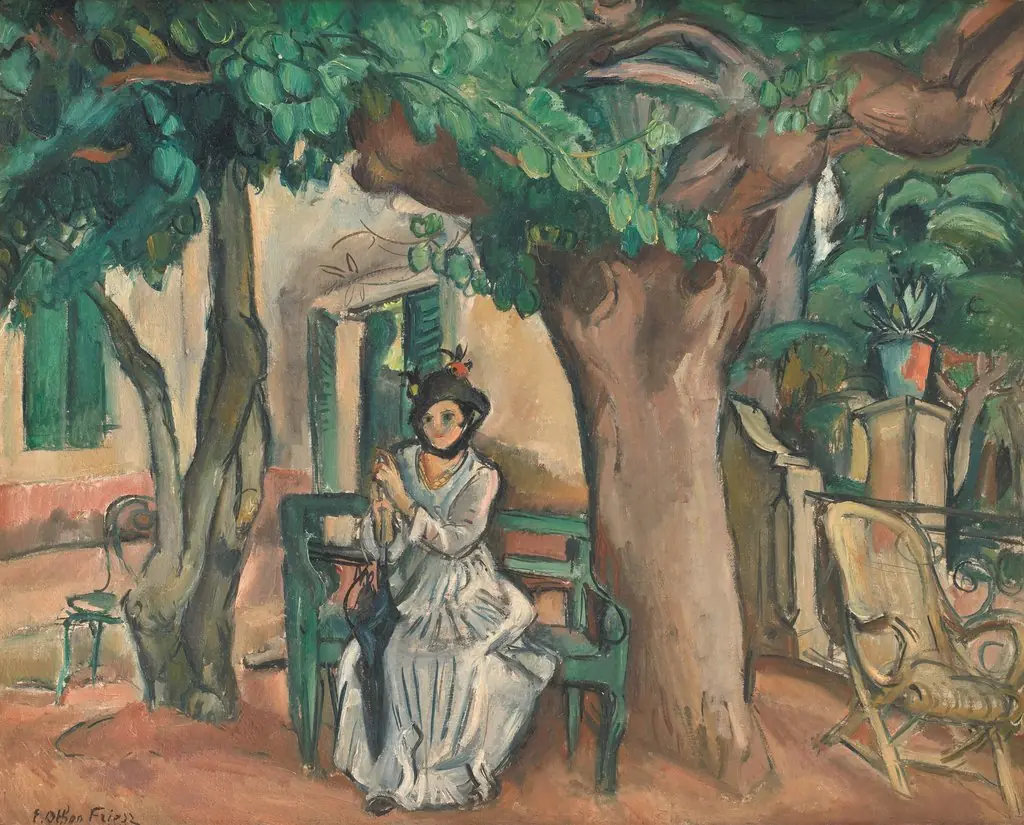 The Lady on the Terrace
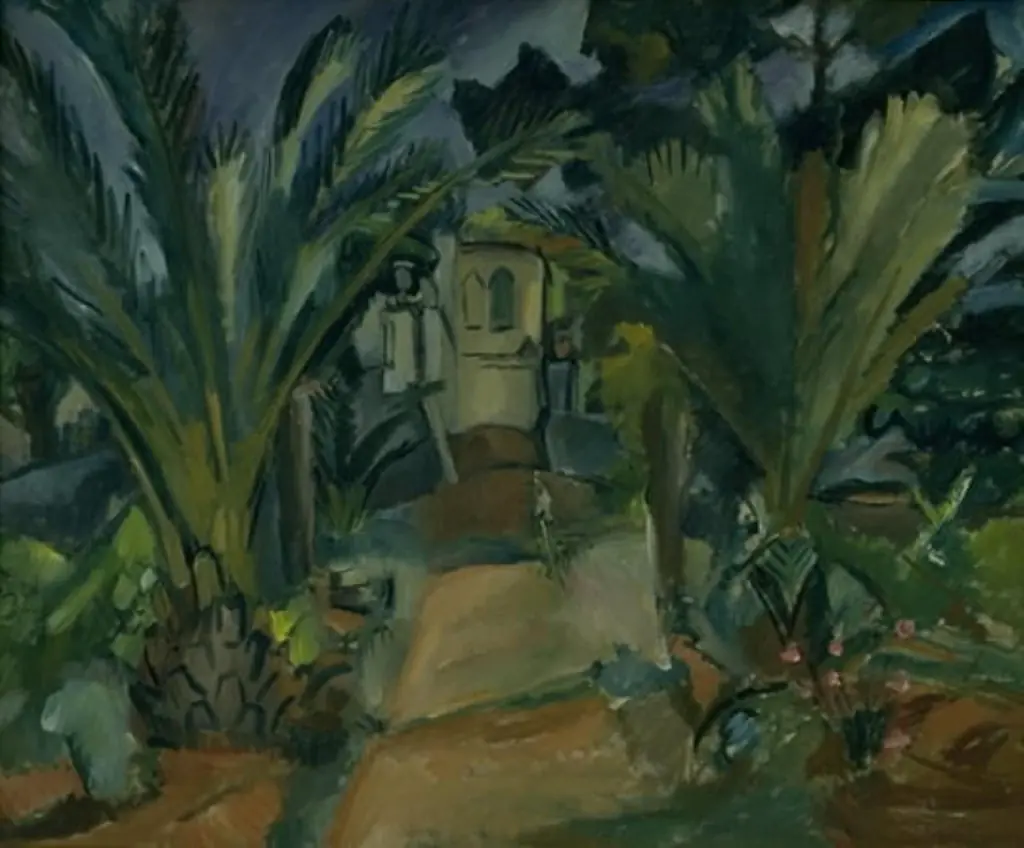 Terrace with Palms
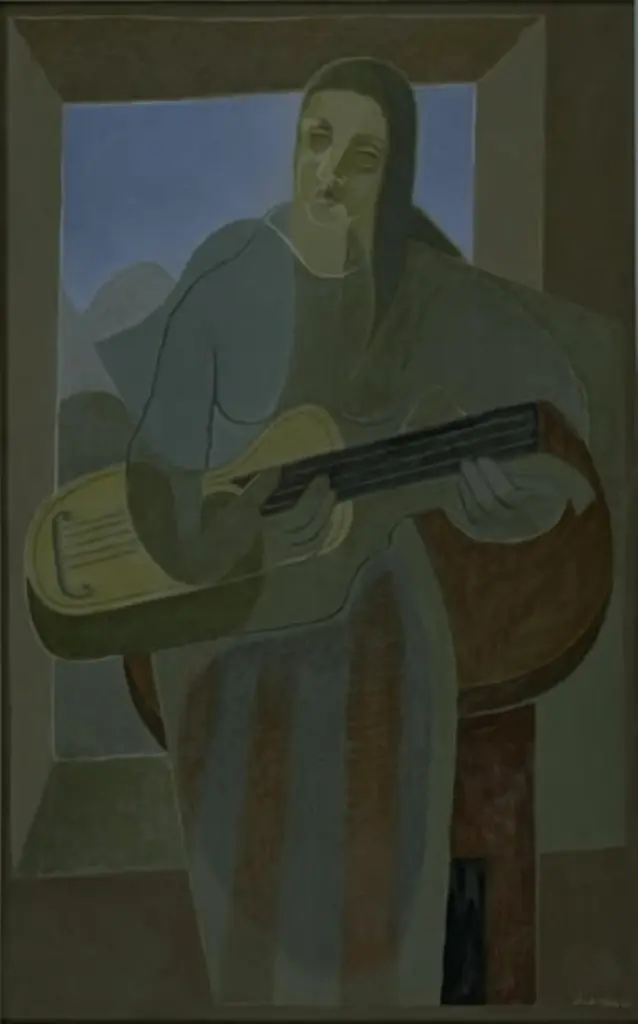 The Guitar Player
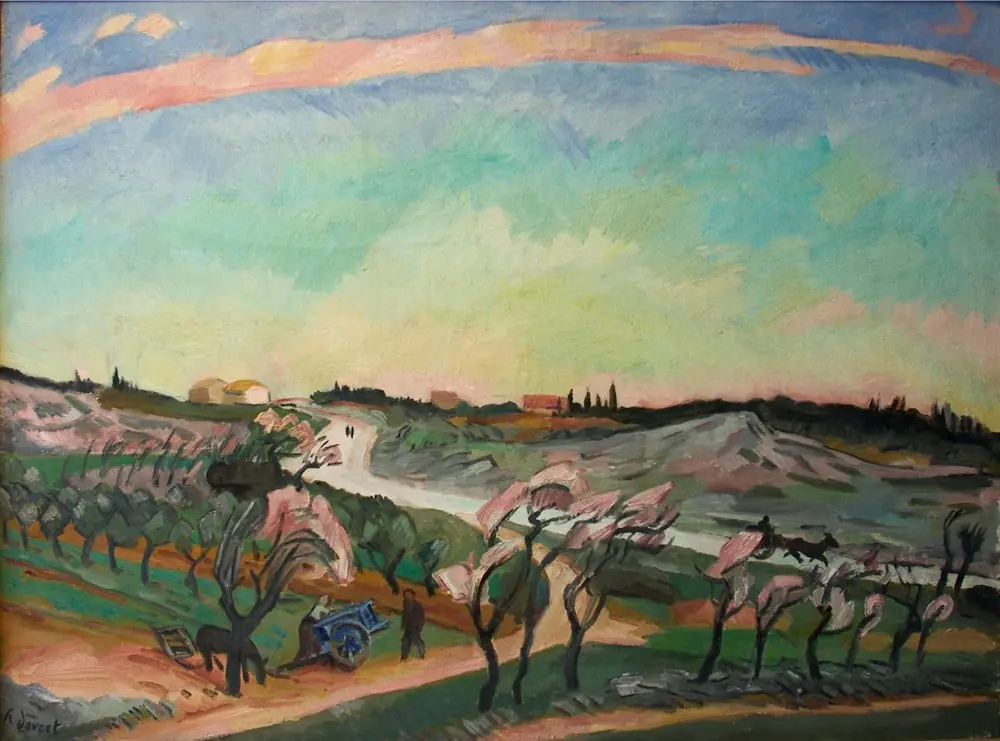 The Road to Nimes
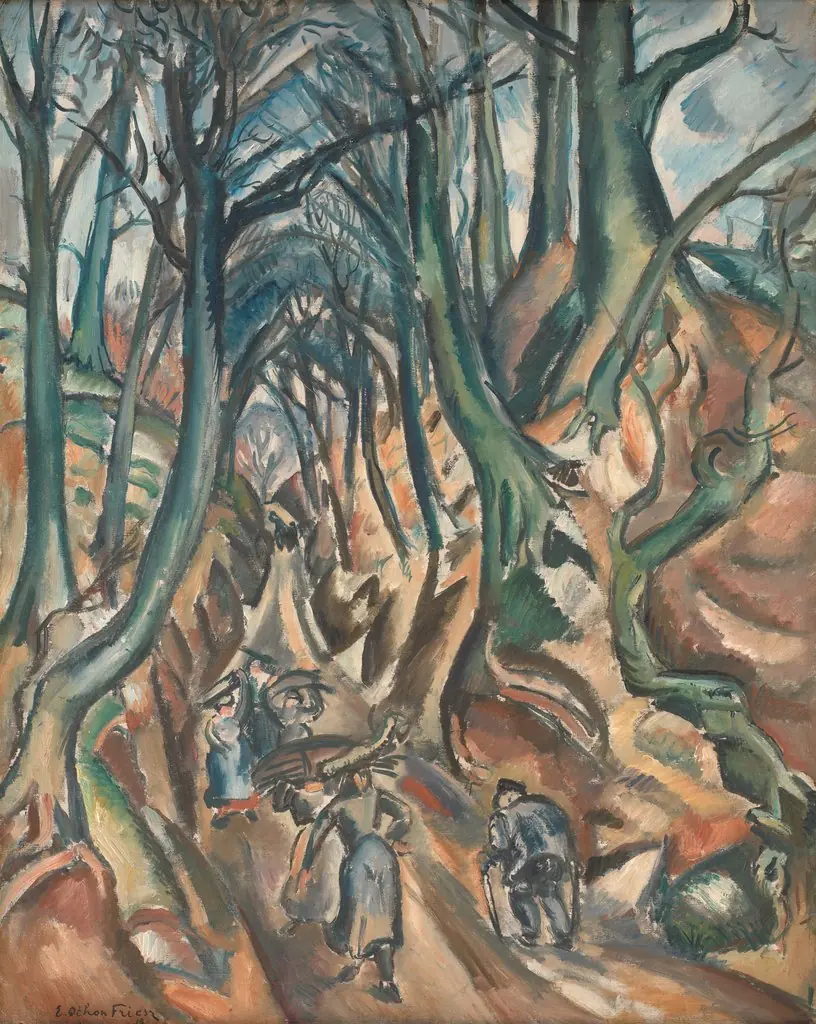 The Sunken Road in Winter
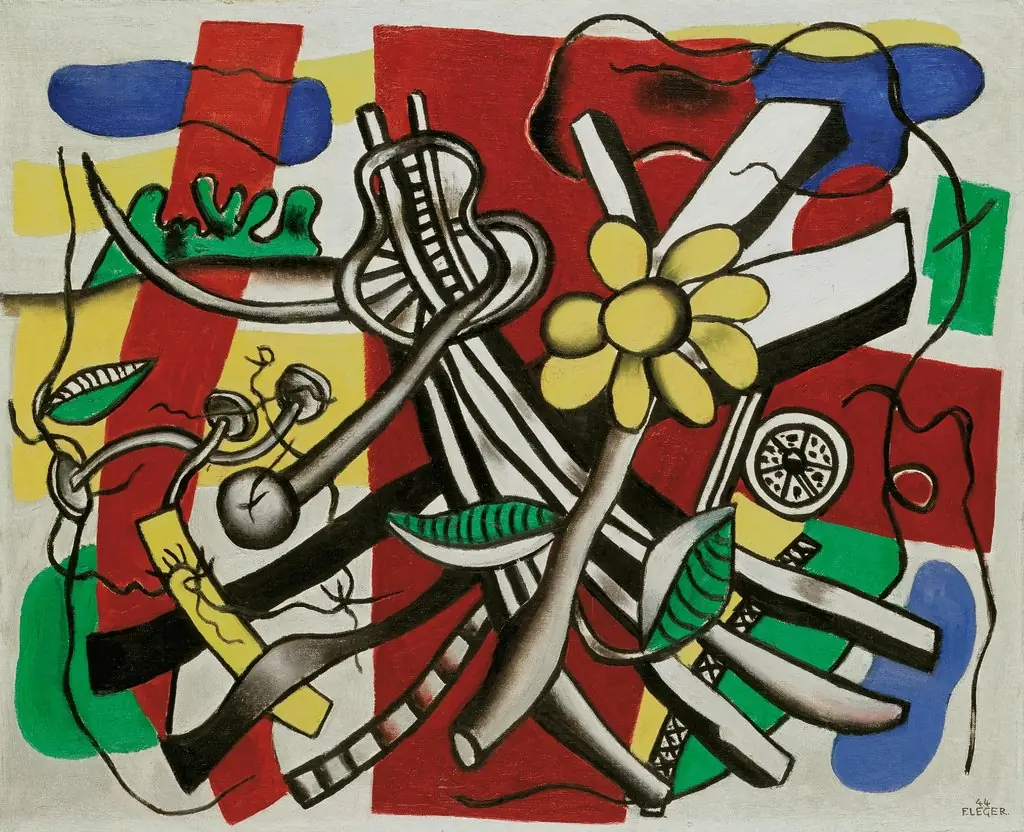 The Yellow Flower
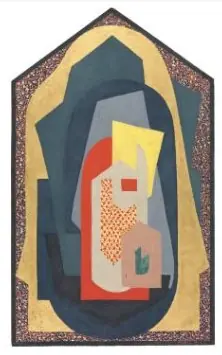 Decoration
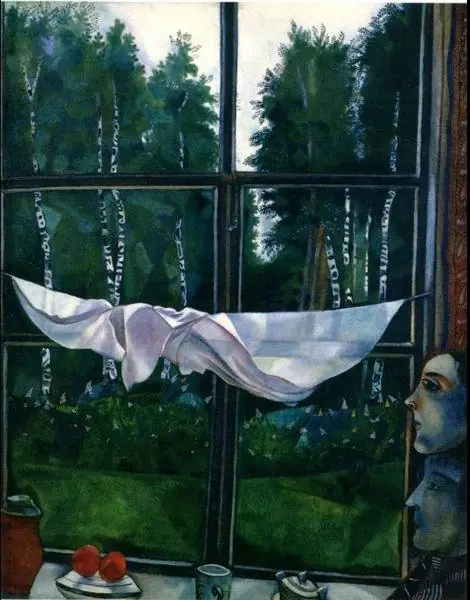 Vue de la fenêtre à Zaolchie, près de Vitebsk
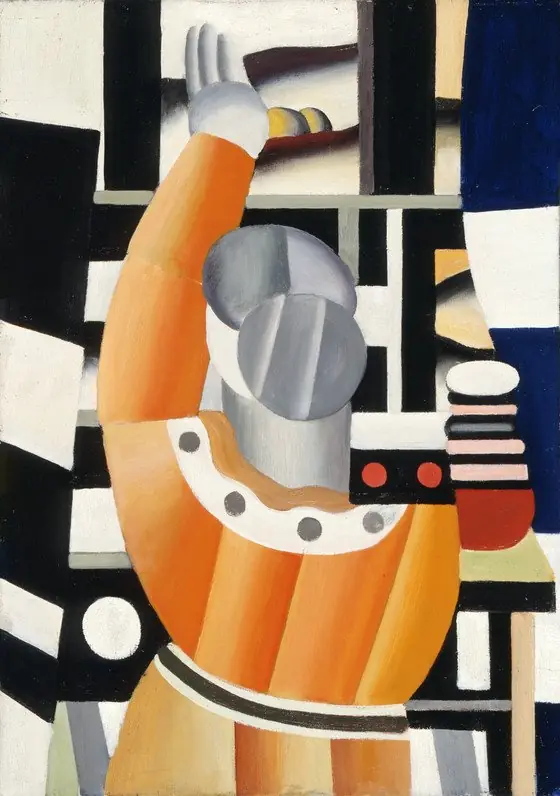 Woman in Front of the Window
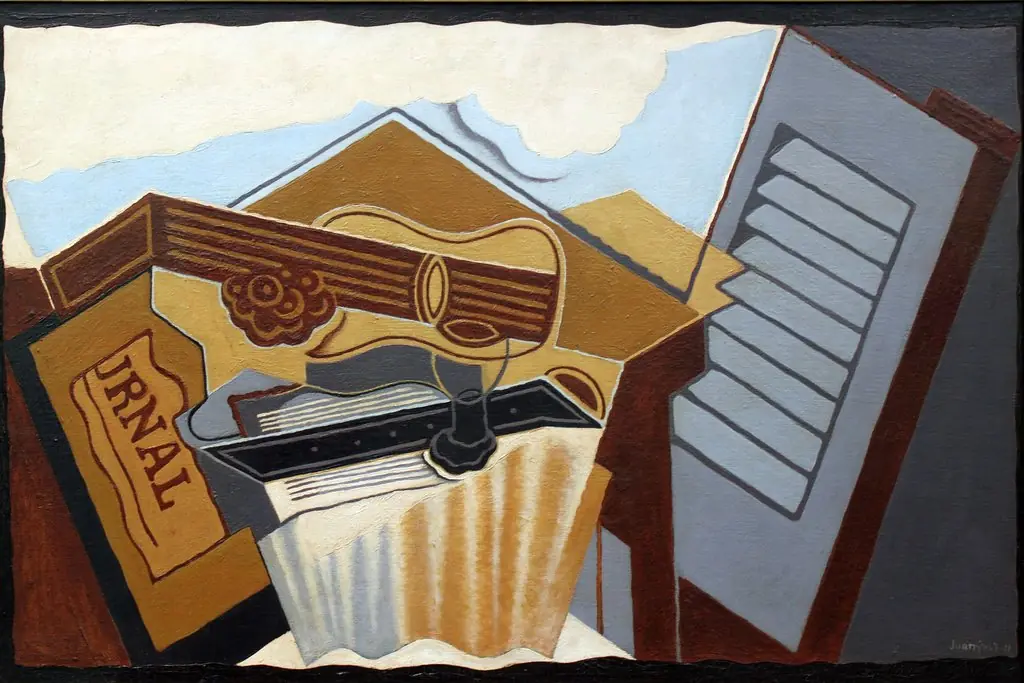 Still Life with a White Cloud
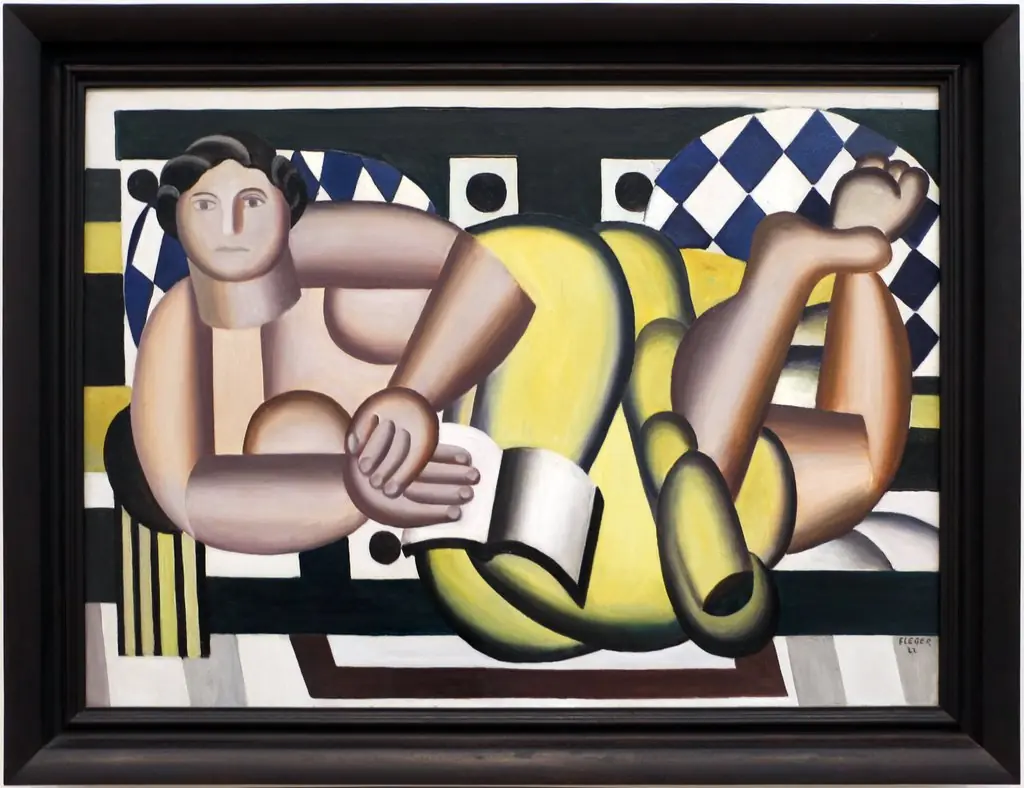 Reclining Woman
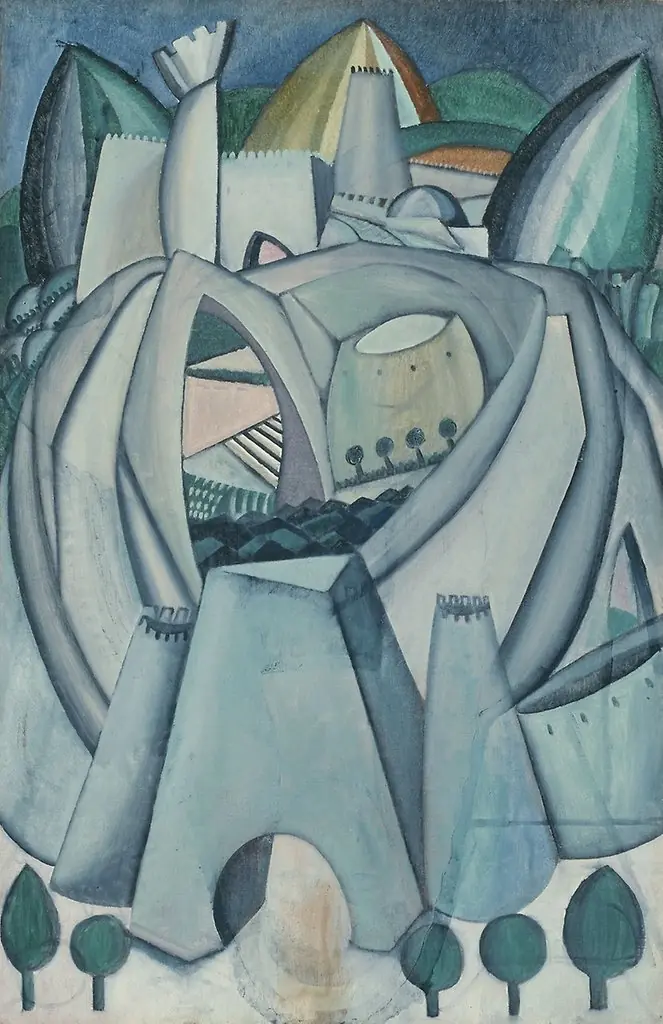 The Stronghold
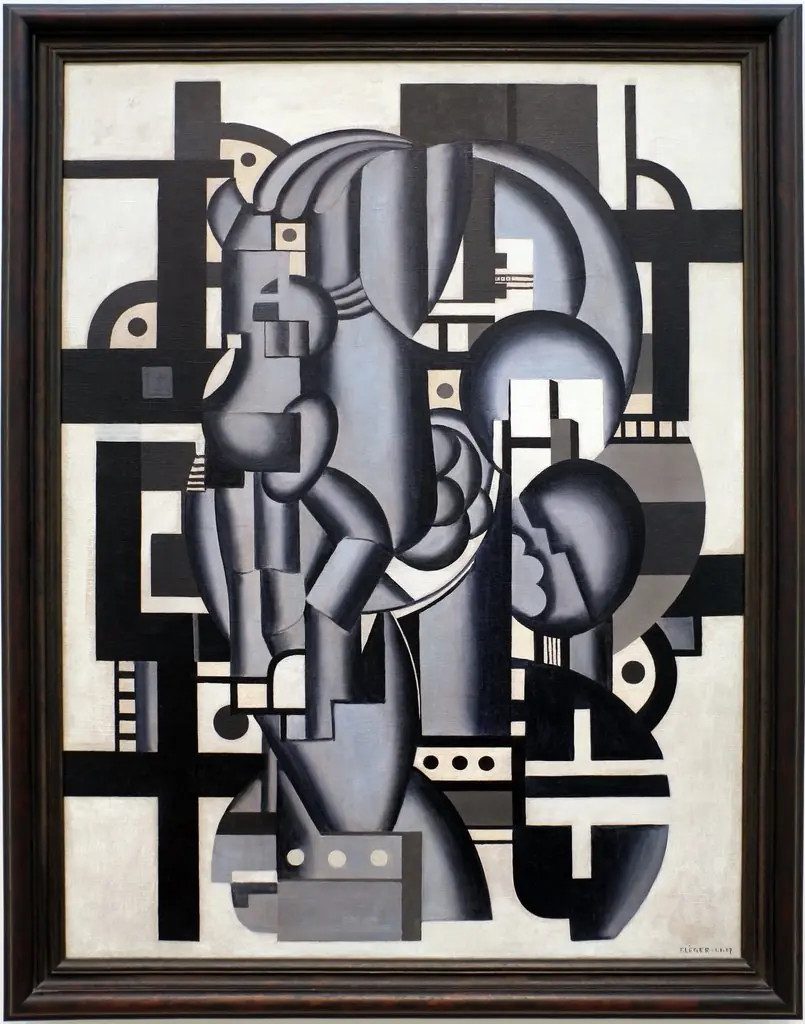 Composition in Blue
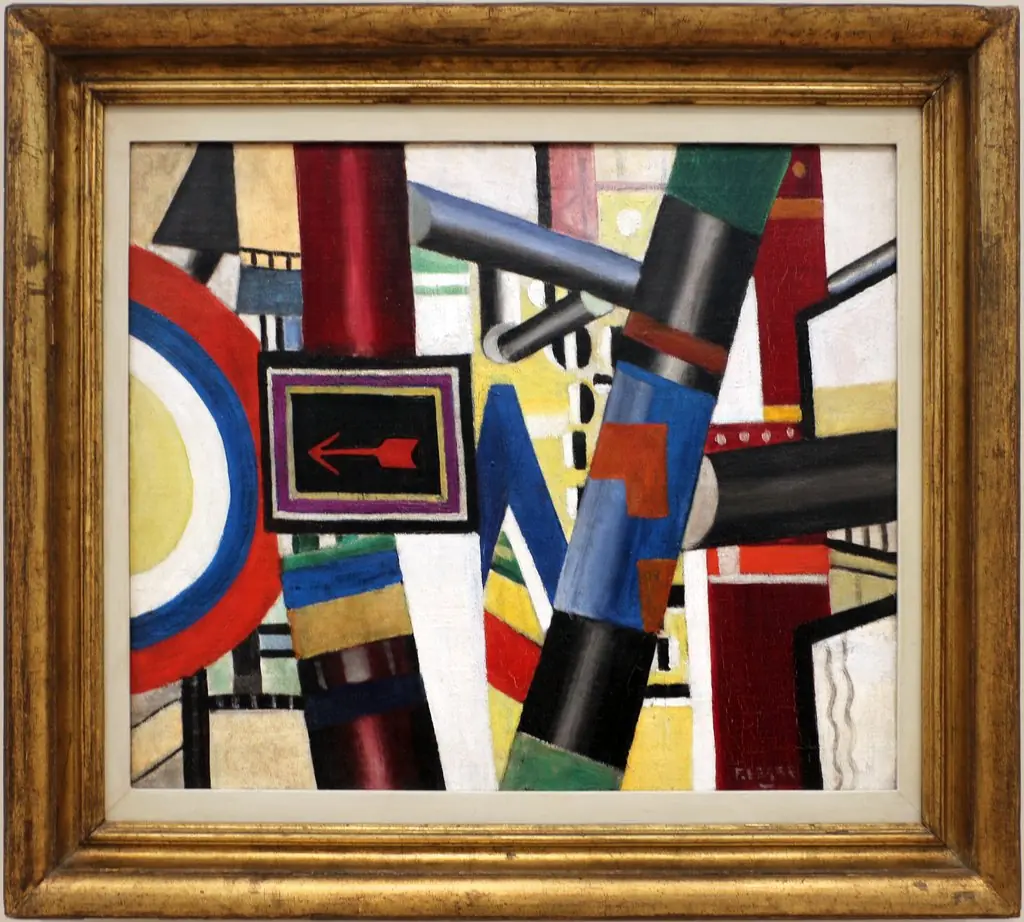 The Railway Crossing (Sketch)
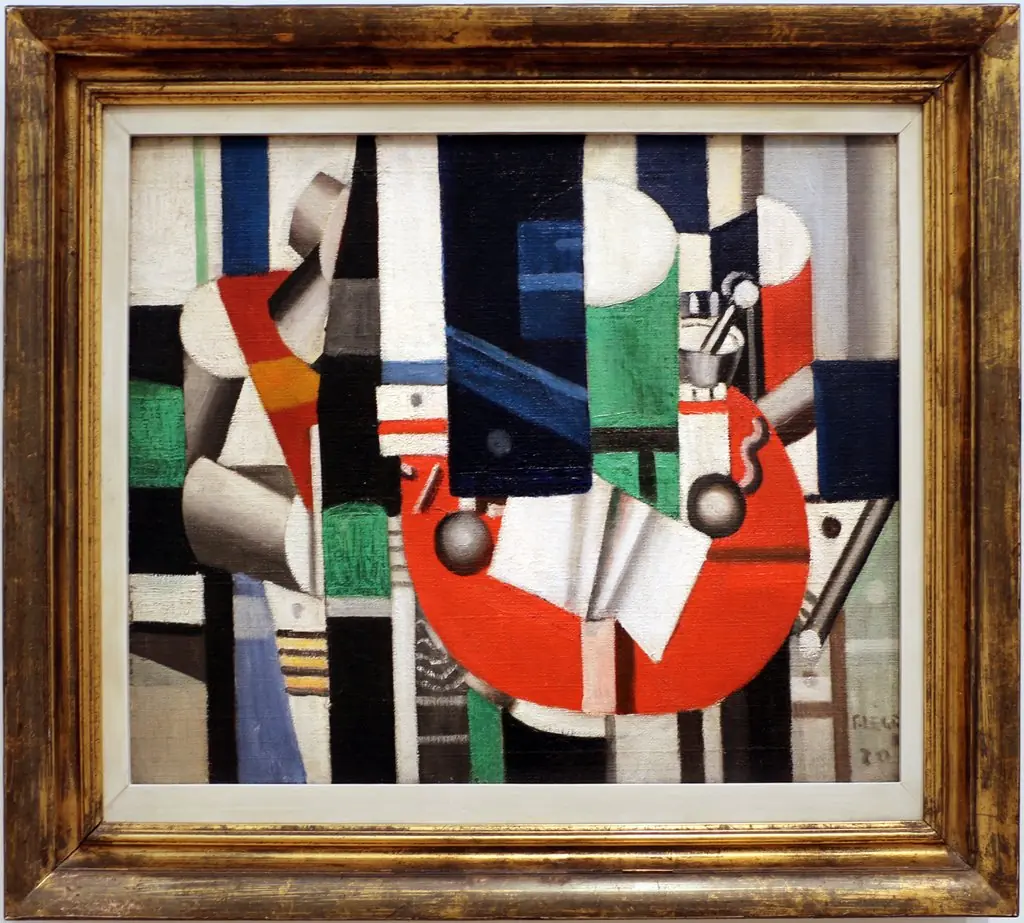 The Red Table
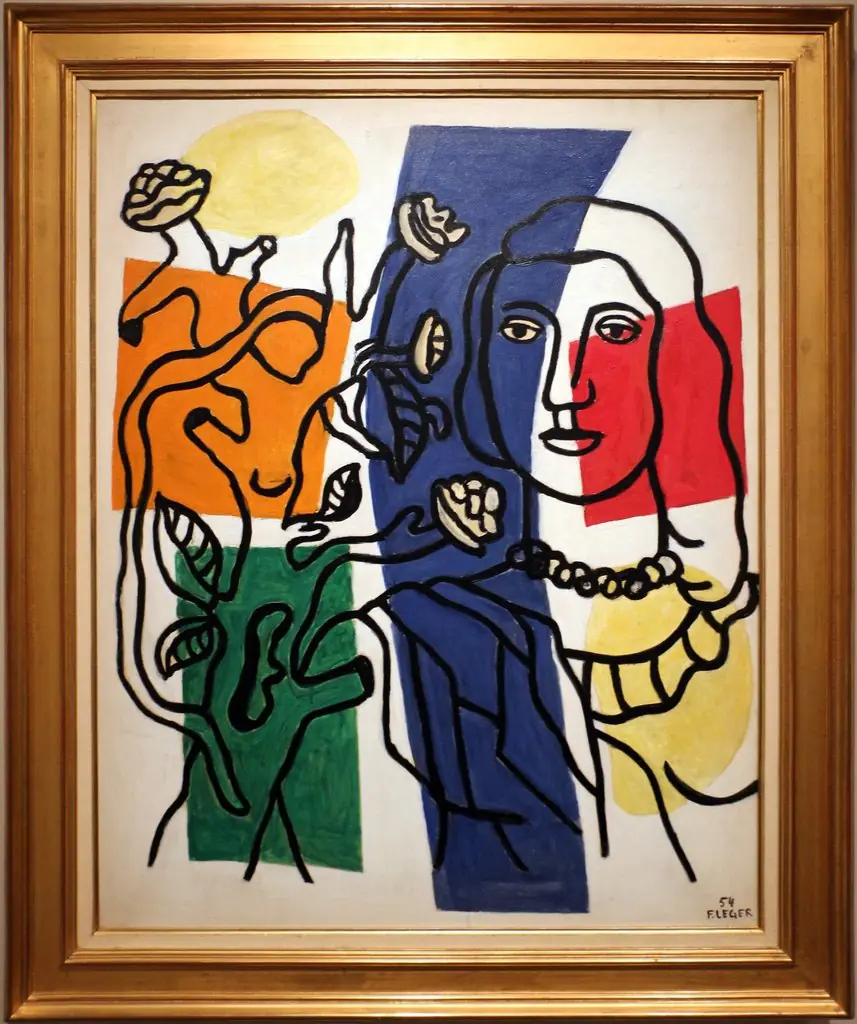 Girl with Plant
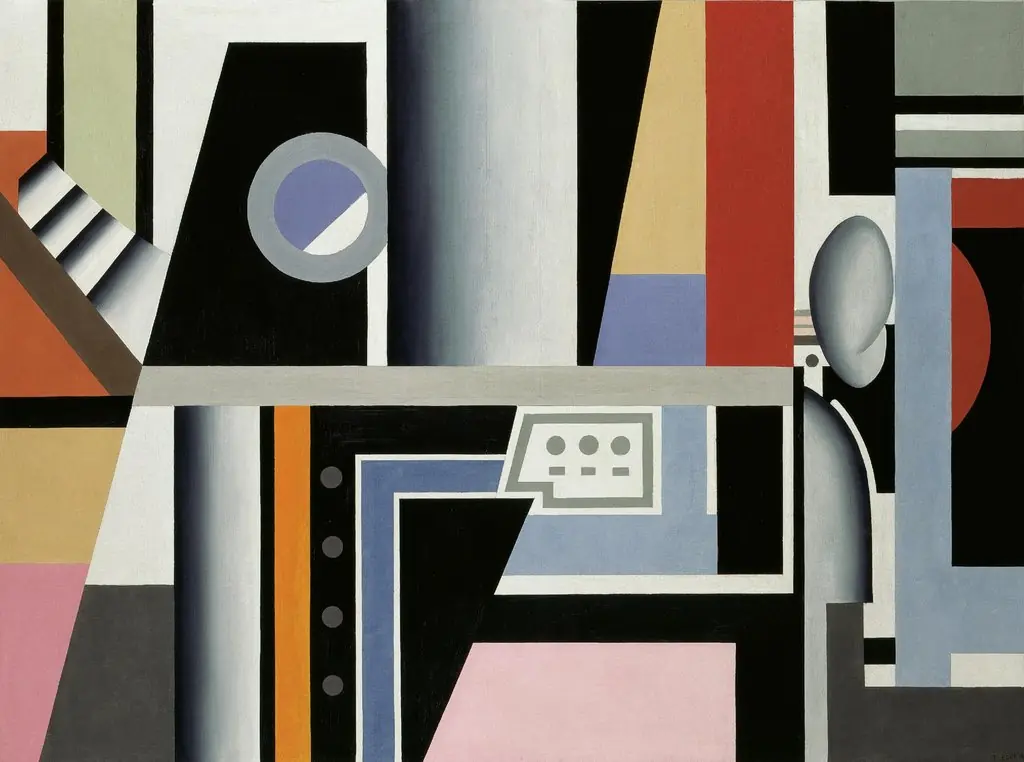 Mecanical Element
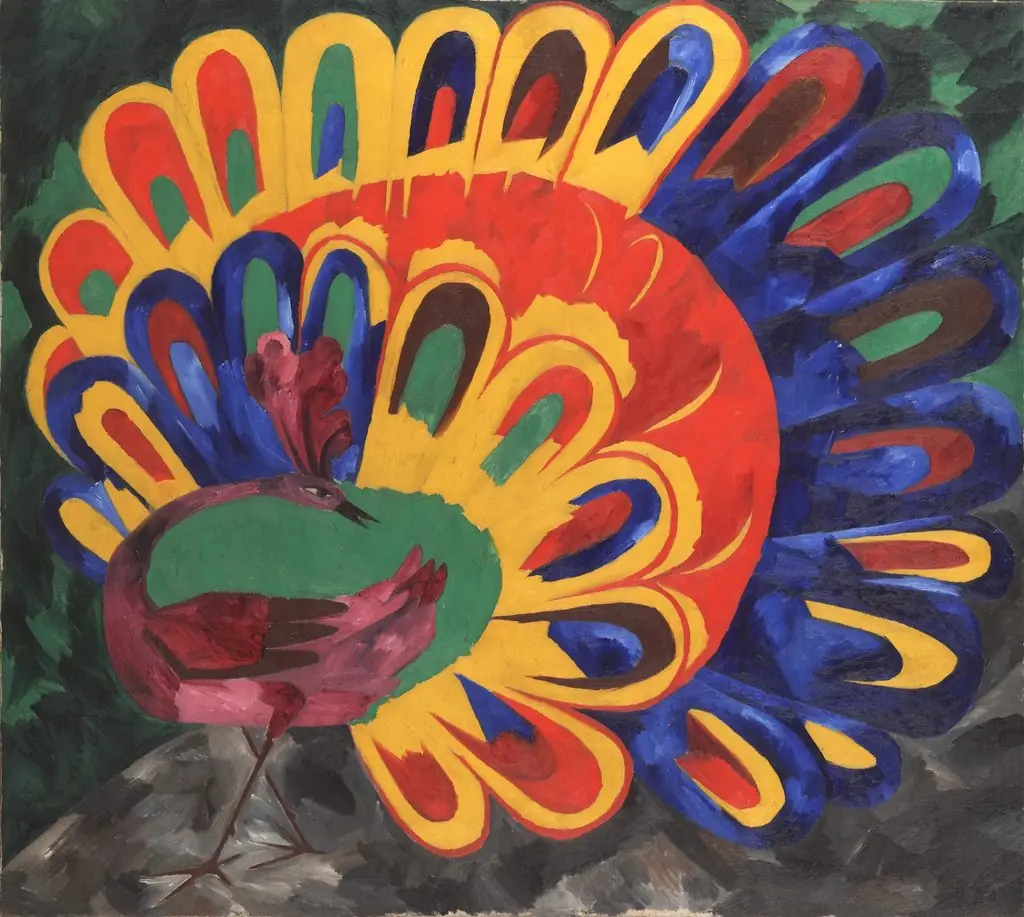 Paó a la llum del sol
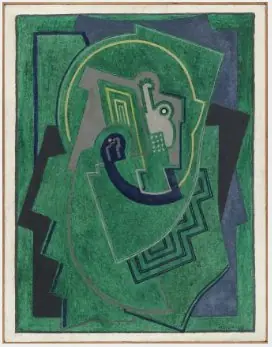 Single Element
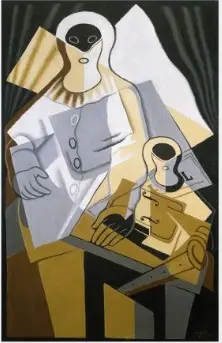 Pierrot
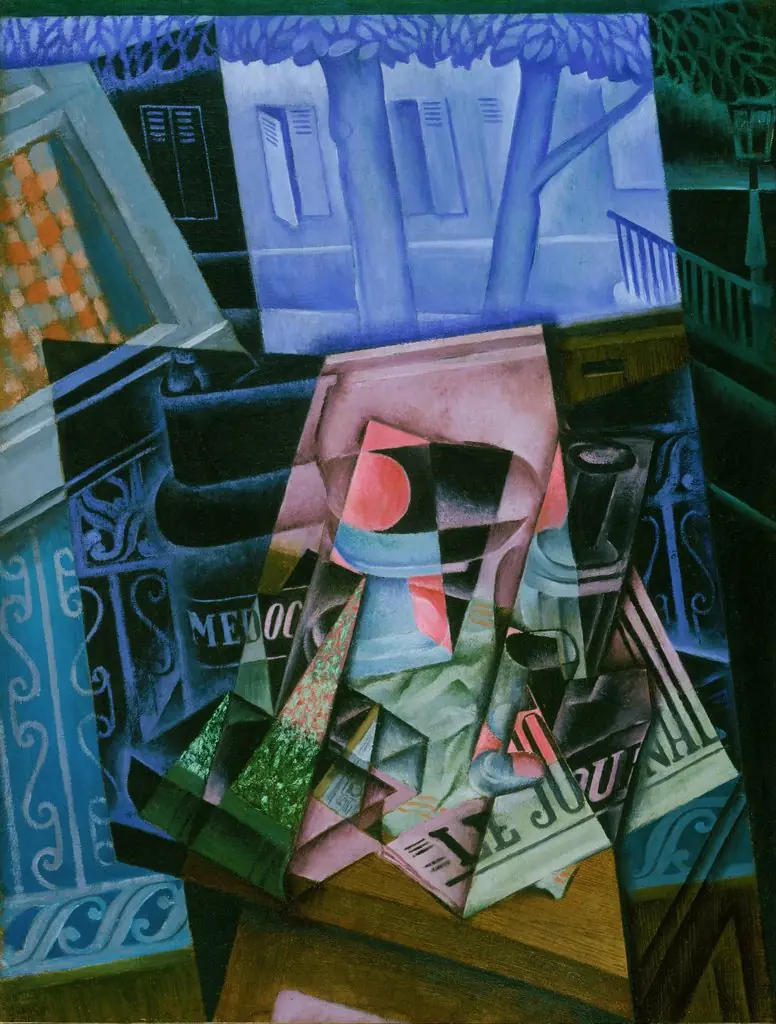 Still Life before an Open Window, Place Ravignan
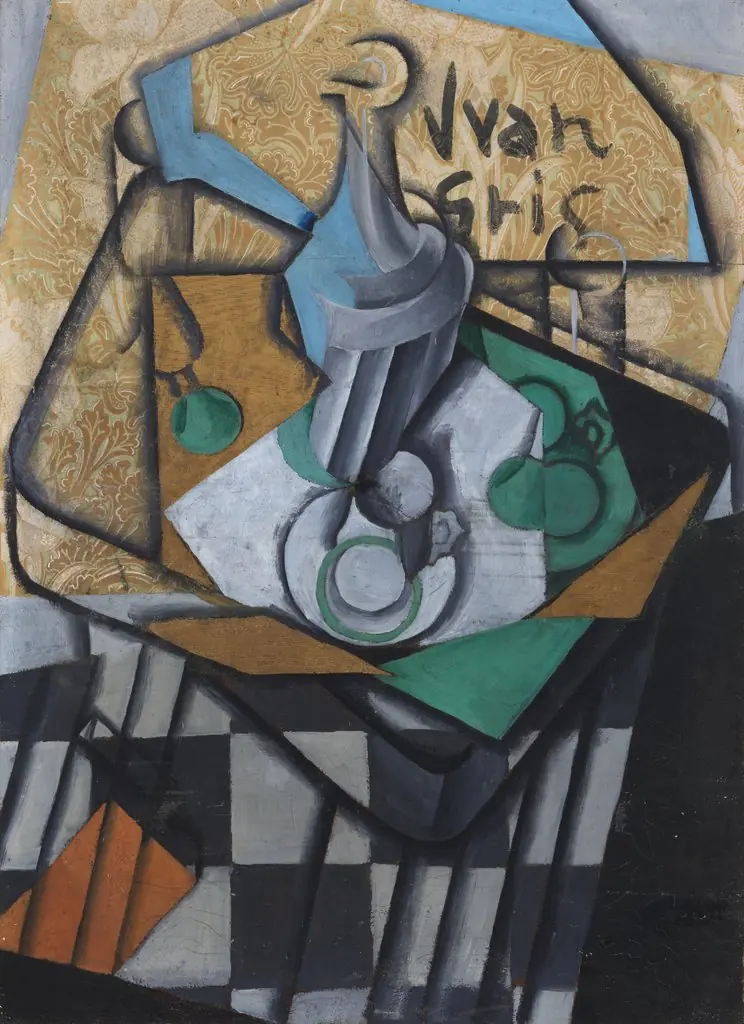 Carafe, Cups and Glasses
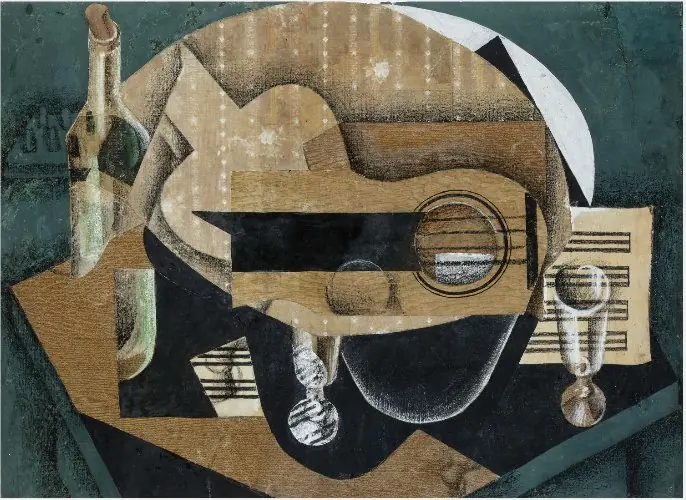 A Guitar, Glasses and a Bottle
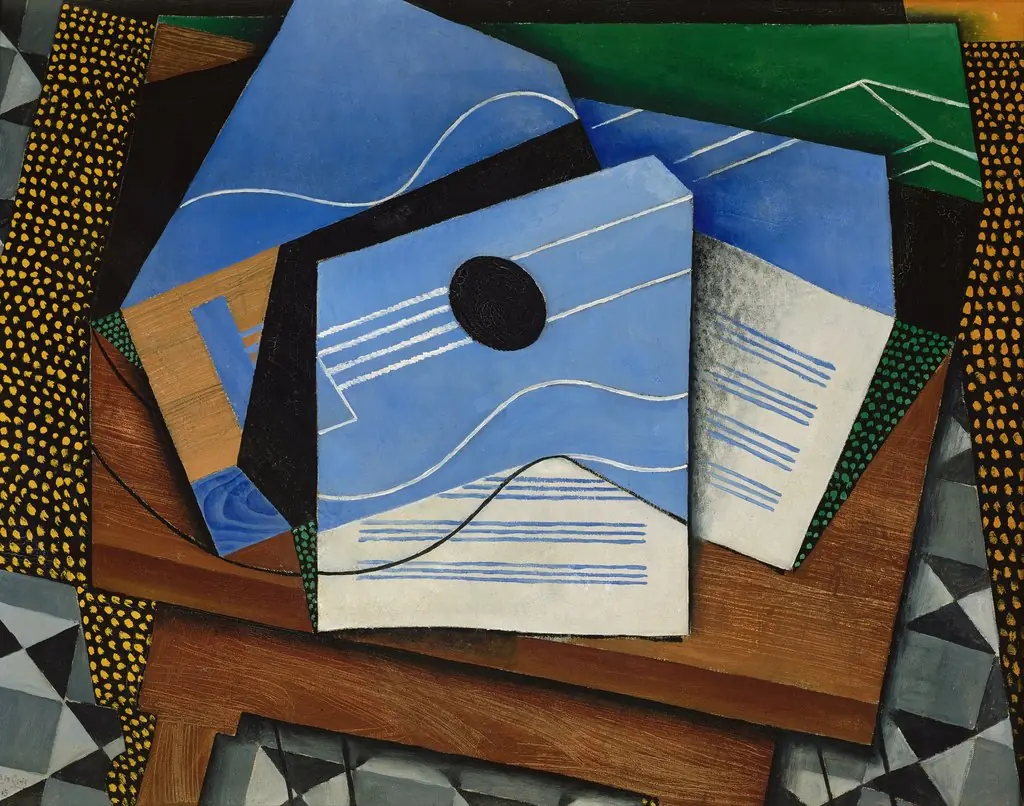 Guitar on a table
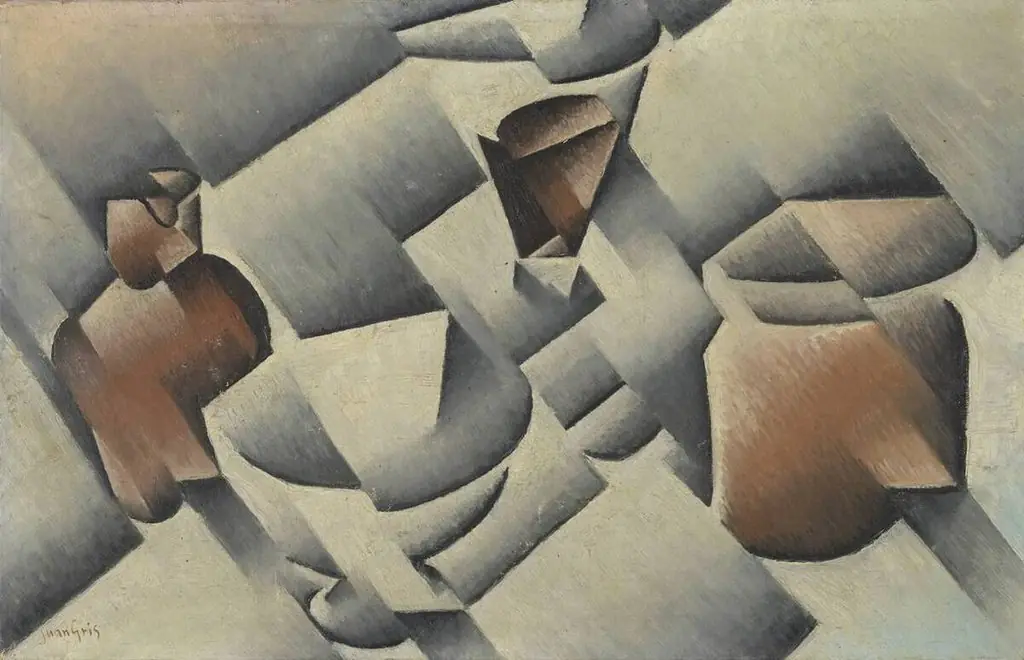 Bowl and Pot
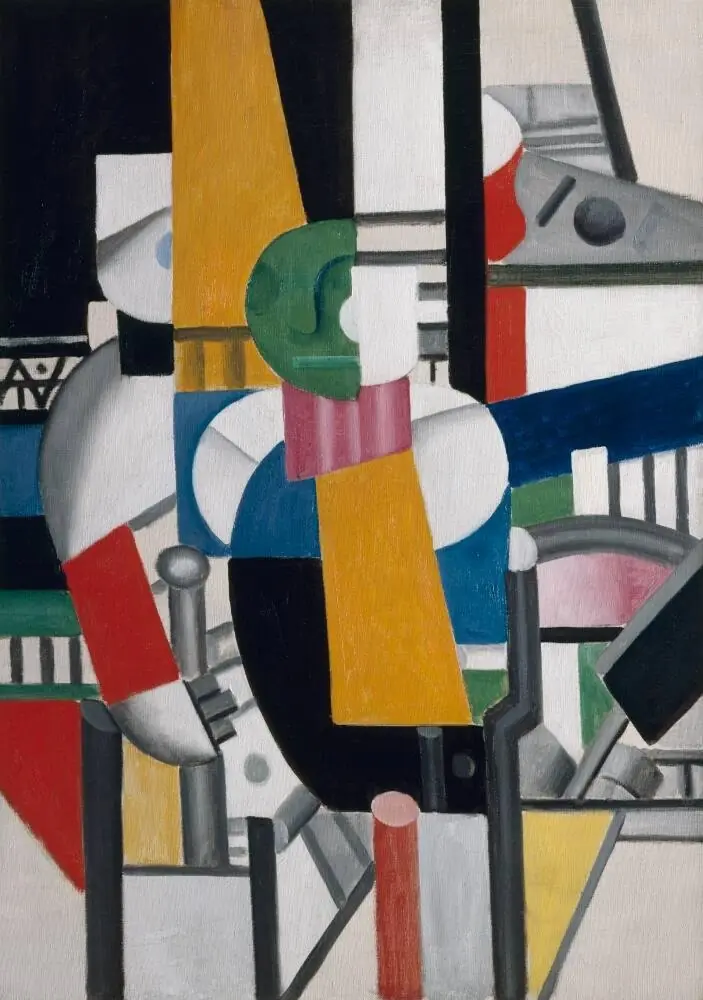 Man with a Cane
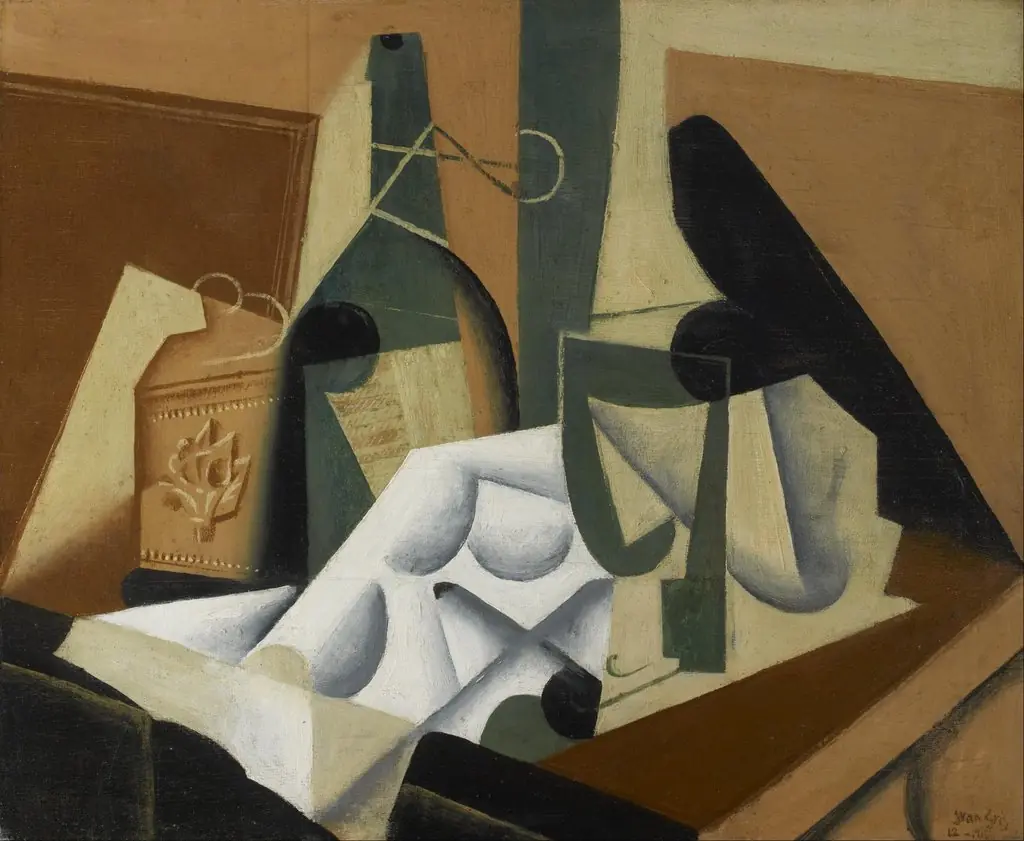 The White Tablecloth
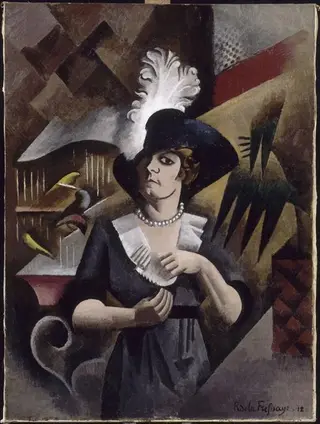 Alice in a big hat
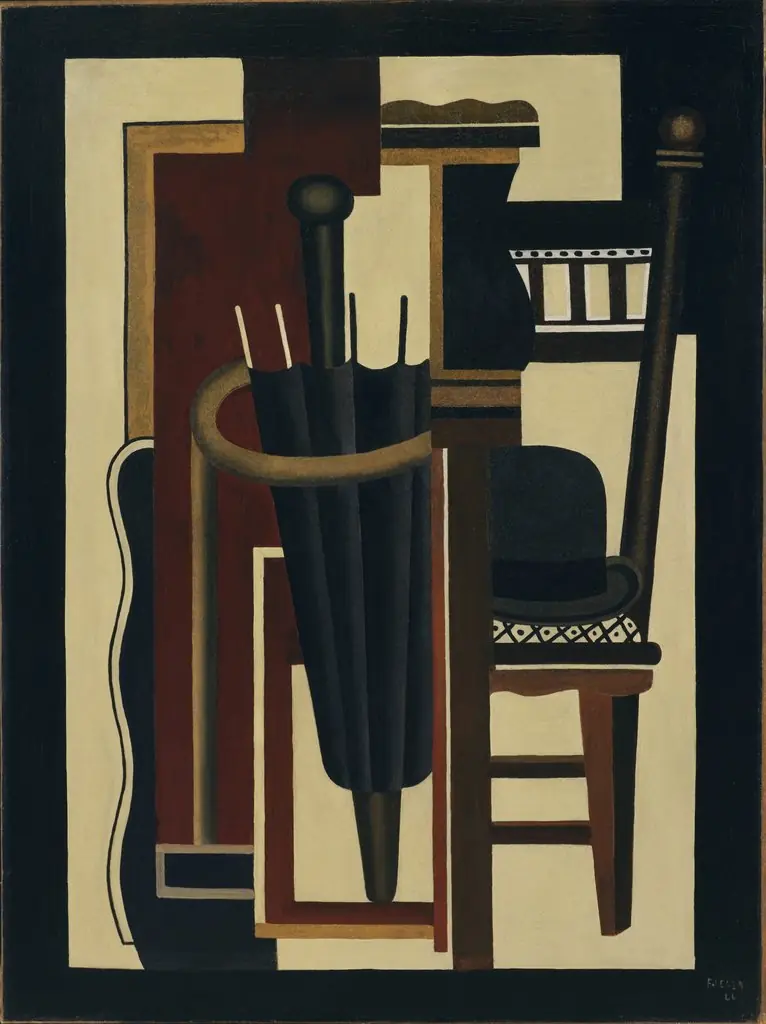 Umbrella and Bowler
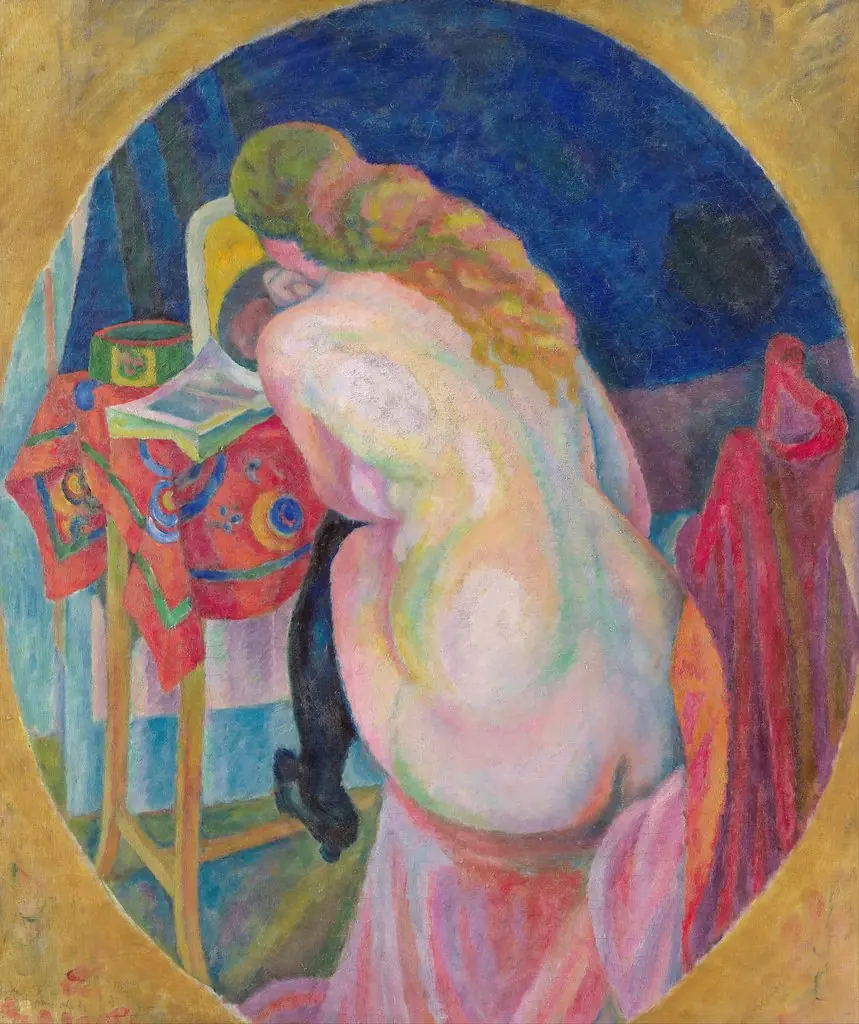 Female Nude Reading
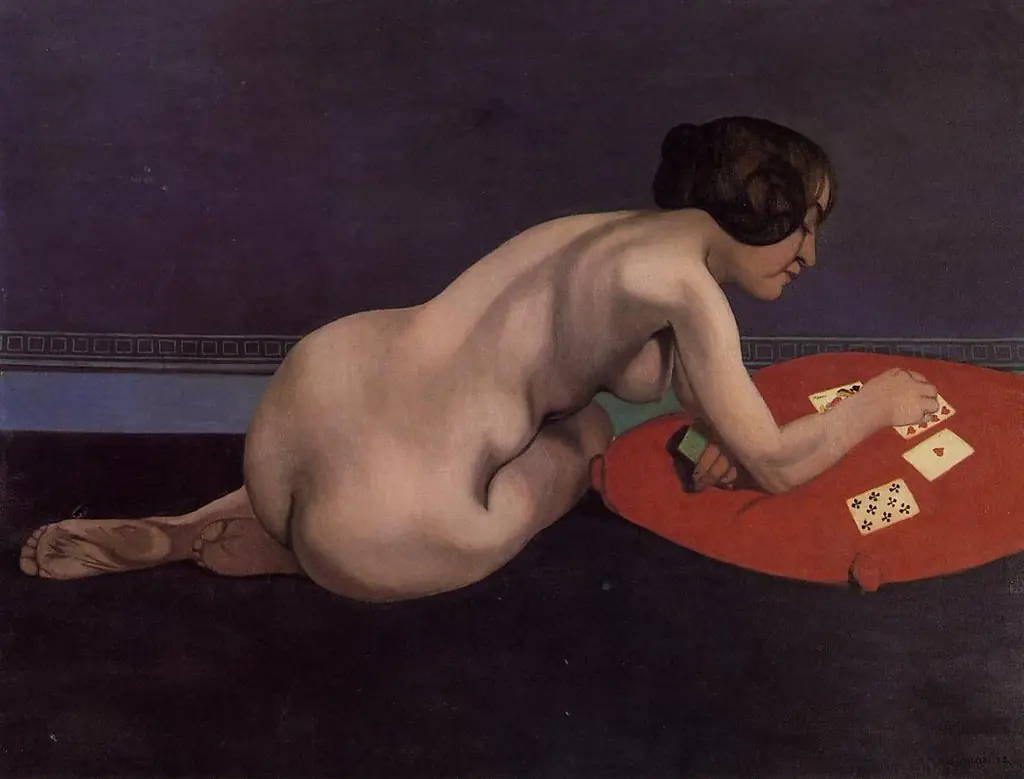 La Réussite
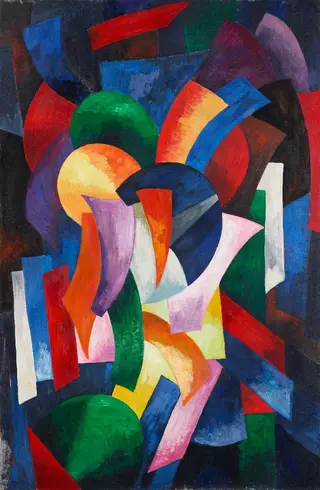 Farbdynamik
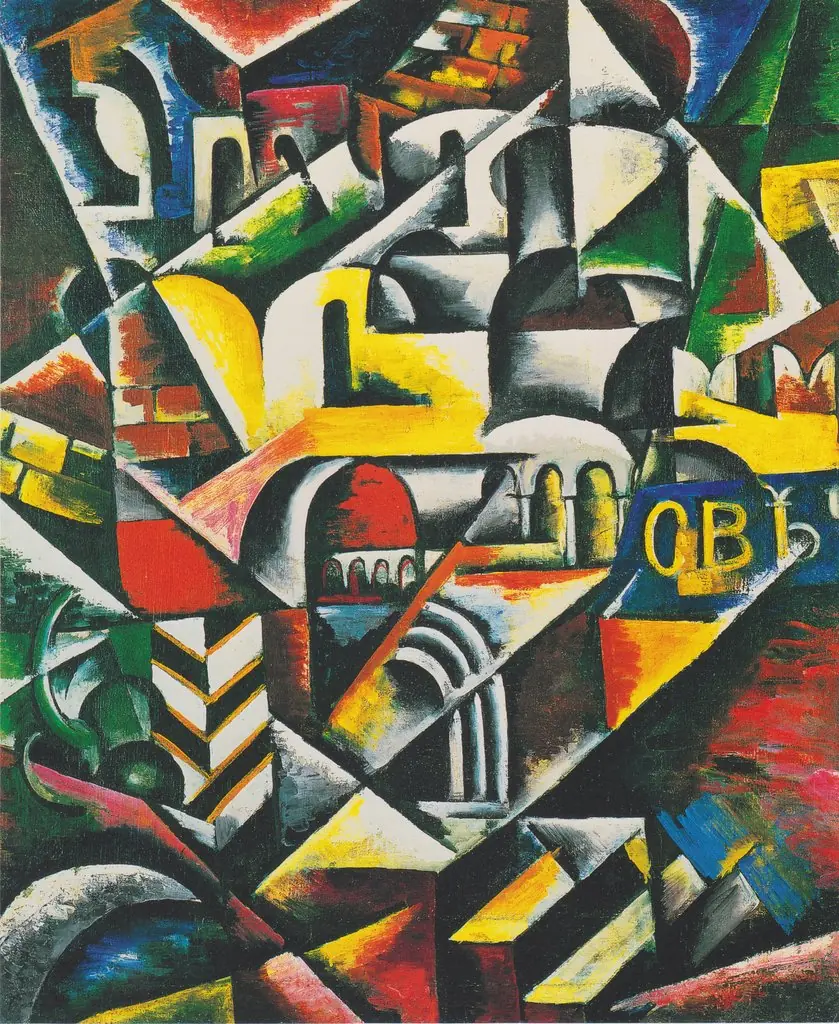 Kubistische Stadtlandschaft
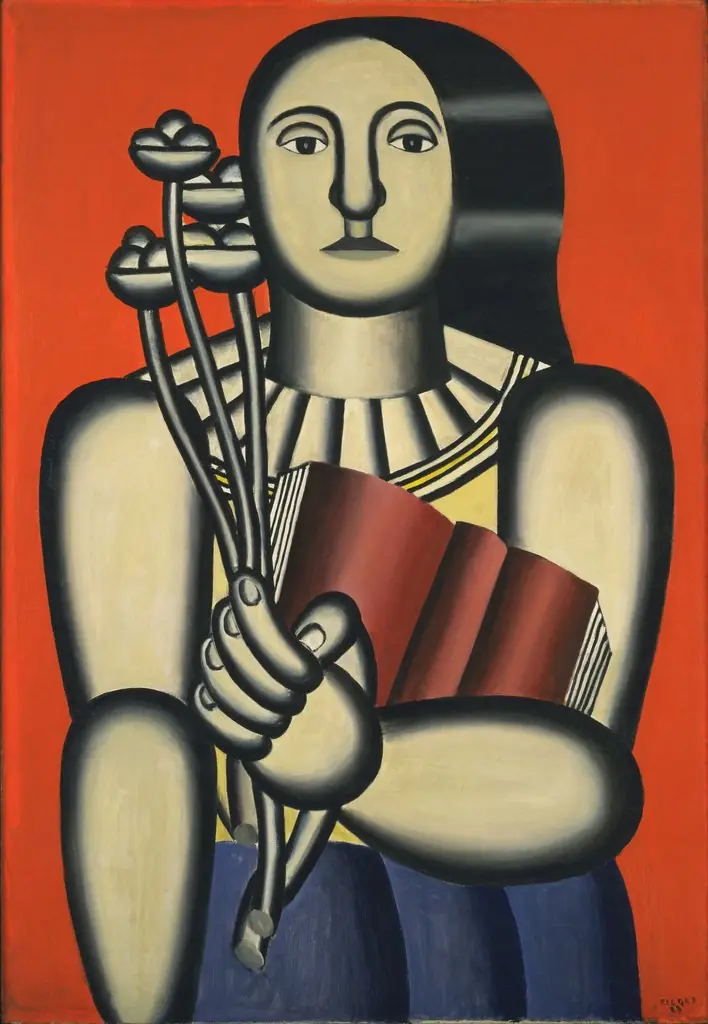 Woman with a Book
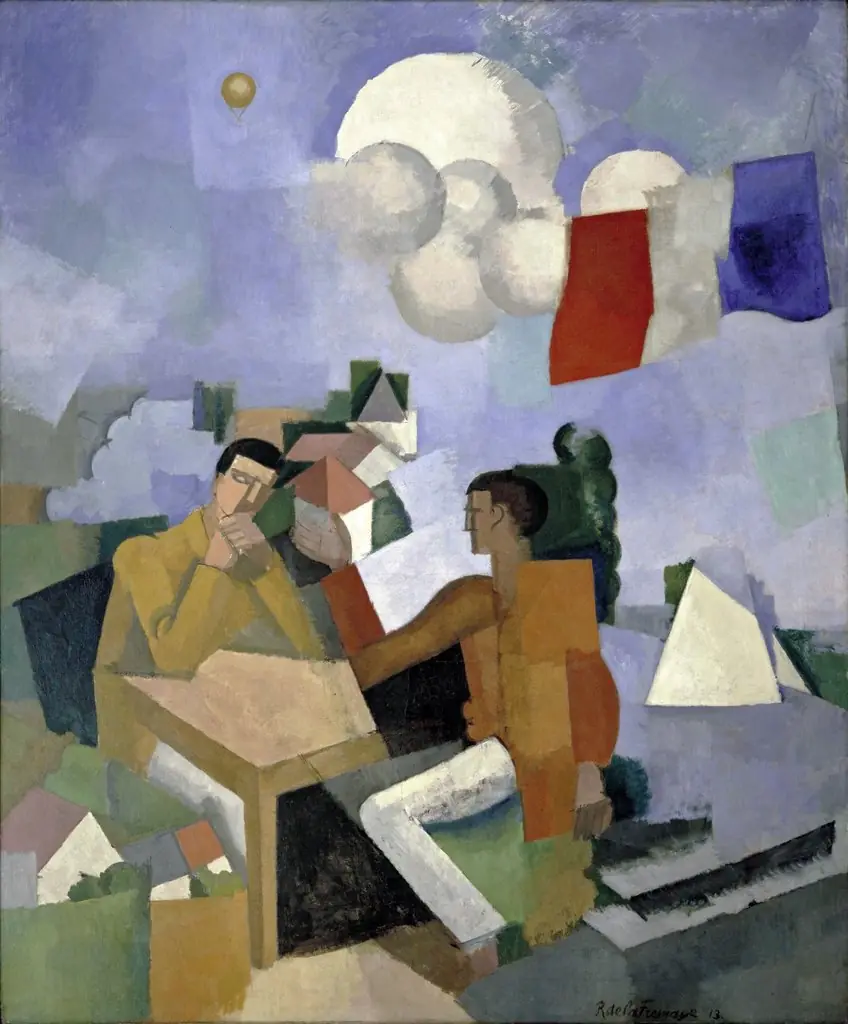 Conquest of the Air
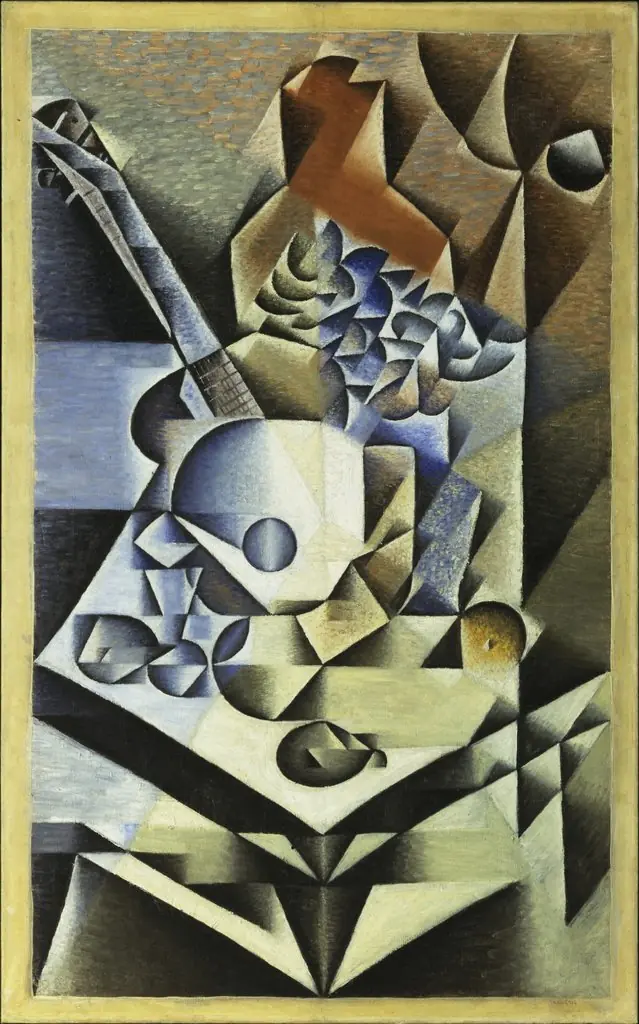 Still Life with Flowers
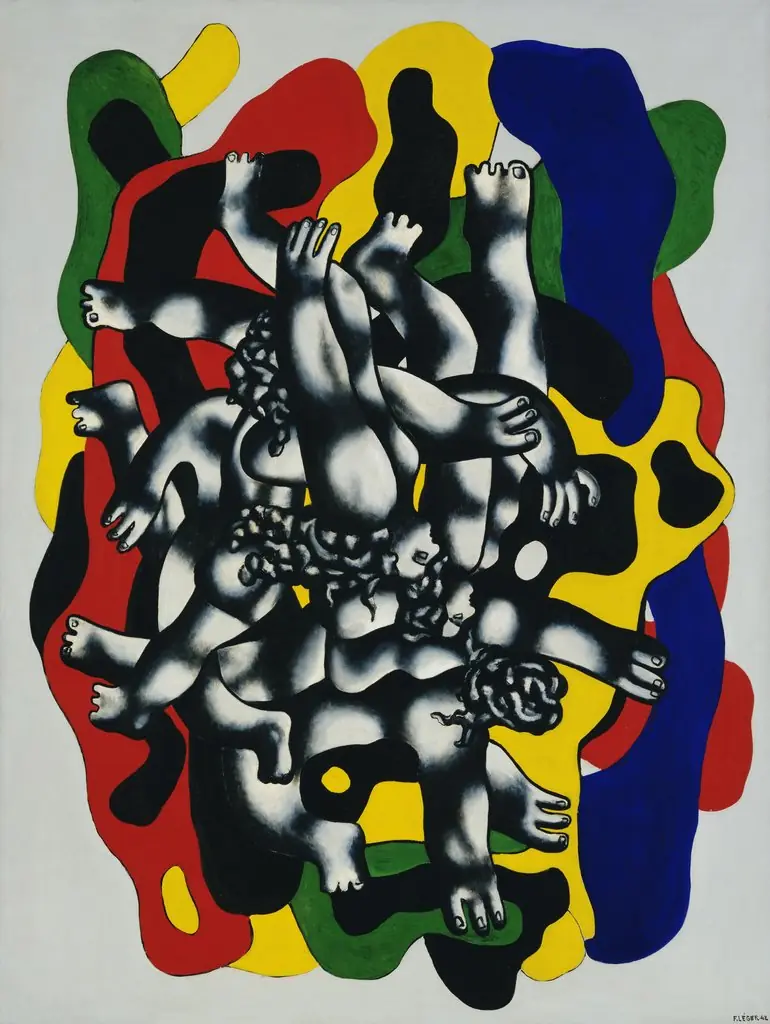 The Divers
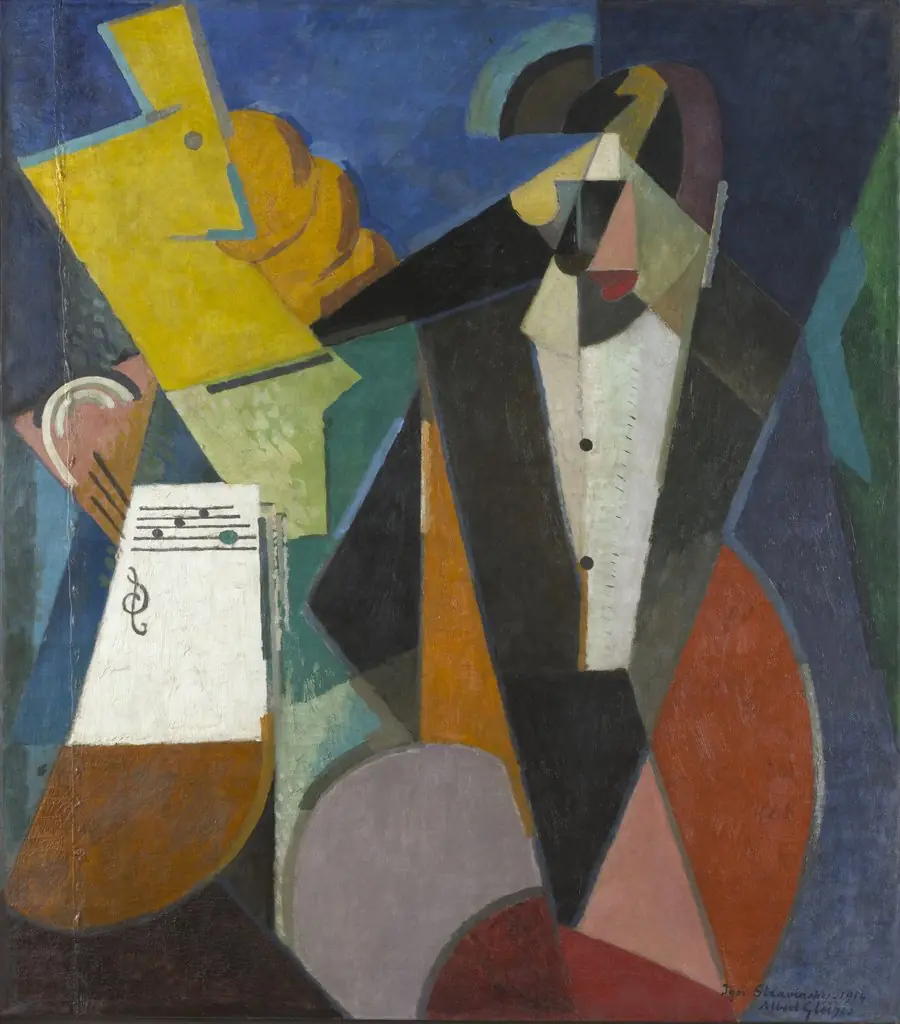 Portrait of Igor Stravinsky
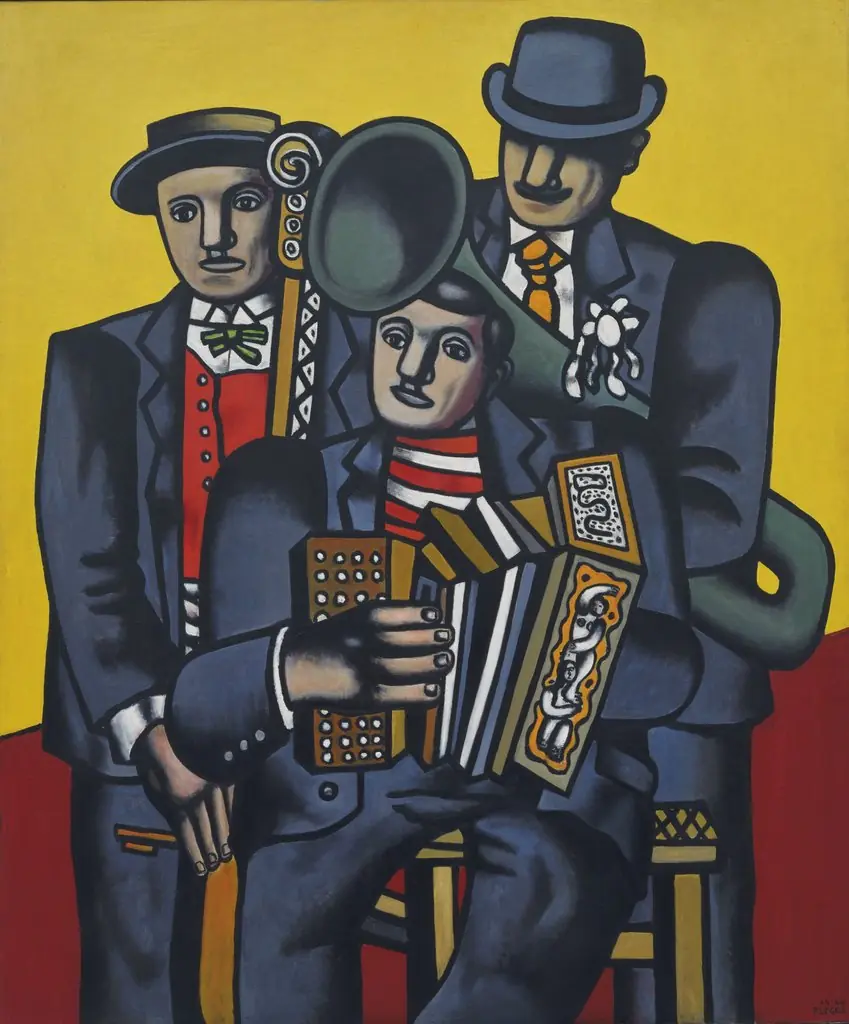 The Three Musicians
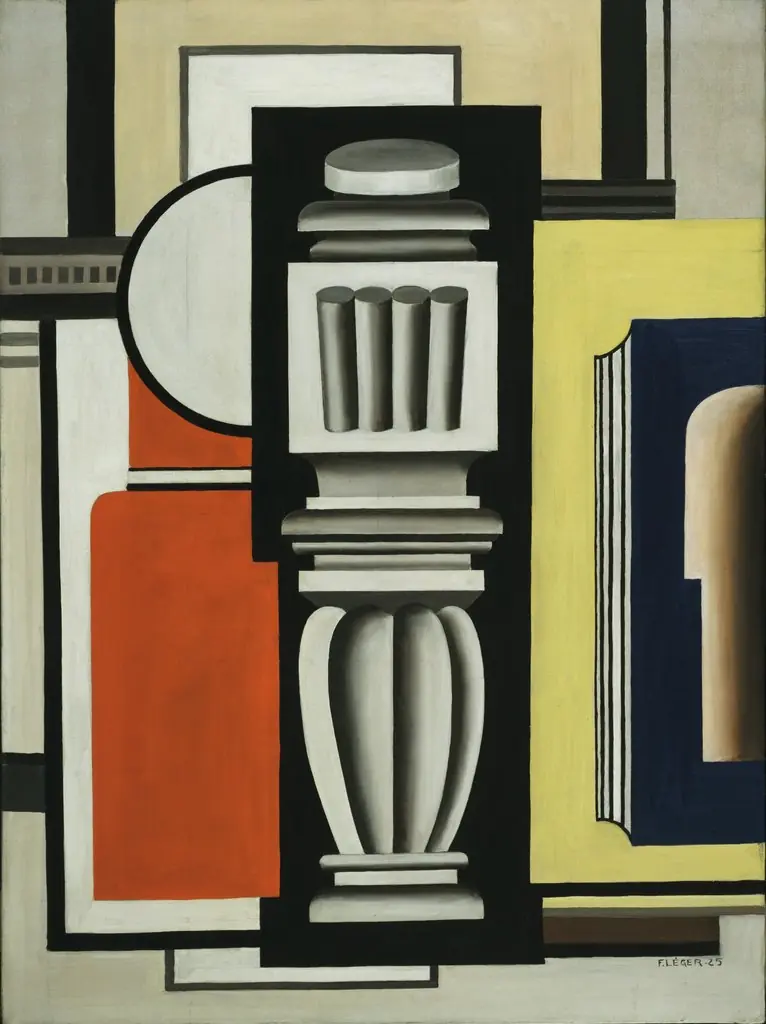 The Baluster
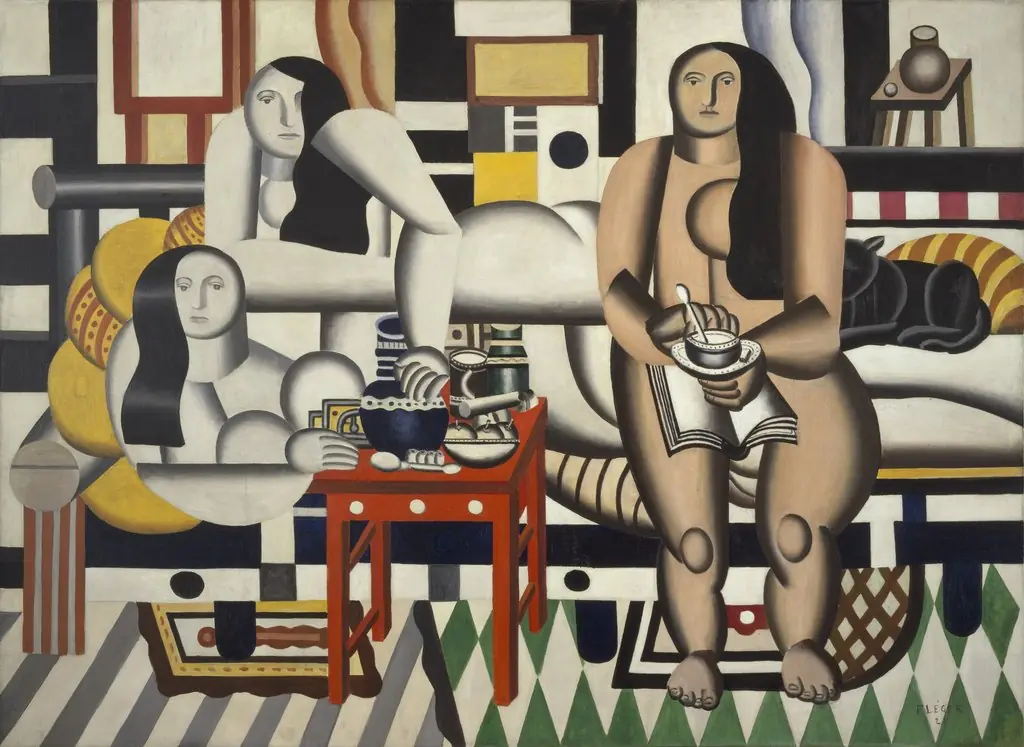 Three Women
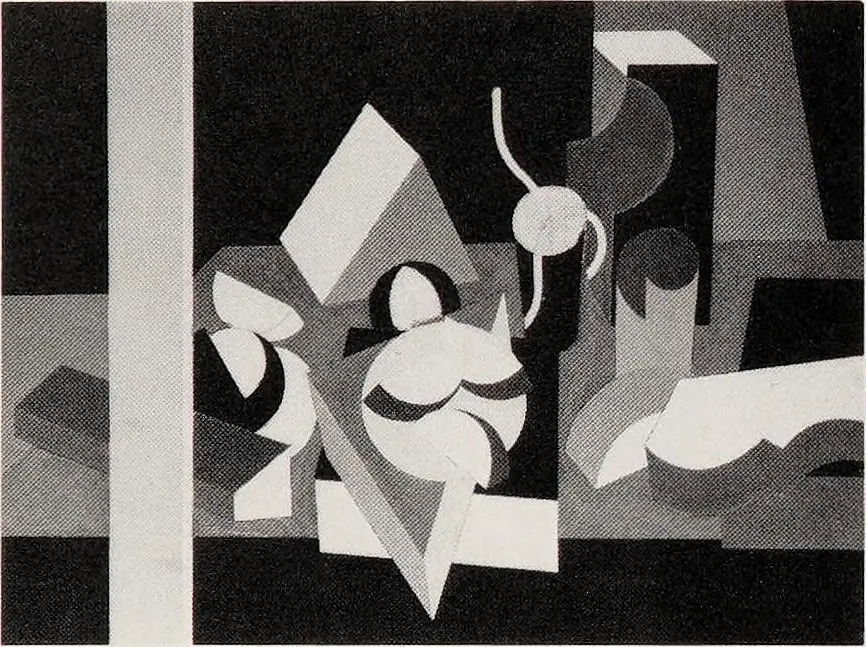 Agee and Rose, D09 Pre-alteration
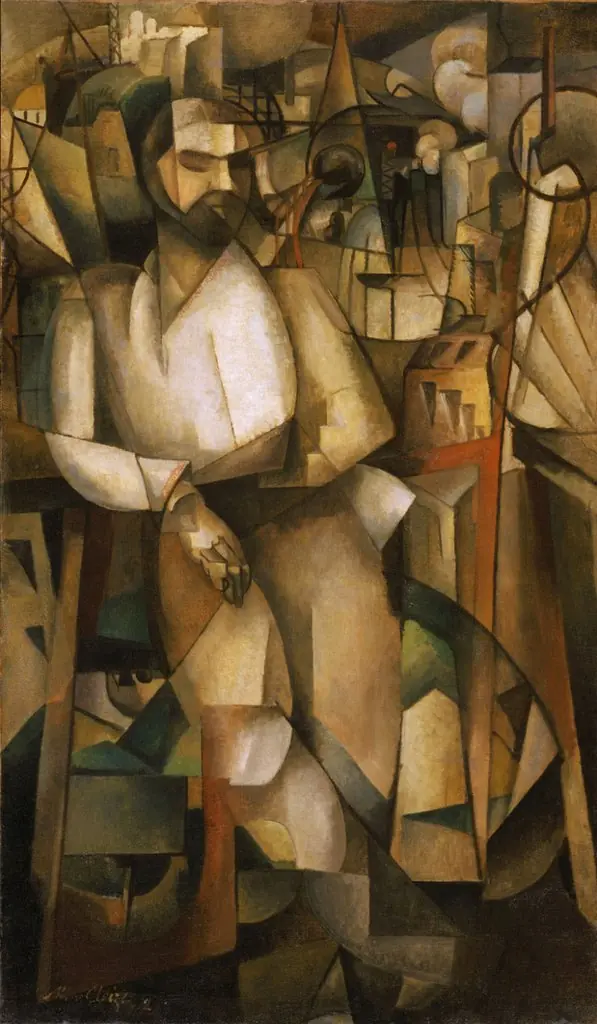 Man on a Balcony
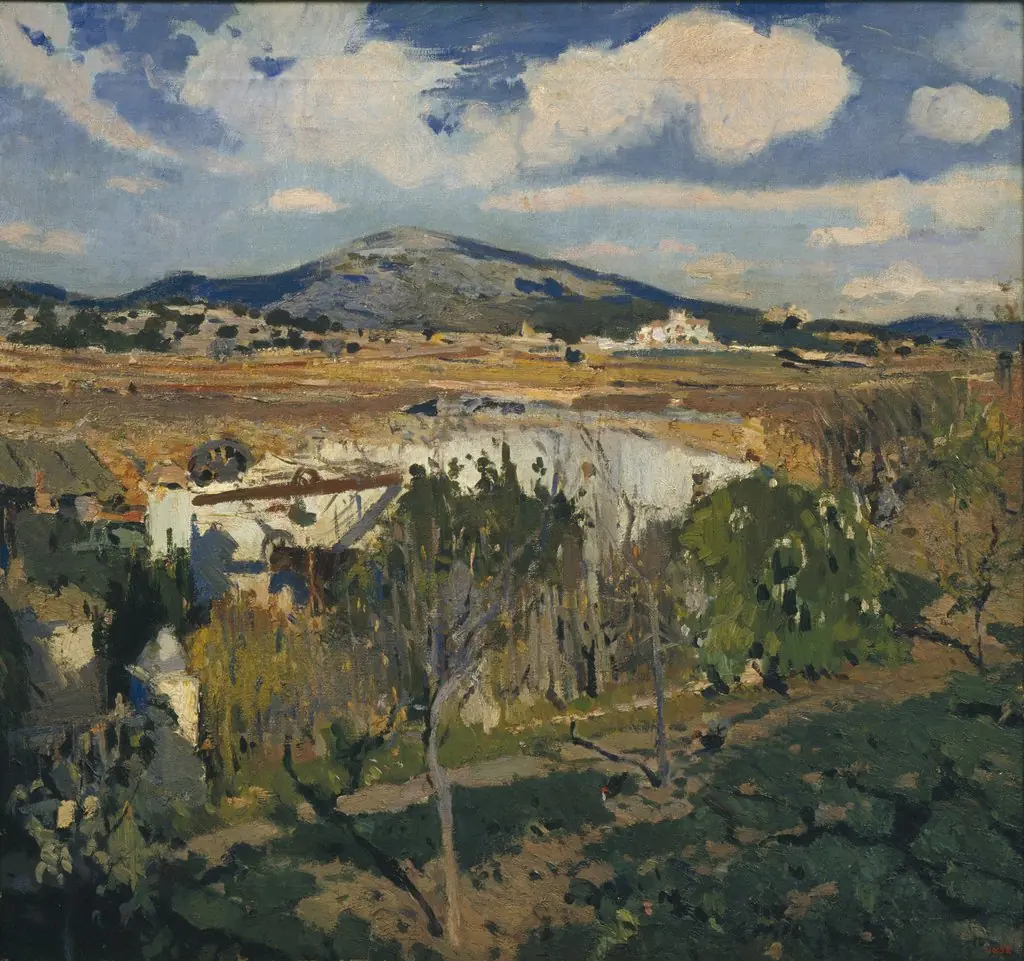 Onclet Waterwheel
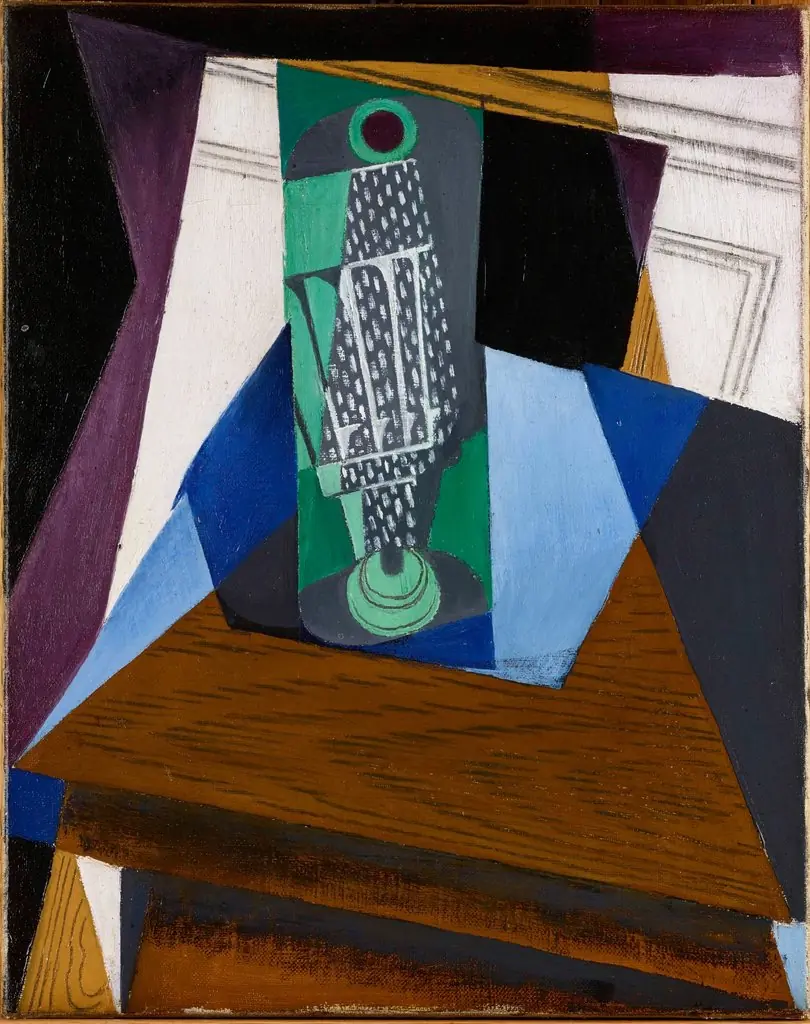 Glass on Table
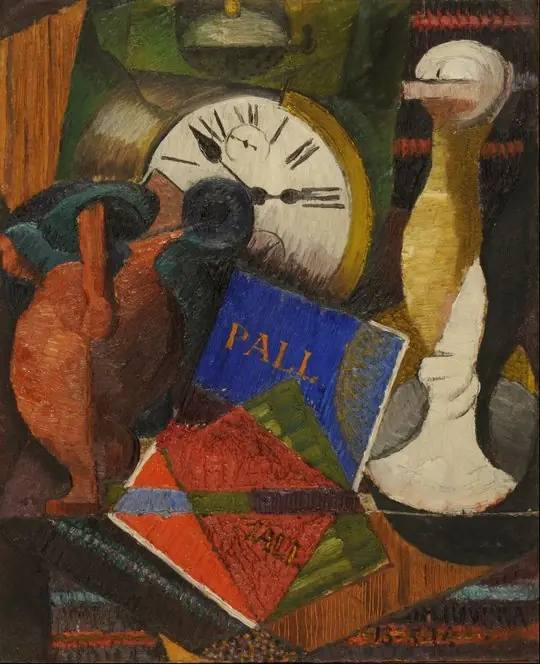 Composition with clock
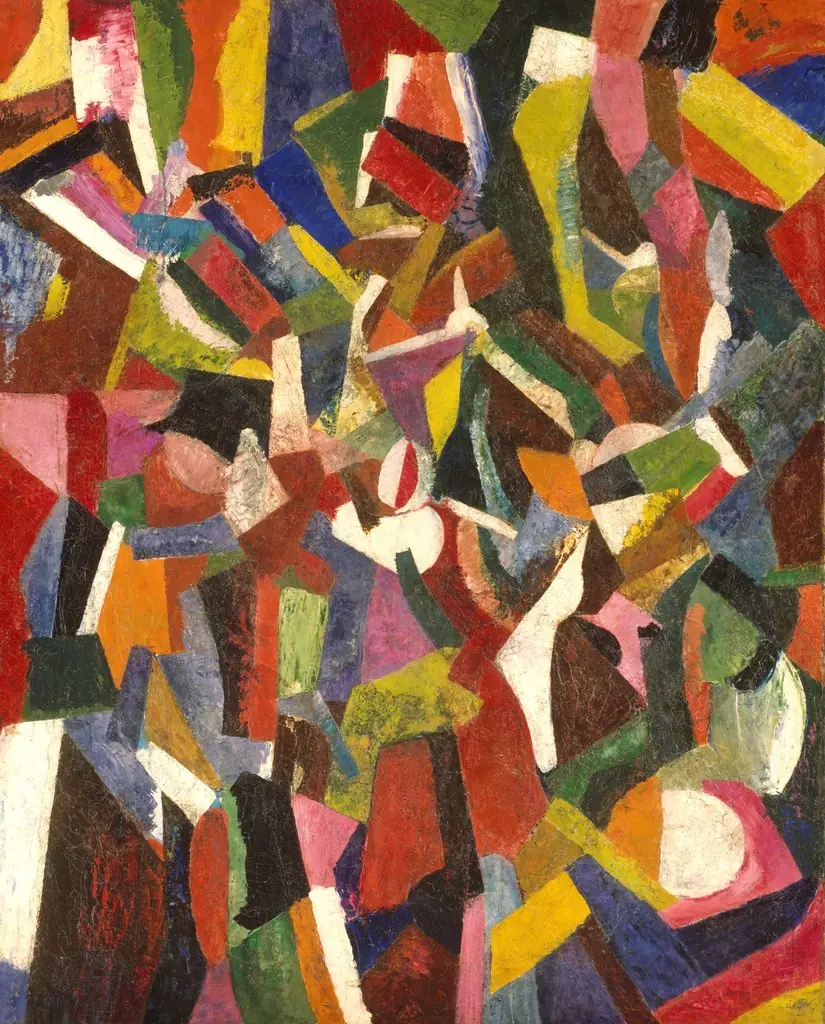 Composition VI
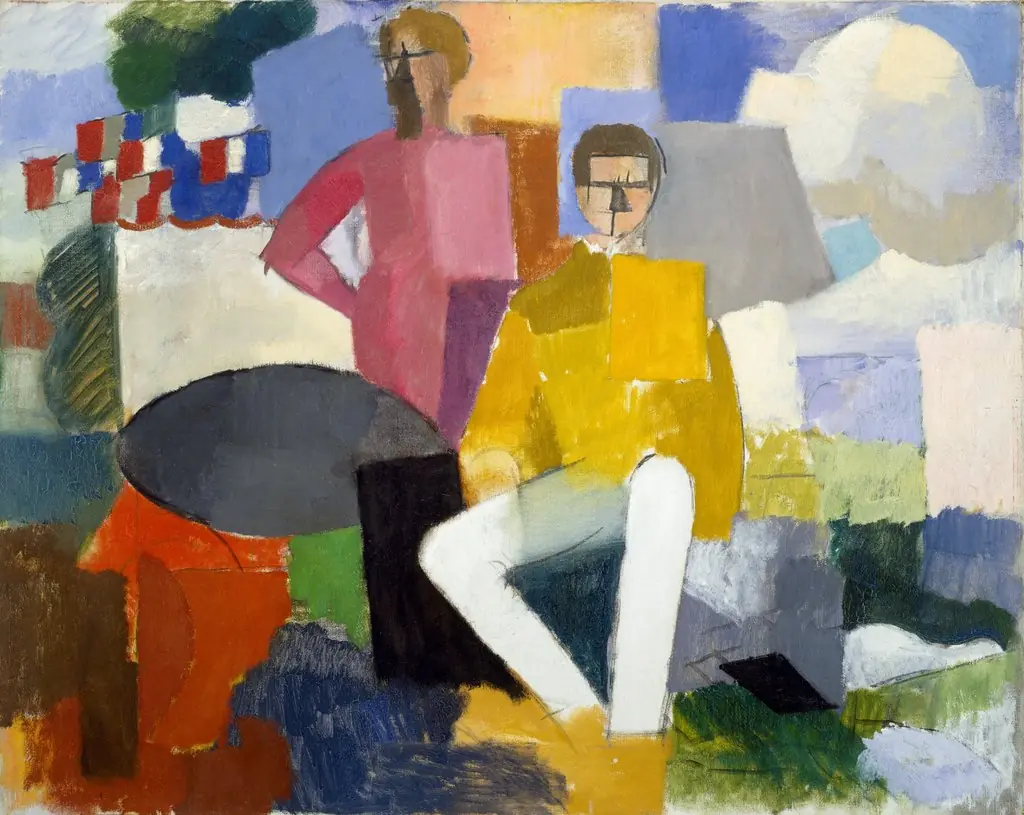 The Fourteenth of July
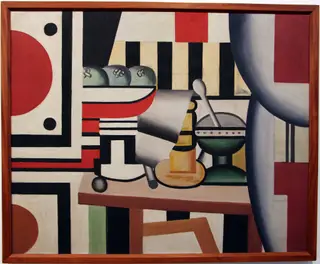 Fruit bowl with pears
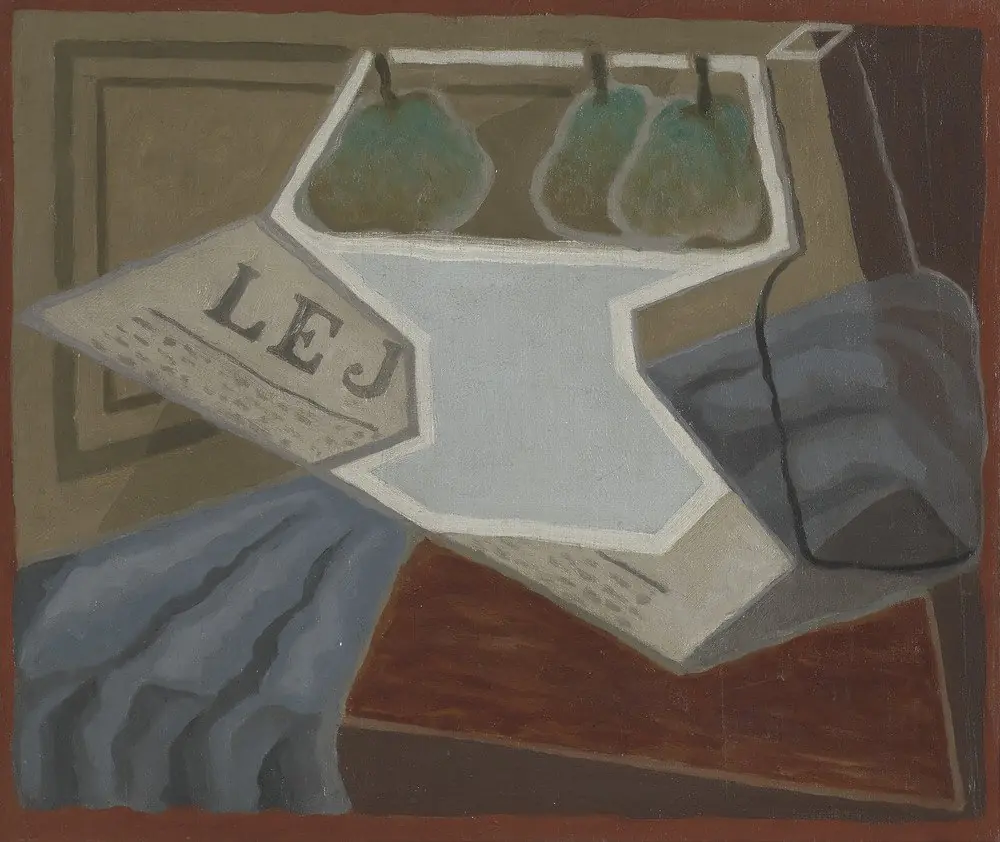 Fruit Bowl
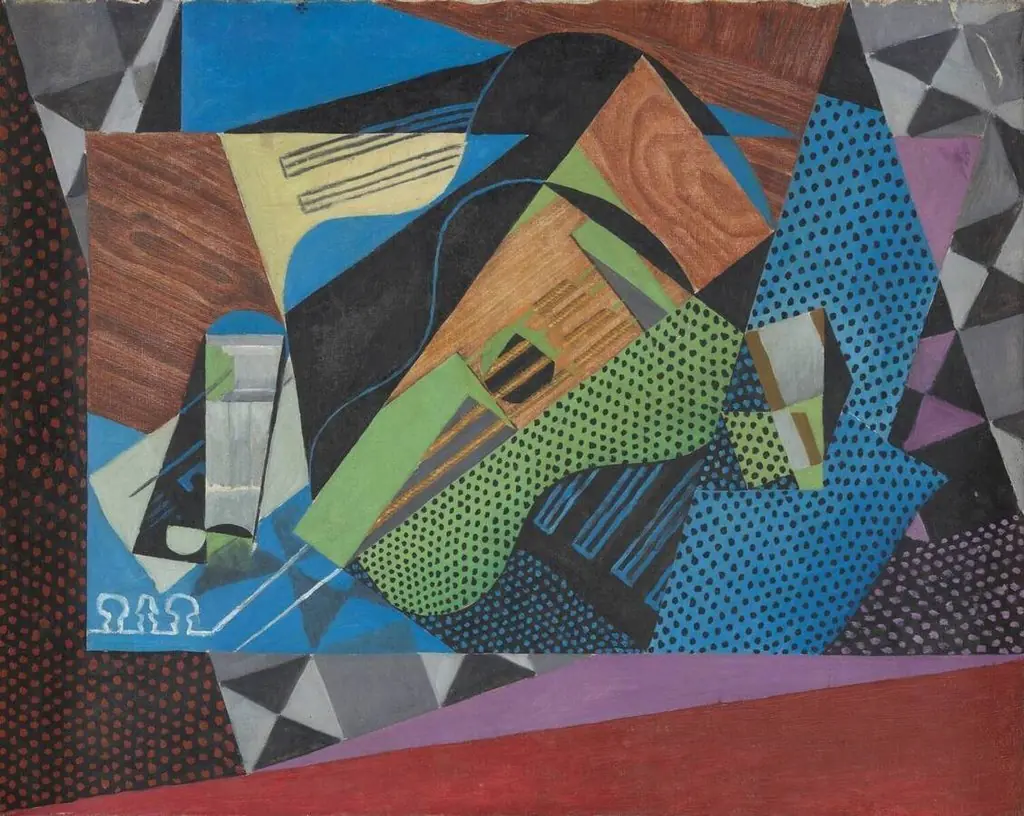 Cubist Still Life
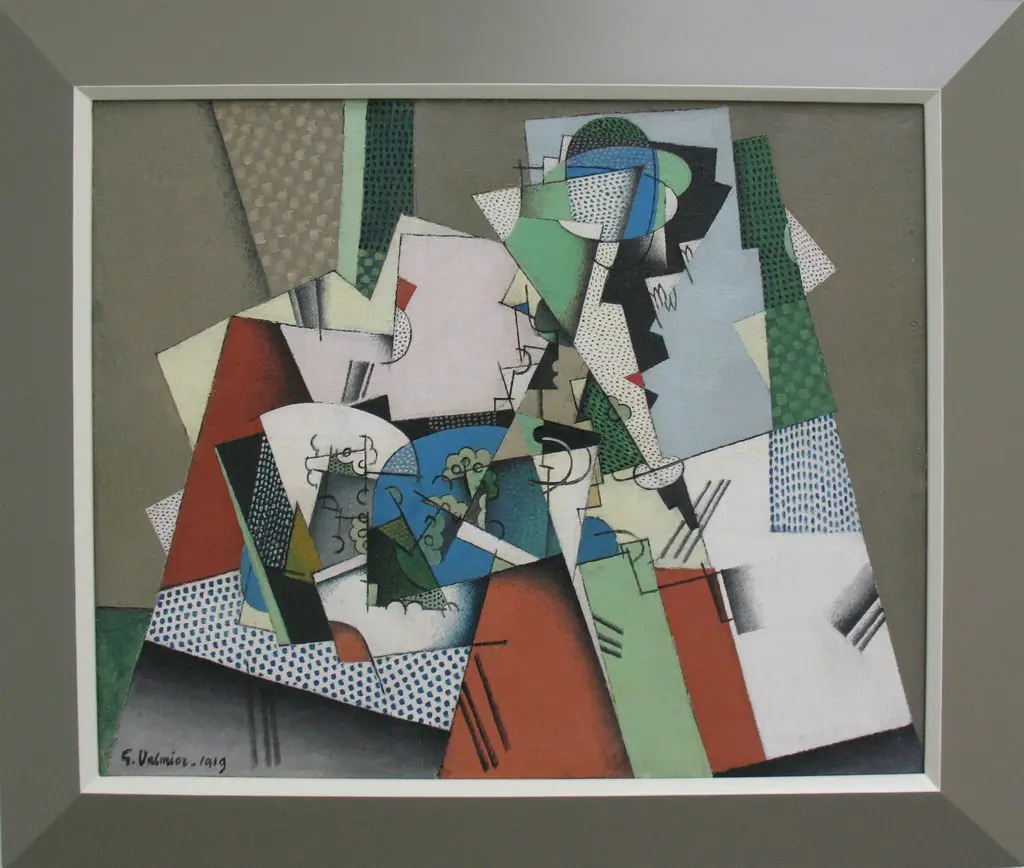 Geometrical still life I
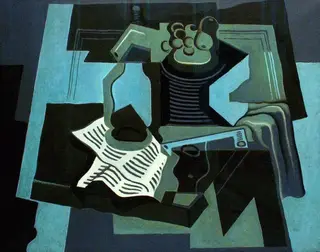 Siphon and Fruitdish
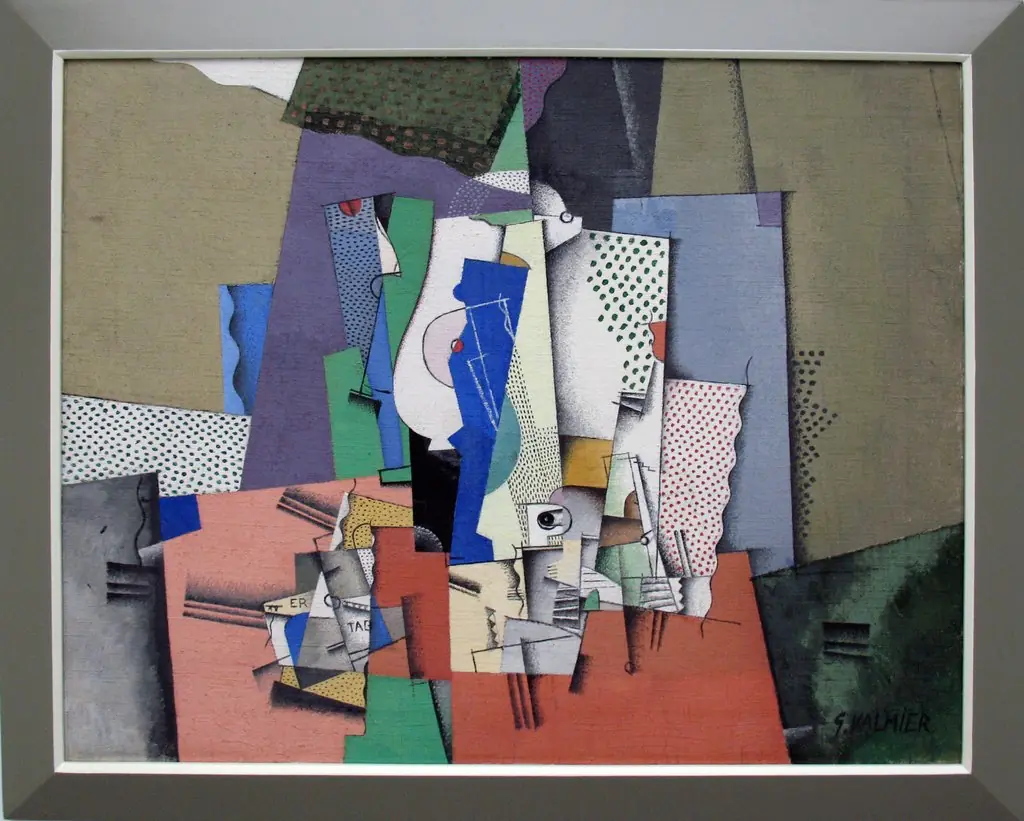 Stilleven in geometrische vormen II
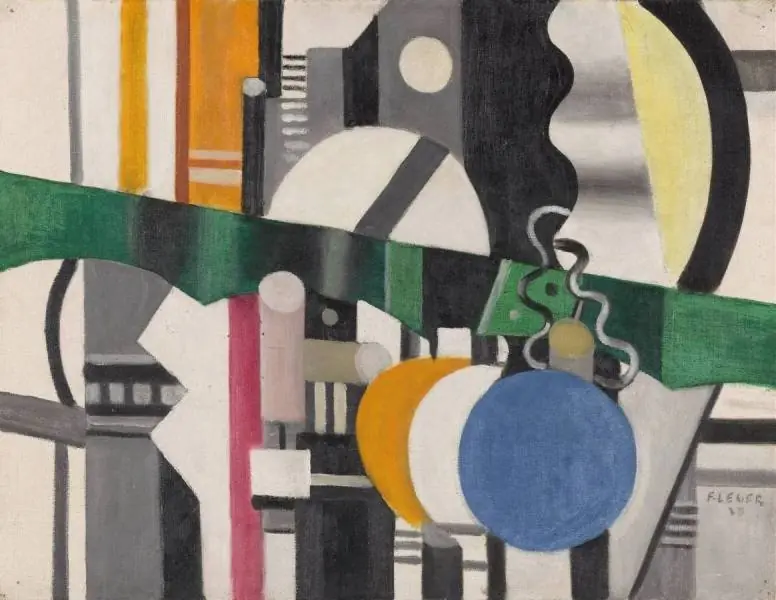 Élément mécanique
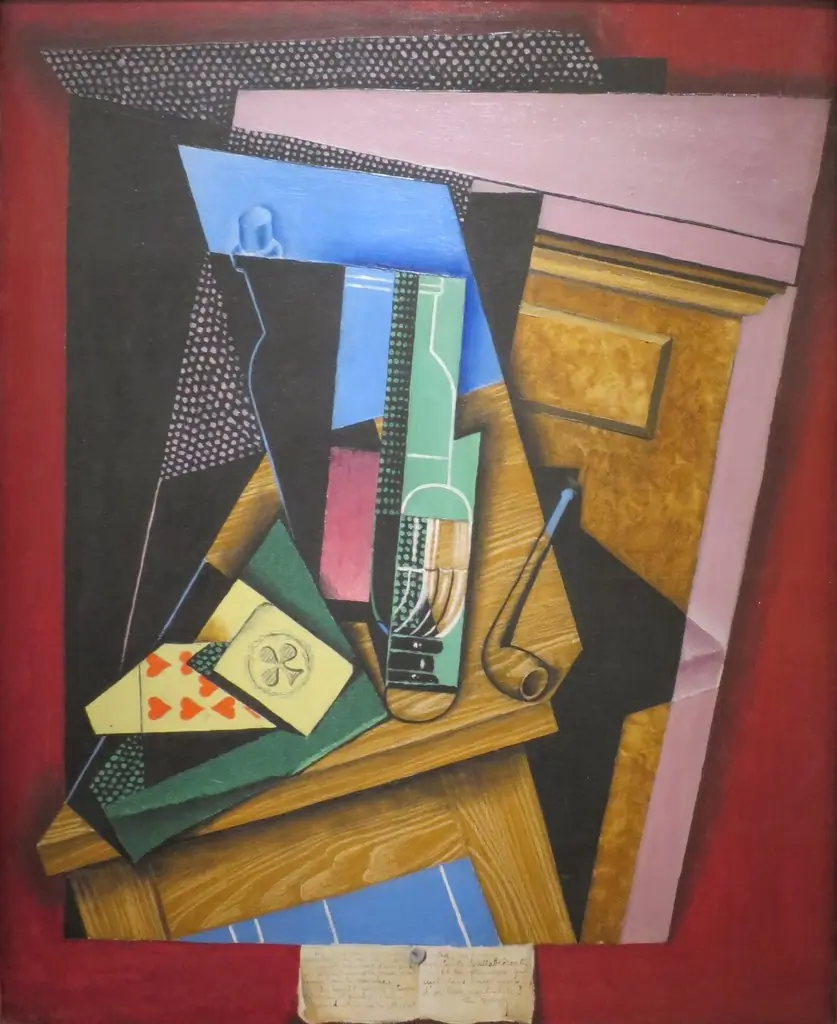 Still Life with a Poem
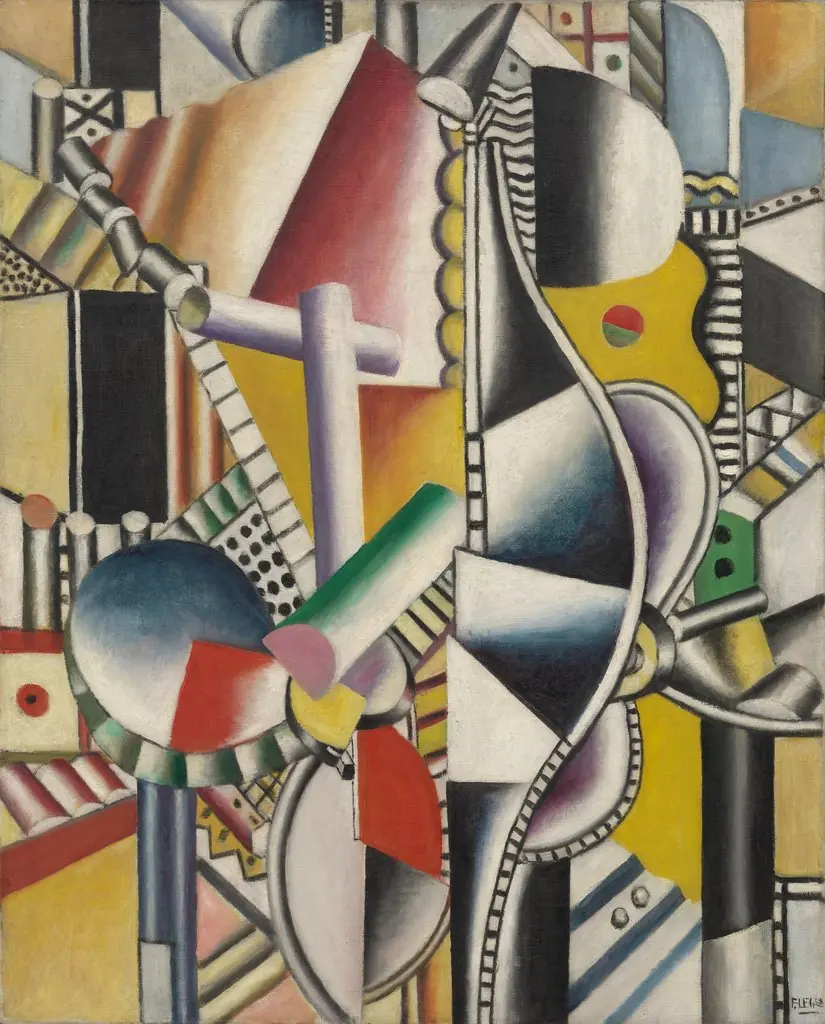 Propellers
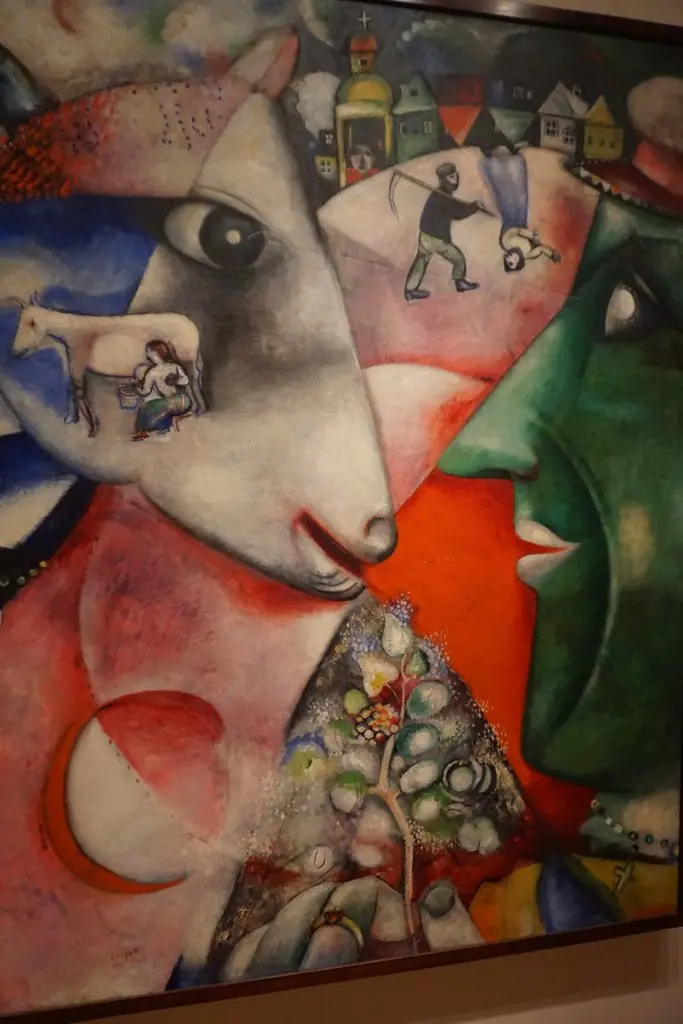 I and the Village
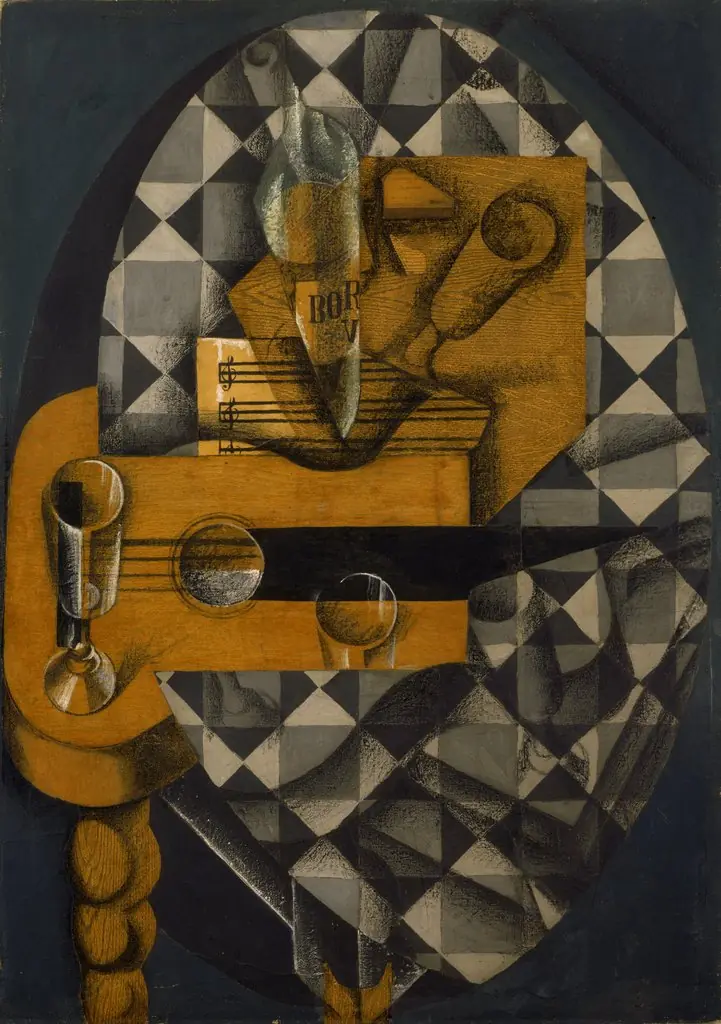 Guitar and Glasses
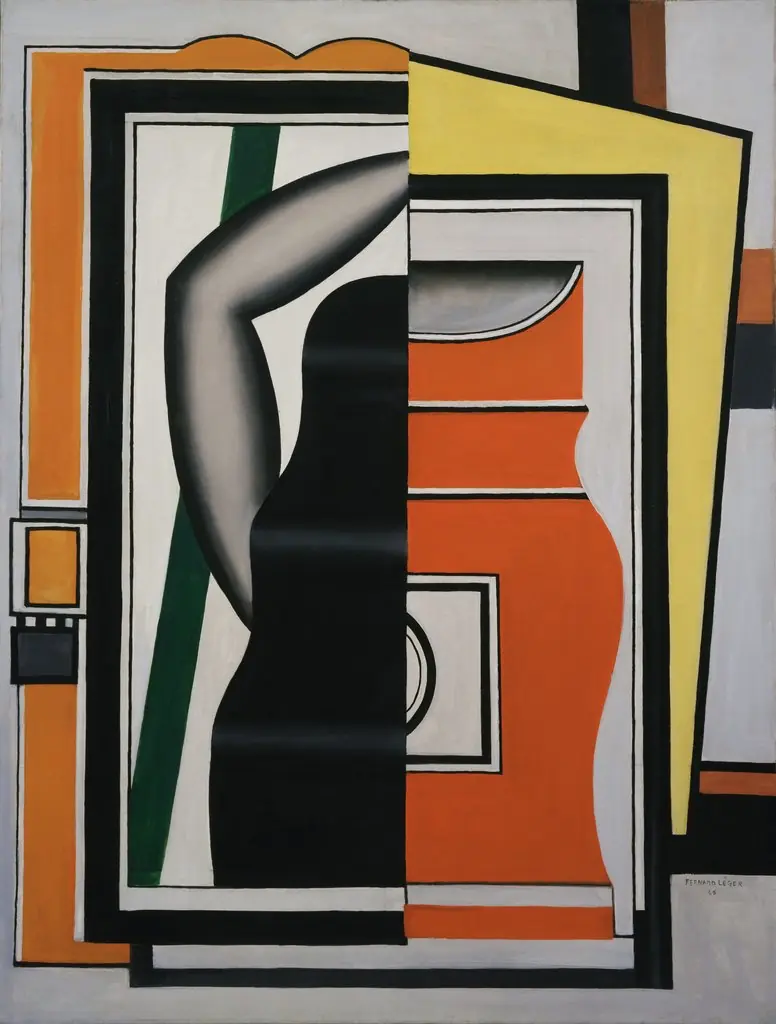 The Mirror
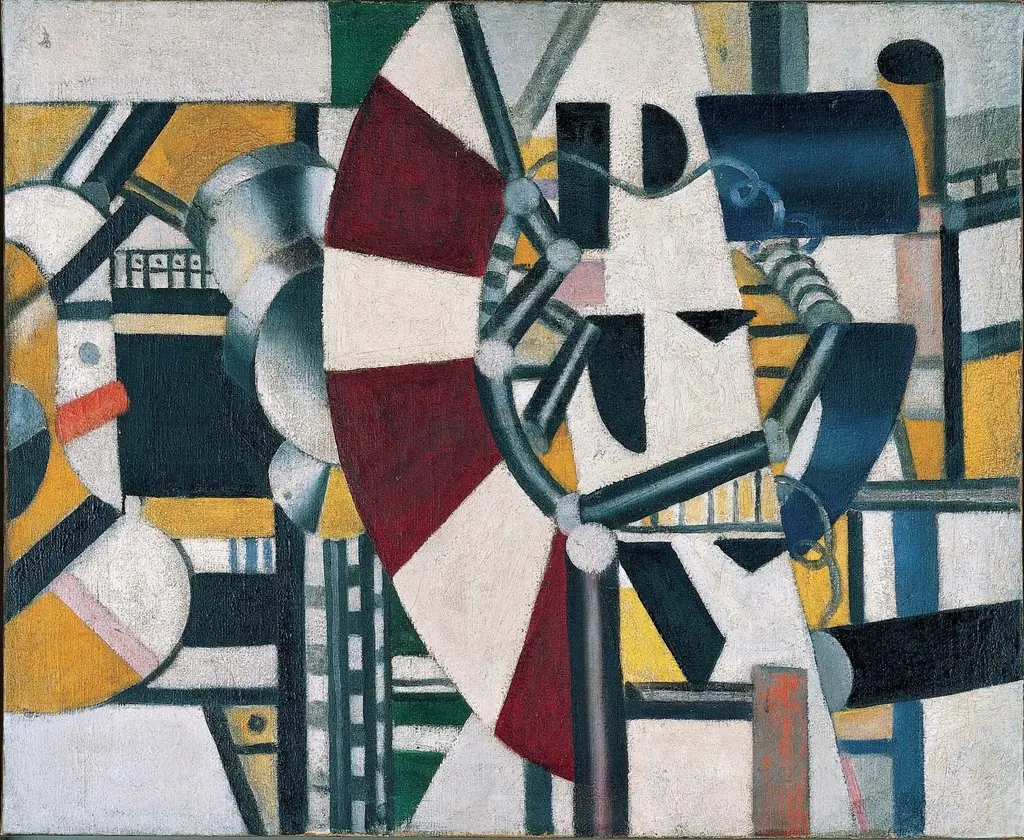 Composition
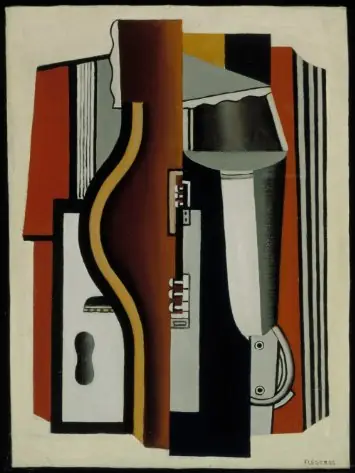 Musical Instruments
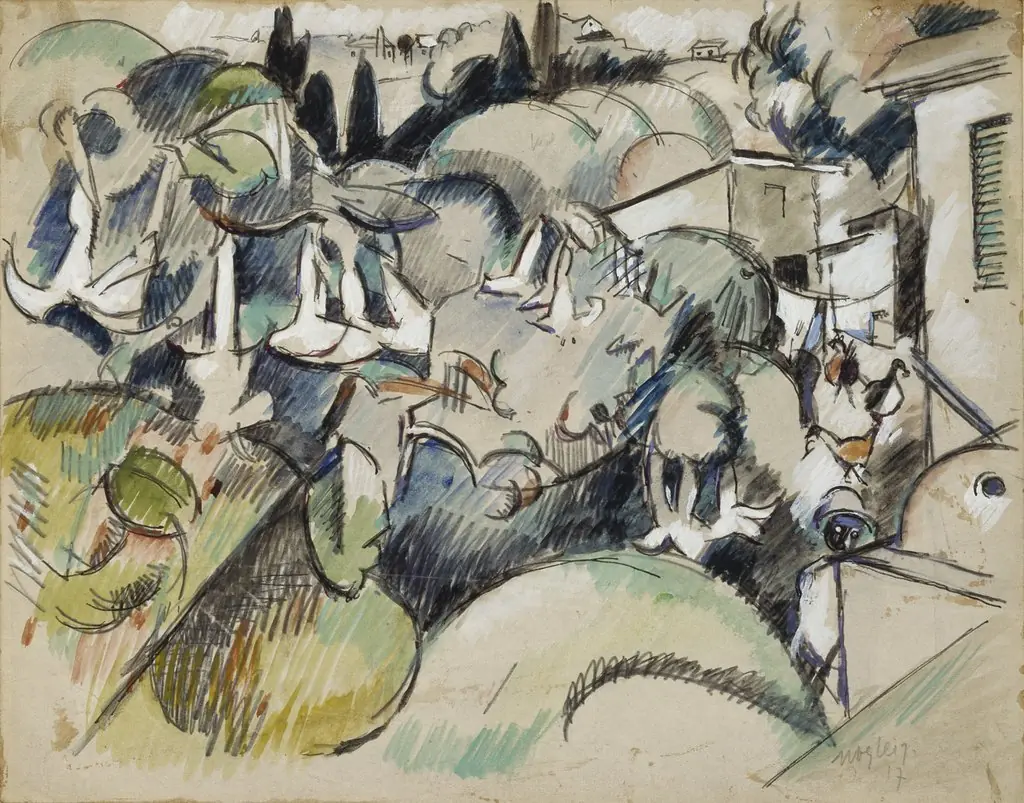 Bermuda
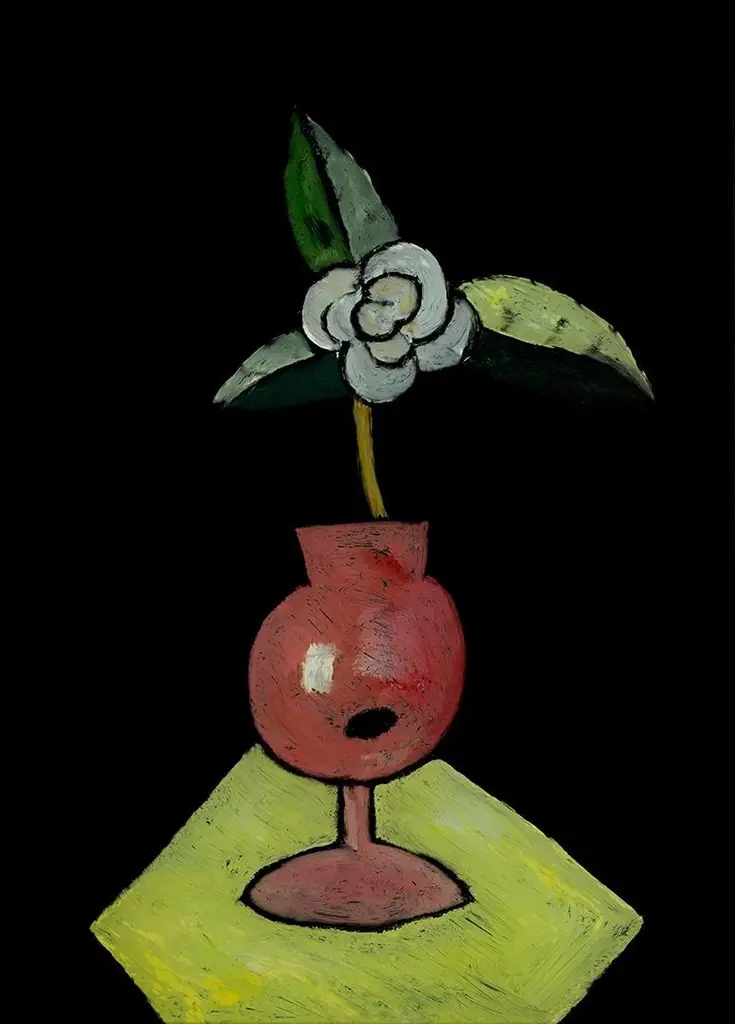 Still Life No. 1
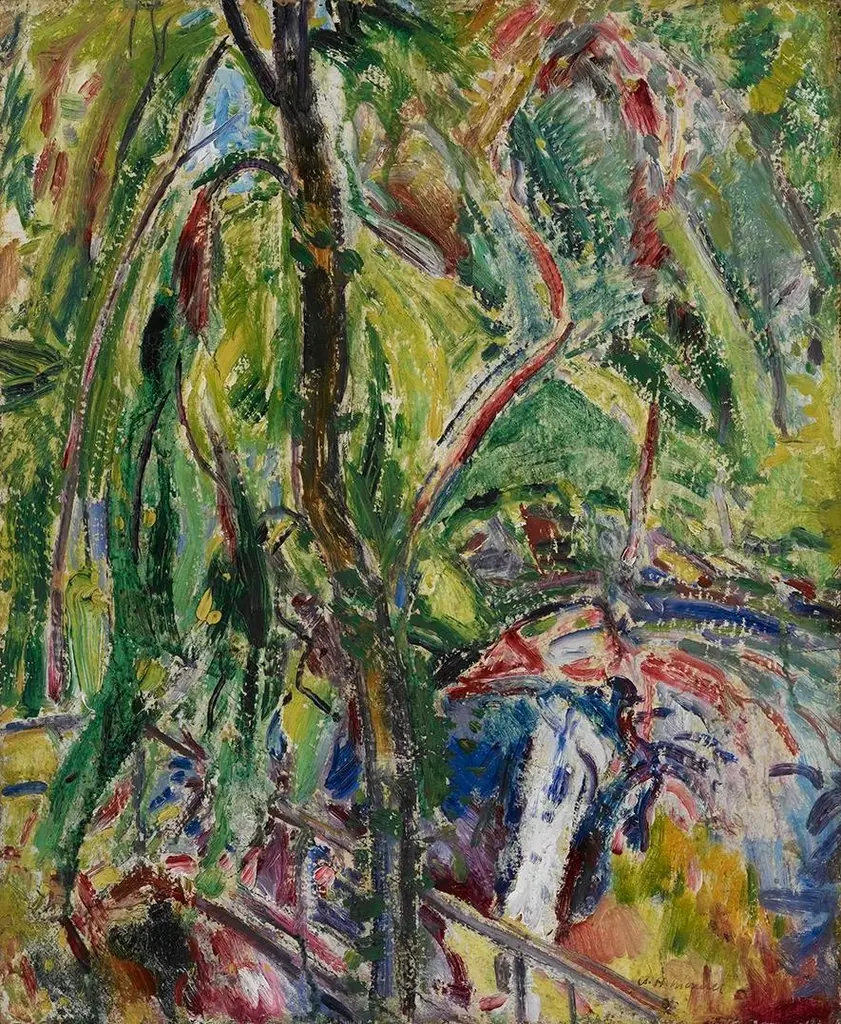 Landscape (recto); Study for a Still Life (verso)
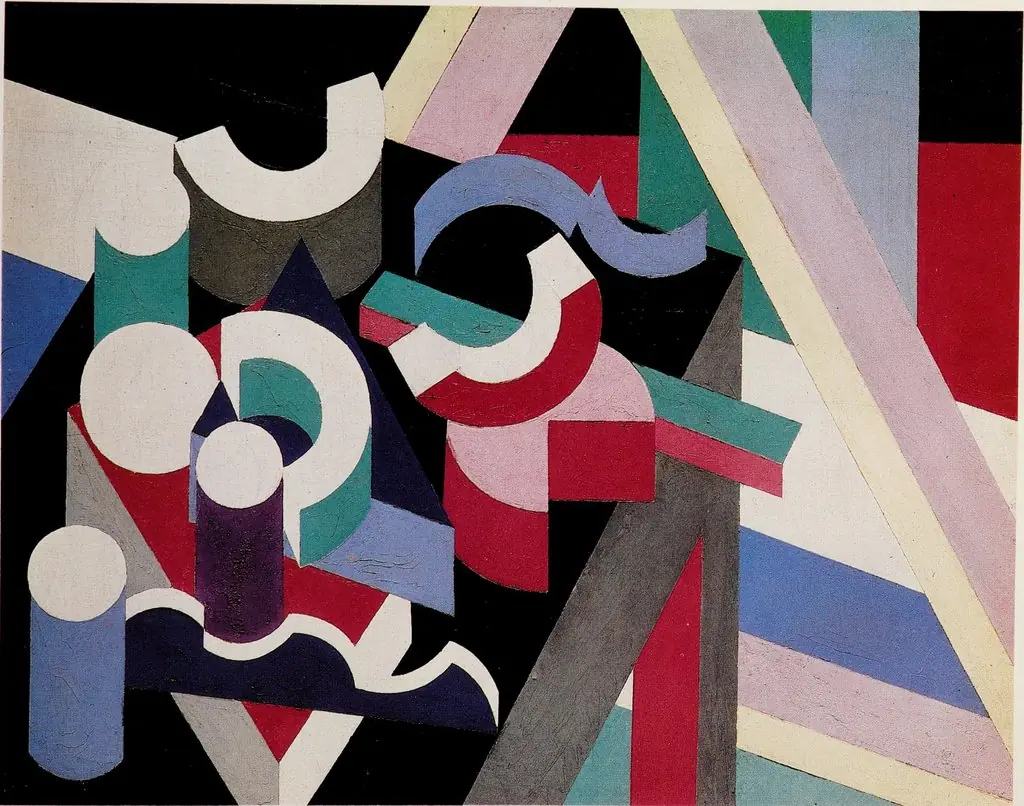 Agee and Rose, D18
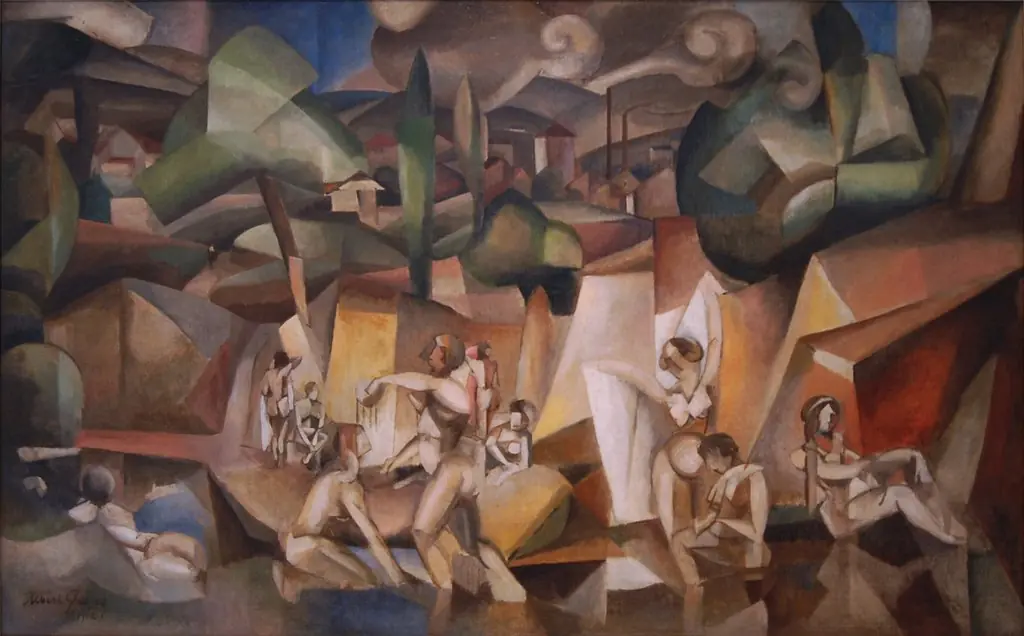 The Bathers
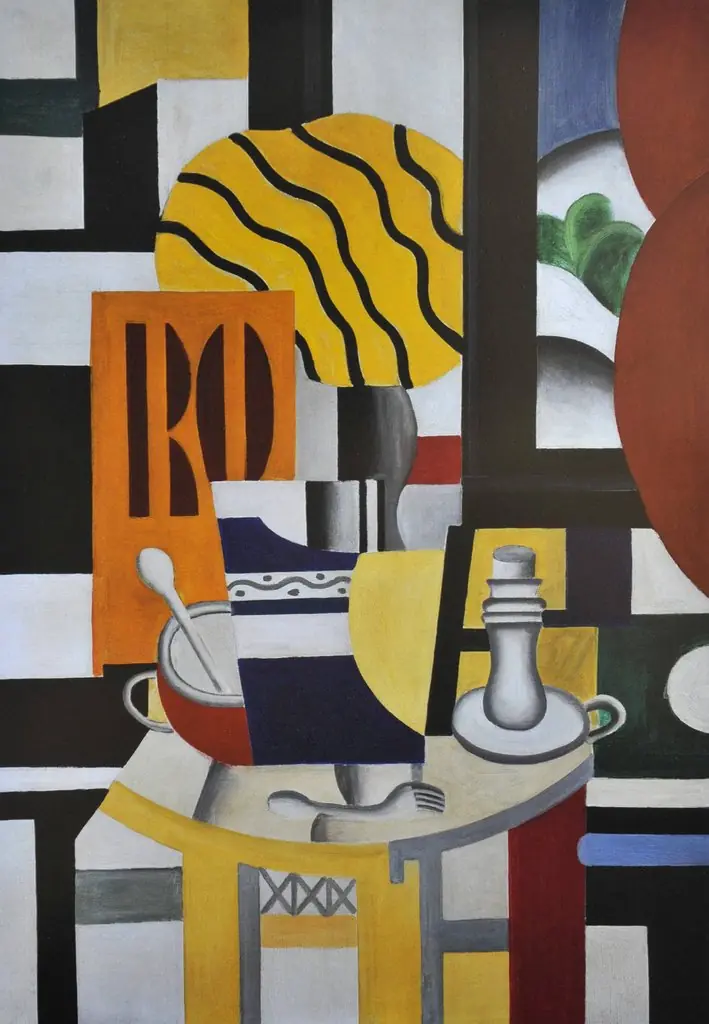 Still Life with Candlestick
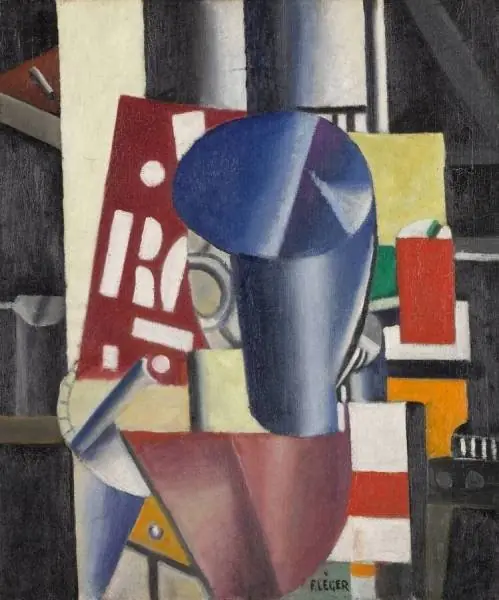 The Typographer
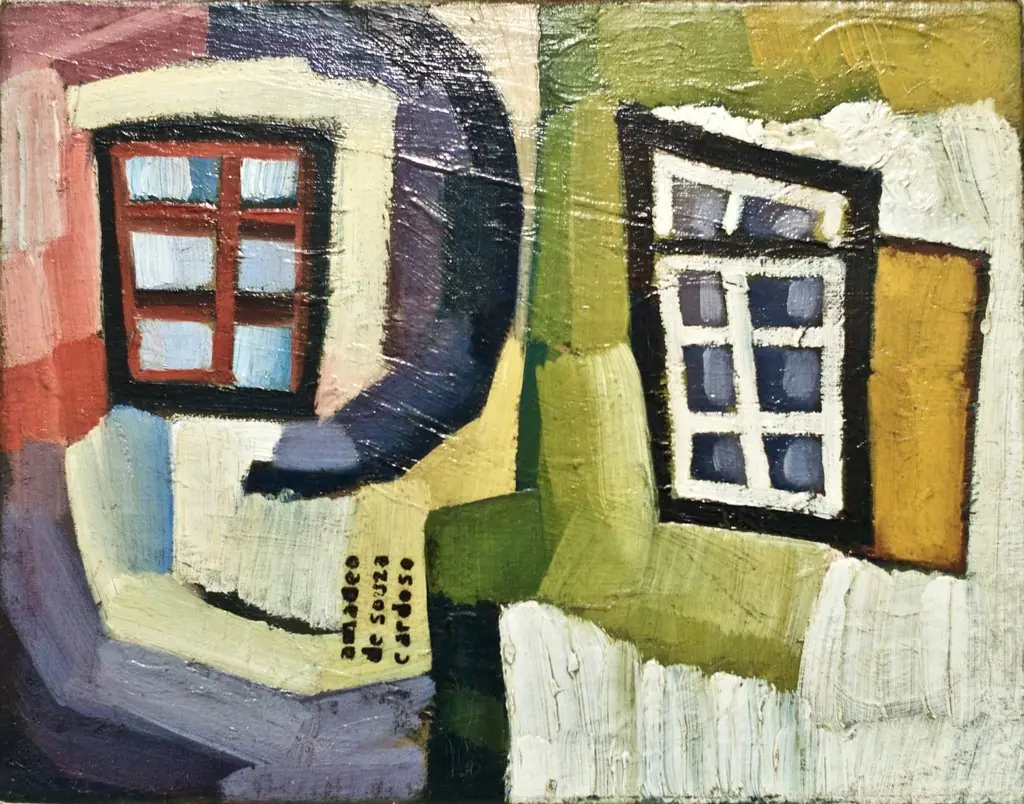 The Fisherman' s Window
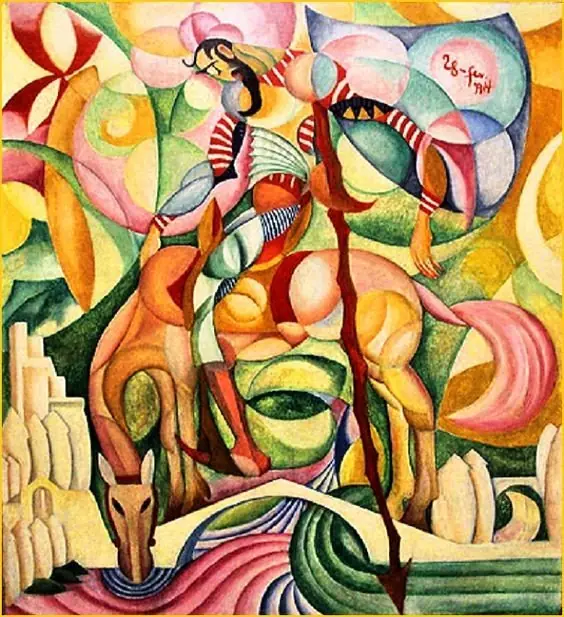 Dom Quixote
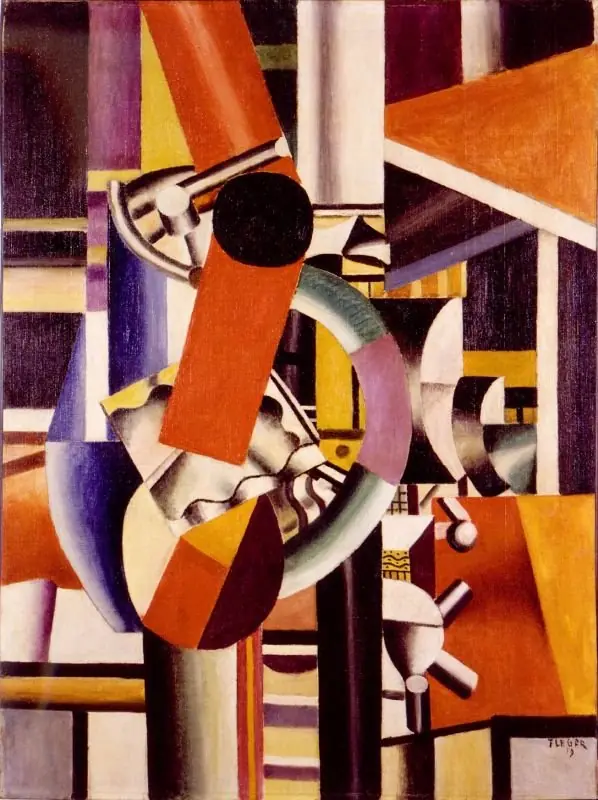 Still Life
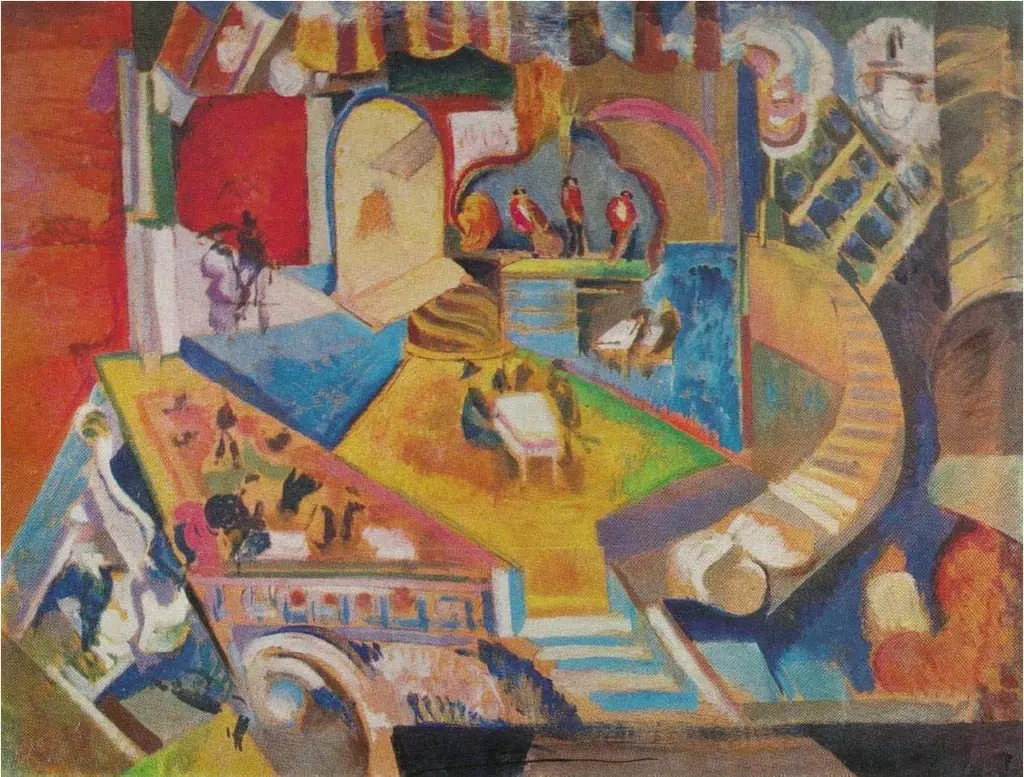 Cafeshantan (Cabaret)
 Goldfish and Sculpture
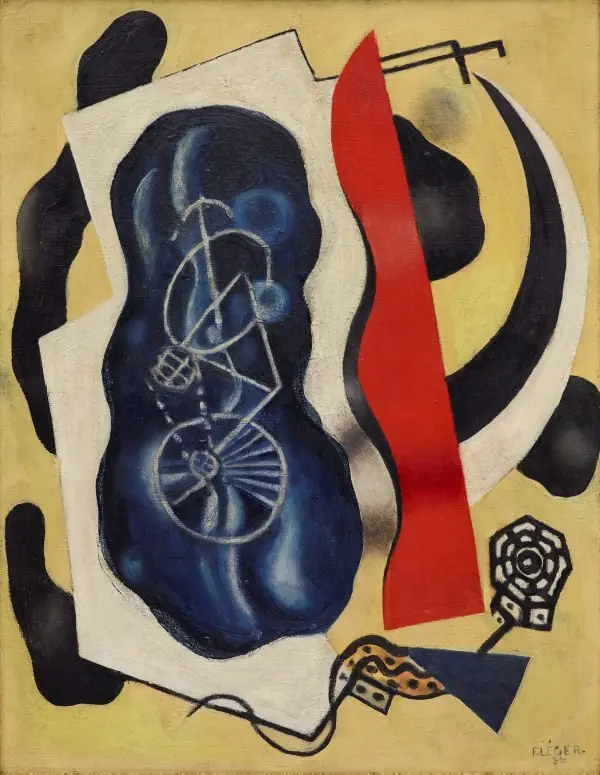 The bicycle
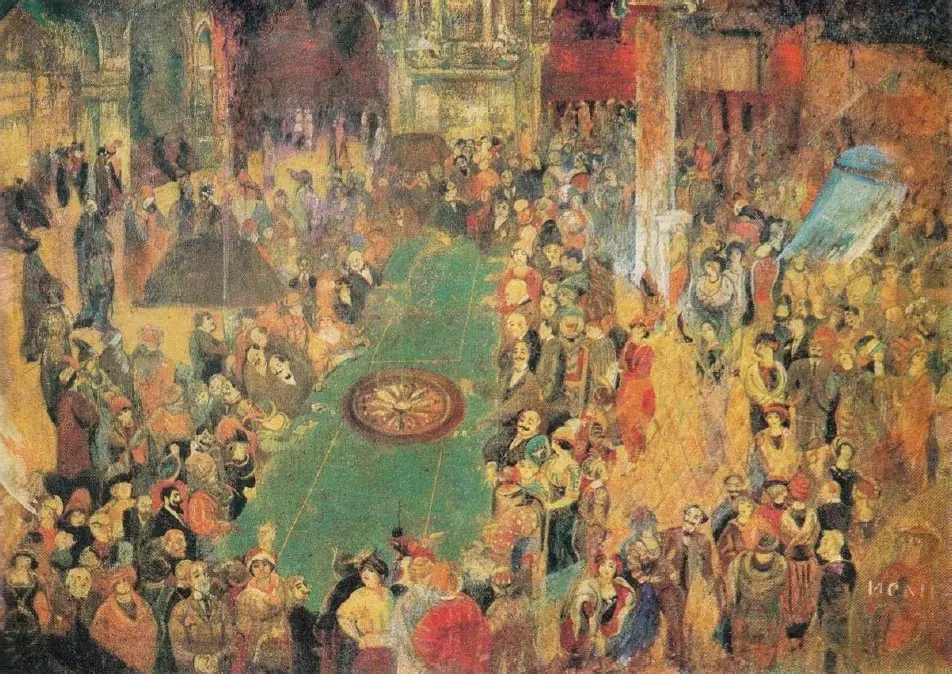 Monte Carlo
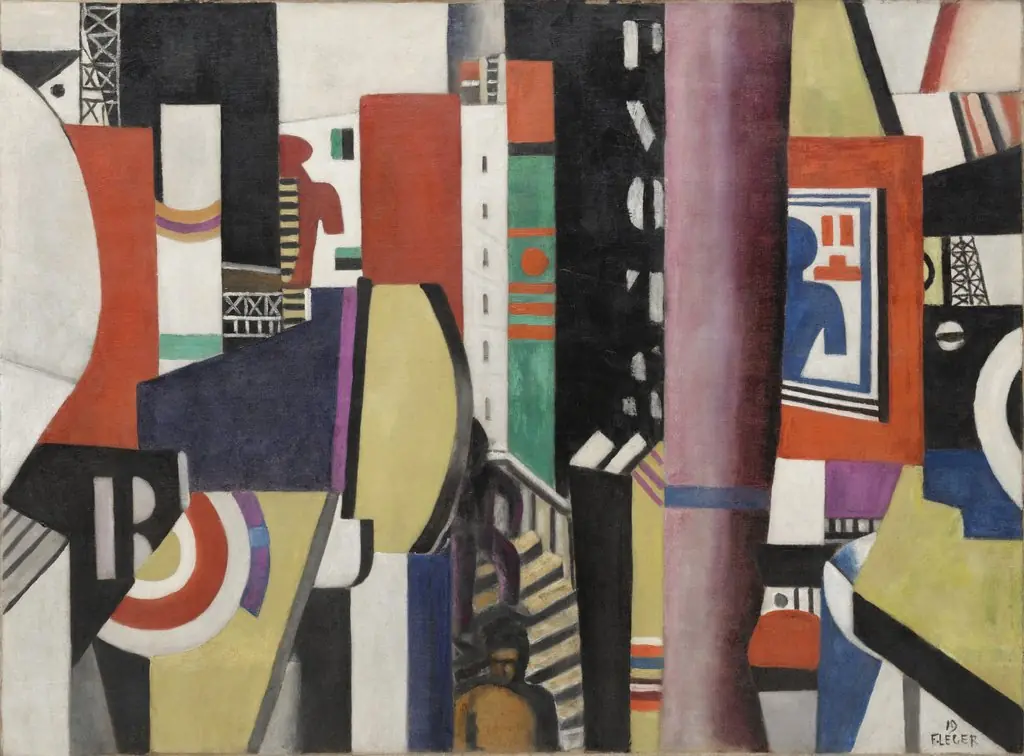 The City
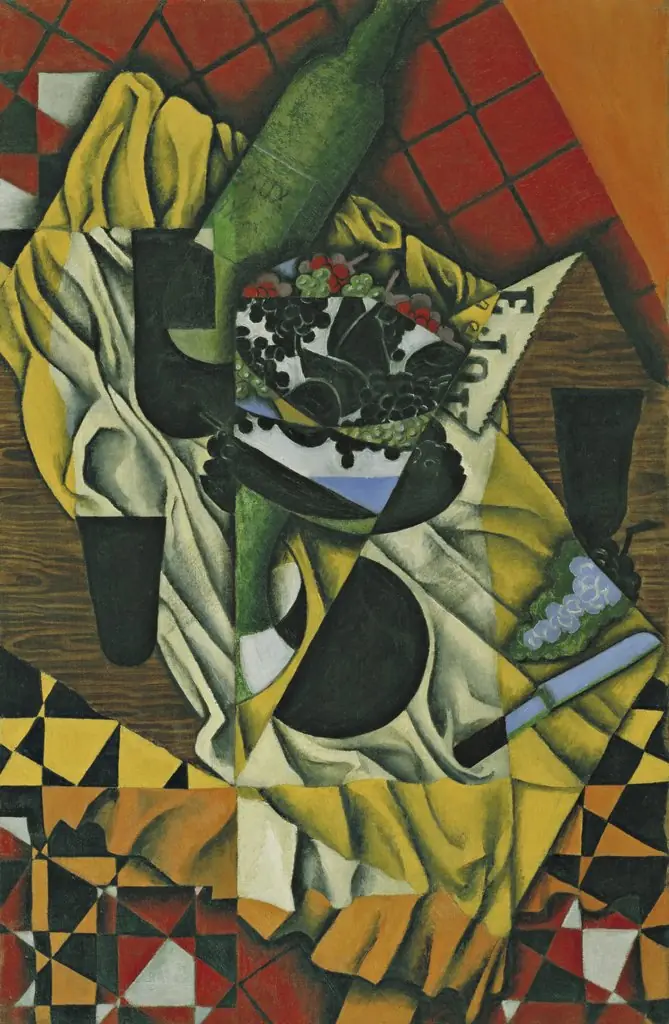 Grapes
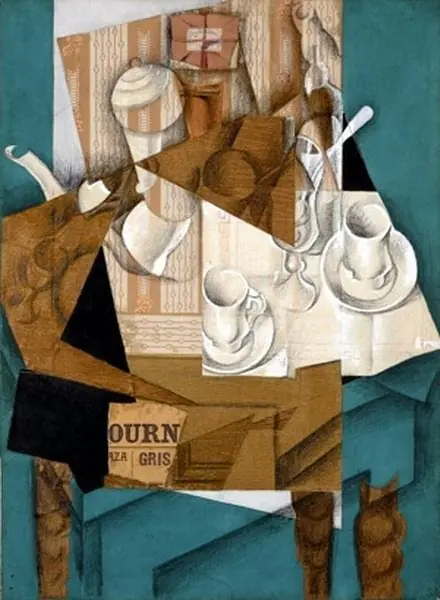 Breakfast
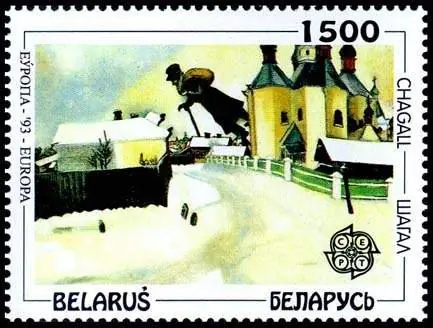 Over Vitebsk
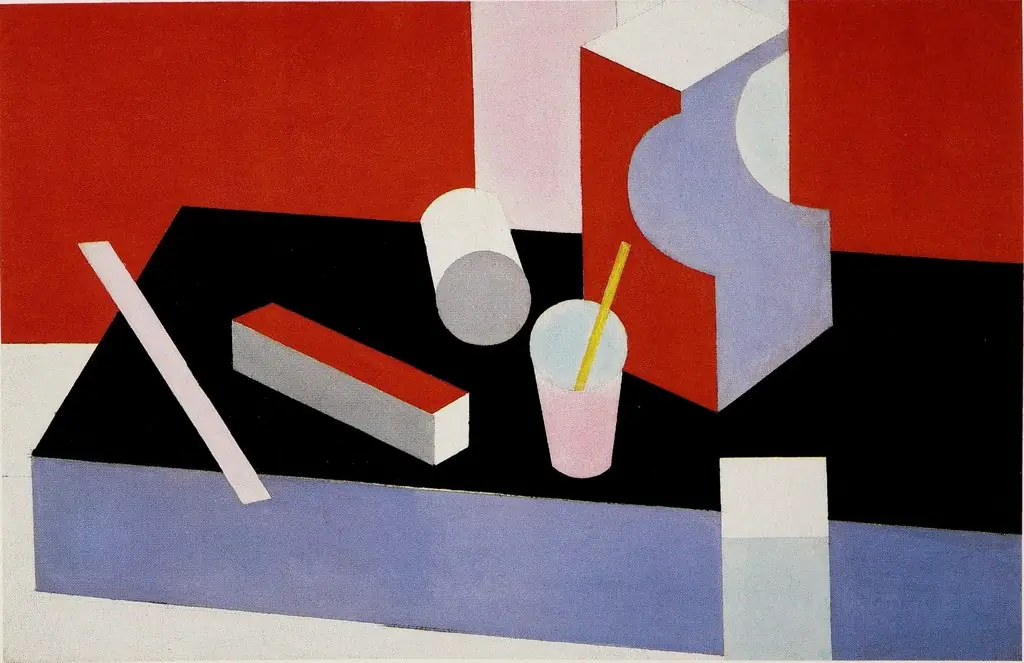 Agee and Rose, D29
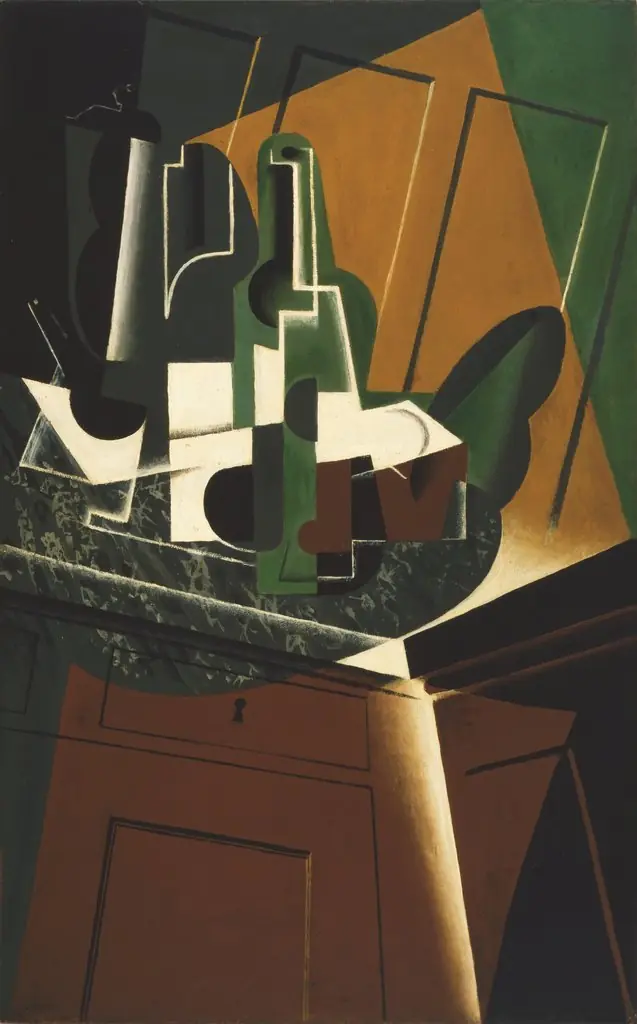 Sideboard
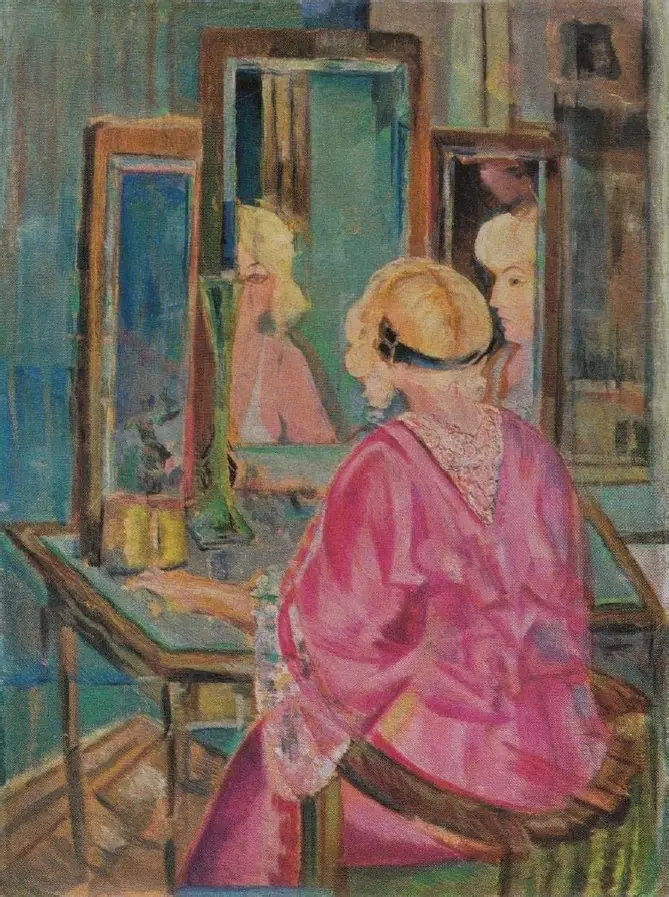 In front of the mirror
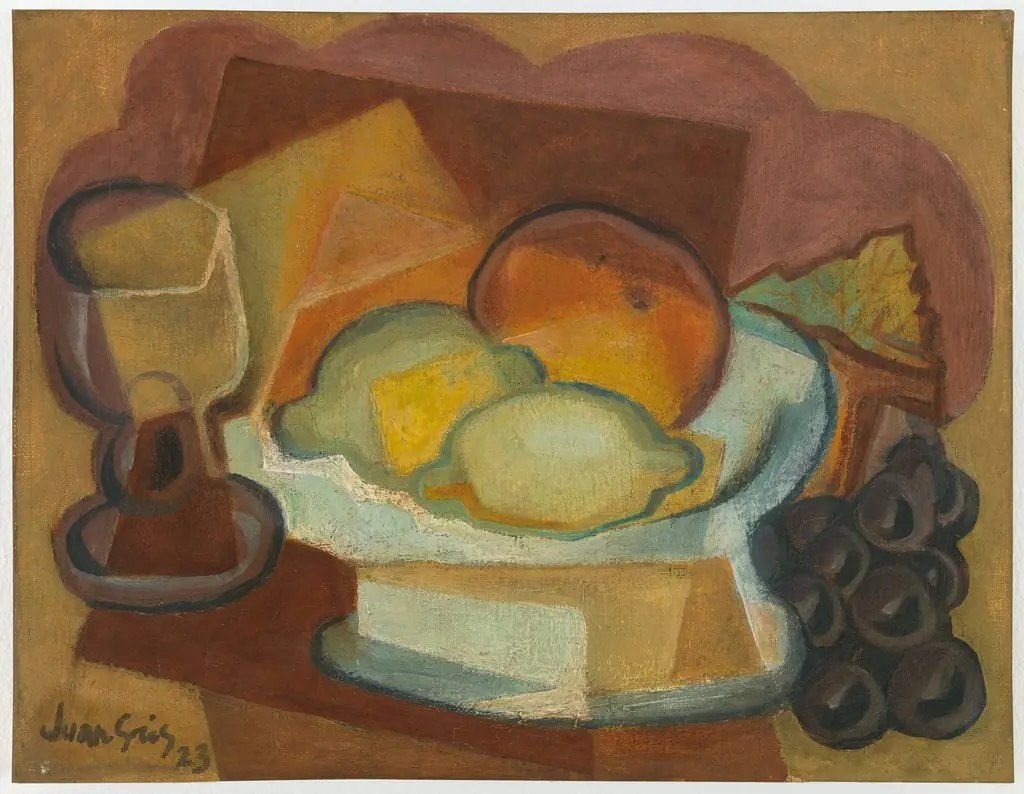 Fruit Dish and Glass (Still Life with Lemons)
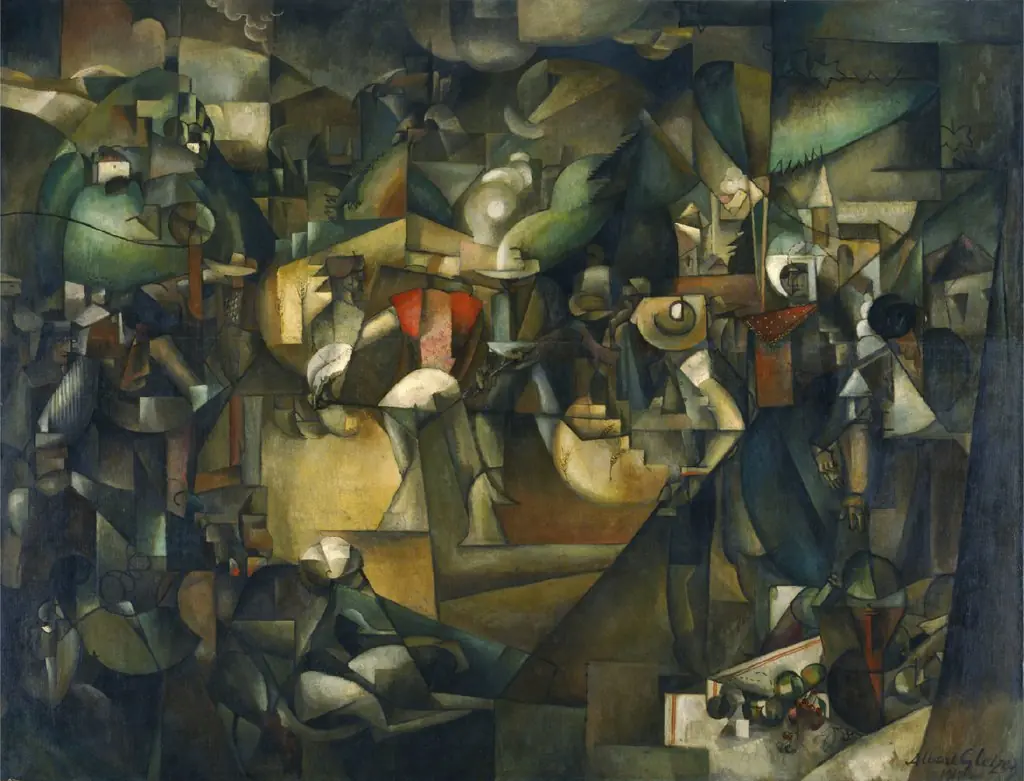 Harvest Threshing
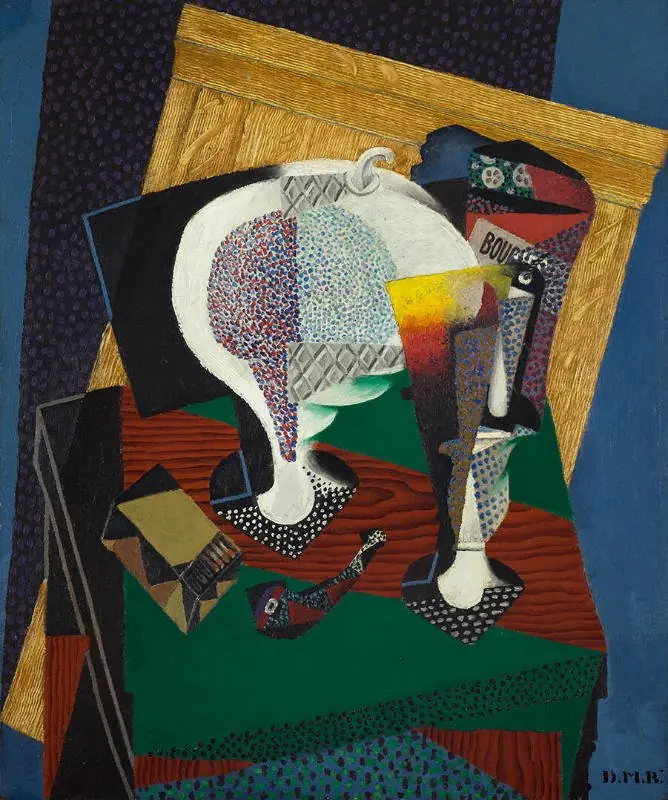 Le sucrier et les bougies (Sugar Bowl and Candles)
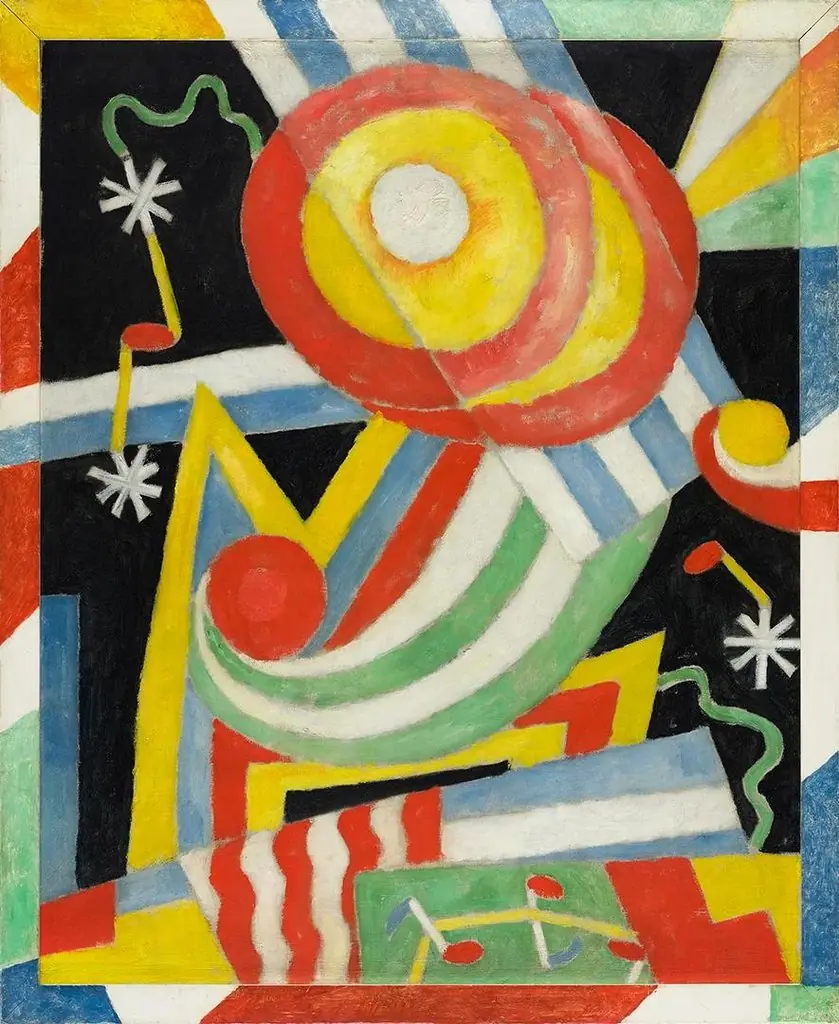 Painting No. 3
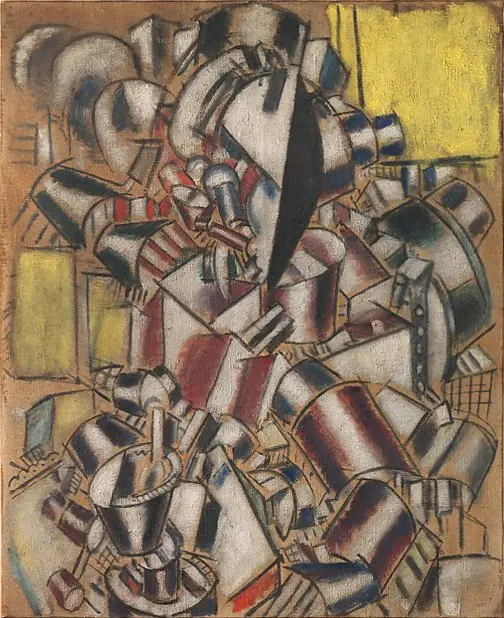 The Smoker
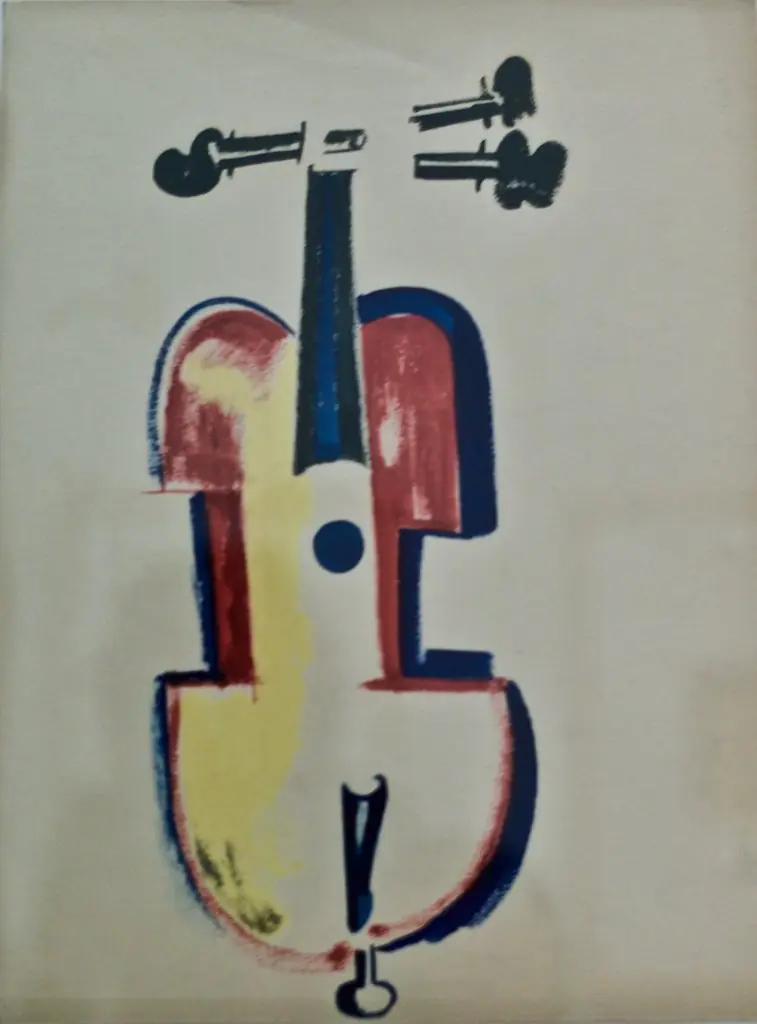 Cello
Cello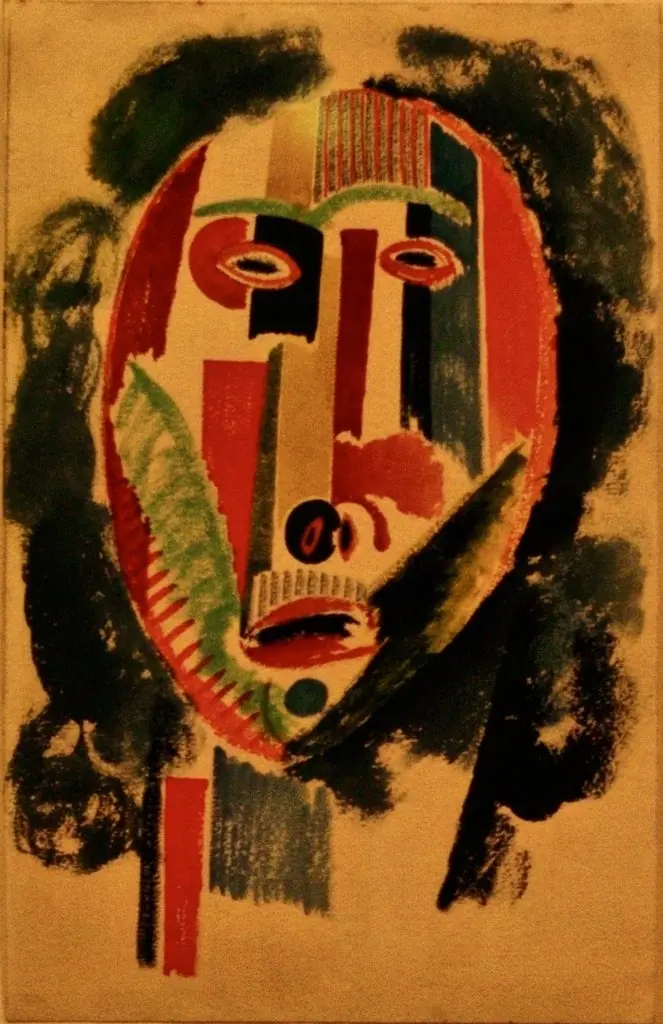 Untitled (c. 1915)
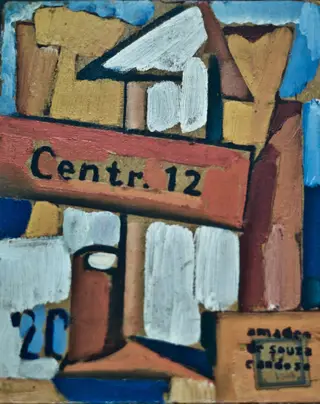 Central 12
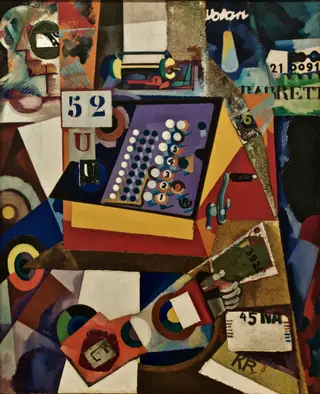 Untitled
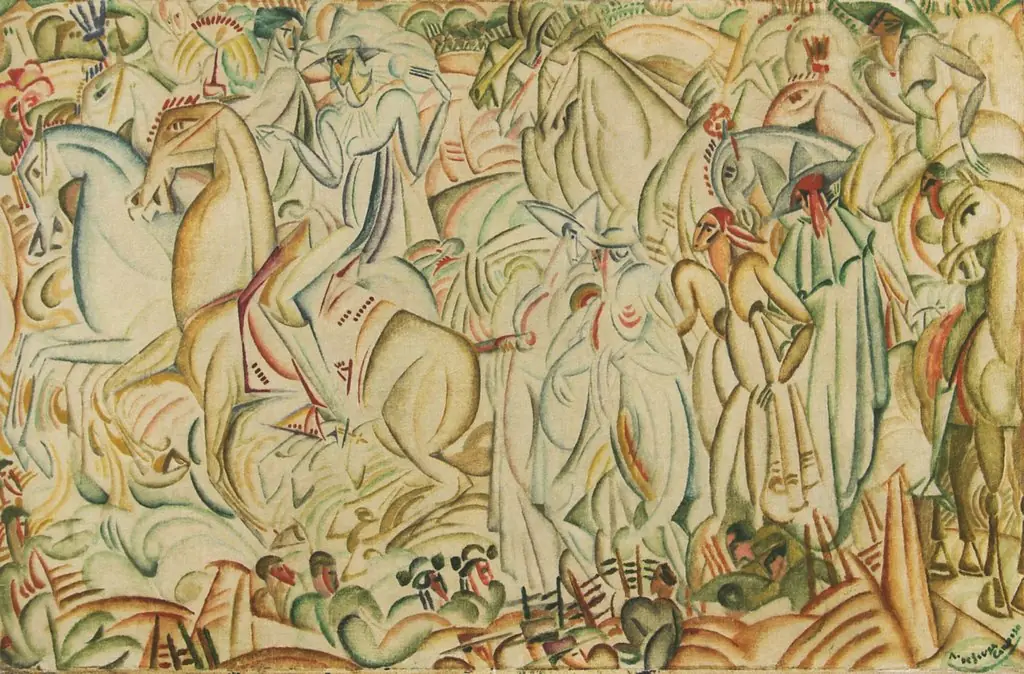 Before the Race
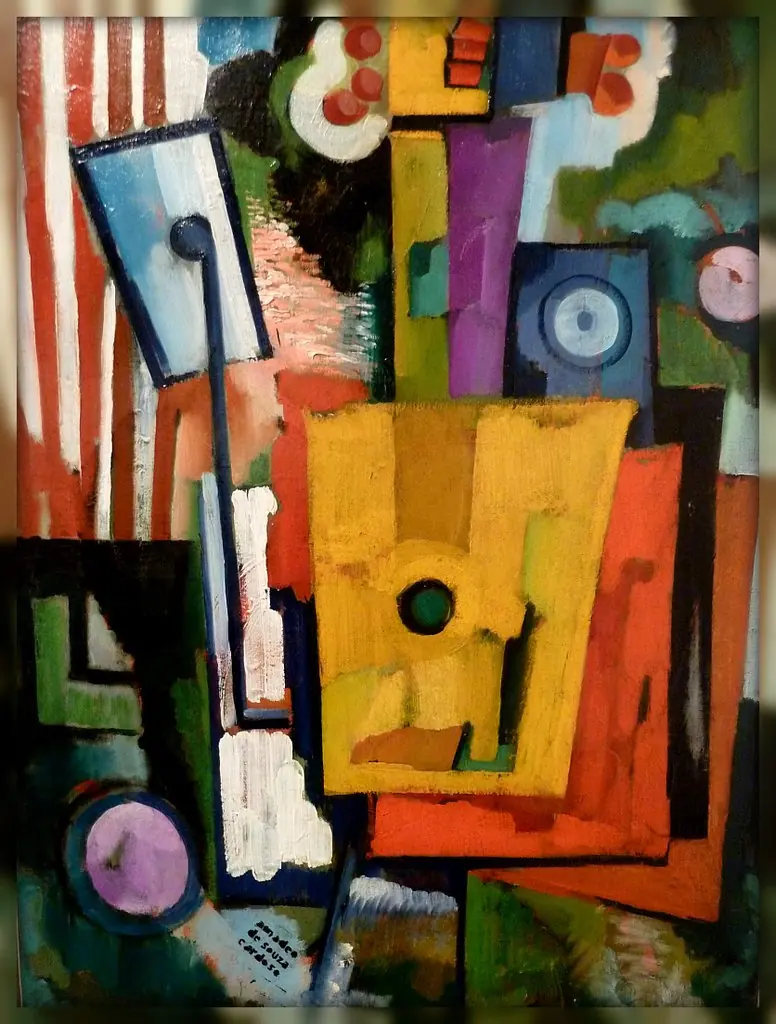 Life of Instruments
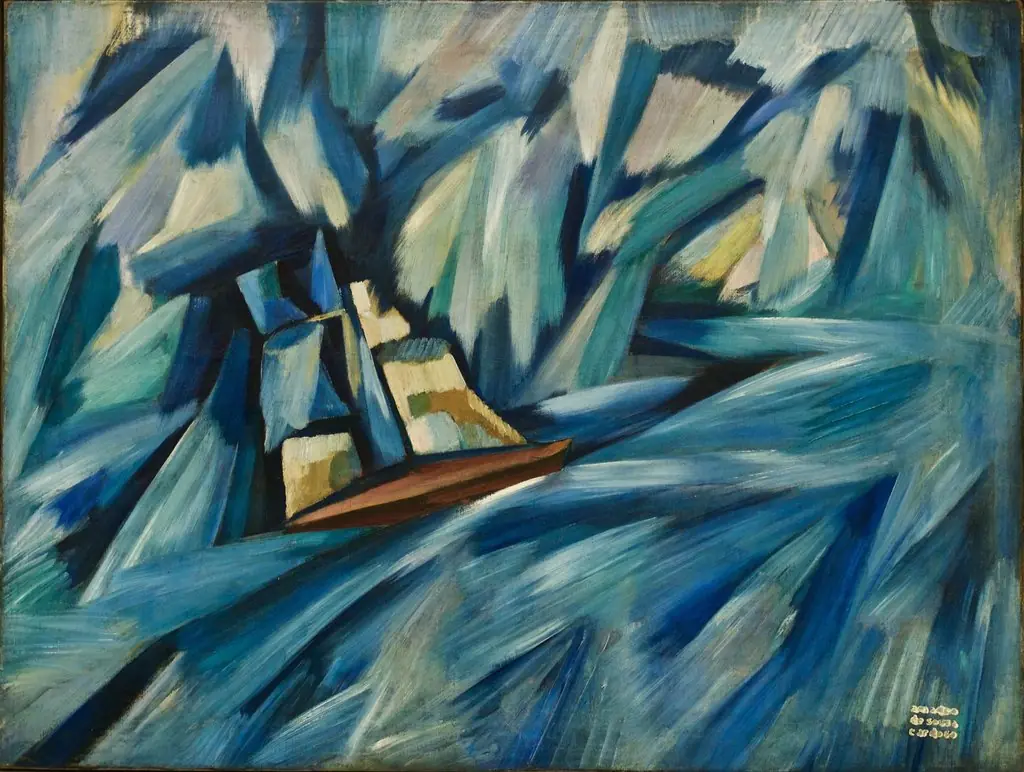 Sail boat
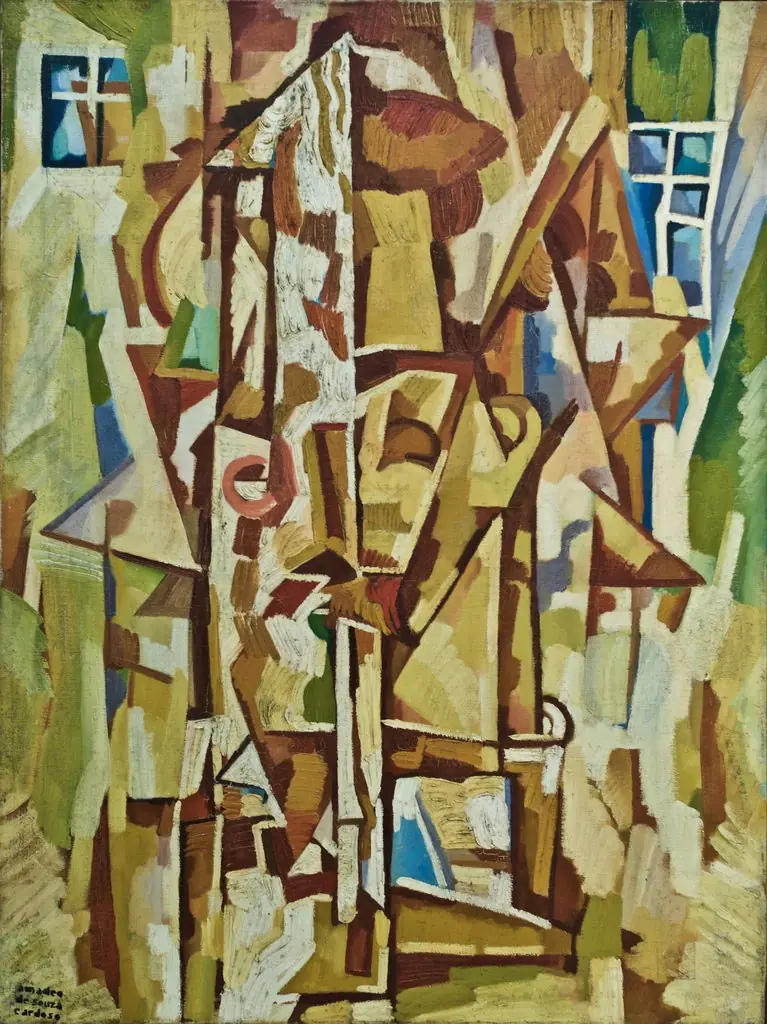 Smoker with a cigarette-holder
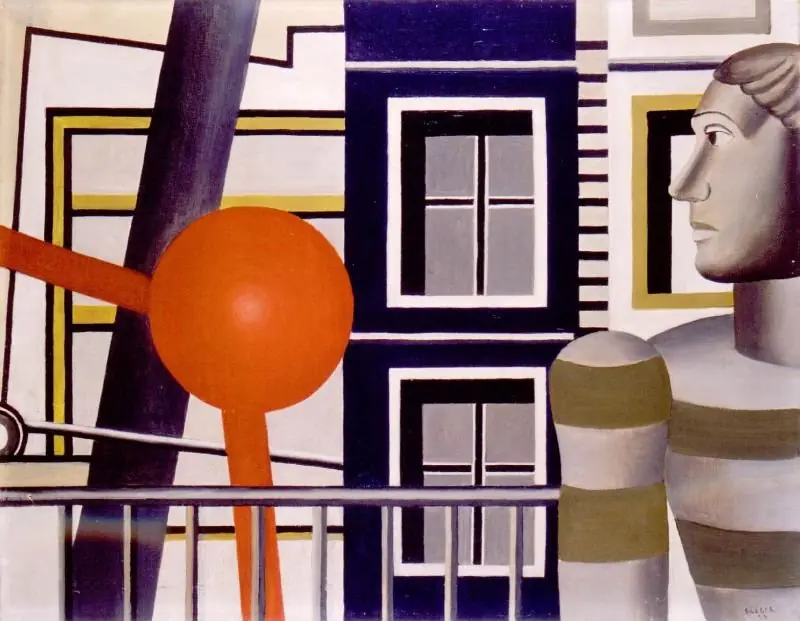 Composition with Figure
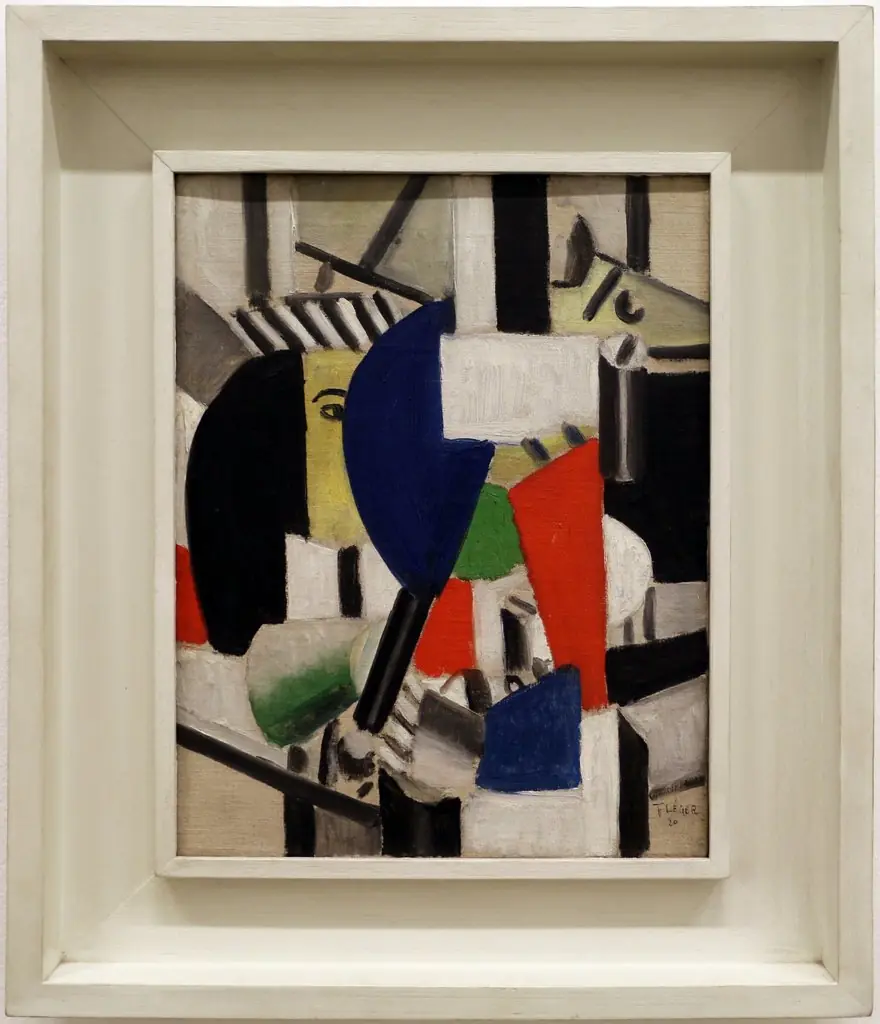 Femme au miroir
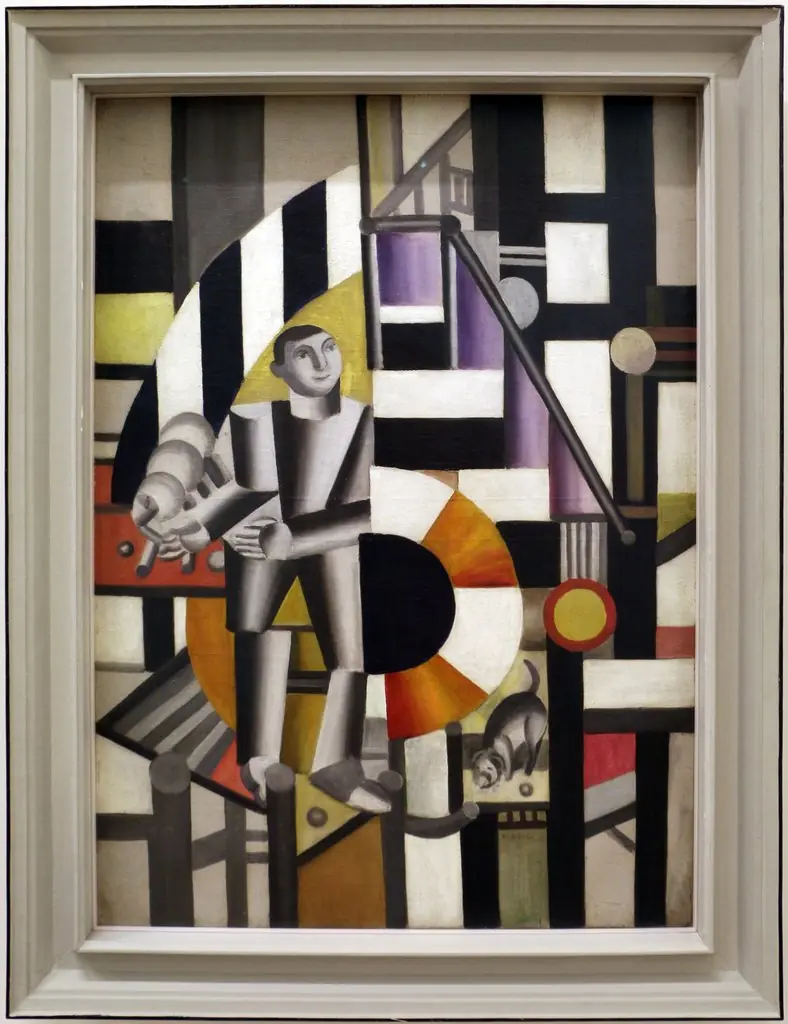 L'homme à la pipe
 L'Oiseau bleu
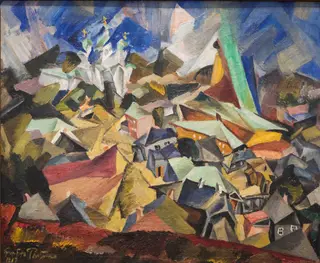 City–Shtetl
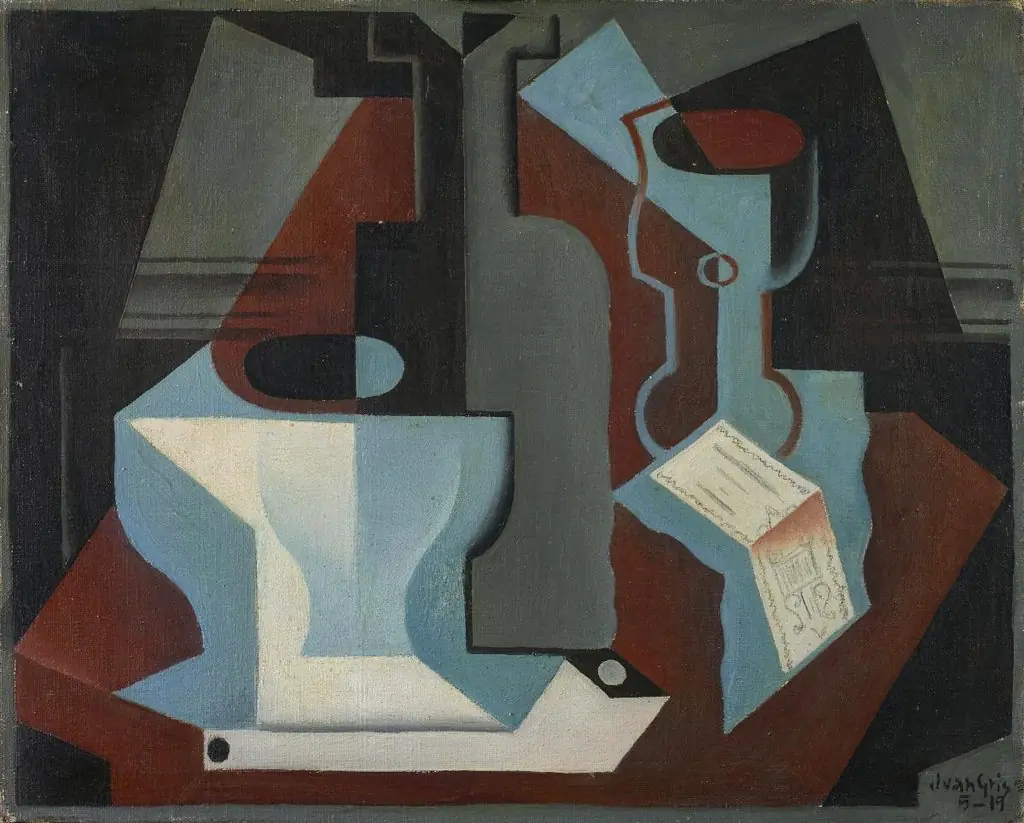 Water Bottle, Bowl and Glass
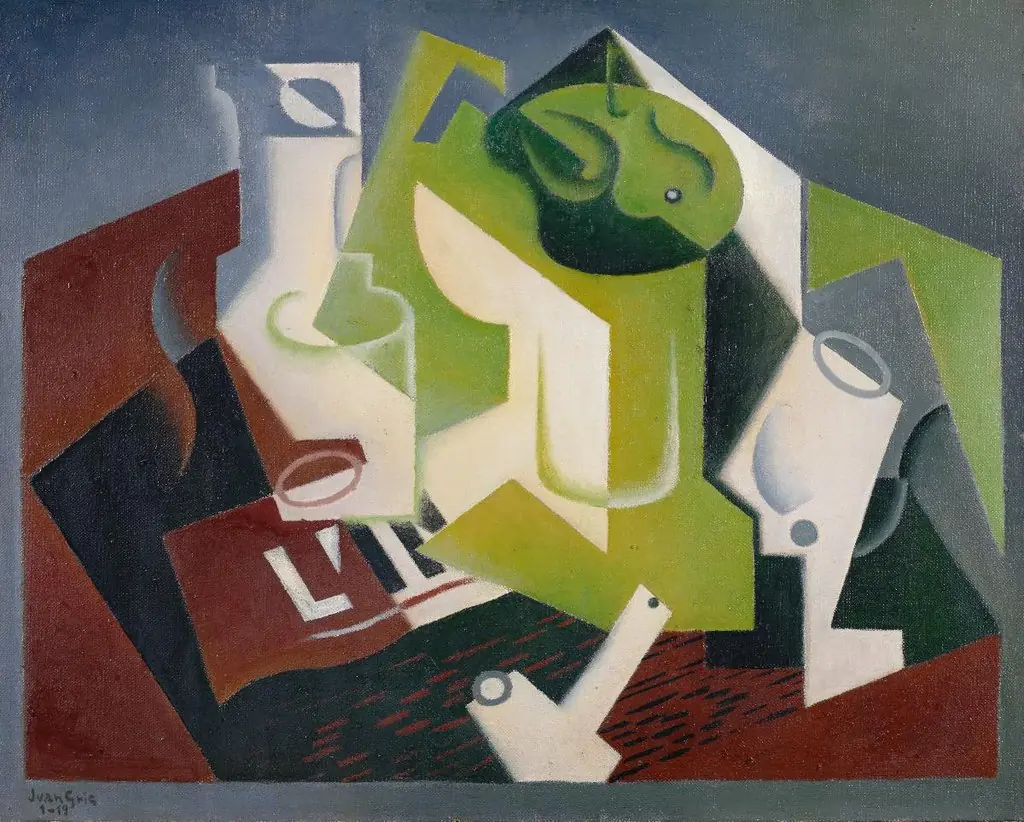 Fruit Dish and Pipe
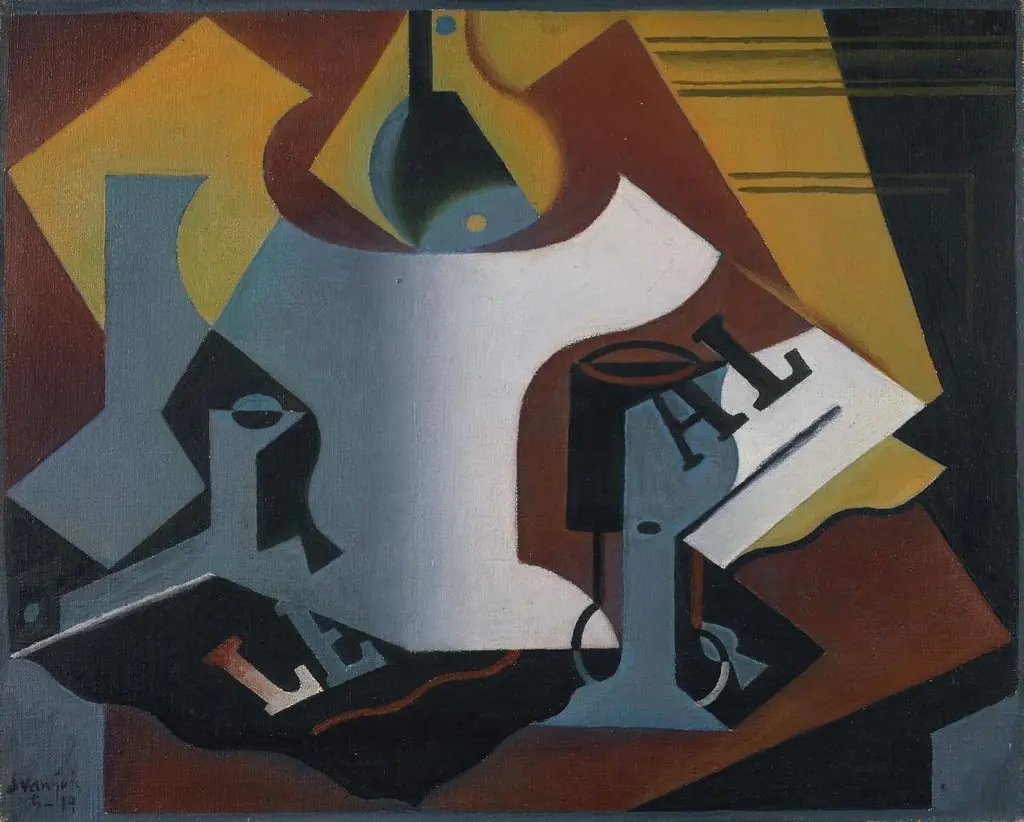 The Pear
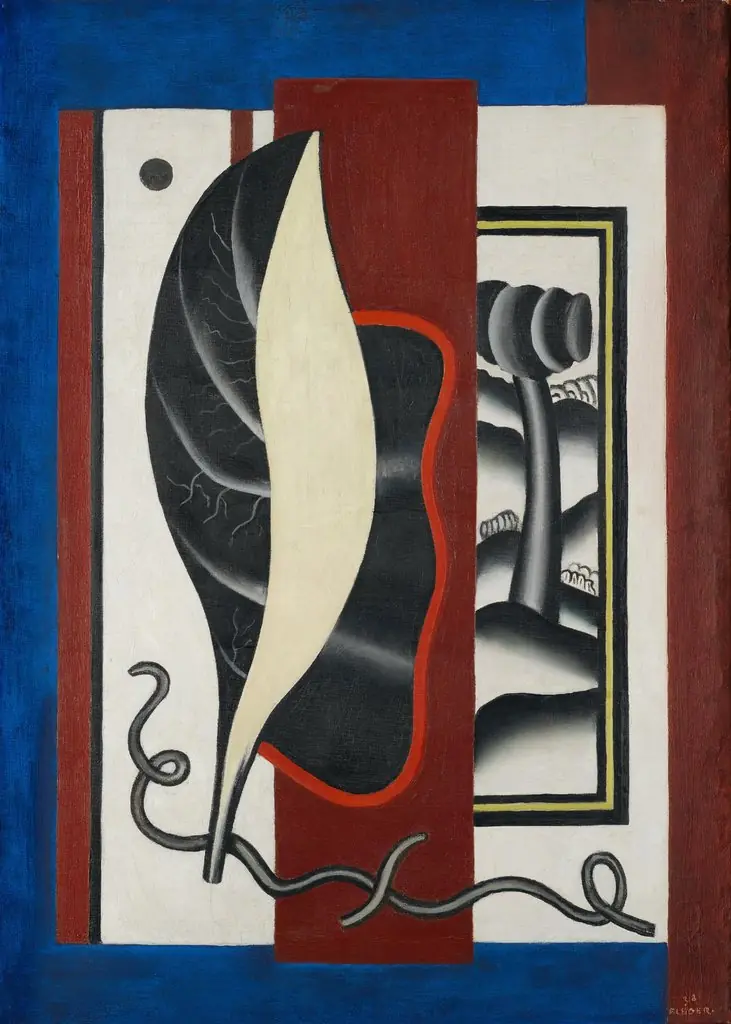 Composition à la feuille
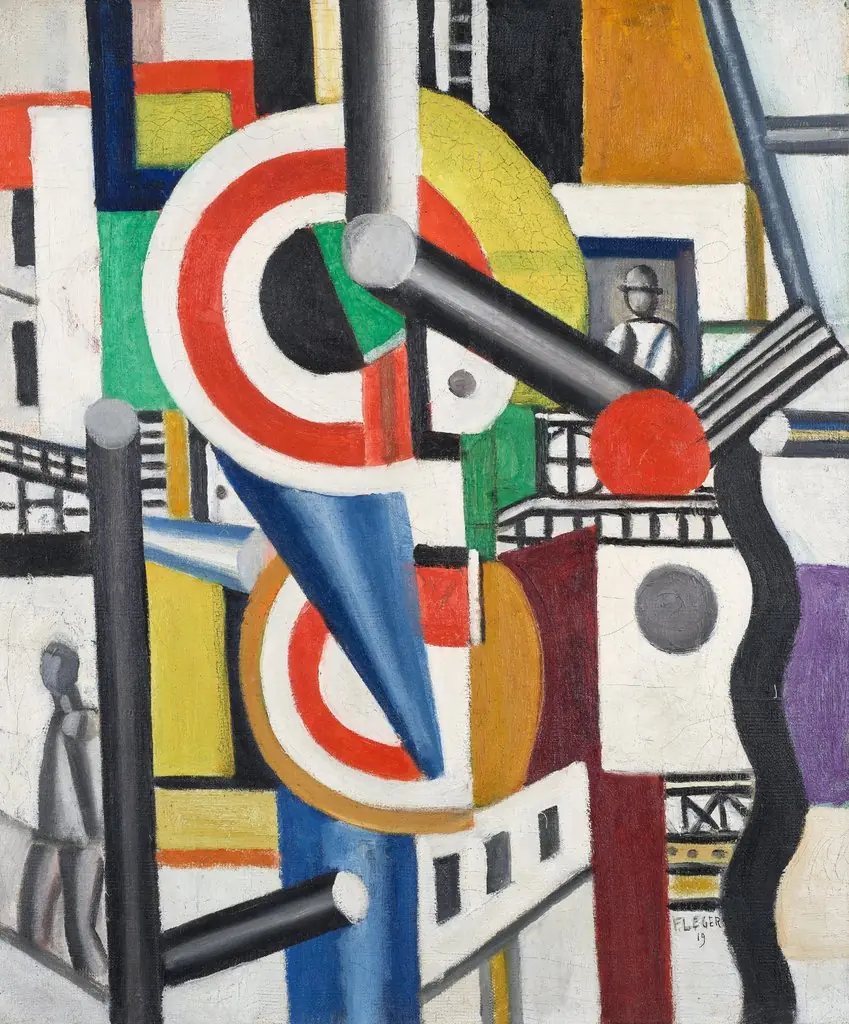 Two Discs in the City
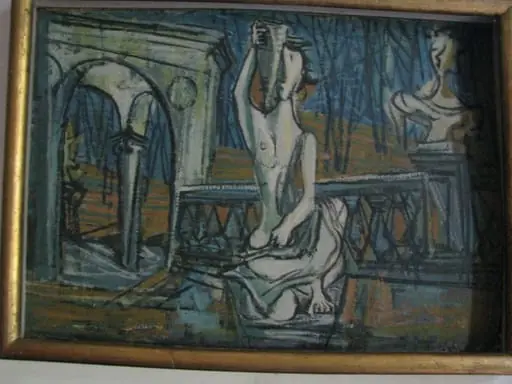 Statui în parc
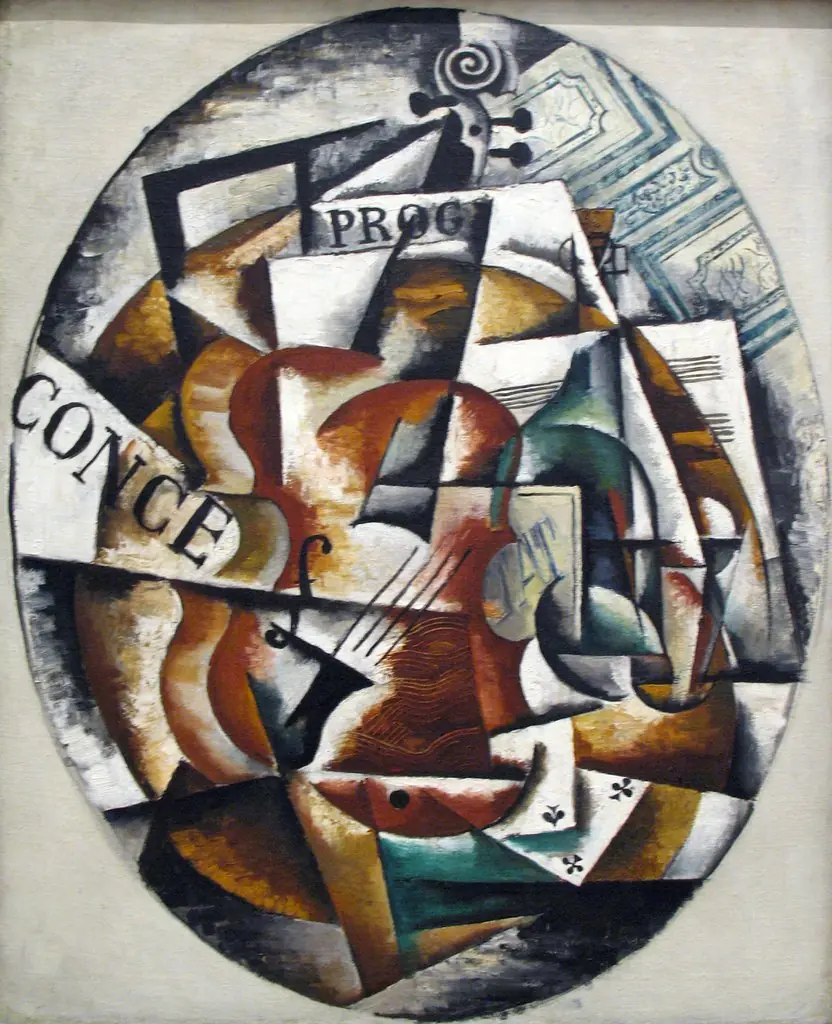 The Violin
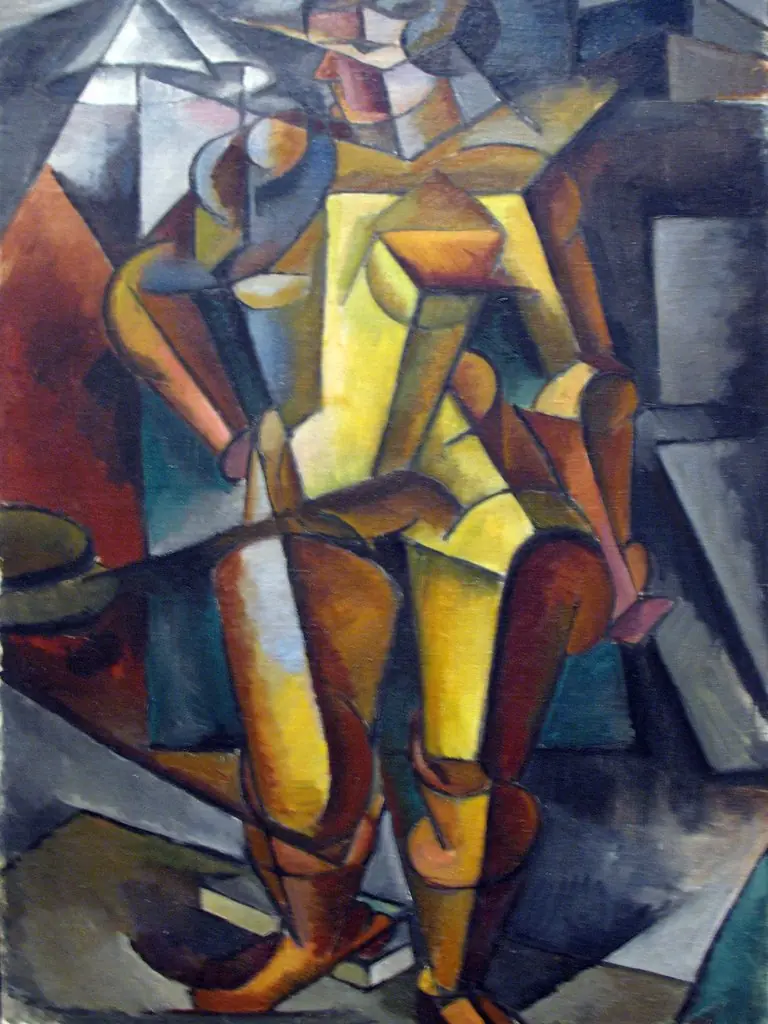 The model. Standing figure.
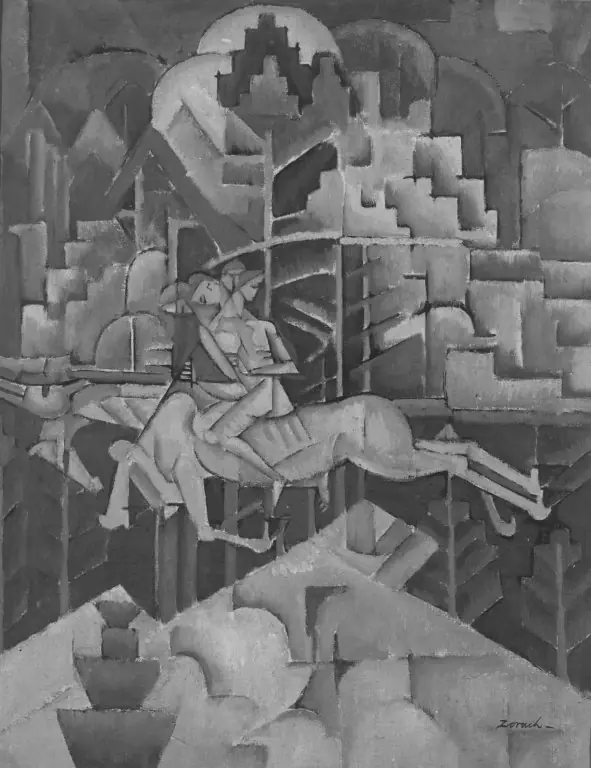 Equestrian
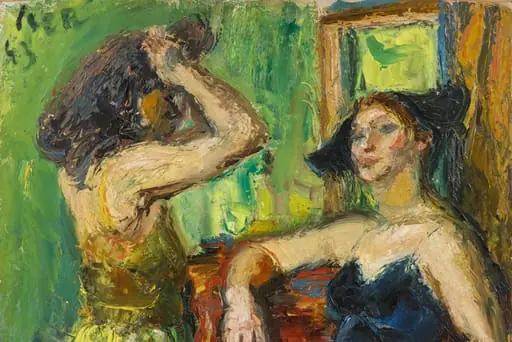 Arlechinada
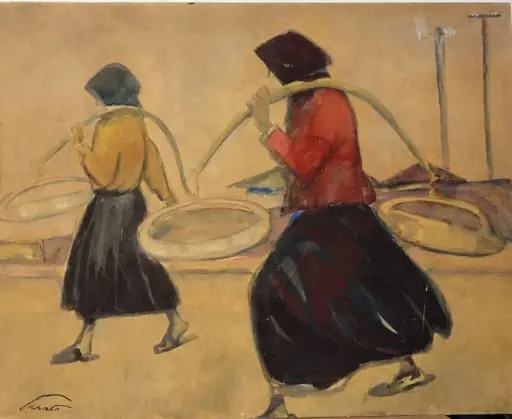 Femeie cu cobilița
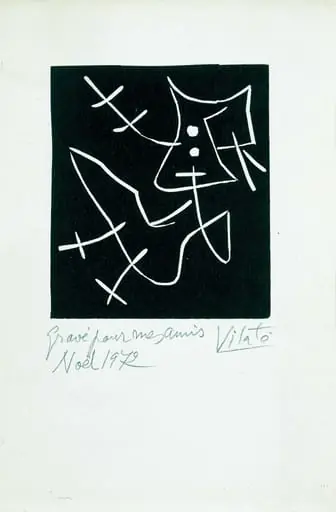 Χαραγμένο για τους φίλους μου 1972
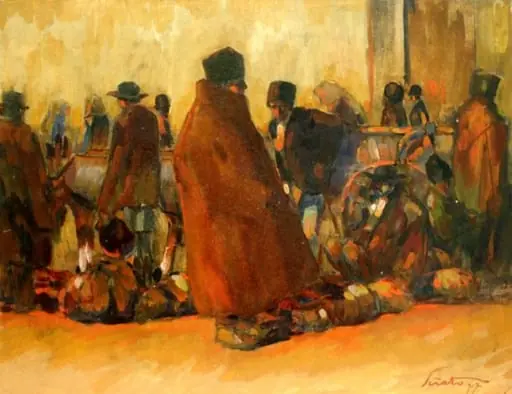 Târg (Piață cu personaje și animale)
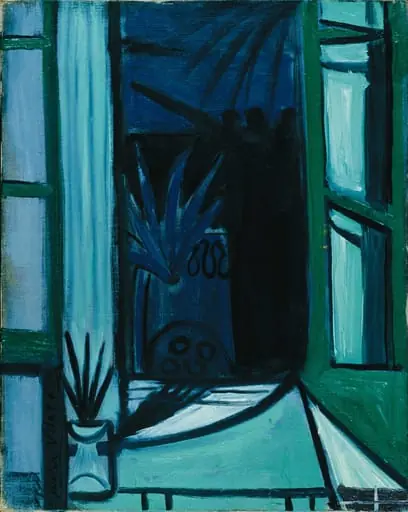 Χωρίς τίτλο
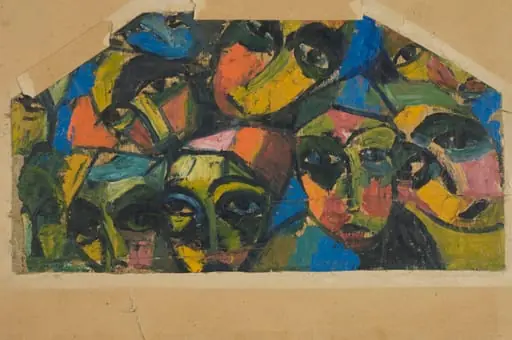 Πρόσωπα
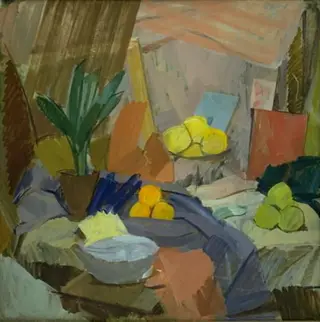 Still Life with Oranges
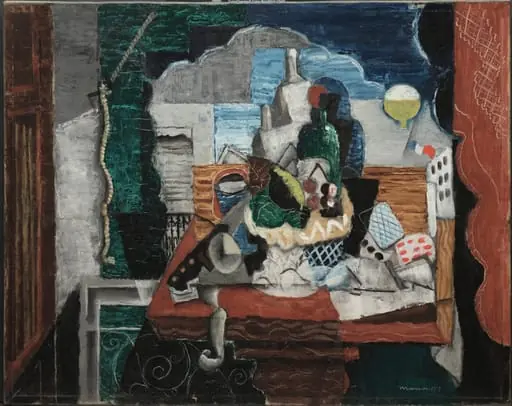 Night Café
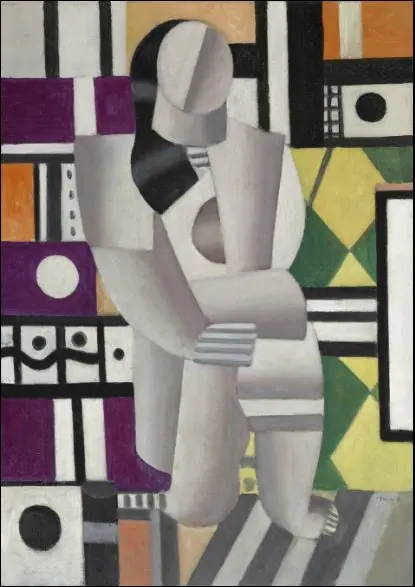 Woman on One Knee
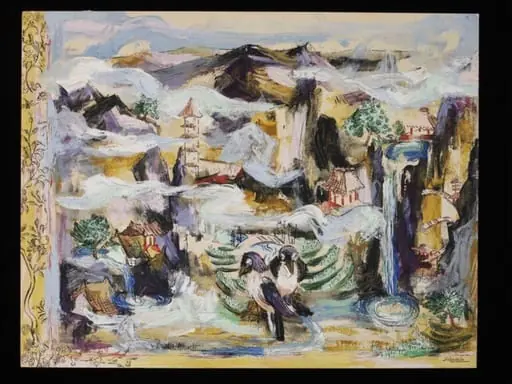 Untitled
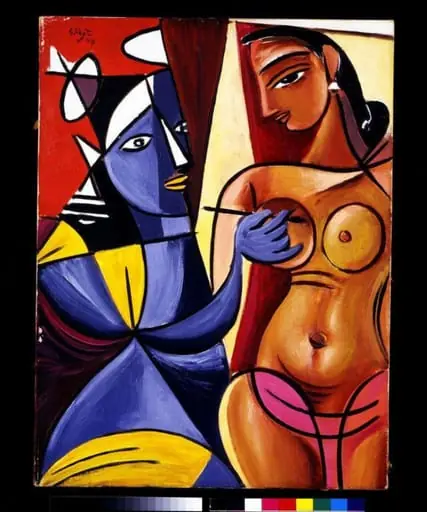 Krishna painting Radha
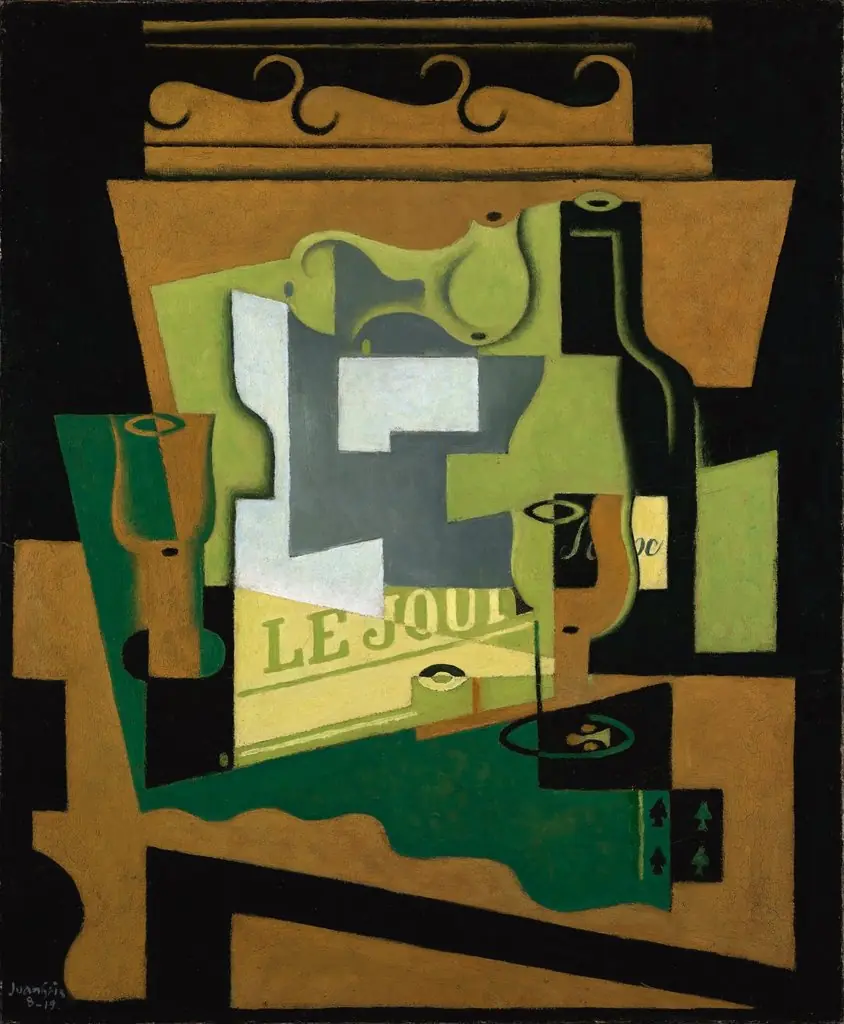 Still life with a bottle of Bordeaux
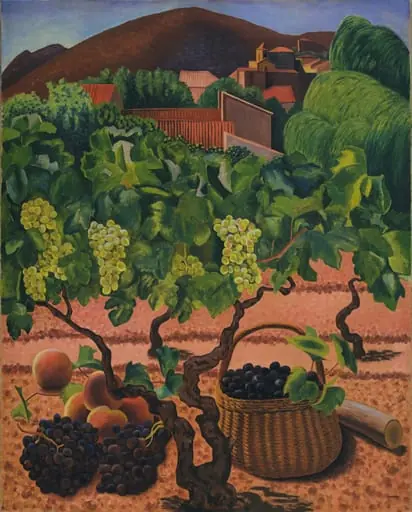 Untitled
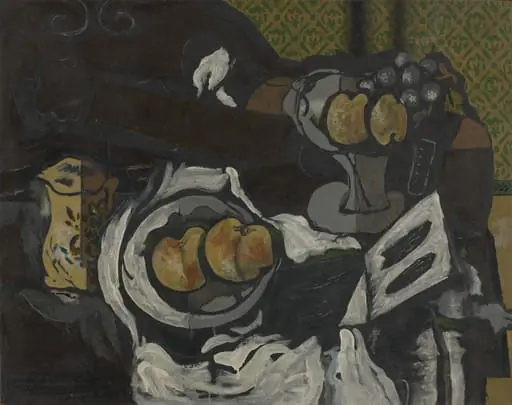 Untitled
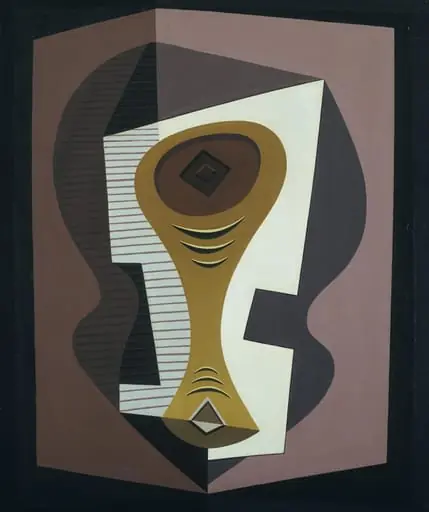 Untitled
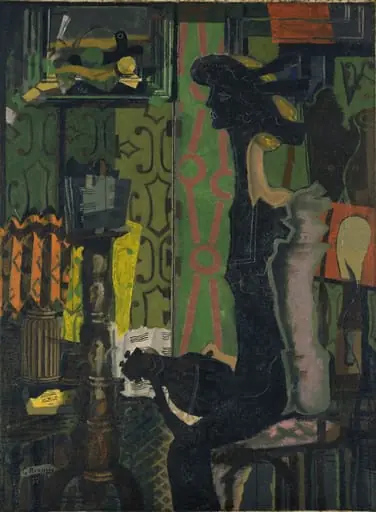 Untitled
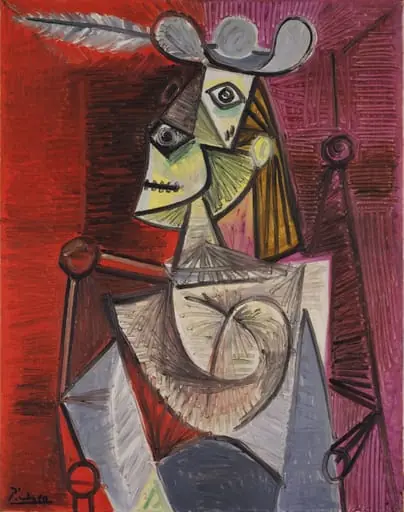 Untitled
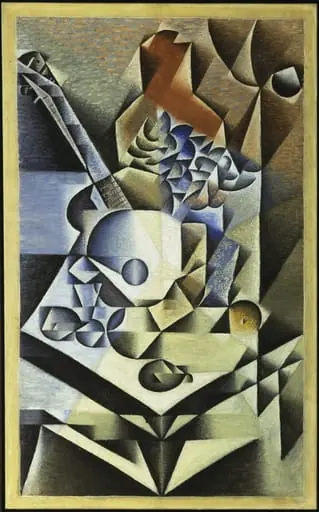 Untitled
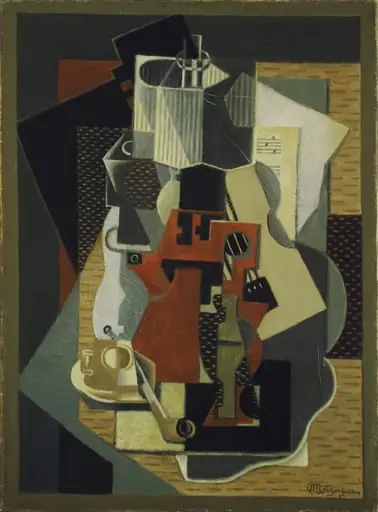 Untitled
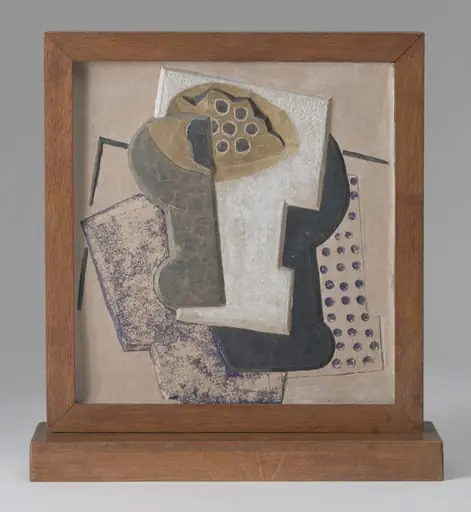 Untitled
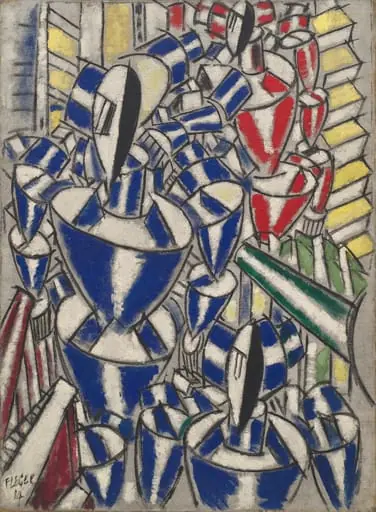 Untitled
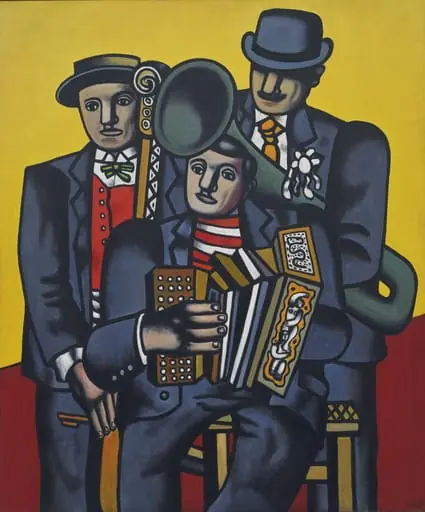 Untitled
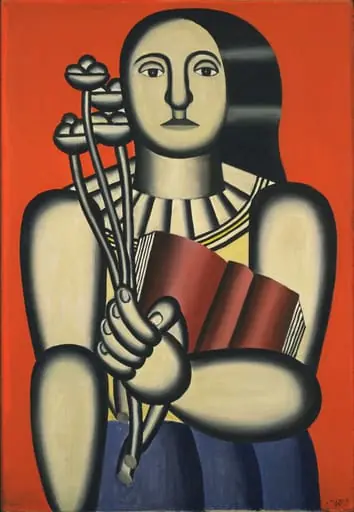 Untitled
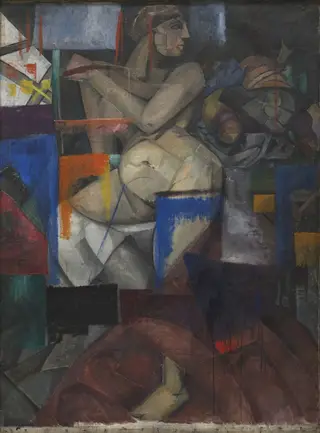 Untitled
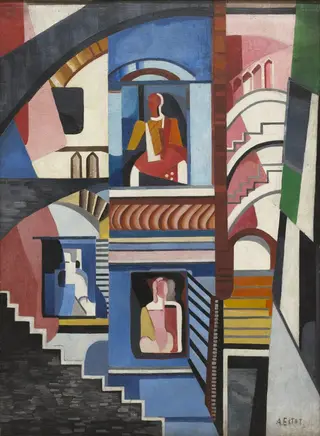 Untitled
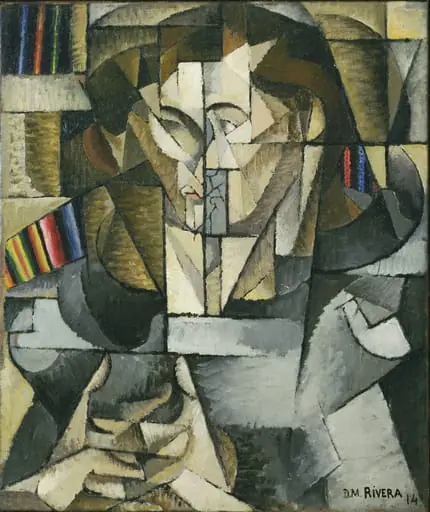 Untitled
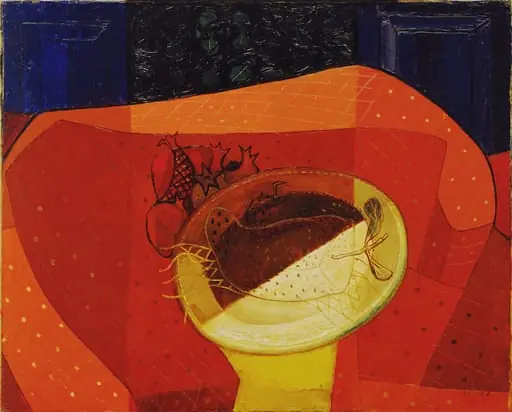 Untitled
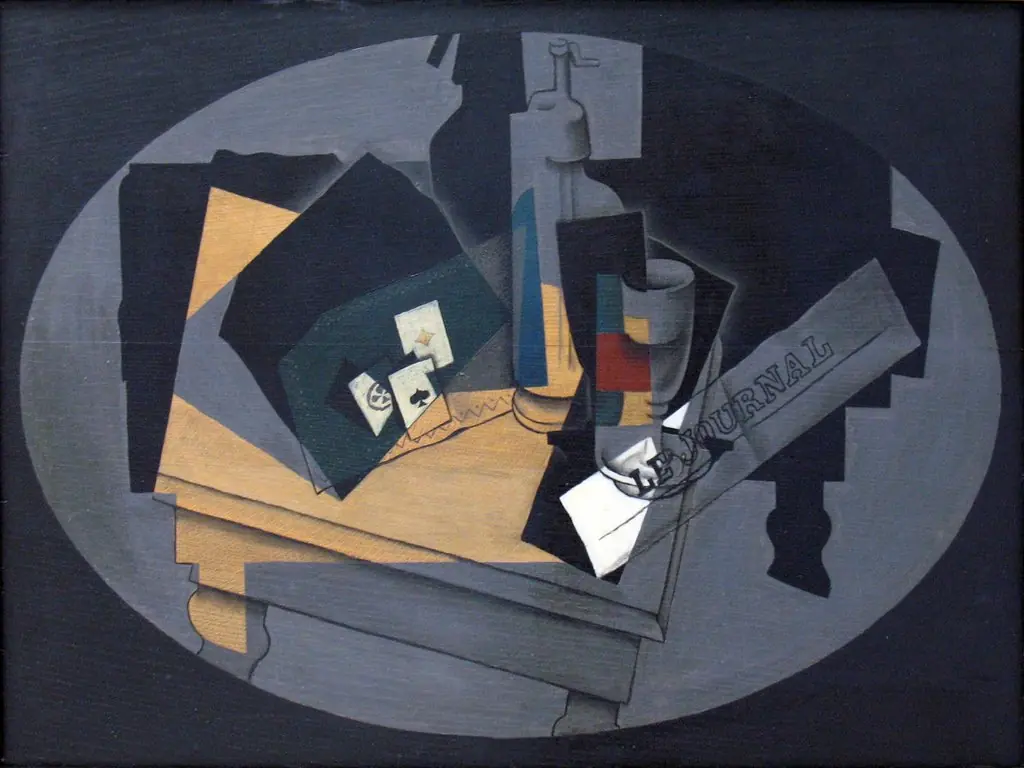 Playing cards and sifon
Frequently asked questions
What is Cubism Synthetic?
Cubism Synthetic is an art movement. The second phase of Cubism (from about 1912), where Picasso and Braque rebuilt the fractured image with brighter color, collage, and flat shapes.
How many Cubism Synthetic works does Artifact World Gallery have?
Artifact World Gallery holds 187 public-domain Cubism Synthetic works, all free to view and download.
Who are the key Cubism Synthetic artists?
Key Cubism Synthetic artists in the collection include Marsden Hartley, Henri Matisse and Juan Gris.
When did Cubism Synthetic take place?
Cubism Synthetic dates from 1910–1920.
Where can I see Cubism Synthetic works?
Cubism Synthetic works in the collection are held by Museum of Modern Art, Metropolitan Museum of Art and Statens Museum for Kunst.