Artwork
Japonaise: Woman beside the Water
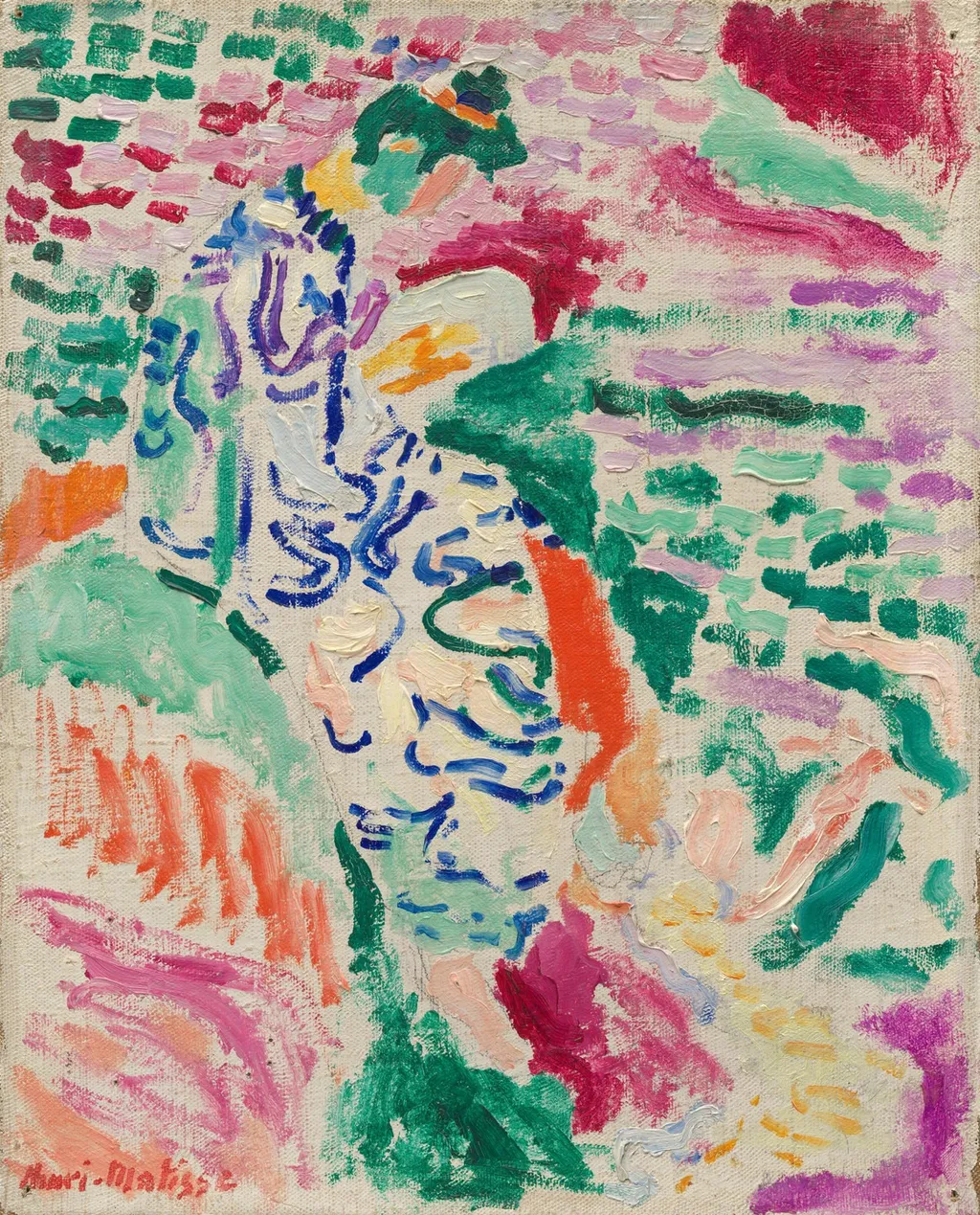
Japonaise: Woman beside the Water is an oil painting by the Fauvist artist Henri Matisse. It dates from 1905 and is held in the collection of the Museum of Modern Art.
About this work
Overview
Japonaise: Woman beside the Water is a 1905 oil painting by Henri Matisse, created during the Fauvist movement. The work features a woman in a kimono positioned near a body of water, characterized by expressive brushwork and vibrant coloration.
Subject & Meaning
The painting depicts a serene scene of a kimono-clad woman standing beside water, her face averted from the viewer. The traditional Japanese attire is rendered in bold, flat colors, contrasting with the soft, muted green background, evoking calmness.
Technique & Style
Matisse employed loose, expressive brushstrokes and a distinctive color palette, hallmarks of Fauvist style, to capture the scene. The interplay of flat, vibrant colors in the kimono against the subdued background exemplifies his innovative approach to color and form.
History & Provenance
Created in 1905, this painting reflects Matisse's pivotal role in the Fauvist movement, a period of experimentation with bold colors and energetic brushwork that significantly influenced early 20th-century modern art.
Context
Within the broader context of early 20th-century art, Japonaise: Woman beside the Water sits alongside developments in both painting and sculpture, highlighting Matisse's contribution to the evolution of modern artistic practices.
Legacy
This work, through its embodiment of Fauvist principles, contributes to Matisse's legacy as a leading figure in modern art, known for pushing boundaries in color and draftsmanship.
Artist & collection
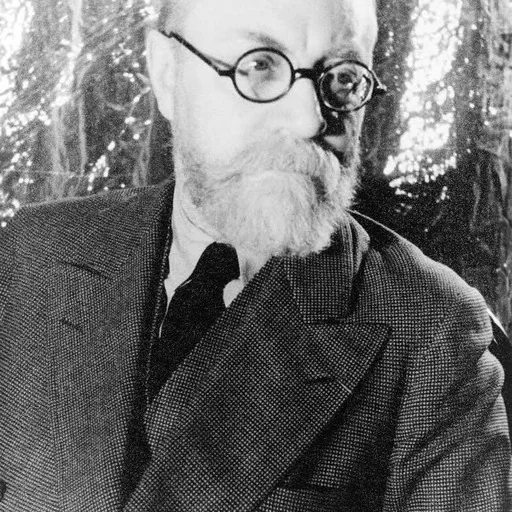
Artist
Henri Émile Benoît Matisse (French:; 31 December 1869 – 3 November 1954) was a French visual artist, known for both his use of colour and his fluid and original draughtsmanship.

- Women Turned towards the Sun
 Red Path, St. Prex
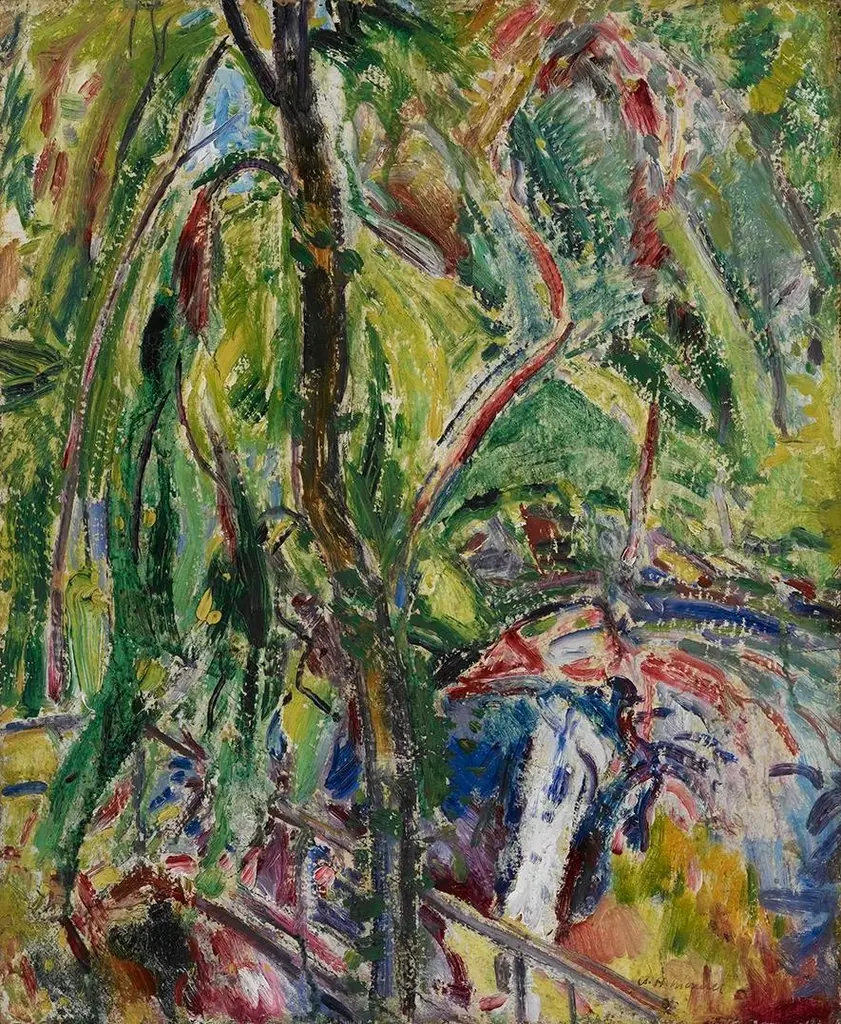 Landscape (recto); Study for a Still Life (verso)
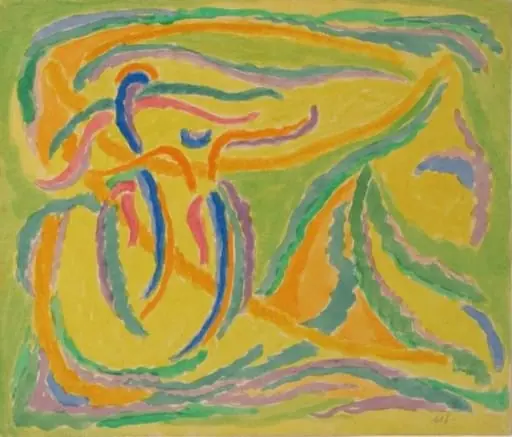 Compoziție - Dans
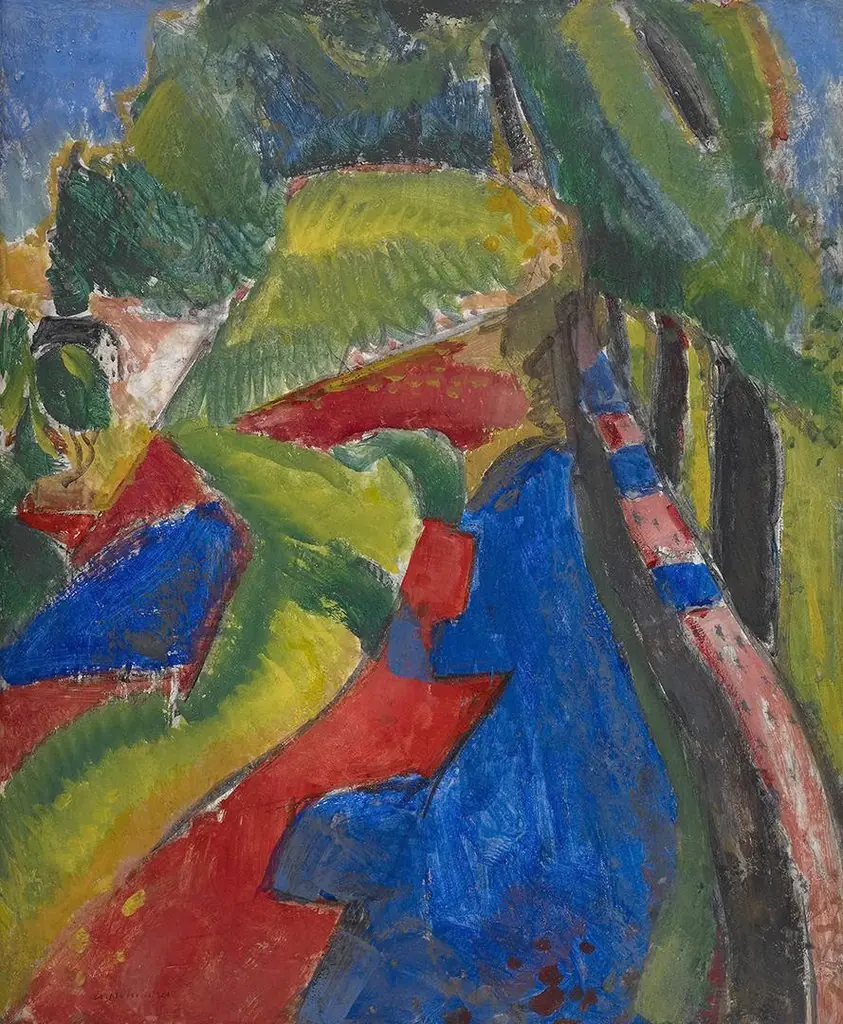 Fauve Landscape with Red and Blue
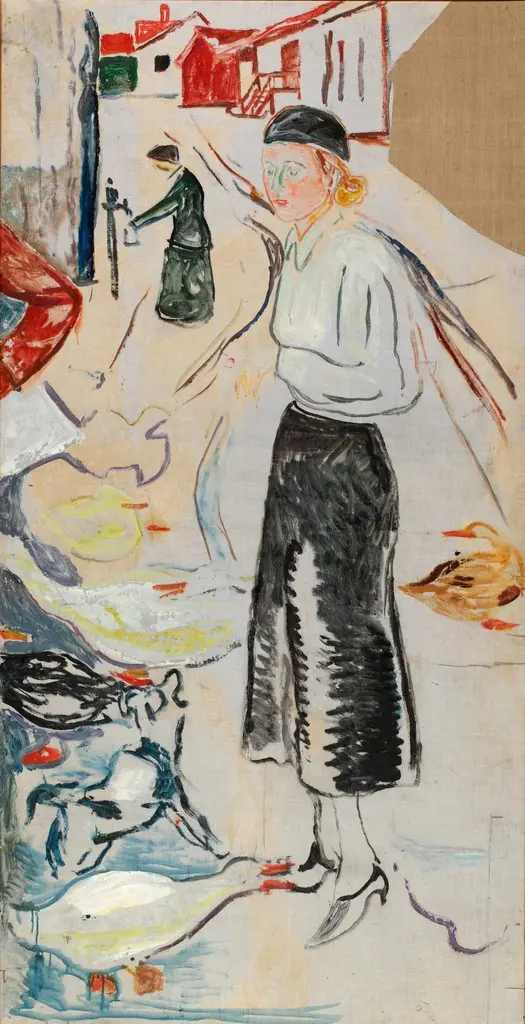 Hanna Brieschke in Åsgårdstrand
 Alma Mater: Standing Child
 Forest near Bagsværd Lake
 George Gershwin-I'll Build a Stairway to Paradise
 Forest near Bagsværd Lake
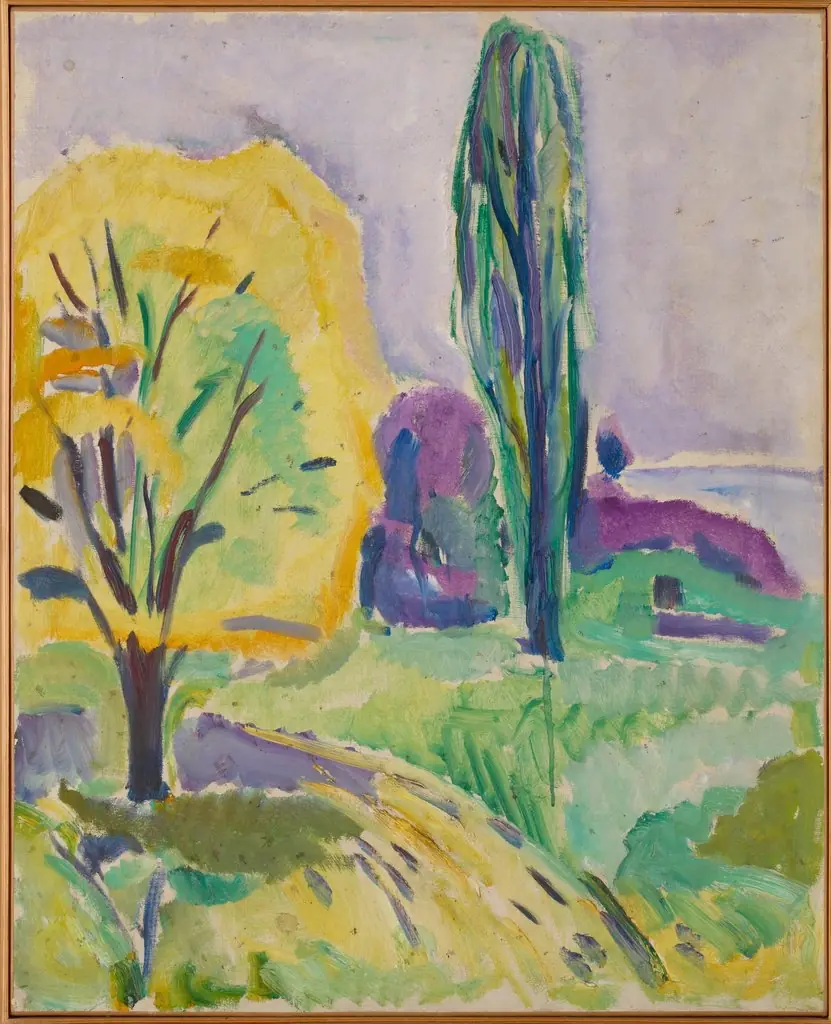 Yellow and Green Tree
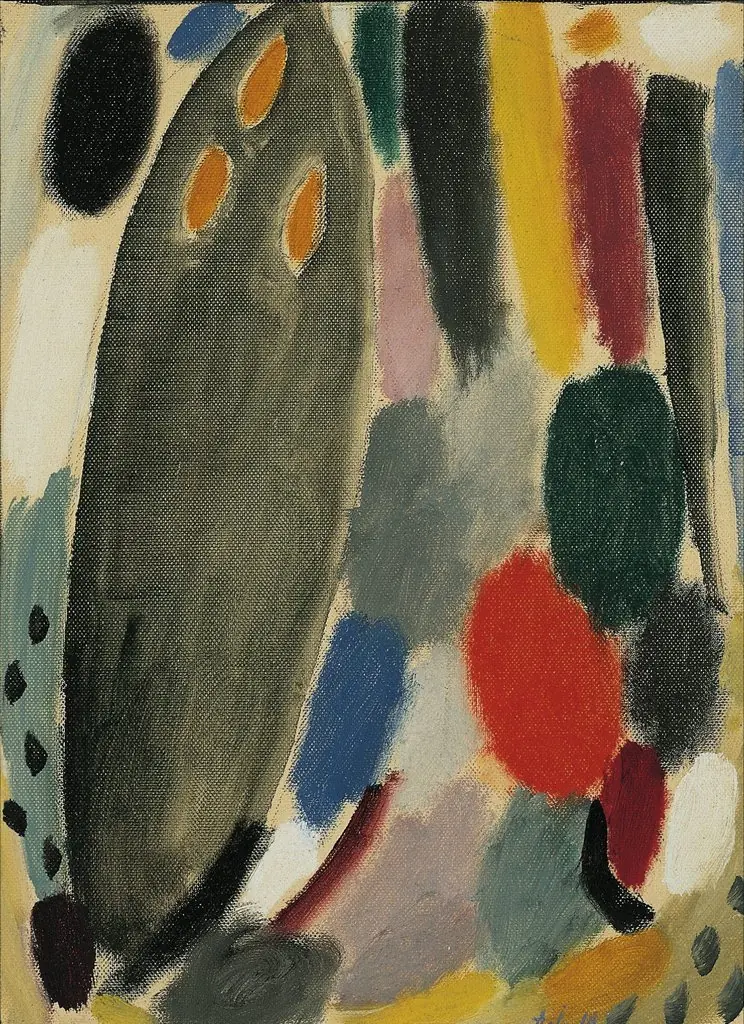 Variation: Mourning